 Wine Advisor



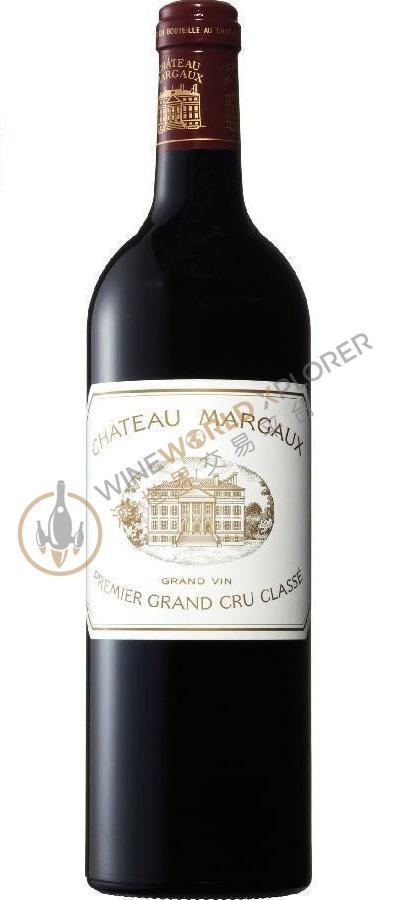
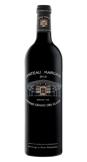
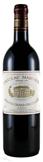
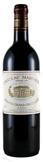
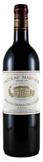
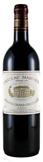
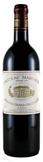
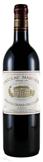
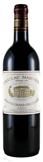
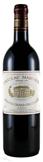
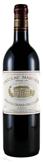
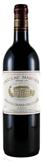
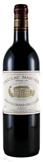
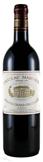
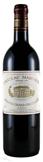
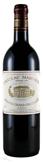
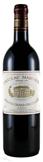
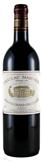
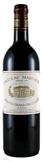
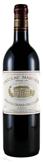
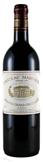
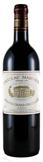
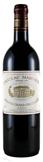
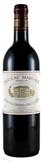
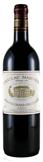
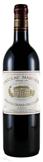
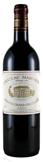
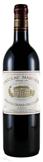
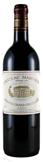
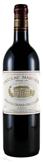
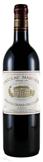
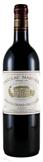
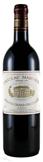
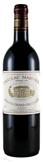
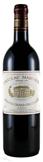
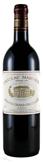
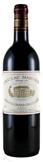
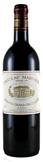
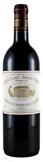
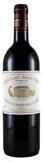
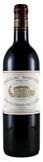
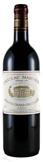
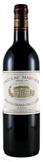
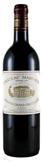
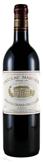
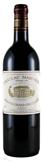
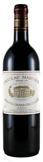
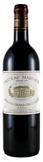
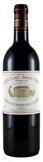
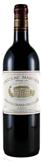
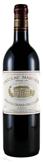
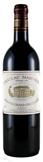
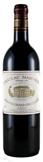
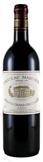
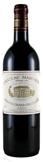
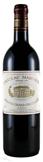
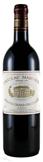
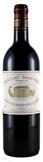
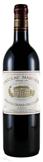
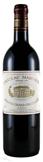
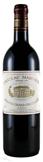
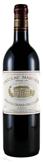
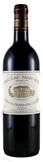
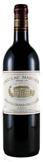
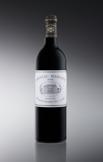
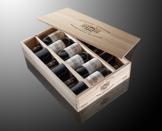
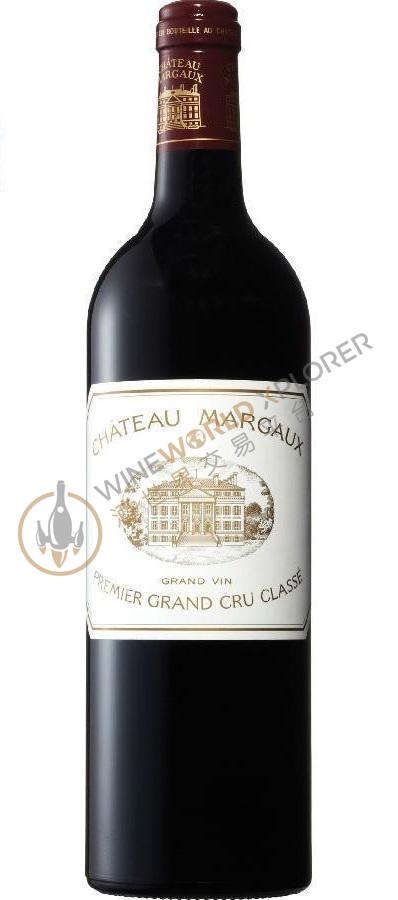
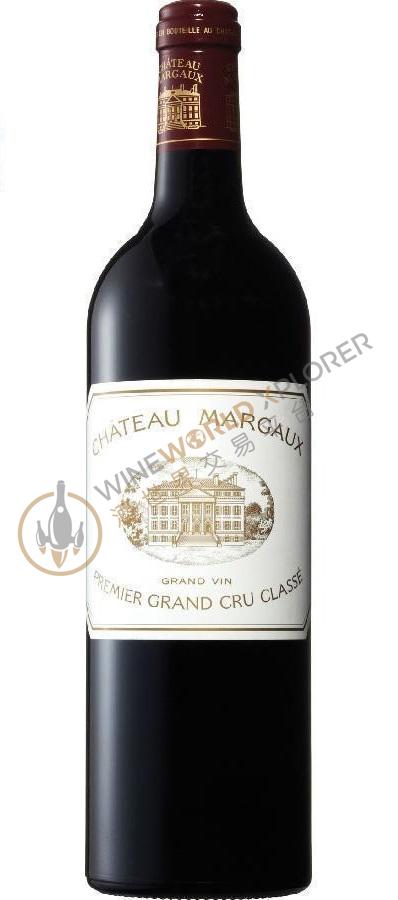
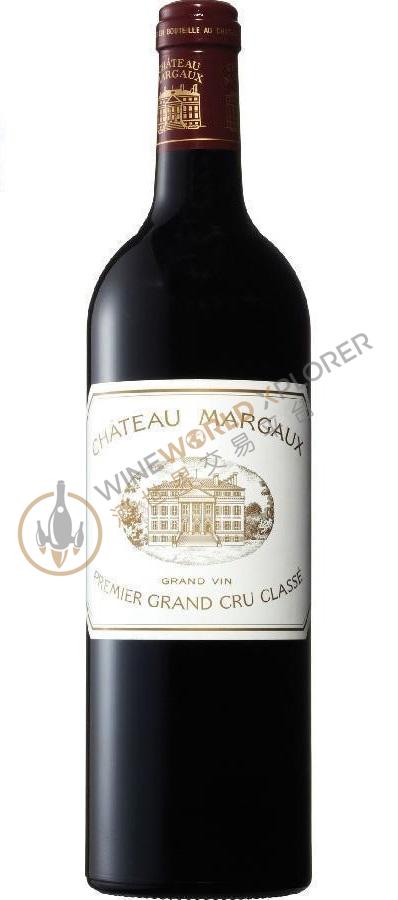
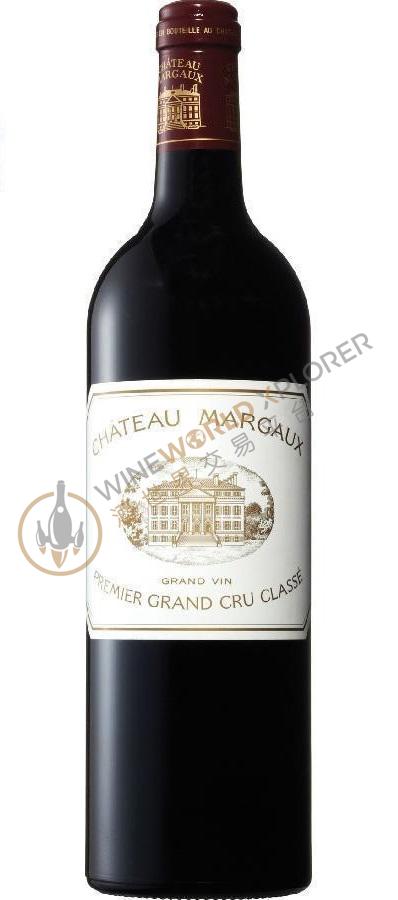
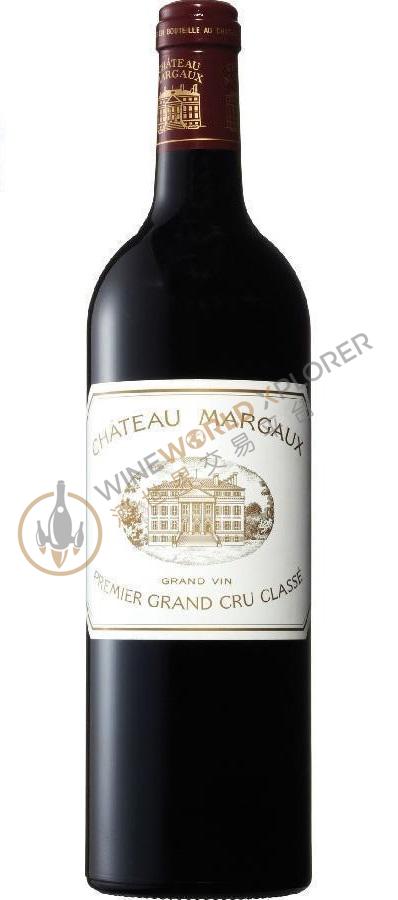
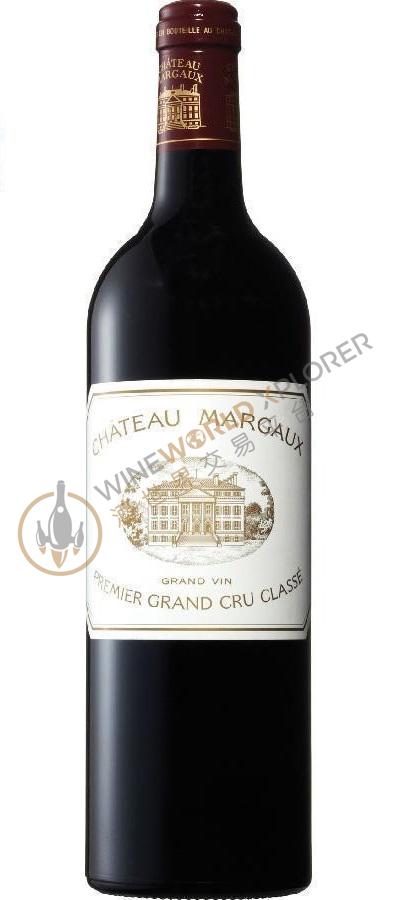
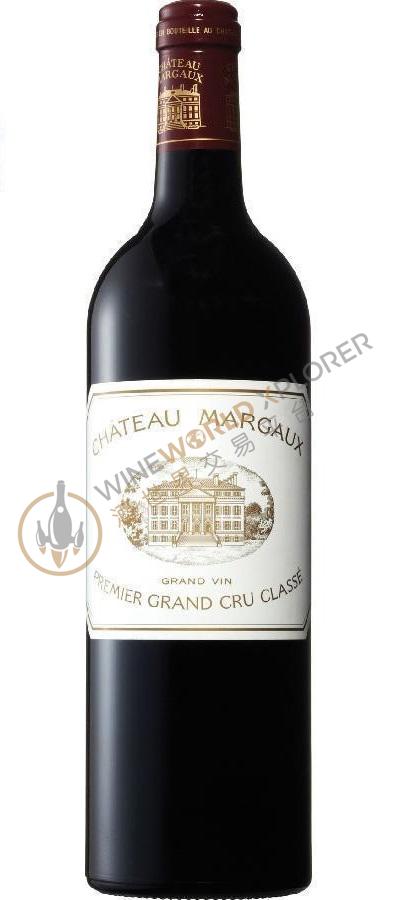
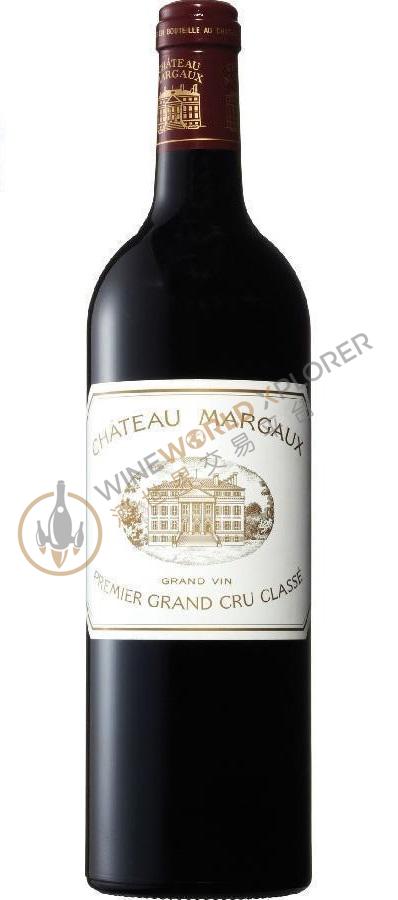
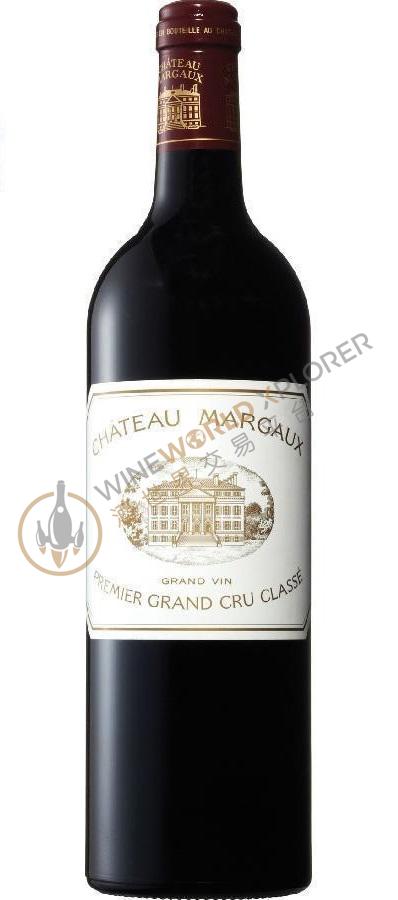
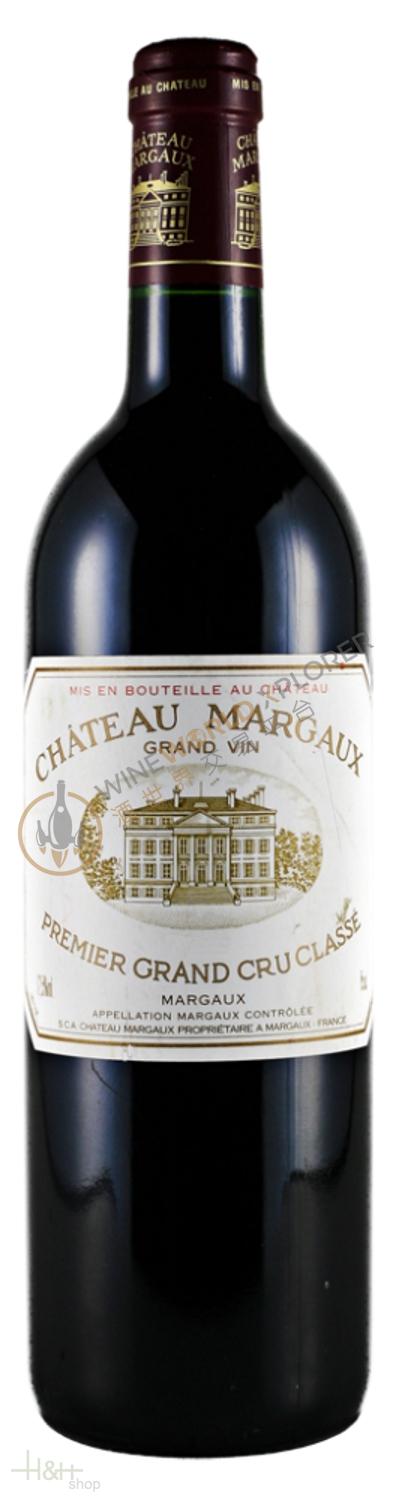
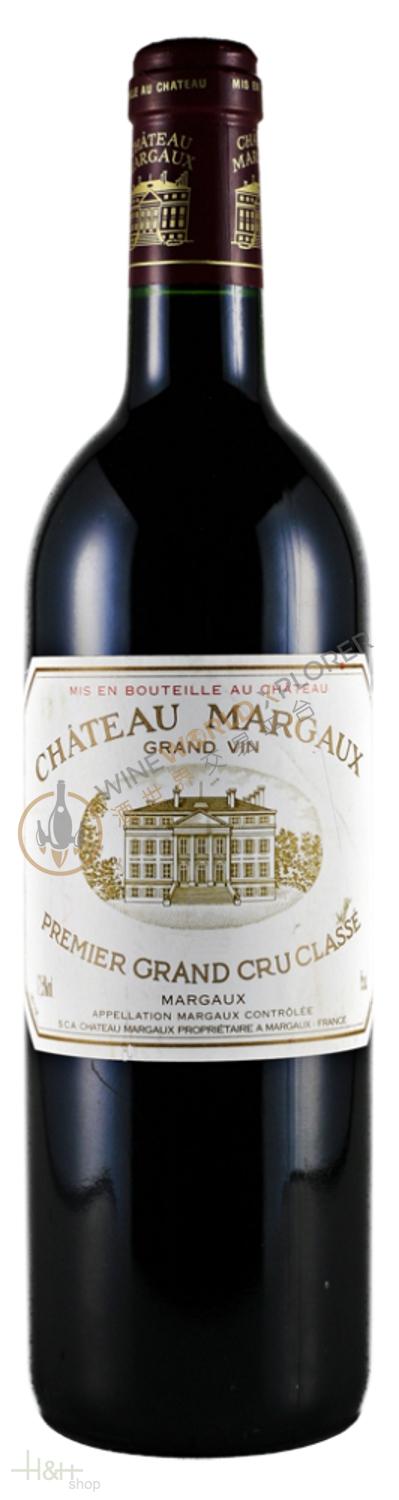
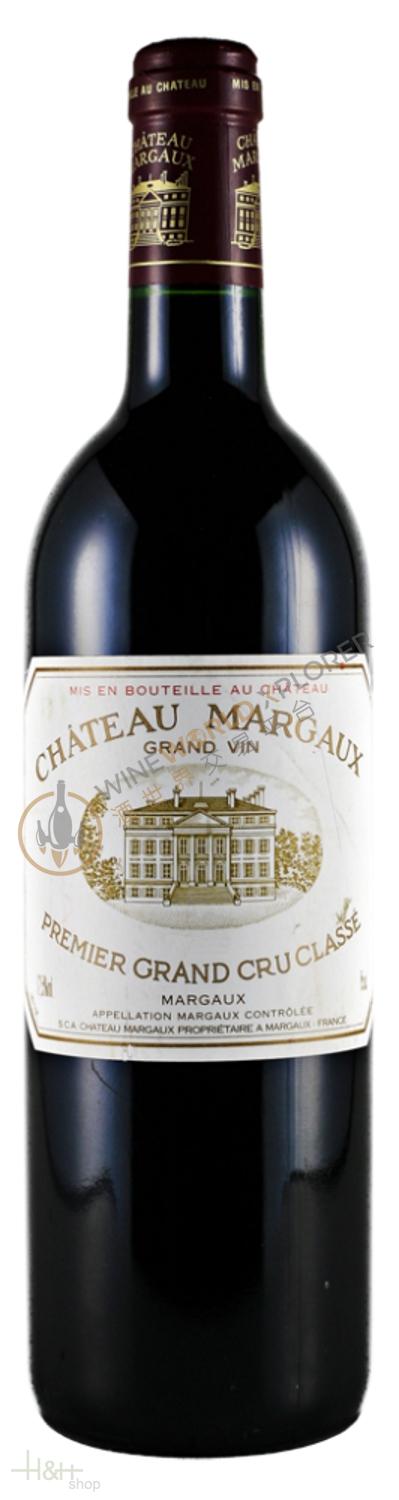
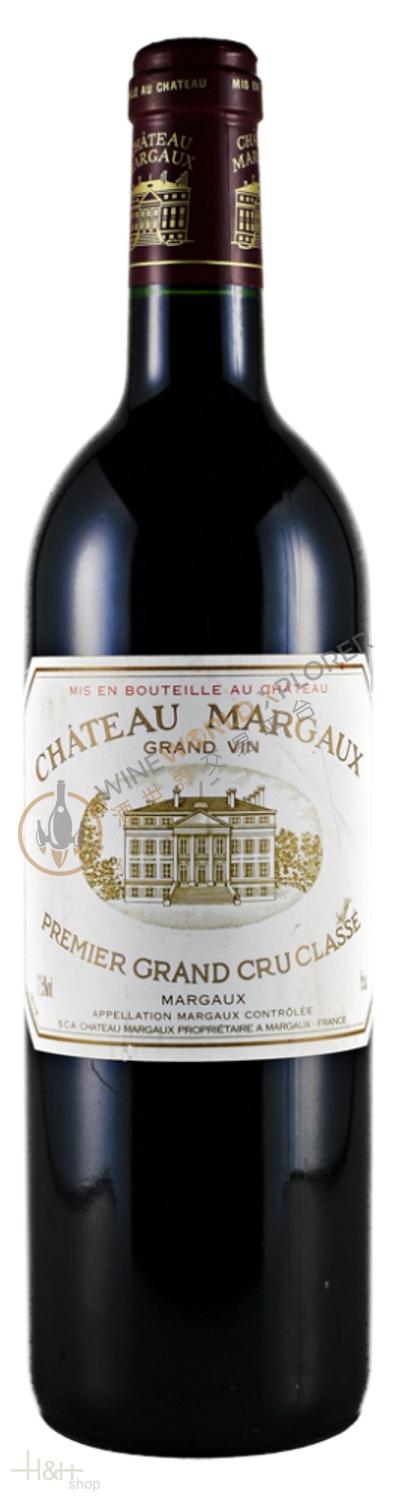
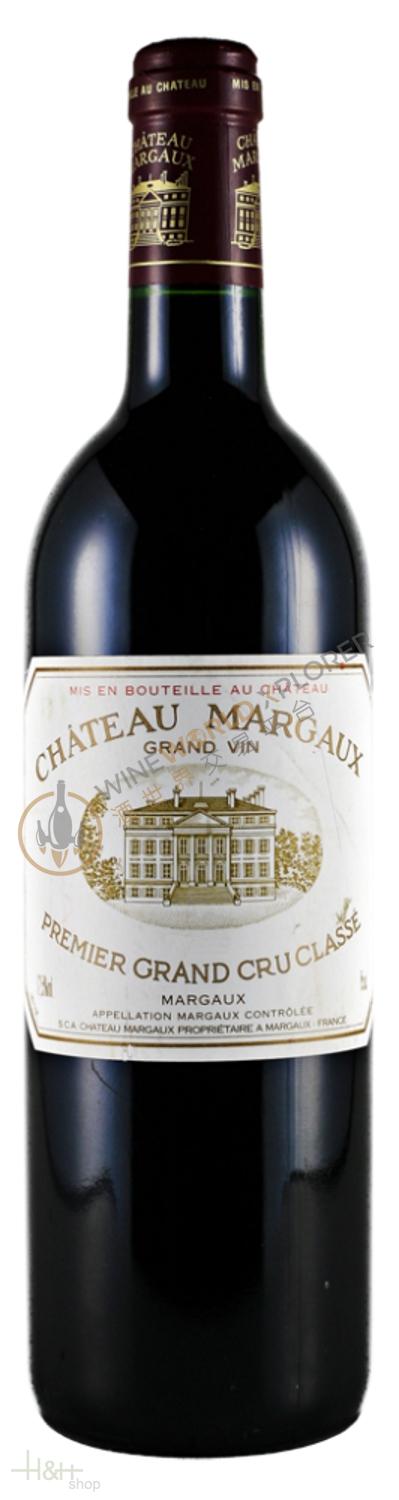
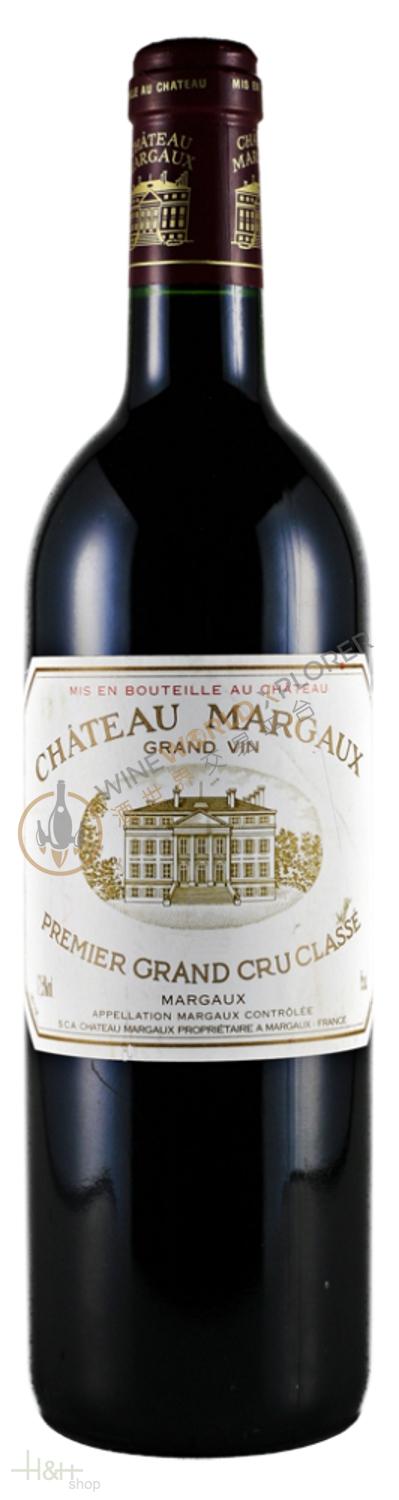
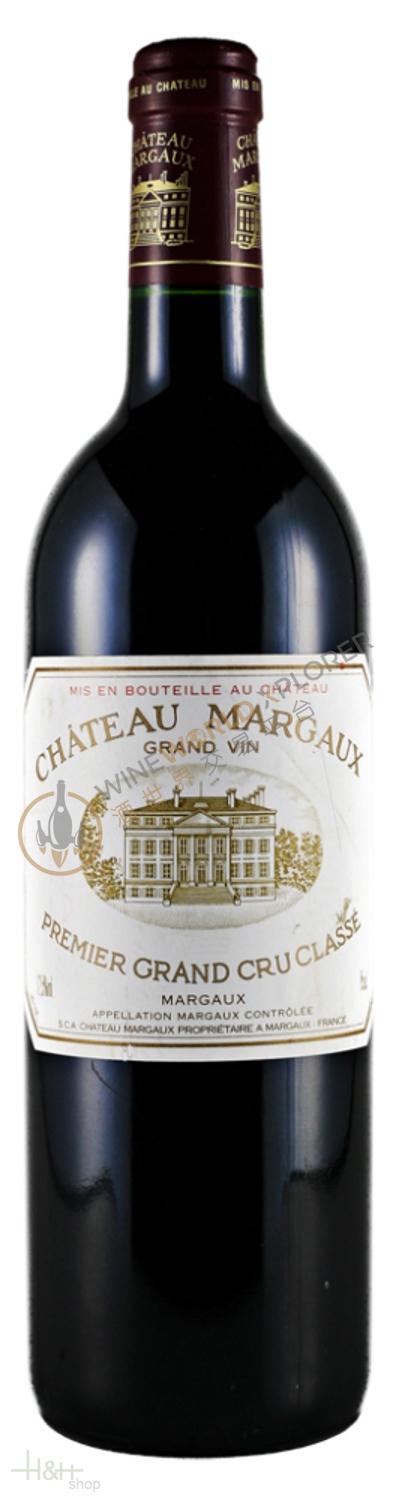
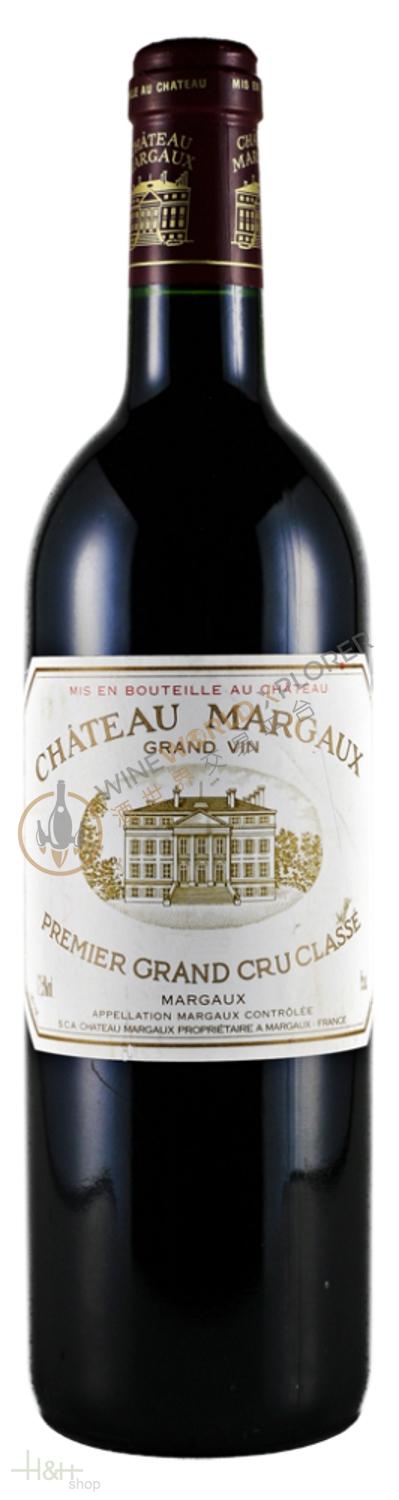
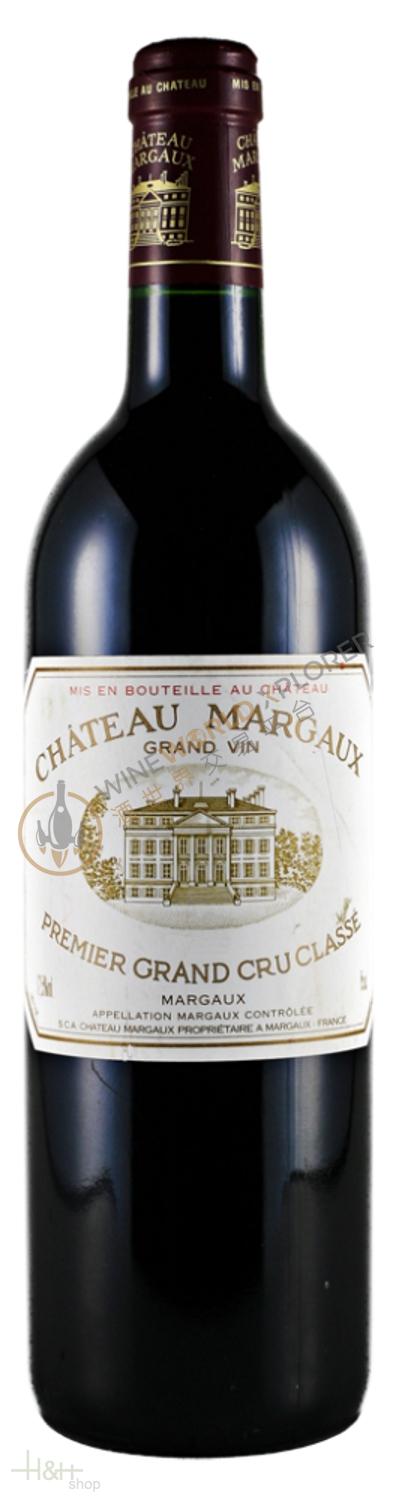
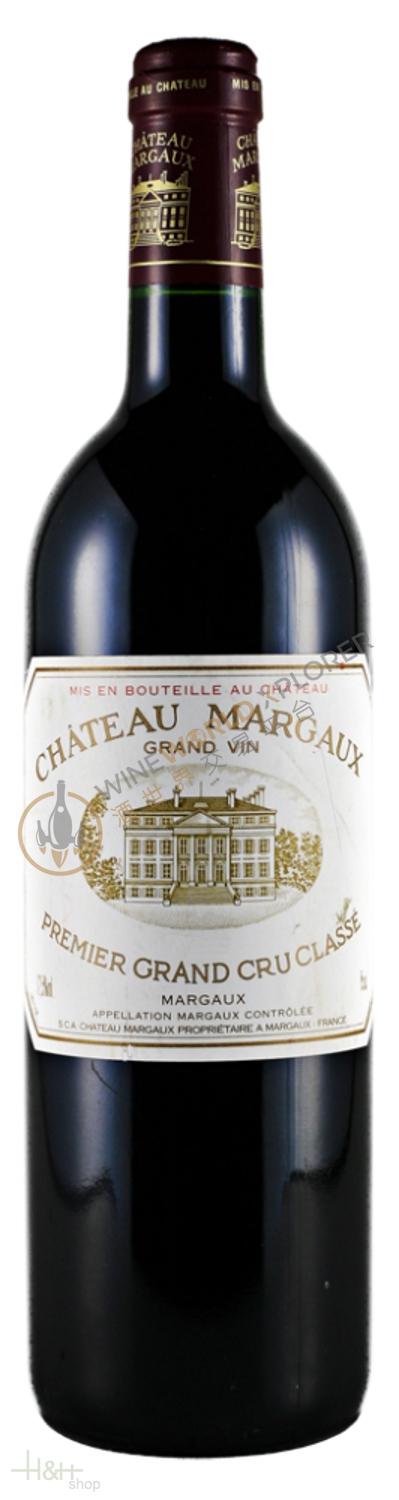
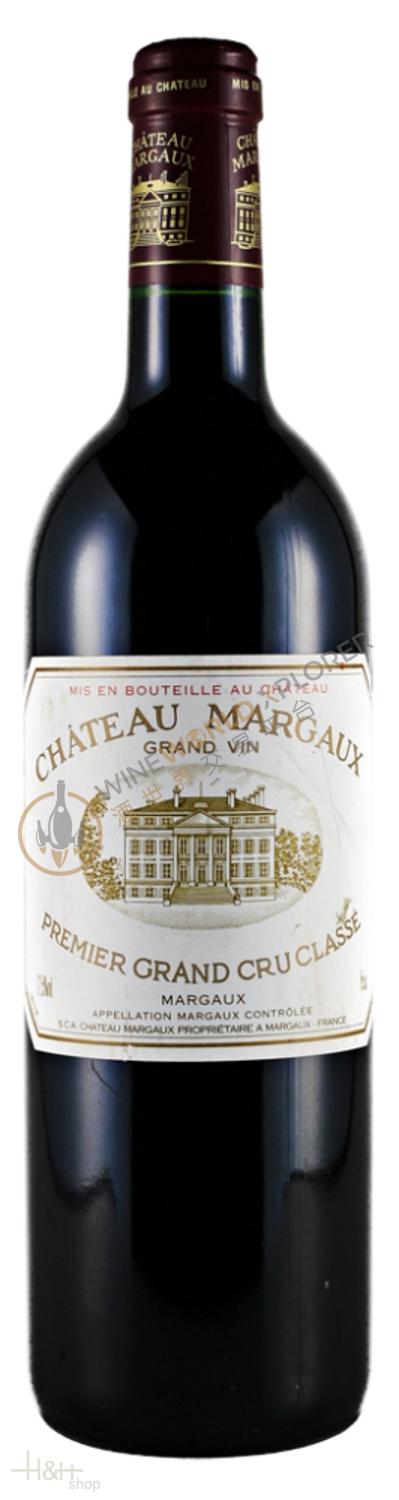
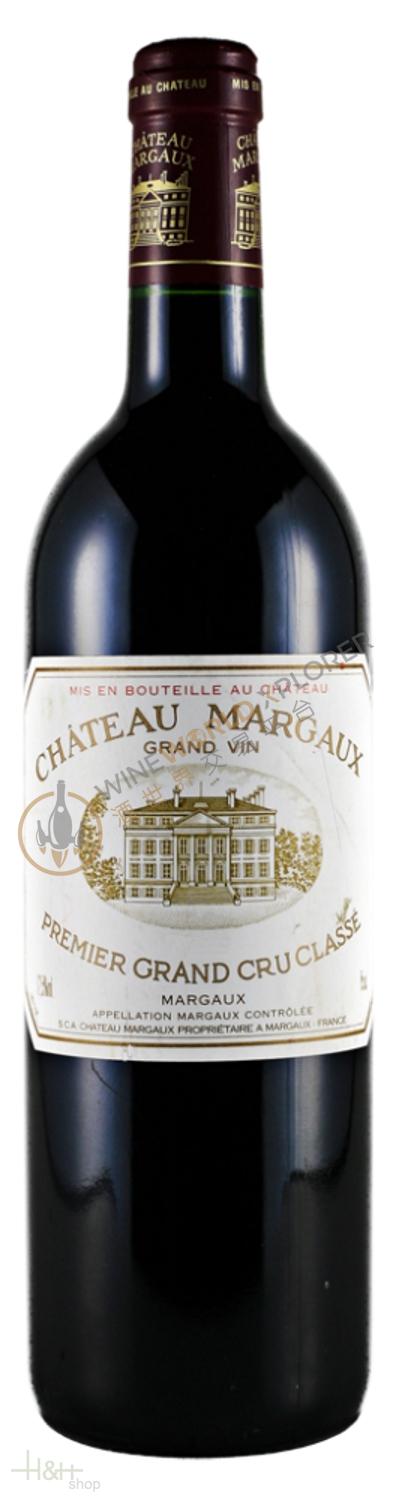
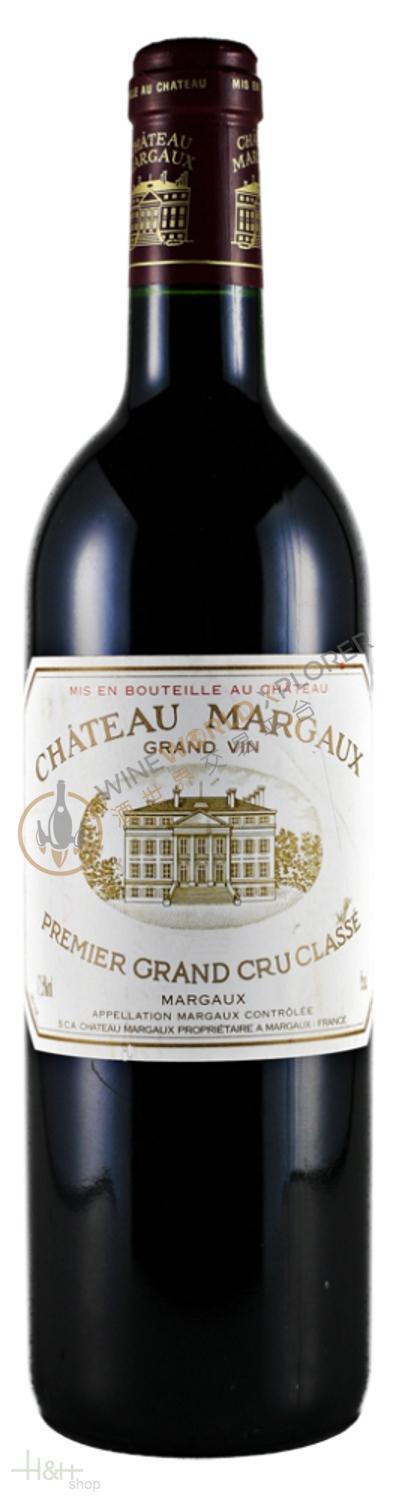
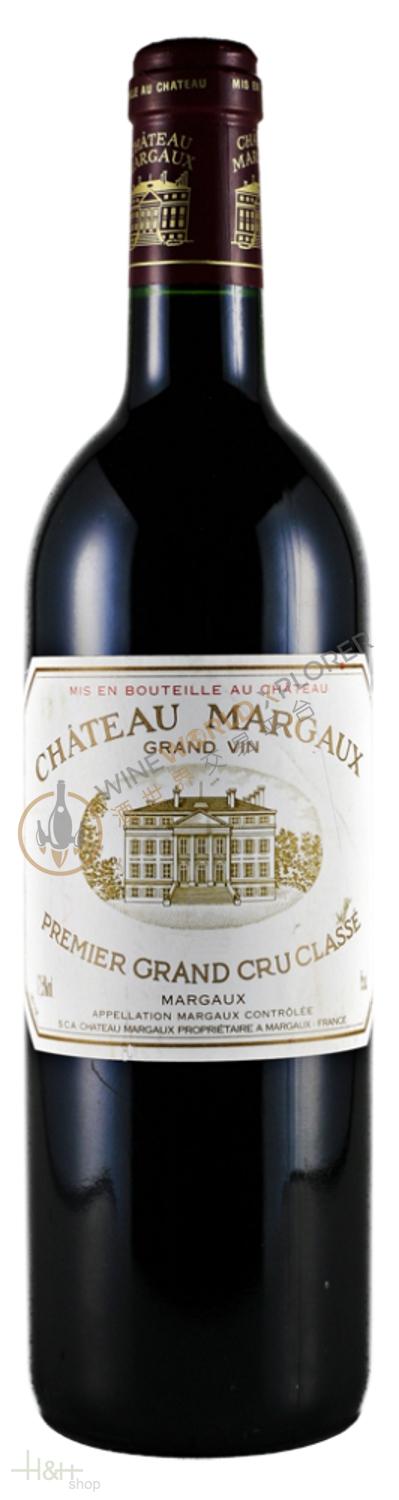
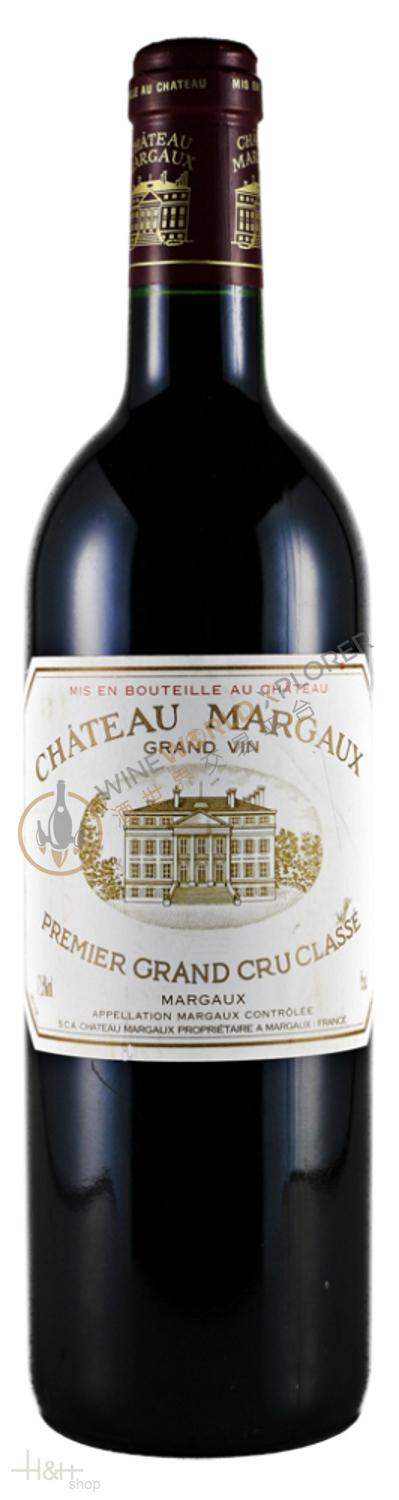
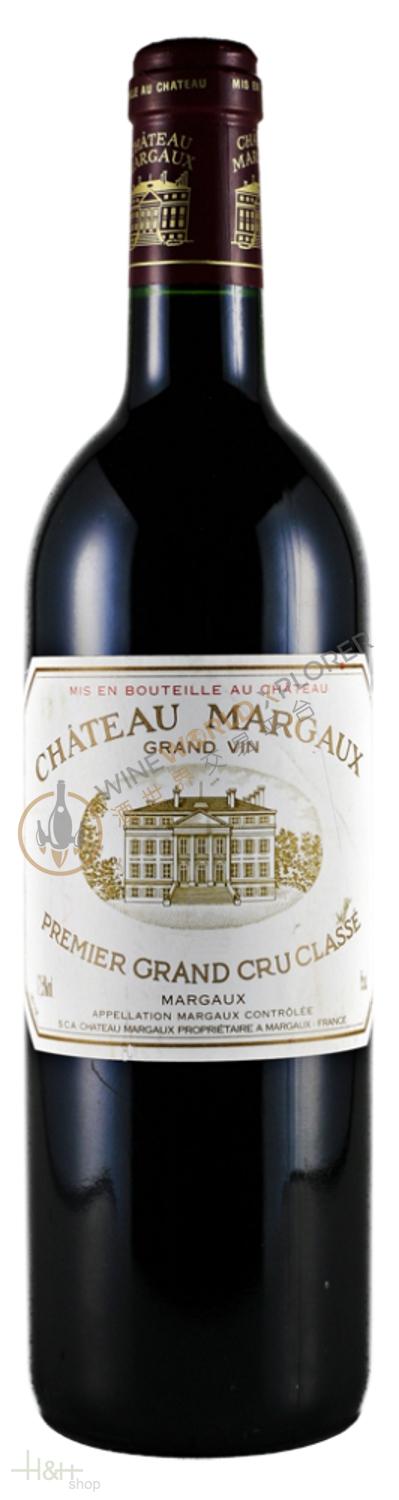
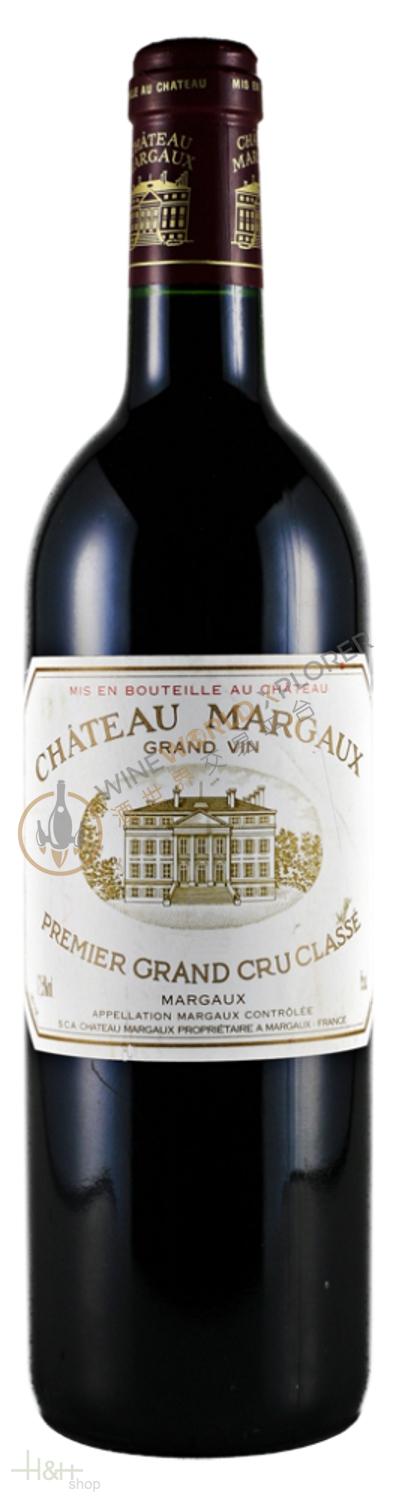
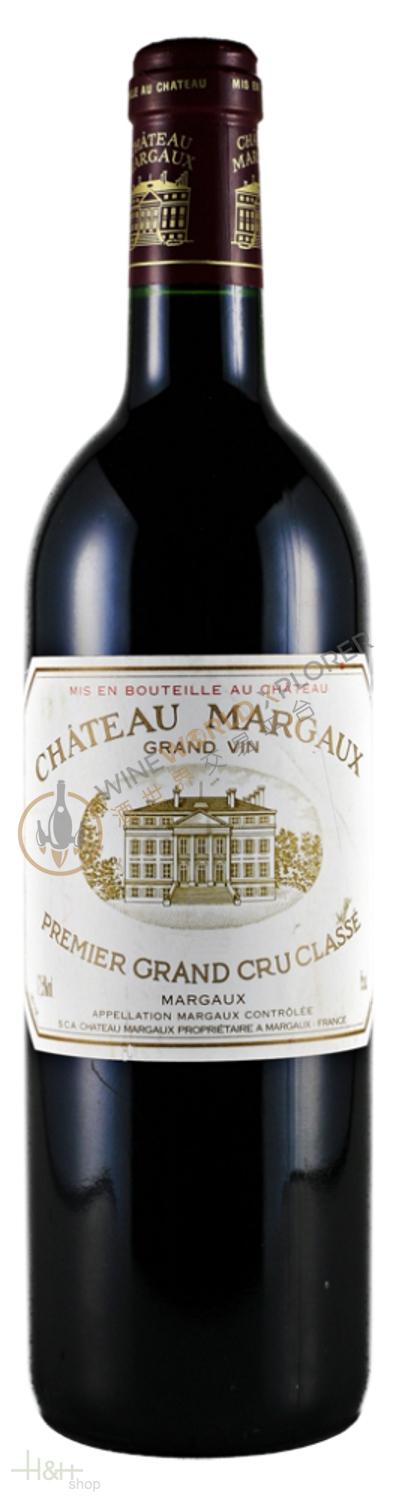
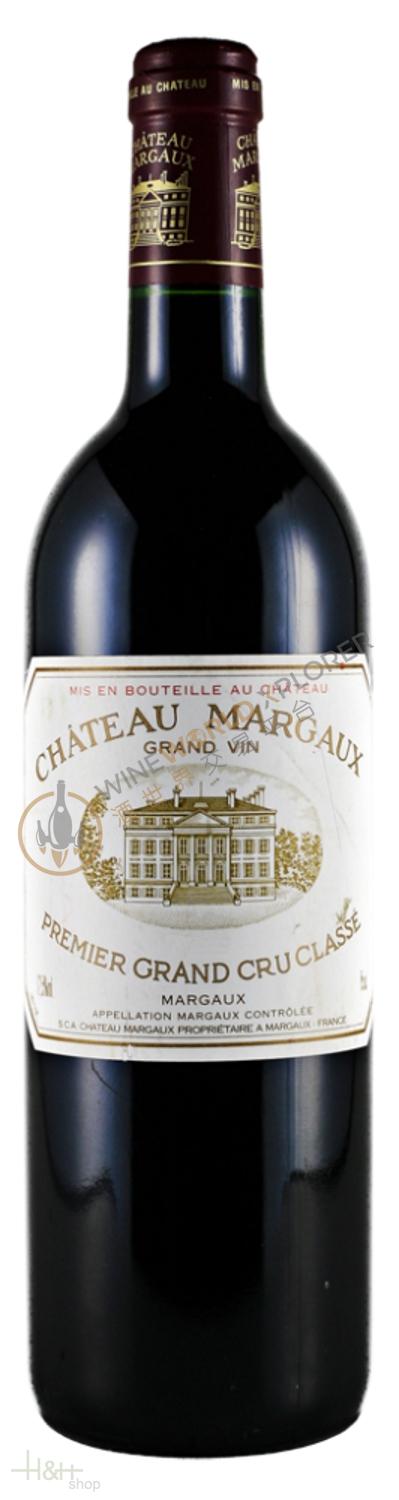
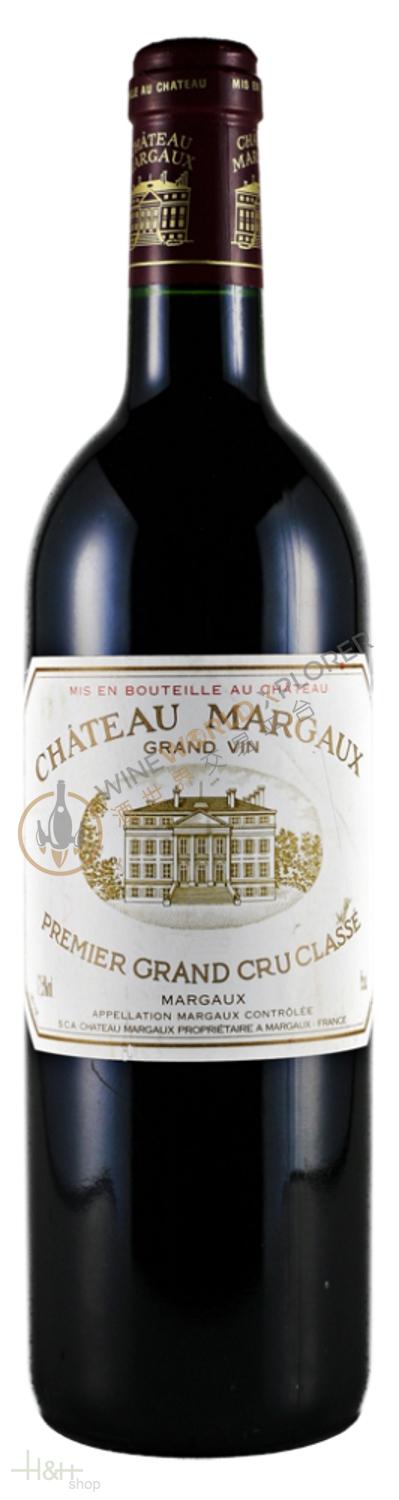
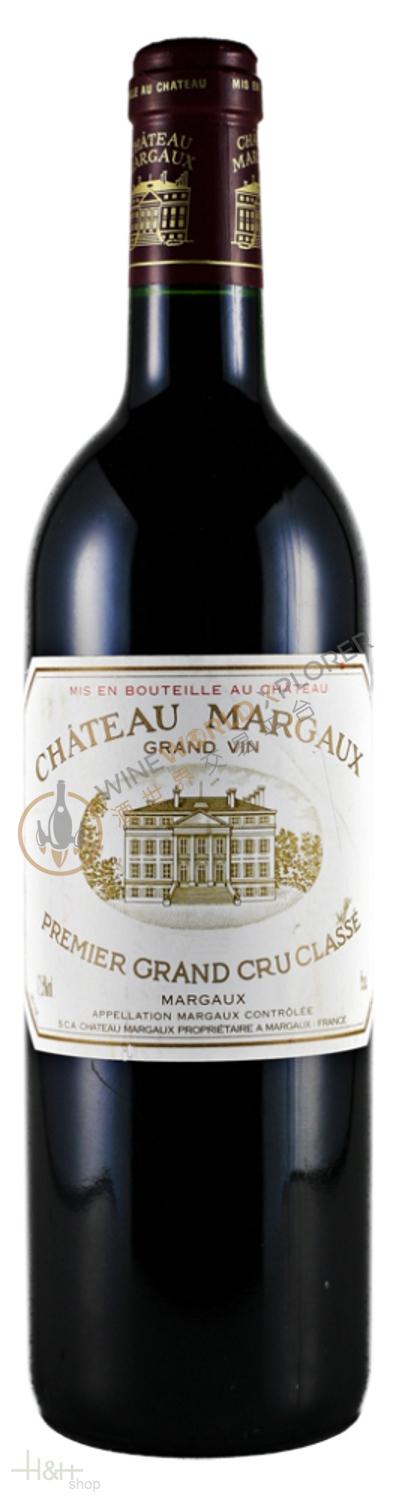
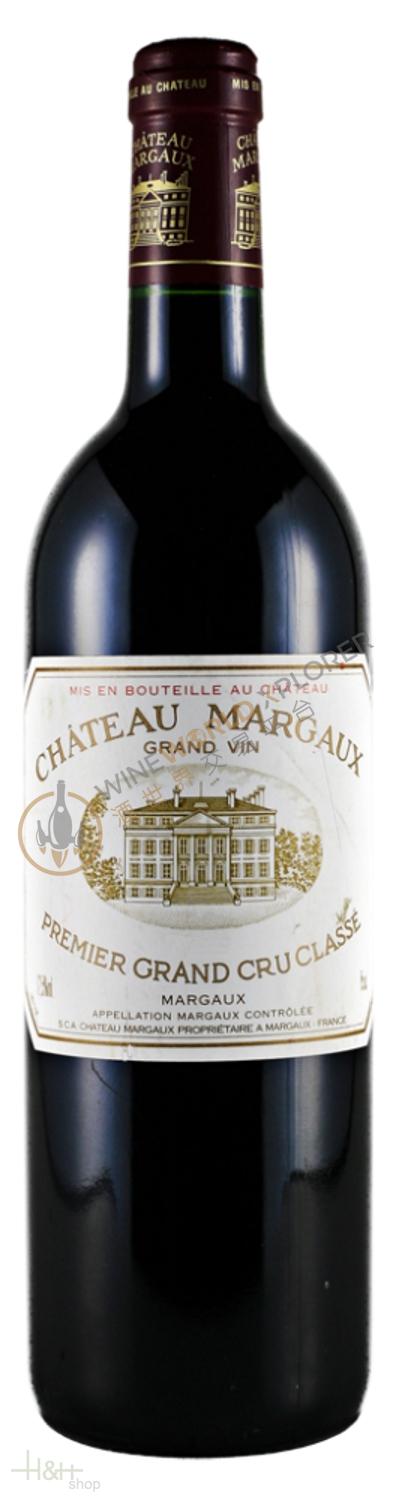
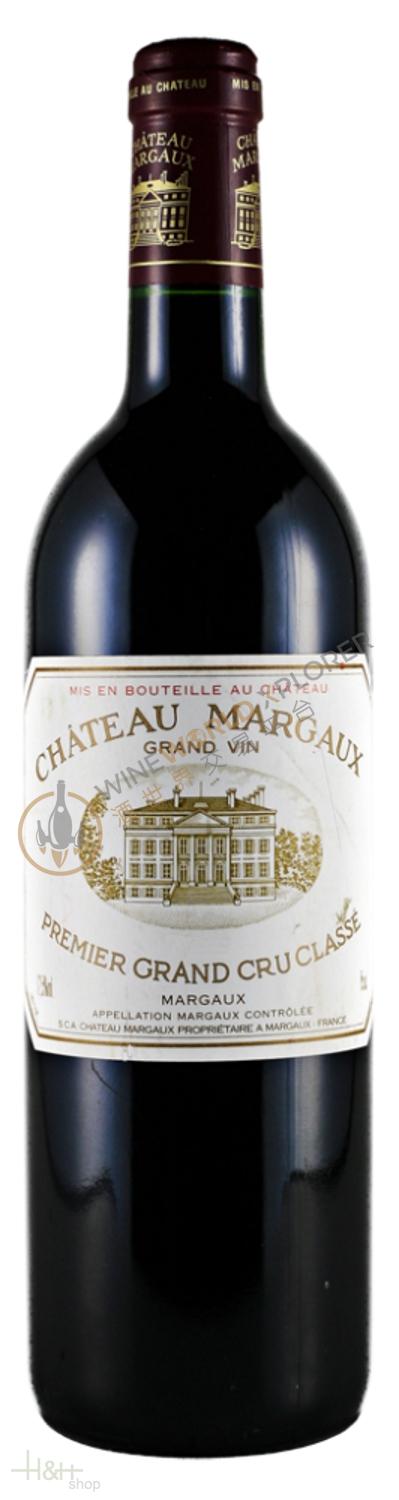
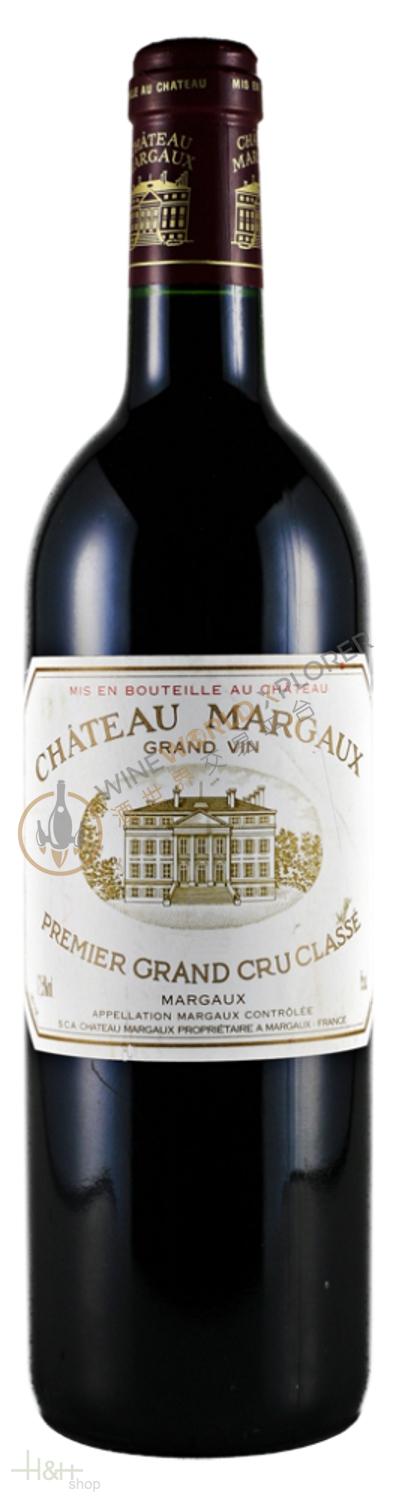
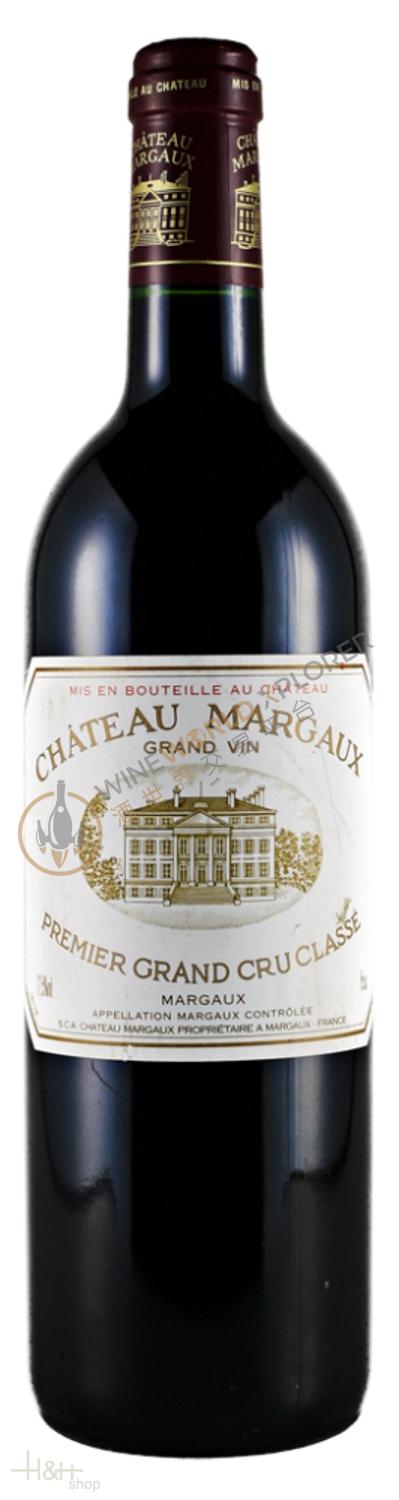
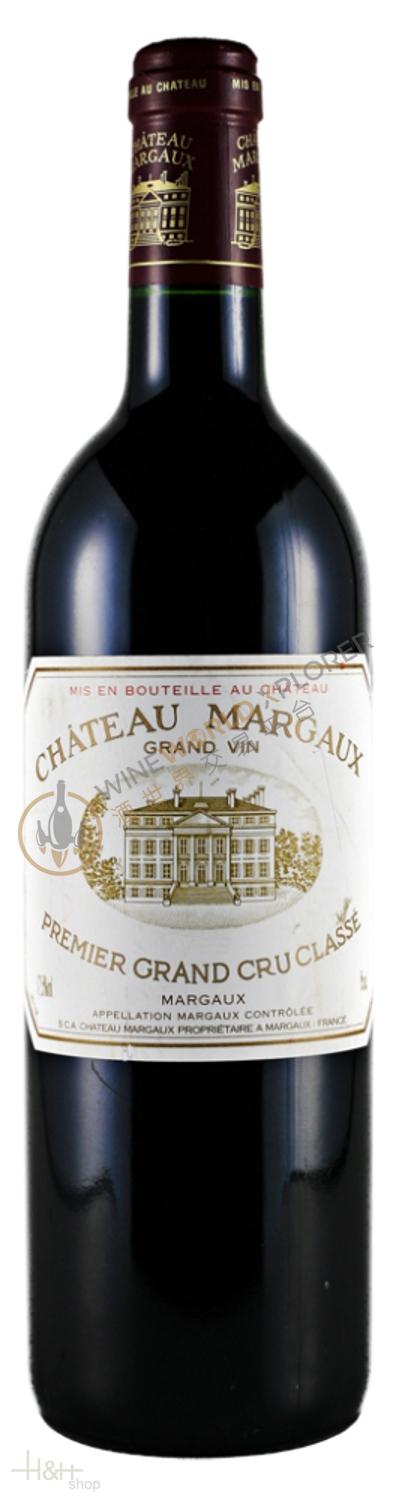
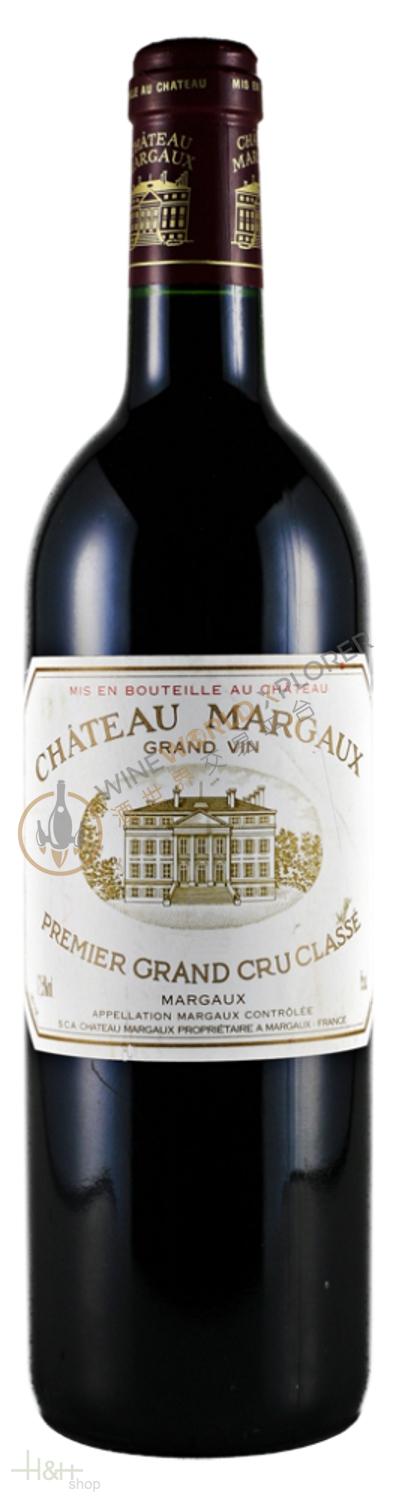
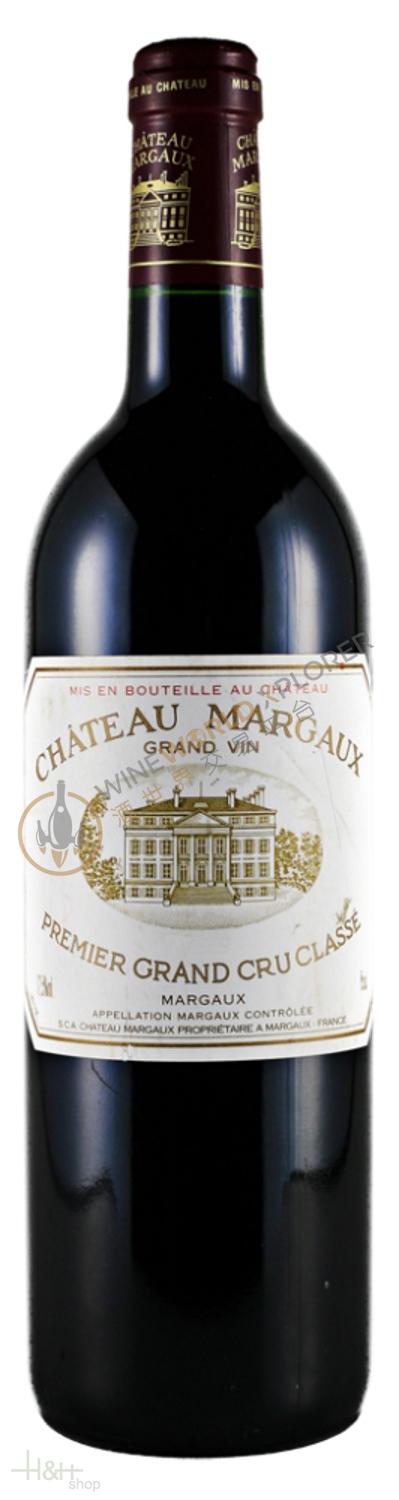
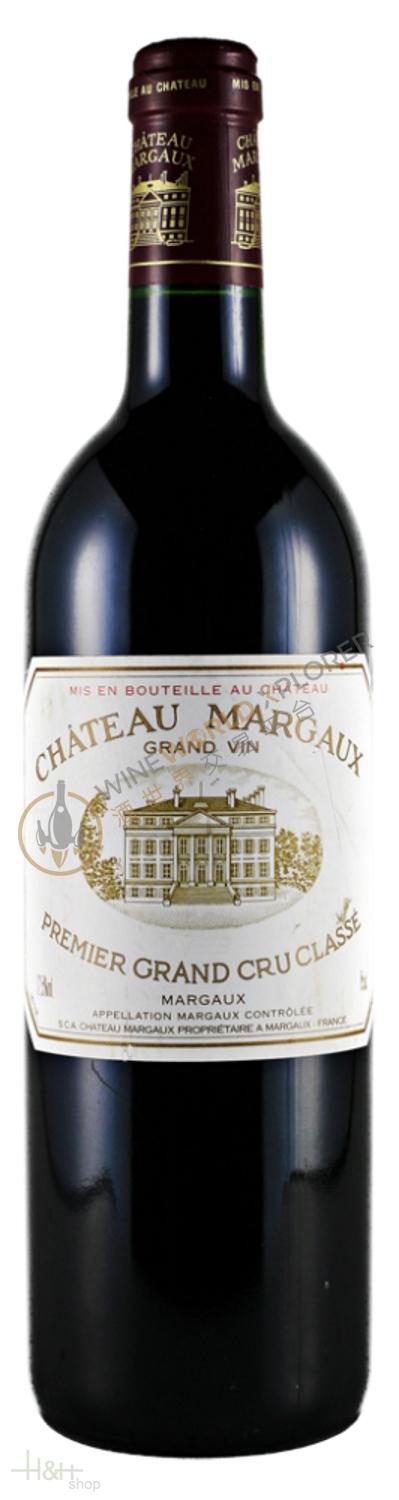
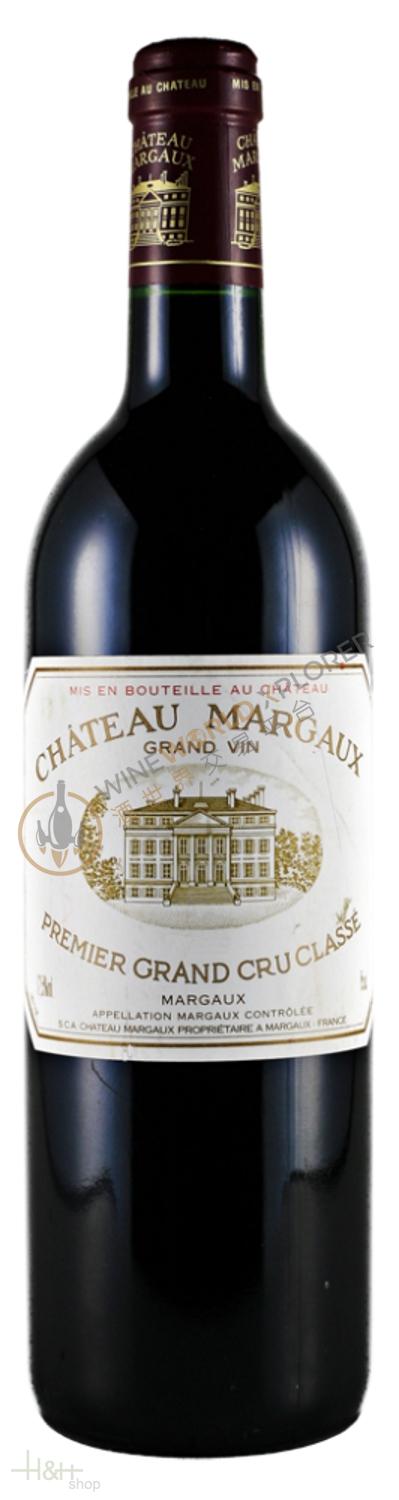
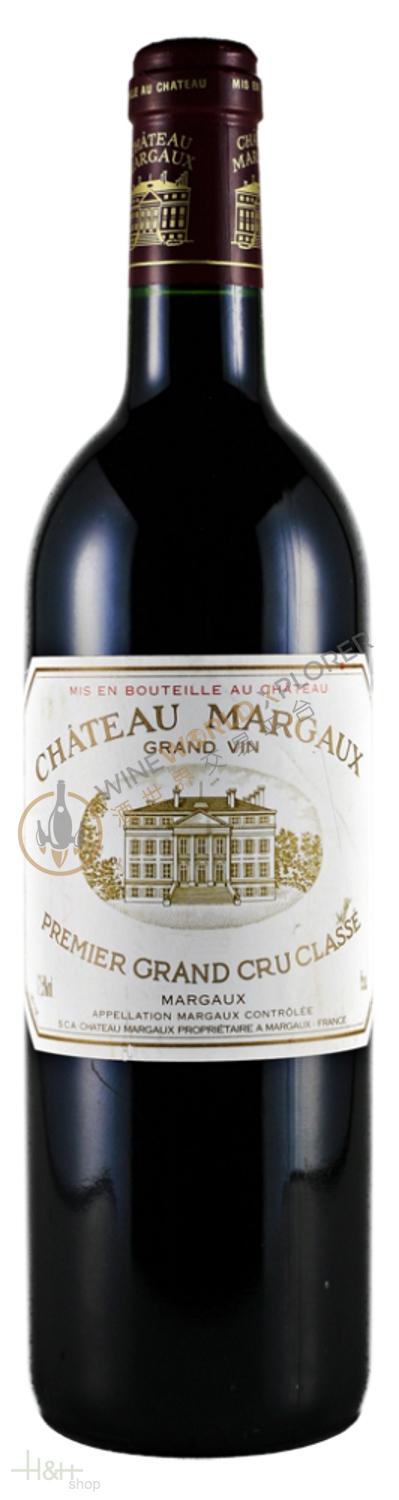
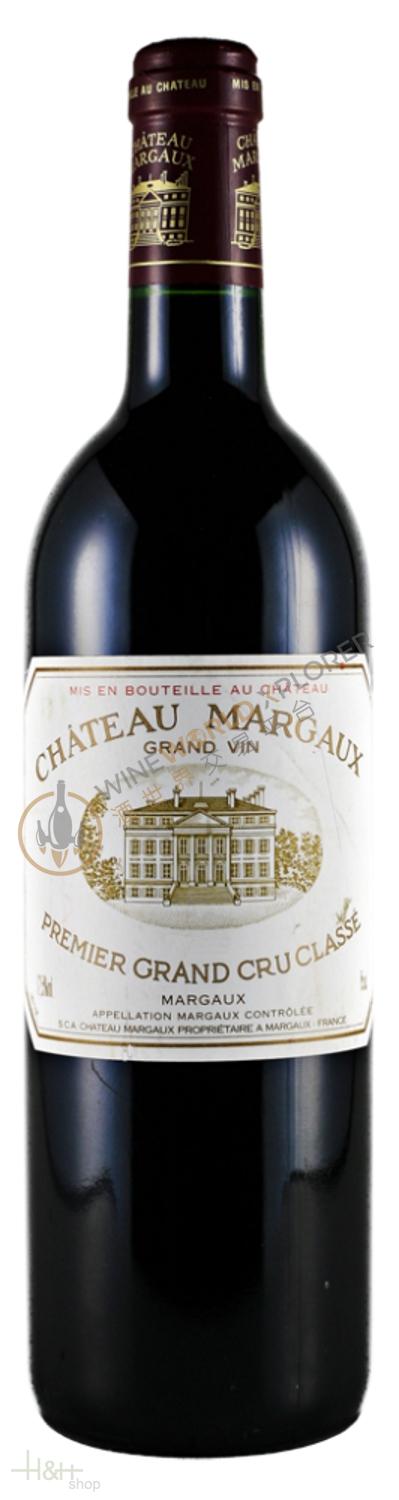
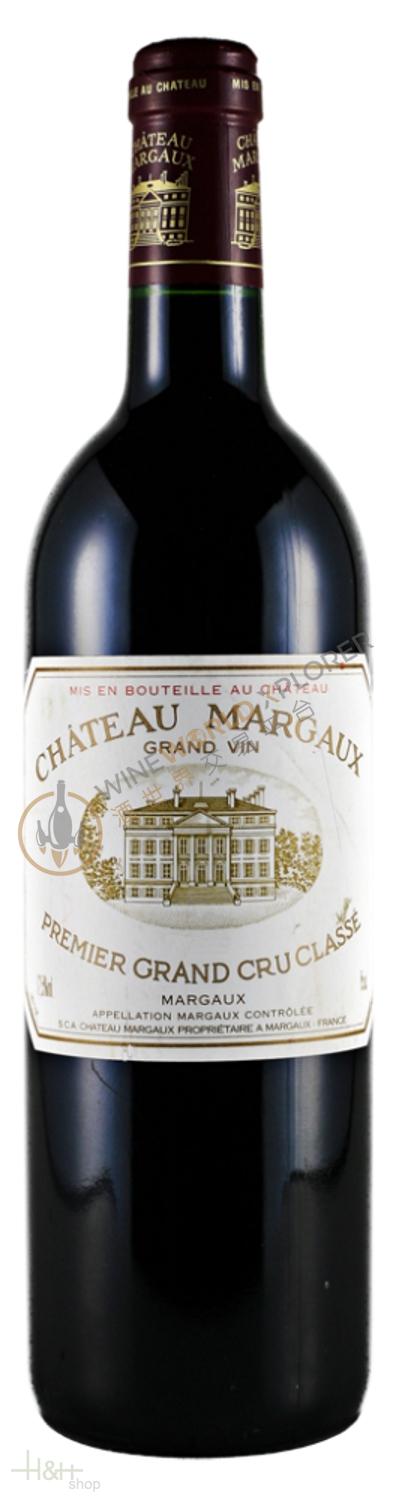
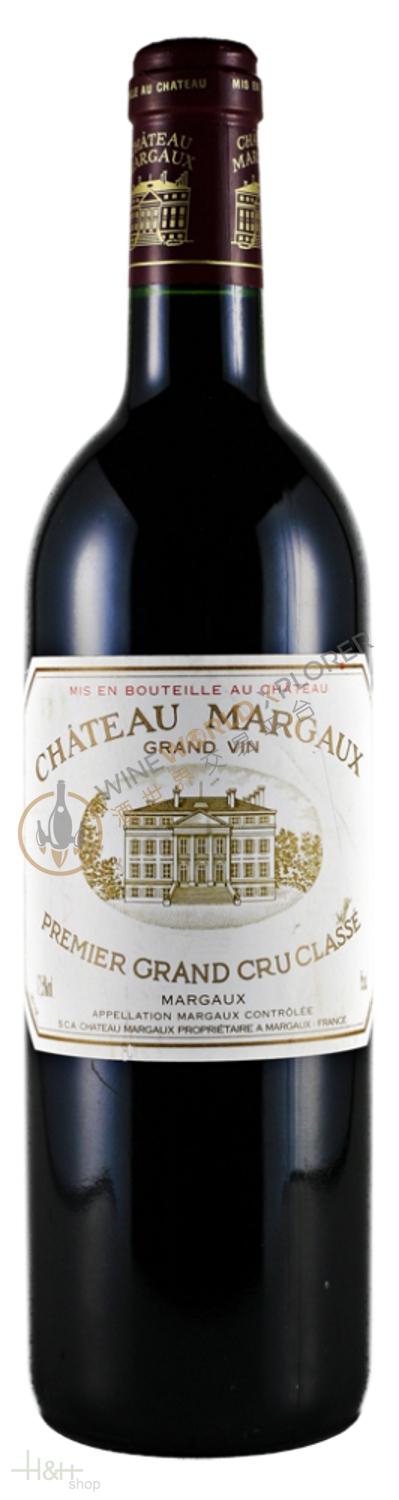
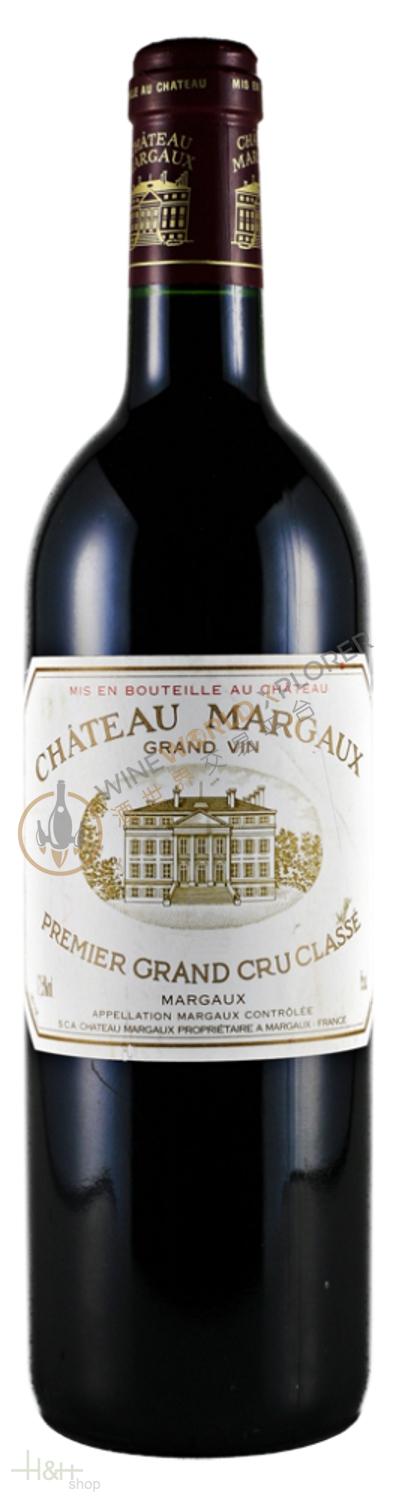
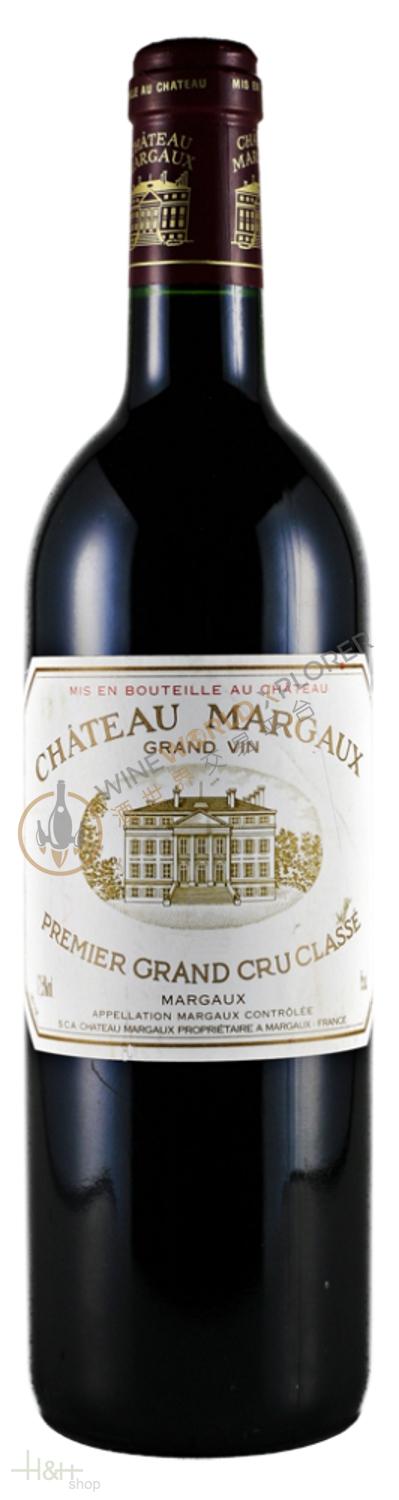
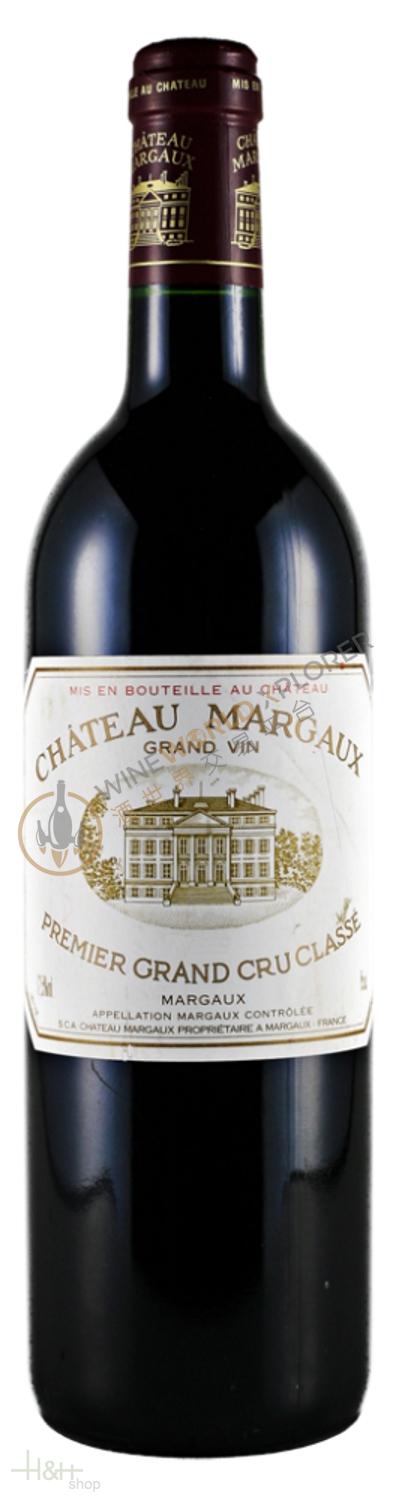
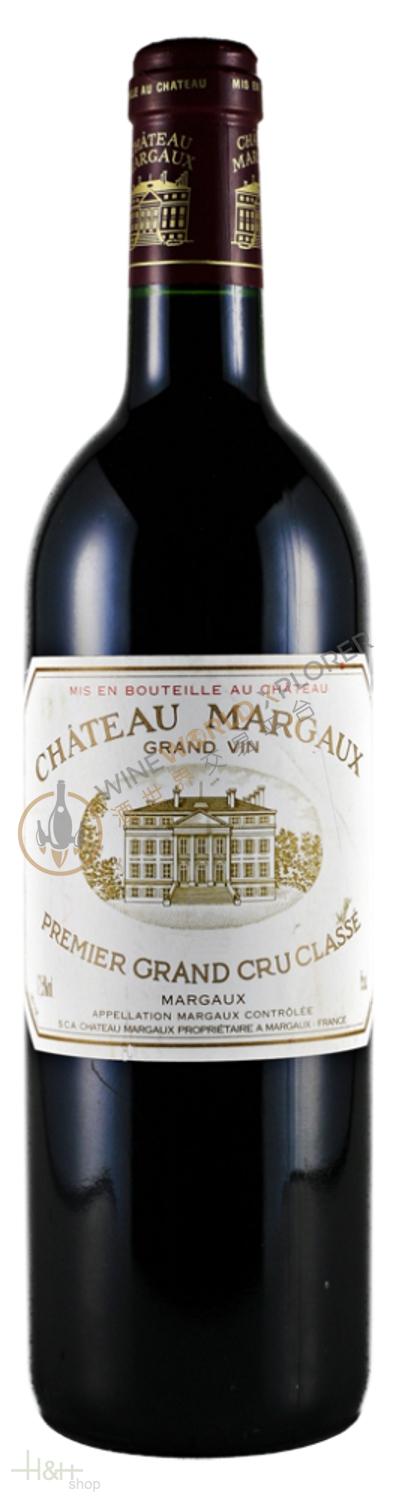
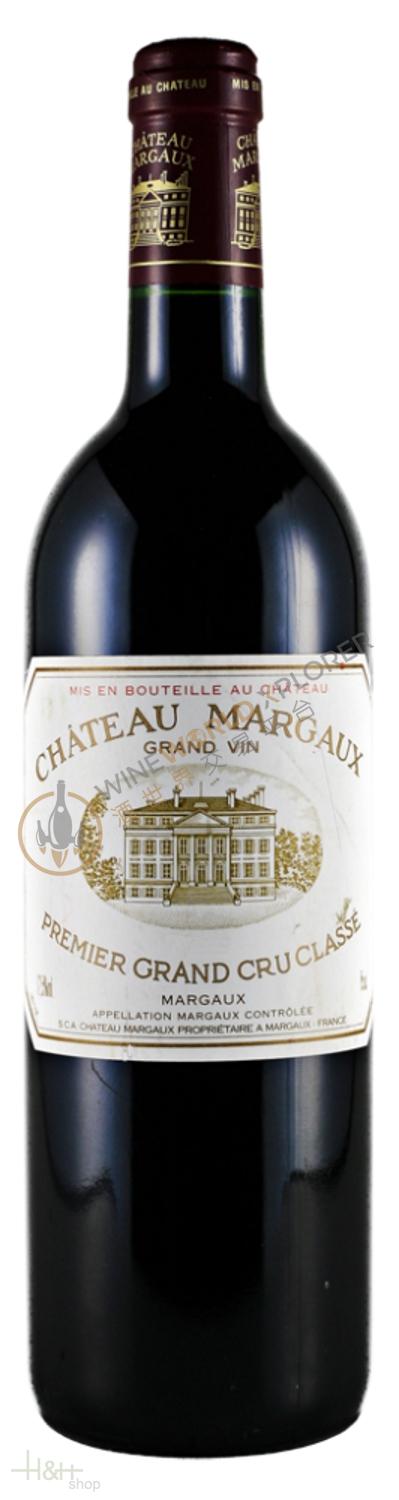
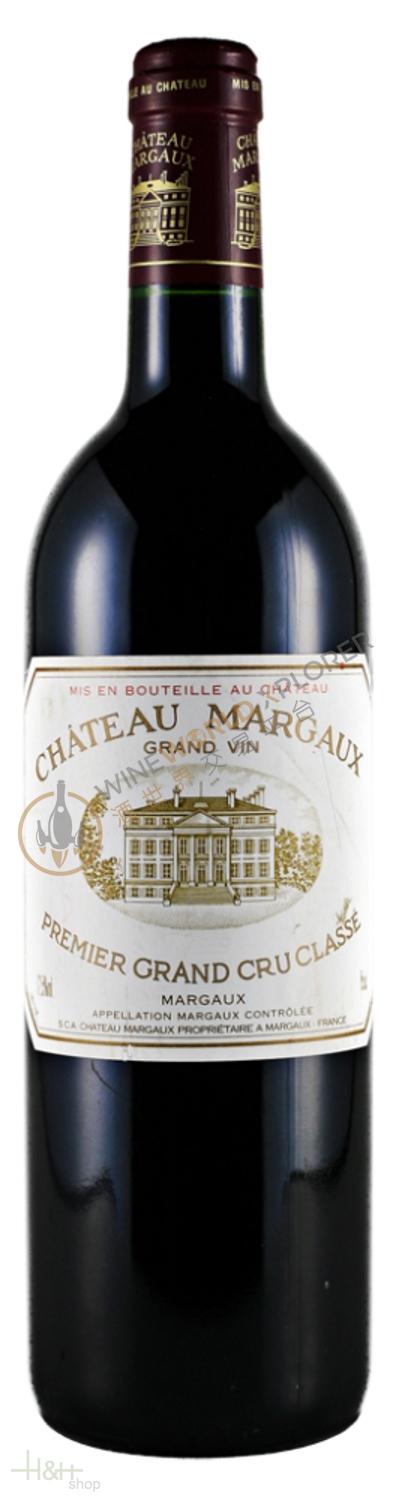
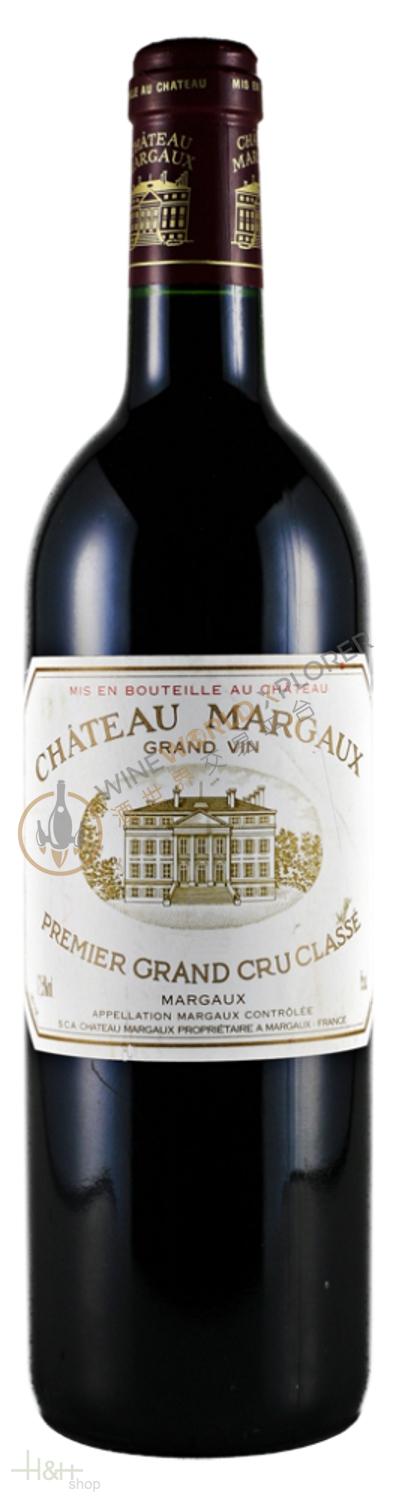
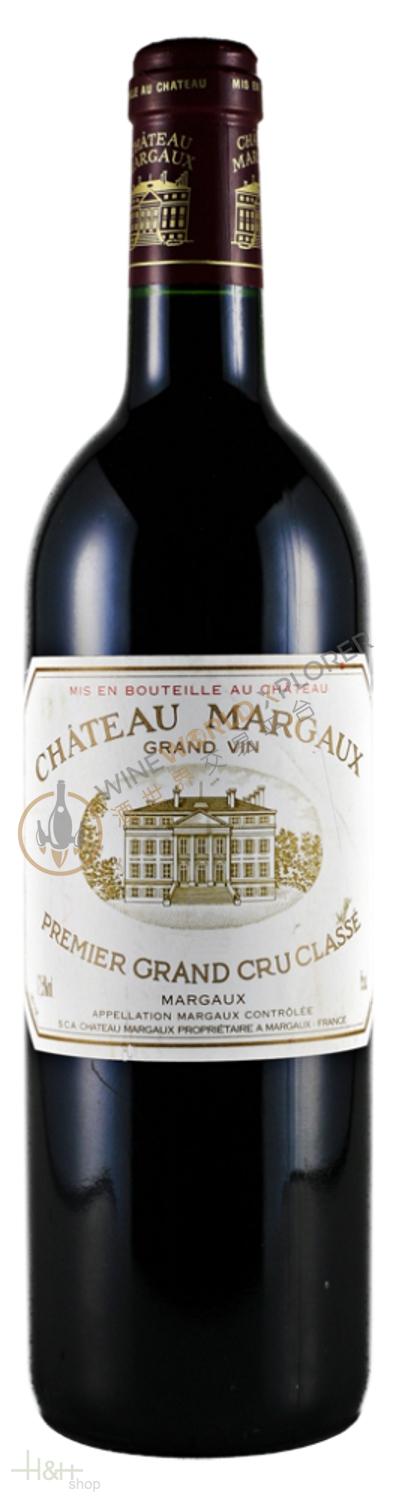
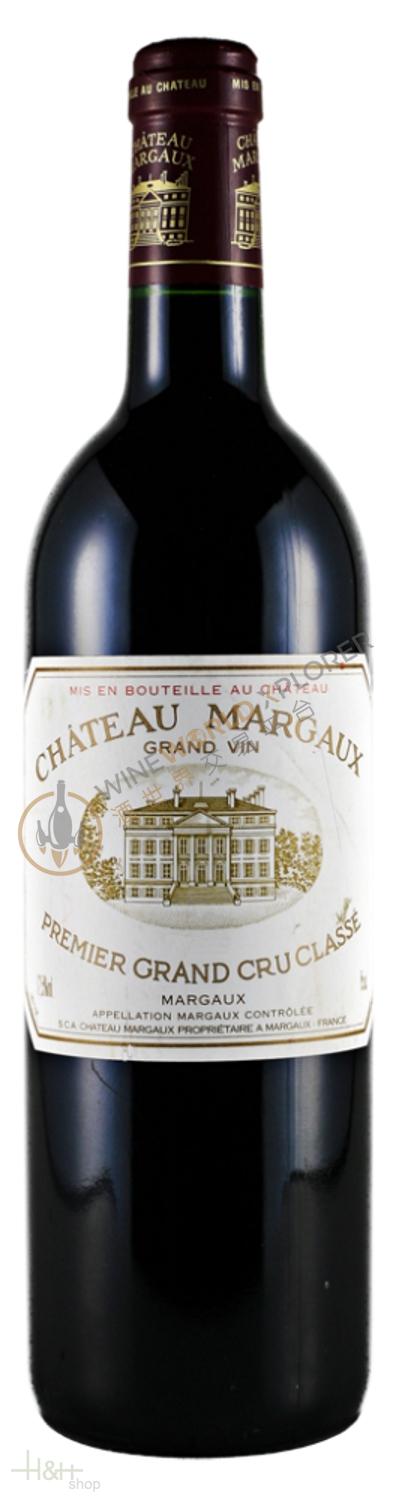
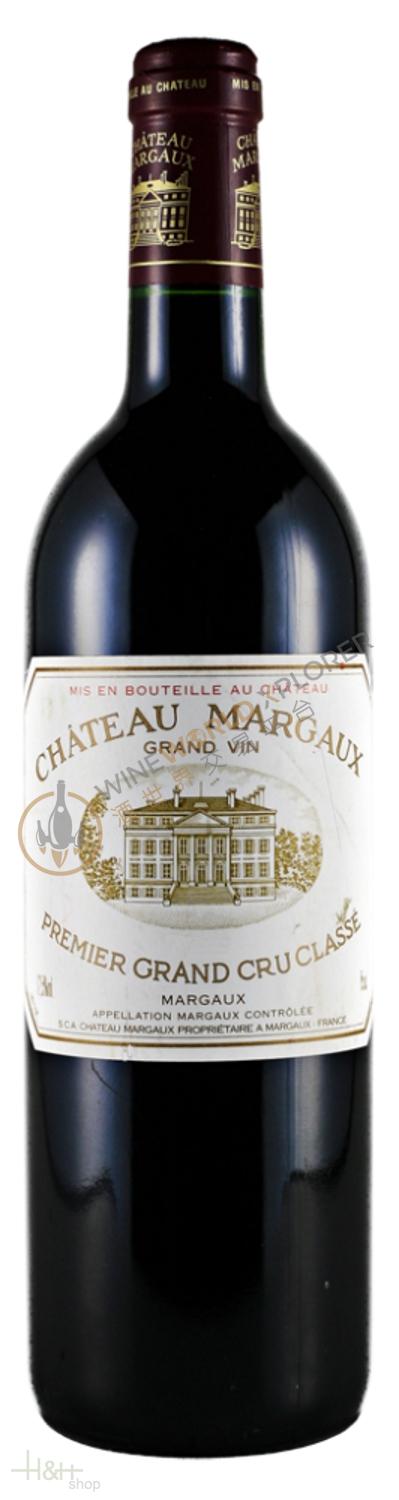
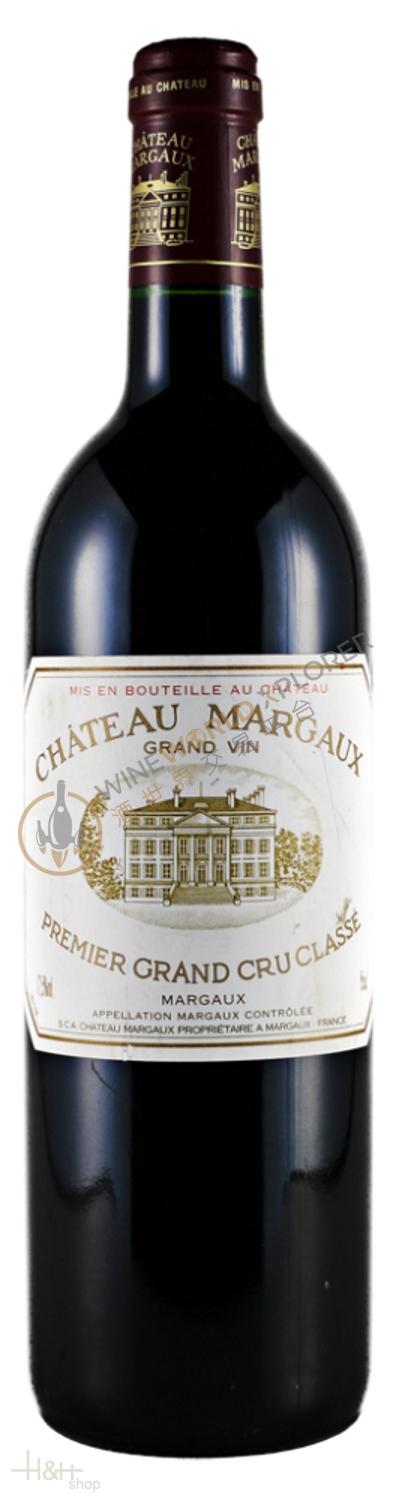
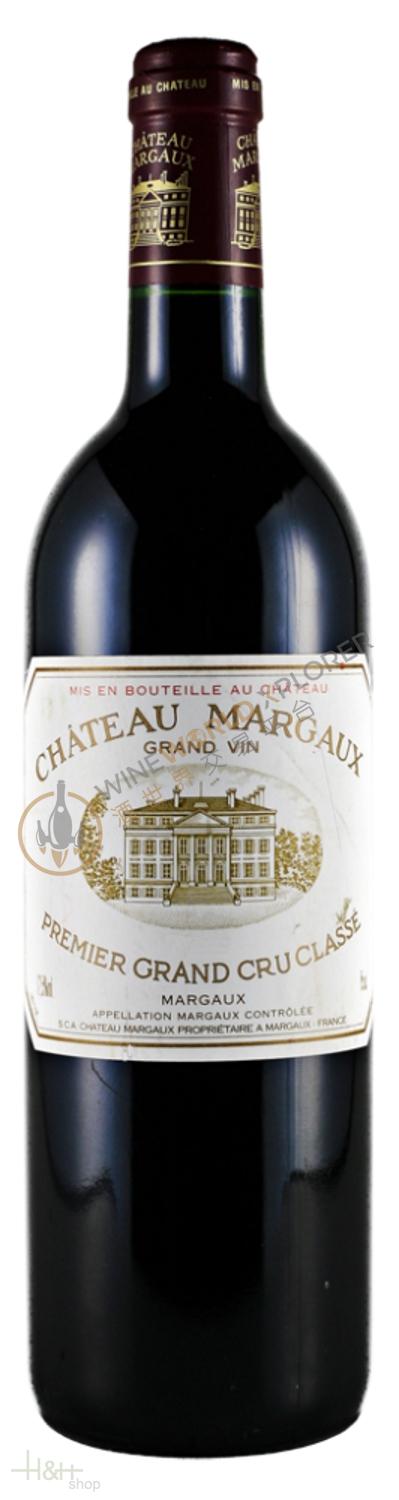
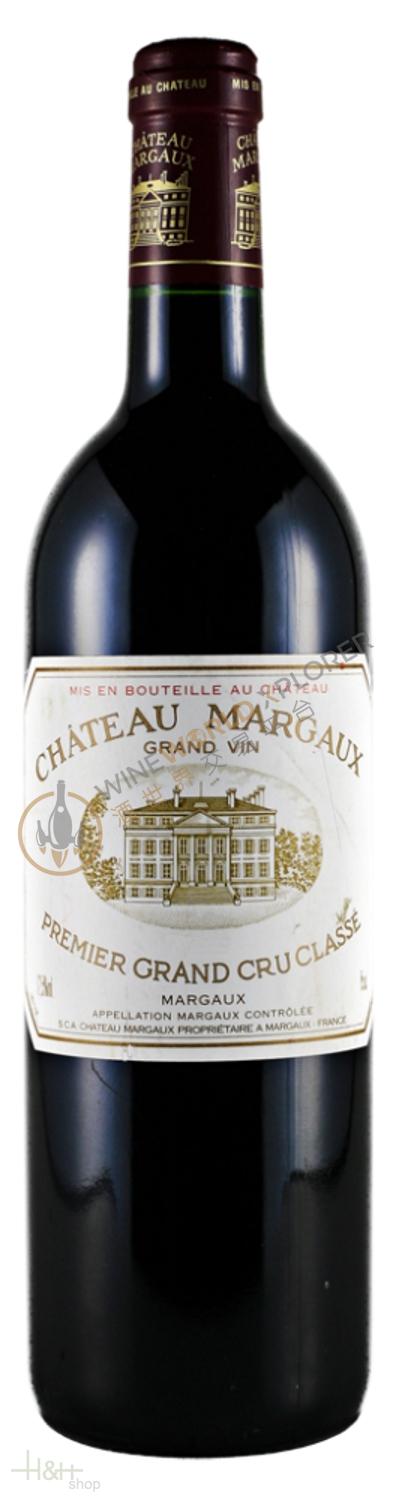
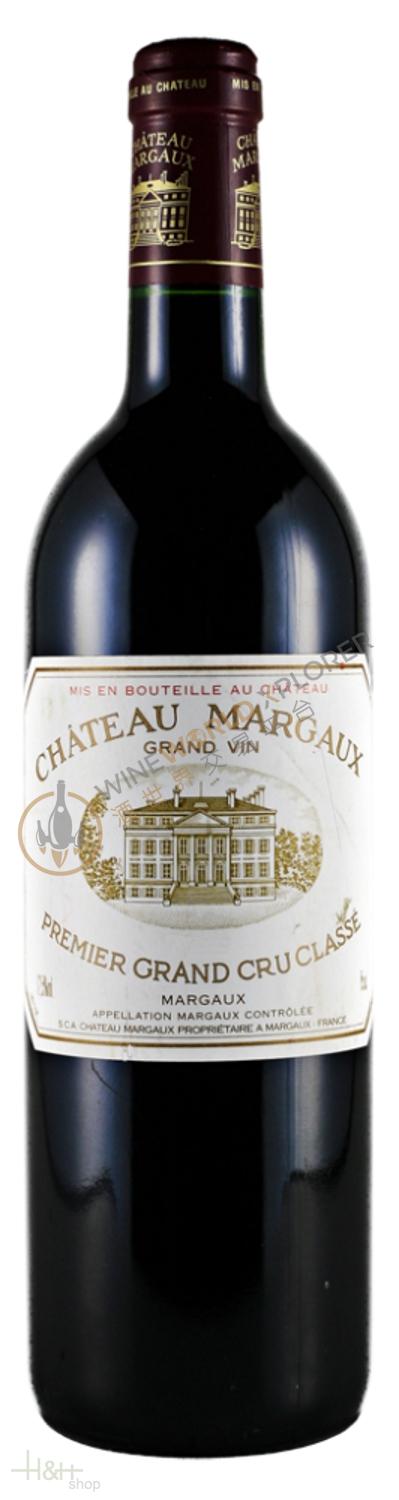
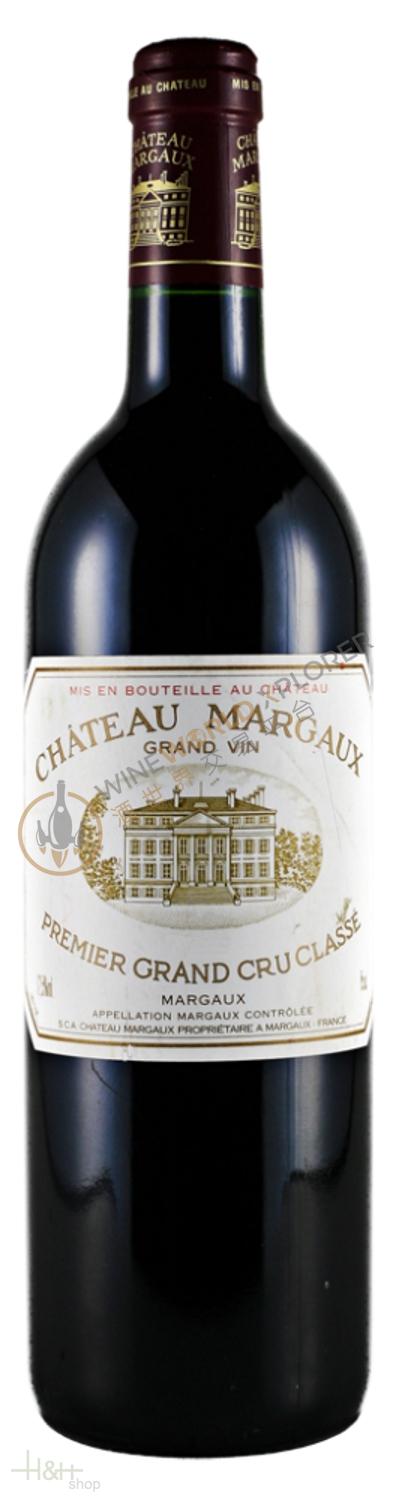
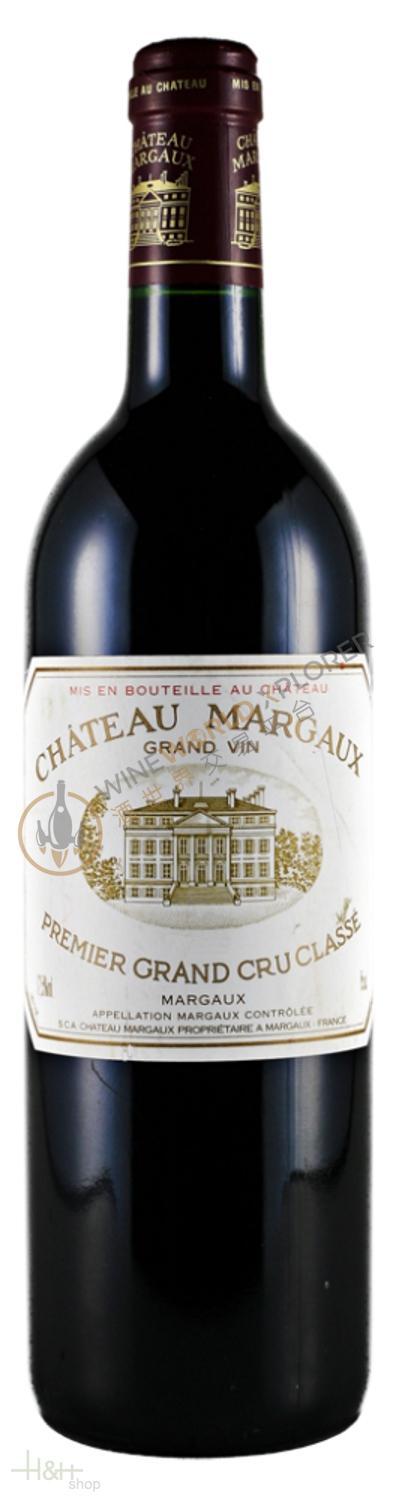
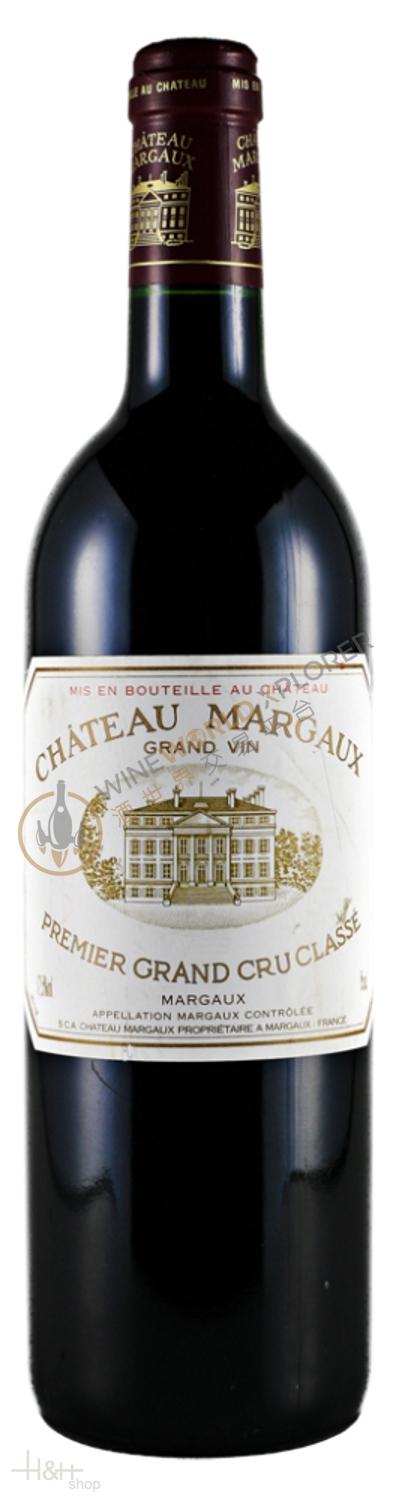
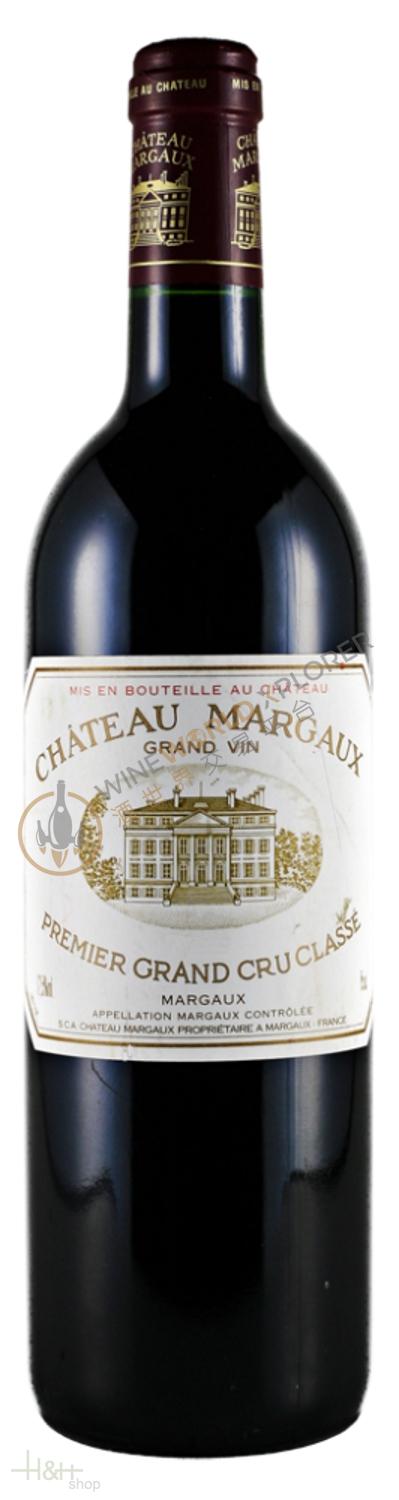
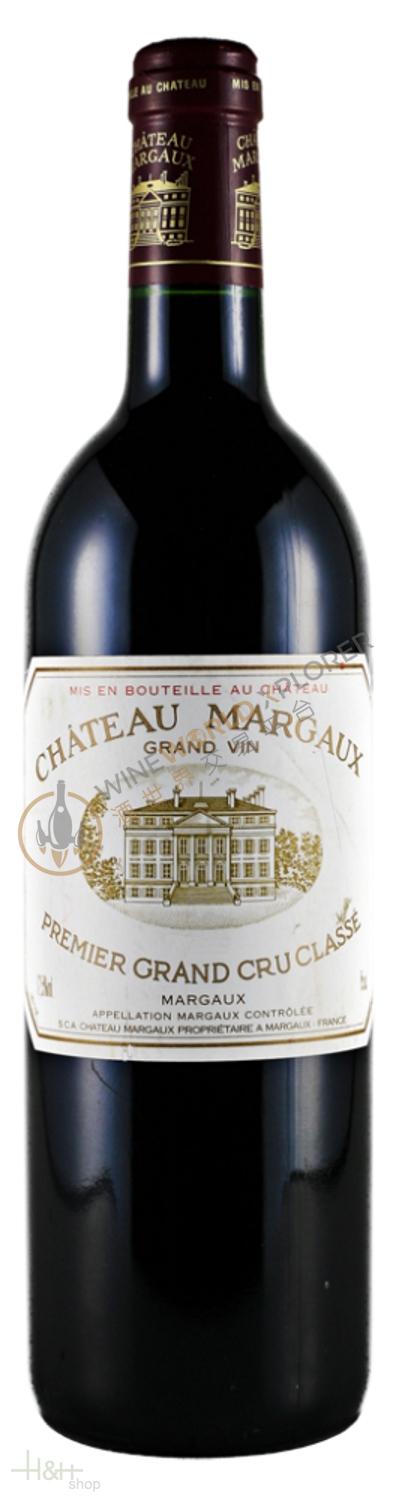
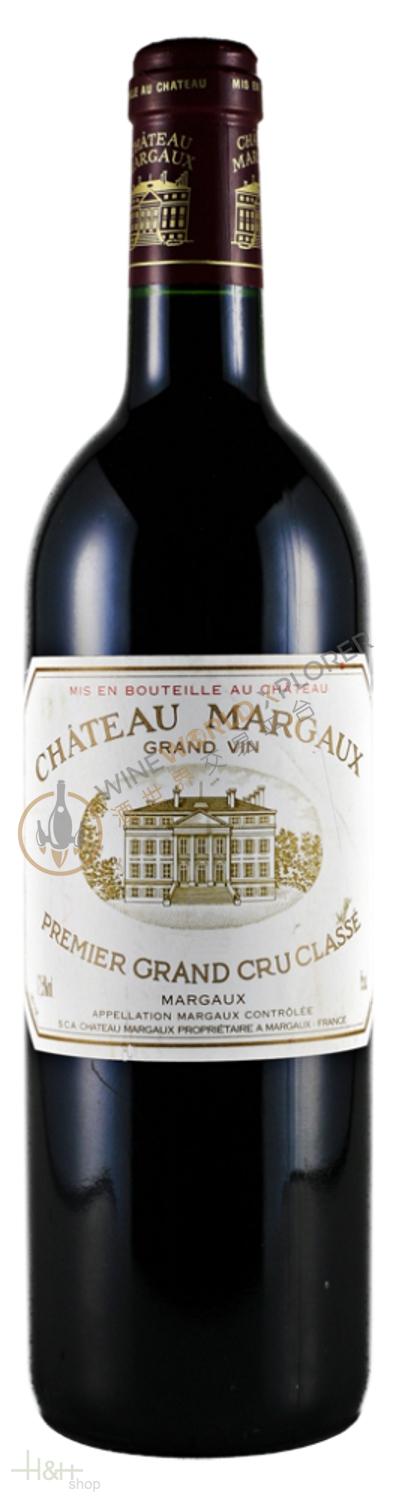
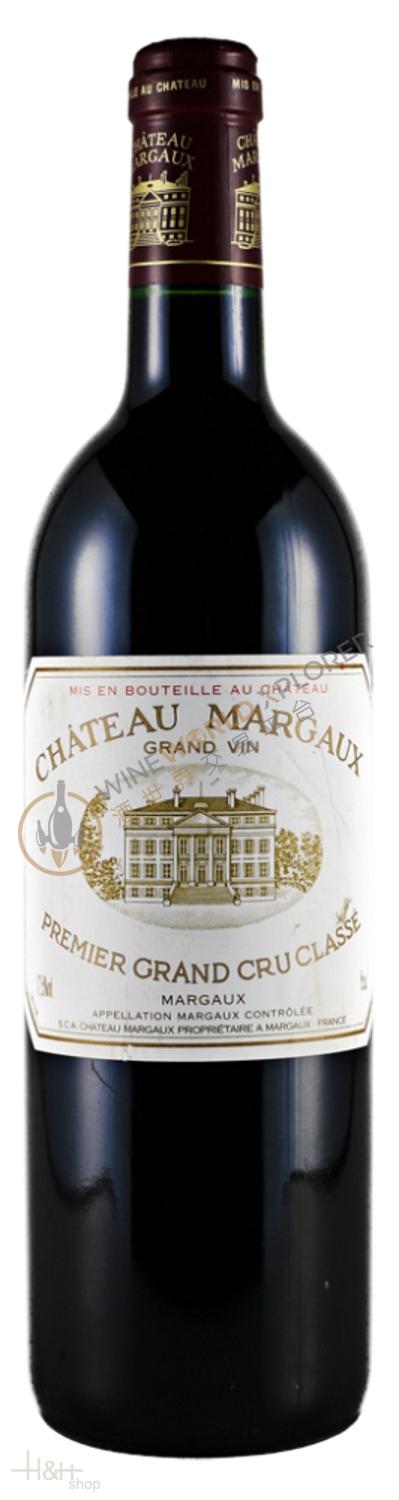
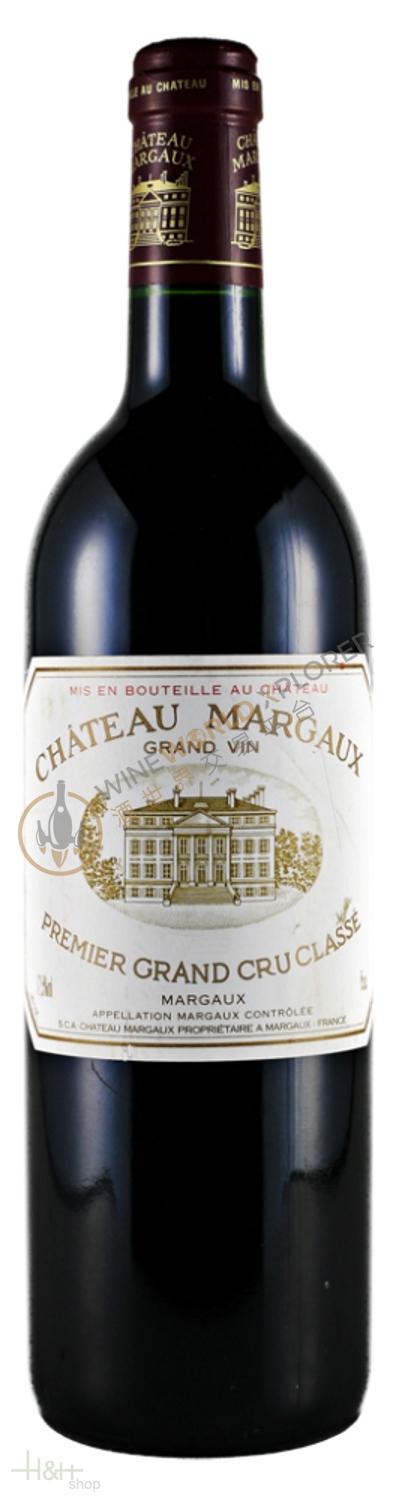
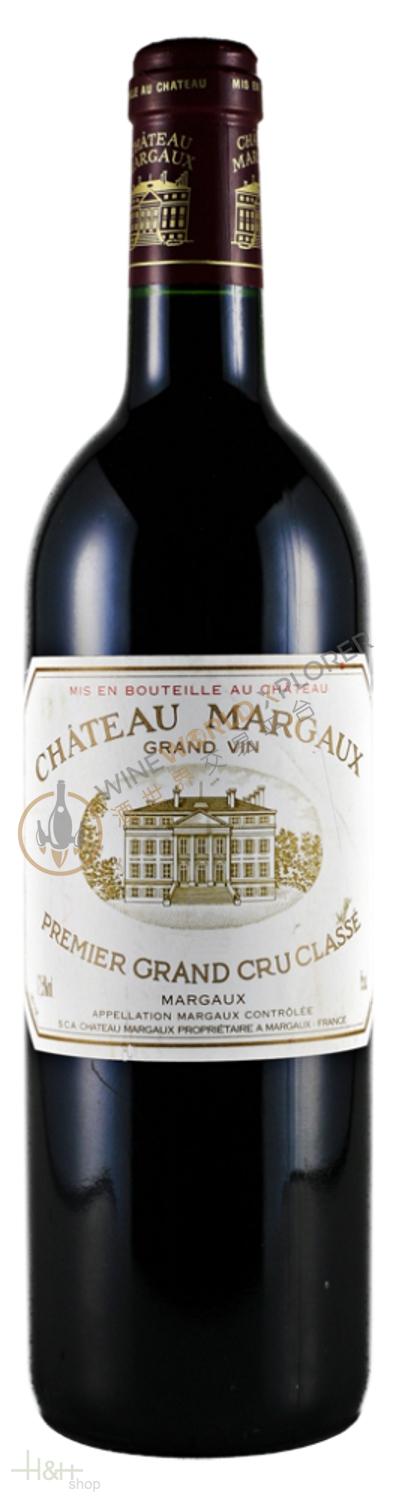
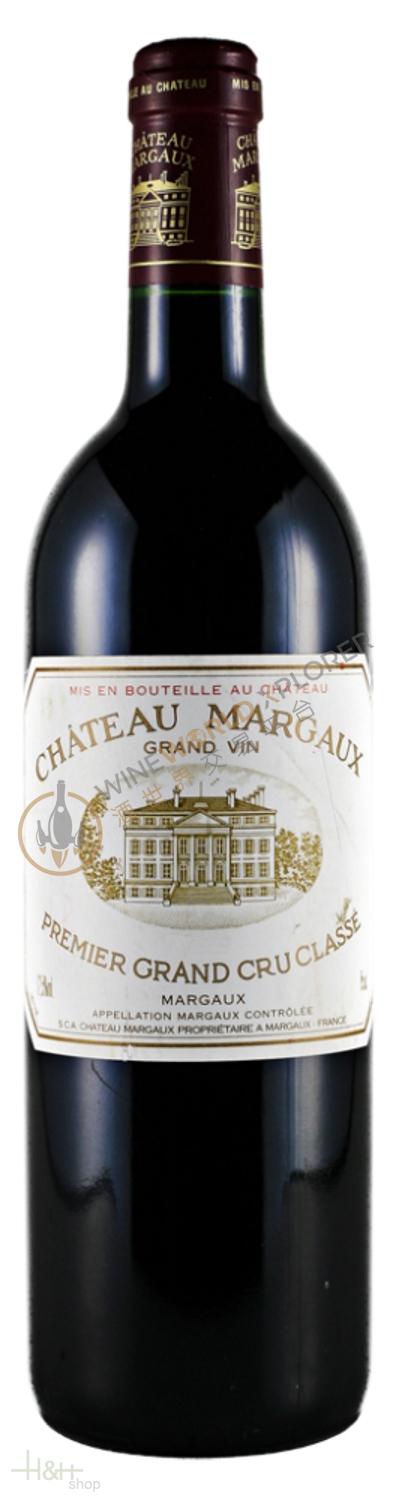
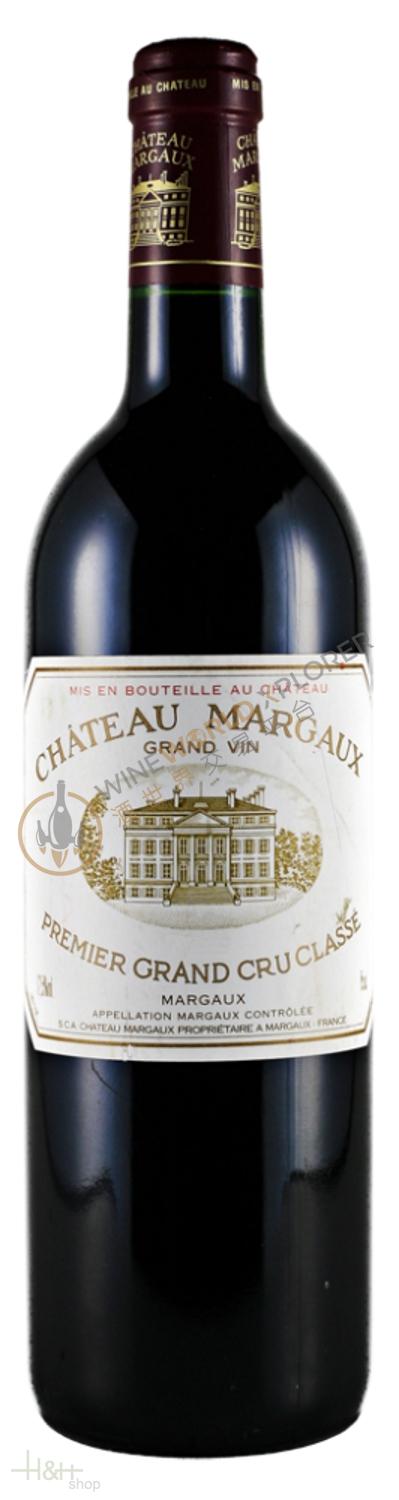
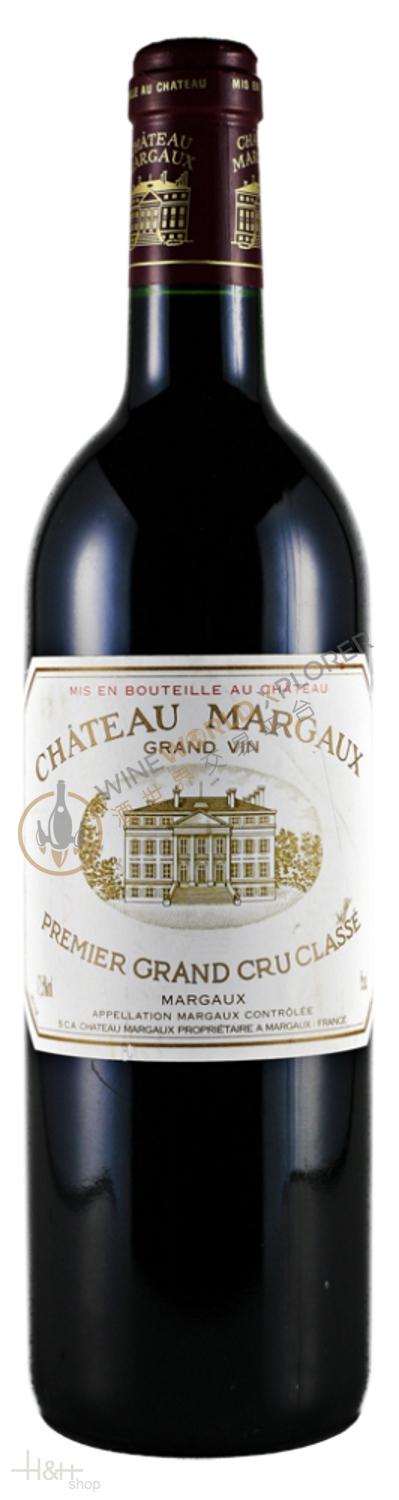
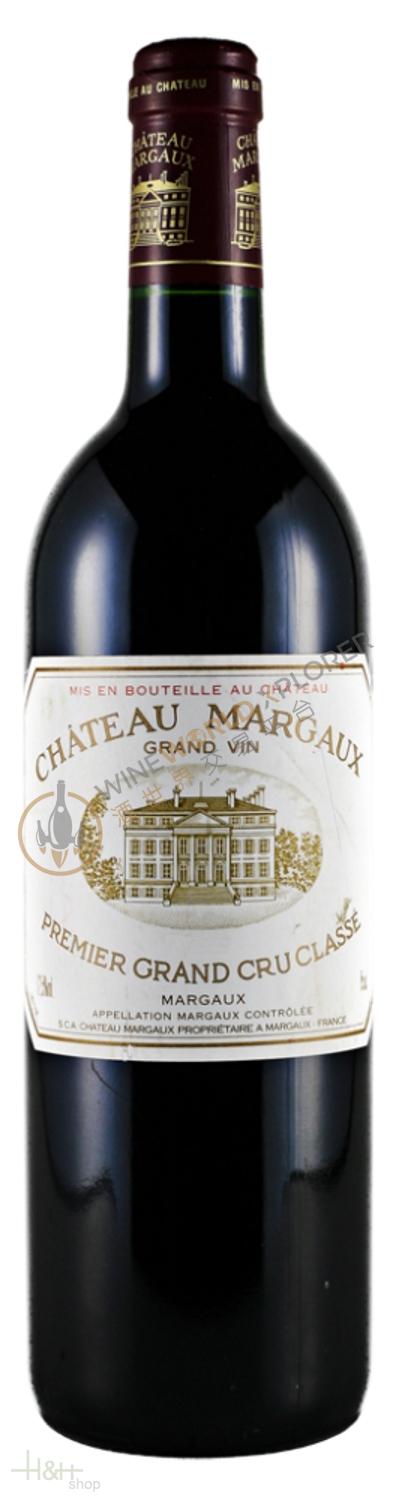
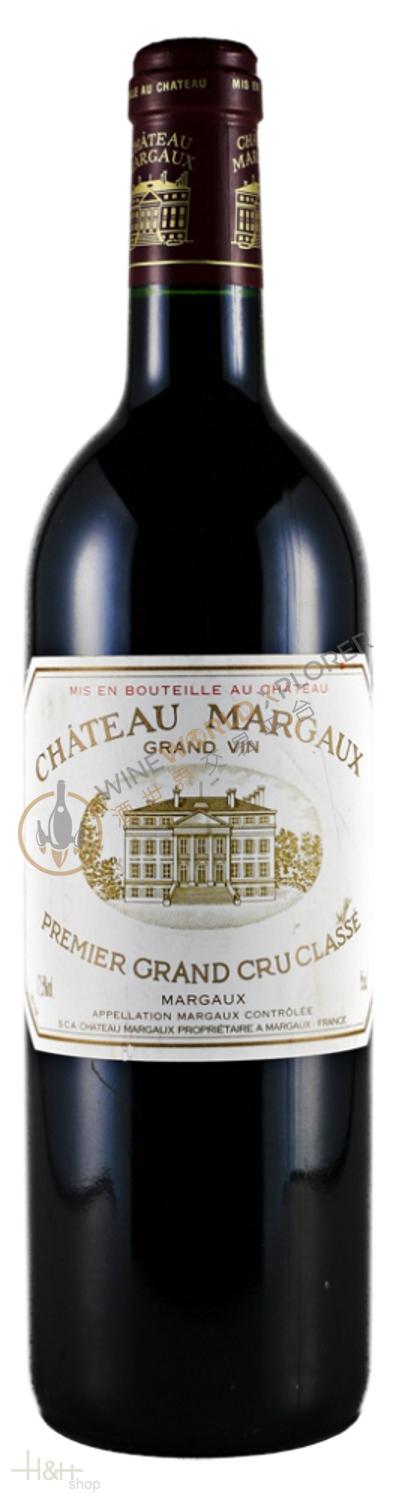
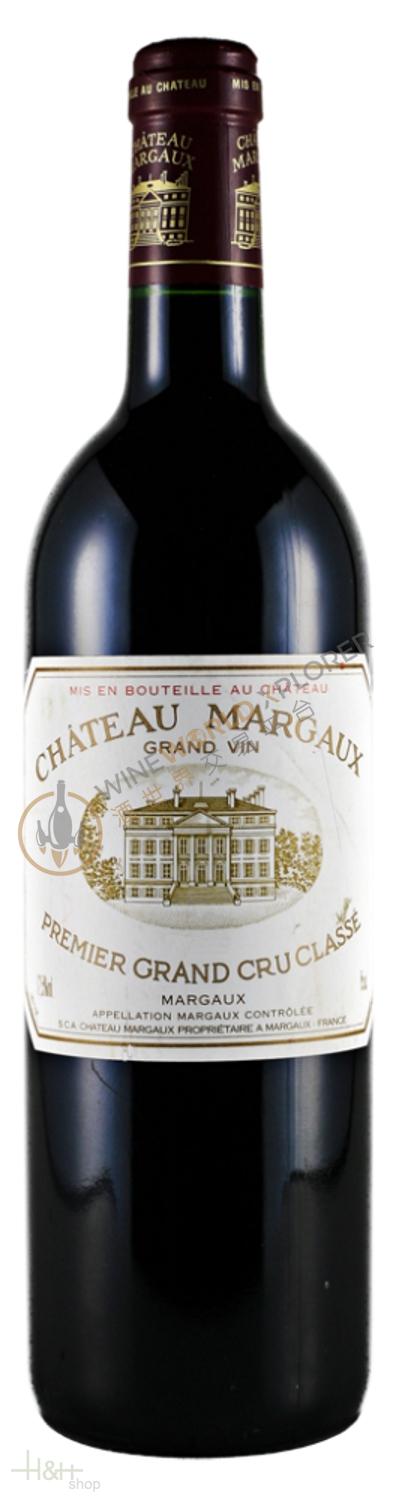
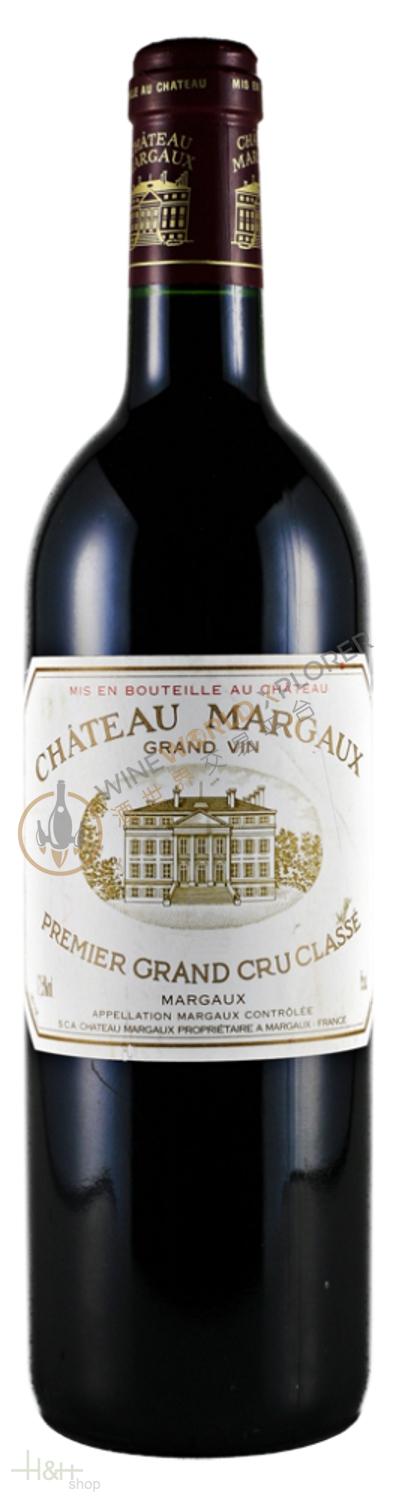
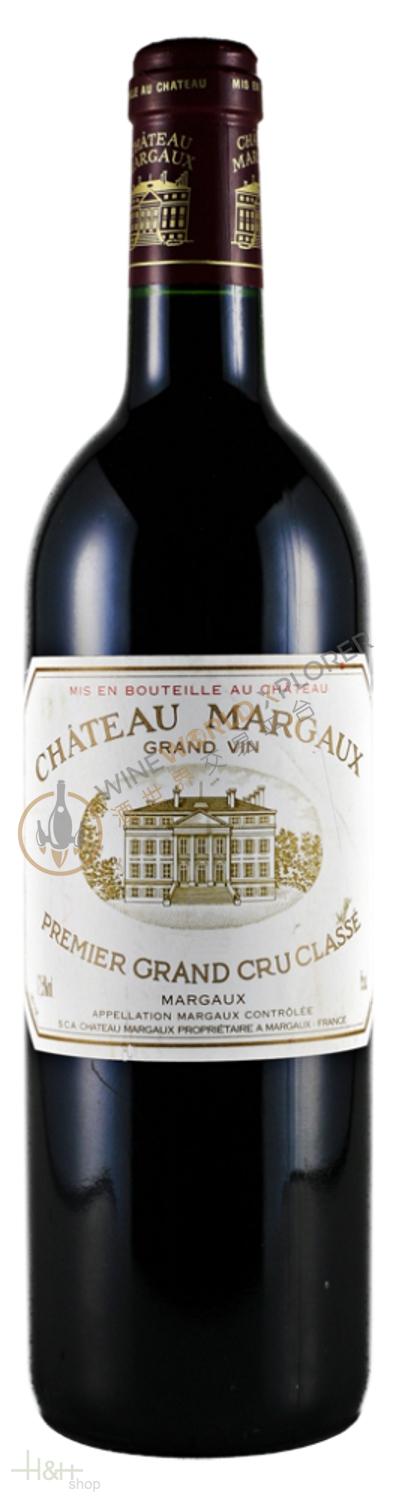
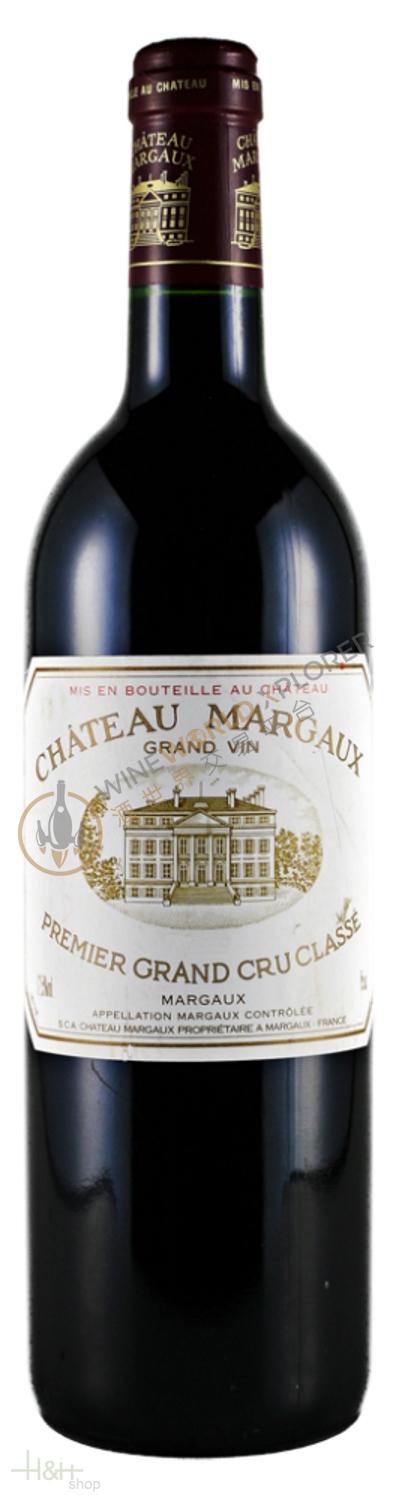
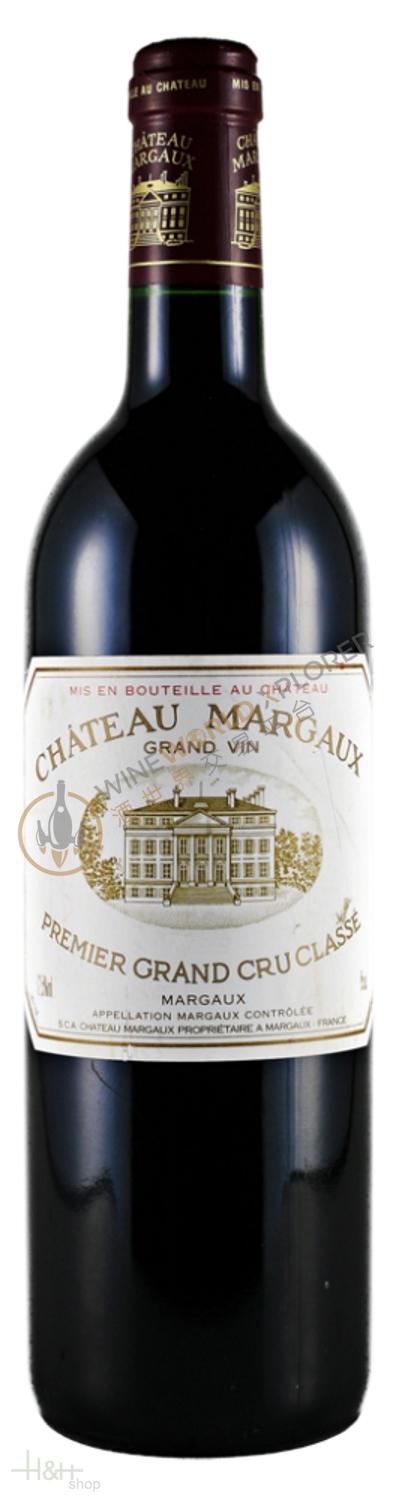
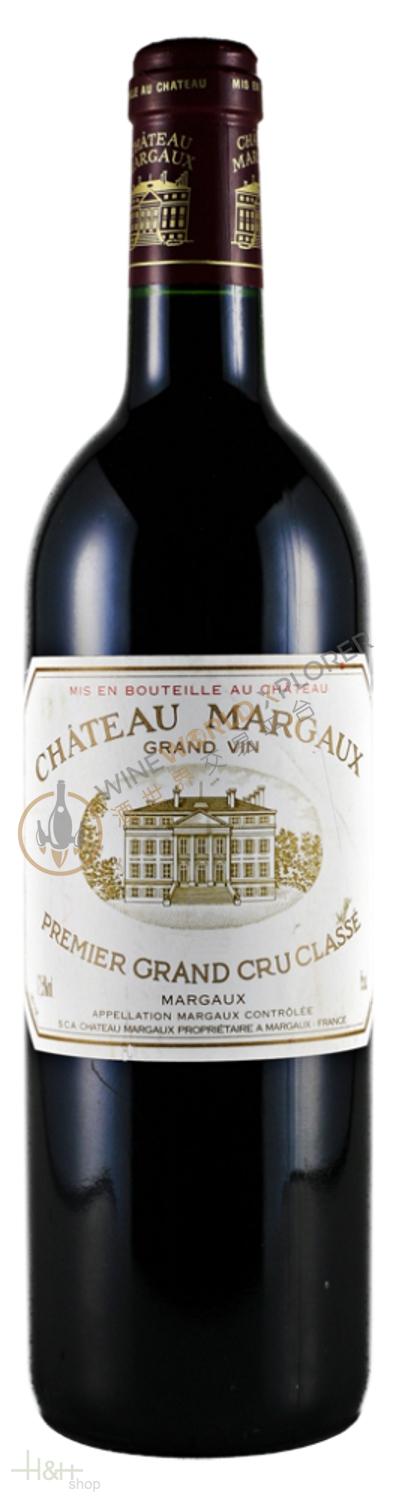
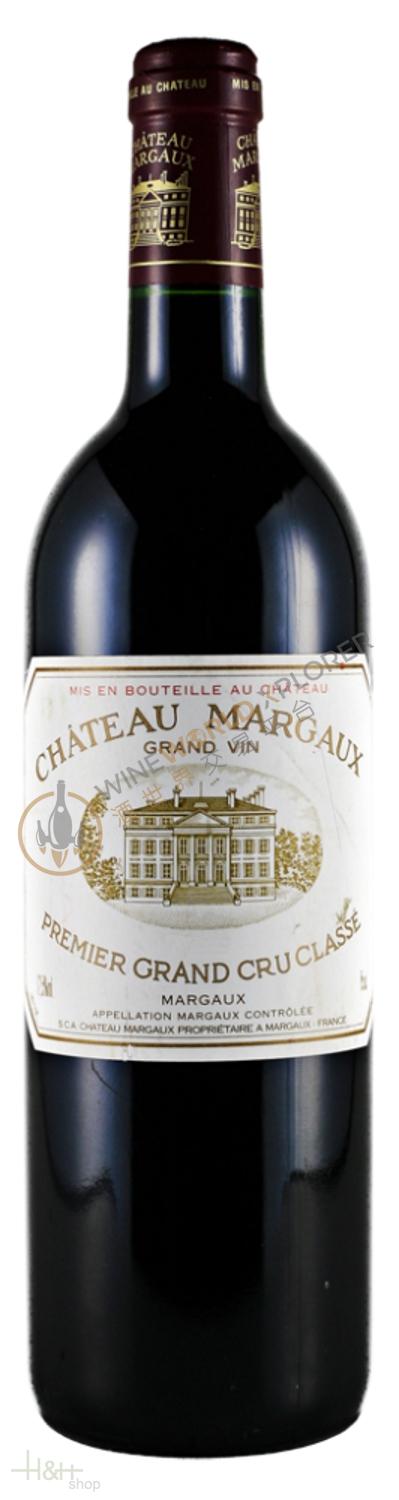
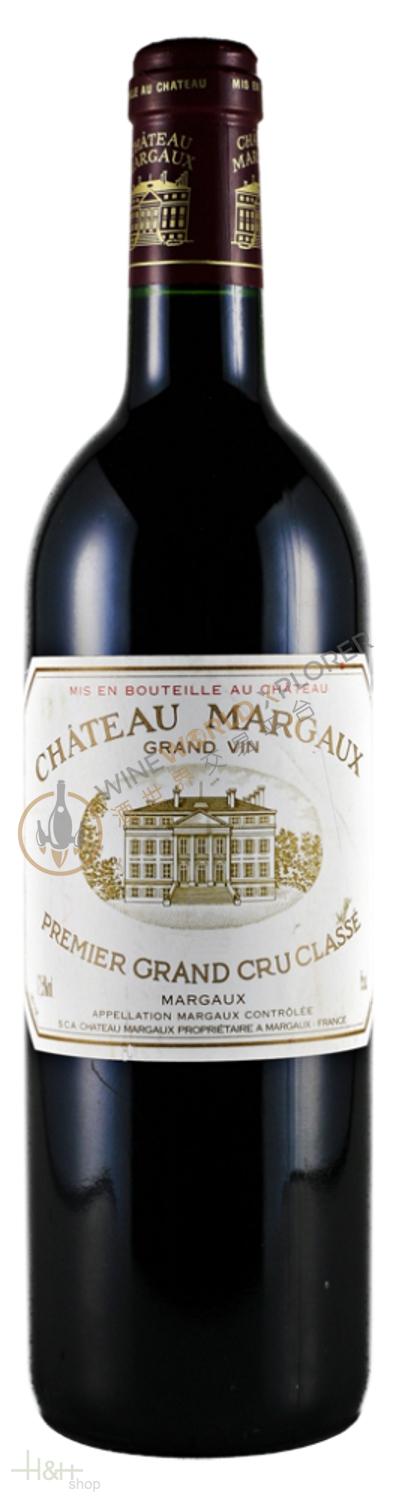
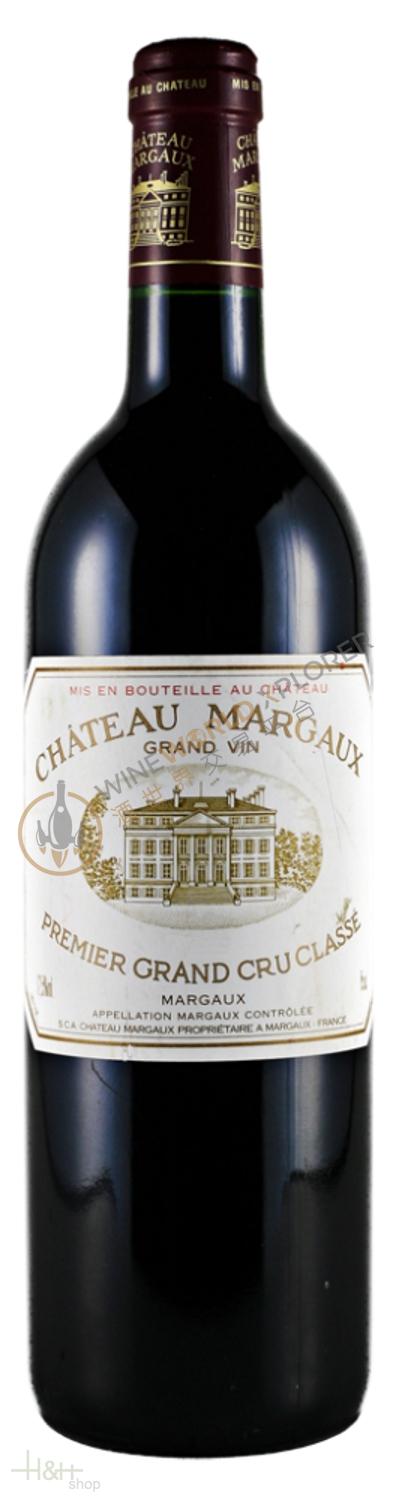
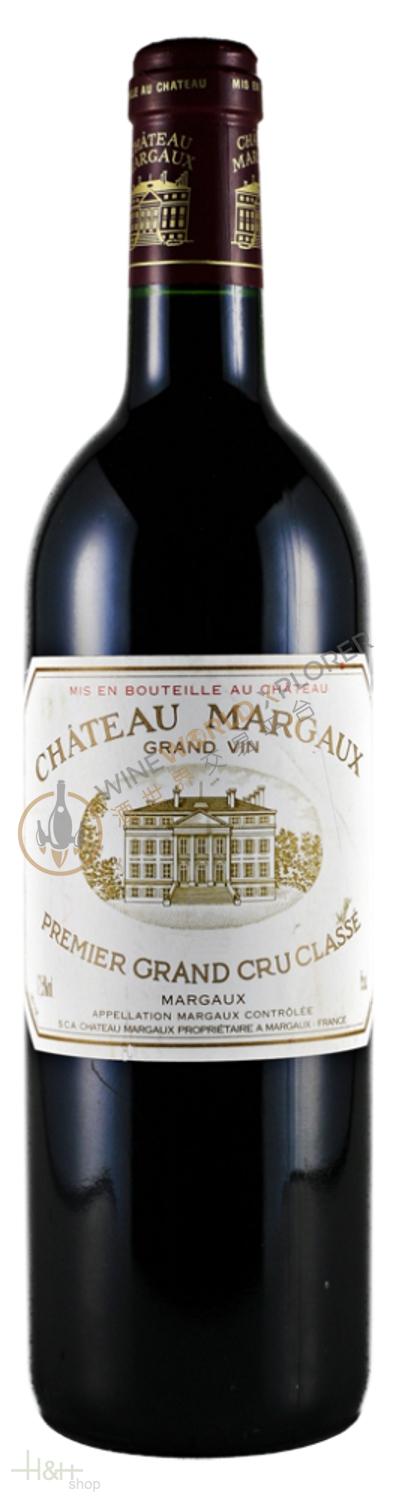
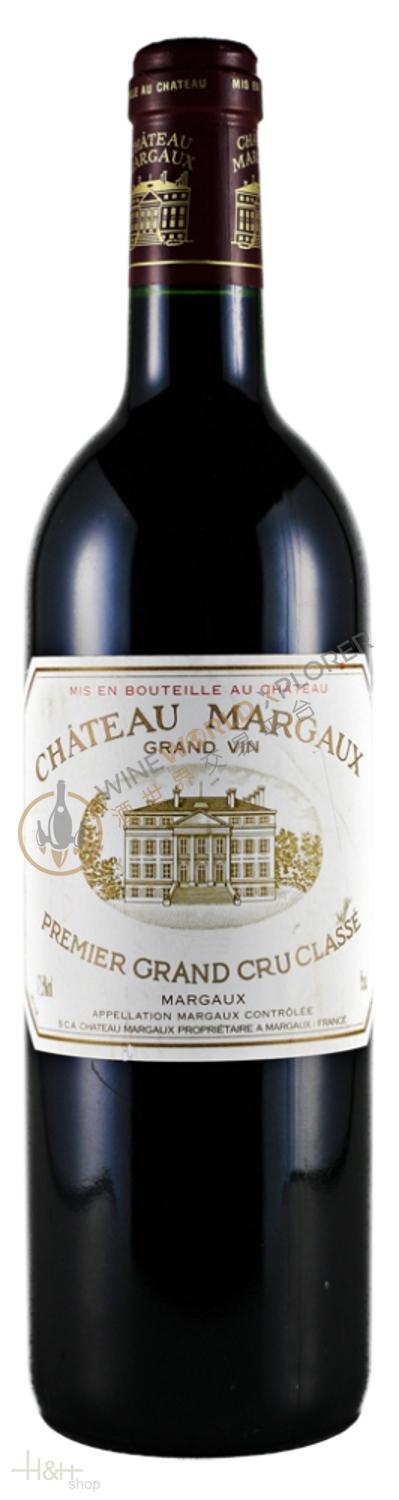
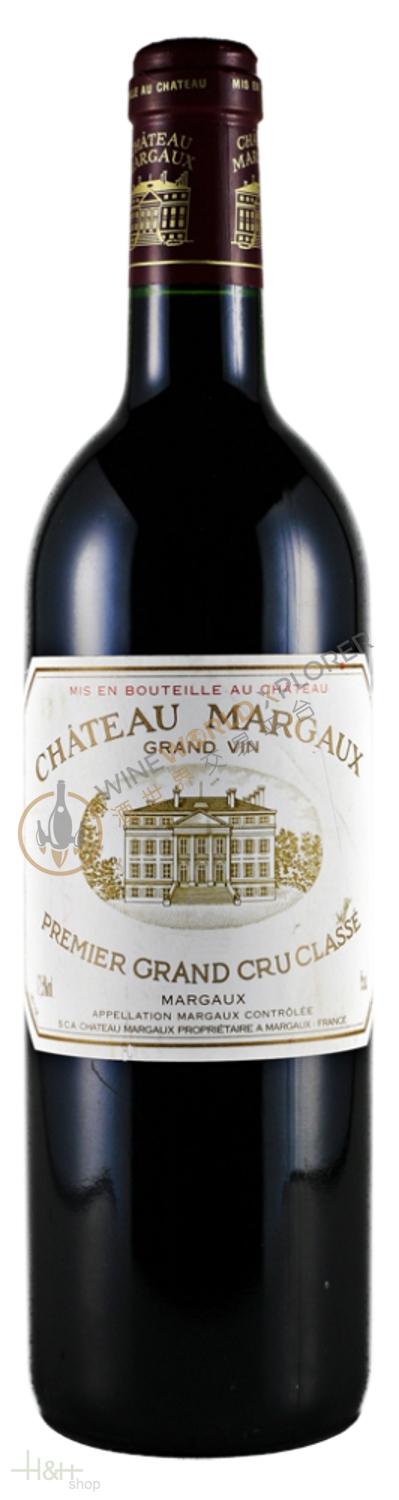
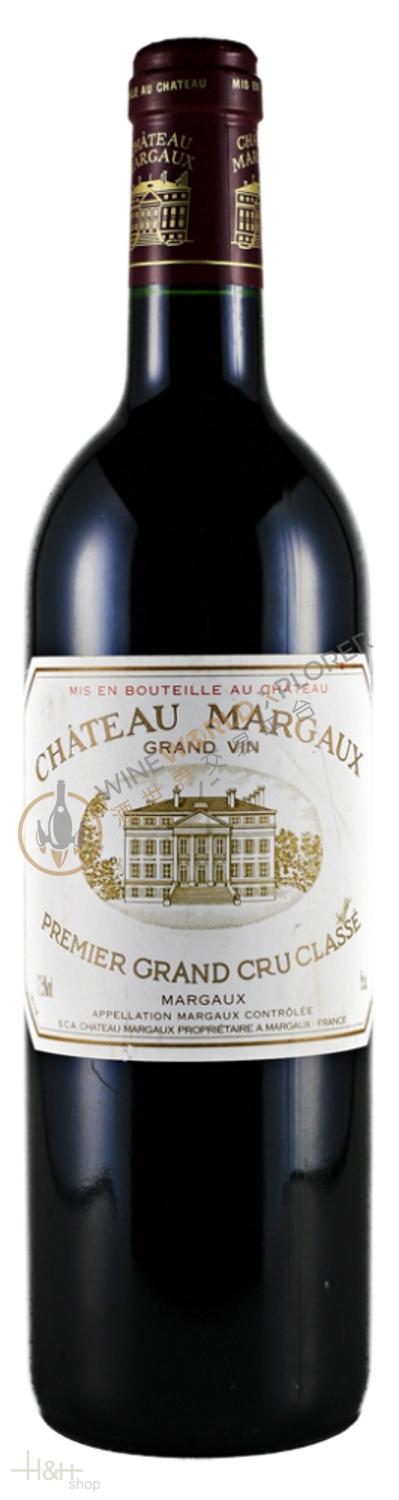
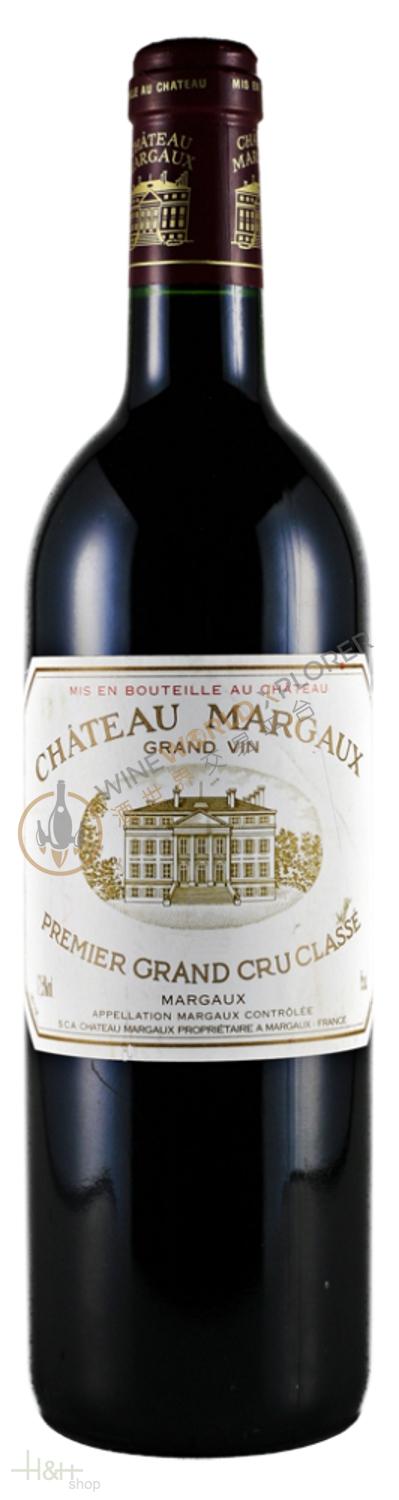
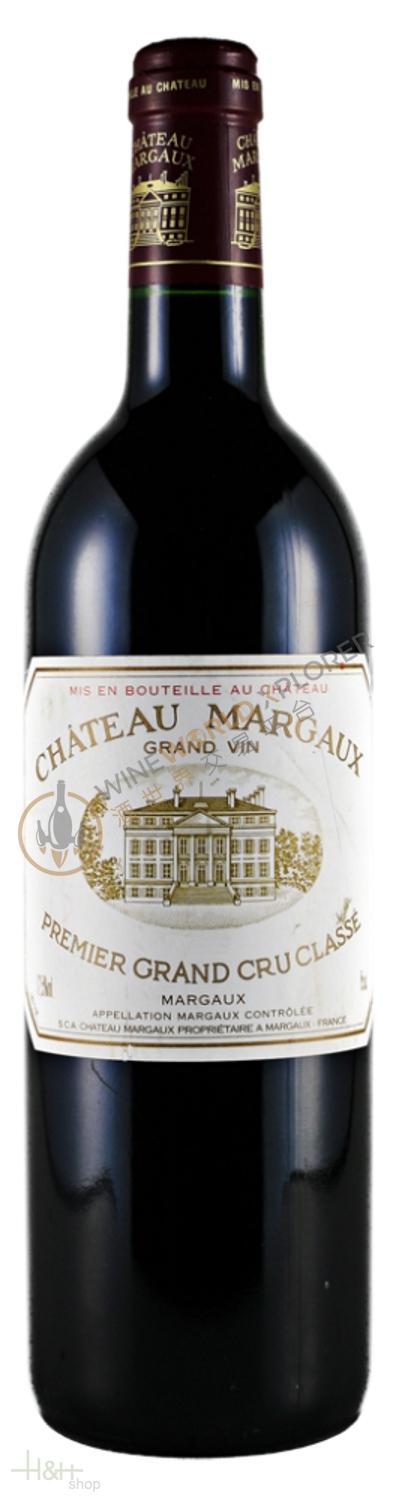
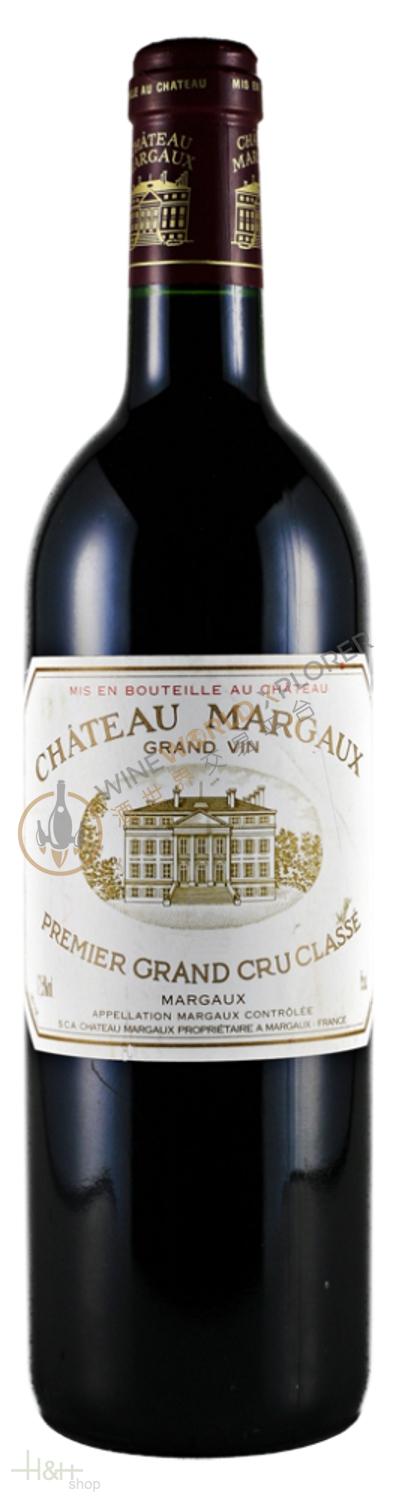
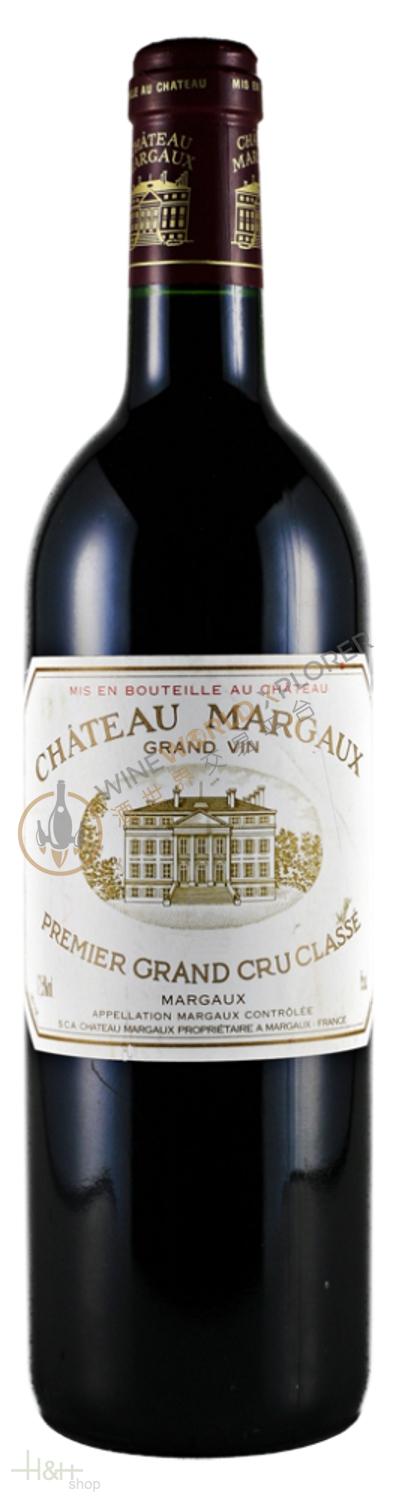
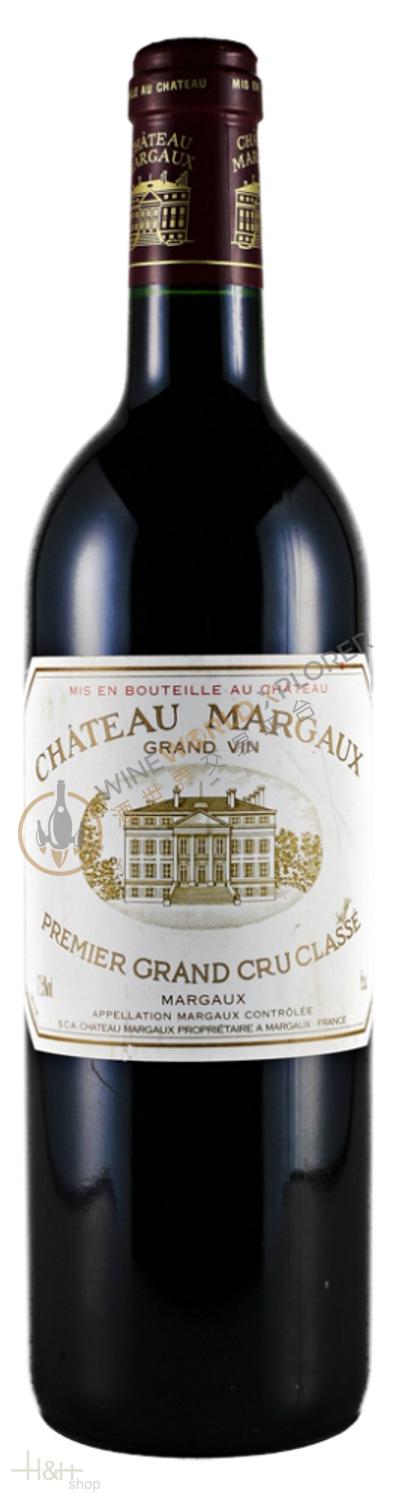
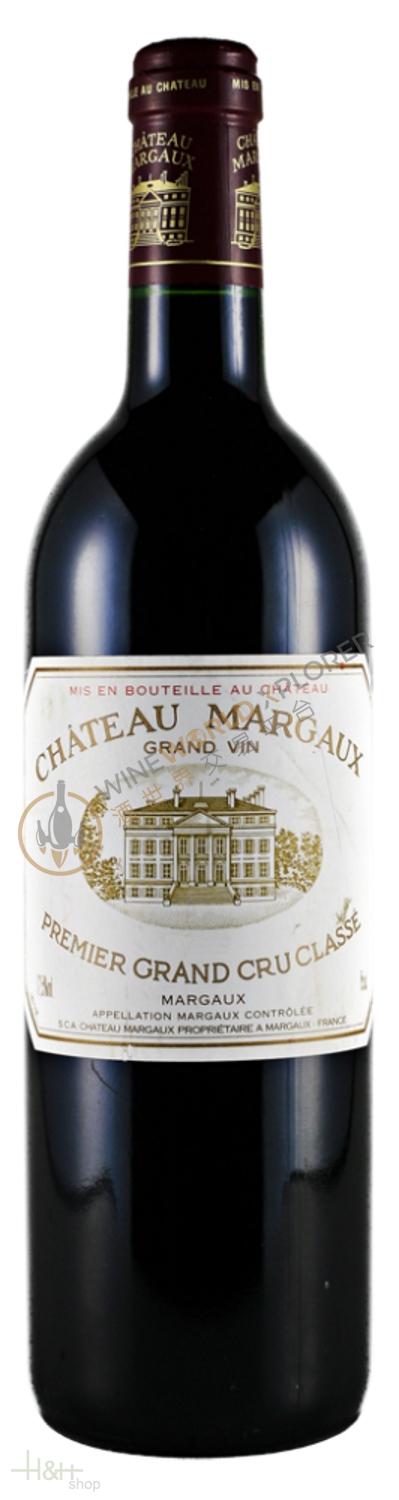
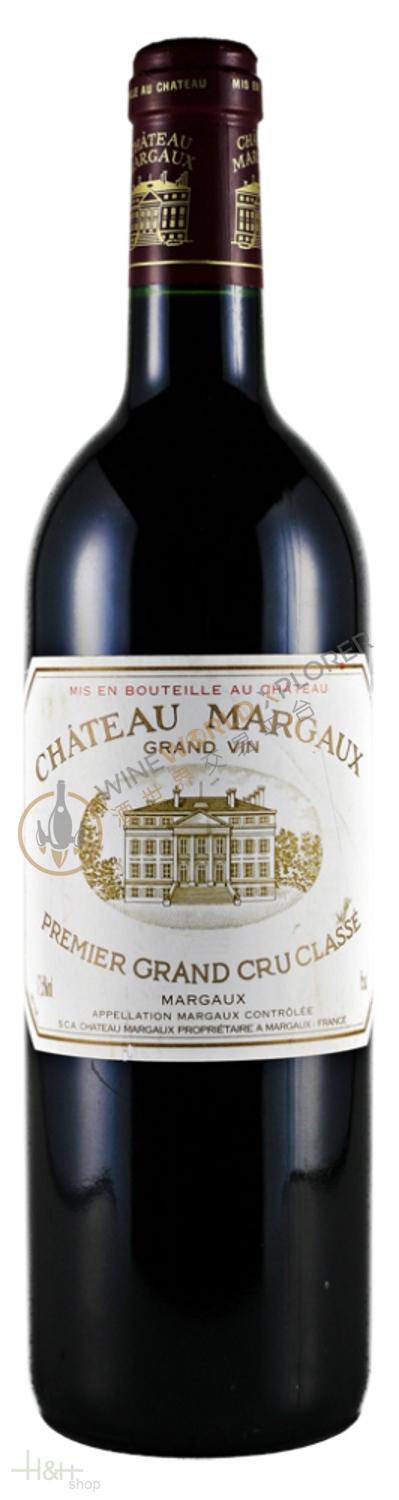
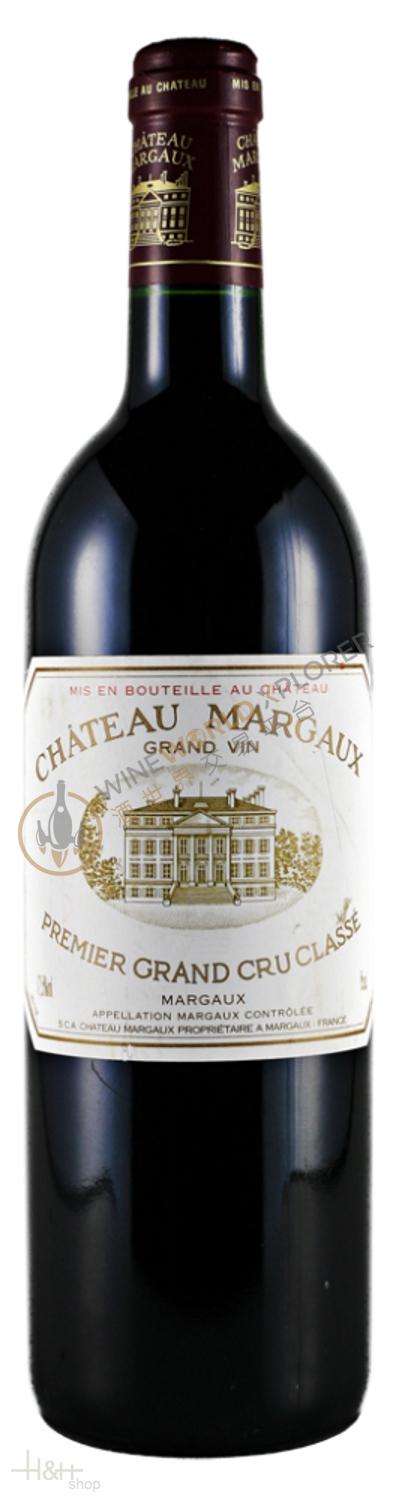
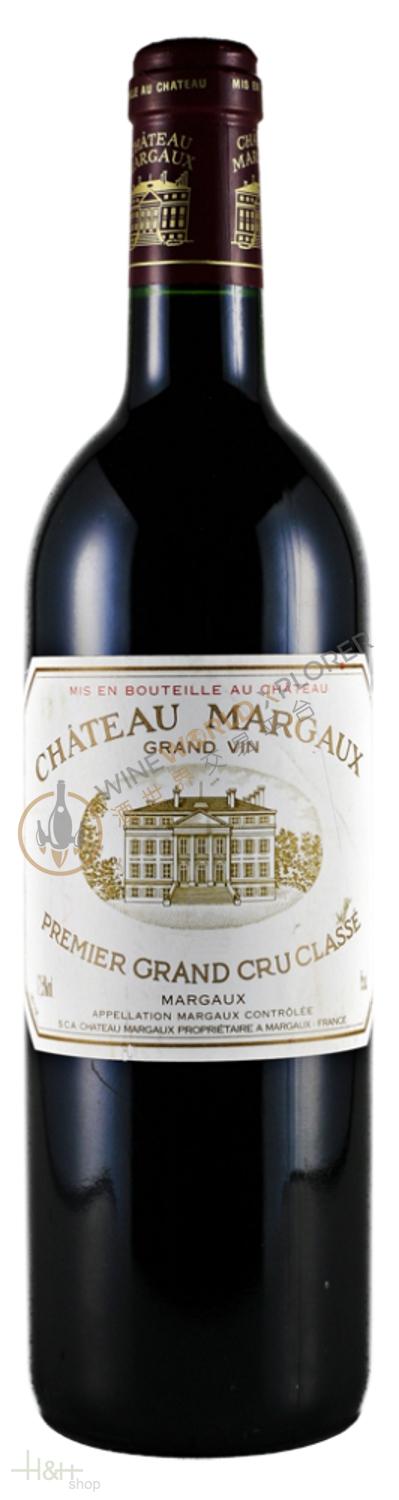
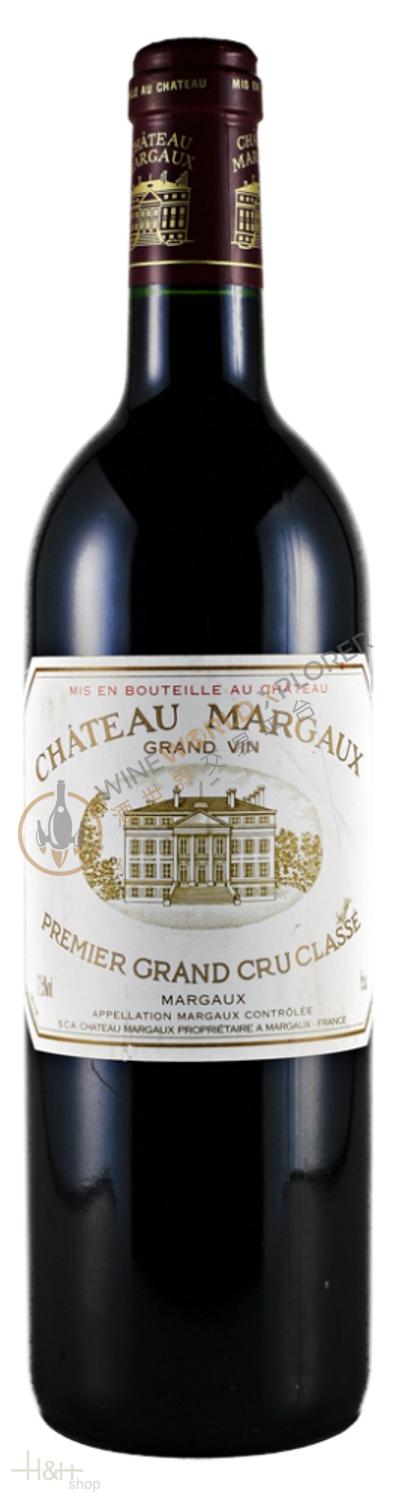
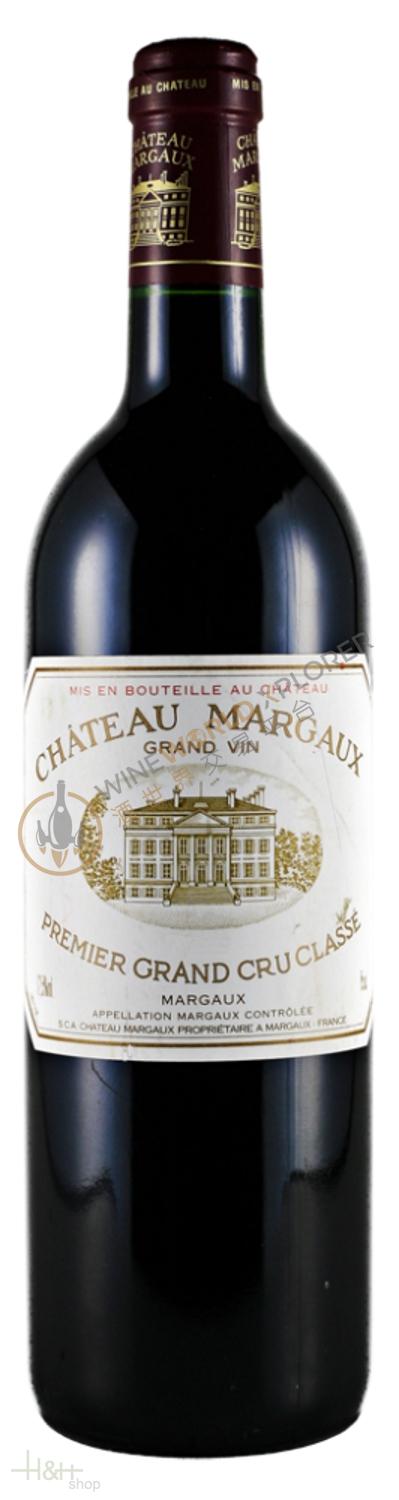
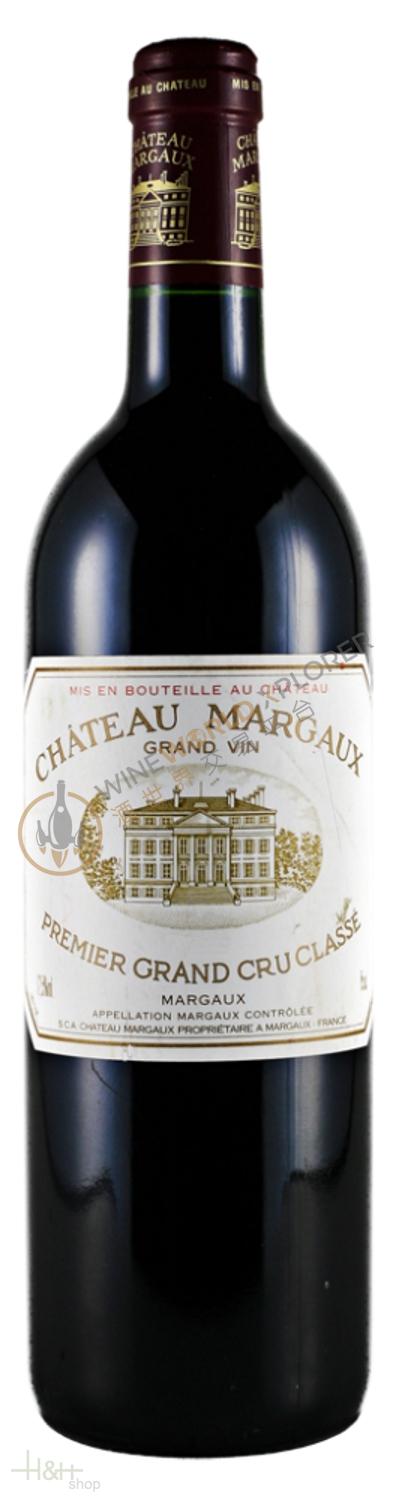
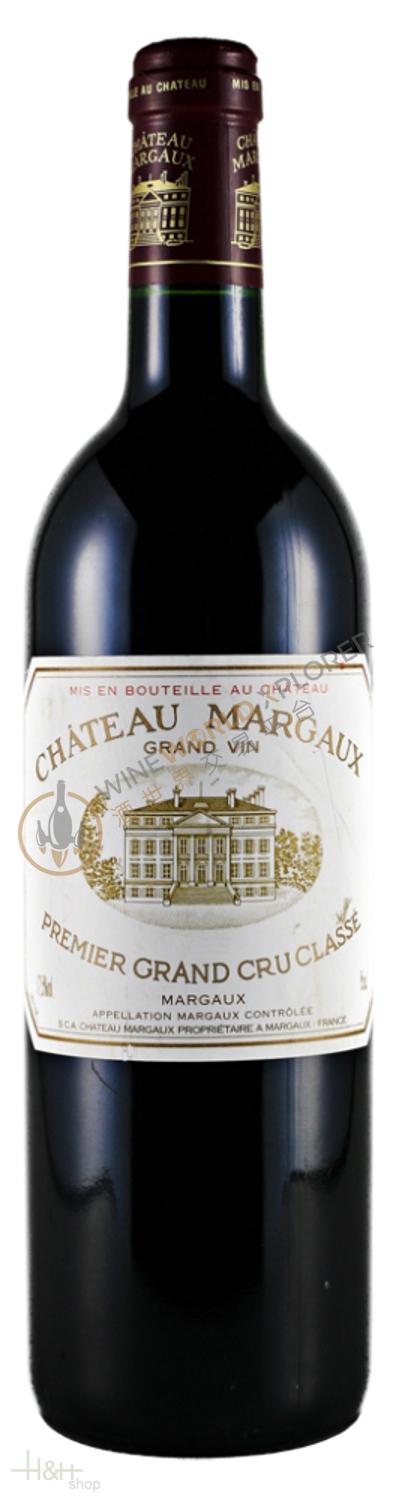
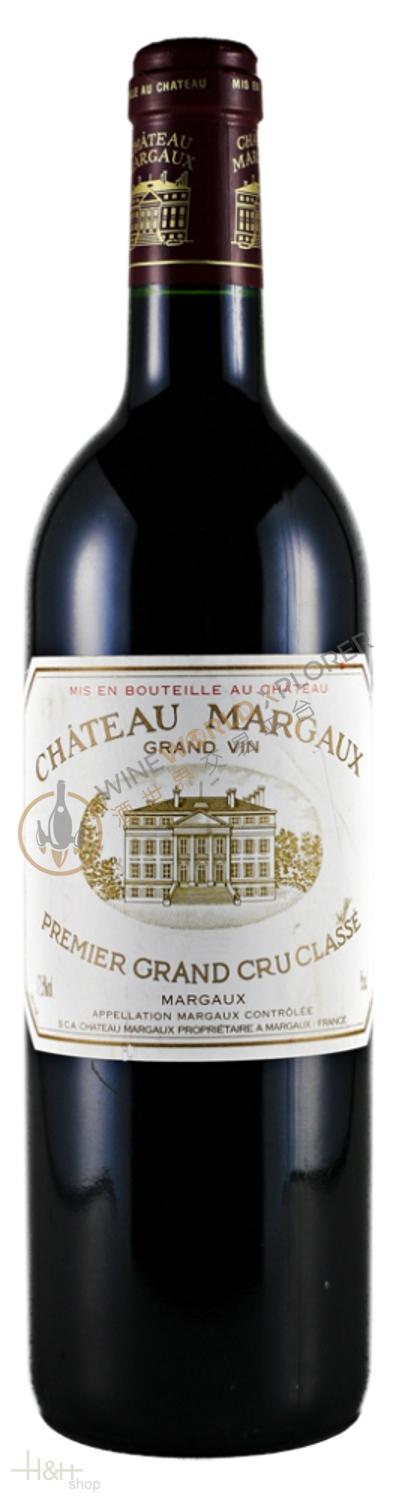
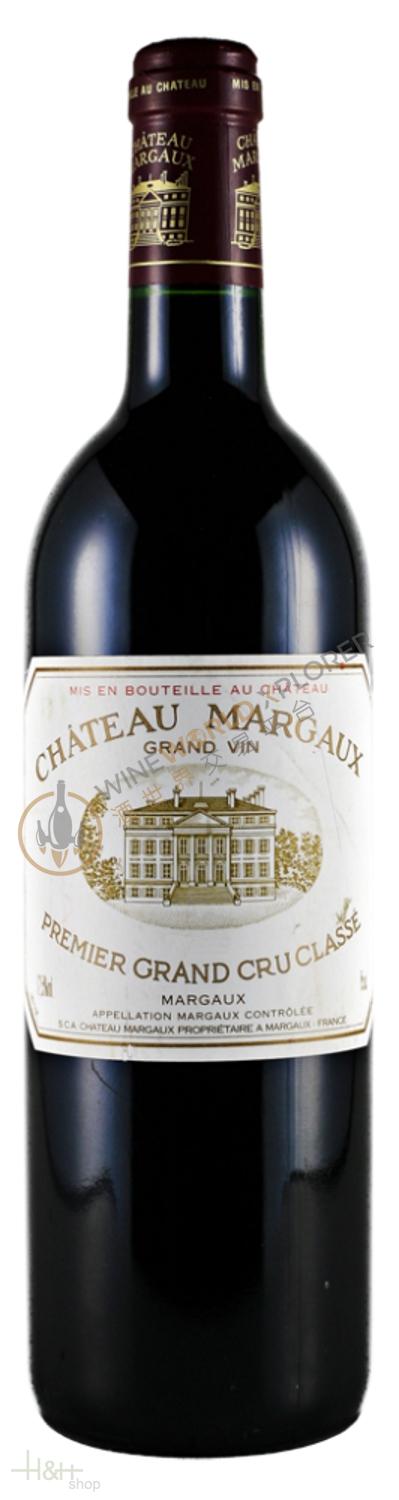
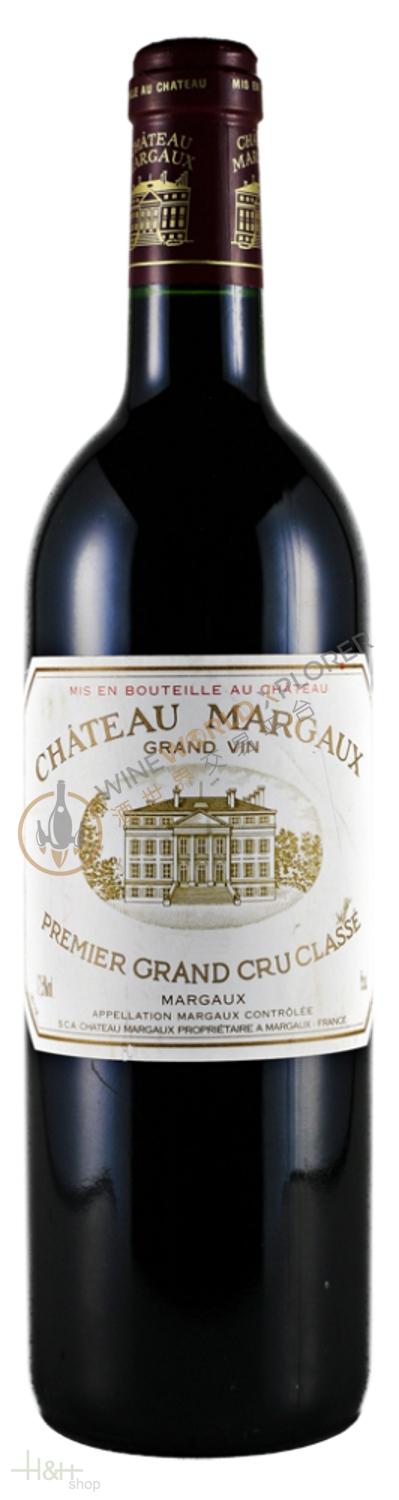
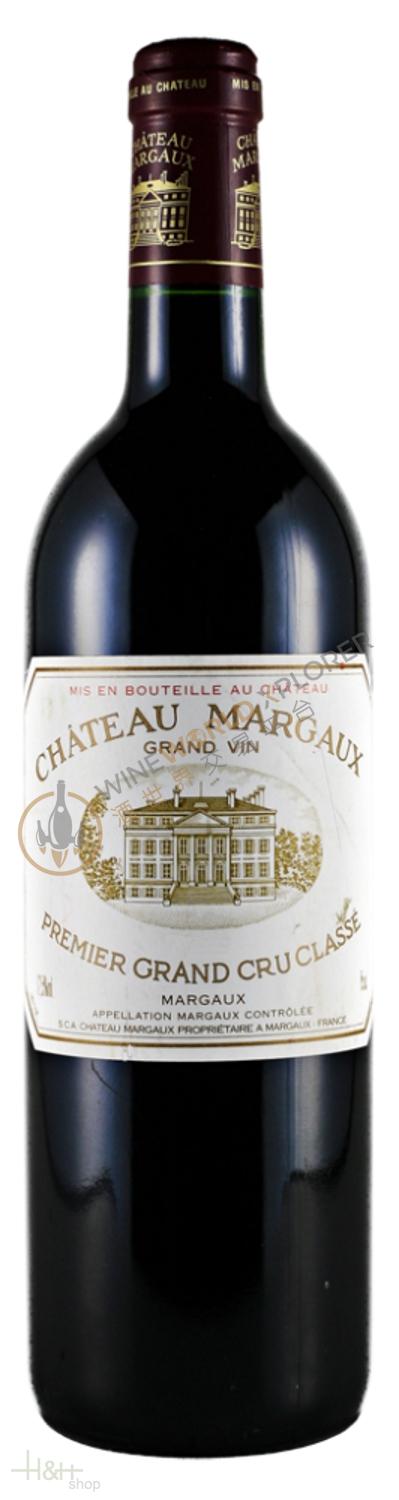
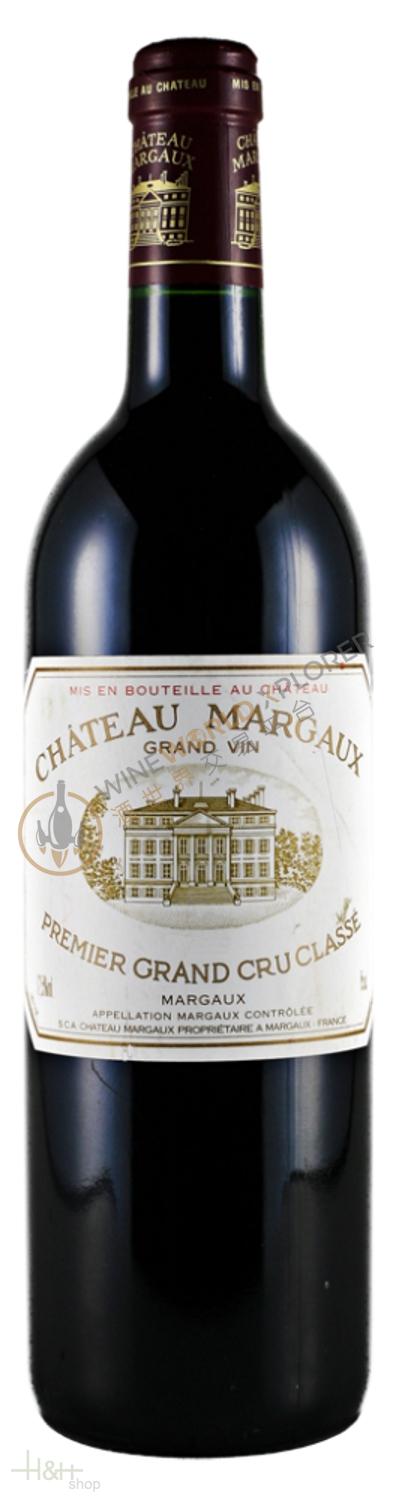
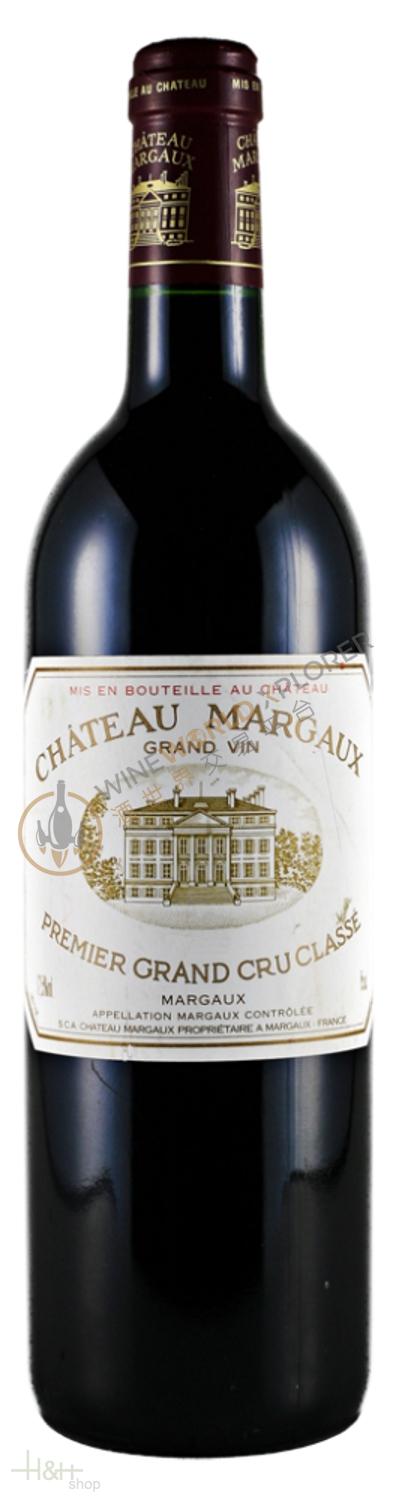
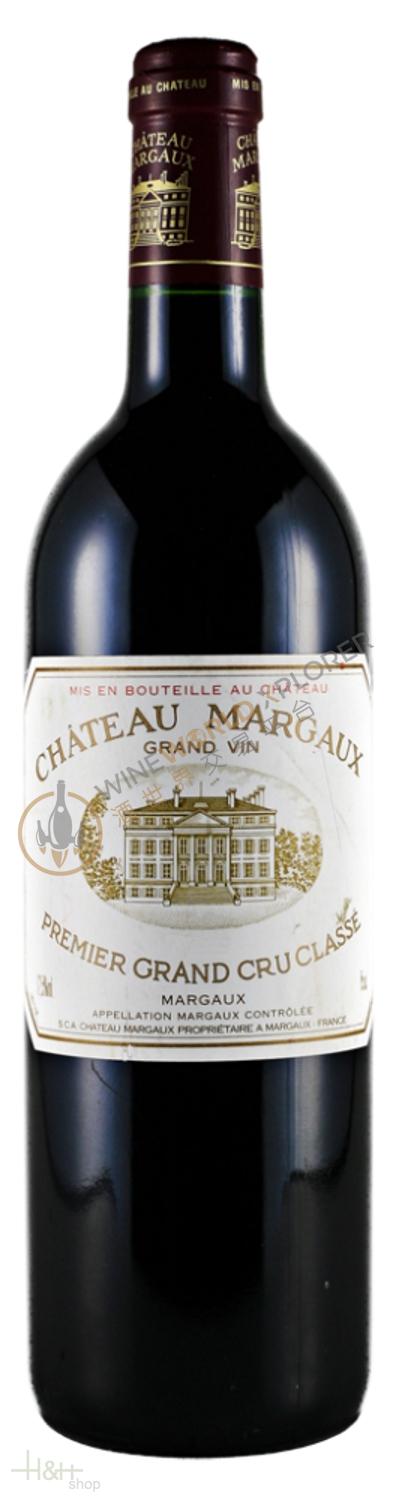
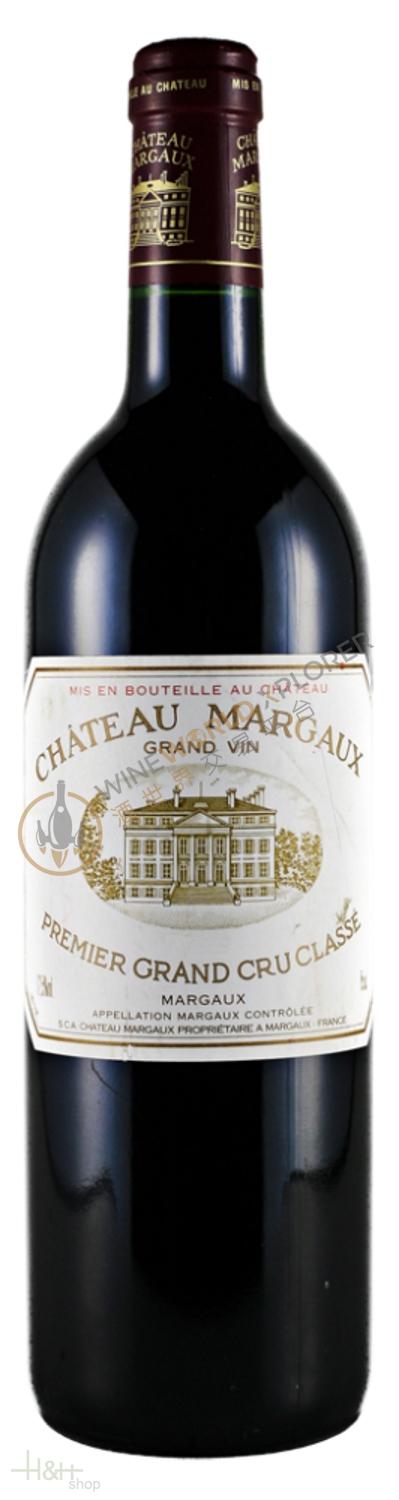
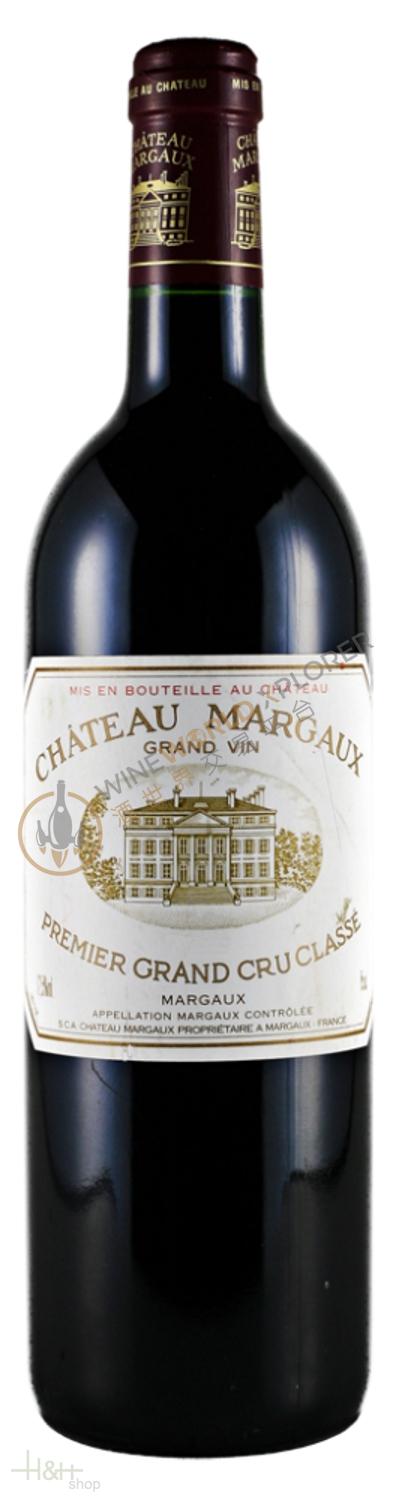
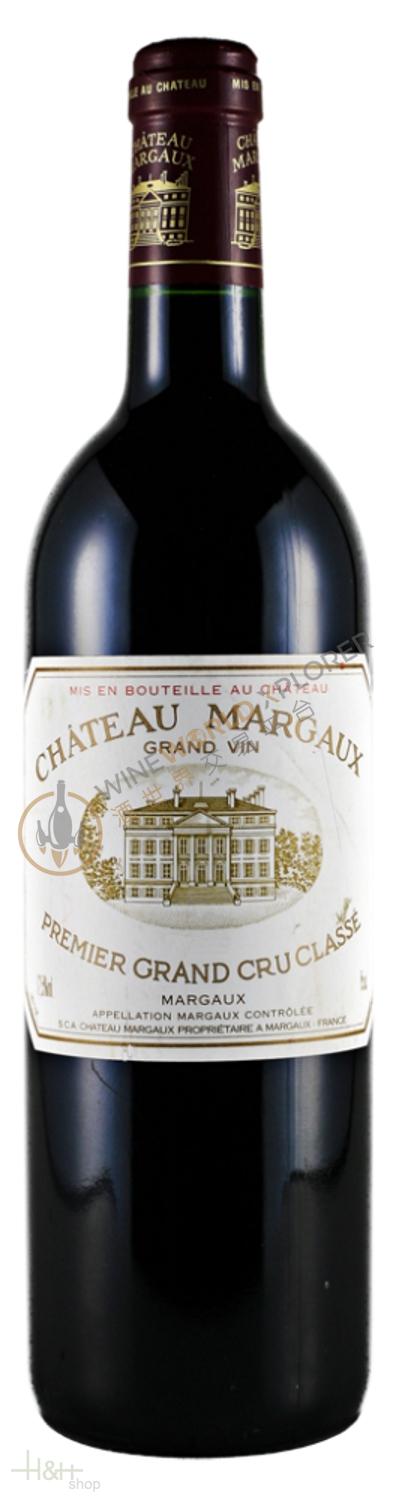
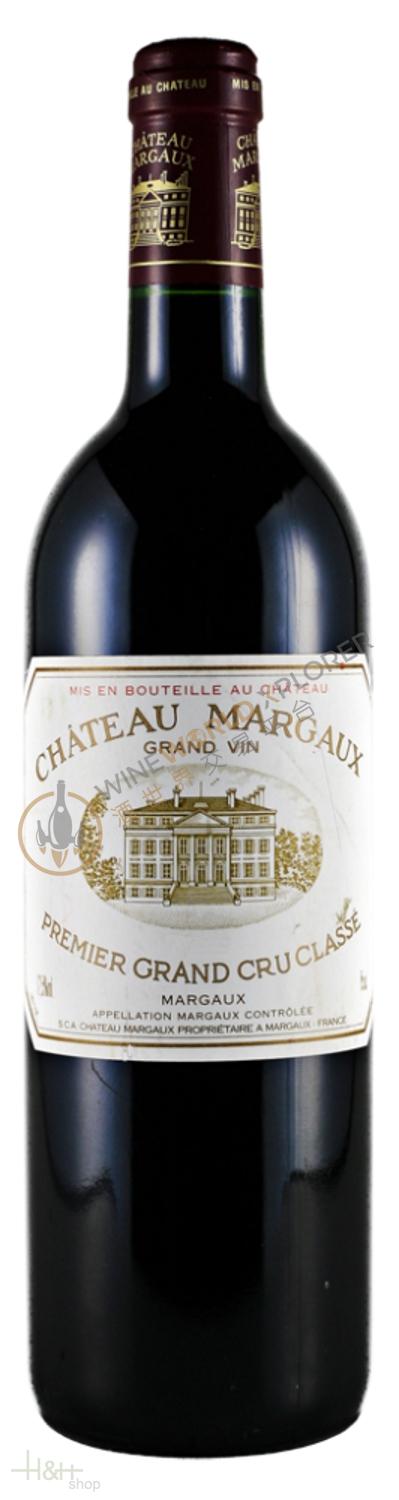
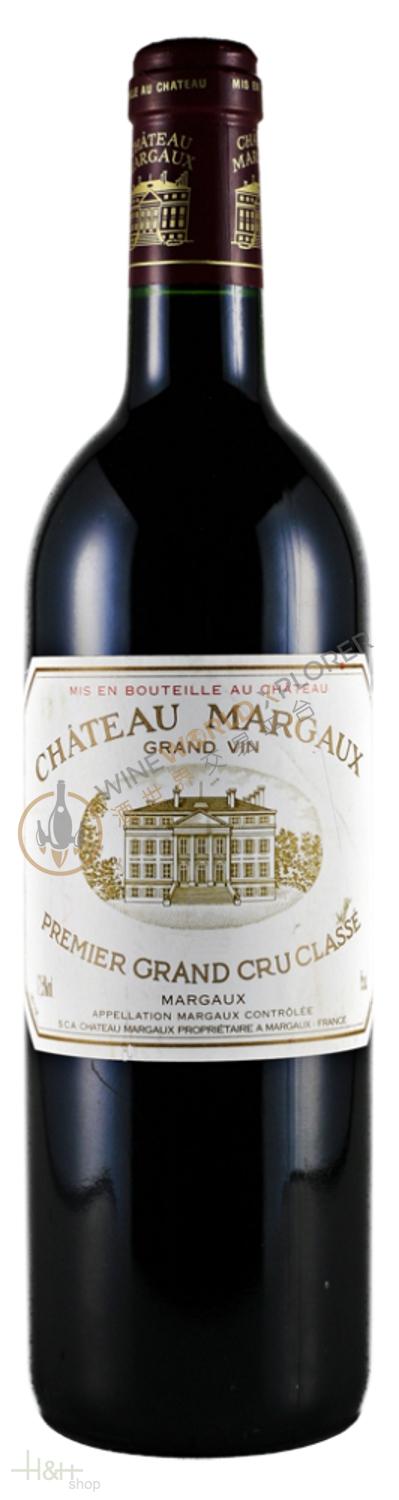
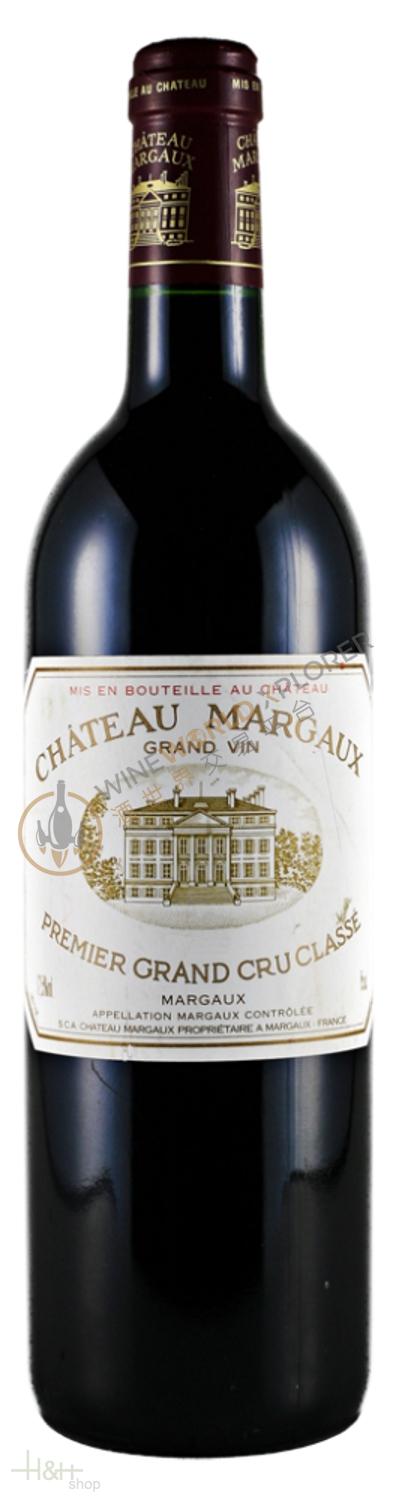
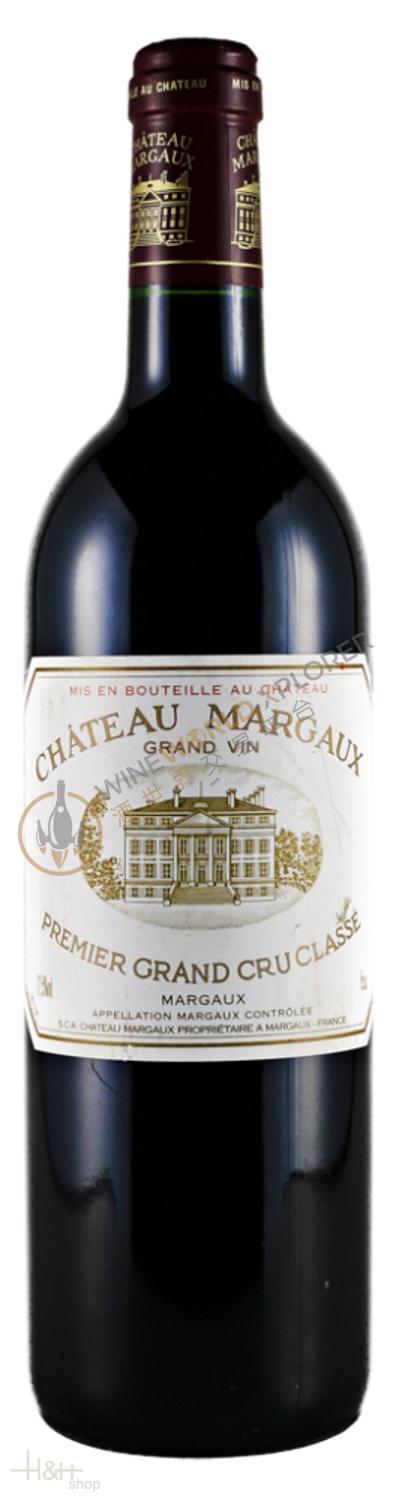
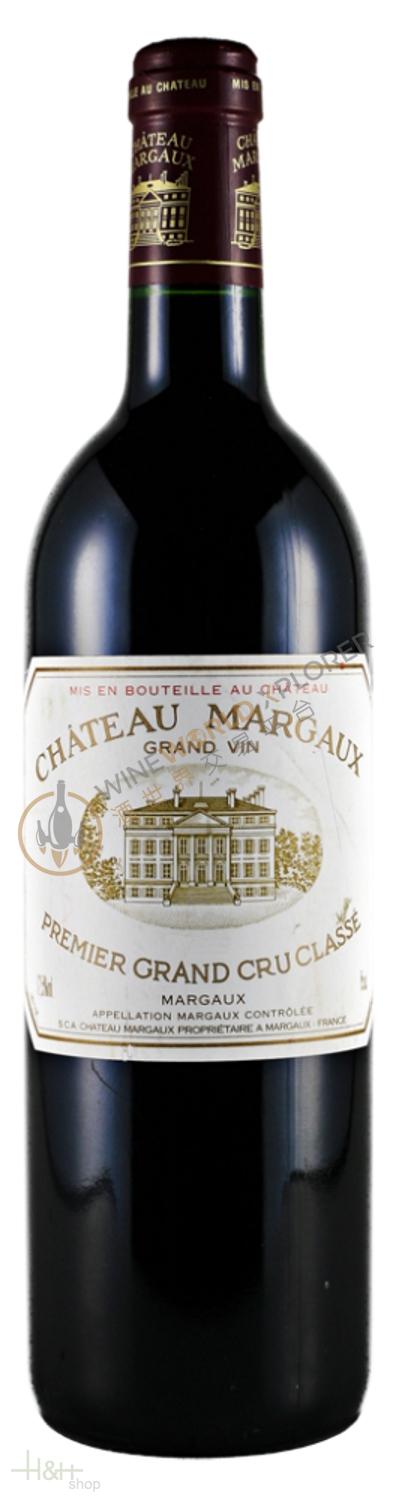
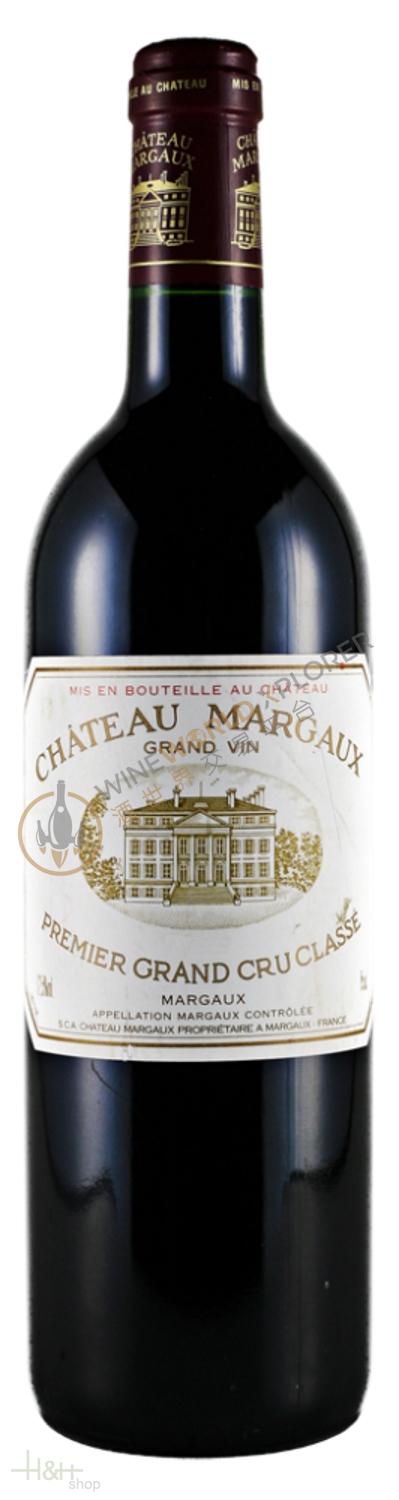
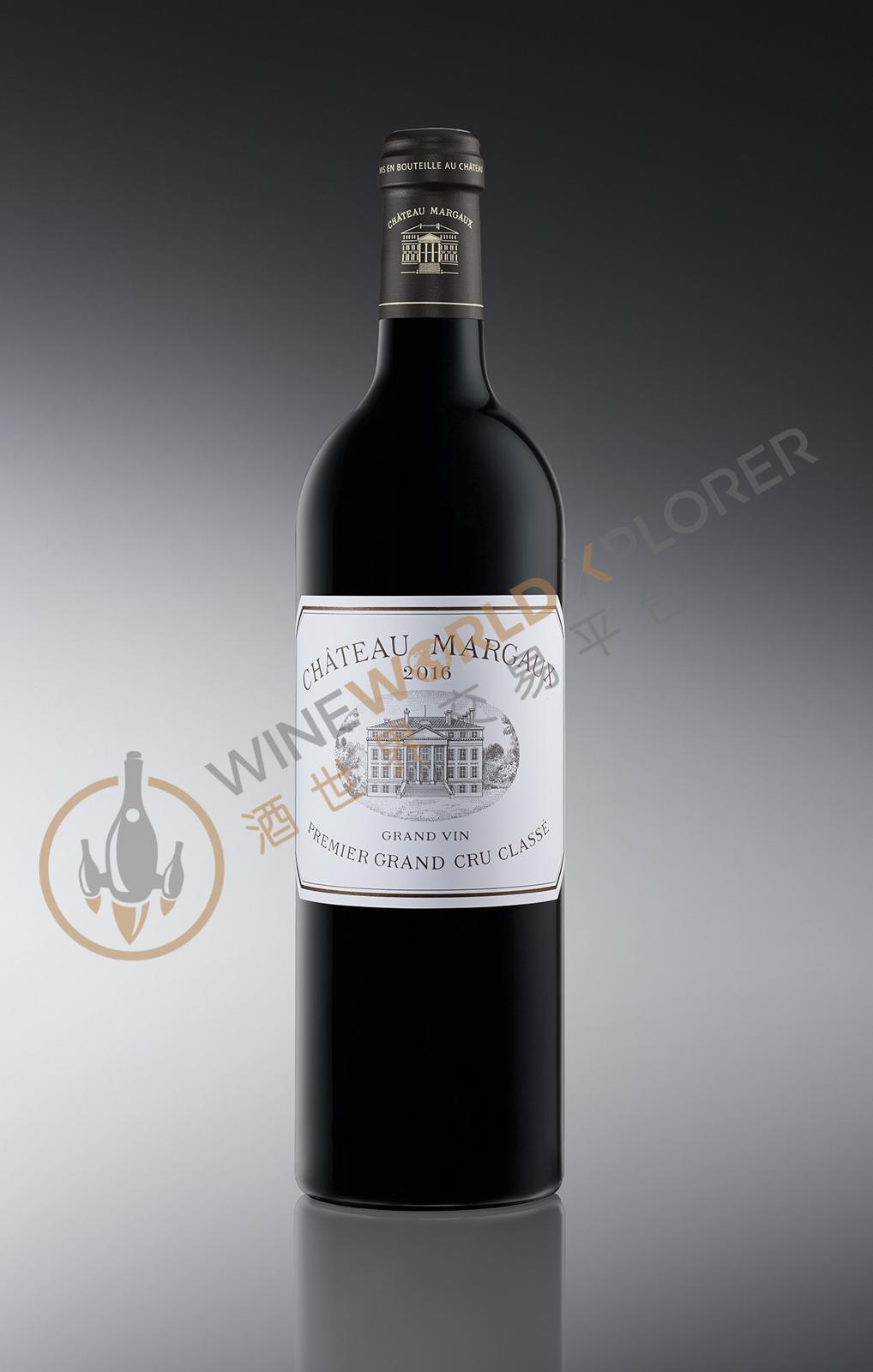
Chateau Margaux 1994
 View analysis


Description
Tasting notes

Reviewed by: Neal Martin
Poured at the chateau by Paul Pontallier whilst tasting his 2009, this is the first time I have tasted this particular off vintage. The nose is intriguing: very open with a touch of mulch, graphite, mint and crushed flowers, very “old school”...hints of juniper. It is very well balanced and fresh, quite crisp with slight hints of undergrowth and tar. It trails off a little towards the finish, but maintains good balance. It is a little sharp and a little dry on the finish, but is drinking perfectly now. It deserves some lamb to go with it. Tasted November 2011.
Reviewed by: Robert M. Parker, Jr.
Since 1978 there have been only two first-growths (or two of the so-called "big eight" of Bordeaux) that have been consistently excellent to superb - Chateau Haut-Brion and Chateau Margaux. Margaux's admirable consistency is well-displayed in the 1993-95 wines. Chateau Margaux was one of the last estates to bottle their 1994 (September, 1996), hoping to soften the vintage's high, hard tannin level. The wine has turned out to be a classic, long-lived Margaux. The opaque purple color is followed by this estate's tell-tale aromas of flowers, blackcurrants, licorice, and smoky oak. This dense, powerful, closed wine is a true vin de gard. It needs a decade of cellaring, but it should last for 25-35 years. Readers may find this wine reminiscent of the 1988, only riper and more powerful. Anticipated maturity: 2005-2030.
Reviewed by: Neal Martin
Tasted at 28-50 restaurant at the 1994 dinner. The Chateau Margaux was easily the best wine of the night of 1994 Left Banks and better than Mouton and even better than the same wine tasted at the property twelve hours earlier. The reason is the life-affirming minerality and precision that acts as its badge confirming its status. The palate is extremely well balanced, showing up its less refined tannins. Along with Latour this is probably the finest Left Bank wine of the vintage. Sheer class. Drink now-2022. Tasted November 2011.
Reviewed by: Robert M. Parker, Jr.
With what will undoubtedly be high enthusiasm for the 1995, there may be a tendency to forget the fine 1994. This wine will not be bottled until fall because of its power. It exhibits a healthy dark ruby/purple color, a classic lead pencil, cassis, and vanillin-scented nose, medium body, sweet, ripe black fruits, excellent density, high tannin, and a firm, structured, powerful finish. This wine will not be as flattering young as the 1995. It is built along the lines of the 1988 but may be even more ageworthy. The 1994 will require 4-5 years of cellaring and will keep for 20+. All of the wines in this segment were tasted between March 19 and March 28 in Bordeaux. Most of the important wines from both the 1994 and 1995 vintages were tasted three separate times during my ten-day stay in Bordeaux.
Reviewed by: Robert M. Parker, Jr.
Forty-seven percent of the harvest made it into the 1994 Margaux. The wine is reminiscent of their 1985, with more structure and tannin. It exhibits a deep, opaque ruby/purple color, and an attractive, sweet nose of blackcurrants, spice, toast, and floral scents. Good fatness, layered richness, impressive extraction of fruit, and fine purity are noticeable in this medium-bodied, elegant yet concentrated wine. The finish exhibits sweet but noticeable tannin. The wine will firm up in the barrel. This outstanding Margaux should drink well during its first decade of life and keep for 20-35 years. By the way, the 1993 Margaux, which was just about to be bottled, continues to taste like one of the stars of that vintage.
Reviewed by: Robert M. Parker, Jr.
This largely forgotten vintage seems to have turned the corner in the last year or two. Because of strict selections made at the top chateaux, the wines always had density, but the level of tannin was frequently too high, and the type of tannin was more green and astringent. Chateau Margaux’s 1994 has always been one of the candidates for the “wine of the vintage.” The wine still has a dense plum/purple color and a big, sweet nose of black fruits intermixed with licorice, camphor, vanilla, and a hint of flowers. The wine is dense and powerful, but the tannins have softened and do not seem as hard and intrusive as they did in the late nineties. This wine will last for decades and hopefully become even more seamless, although it is hard to believe all the tannin will gradually dissipate. Anticipated maturity: 2008-2025. Last tasted, 10/02.
Reviewed by: Stephen Tanzer
Very good bright red-ruby color. Sappy, very floral nose hints at toasty oak. Sweet, supple. smooth and oaks in the mouth. A very consistent though fairly tannic wine without the grip or structure of the '95. In fact, tasted after the '95, this seemed much oakier and even a bit monolithic.
About the Producer
Chateau Margaux is located in the village of Margaux, in the Medoc appellation on the left bank of Bordeaux, and was awarded a First Growth in the 1855 Bordeaux Medoc classification, alongside Chateau Lafite Rothschild, Chateau Latour and Château Haut-Brion. It is also known as Chateau Haut-Brion. Château Margaux currently covers a total of 262 hectares, including 99 hectares of vineyards. The red vineyard has an appellation of 87 hectares, of which 82 hectares are planted, while the white vineyard is planted with 12 hectares. The red varieties are mainly Cabernet Sauvignon, Merlot, Petit Verdot and Cabernet Franc; the white varieties are Sauvignon Blanc and the vines are on average 45 years old. Since the end of the 1990s, the estate has refused to use pesticides in the vineyards. In addition, only organic fertilisers are used in the vineyard, and deep fertilisation is carried out at regular intervals to improve the soil structure and rejuvenate the soil. During the harvest season, the winery team selects the right time to harvest the grapes by testing and analysing all the indicators and by tasting the grapes themselves. Once the grapes have reached their ideal state of ripeness, they are harvested by a team of over 200 trained harvesters. Once in the winery, the grapes undergo a rigorous selection process before being de-stemmed. Both oak barrels and stainless steel tanks are used to ferment the red grapes, while the white grapes are fermented entirely in oak barrels. After the alcoholic fermentation, the wine undergoes malolactic fermentation. The red wines are then left to mature in oak barrels for 18-24 months and the whites for 6-8 months. The main wine of the estate, Château Margaux's red wine, is rich and complex, with an elegant and powerful ballet on the tongue, rich and smooth tannins, good balance and a long, fresh finish with excellent ageing potential. It successfully conquered Napoleon Bonaparte, the founder of the First French Empire, and won the hearts of Thomas Jefferson, the founding father of the United States, and Margaret Thatcher, the "Iron Lady" of England. In the world of wine criticism, Château Margaux's red wines have also been recognised, with four perfect scores from Robert Parker and many more from other critics with 95 points or more. In recent years, the quality of Château Margaux's red wines has been steady and has maintained a high level of interest in the market.
1958(1)1960(1)1961(2)1962(1)1963(1)1964(1)1969(2)1970(1)1971(1)1972(1)1974(1)1975(1)1976(1)1978(1)1979(1)1981(1)1982(6)1983(4)1984(1)1985(4)1986(6)1987(3)1988(8)1989(6)1990(11)1991(2)1992(4)1993(3)
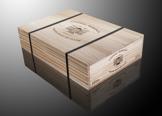
Package Size