 Wine Advisor



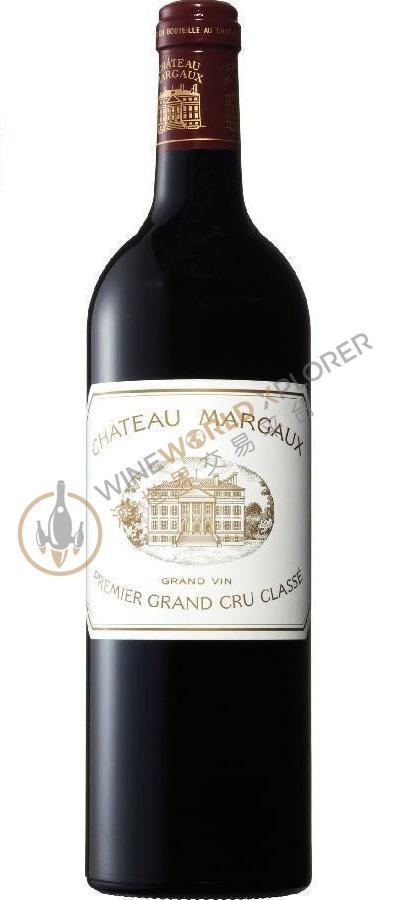
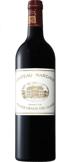
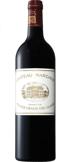
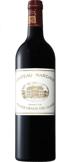
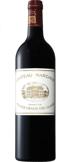
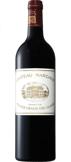
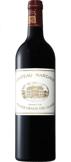
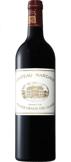
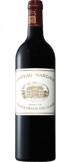
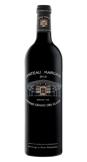
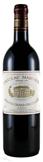
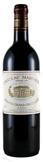
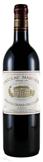
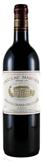
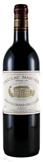
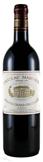
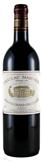
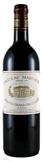
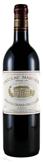
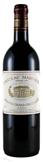
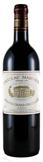
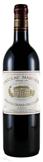
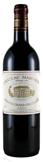
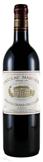
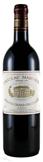
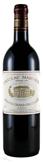
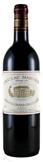
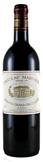
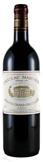
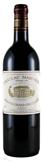
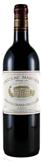
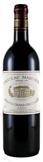
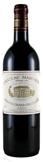
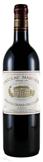
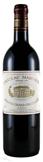
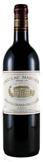
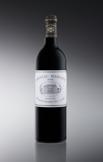
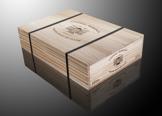
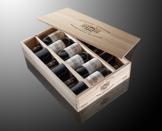
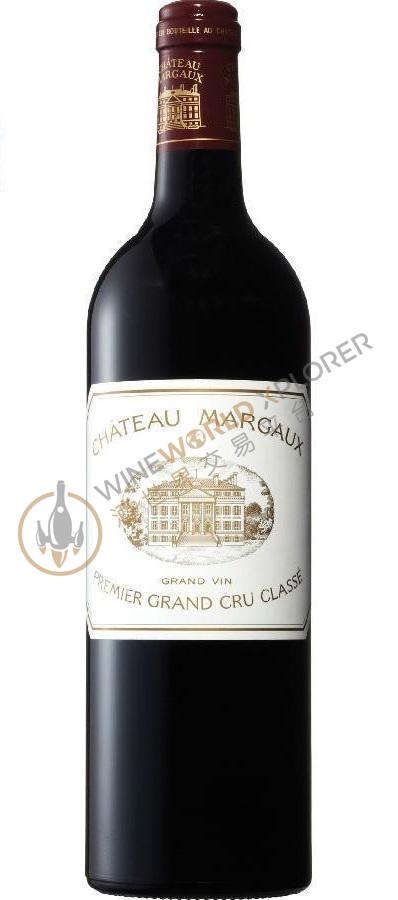
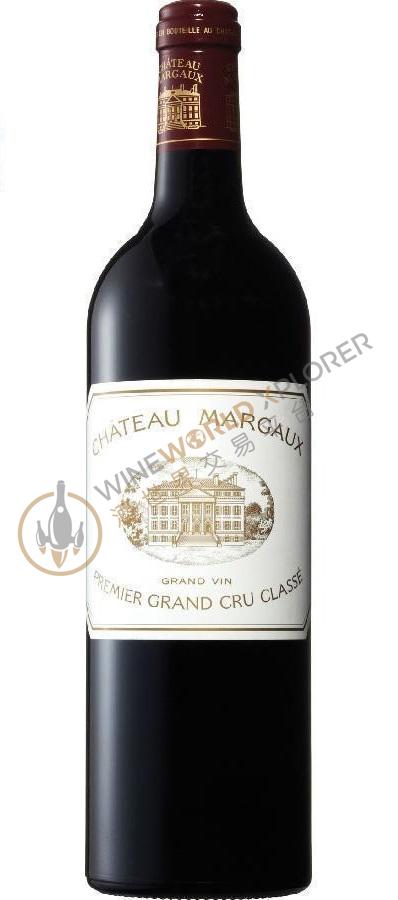
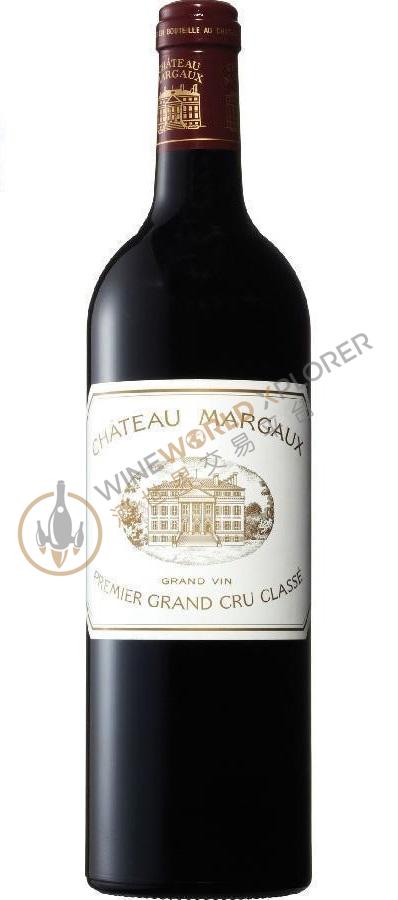
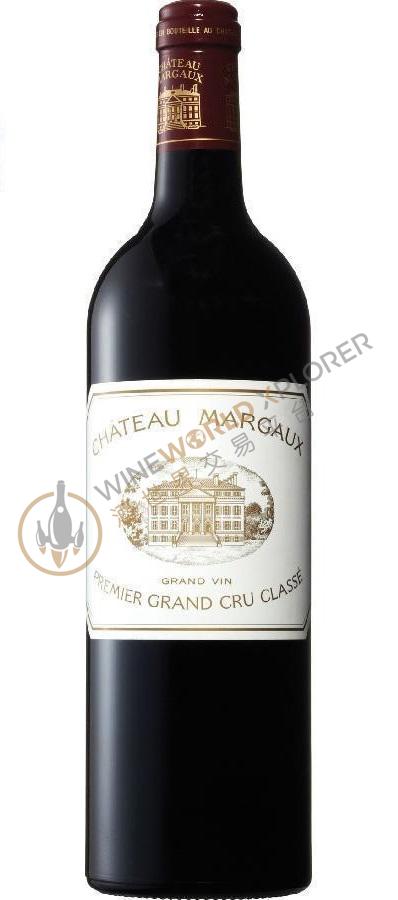
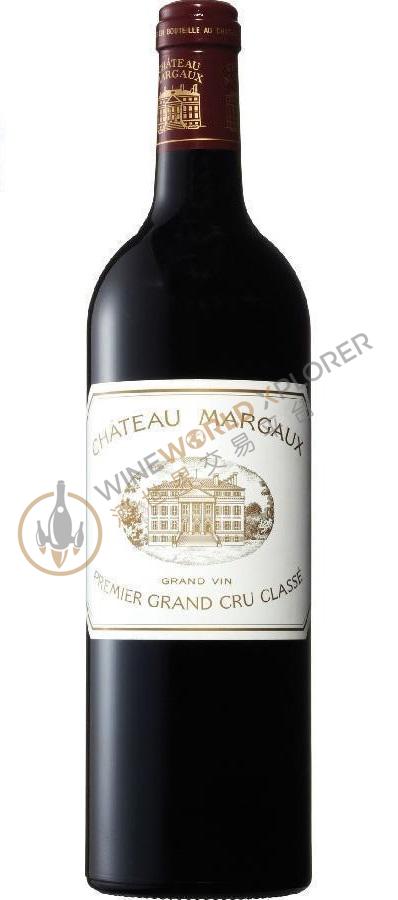
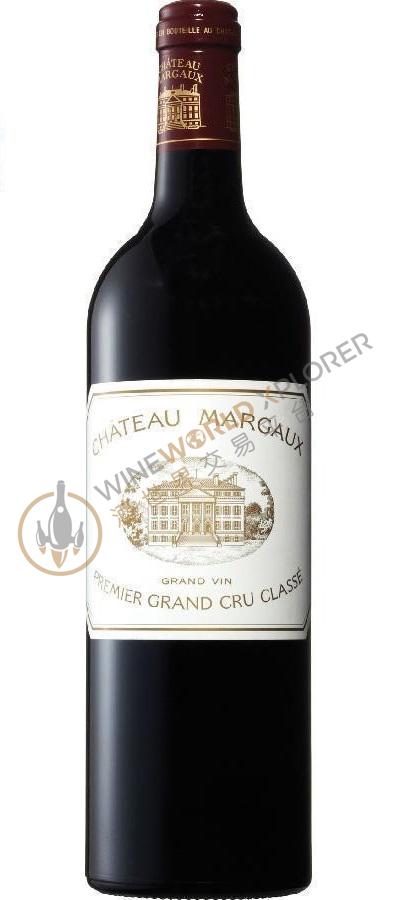
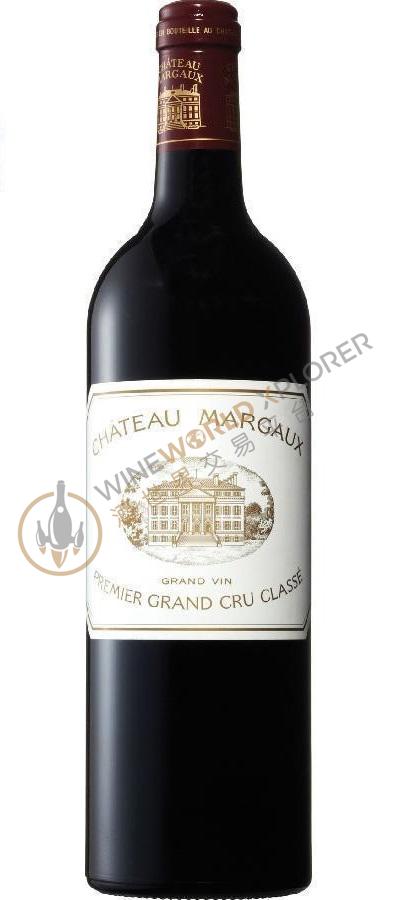
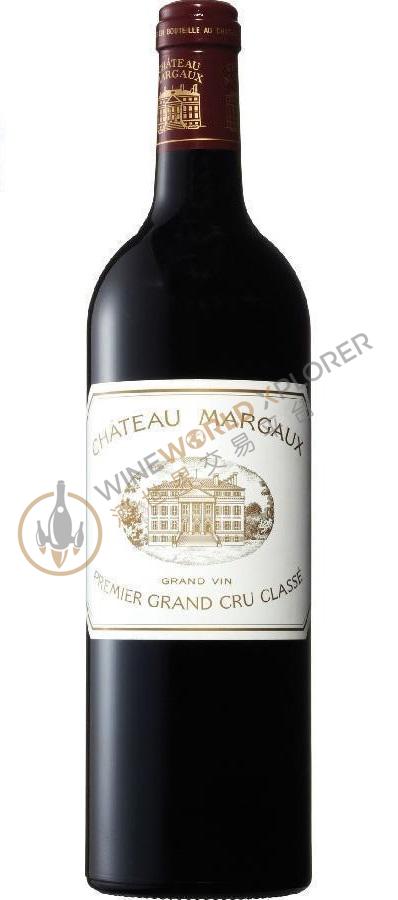
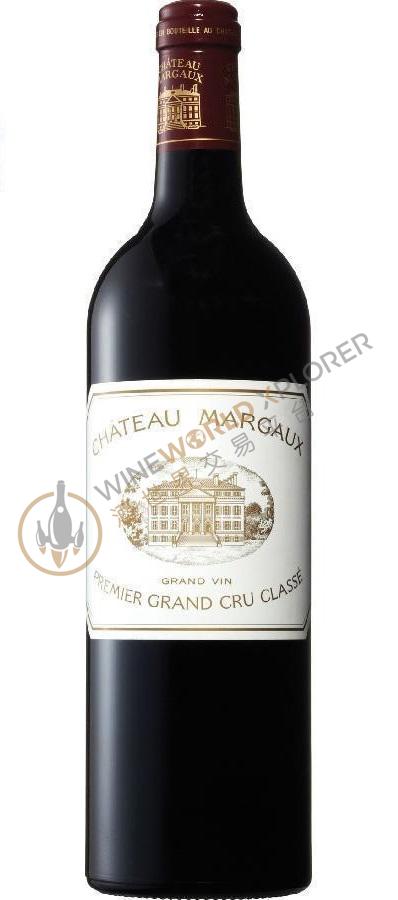
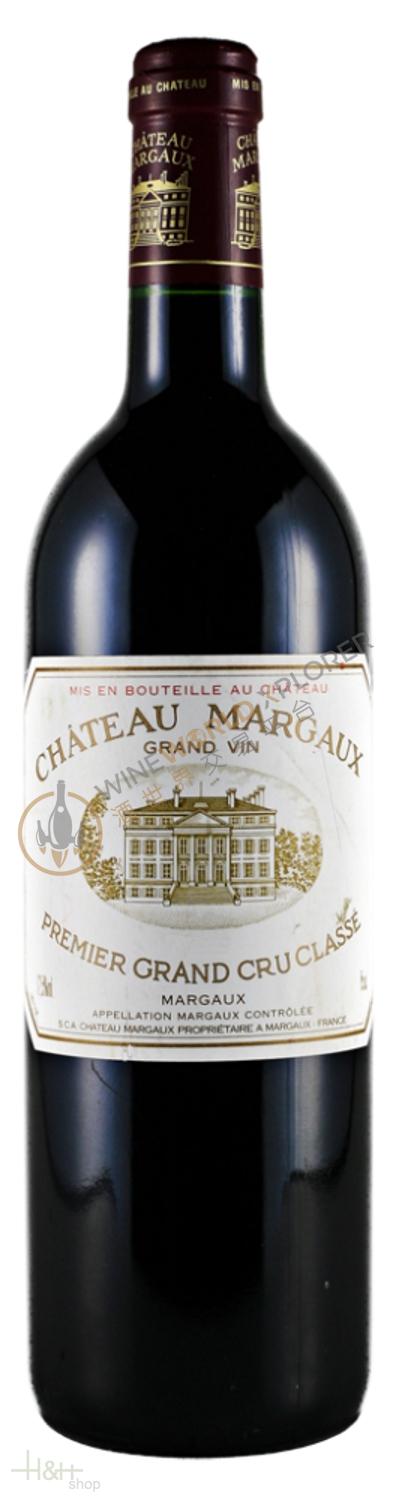
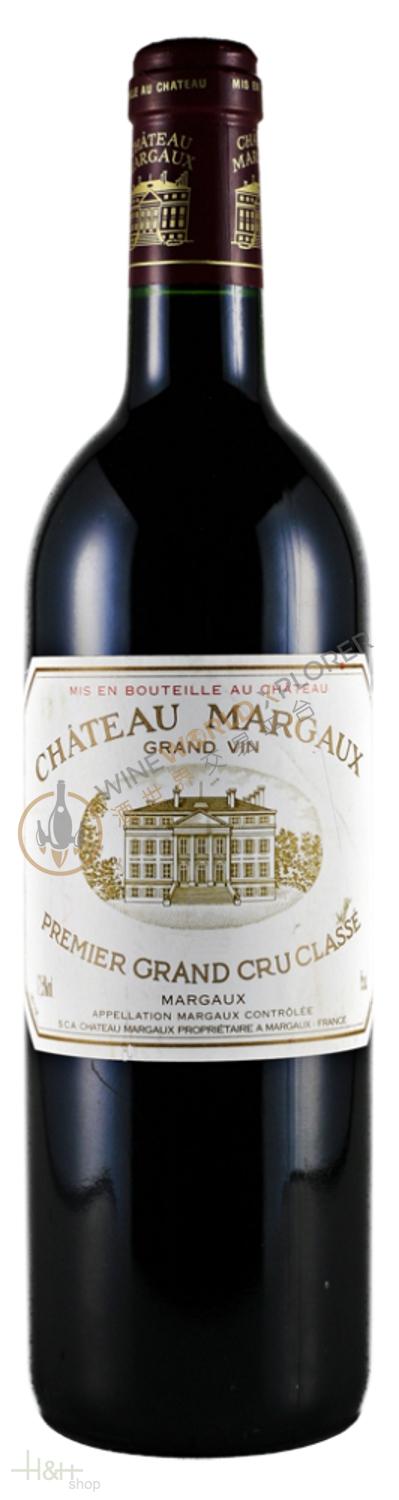
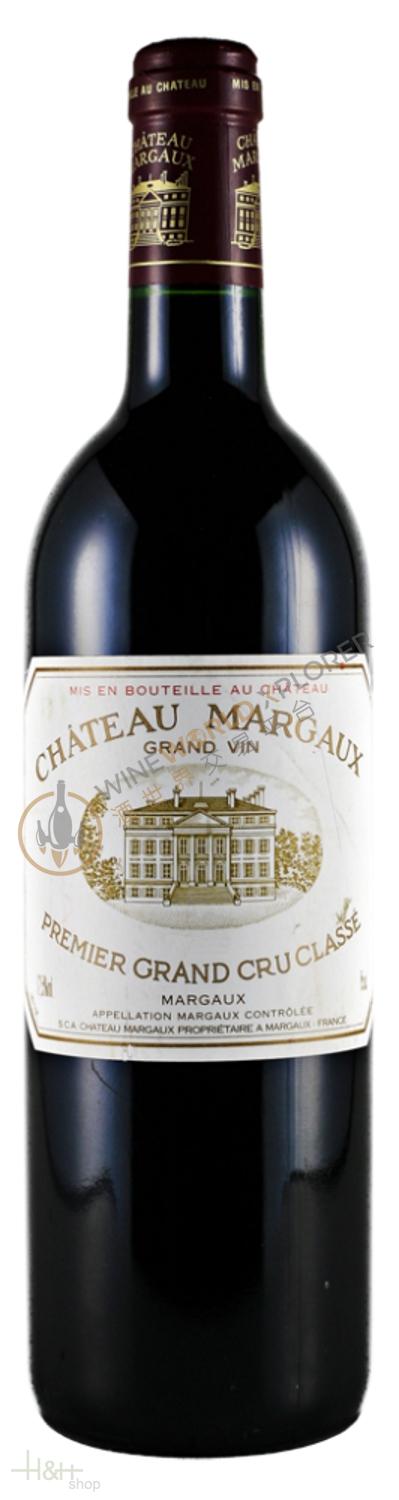
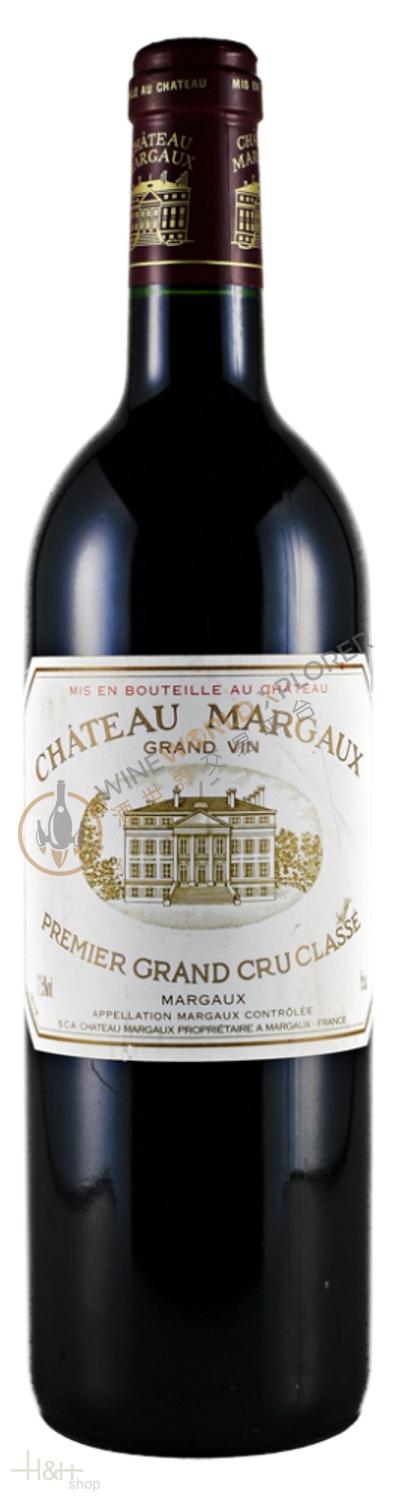
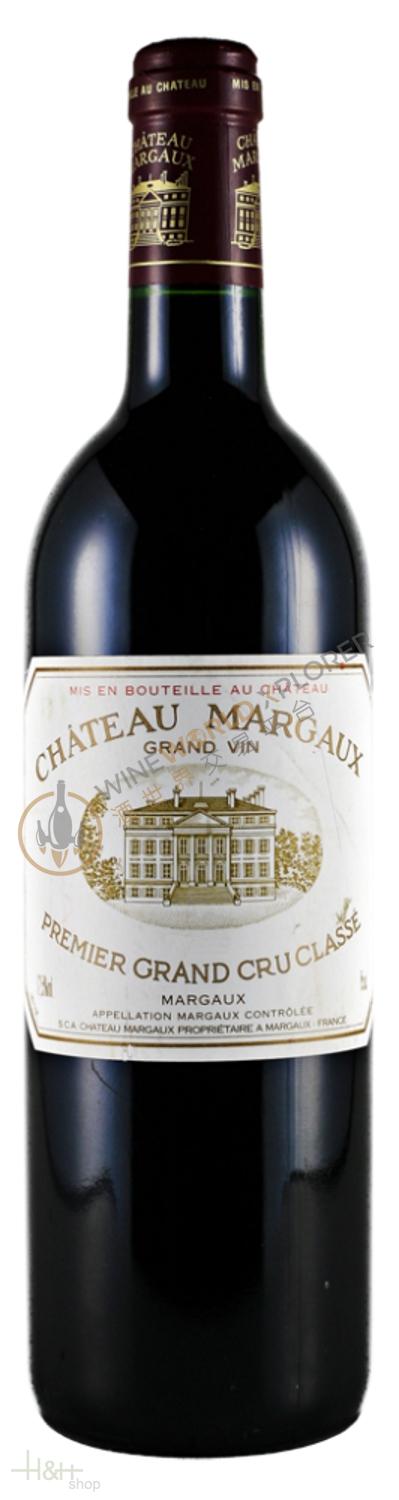
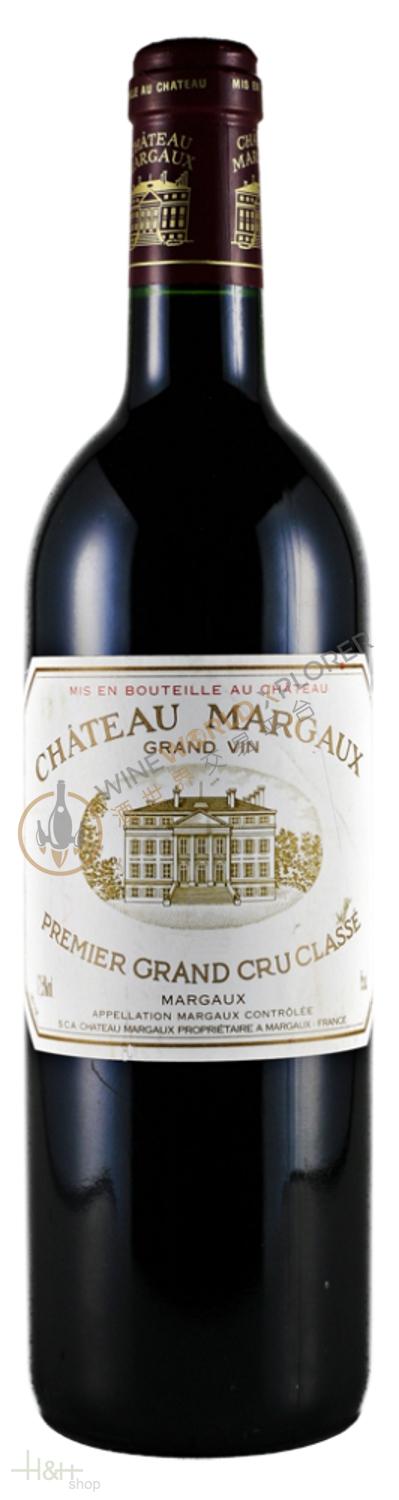
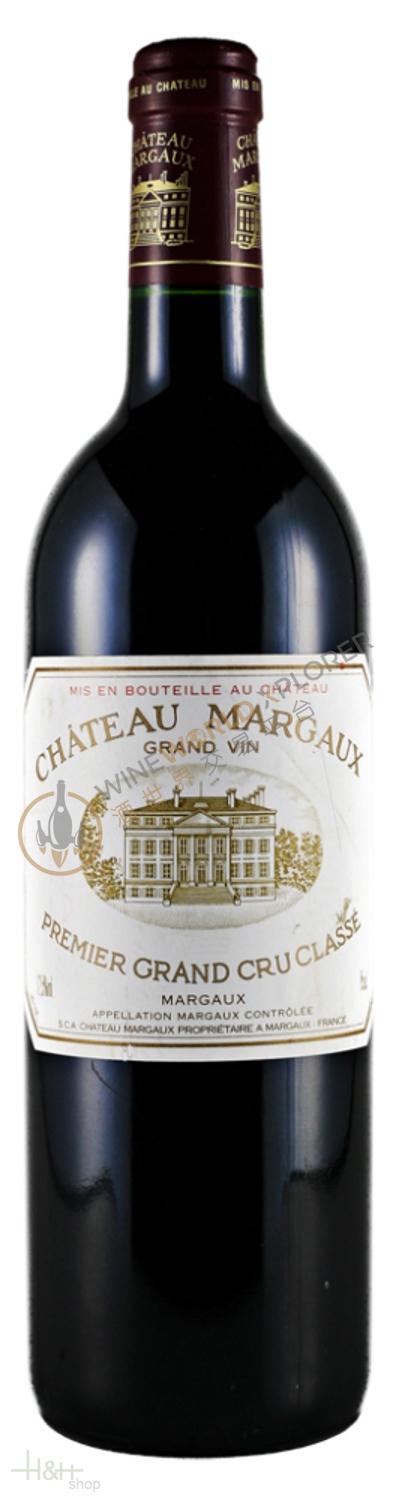
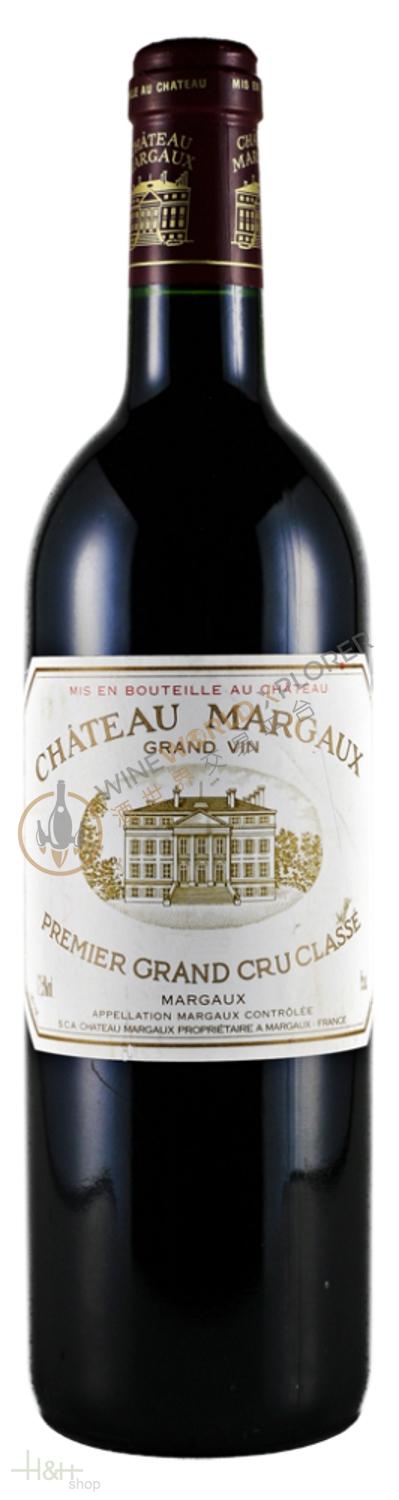
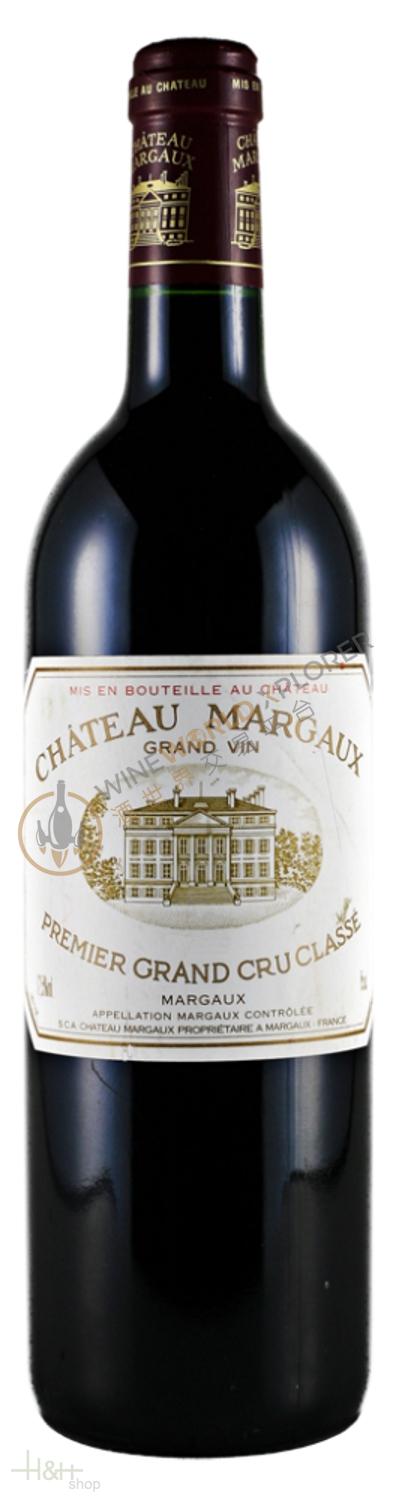
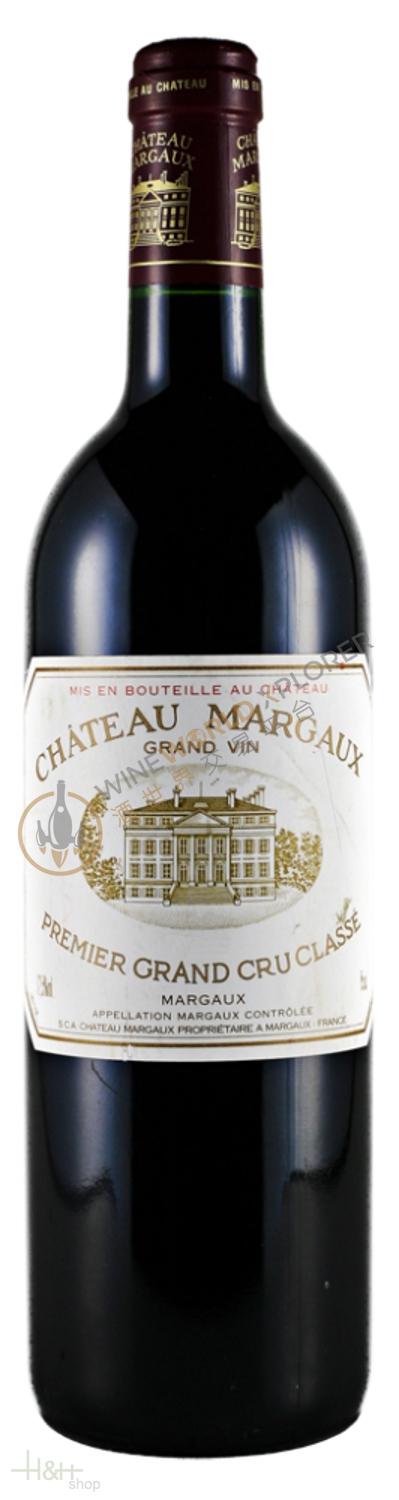
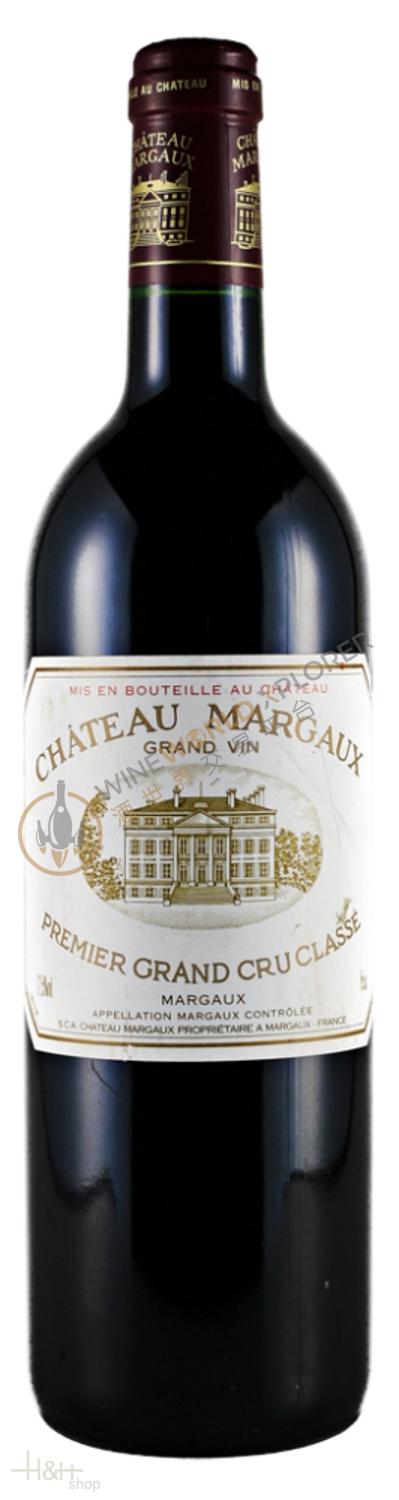
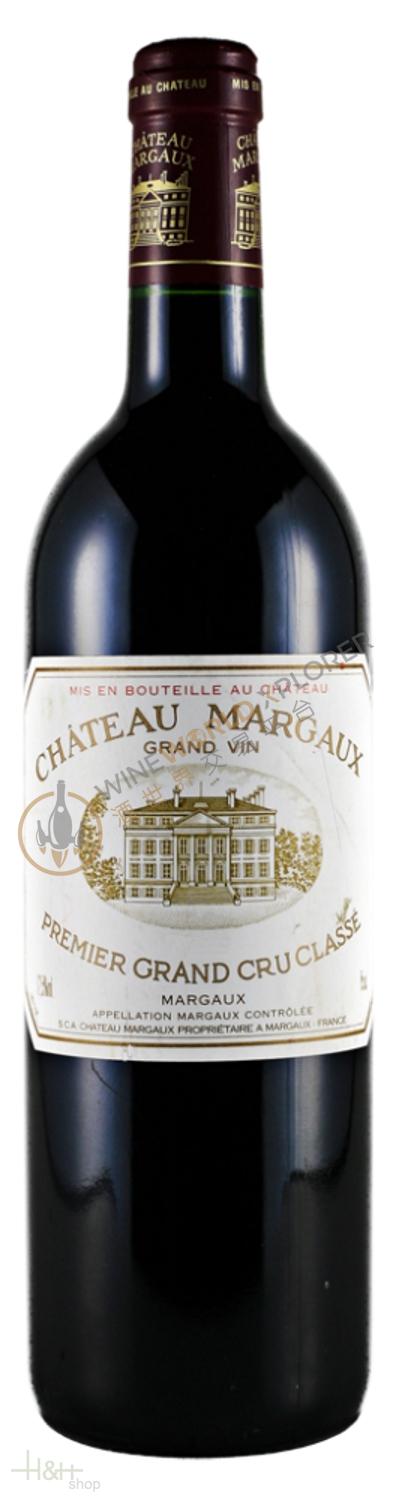
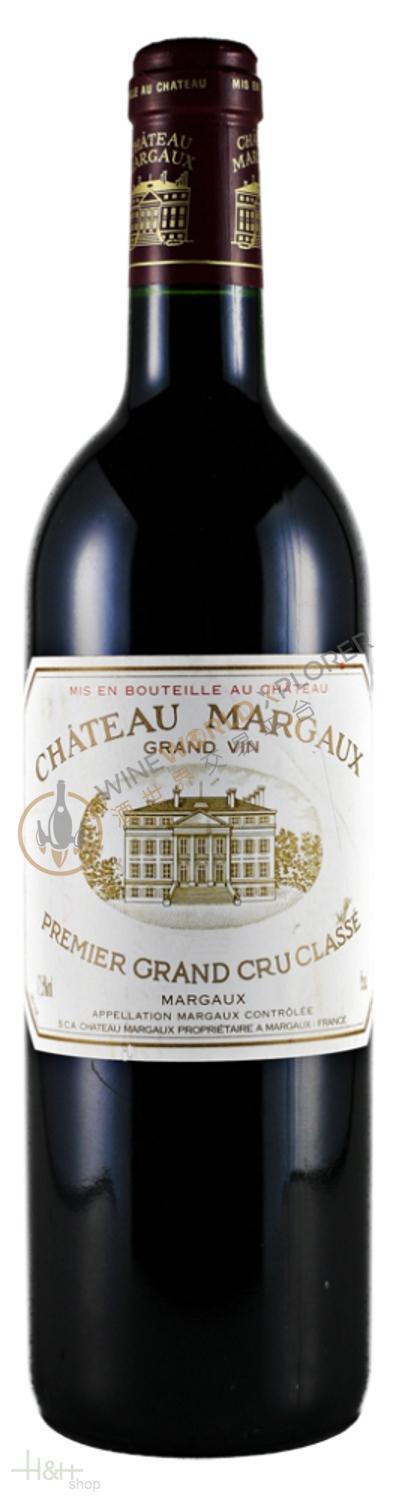
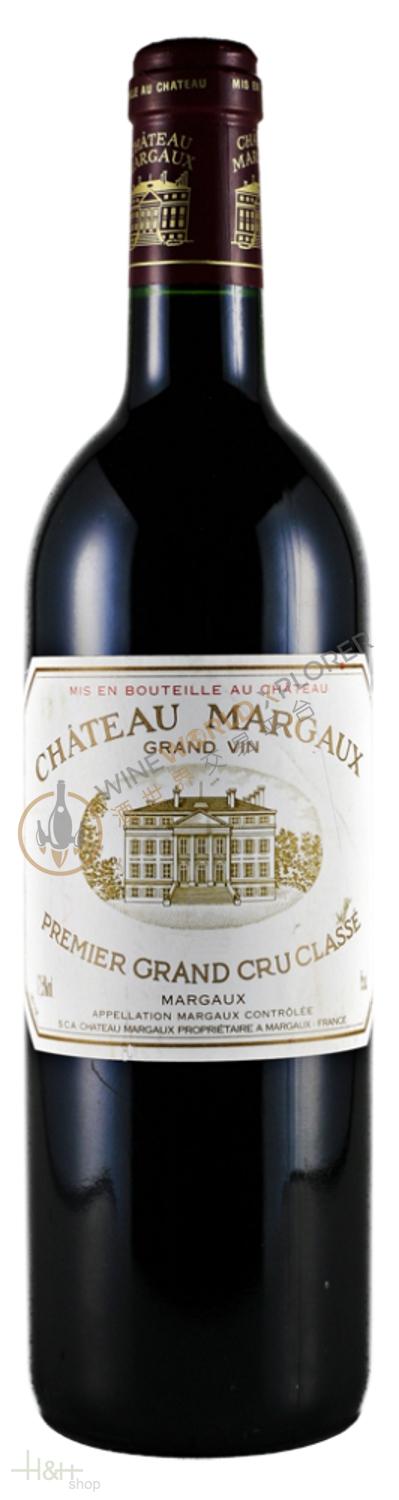
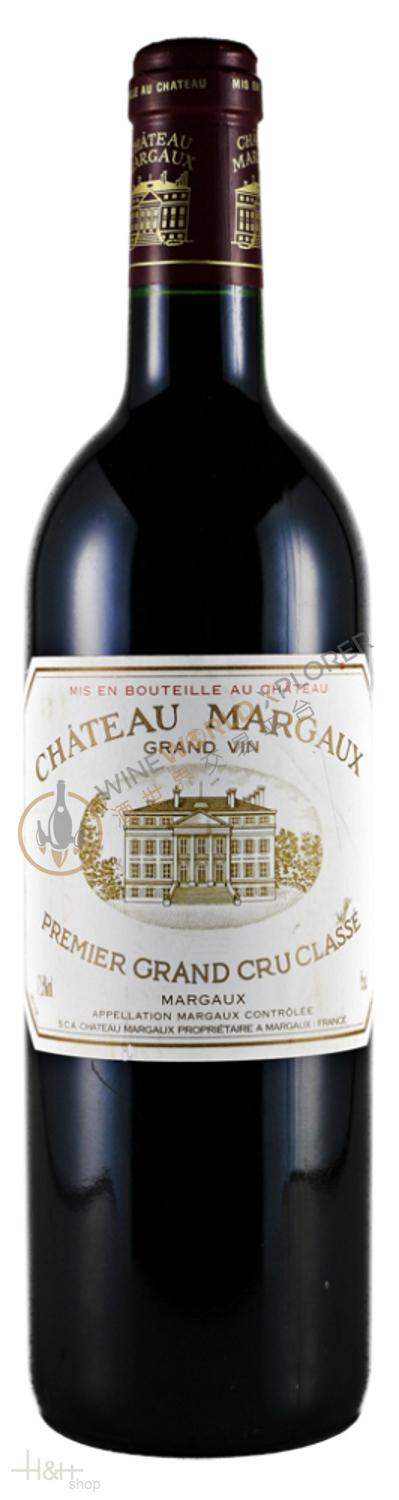
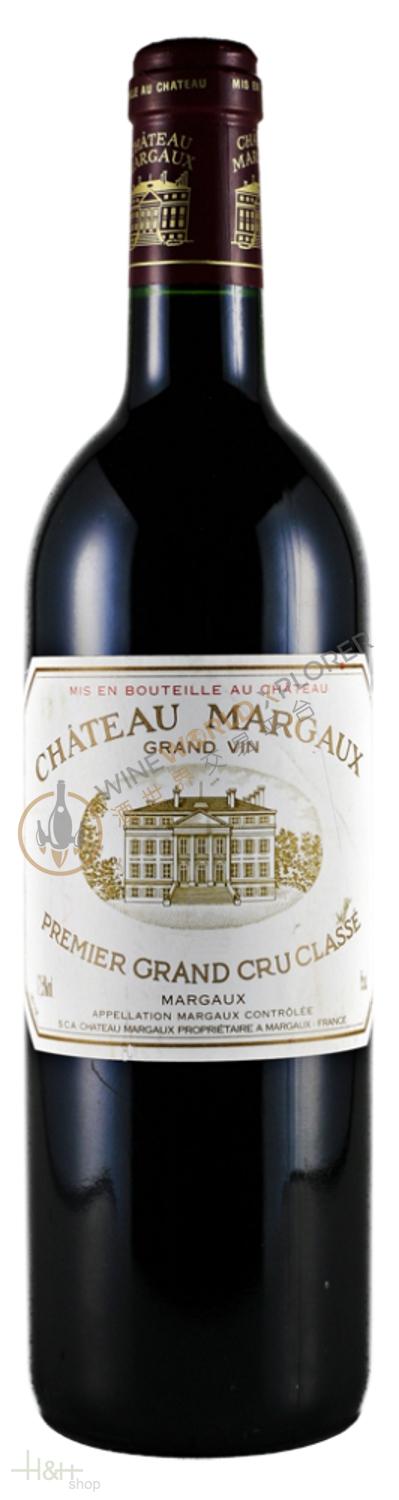
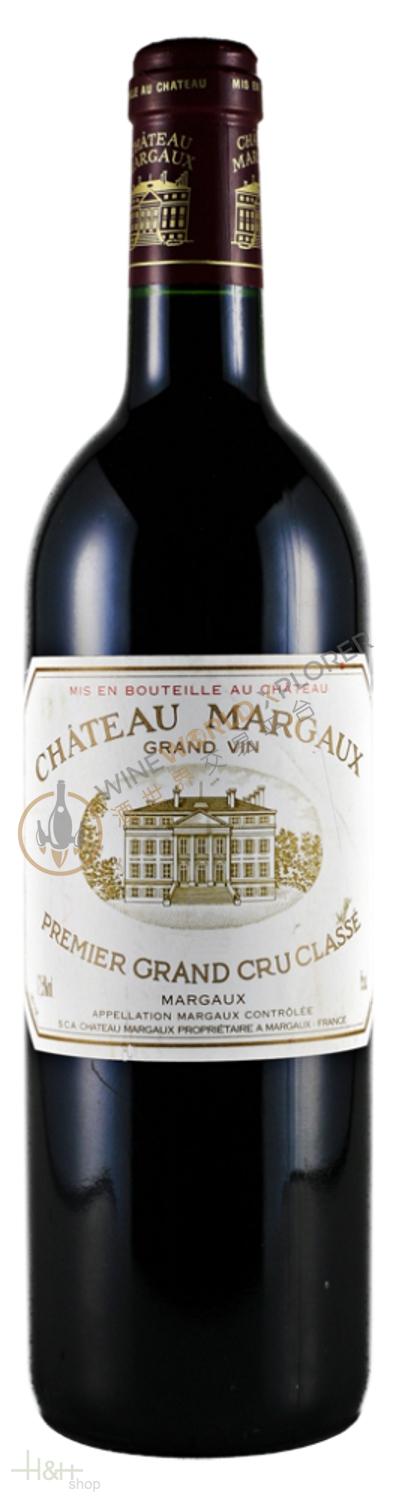
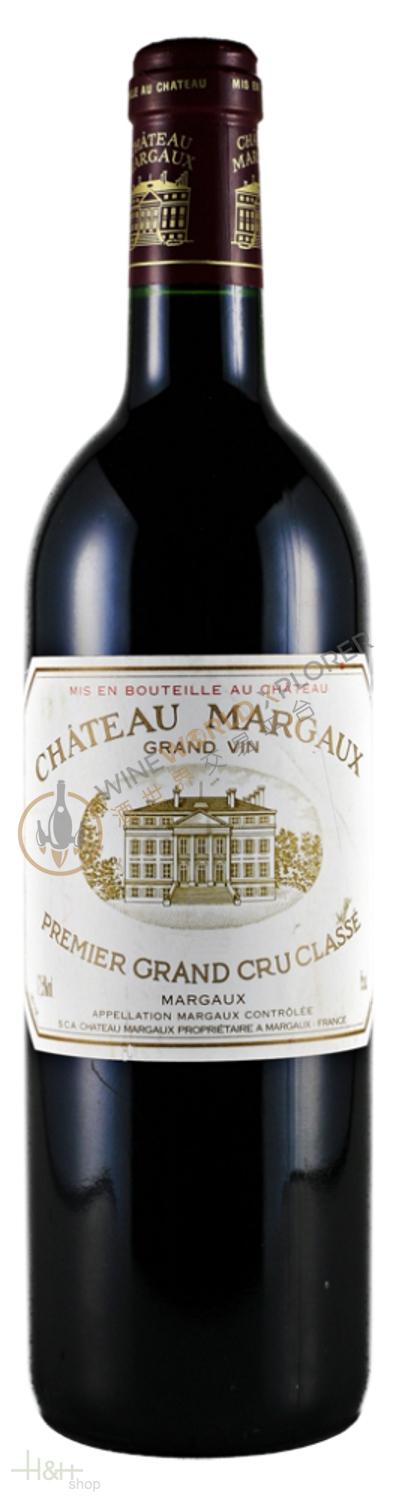
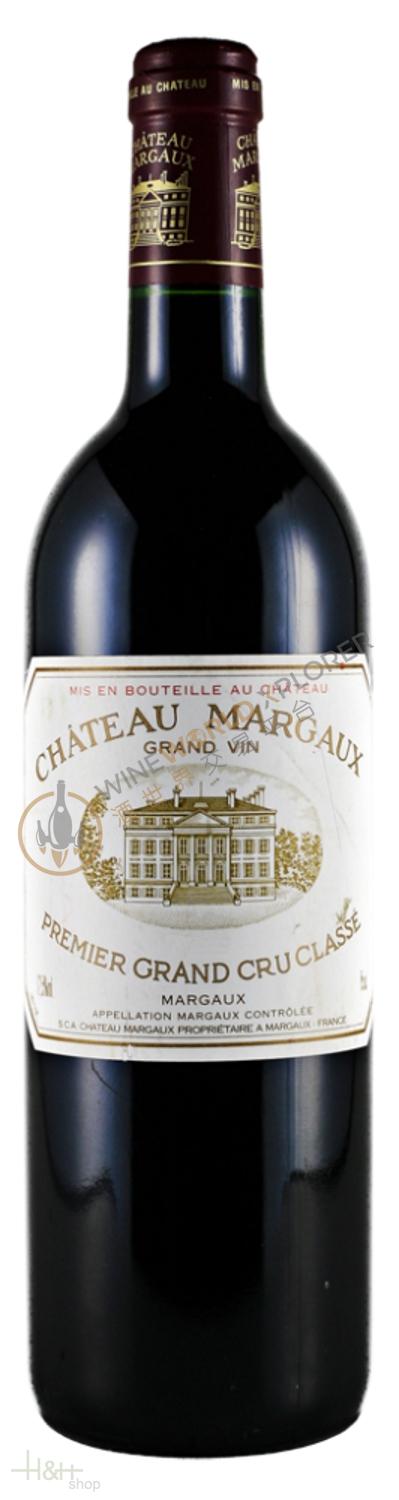
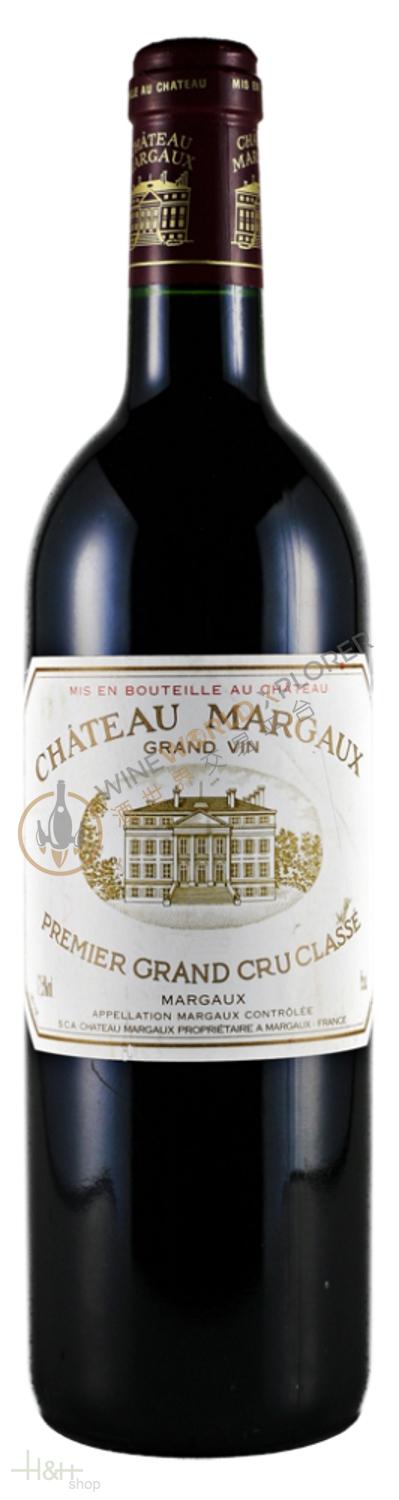
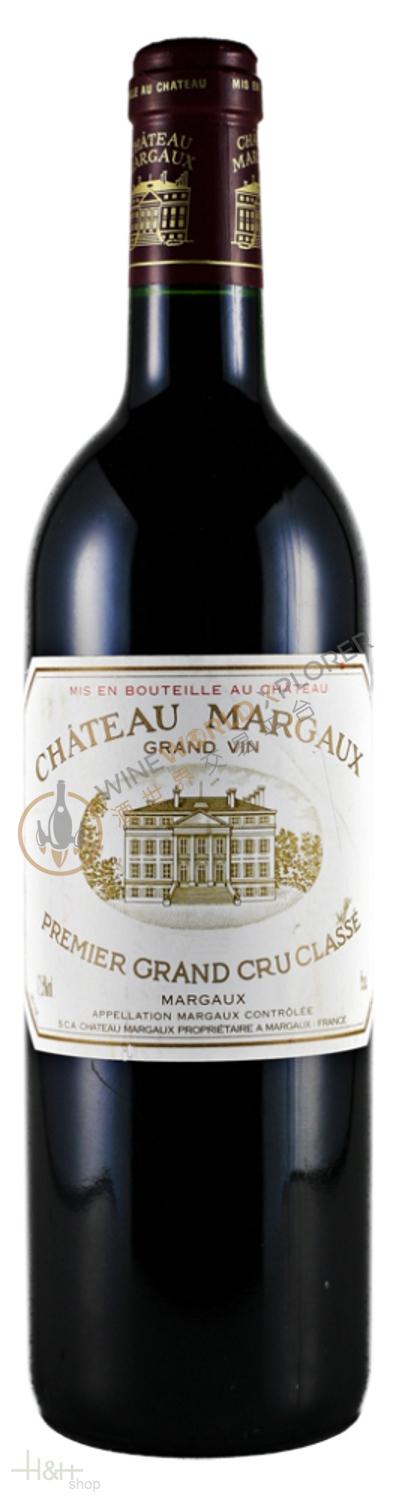
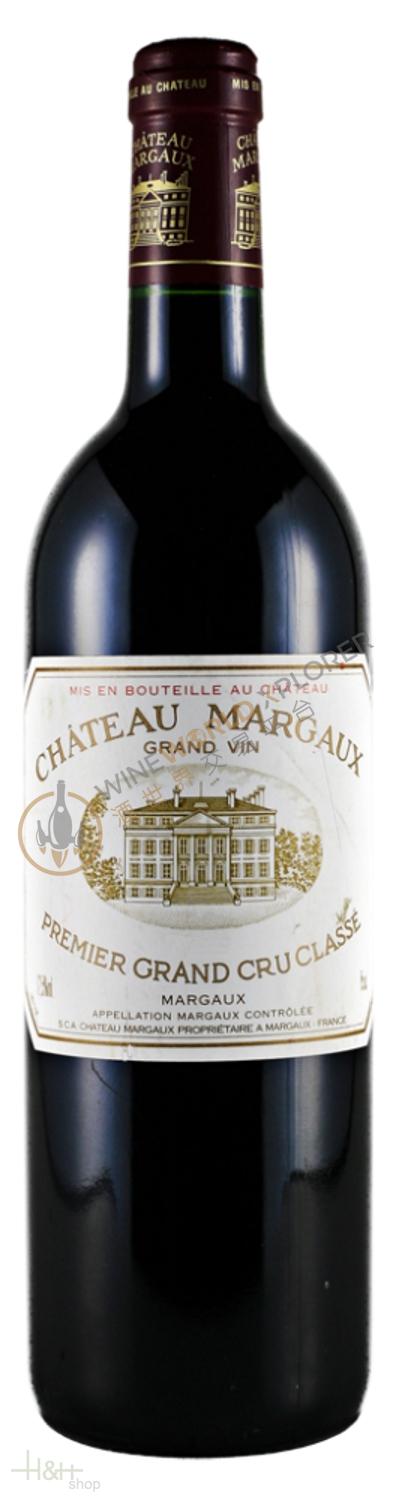
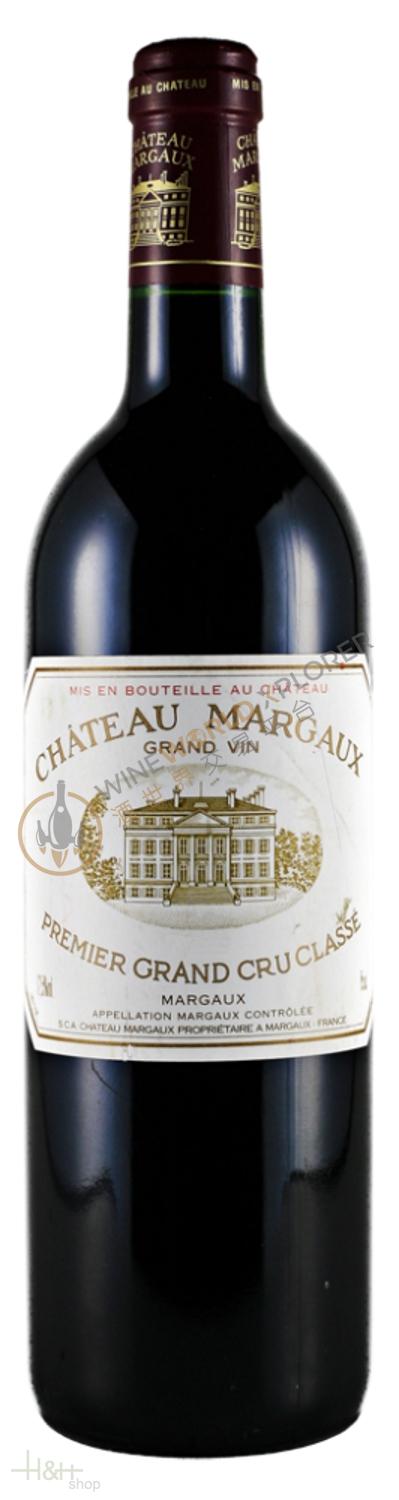
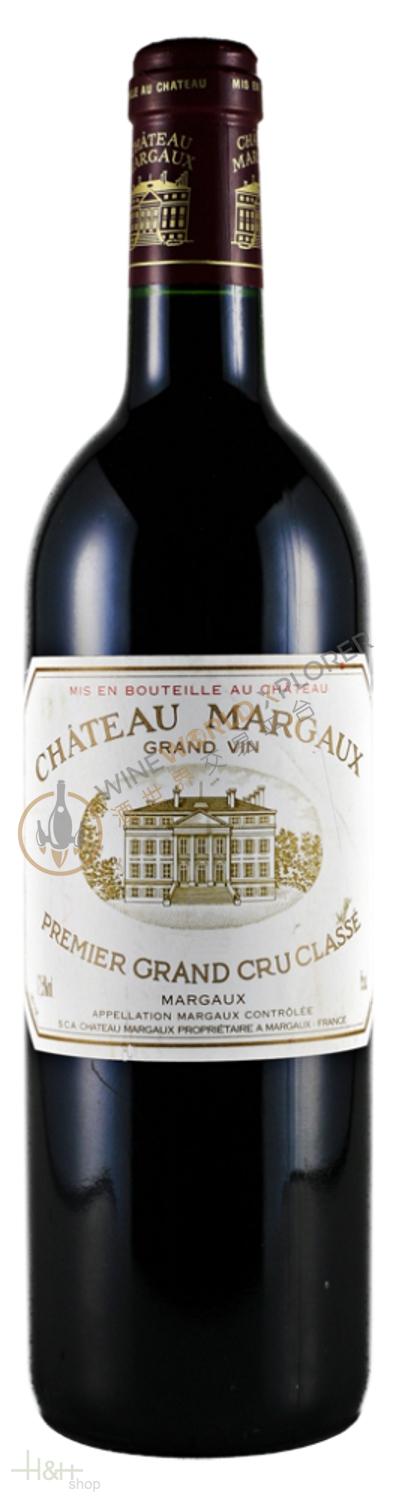
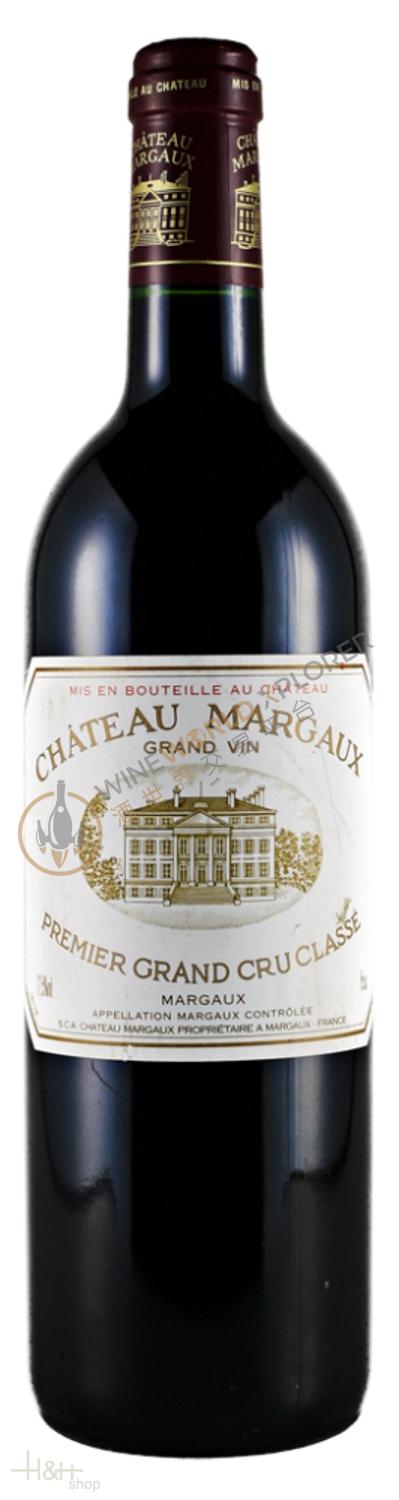
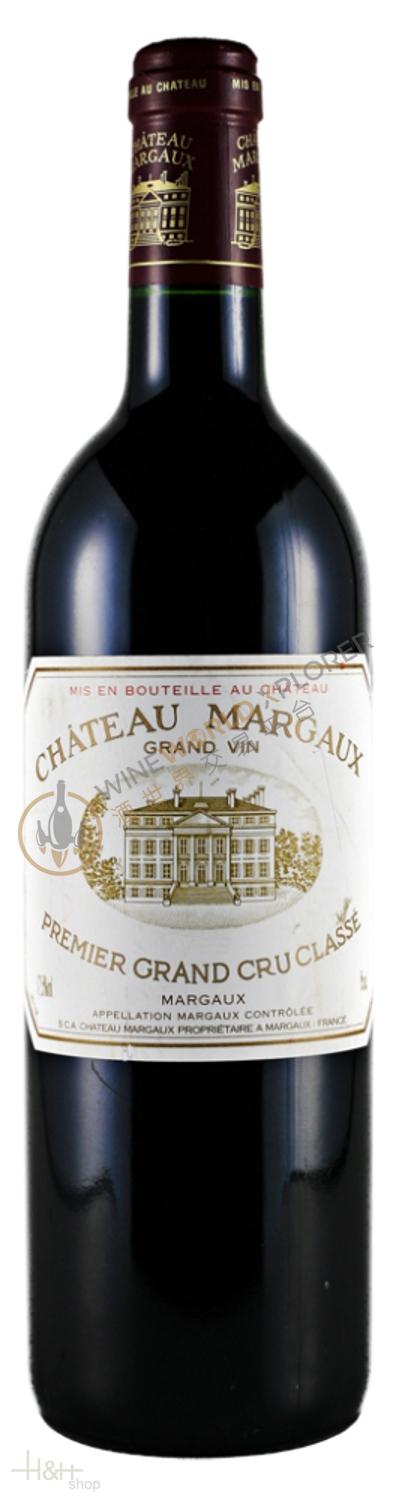
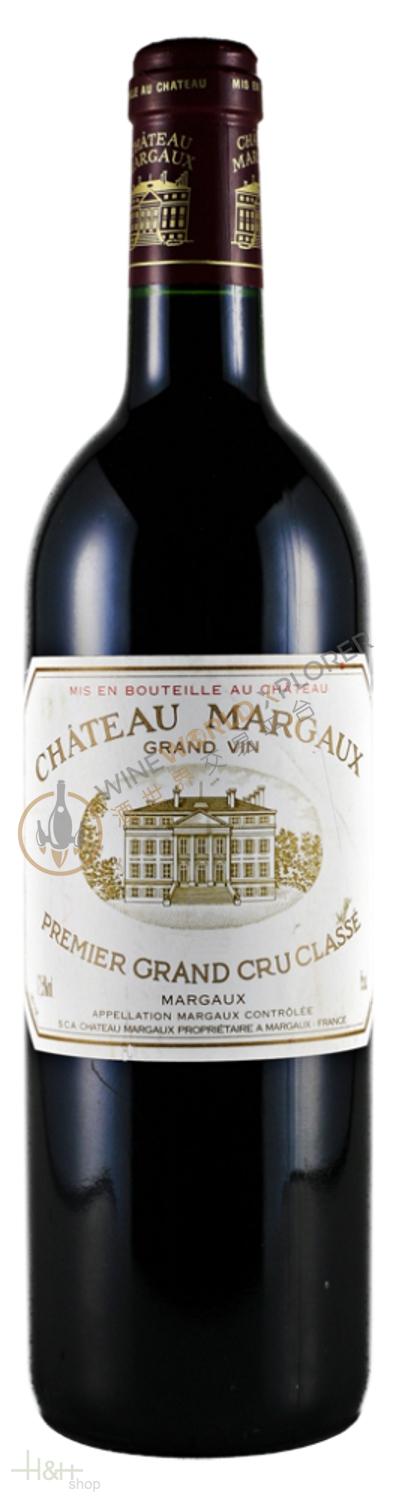
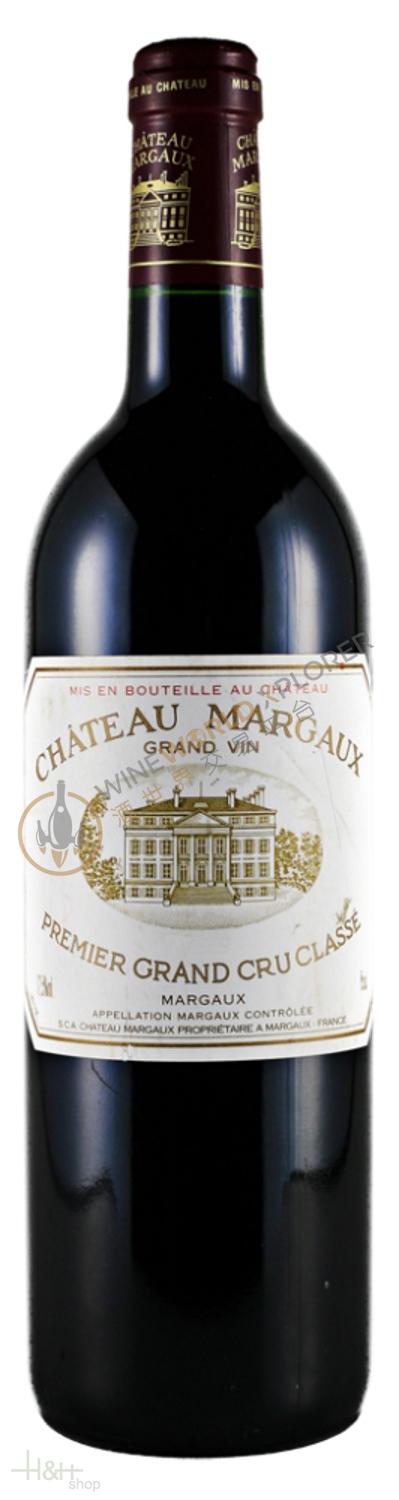
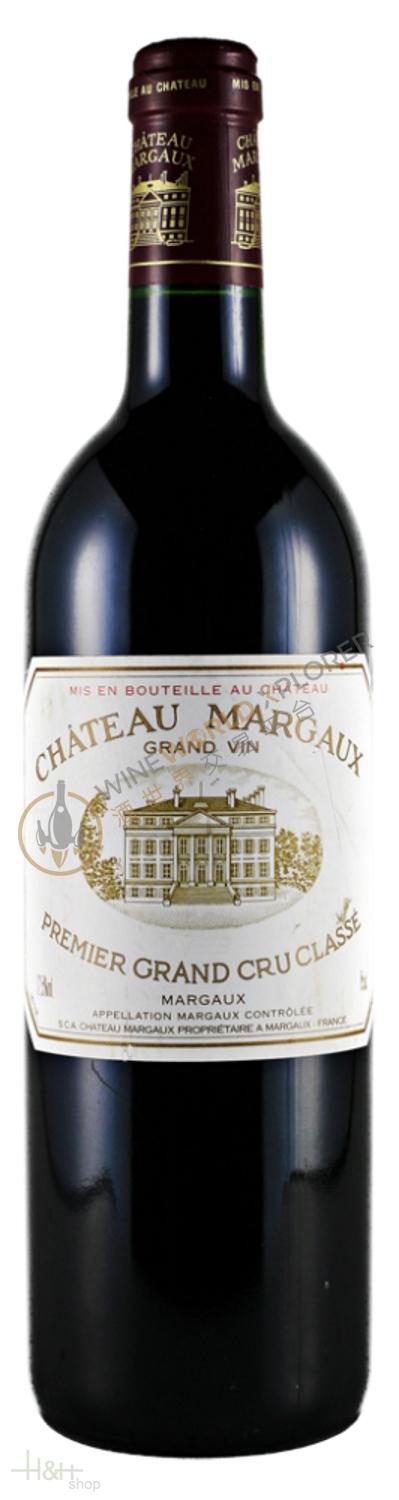
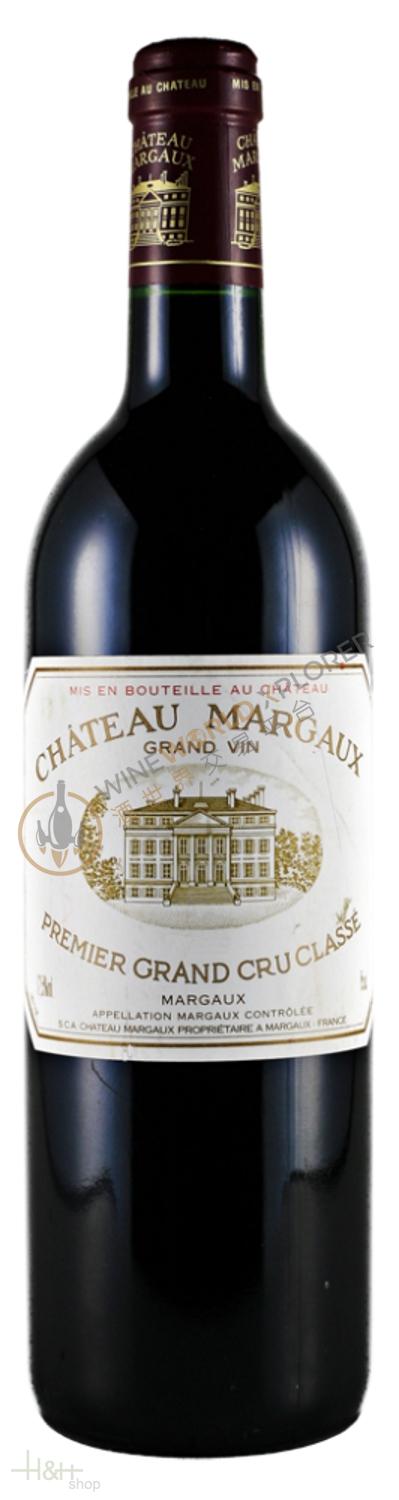
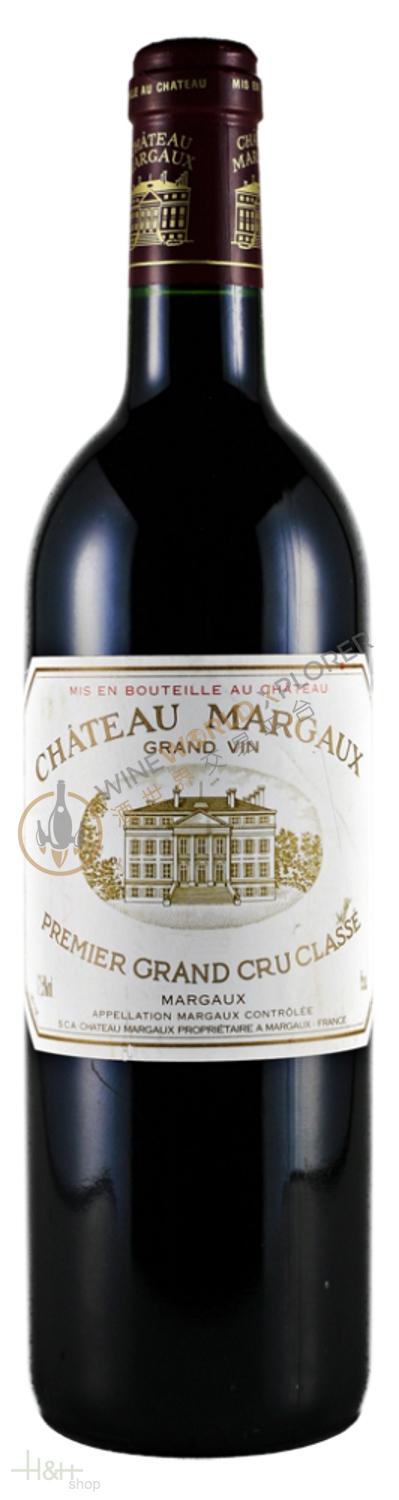
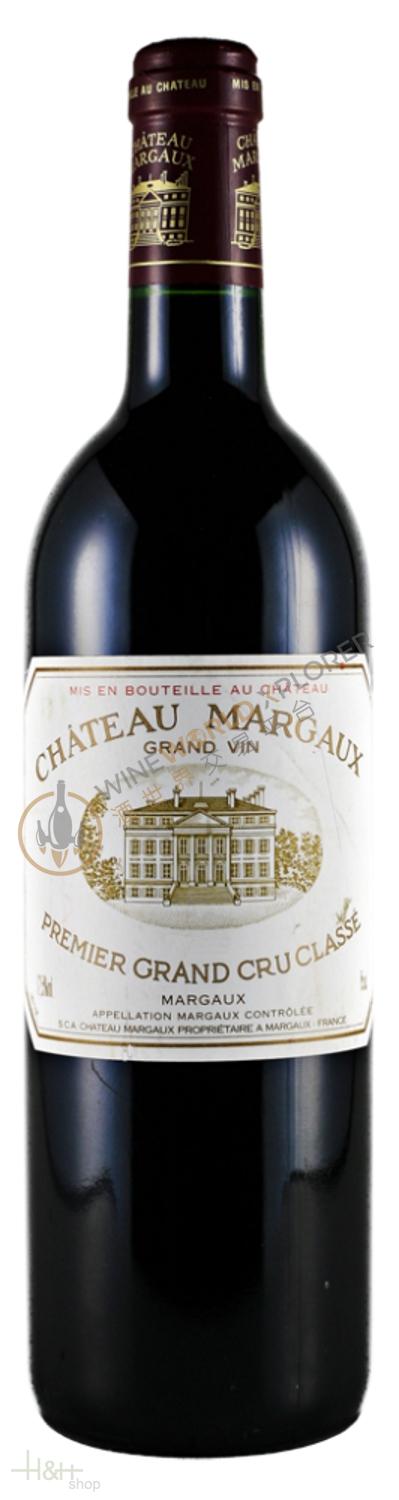
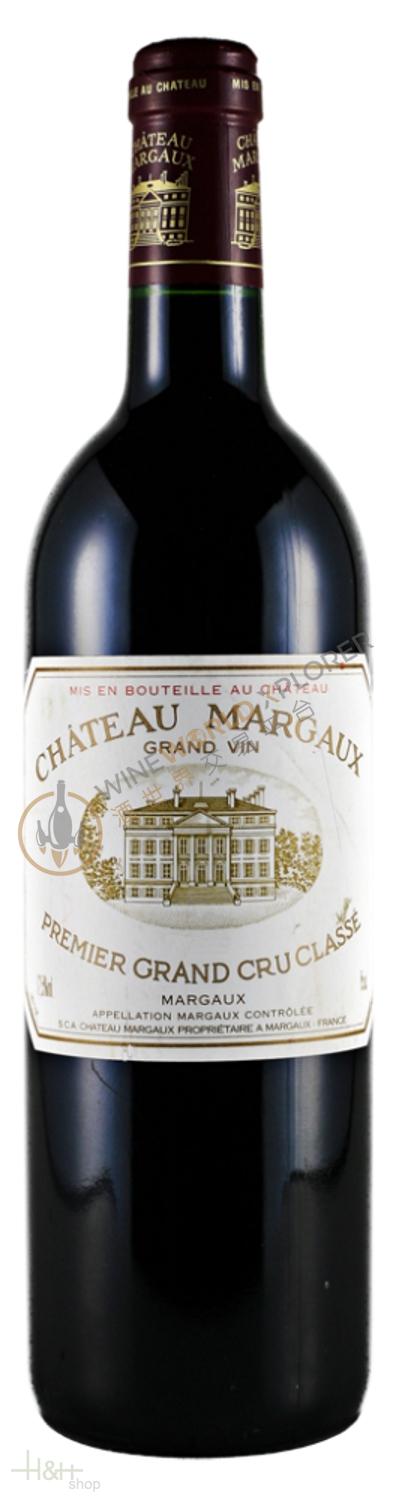
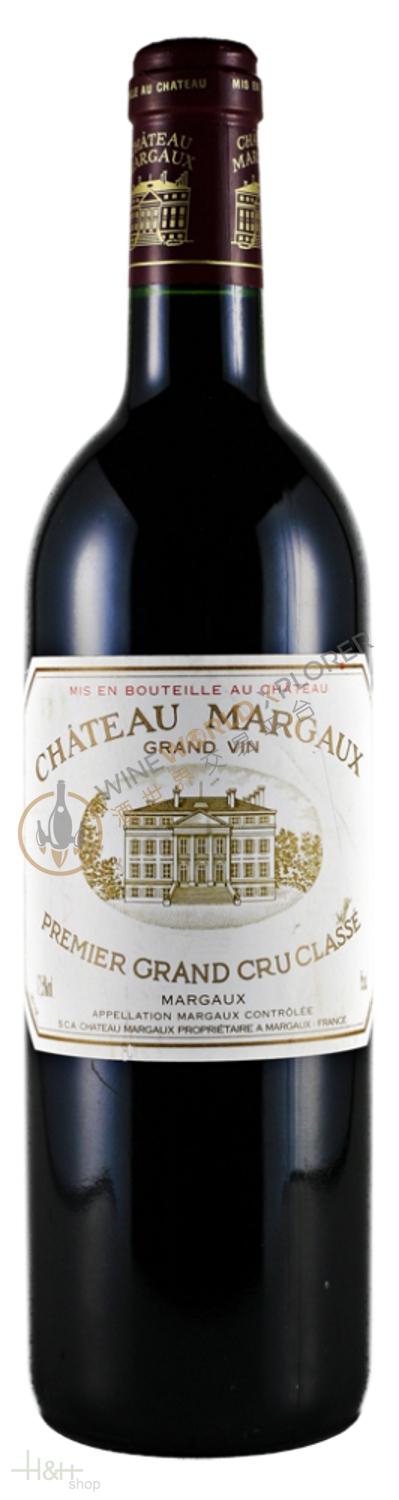
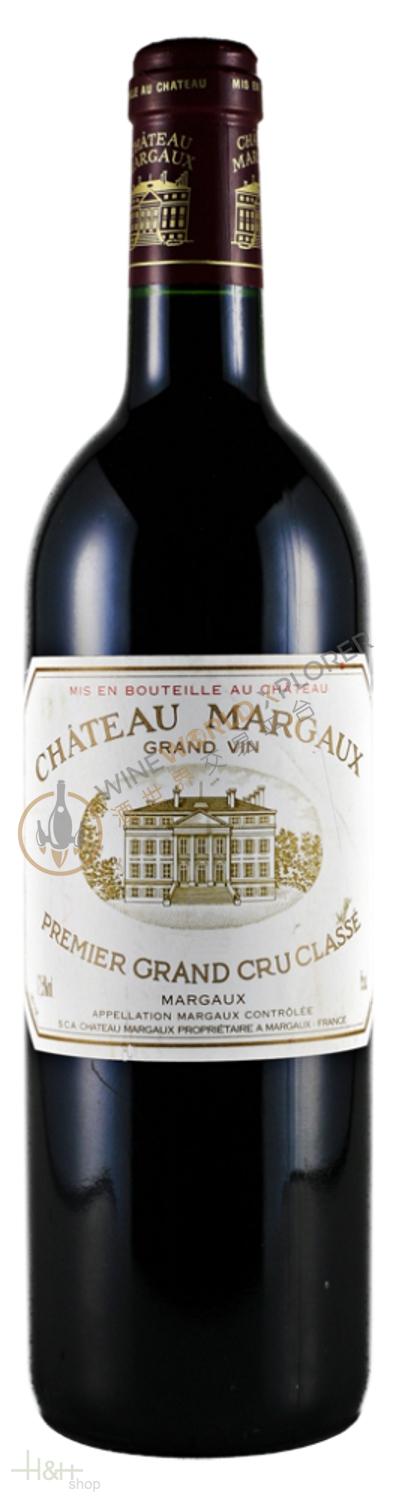
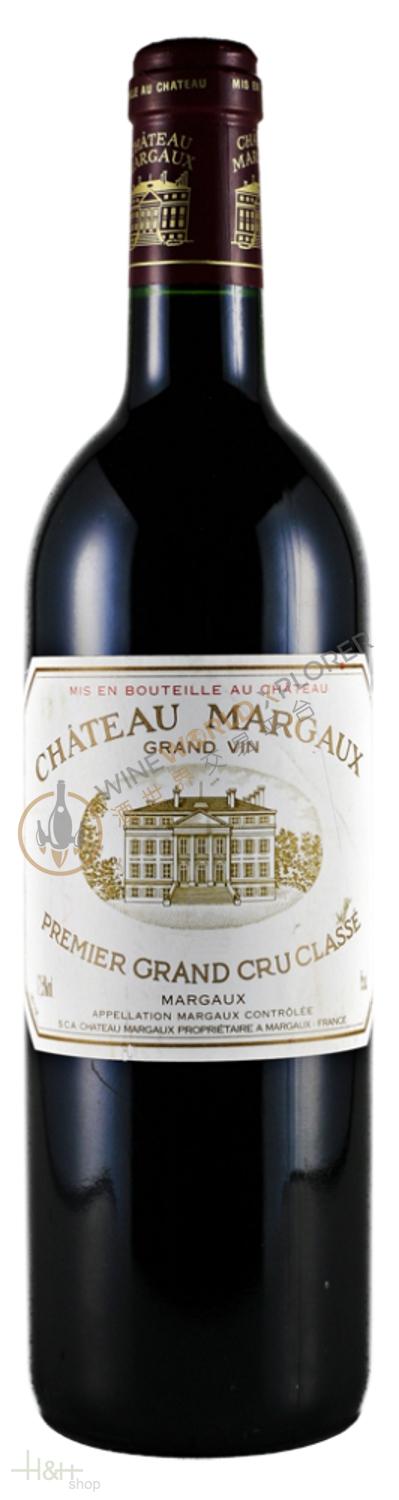
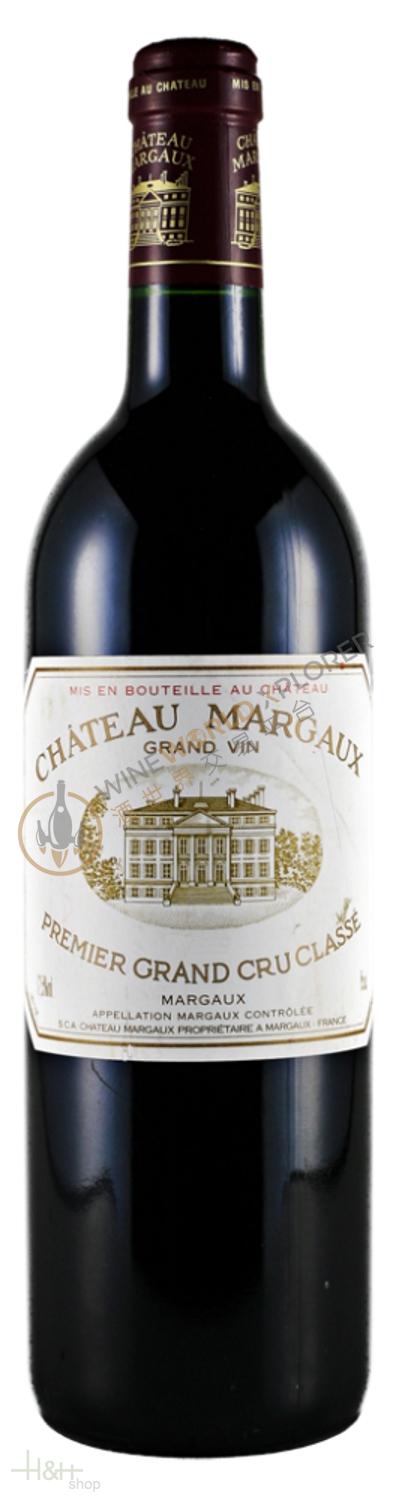
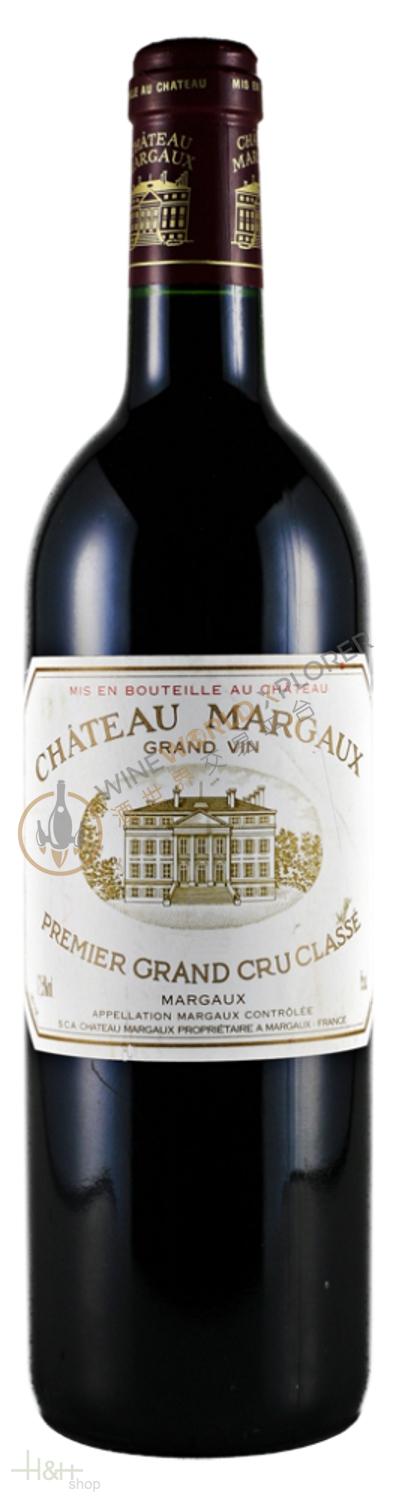
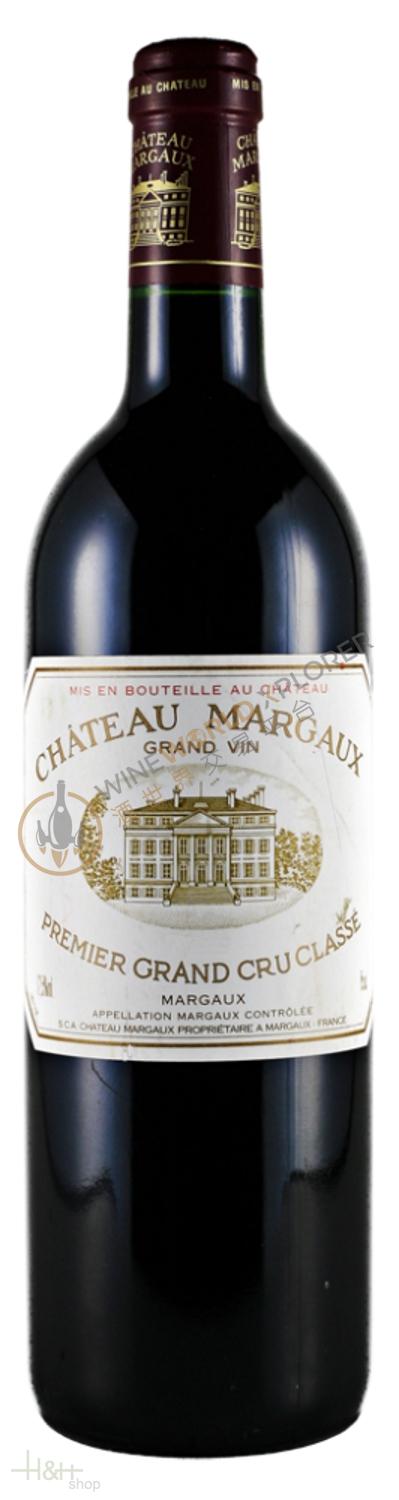
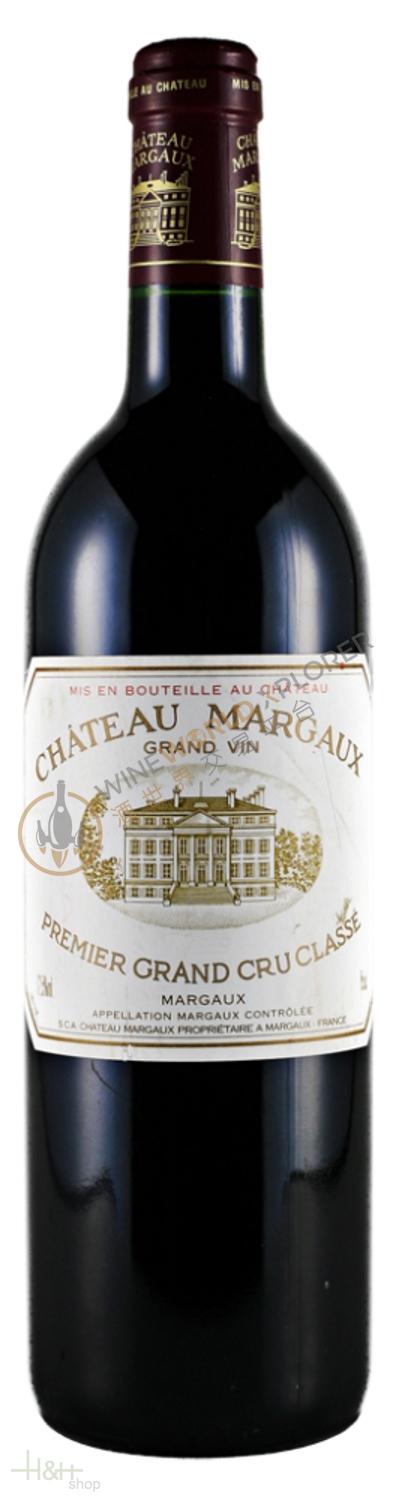
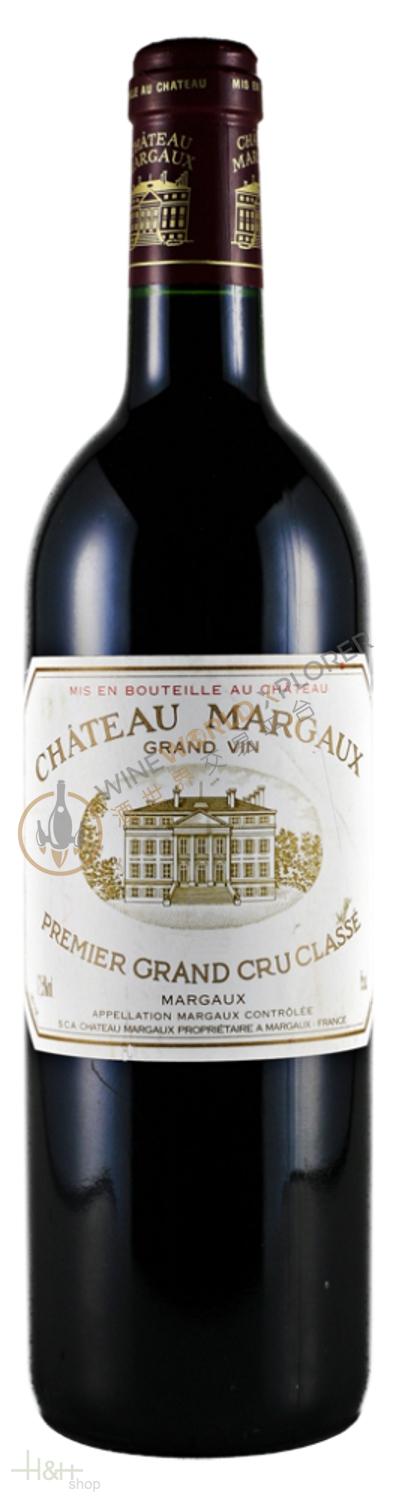
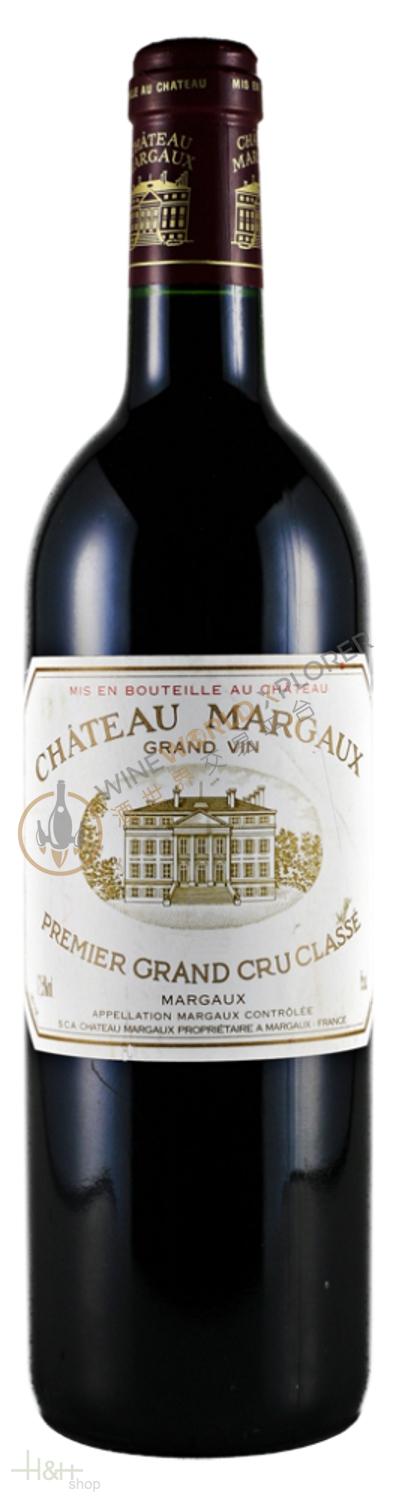
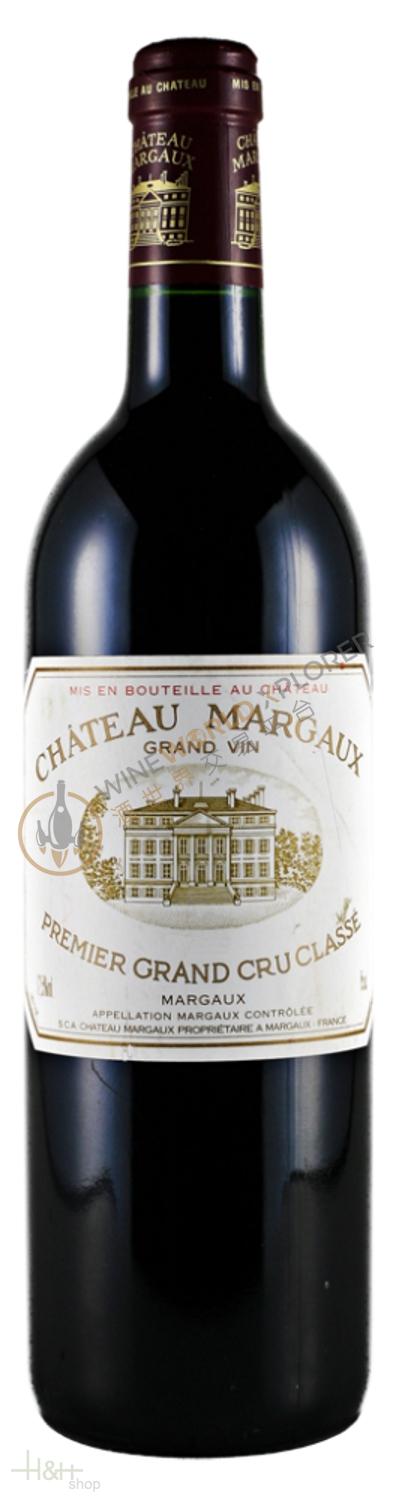
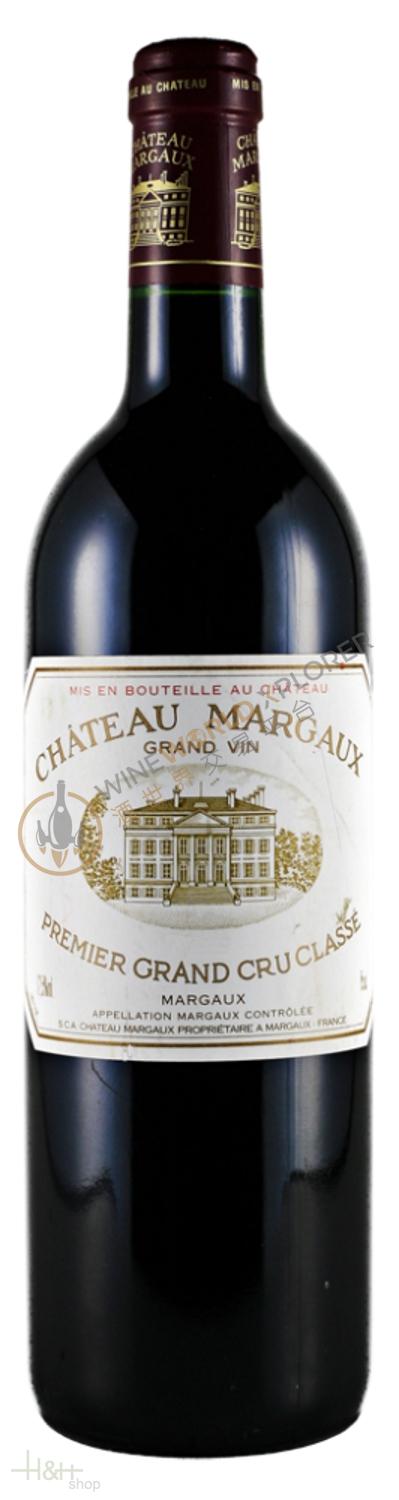
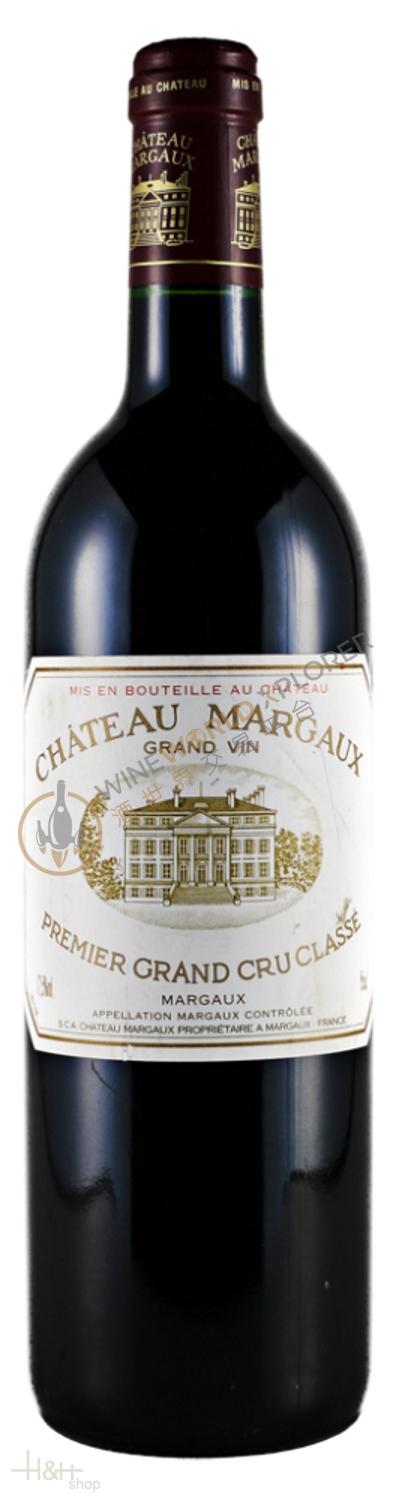
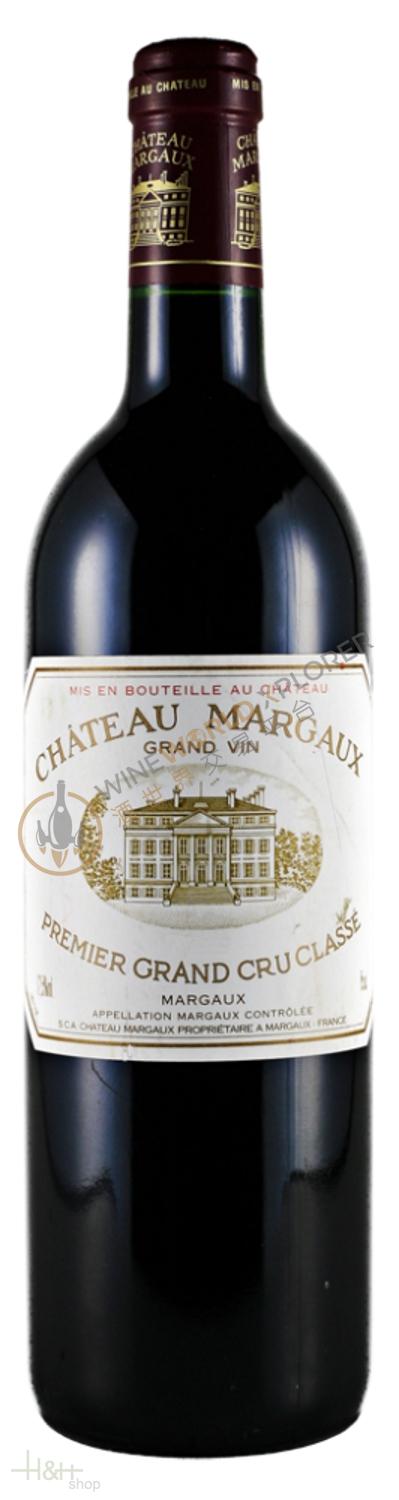
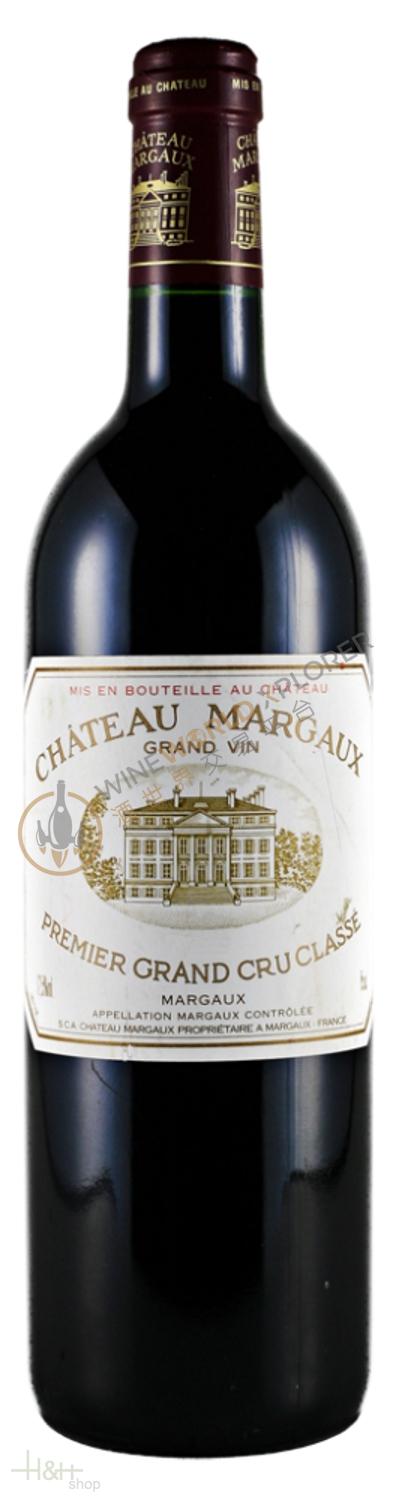
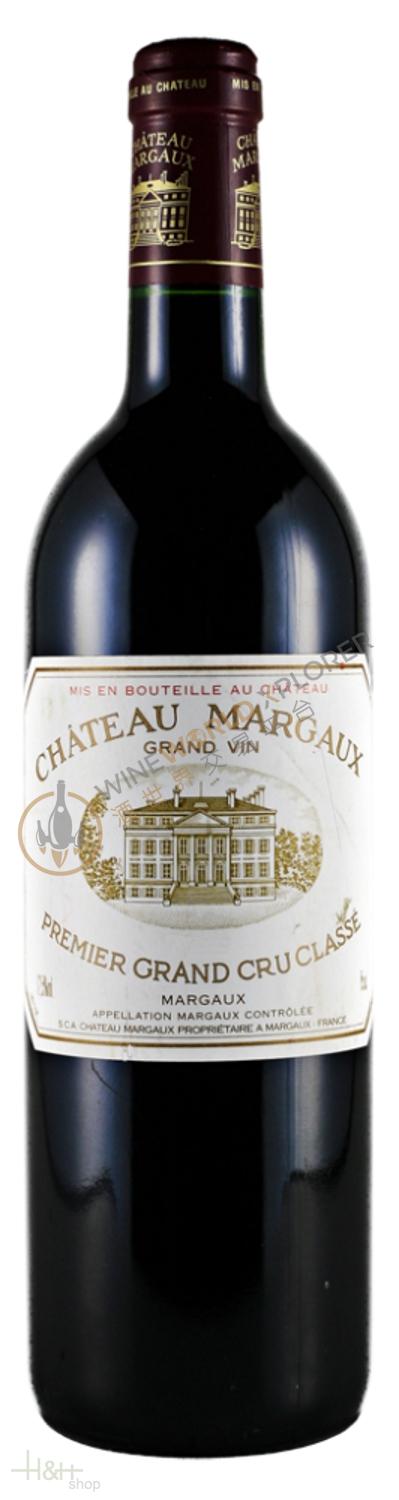
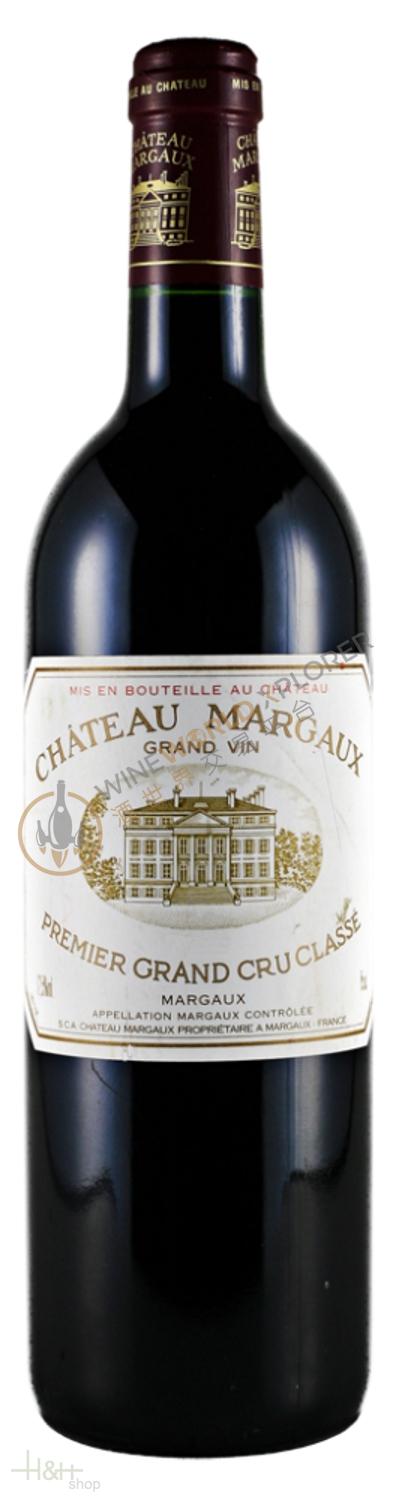
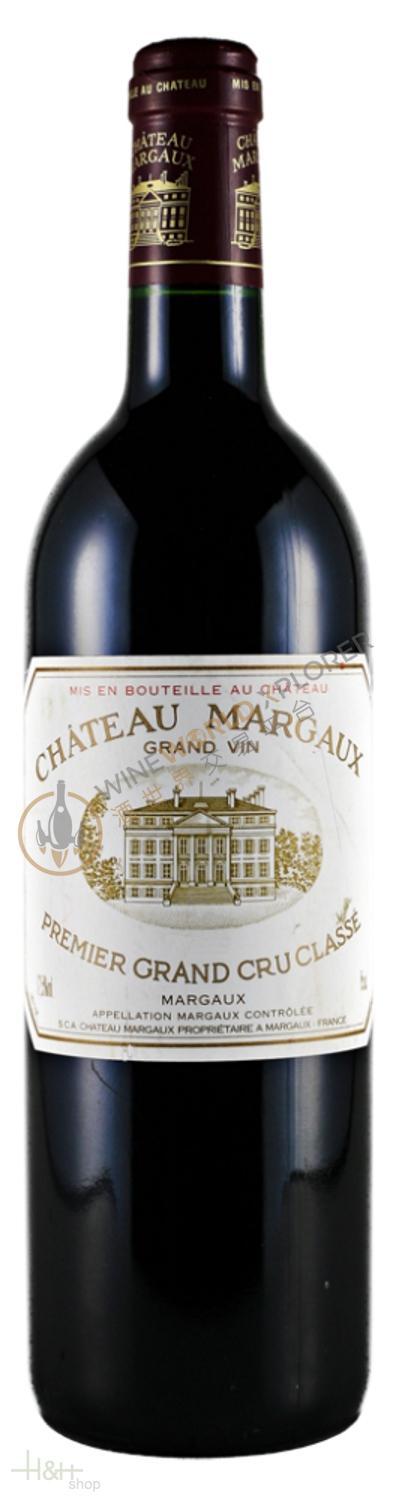
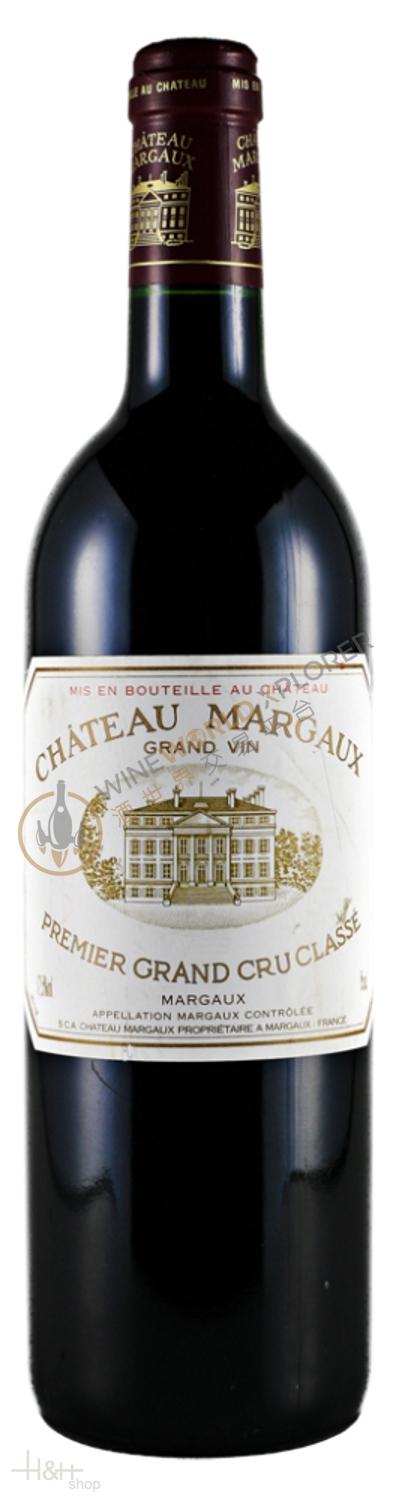
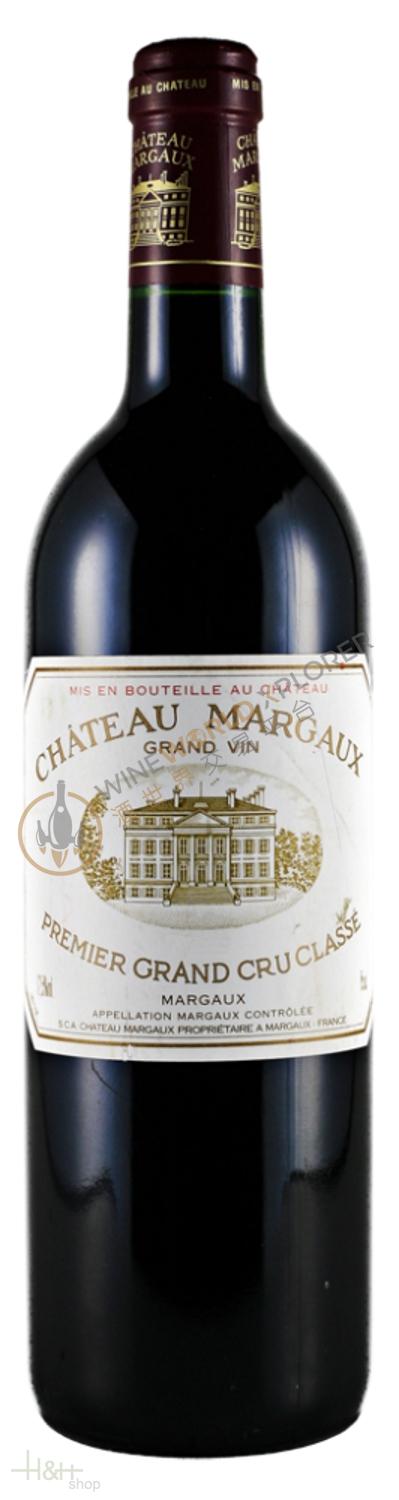
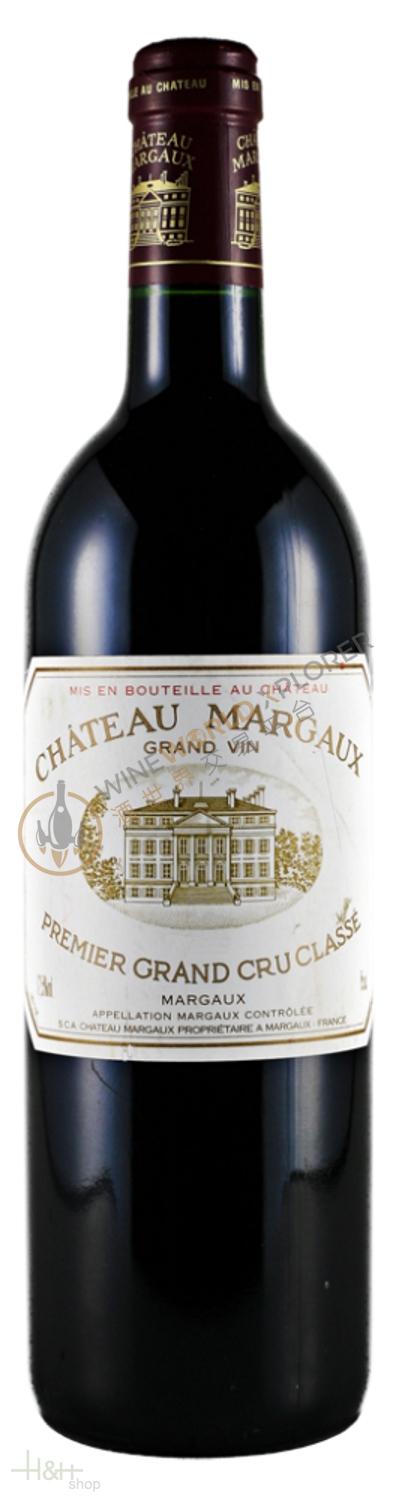
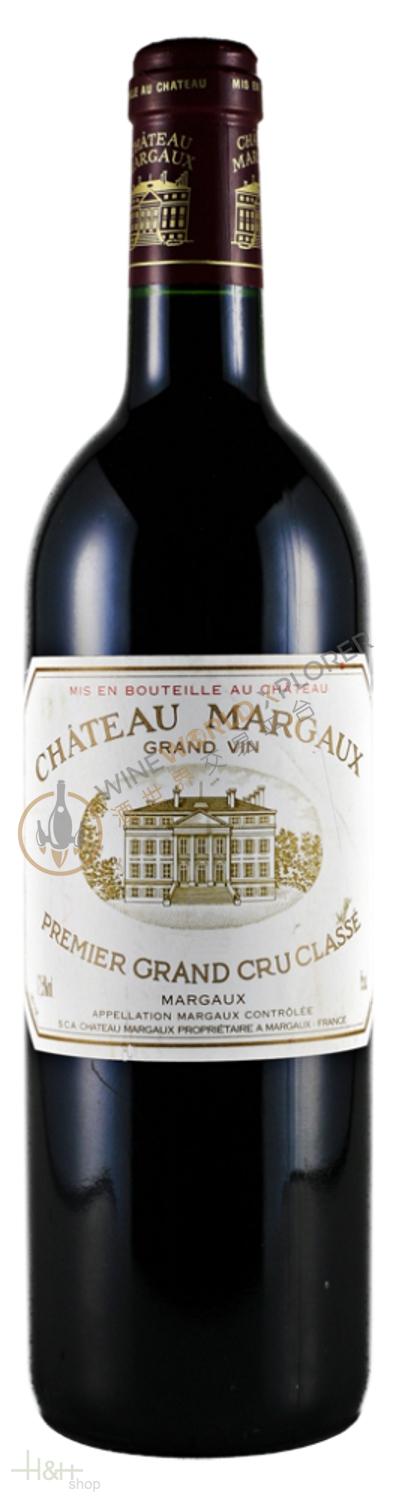
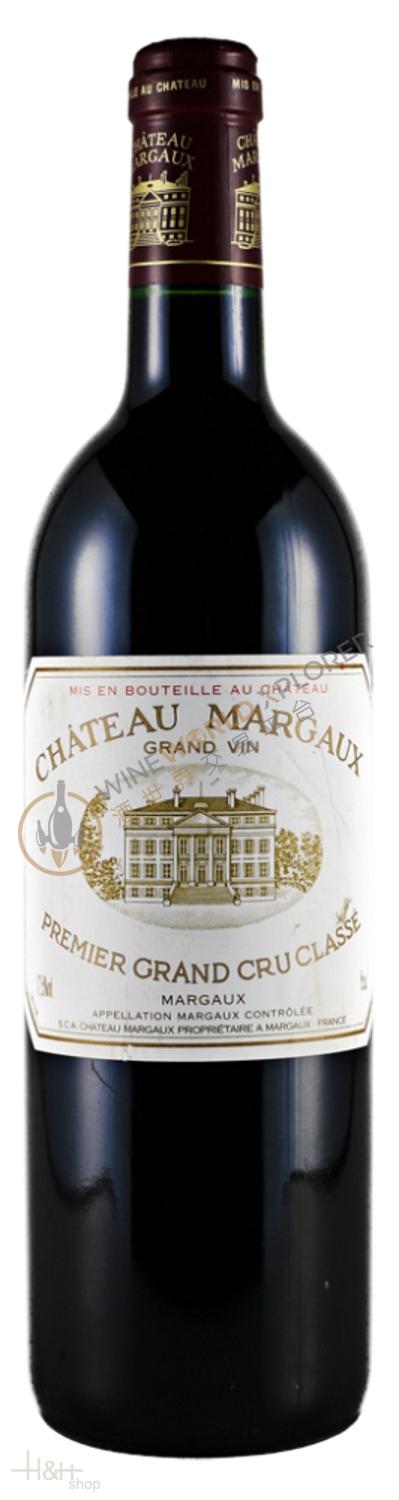
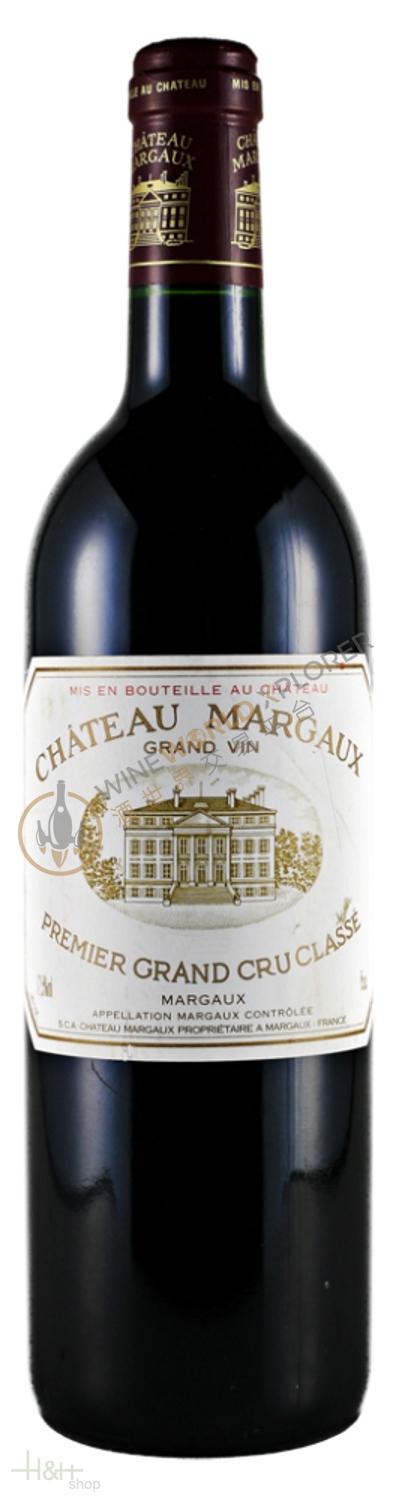
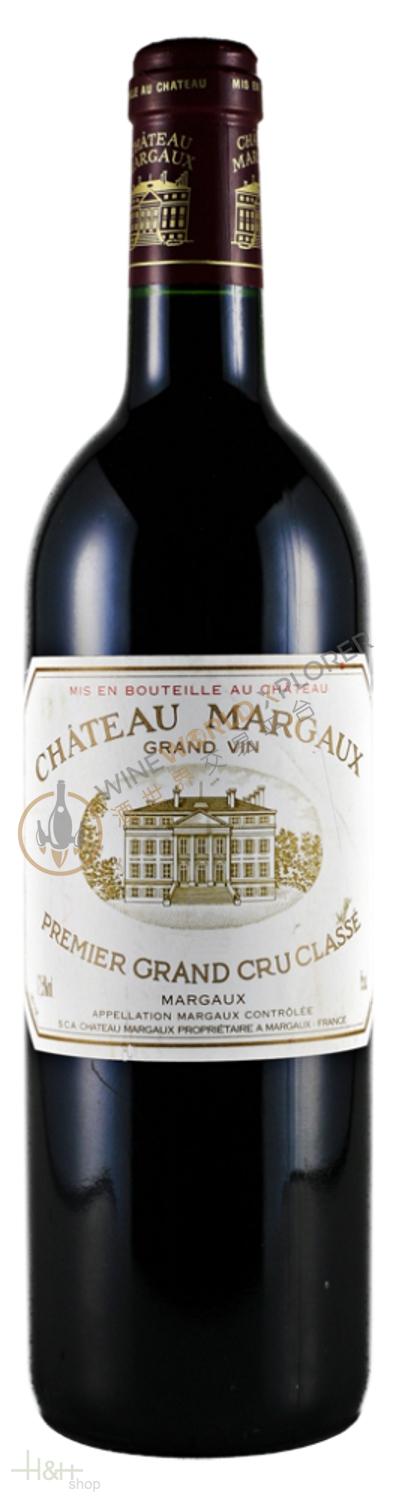
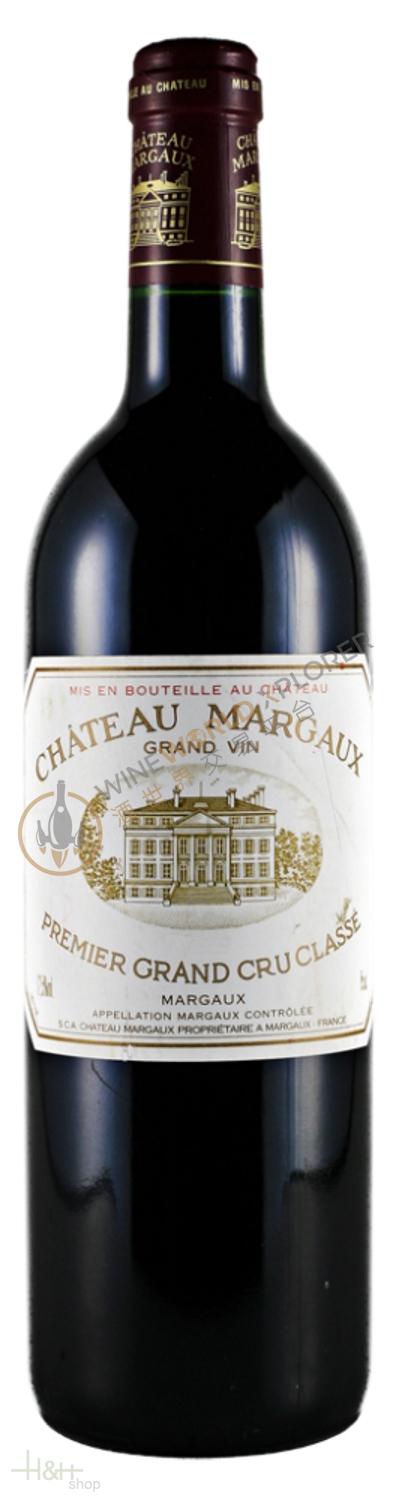
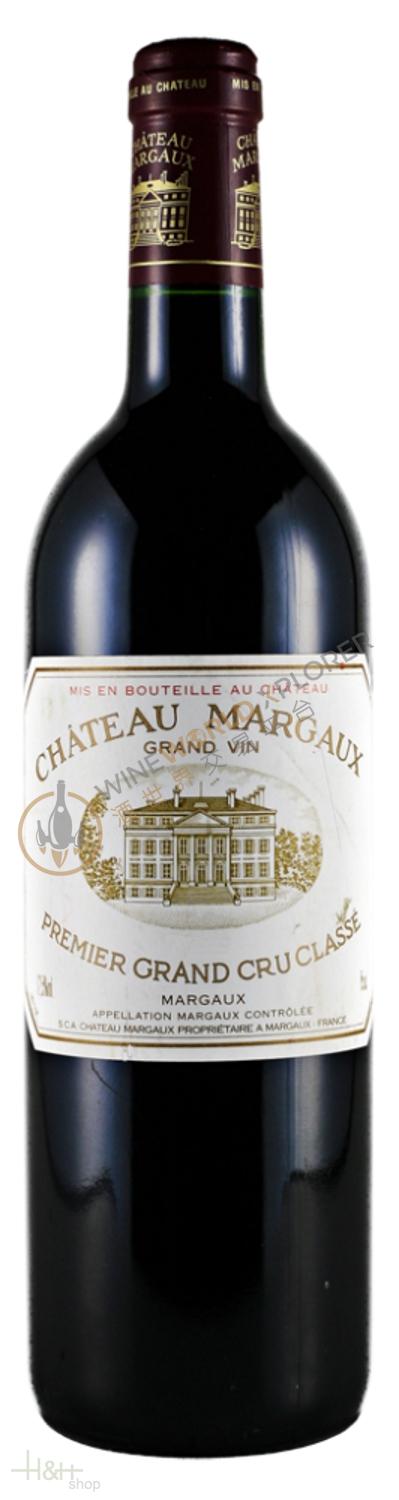
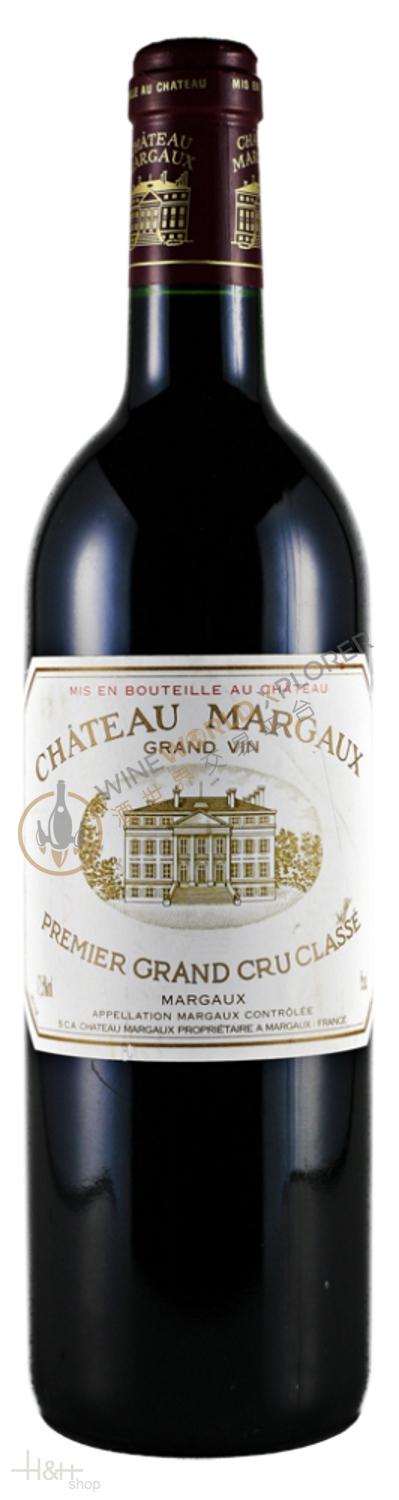
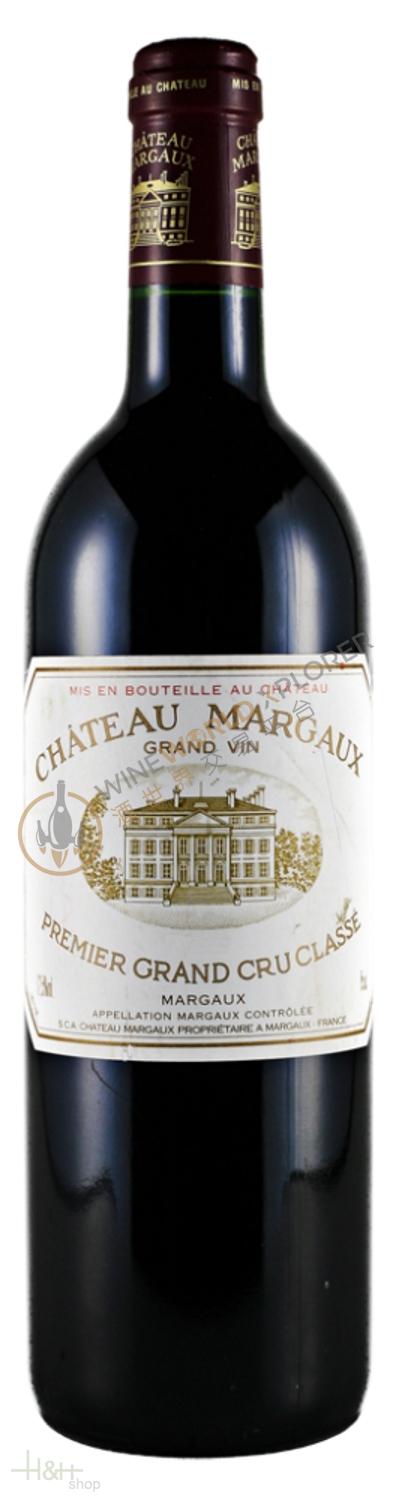
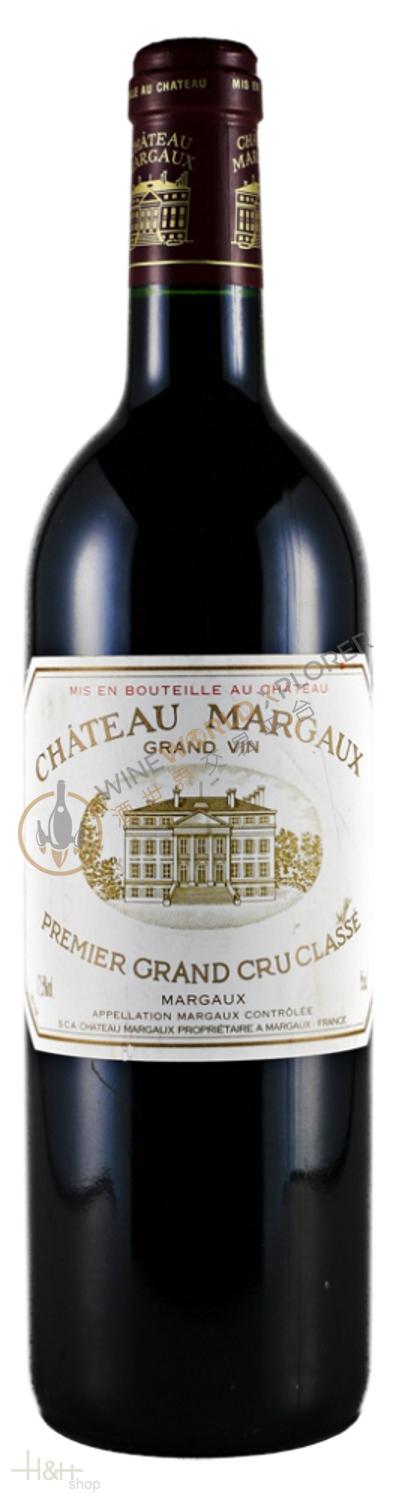
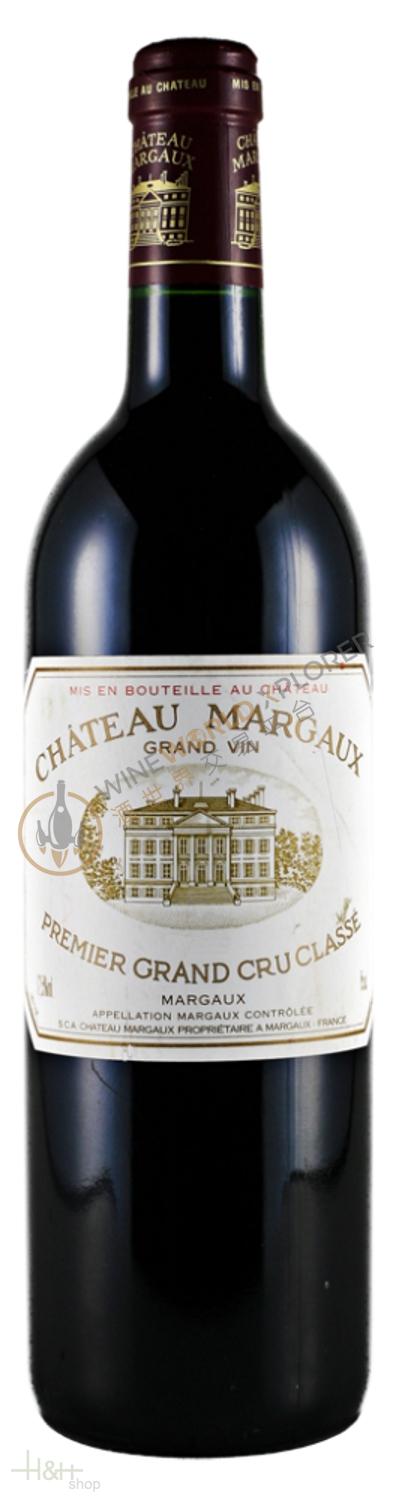
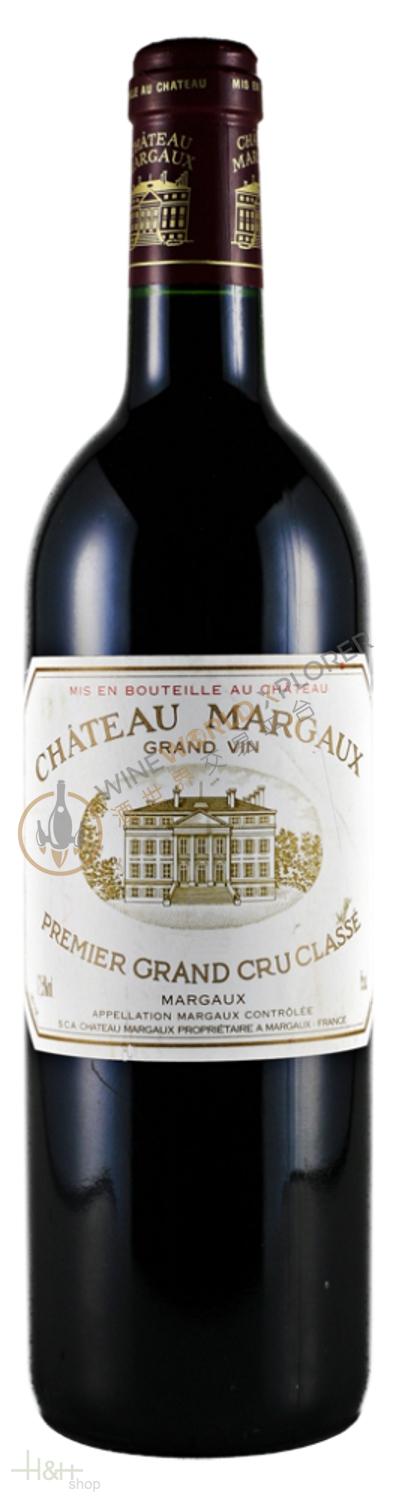
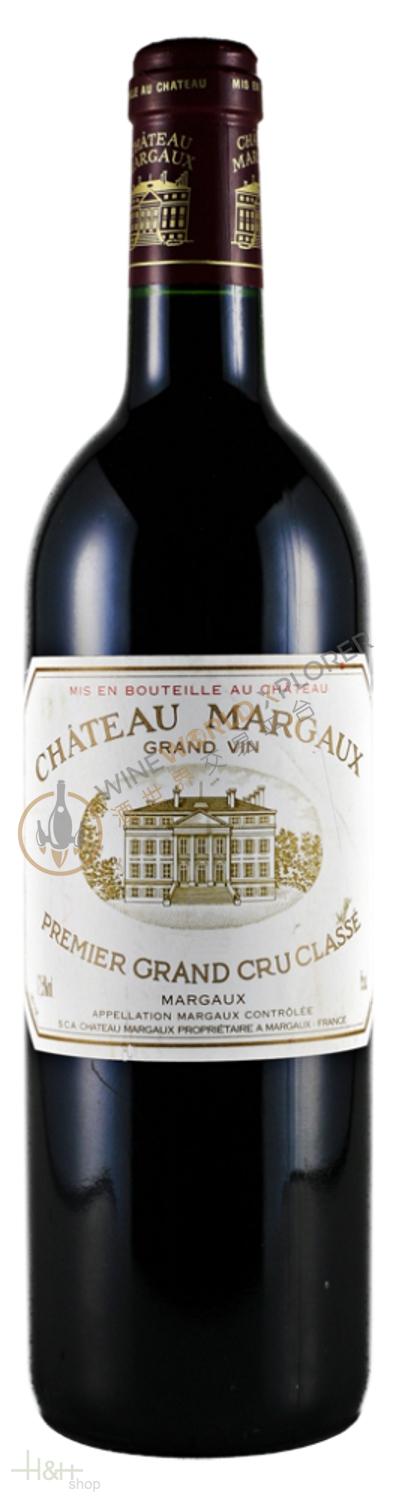
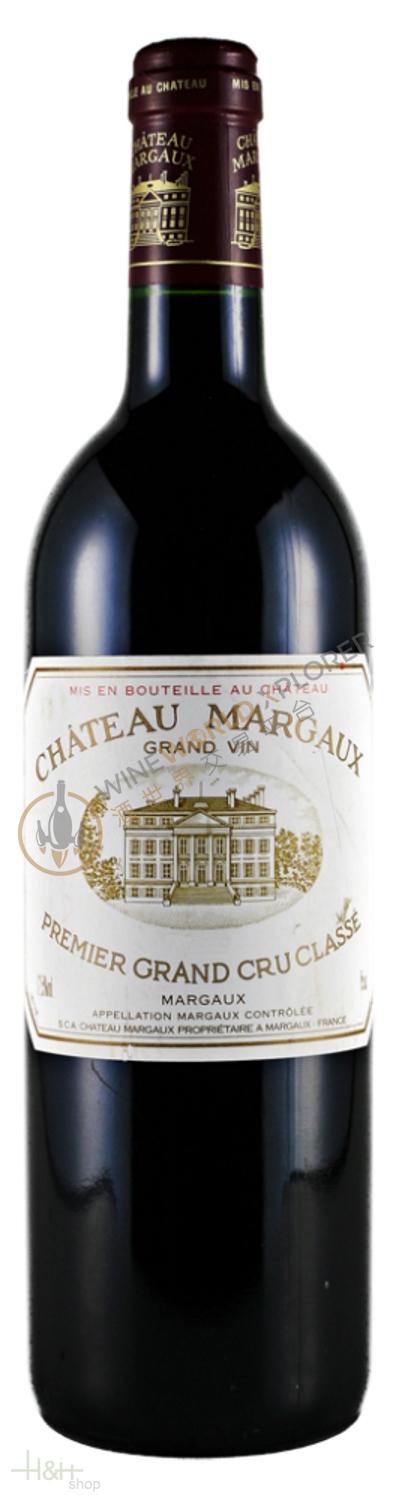
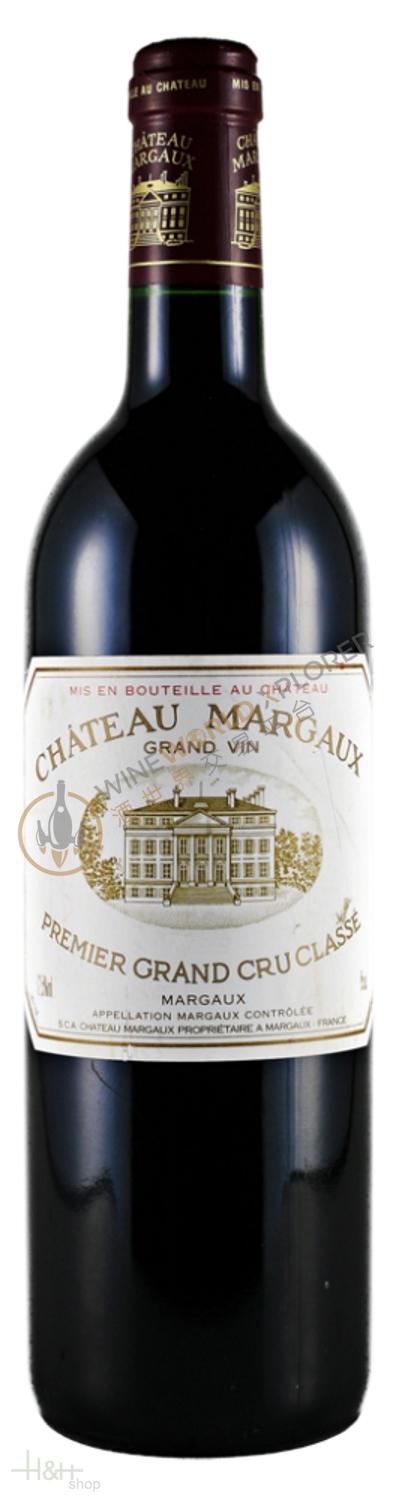
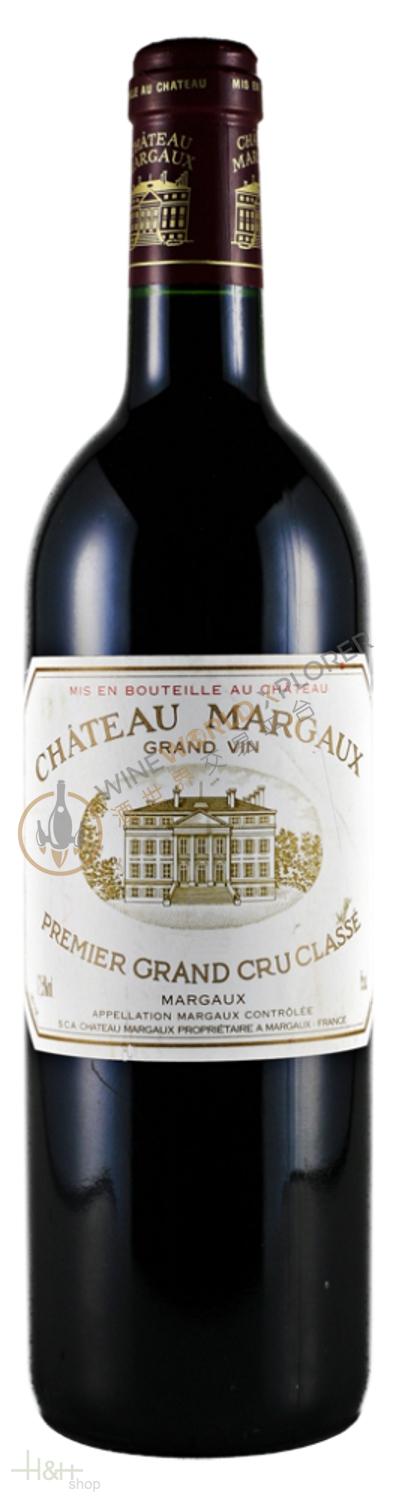
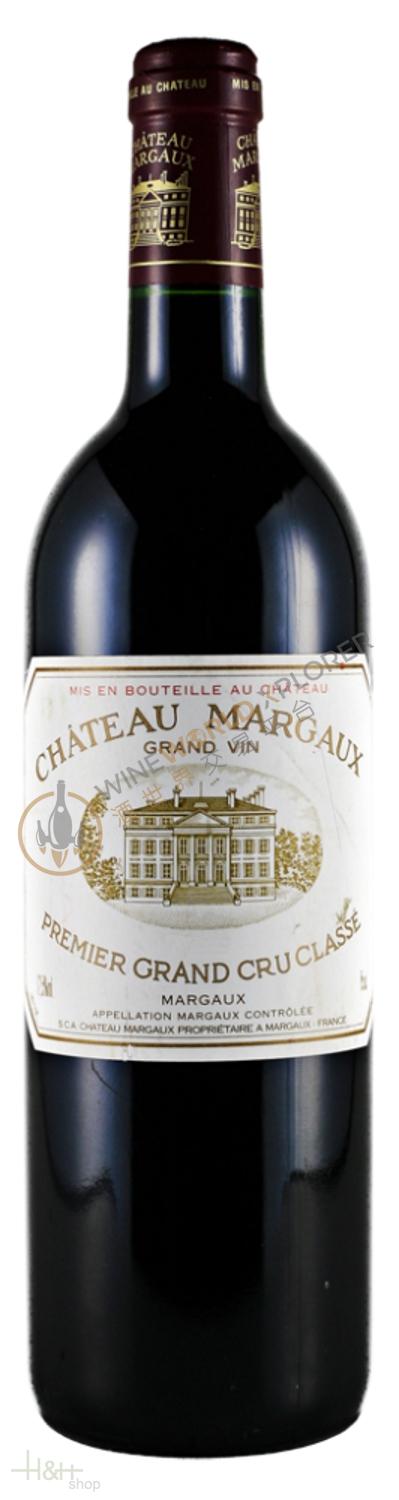
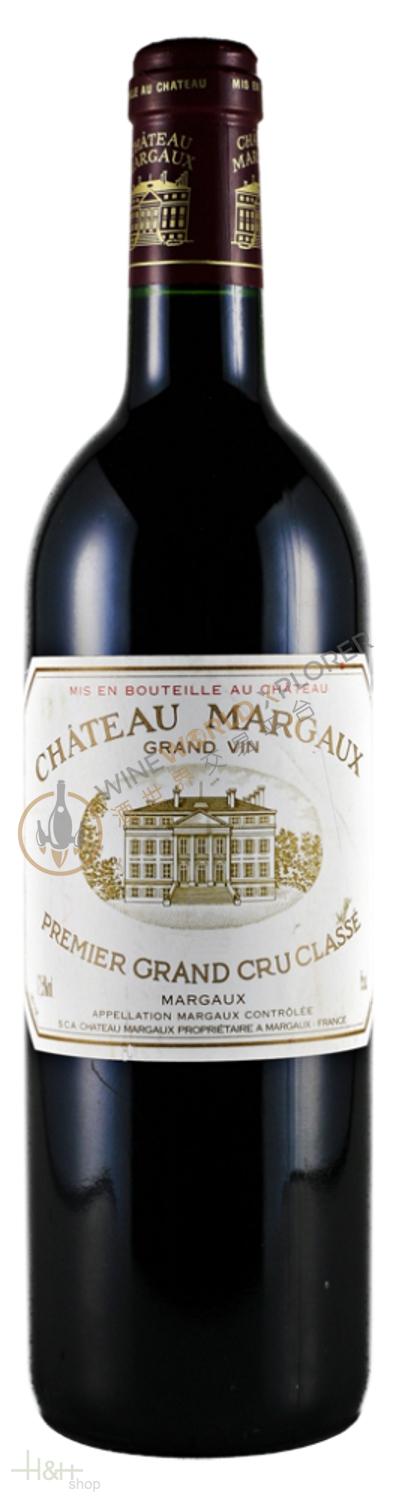
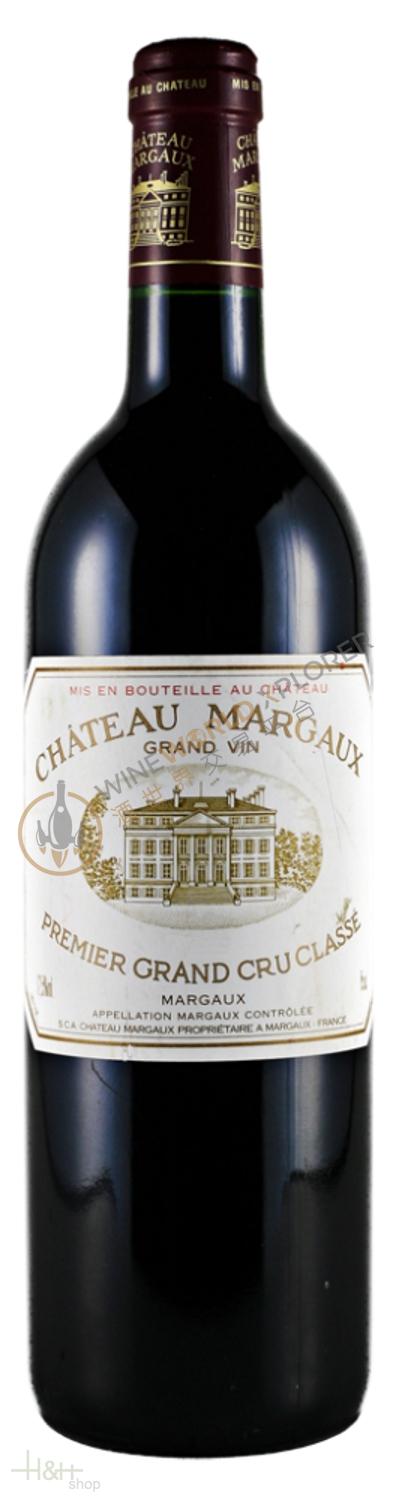
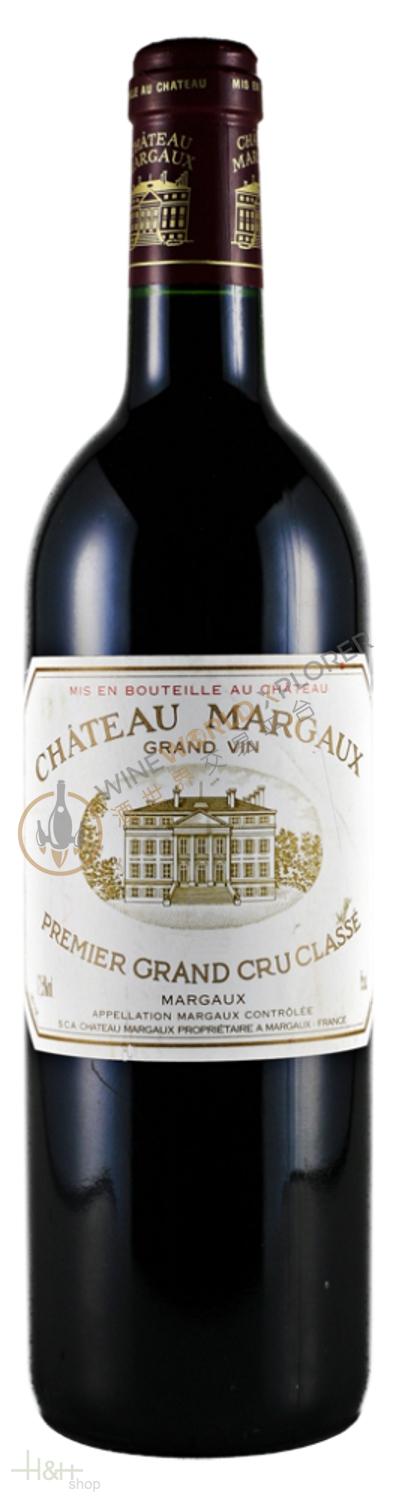
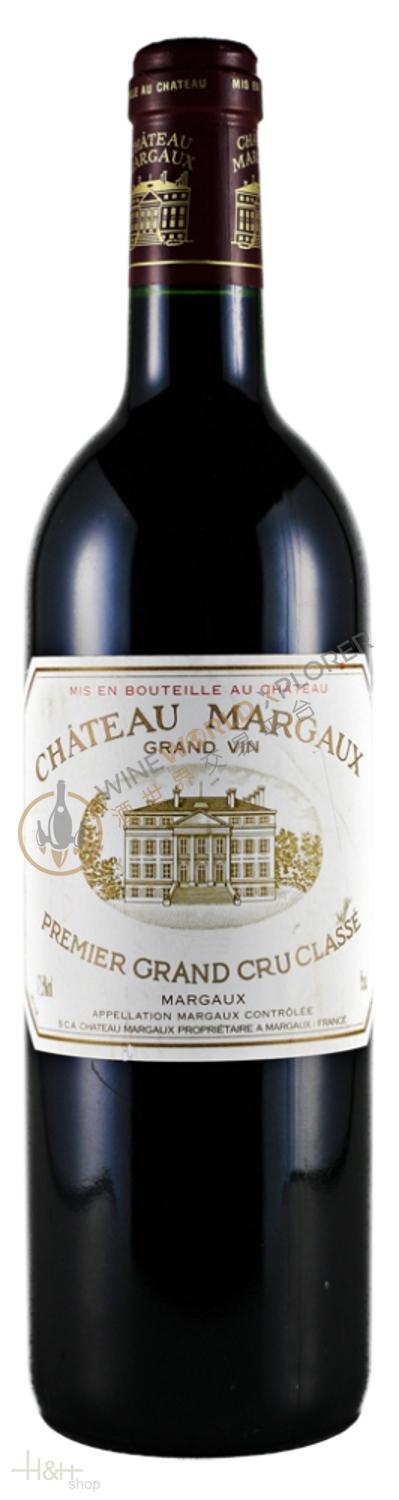
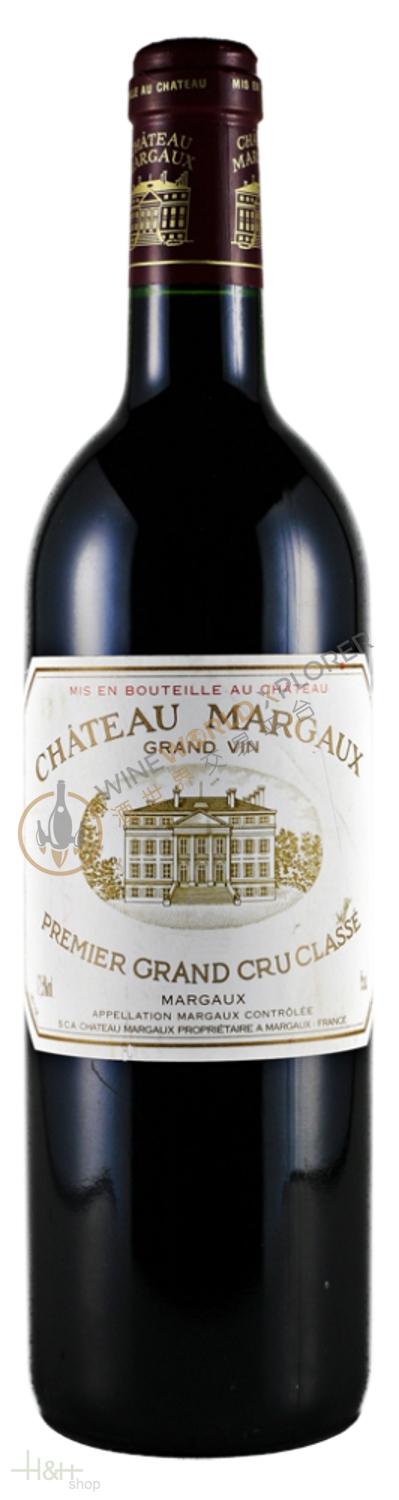
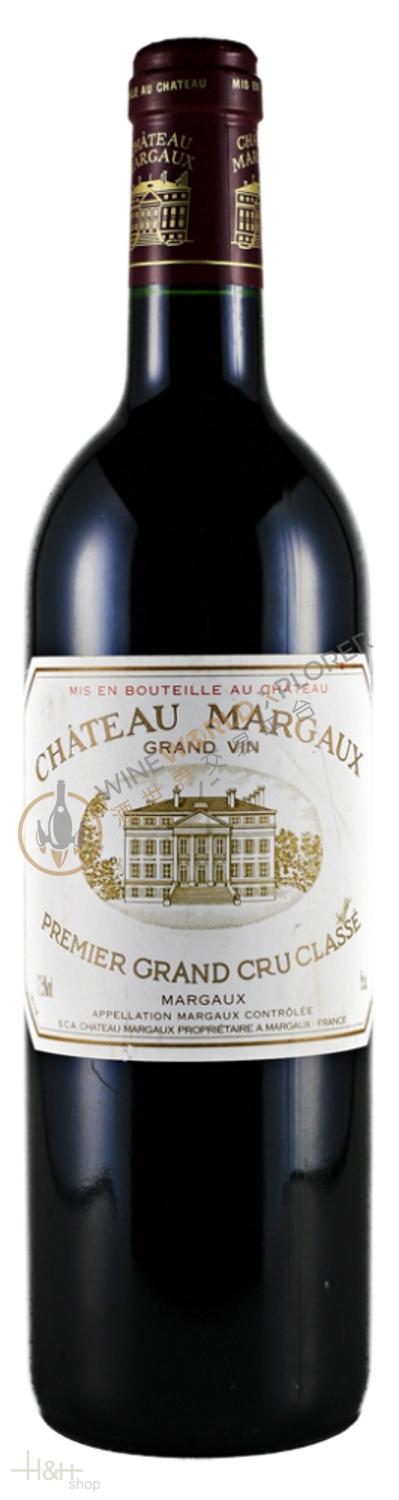
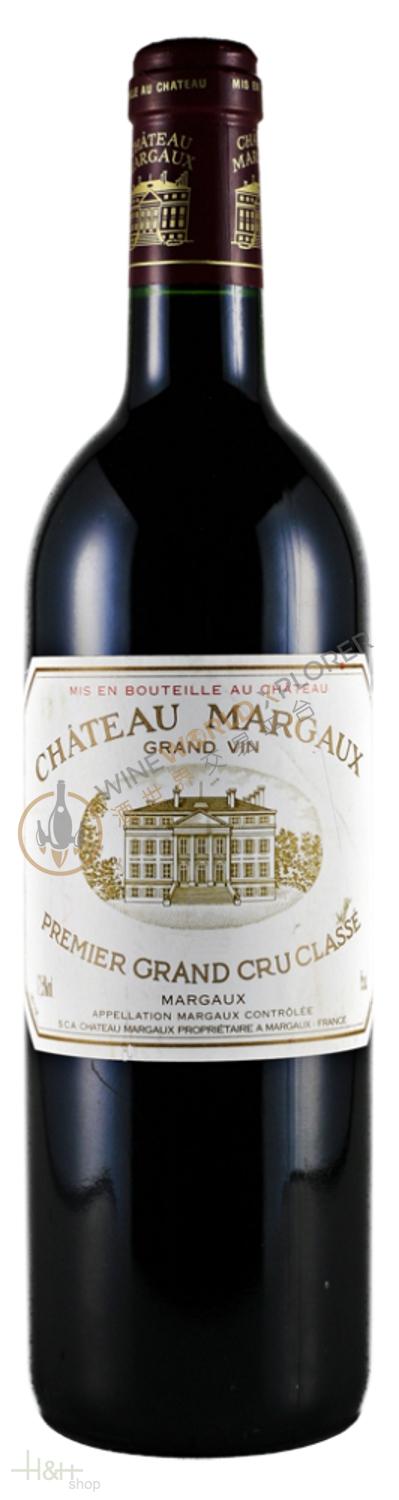
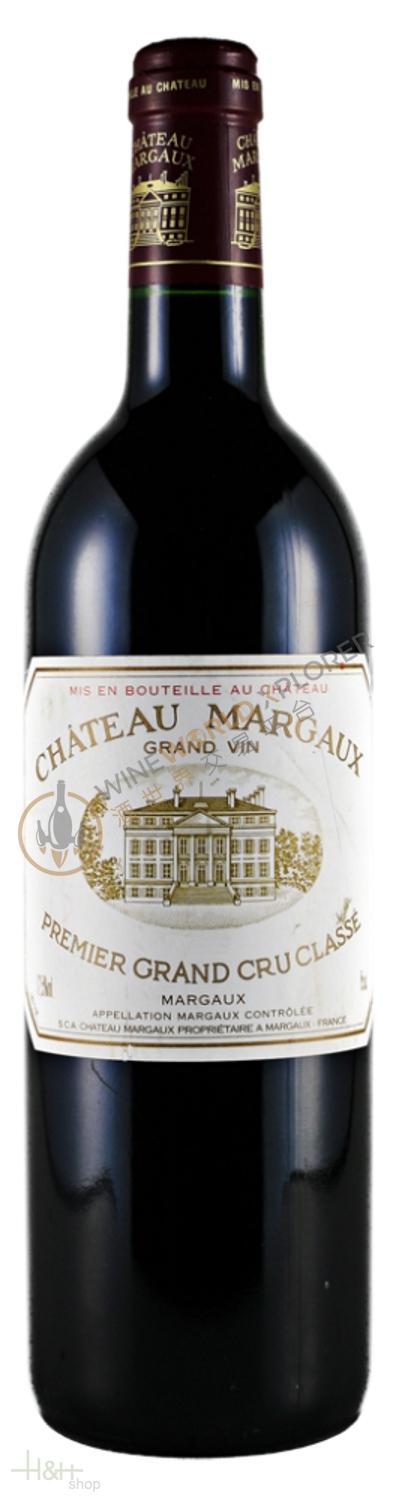
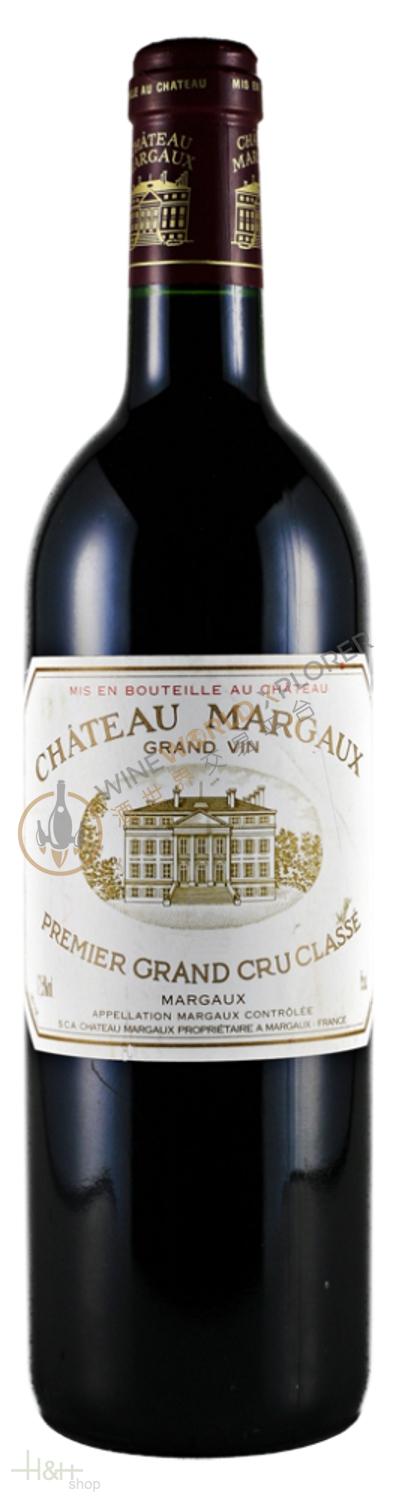
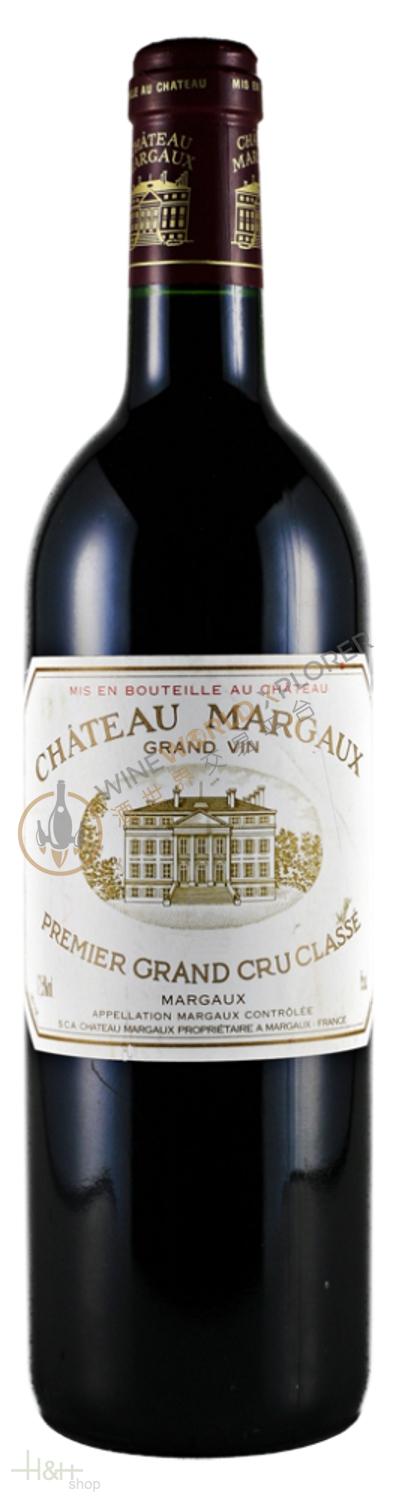
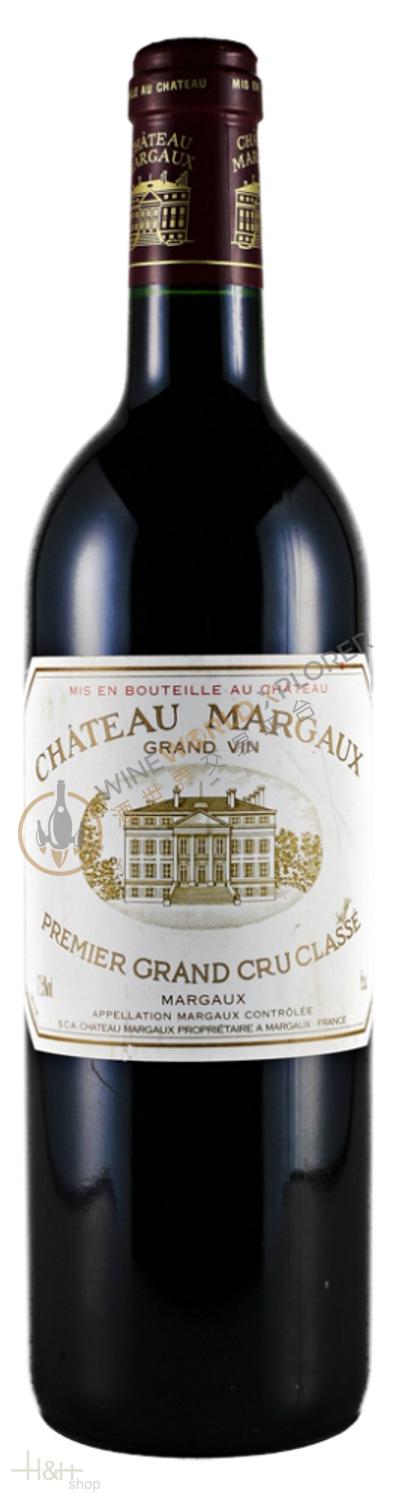
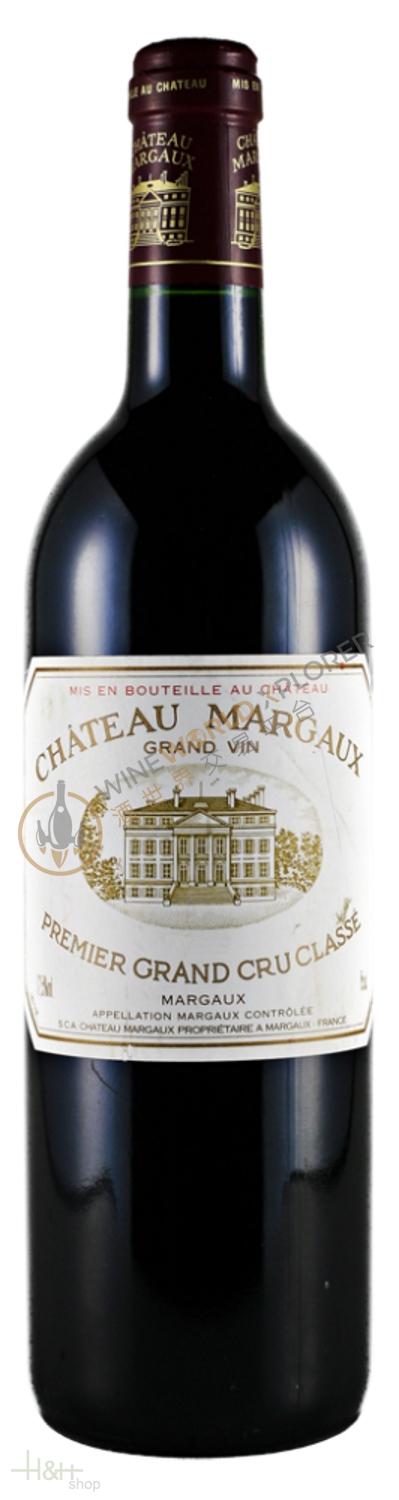
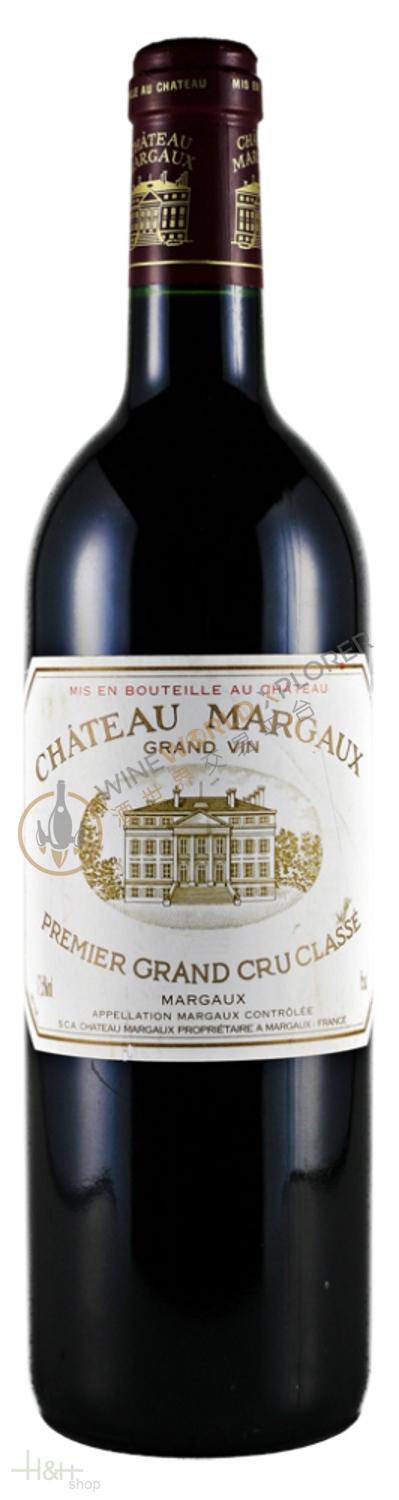
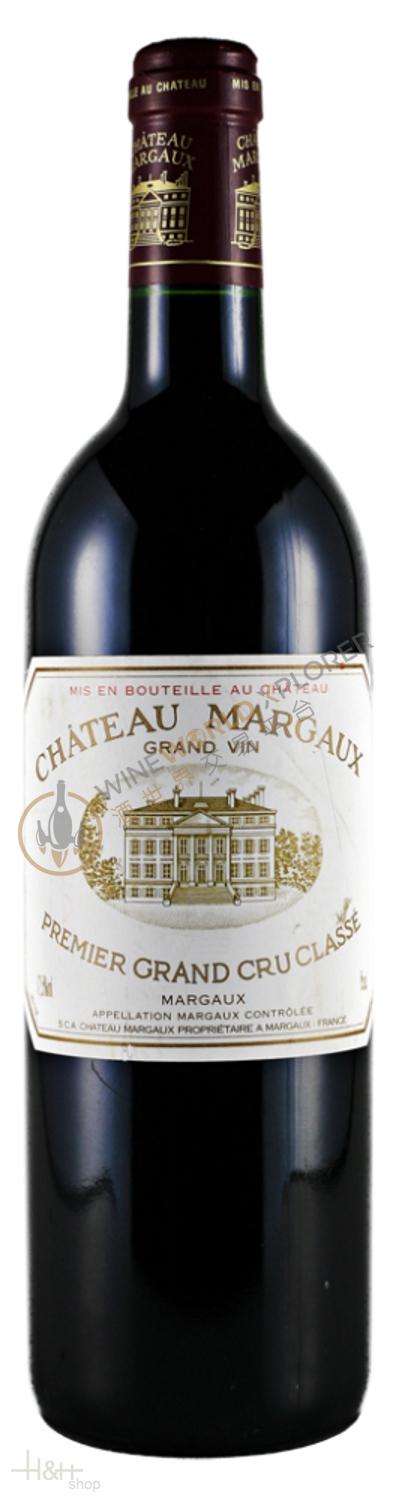
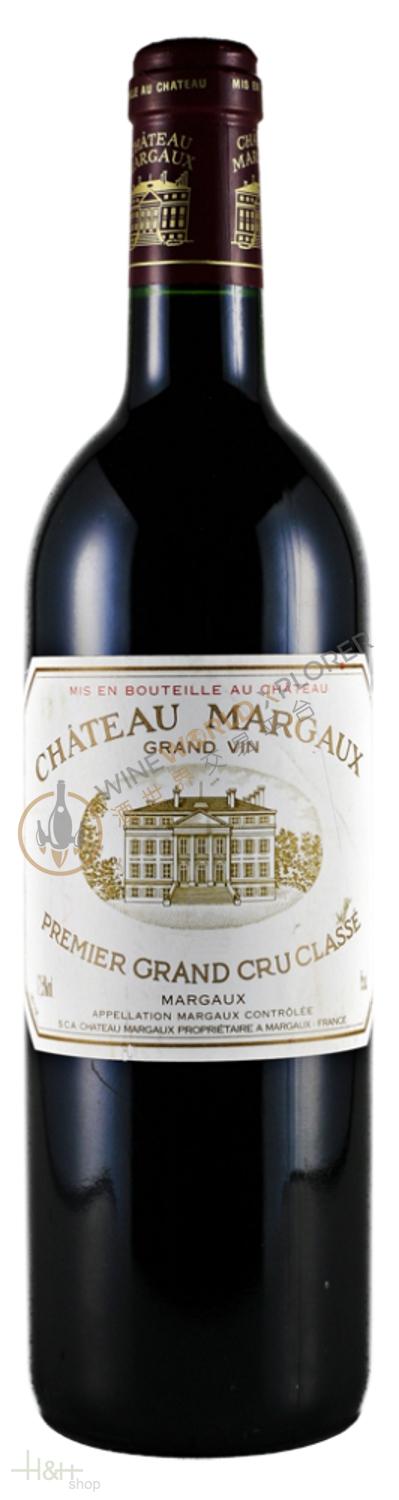
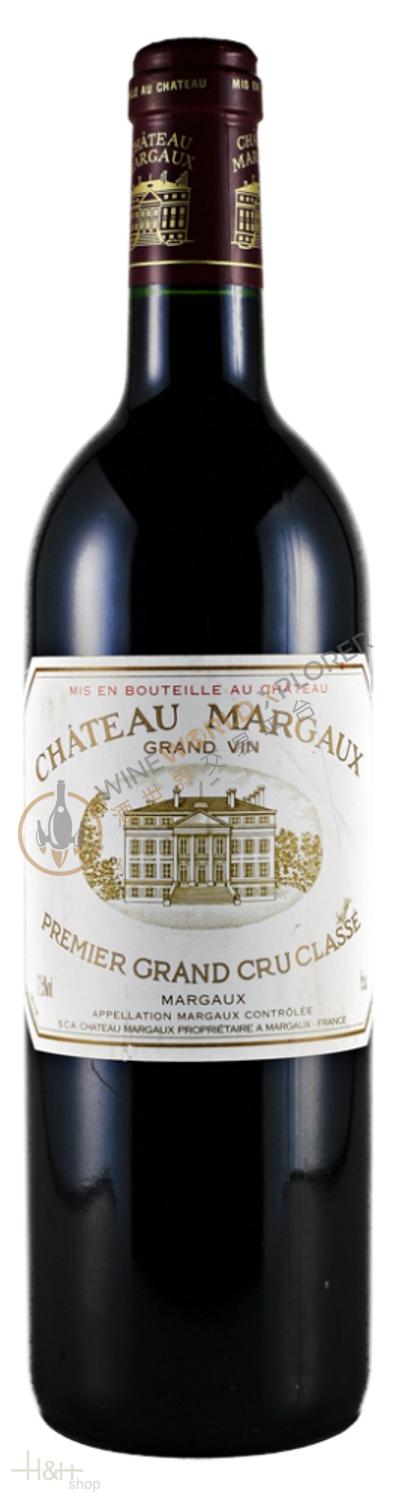
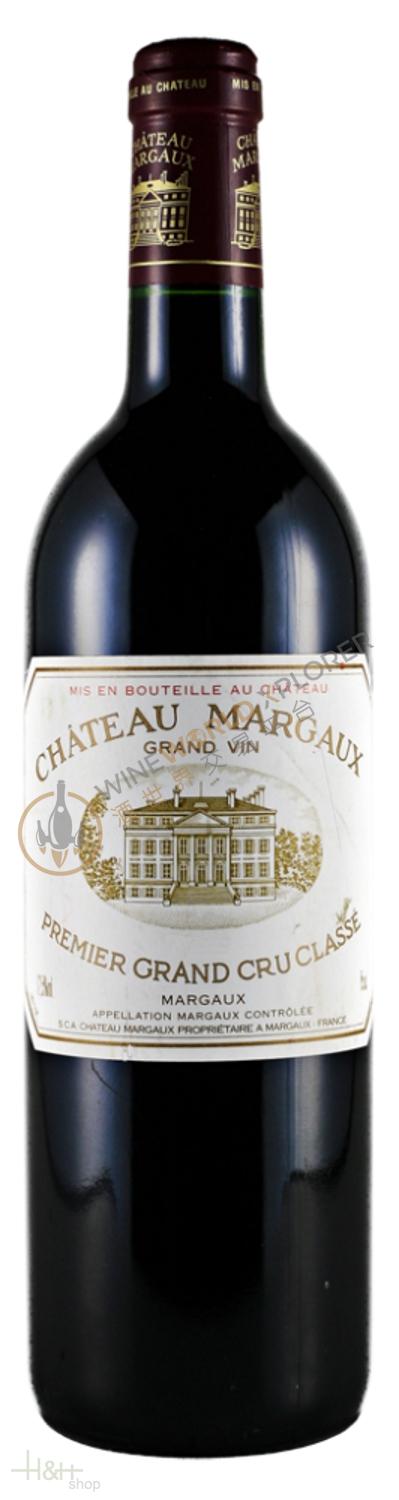
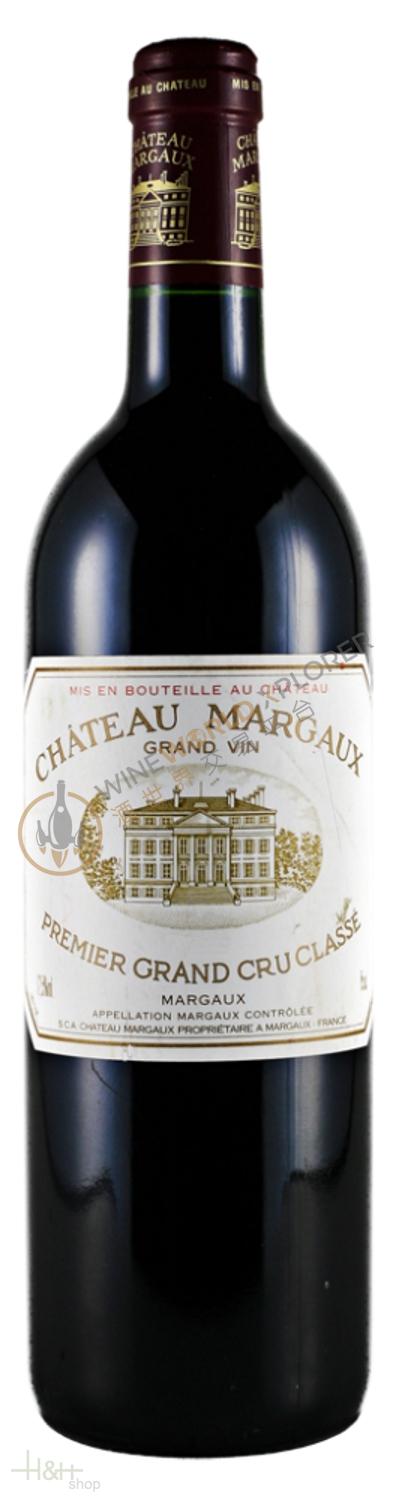
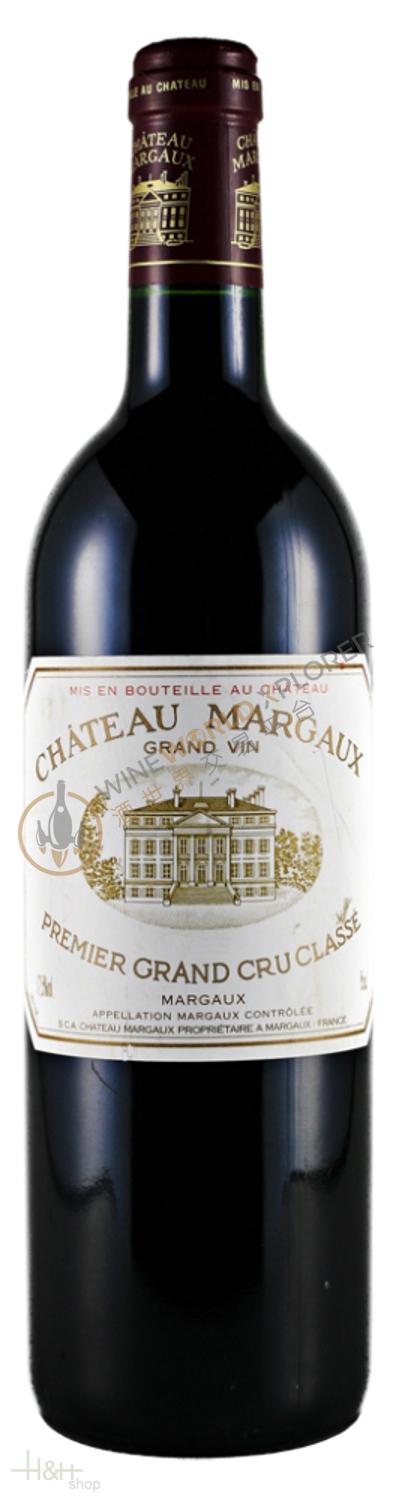
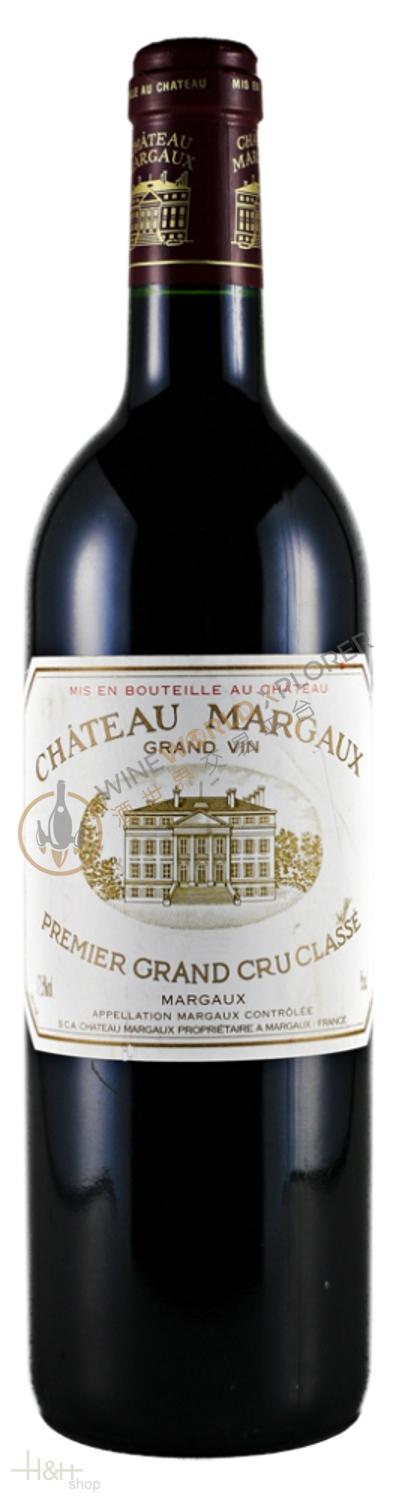
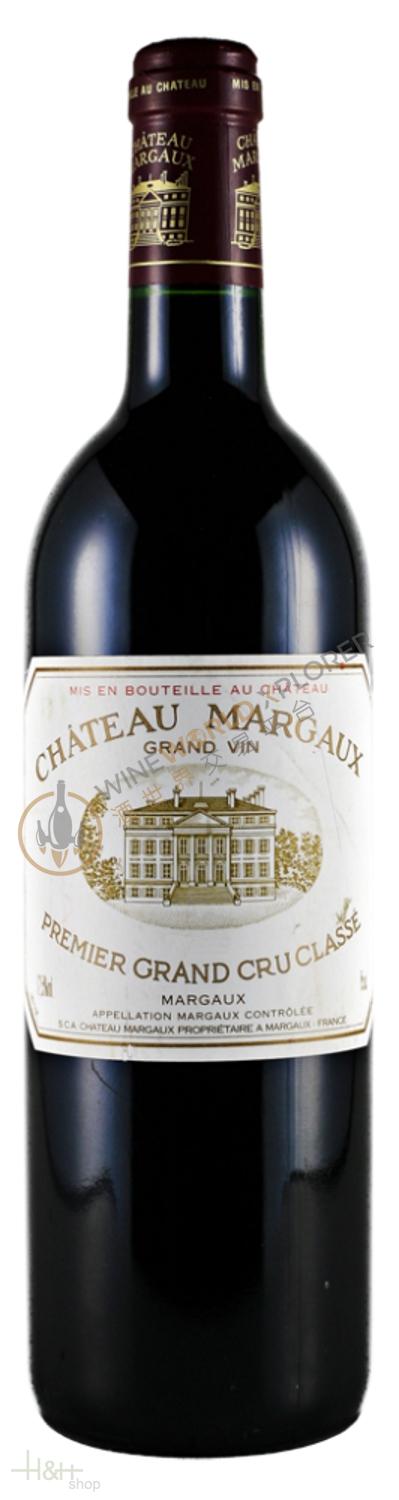
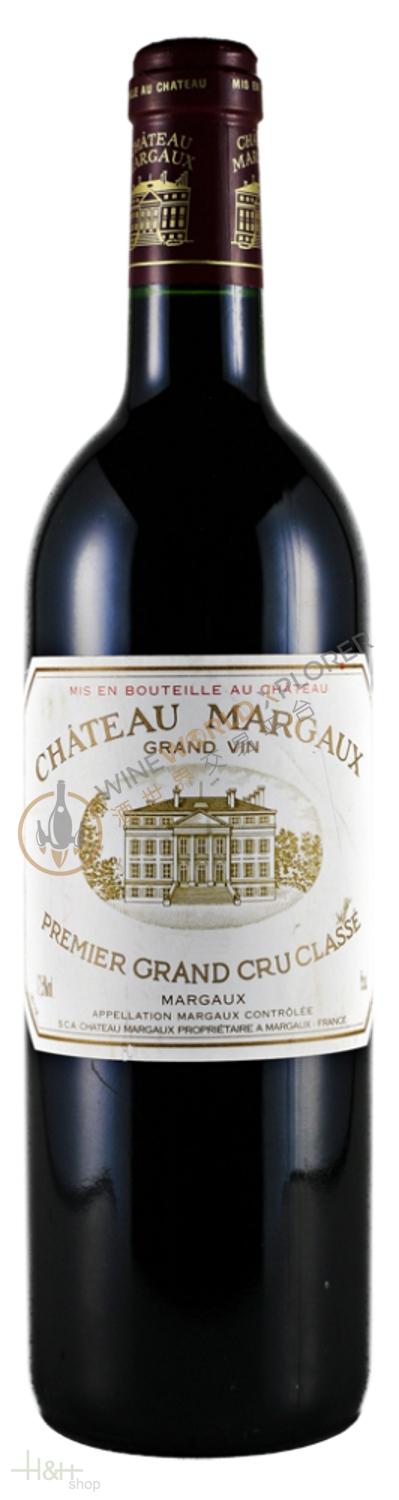
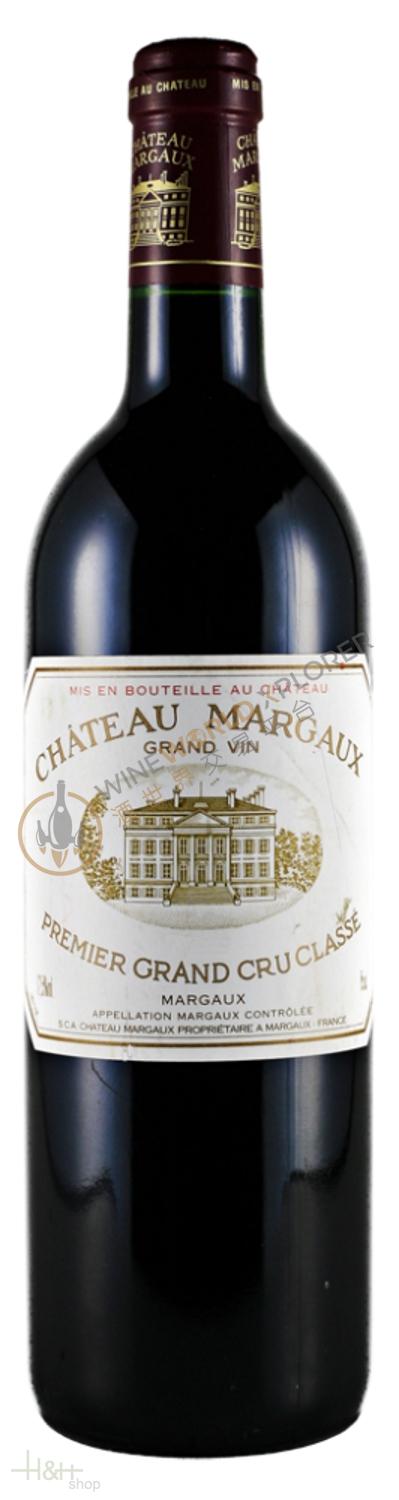
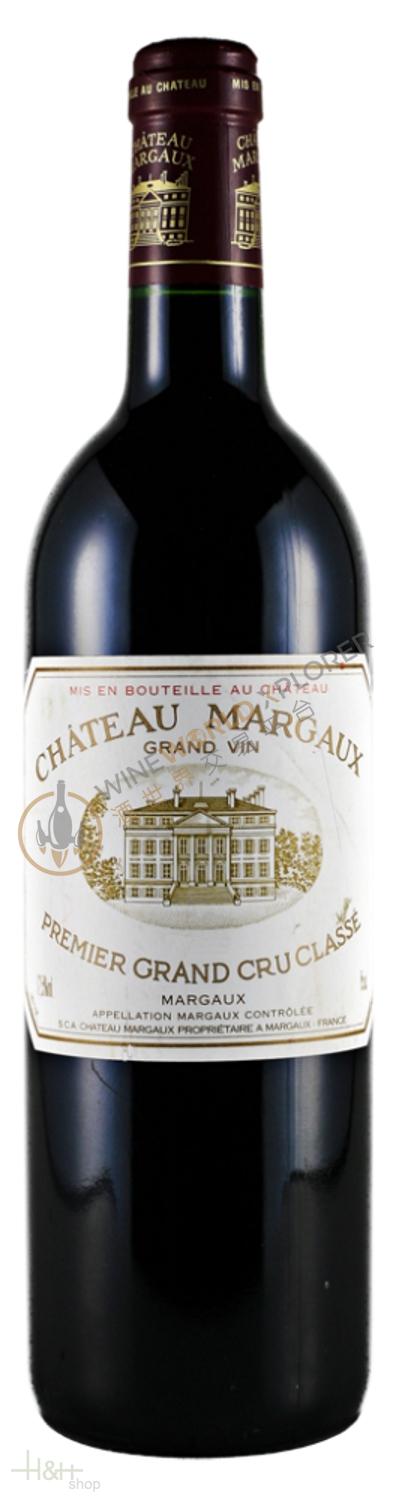
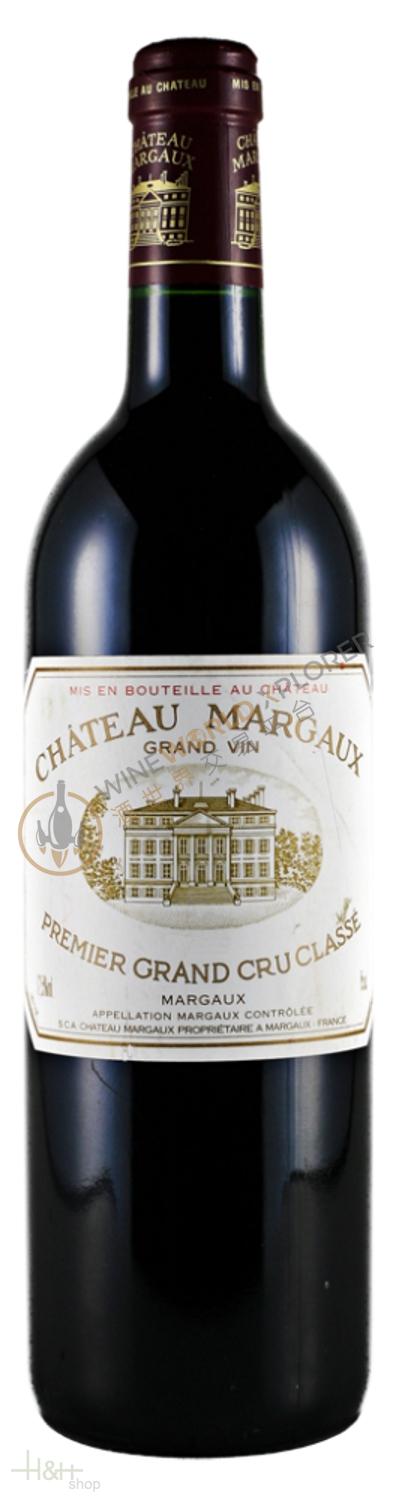
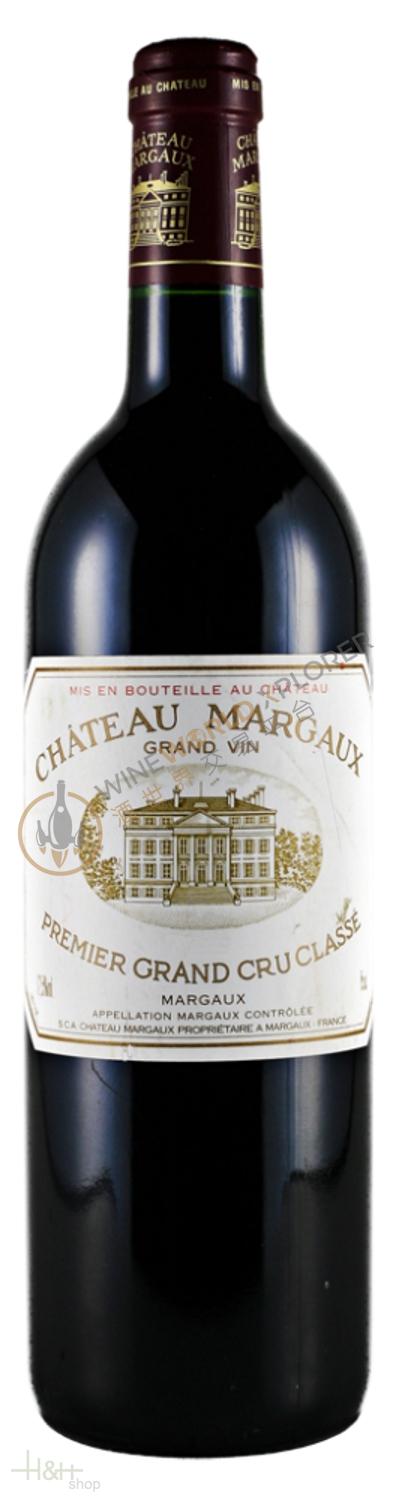
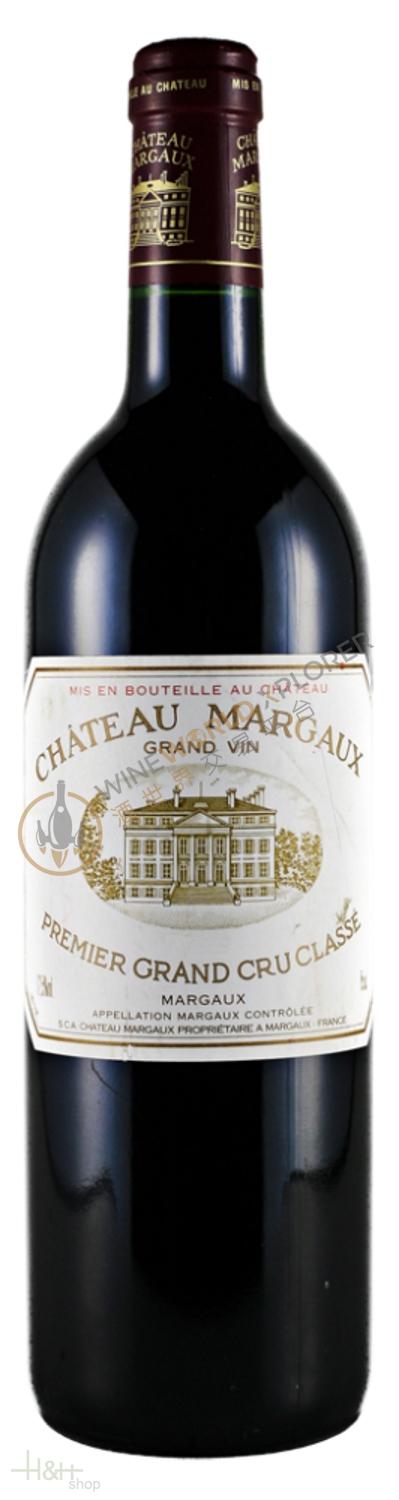
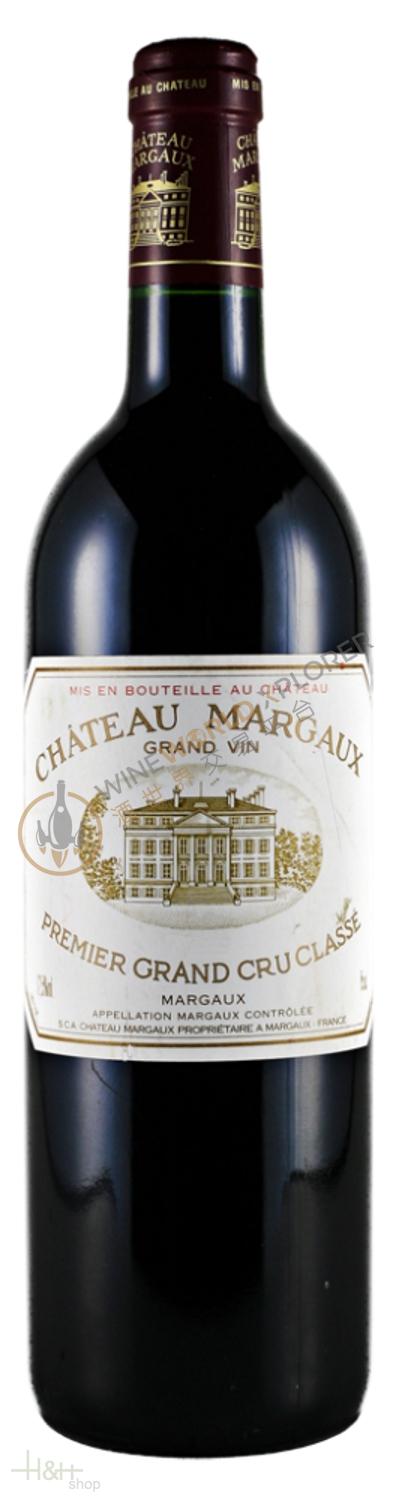
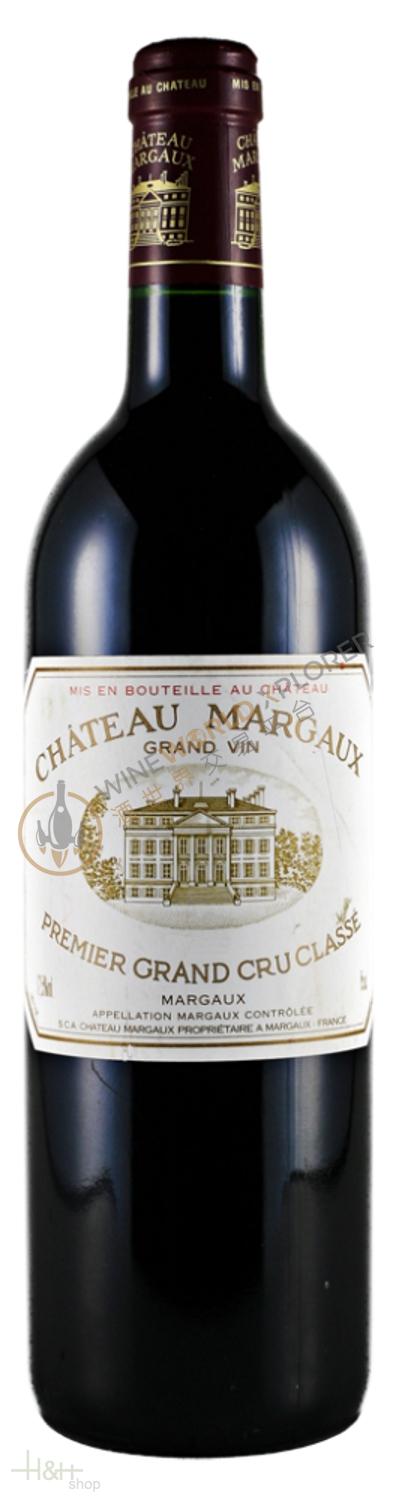
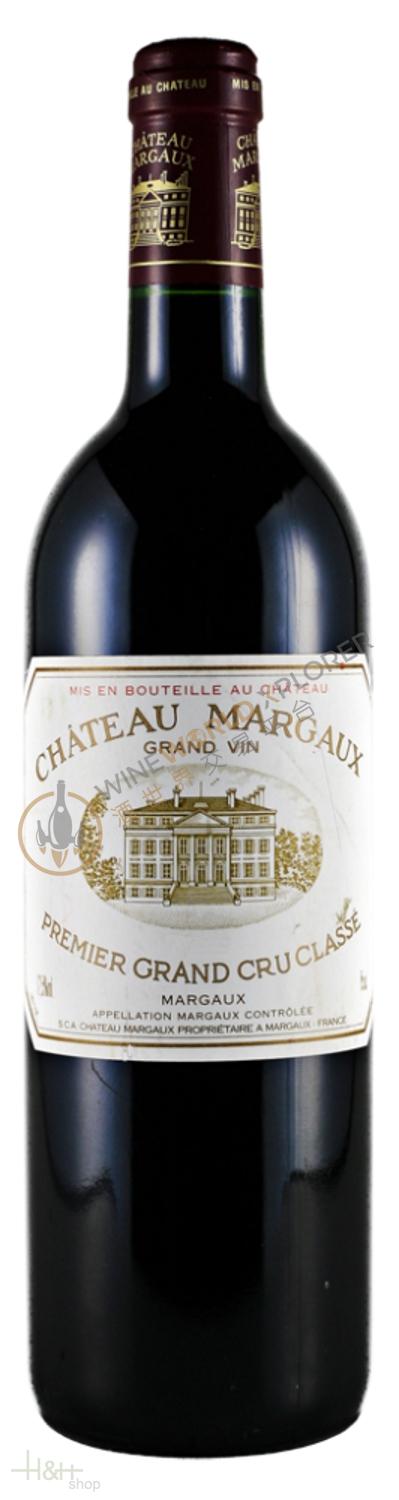
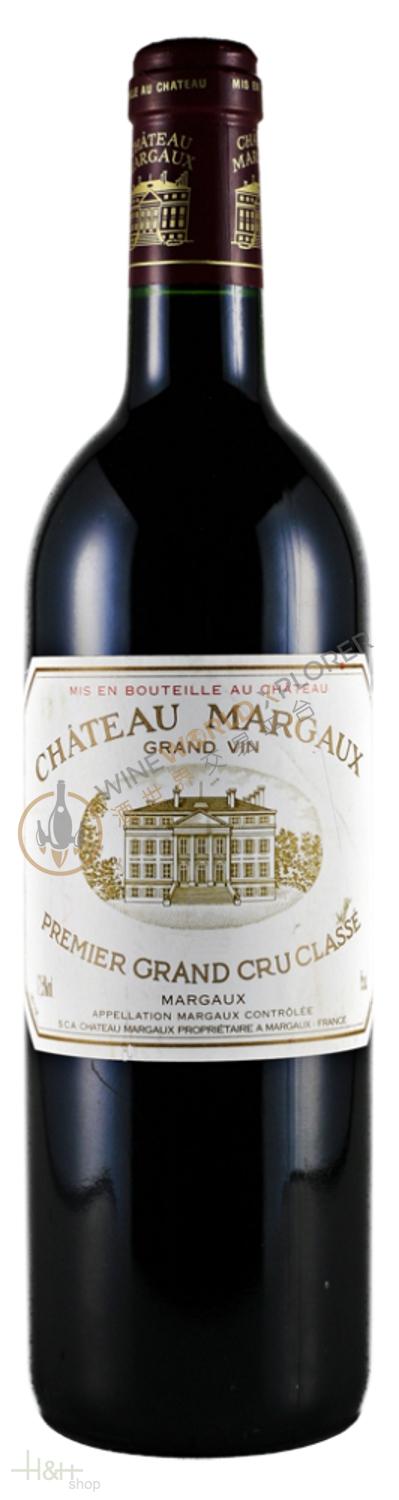
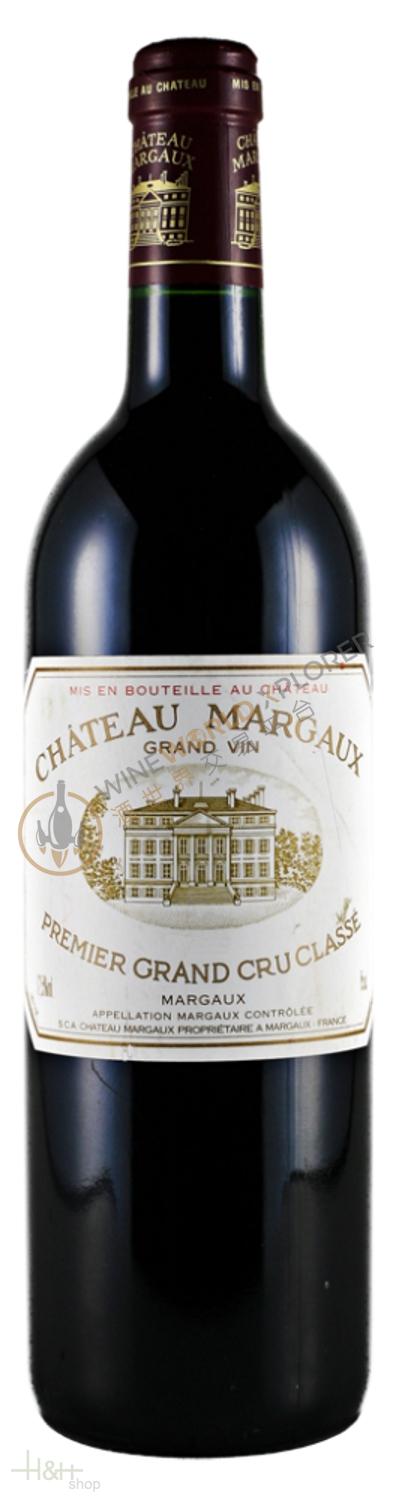
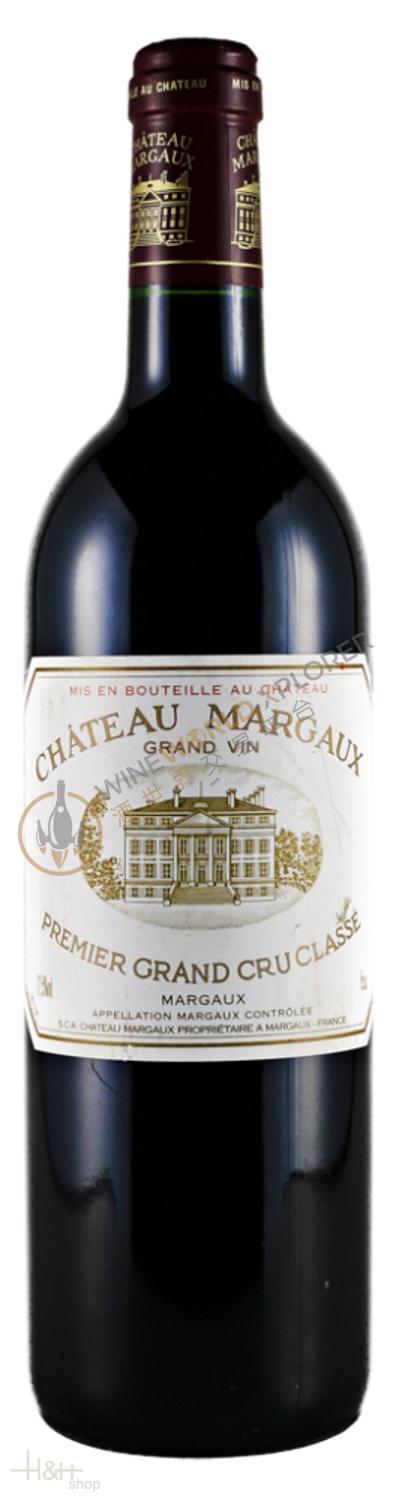
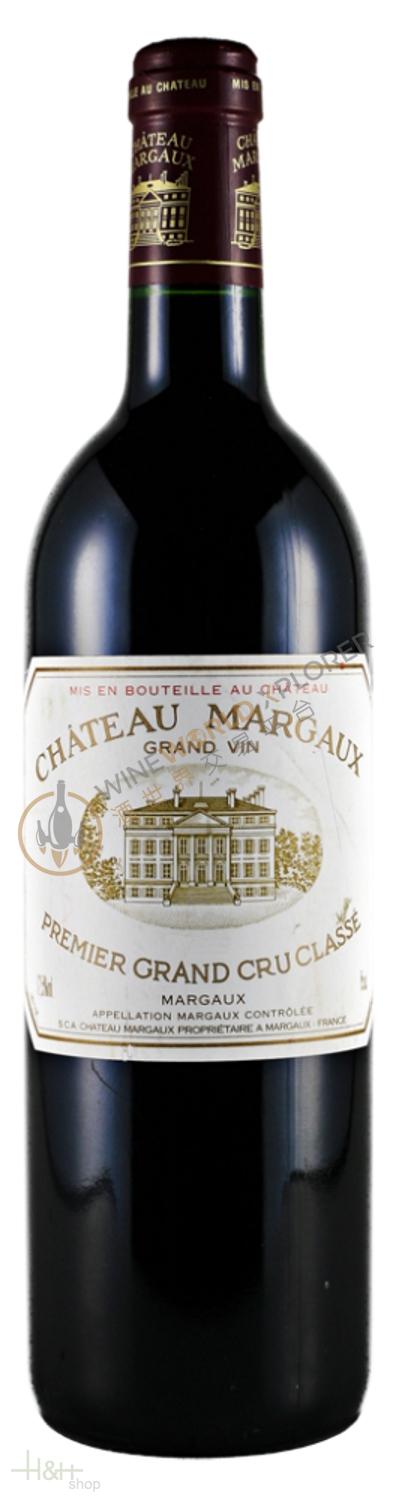
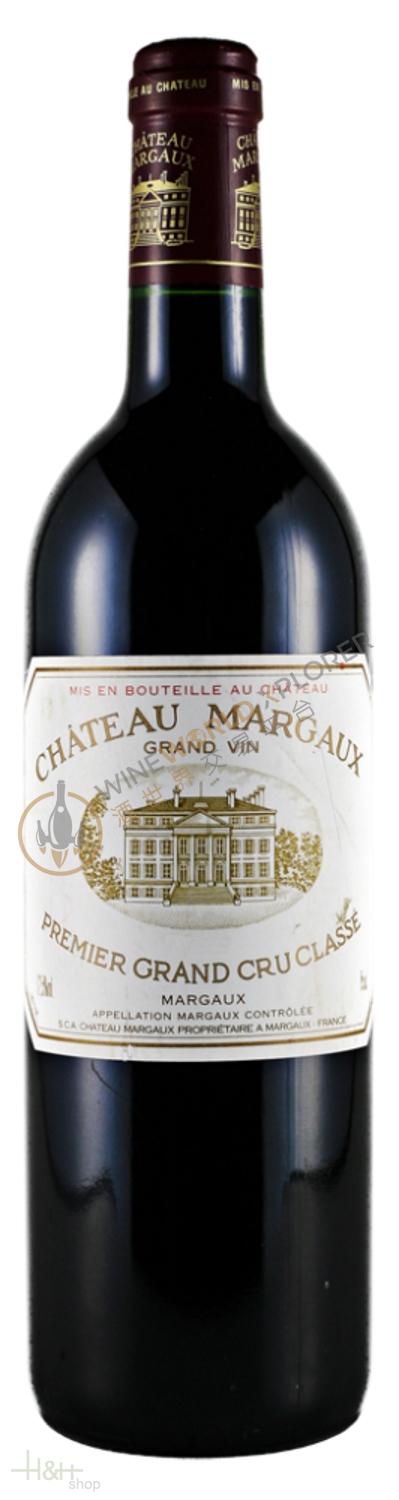
Chateau Margaux 1989
 View analysis


Description
Tasting notes

Reviewed by: Robert M. Parker, Jr.
The precocious, flattering 1989 exhibits a deep ruby color, a moderately intense bouquet of cassis, oak, and spring flowers, a medium to full-bodied texture, excellent concentration, and an expansive, long, moderately tannic finish. It is reminiscent of the 1985, but lighter and more alcoholic. The new oak continues to taste less well-integrated in the 1989 than in the 1990. Anticipated maturity: 1996-2015. Last tasted, 6/93.
Reviewed by: Neal Martin
Juxtaposed against the ’96, this nose here on the ’89 has a certain mellowness to it, a slight meaty quality with touches of burning embers, pencil shavings and a touch of peppermint inflecting the black fruit. The word “avuncular” keeps springing to mind! The palate is medium-bodied, wonderfully balanced with great focus. A touch of dried fig and cedar on the Pauillac-like finish, although it does not have the persistency on the finish as the ’96. A point. Drink now-2020. Tasted July 2008.
Reviewed by: Neal Martin
Tasted at Robersons’ 1989 Bordeaux horizontal. The Chateau Margaux ’89 has a rather curmudgeonly nose at first, initially disjointed but melding together with scents of blackberry, hawthorn and clay/wet cement. The palate is medium-bodied with very fine tannins, although this is not a complex Margaux. It has pert acidity and fine minerality, although it does not have the length or depth of Cos d’Estournel ’89 tasted alongside. The finish is a little foursquare and dominated by cedar and tobacco flavours that continue to lend it a Pauillac-like personality. Drink now-2020. Tasted June 2010.
Reviewed by: Neal Martin
Garnet core with thin tawny rim. A very lifted, perfumed, cedary nose with a touch of peppermint. You can still feel the warmth from the summer with a faint hint of prune. The palate is delectable: medium-bodied, very fine tannins, a savoury meaty edge, very harmonious with that peppermint tincture coming through again on the finish. Chateau Margaux mimicking Pauillac. Very fine, surfeit finesse and character, a Margaux that begs to be imbibed rather than analysed. Drink now-2020+ Tasted March 2008.
Reviewed by: Robert M. Parker, Jr.
The aggressively oaky 1989 reveals excellent color, deep, ripe aromas of cassis, medium to full body, soft tannins, and low acidity. While forward, it is still capable of 20 or more years of evolution. I do wonder about the overt smell of raw oak in this wine. Anticipated maturity: 1996-2015.
Reviewed by: Neal Martin
Somehow the nose reminds me of a Pauillac. Quite masculine and minerally with black tarry fruit. Well-balanced on the palate though lacking a little concentration. Black truffle and tar, a bit dry on the finish. Very classically lined for Margaux and like Latour, completely outclassed by the ensuing vintage. A touch short on the finish. Good but not great for Chateau Margaux. Drink now. Tasted September 2004.
Reviewed by: Robert M. Parker, Jr.
As prodigious as the 1990 is, the 1989 seems to typify so many of the Medoc first-growths in this vintage - excellent, but undistinguished for its reputation. The wine possesses a leathery, oaky nose, medium body, and good ripeness, but next to the 1990, the 1989 is dwarfed by that wine's richness, intensity, and length. The tannins come across as more elevated, as well as slightly greener and tougher. The 1989 may put on more weight and come together, much like the 1985 did after 4-6 years in the bottle, but for now, this wine seems to follow the pattern of many 1989 Medoc first-growths, revealing an unexciting level of quality. Give it 5-6 more years of cellaring, and drink it over the following 20.
Reviewed by: Robert M. Parker, Jr.
Given all the vital technical statistics concerning Chateau Margaux's 1989, I would have thought it would be a blockbuster in the mold of the other-worldly 1982. It is not. It has the same alcohol content (12.8%) and same pH (3.8), but more tannin. There is not nearly the concentration of fruit exhibited by some of Margaux's greatest wines during the eighties - 1982, 1983, and 1986. This is surprising because the Merlot vineyards were pruned back by 50% in July to avoid overcropping. The Merlot was harvested September 9th and the Cabernet Sauvignon between September 18th and September 25th. Several negociants felt the chateau picked the Merlot too late and the Cabernet too early. However, this wine will undoubtedly turn out to be an outstanding Margaux, better than the 1981, 1984, and 1987, but far behind the wines made in 1982, 1983, 1986, and 1990. I believe it to be inferior to the property's superb 1990, which may be a clone of the legendary 1953. Deep ruby in color (rather than the usual black/purple), with a moderately intense bouquet of cassis, oak, and spring flowers, this precocious, flattering wine has a medium-bodied texture, excellent concentration, and a good rather than stunning, long, moderately tannic finish. It is reminiscent of the 1985, but more alcoholic, not as elegant, and somewhat shorter. In 1989, Palmer far outclasses this wine. Anticipated maturity: 1996-2010. Tasted six times. Consistent notes.
Reviewed by: Robert M. Parker, Jr.
Dwarfed by its younger sibling, the 1990, the 1989 Chateau Margaux has a dark plum/garnet color and a big, sweet nose of new saddle leather, toasty oak, and weedy black cherry and cassis fruit. The wine is medium-bodied, with relatively elevated tannins, outstanding concentration and purity, but a somewhat clipped as well as compressed finish. This certainly outstanding wine has put on a bit of weight in its evolution in the bottle, but it is hardly one of the most profound efforts from Chateau Margaux. Anticipated maturity: 2006-2025. Last tasted, 10/02.
About the Producer
Chateau Margaux is located in the village of Margaux, in the Medoc appellation on the left bank of Bordeaux, and was awarded a First Growth in the 1855 Bordeaux Medoc classification, alongside Chateau Lafite Rothschild, Chateau Latour and Château Haut-Brion. It is also known as Chateau Haut-Brion. Château Margaux currently covers a total of 262 hectares, including 99 hectares of vineyards. The red vineyard has an appellation of 87 hectares, of which 82 hectares are planted, while the white vineyard is planted with 12 hectares. The red varieties are mainly Cabernet Sauvignon, Merlot, Petit Verdot and Cabernet Franc; the white varieties are Sauvignon Blanc and the vines are on average 45 years old. Since the end of the 1990s, the estate has refused to use pesticides in the vineyards. In addition, only organic fertilisers are used in the vineyard, and deep fertilisation is carried out at regular intervals to improve the soil structure and rejuvenate the soil. During the harvest season, the winery team selects the right time to harvest the grapes by testing and analysing all the indicators and by tasting the grapes themselves. Once the grapes have reached their ideal state of ripeness, they are harvested by a team of over 200 trained harvesters. Once in the winery, the grapes undergo a rigorous selection process before being de-stemmed. Both oak barrels and stainless steel tanks are used to ferment the red grapes, while the white grapes are fermented entirely in oak barrels. After the alcoholic fermentation, the wine undergoes malolactic fermentation. The red wines are then left to mature in oak barrels for 18-24 months and the whites for 6-8 months. The main wine of the estate, Château Margaux's red wine, is rich and complex, with an elegant and powerful ballet on the tongue, rich and smooth tannins, good balance and a long, fresh finish with excellent ageing potential. It successfully conquered Napoleon Bonaparte, the founder of the First French Empire, and won the hearts of Thomas Jefferson, the founding father of the United States, and Margaret Thatcher, the "Iron Lady" of England. In the world of wine criticism, Château Margaux's red wines have also been recognised, with four perfect scores from Robert Parker and many more from other critics with 95 points or more. In recent years, the quality of Château Margaux's red wines has been steady and has maintained a high level of interest in the market.
1958(1)1960(1)1961(2)1962(1)1963(1)1964(1)1969(2)1970(1)1971(1)1972(1)1974(1)1975(1)1976(1)1978(1)1979(1)1981(1)1982(6)1983(4)1984(1)1985(4)1986(6)1987(3)1988(8)
Package Size