 Wine Advisor



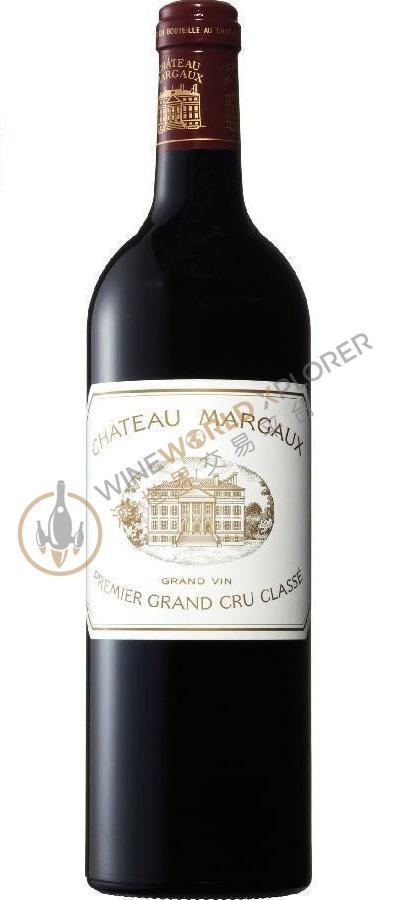
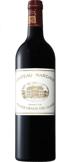
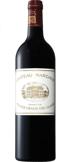
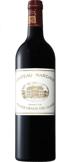
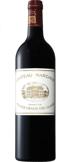
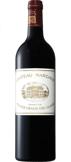
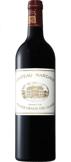
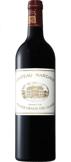
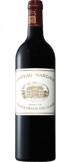
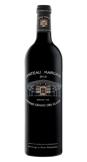
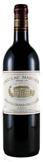
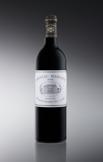
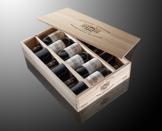
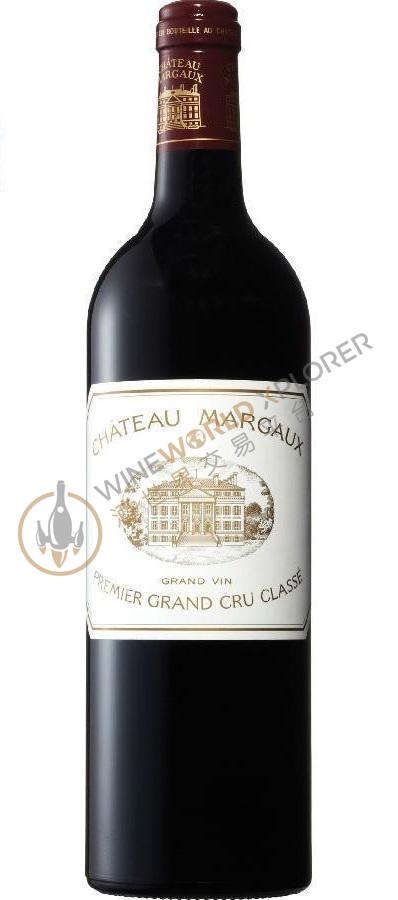
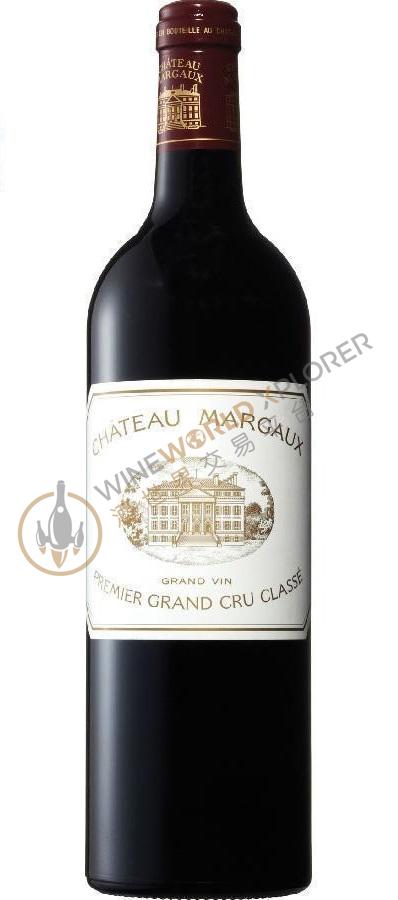
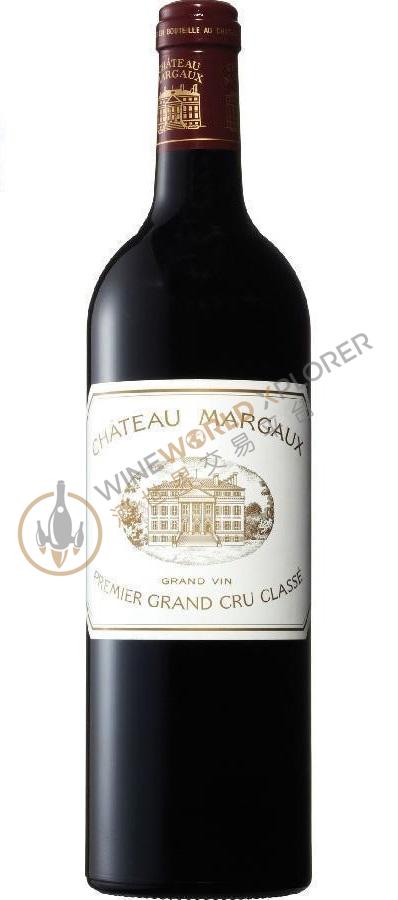
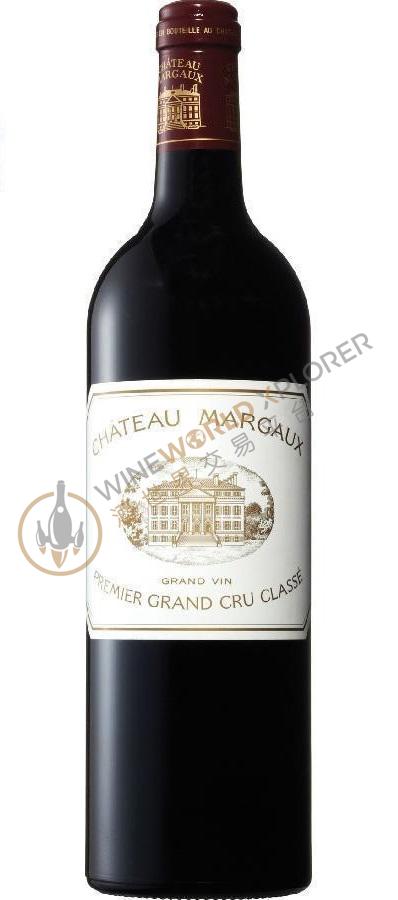
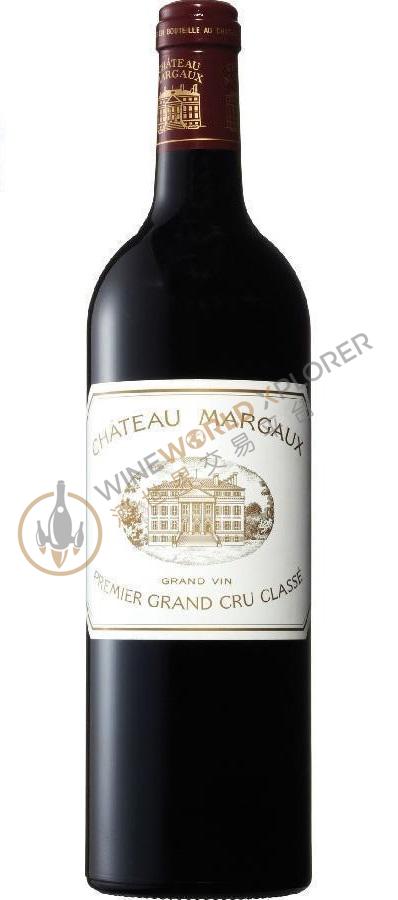
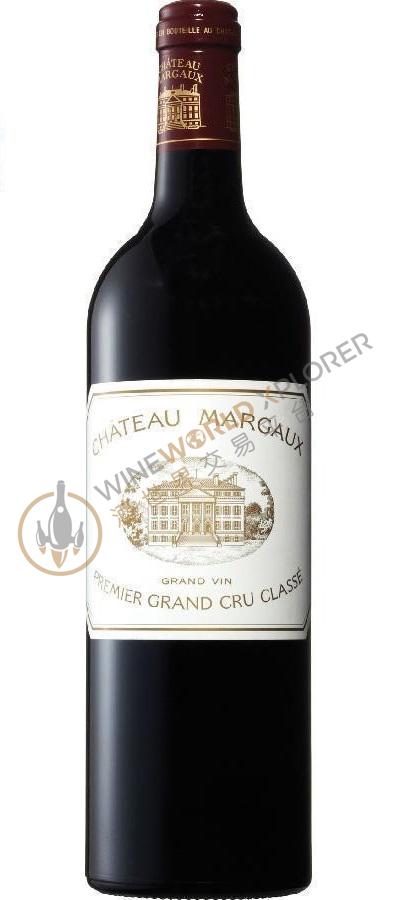
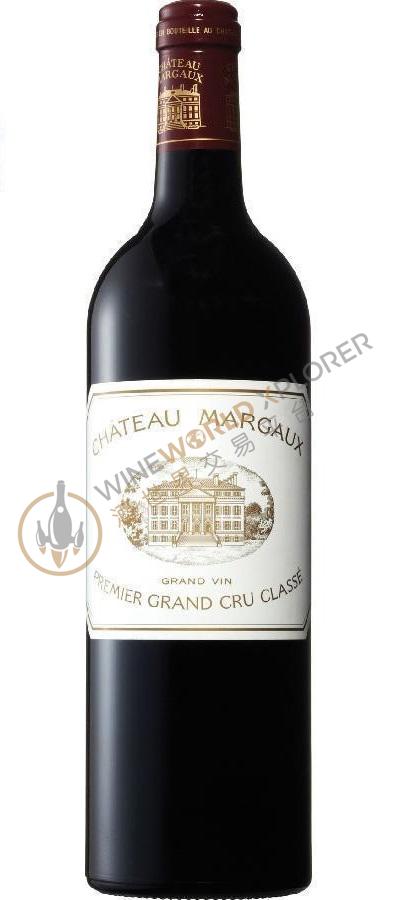
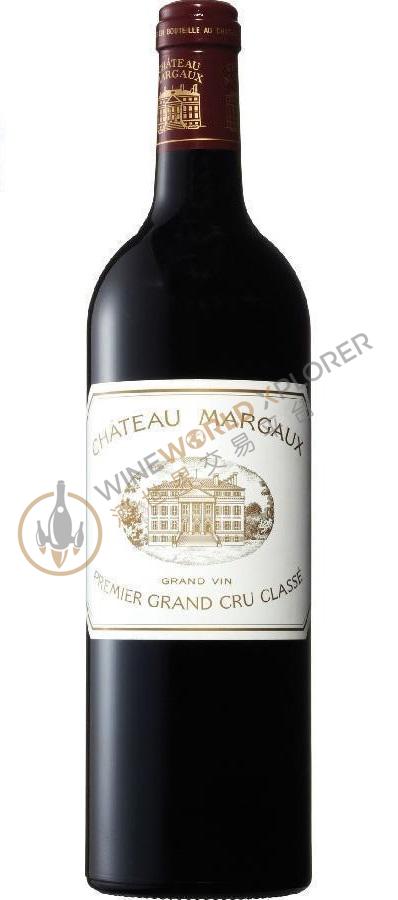
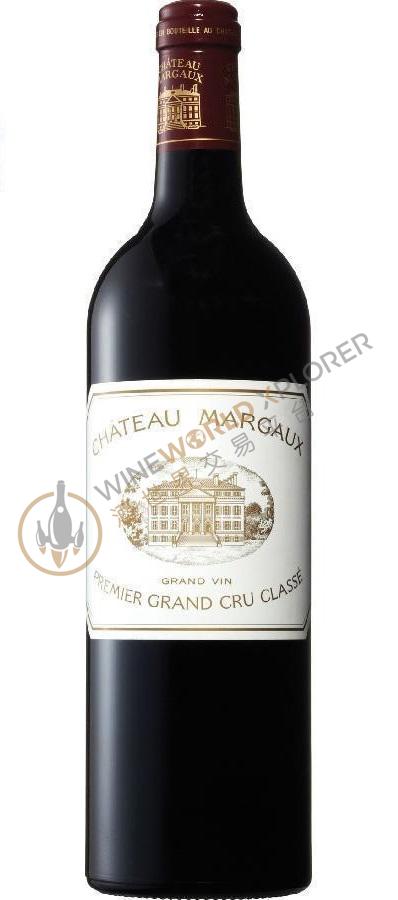
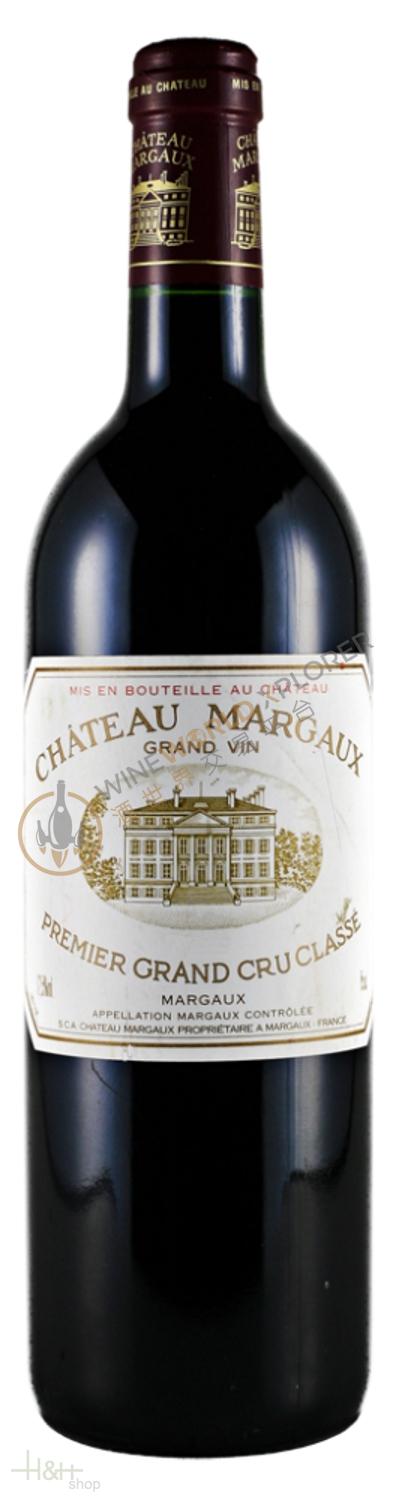
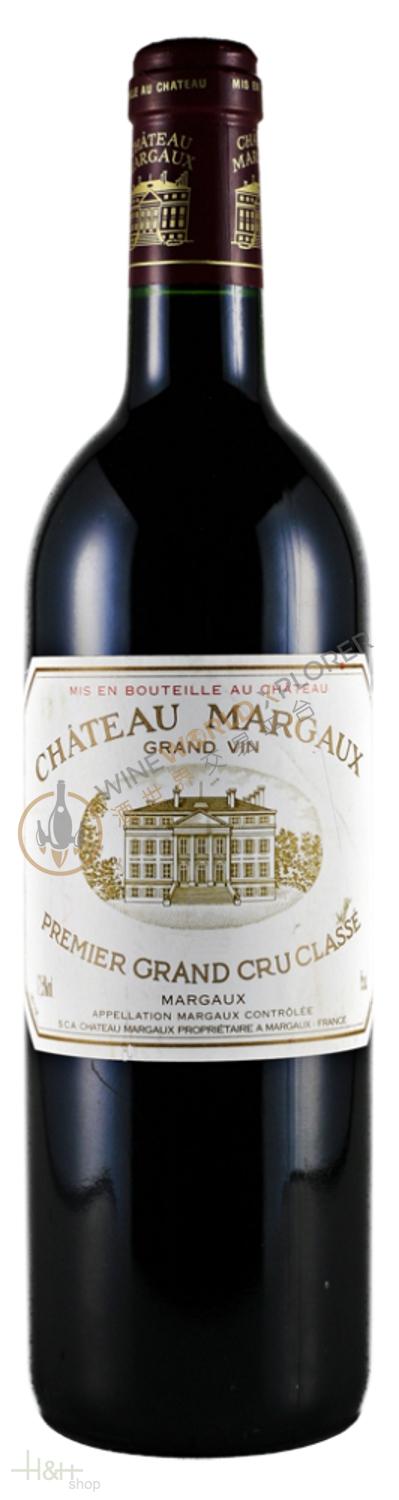
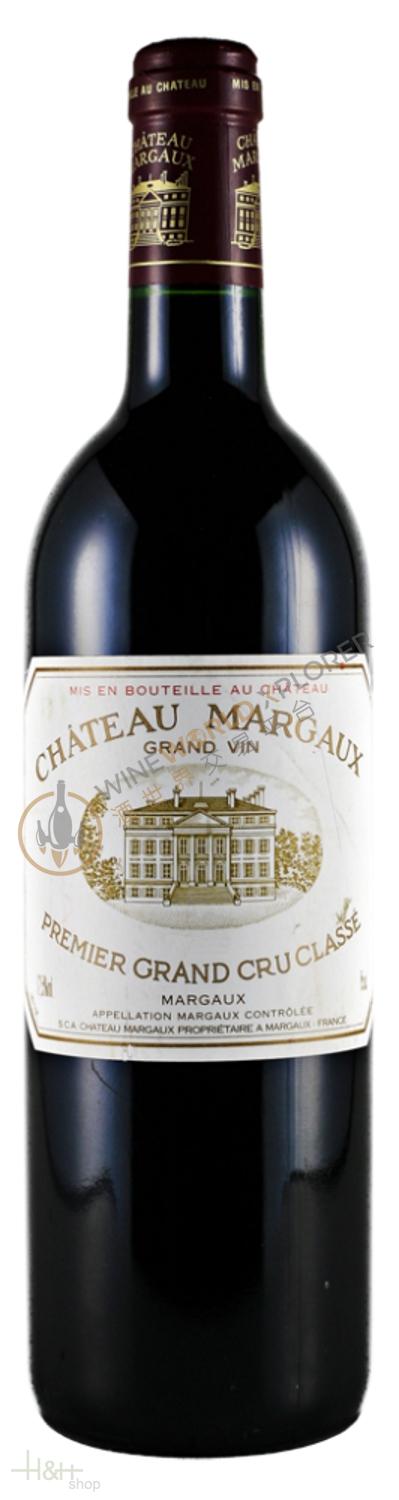
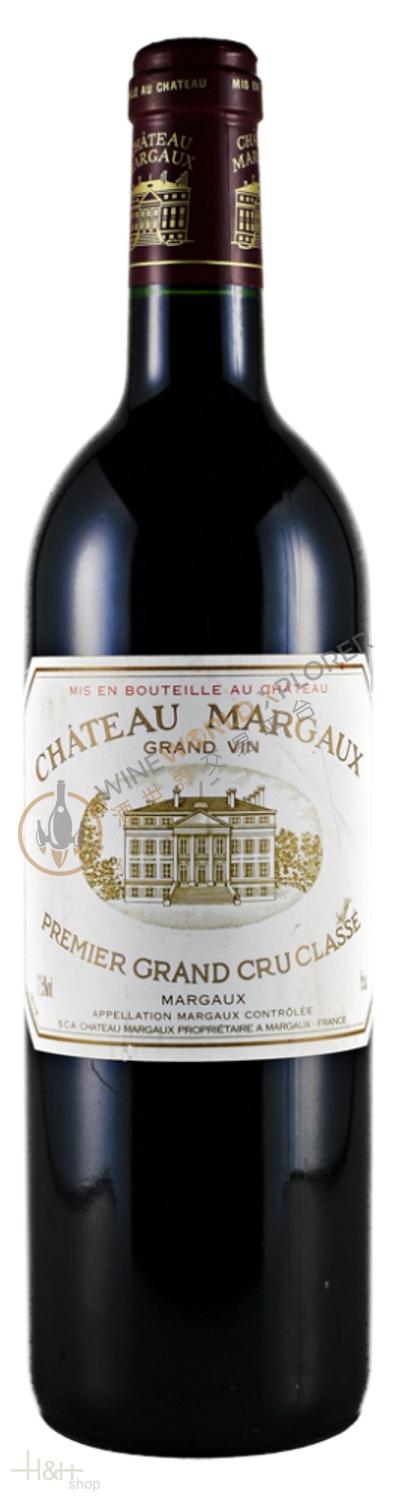
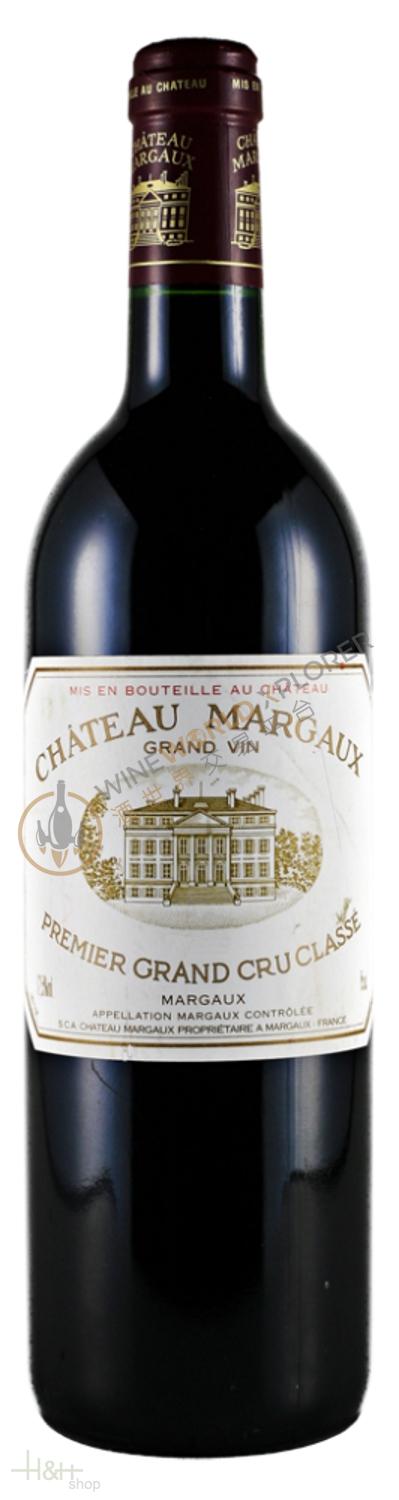
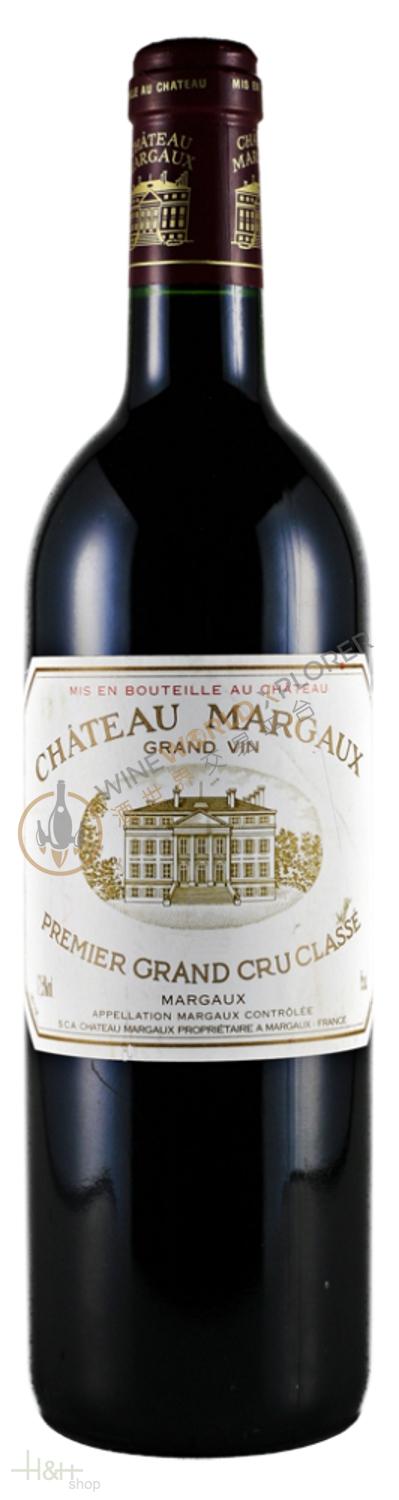
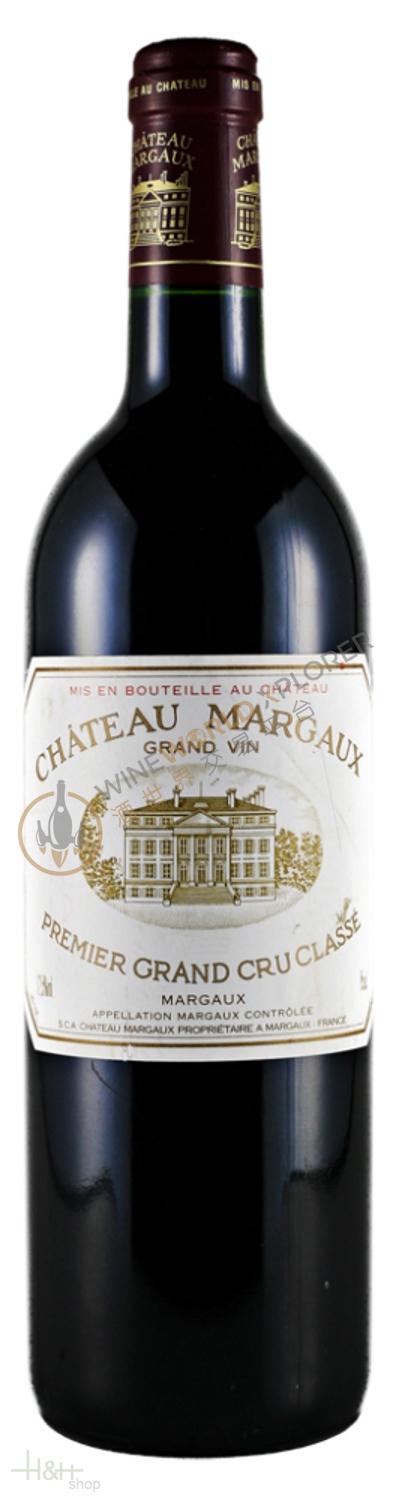
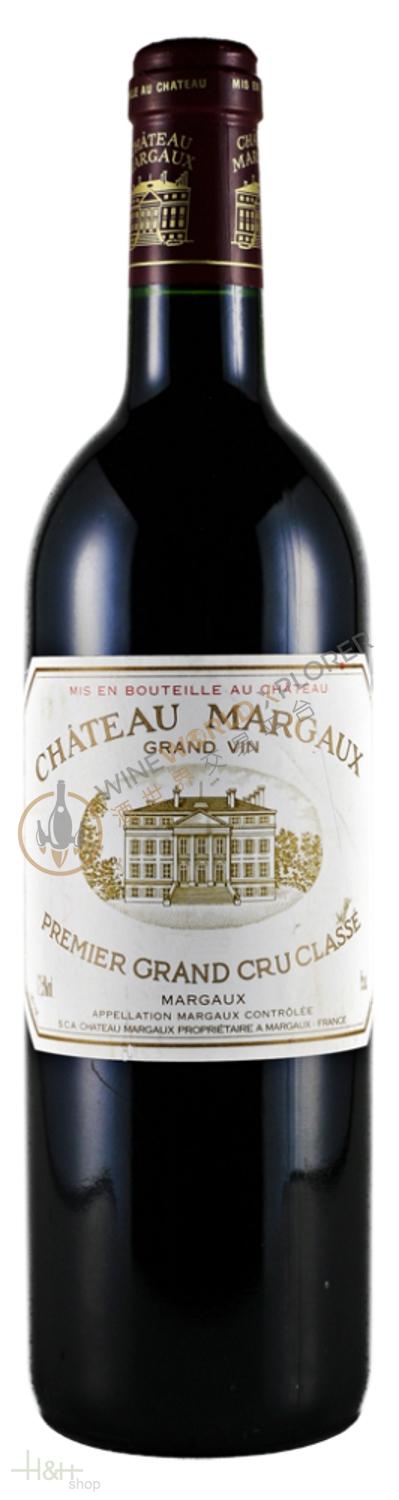
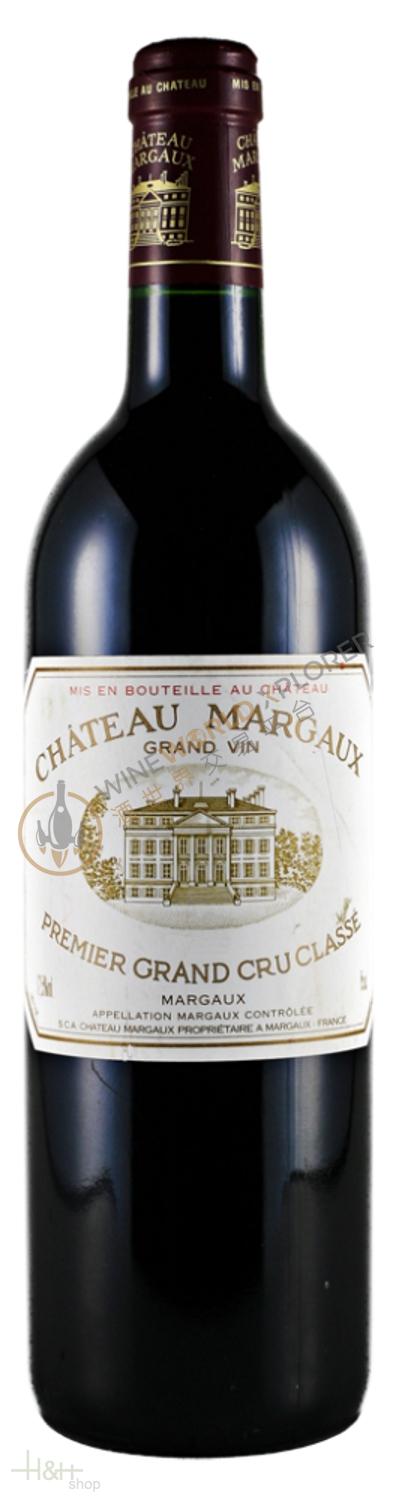
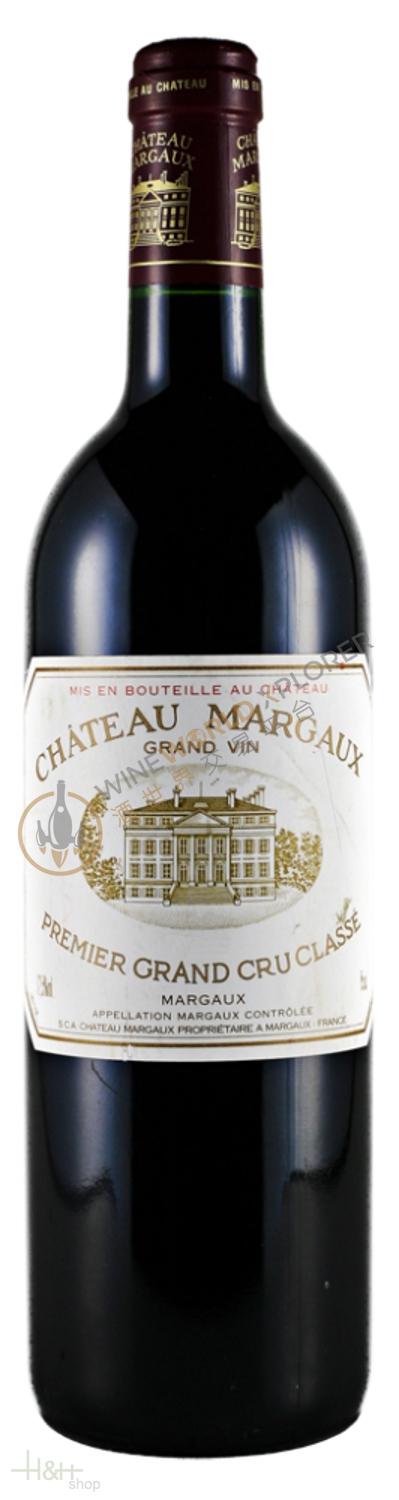
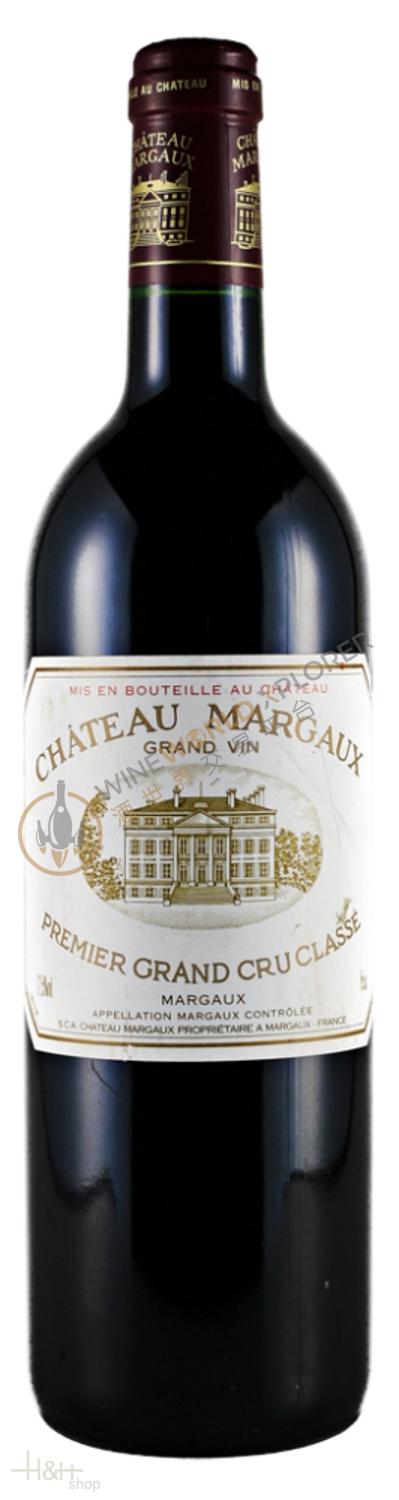
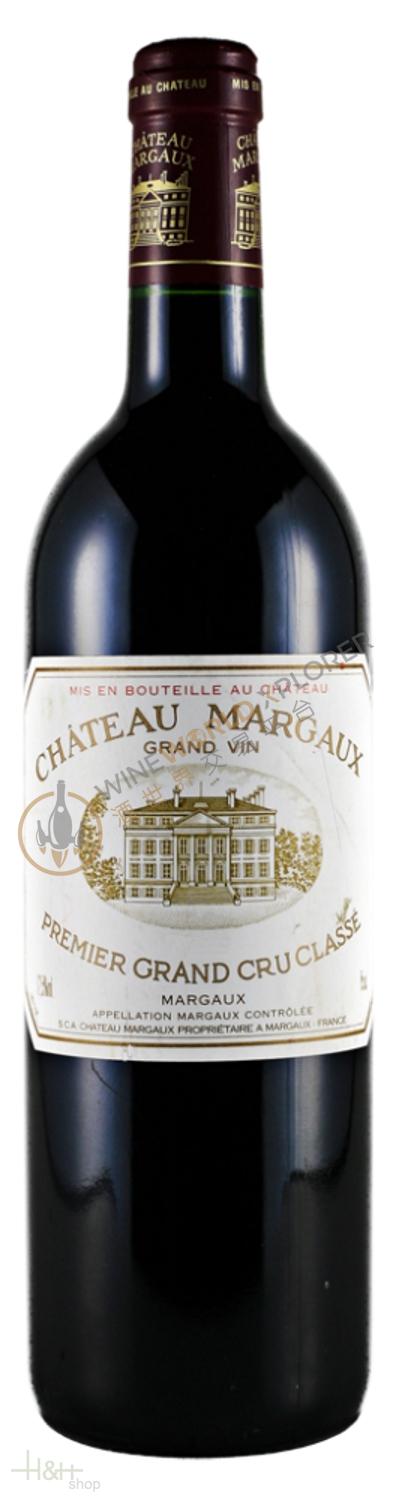
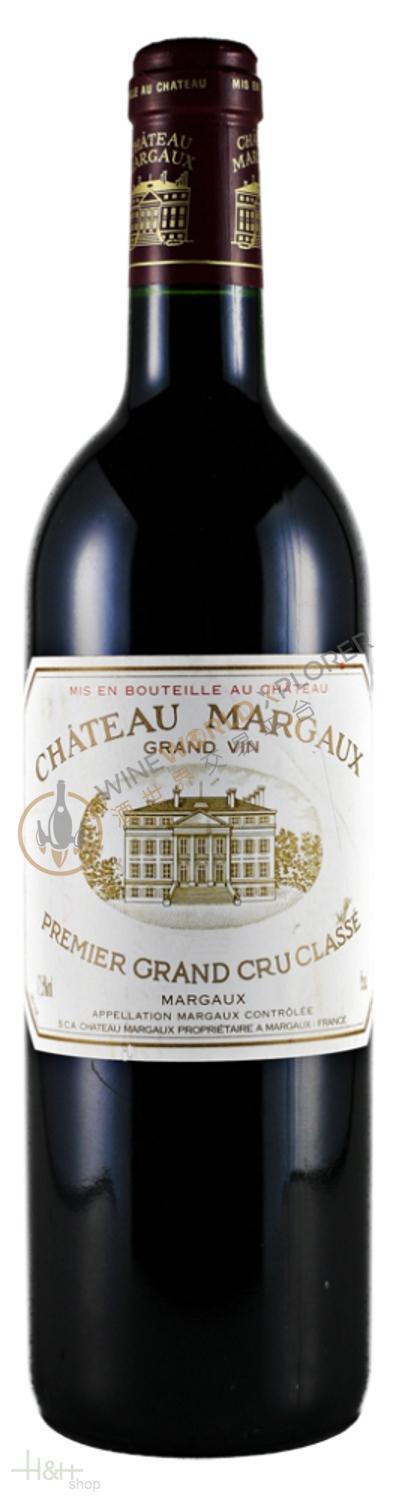
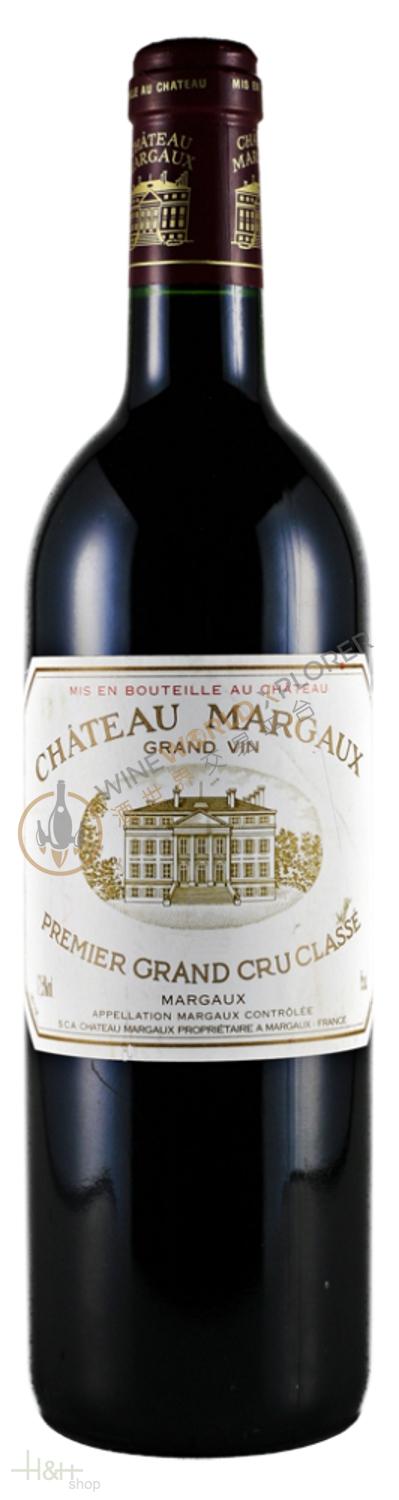
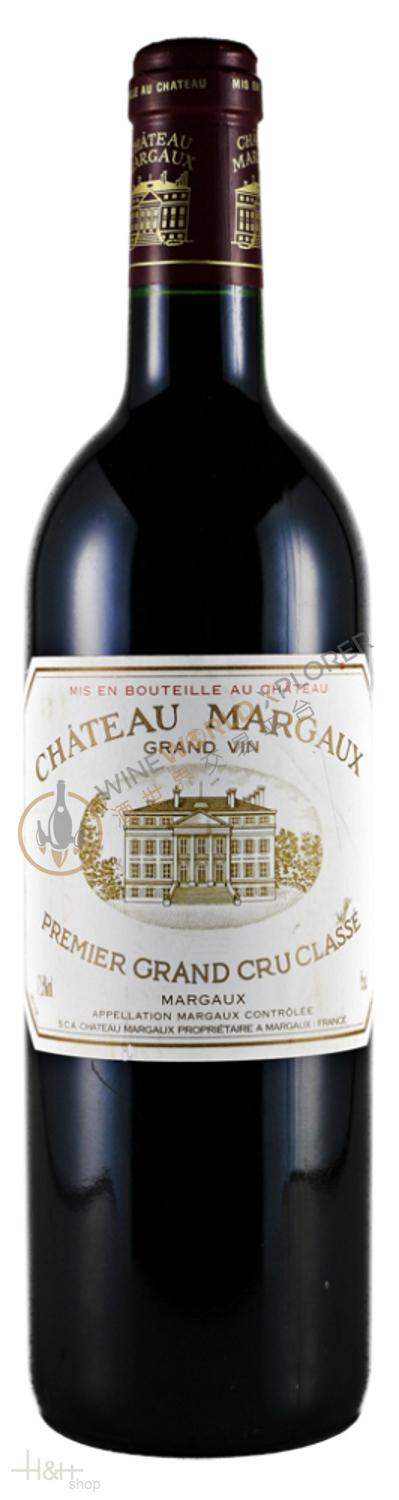
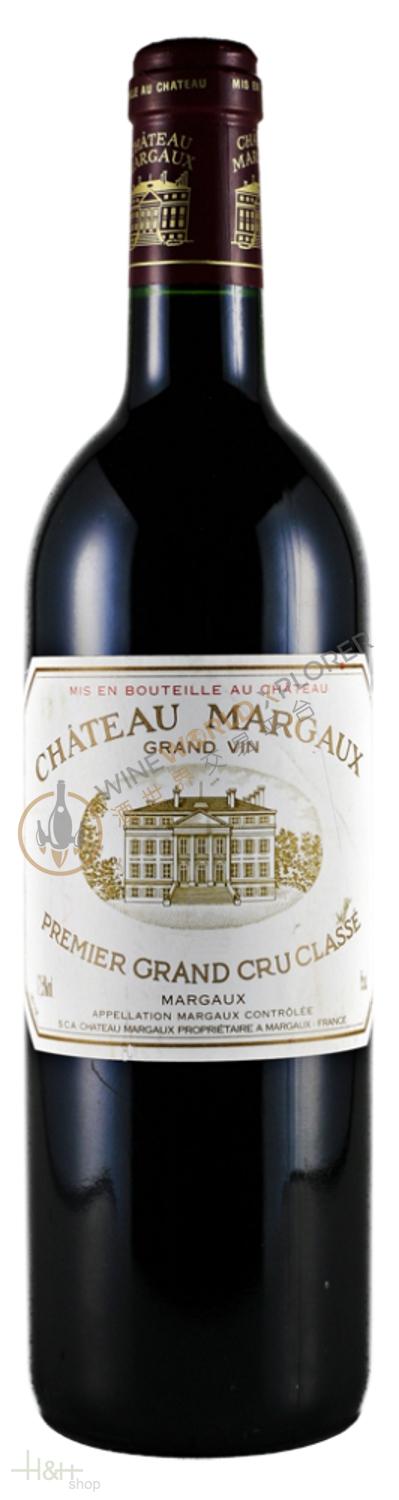
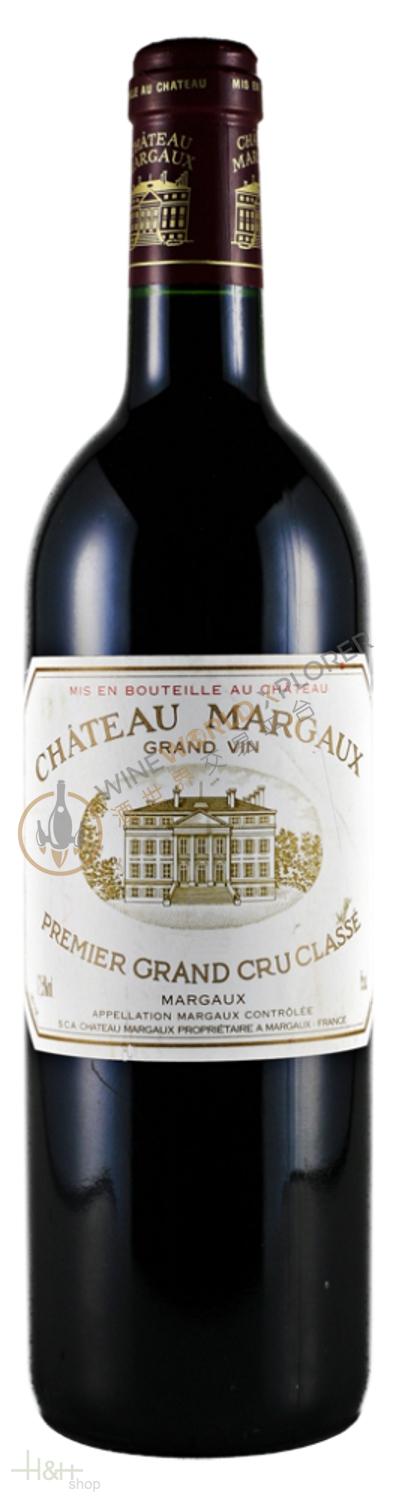
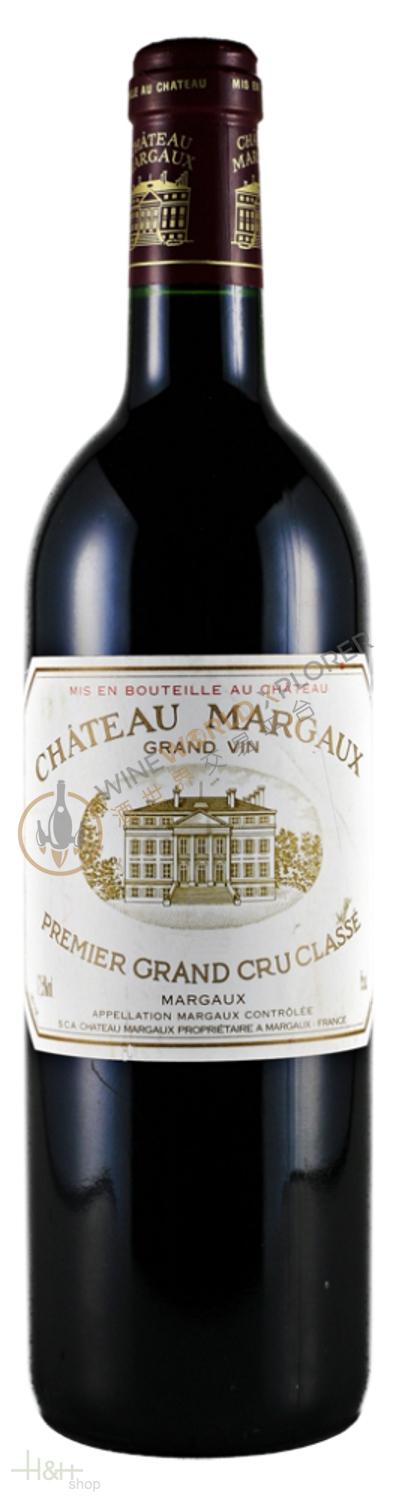
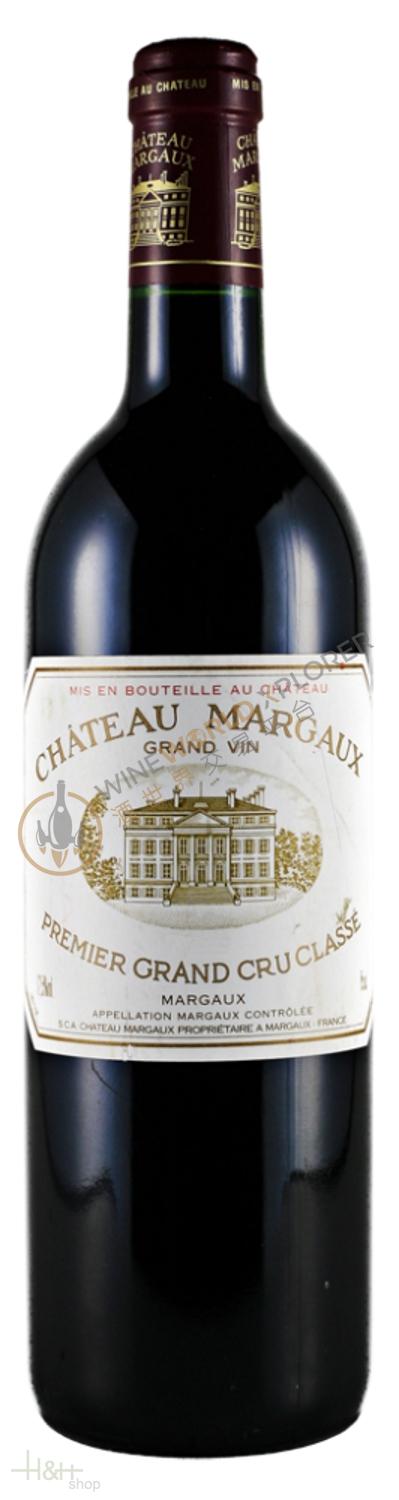
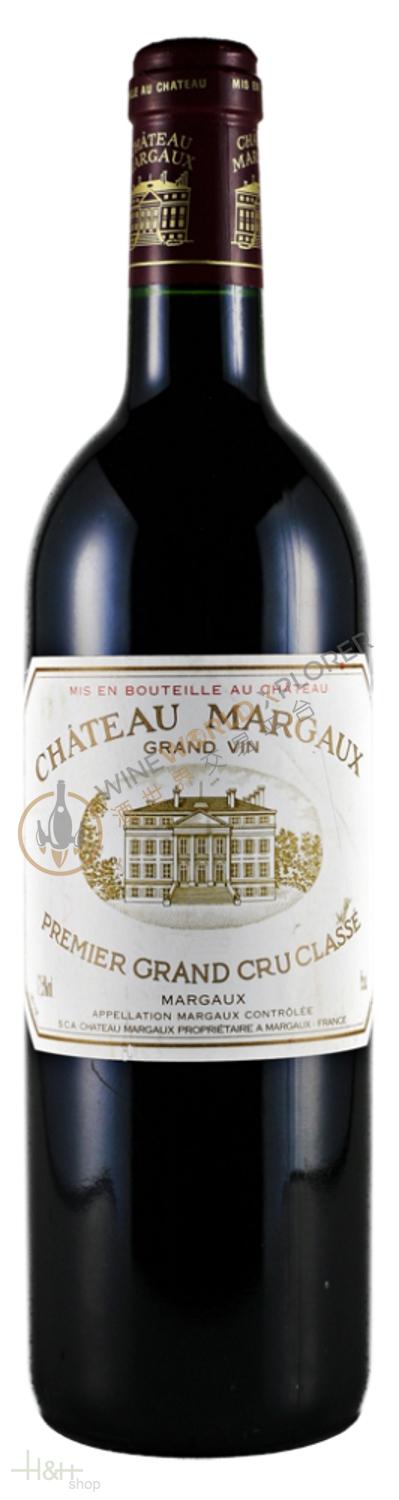
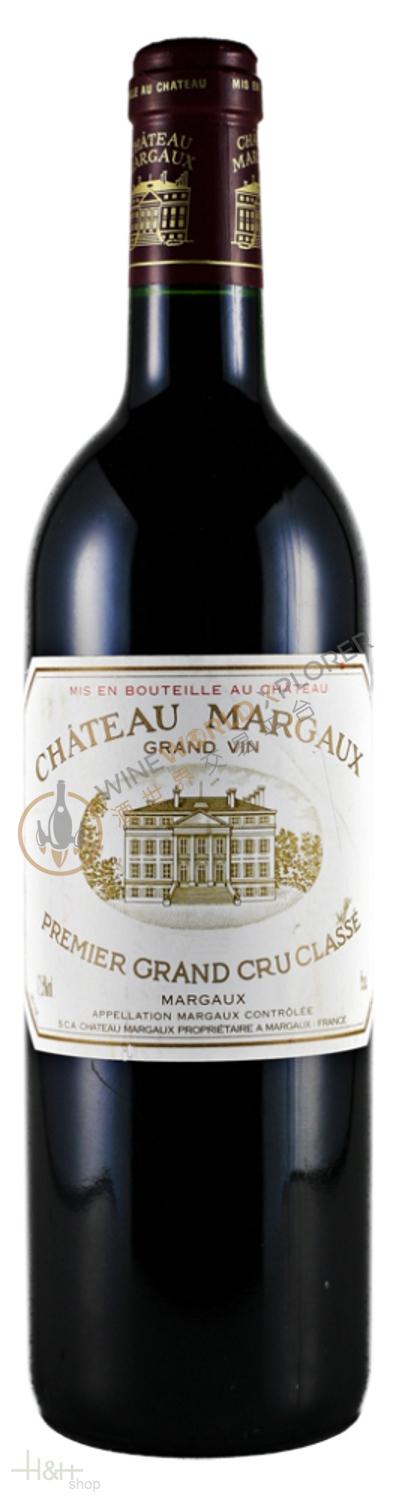
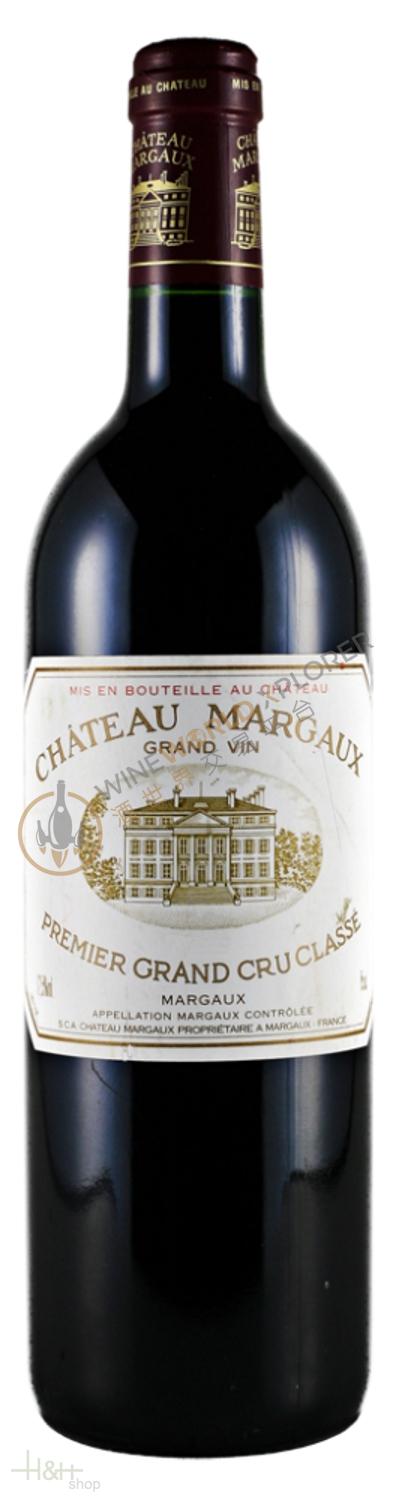
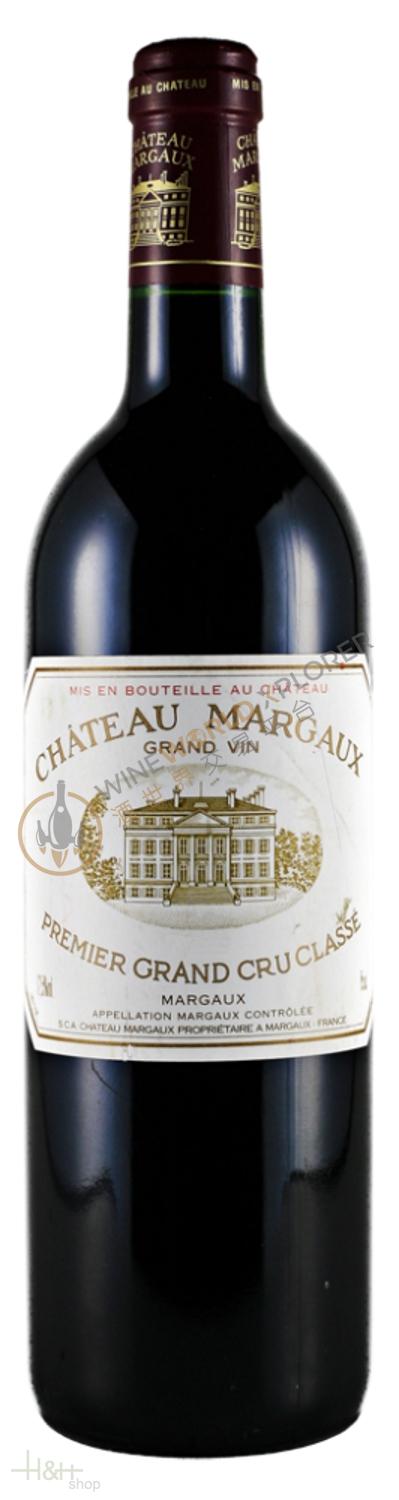
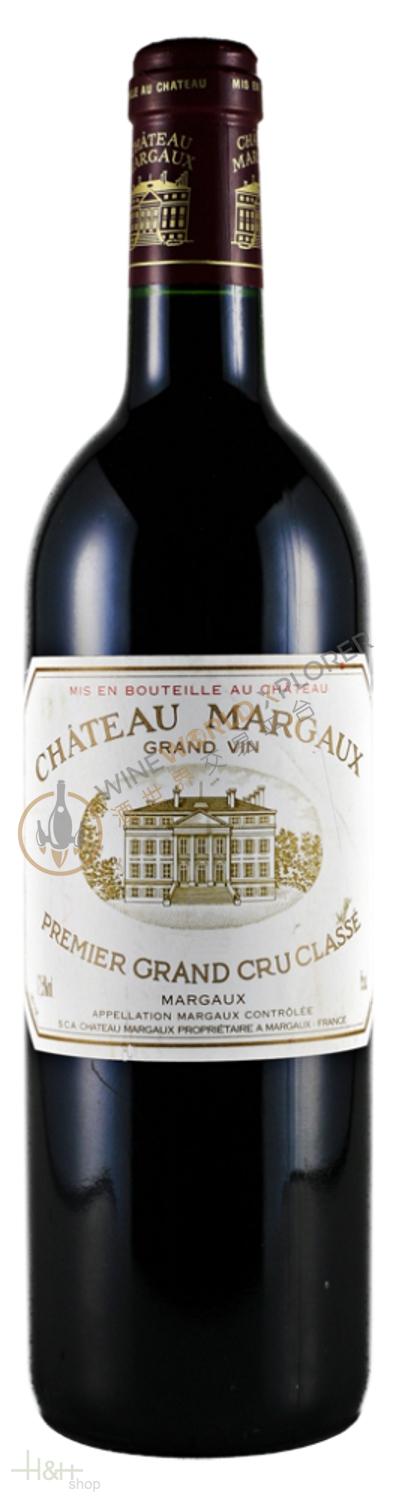
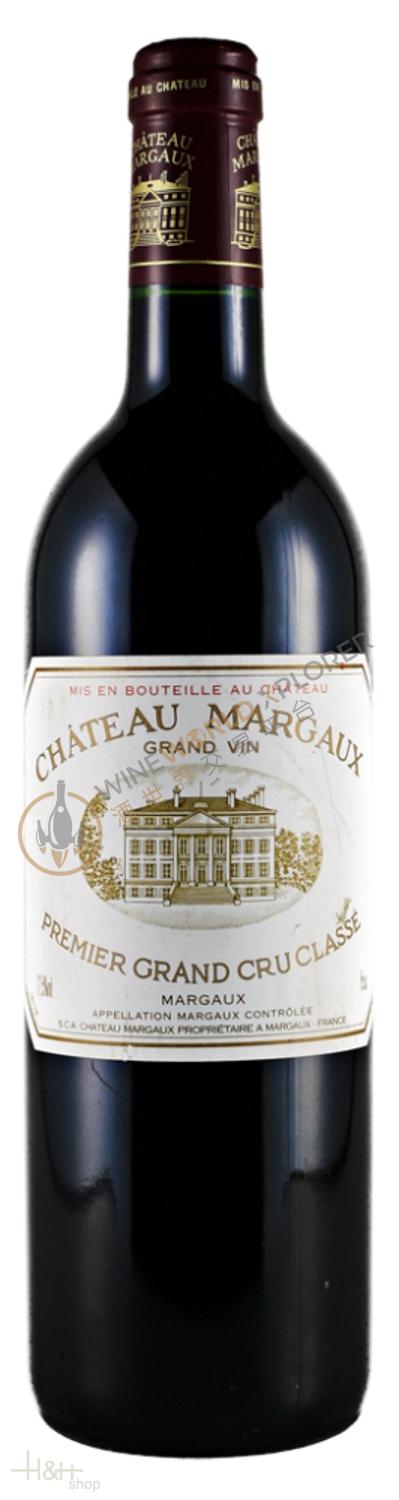
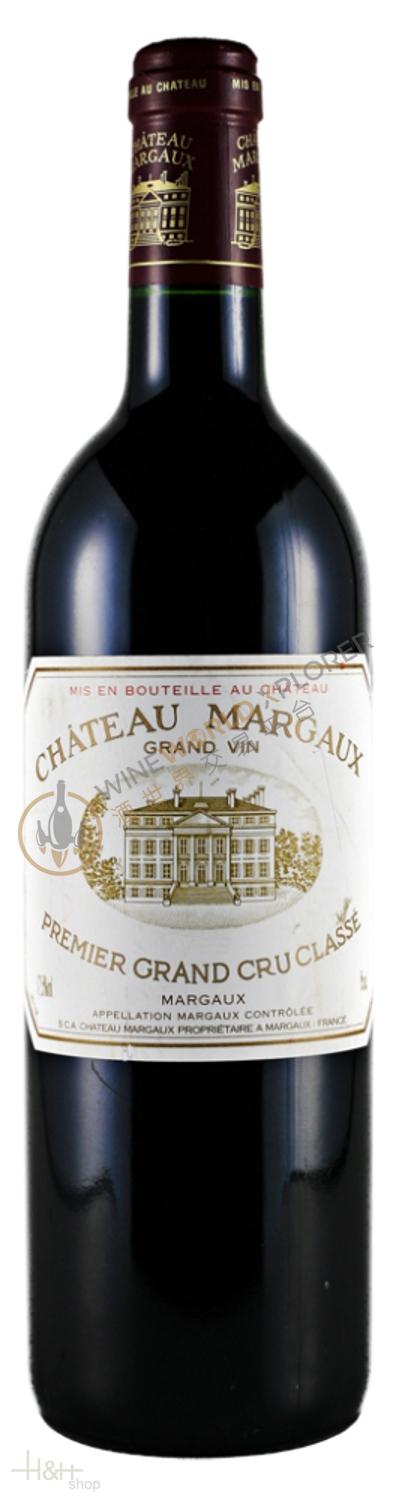
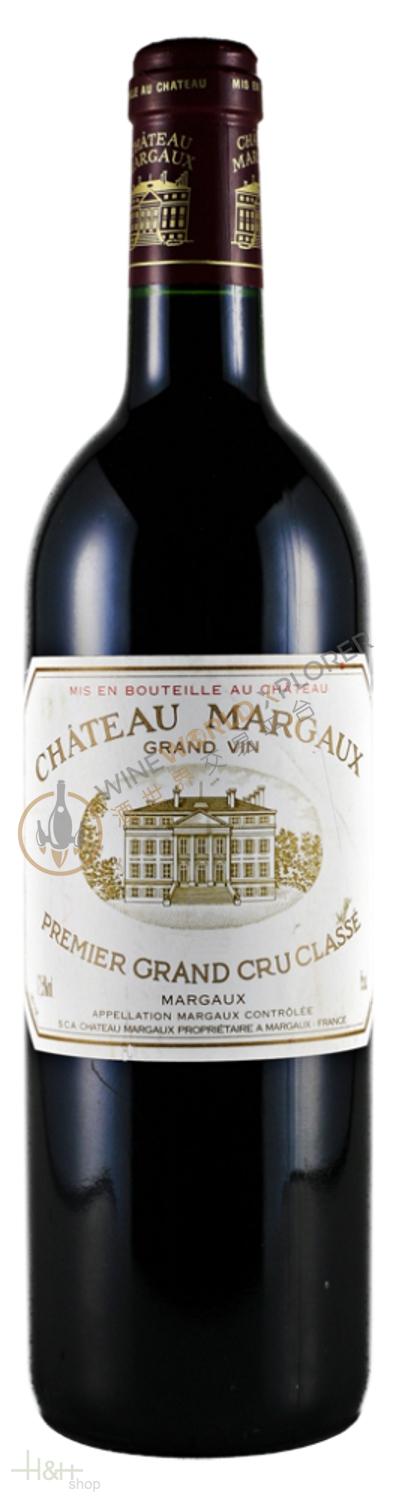
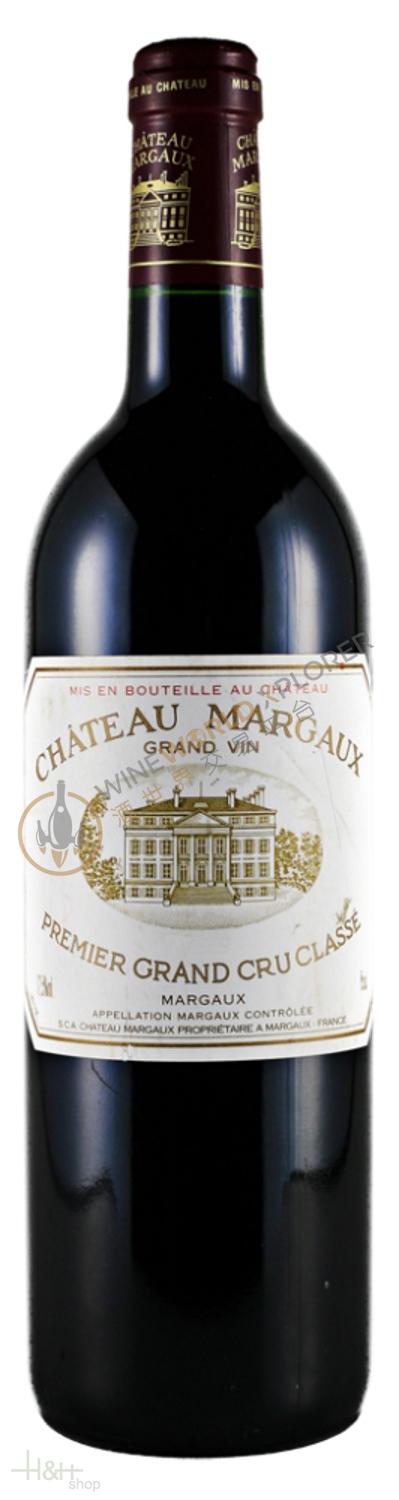
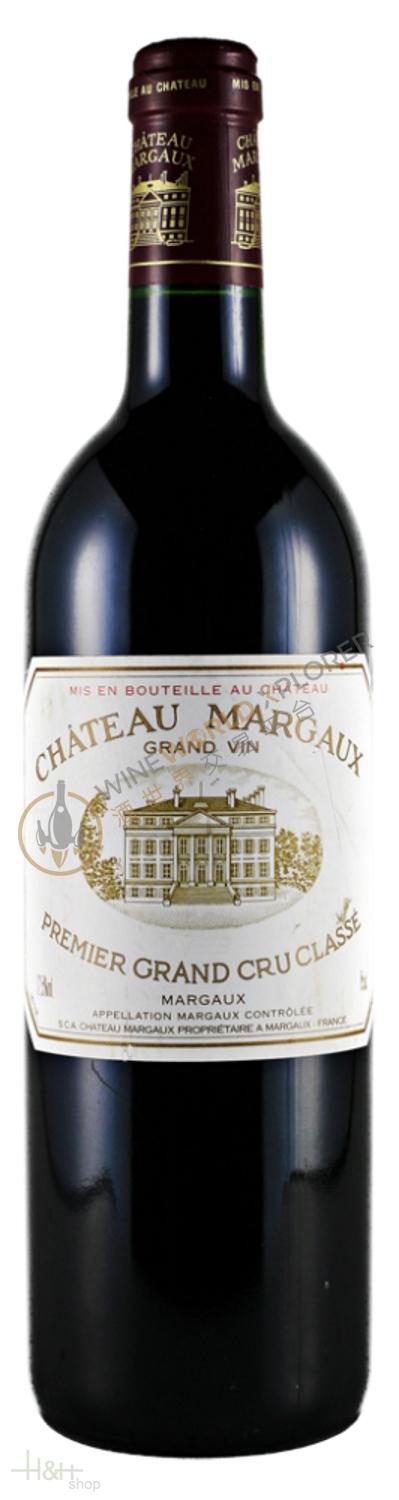
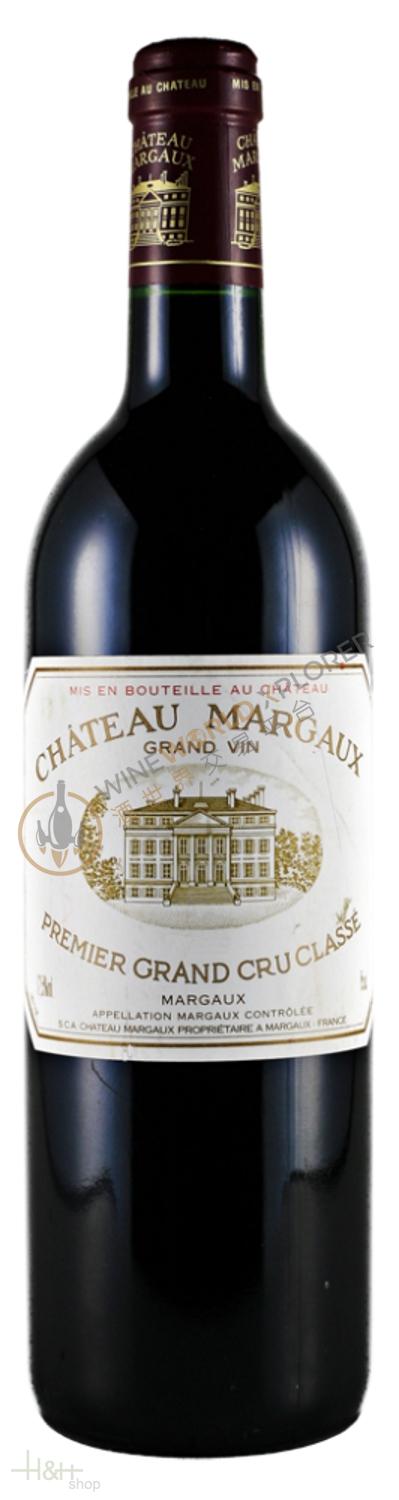
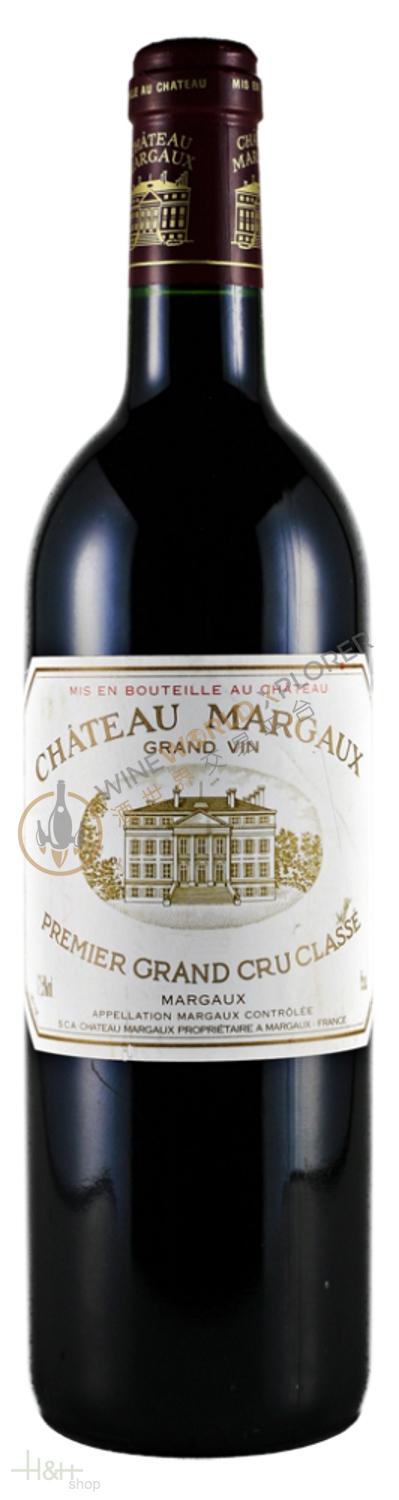
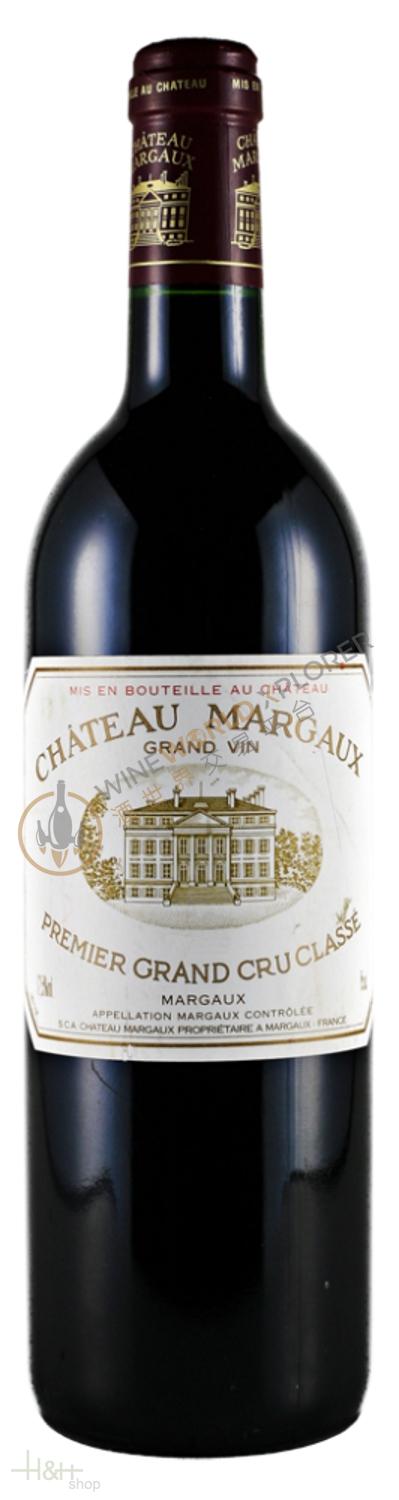
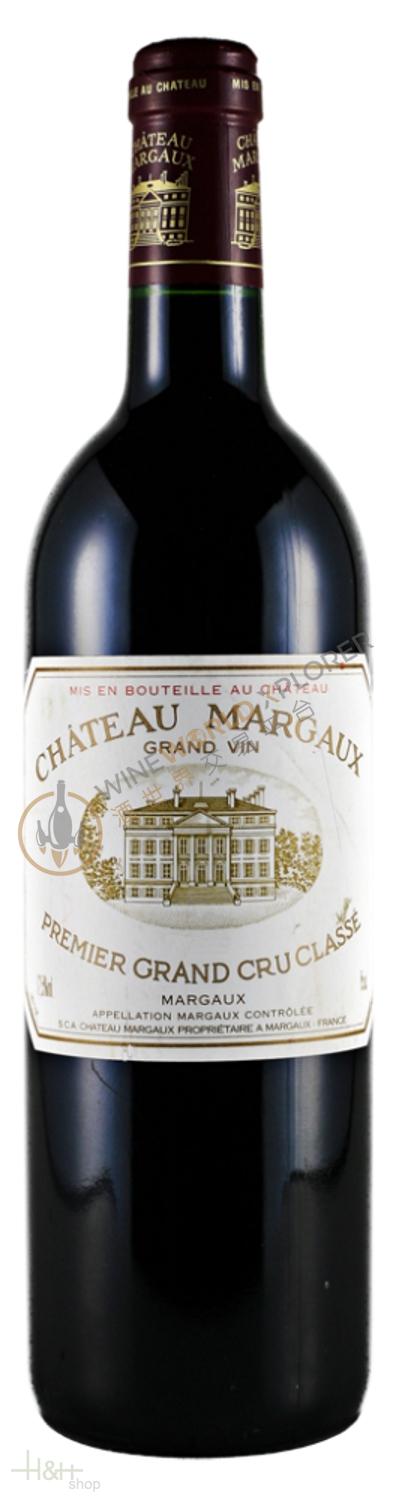
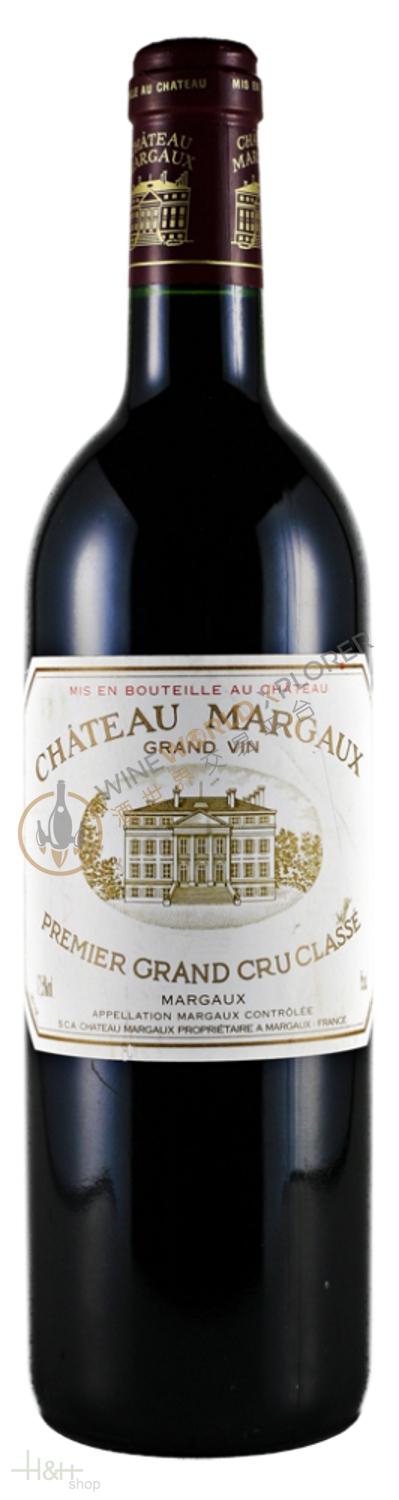
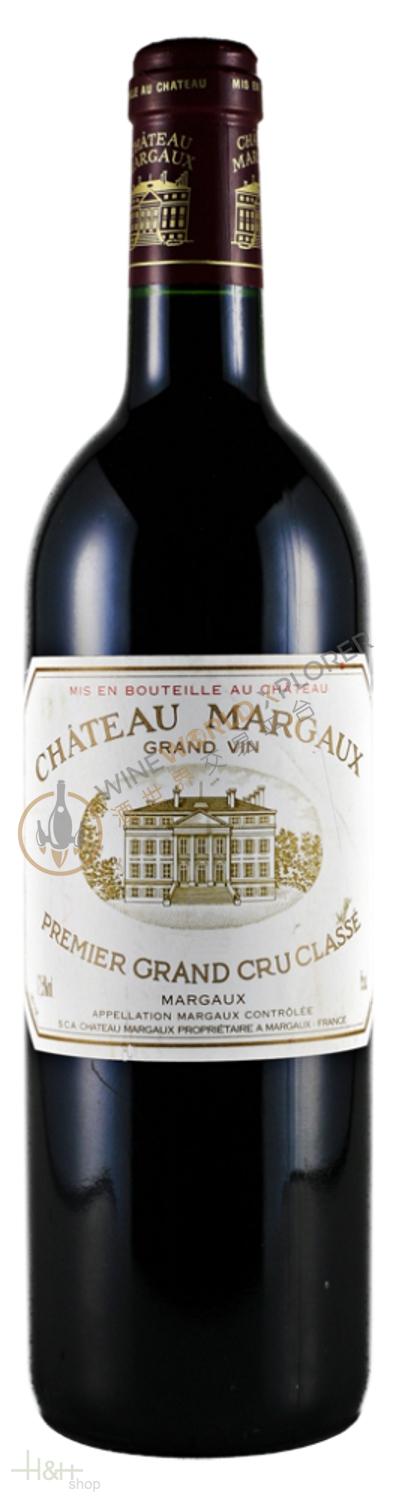
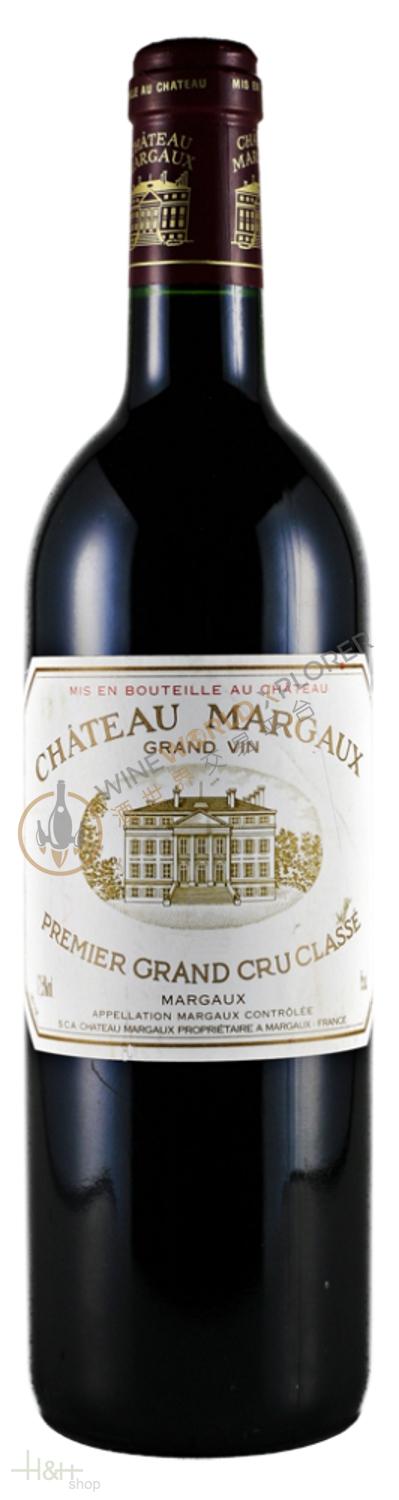
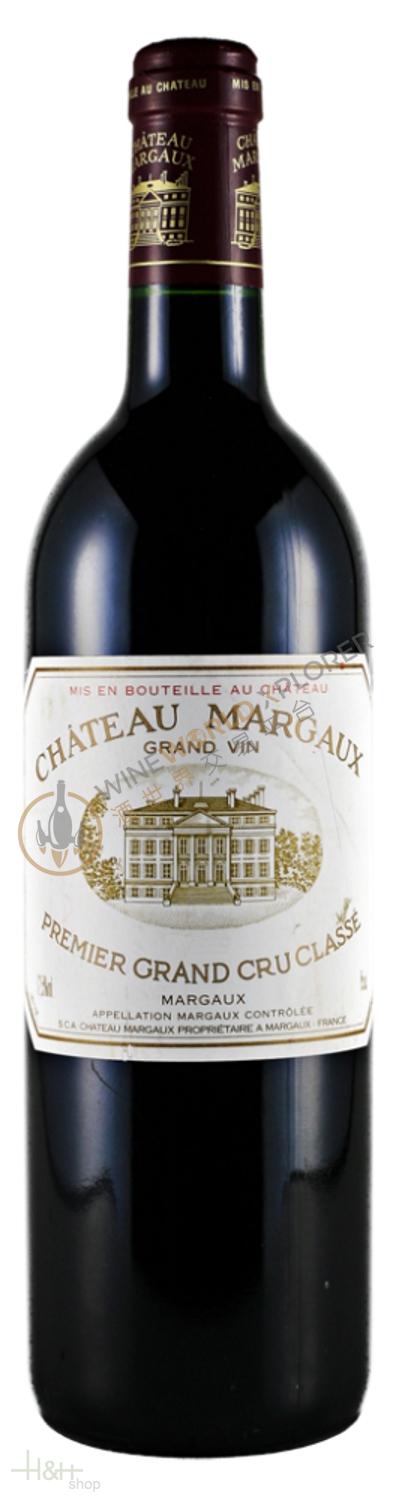
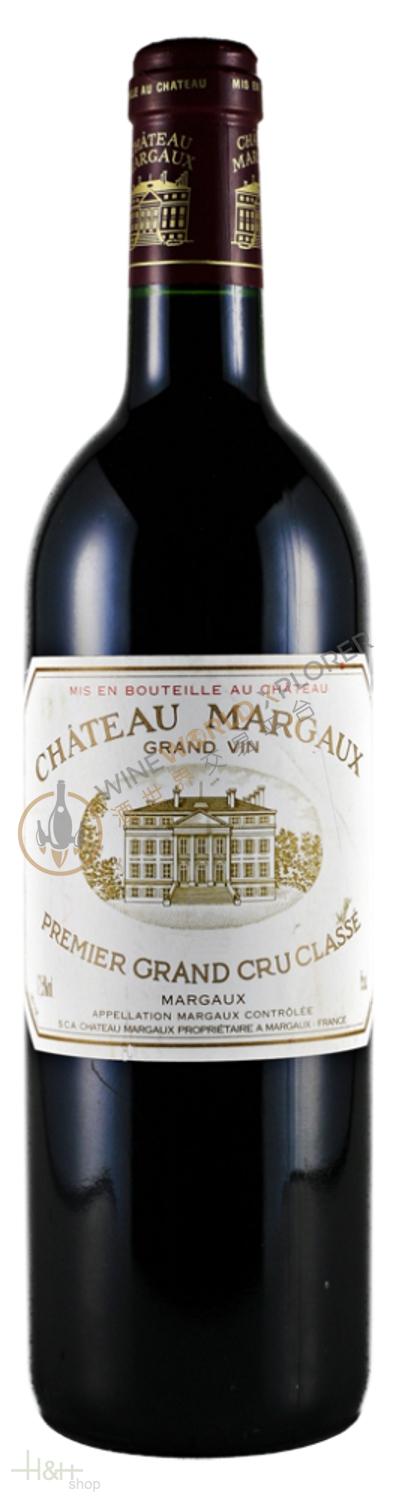
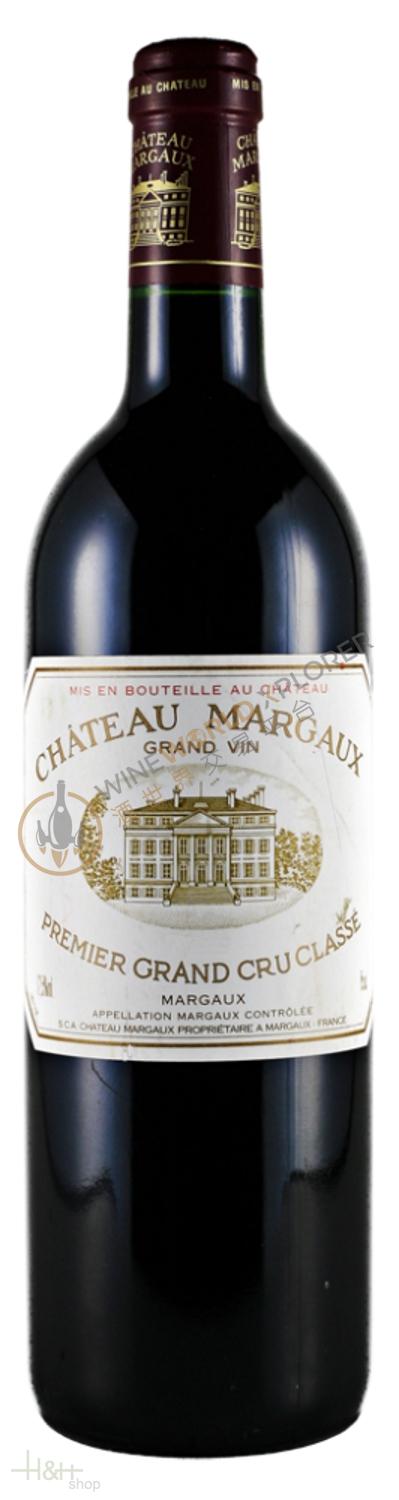
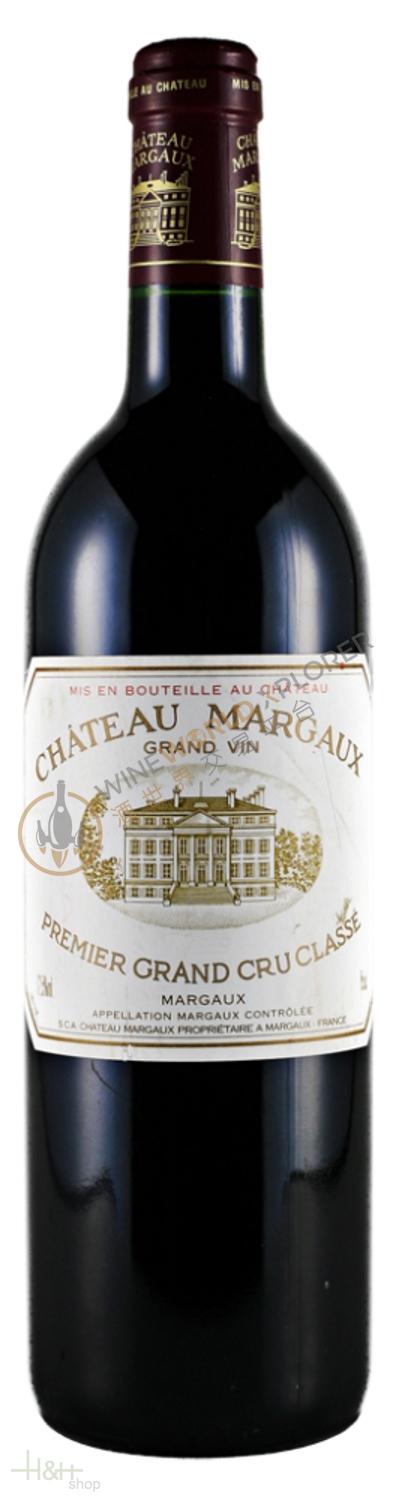
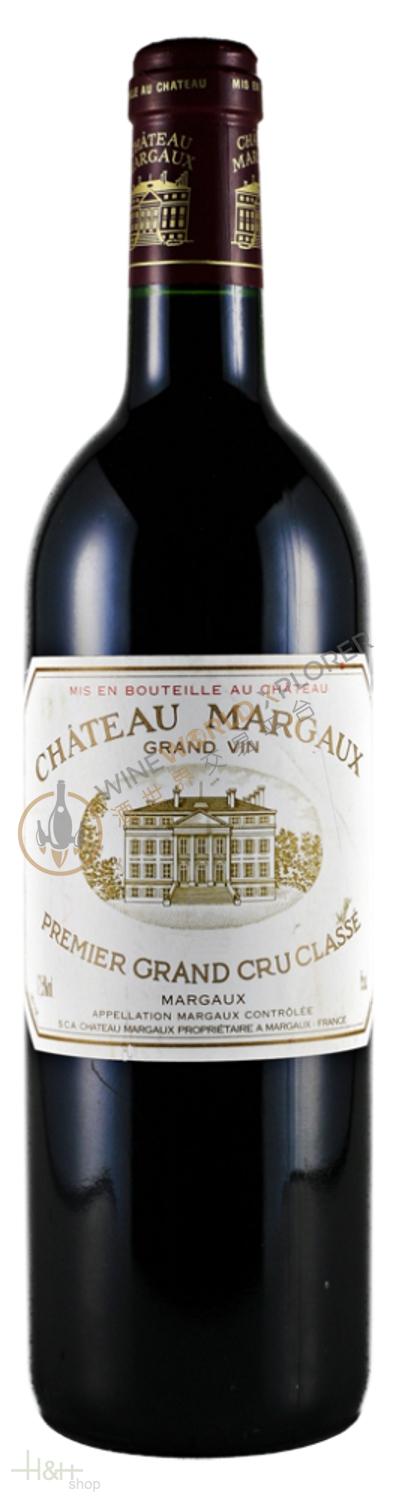
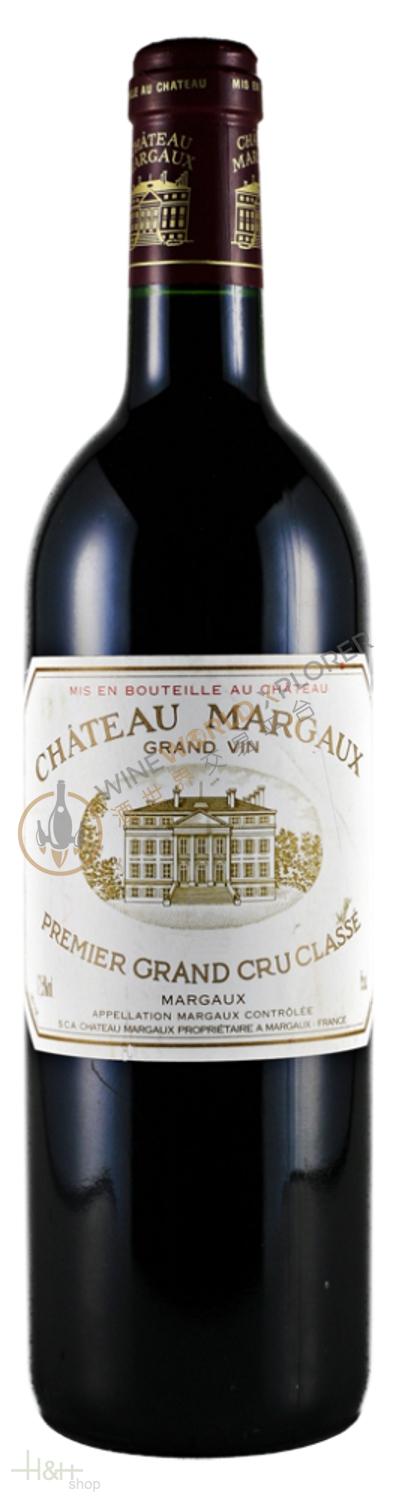
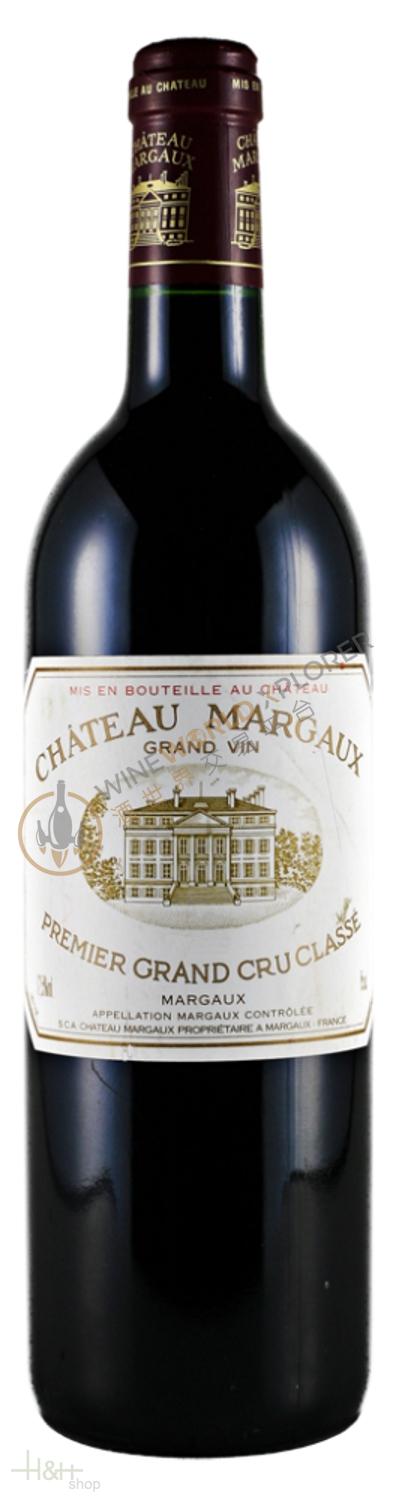
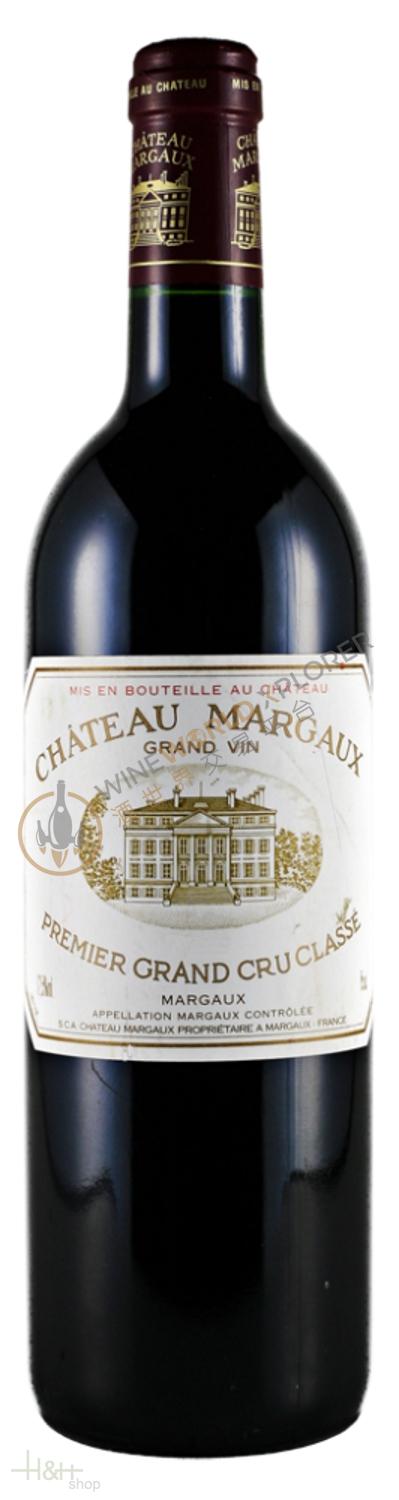
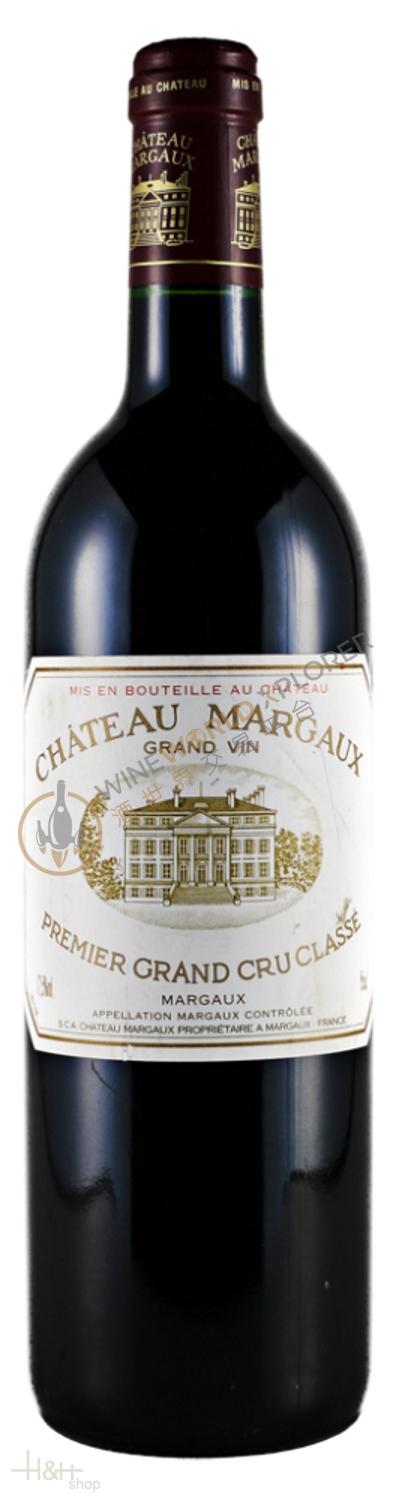
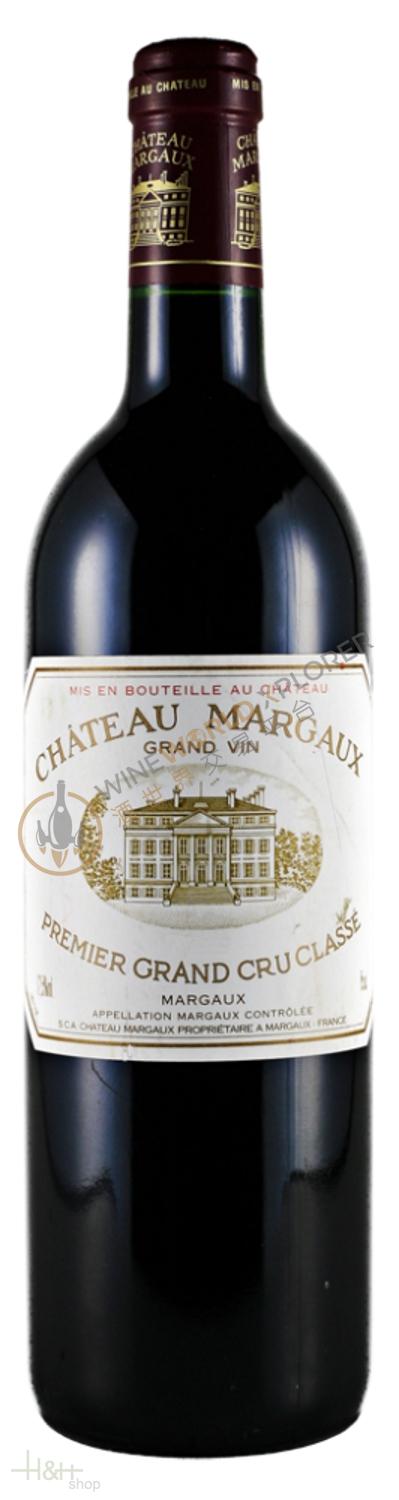
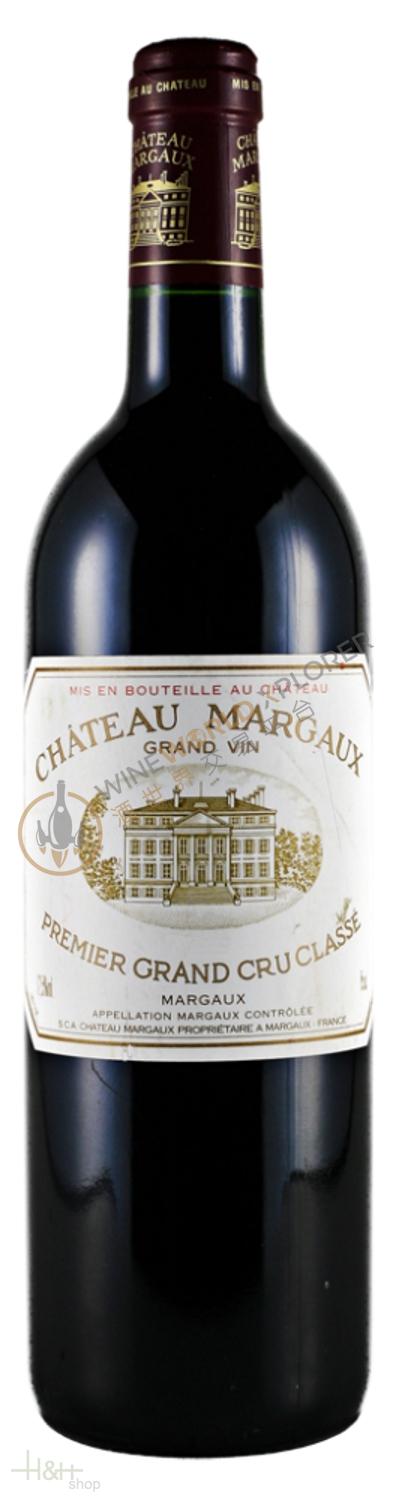
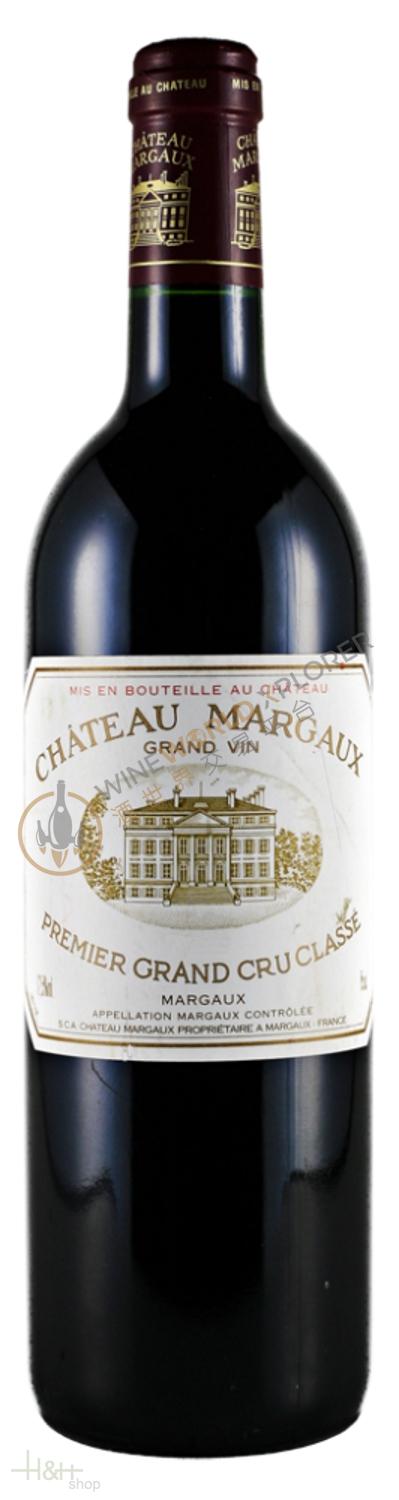
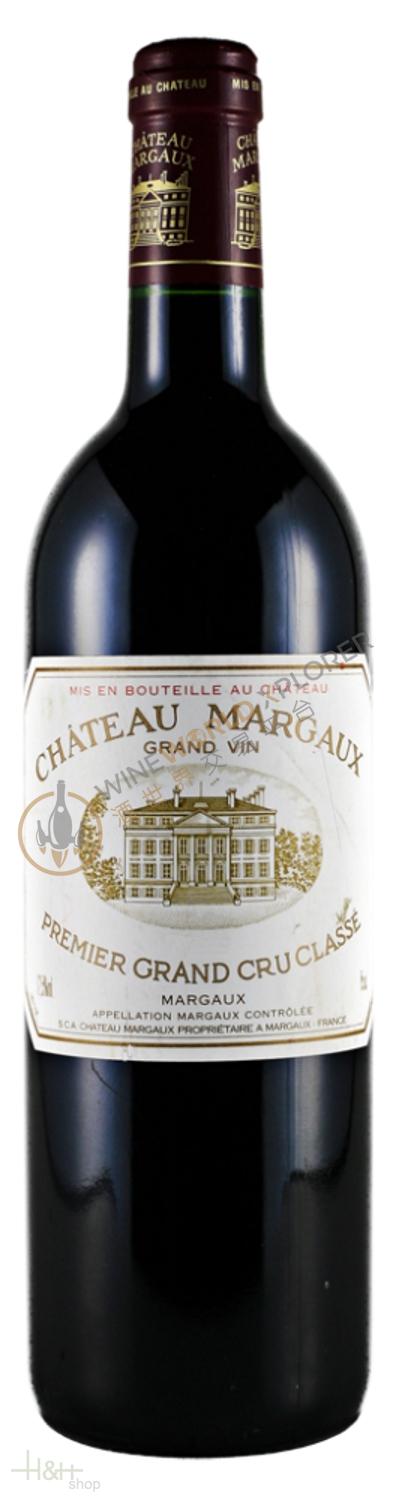
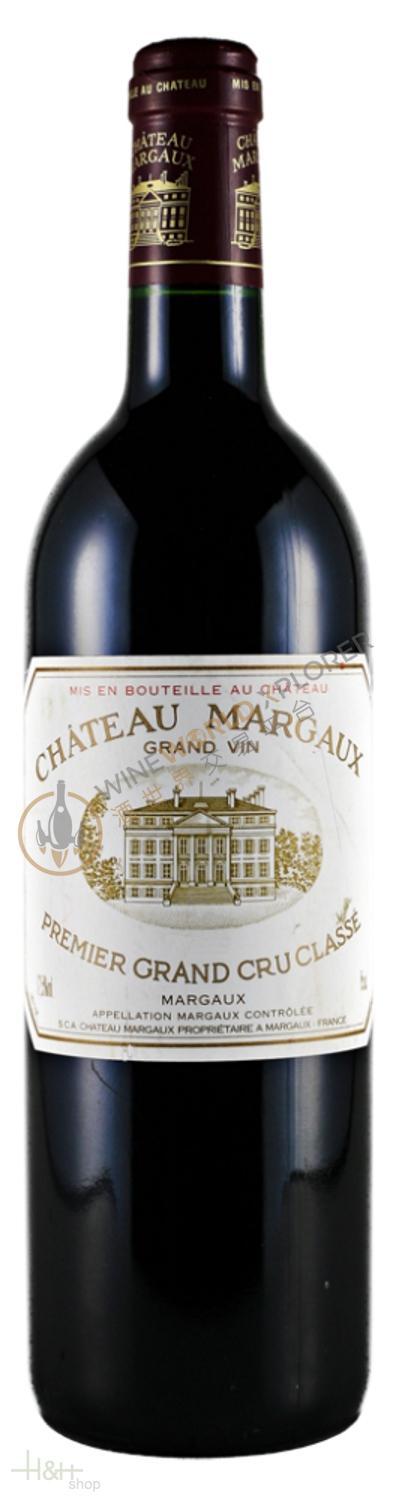
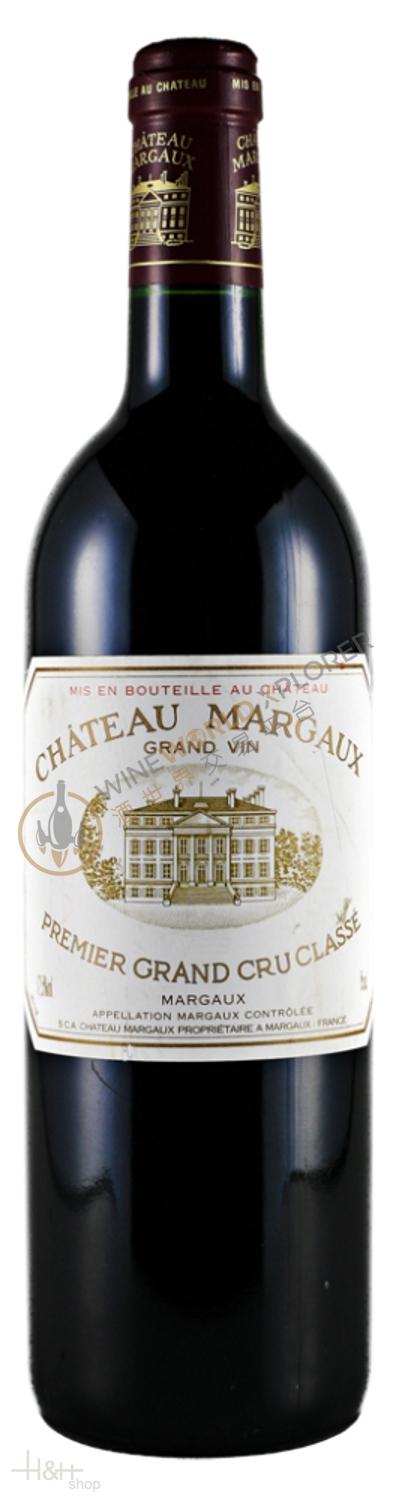
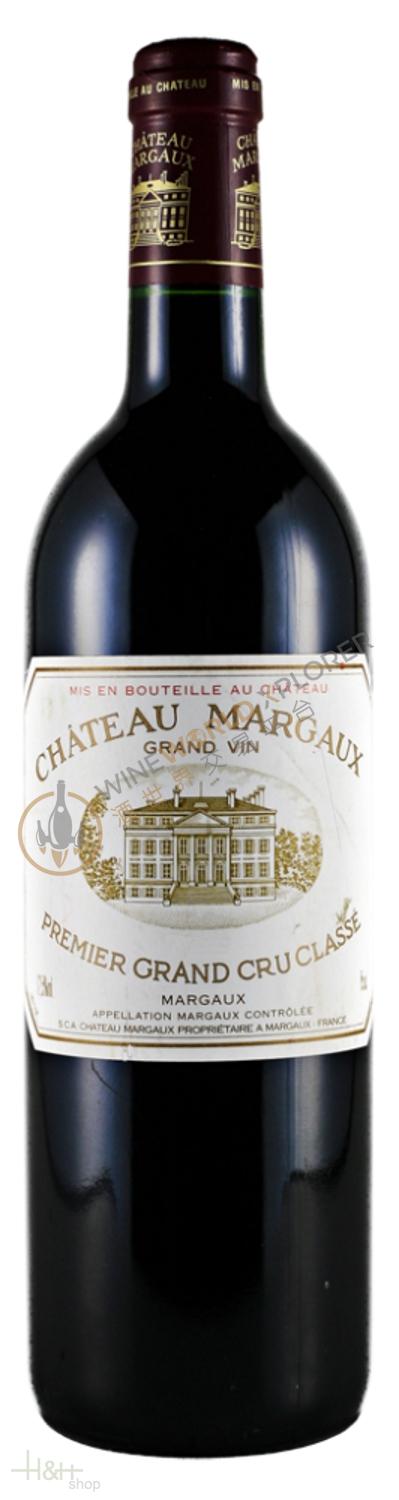
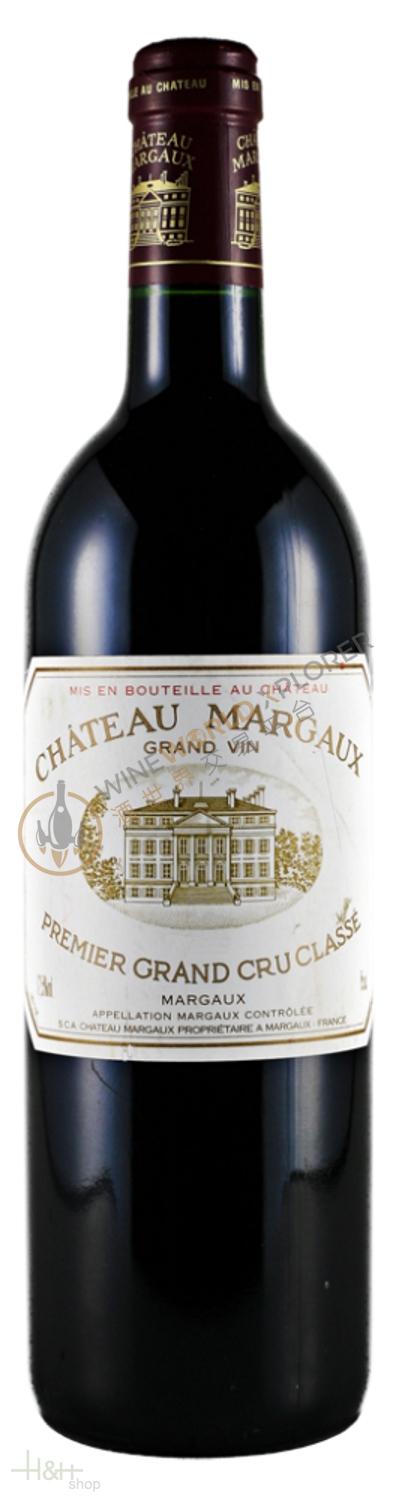
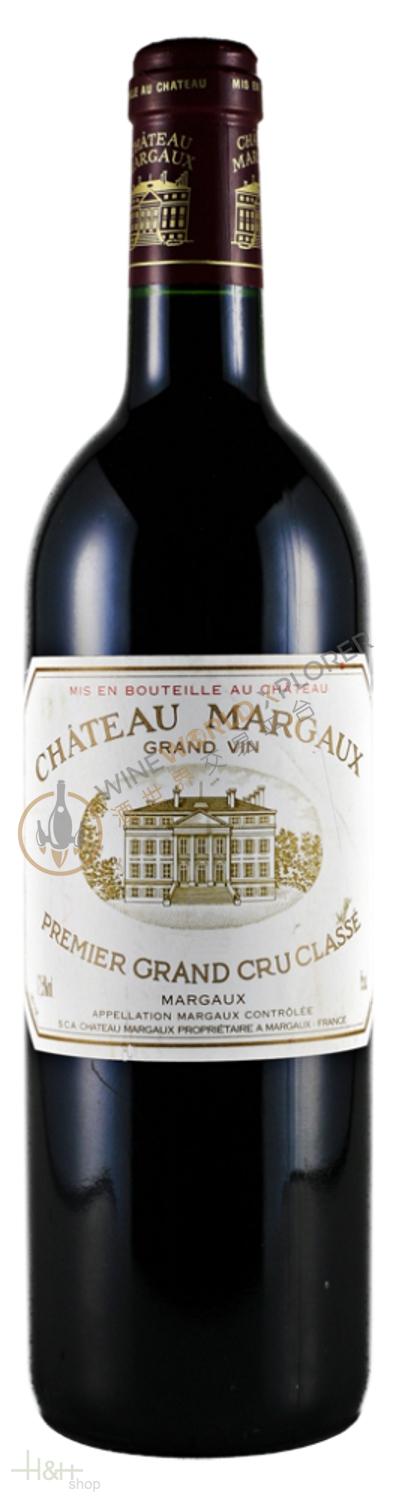
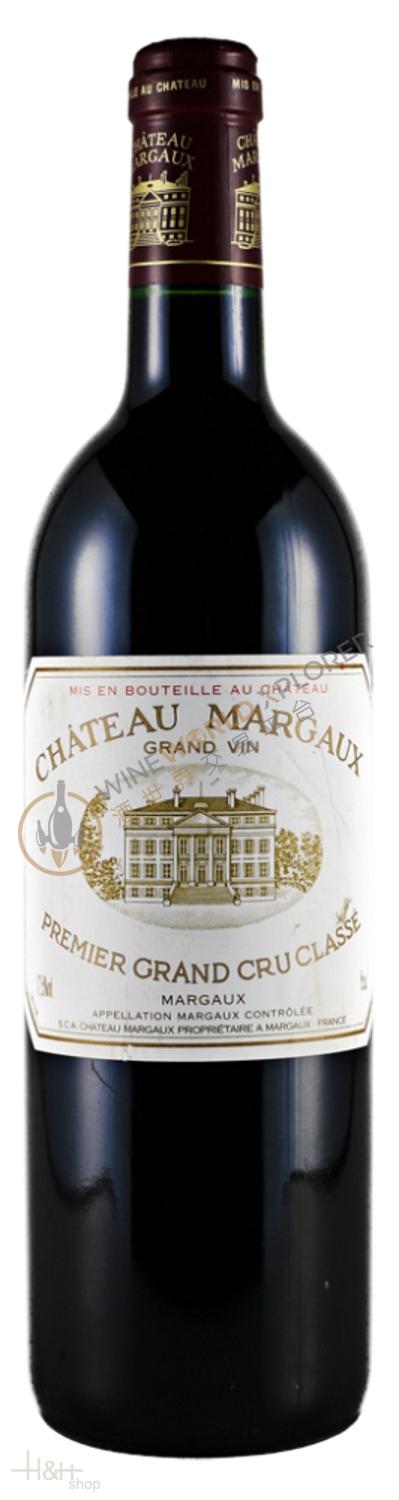
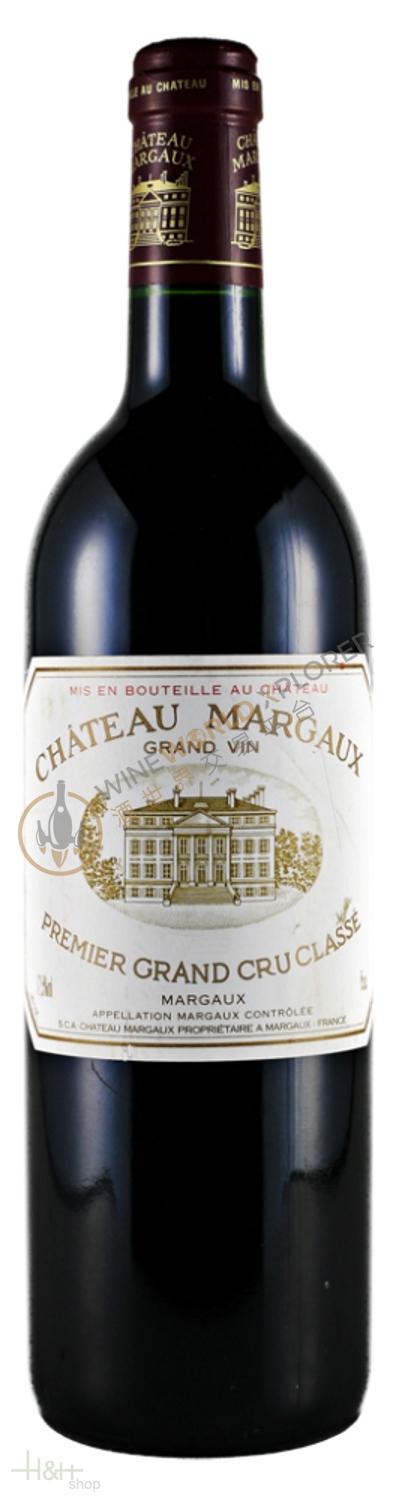
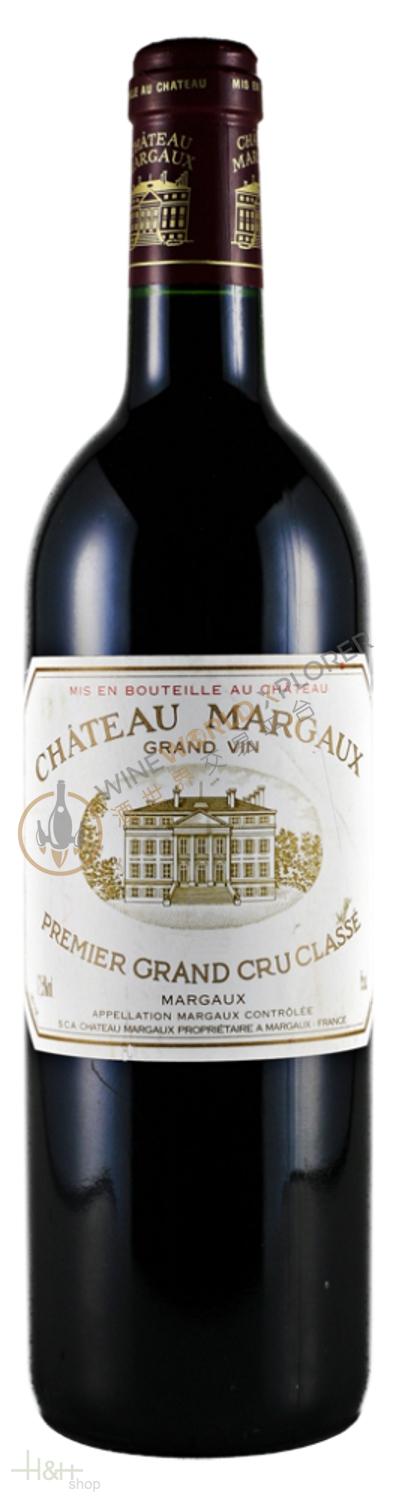
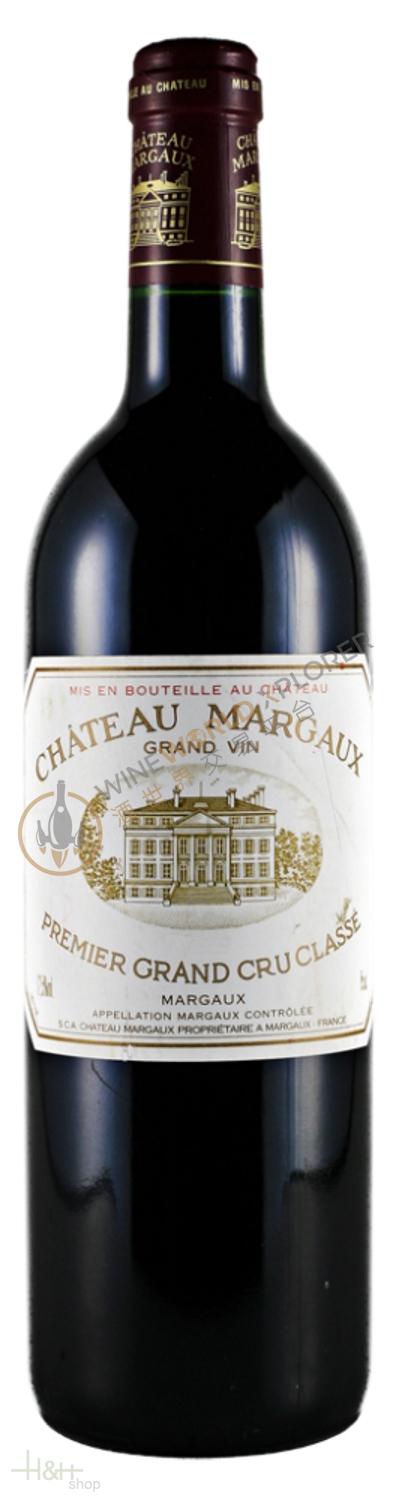
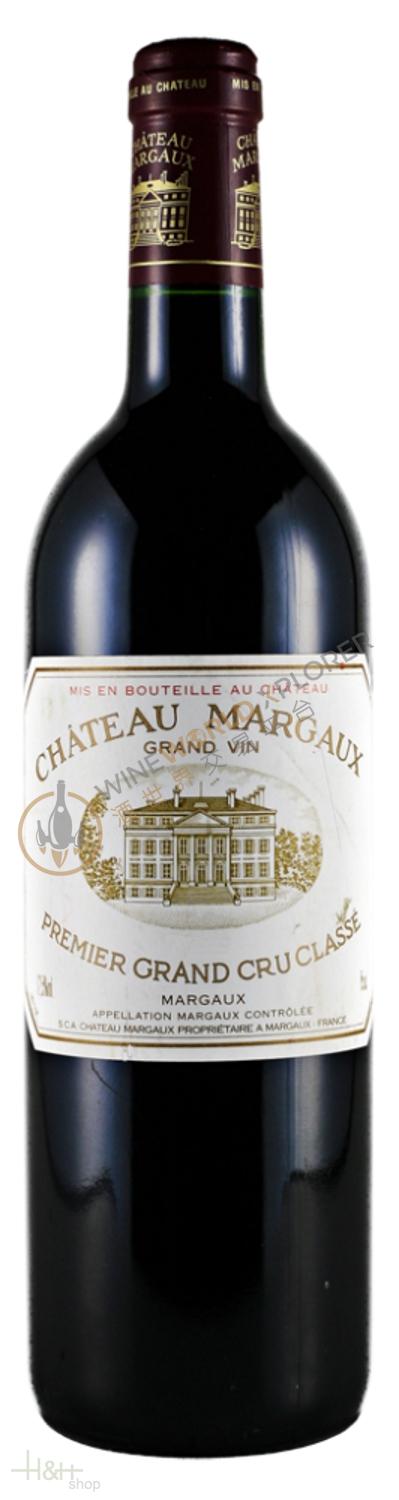
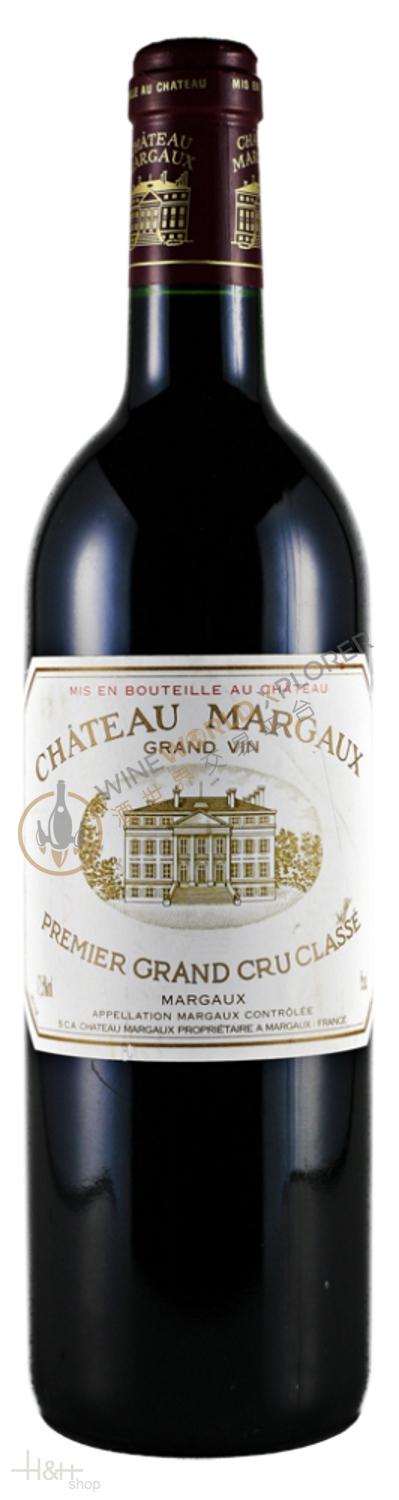
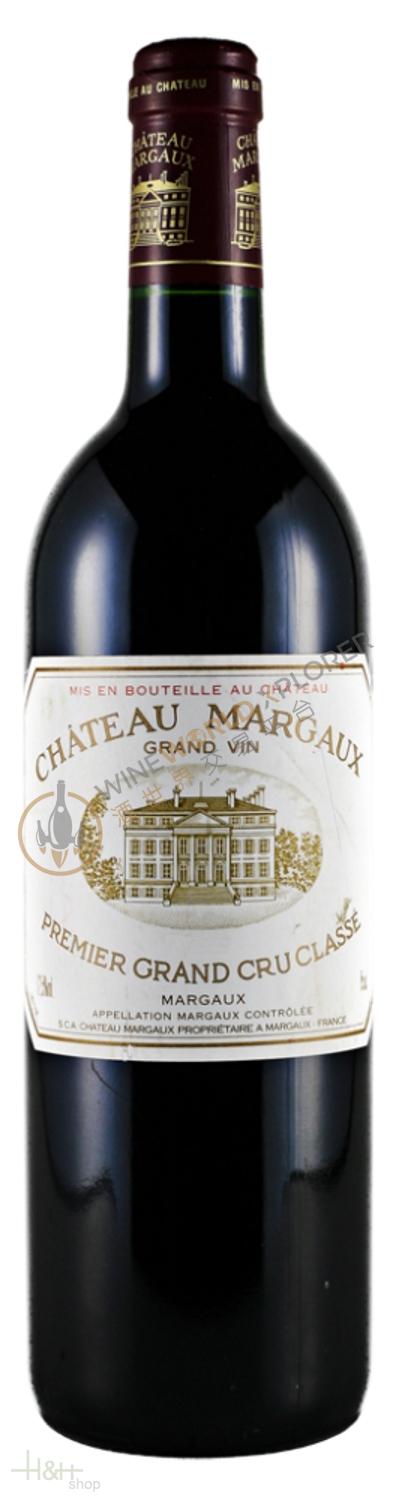
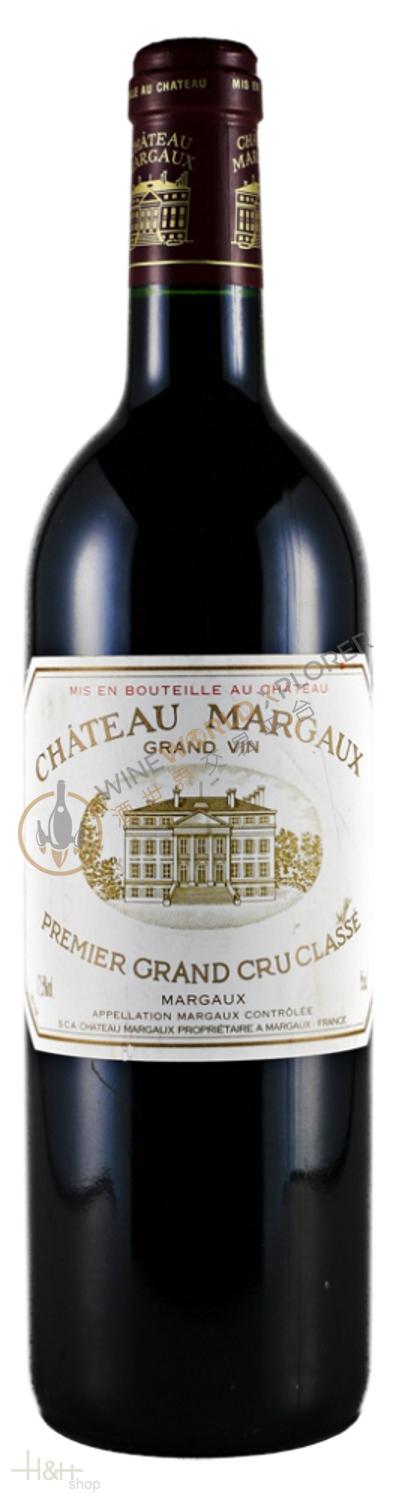
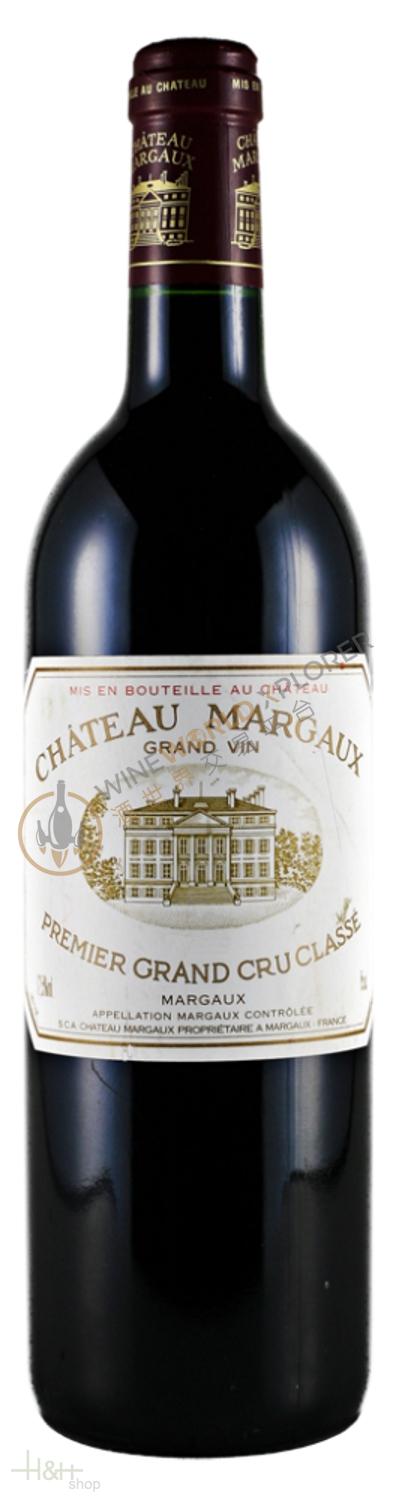
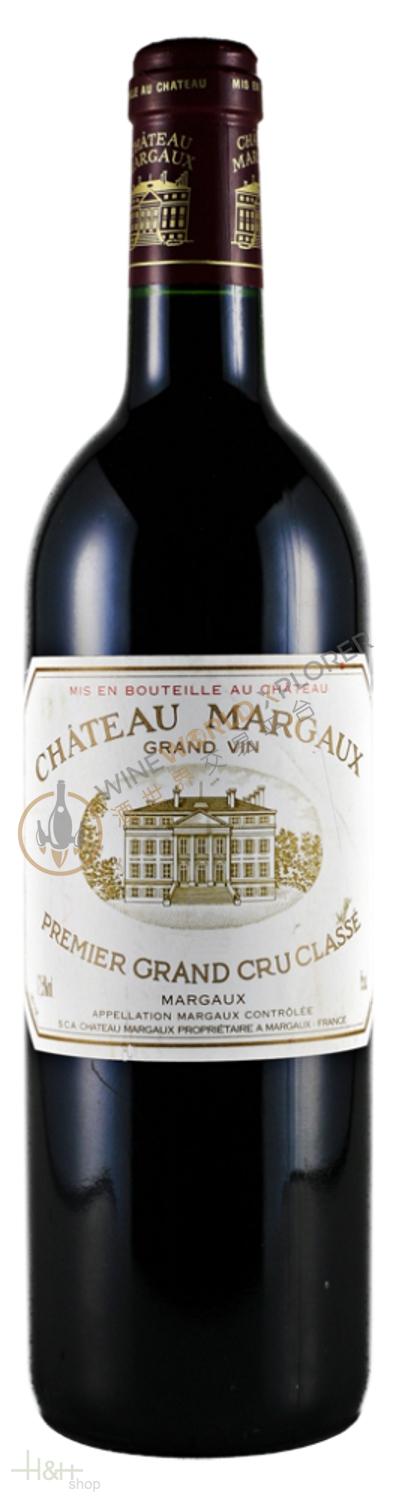
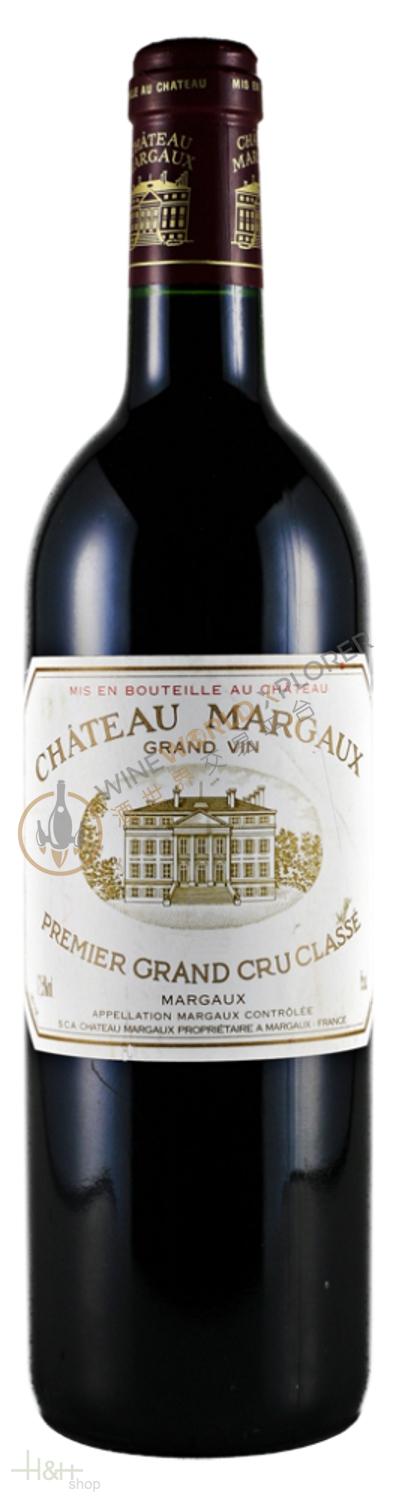
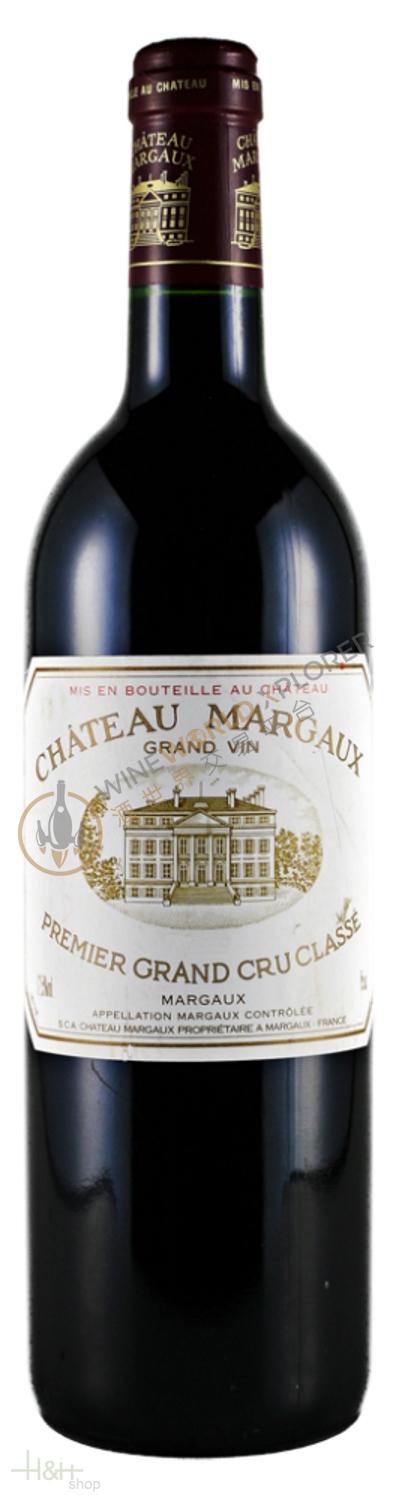
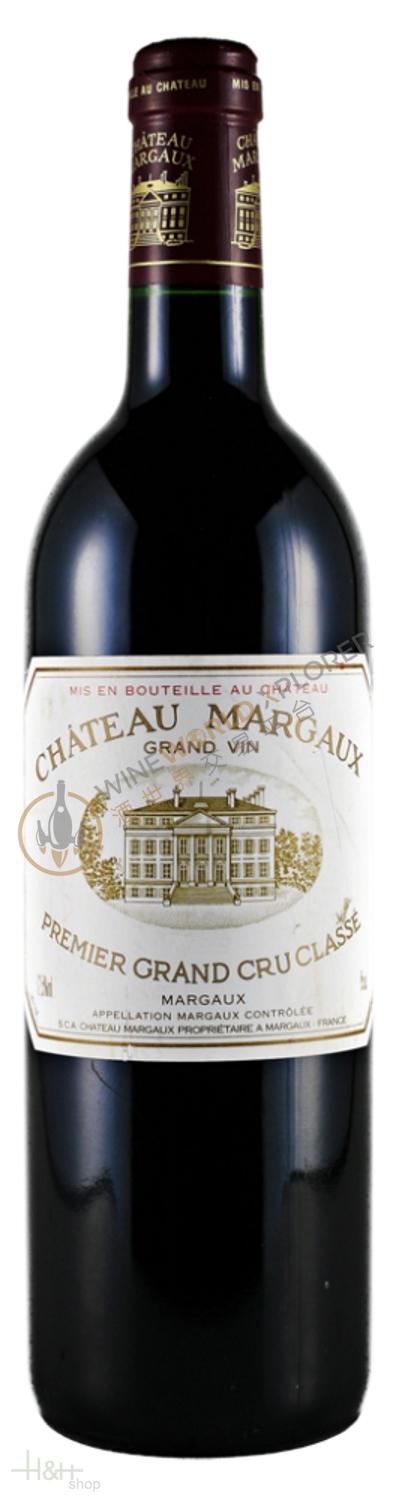
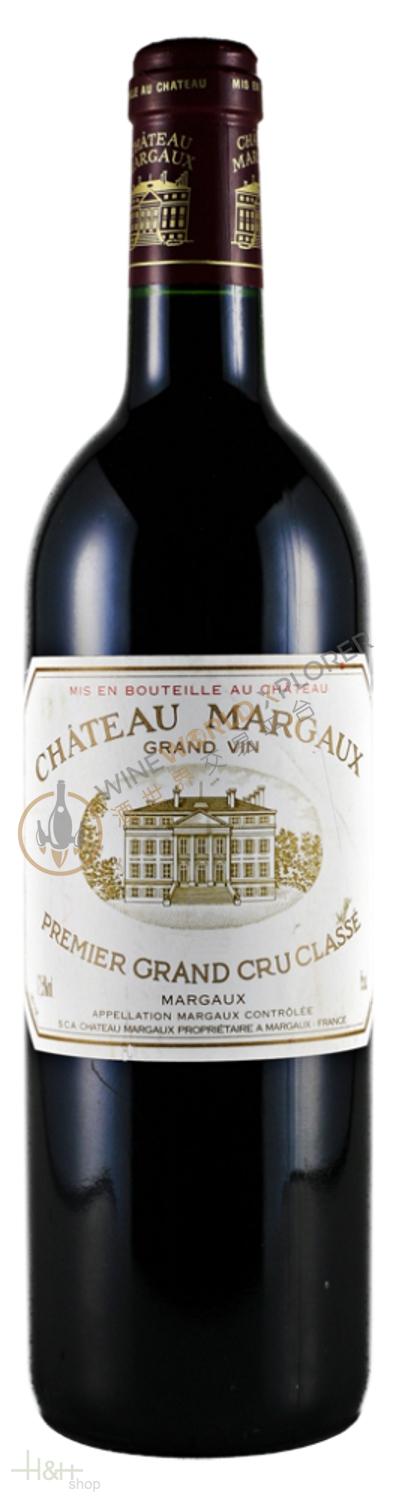
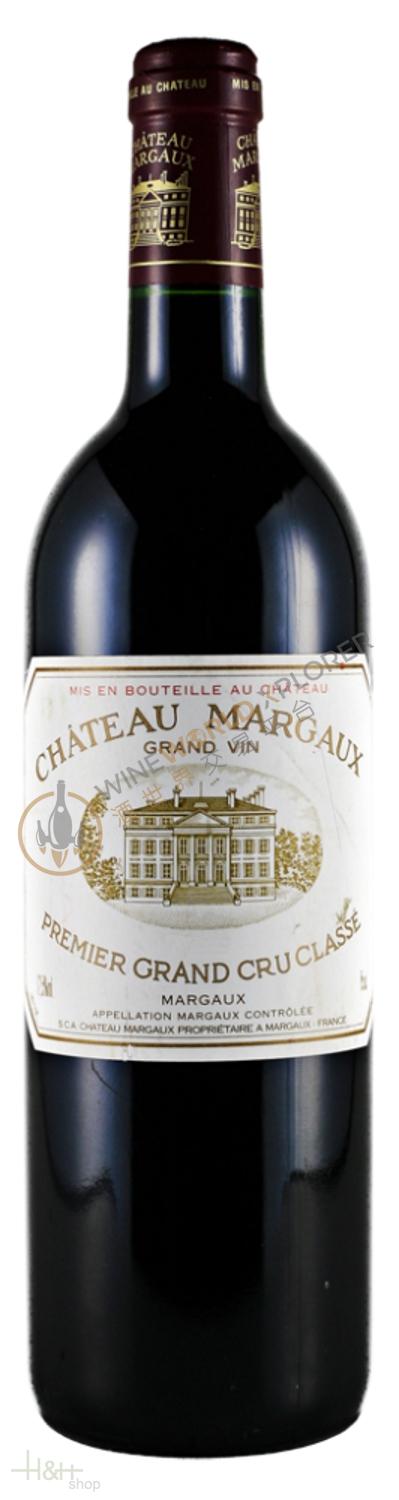
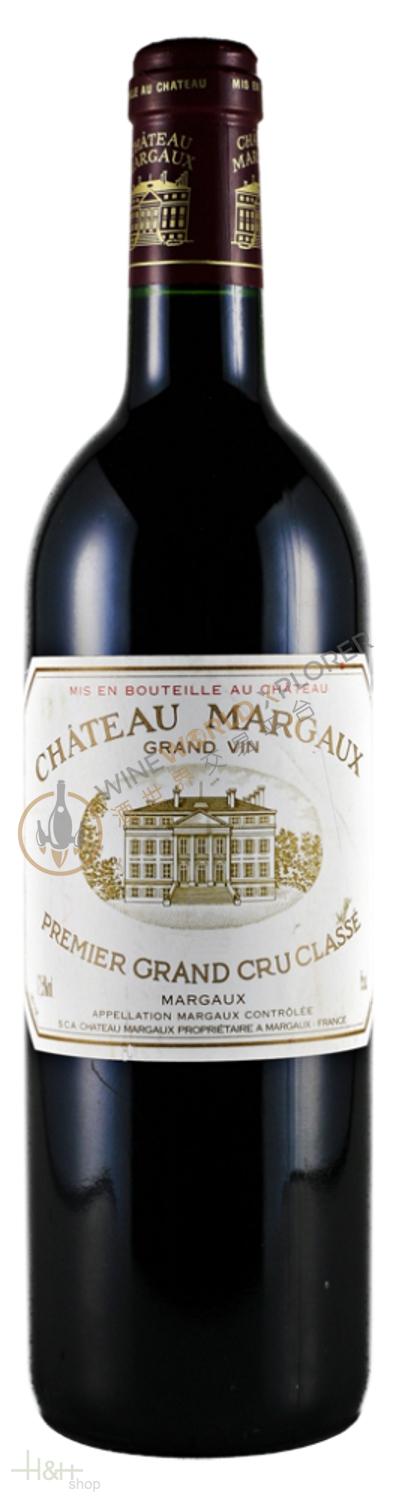
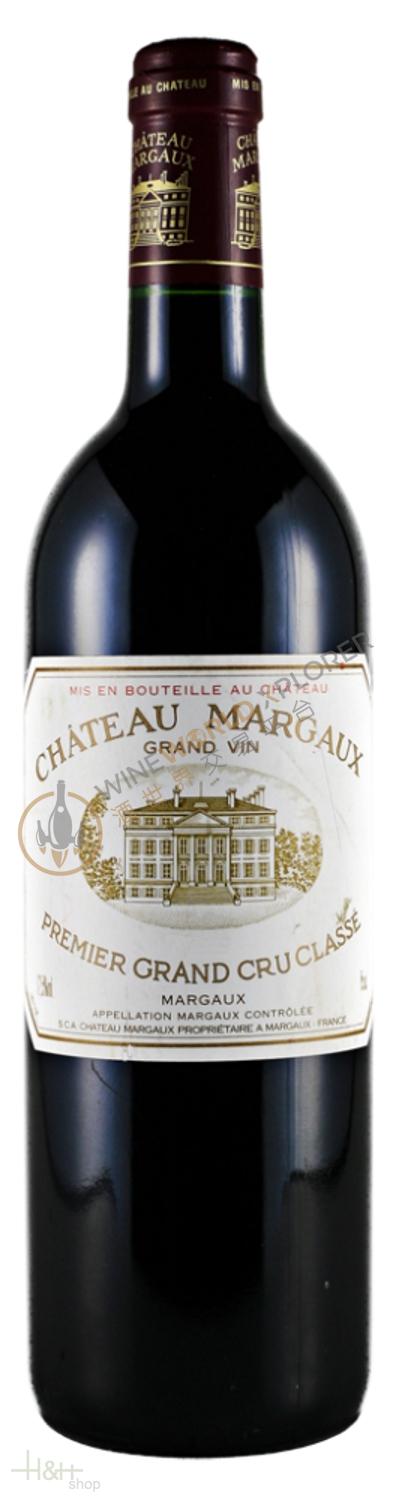
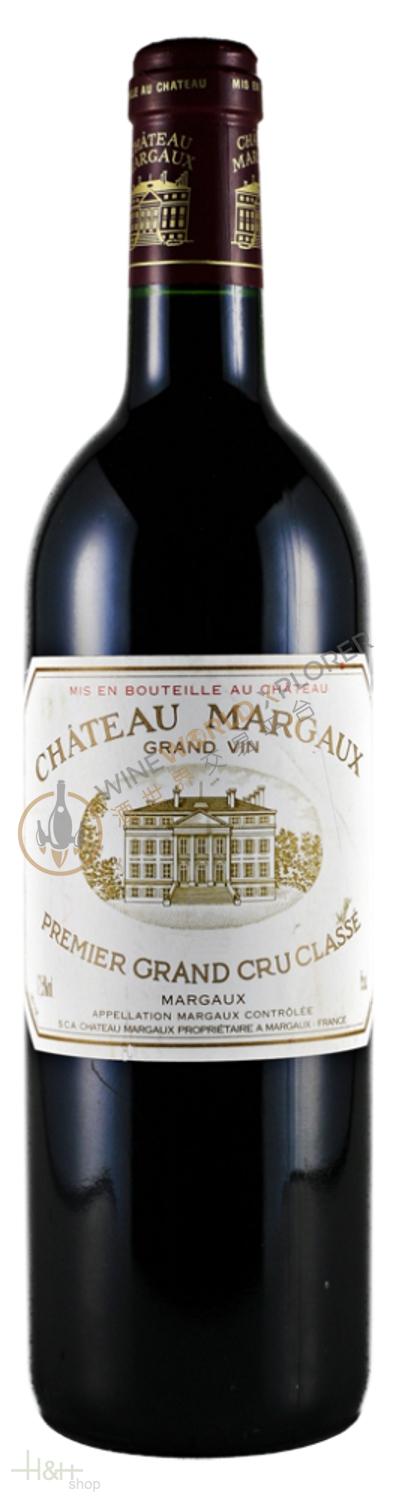
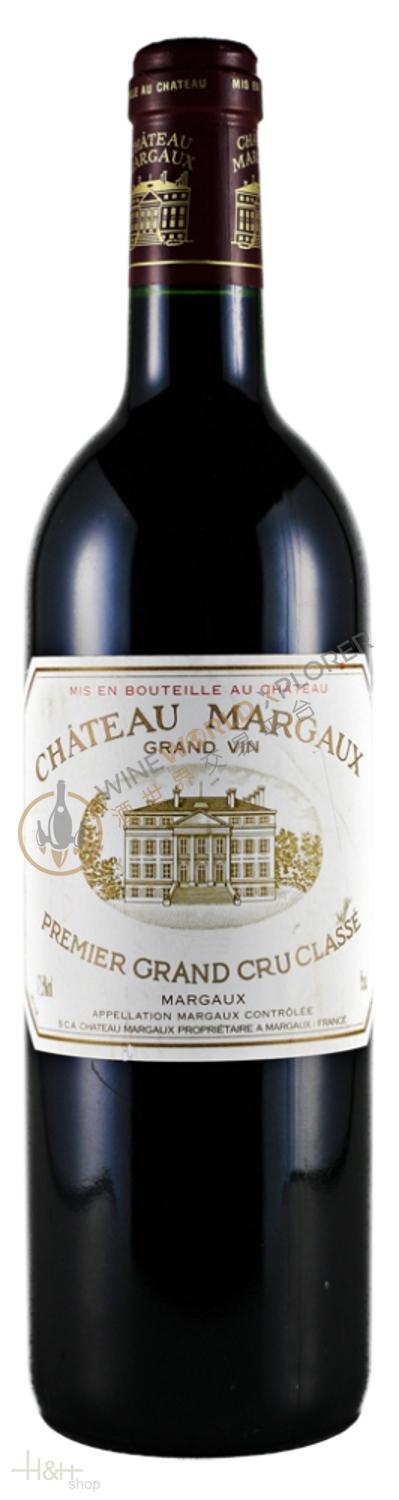
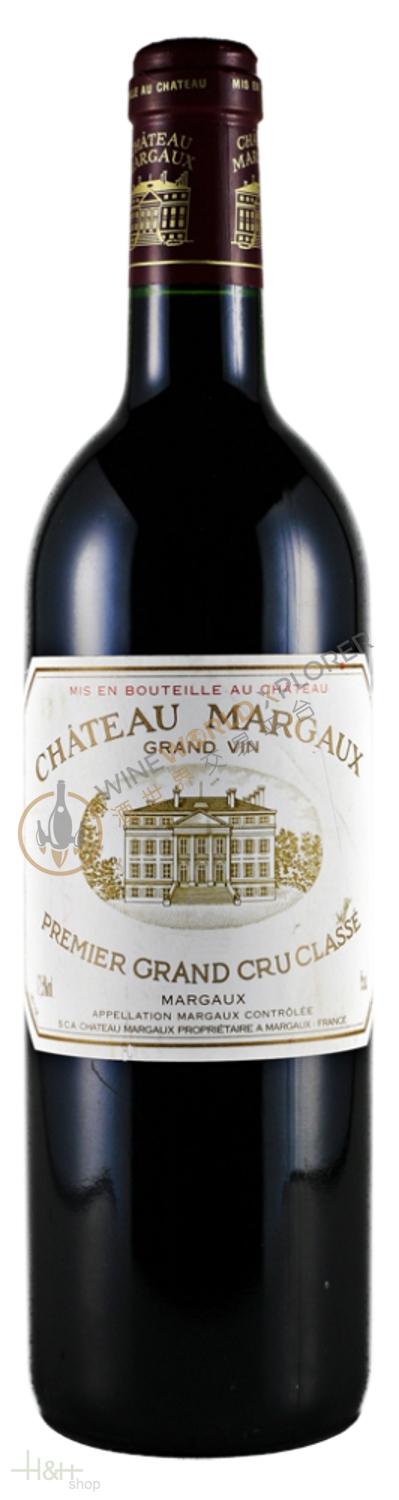
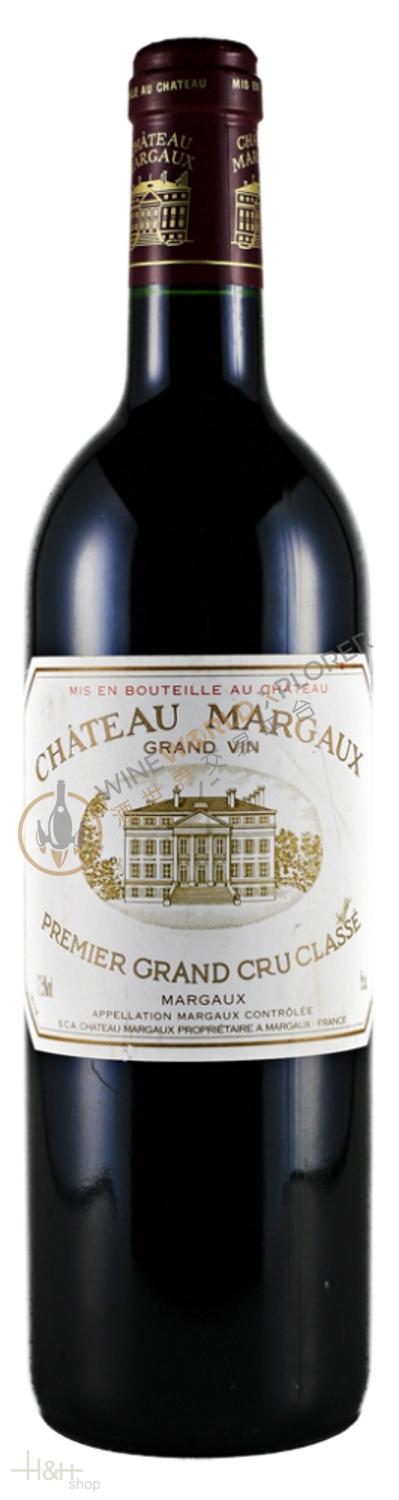
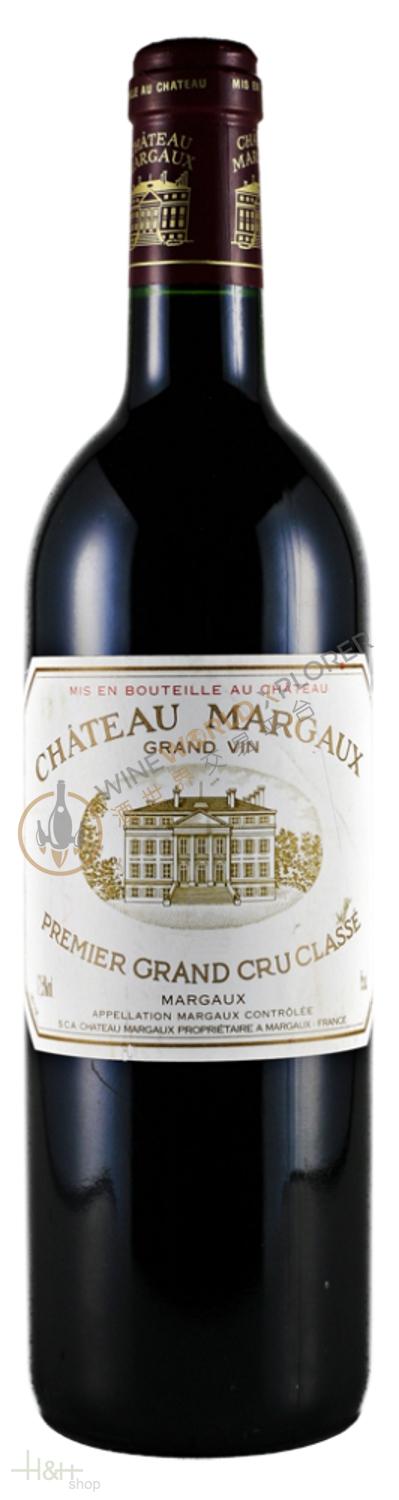
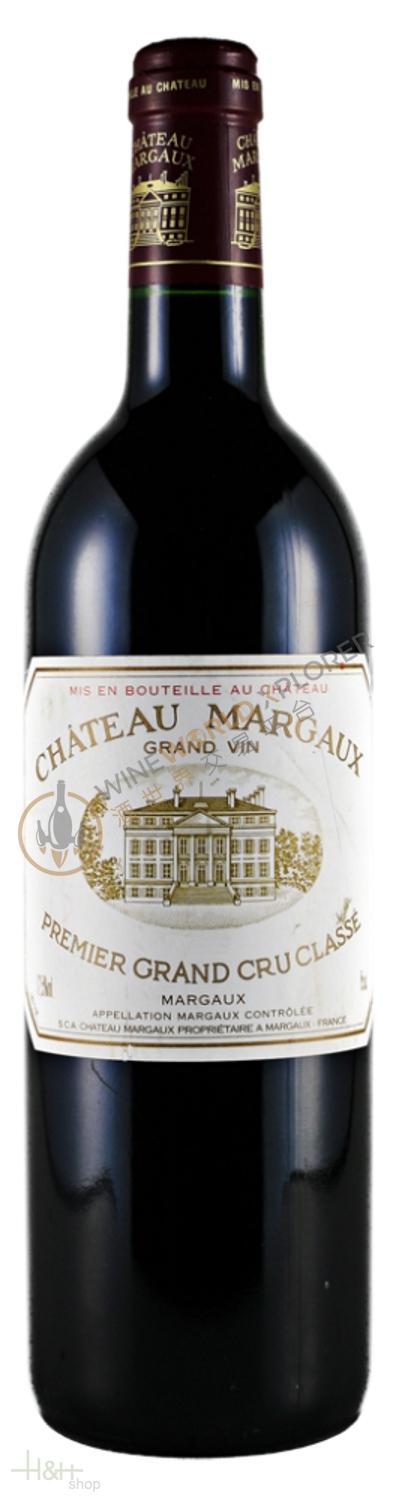
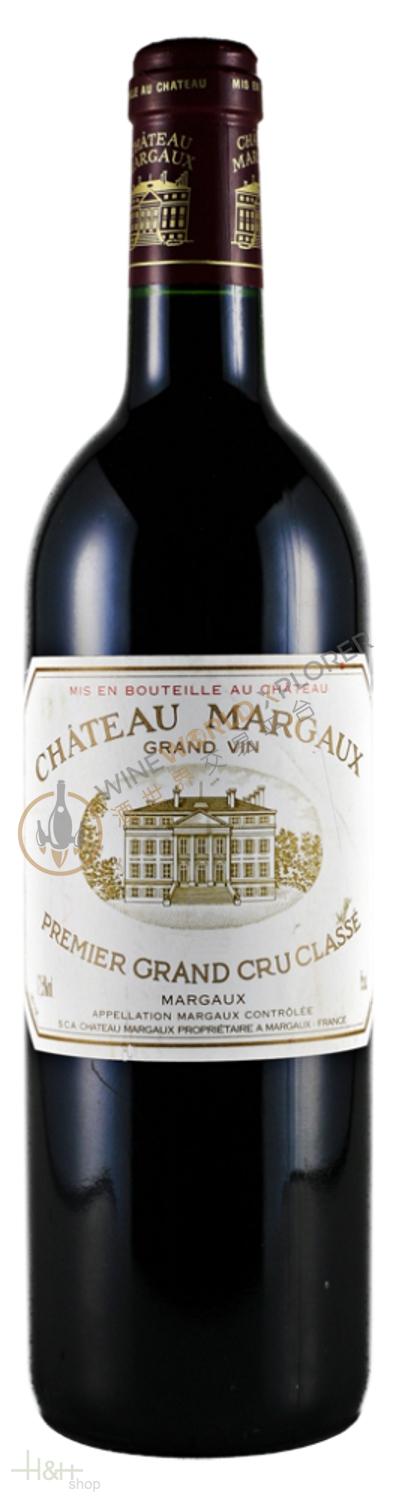
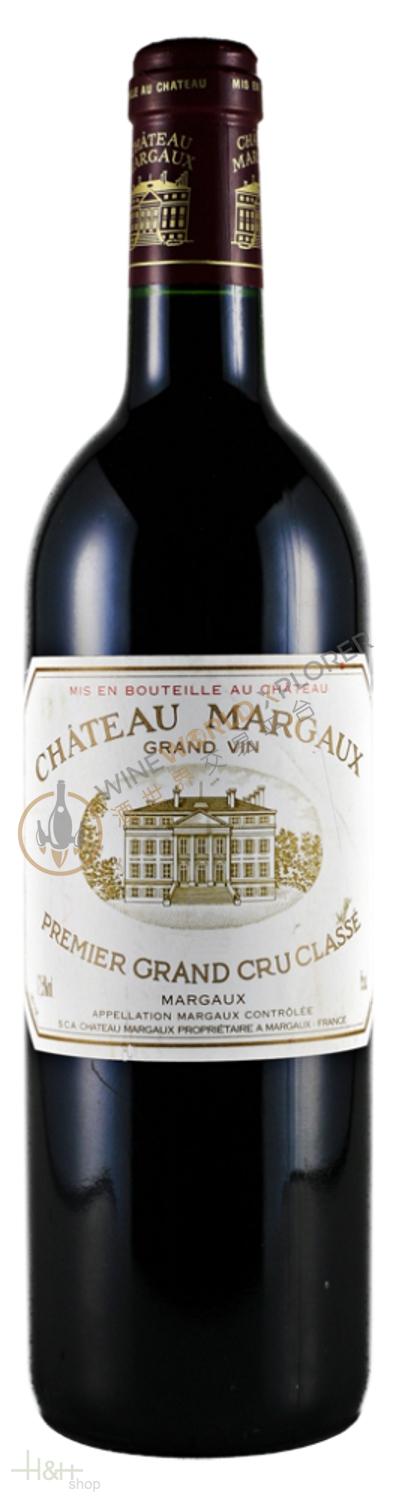
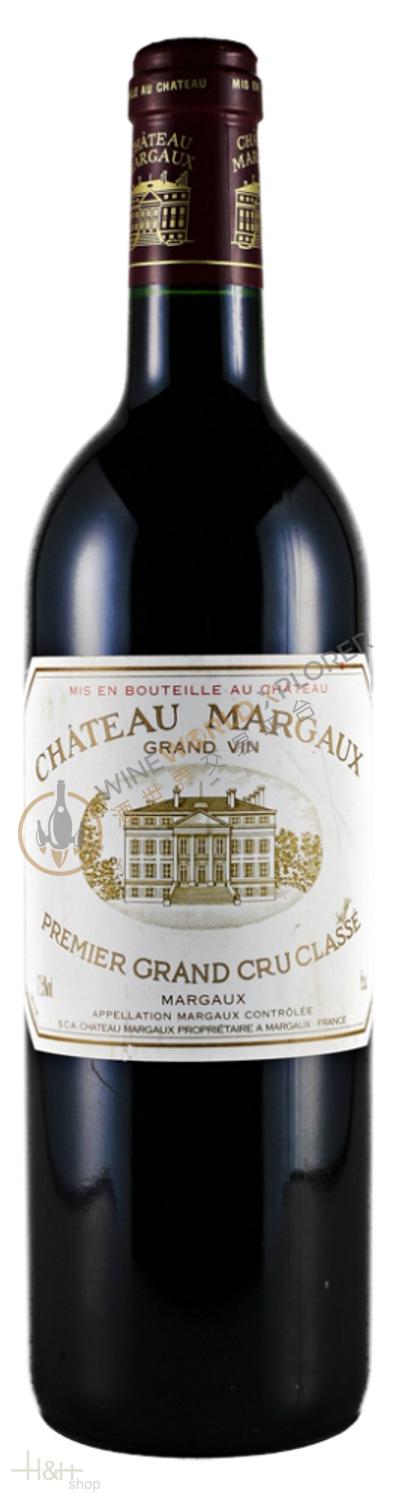
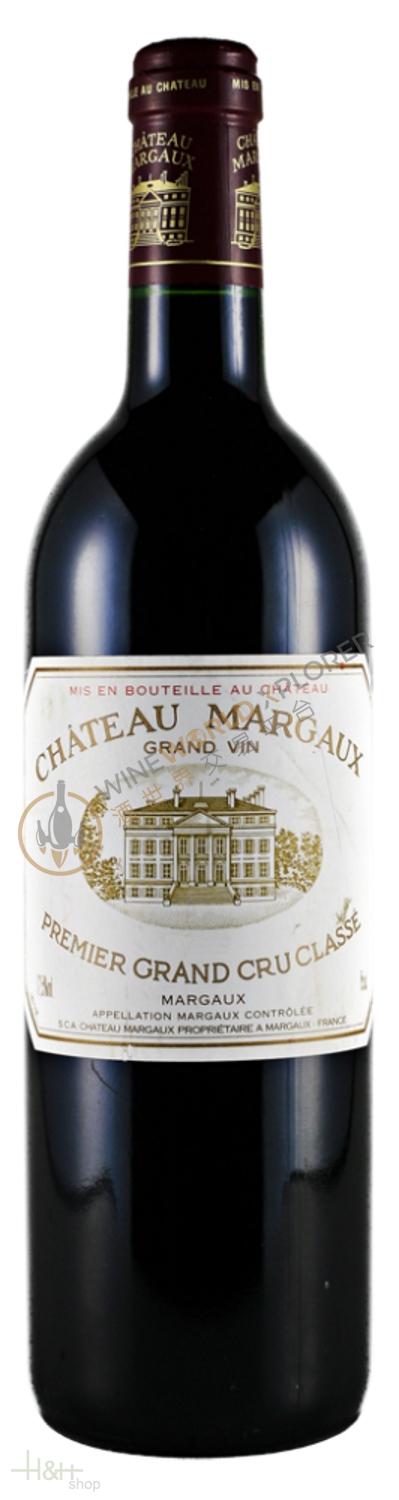
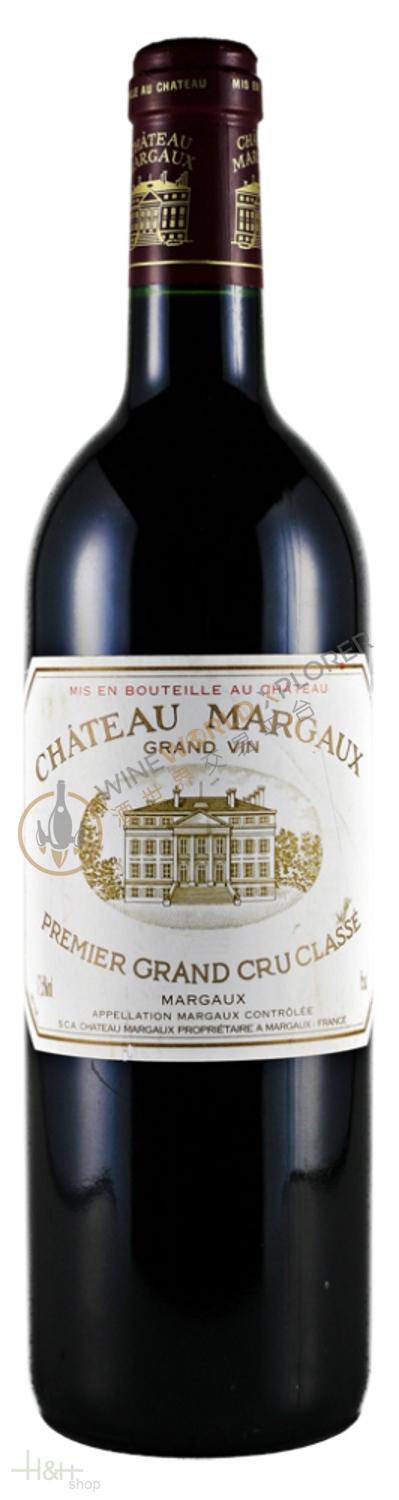
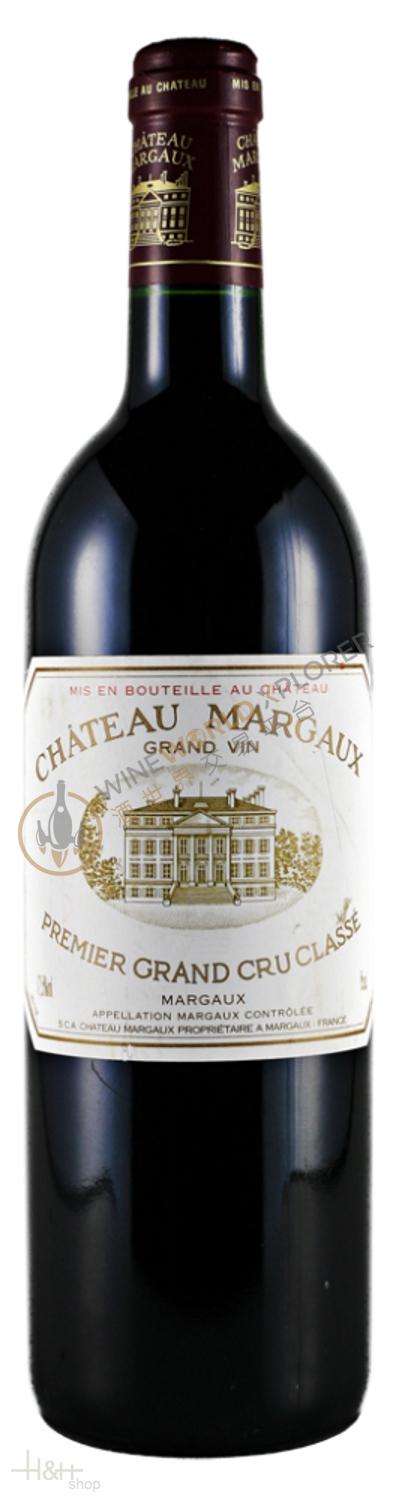
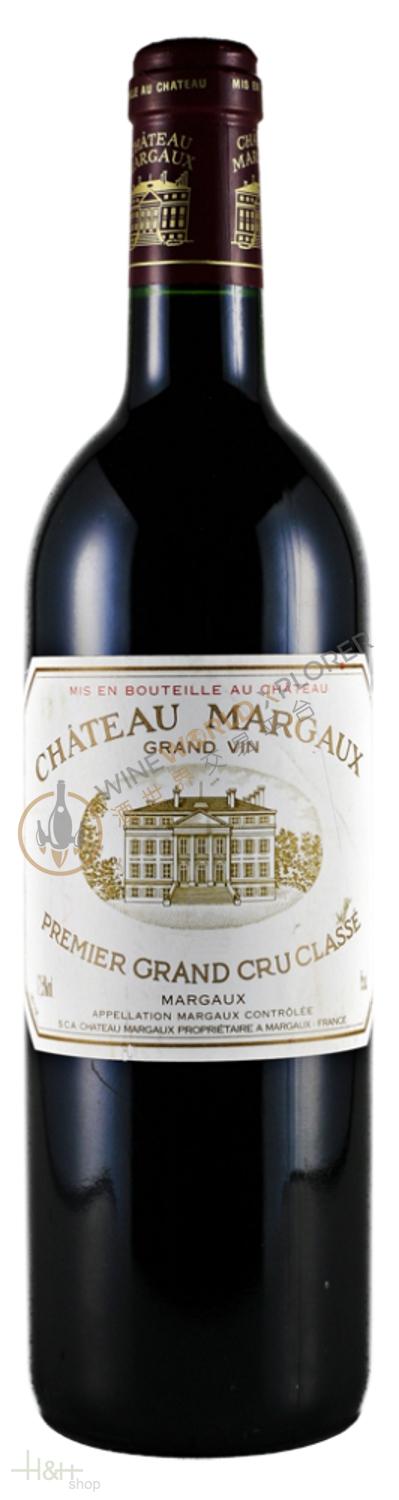
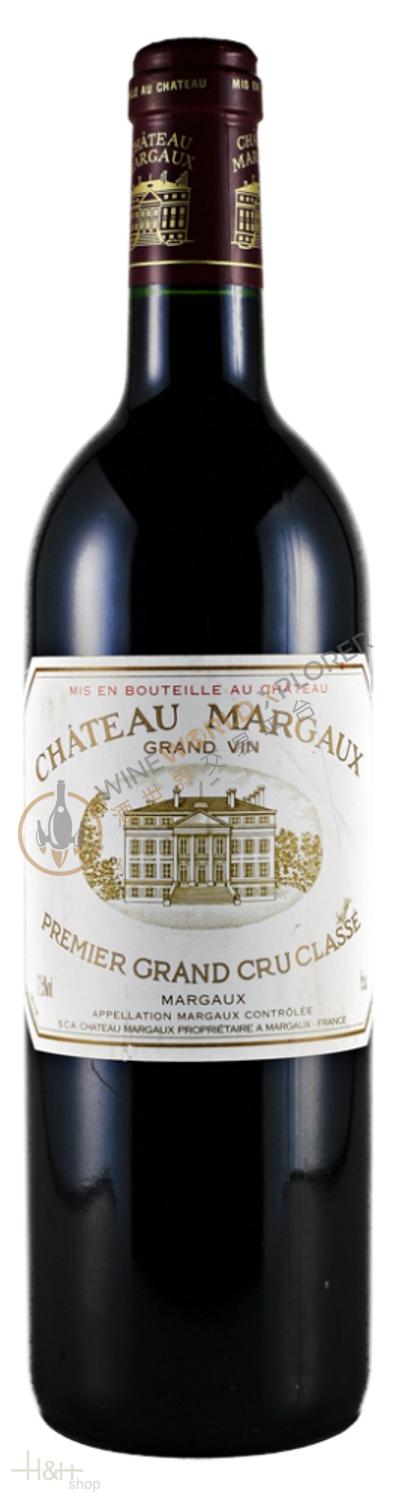
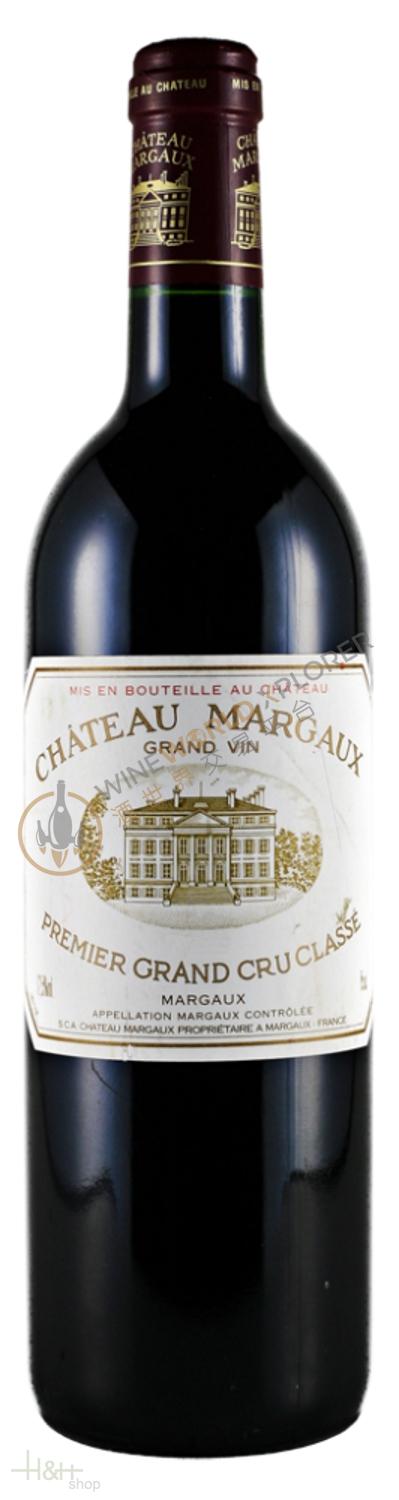
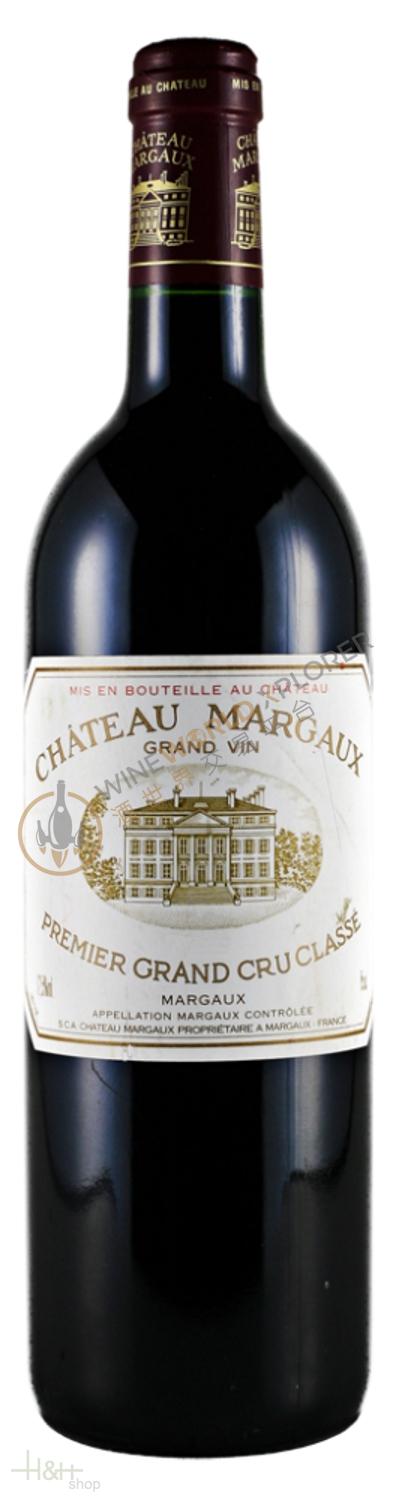
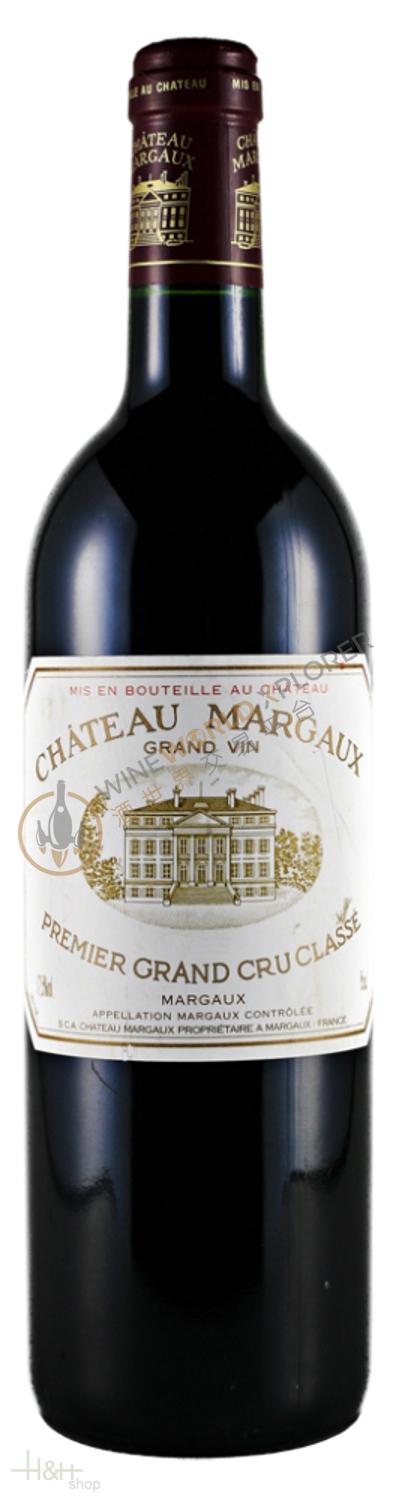
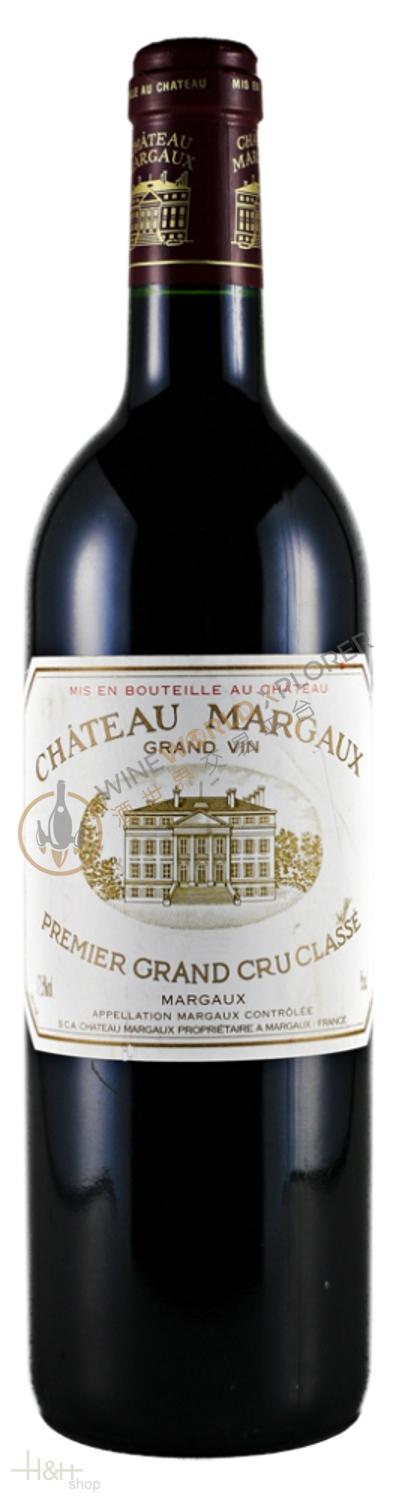
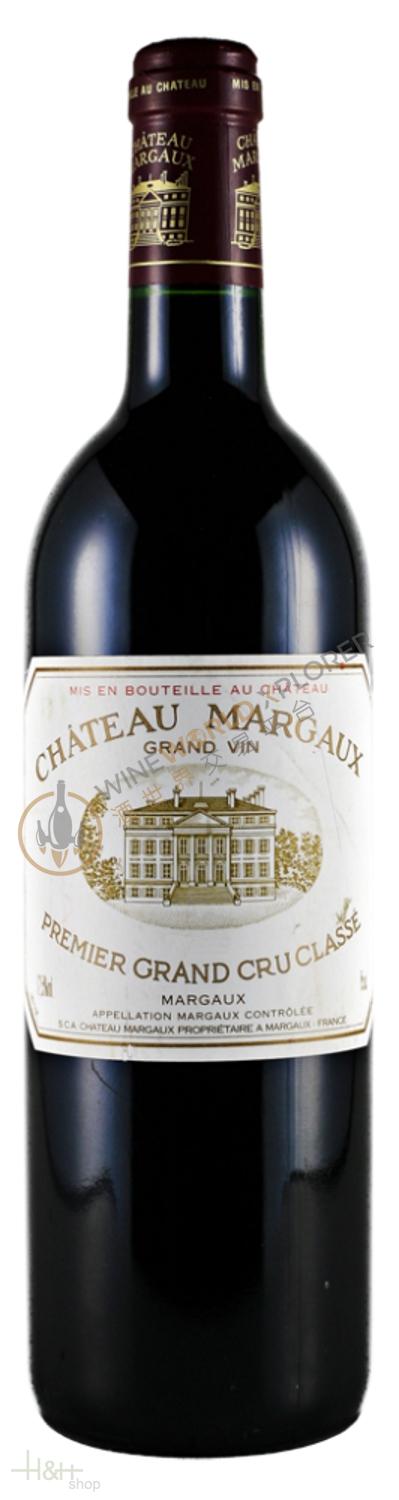
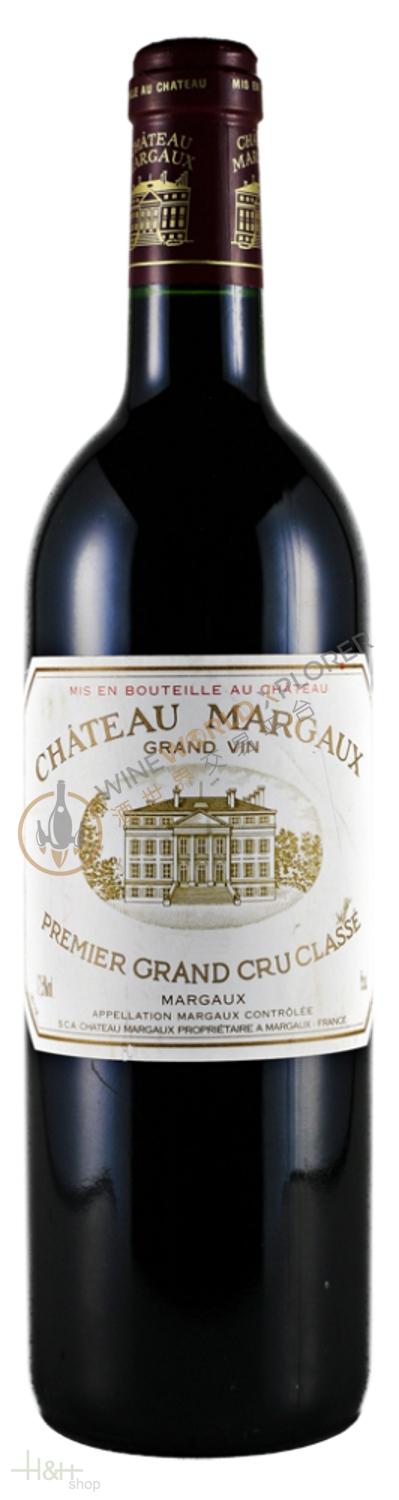
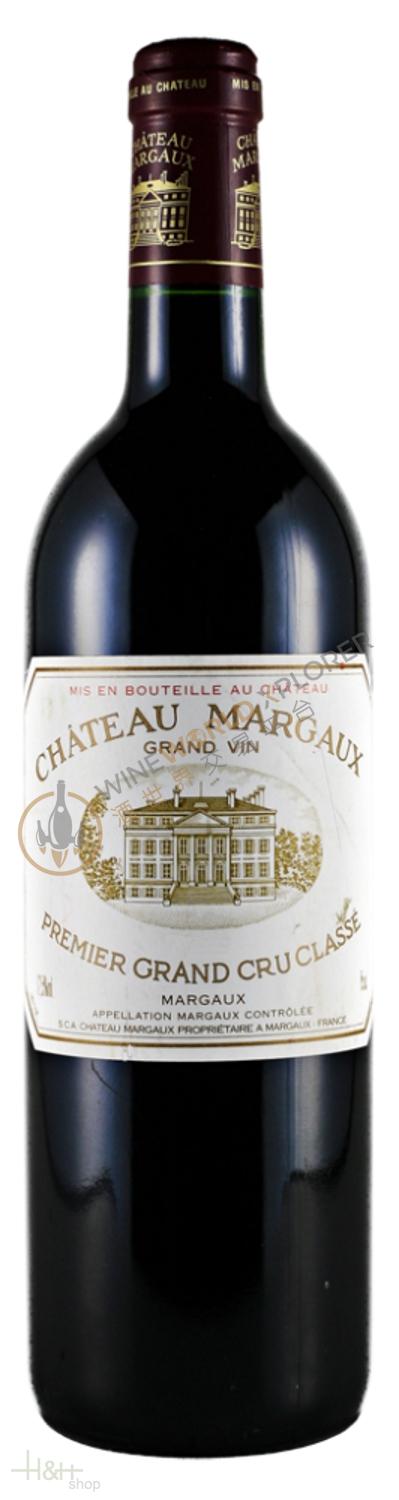
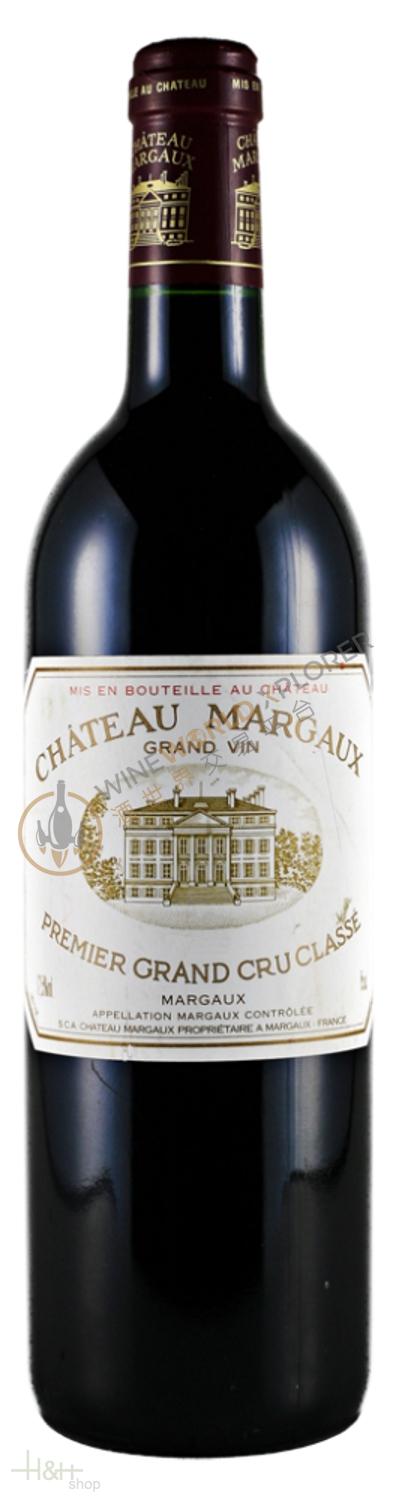
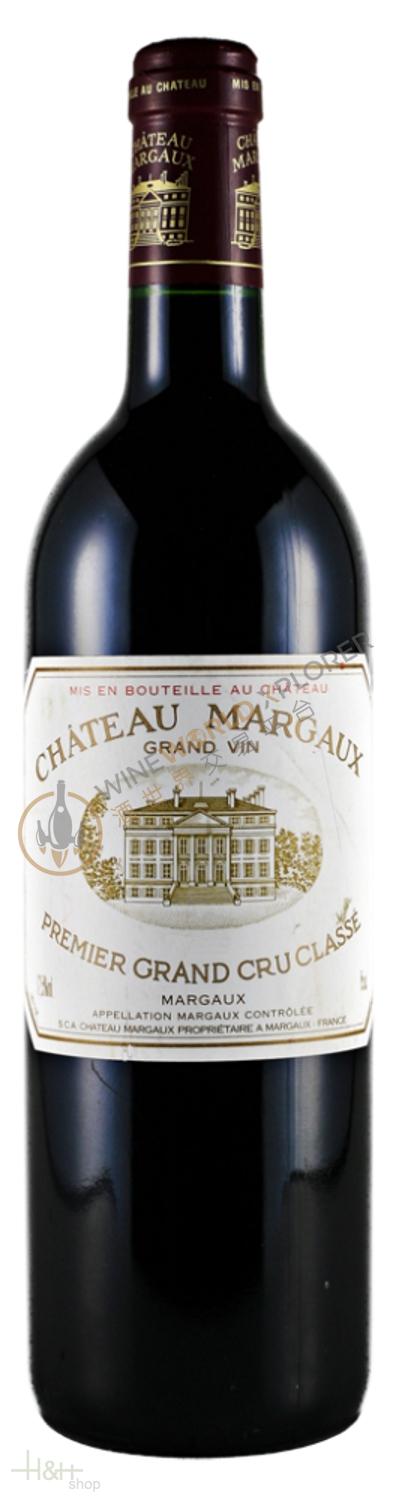
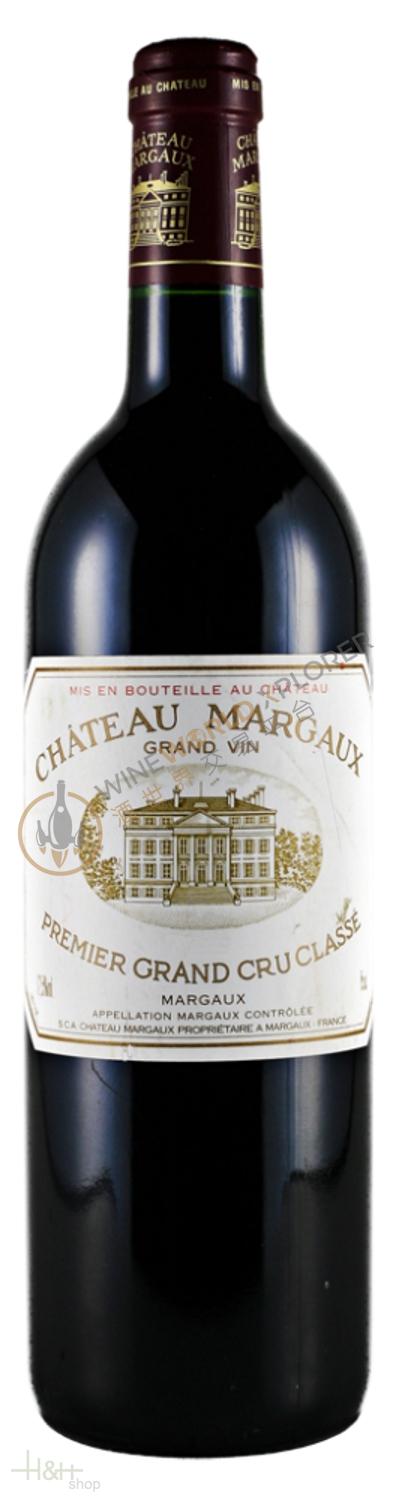
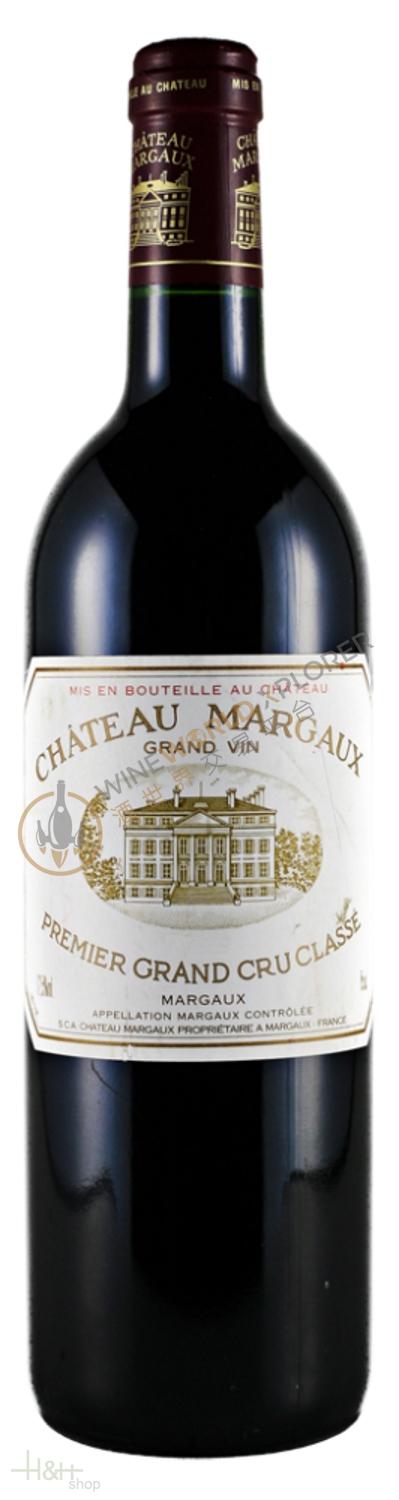
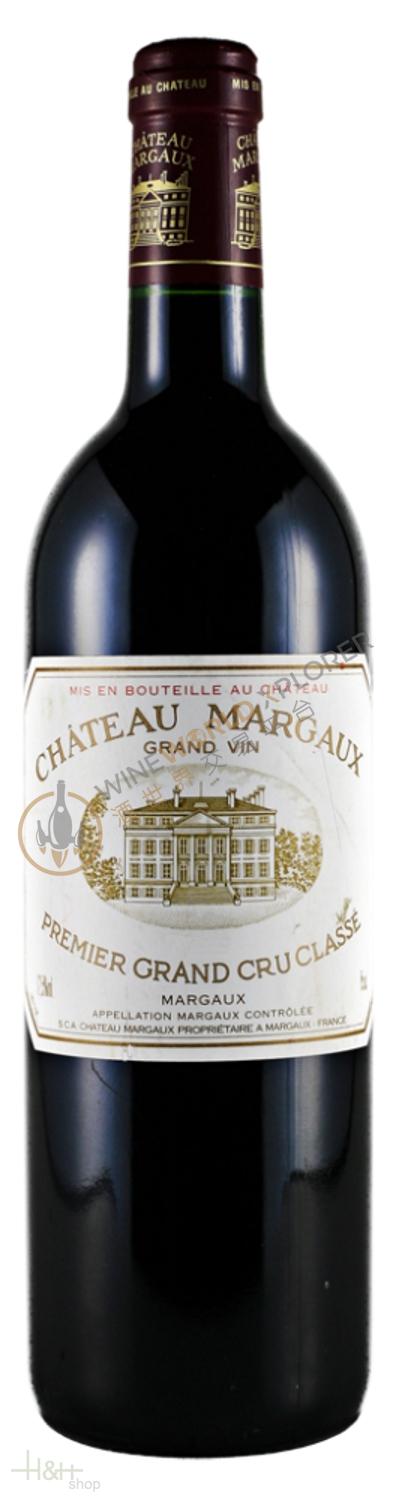
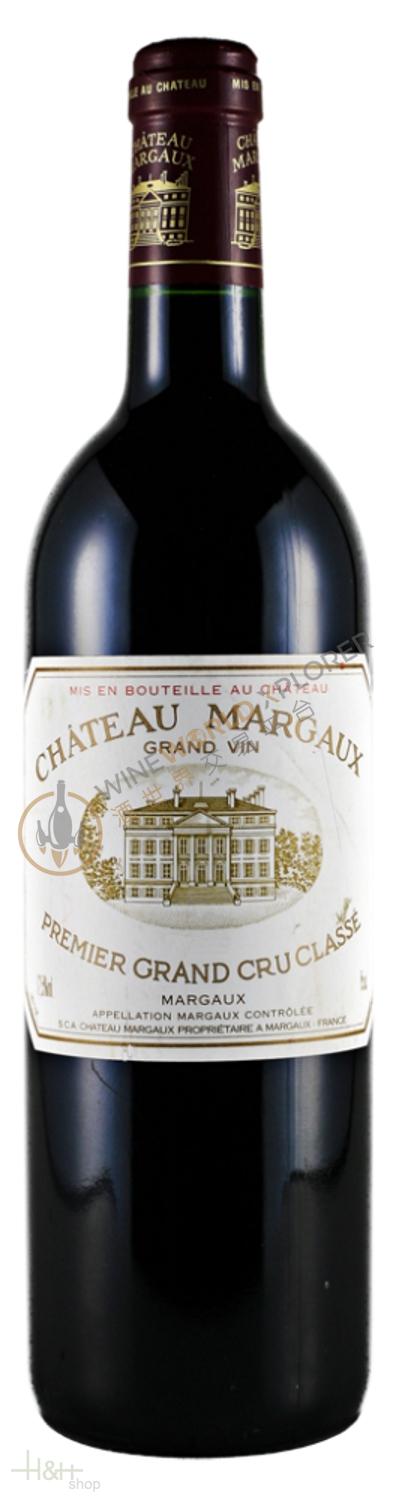
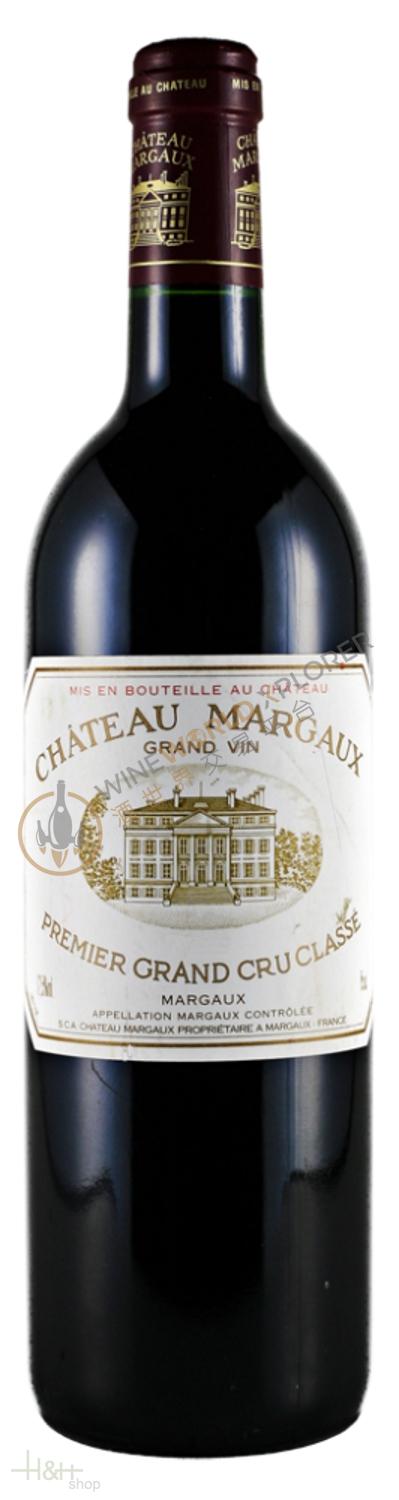
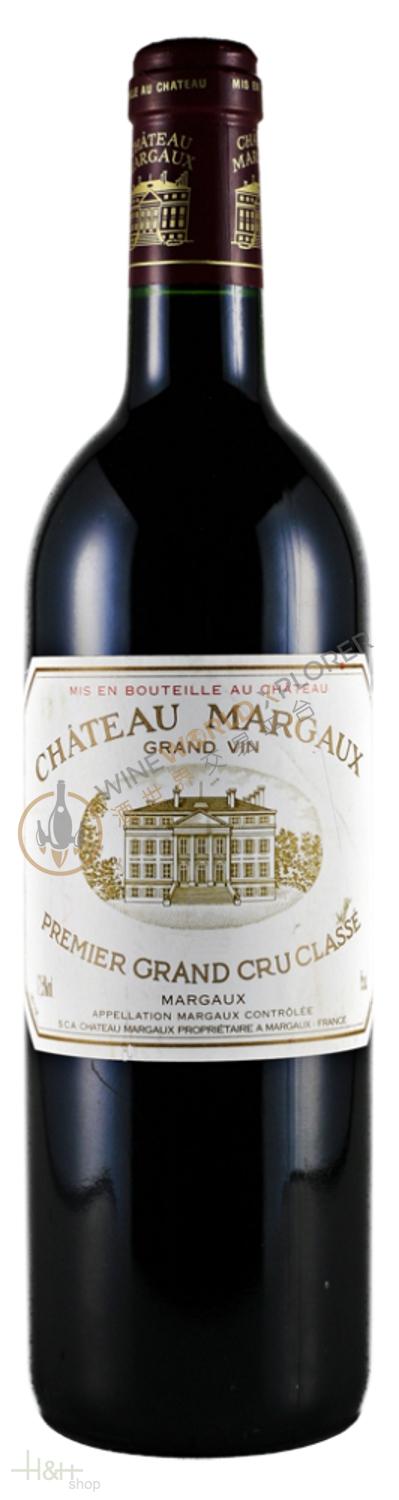
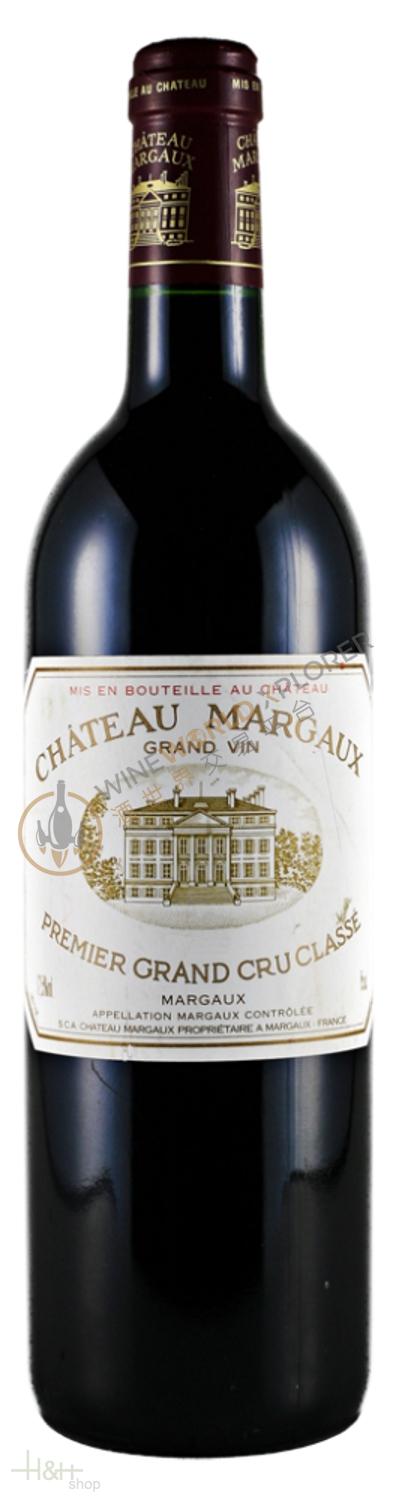
Chateau Margaux 1985
 View analysis


Description
Tasting notes

Reviewed by: Robert M. Parker, Jr.
The 1985 Margaux continues to age well and can be drunk with great pleasure. It is a lovely, seductive, medium-bodied wine with a gorgeous bouquet of toasty new oak, berry fruit, and violets. Rich, concentrated, supple, elegant, and graceful, the 1985 Margaux has turned out to be a beautiful wine that will evolve for at least another 15 or more years. Remarkably approachable and enjoyable to drink, for the next decade it will provide considerably more pleasure than the more ballyhooed and backward trio of 1986, 1983, and 1982. Anticipated maturity: Now-2005. Last tasted, 6/93.
Reviewed by: Neal Martin
This has a really beautiful nose of wild strawberry, rose petals, a touch of truffle, cherry and stewed figs. Very harmonious and very sensuous. The palate is silky smooth upon entry, very focused and with fineness of tannins one would expect on a First Growth. It just has an effortless quality that makes it so distinctive. A hint of opulence on the finish? No, it would rather remain understated and sophisticated. This remains just a beautiful, sensual Margaux, probably a point. Drink now-2015+ Tasted November 2006.
Reviewed by: Robert M. Parker, Jr.
Last Tasted 6/92 It appears I originally under-rated this vintage of Chateau Margaux, which is displaying more character, charm, and complexity than I first thought. The color remains a healthy dark ruby/purple, and the nose offers plenty of vanillin smoky new oak, as well as cassis and an intriguing floral component. In the mouth, the wine is medium-bodied with the tannins beginning to melt away. There are gorgeous levels of sweet black fruits, low acidity, and a long, lush finish. Not as forward as the 1985 Mouton-Rothschild, this wine is, however, evolving into a more interesting and complex example of Margaux than I initially expected. Anticipated maturity: 1995-2010.
Reviewed by: Neal Martin
Tasted at the Claret Club -85 Dinner at -The Square-. Chateau Margaux remains one of the most compelling, indeed most delicious First Growths. Deeper in colour than its peers, there bouquet is vibrant and vivacious with succulent red fruits, date, a touch of iodine and violets and as before, further aeration reveals those classic pencil lead aromas. The palate is exquisitely balanced, focused and powerful and yet brilliant defined with a sublime talcum finish, a hint of exotic fruit on the finish. Divine. Drink now-2025+ Tasted December 2009.
Reviewed by: Neal Martin
Tasted at Roberson’s in London. The best First Growth in my book, tasted several times and always lip-smackingly delicious! It has what can only be described as a joyous bouquet of ebullient red-berried fruit with hints of truffle and something a little exotic: Medjool dates and fig. With aeration, those more classic aromas of cedar and pencil lead become more dominant. The palate is full-bodied with very tannins, a strong backbone, superb weight and sweetness – a touch of hoi sin and apricot towards the finish. Divine. Drink now-2025+ Tasted April 2009.
Reviewed by: Neal Martin
First tasted in June 1999 when it was so velvety smooth I wanted to wrap myself in it. Tasted several time since then and never disappointing. Last note blind in July 2006. This has a delectable nose, with notes of blackberry, cherry and a touch of sweet prunes. Brilliant definition. Develops a beguiling savory, almost dried blood quality with time in the glass. The palate is medium-bodied, wonderfully balanced with a lot of vigor on the satin-textured mid-palate. Must be a Margaux? Fresh red cherries on the finish, with a slight bitterness on the finish. Utterly harmonious, perhaps would have liked a bit more weight and persistency. Very good.
Reviewed by: Robert M. Parker, Jr.
While not as powerful and concentrated as the 1986, 1983, or 1982, the 1985 Margaux is more charming and, at present, more complex than those more backward vintages. The color is a healthy dark ruby/purple. The seductive nose offers copious quantities of lavishly ripe black berry and cassis fruit intermixed with toasty oak and floral scents. This rich, expansive, and velvety-textured wine has developed more length, and additional flavor dimensions over the last several years. It has always been a remarkably approachable and enjoyable wine, but it appears to be taking on more character and quality than I ever imagined. It is one of the most delicious and seductively opulent Margauxs of the last two decades. I consistently underestimated this wine when young. It gets better every time I re-taste it, which happens with increasing frequency. Anticipated maturity: Now-2010. Last tasted 10/97.
Reviewed by: Neal Martin
Tasted at Bordeaux Index Chateau Margaux dinner at The Square. If not the greatest wine of the decade, then one of the most pleasurable. A sublime not of red-berried fruits, fig, red cherry, black truffle and cedar. The palate is utterly harmonious, not a rough edge in sight, cashmere tannins, extraordinarily pure and sensuous. Effortless. A wine surfeit with panache. Drink now-2015+ Tasted October 2008.
Reviewed by: Robert M. Parker, Jr.
Approaching full maturity, this beautifully sweet Chateau Margaux has a dense plum/purple color and a huge, sweet nose of black currants intermixed with licorice, toast, underbrush, and flowers. Medium to full-bodied with supple tannin and a fleshy, juicy, very succulent and multi-layered mid-palate, this expansive, velvety wine has entered its plateau of maturity, where it should remain (assuming good storage) for at least another 10-15 years. A very delicious, seductive, and opulent Chateau Margaux to drink over the next two decades. Anticipated maturity: Now-2015. Last tasted, 10/02.
About the Producer
Chateau Margaux is located in the village of Margaux, in the Medoc appellation on the left bank of Bordeaux, and was awarded a First Growth in the 1855 Bordeaux Medoc classification, alongside Chateau Lafite Rothschild, Chateau Latour and Château Haut-Brion. It is also known as Chateau Haut-Brion. Château Margaux currently covers a total of 262 hectares, including 99 hectares of vineyards. The red vineyard has an appellation of 87 hectares, of which 82 hectares are planted, while the white vineyard is planted with 12 hectares. The red varieties are mainly Cabernet Sauvignon, Merlot, Petit Verdot and Cabernet Franc; the white varieties are Sauvignon Blanc and the vines are on average 45 years old. Since the end of the 1990s, the estate has refused to use pesticides in the vineyards. In addition, only organic fertilisers are used in the vineyard, and deep fertilisation is carried out at regular intervals to improve the soil structure and rejuvenate the soil. During the harvest season, the winery team selects the right time to harvest the grapes by testing and analysing all the indicators and by tasting the grapes themselves. Once the grapes have reached their ideal state of ripeness, they are harvested by a team of over 200 trained harvesters. Once in the winery, the grapes undergo a rigorous selection process before being de-stemmed. Both oak barrels and stainless steel tanks are used to ferment the red grapes, while the white grapes are fermented entirely in oak barrels. After the alcoholic fermentation, the wine undergoes malolactic fermentation. The red wines are then left to mature in oak barrels for 18-24 months and the whites for 6-8 months. The main wine of the estate, Château Margaux's red wine, is rich and complex, with an elegant and powerful ballet on the tongue, rich and smooth tannins, good balance and a long, fresh finish with excellent ageing potential. It successfully conquered Napoleon Bonaparte, the founder of the First French Empire, and won the hearts of Thomas Jefferson, the founding father of the United States, and Margaret Thatcher, the "Iron Lady" of England. In the world of wine criticism, Château Margaux's red wines have also been recognised, with four perfect scores from Robert Parker and many more from other critics with 95 points or more. In recent years, the quality of Château Margaux's red wines has been steady and has maintained a high level of interest in the market.
1958(1)1960(1)1961(2)1962(1)1963(1)1964(1)1969(2)1970(1)1971(1)1972(1)1974(1)1975(1)1976(1)1978(1)1979(1)1981(1)1982(6)1983(4)1984(1)
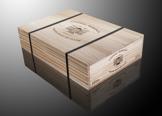
Package Size