 Wine Advisor



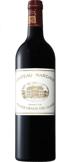
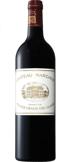
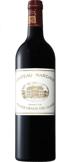
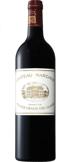
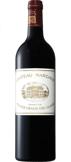
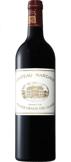
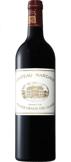
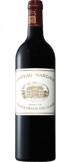
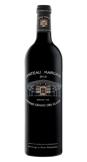
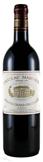
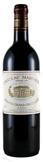
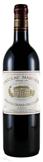
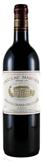
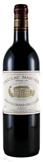
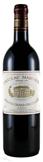
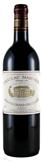
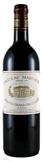
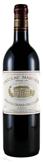
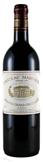
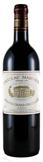
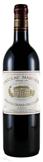
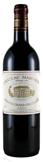
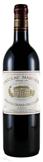
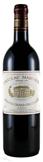
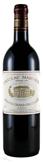
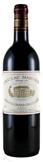
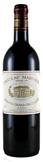
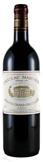
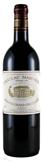
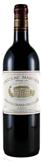
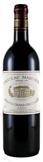
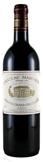
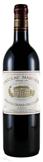
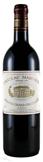
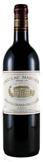
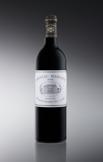
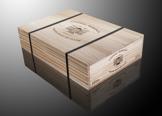
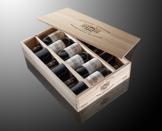
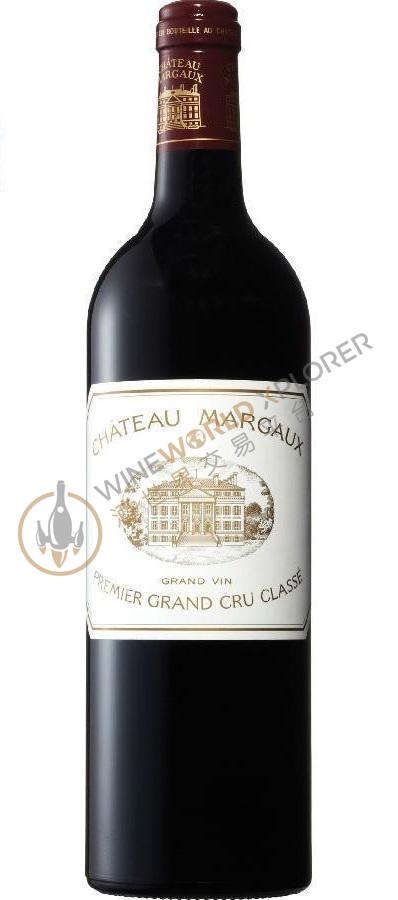
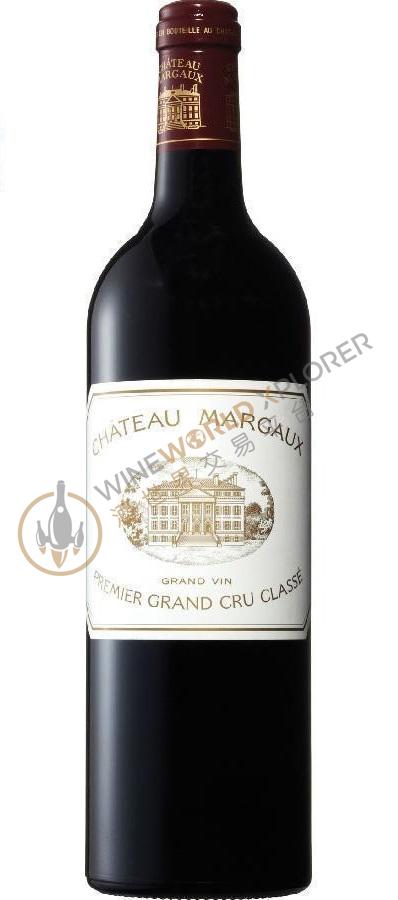
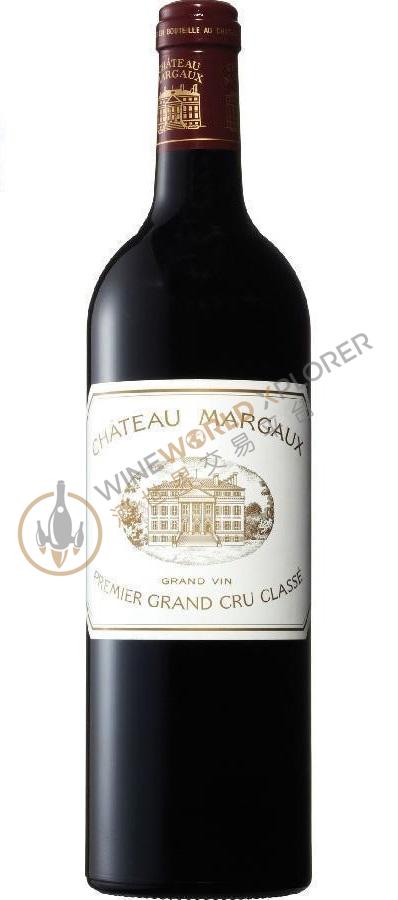
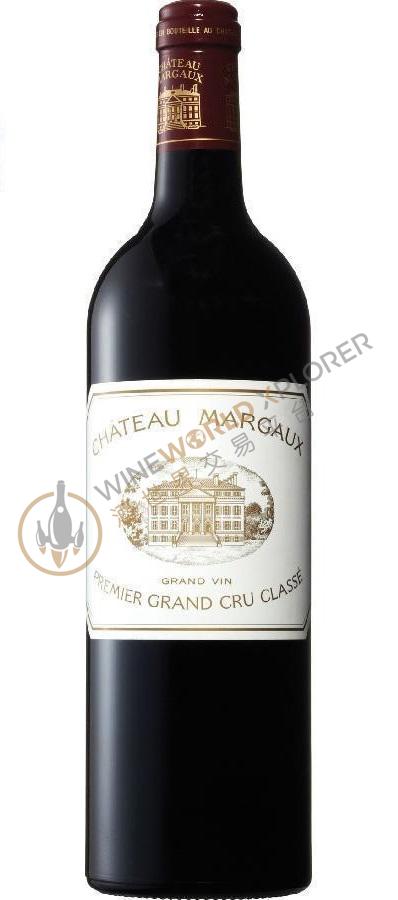
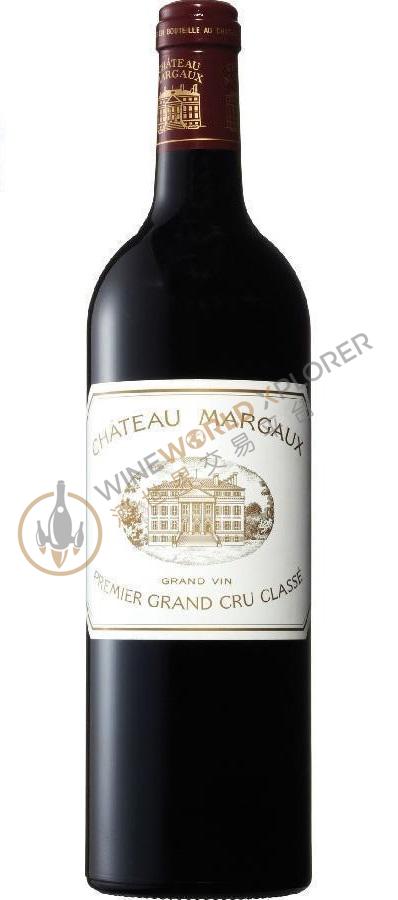
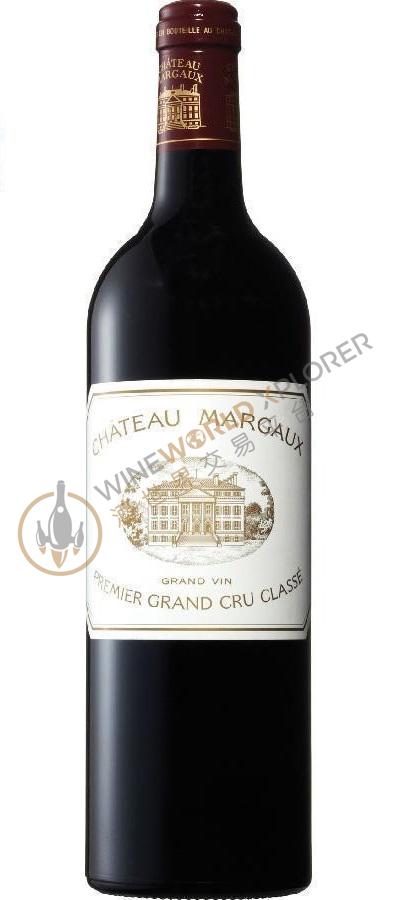
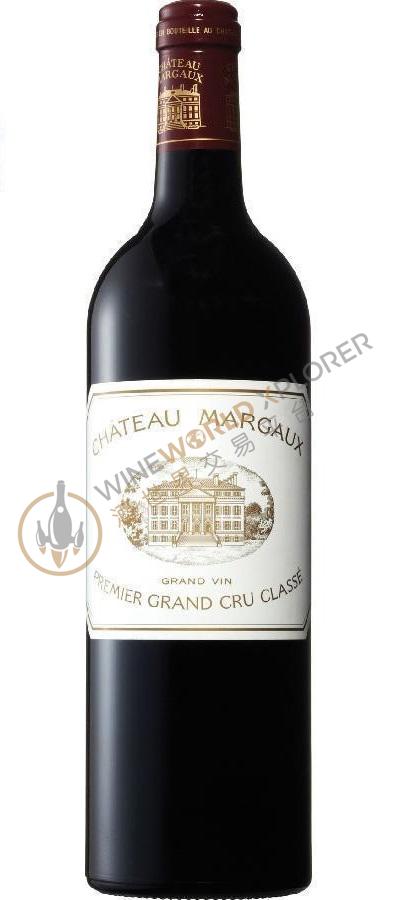
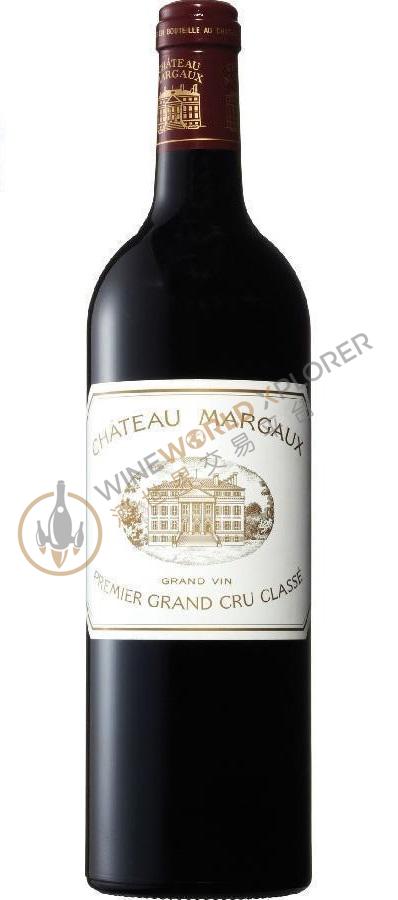
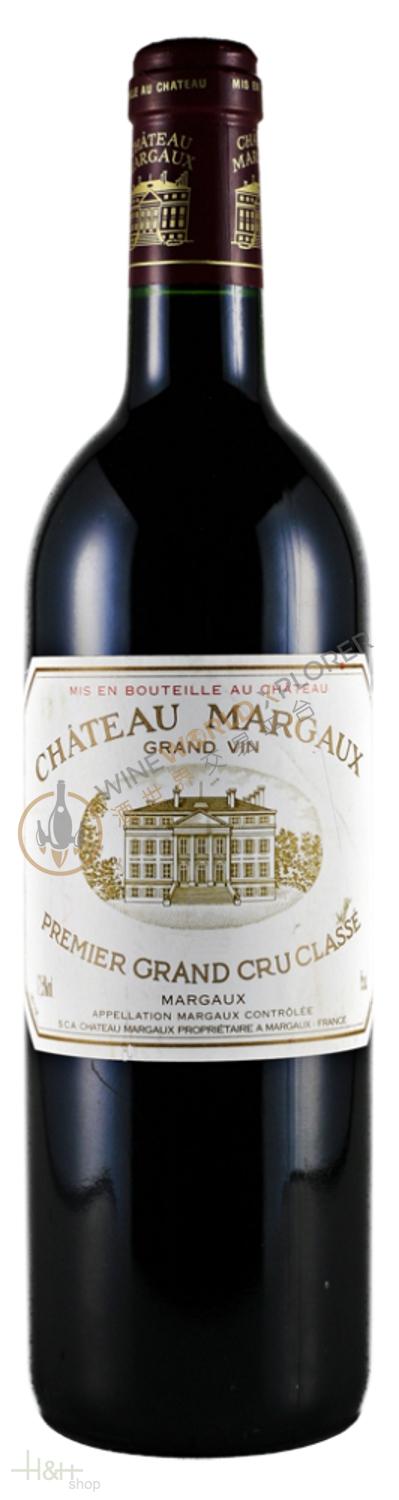
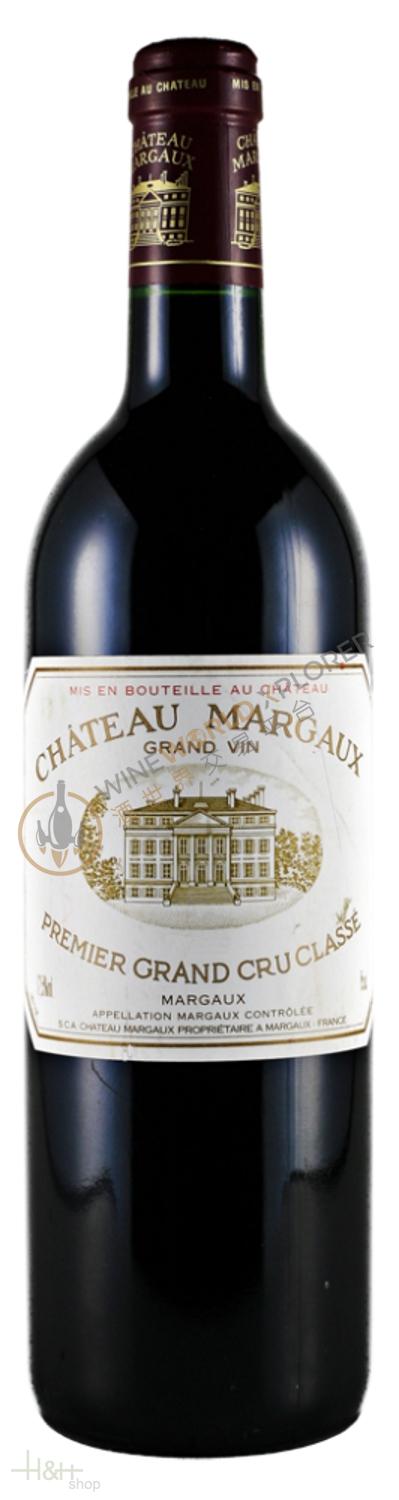
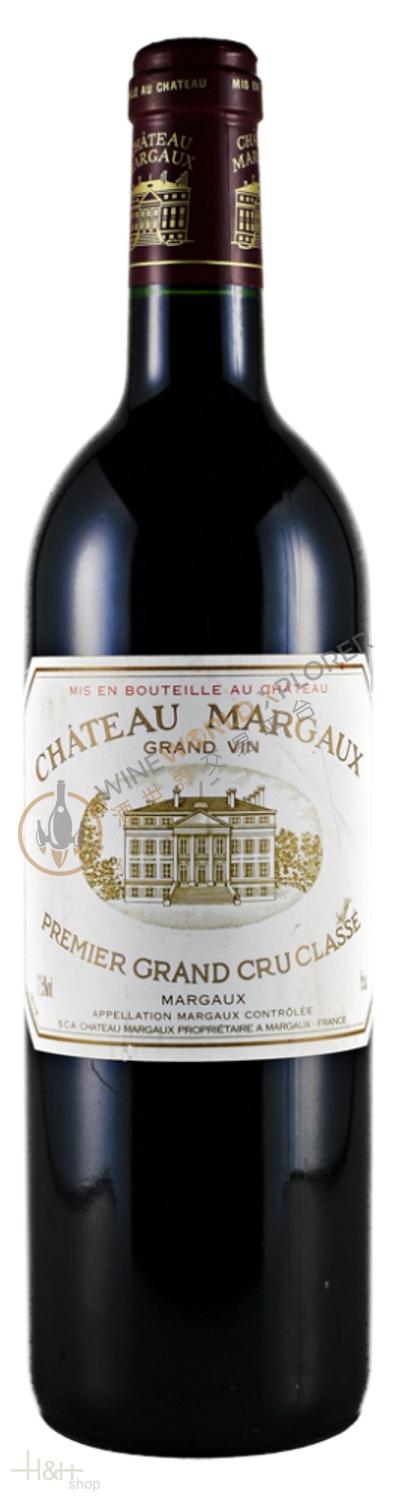
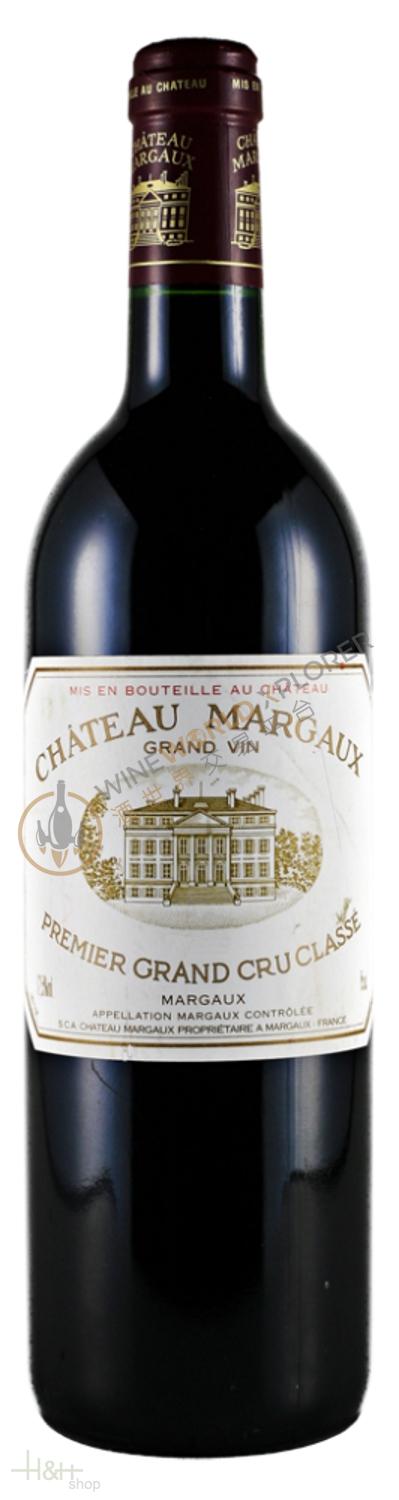
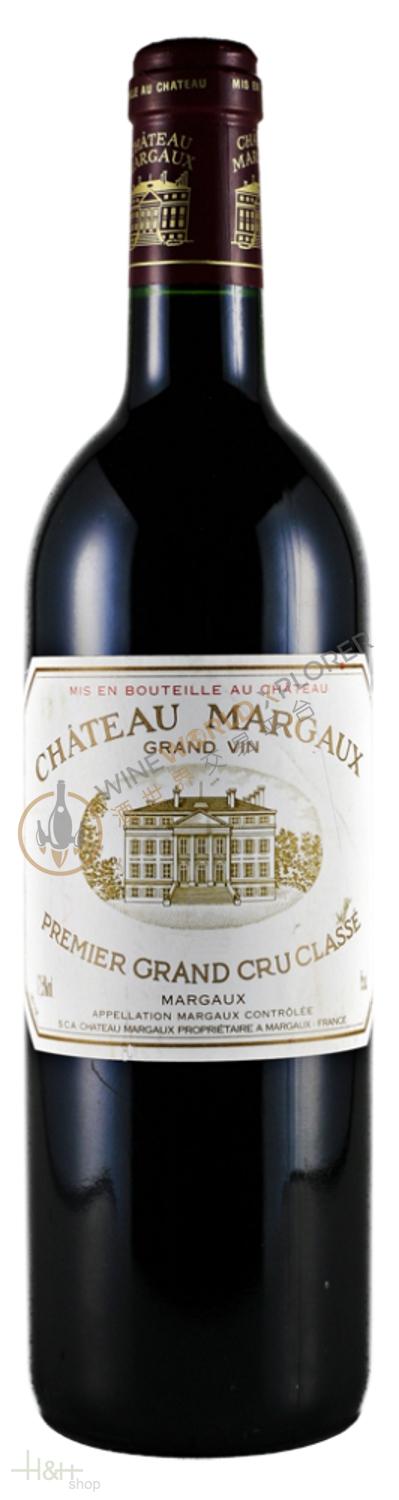
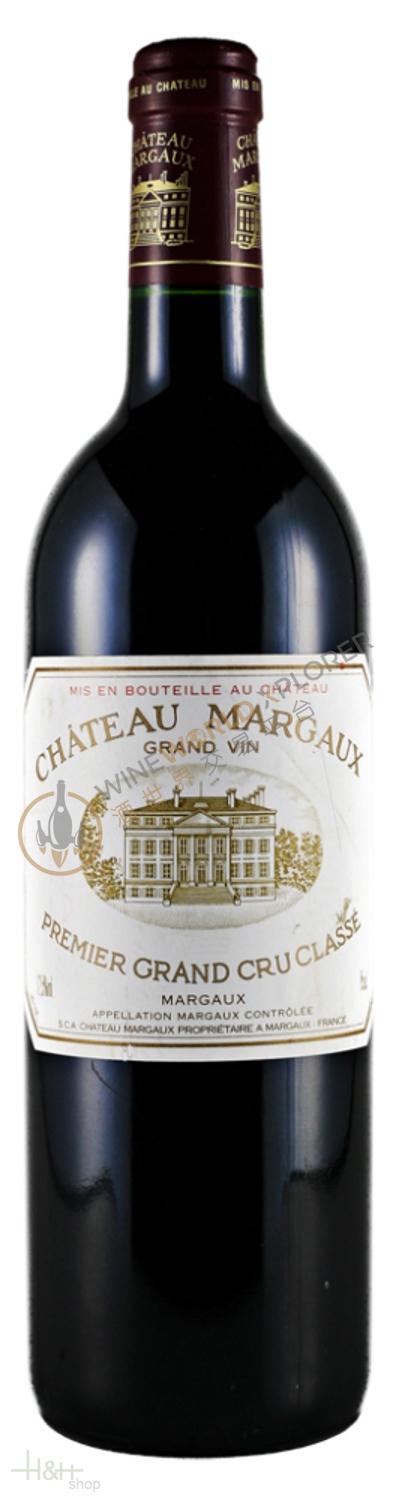
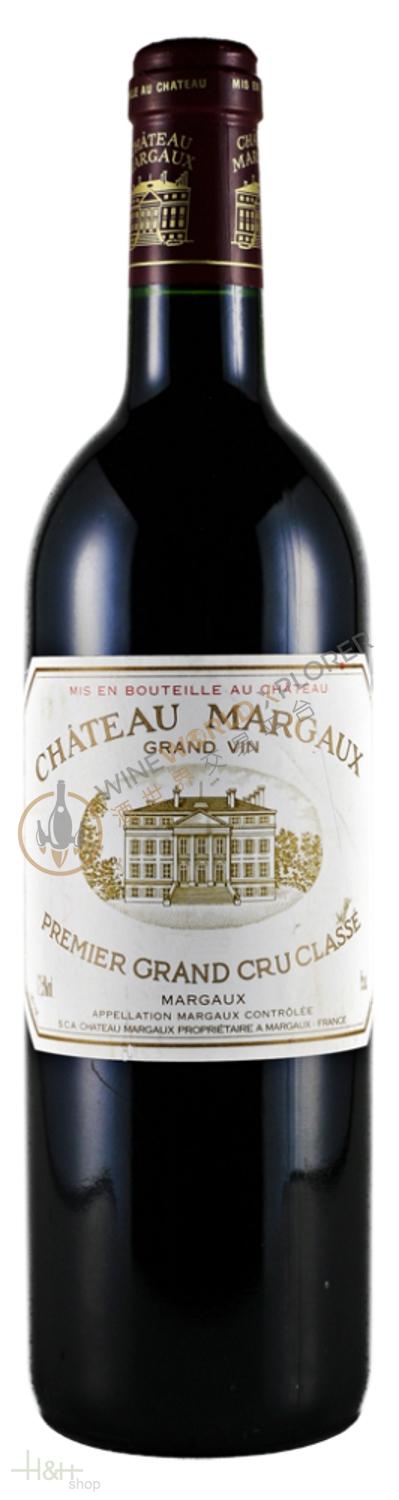
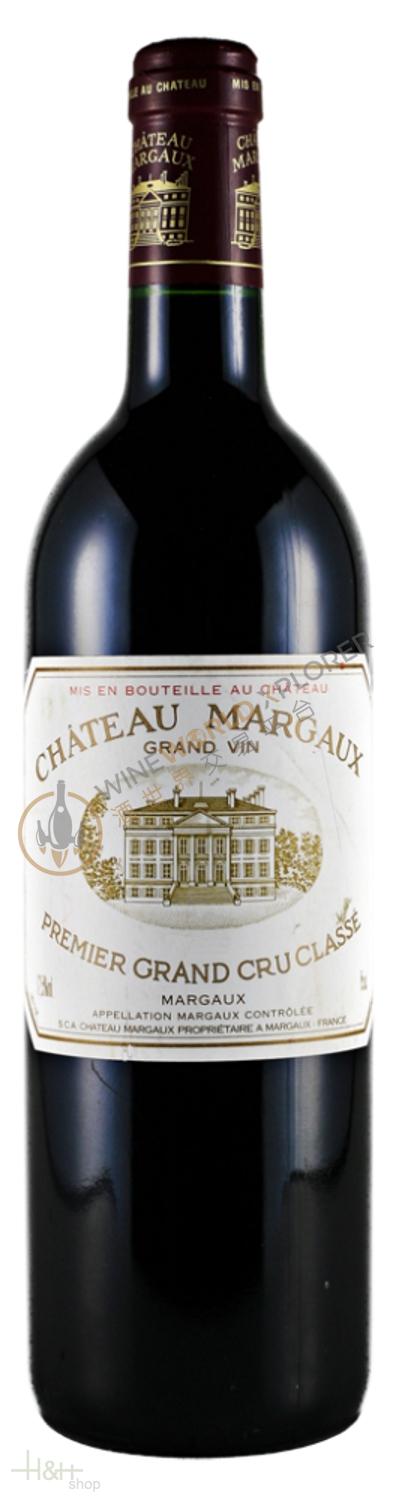
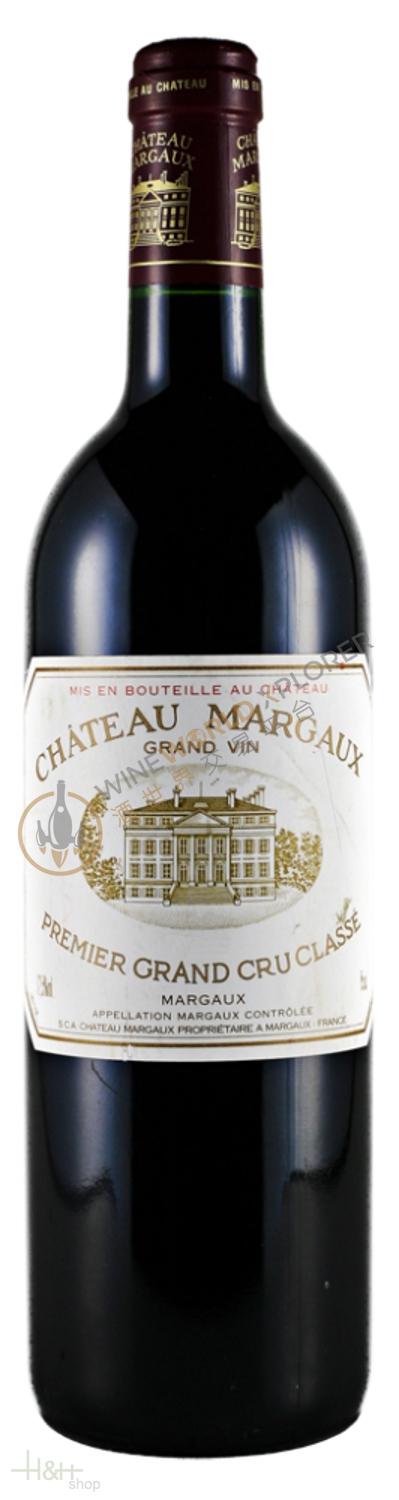
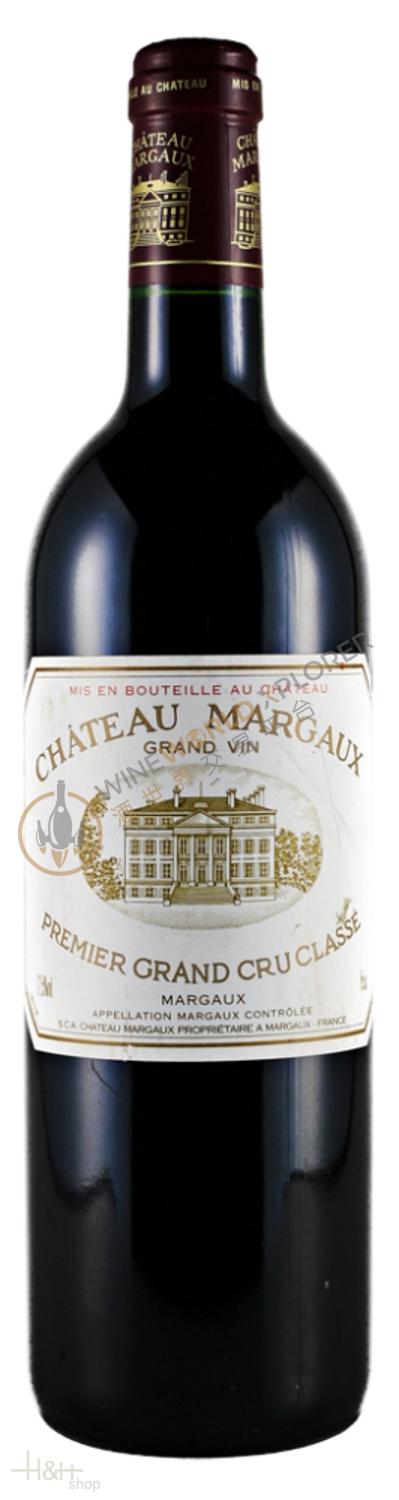
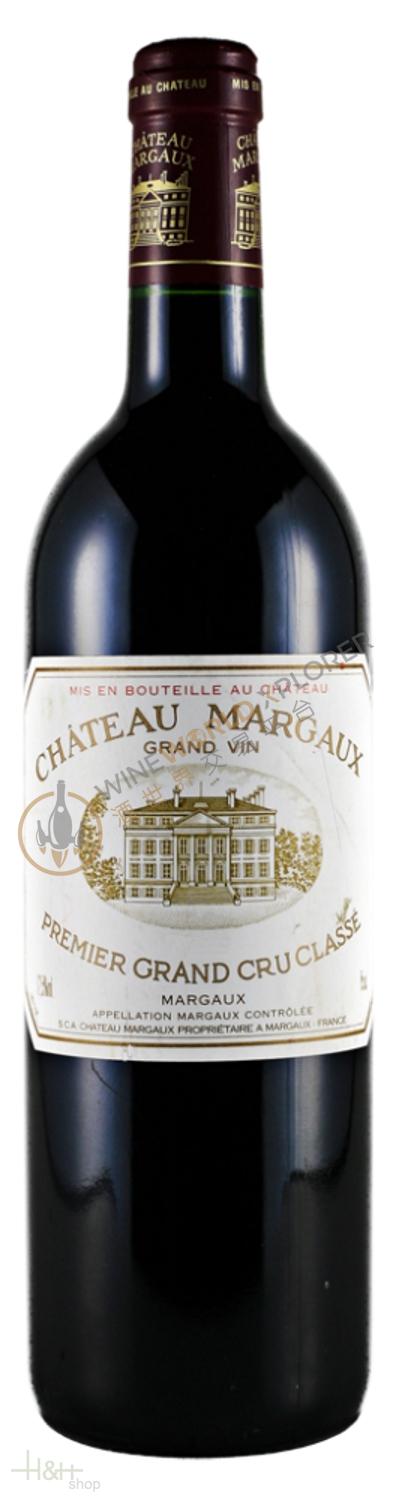
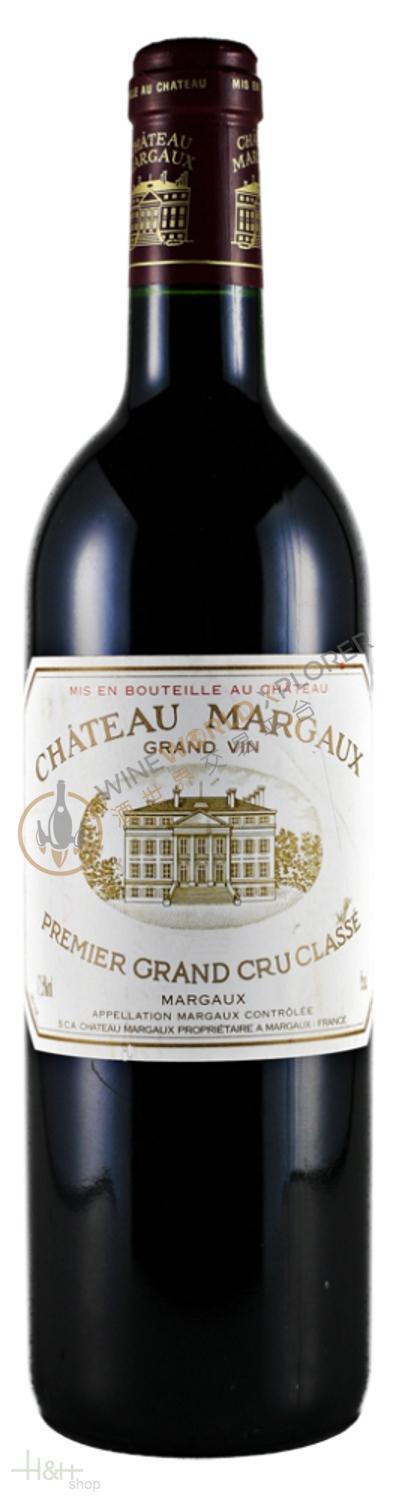
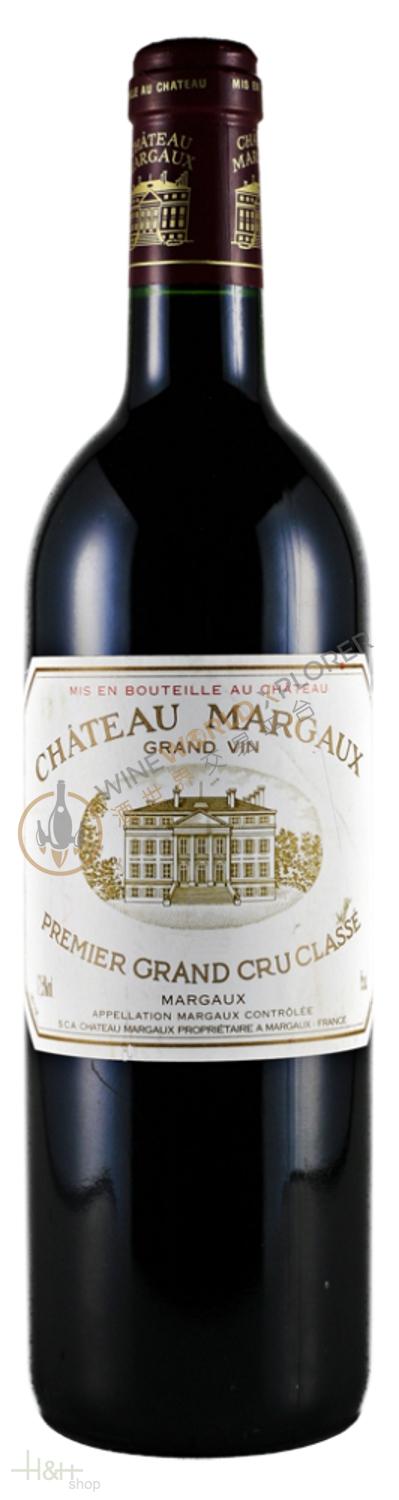
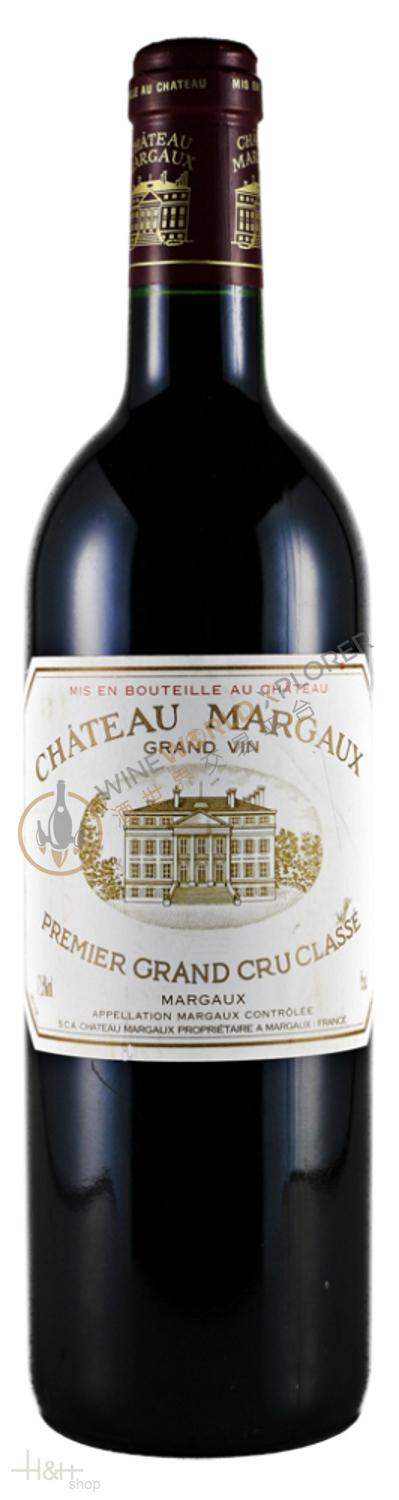
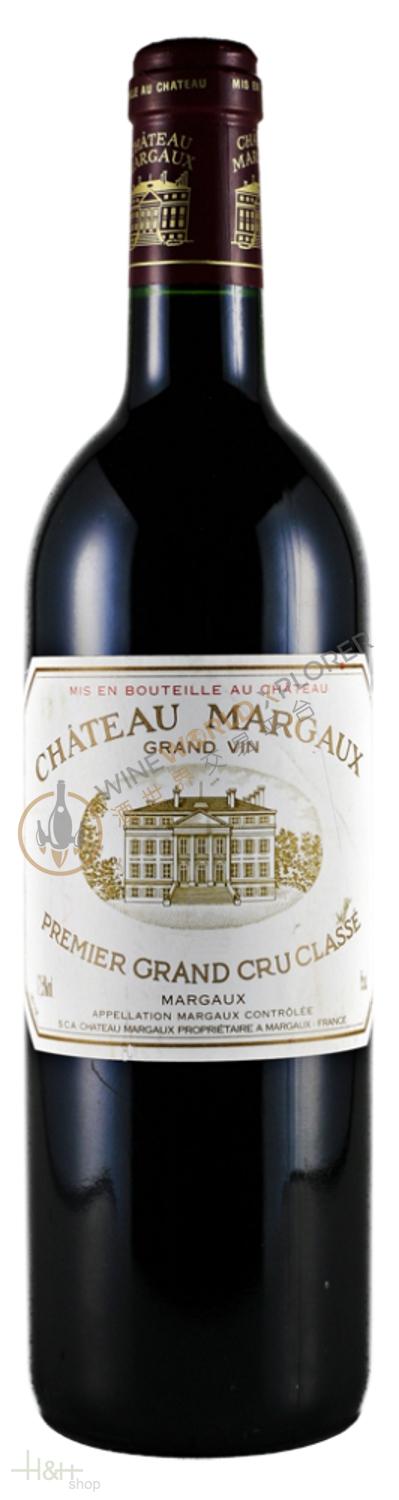
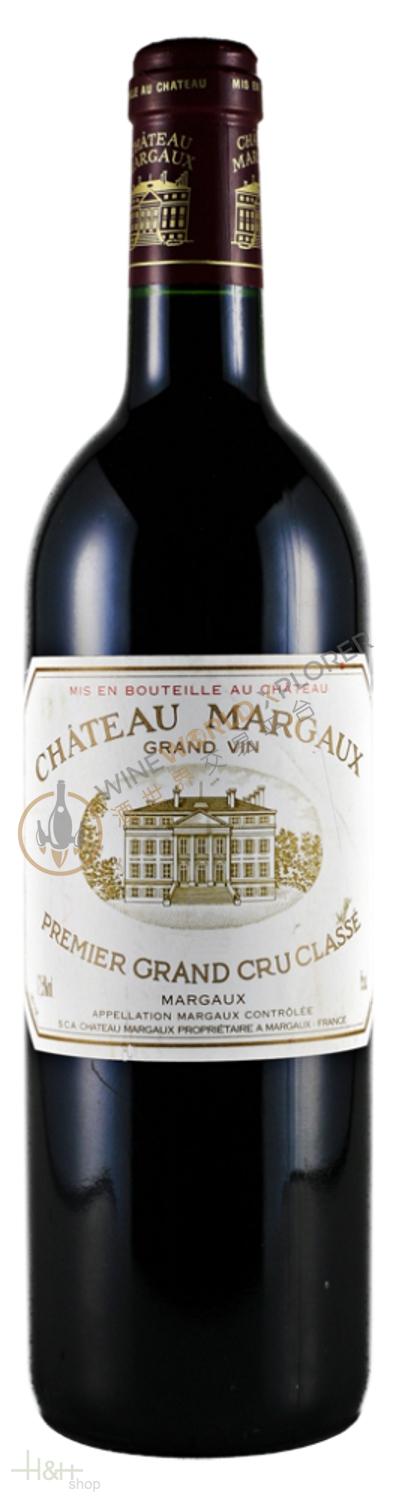
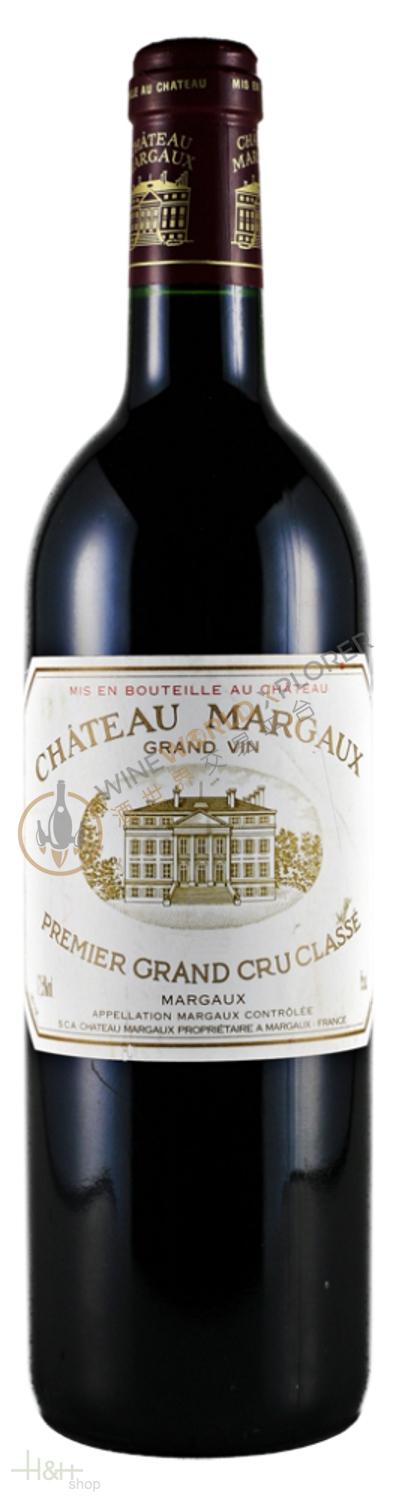
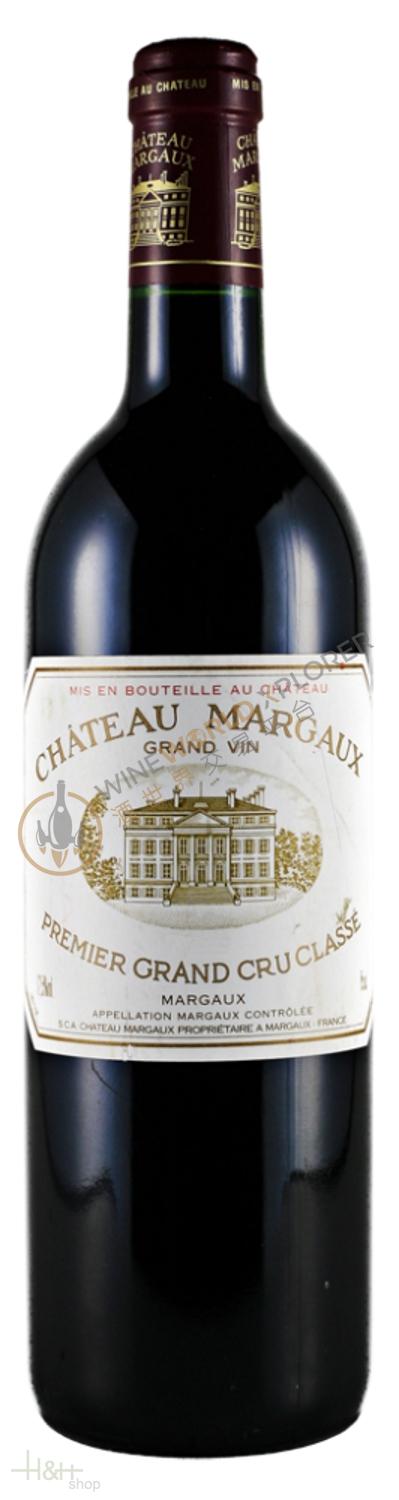
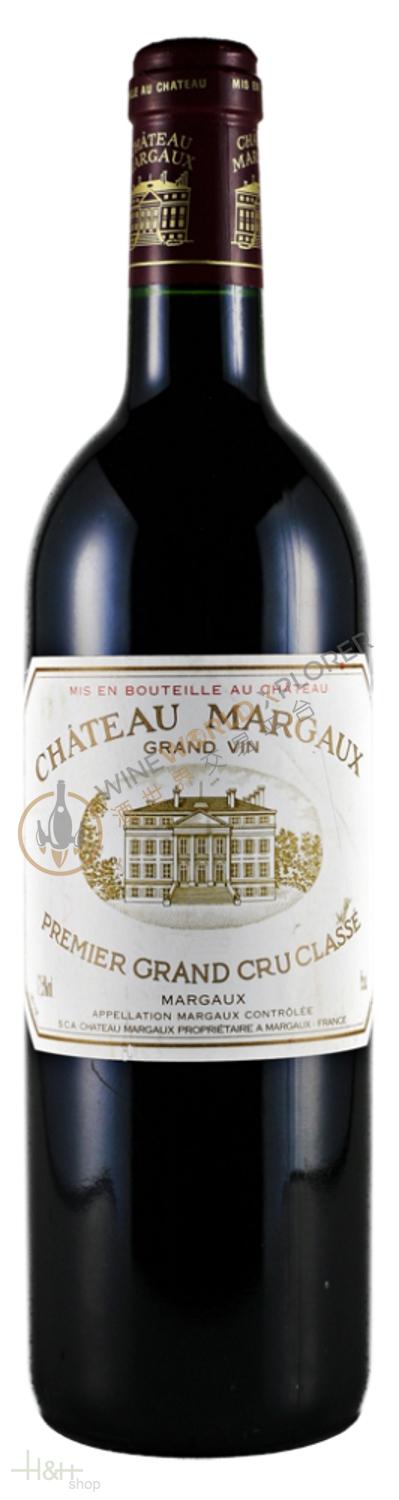
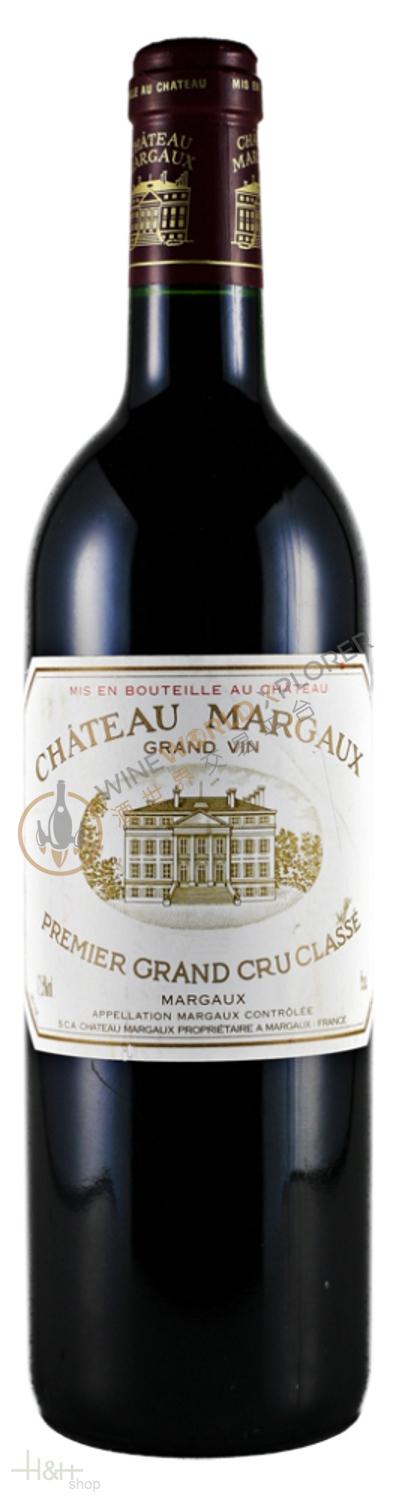
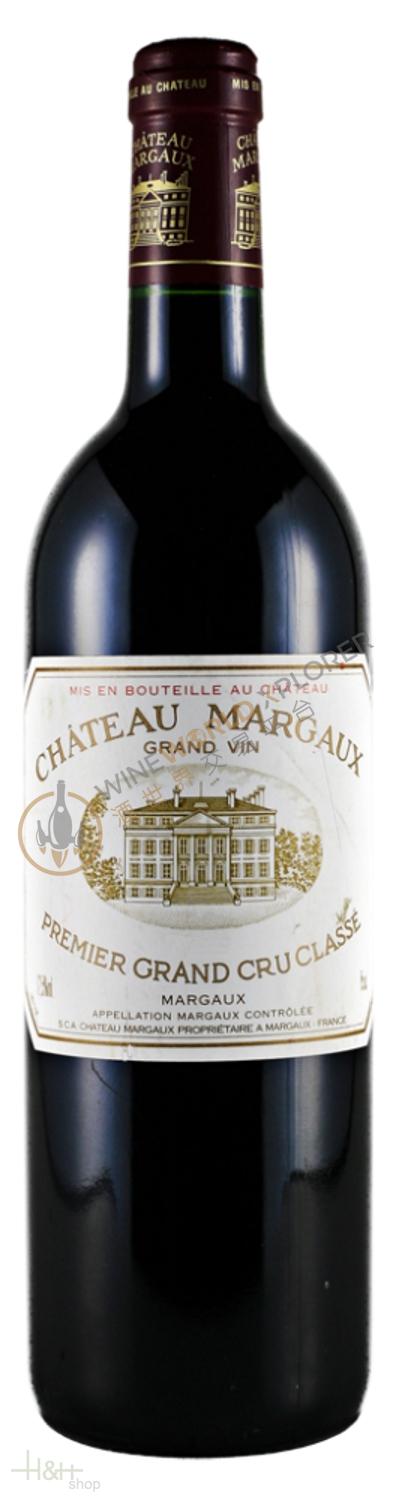
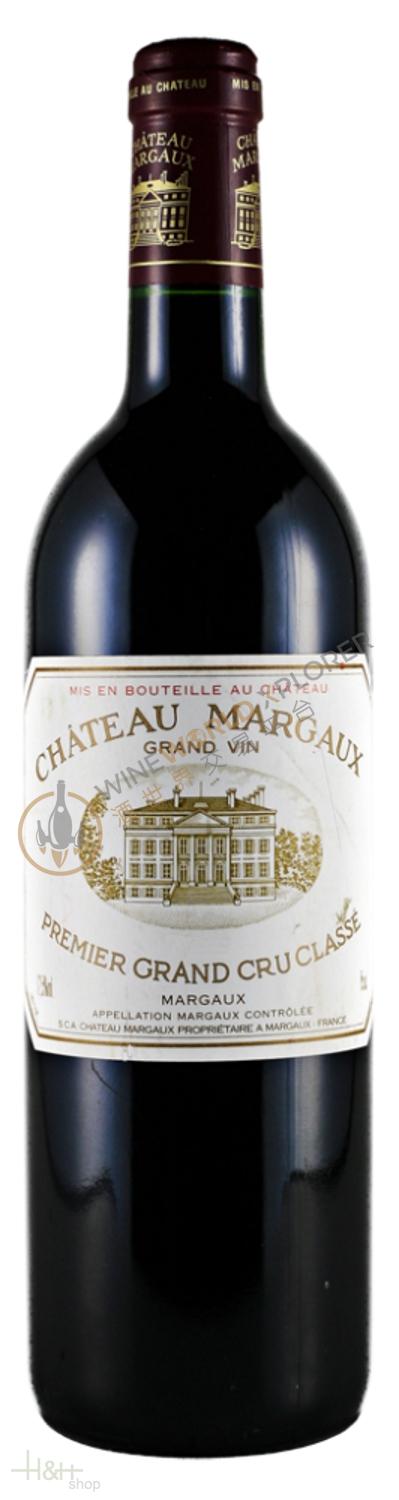
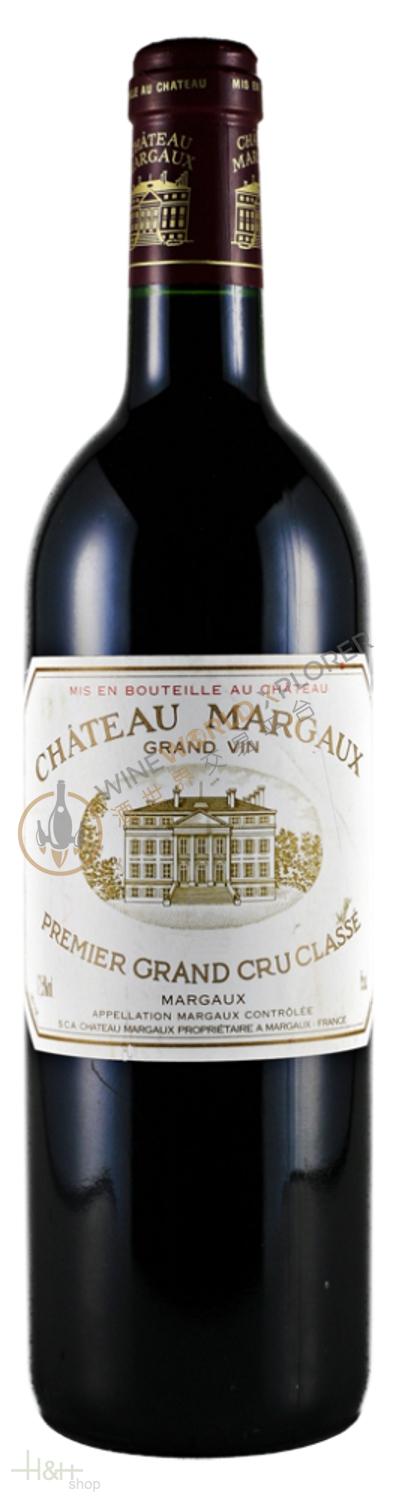
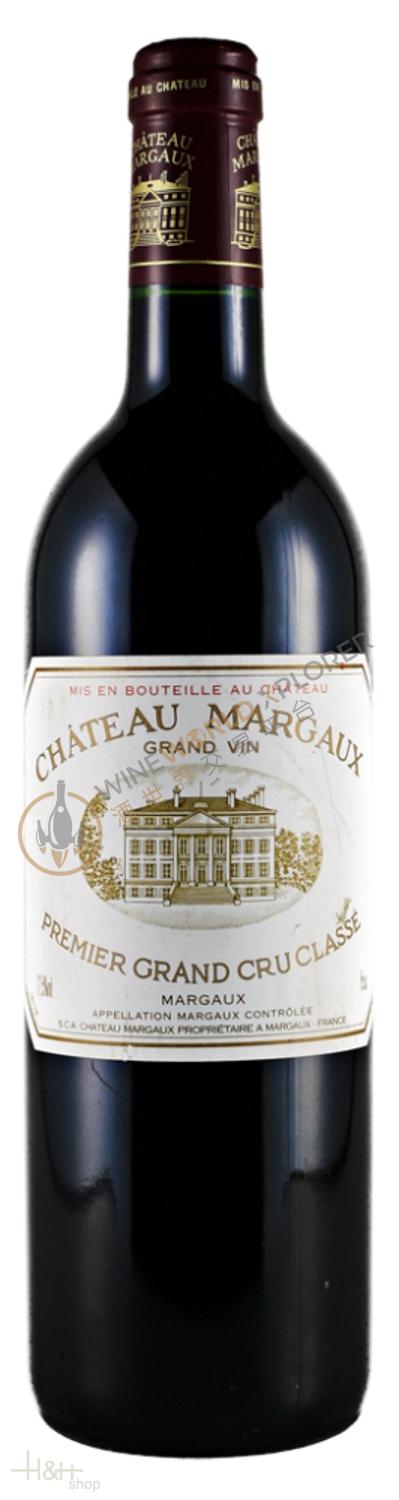
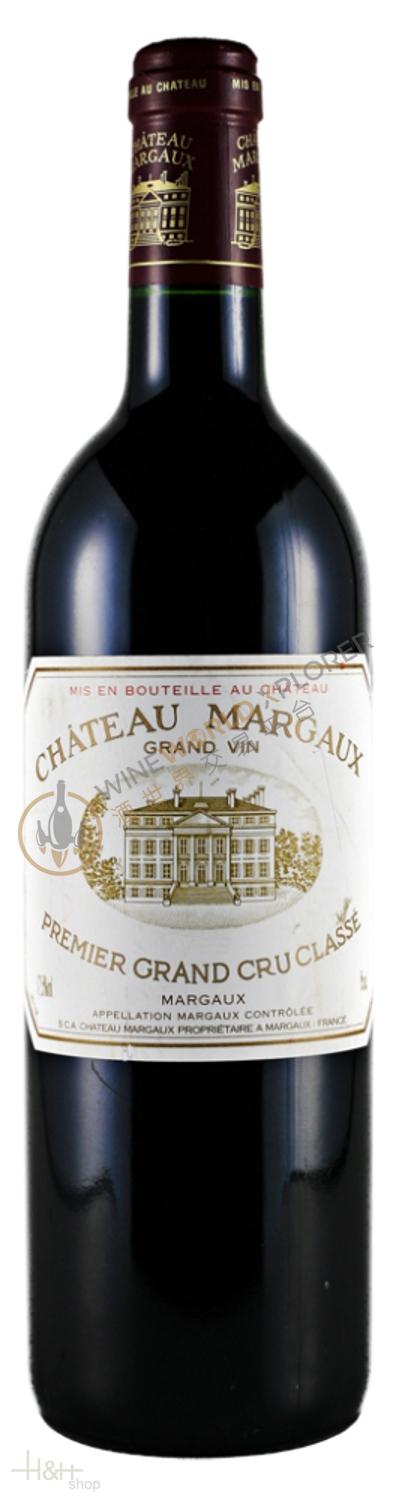
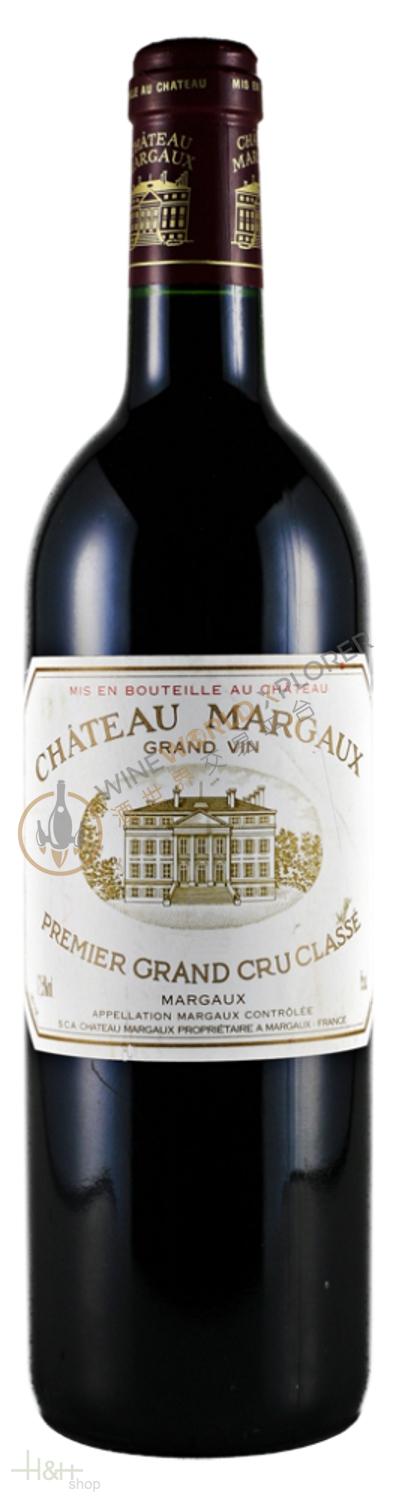
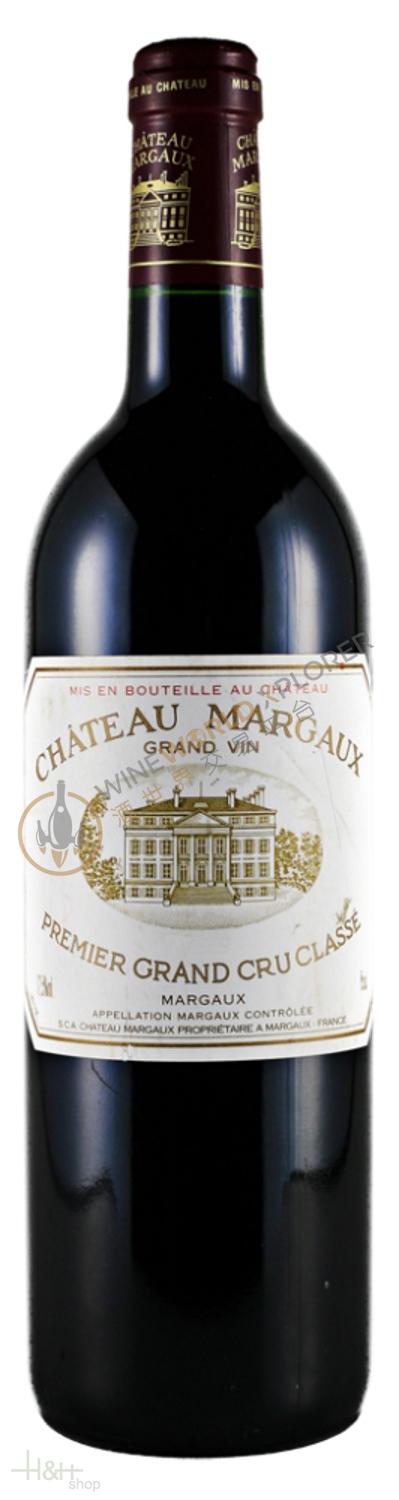
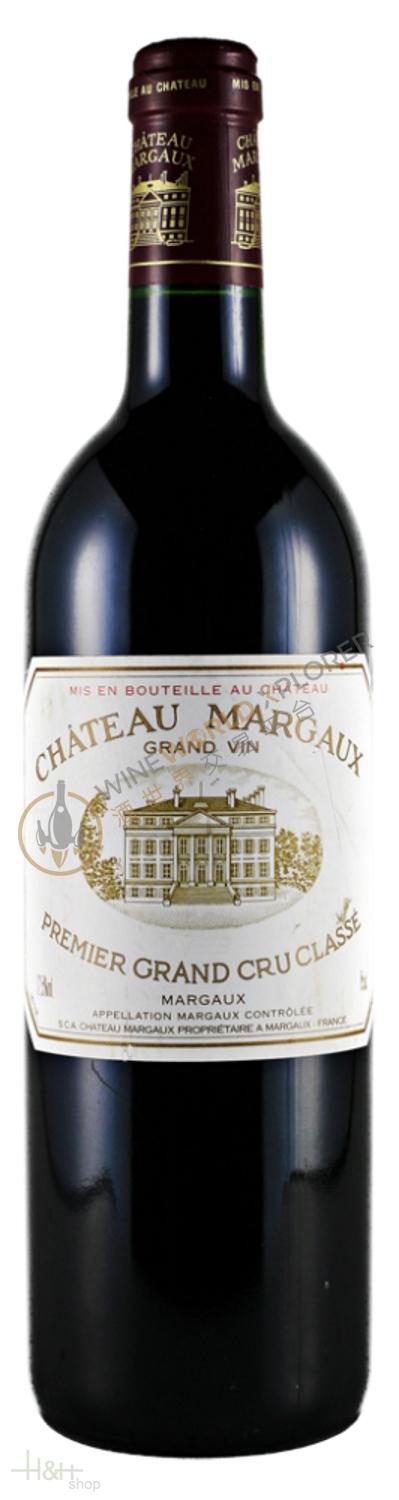
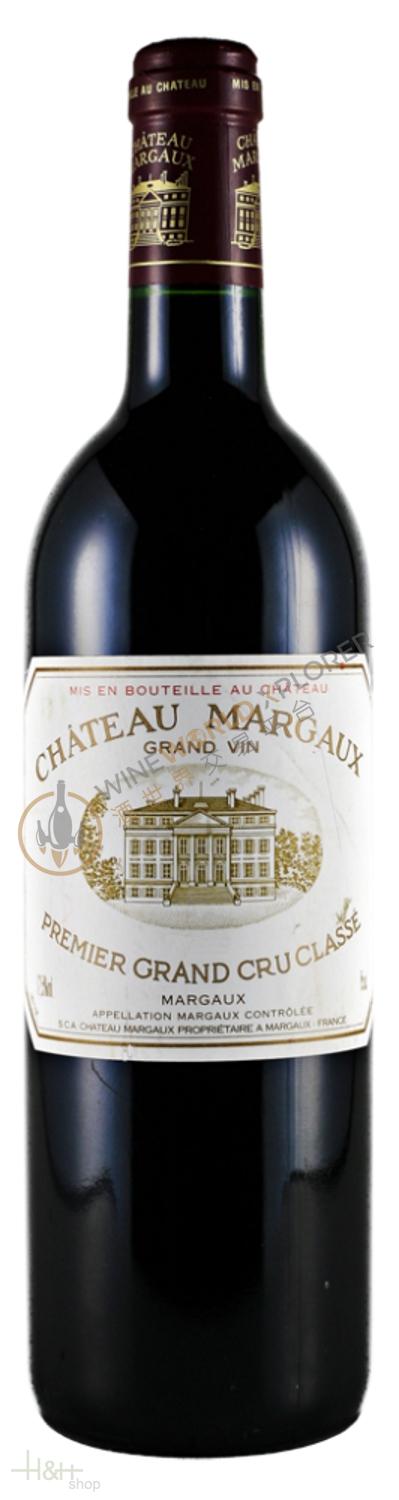
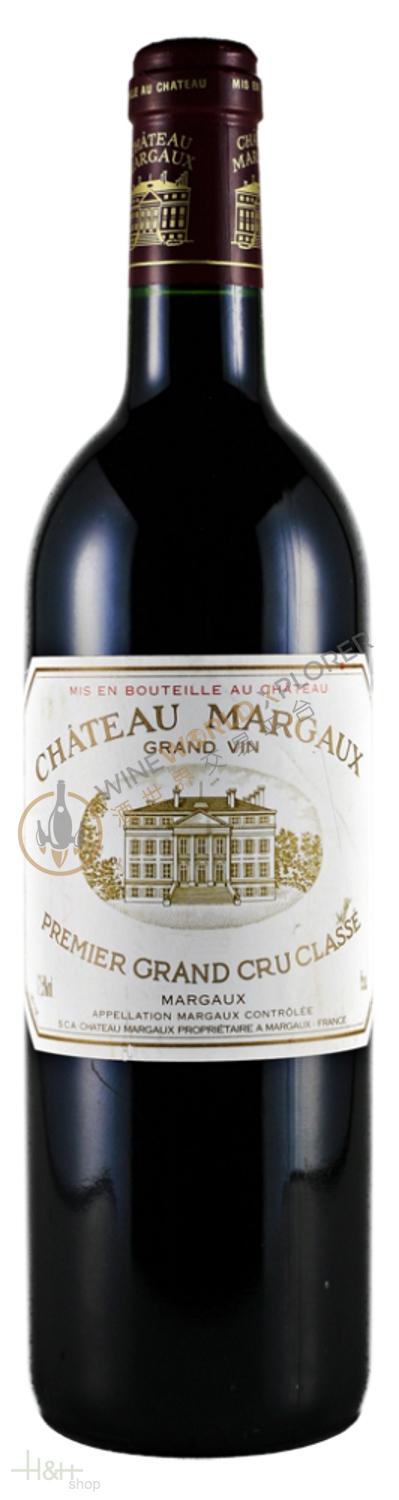
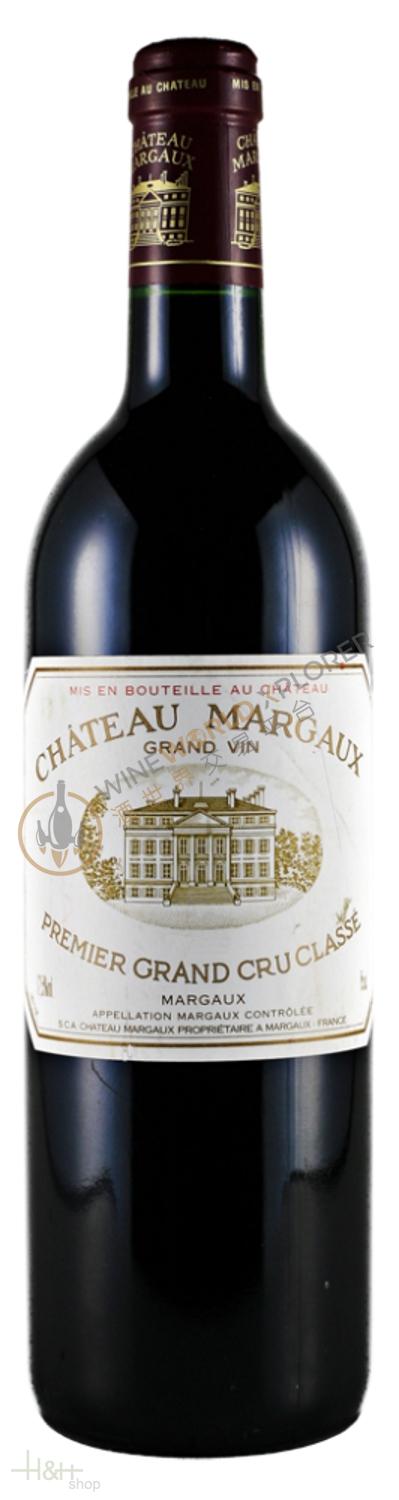
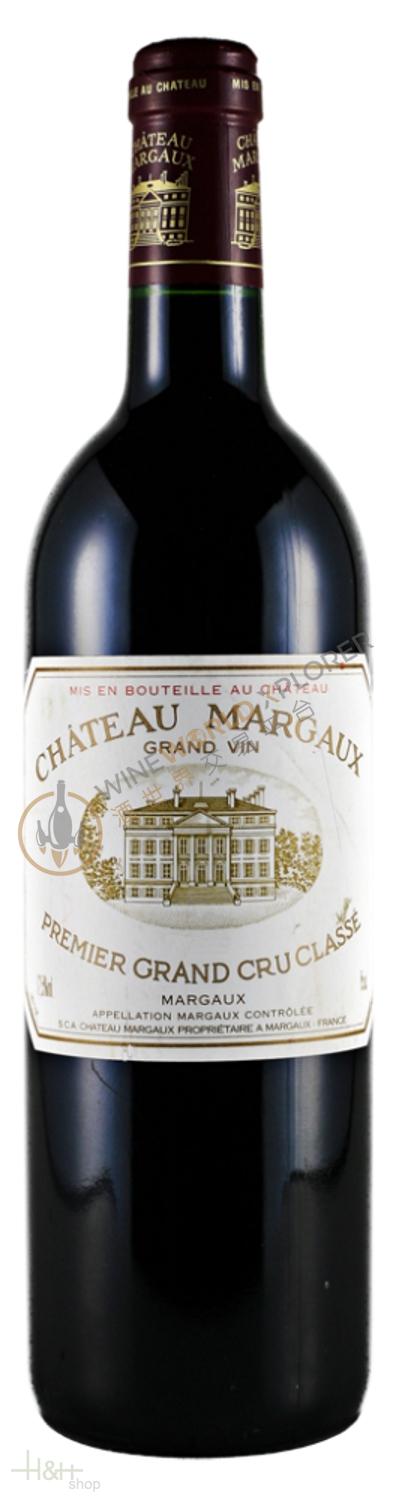
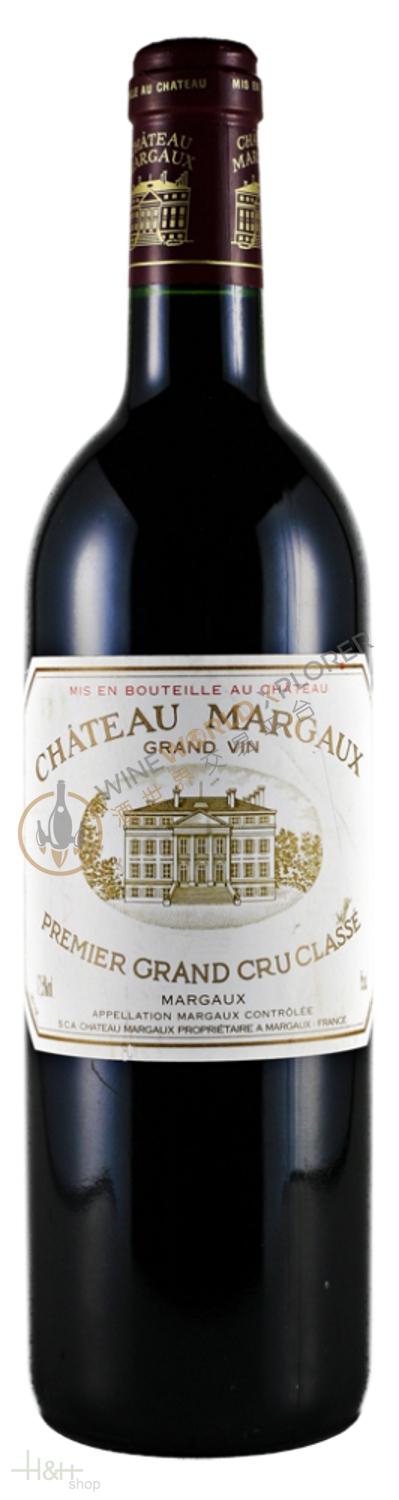
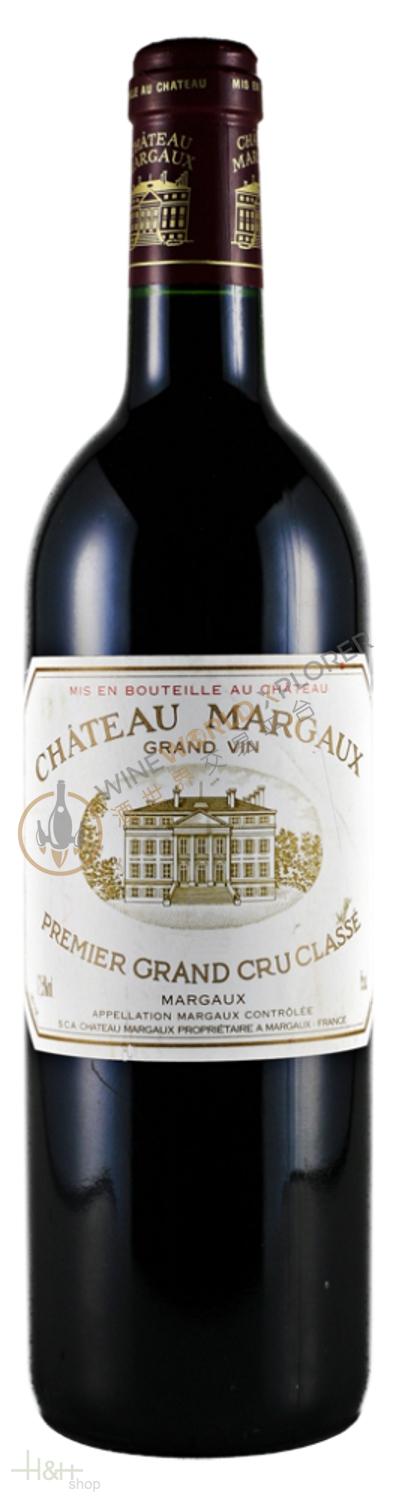
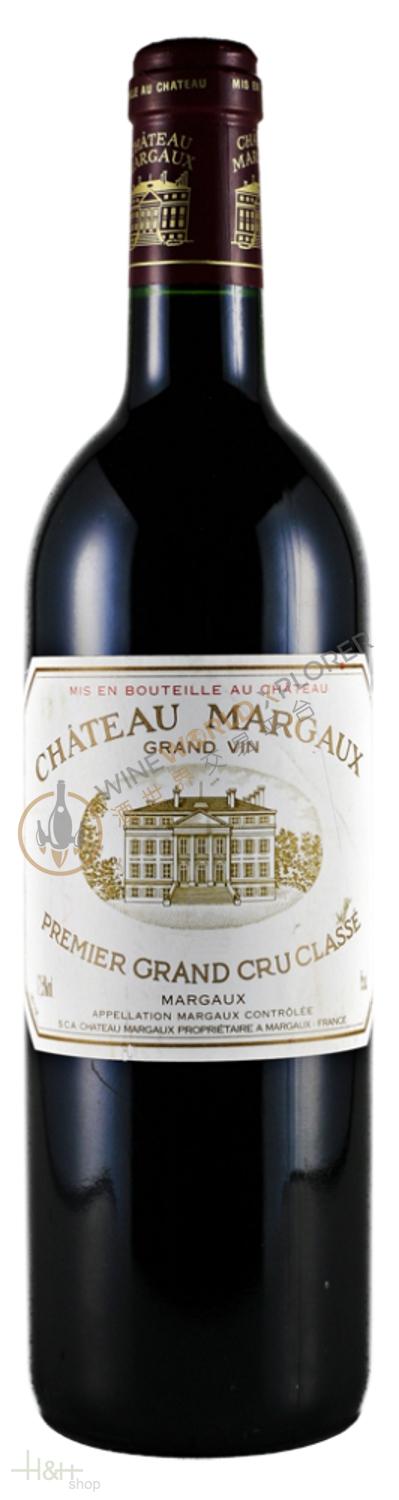
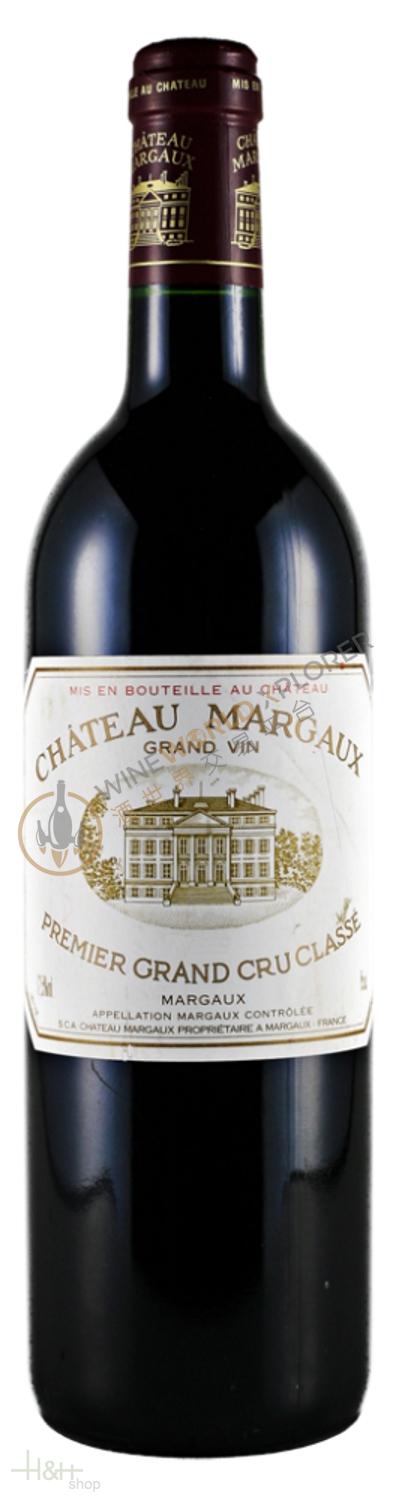
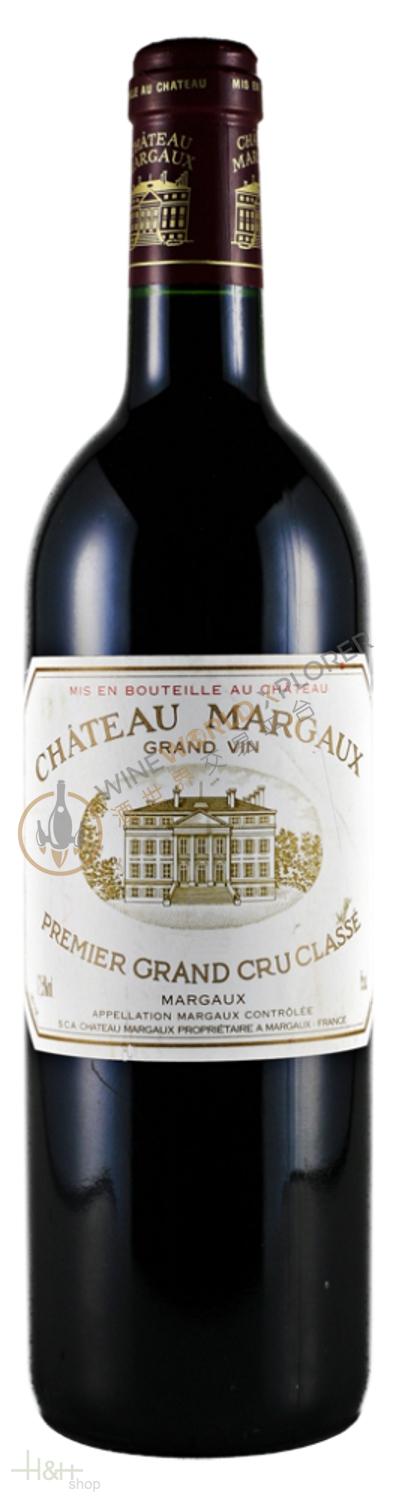
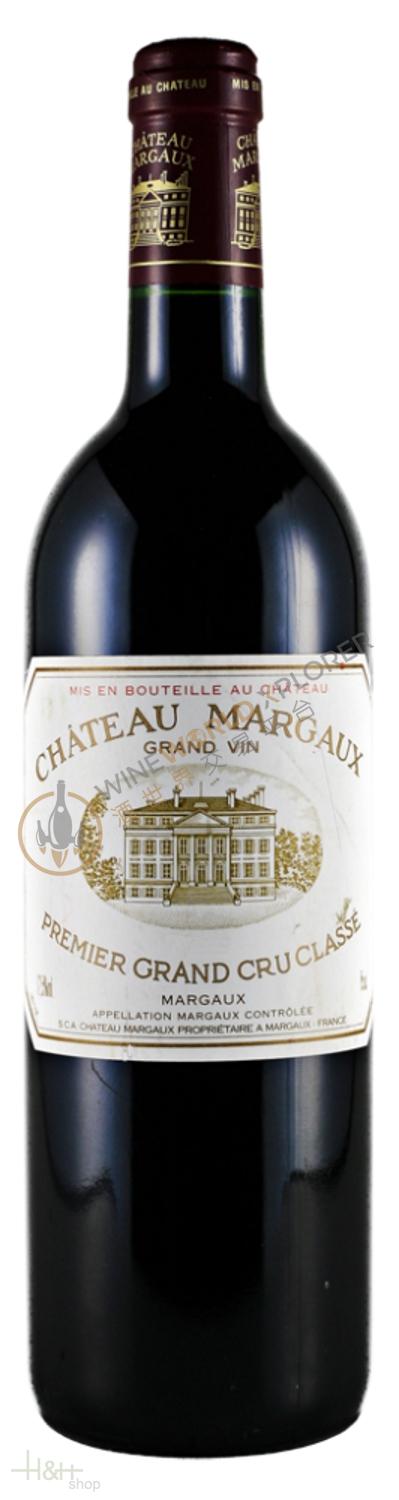
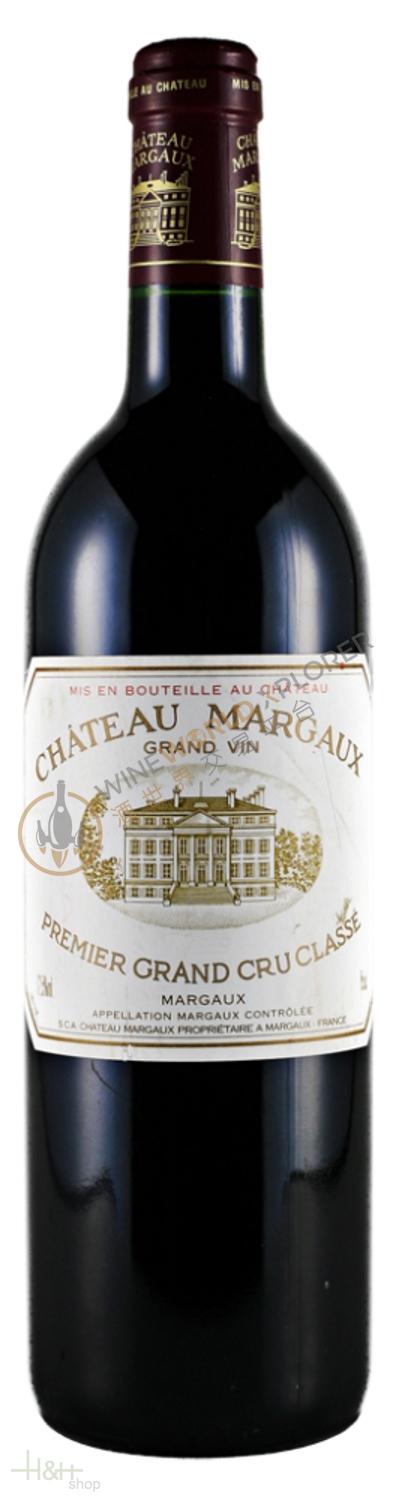
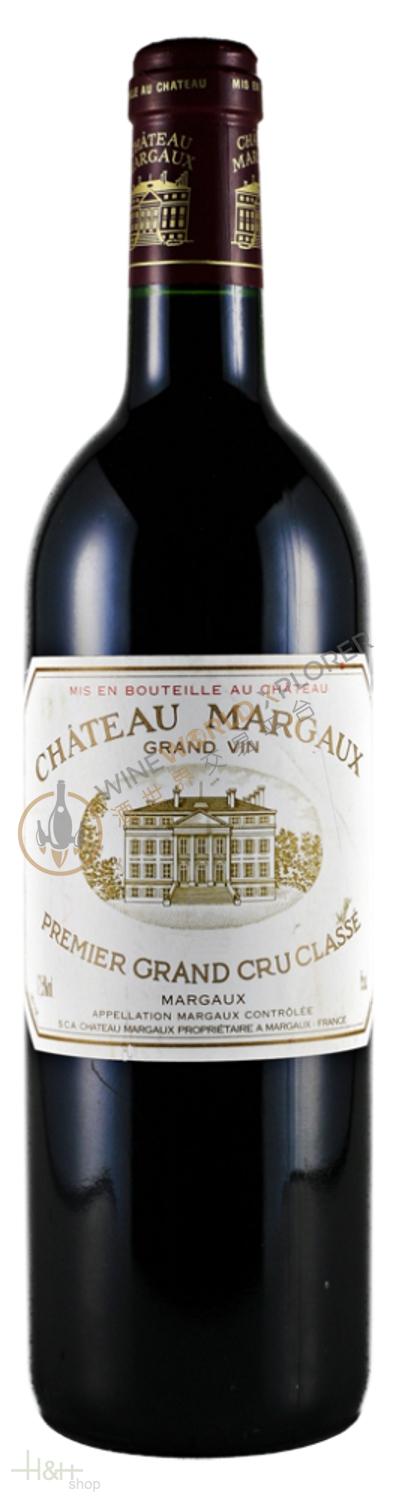
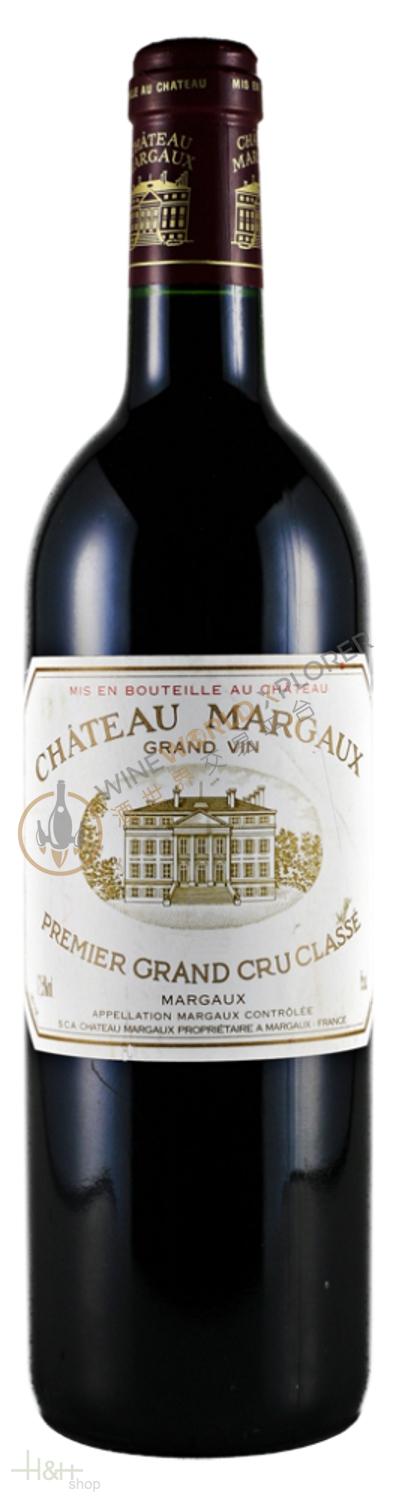
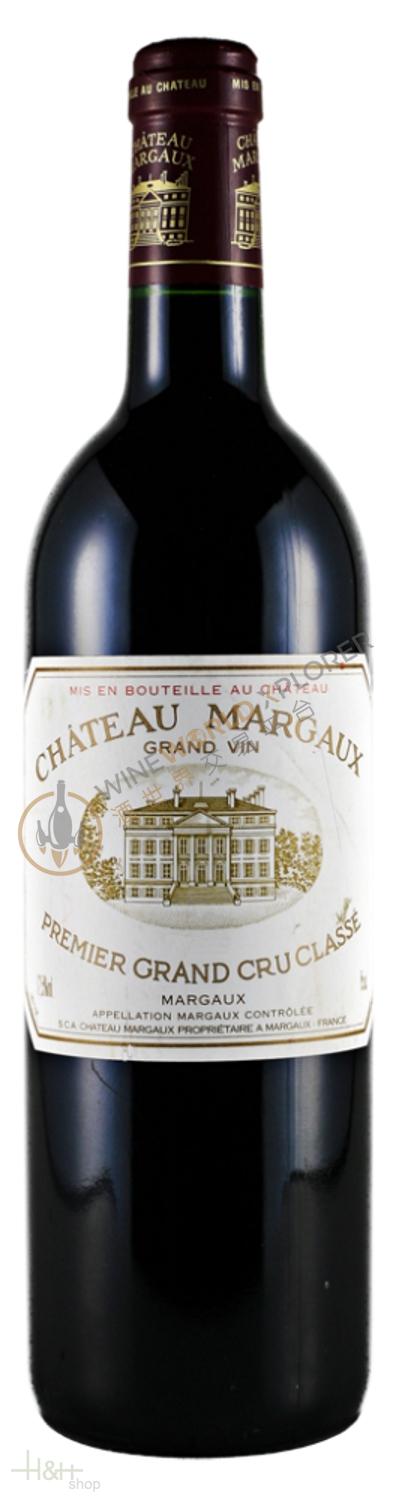
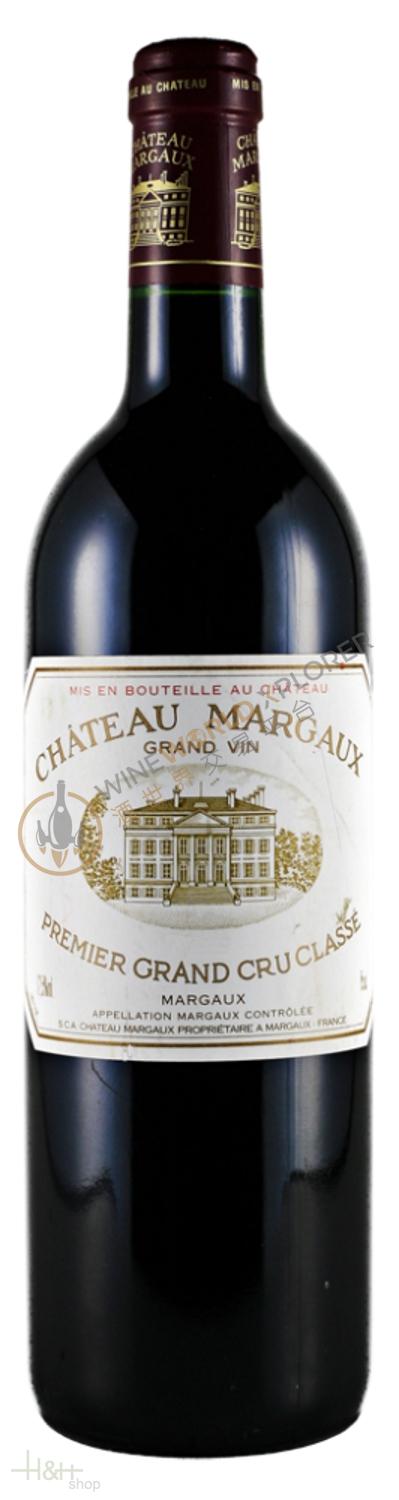
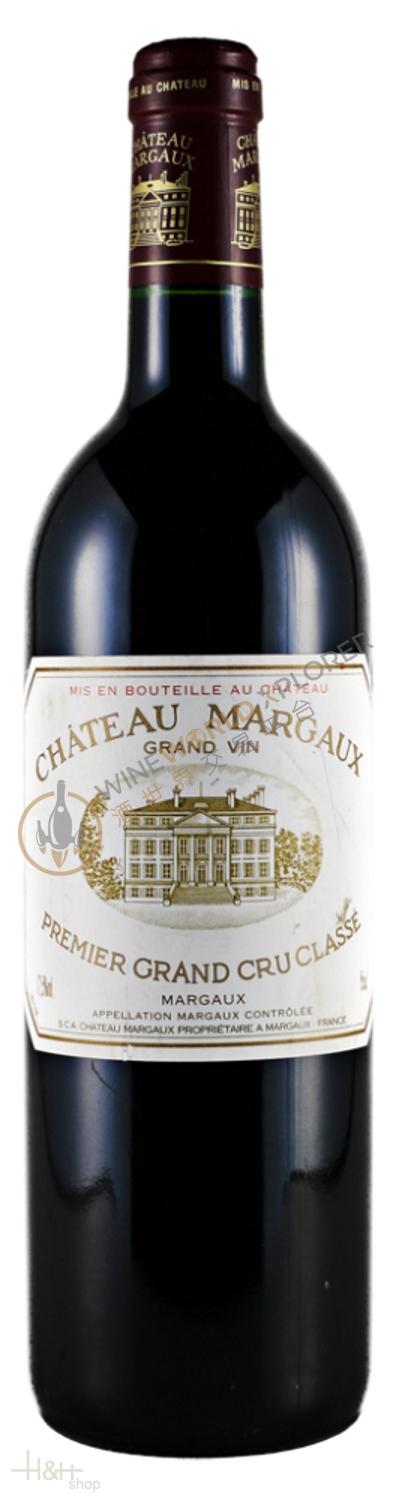
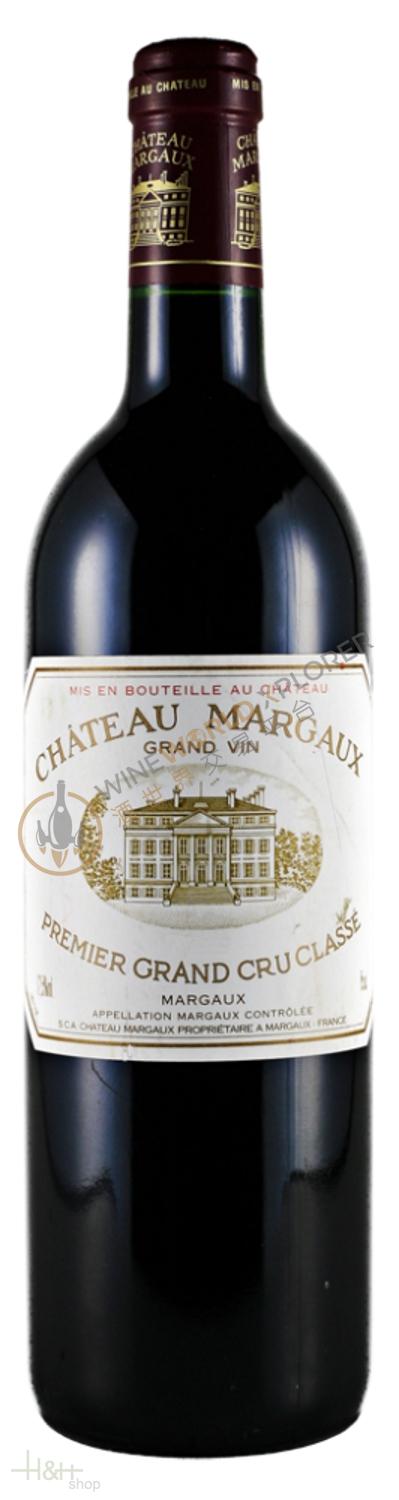
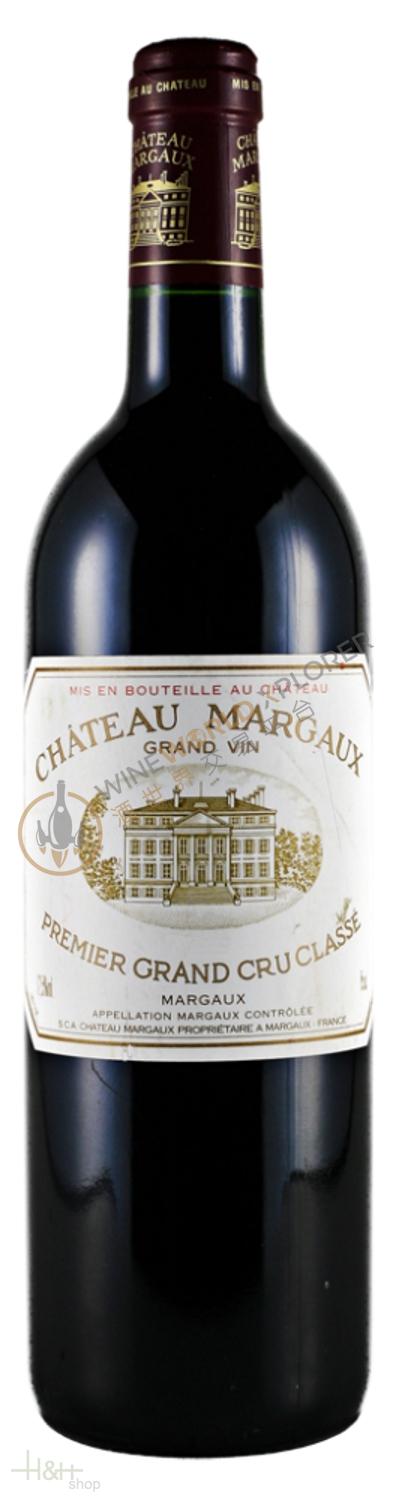
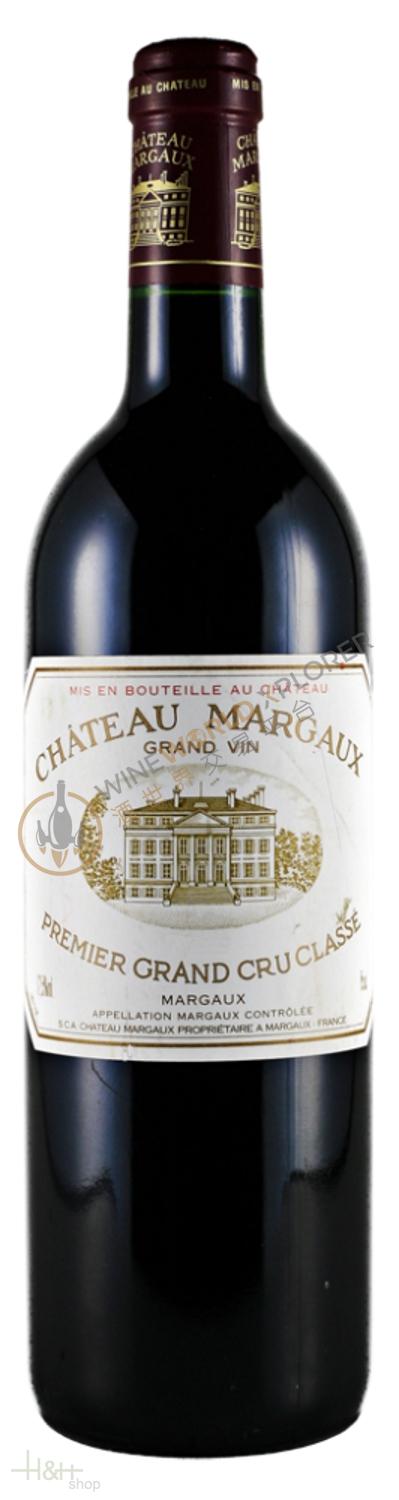
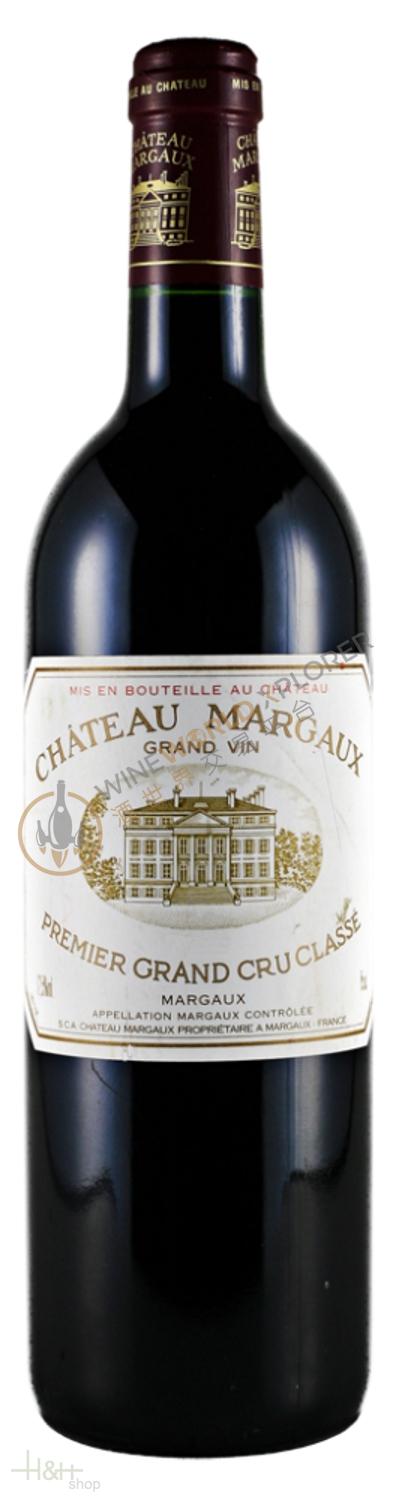
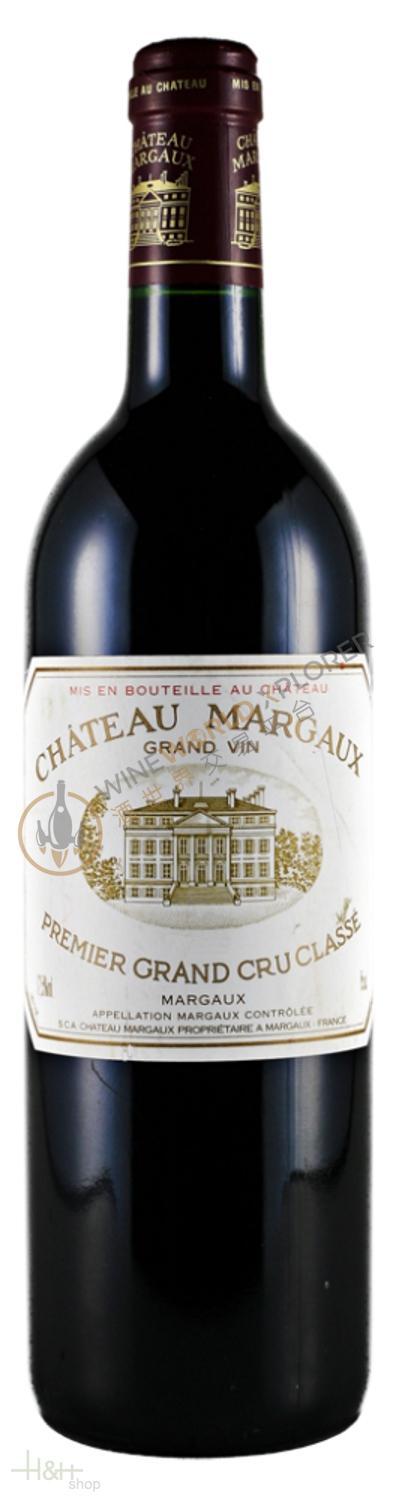
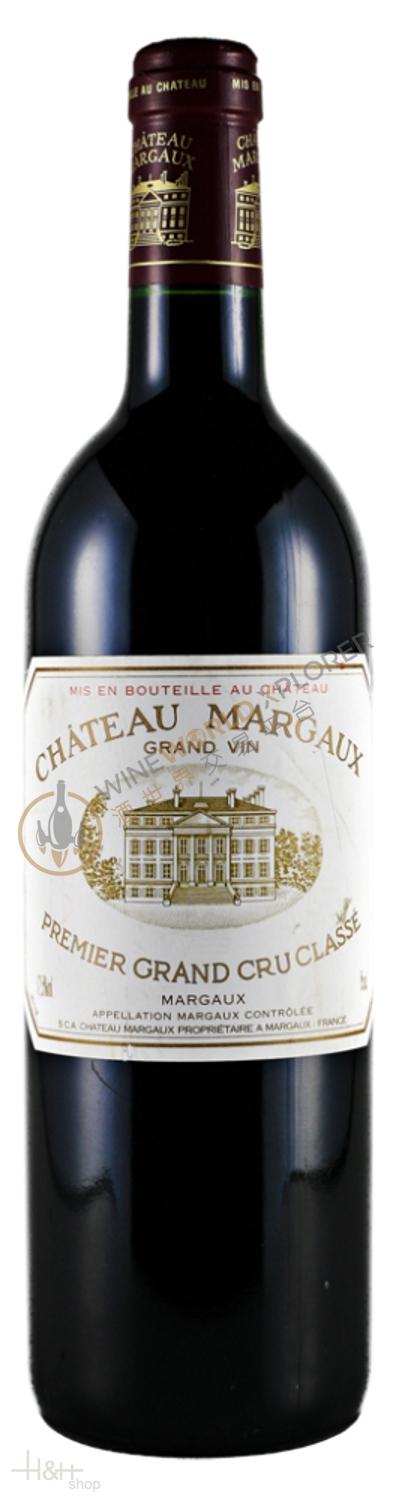
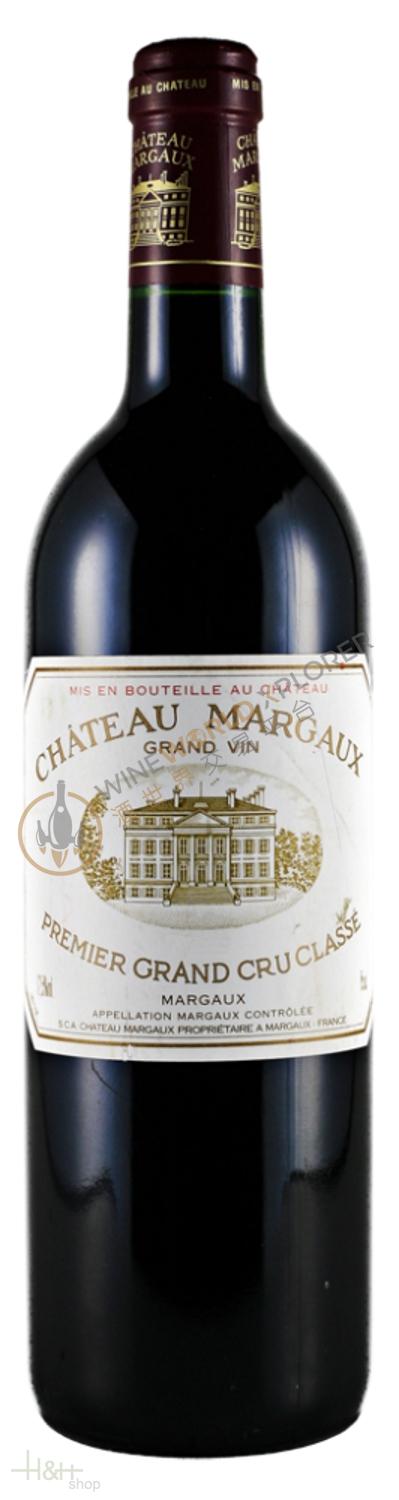
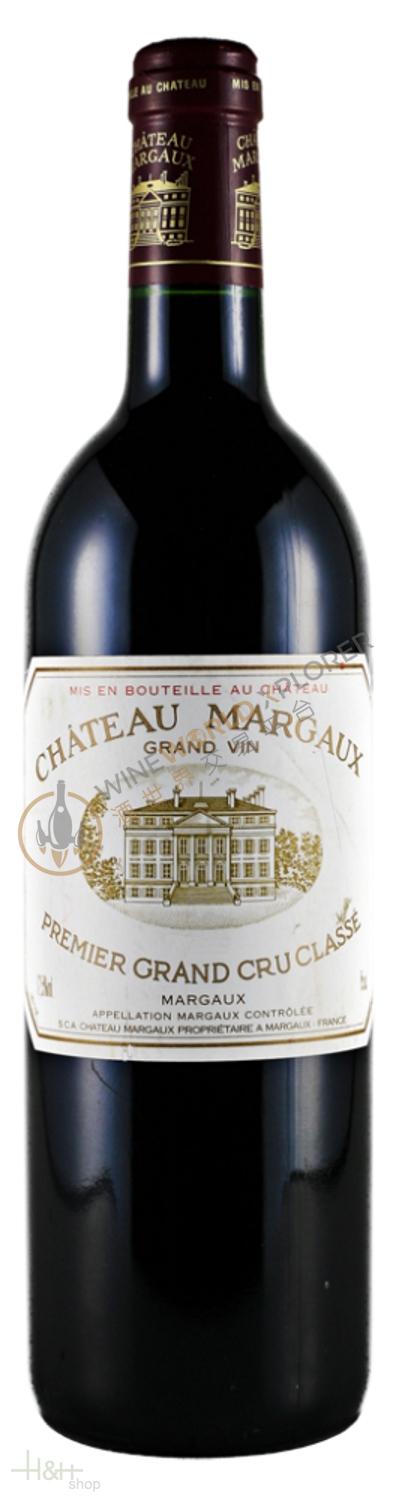
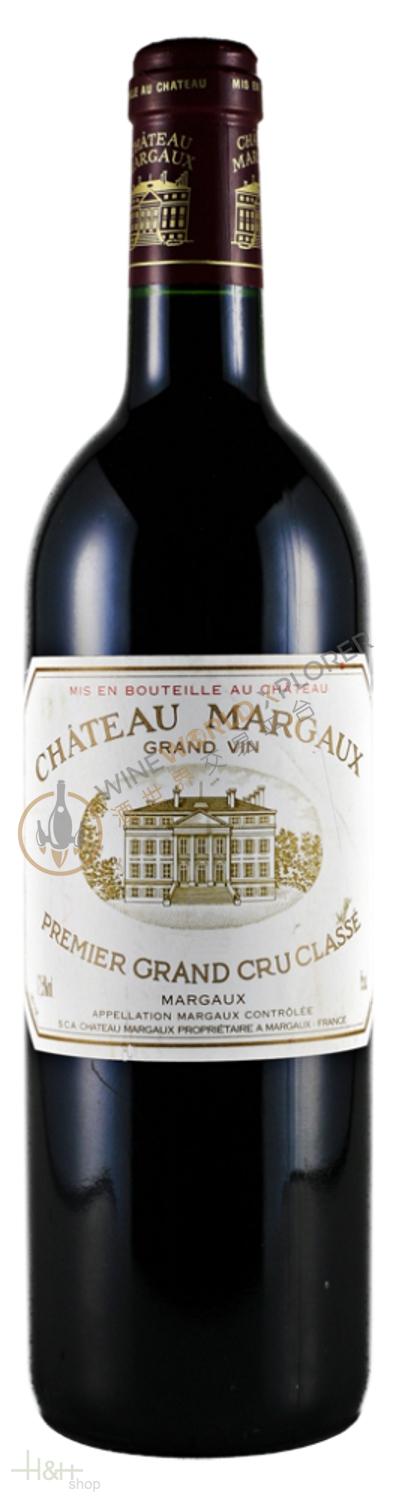
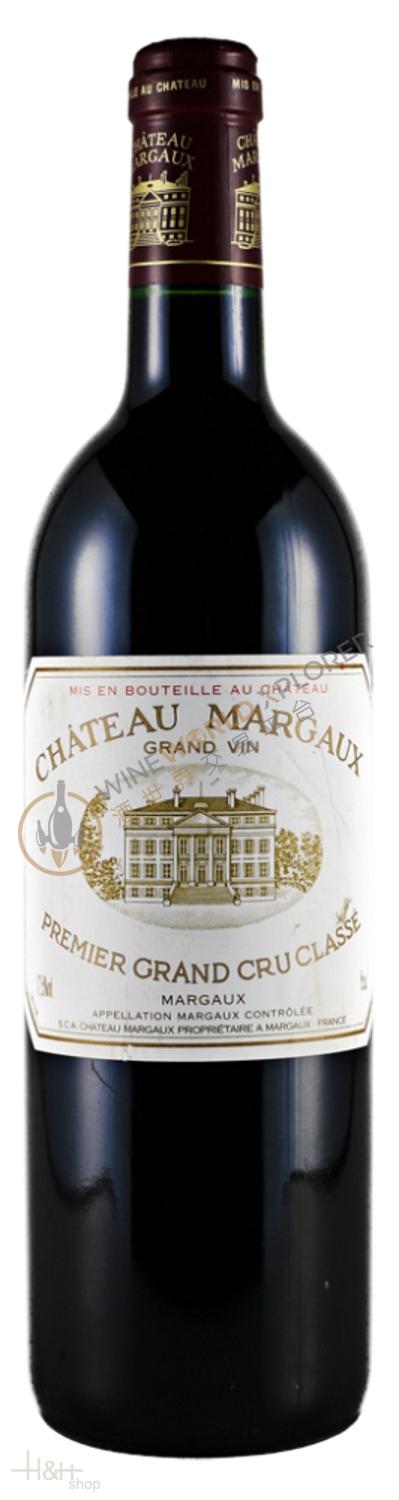
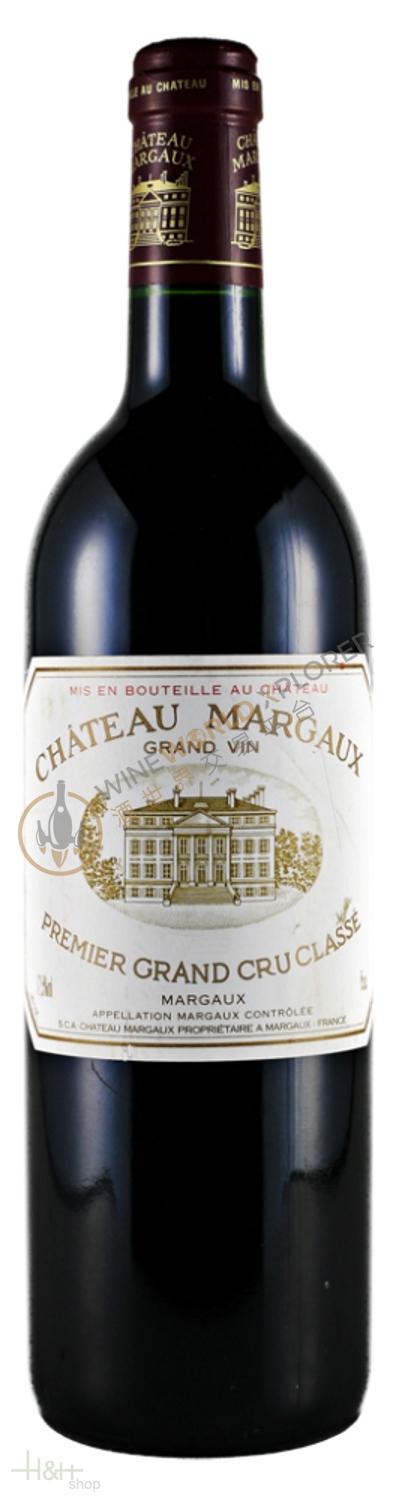
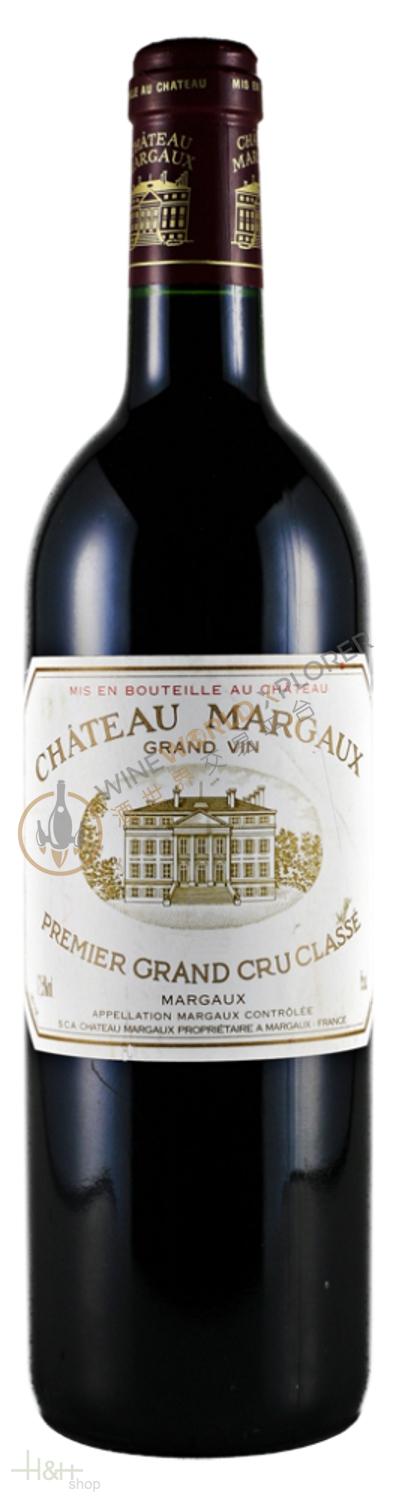
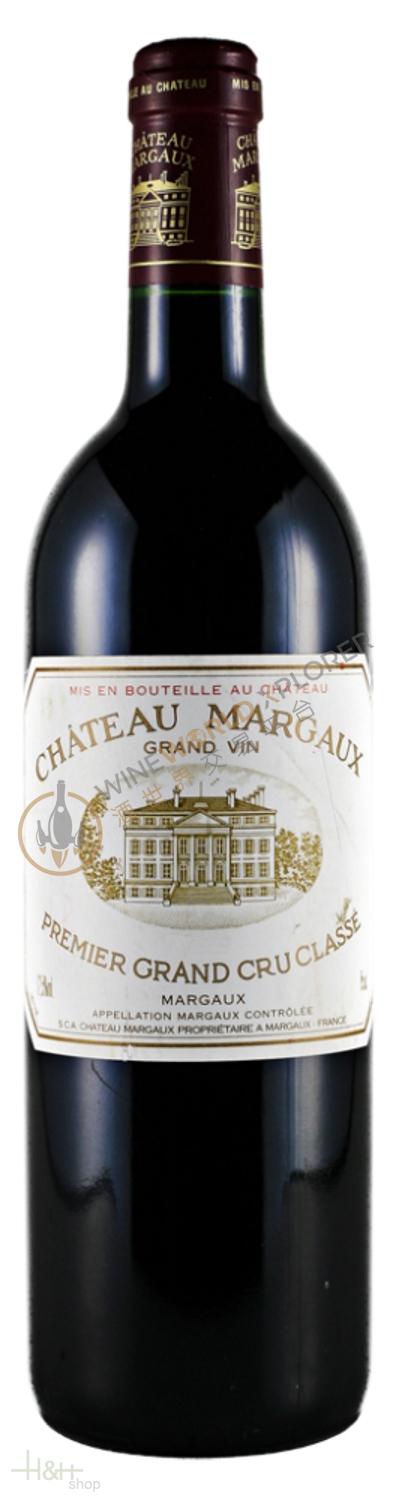
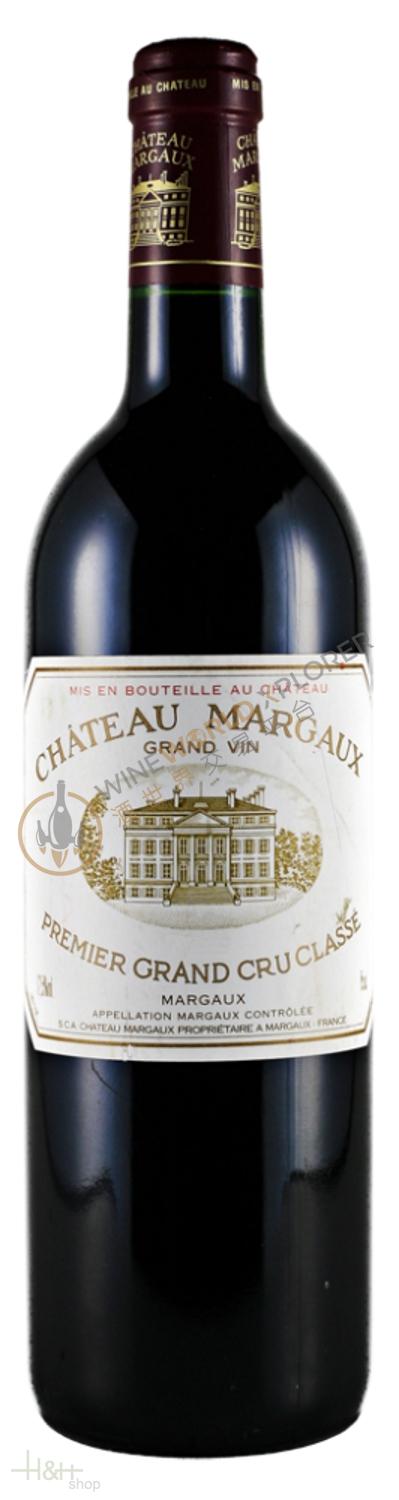
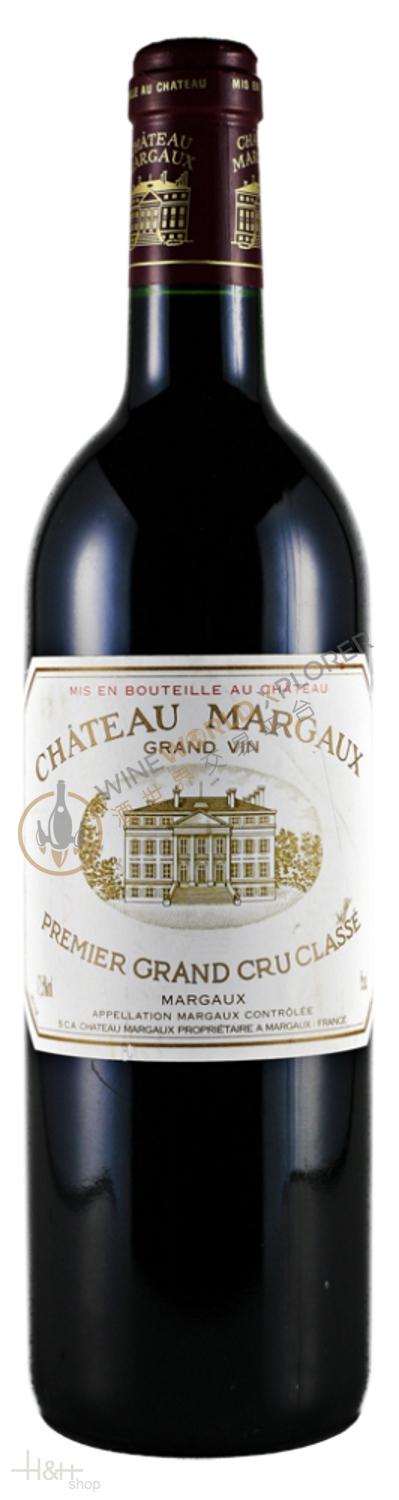
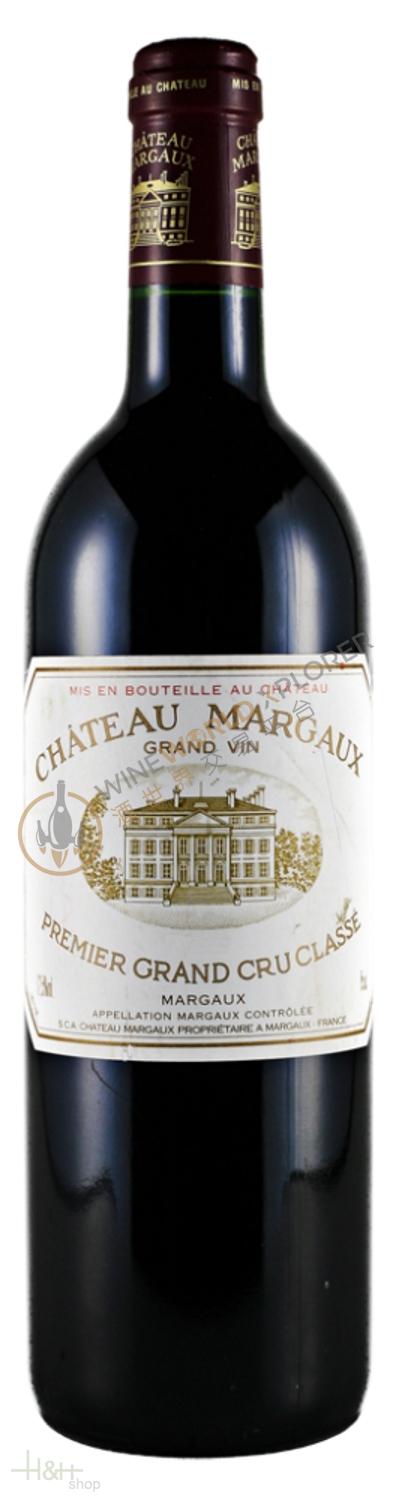
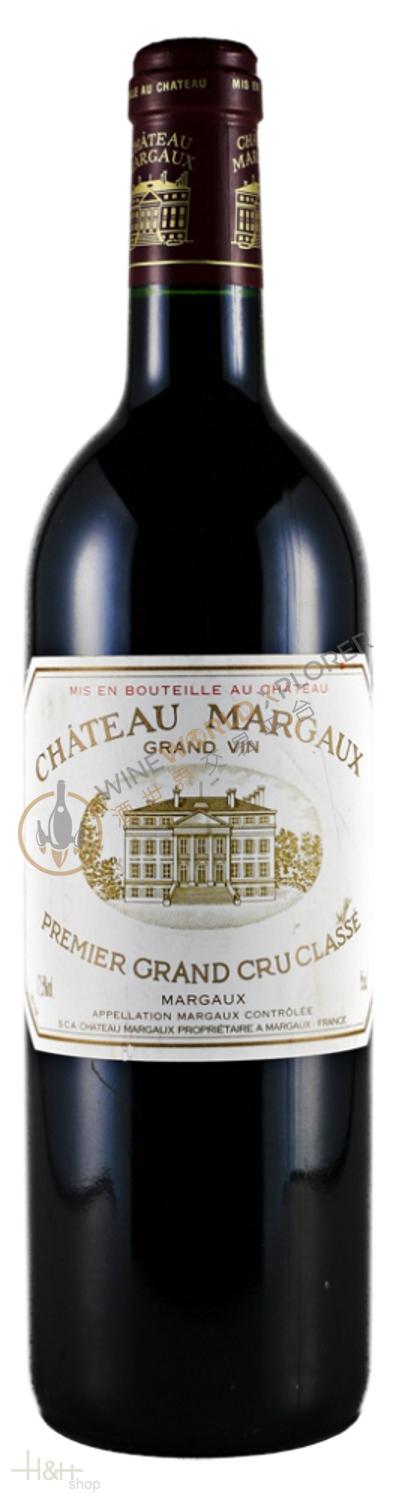
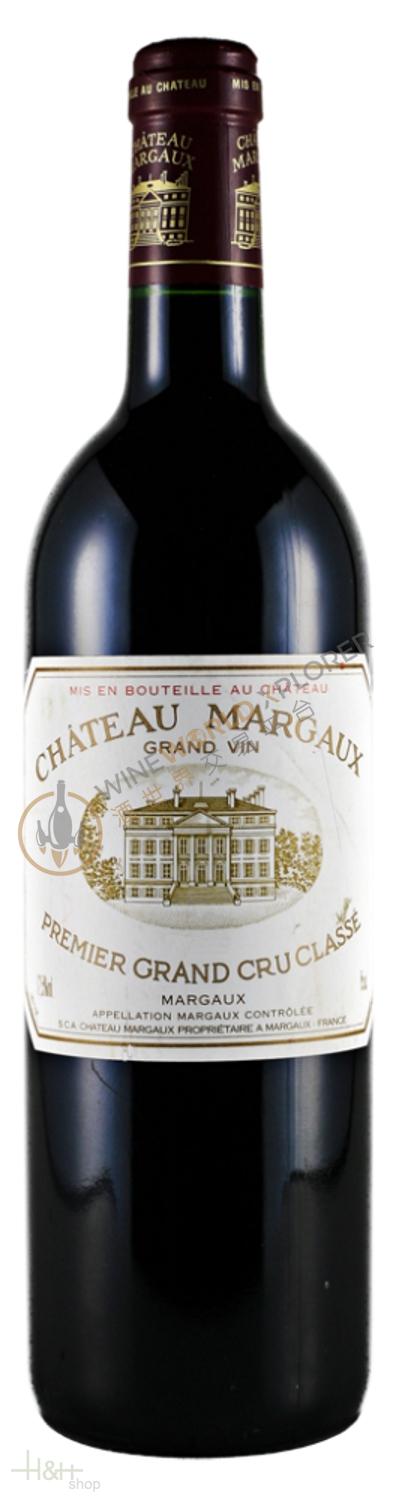
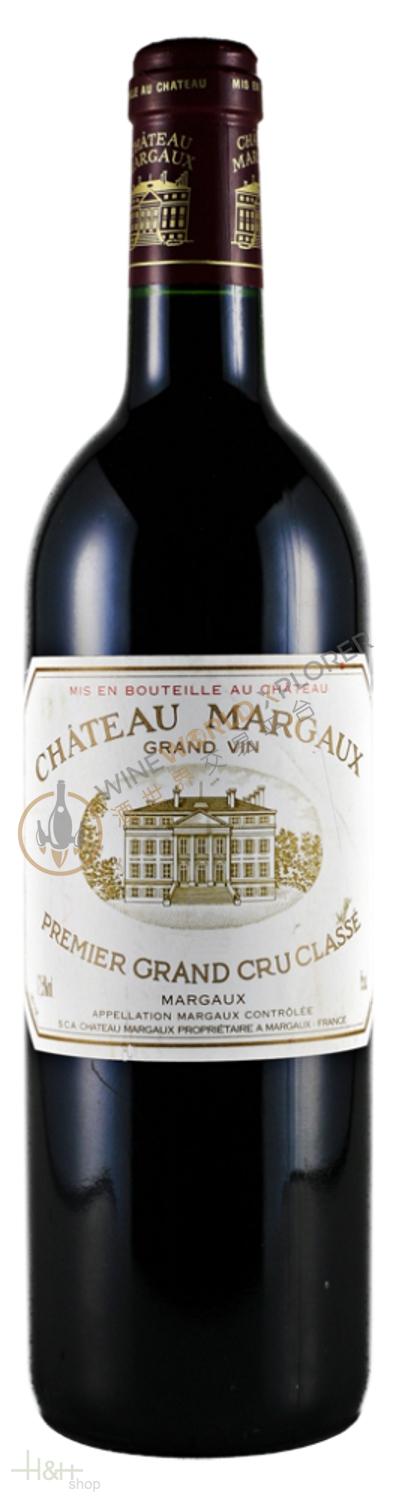
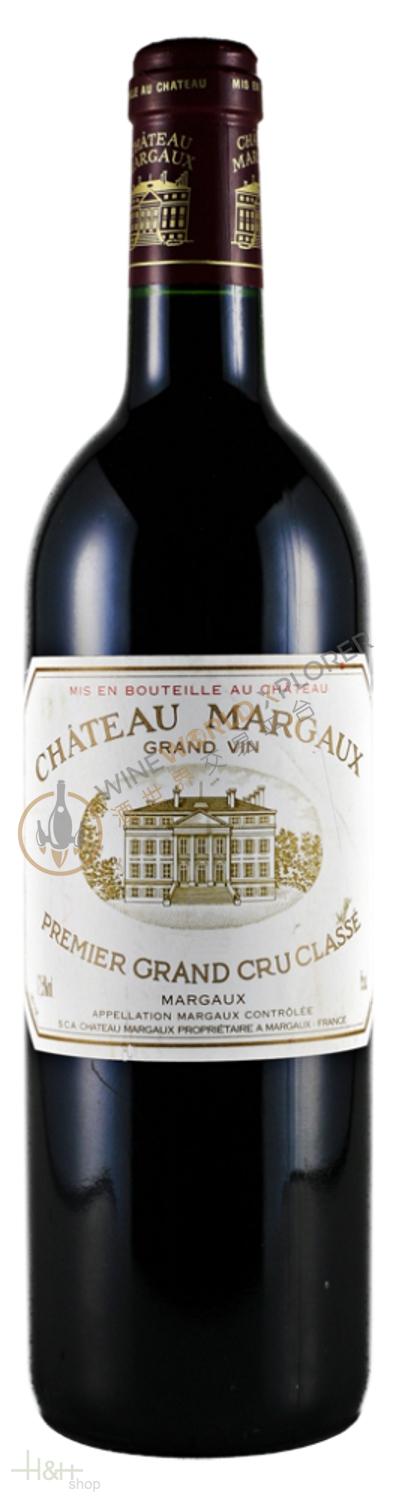
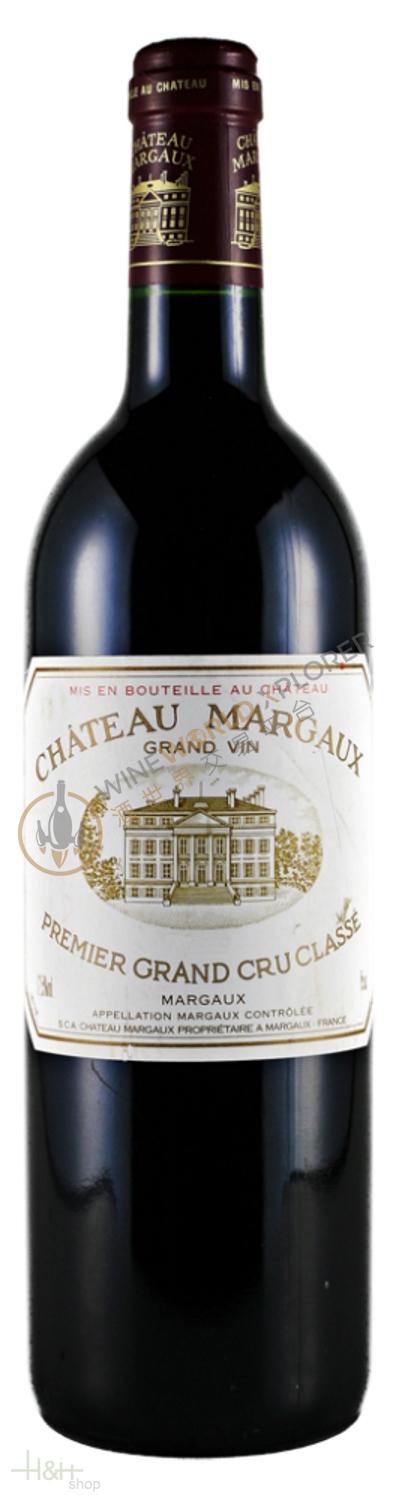
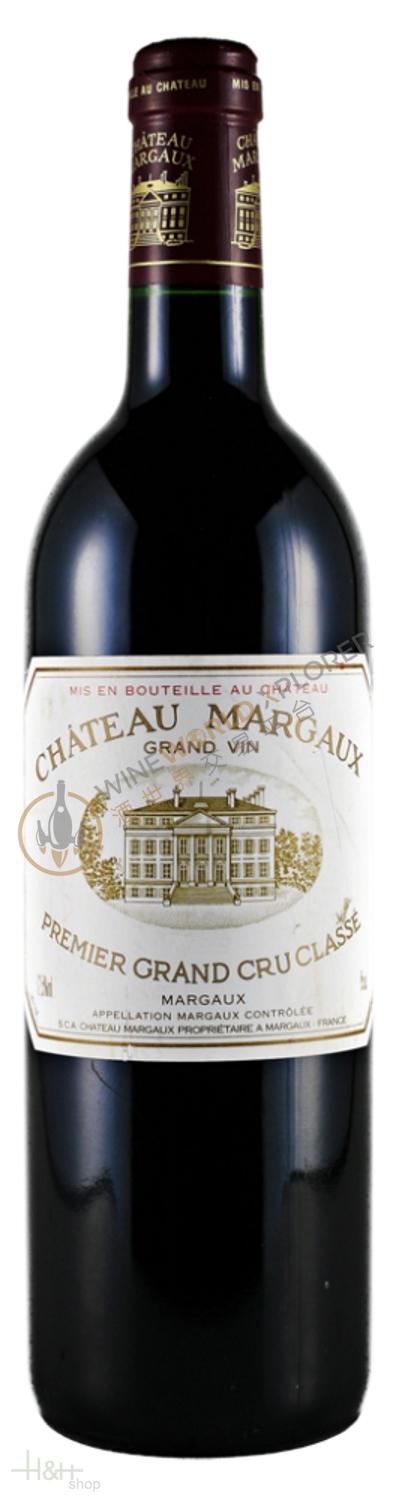
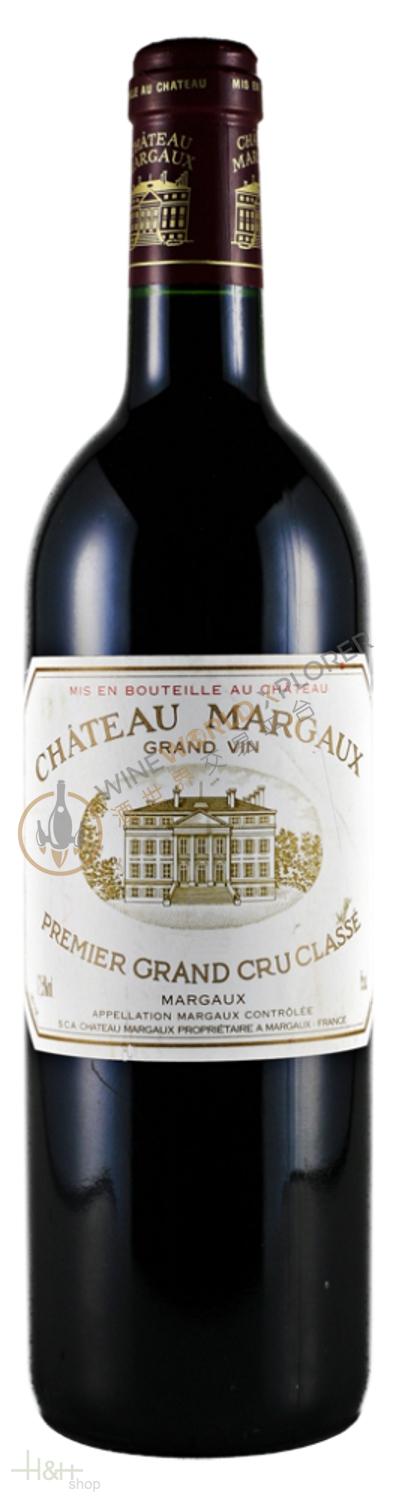
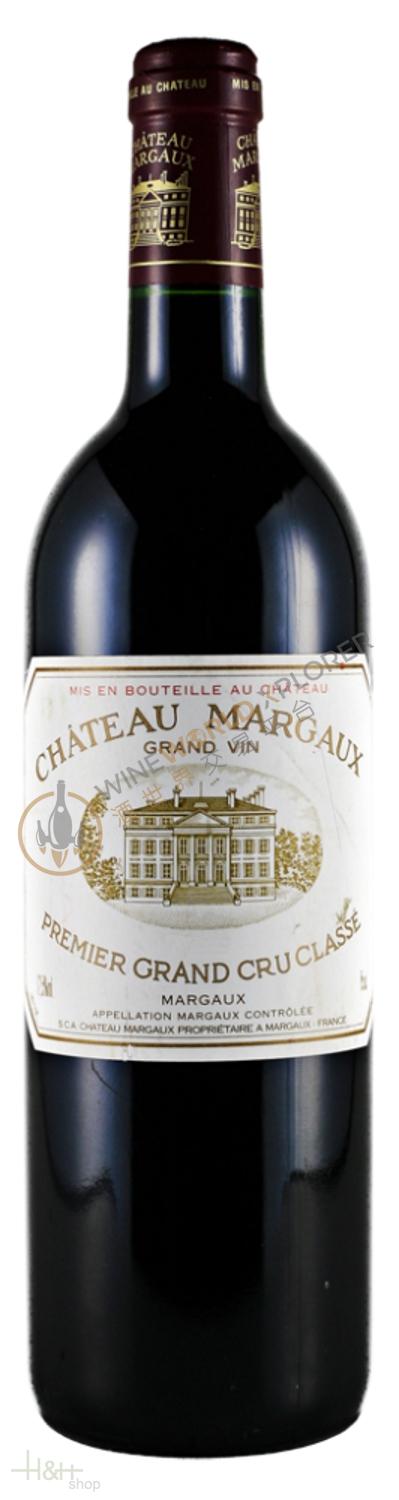
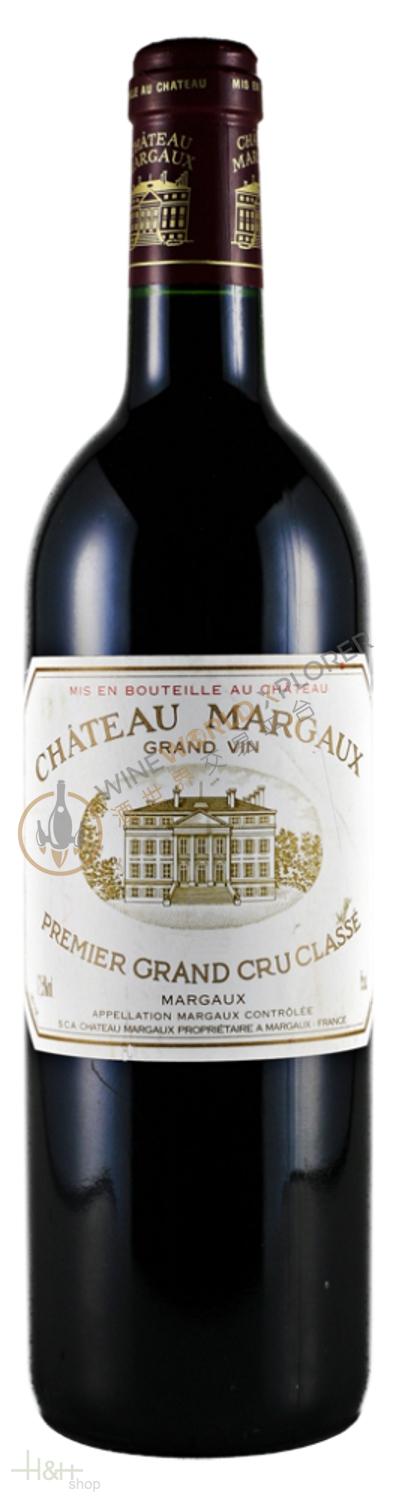
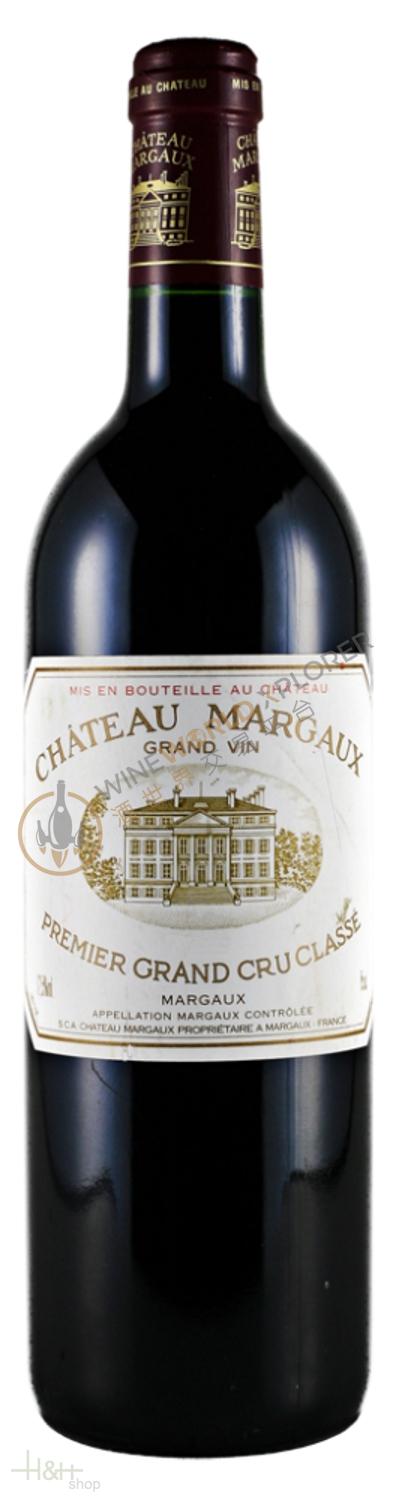
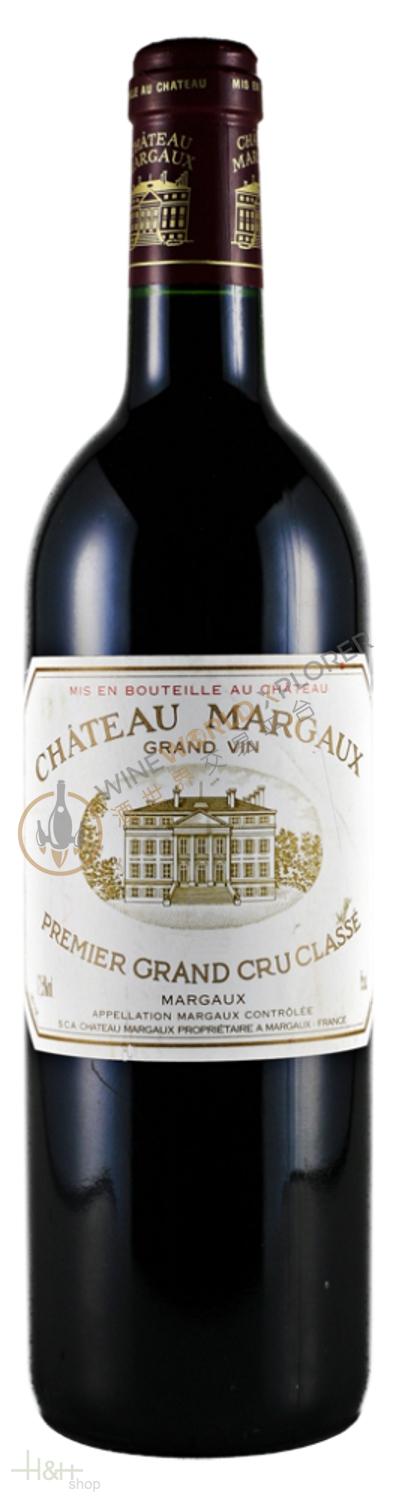
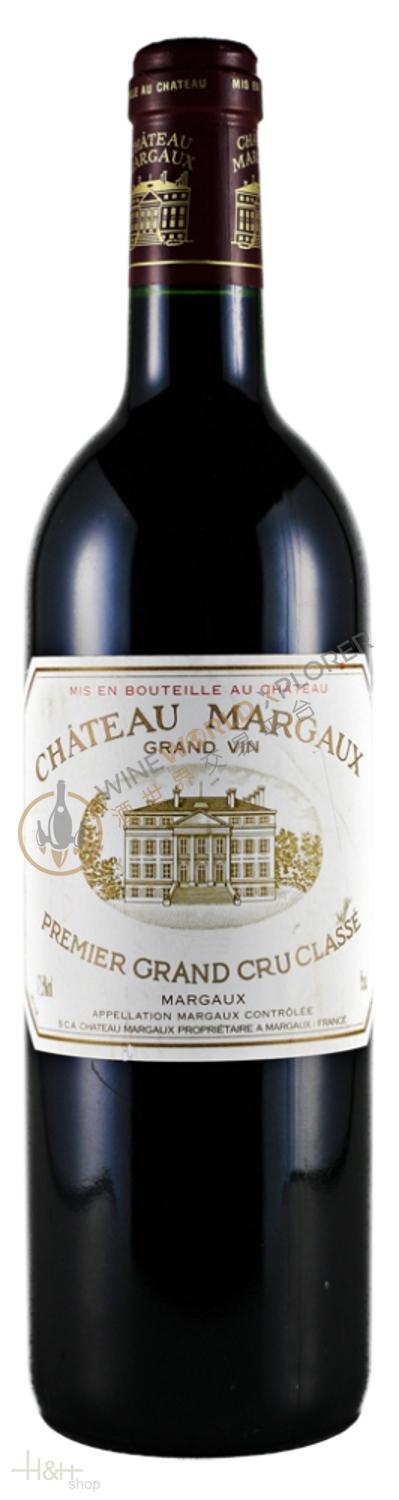
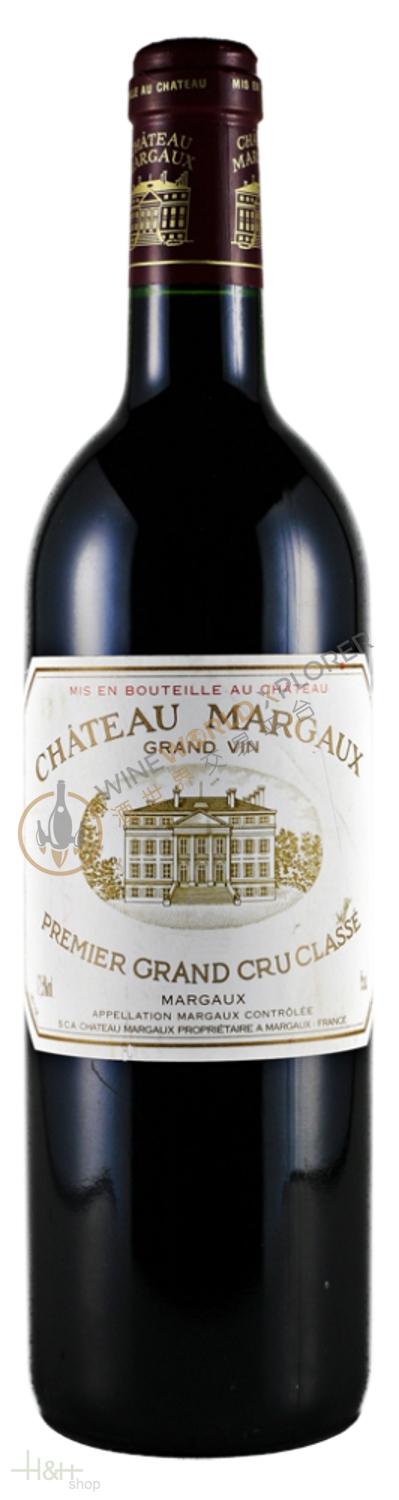
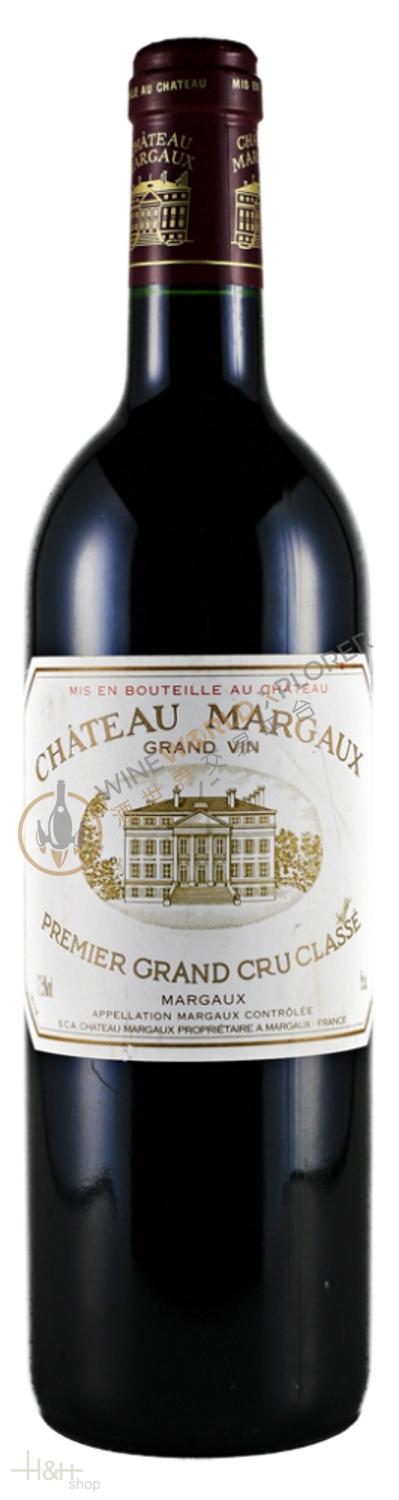
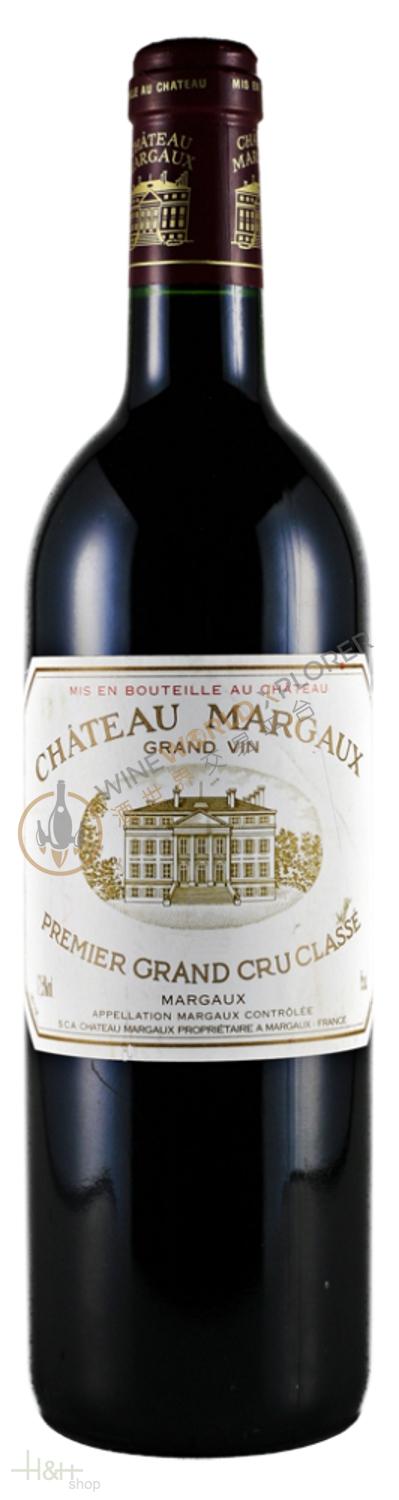
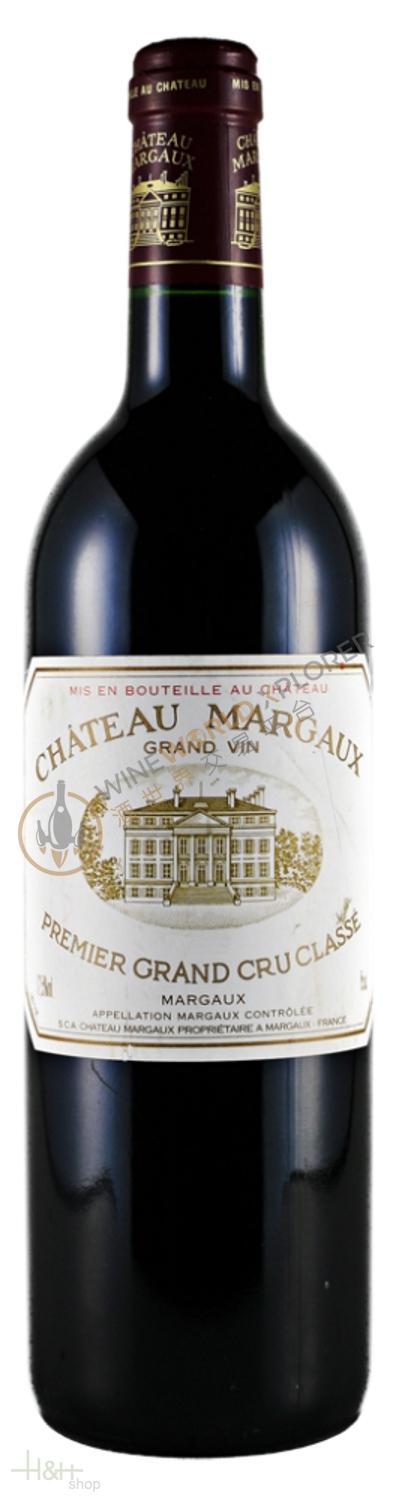
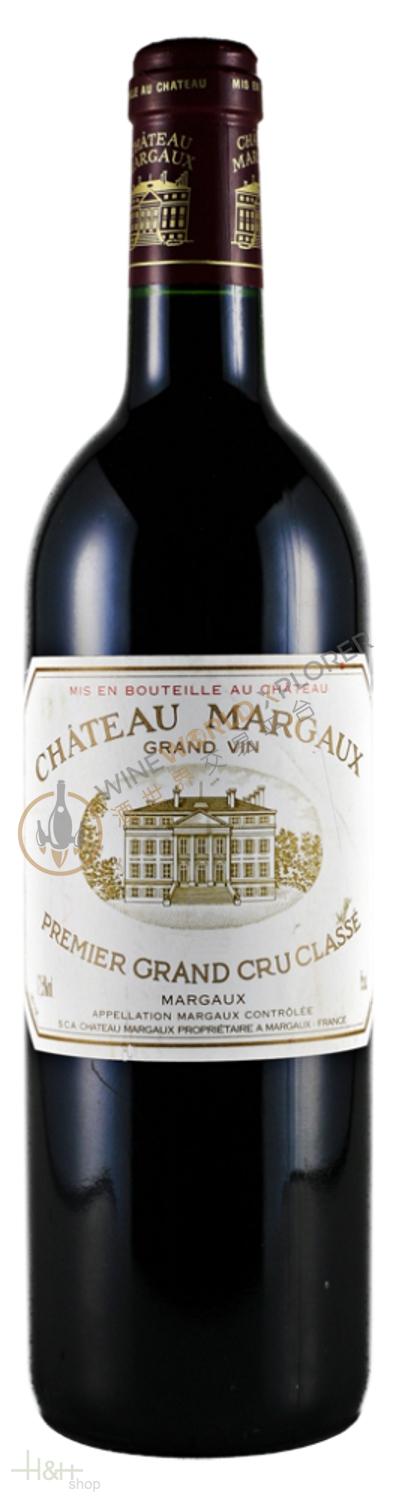
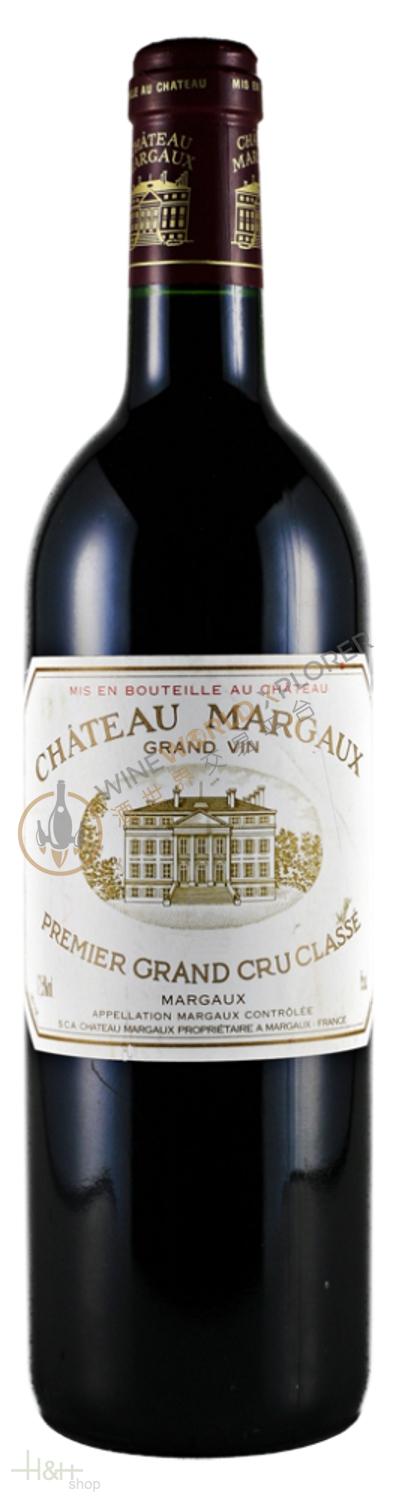
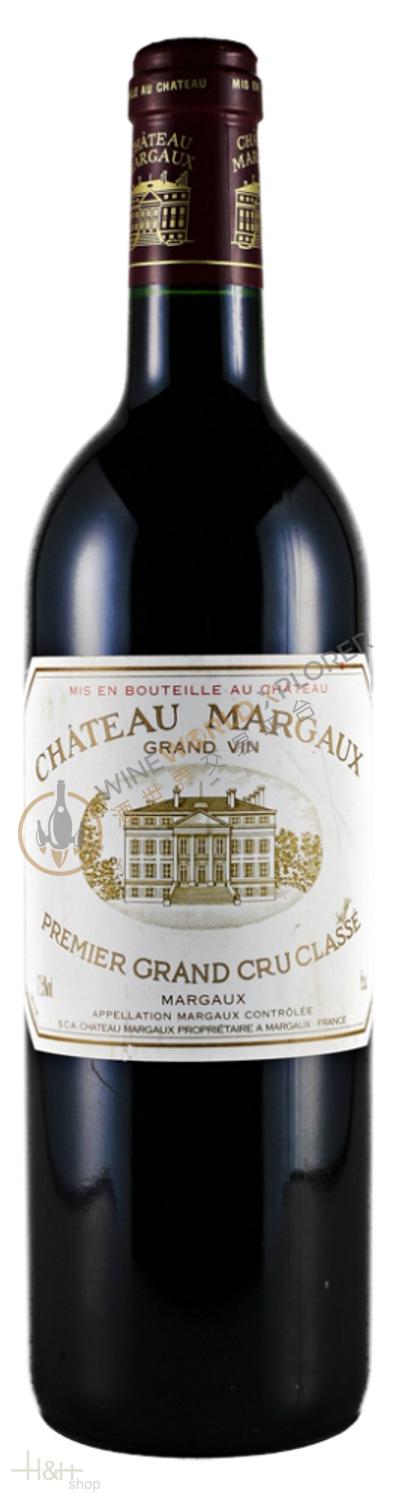
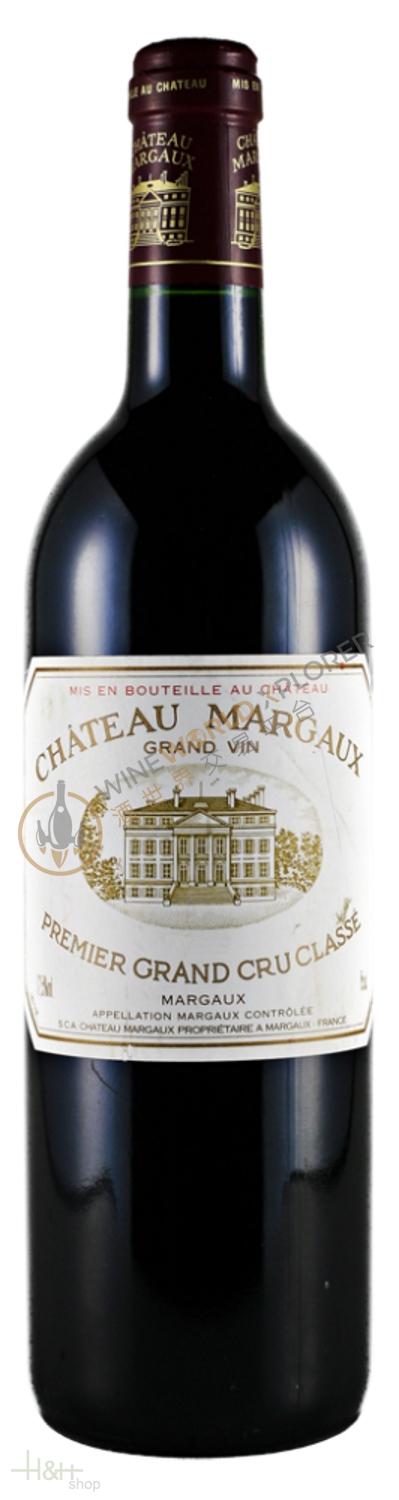
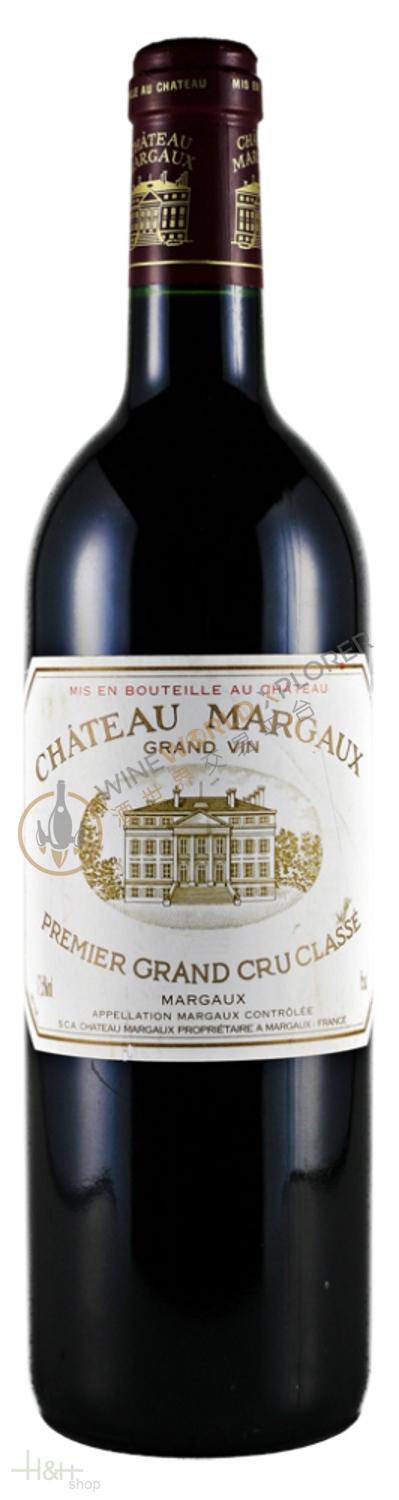
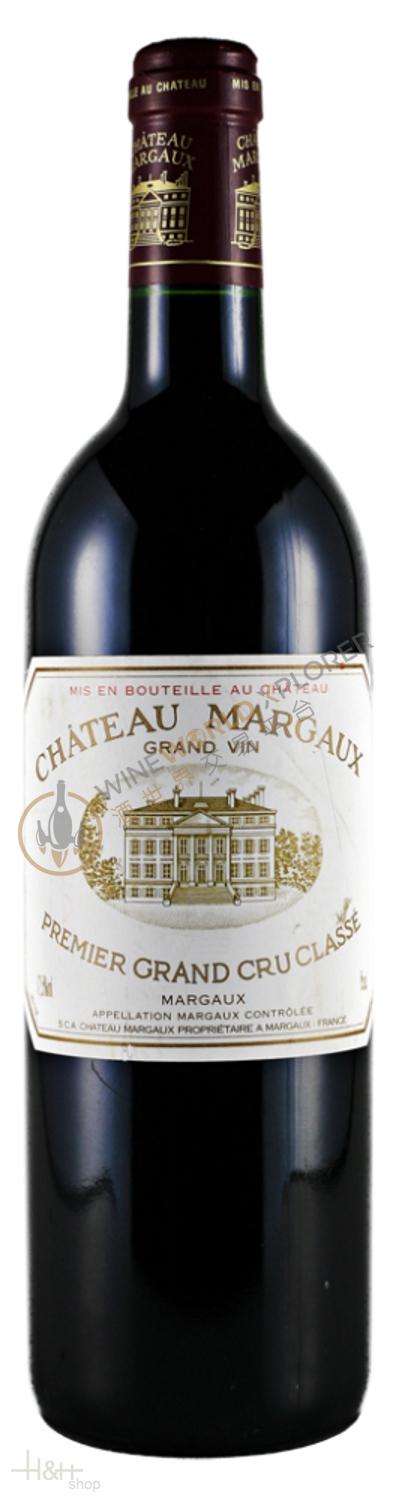
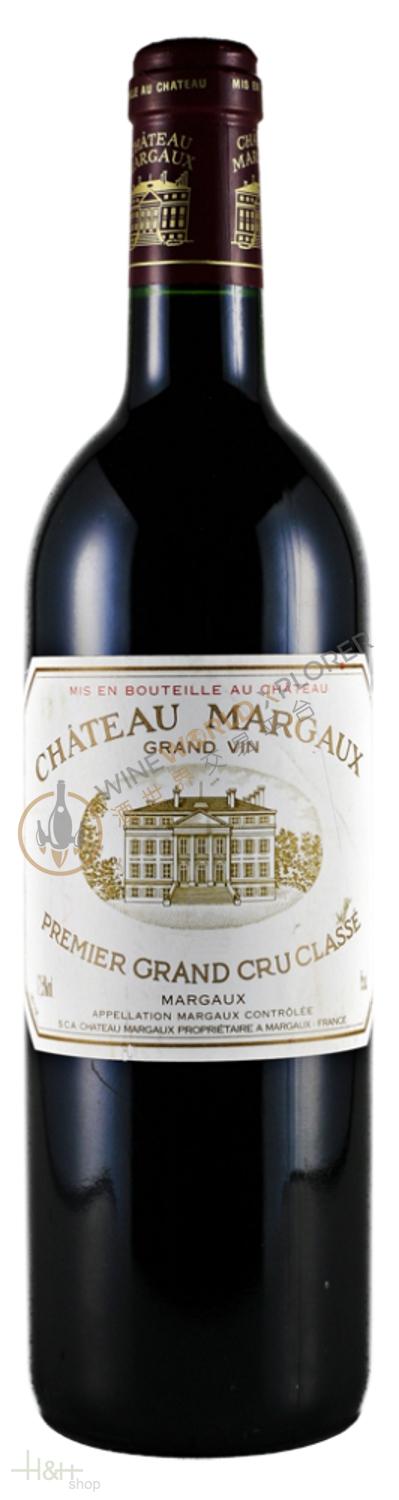
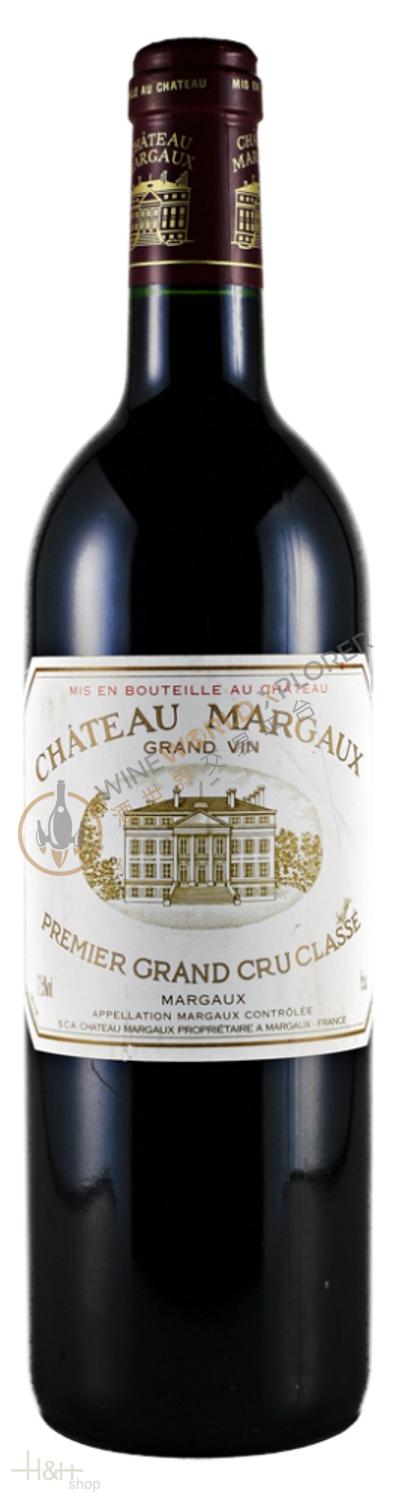
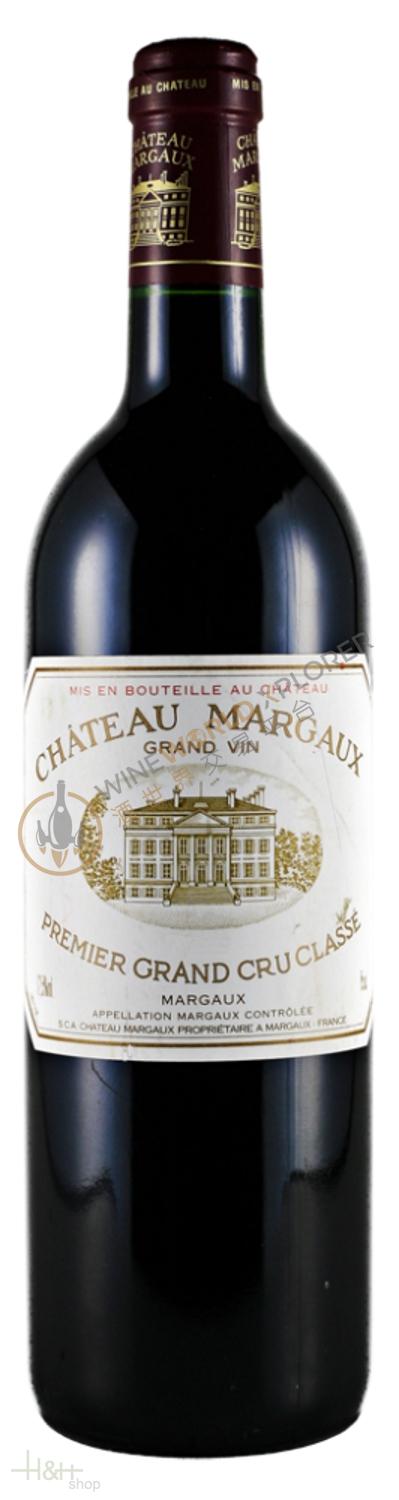
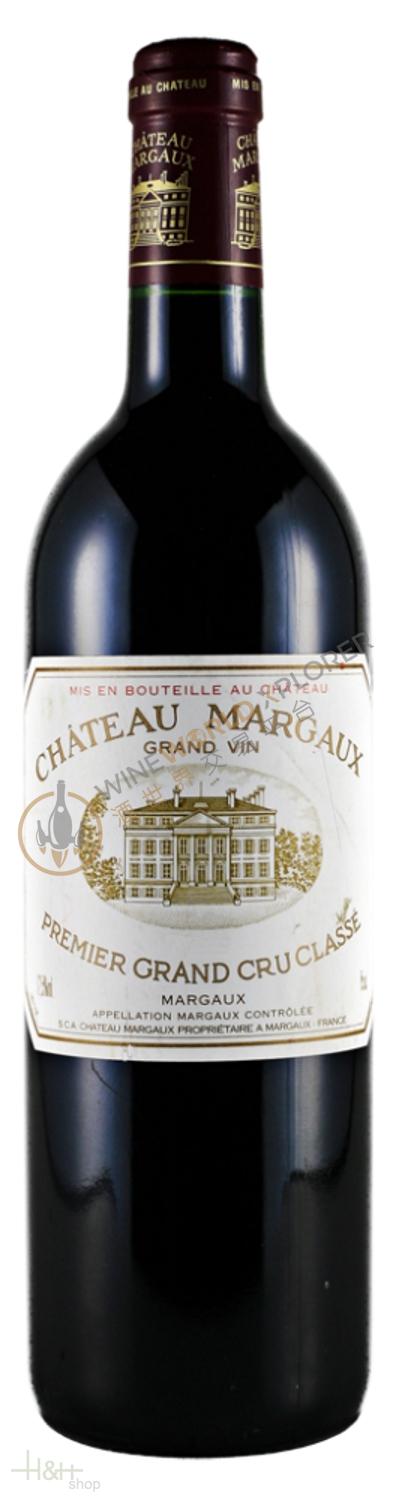
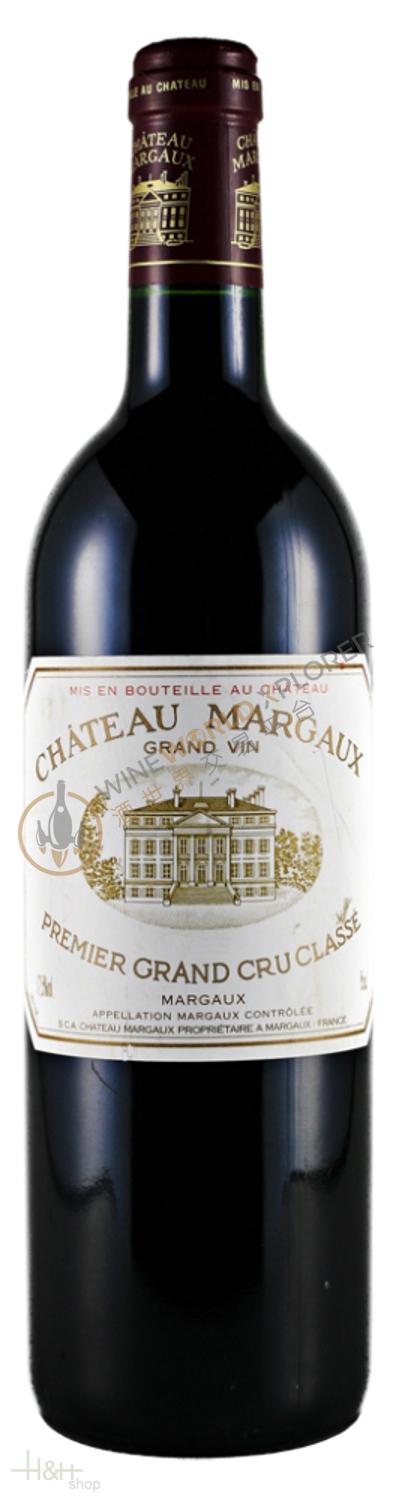
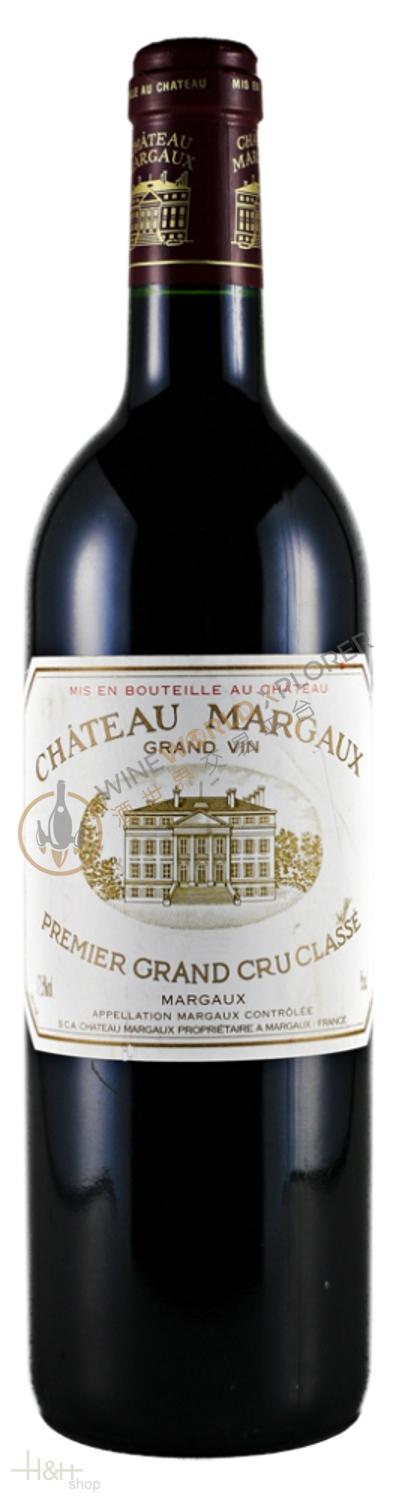
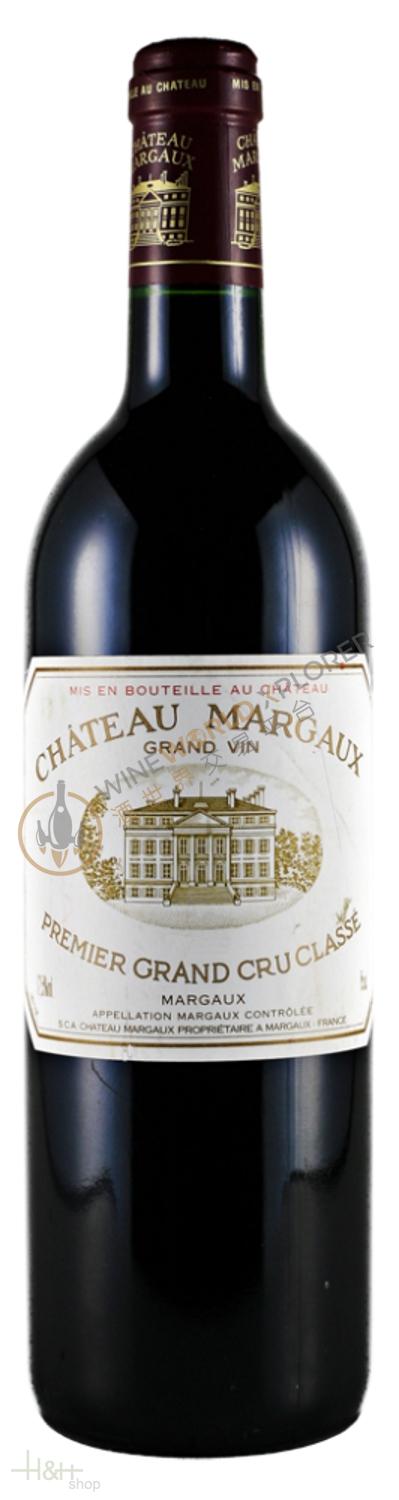
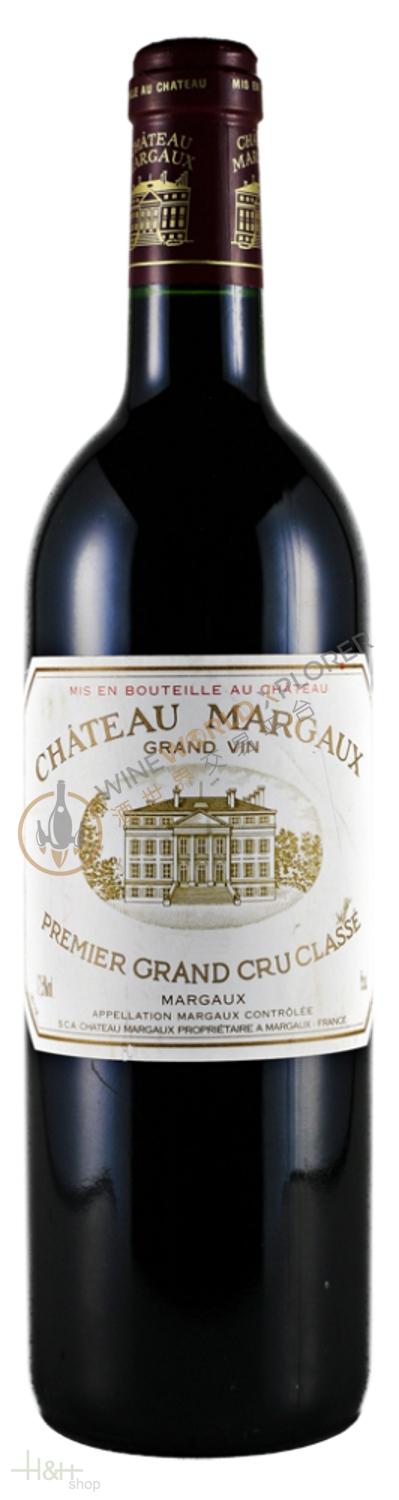
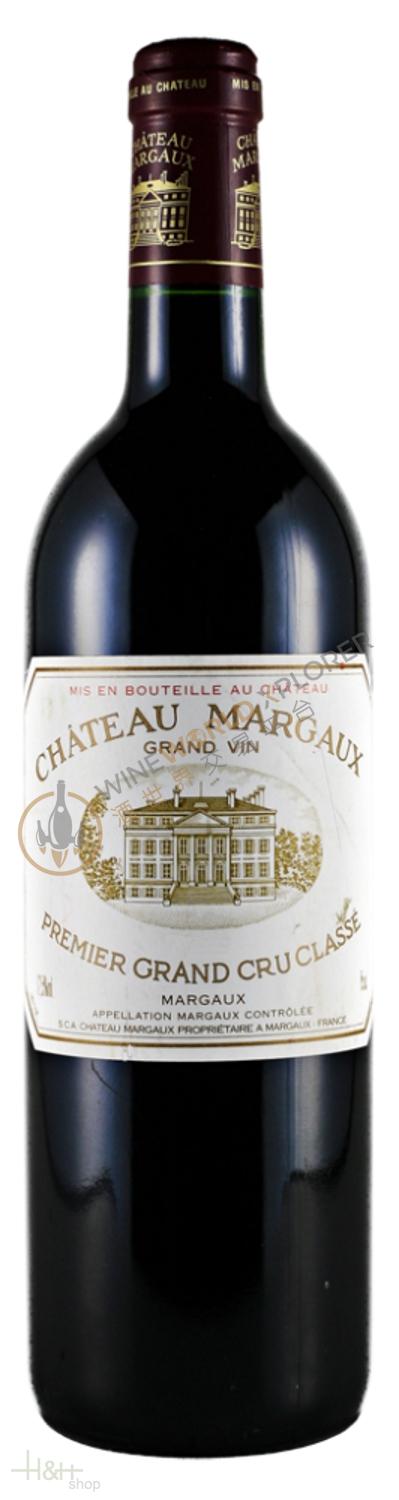
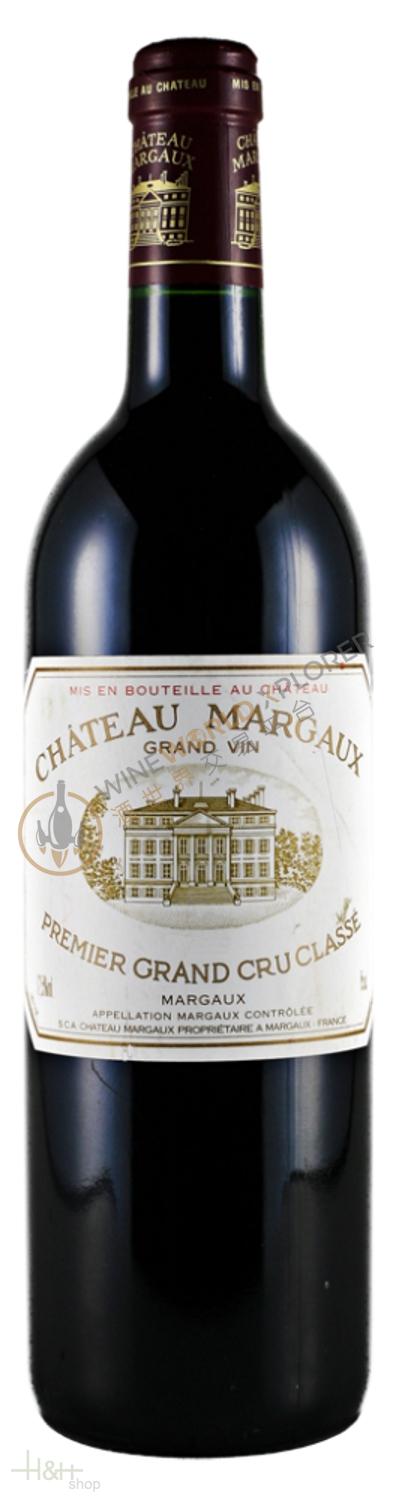
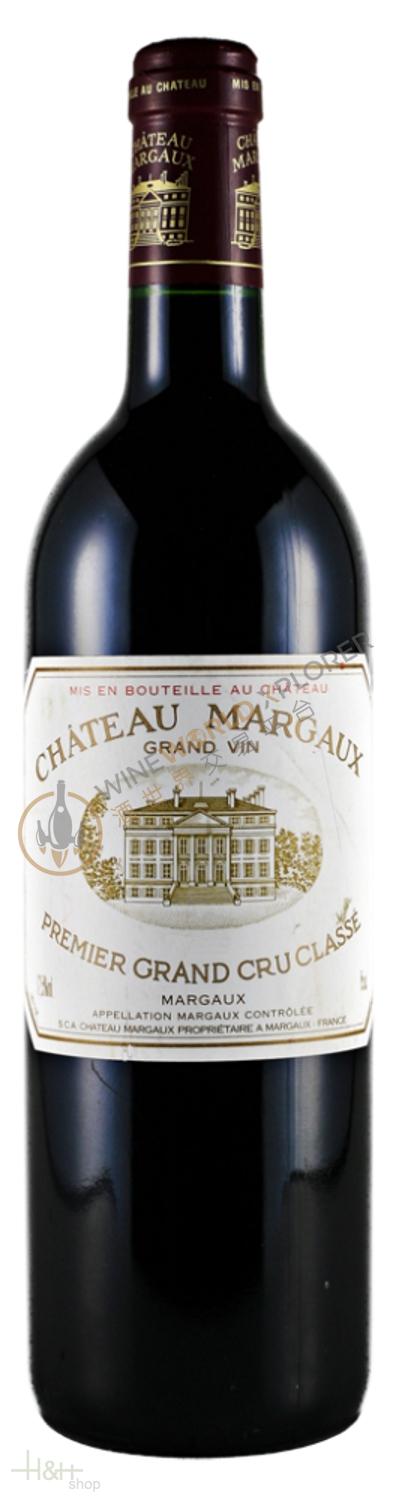
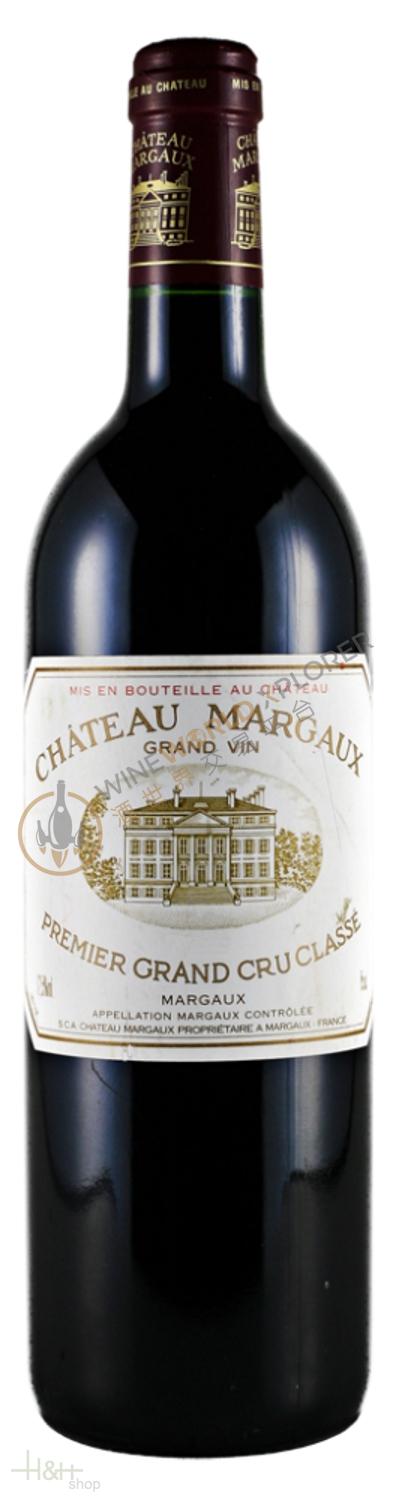
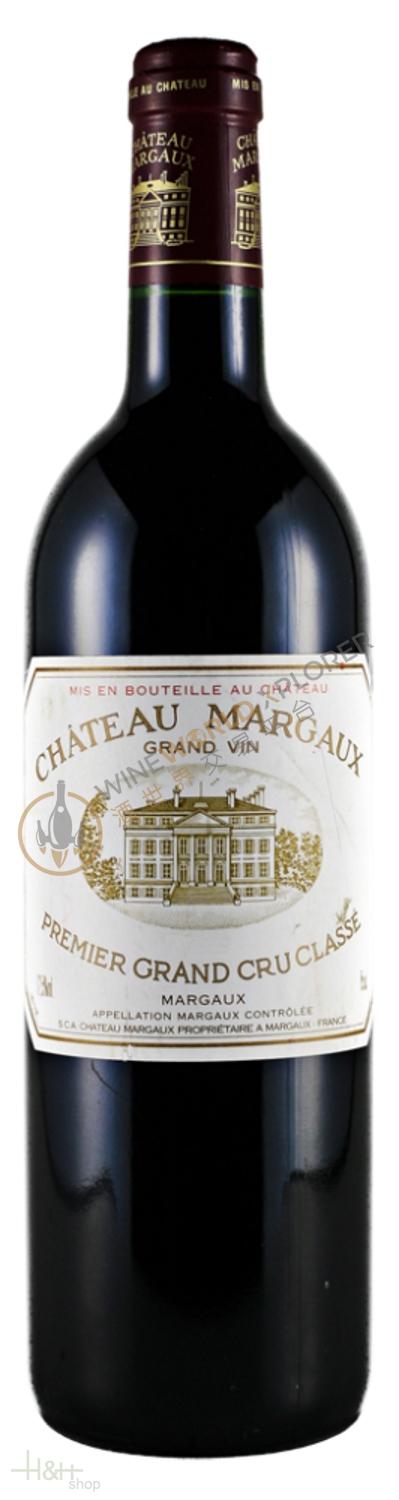
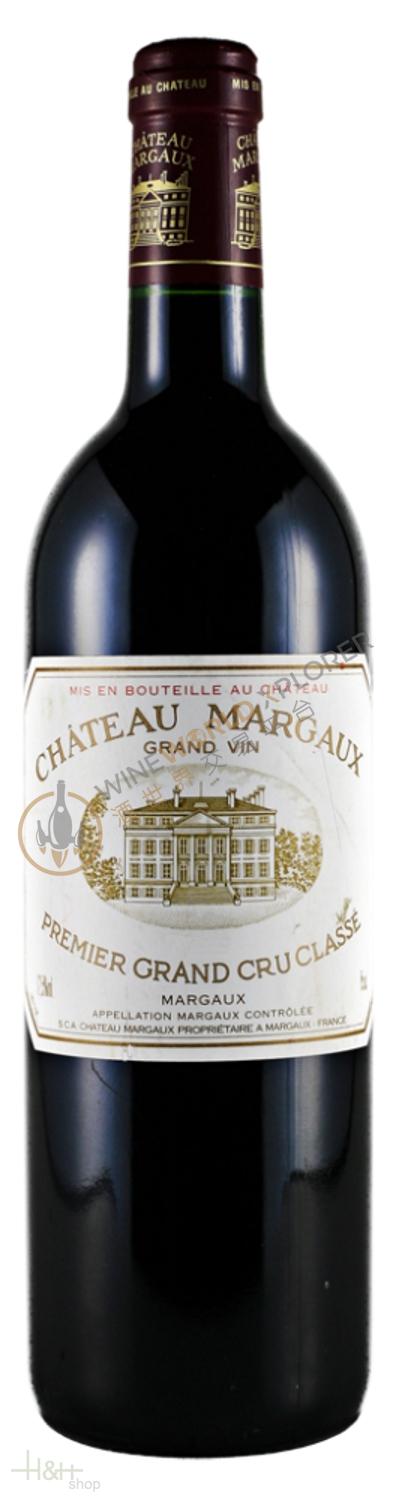
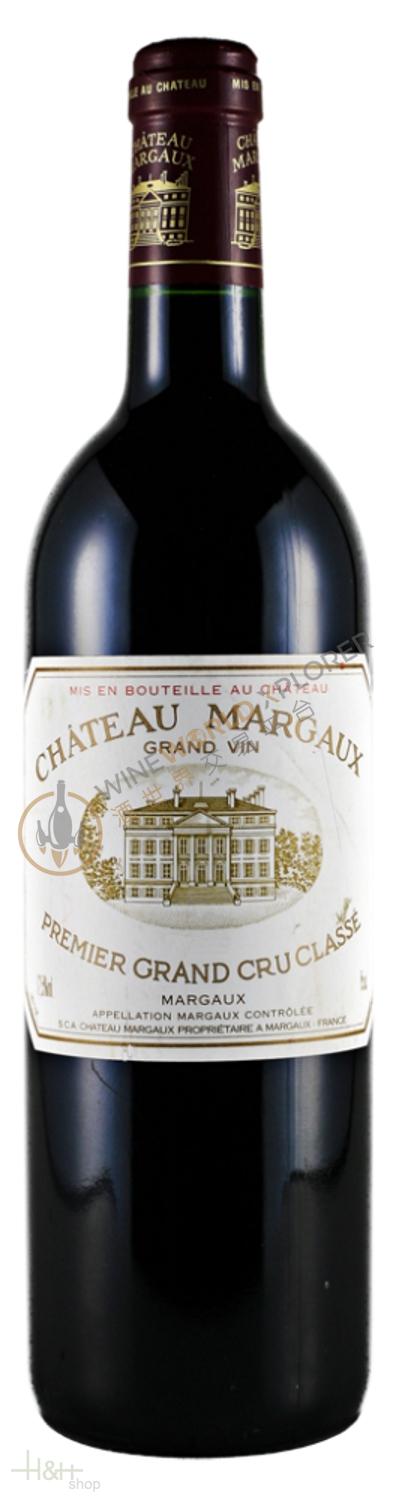
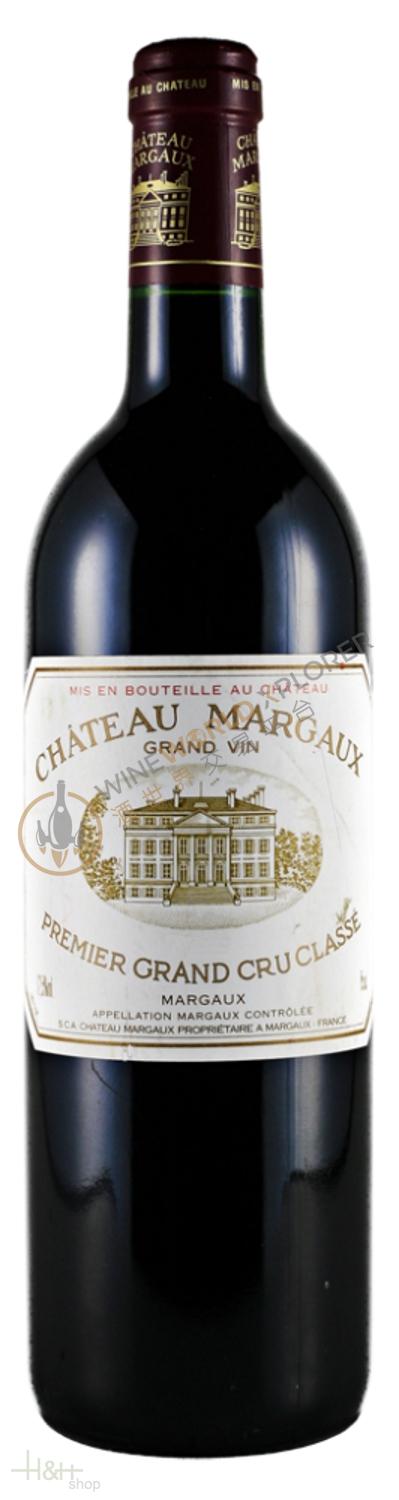
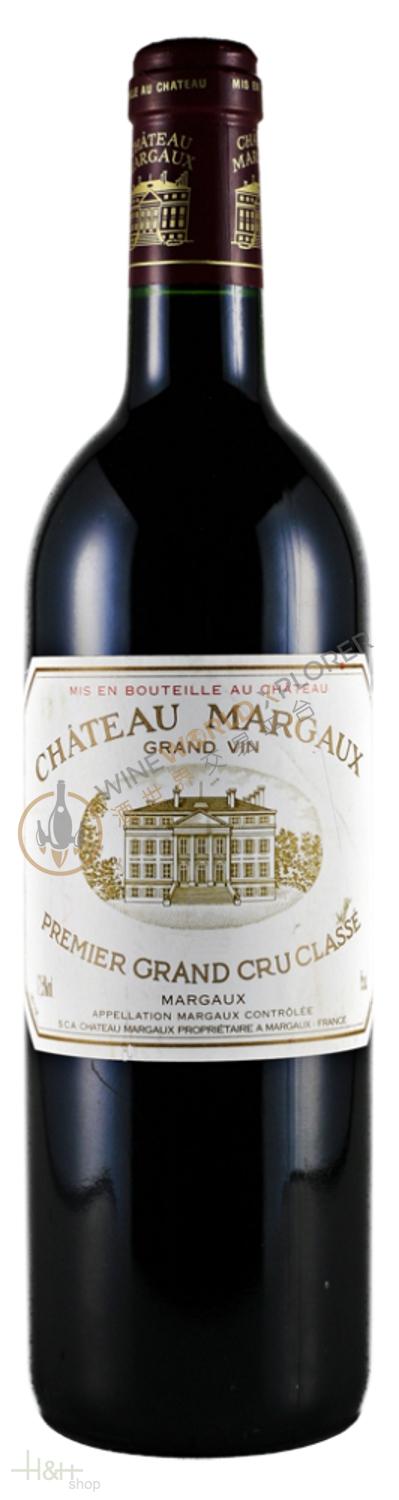
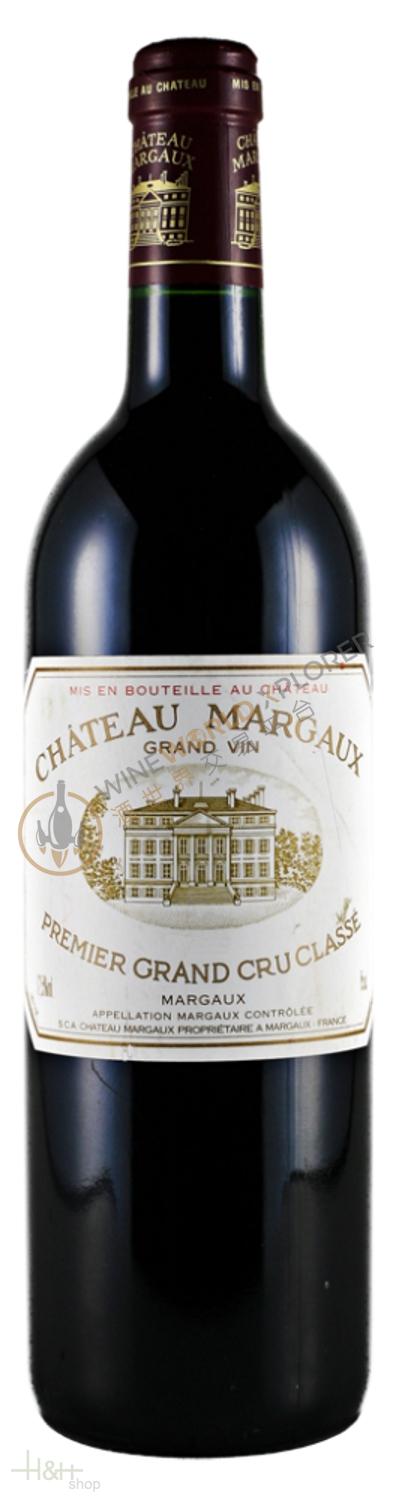
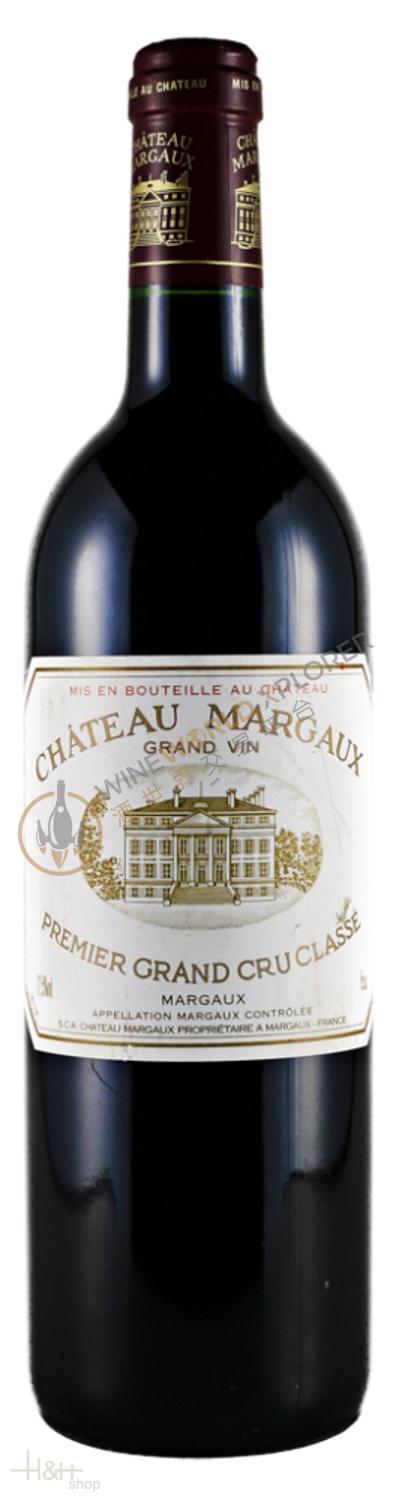
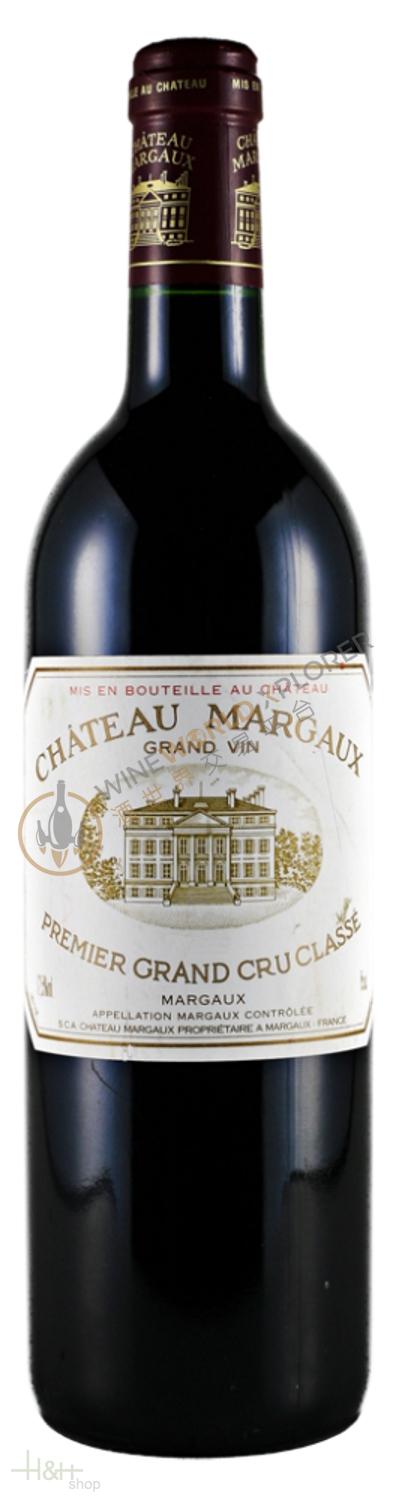
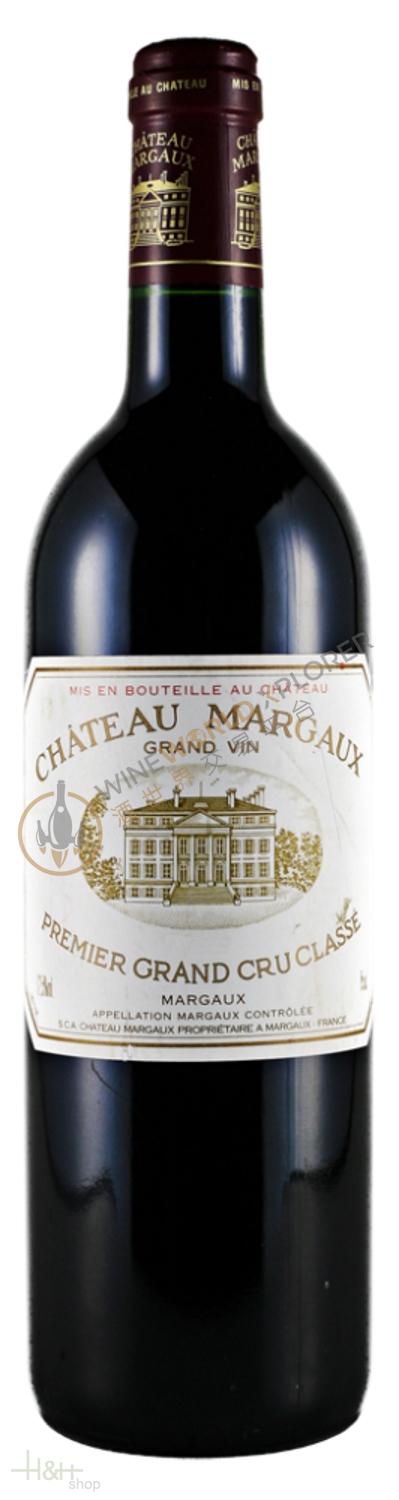
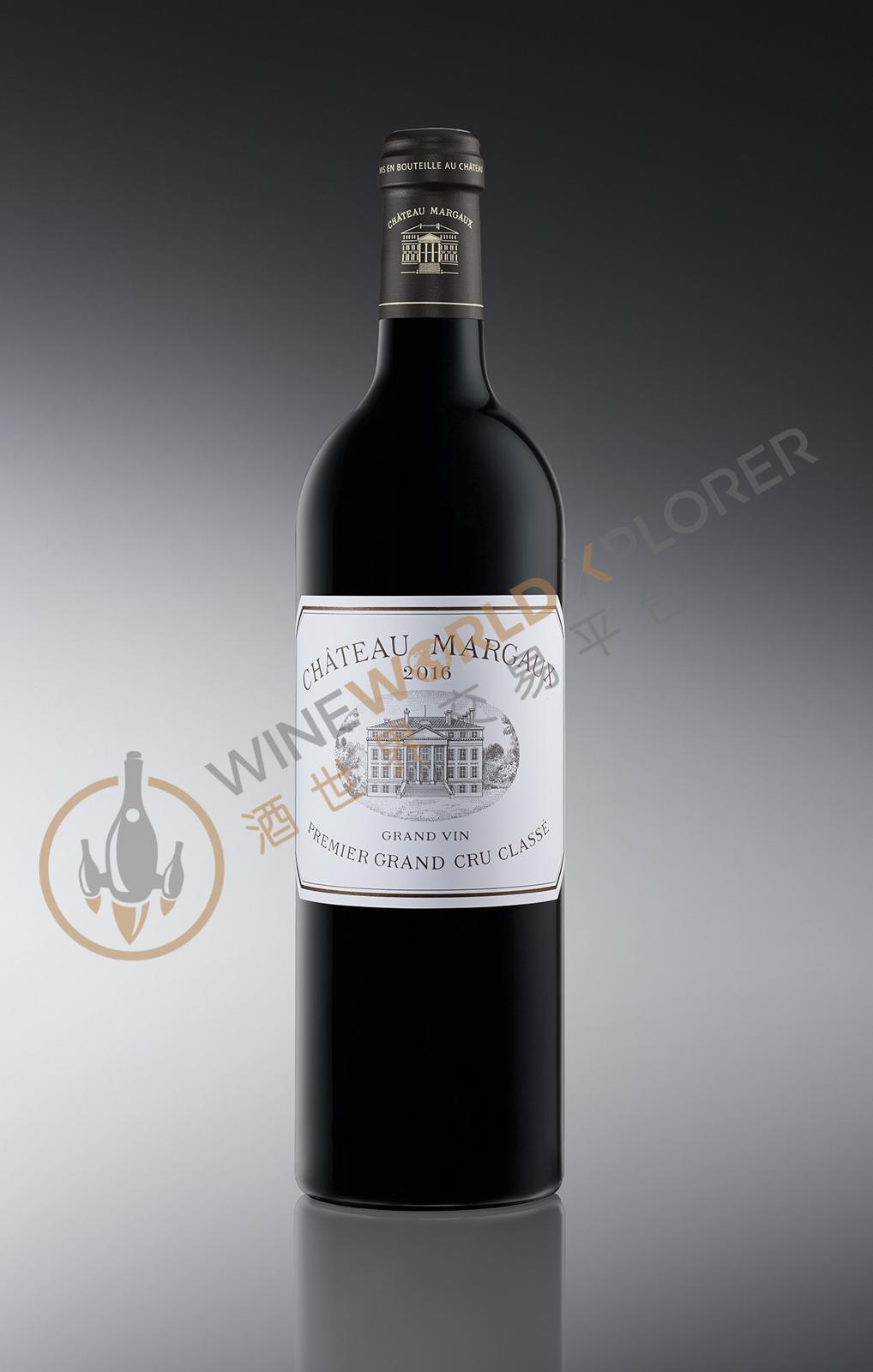
Chateau Margaux 1983
 View analysis


Description
Tasting notes

Reviewed by: Robert M. Parker, Jr.
This is undoubtedly the "wine of the vintage." Still dark opaque purple/black-colored, with no evolution to its color and no signs of bouquet development, this backward, super-concentrated, powerful and tannic wine needs at least another 10-15 years of cellaring. A classic Margaux, it is loaded with ripe cassis fruit intertwined with flavors of smoky vanillin oak. Full-bodied, with layers of flavor, as well as sensational focus and length, it has barely budged since its early days in cask. This is a wine that should keep for another 35-40 years. Last tasted, 7/93.
Reviewed by: Neal Martin
Served from magnum, this has a deep garnet colour with youthful limpid ruby rim. The nose is very intense with superb delineation: blackberry, cedar, black olives, oyster shells and red cherry. Very fresh and vivacious. The palate is beautifully balanced, very precise and focused with crisp black fruits, minerals, oyster shell and brine. This wonderful Margaux has great persistency and stunning length. A fabulous wine with slightly better focus than the 1982. Drink now-2020+ Tasted March 2008.
Reviewed by: Neal Martin
Tasted on four or five occasions, the first in July 1999: intense dark ruby colour. An astonishing bouquet of herbs and violets. Very complex. Layers of deep black fruits, black olives, liquorice and damp earth. Truly unbelievable length. Incredible wine that out-performed Cheval 1982 at this dinner. A monumental Margaux. Last tasted July 2004 when it was rather out-shone by the more flamboyant Chateau Lafleur 1983. But still a wonderful nose of dark chocolate, herbs and violets. This time quite masculine and reserved on the palate with black olives, pencil-lead and tar. Still very tight on this showing.
Reviewed by: Robert M. Parker, Jr.
Tasted 14 Times Since Bottling With Consistent Notes The 1983 Margaux is a breathtaking wine. The Cabernet Sauvignon grapes achieved perfect maturity in 1983, and the result is an astonishingly rich, concentrated, atypically powerful and tannic Margaux. The color is dark ruby, the aromas exude ripe cassis fruit, violets, and vanillin oakiness, and the flavors are extremely deep and long on the palate with a clean, incredibly long finish. This will certainly be a monumental wine, but it remains stubbornly backward and at least a decade away from maturity. Anticipated maturity: 2000-2030.
Reviewed by: Neal Martin
Tasted at the Amuse Bouche offline in Hong Kong. I though in the melee of bottles this was overlooked, perhaps because everyone knows that it is a great wine. It is consistent with previous notes: beautifully defined on its vivacious nose, wonderful symmetry and tension on the palate. It is one of those bottles that can get lost when so much is going on around it, because it is such a subtle Margaux, there is no need to show off. Tasted November 2011.
Reviewed by: Robert M. Parker, Jr.
As I have noted consistently, this can be a breathtaking wine, but having tasted it close to a dozen times since the last edition of this book, over half the bottles were marred by tainted corks. In fact, one would almost wonder if there was TCA problem in part of the wine storage area. The percentage of corked half-bottles is even higher than in the regular format. However, when clean this 1983, which has seemingly reached full maturity far faster than I would have guessed a mere four years ago, has a dense, murky plum/purple color and a gorgeous nose of smoked herbs, damp earth, mushrooms, and sweet creme de cassis intermixed with vanilla and violets The wine is medium to full-bodied, deep, rich, and powerful, with sweet tannins and loads of fruit concentration. Anticipated maturity: Now-2020. Last tasted, 11/02.
Reviewed by: Robert M. Parker, Jr.
The 1983 Margaux is a breathtaking wine. The Cabernet Sauvignon grapes achieved perfect maturity in 1983, and the result is an astonishingly rich, concentrated, atypically powerful and tannic Margaux. The color is dark ruby, the aromas exude ripe cassis fruit, violets, and vanillin oakiness, and the flavors are extremely deep and long on the palate with a clean, incredibly long finish. This full-bodied, powerful wine remains stubbornly backward and at least 5-6 years away from maturity. Anticipated maturity: 2002-2030. Last tasted 9/97
Reviewed by: Neal Martin
Tasted at Bordeaux Index Chateau Margaux dinner at The Square. Poured from a magnum. A similar note to the last Margaux 1983 I encountered (about two hours before at another tasting!) Just that heavenly nose of blackberry, cedar, black plum, a hint of pine cones. Full-bodied, structured palate, blackberry , raspberry, that hint of mudflats out on the Thames Estuary. Wonderful definition and sense of energy on the finish. Exquisite. Drink now-2020+ Tasted October 2008.
Reviewed by: Neal Martin
Tasted single blind at the Fine Wine Experience horizontal in London. This has an incredibly deep, almost opaque colour. A very intense, backward, masculine nose with brambly black fruits and cedar, with more secondary notes than the ex-chateau magnum poured earlier in the year, touches of scorched earth and leather. The palate is full-bodied, very well balanced, fresh and lively with some joyful blackberry, blueberry and raspberry leaf then hints of rock oysters towards the lingering finish. This could benefit from further bottle ageing. Complete and magnificent. Drink now-2020+. Tasted October 2008.
About the Producer
Chateau Margaux is located in the village of Margaux, in the Medoc appellation on the left bank of Bordeaux, and was awarded a First Growth in the 1855 Bordeaux Medoc classification, alongside Chateau Lafite Rothschild, Chateau Latour and Château Haut-Brion. It is also known as Chateau Haut-Brion. Château Margaux currently covers a total of 262 hectares, including 99 hectares of vineyards. The red vineyard has an appellation of 87 hectares, of which 82 hectares are planted, while the white vineyard is planted with 12 hectares. The red varieties are mainly Cabernet Sauvignon, Merlot, Petit Verdot and Cabernet Franc; the white varieties are Sauvignon Blanc and the vines are on average 45 years old. Since the end of the 1990s, the estate has refused to use pesticides in the vineyards. In addition, only organic fertilisers are used in the vineyard, and deep fertilisation is carried out at regular intervals to improve the soil structure and rejuvenate the soil. During the harvest season, the winery team selects the right time to harvest the grapes by testing and analysing all the indicators and by tasting the grapes themselves. Once the grapes have reached their ideal state of ripeness, they are harvested by a team of over 200 trained harvesters. Once in the winery, the grapes undergo a rigorous selection process before being de-stemmed. Both oak barrels and stainless steel tanks are used to ferment the red grapes, while the white grapes are fermented entirely in oak barrels. After the alcoholic fermentation, the wine undergoes malolactic fermentation. The red wines are then left to mature in oak barrels for 18-24 months and the whites for 6-8 months. The main wine of the estate, Château Margaux's red wine, is rich and complex, with an elegant and powerful ballet on the tongue, rich and smooth tannins, good balance and a long, fresh finish with excellent ageing potential. It successfully conquered Napoleon Bonaparte, the founder of the First French Empire, and won the hearts of Thomas Jefferson, the founding father of the United States, and Margaret Thatcher, the "Iron Lady" of England. In the world of wine criticism, Château Margaux's red wines have also been recognised, with four perfect scores from Robert Parker and many more from other critics with 95 points or more. In recent years, the quality of Château Margaux's red wines has been steady and has maintained a high level of interest in the market.
1958(1)1960(1)1961(2)1962(1)1963(1)1964(1)1969(2)1970(1)1971(1)1972(1)1974(1)1975(1)1976(1)1978(1)1979(1)1981(1)1982(6)
Package Size