 Wine Advisor



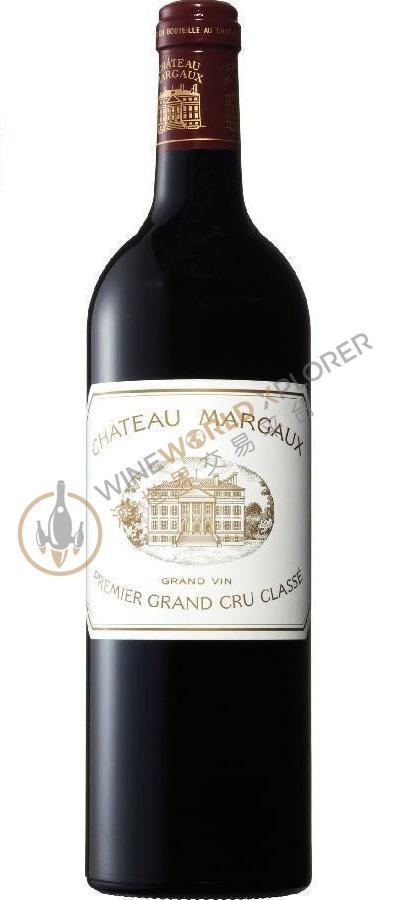
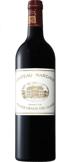
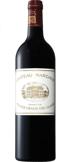
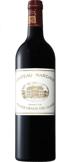
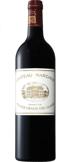
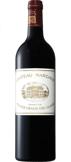
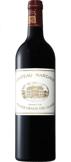
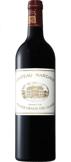
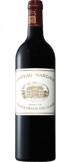
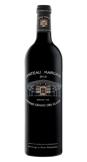
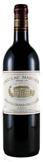
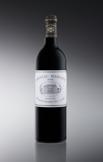
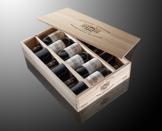
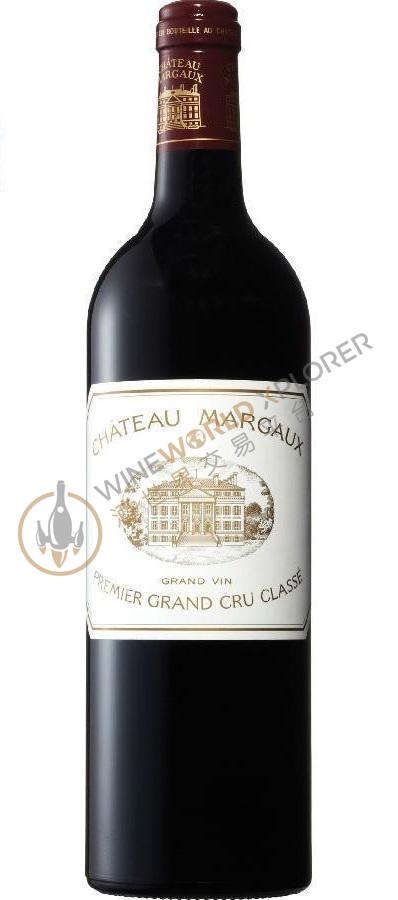
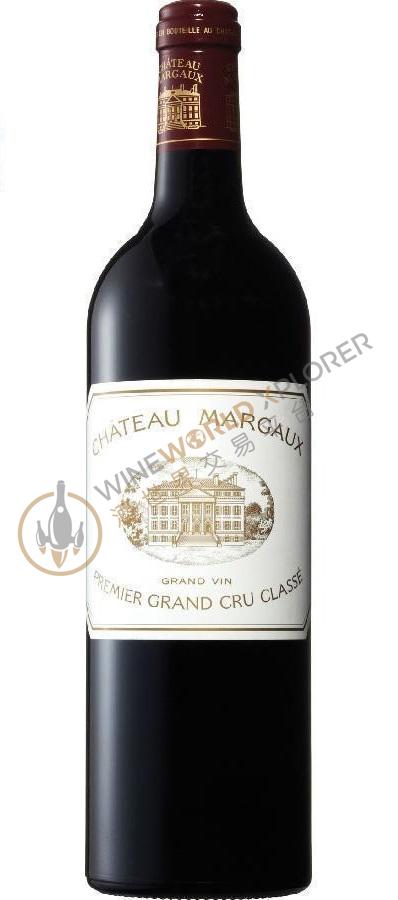
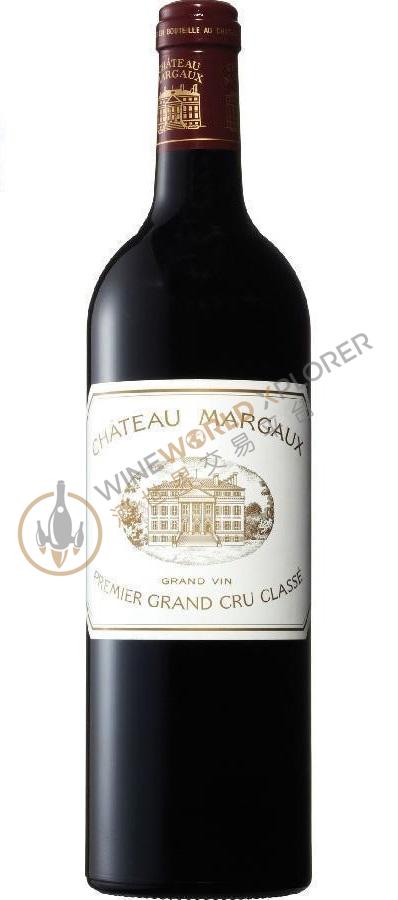
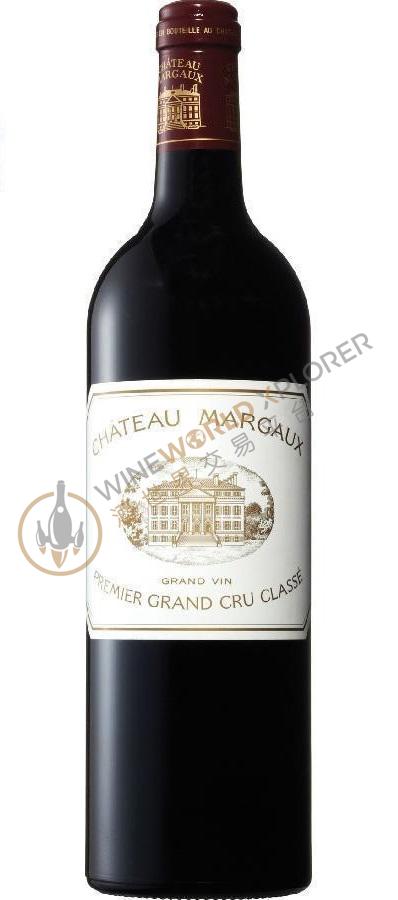
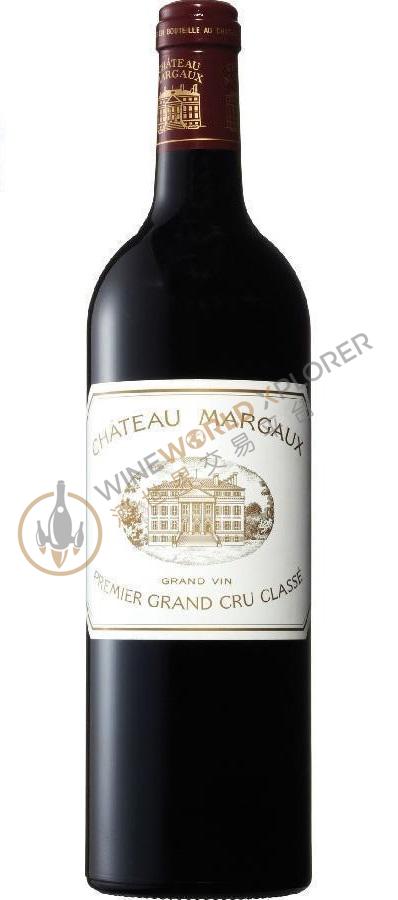
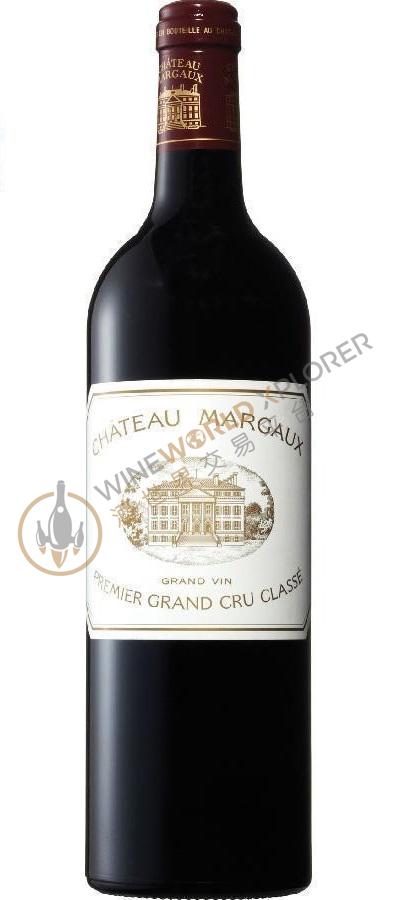
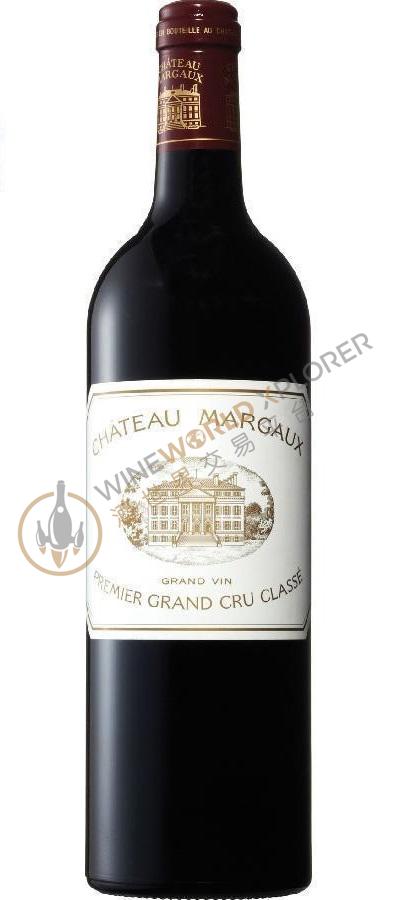
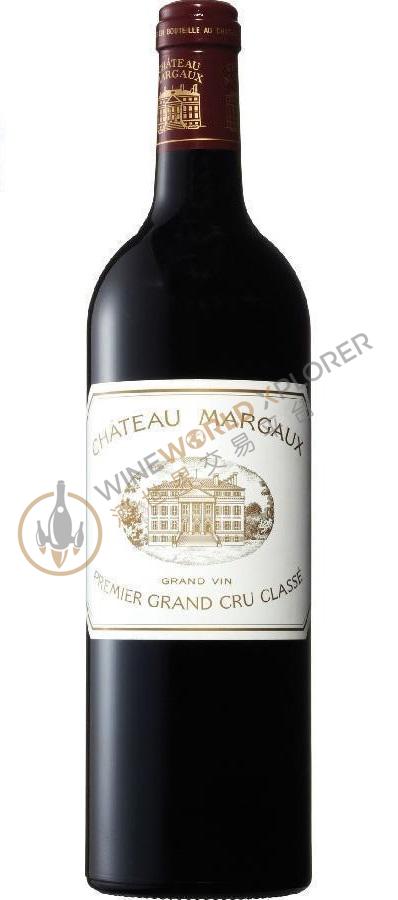
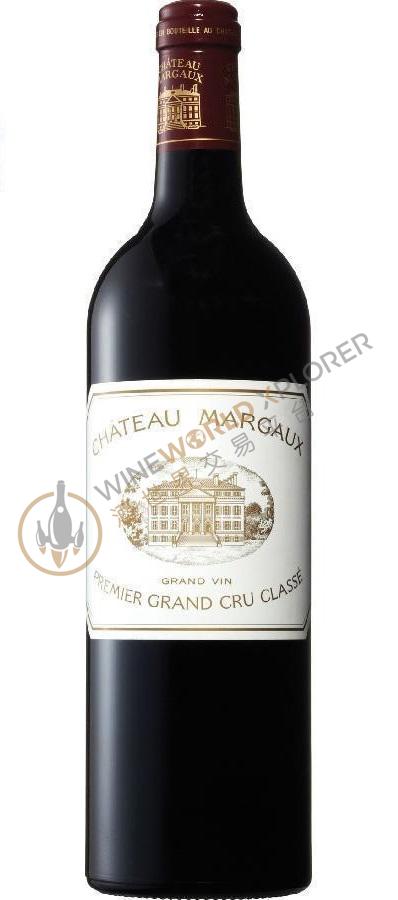
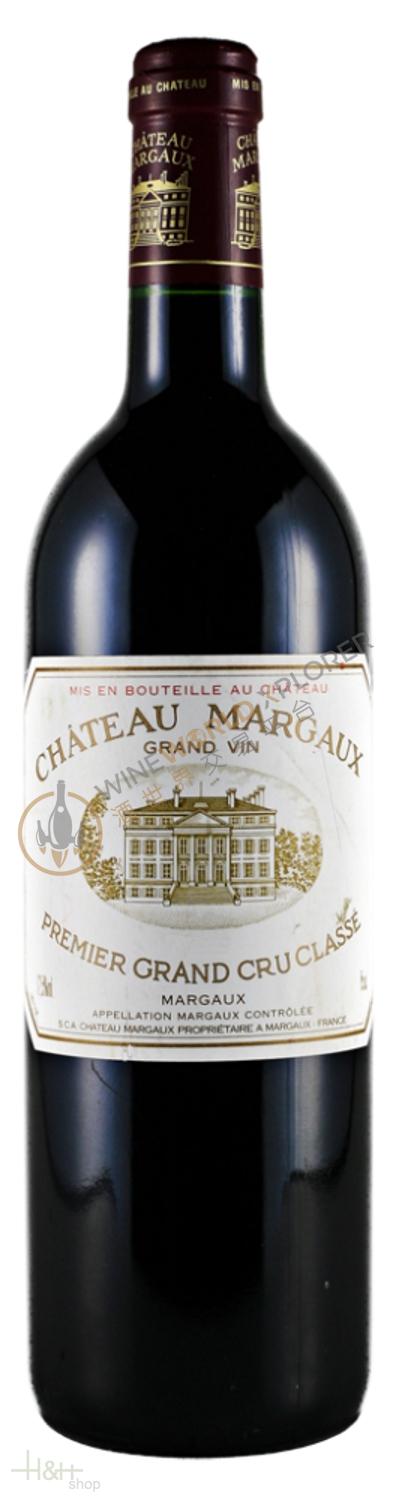
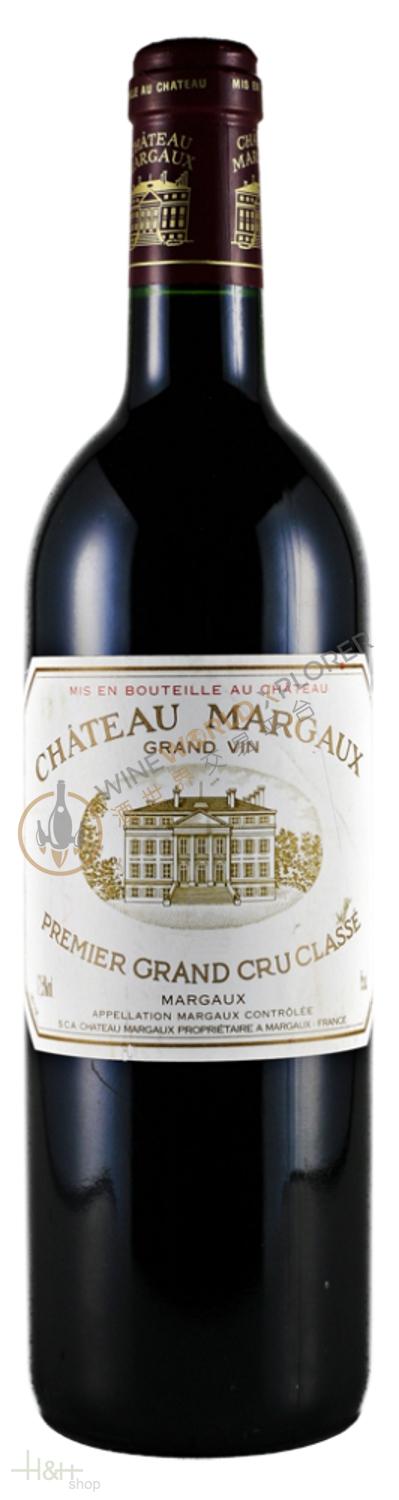
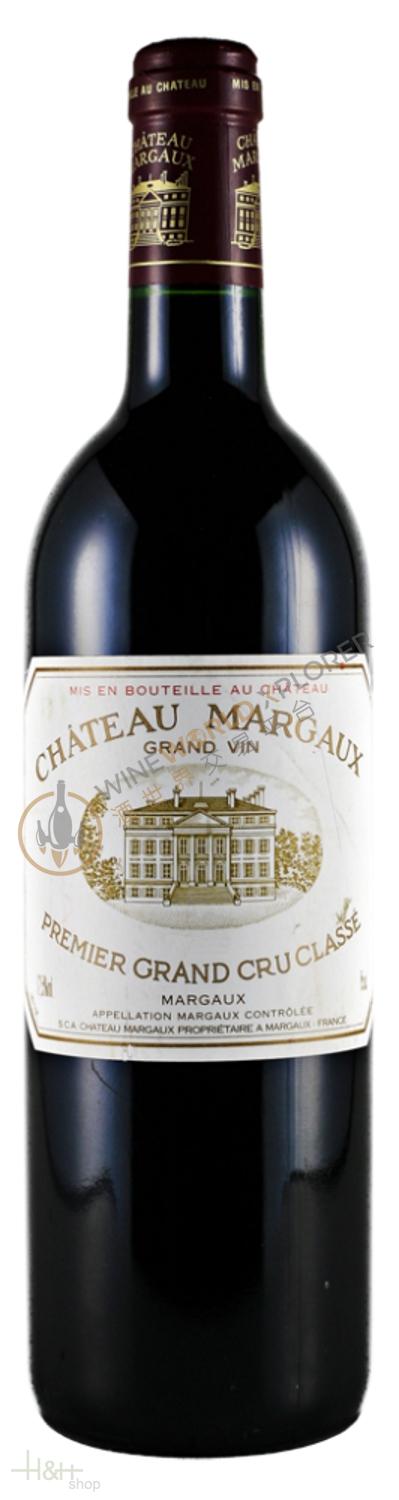
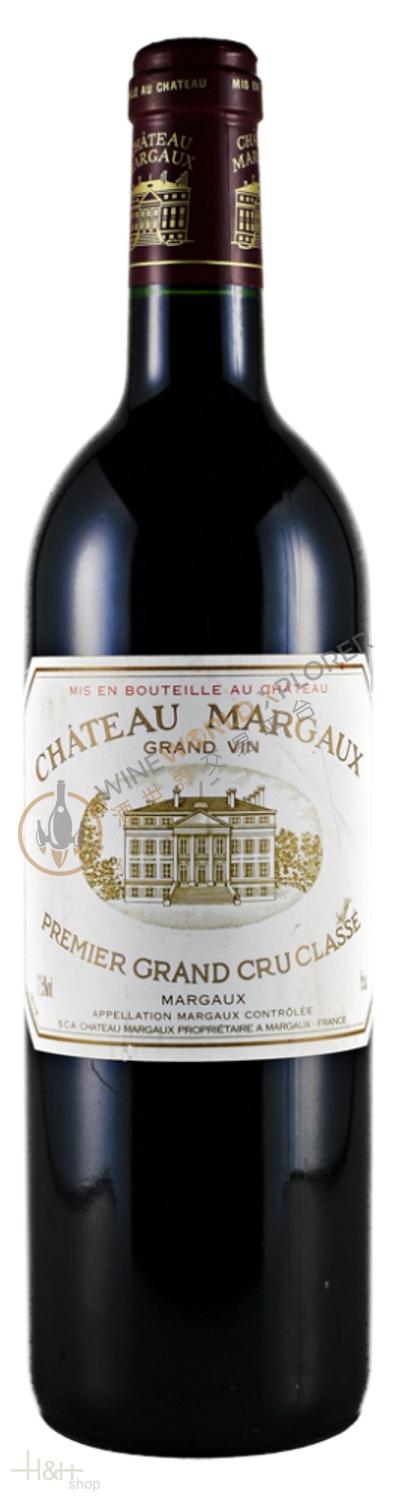
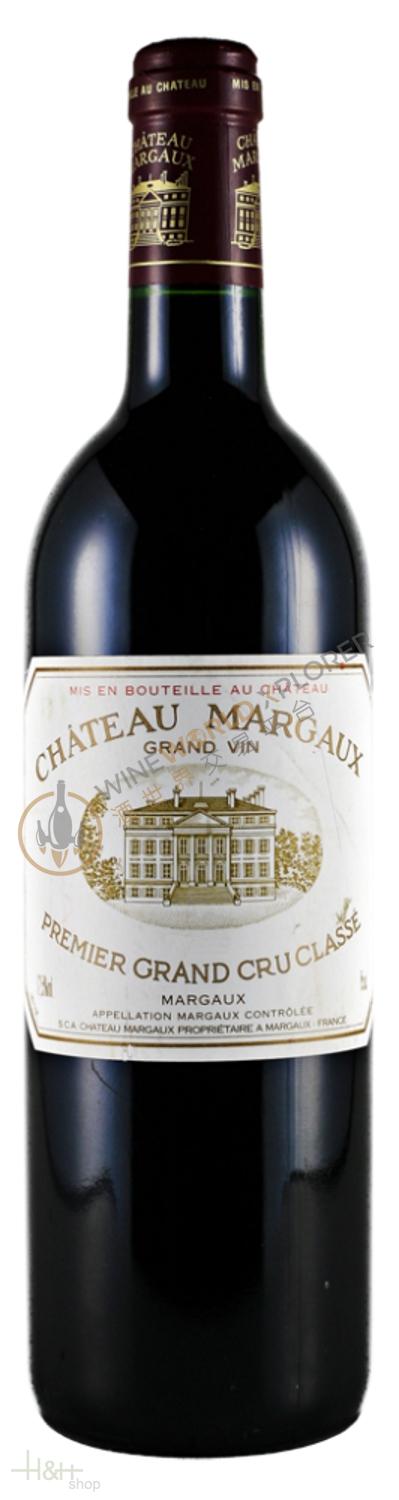
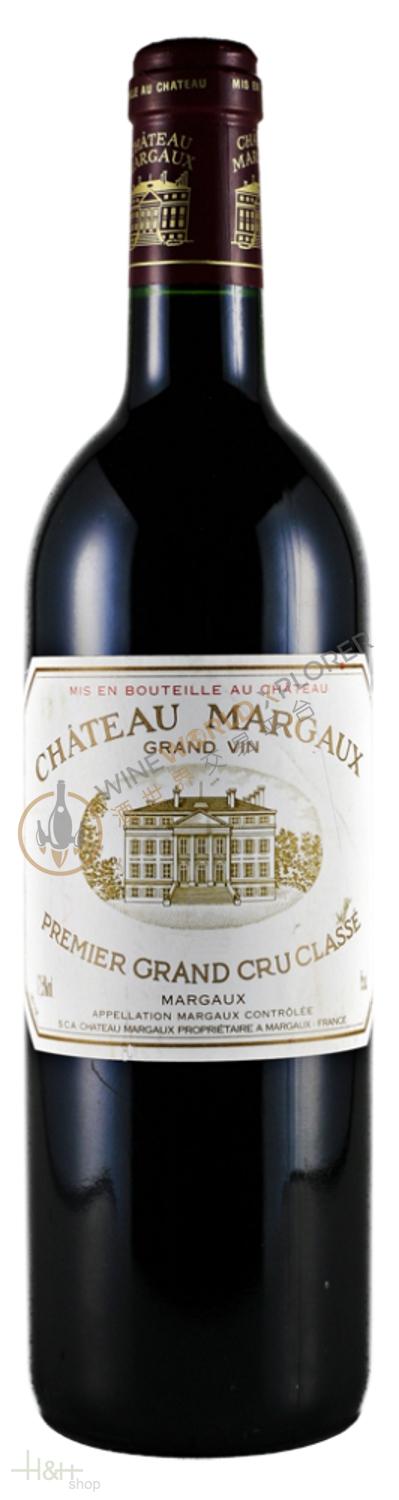
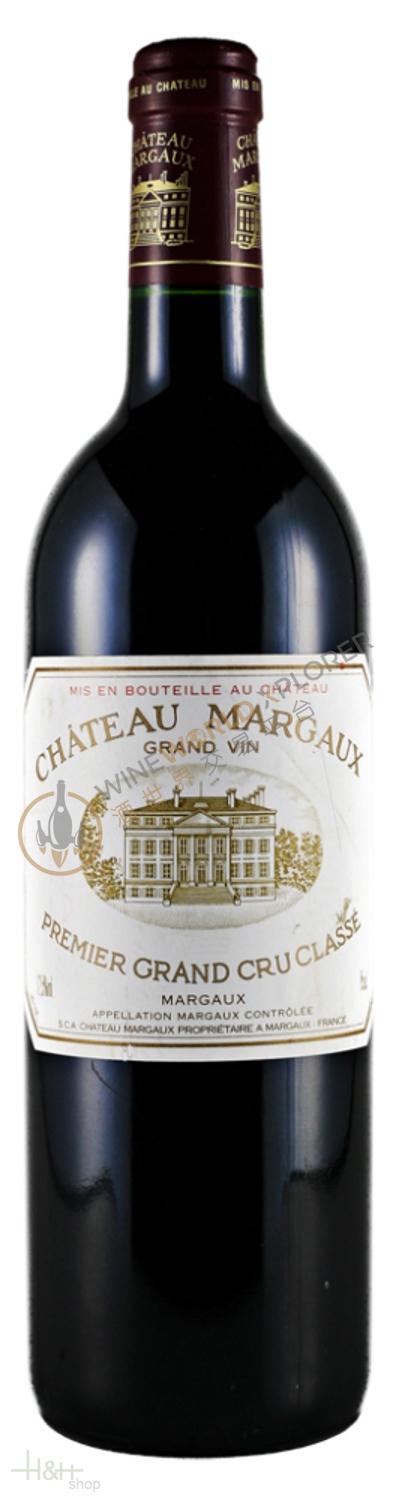
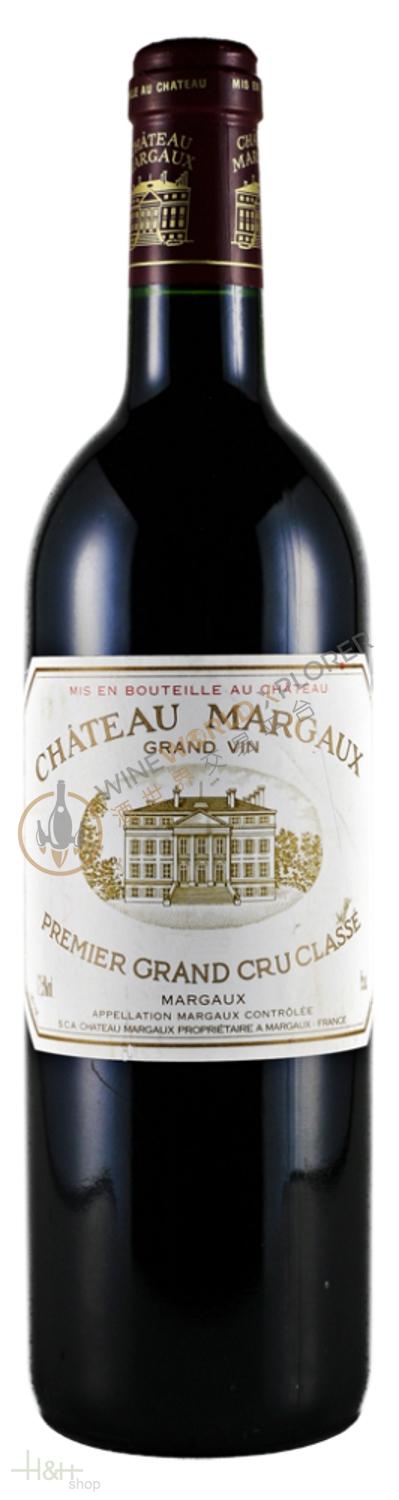
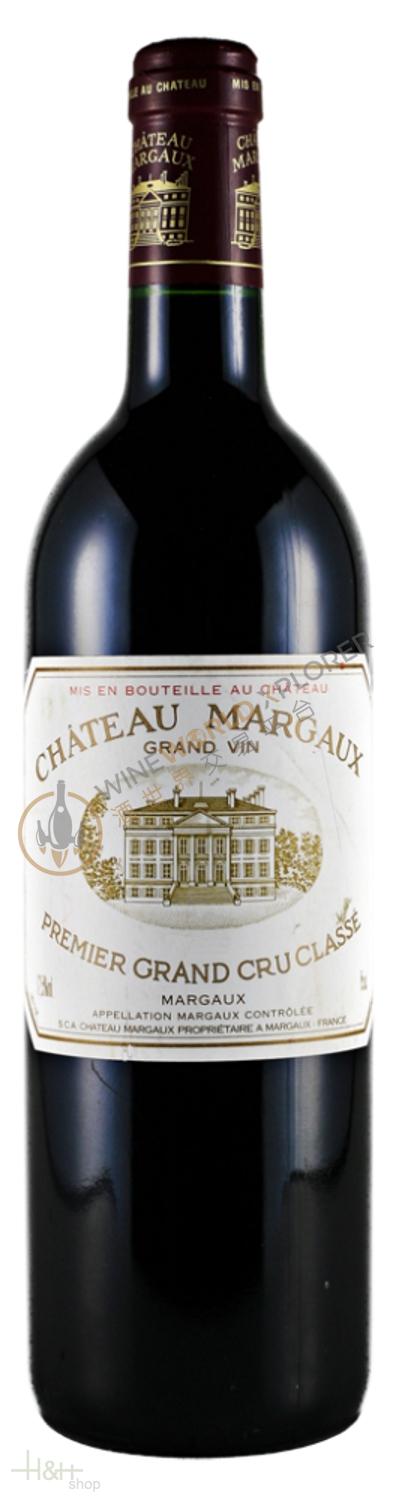
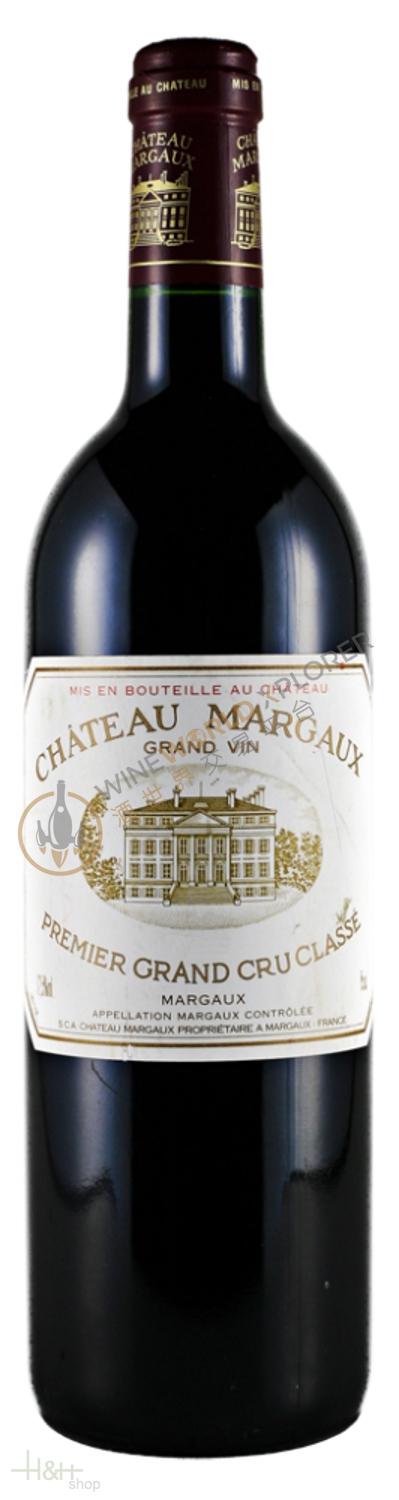
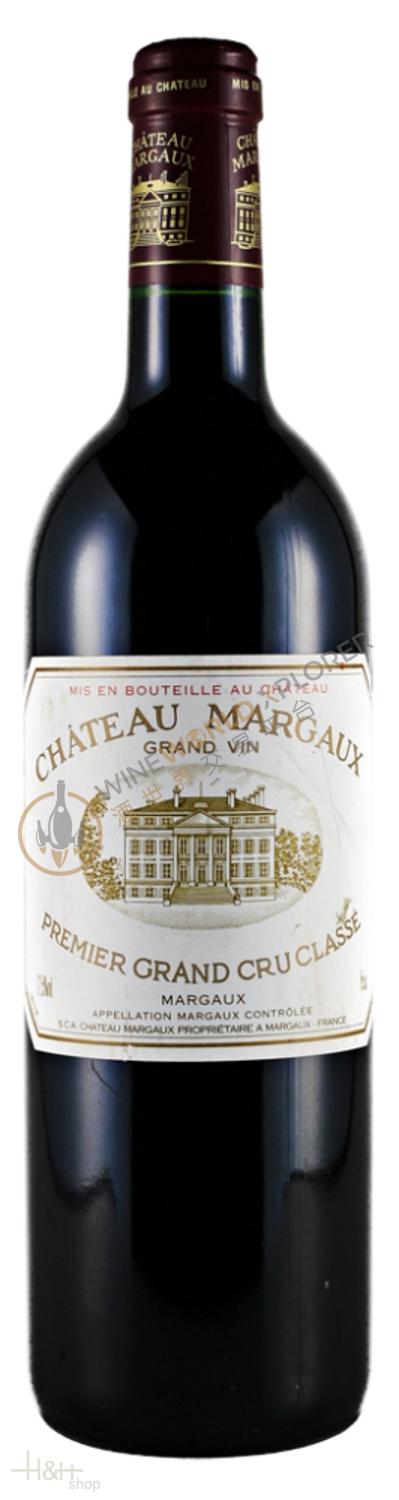
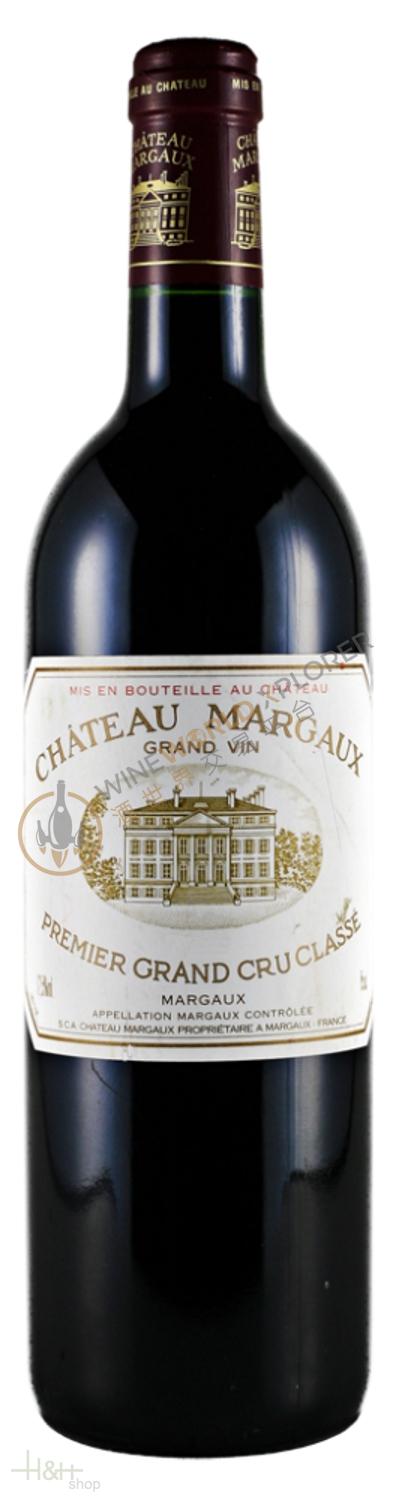
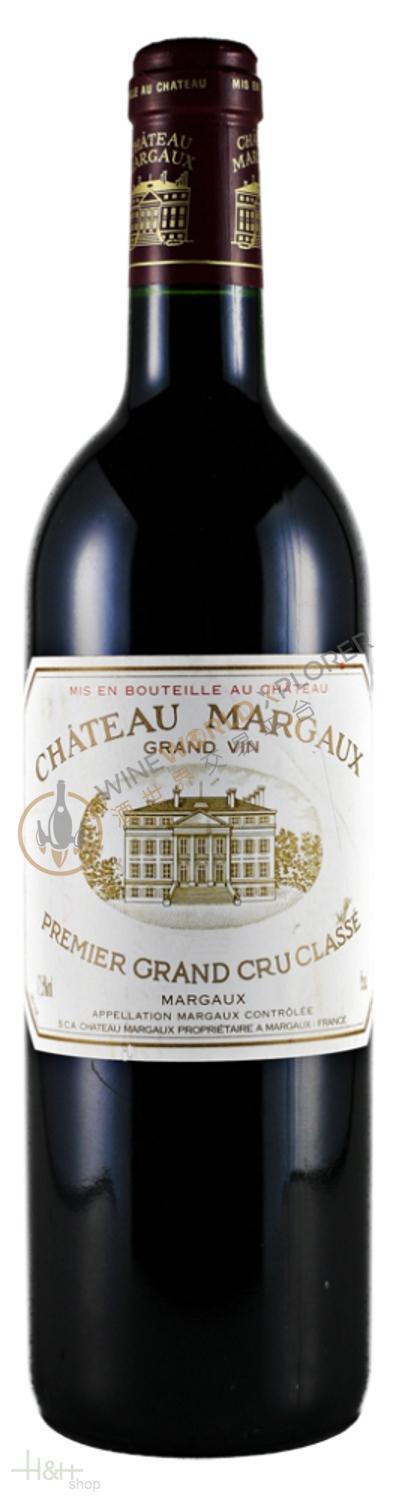
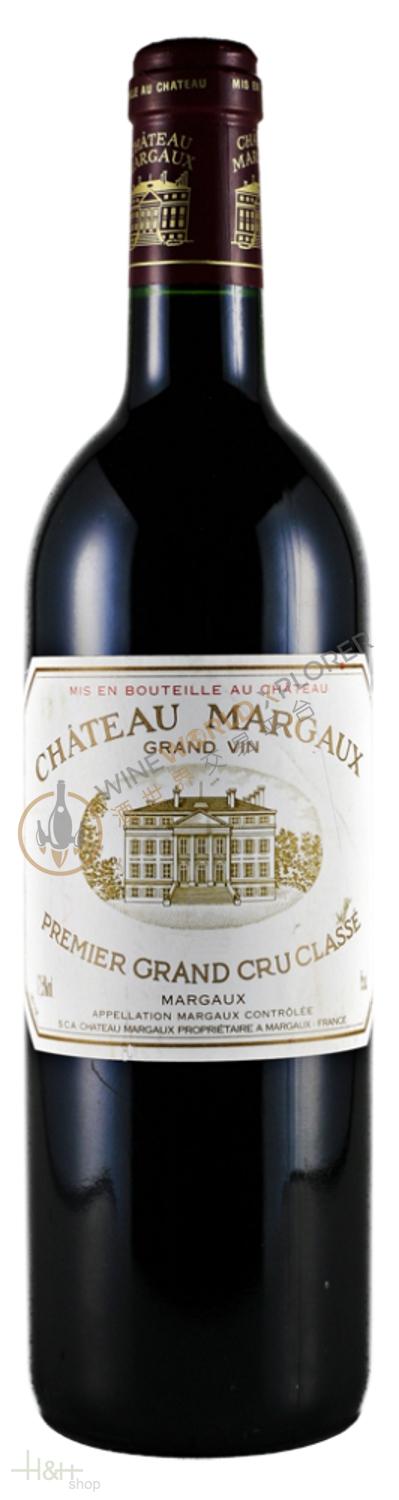
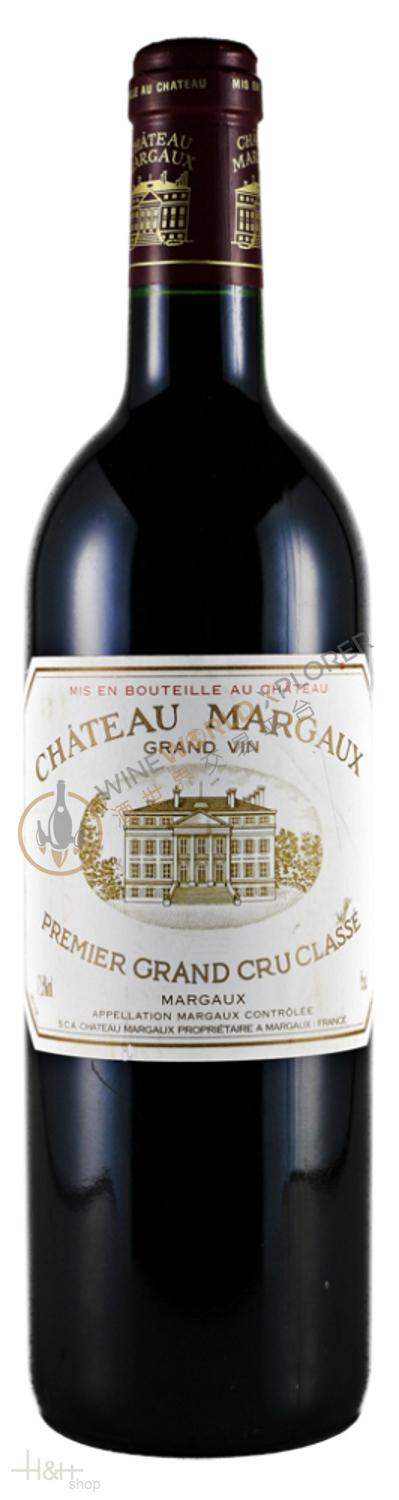
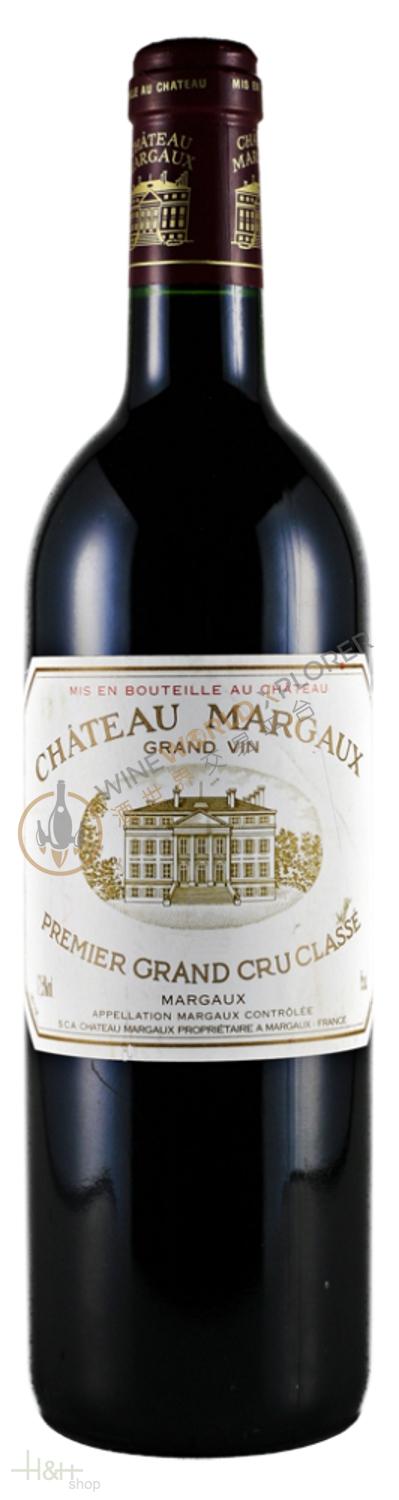
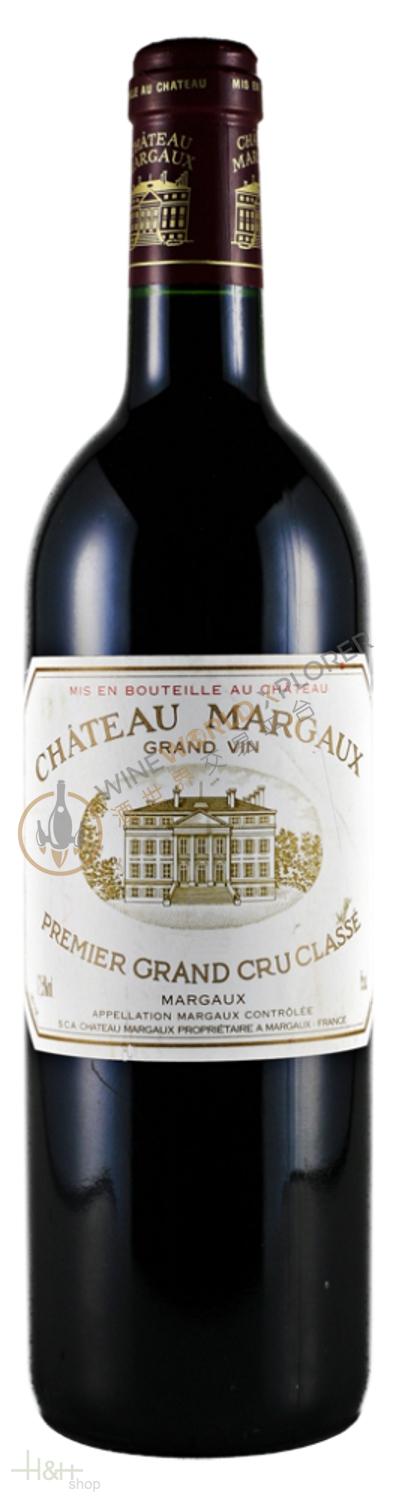
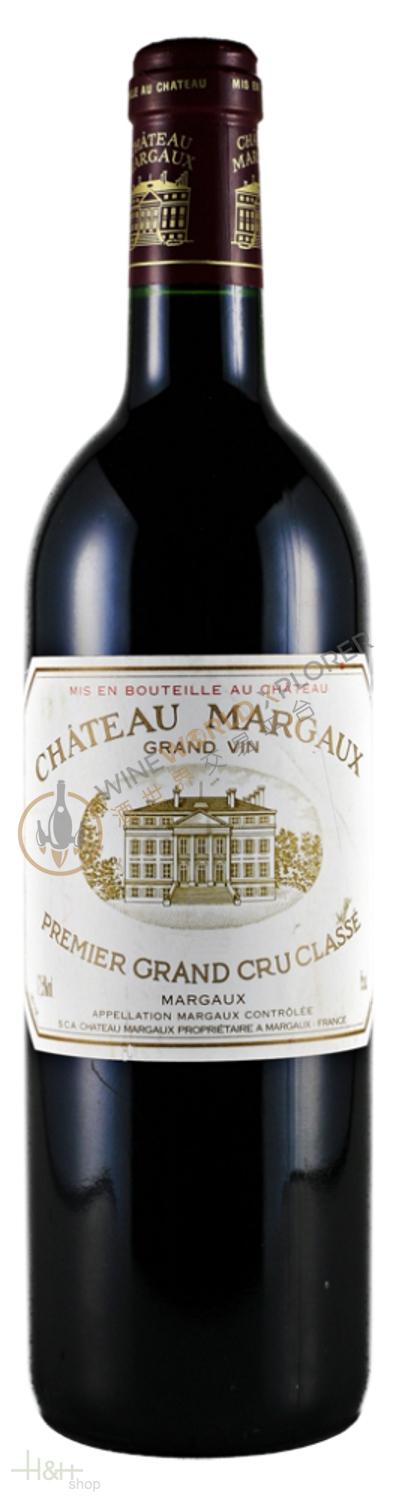
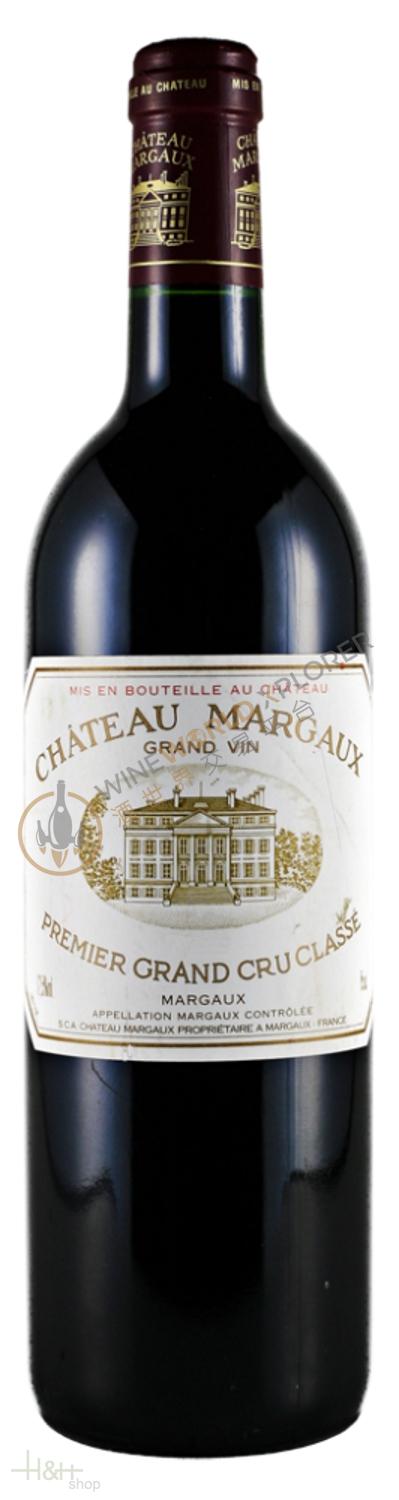
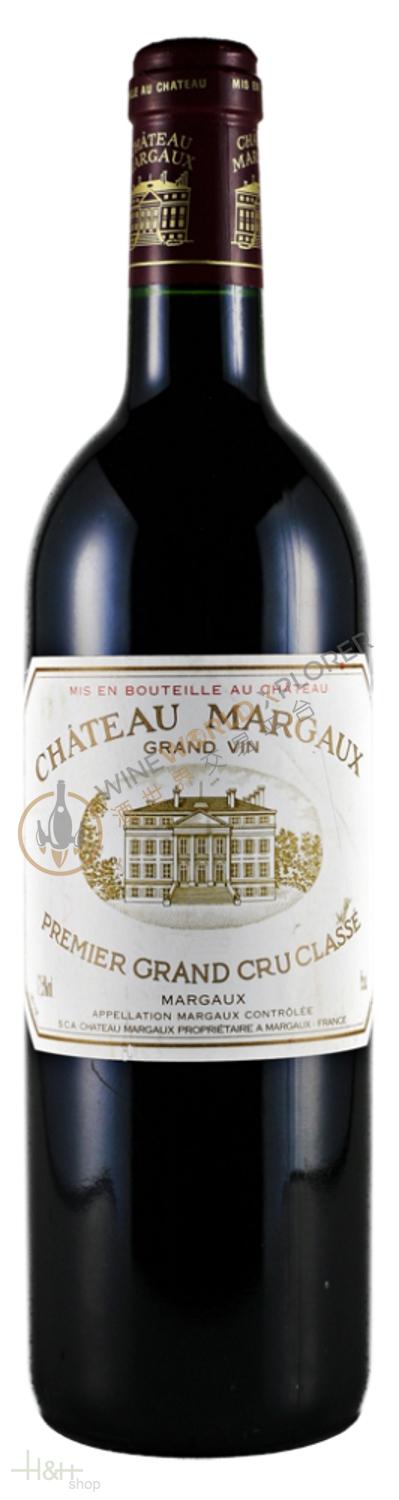
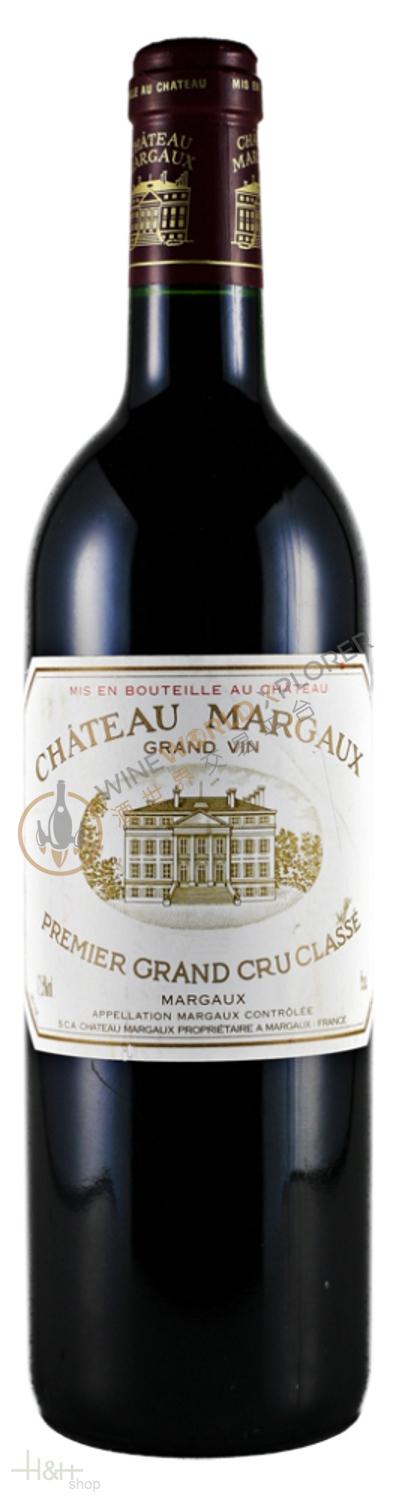
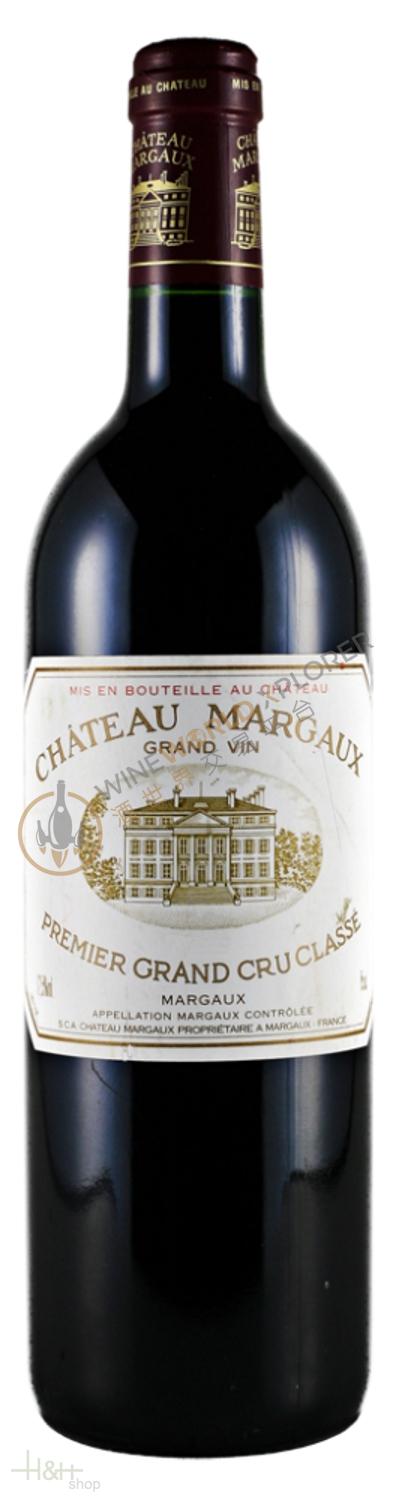
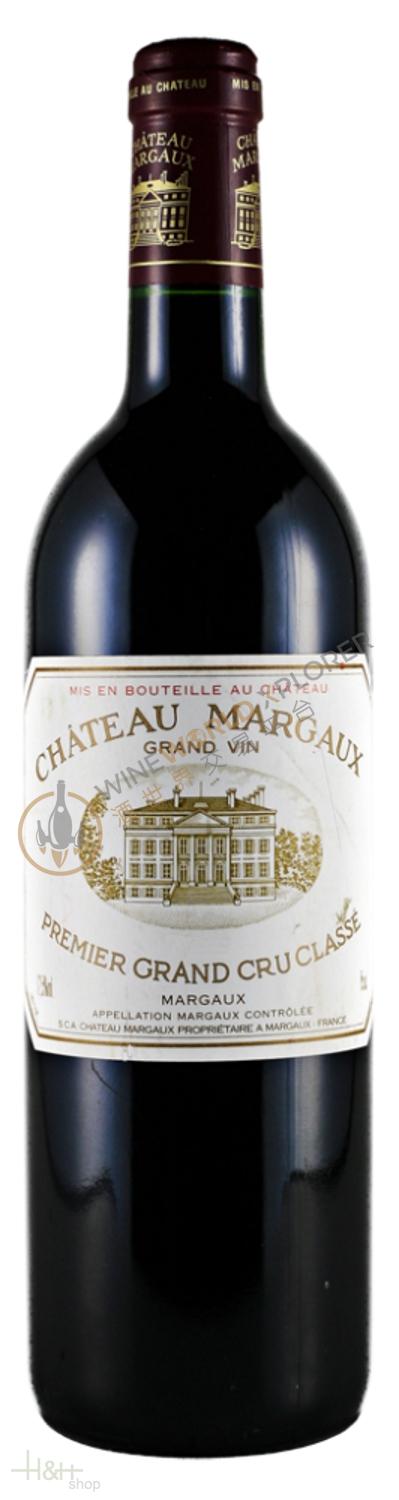
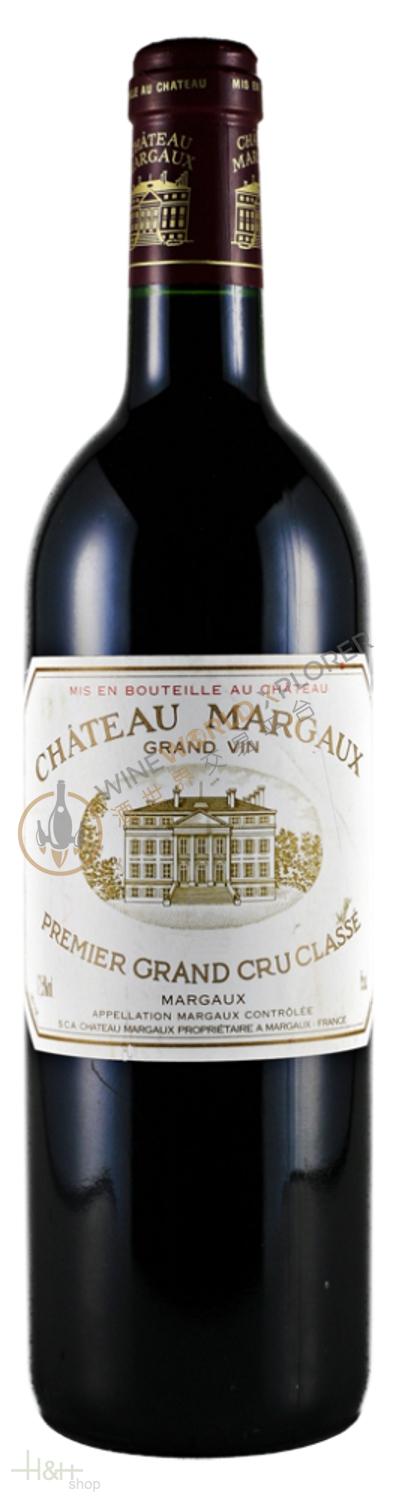
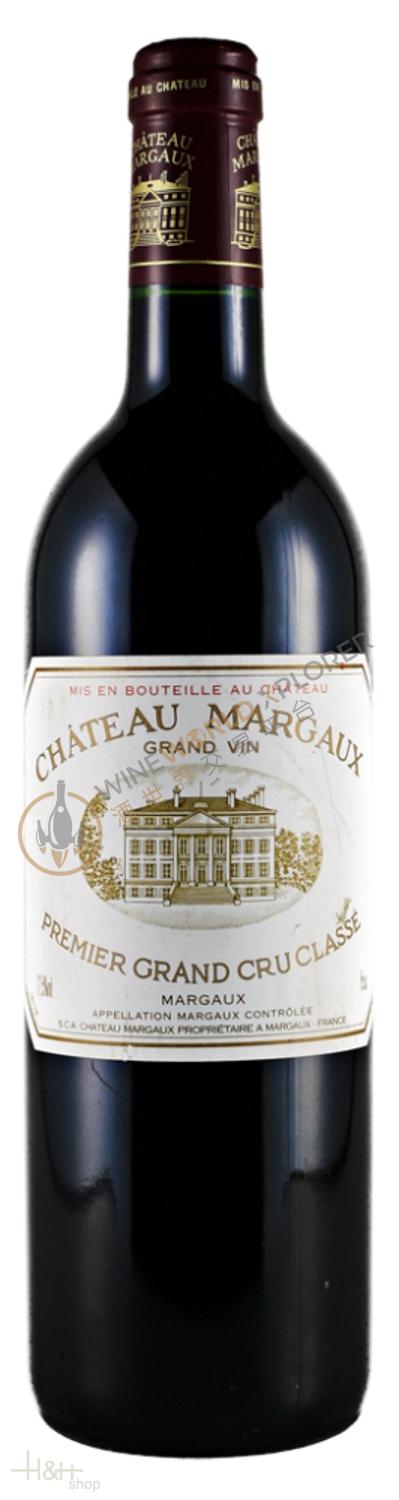
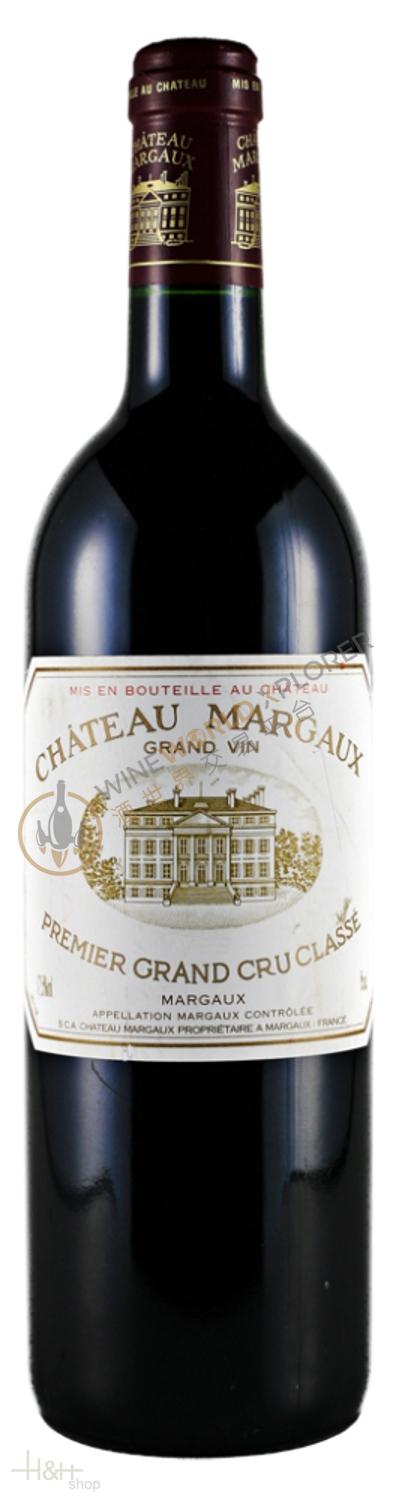
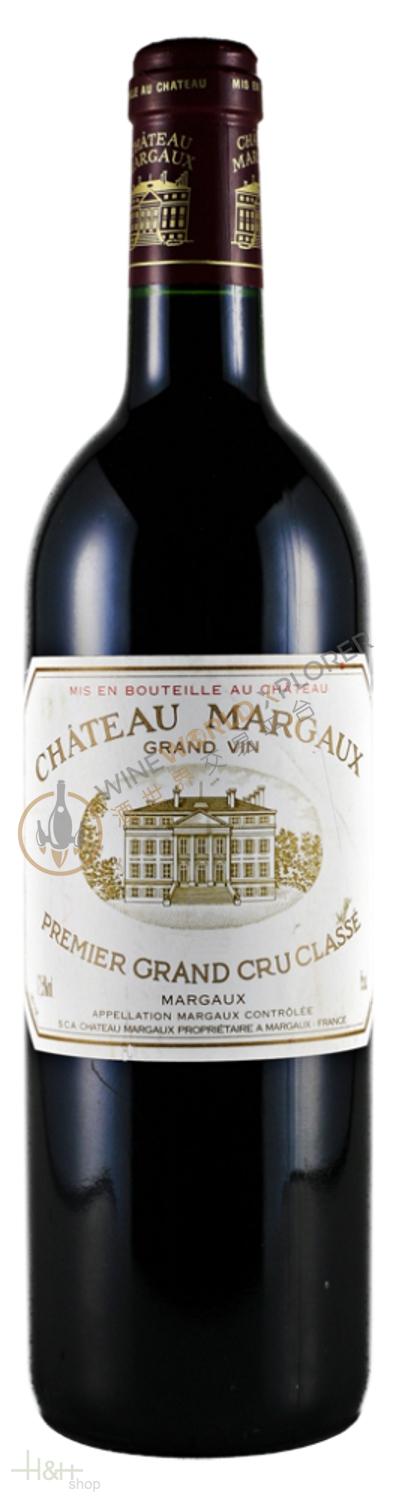
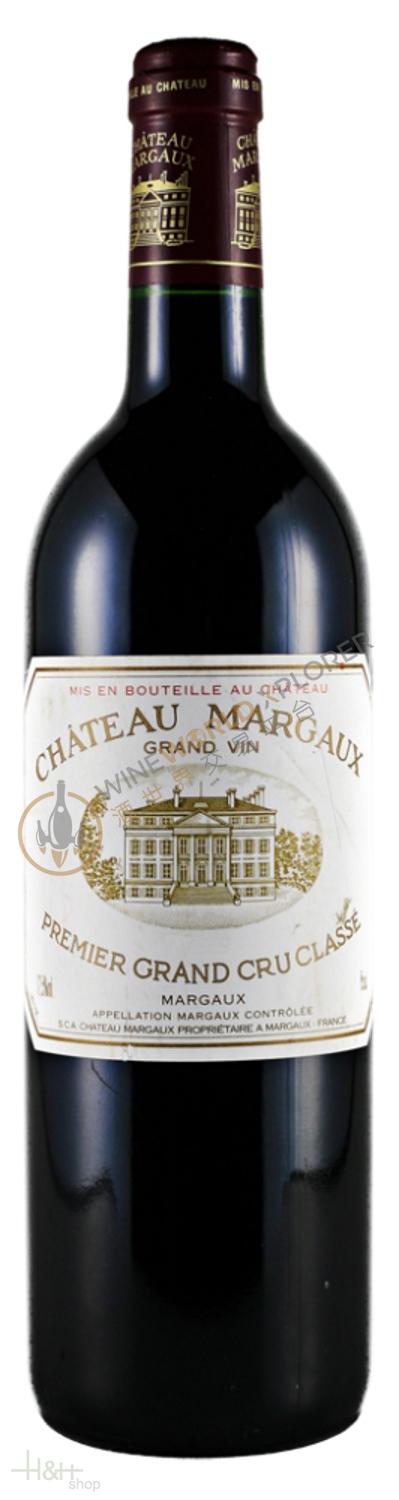
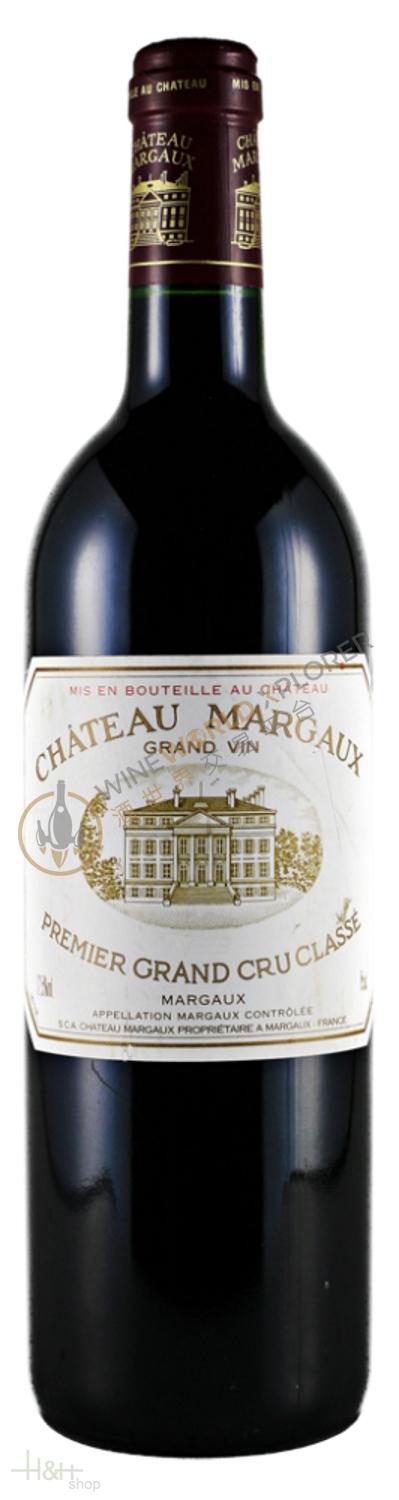
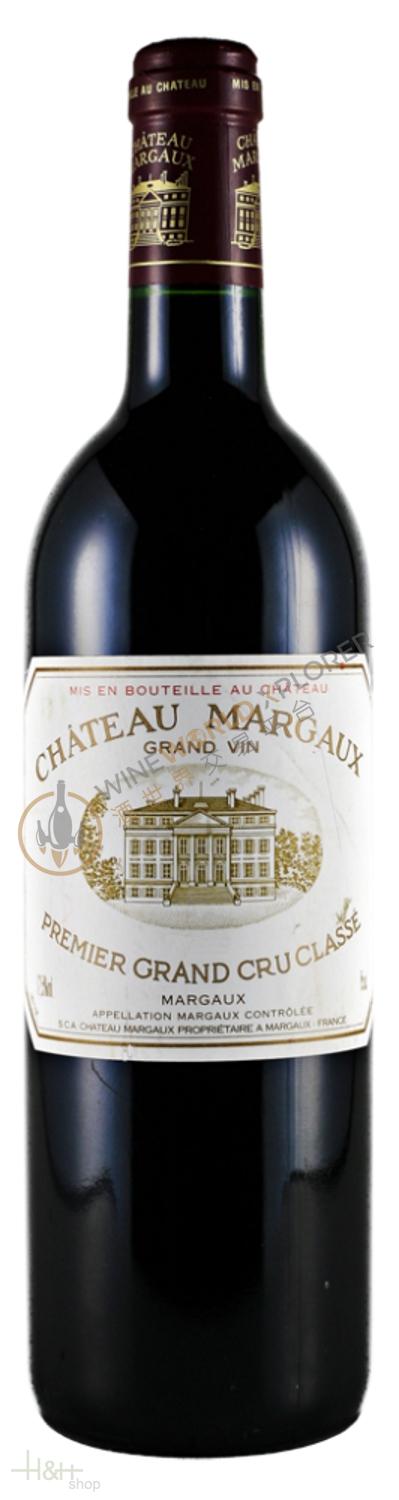
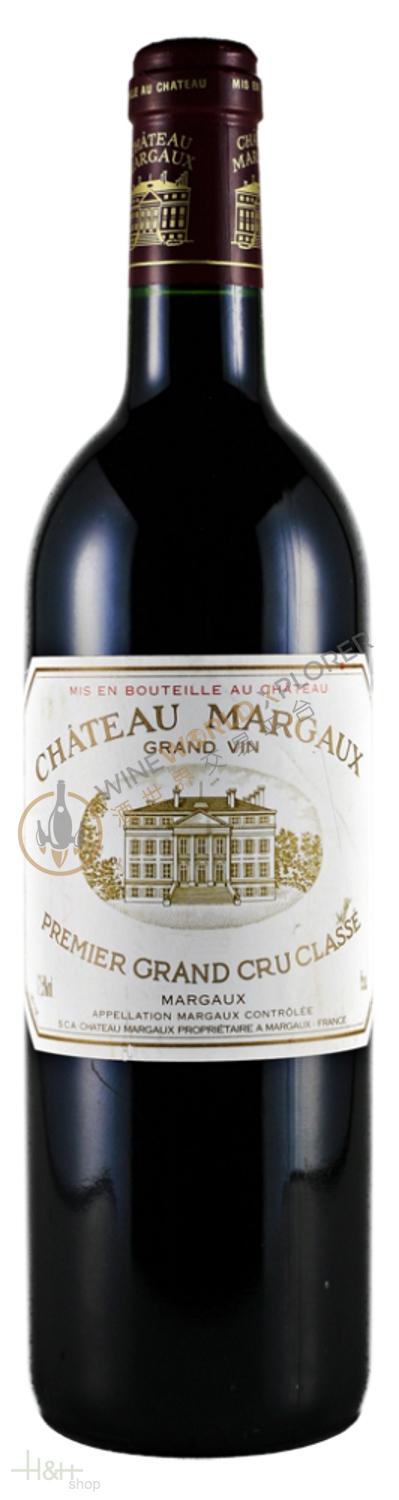
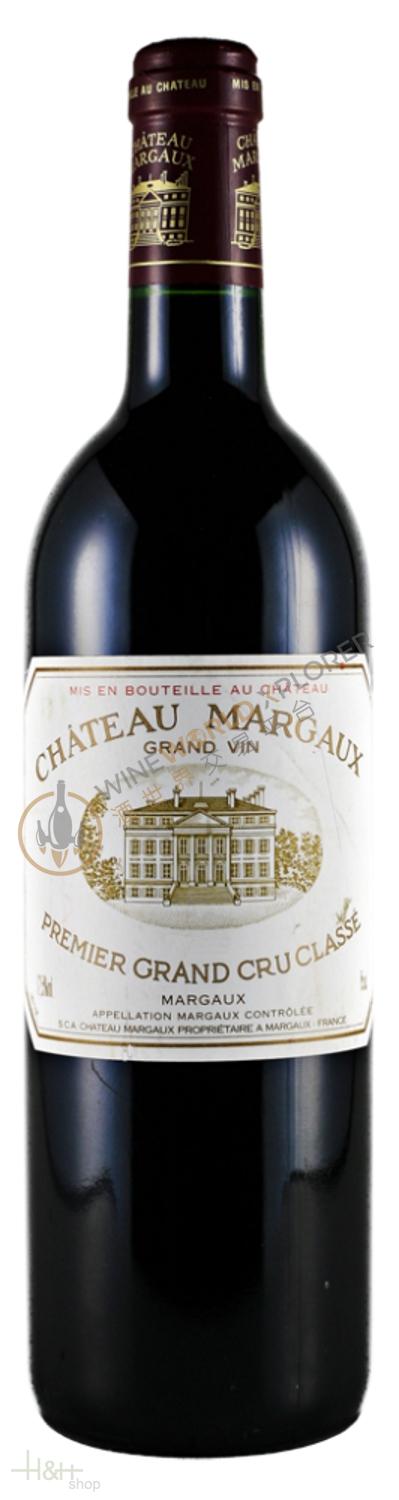
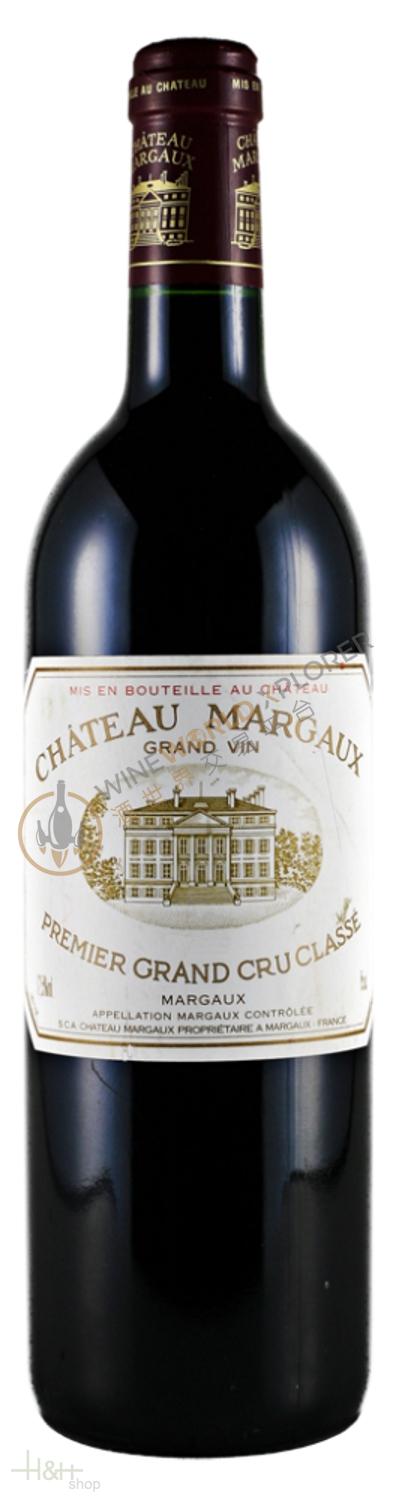
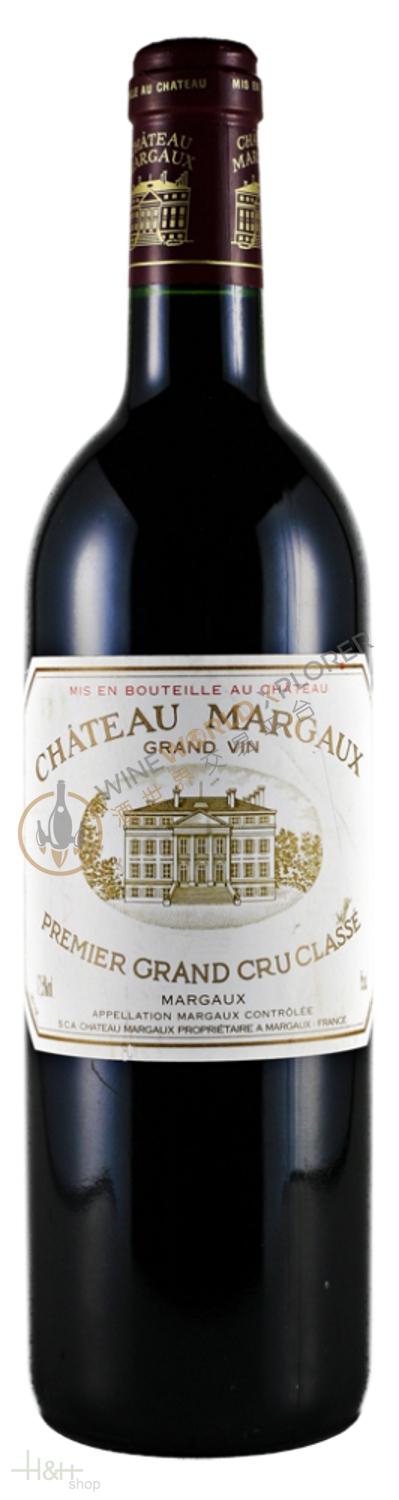
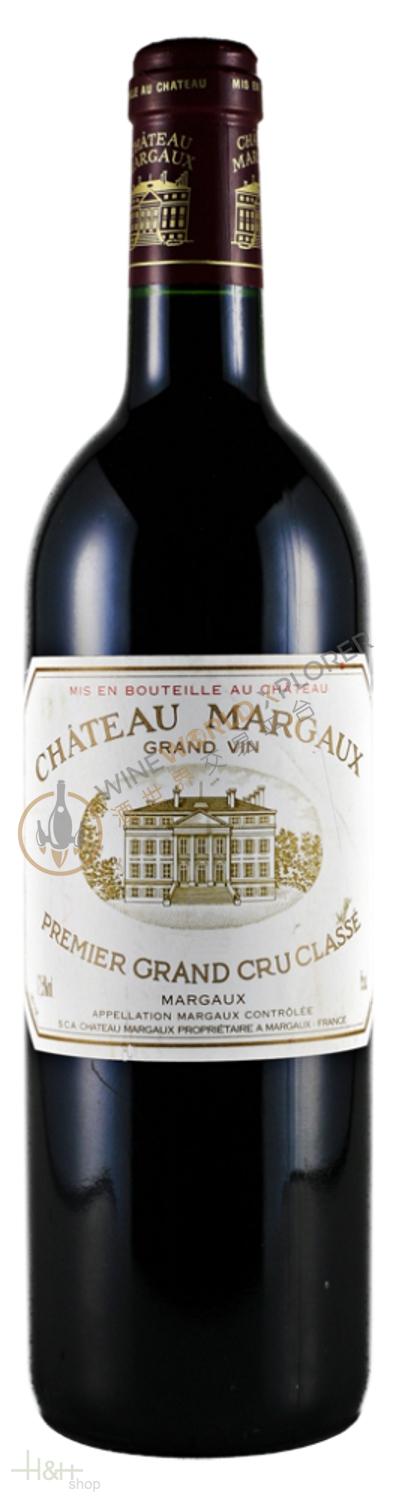
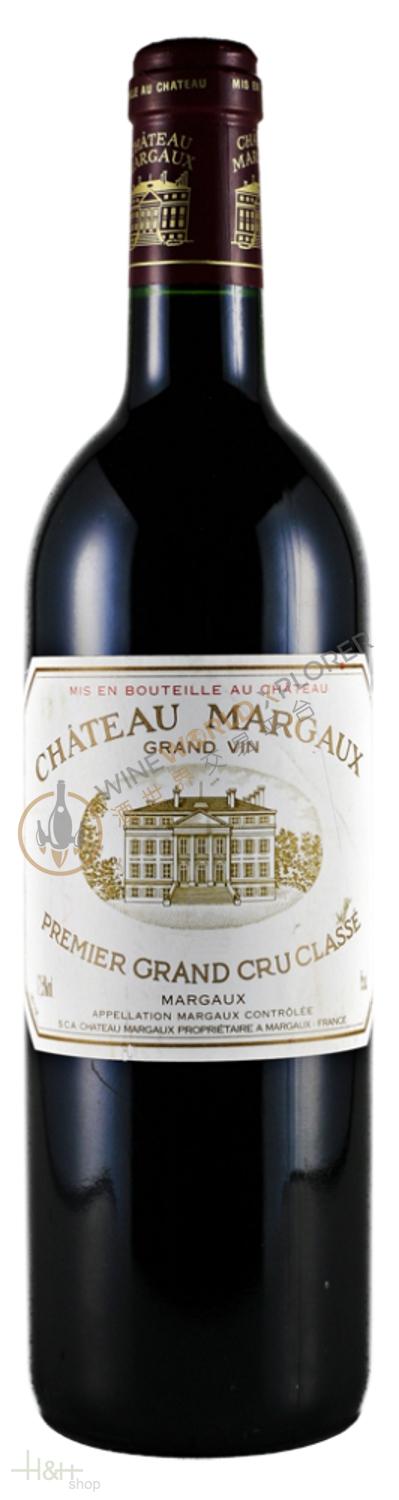
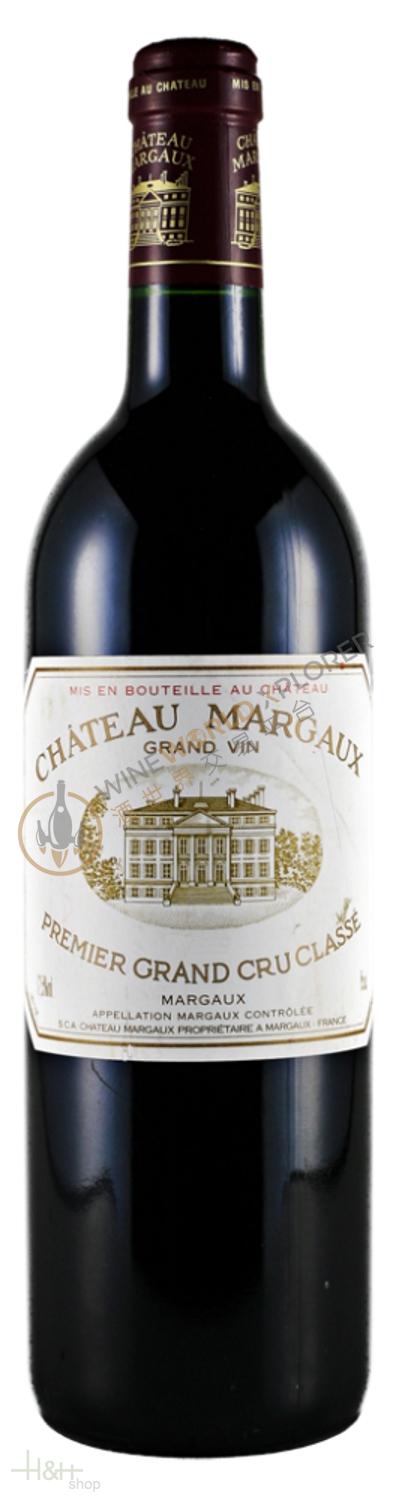
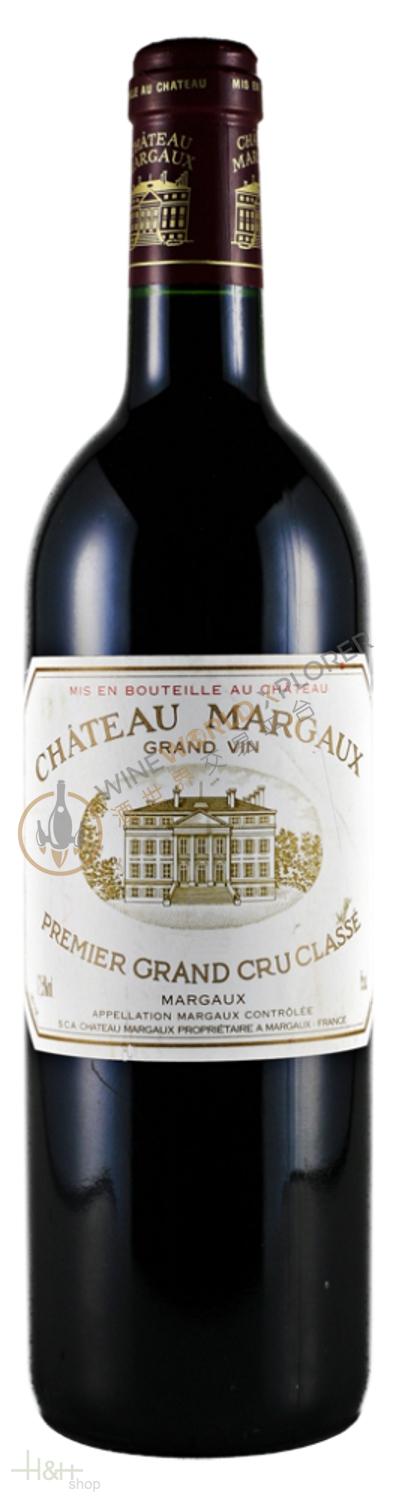
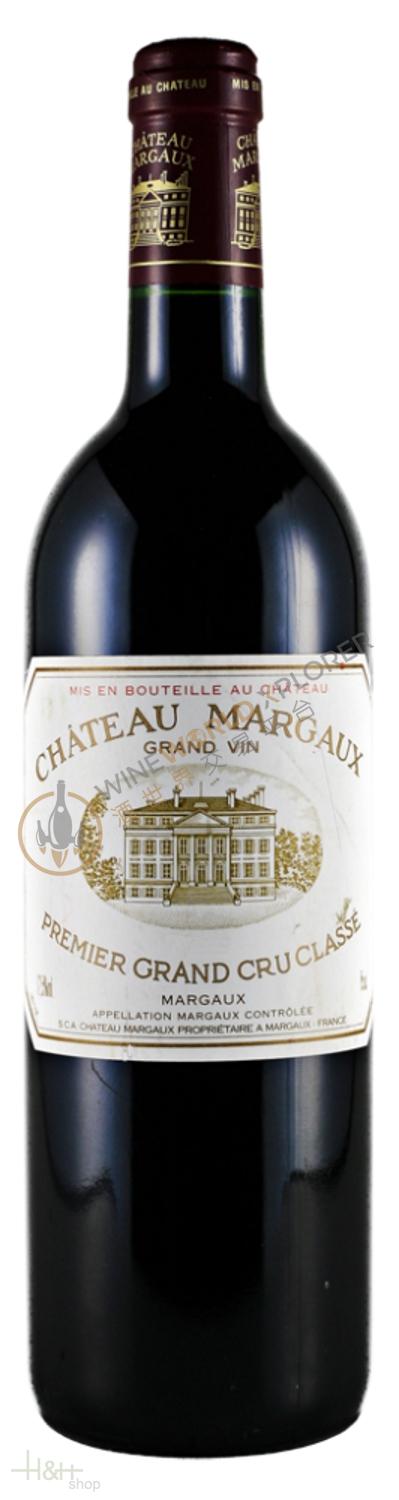
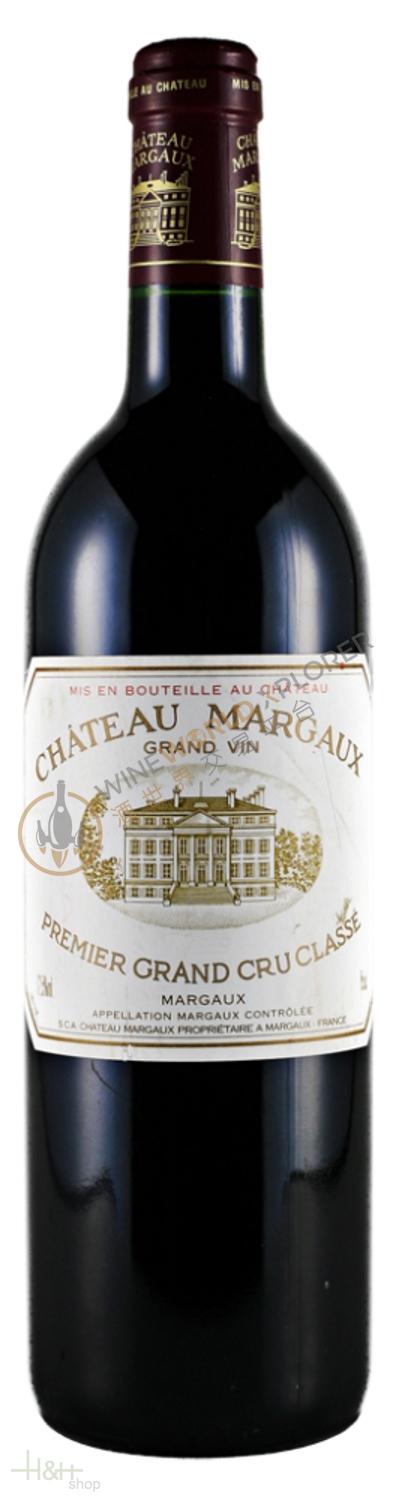
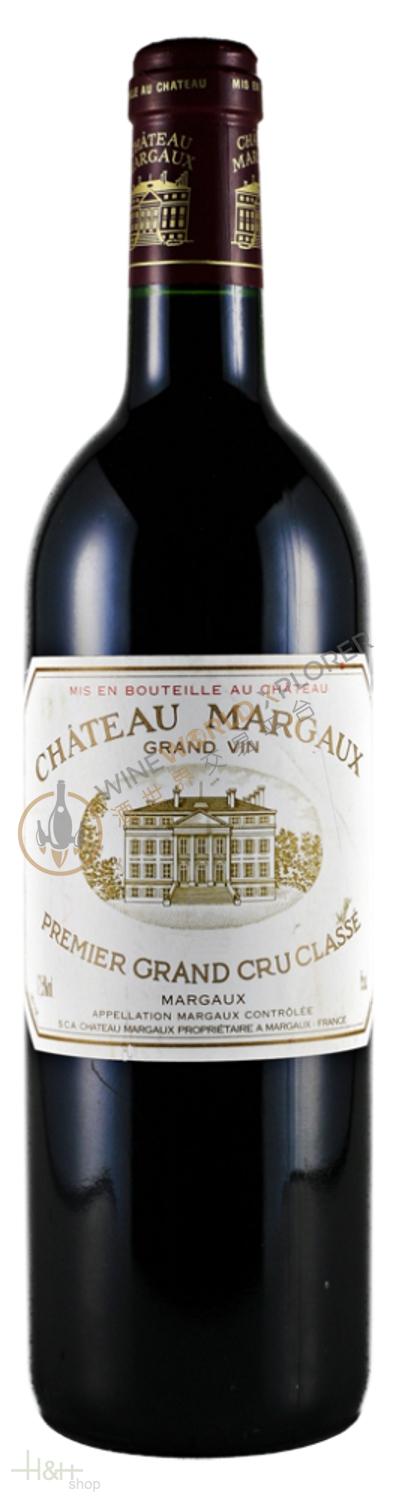
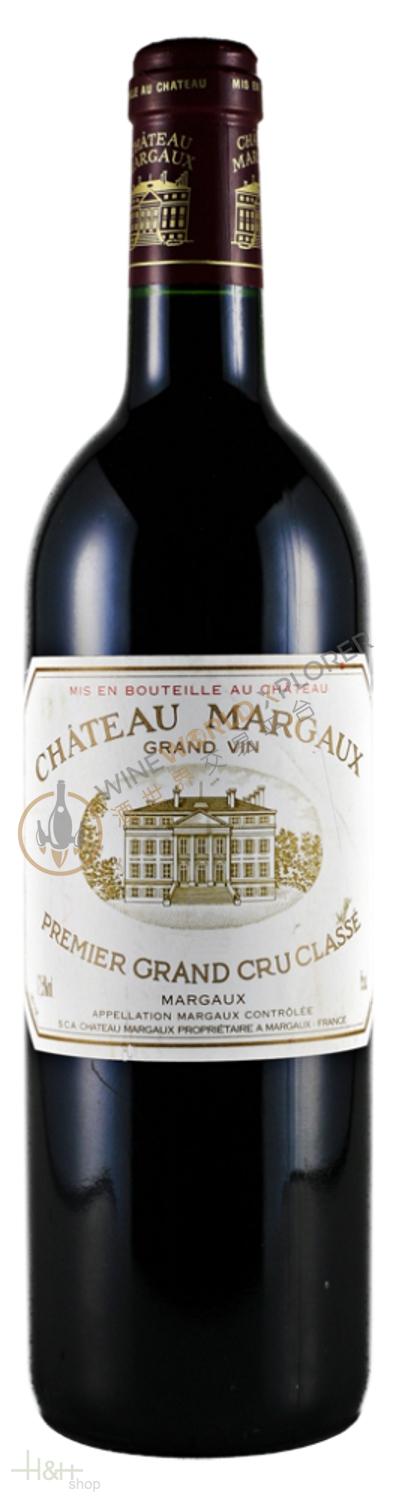
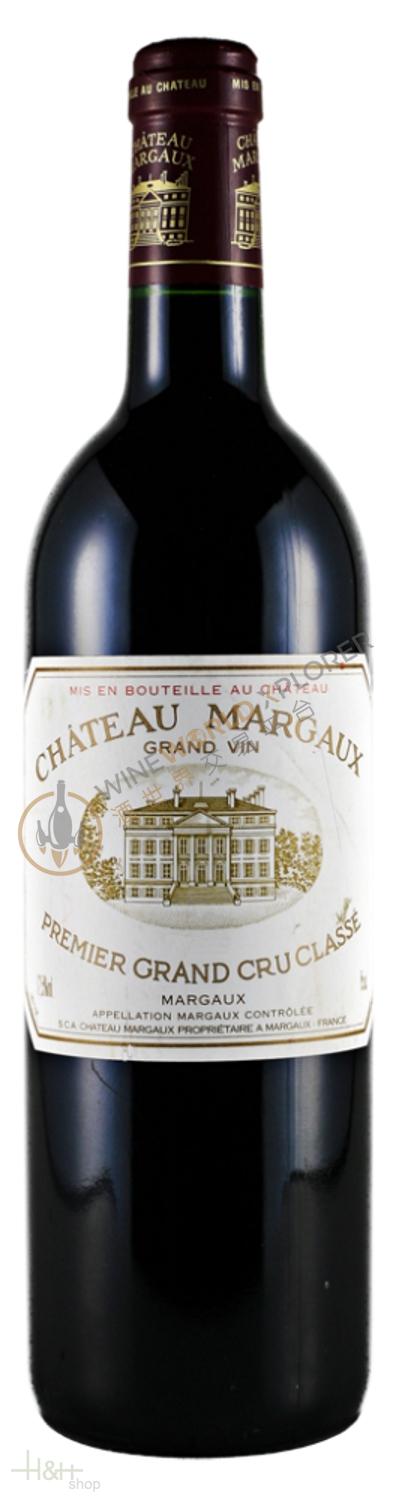
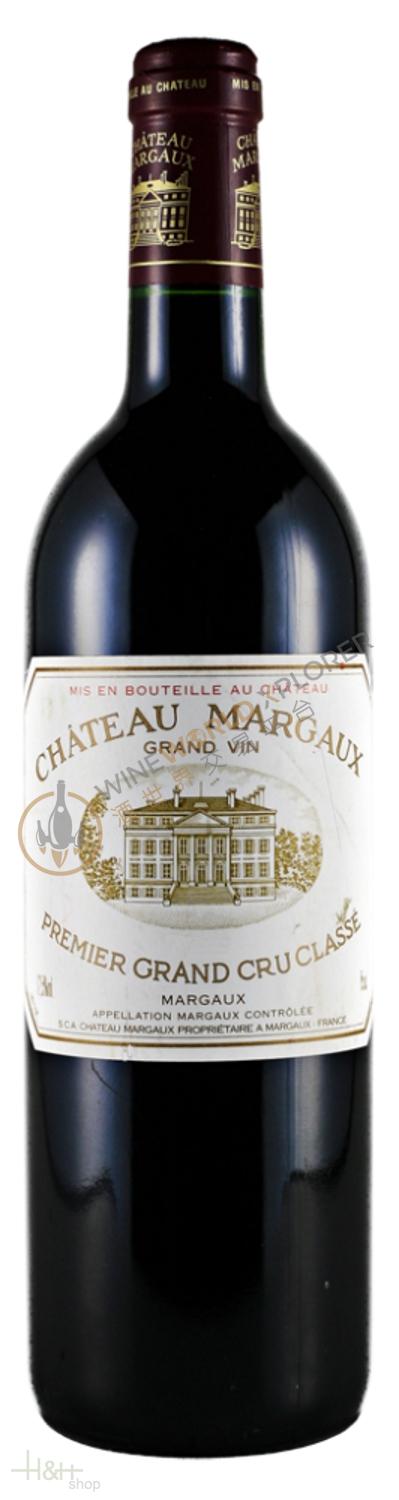
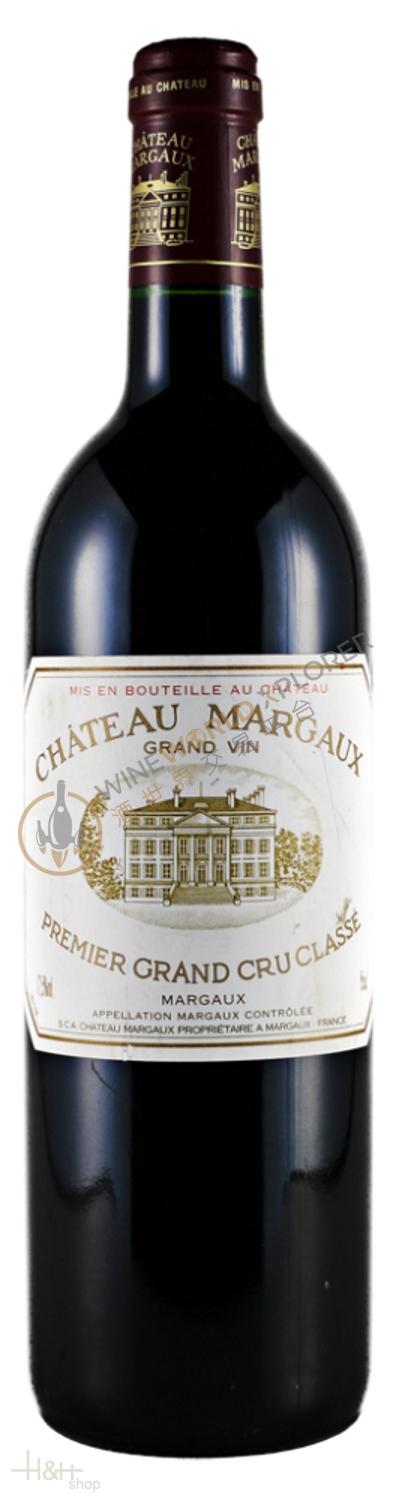
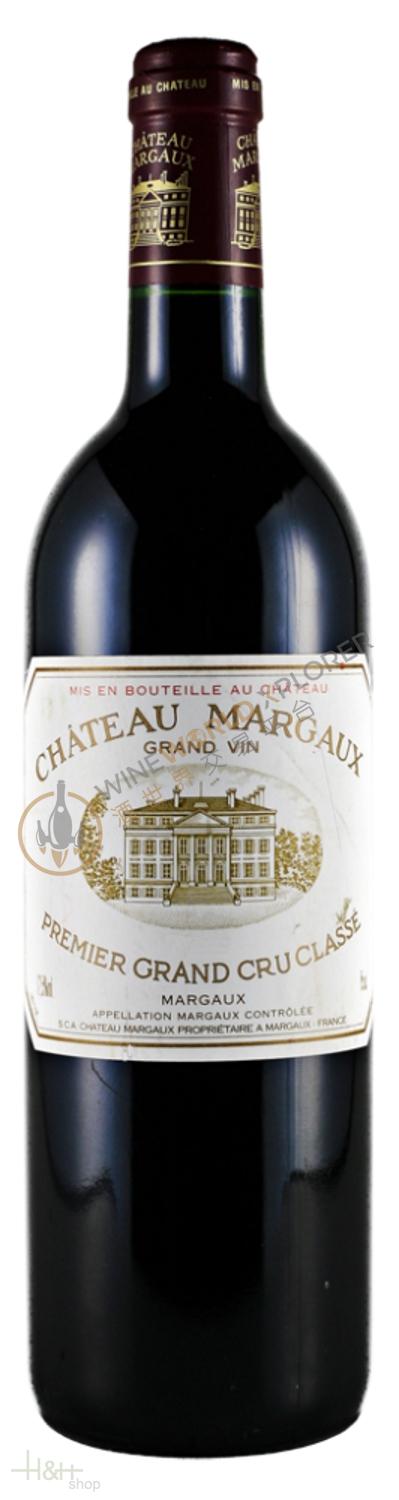
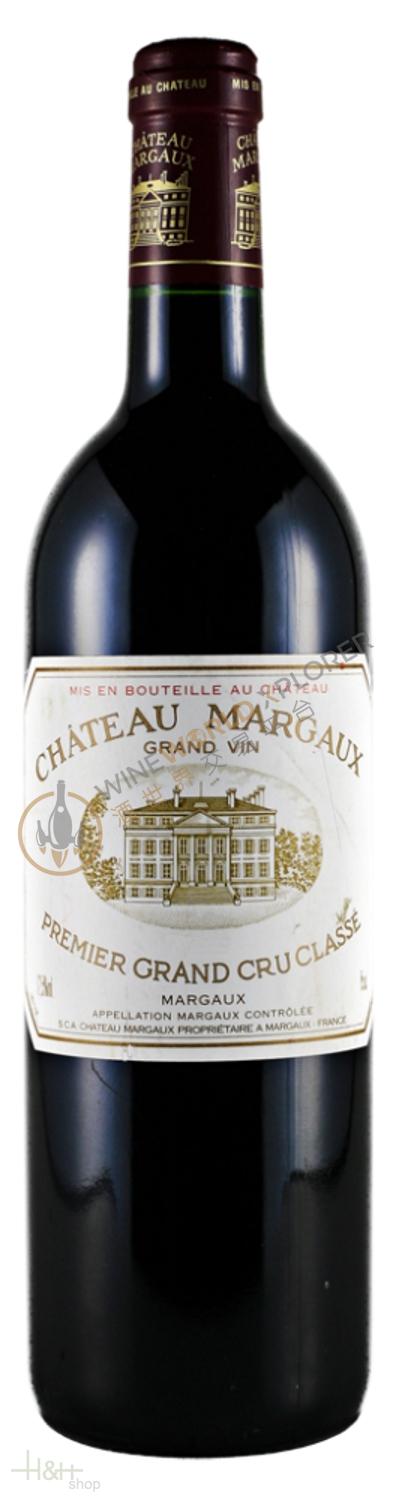
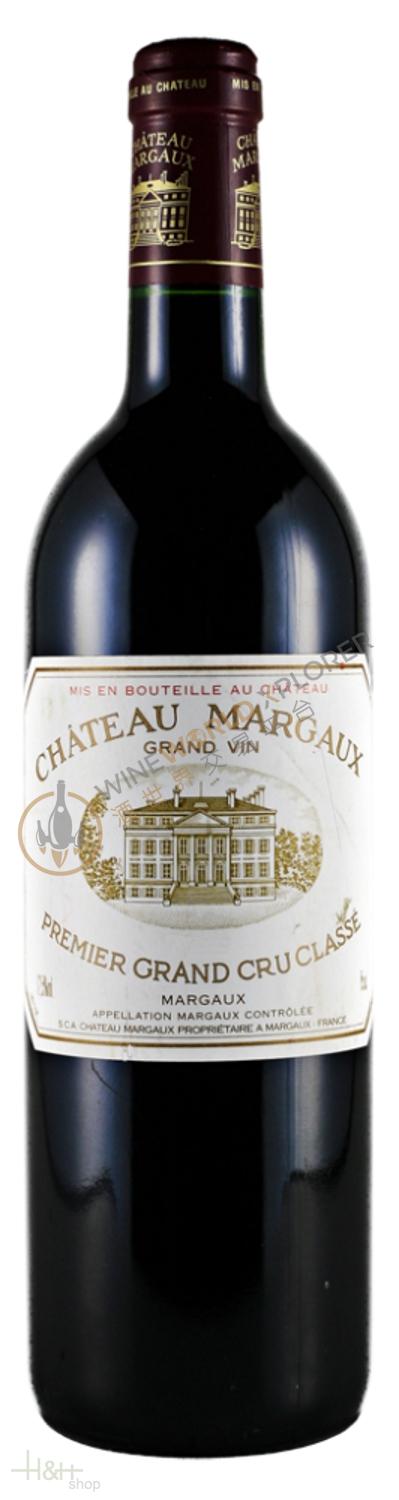
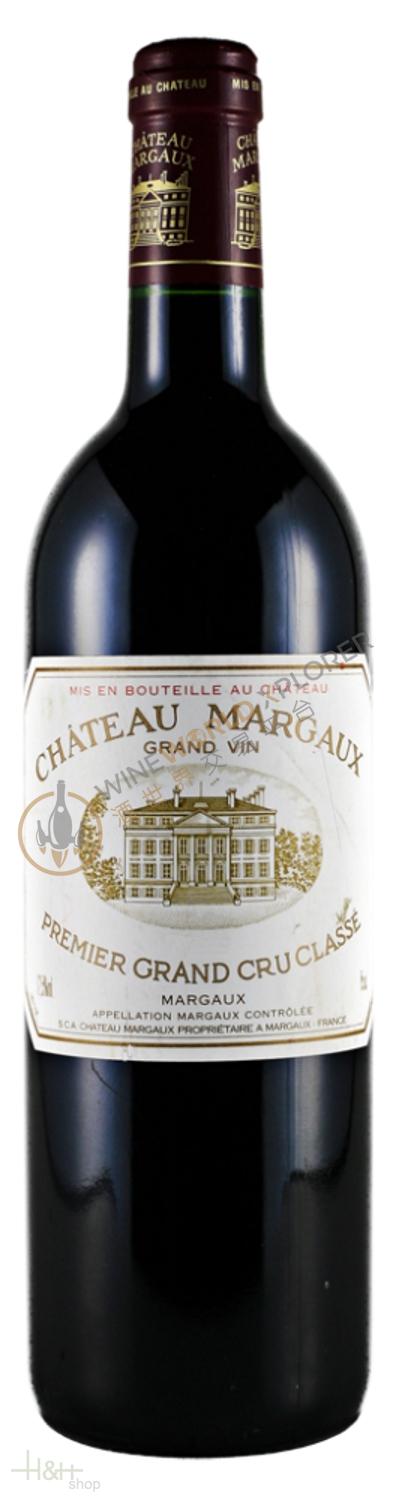
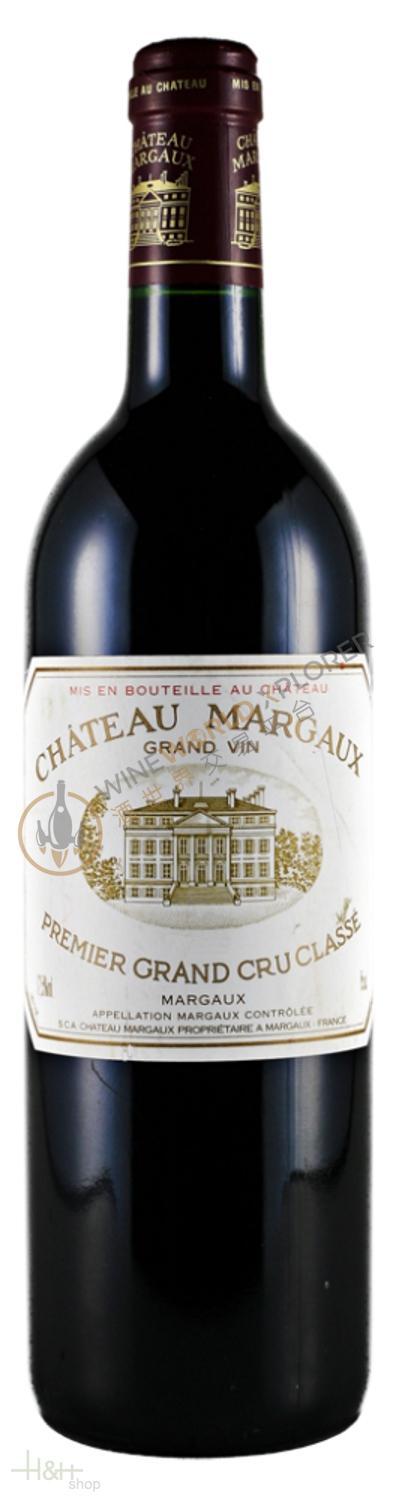
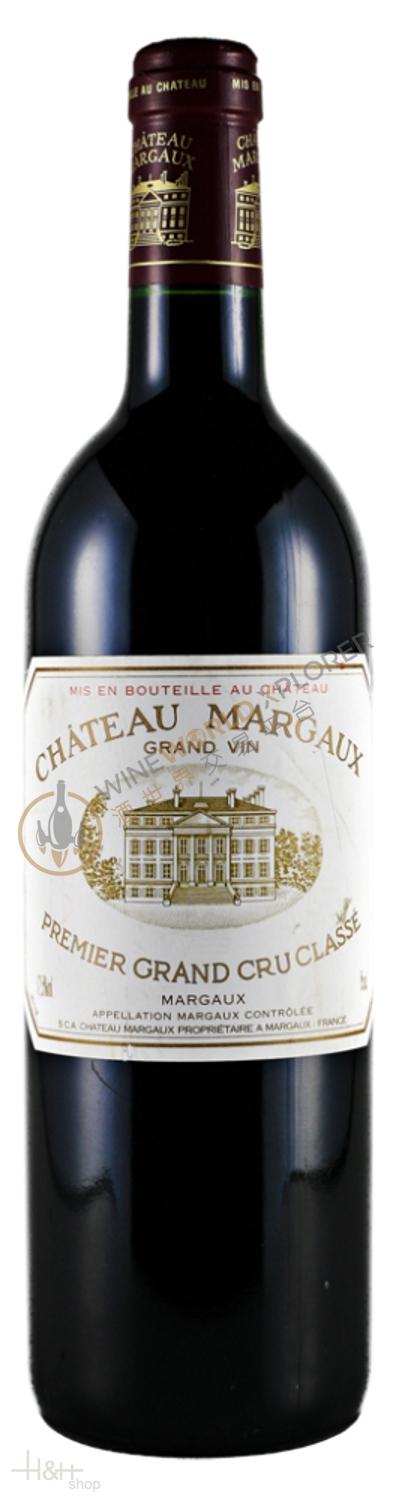
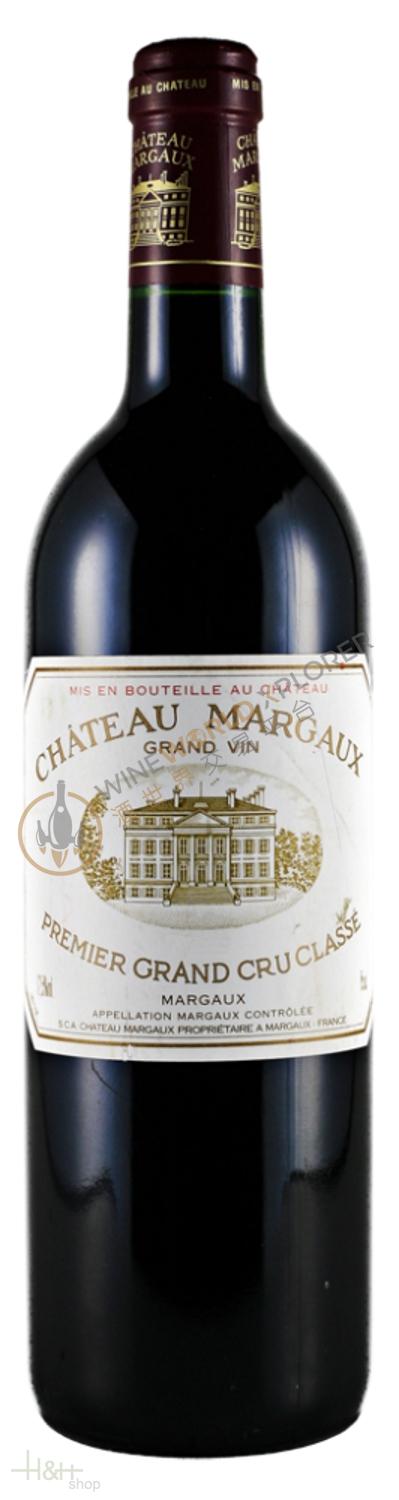
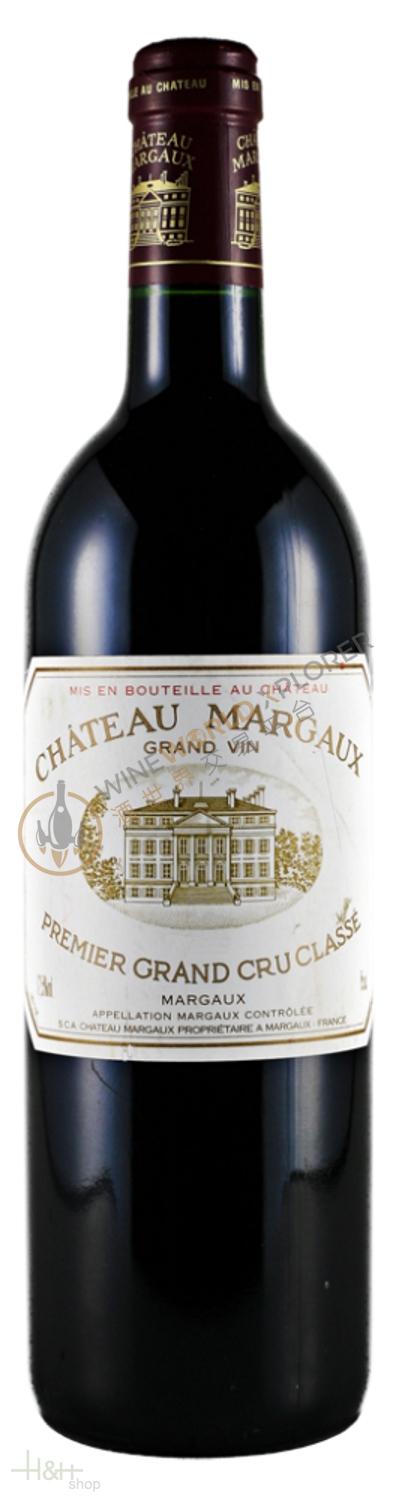
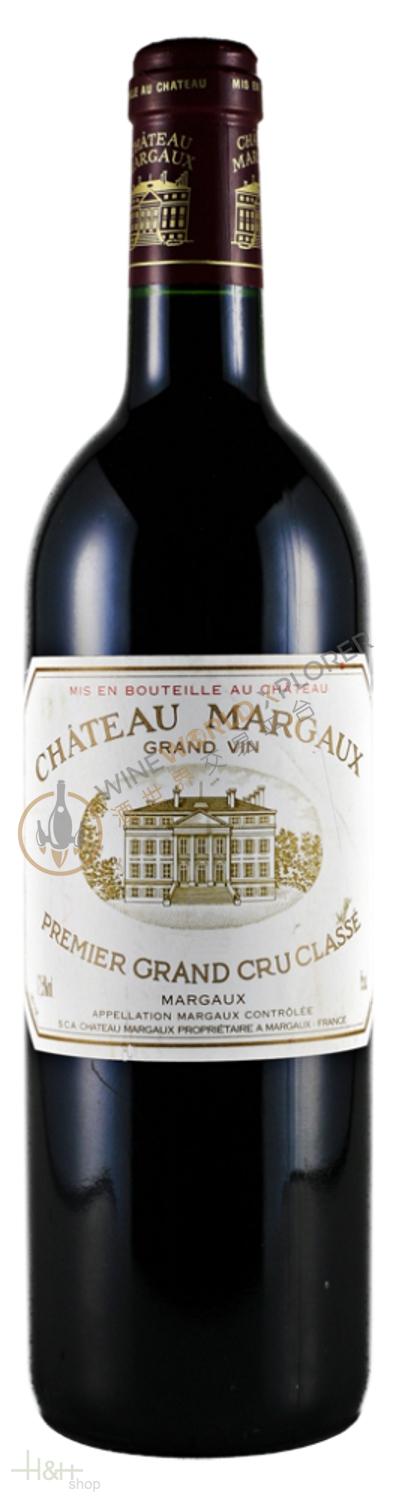
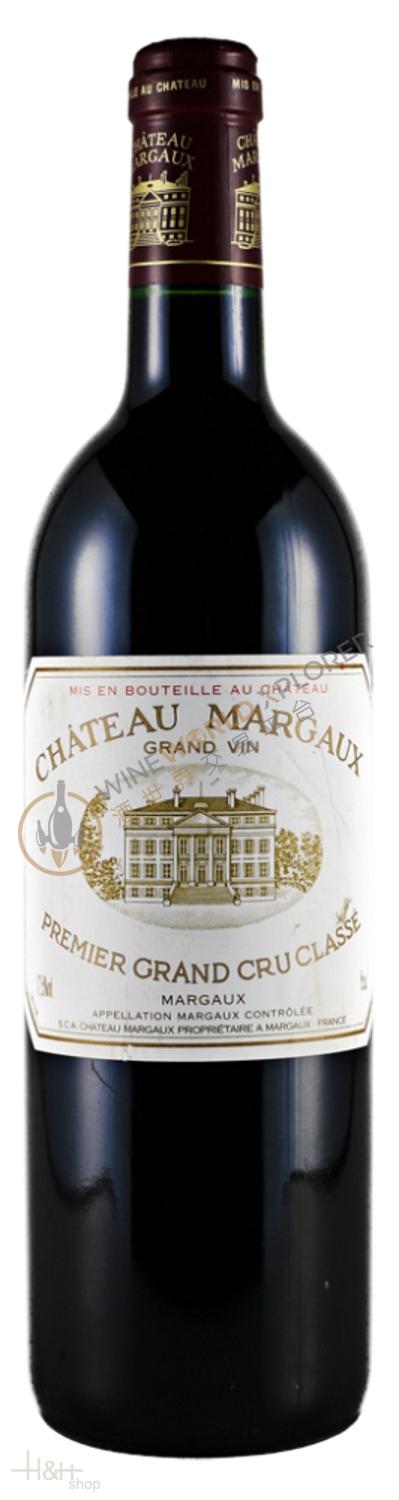
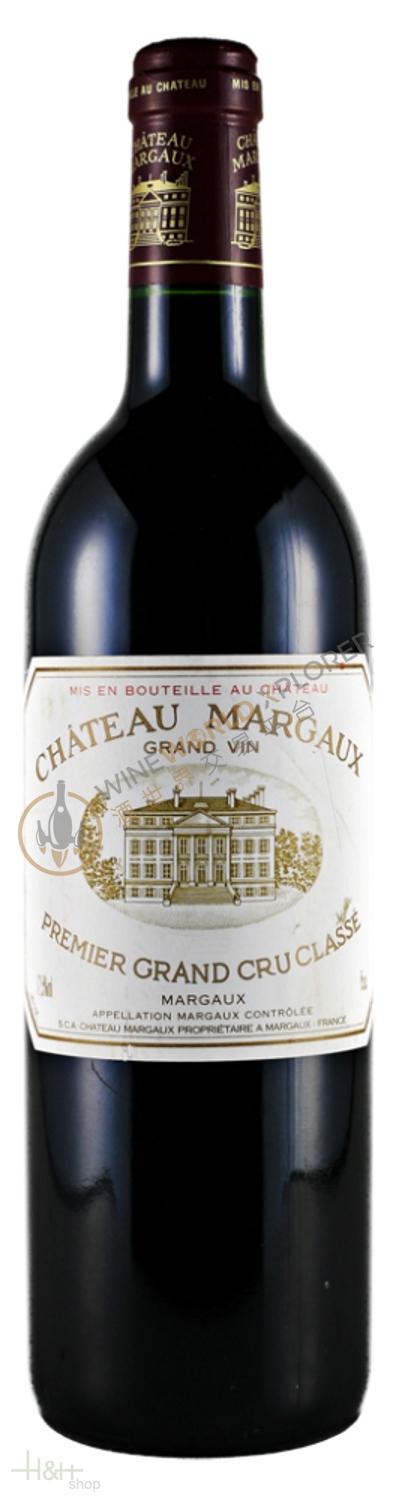
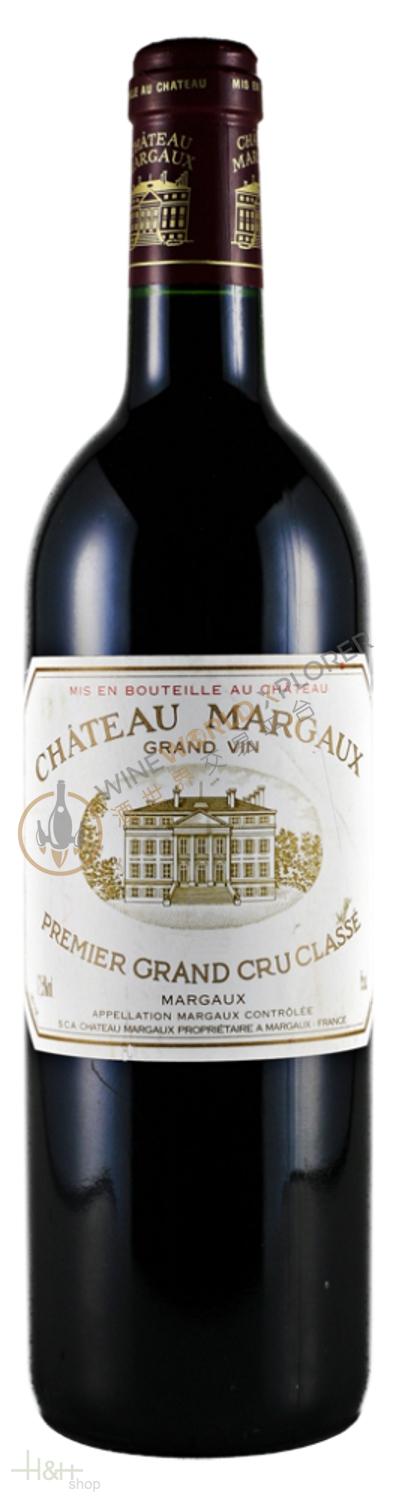
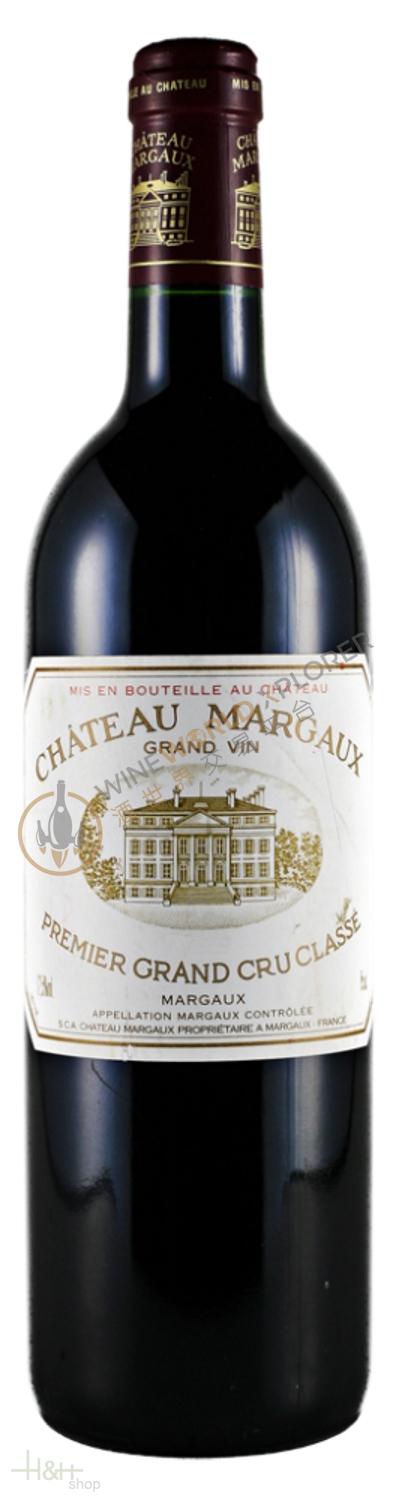
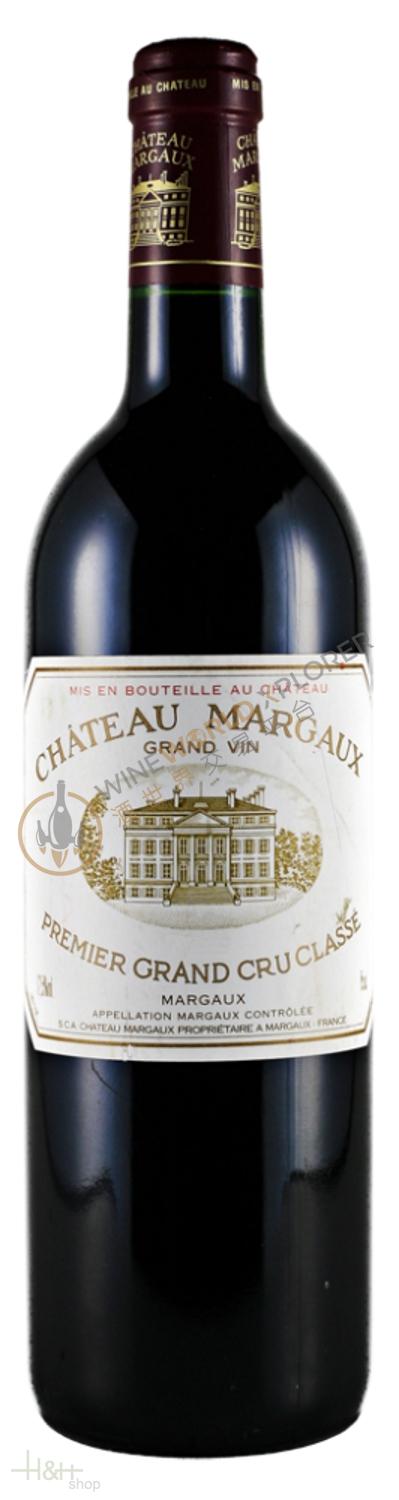
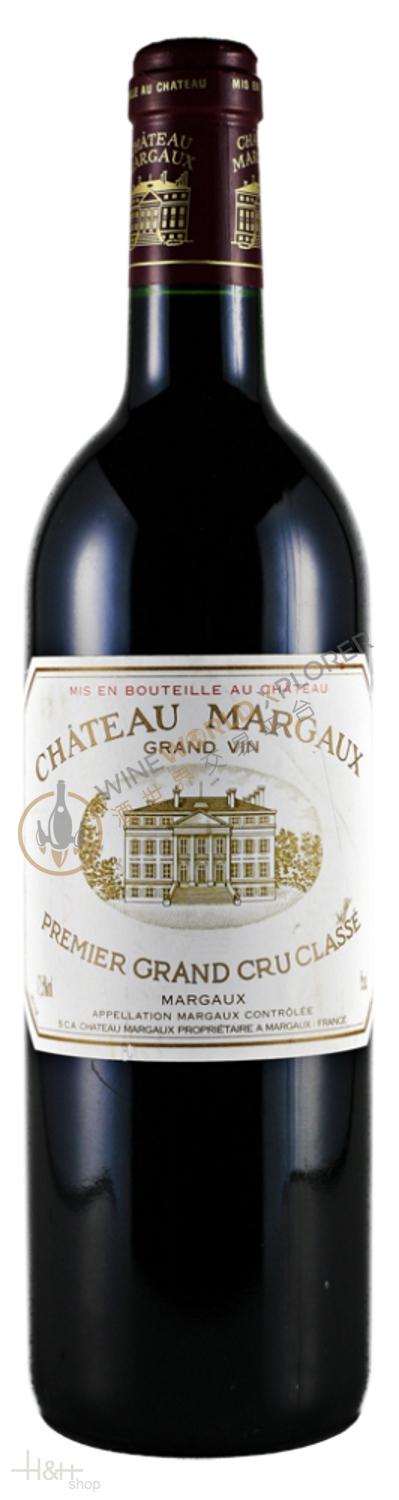
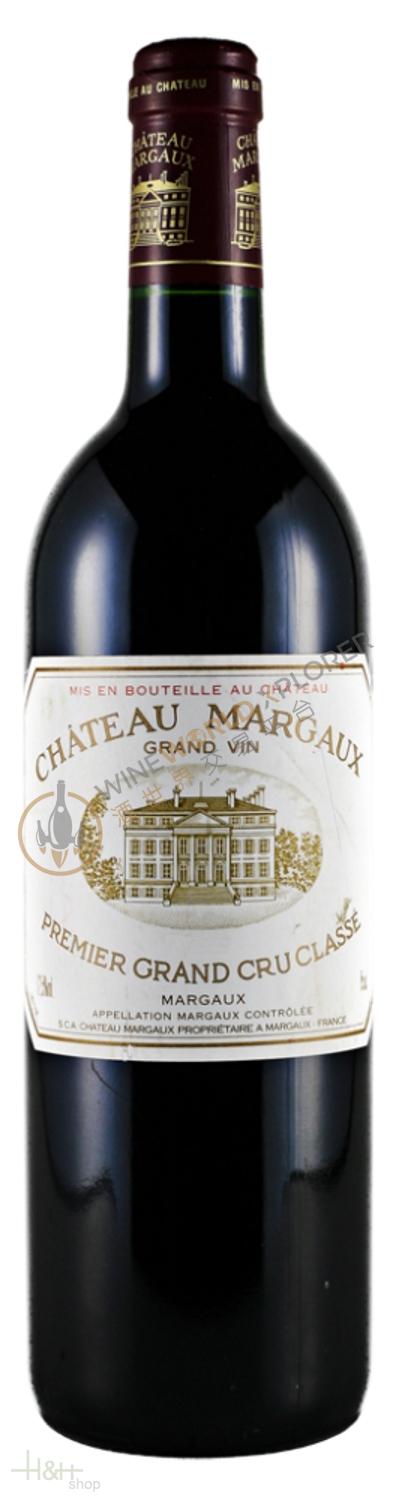
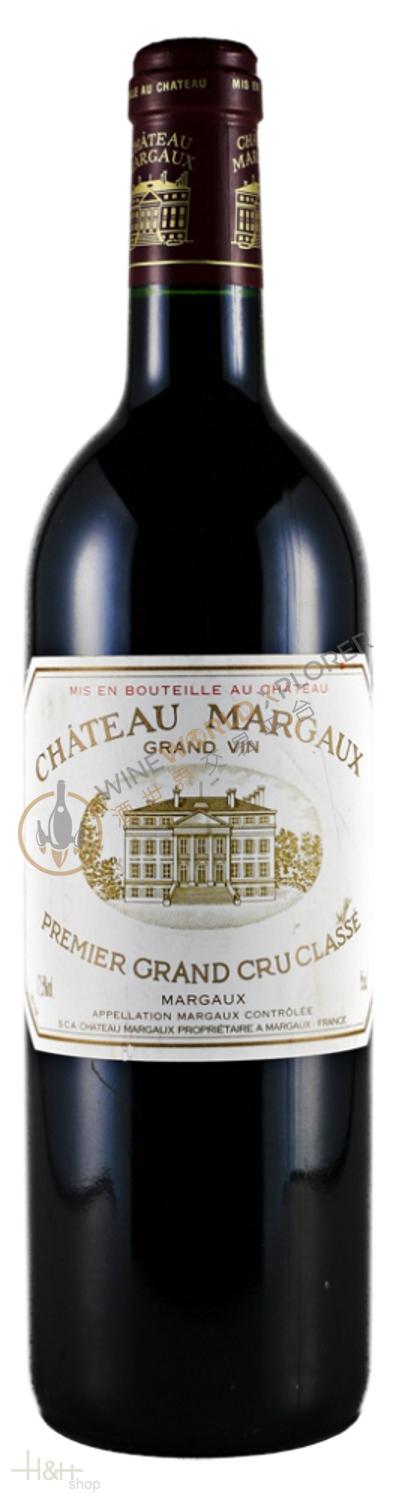
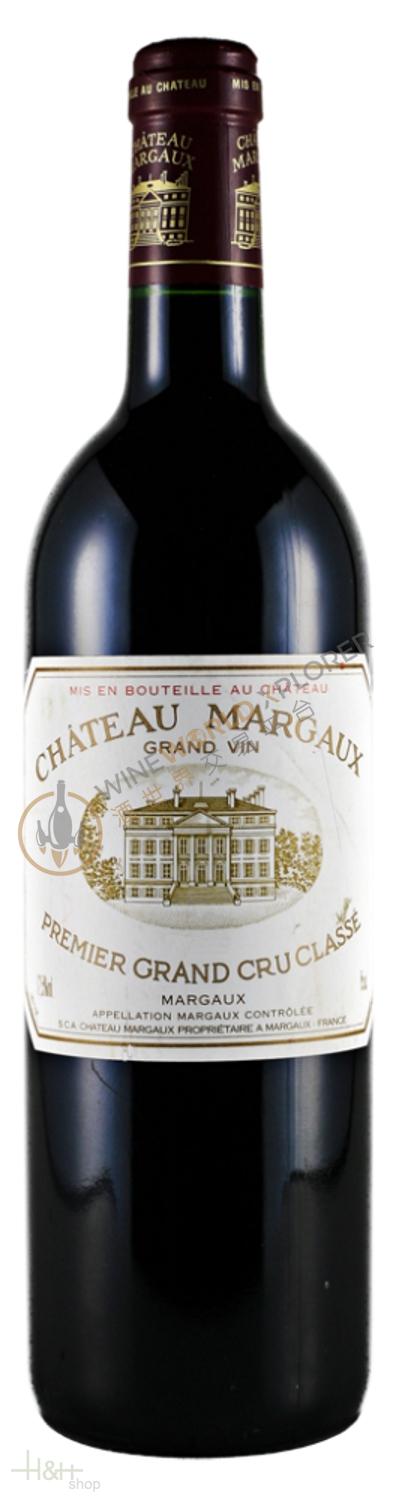
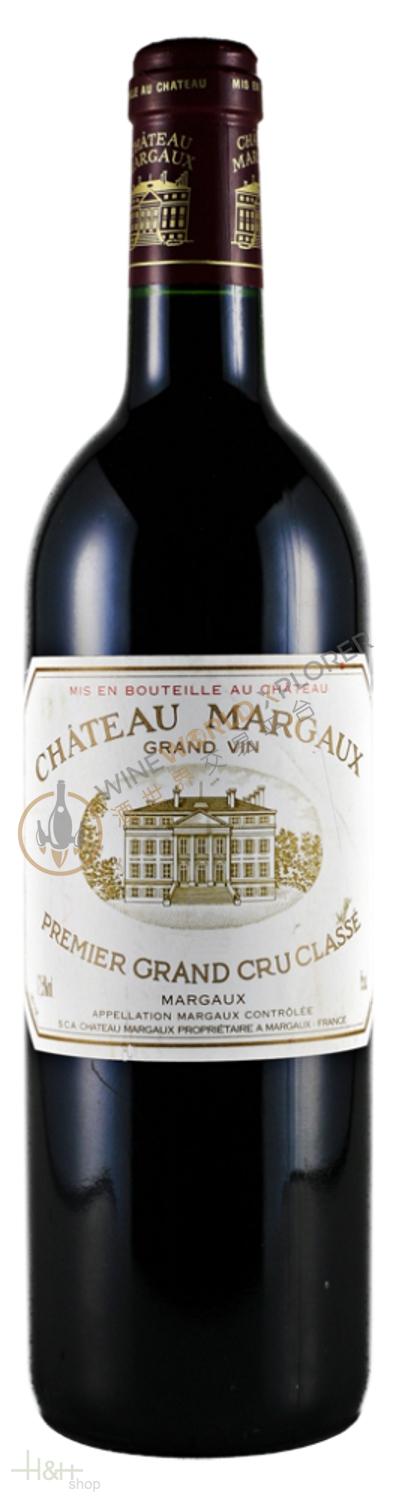
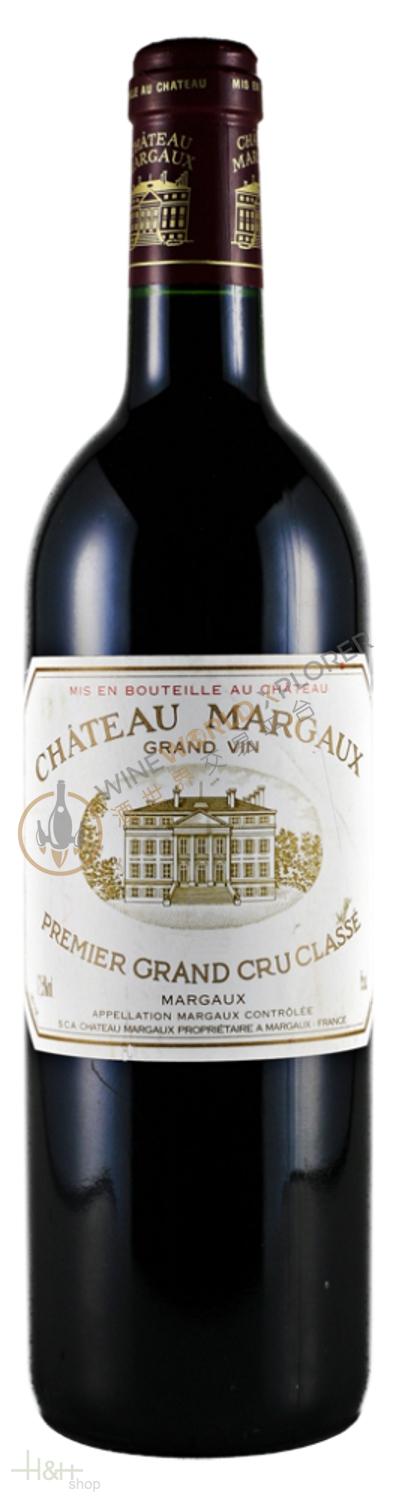
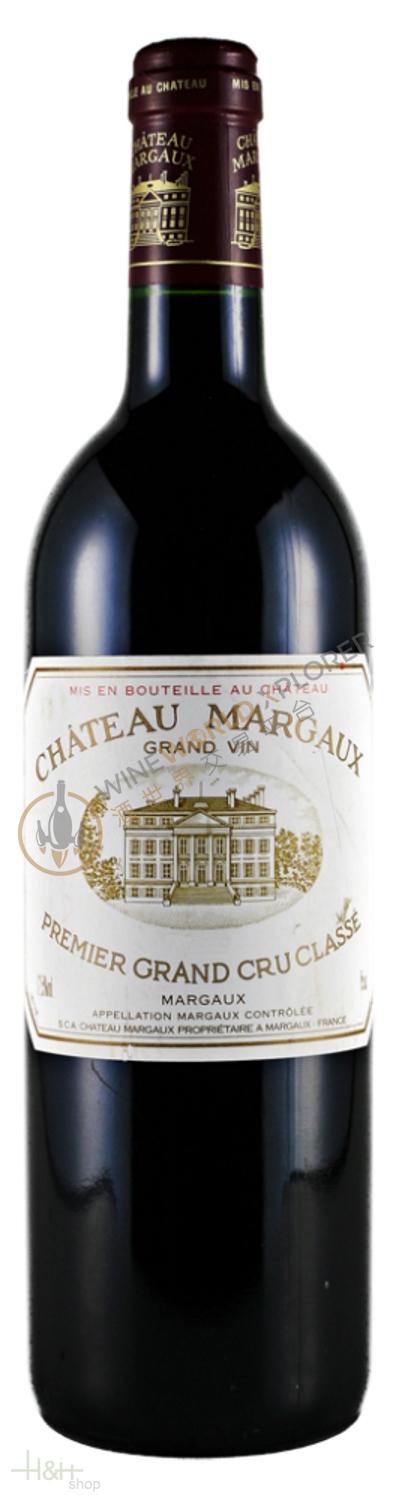
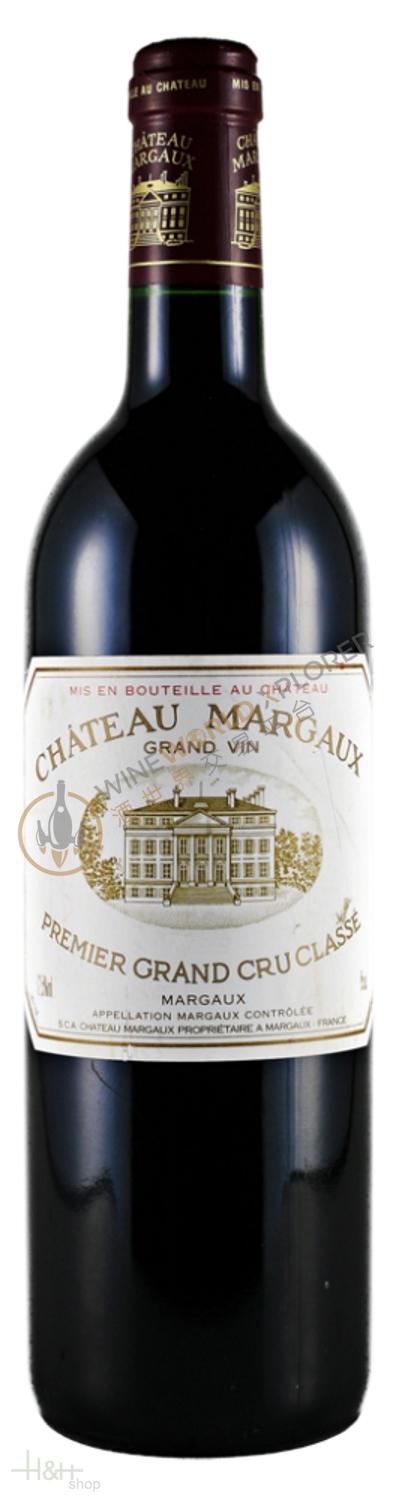
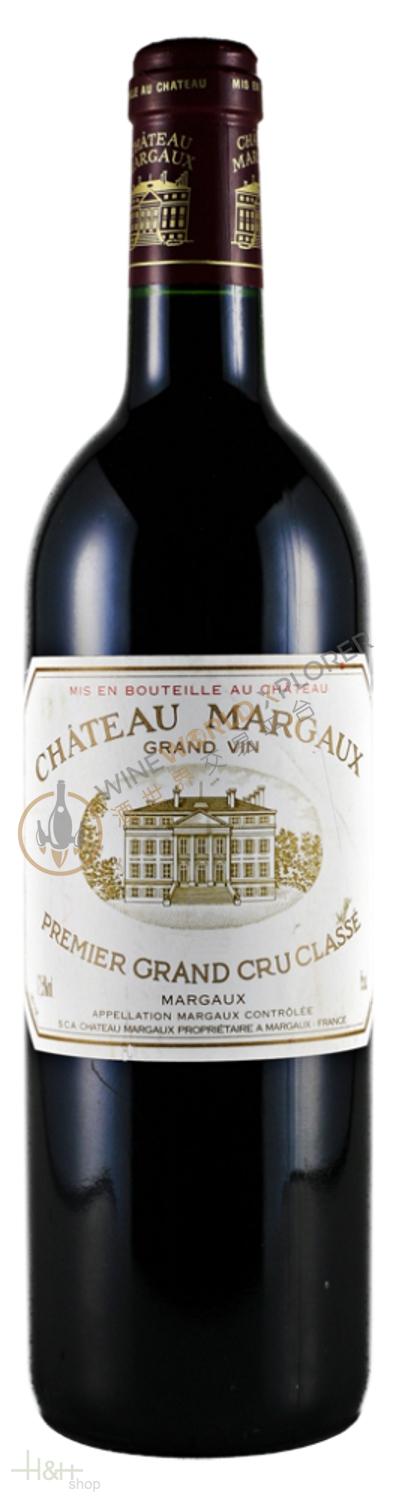
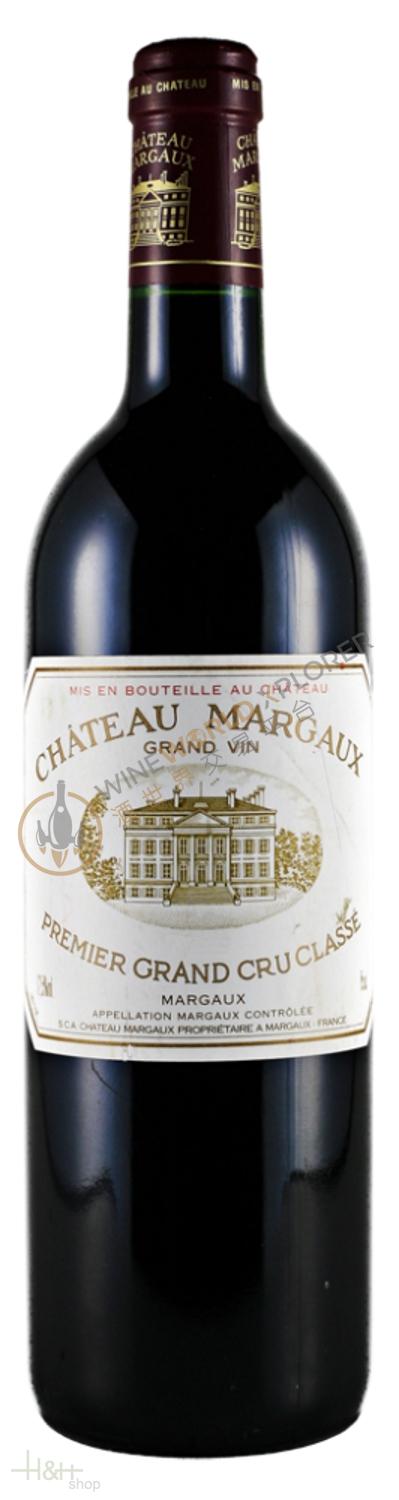
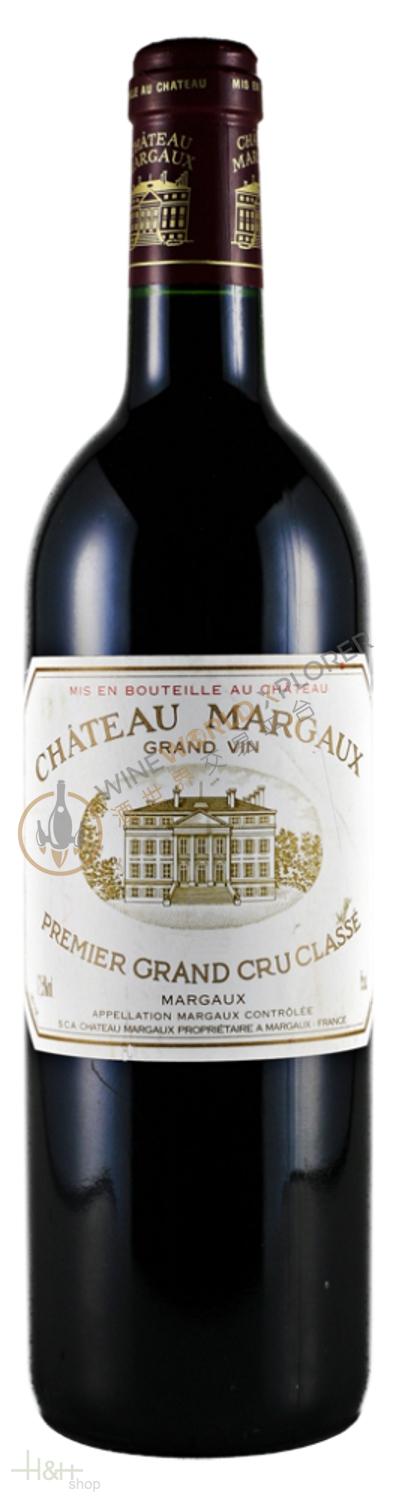
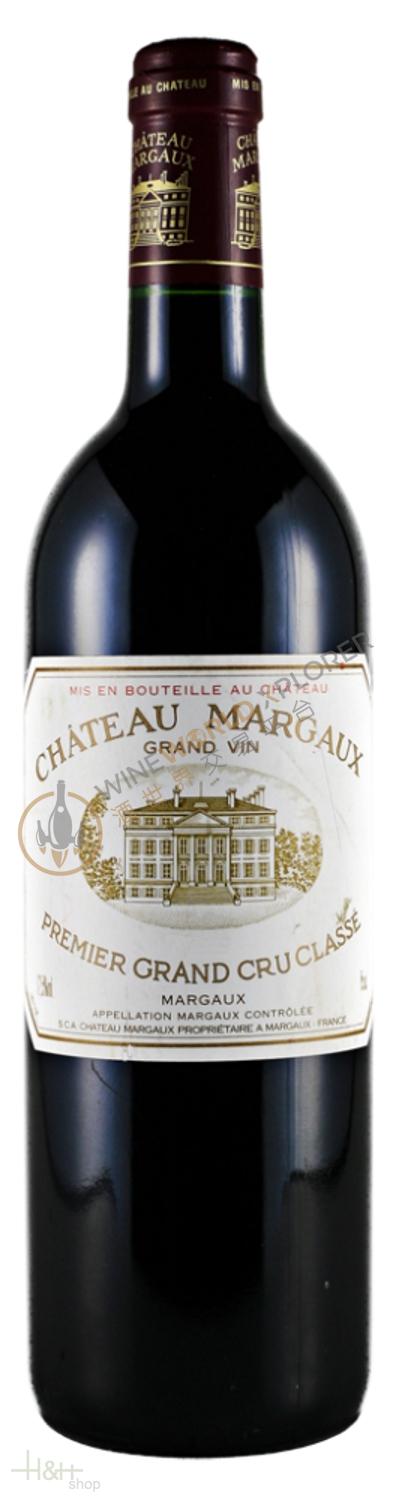
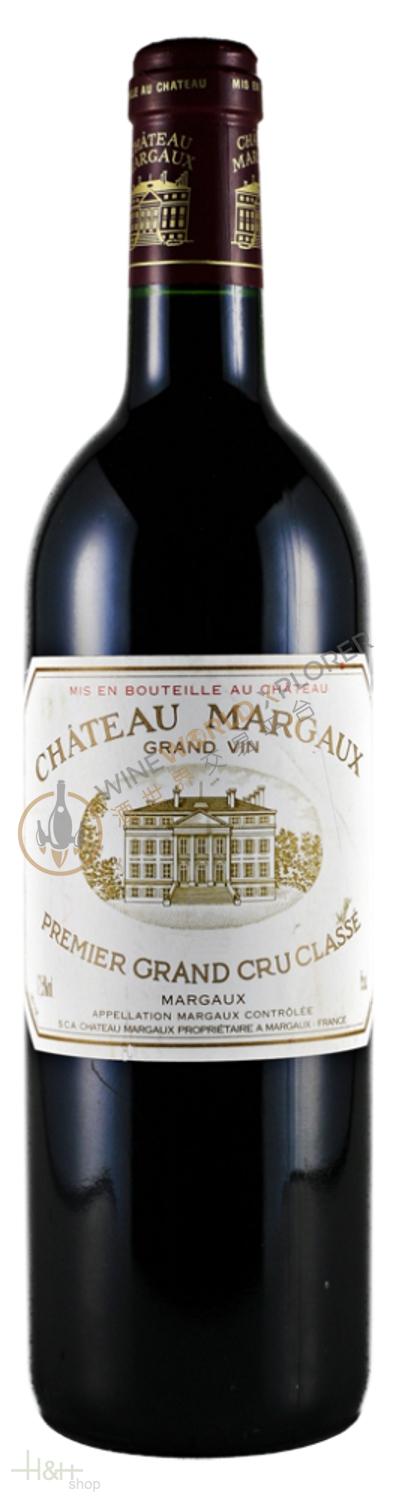
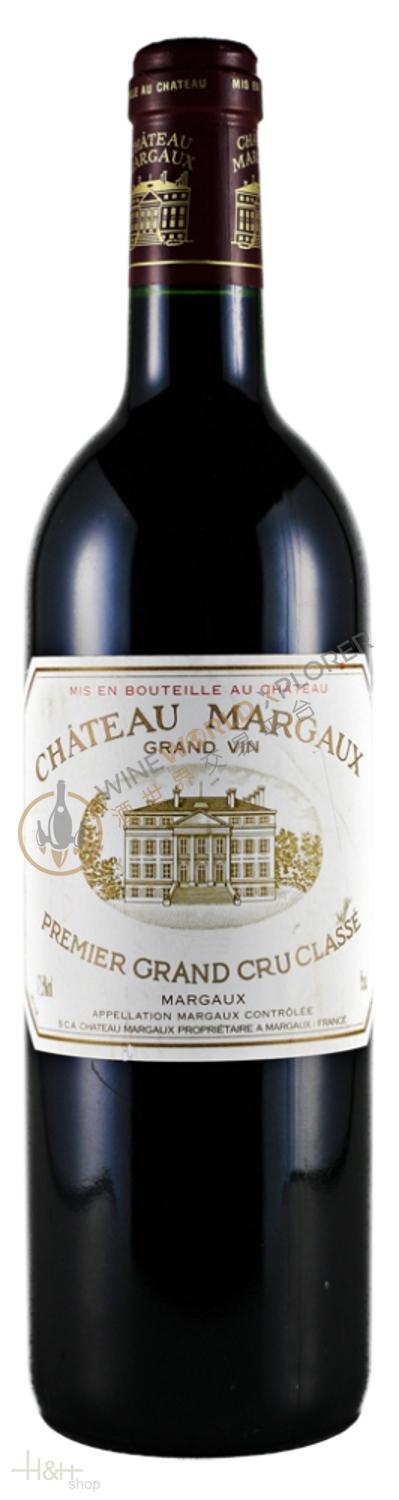
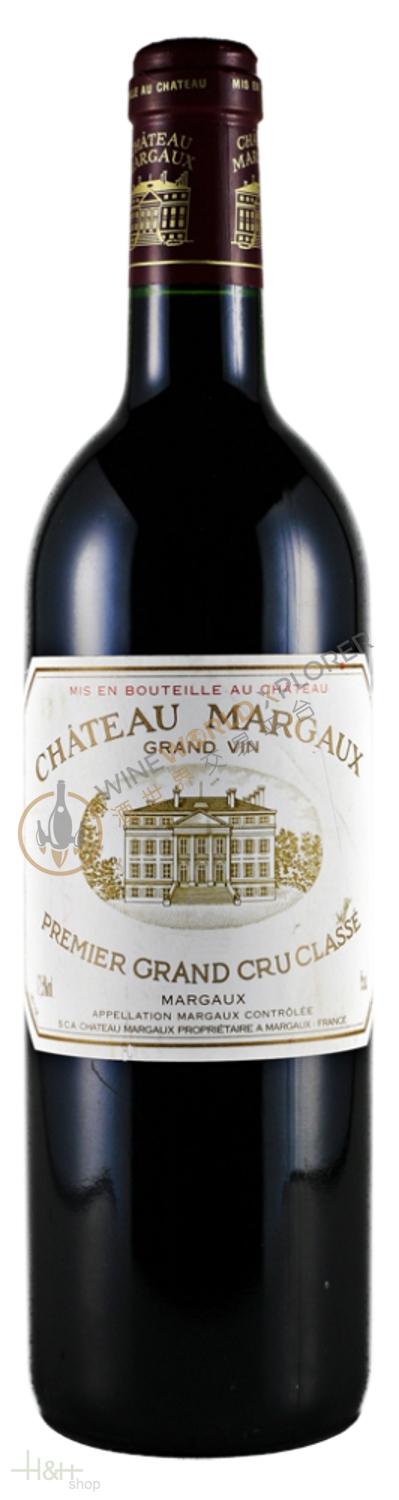
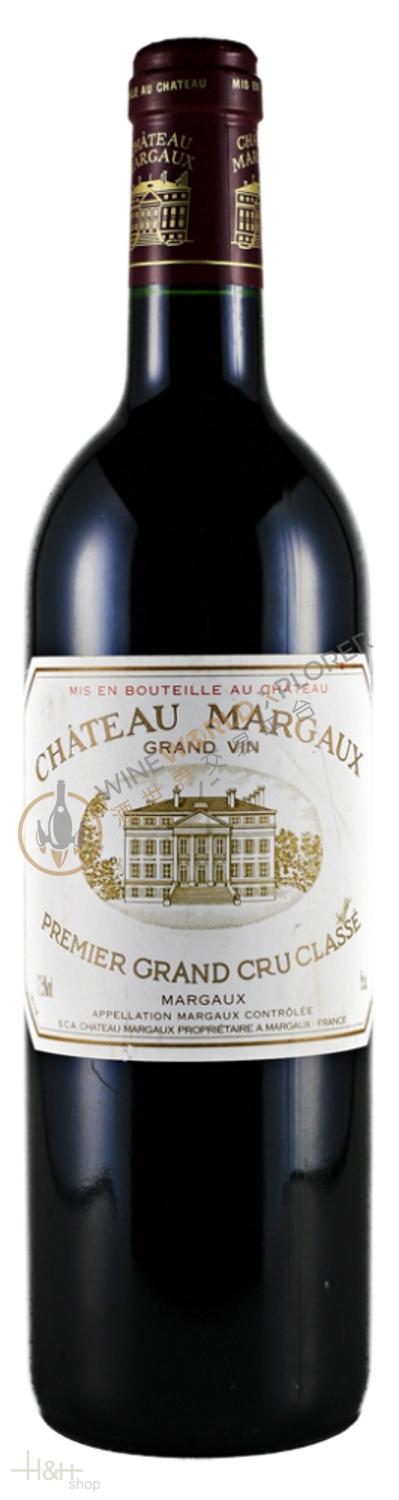
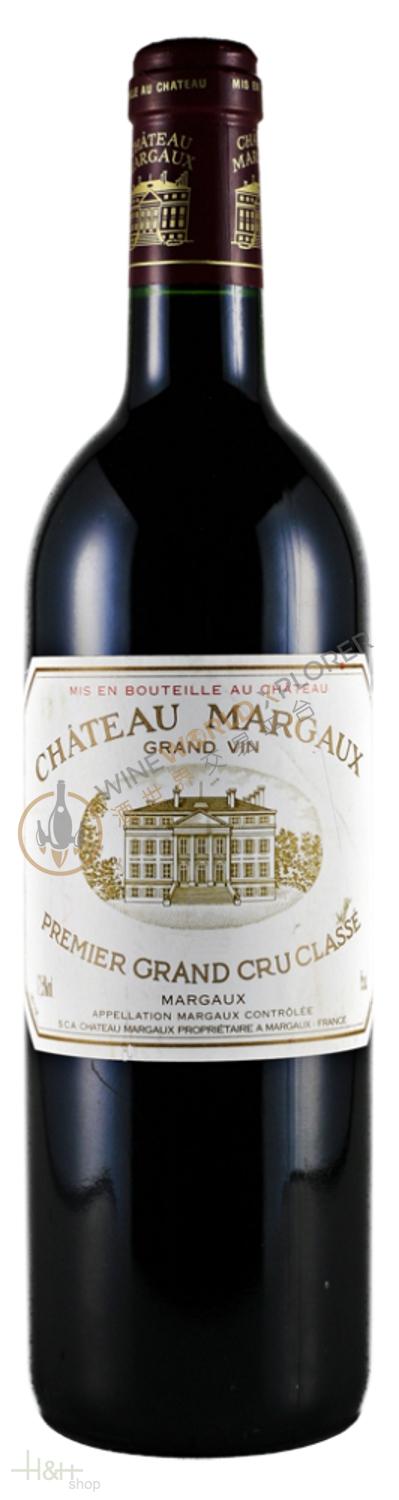
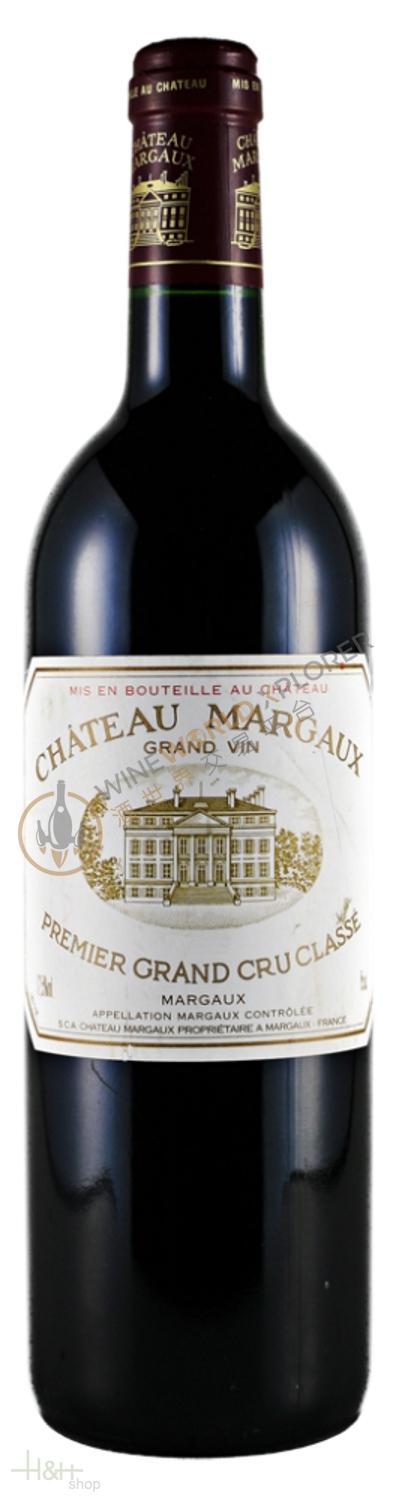
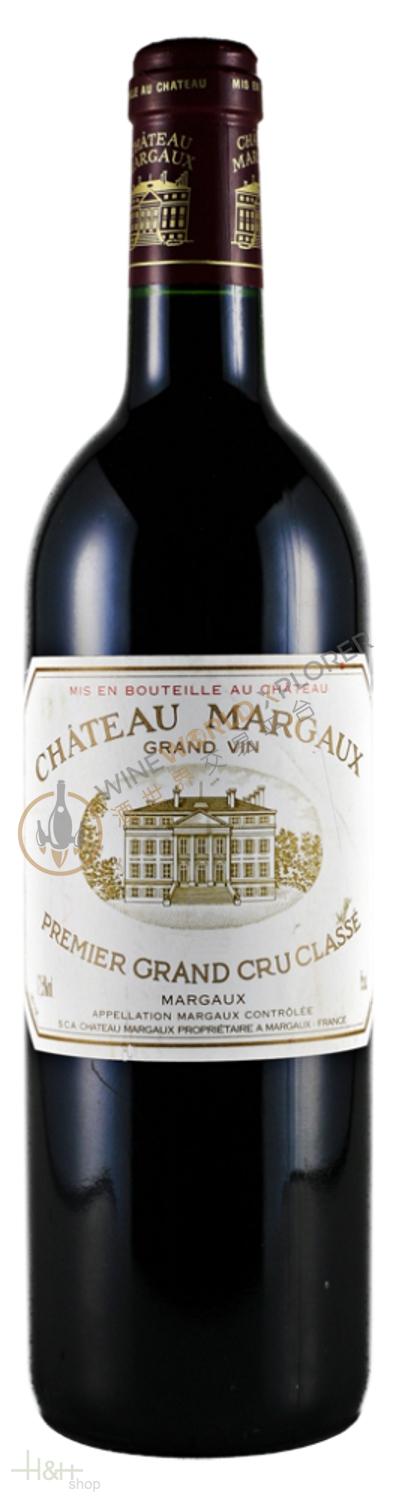
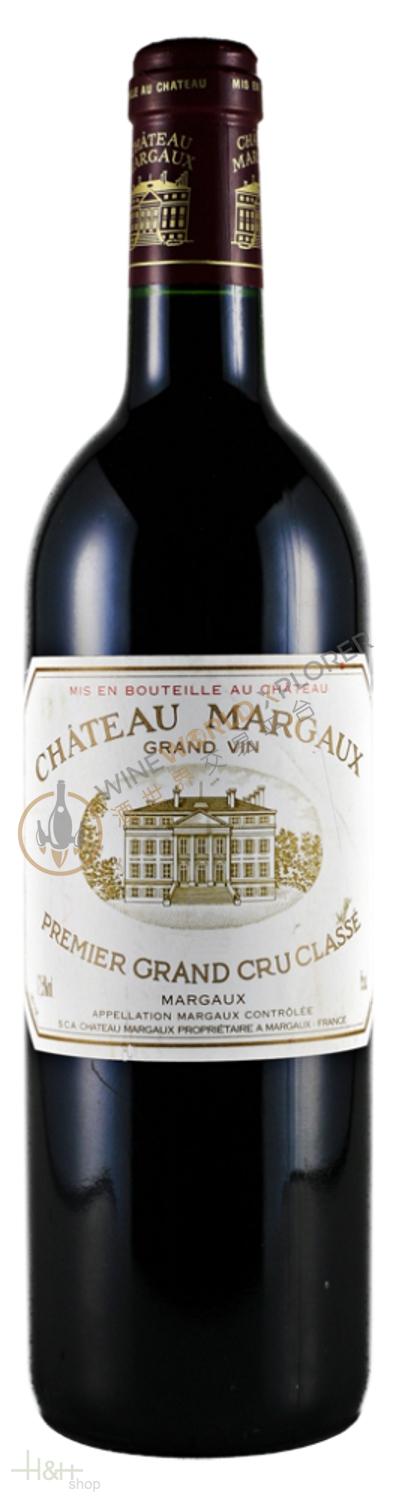
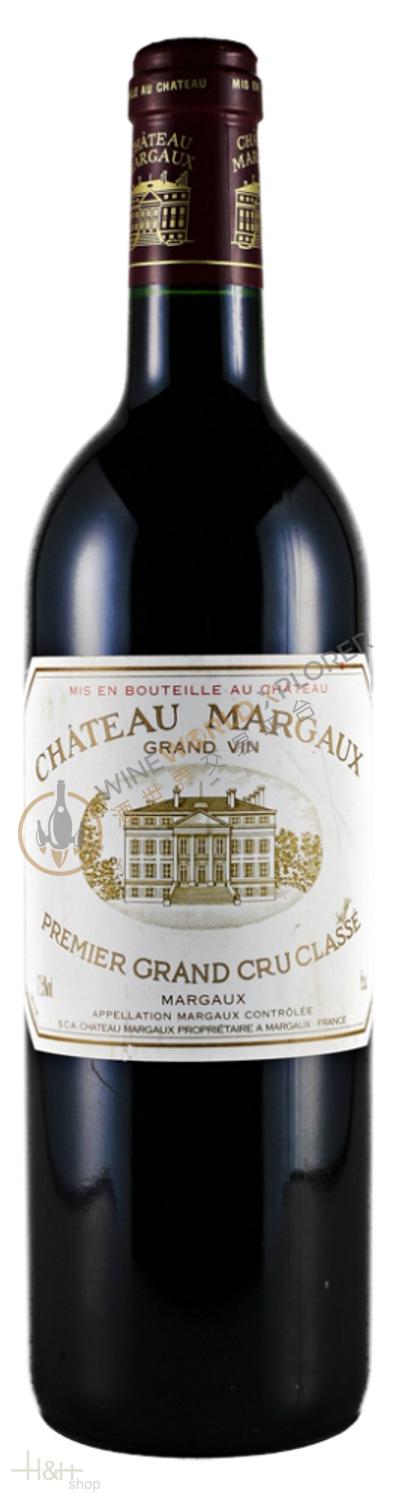
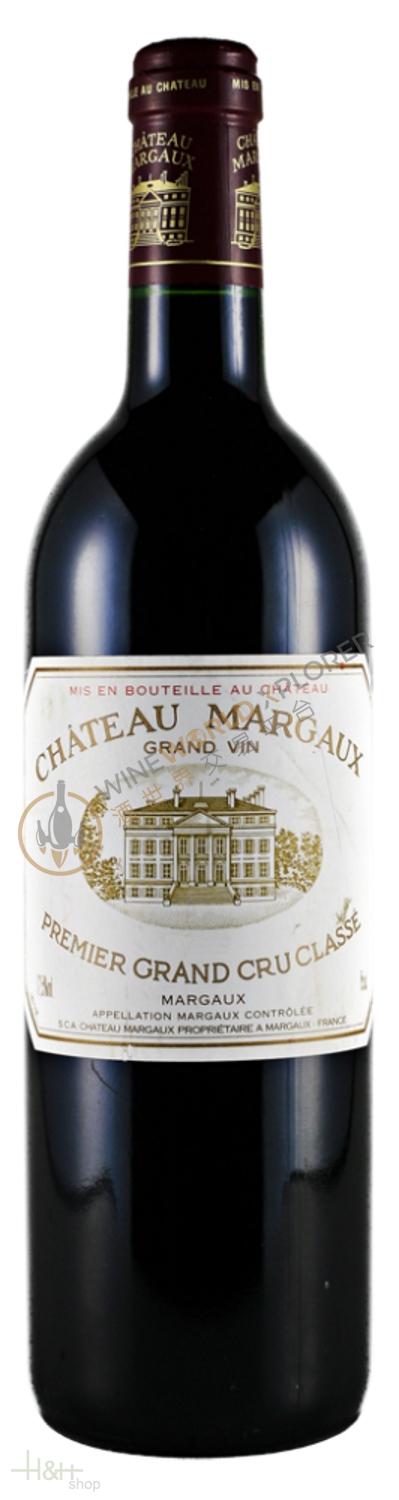
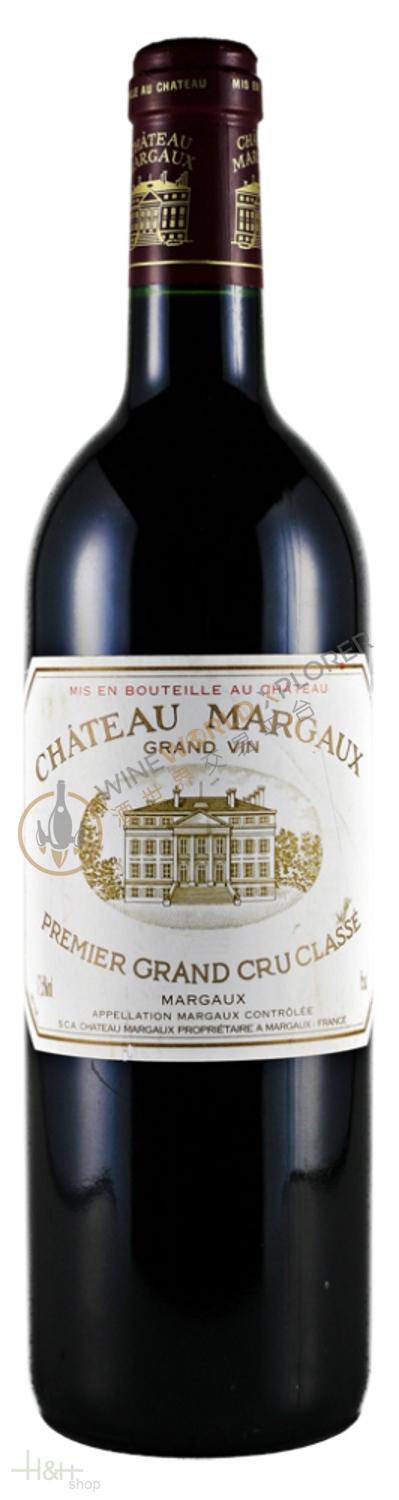
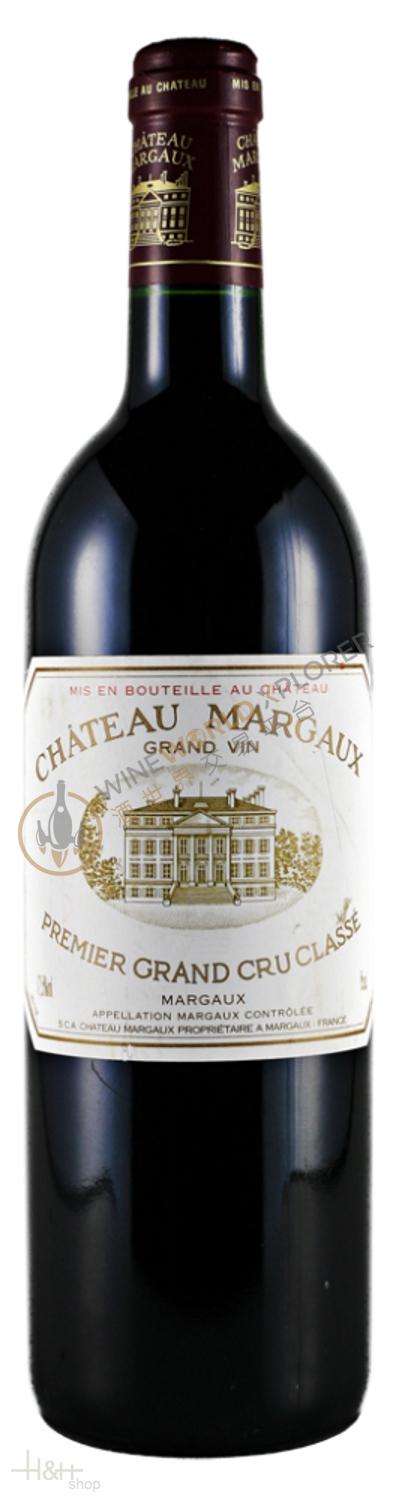
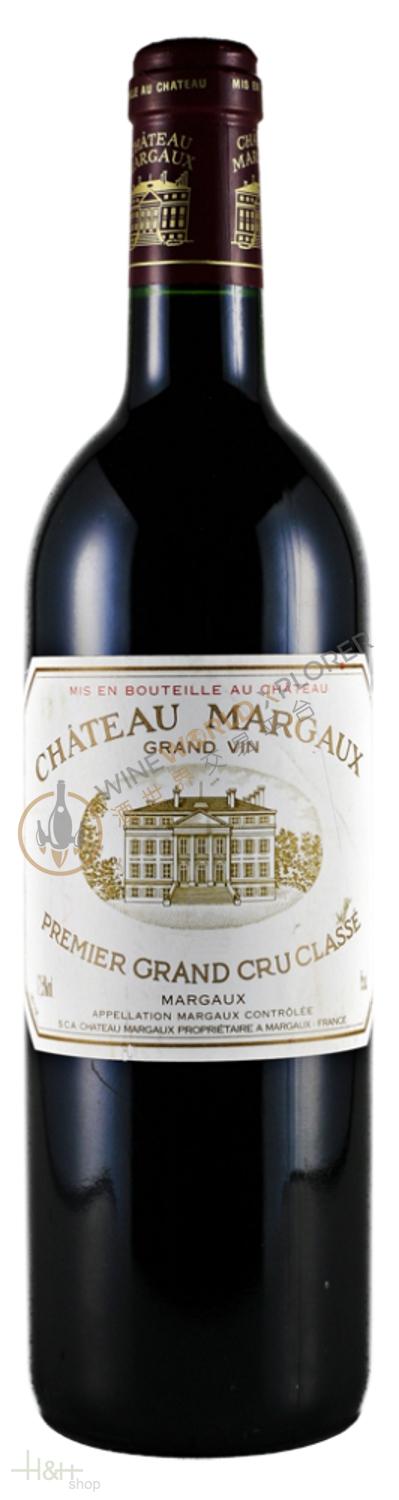
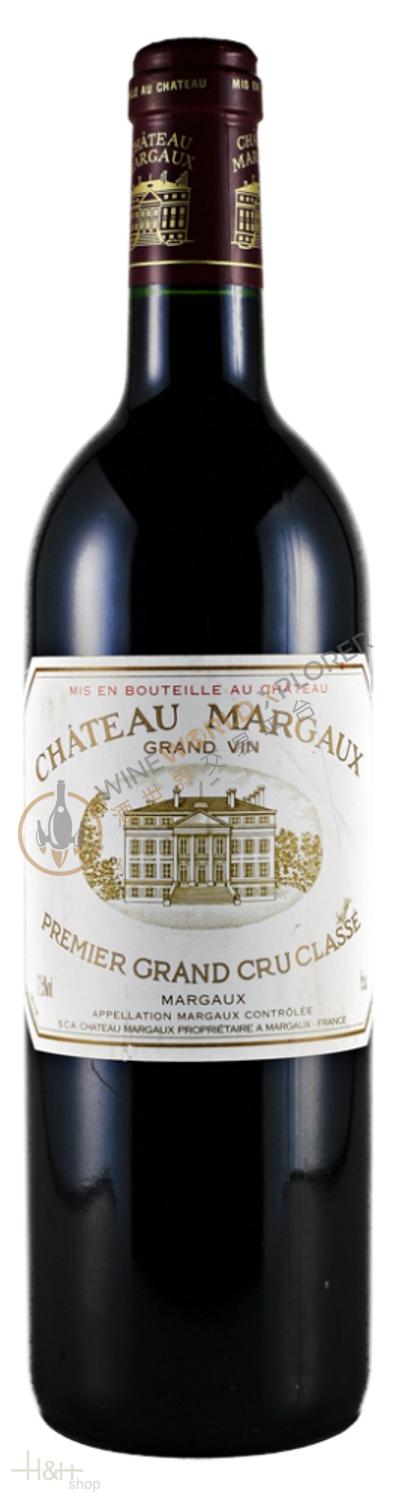
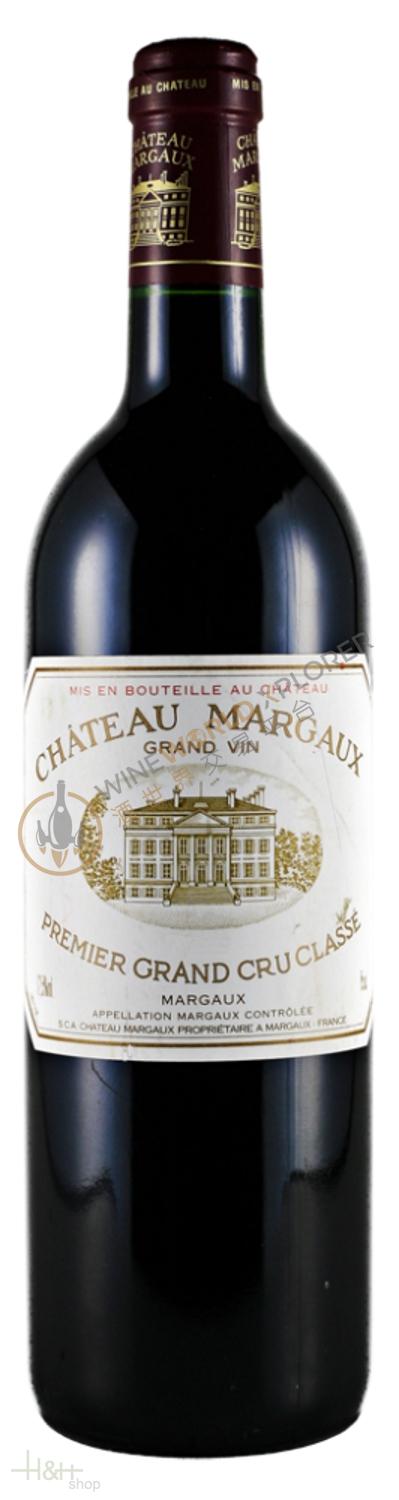
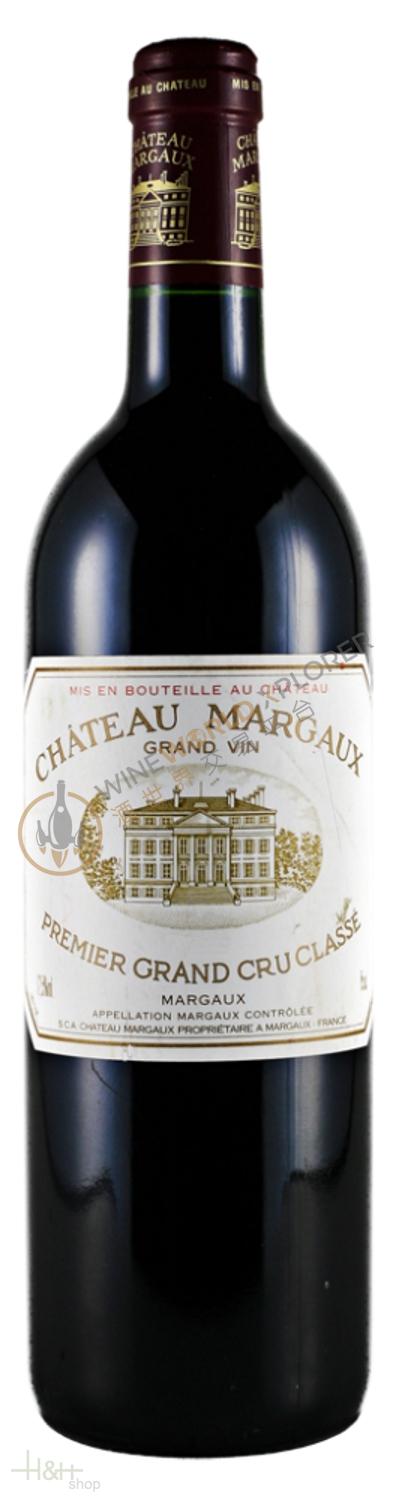
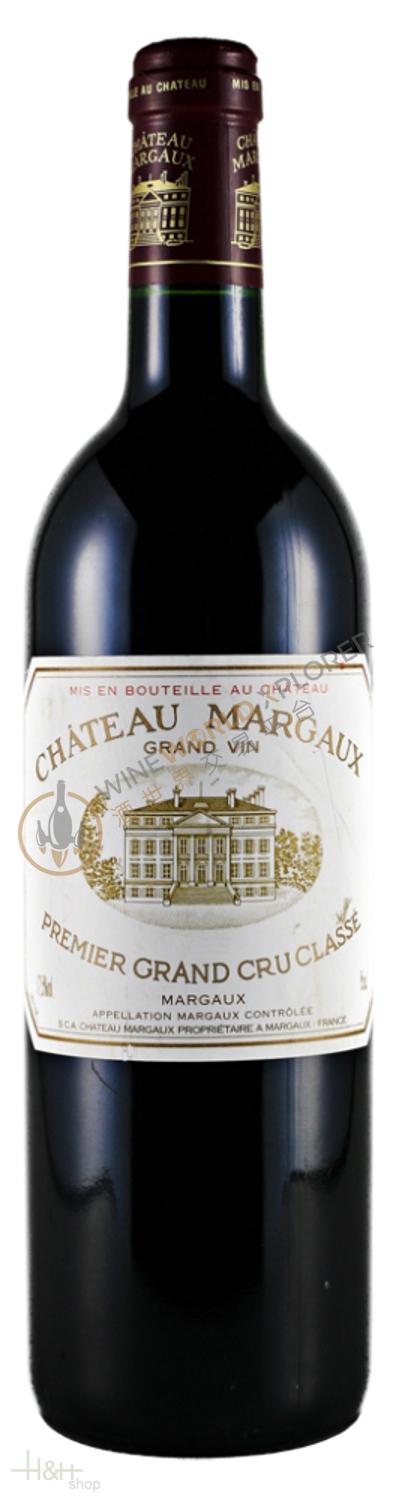
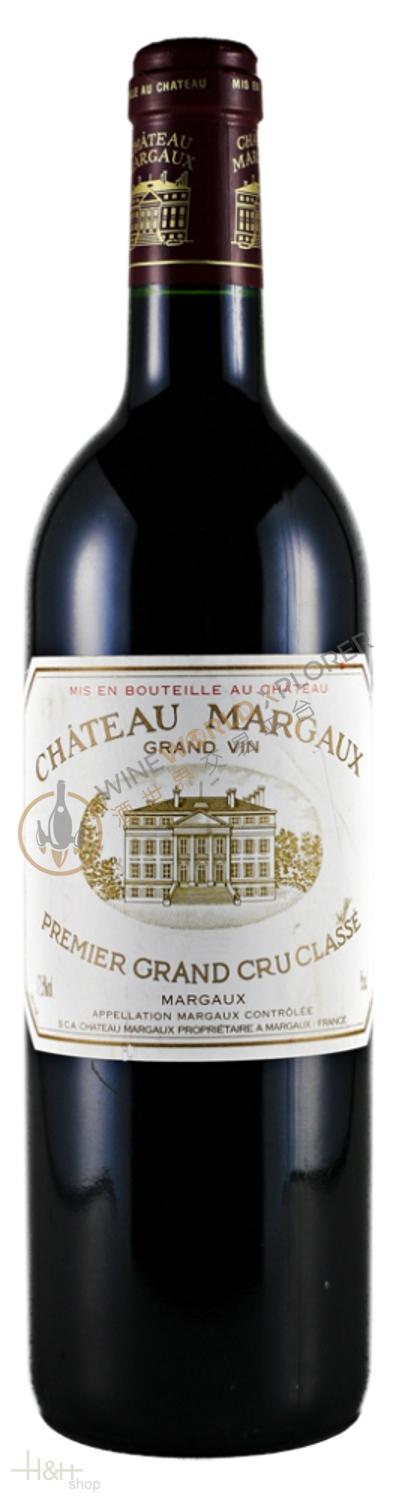
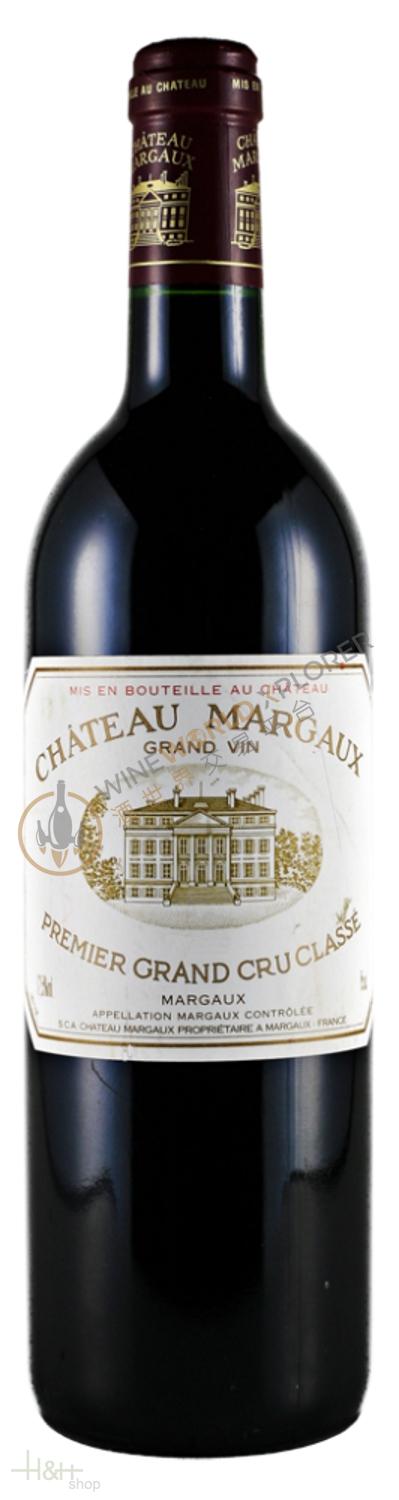
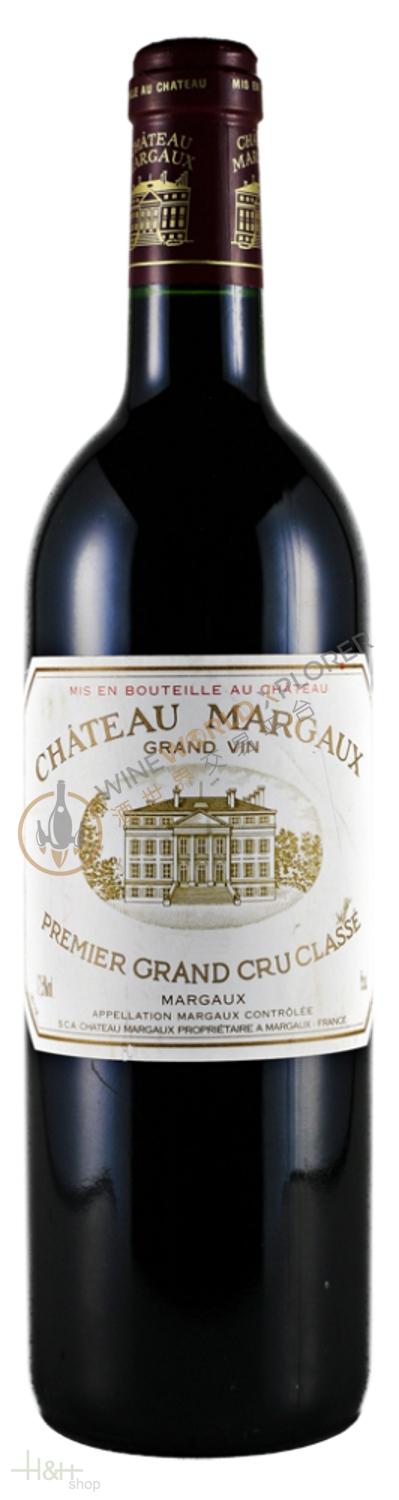
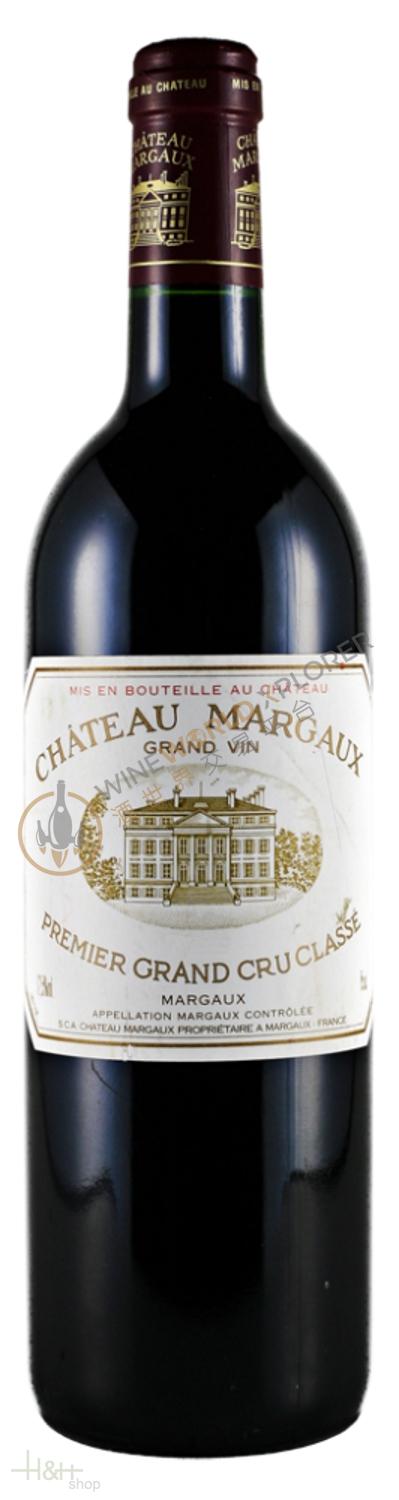
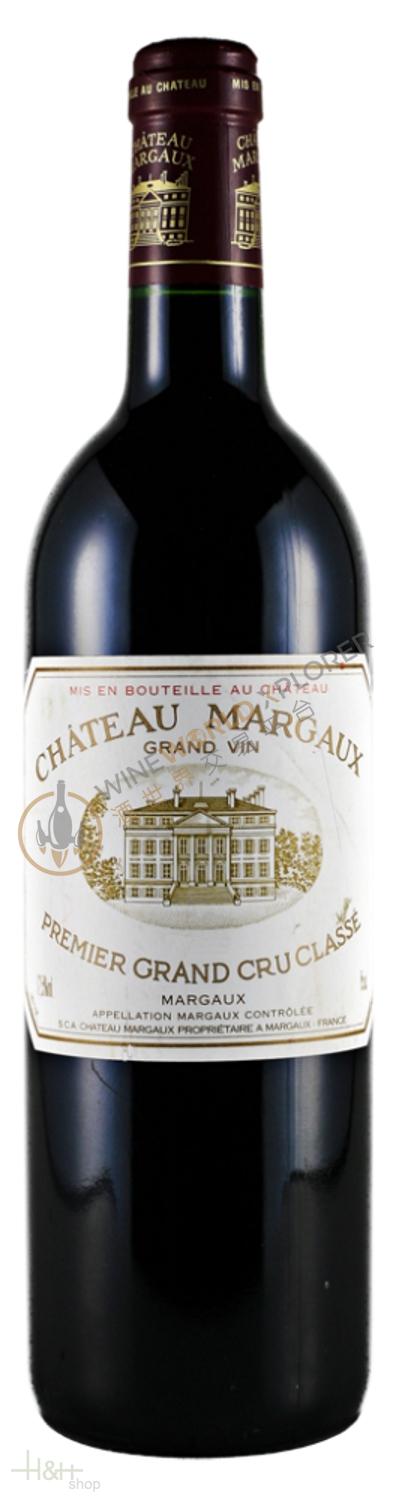
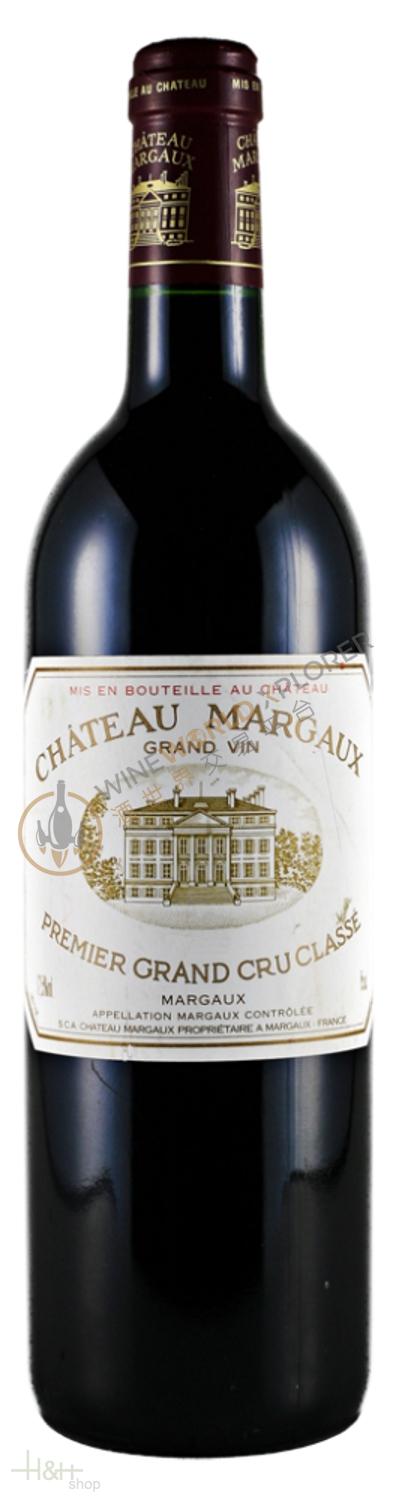
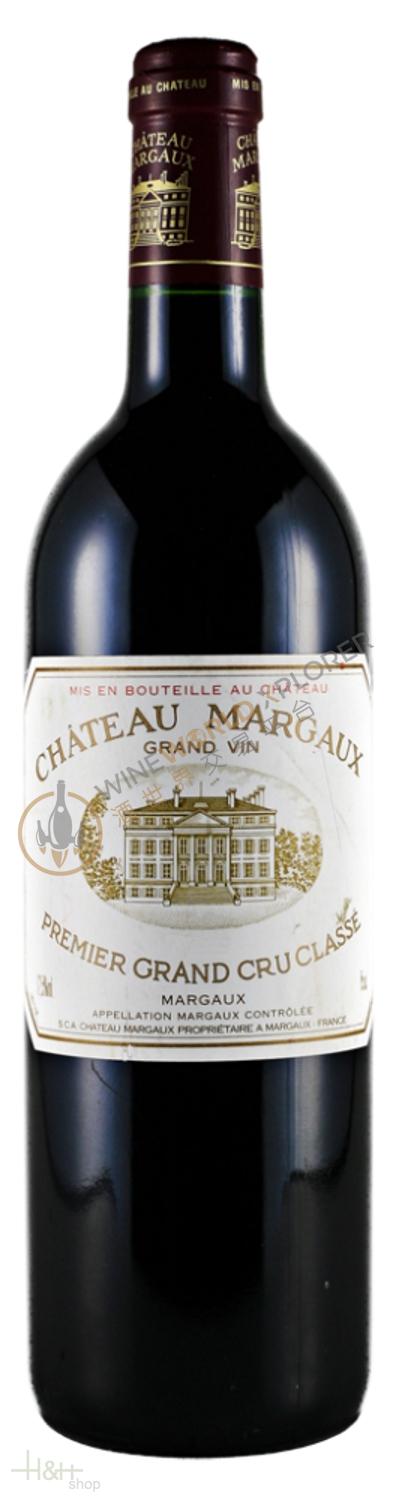
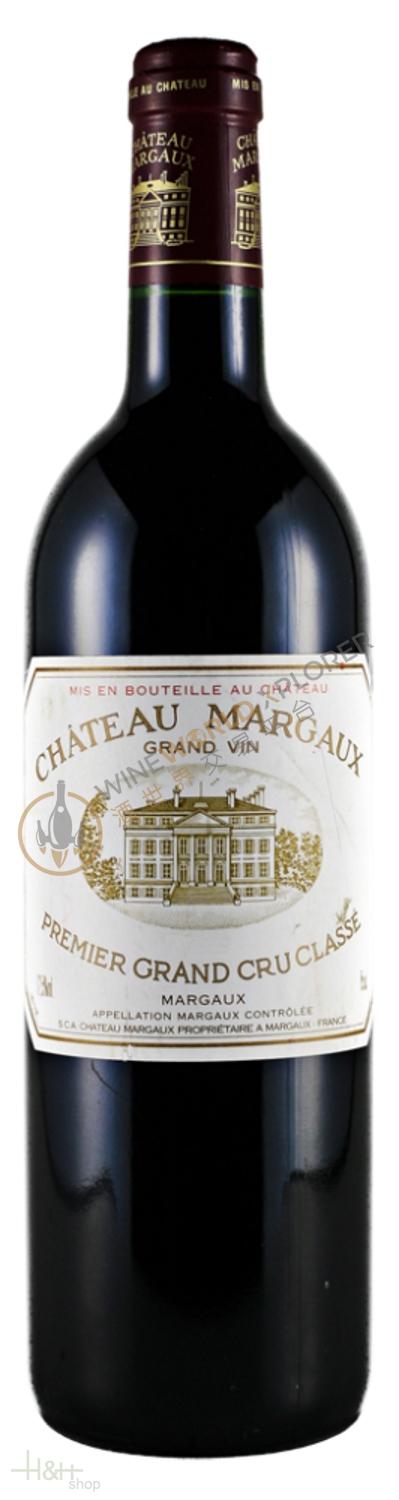
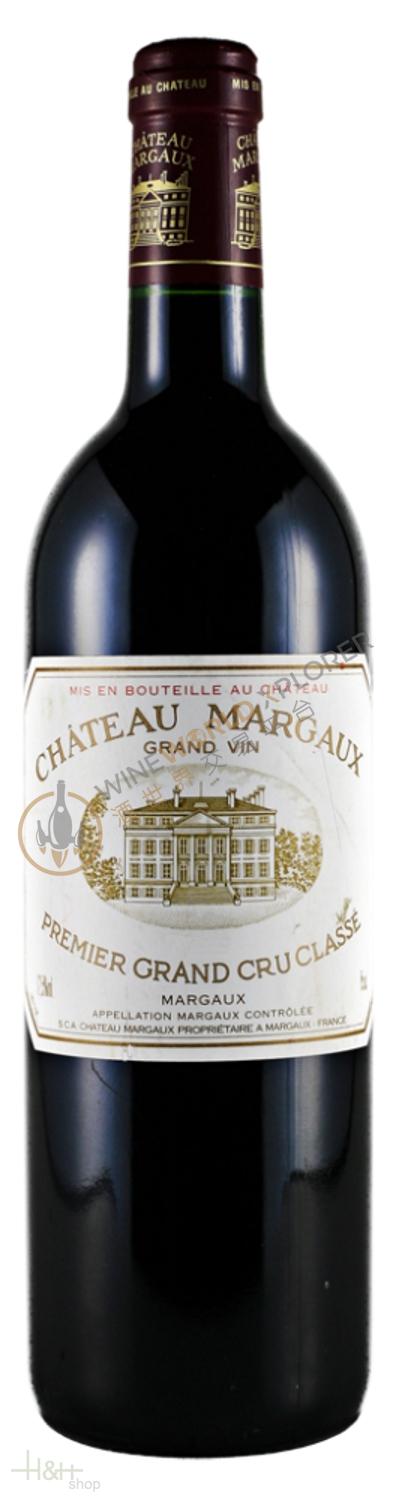
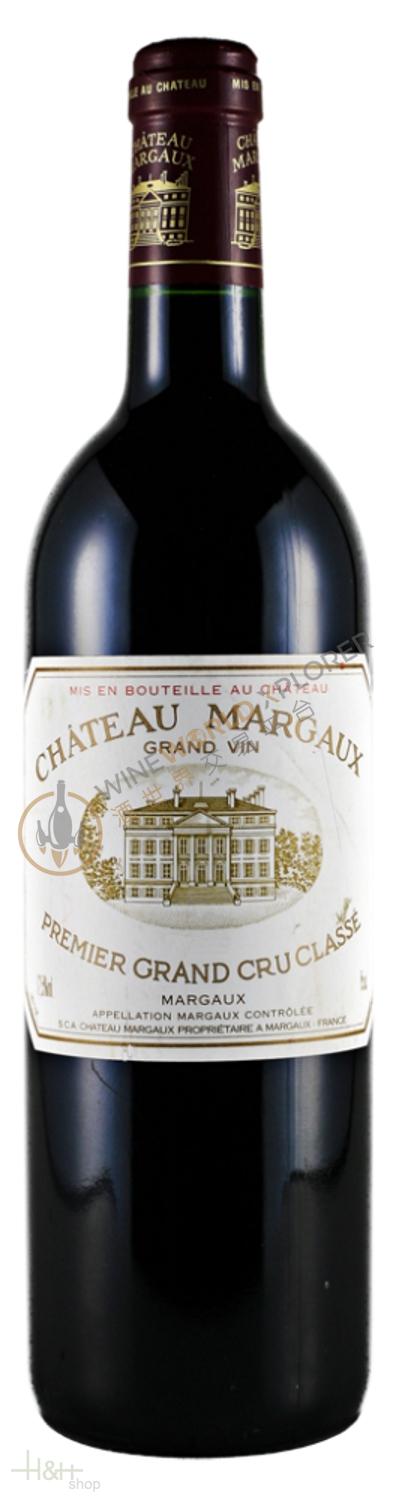
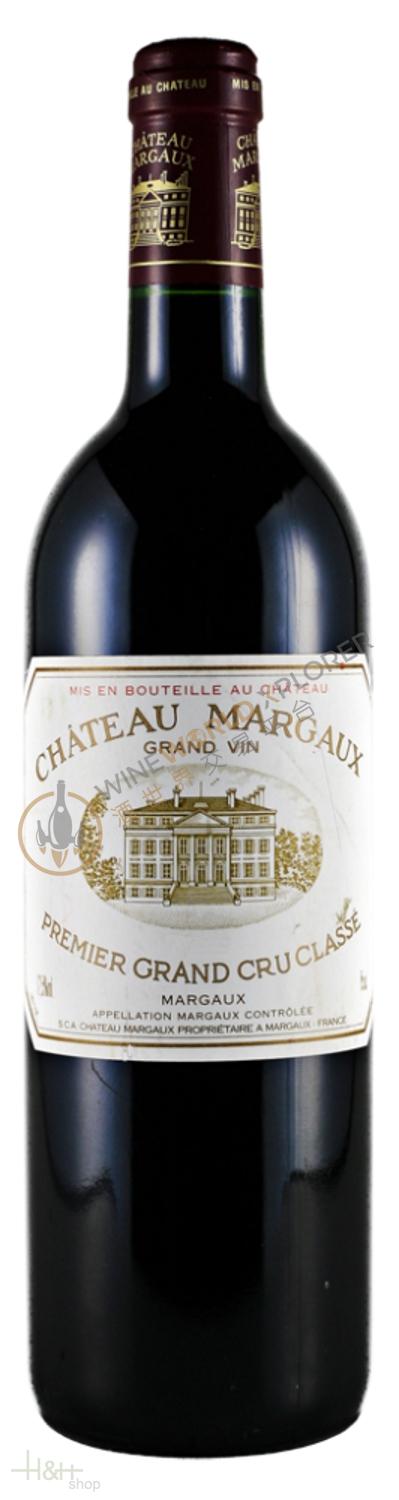
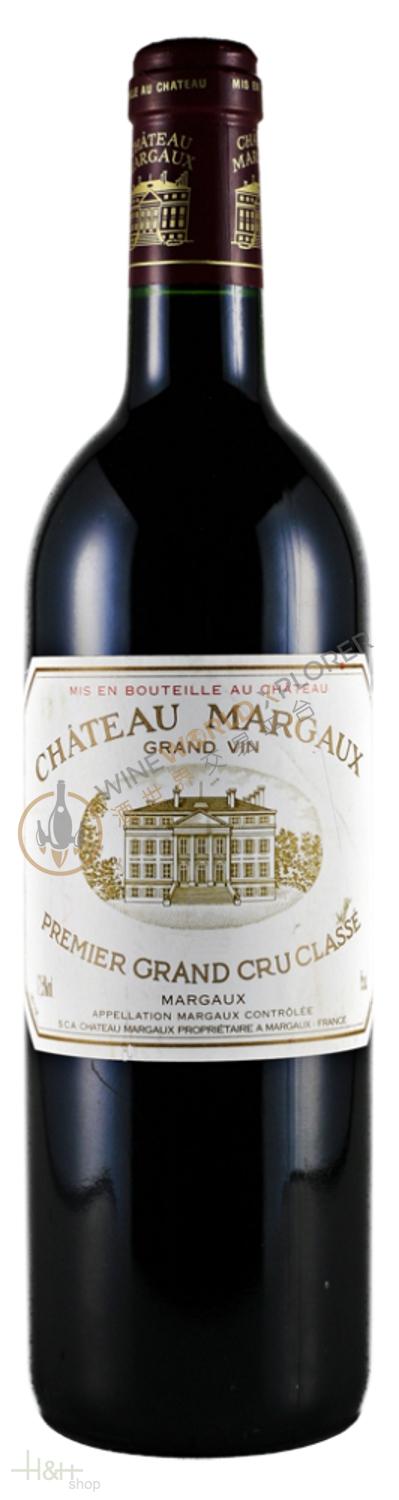
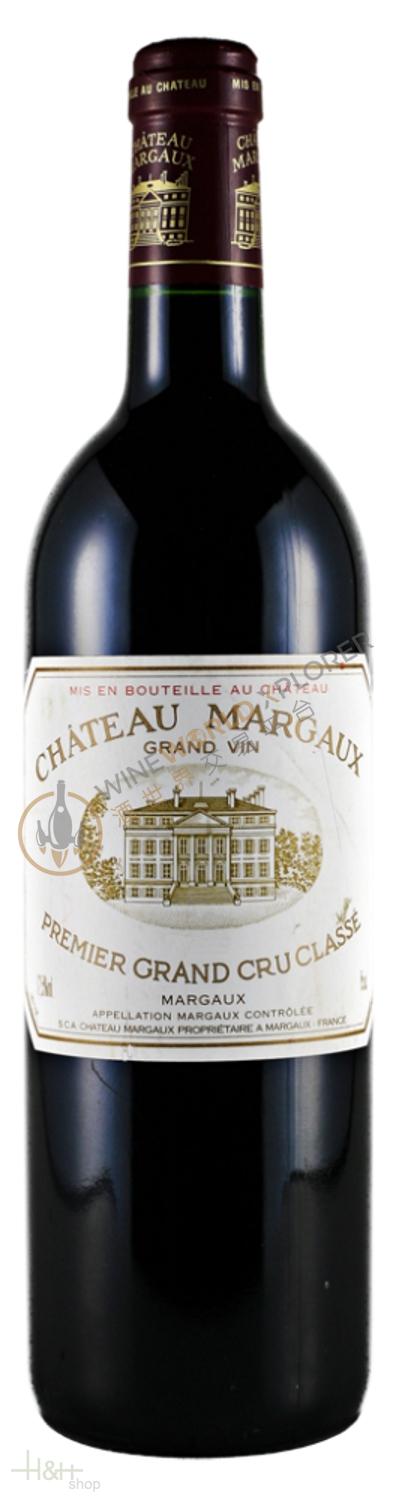
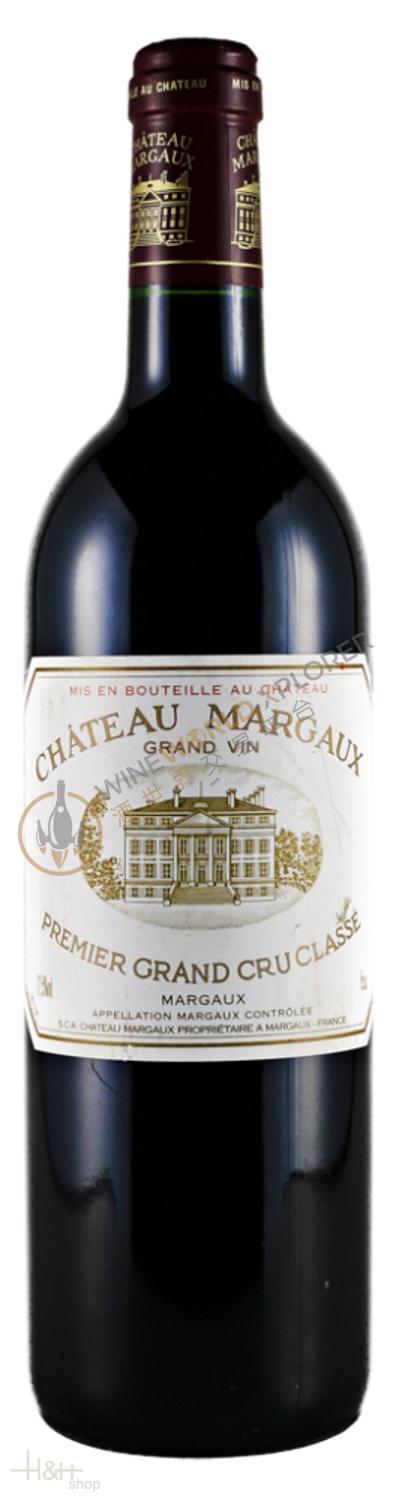
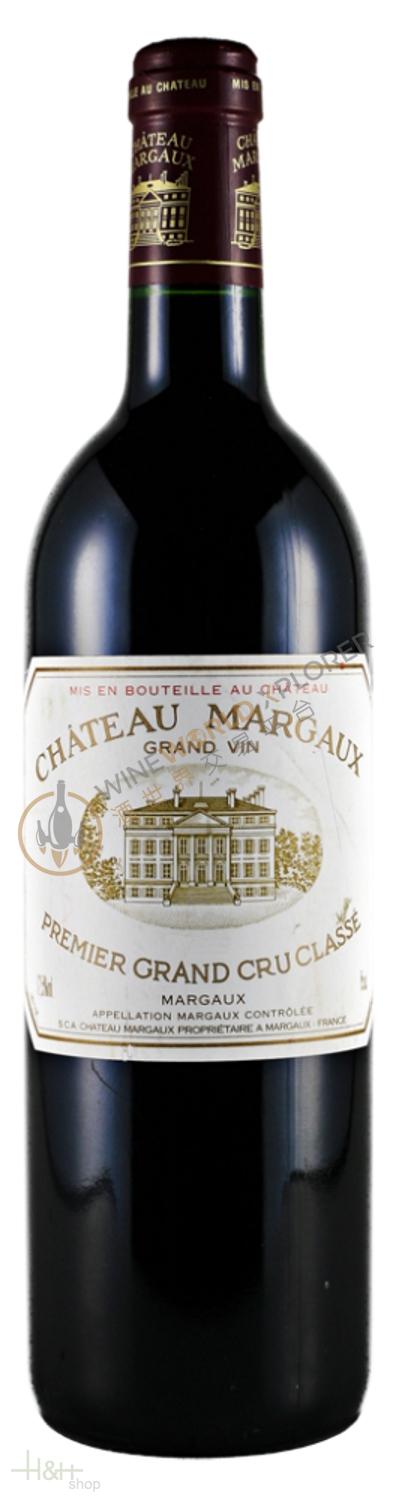
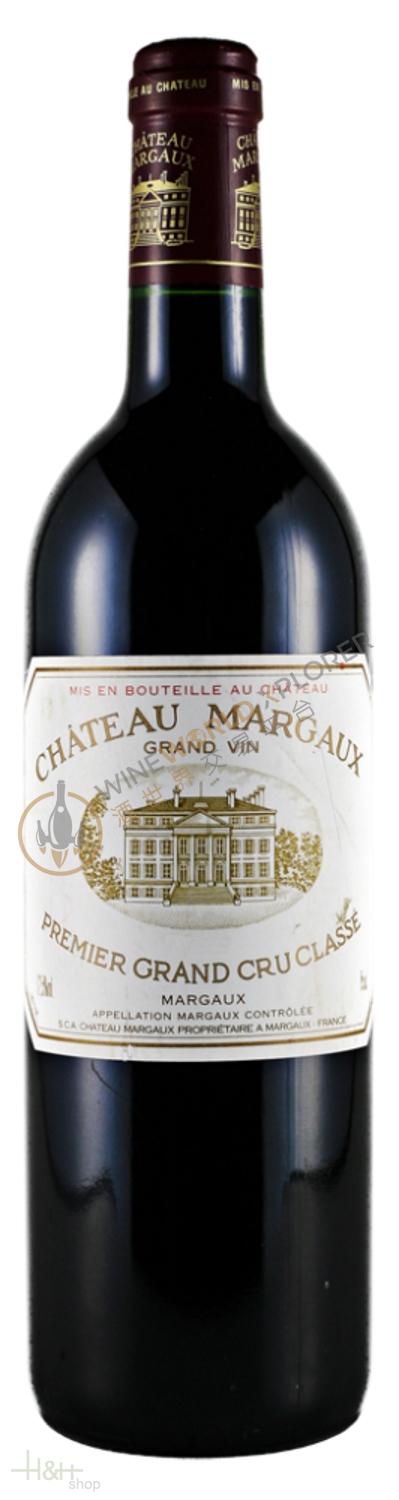
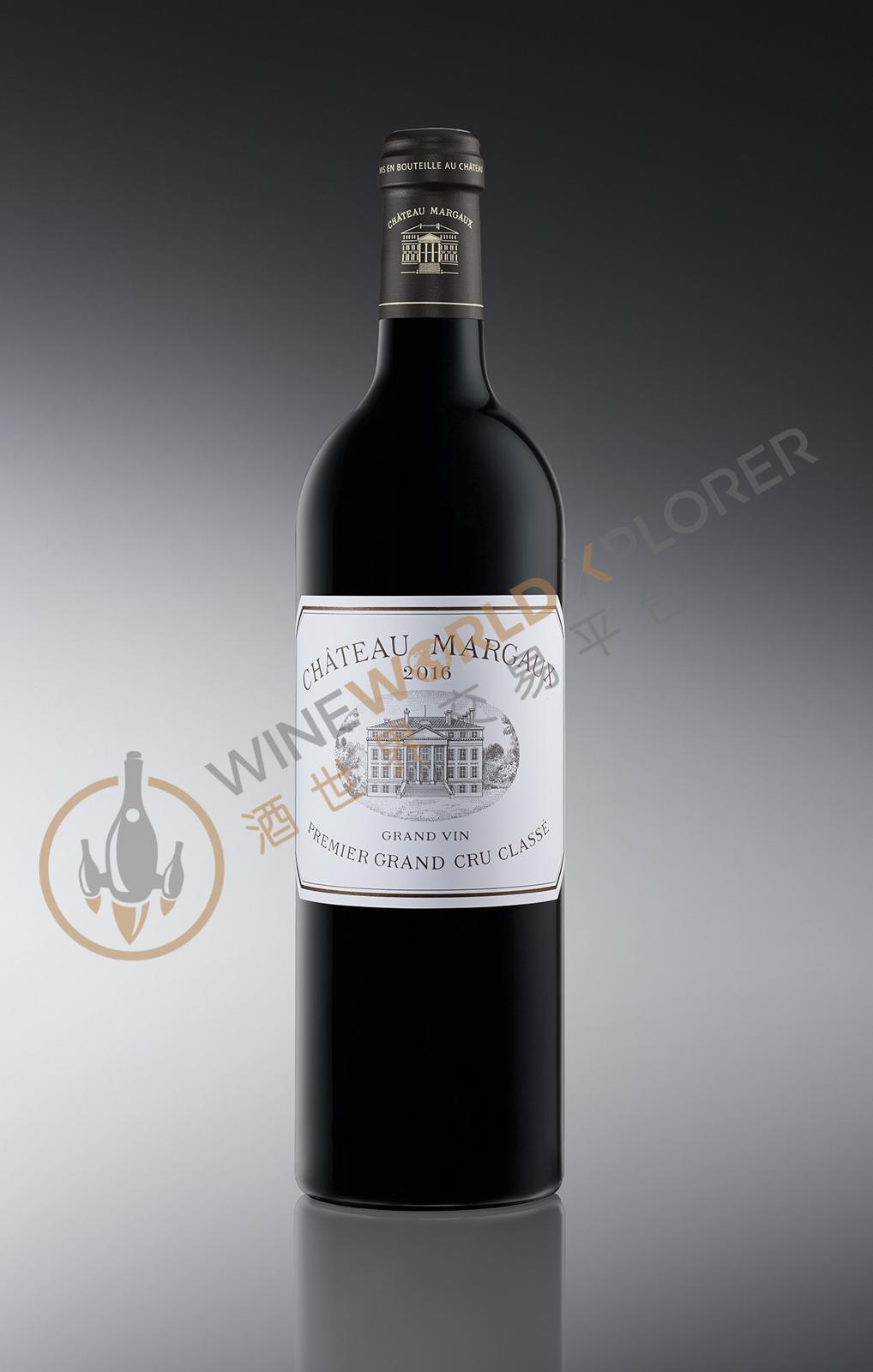
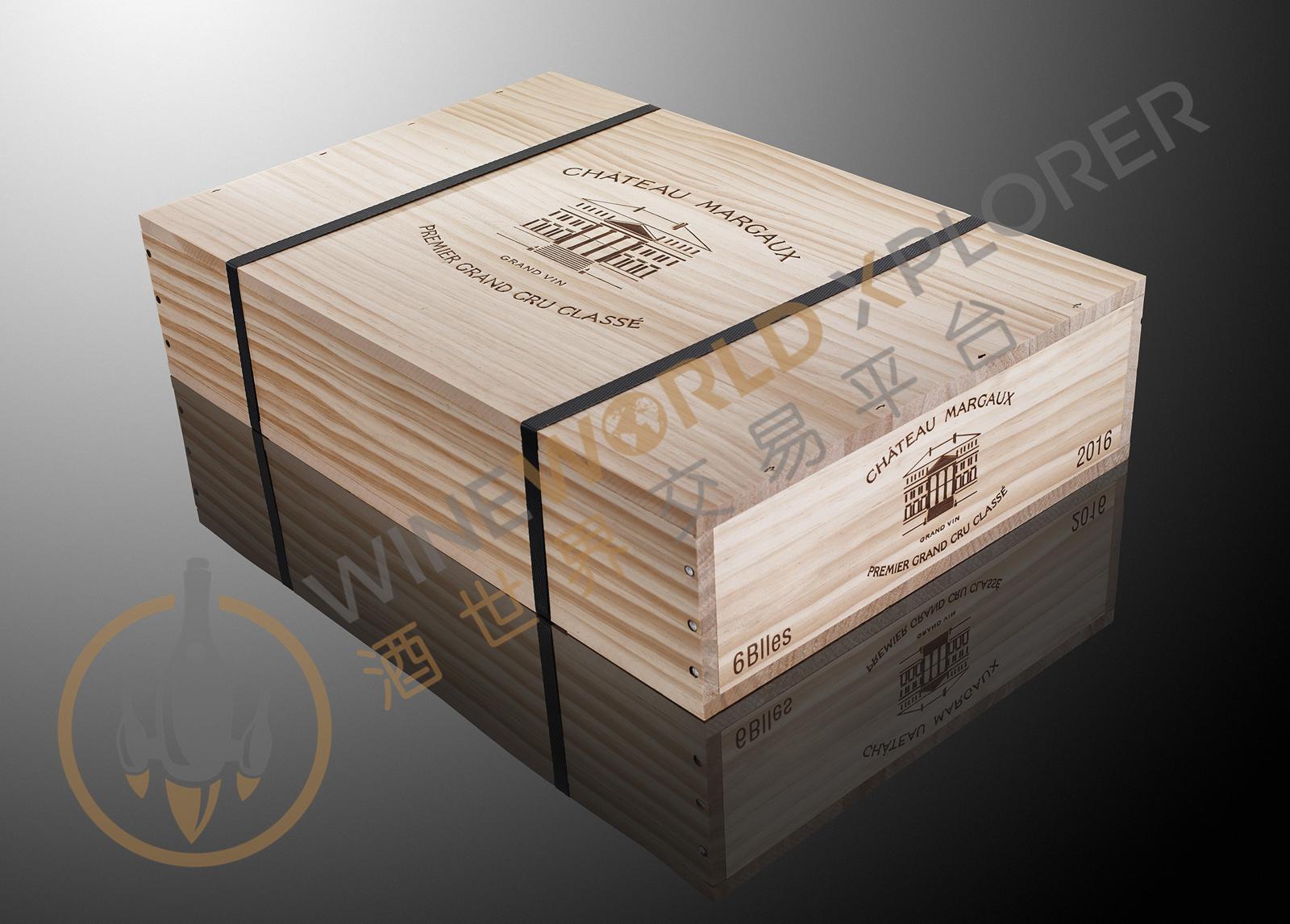
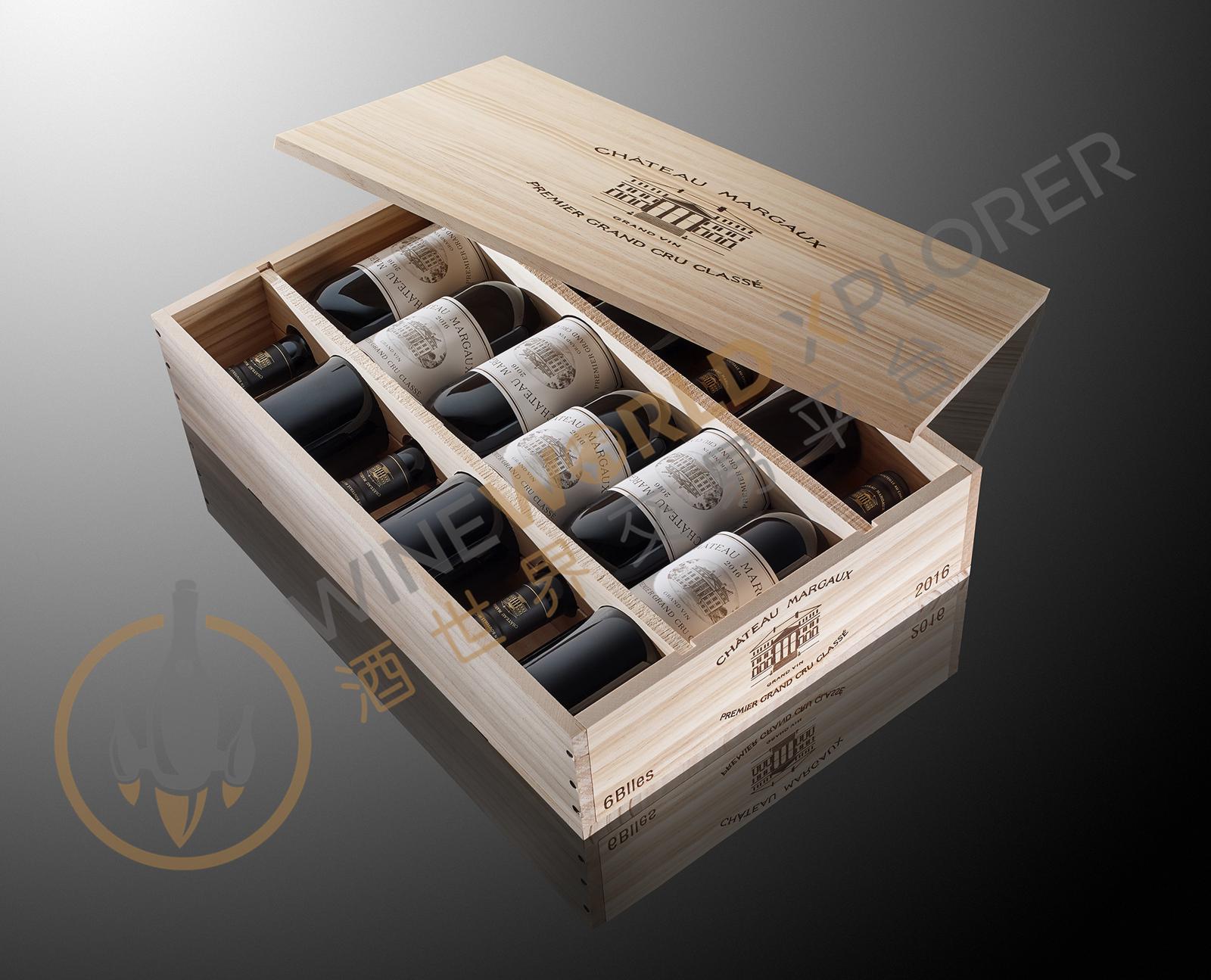
Chateau Margaux 1981
 View analysis


Description
Tasting notes

Reviewed by: Neal Martin
A dusty nose dominated by autumn leaves, black pepper and tobacco, the palate under-ripe but still lively, quite acidic with tertiary notes of dried leaves, forest floor and damp moss, in a similar vein to the Chateau Margaux 1978, which seems to have lasted better. Drink now. Tasted March 2008.
Reviewed by: Neal Martin
Deep garnet core with little sign of aging. A lovely perfumed nose of cigar-box though it seems to have lost some vigour. The palate has a lovely balance, refined but not complex. Cigar-box and pencil-lead, in fact it is quite Pauillac in style with a smooth finish. Like an old dame dining at the Ritz. Drink up. Tasted December 2003.
Reviewed by: Robert M. Parker, Jr.
In weight and texture, the 1981 Margaux is closest in style to the 1979. It is an outstanding wine, even in the company of the monumental wines of 1982, 1983, and 1986, although it does not have the power and weight of these vintages. It is still very dark ruby/purple-colored. The aromatics suggest ripe cassis fruit, spicy vanillin oakiness, and violets. On the palate, the wine is medium-bodied, concentrated, tannic, and extremely long. It is just beginning to open and evolve. Anticipated maturity: Now-2015. Last tasted, 12/96.
About the Producer
Chateau Margaux is located in the village of Margaux, in the Medoc appellation on the left bank of Bordeaux, and was awarded a First Growth in the 1855 Bordeaux Medoc classification, alongside Chateau Lafite Rothschild, Chateau Latour and Château Haut-Brion. It is also known as Chateau Haut-Brion. Château Margaux currently covers a total of 262 hectares, including 99 hectares of vineyards. The red vineyard has an appellation of 87 hectares, of which 82 hectares are planted, while the white vineyard is planted with 12 hectares. The red varieties are mainly Cabernet Sauvignon, Merlot, Petit Verdot and Cabernet Franc; the white varieties are Sauvignon Blanc and the vines are on average 45 years old. Since the end of the 1990s, the estate has refused to use pesticides in the vineyards. In addition, only organic fertilisers are used in the vineyard, and deep fertilisation is carried out at regular intervals to improve the soil structure and rejuvenate the soil. During the harvest season, the winery team selects the right time to harvest the grapes by testing and analysing all the indicators and by tasting the grapes themselves. Once the grapes have reached their ideal state of ripeness, they are harvested by a team of over 200 trained harvesters. Once in the winery, the grapes undergo a rigorous selection process before being de-stemmed. Both oak barrels and stainless steel tanks are used to ferment the red grapes, while the white grapes are fermented entirely in oak barrels. After the alcoholic fermentation, the wine undergoes malolactic fermentation. The red wines are then left to mature in oak barrels for 18-24 months and the whites for 6-8 months. The main wine of the estate, Château Margaux's red wine, is rich and complex, with an elegant and powerful ballet on the tongue, rich and smooth tannins, good balance and a long, fresh finish with excellent ageing potential. It successfully conquered Napoleon Bonaparte, the founder of the First French Empire, and won the hearts of Thomas Jefferson, the founding father of the United States, and Margaret Thatcher, the "Iron Lady" of England. In the world of wine criticism, Château Margaux's red wines have also been recognised, with four perfect scores from Robert Parker and many more from other critics with 95 points or more. In recent years, the quality of Château Margaux's red wines has been steady and has maintained a high level of interest in the market.
1958(1)1960(1)1961(2)1962(1)1963(1)1964(1)1969(2)1970(1)1971(1)1972(1)1974(1)1975(1)1976(1)1978(1)1979(1)
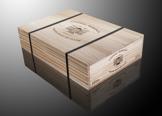
Package Size