 Wine Advisor



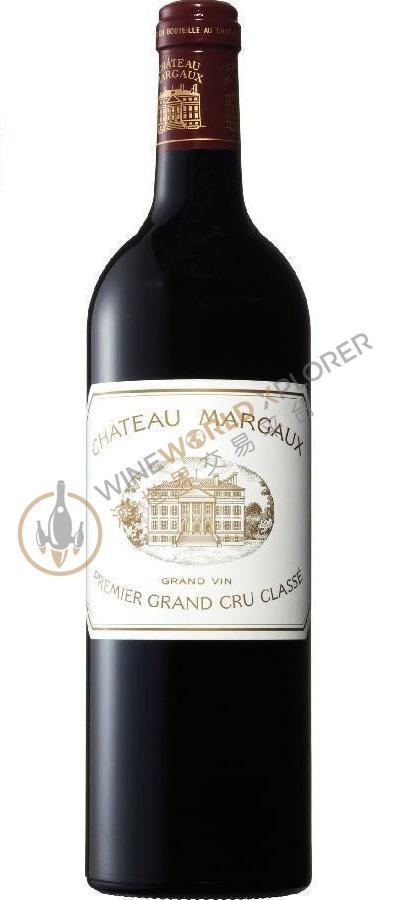
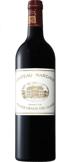
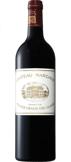
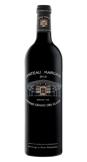
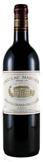
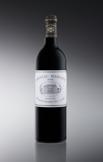
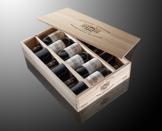
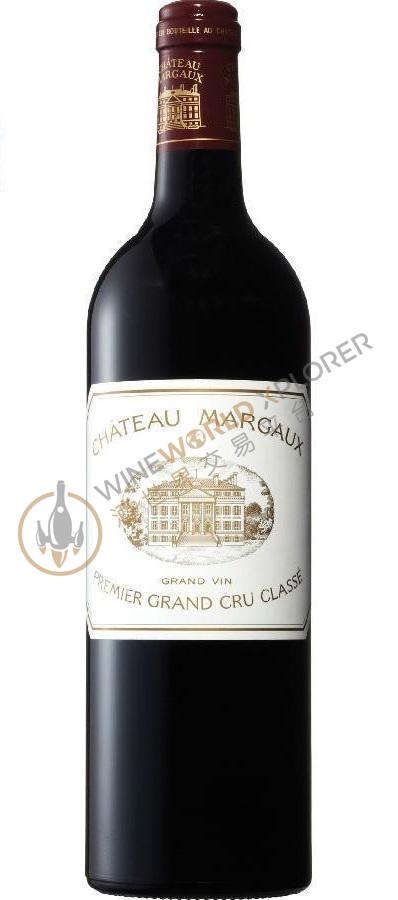
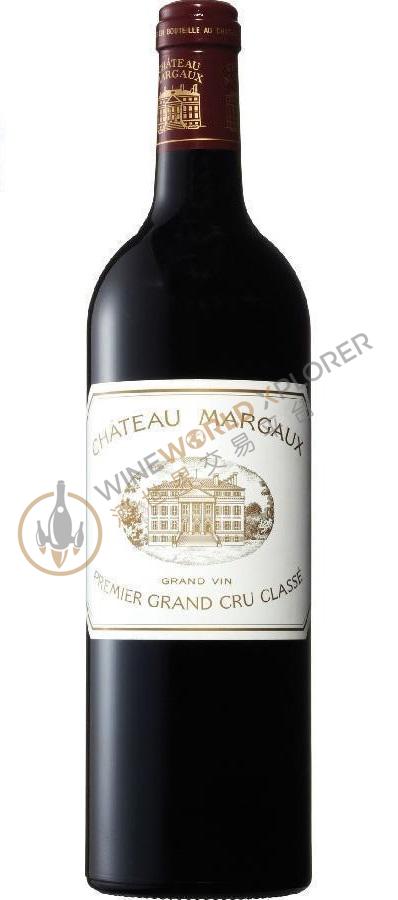
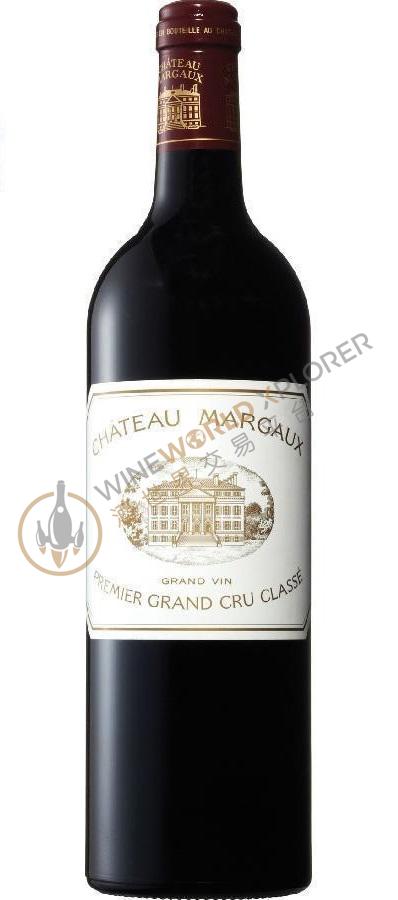
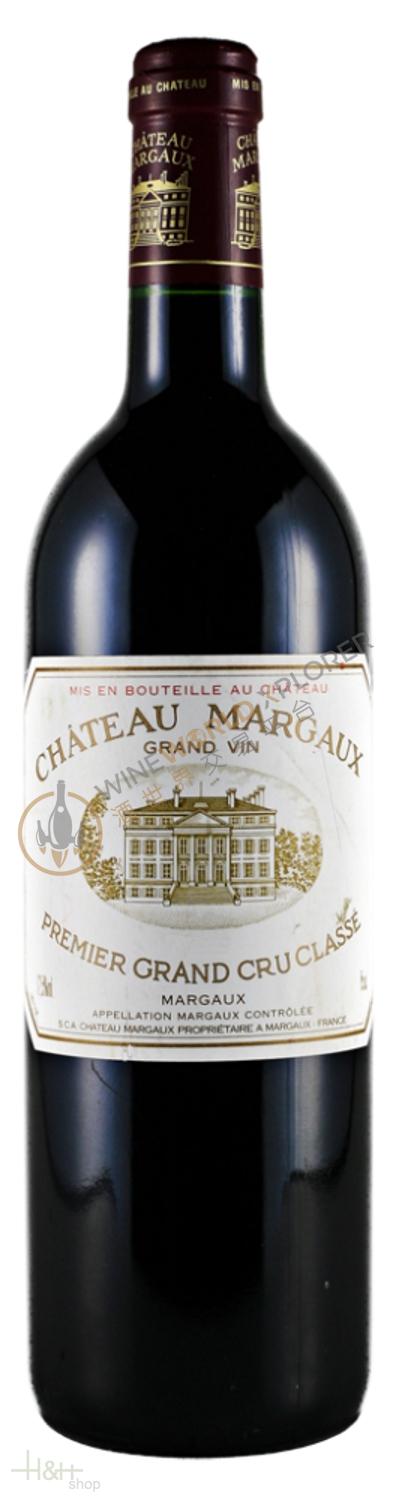
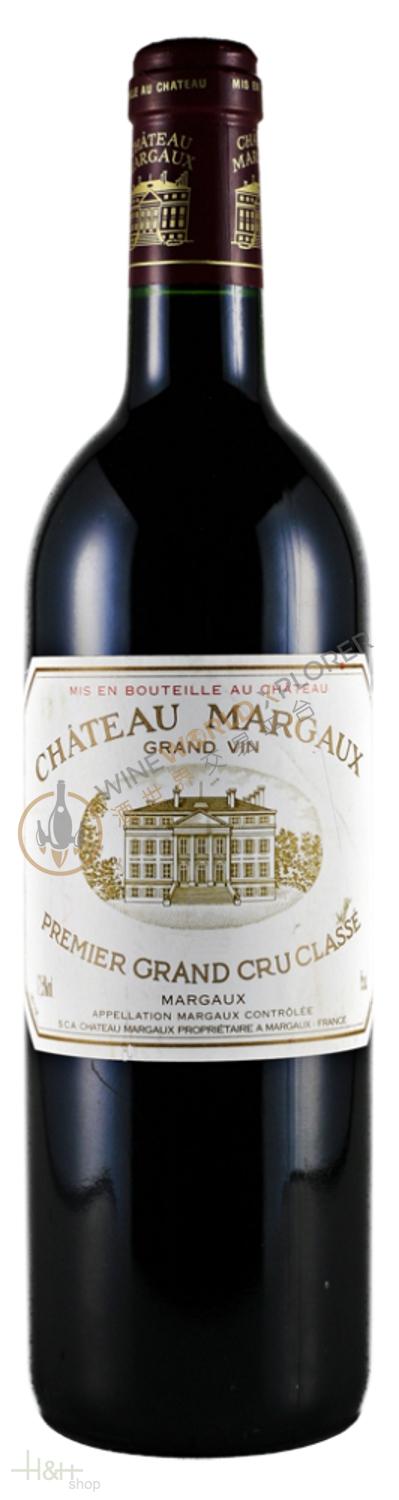
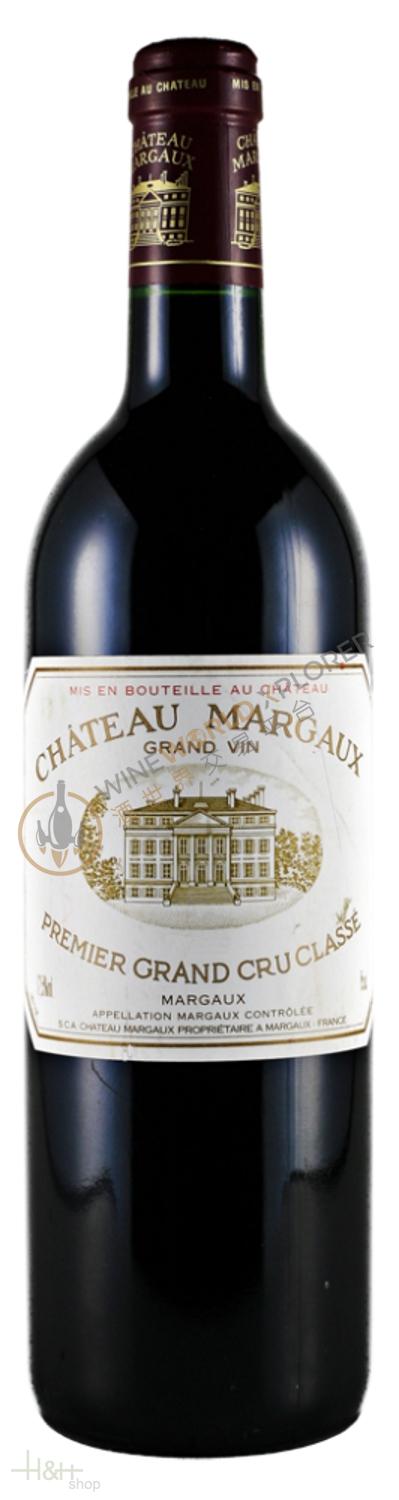
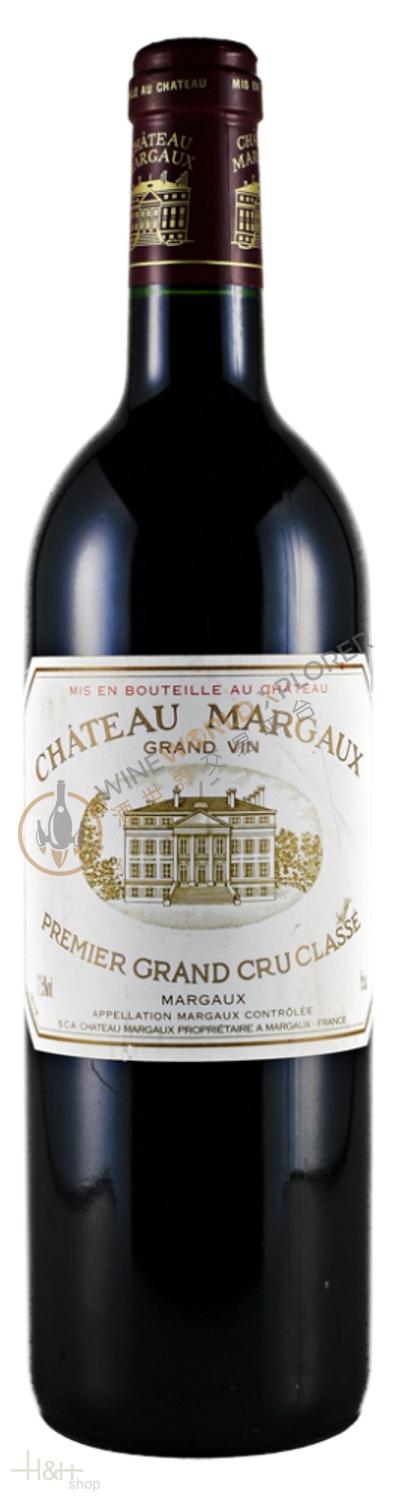
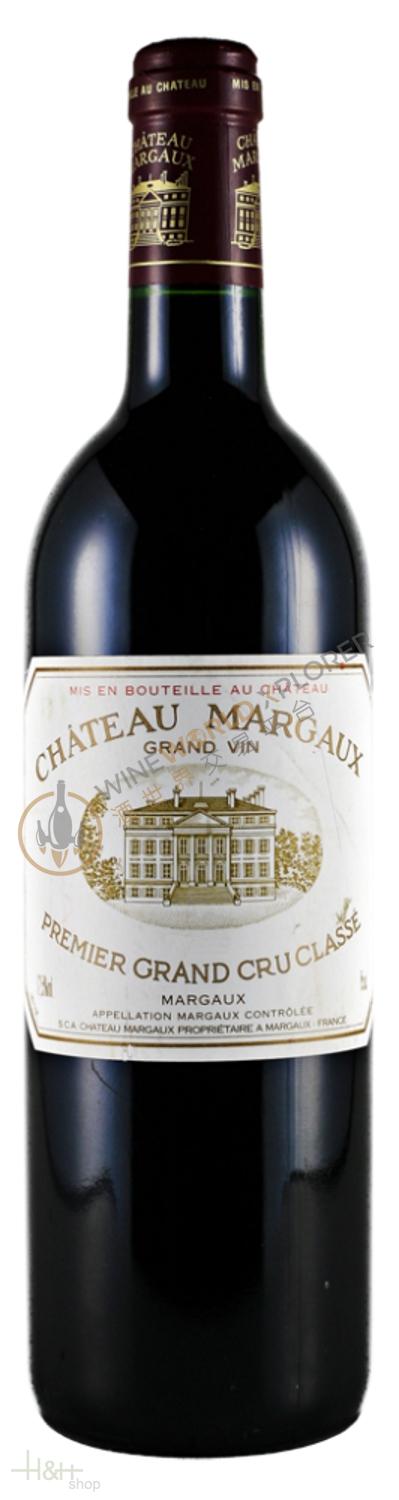
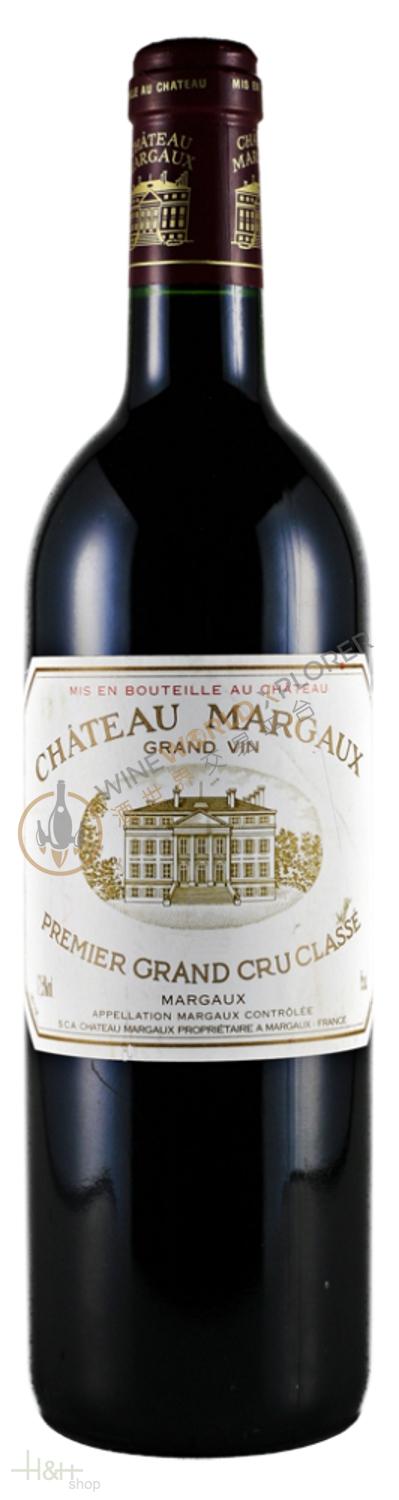
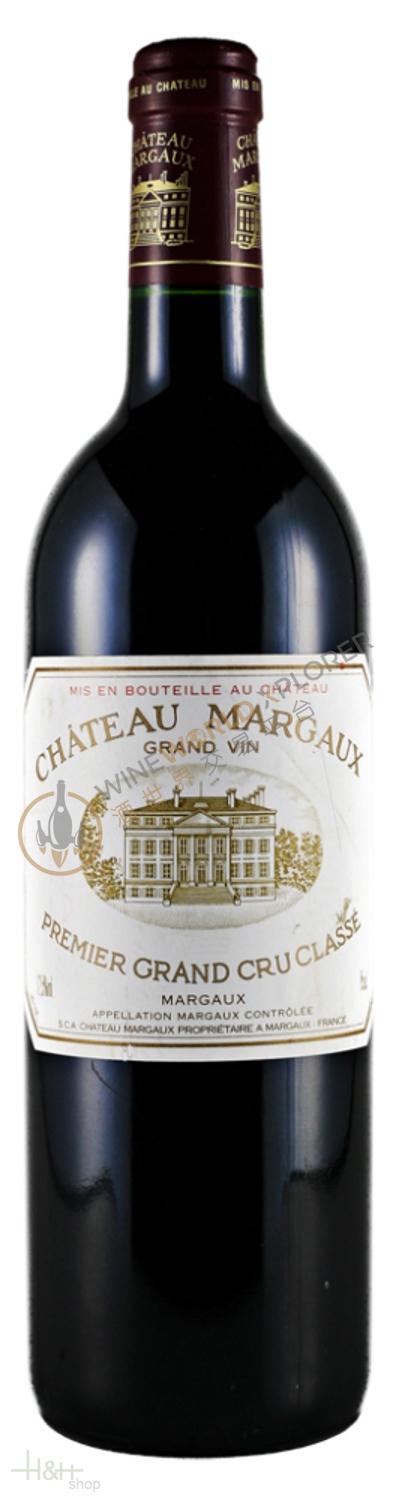
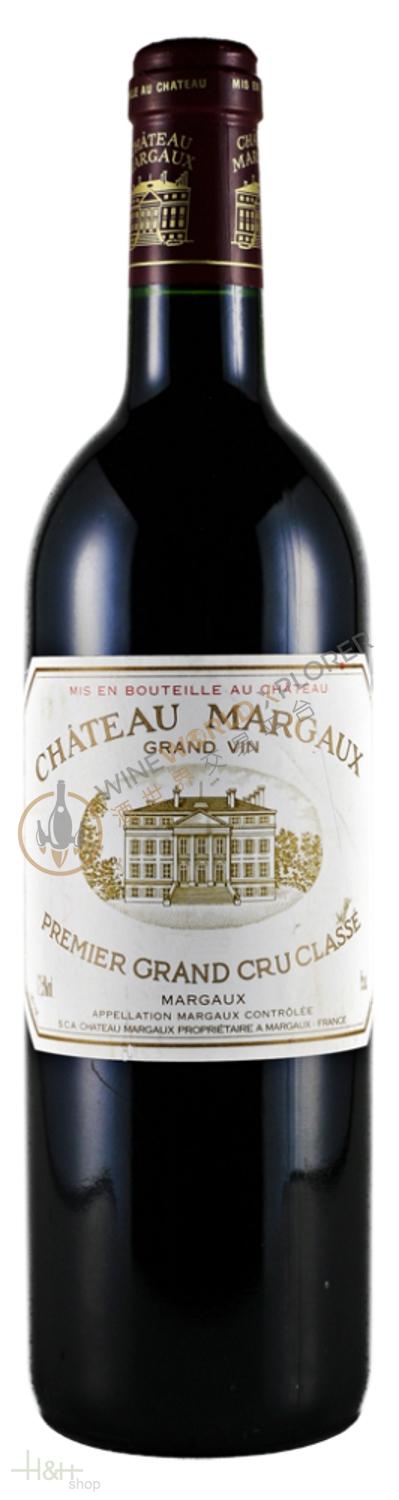
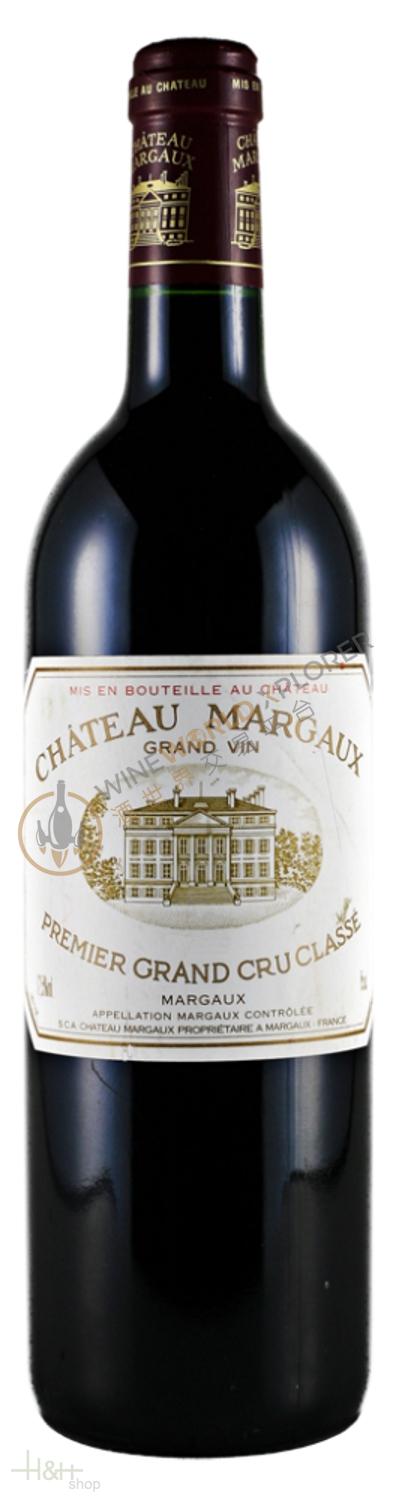
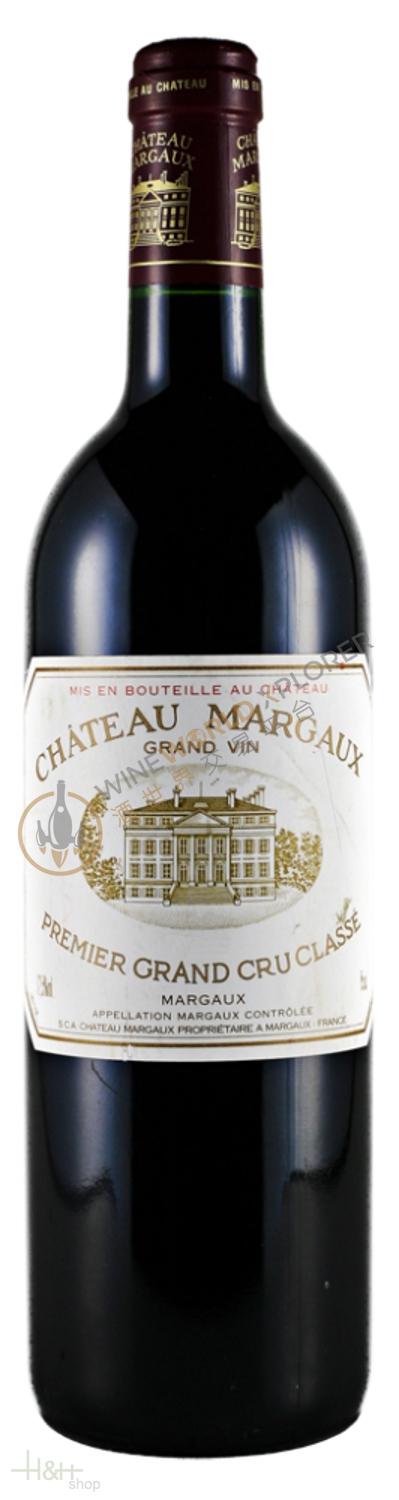
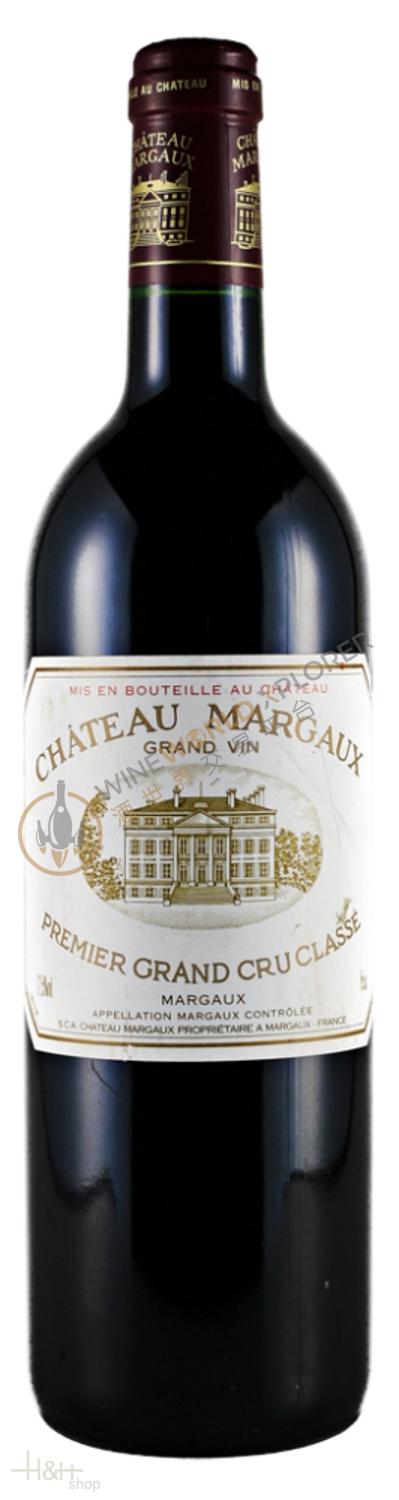
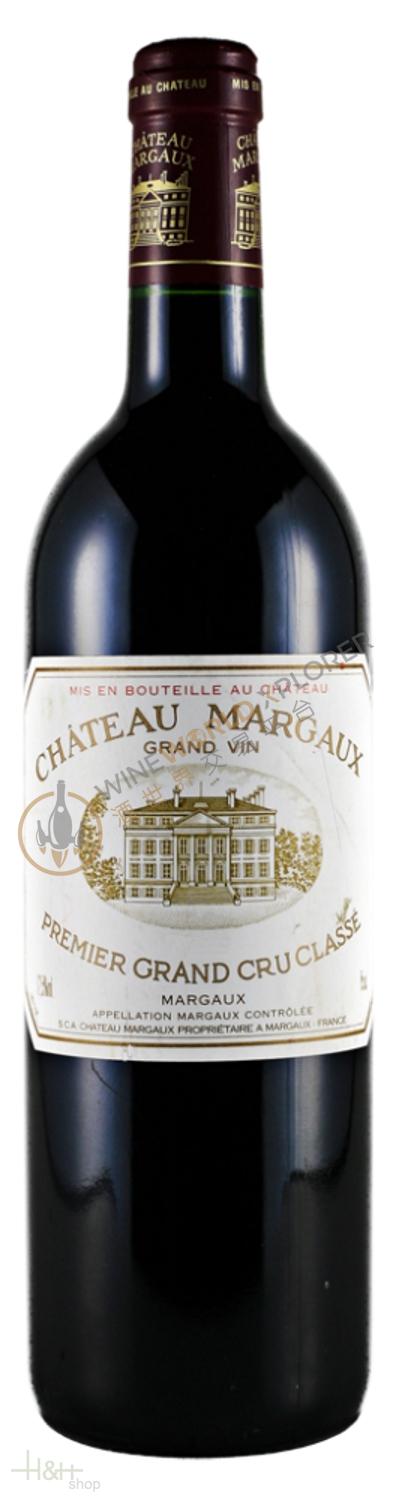
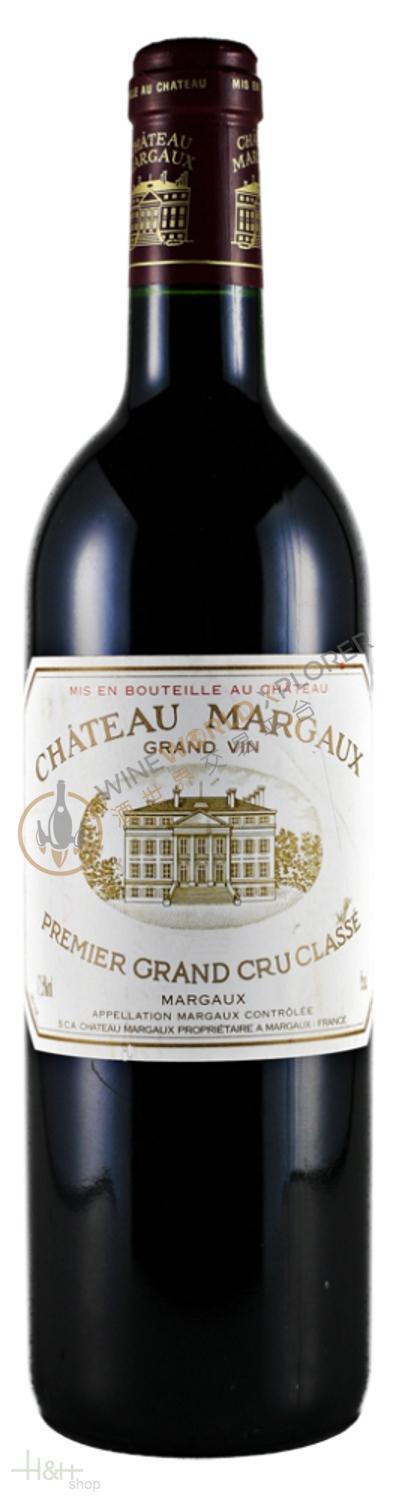
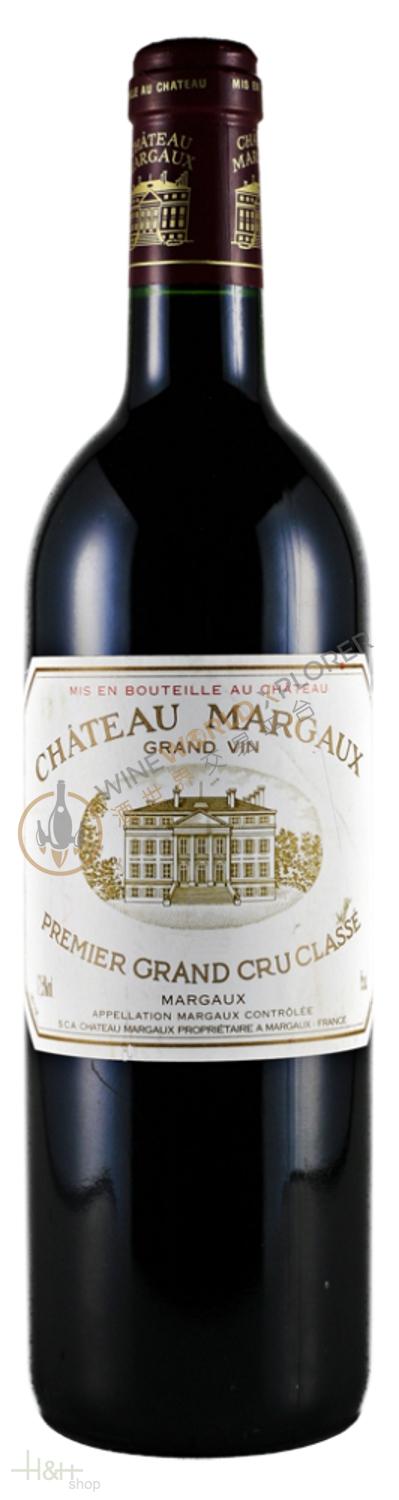
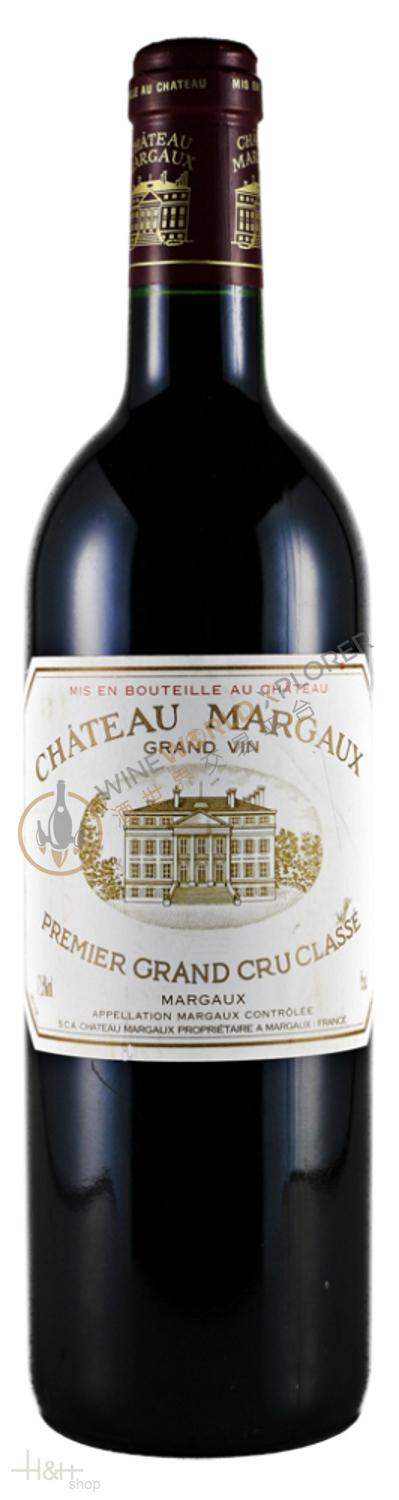
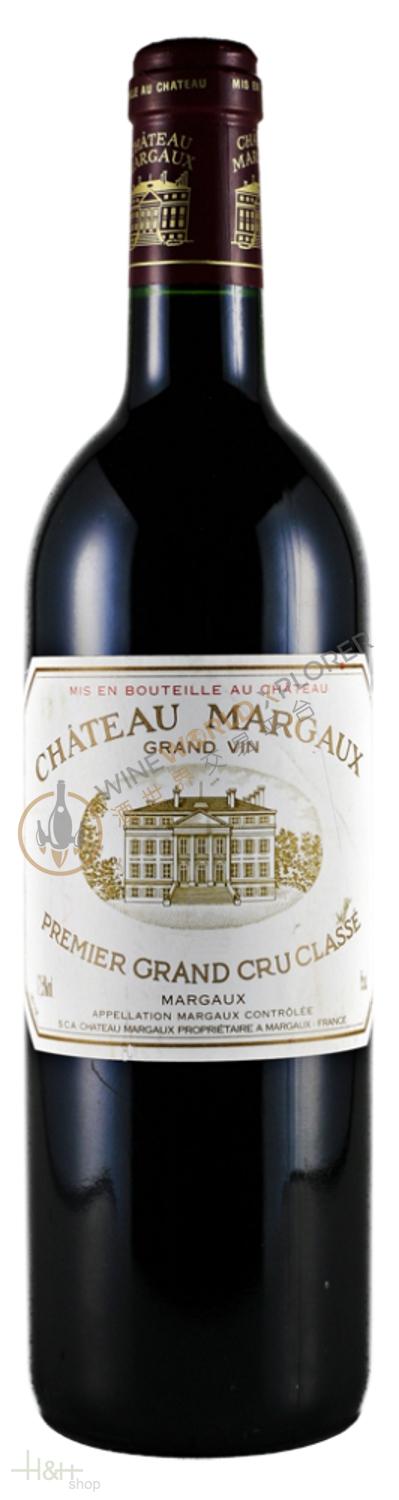
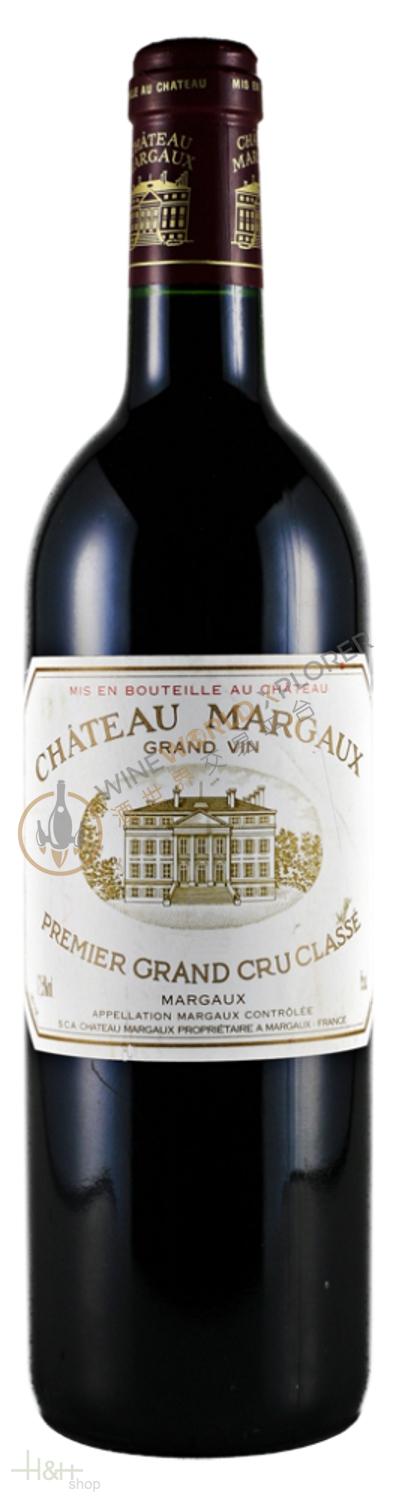
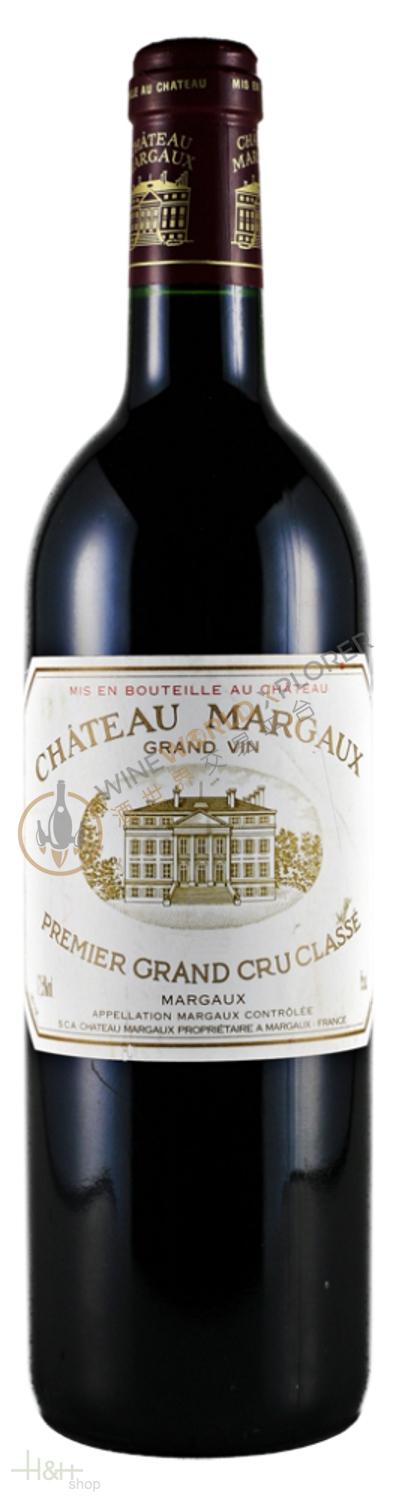
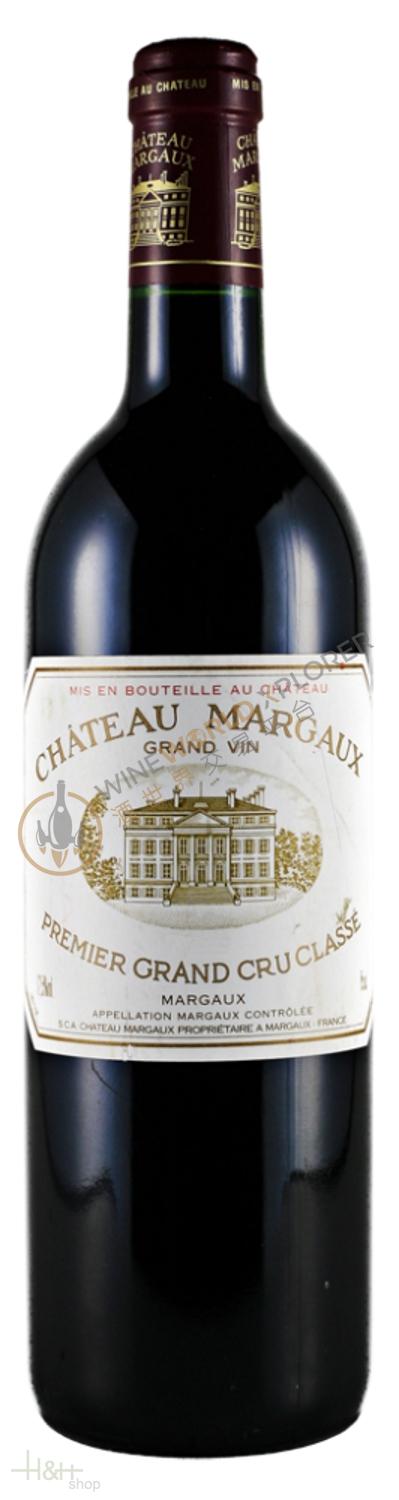
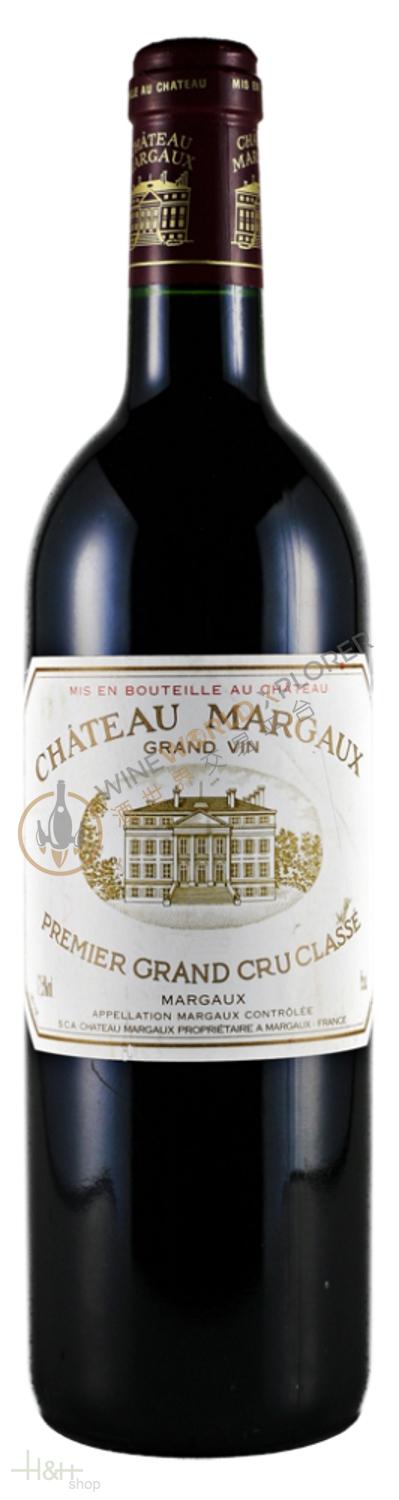
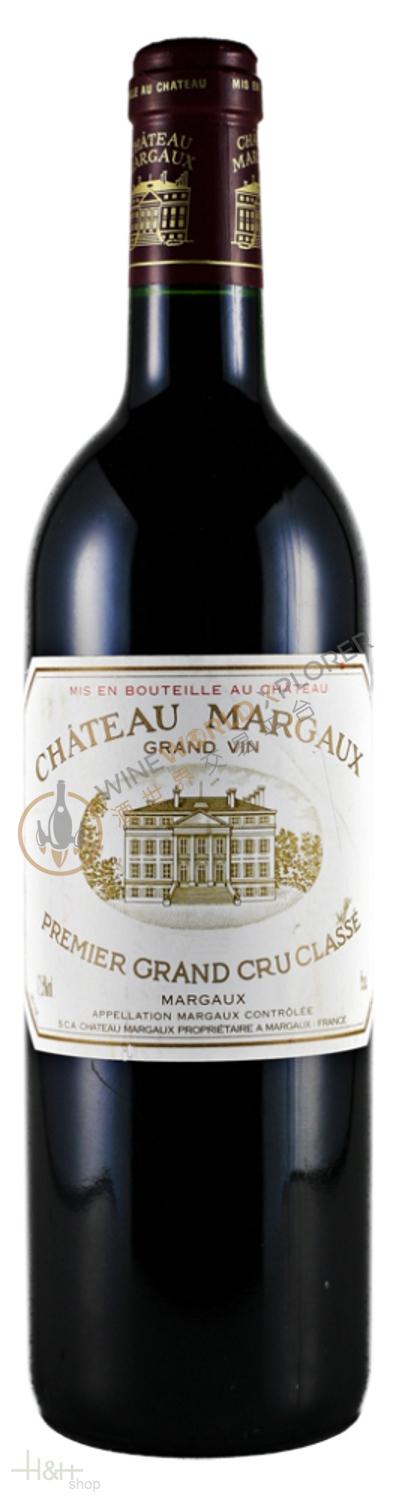
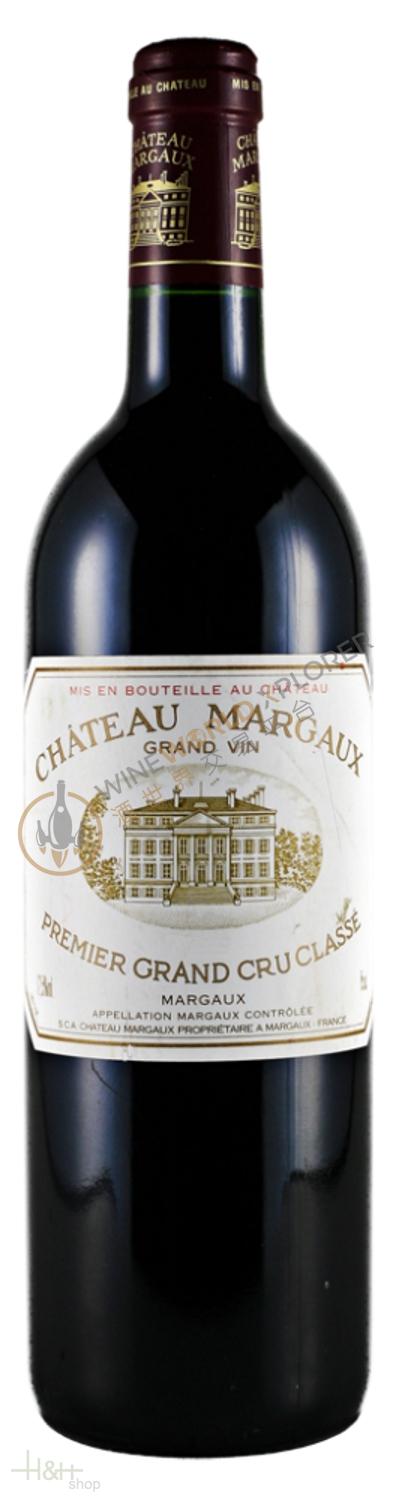
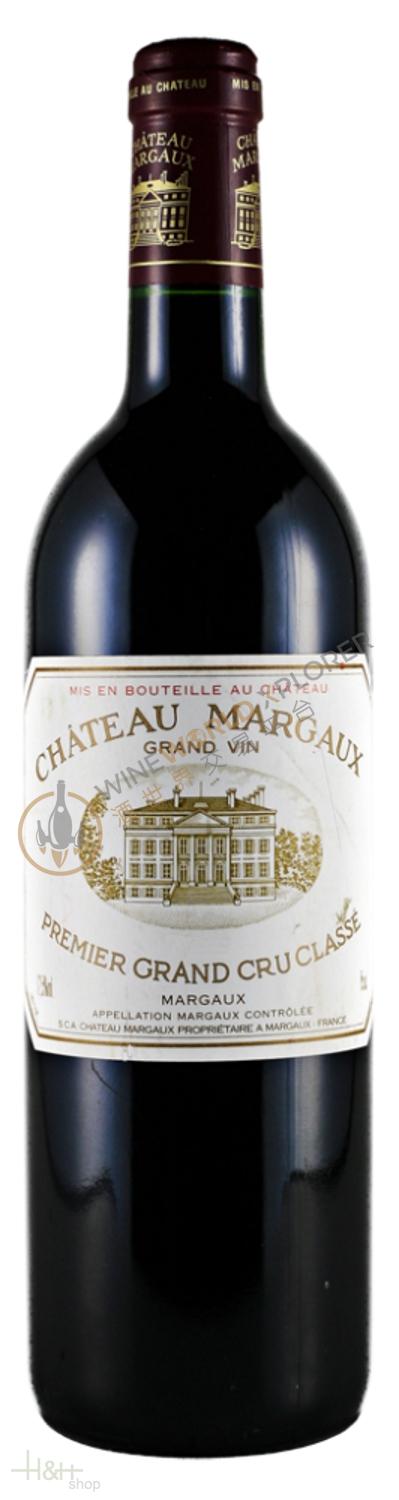
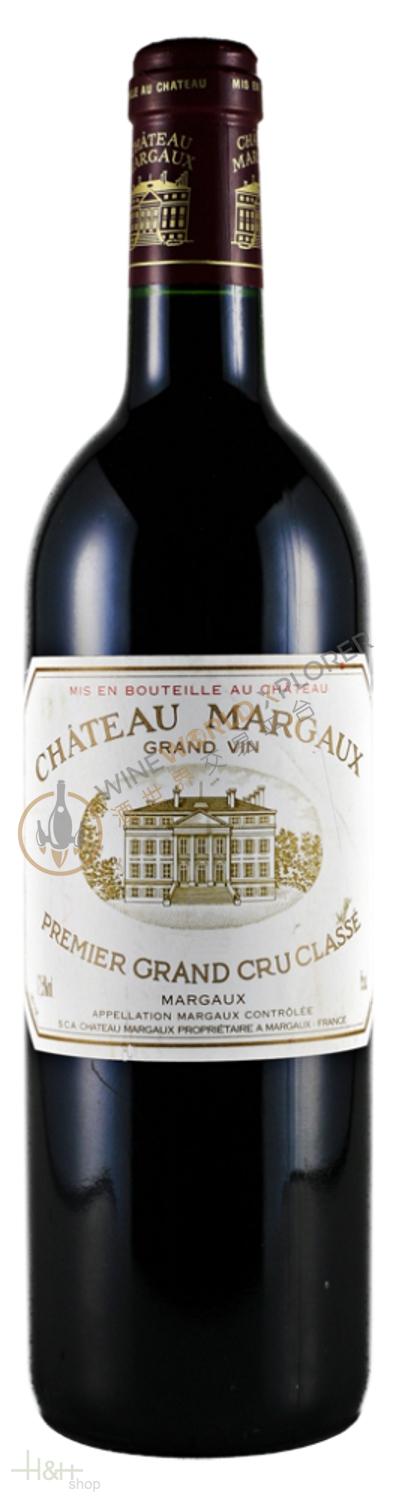
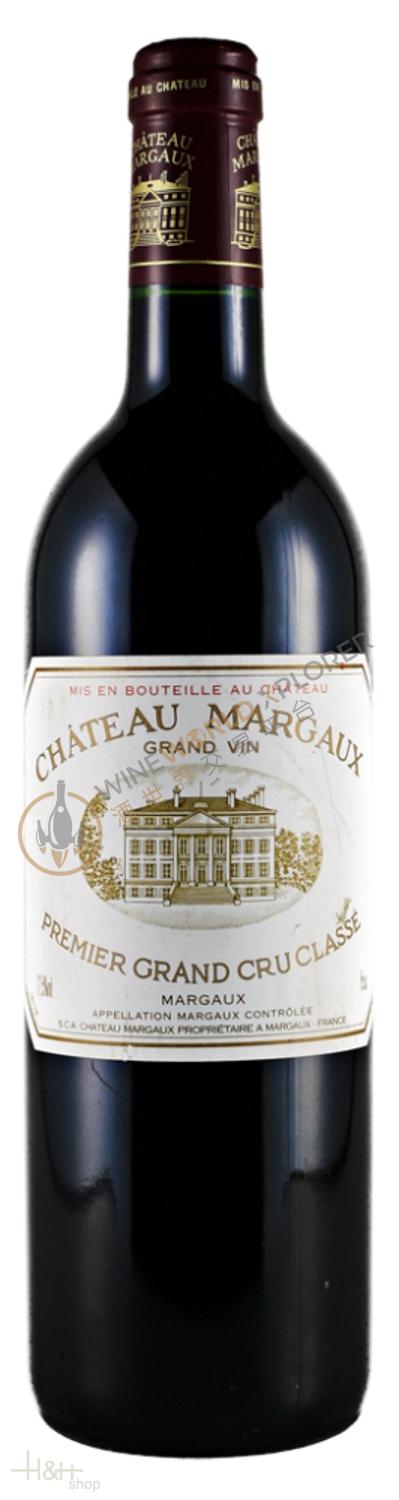
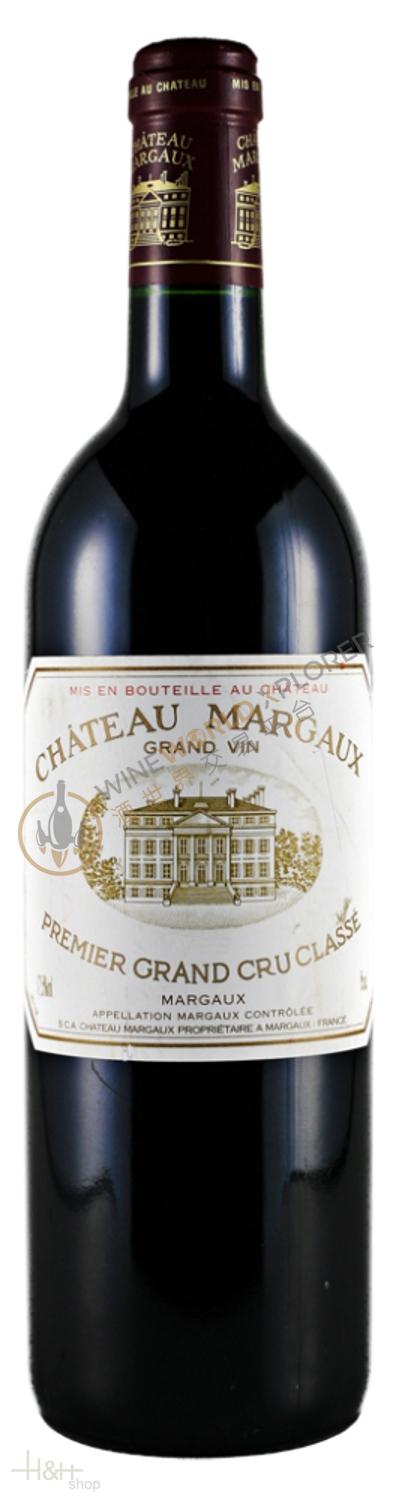
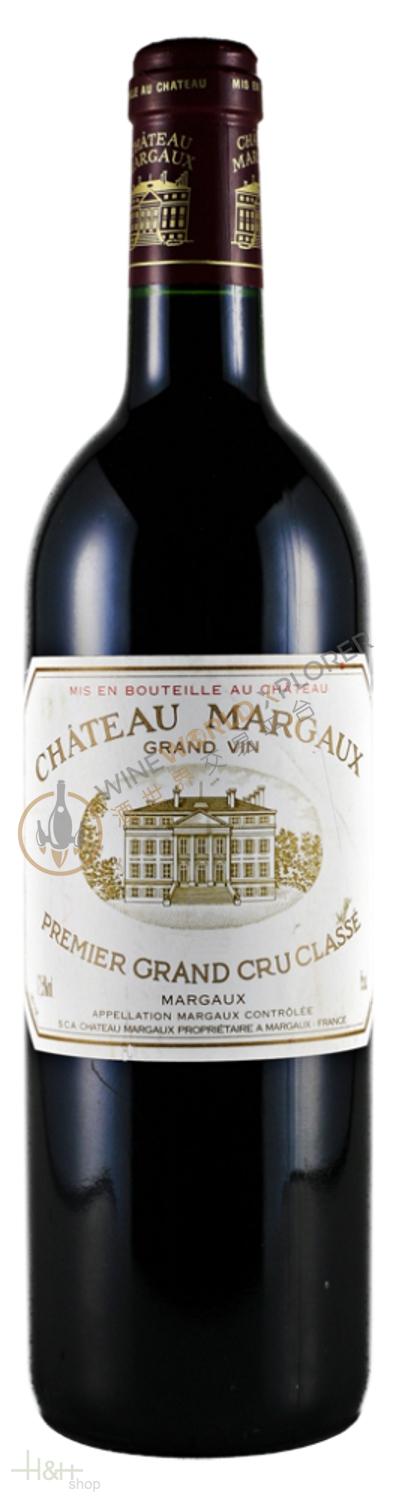
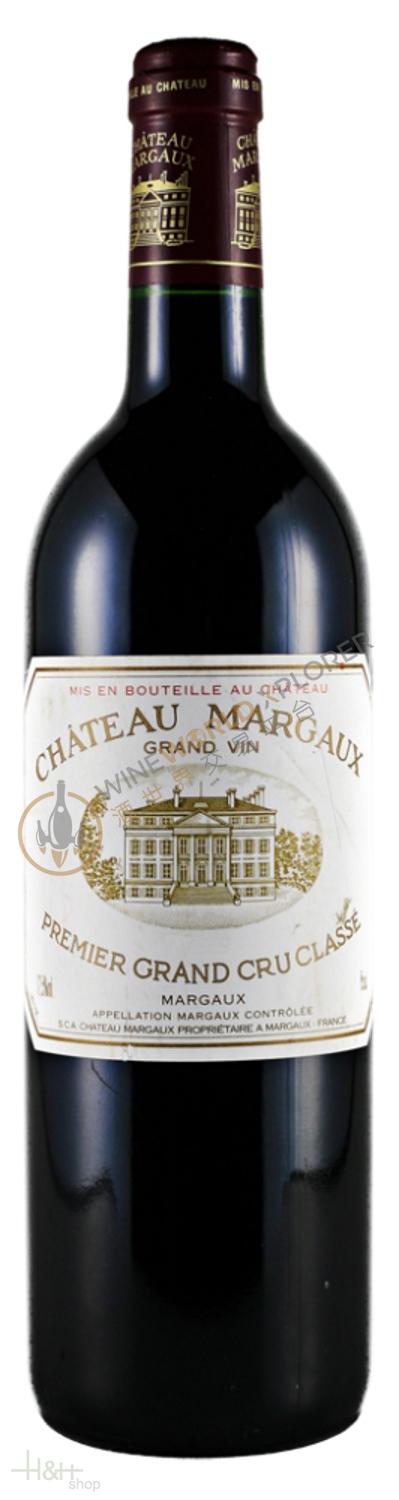
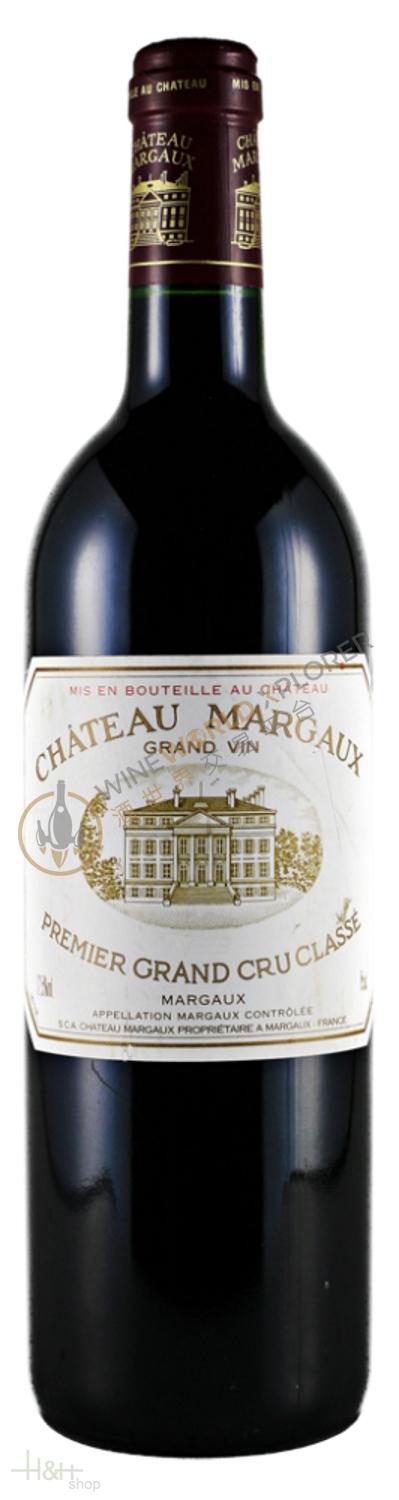
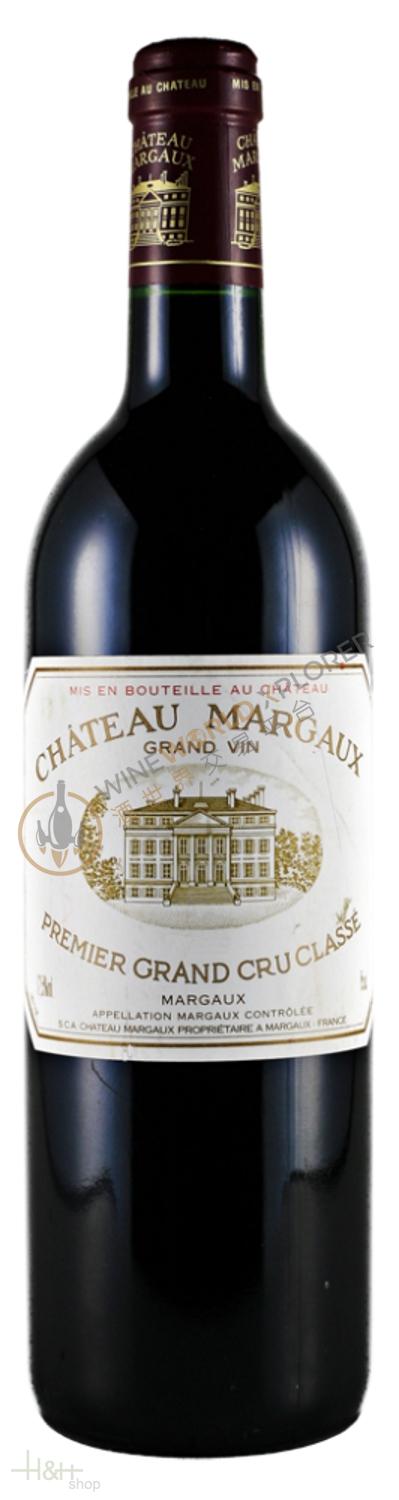
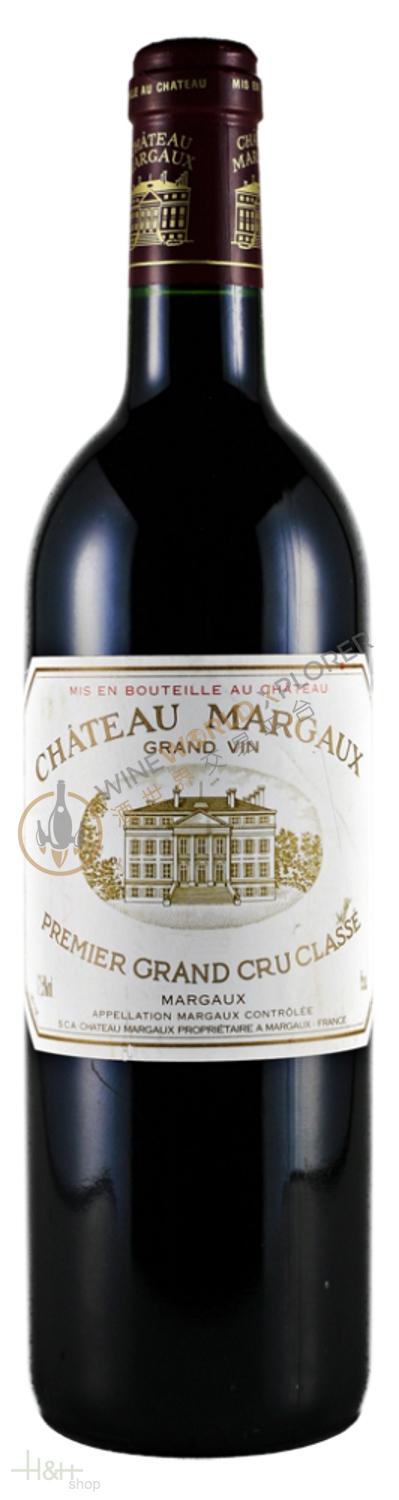
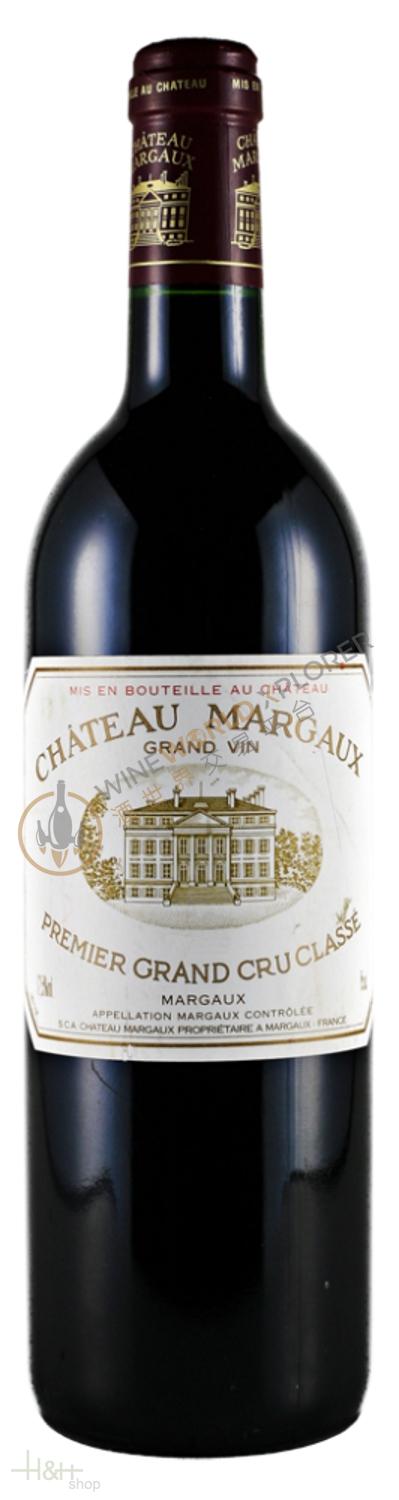
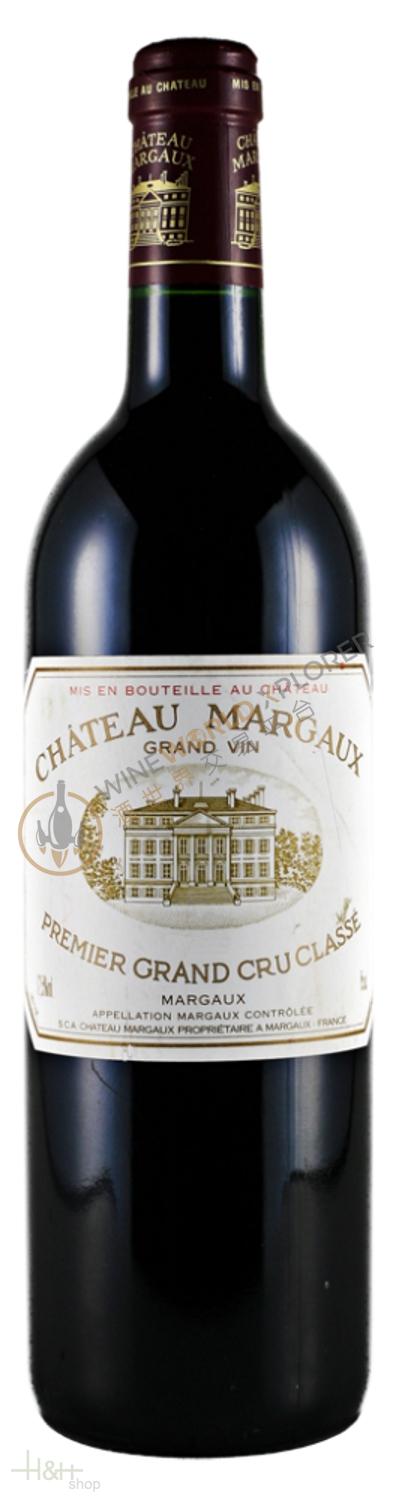
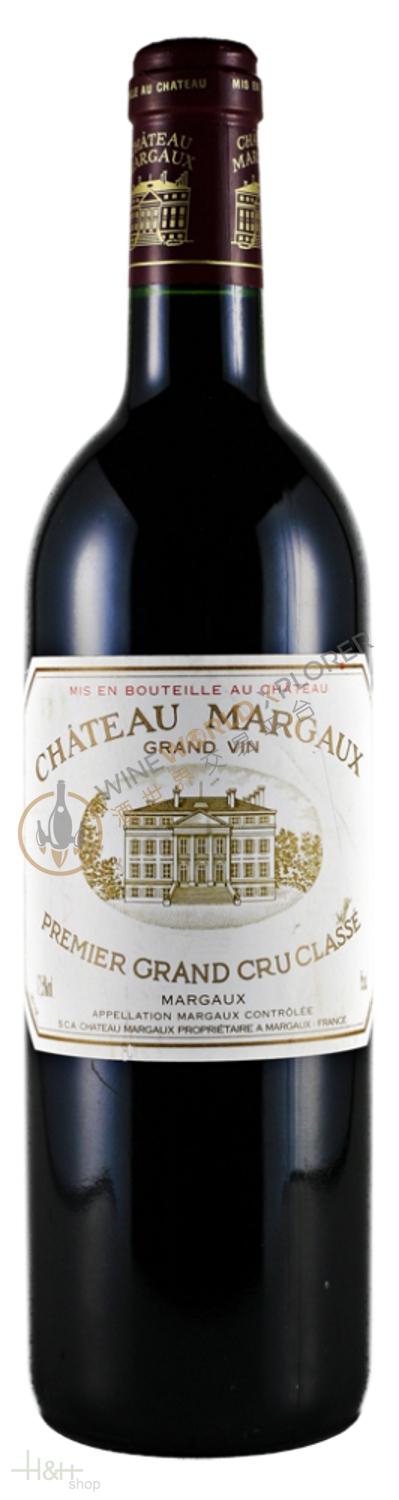
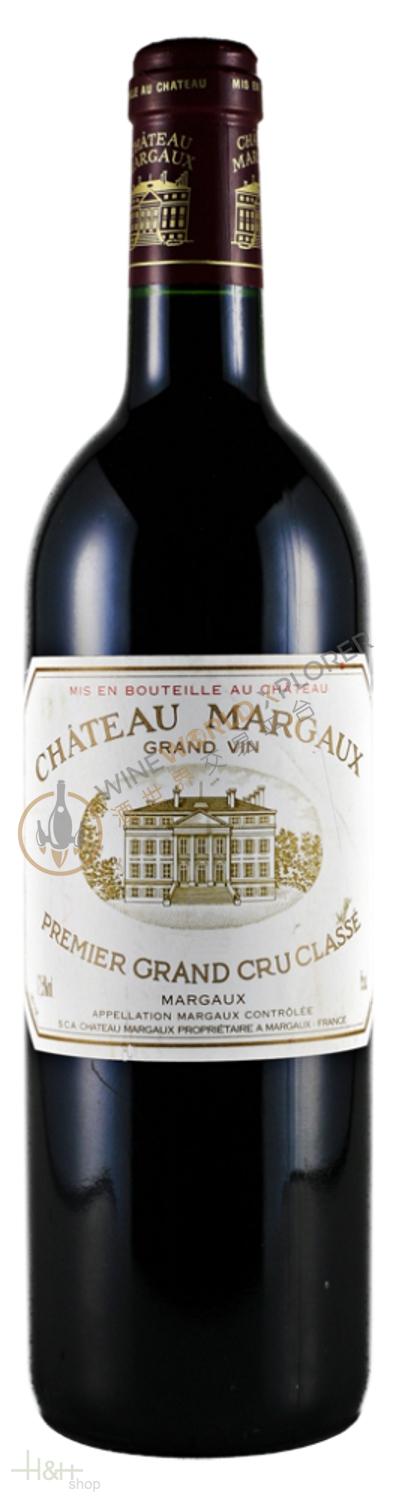
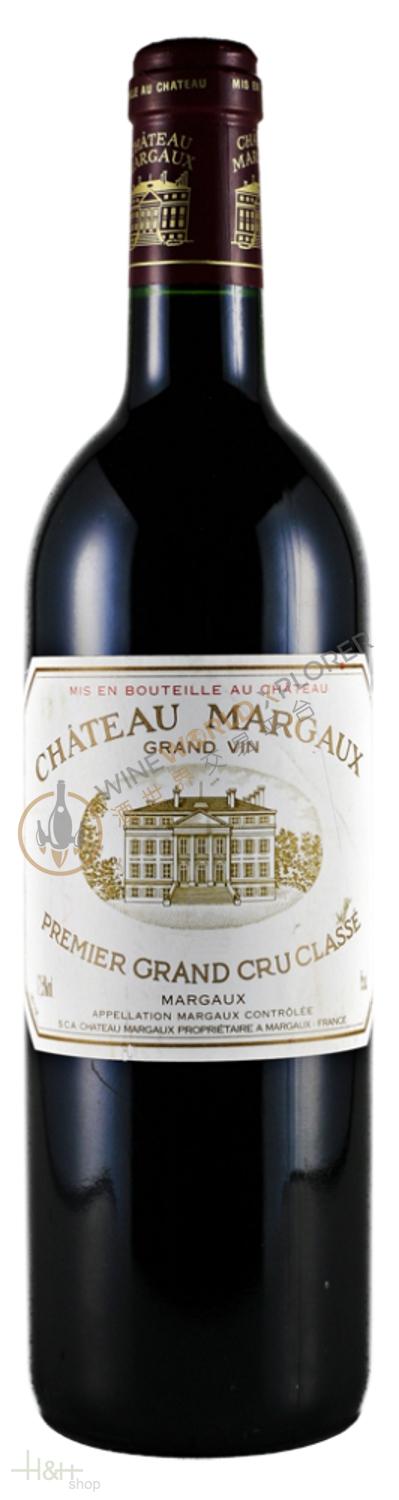
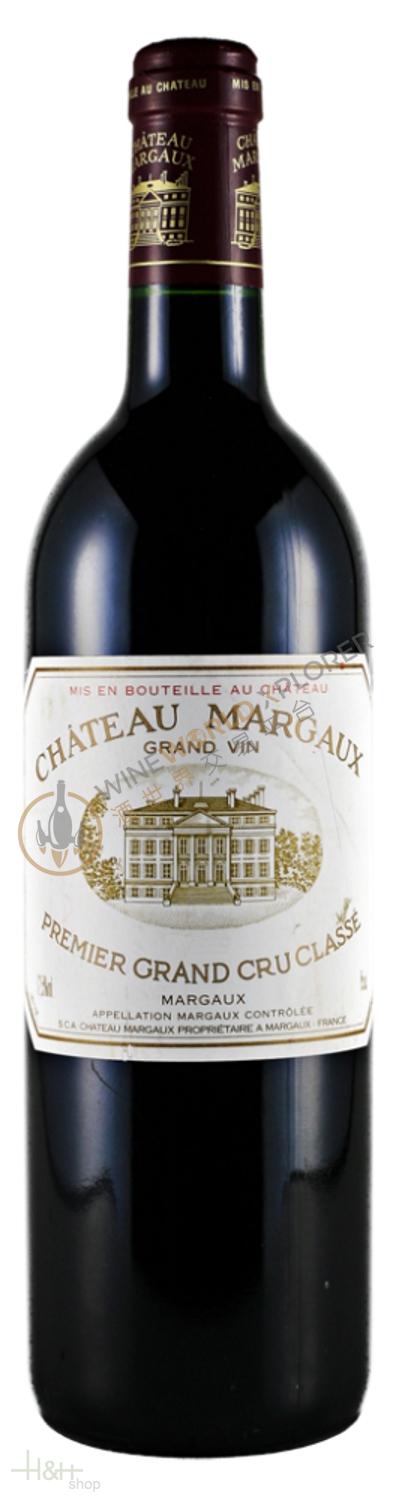
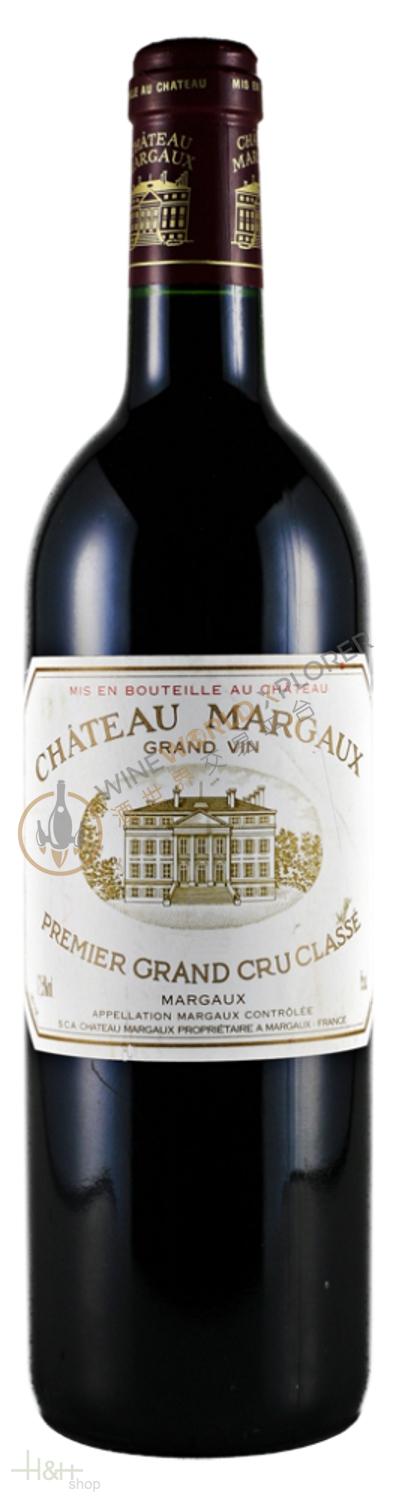
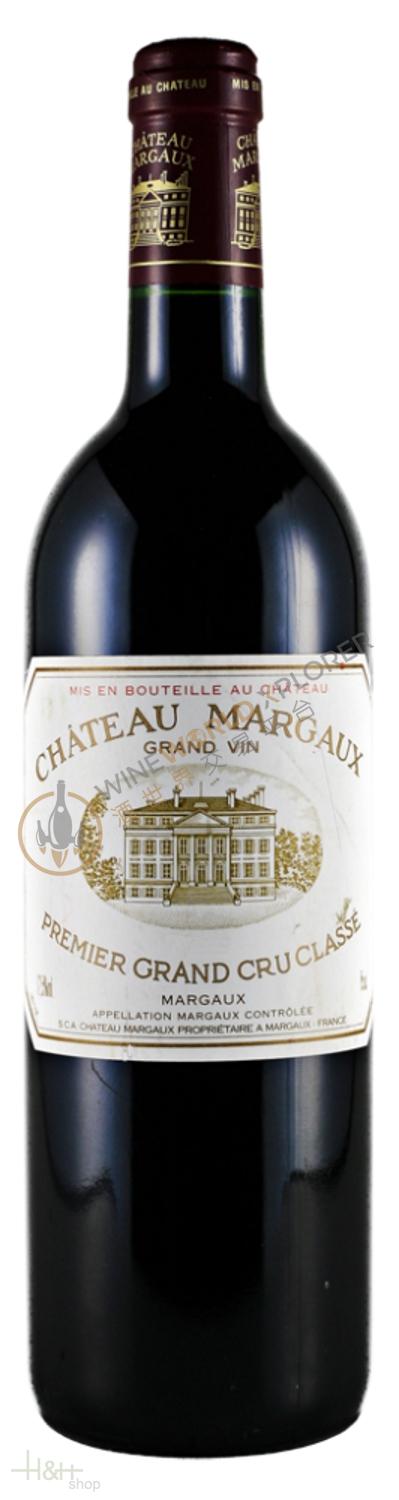
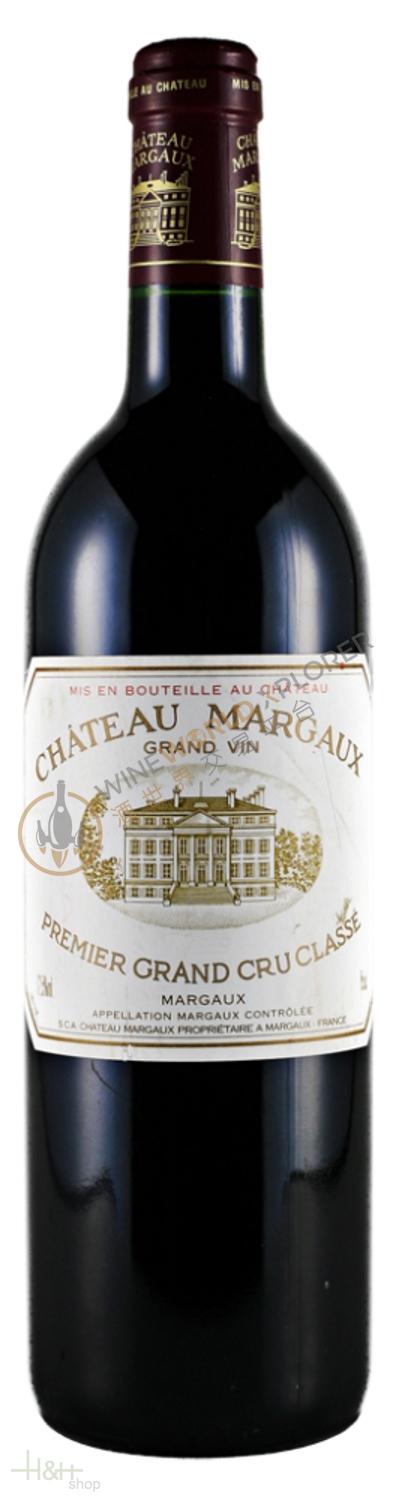
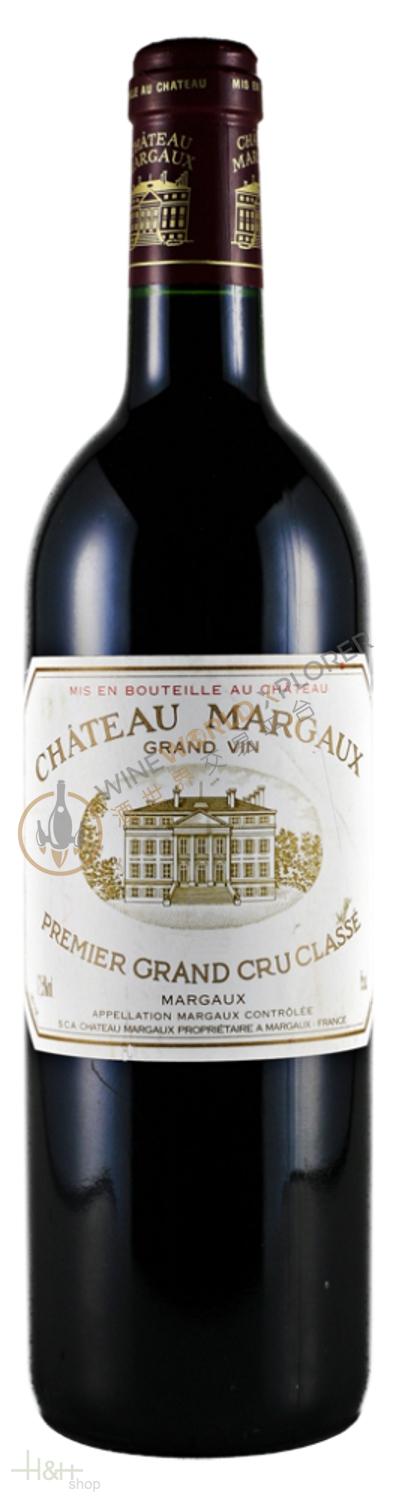
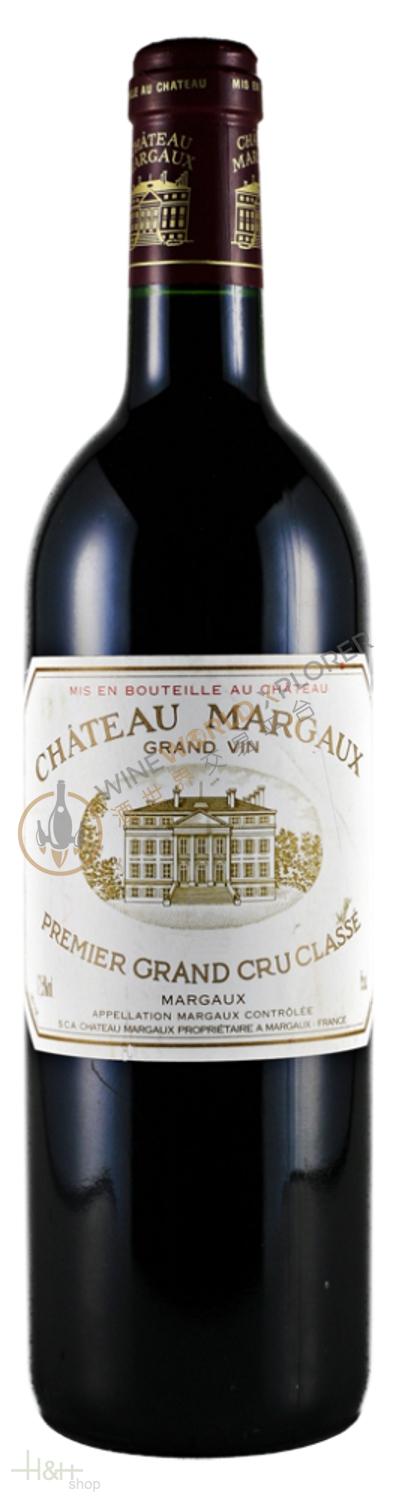
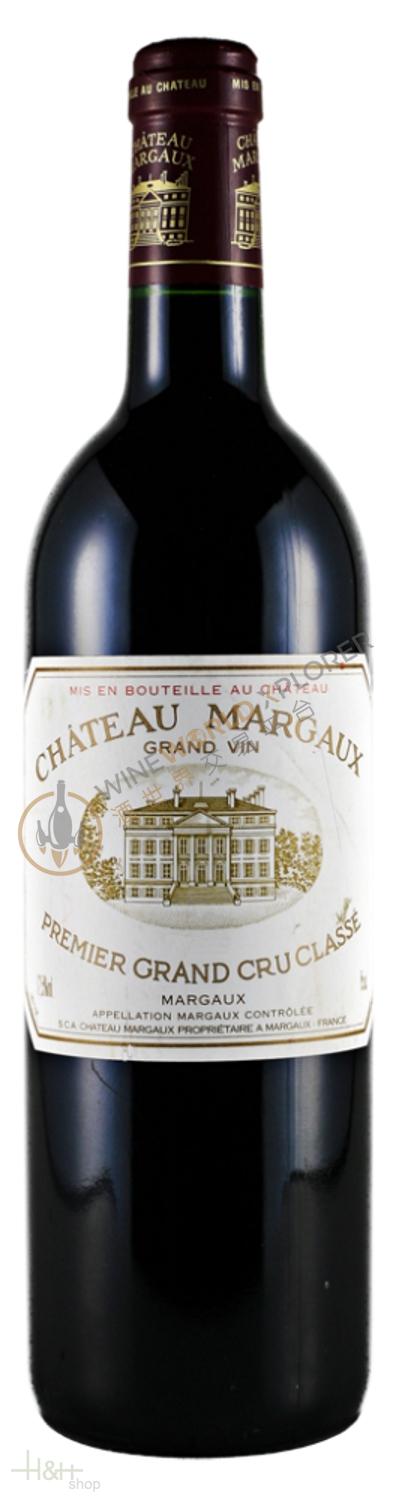
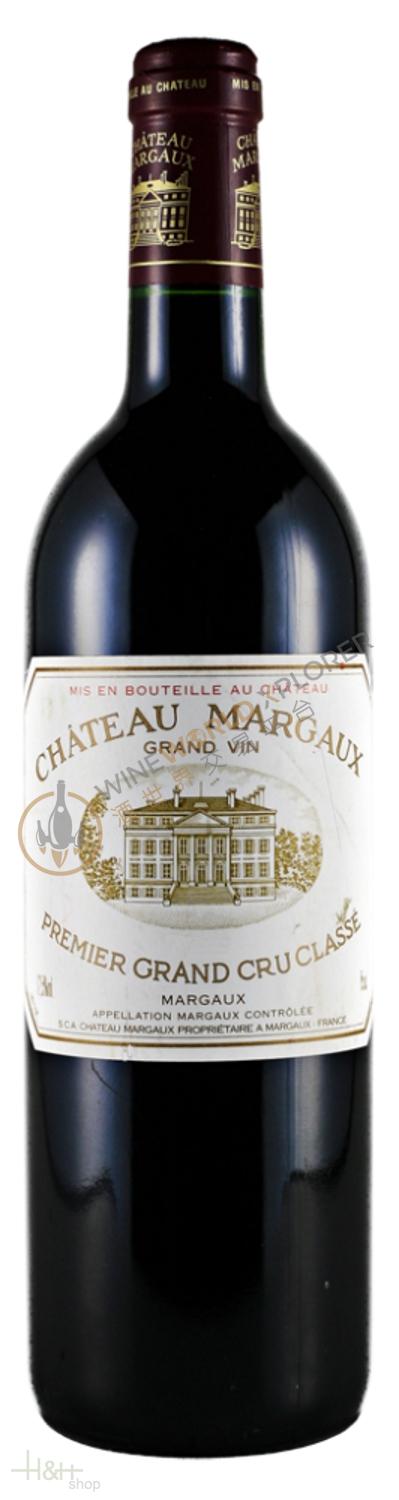
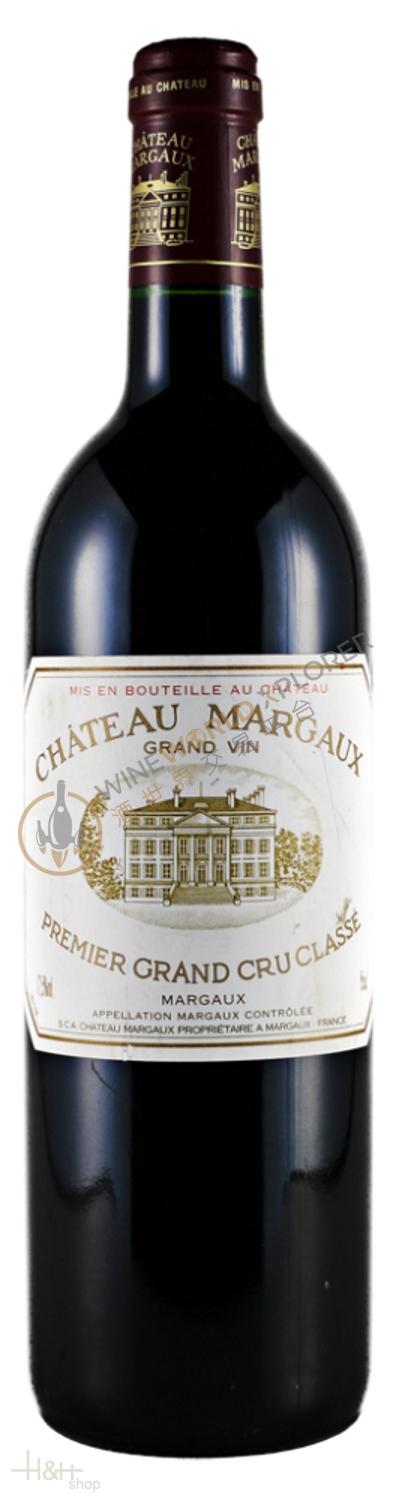
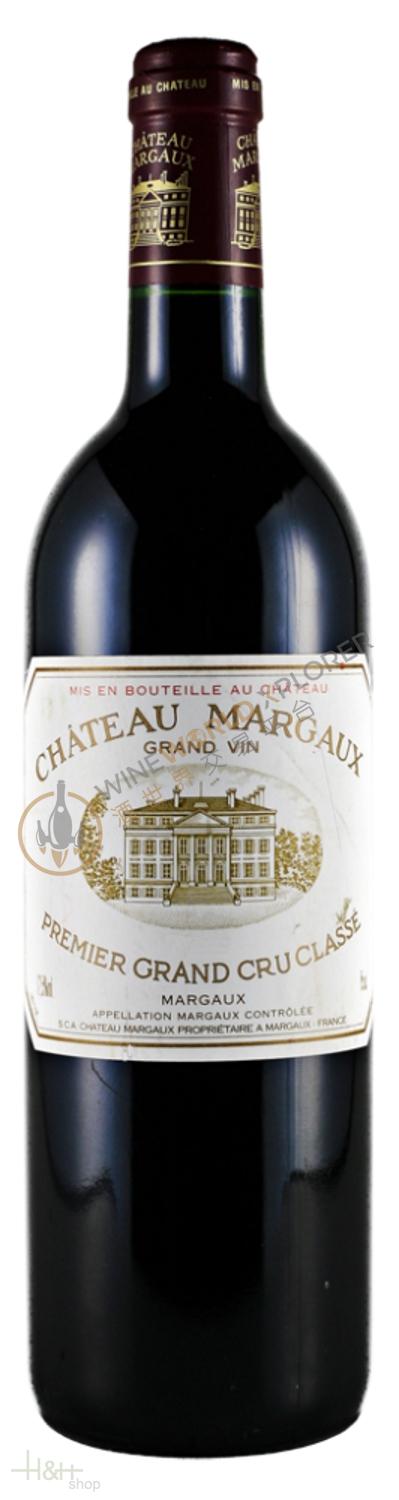
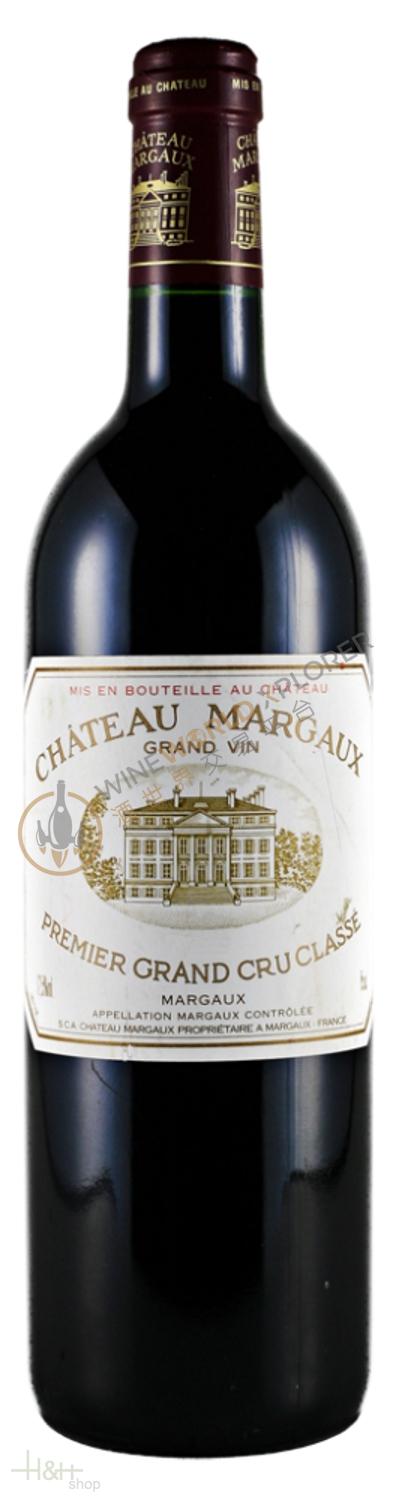
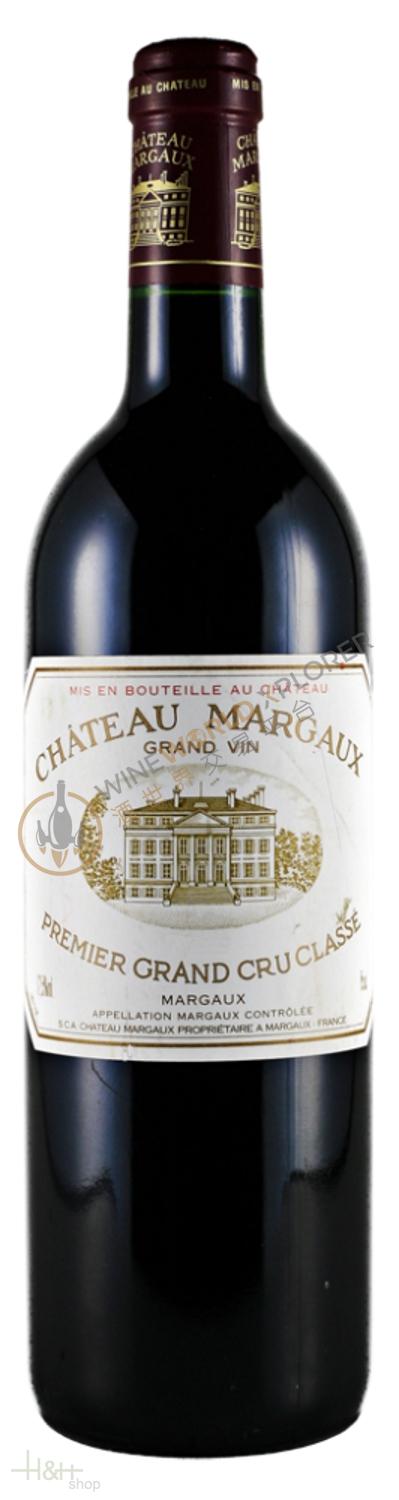
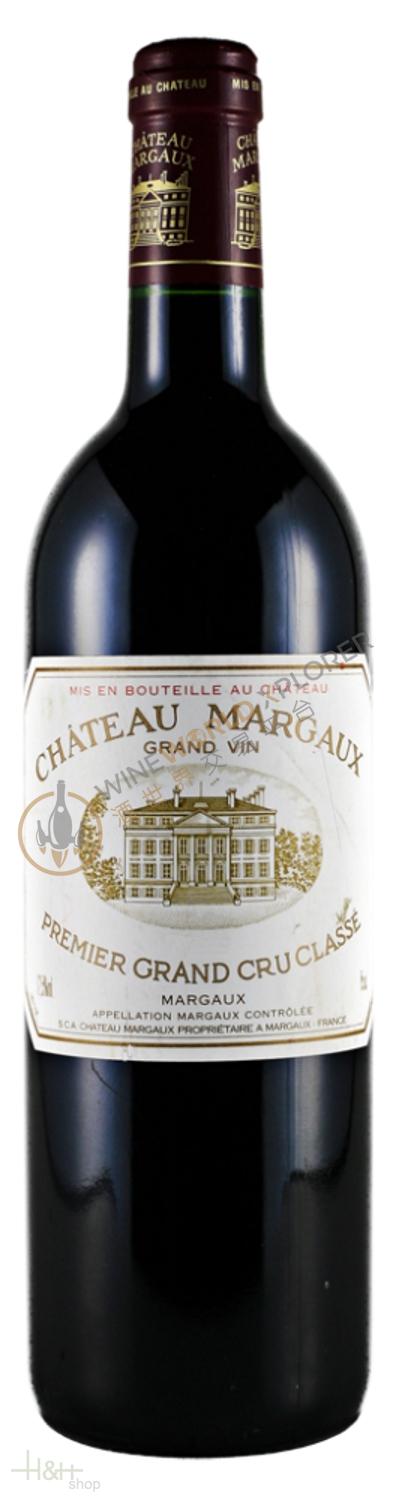
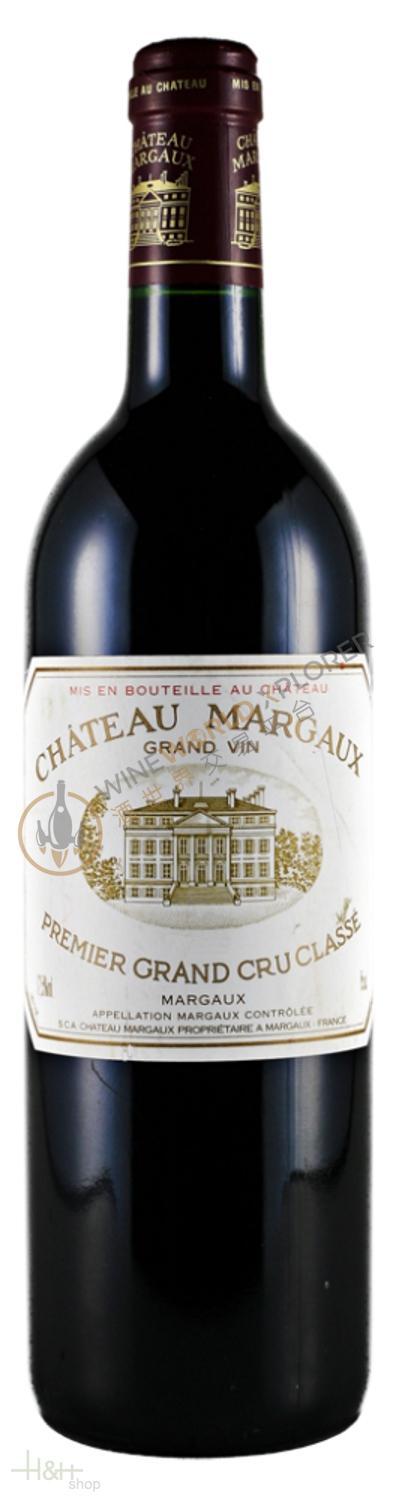
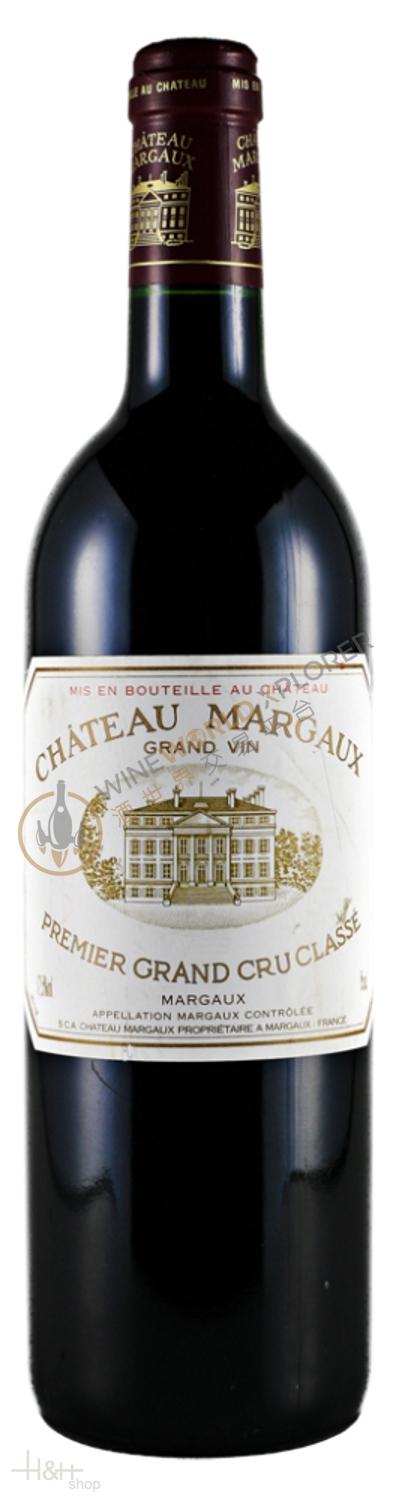
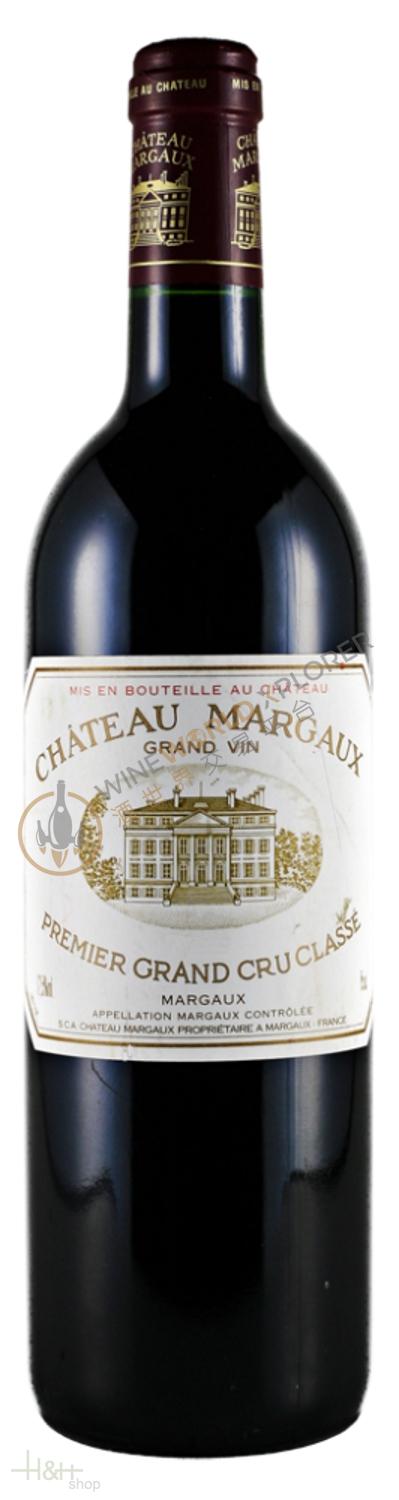
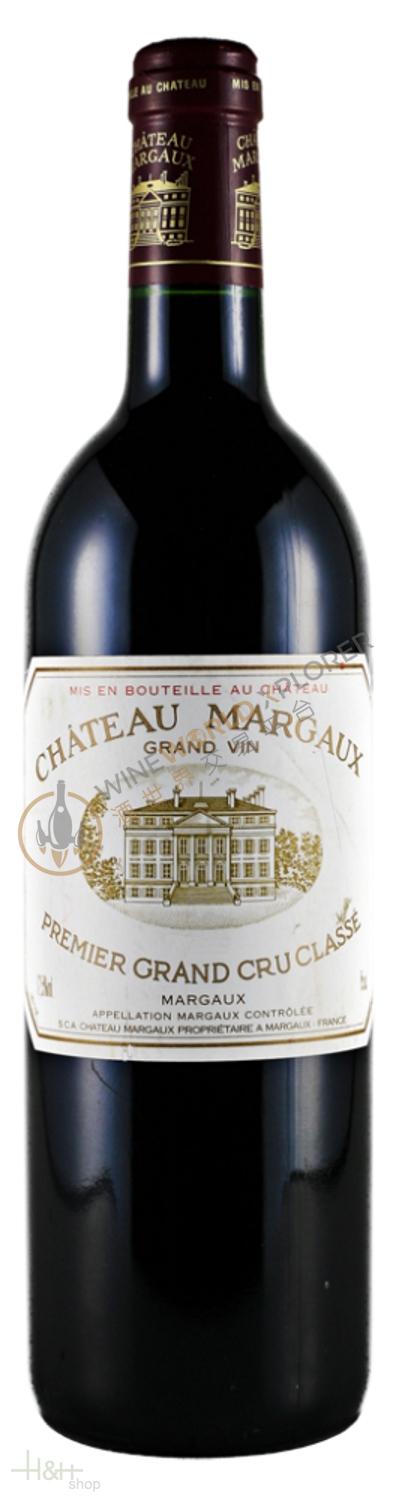
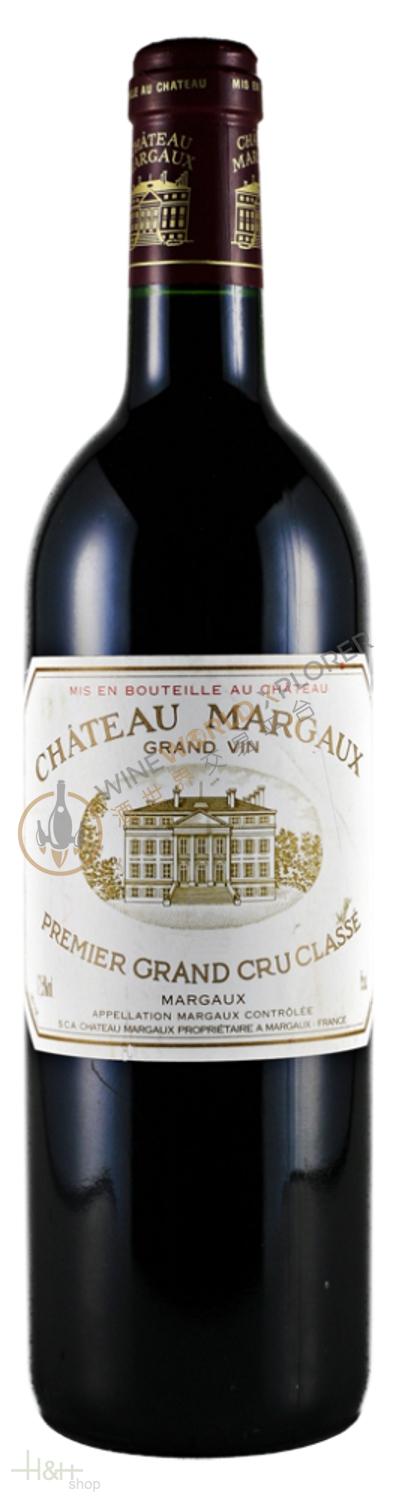
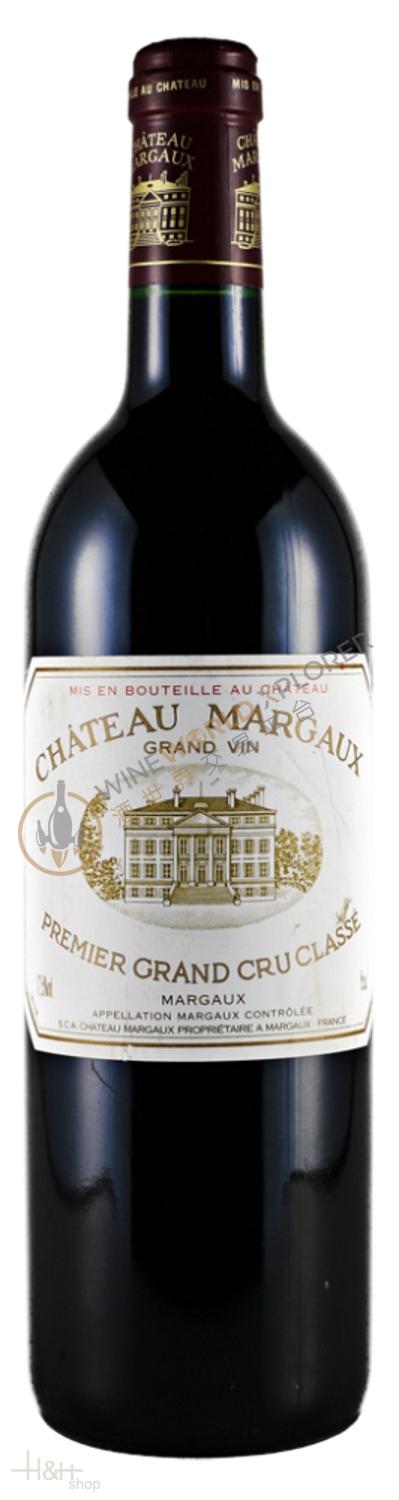
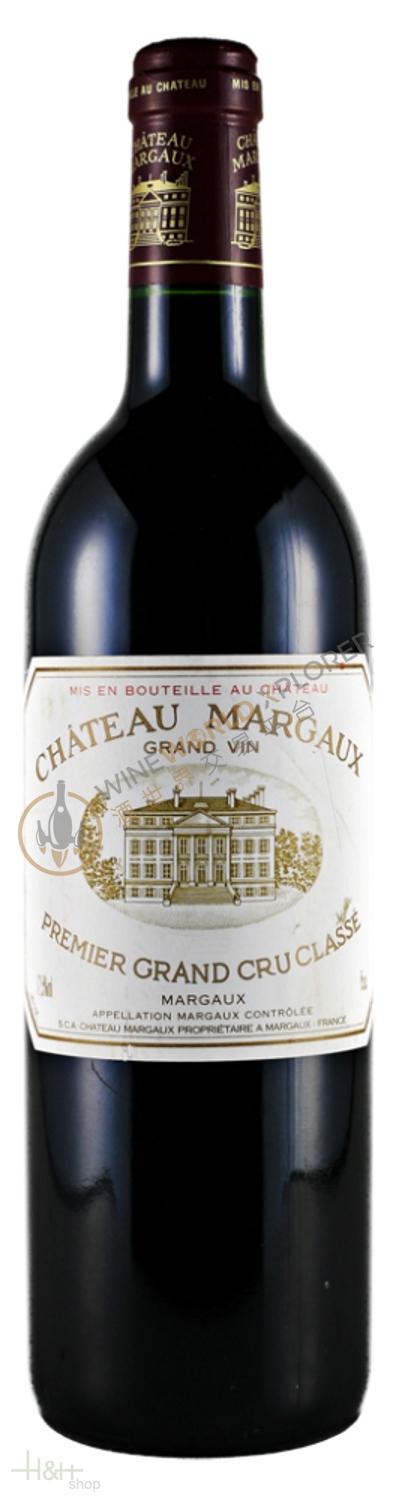
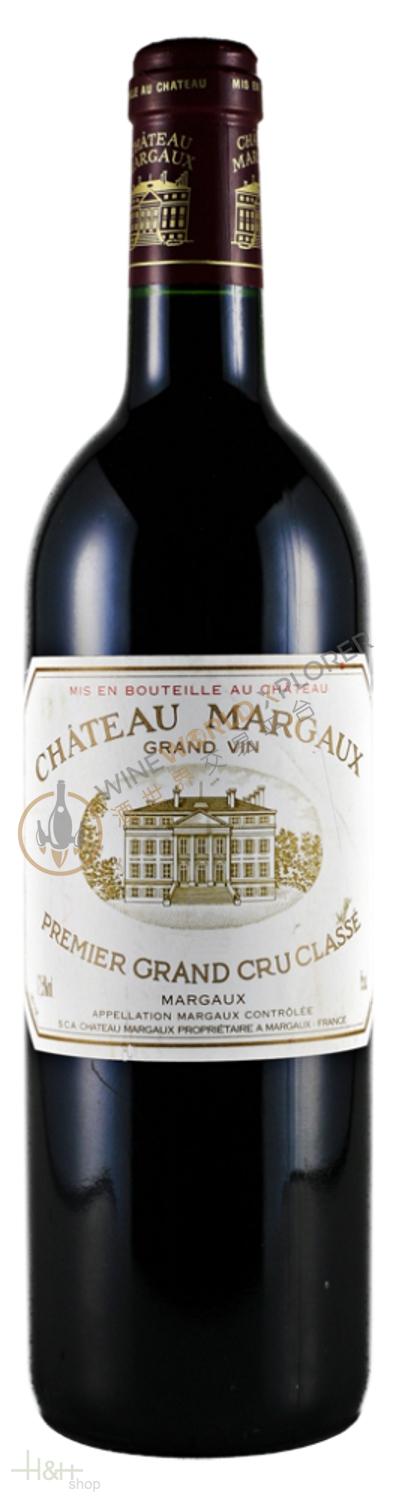
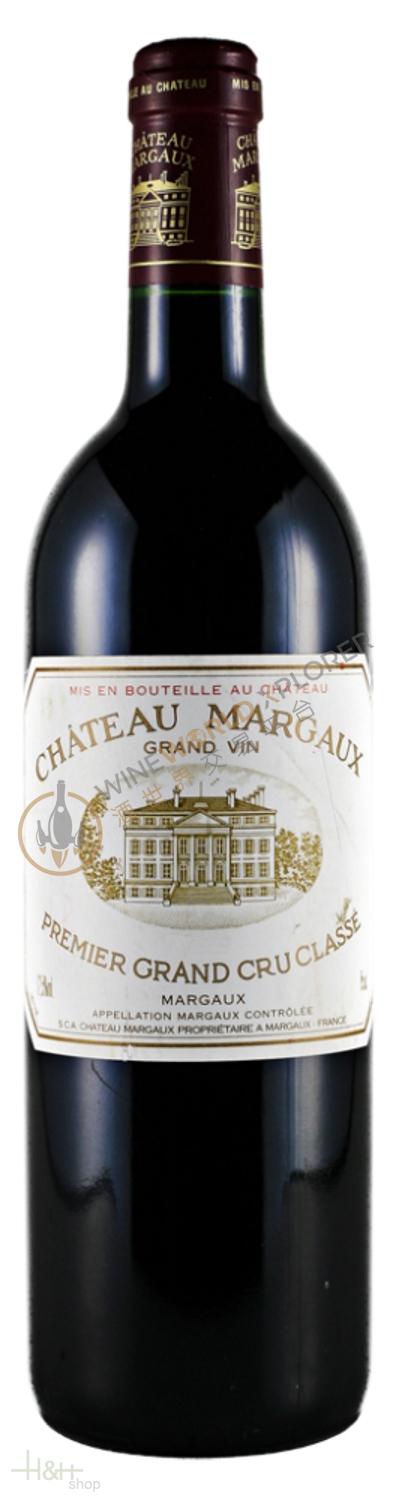
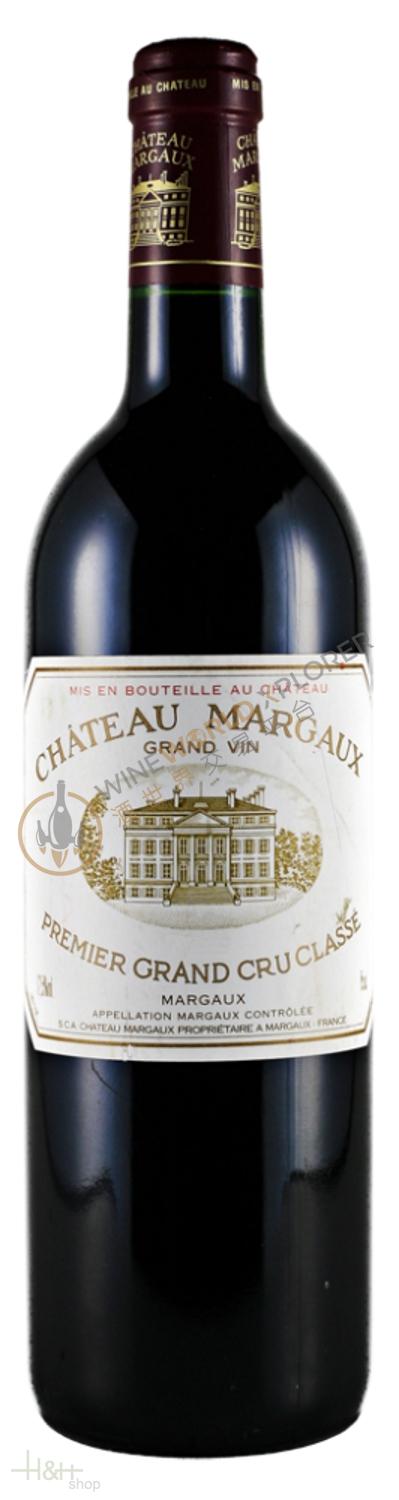
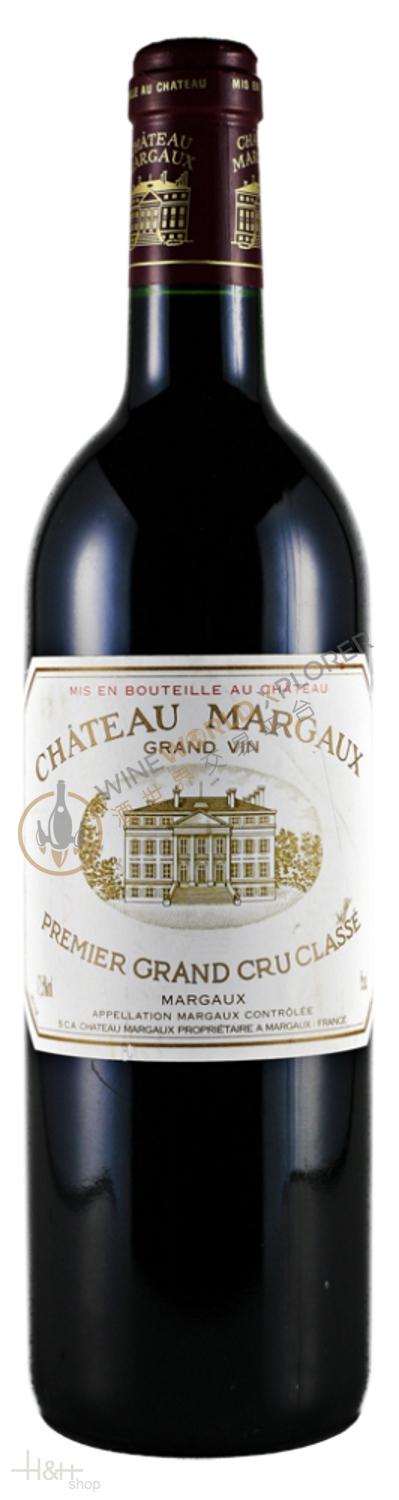
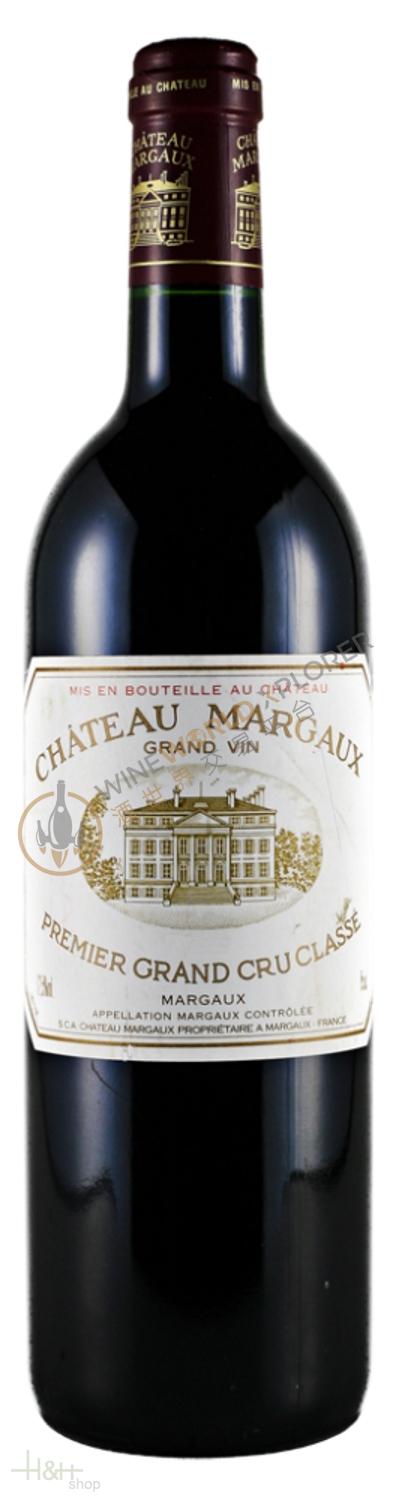
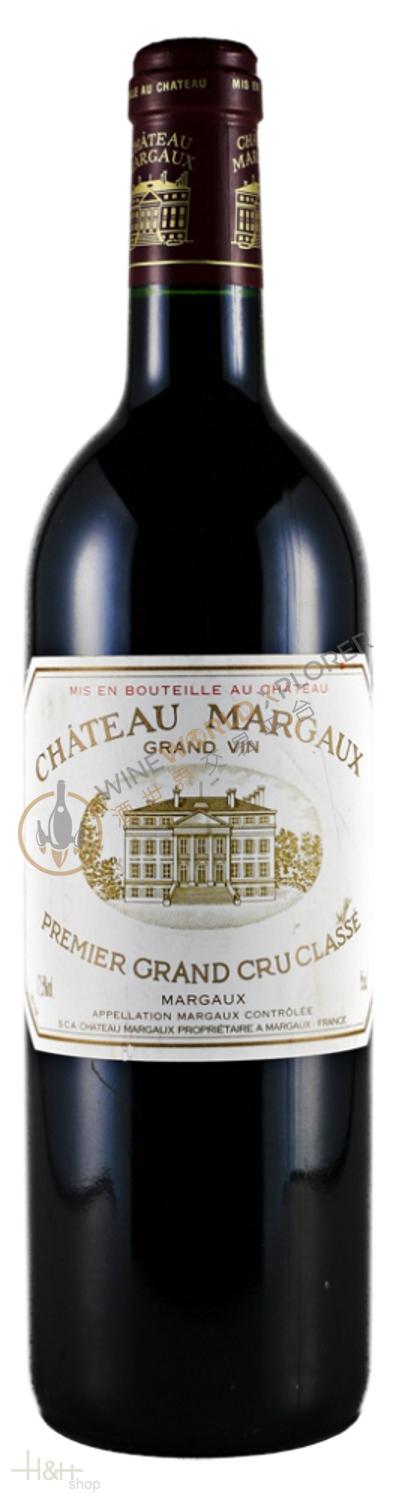
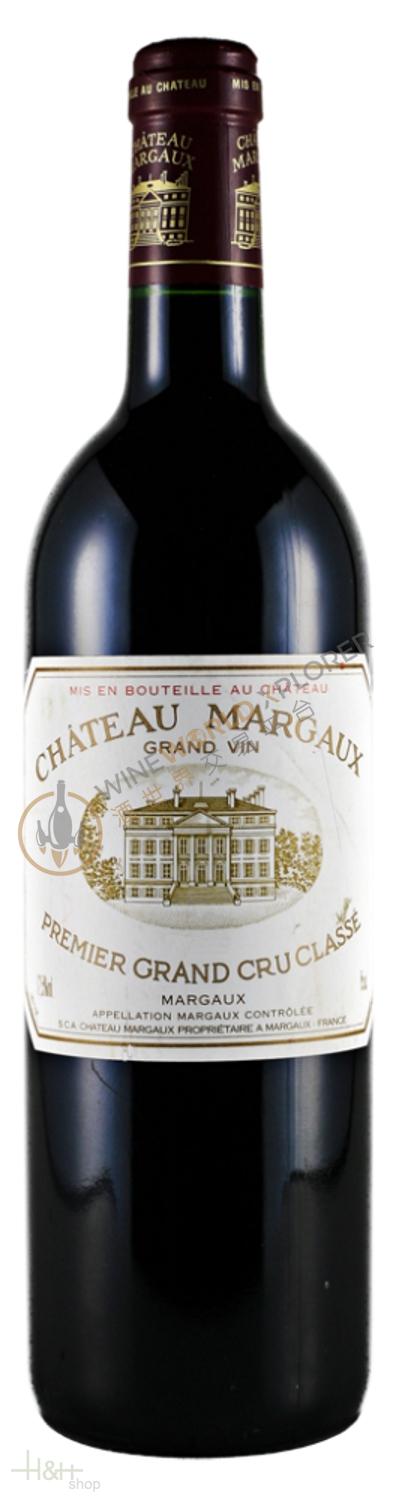
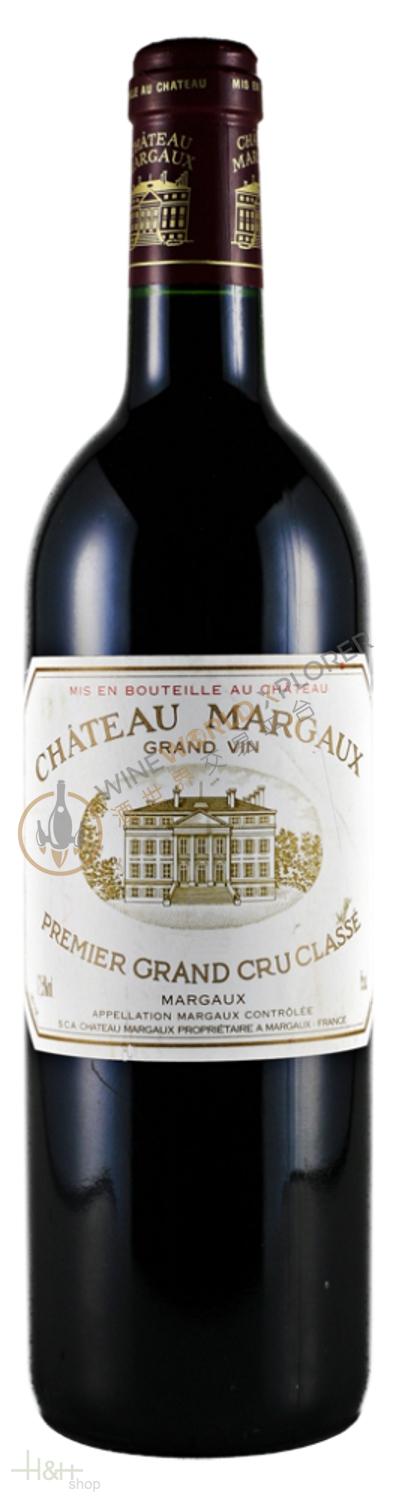
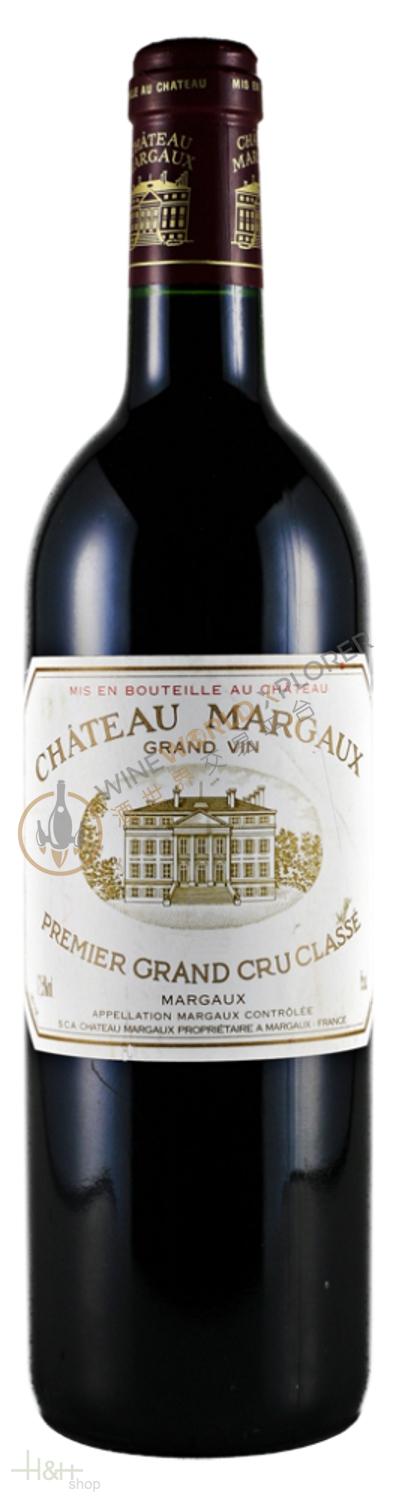
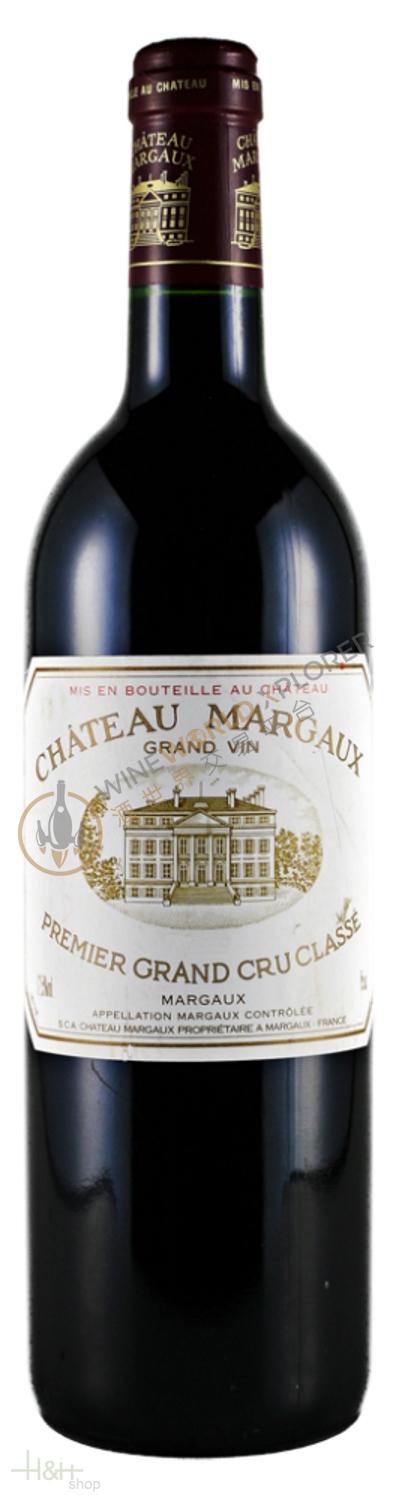
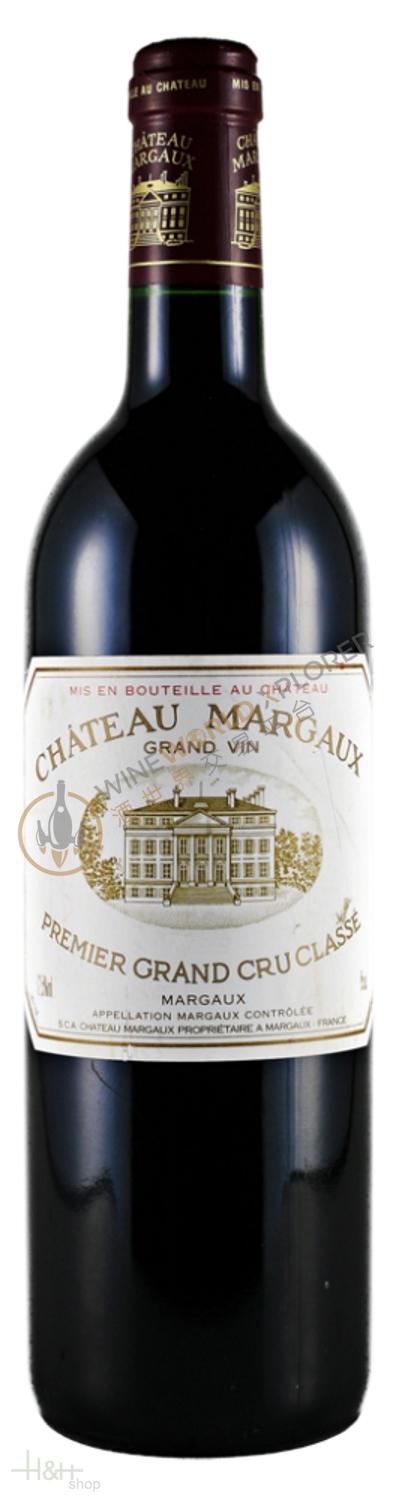
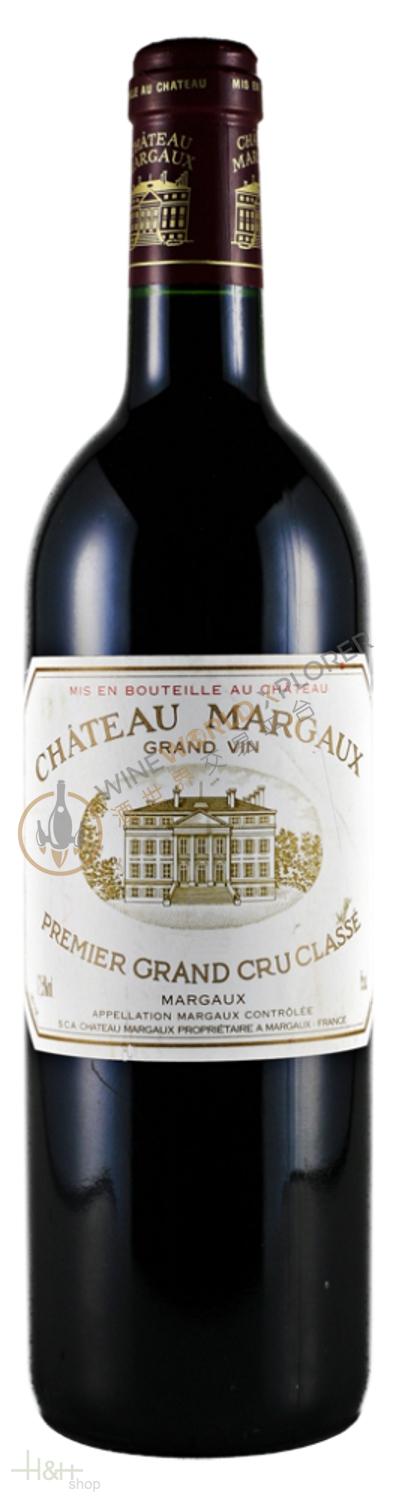
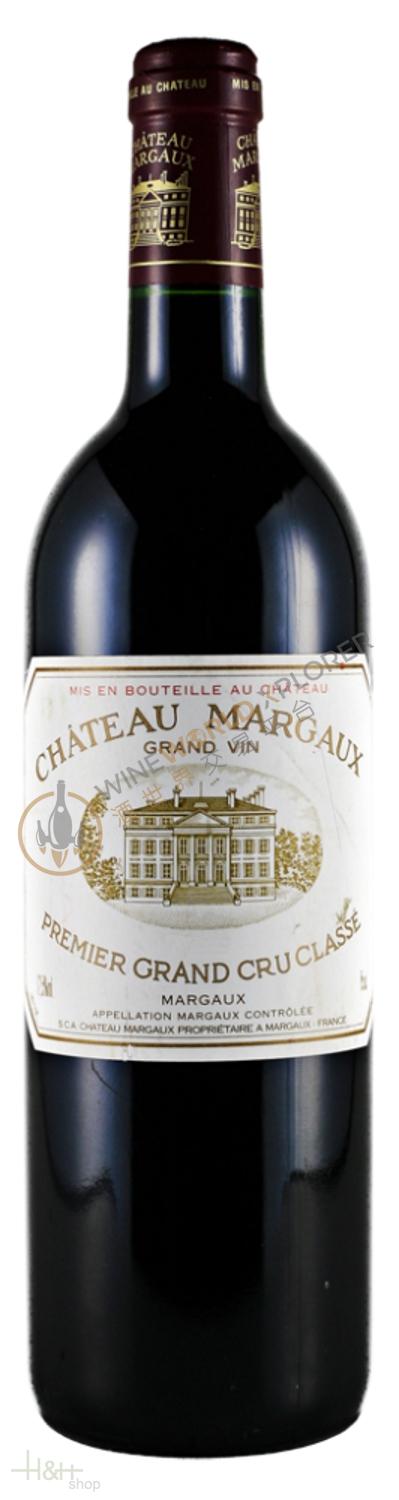
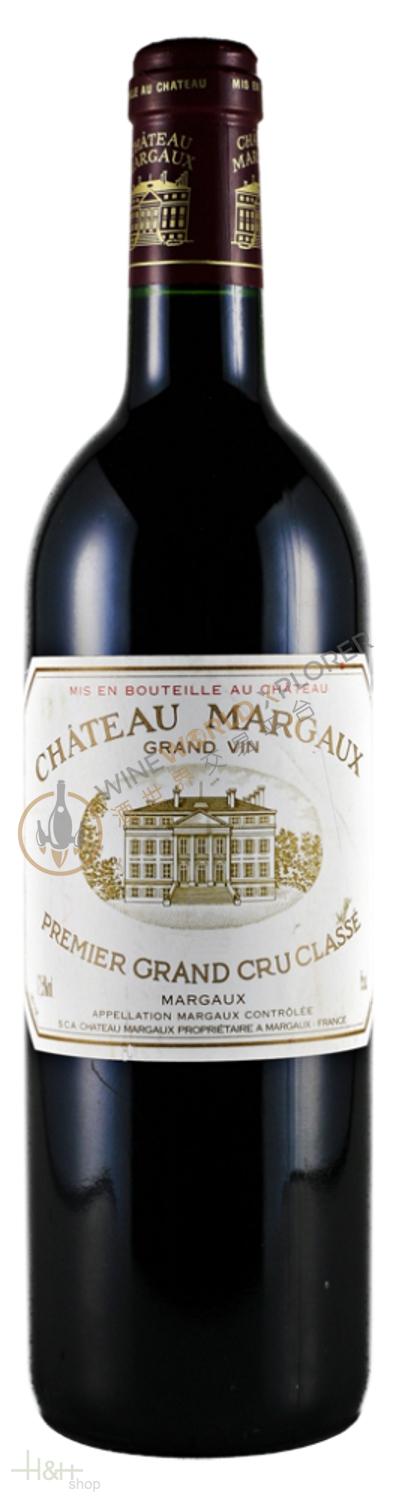
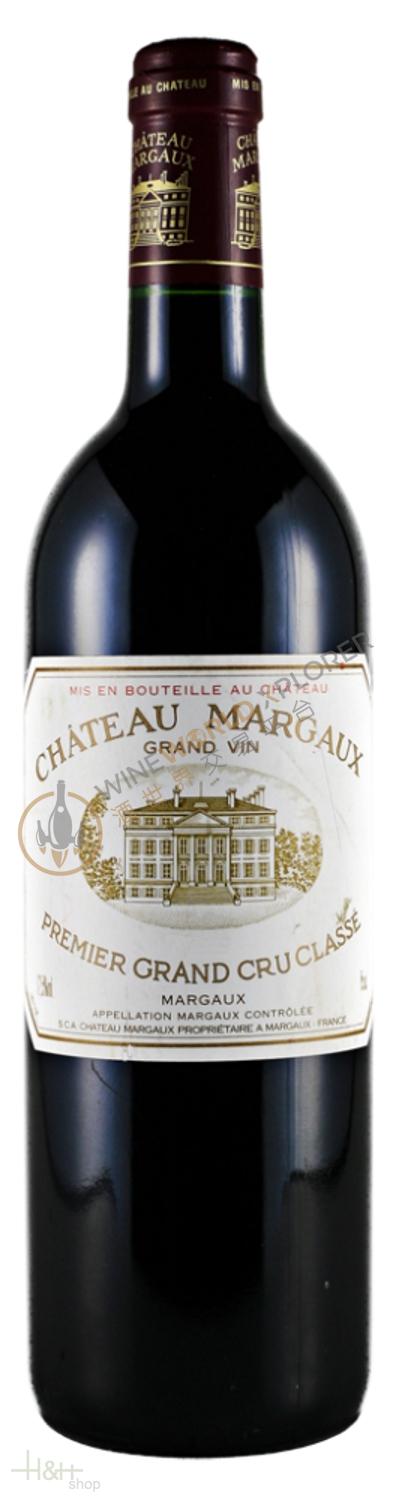
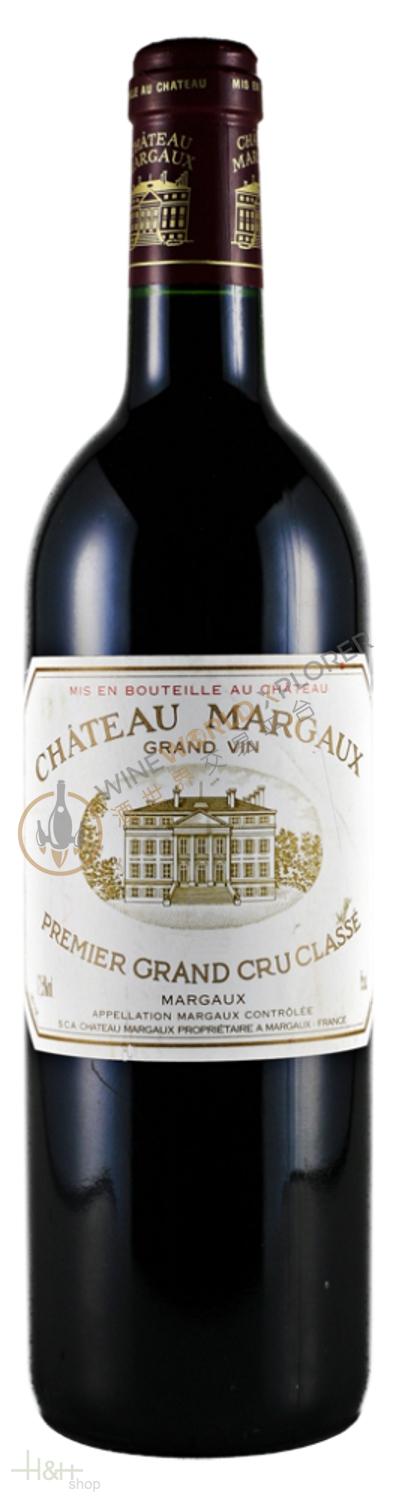
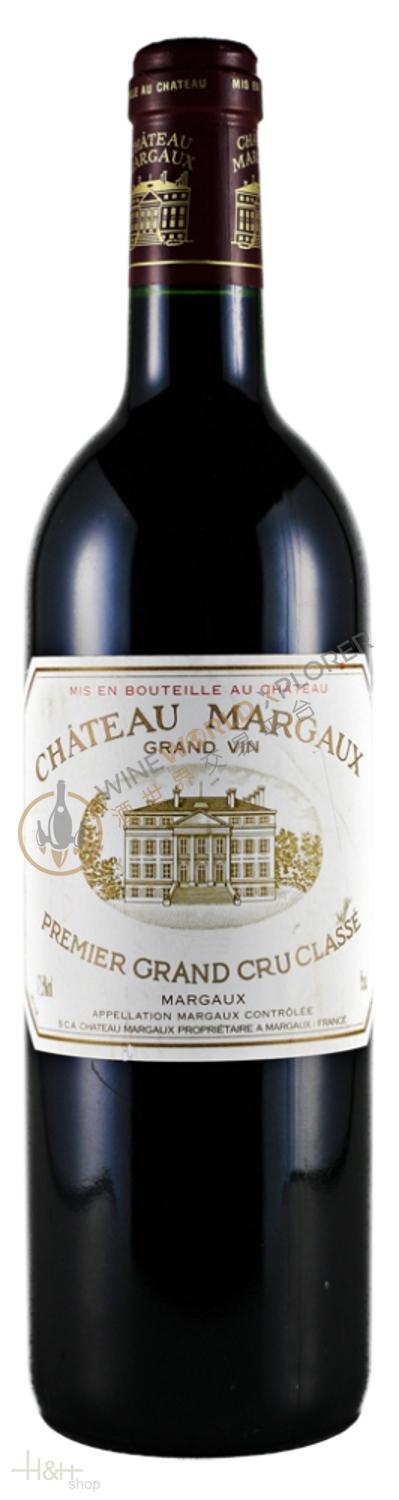
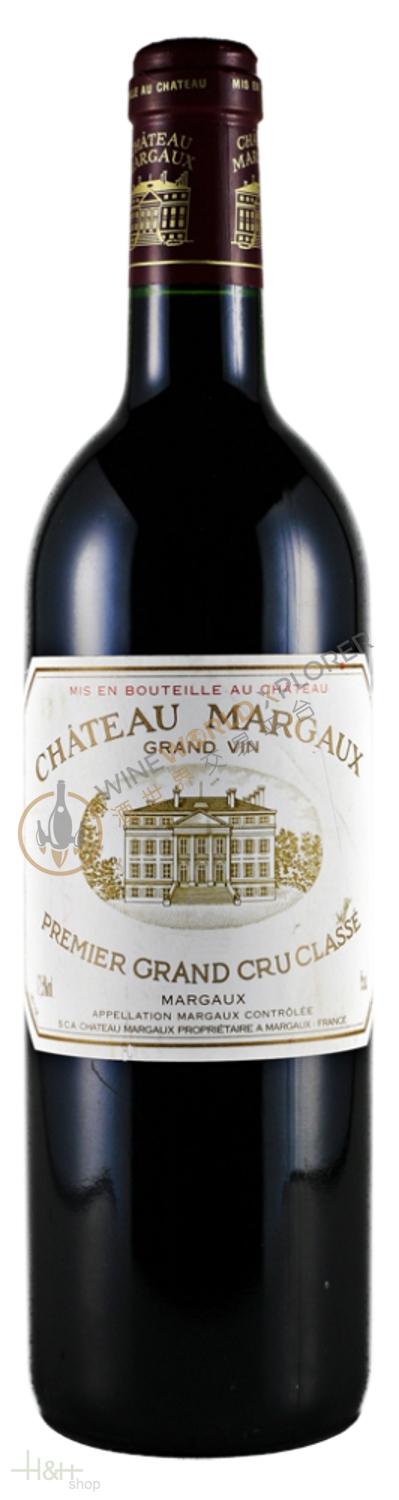
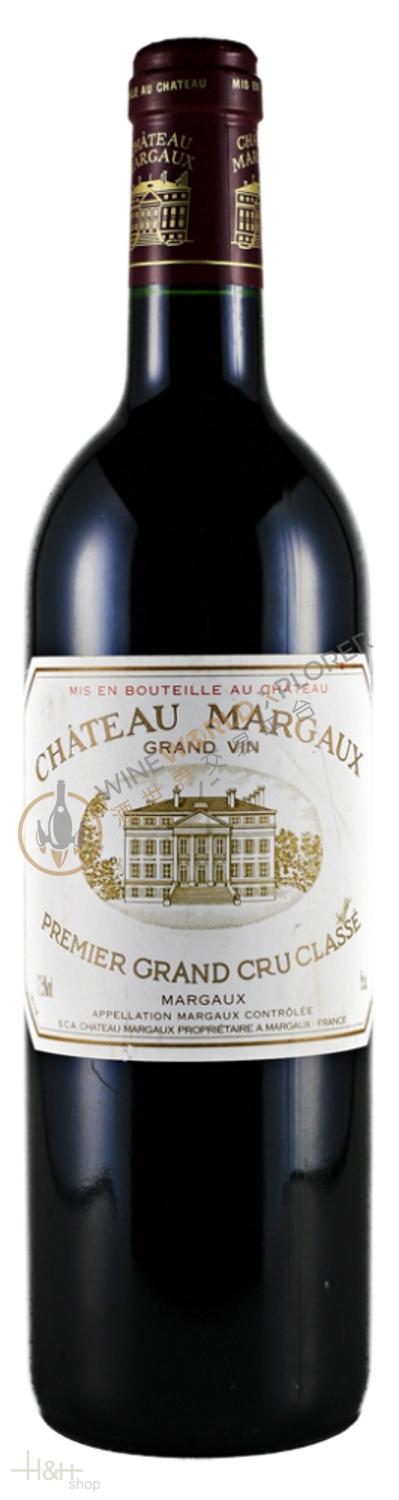
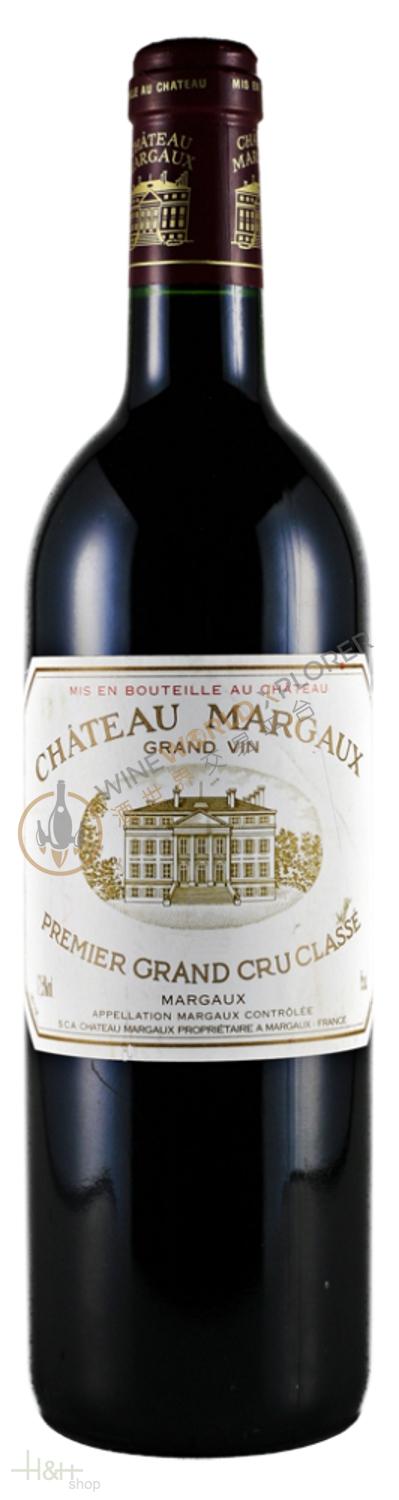
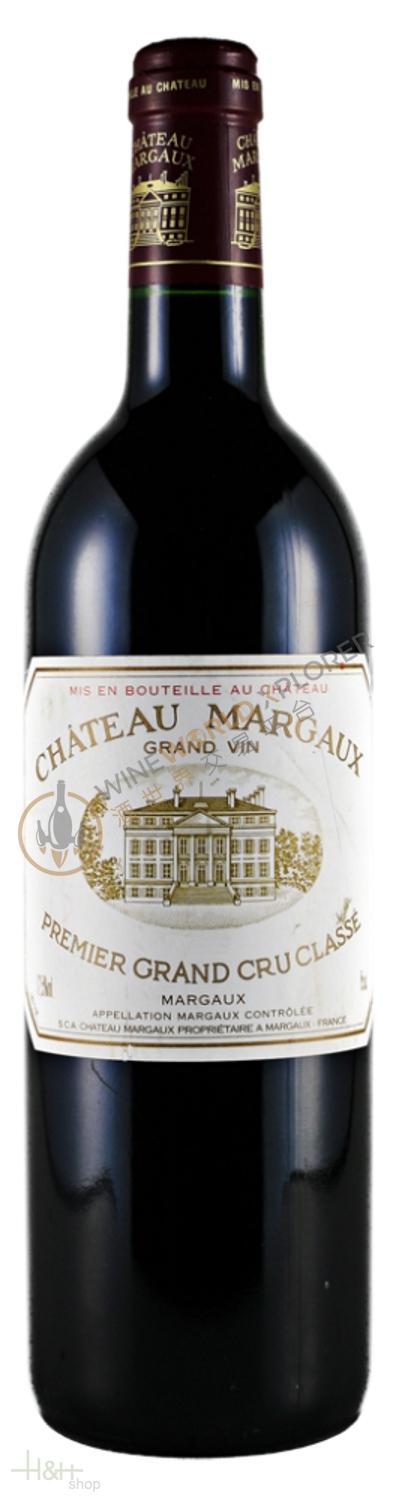
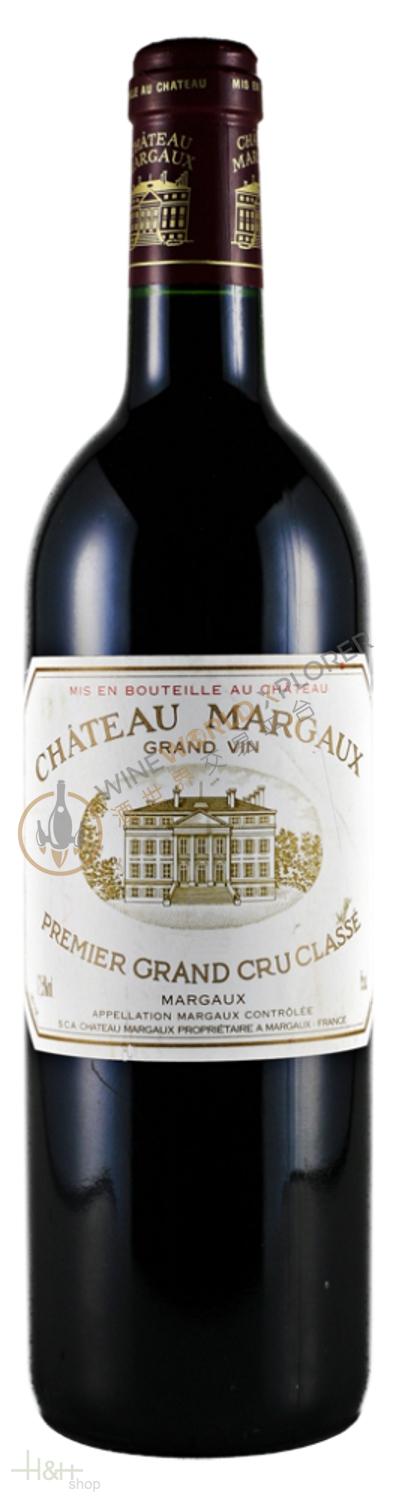
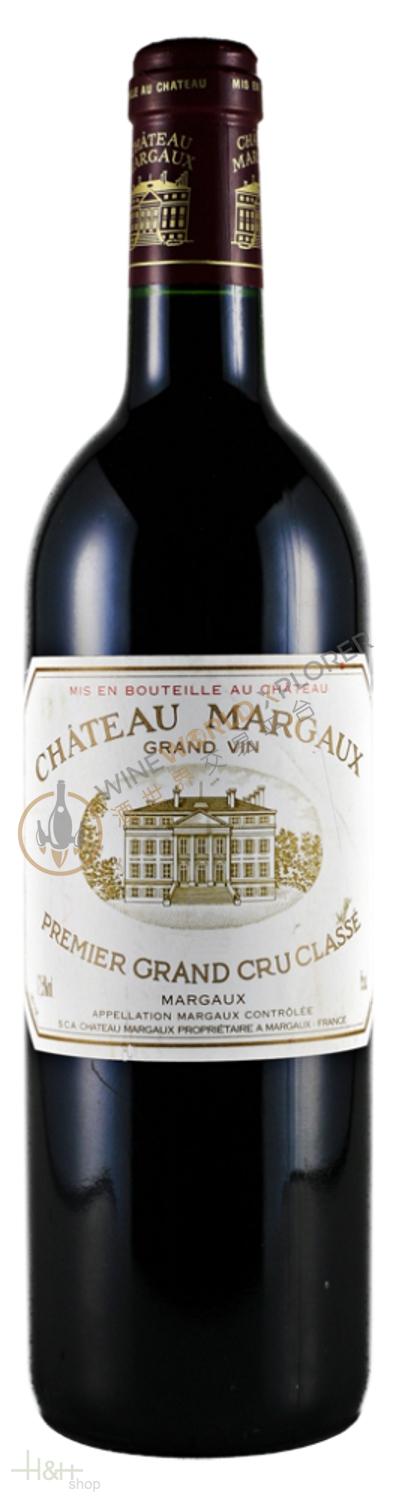
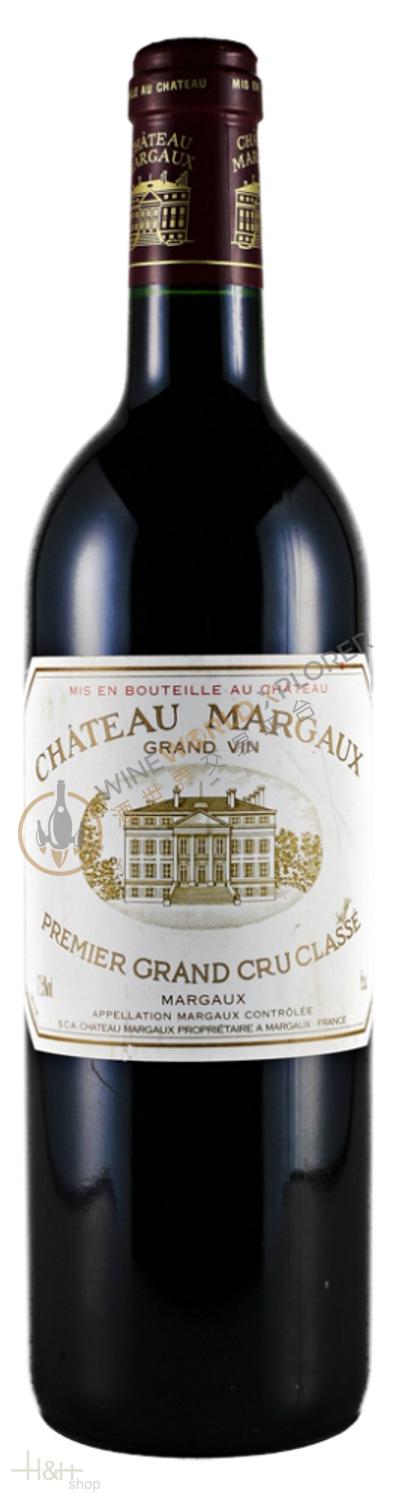
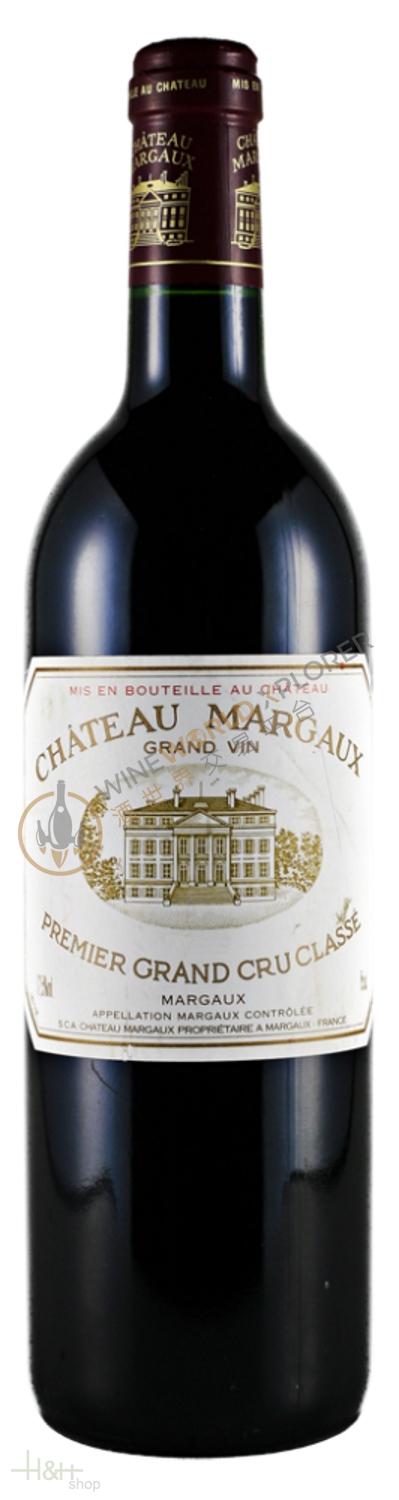
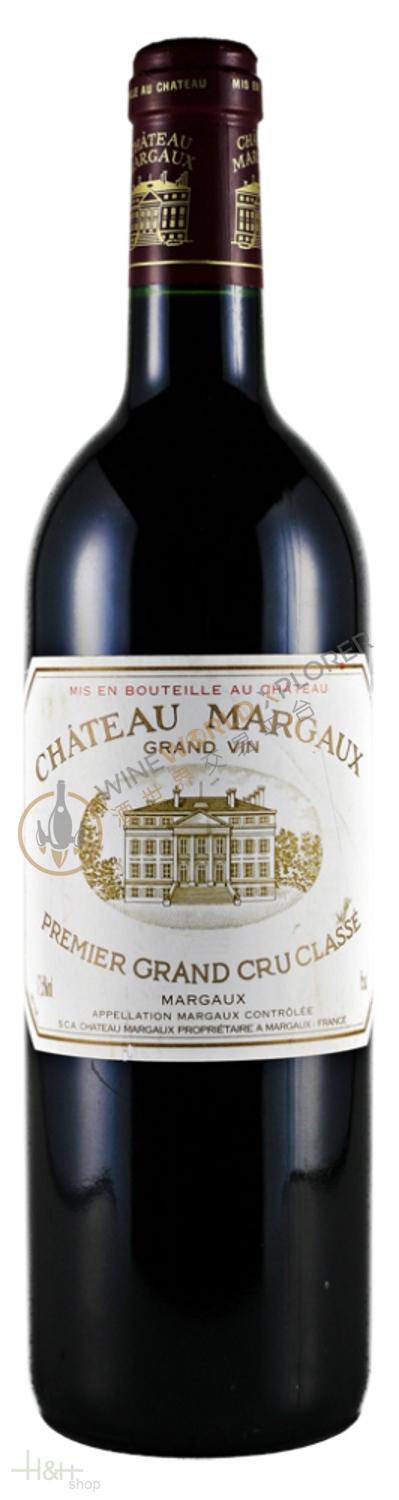
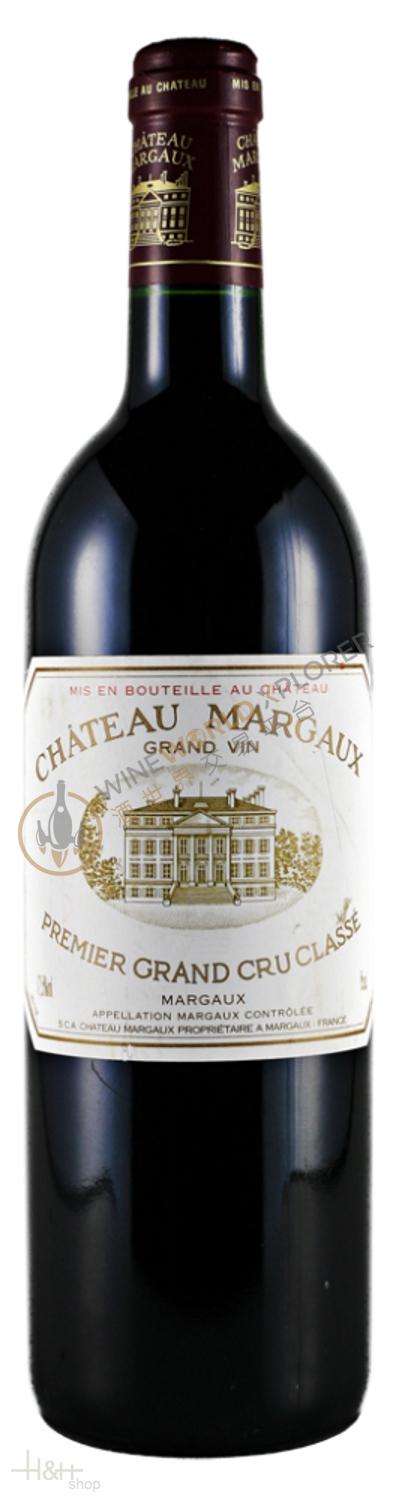
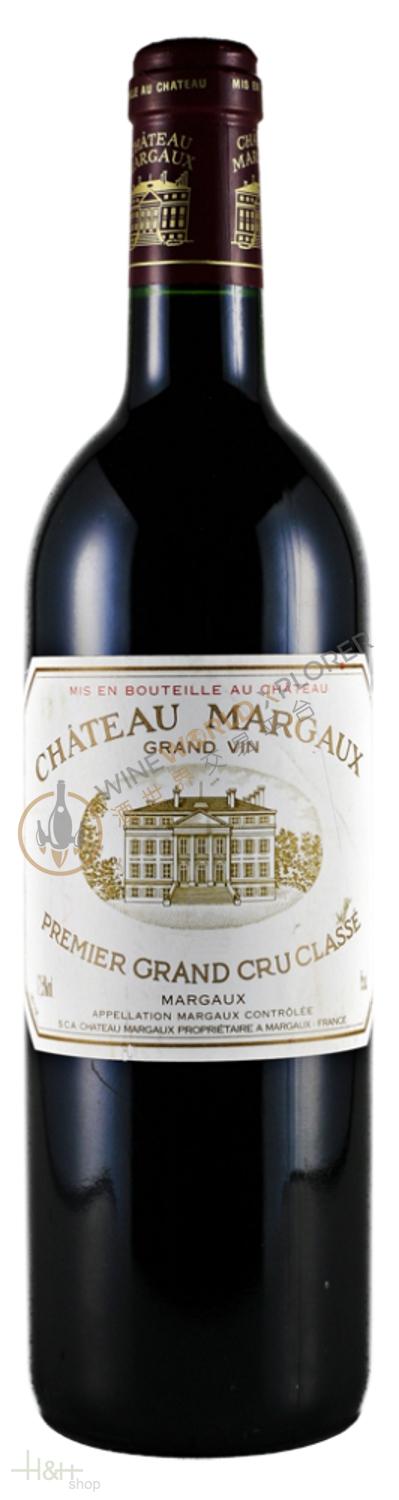
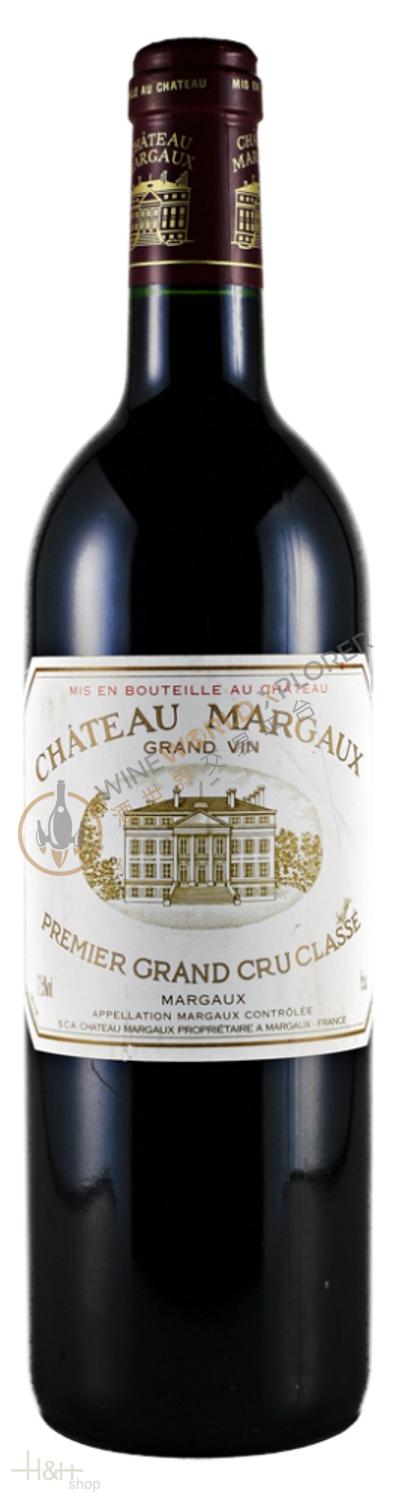
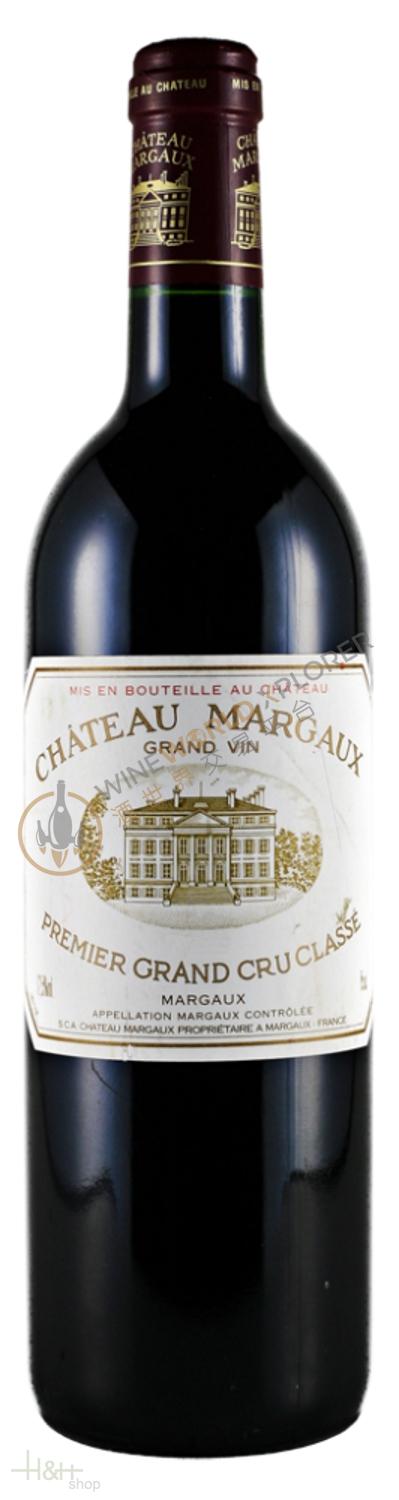
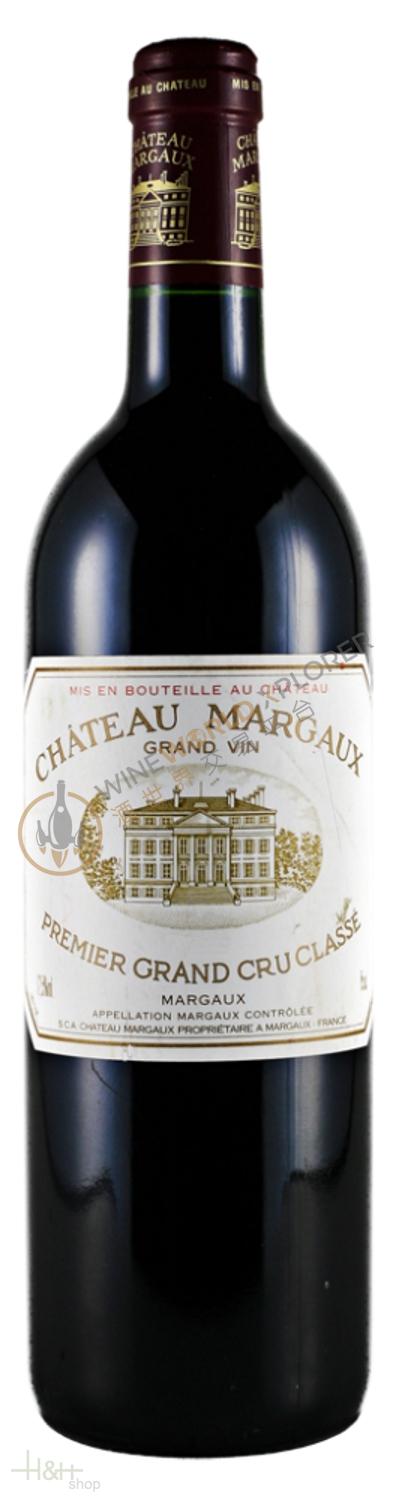
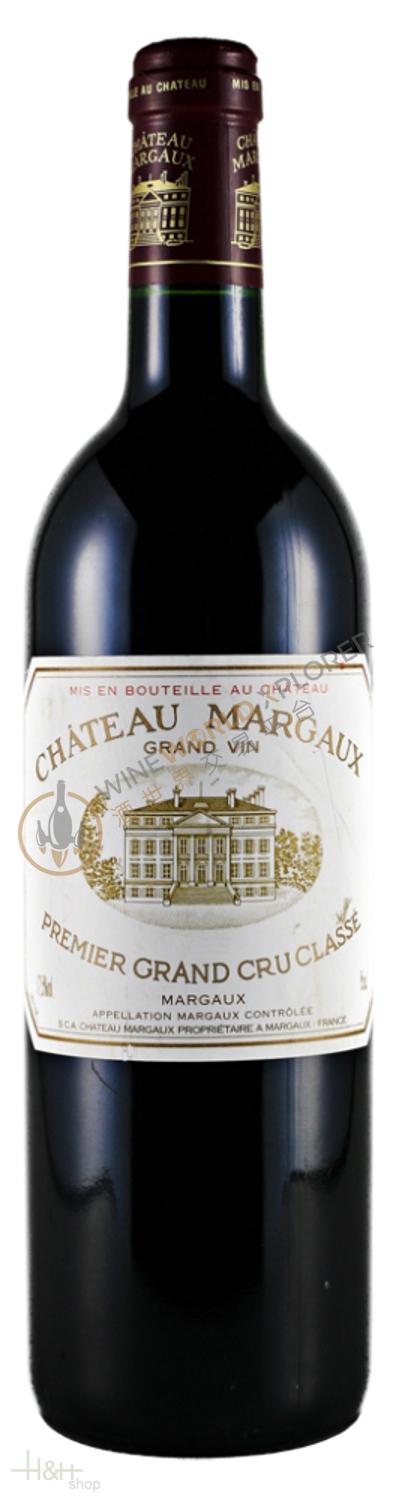
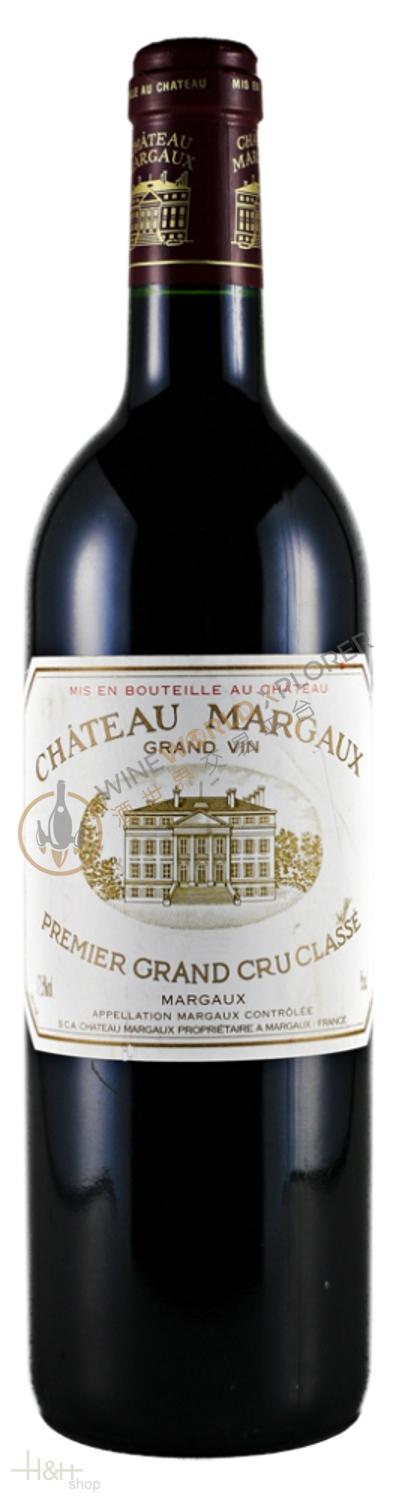
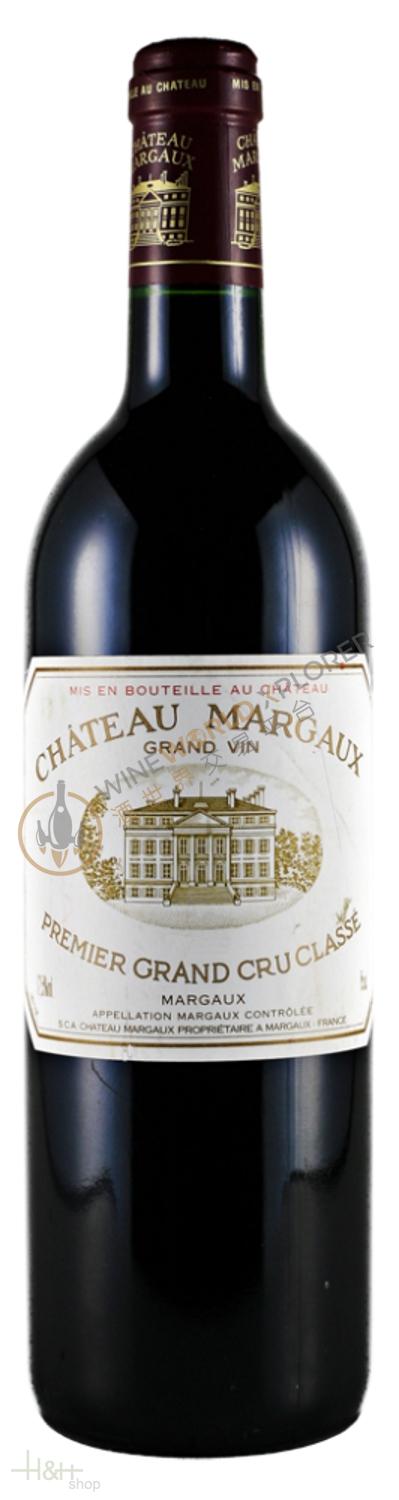
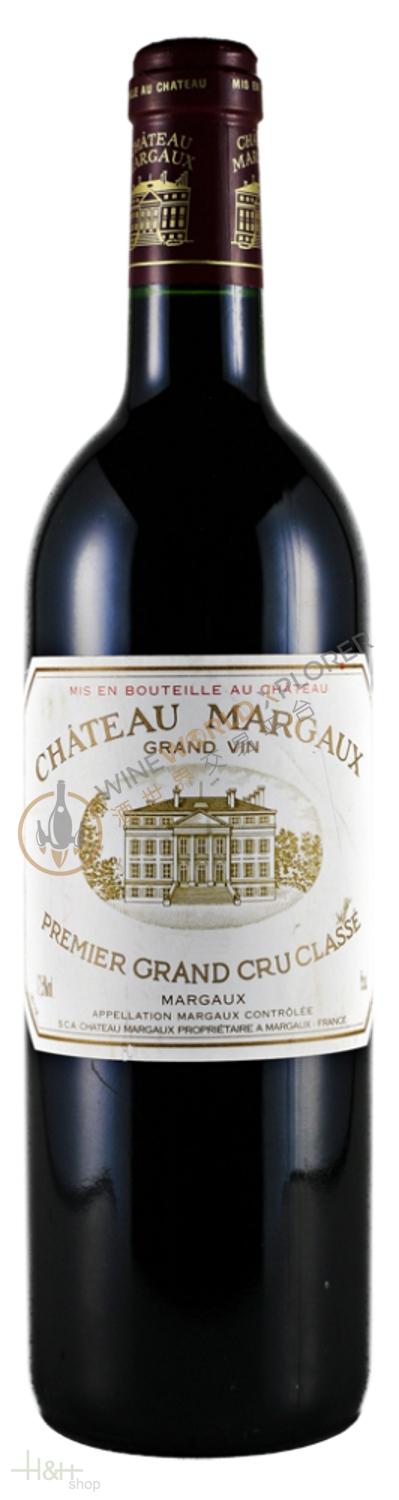
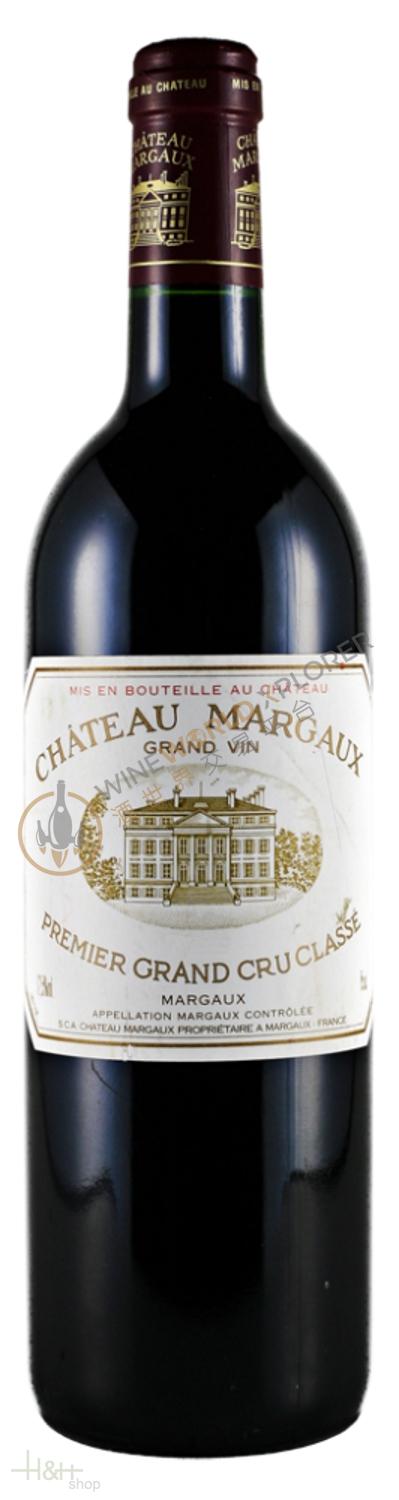
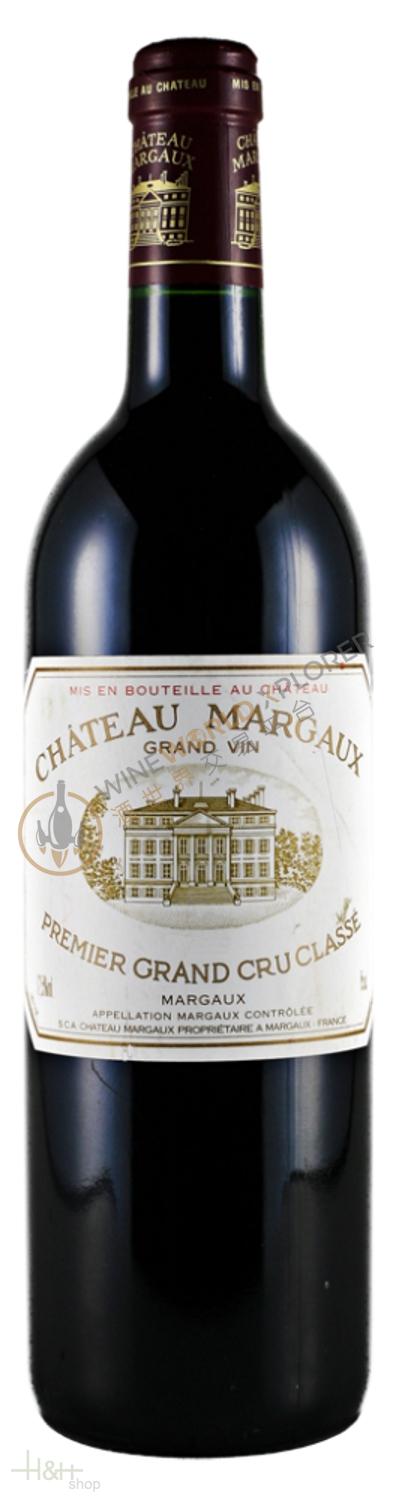
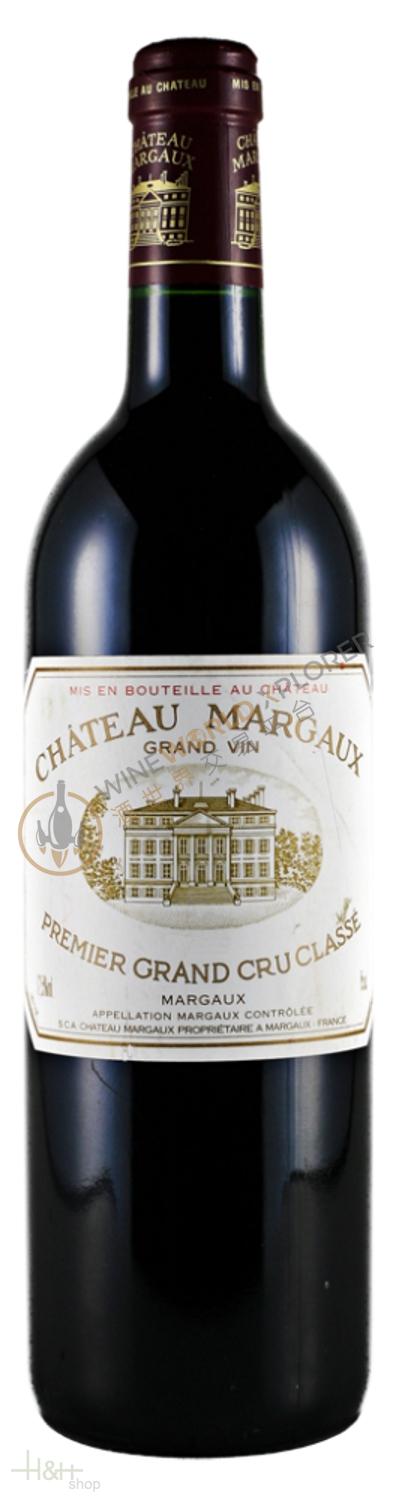
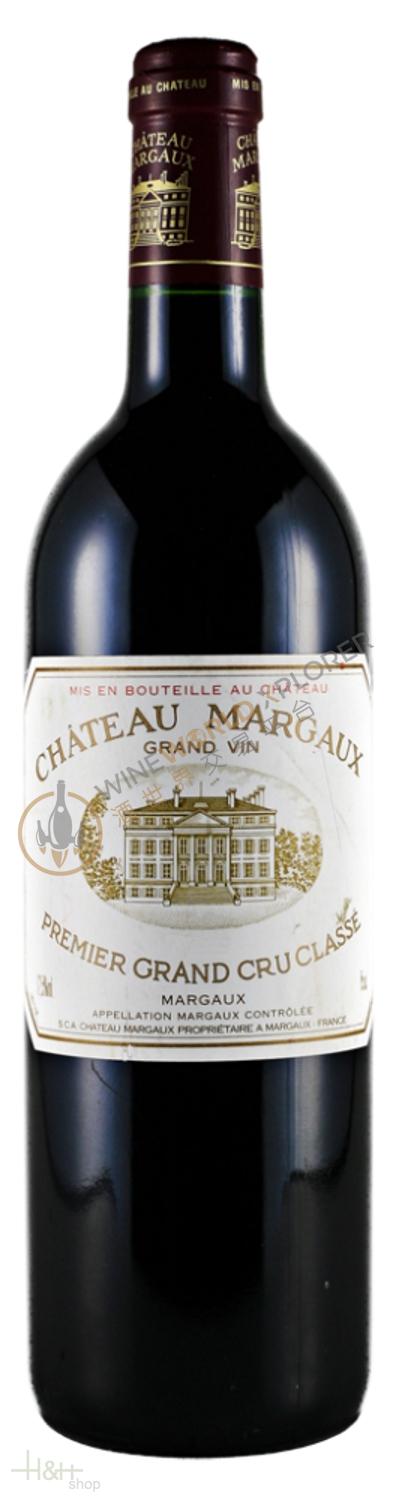
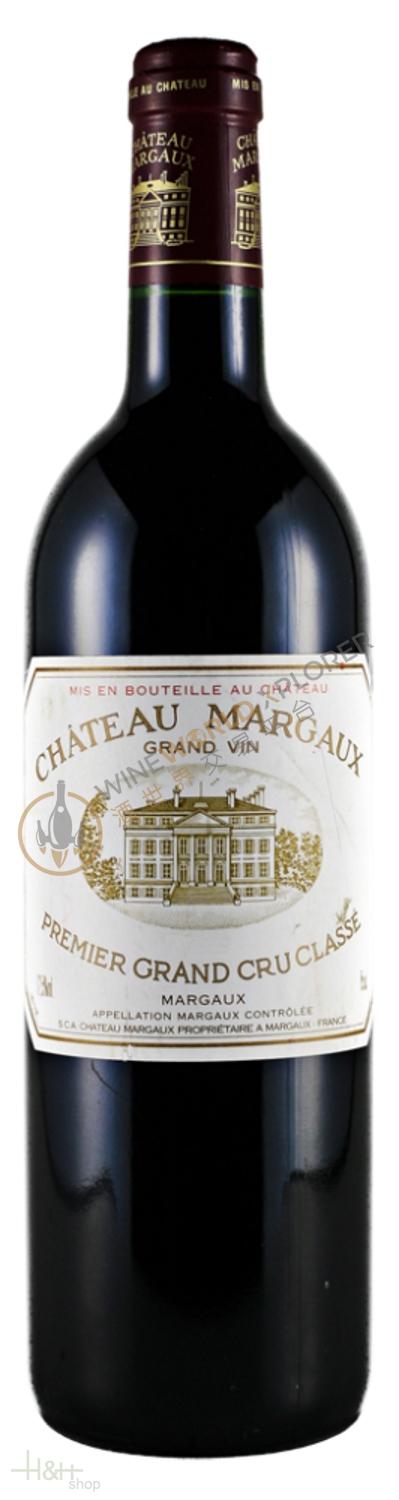
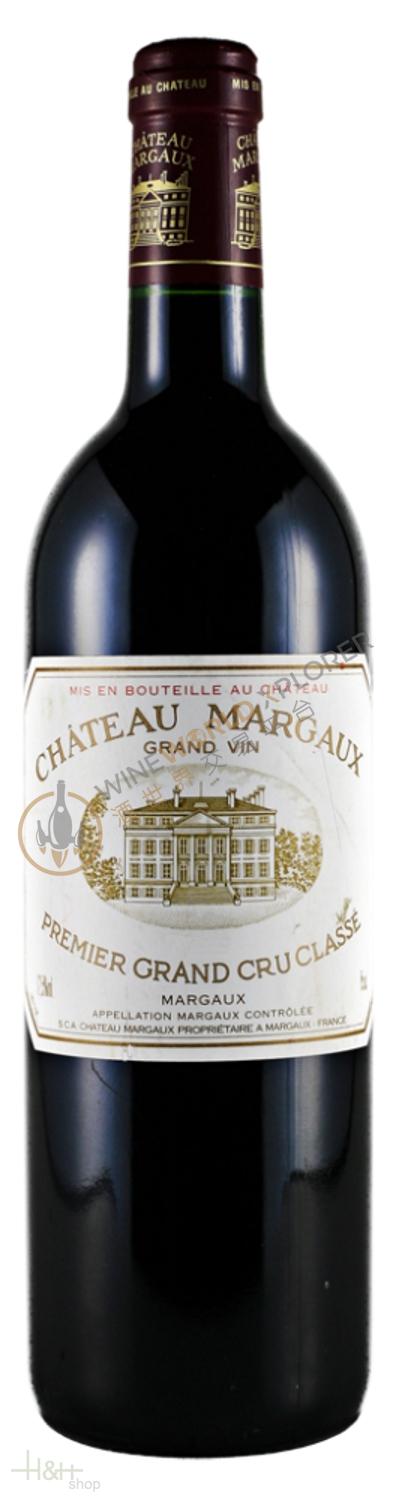
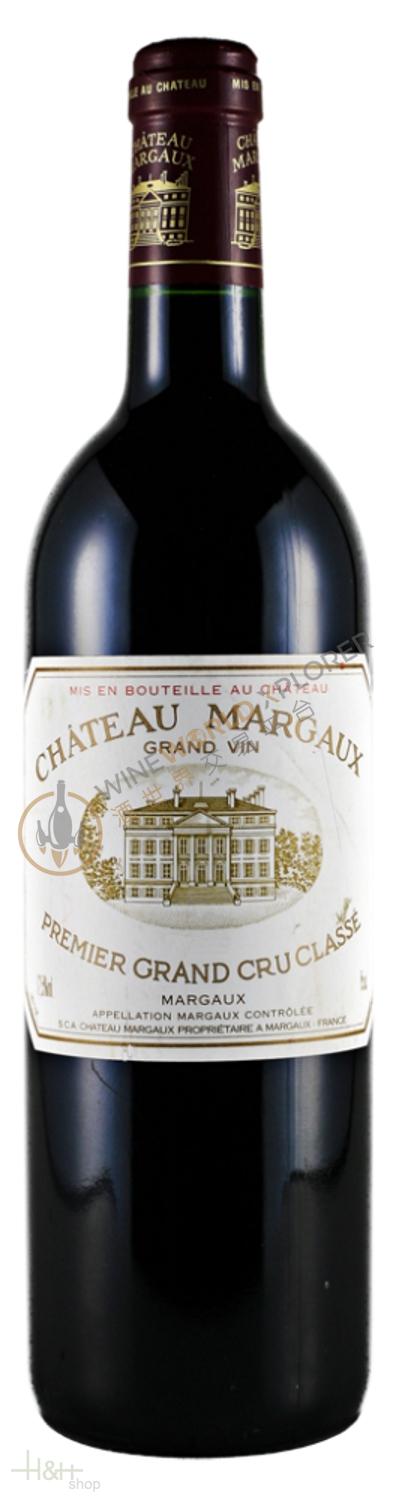
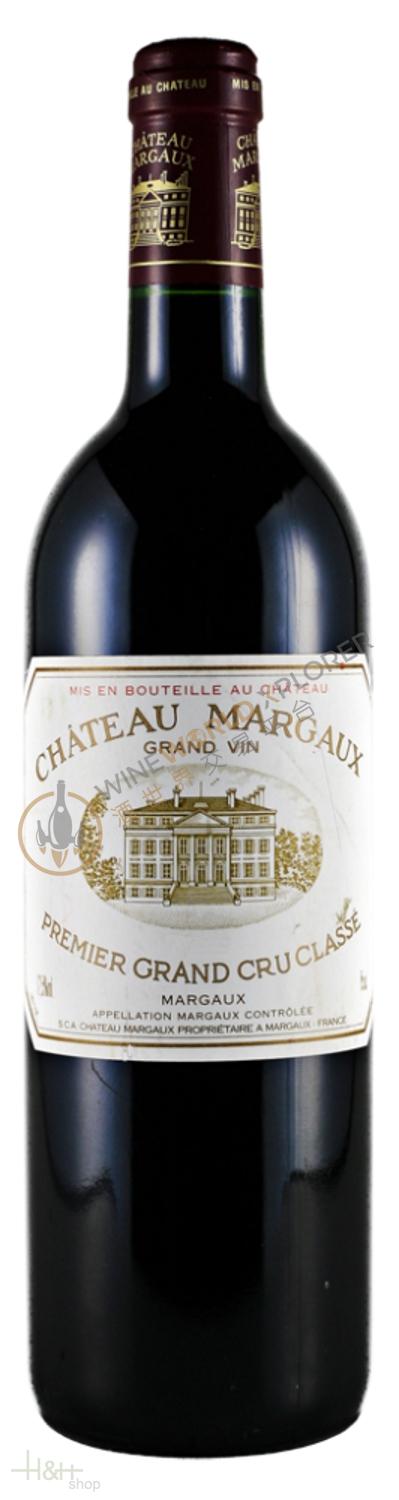
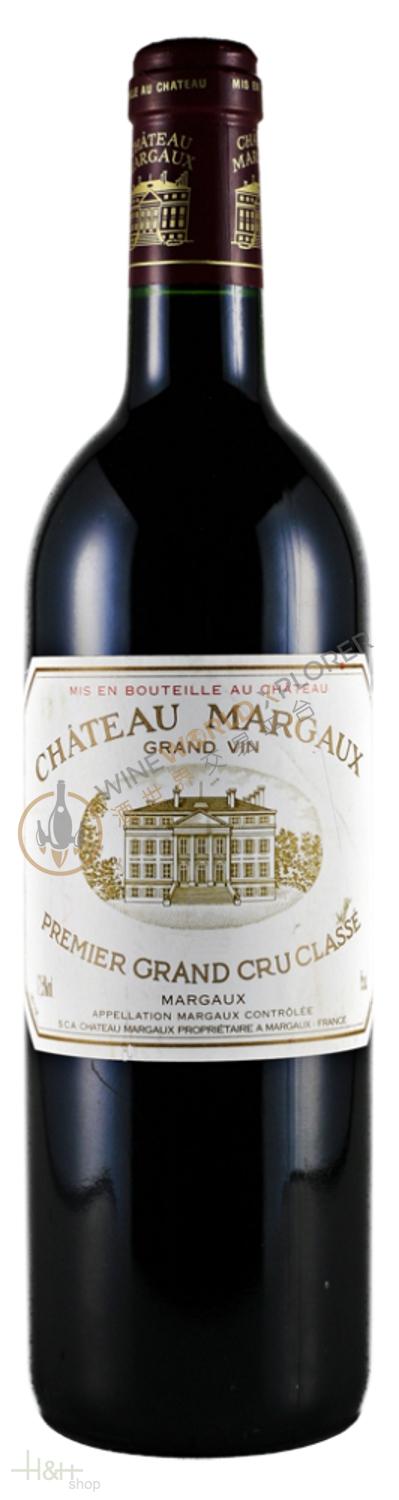
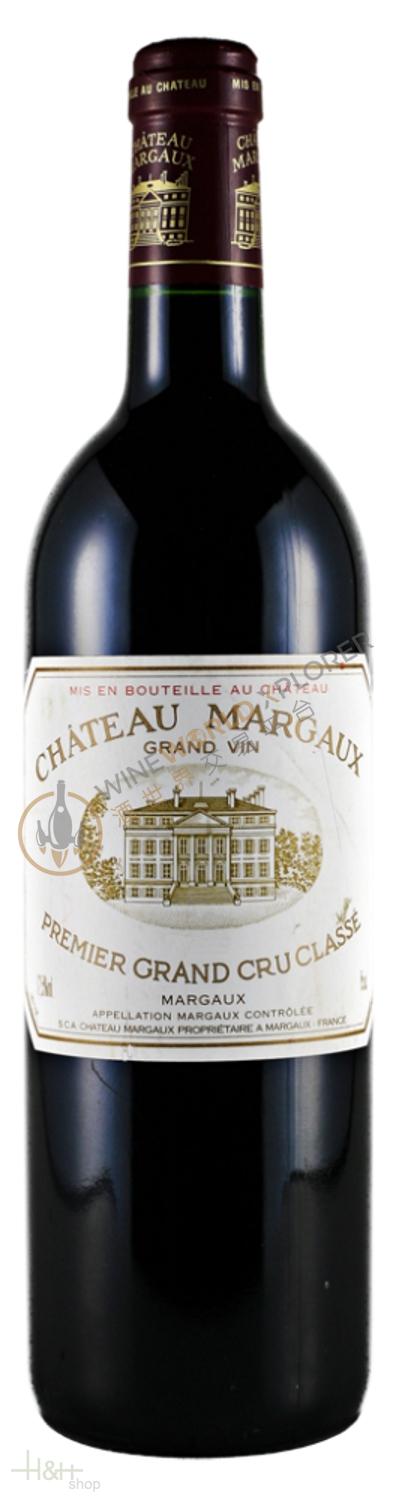
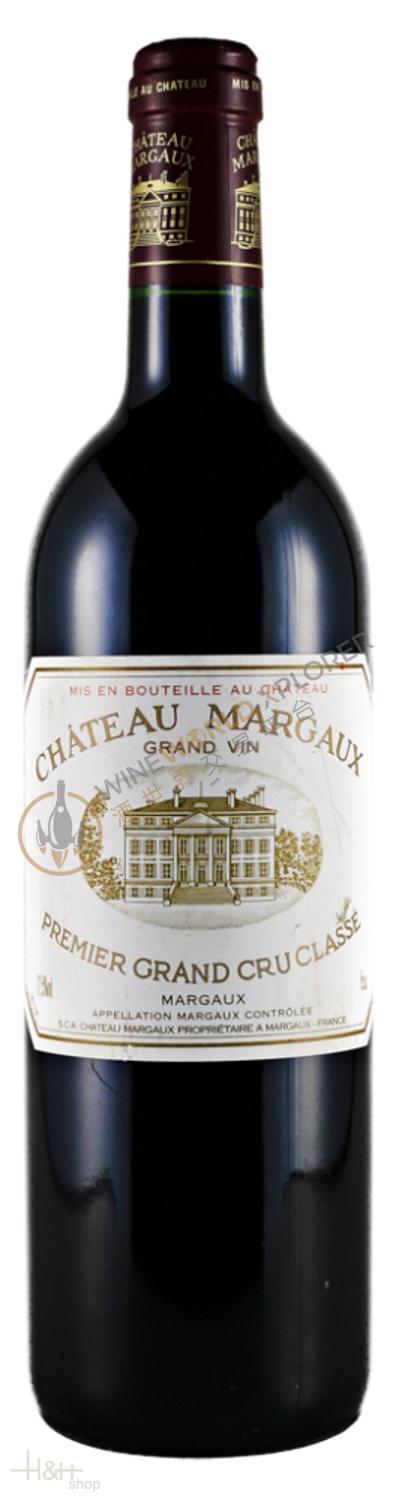
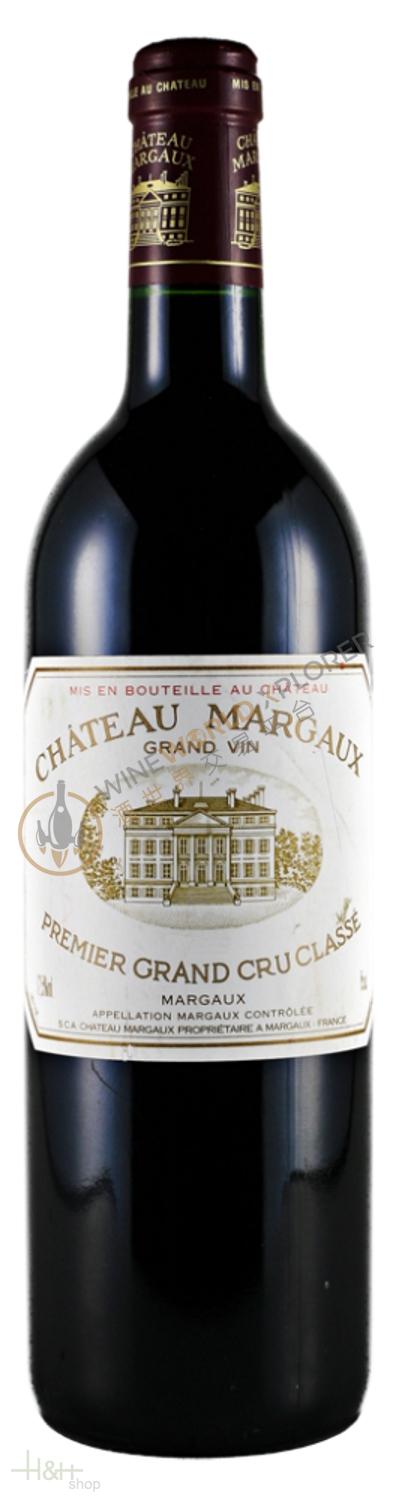
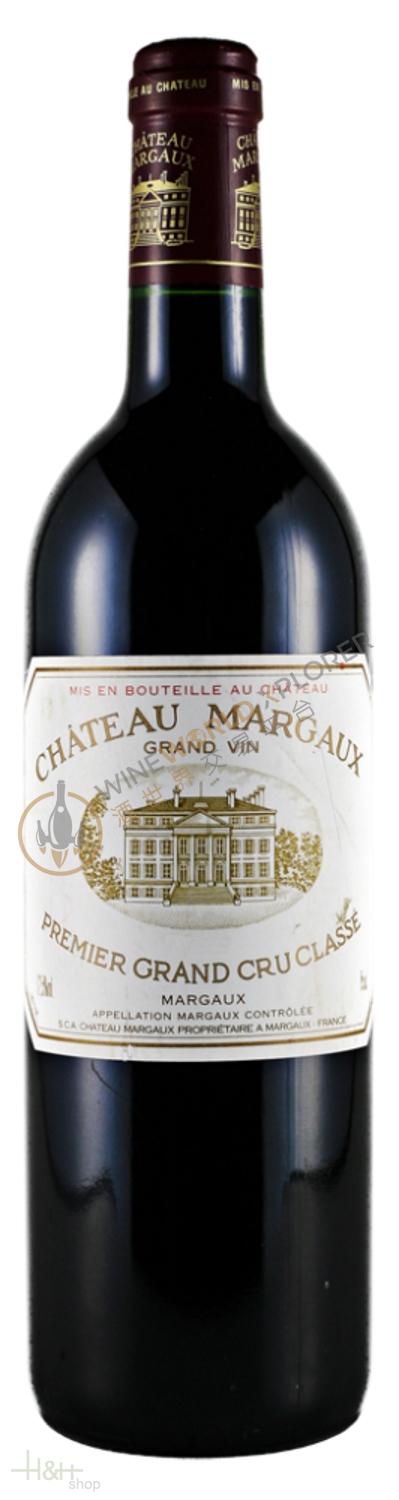
Chateau Margaux 1978
 View analysis


Description
Tasting notes

Reviewed by: Robert M. Parker, Jr.
Somewhat chunky and fuller-bodied, without the sheer finesse and elegance of the 1979, the 1978 Margaux displays a more earthy-scented (truffles and tar) nose, with copious amounts of cassis fruit, as well as some of the 1978 vintage's telltale herbaceousness. Full, rich, and supple, this expansively flavored, large-scaled wine is 1-2 years away from full maturity. It should last for another 15-25 years, but I do not see it ever reaching the heights of such Margaux vintages as 1982, 1983, 1986, and 1990. Last tasted, 7/93.
Reviewed by: Neal Martin
This has more vigour and lift on the nose than the previous wine, with good definition and fine cedar-infused blackberry, tobacco, a hint of green pepper and cranberry. The palate has a sweet entry that is surprisingly supple, good acidity and harmony with certainly a ripe core of fruit. Touches of wild strawberry, a slight lactic note, very youthful, very nice build in the mouth. Impressive richesse for a ’78 claret and it really coalesces in the glass after an hour. Drink now-2018. Tasted September 2008.
Reviewed by: Neal Martin
Served from magnum. A bright garnet core with brick rim. The nose is lacking a little intensity but is fresh with notes of tobacco, cedar, bell pepper, singed leather and cigar box. The palate is medium-bodied, very traditional in style but very well balanced with a fresh, dry, leafy, graphite-tinged finish with surprisingly good length. Drink now. Tasted March 2008
Reviewed by: Neal Martin
The 1978 Chateau Margaux is a significant wine for two reasons: that is was the first under the Mentzelopoulos family after acquiring the property and also, it was their best wine in many years. Today it is still going strong. Clear in color, it has quite a deep garnet core. The nose is very seductive with black fruit, leather, scorched earth, a hint of lavender all beautifully defined and quintessentially Margaux. The medium-bodied palate has exquisite balance, the acidity nicely judged, still a little masculine and "solid" compared to the subsequent vintages under Paul Pontallier, yet fresh and vital. Sure, there is a grittiness and a touch of rusticity towards the finish, but all in all, this represents a great 1978 Left Bank and a signpost that the First Growth was back on the right track after a dismal run of vintages during the 1970s. Tasted May 2016.
Reviewed by: Neal Martin
A compact, powerful earthy, tobacco nose. Concentrated, masculine body with sturdy but velvety smooth tannins. Quite backward but a powerful, dense Margaux. The vintage that re-established Margaux as a First Growth. A point. Superb. Tasted February 2001.
Reviewed by: Neal Martin
Tasted at the Amuse Bouche offline in Hong Kong. Thank you to Gautam for proffering this splendid magnum, the larger format showing how it can age in more superior fashion to a bottle. Of course, this was the vintage that saw the First Growth exit the doldrums. It has a classic, crisp, well-defined bouquet with fresh tobacco, undergrowth, dried flowers and minerals, still full of vigour and joy. The palate is beautifully balanced with very fine tannins and a fresh thread of acidity that goes from start to finish. Given the vintage then yes, it is a little foursquare and it lacks the chutzpah of the 1983. But for pure drinking pleasure, this 1978 ticks all the boxes. Tasted November 2011.
Reviewed by: Robert M. Parker, Jr.
Although the 1978 is a more powerful, fuller-bodied style of Margaux, it is less charming and fruity than the 1979. The 1978's nose has moved from one of ripe fruit and spicy oak, to tarry, truffle, earthy aromas that come across as slightly too masculine and meaty. Nevertheless, this is a rich, full-bodied, concentrated Margaux that only suffers in comparison with the great vintages produced under the Mentzelopoulos regime. Some of its rusticity may be due to tannins that were not totally ripe during the harvest. In any event, it remains one of the few great wines from the 1978 vintage. While I initially thought it would be fully mature within two decades of the vintage, it could still benefit from another 3-4 years of cellaring. Anticipated maturity: 2000-2020. Last tasted 12/96
About the Producer
Chateau Margaux is located in the village of Margaux, in the Medoc appellation on the left bank of Bordeaux, and was awarded a First Growth in the 1855 Bordeaux Medoc classification, alongside Chateau Lafite Rothschild, Chateau Latour and Château Haut-Brion. It is also known as Chateau Haut-Brion. Château Margaux currently covers a total of 262 hectares, including 99 hectares of vineyards. The red vineyard has an appellation of 87 hectares, of which 82 hectares are planted, while the white vineyard is planted with 12 hectares. The red varieties are mainly Cabernet Sauvignon, Merlot, Petit Verdot and Cabernet Franc; the white varieties are Sauvignon Blanc and the vines are on average 45 years old. Since the end of the 1990s, the estate has refused to use pesticides in the vineyards. In addition, only organic fertilisers are used in the vineyard, and deep fertilisation is carried out at regular intervals to improve the soil structure and rejuvenate the soil. During the harvest season, the winery team selects the right time to harvest the grapes by testing and analysing all the indicators and by tasting the grapes themselves. Once the grapes have reached their ideal state of ripeness, they are harvested by a team of over 200 trained harvesters. Once in the winery, the grapes undergo a rigorous selection process before being de-stemmed. Both oak barrels and stainless steel tanks are used to ferment the red grapes, while the white grapes are fermented entirely in oak barrels. After the alcoholic fermentation, the wine undergoes malolactic fermentation. The red wines are then left to mature in oak barrels for 18-24 months and the whites for 6-8 months. The main wine of the estate, Château Margaux's red wine, is rich and complex, with an elegant and powerful ballet on the tongue, rich and smooth tannins, good balance and a long, fresh finish with excellent ageing potential. It successfully conquered Napoleon Bonaparte, the founder of the First French Empire, and won the hearts of Thomas Jefferson, the founding father of the United States, and Margaret Thatcher, the "Iron Lady" of England. In the world of wine criticism, Château Margaux's red wines have also been recognised, with four perfect scores from Robert Parker and many more from other critics with 95 points or more. In recent years, the quality of Château Margaux's red wines has been steady and has maintained a high level of interest in the market.
1958(1)1960(1)1961(2)1962(1)1963(1)1964(1)1969(2)1970(1)1971(1)1972(1)1974(1)1975(1)1976(1)
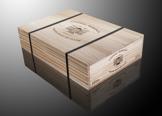
Package Size