 Wine Advisor



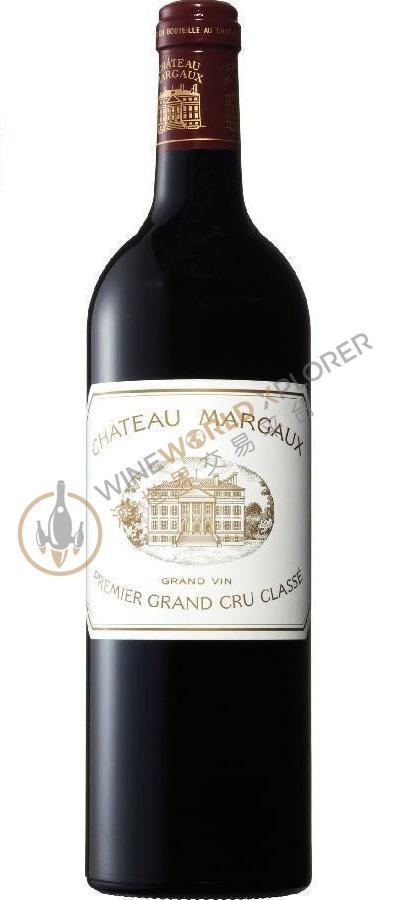
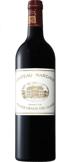
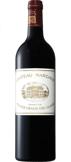
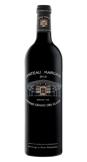
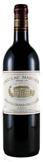
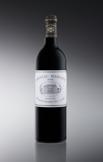
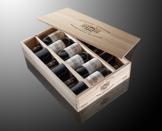
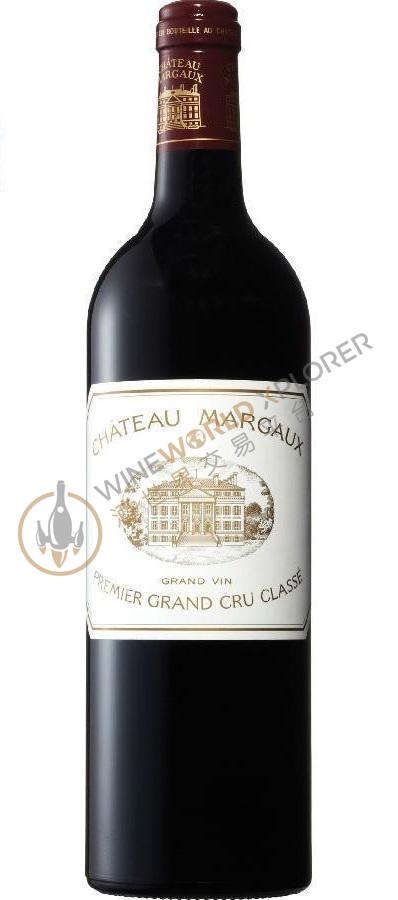
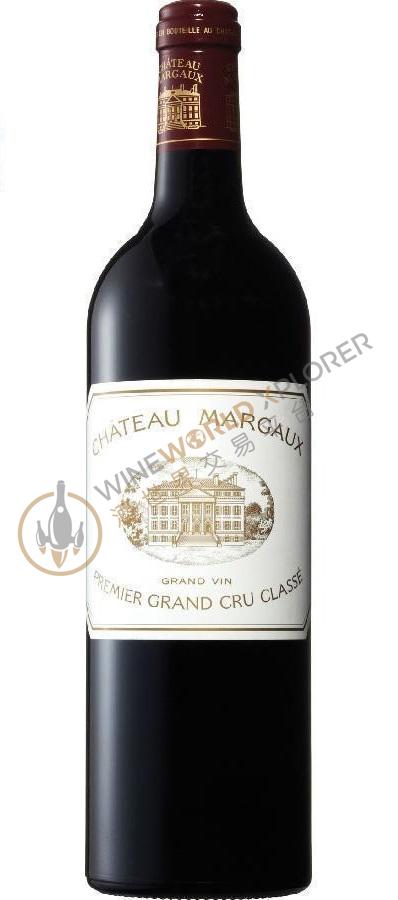
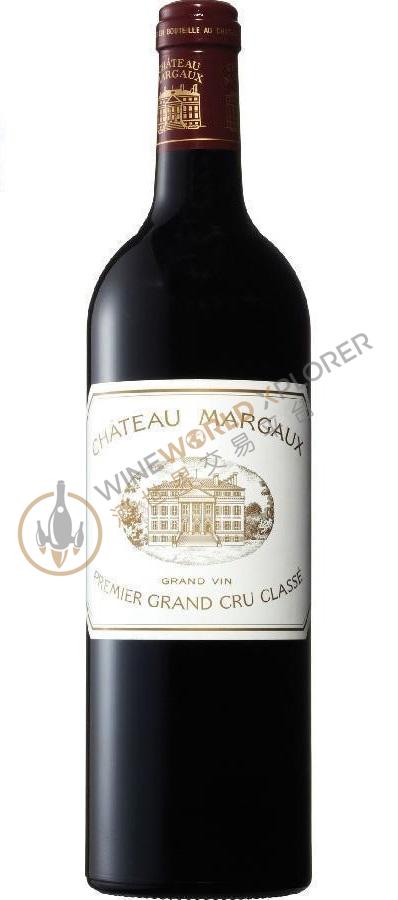
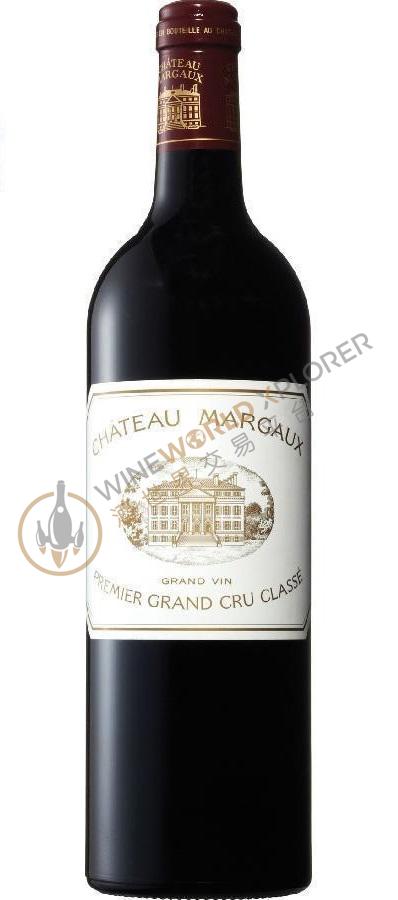
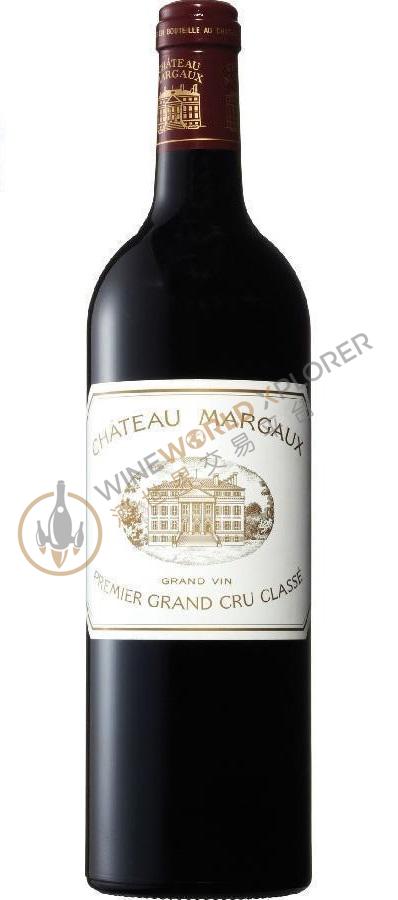
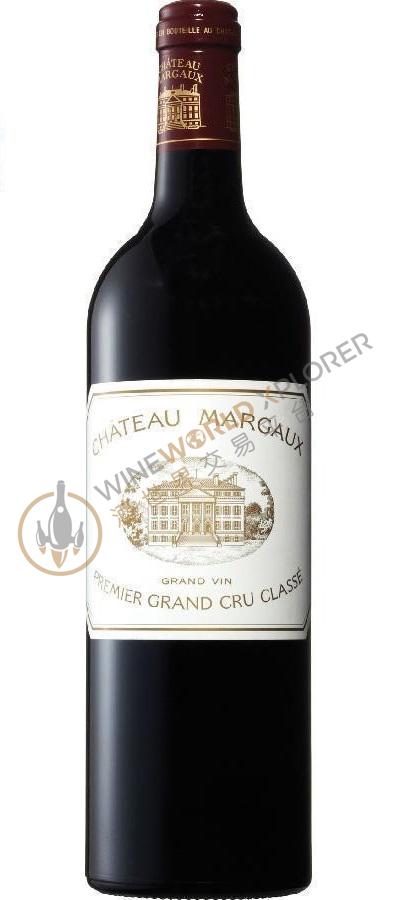
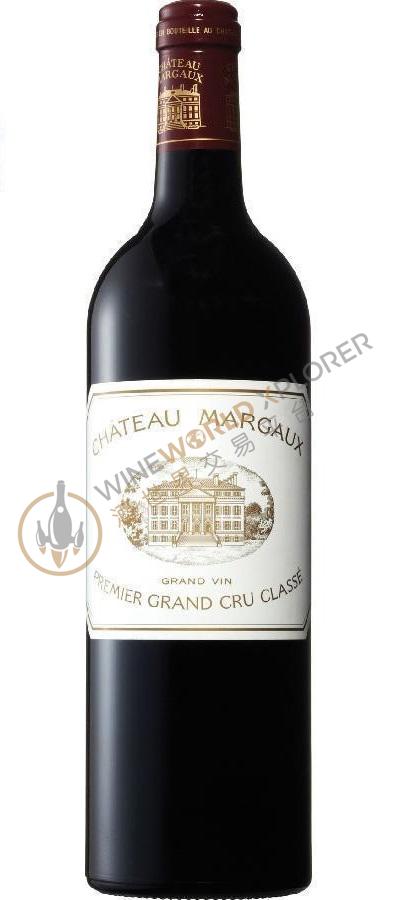
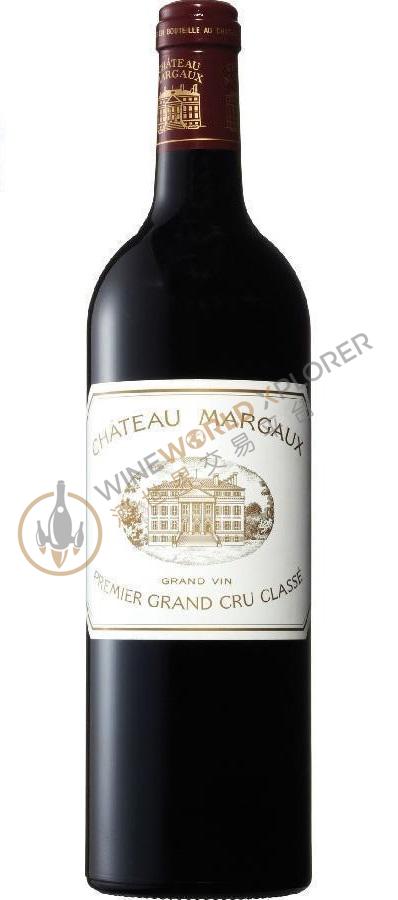
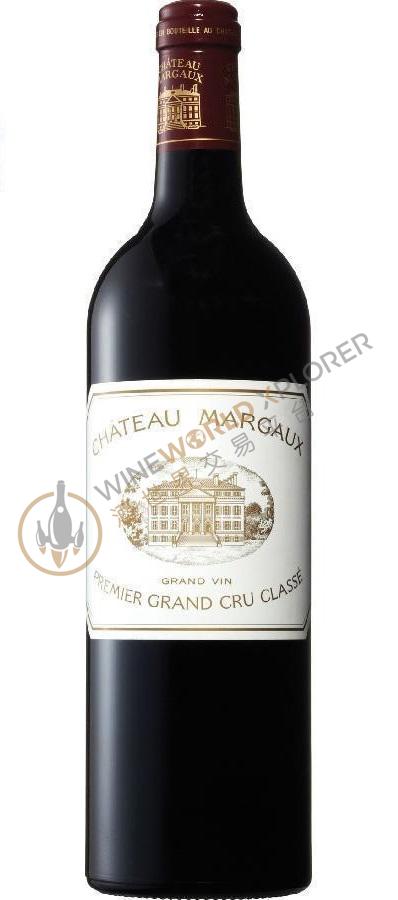
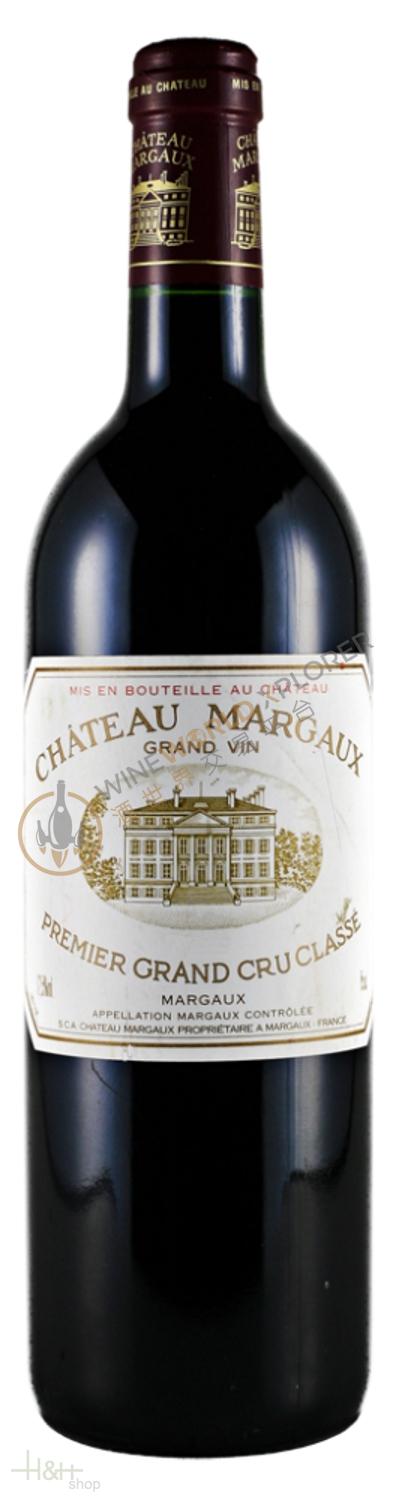
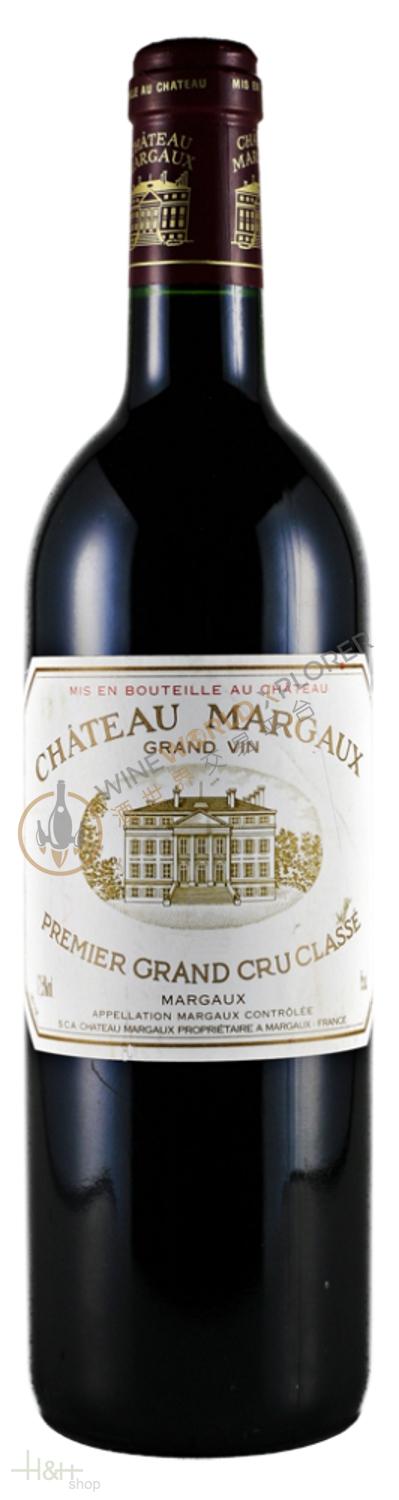
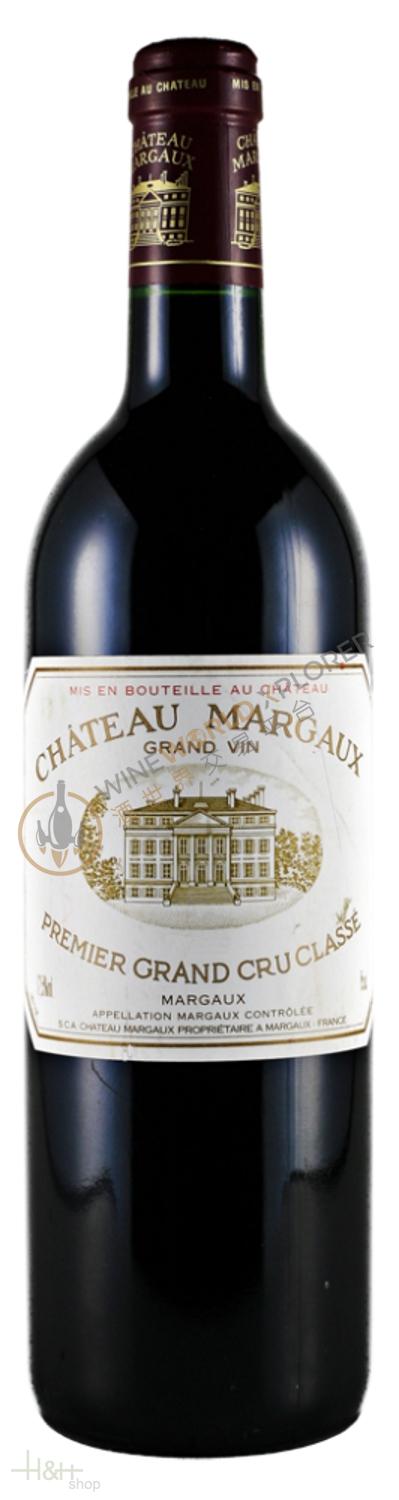
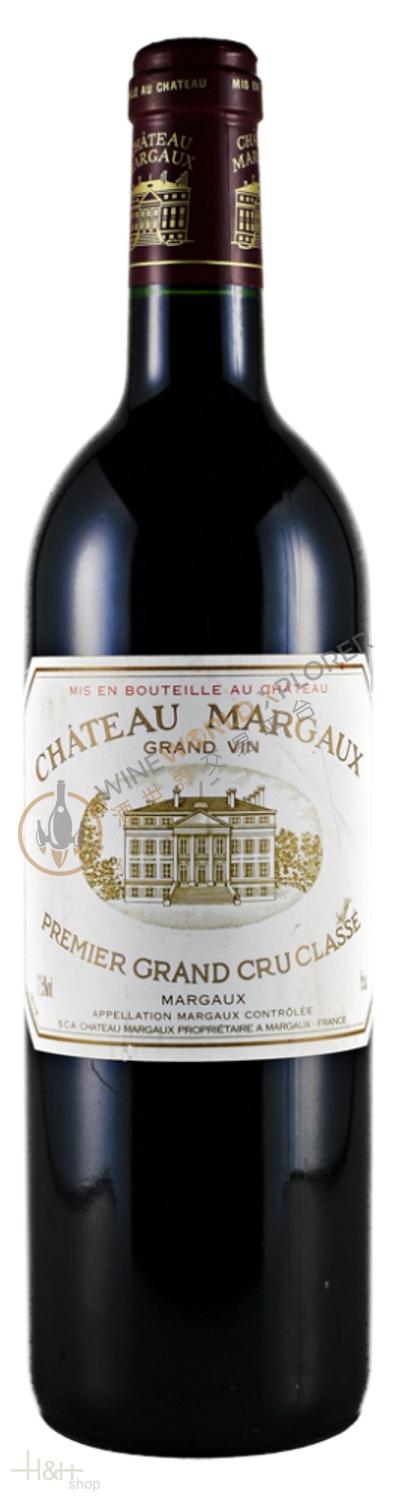
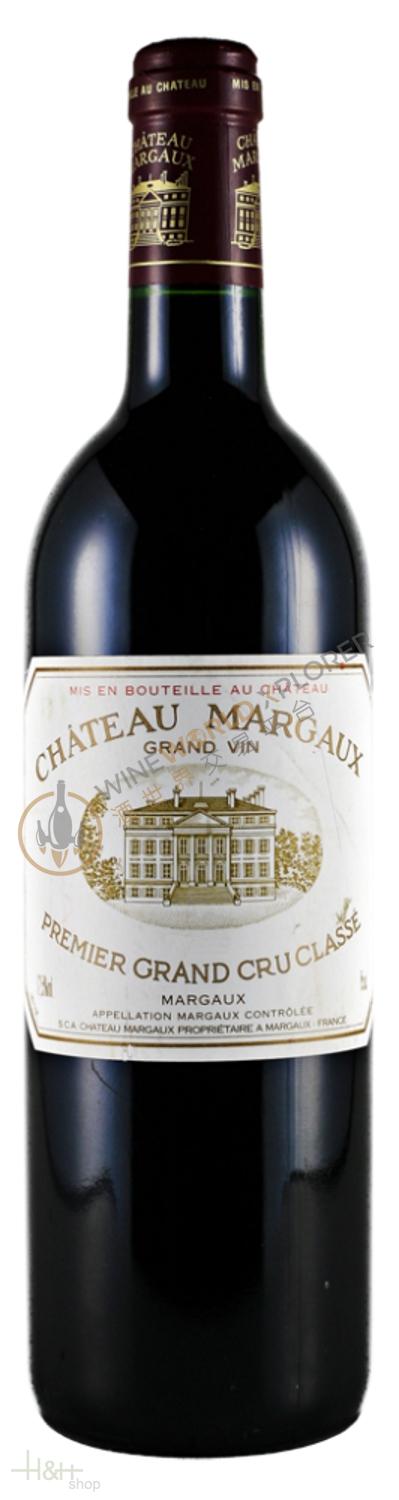
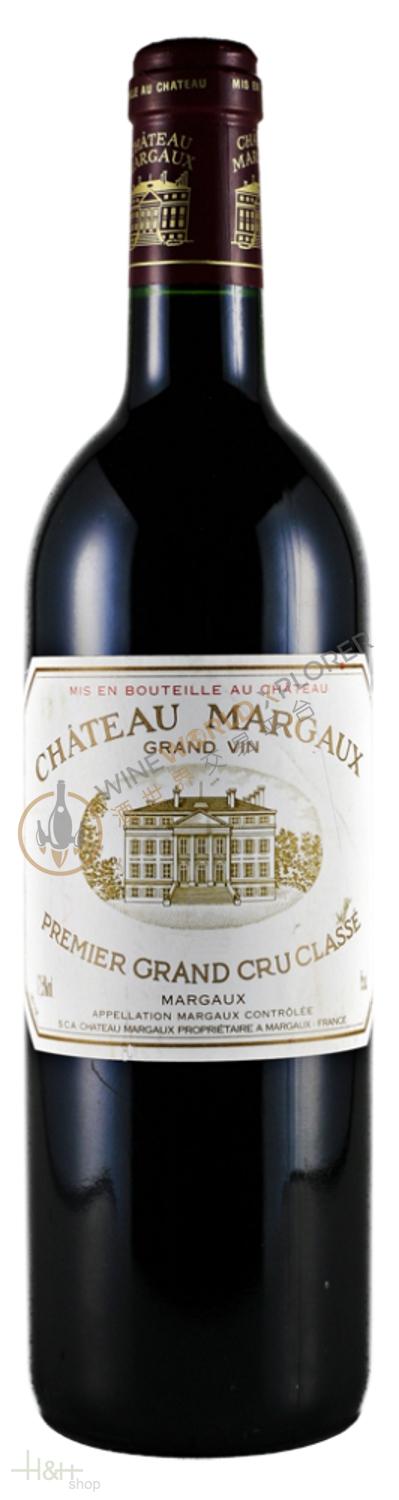
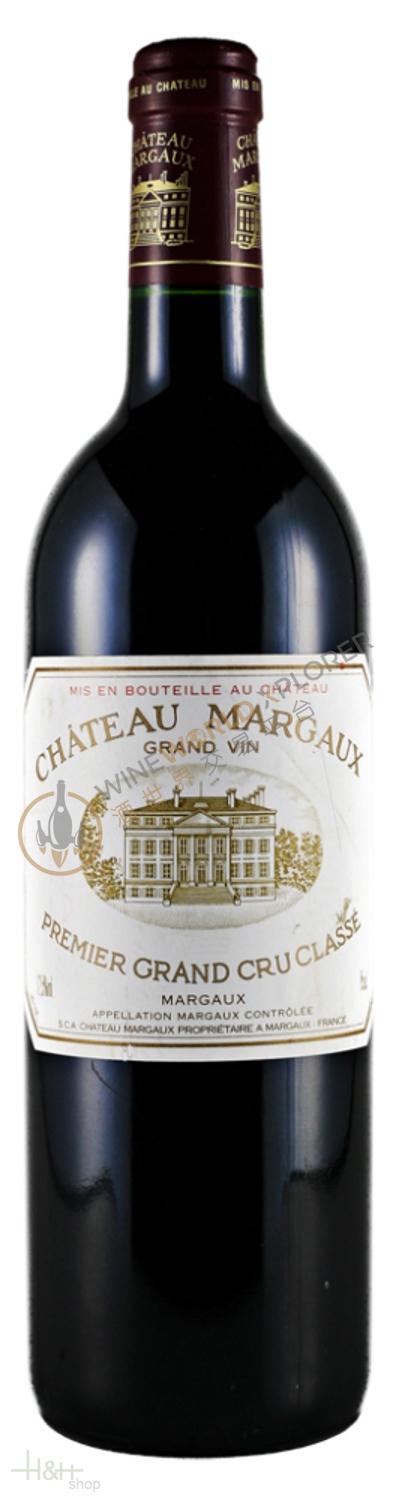
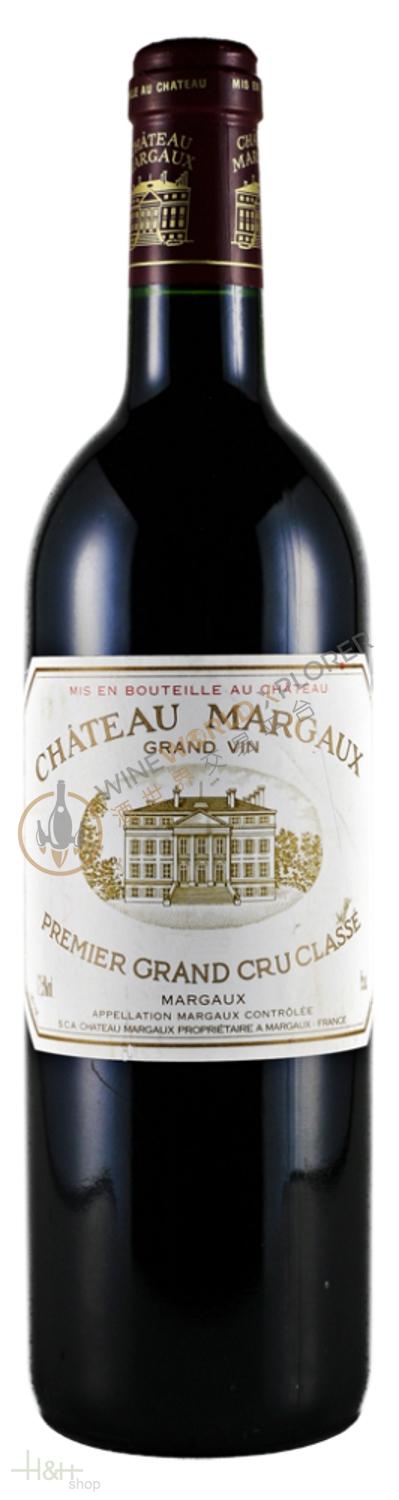
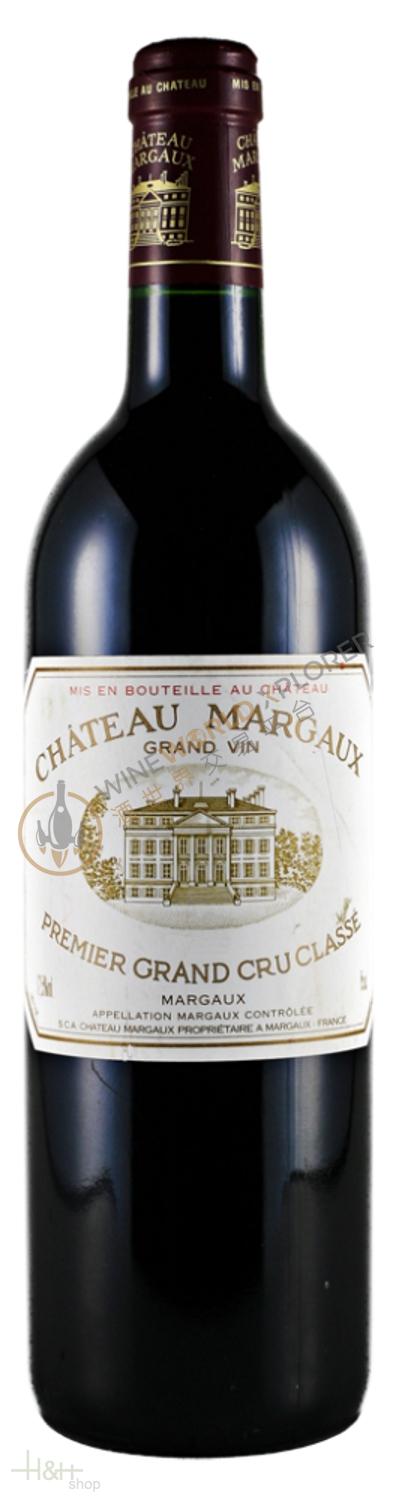
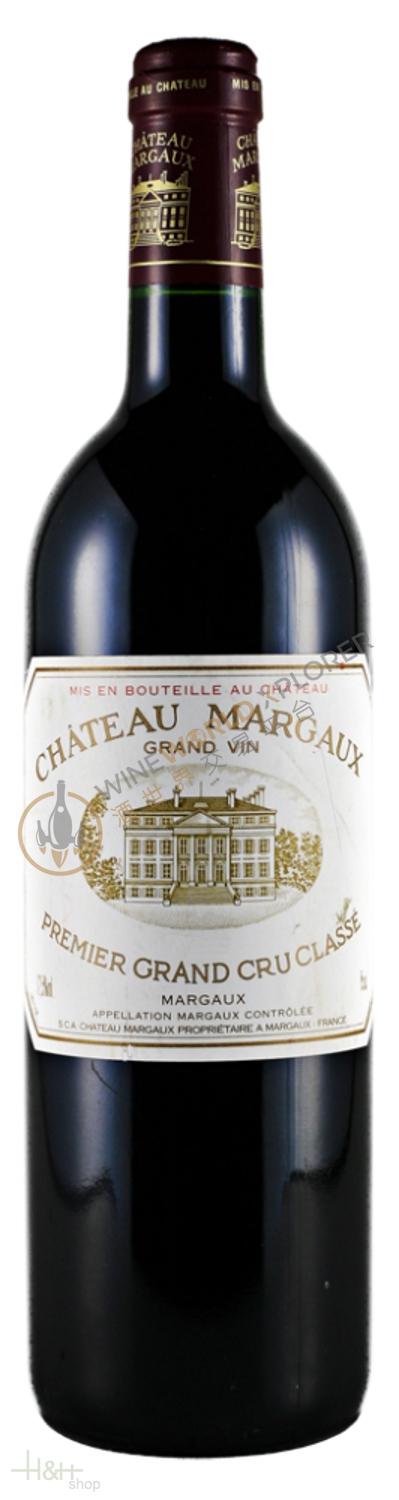
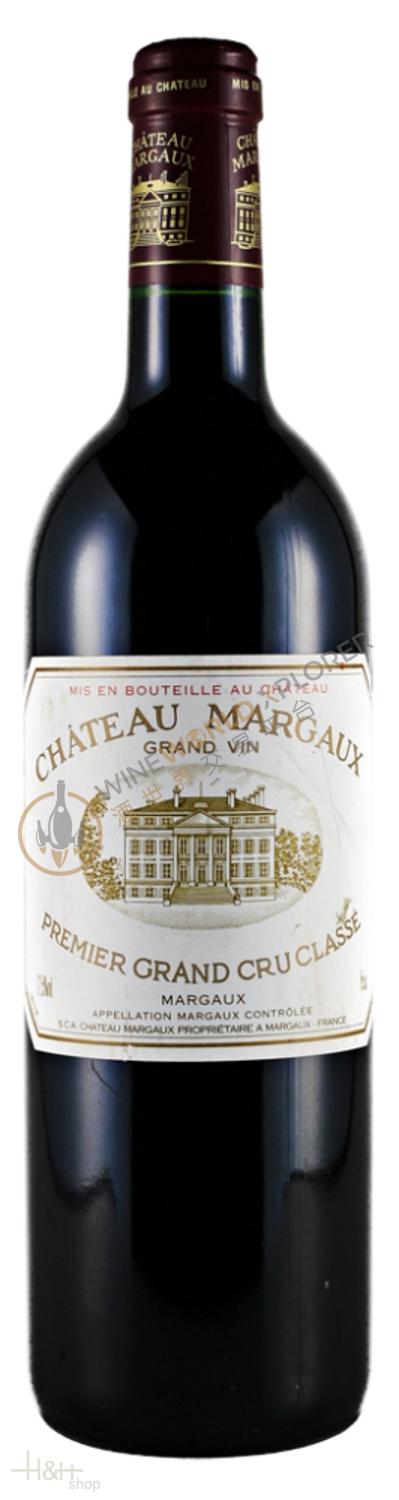
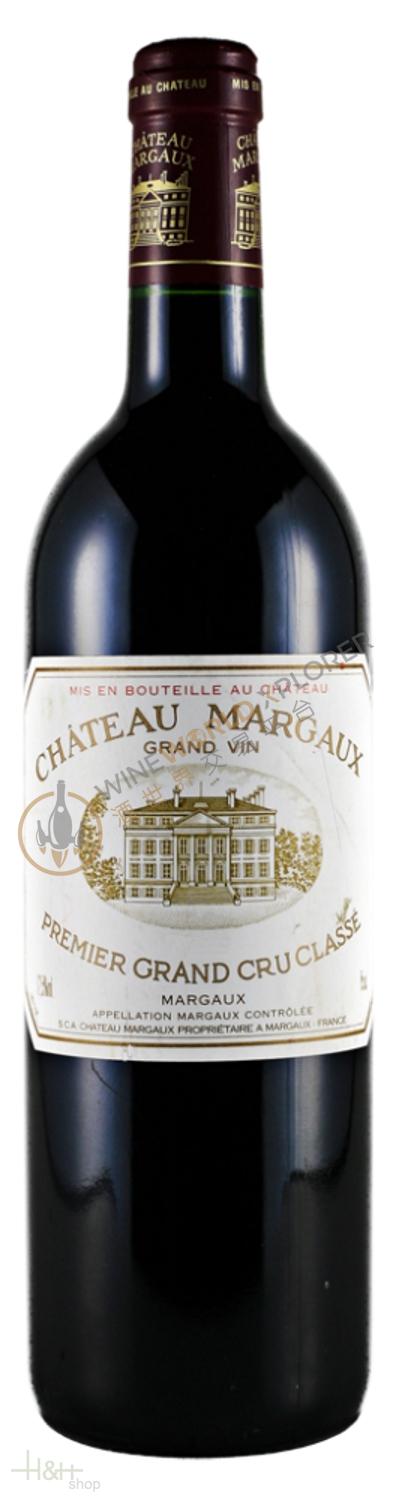
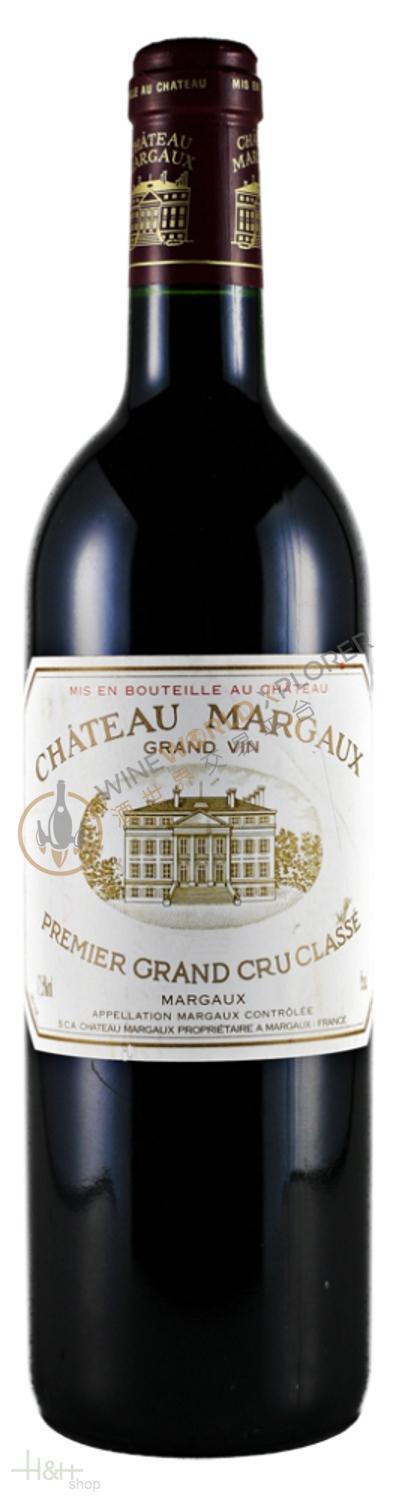
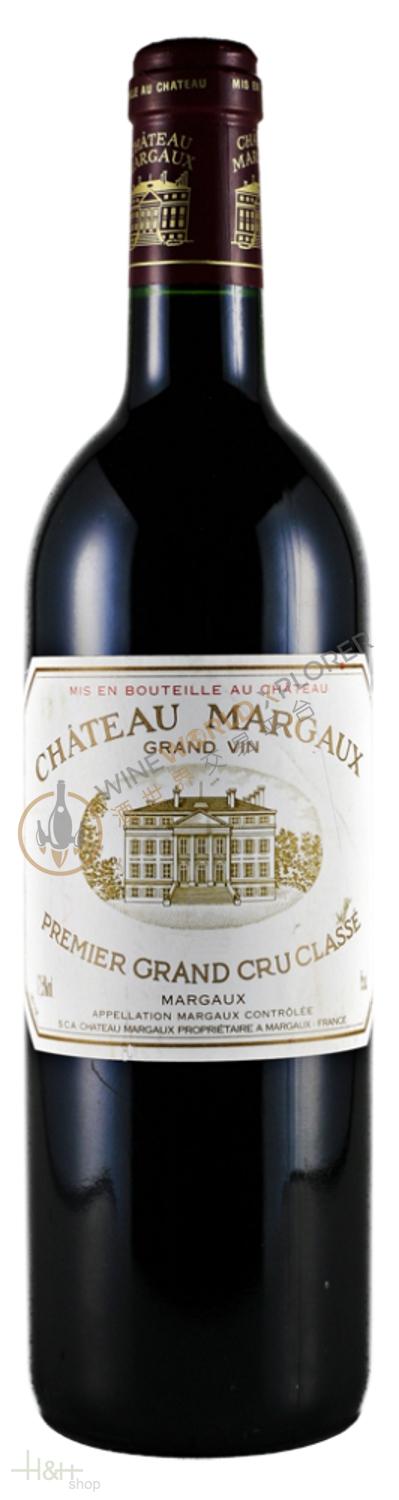
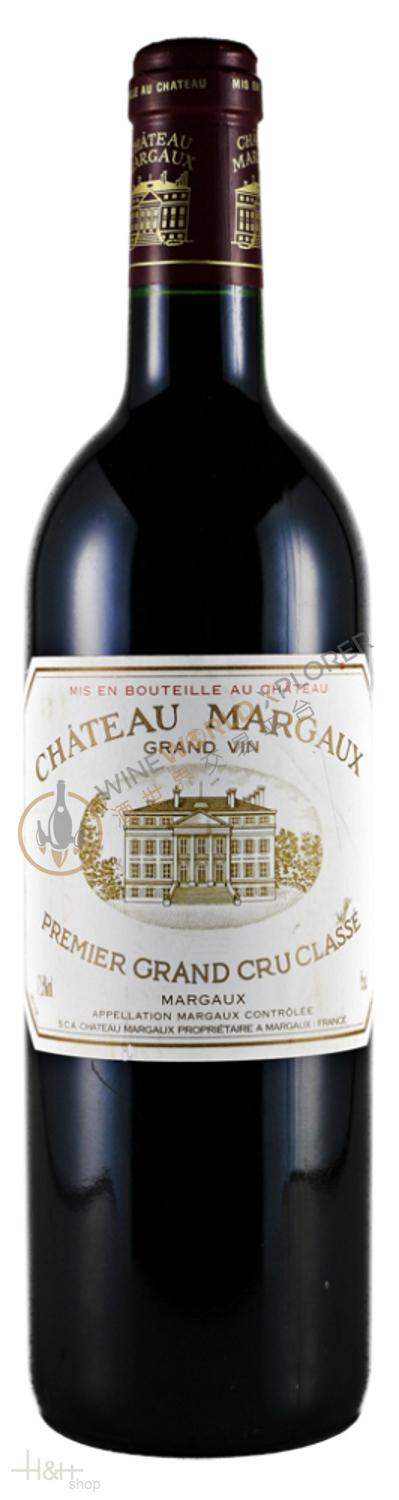
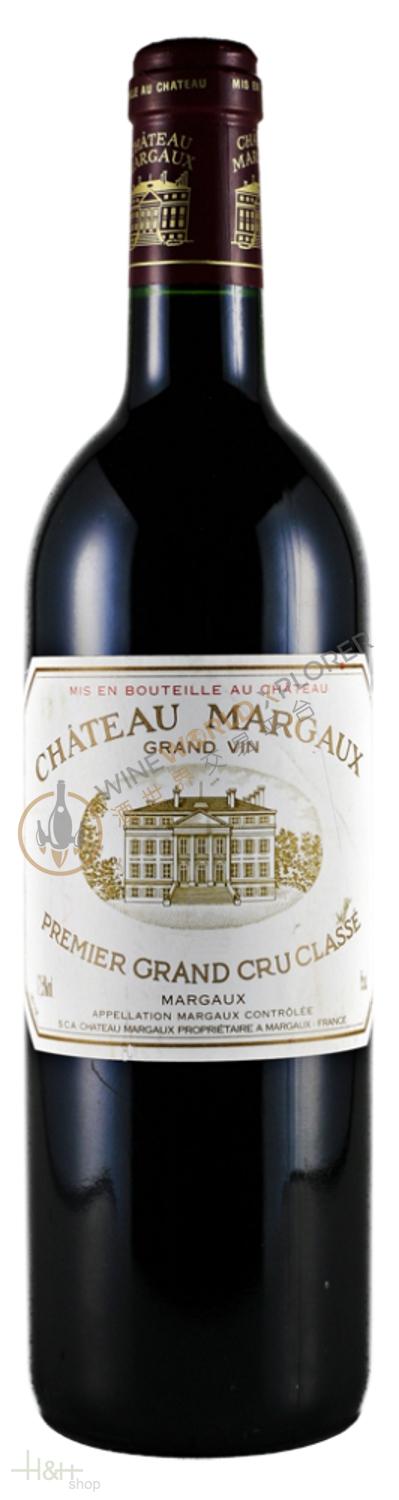
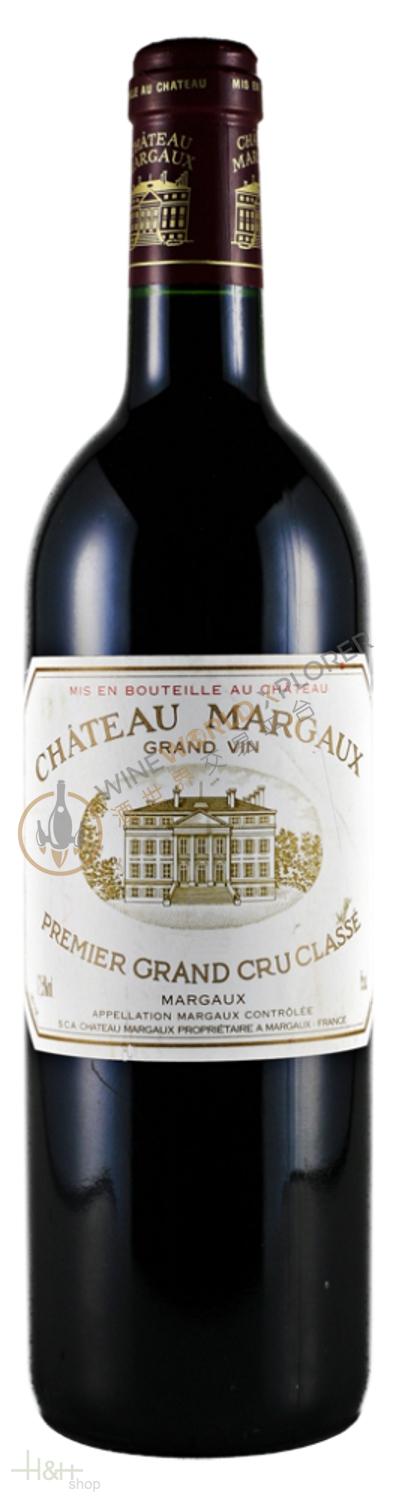
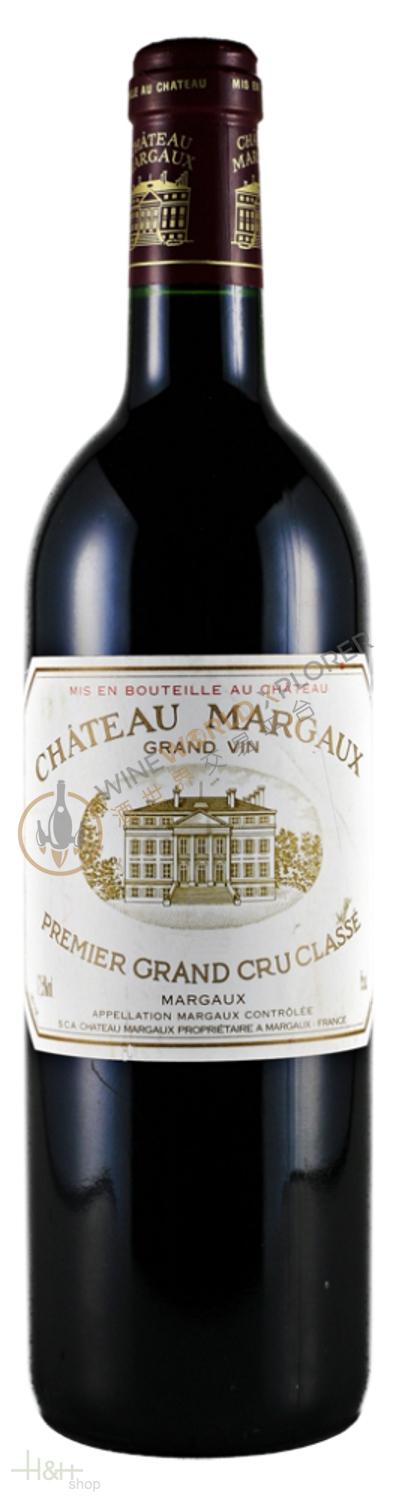
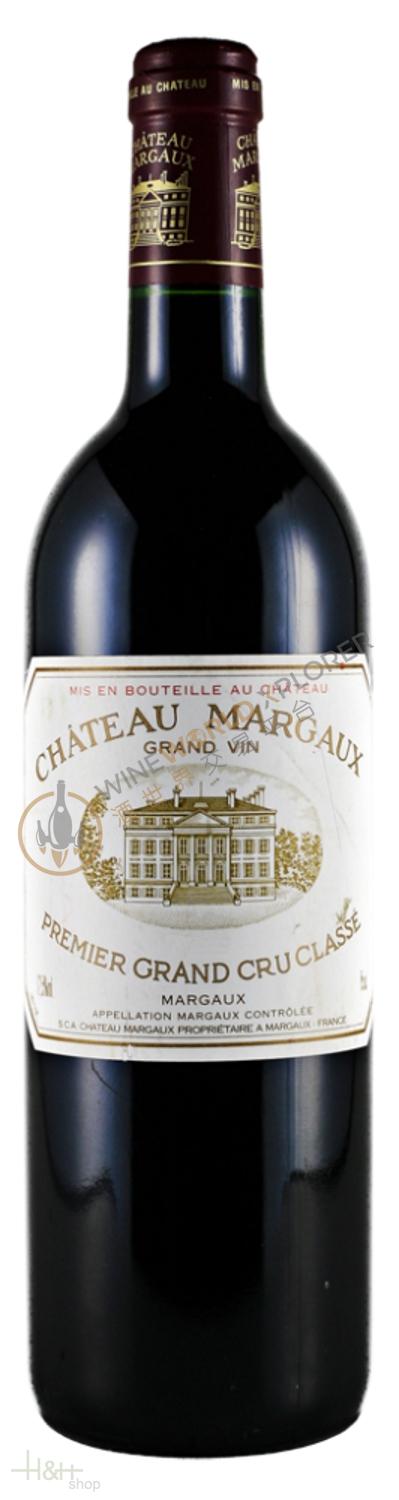
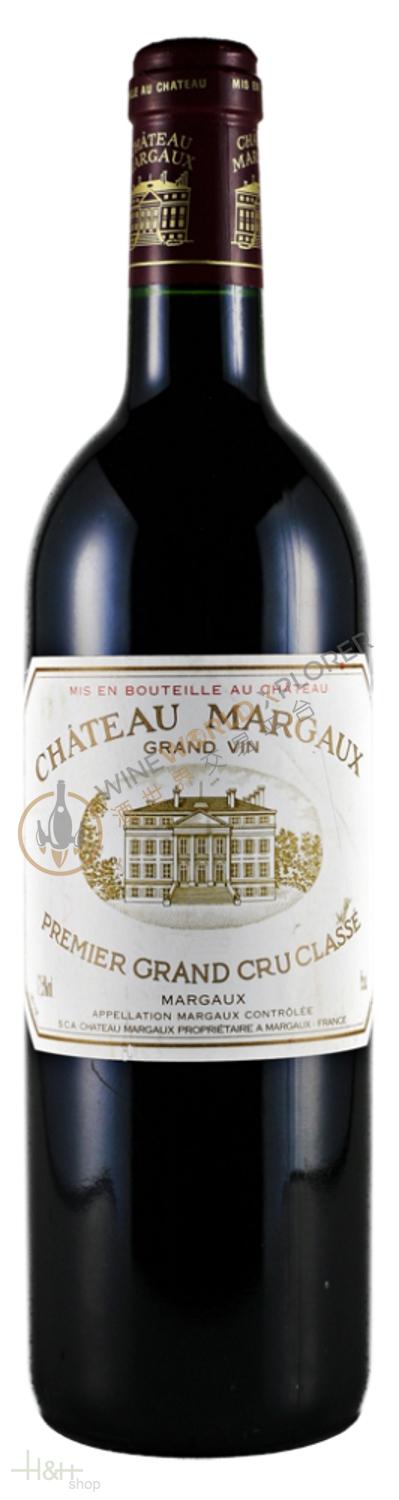
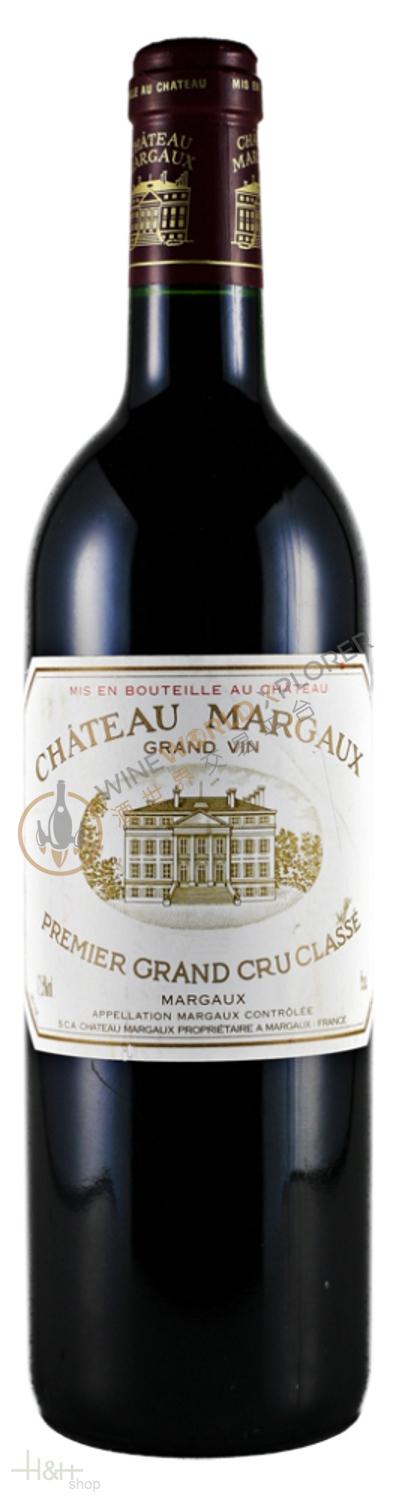
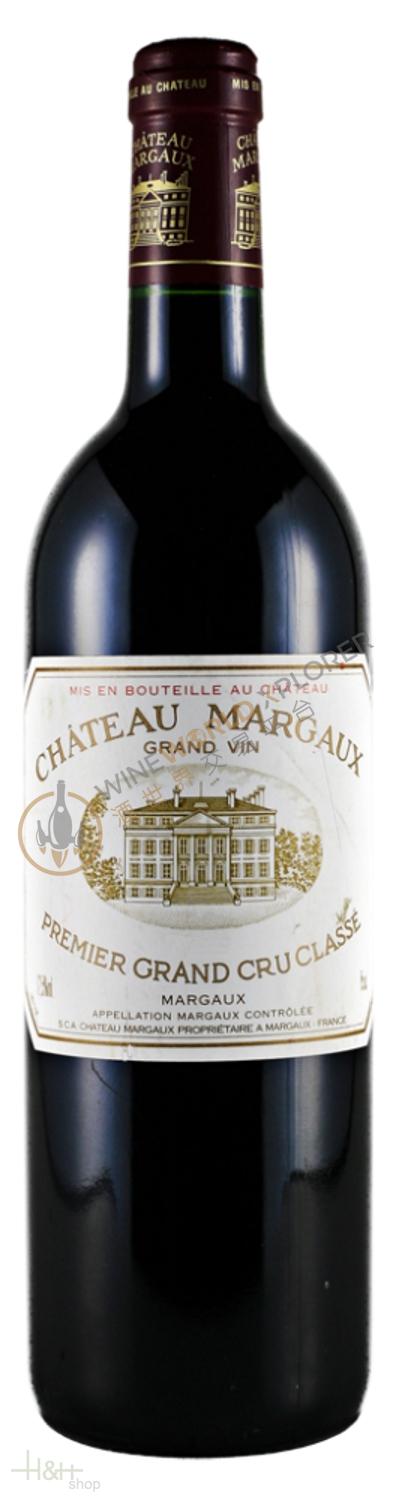
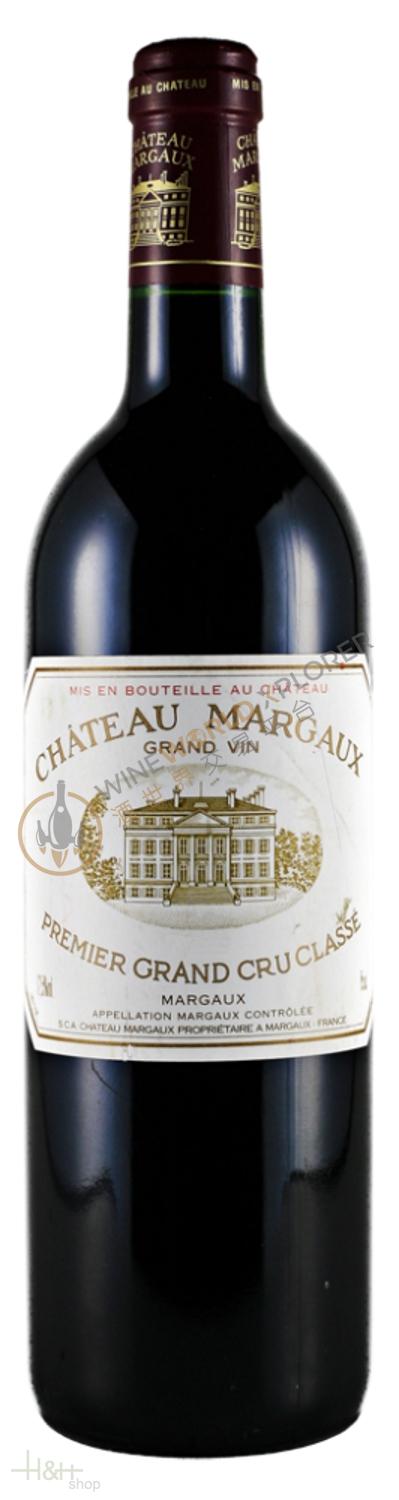
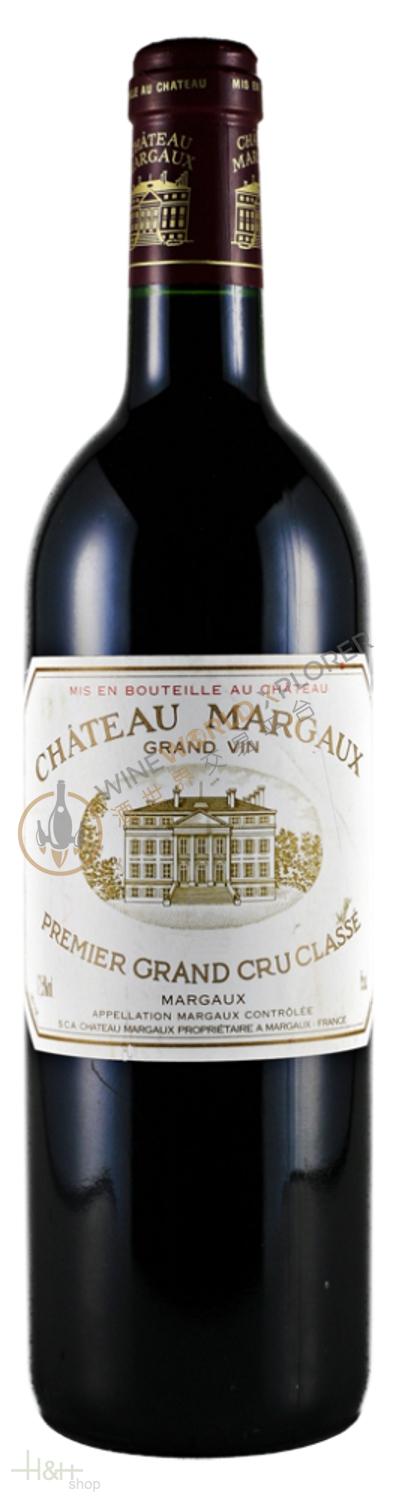
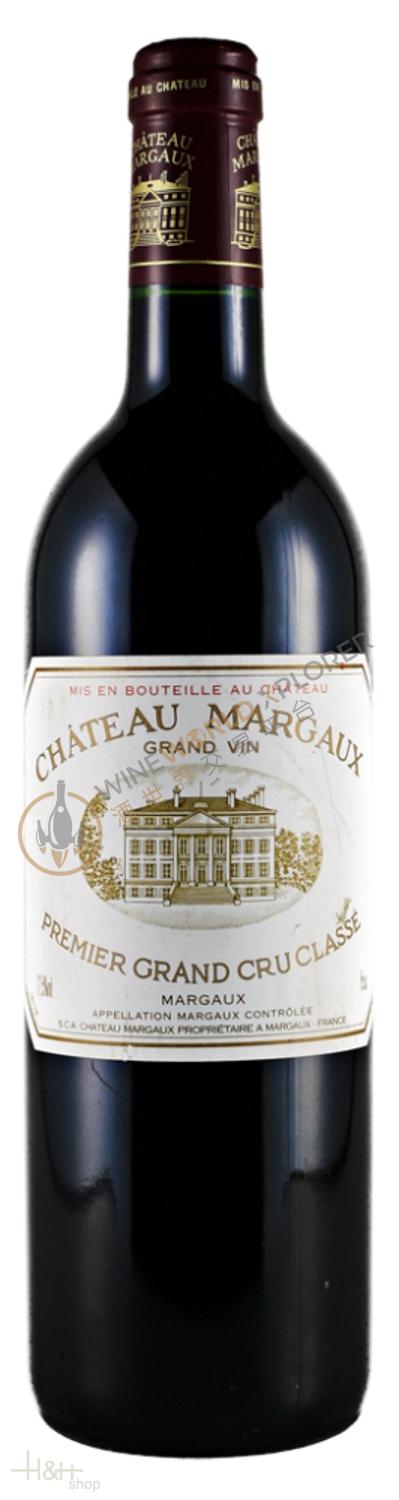
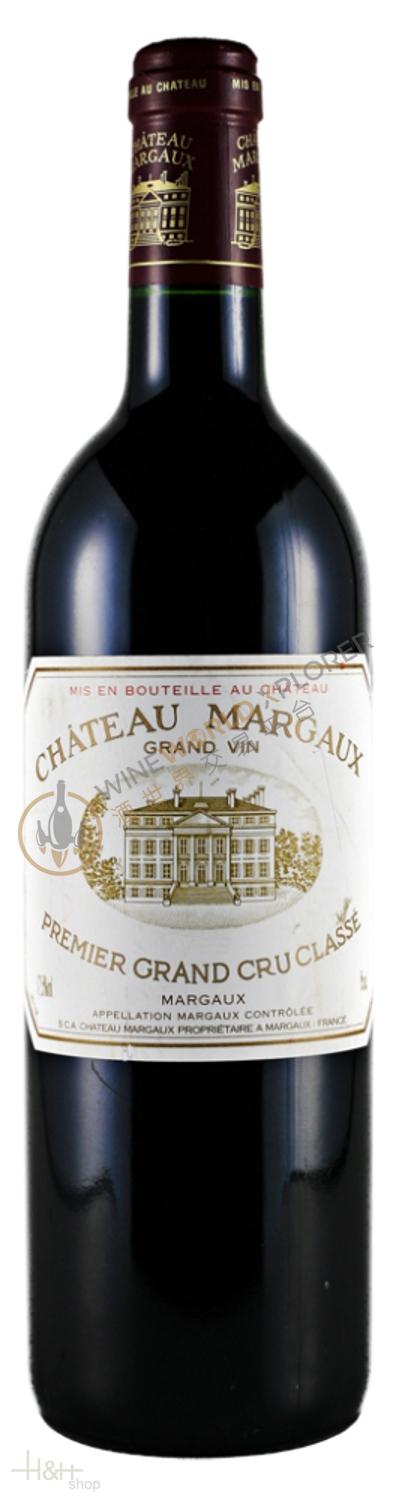
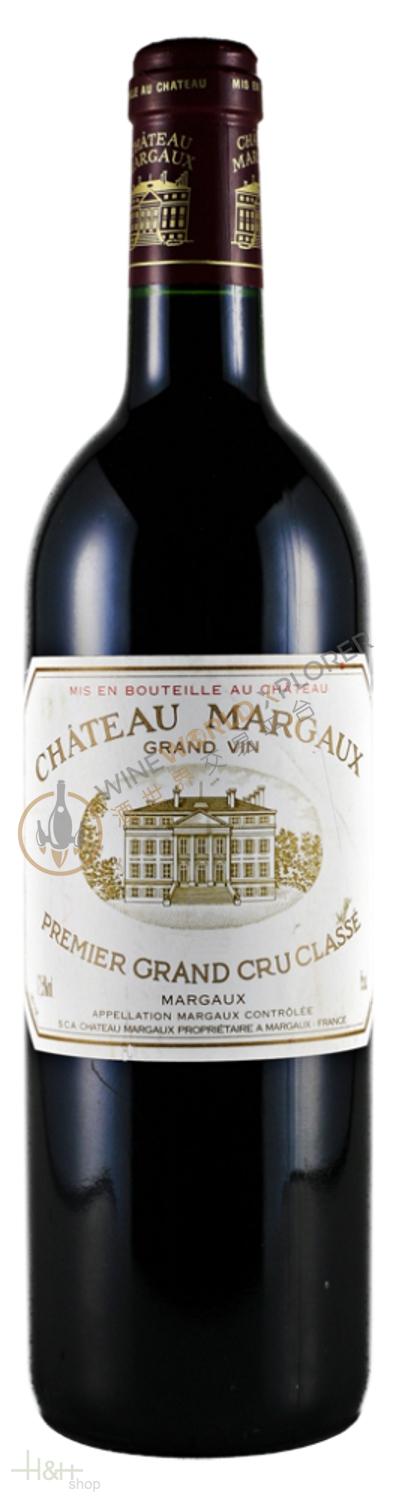
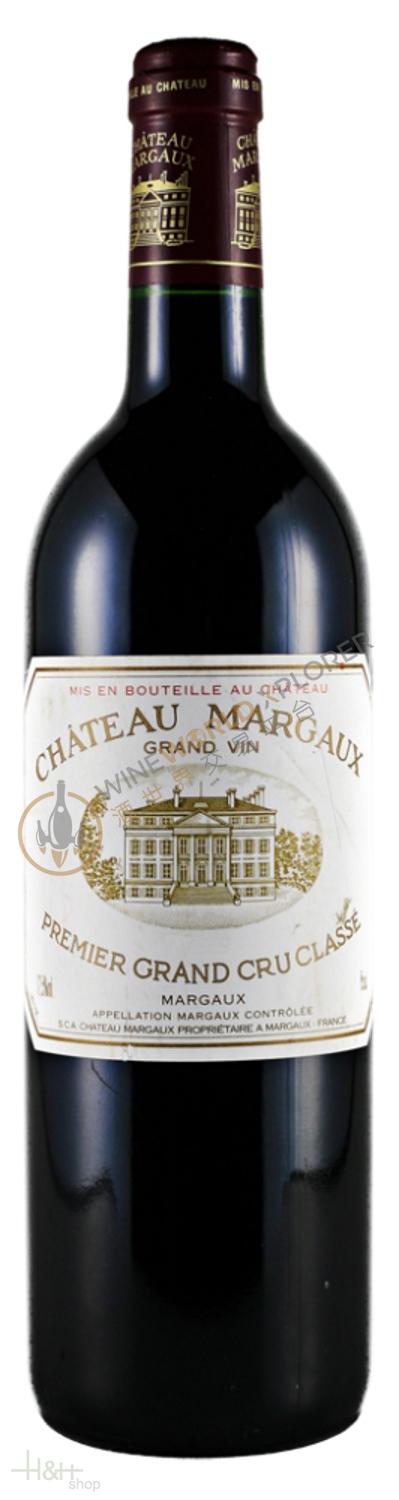
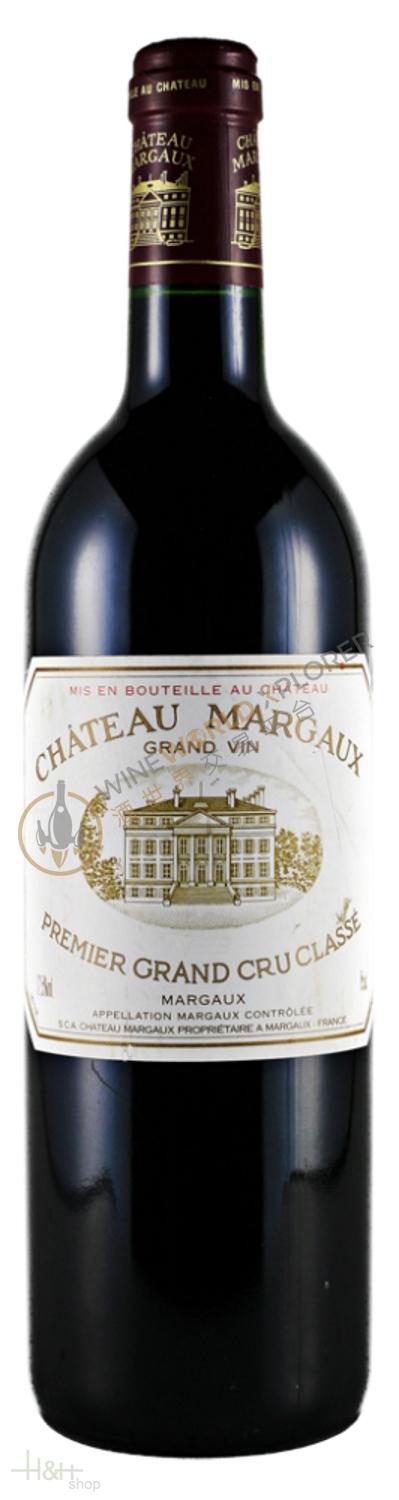
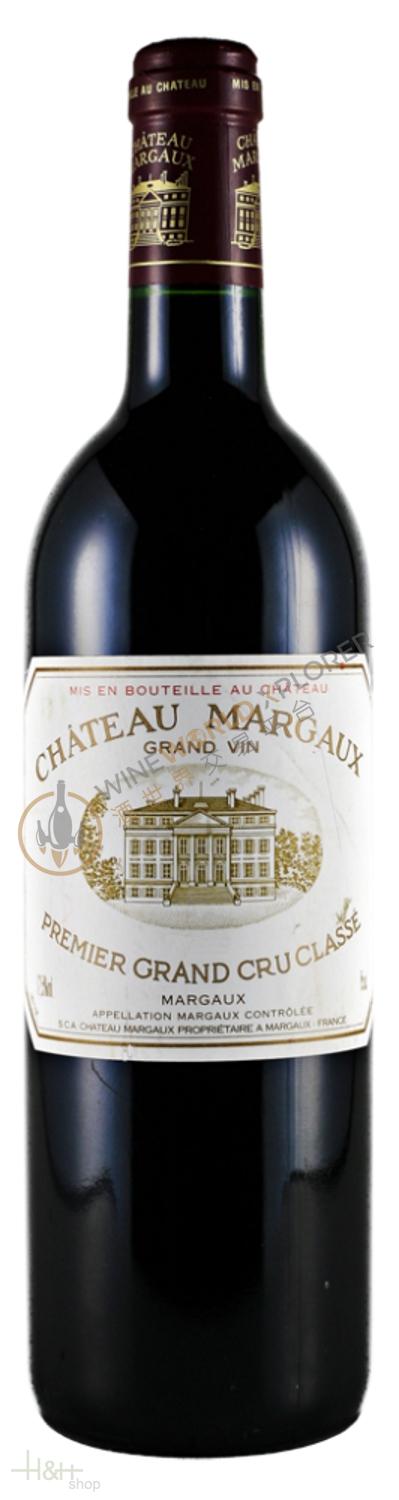
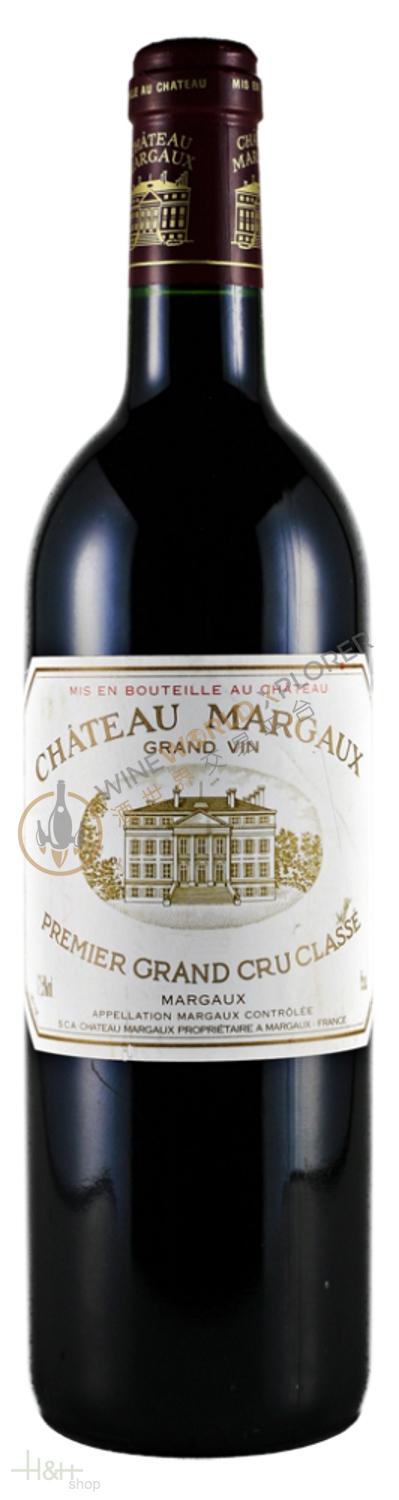
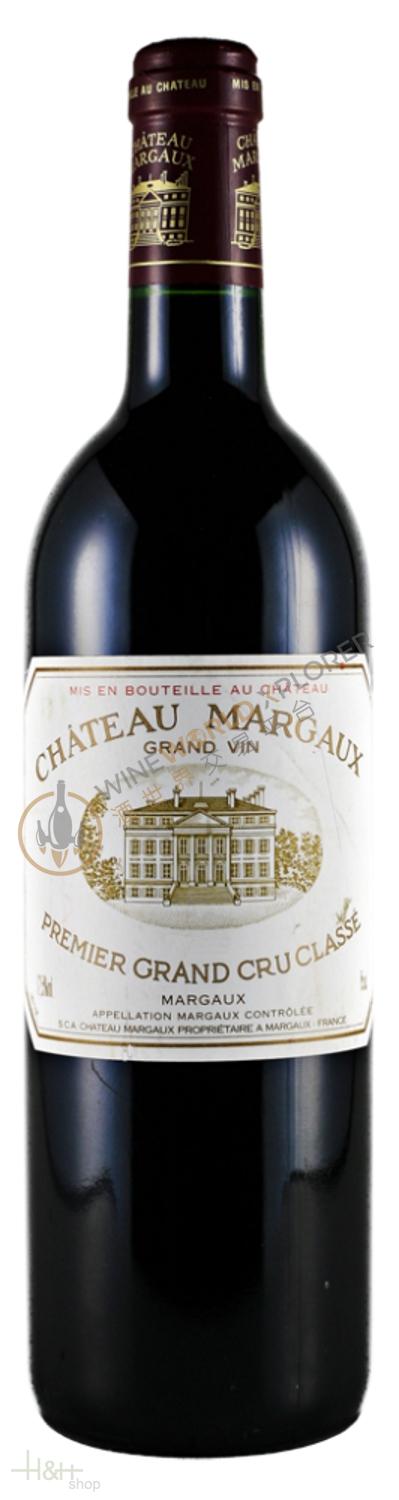
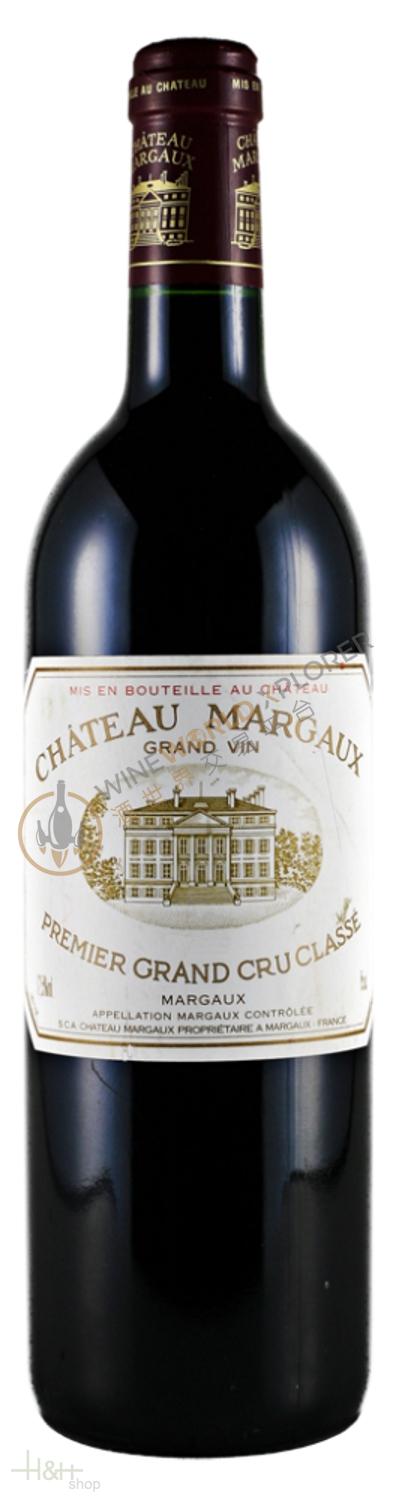
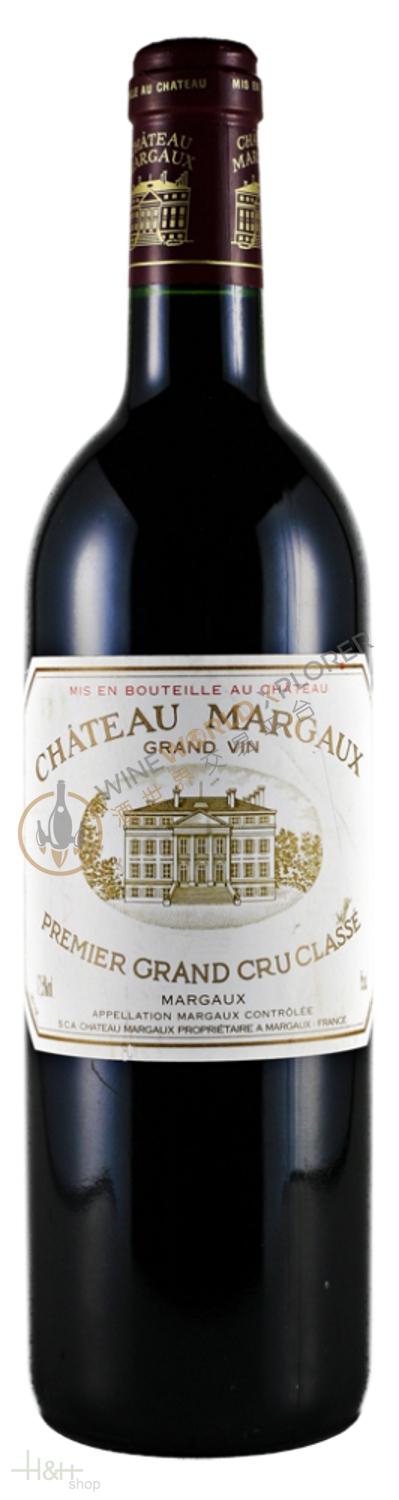
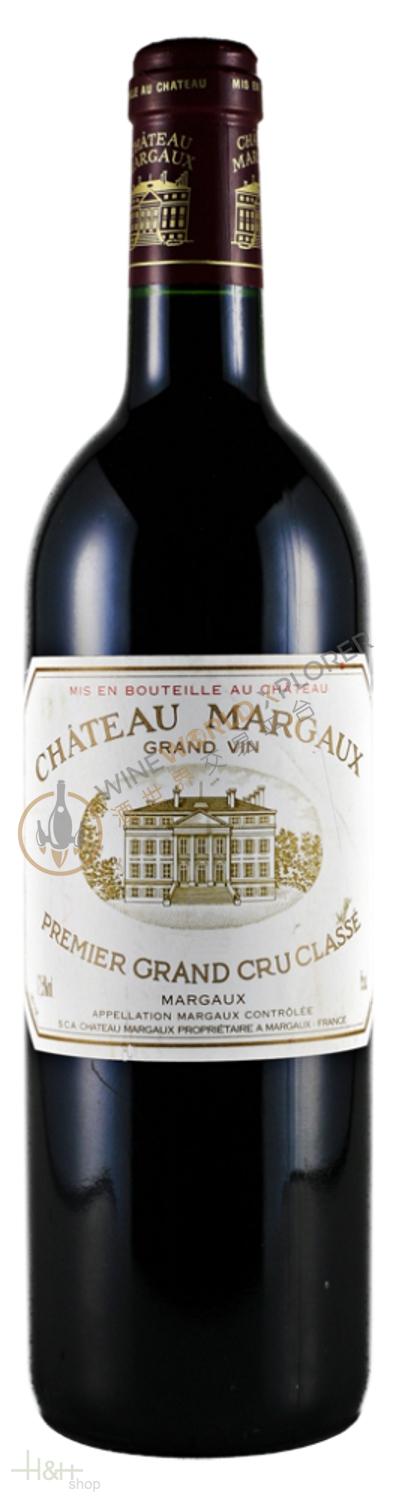
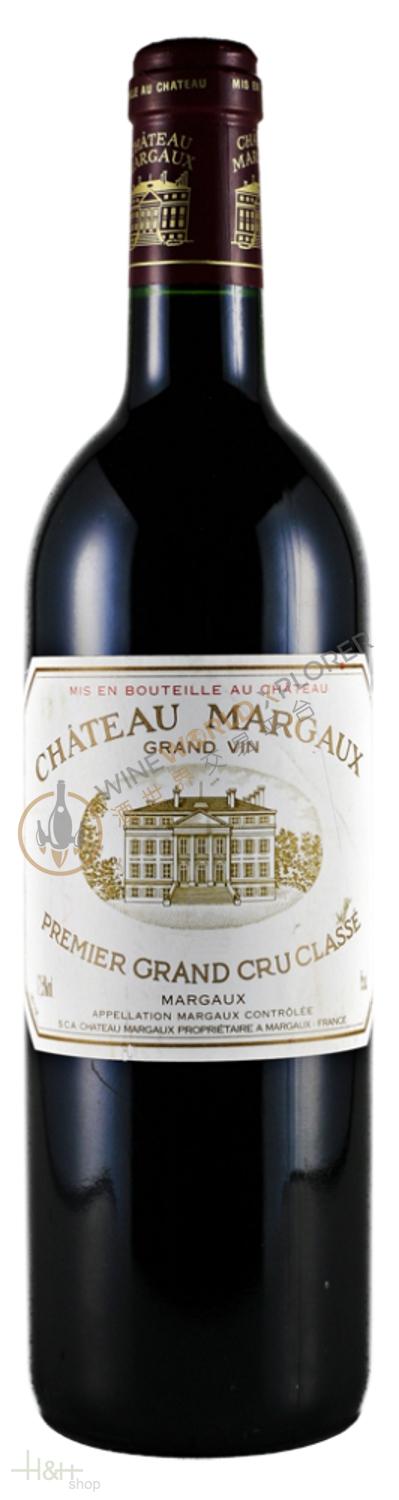
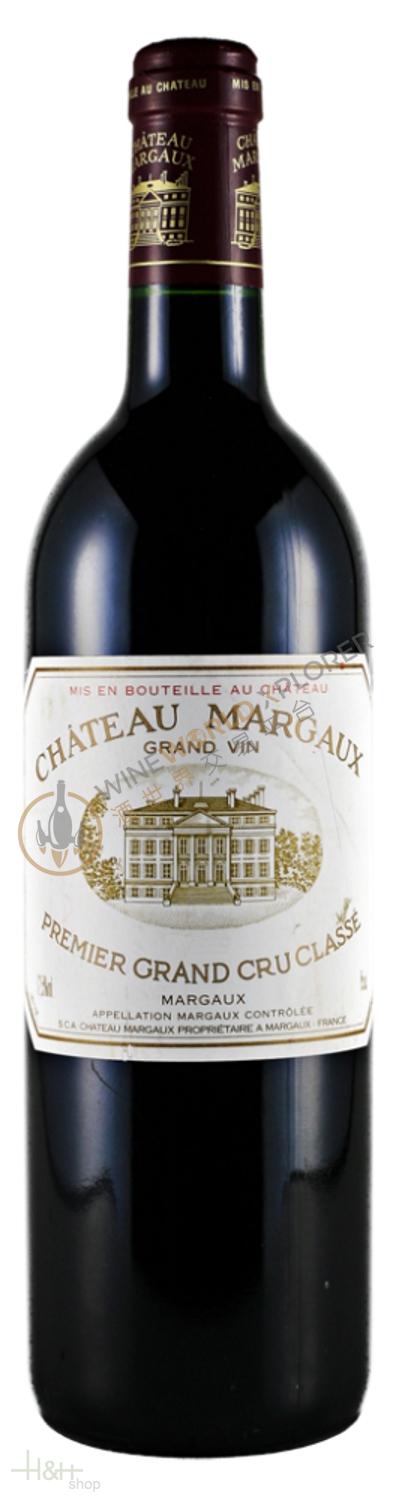
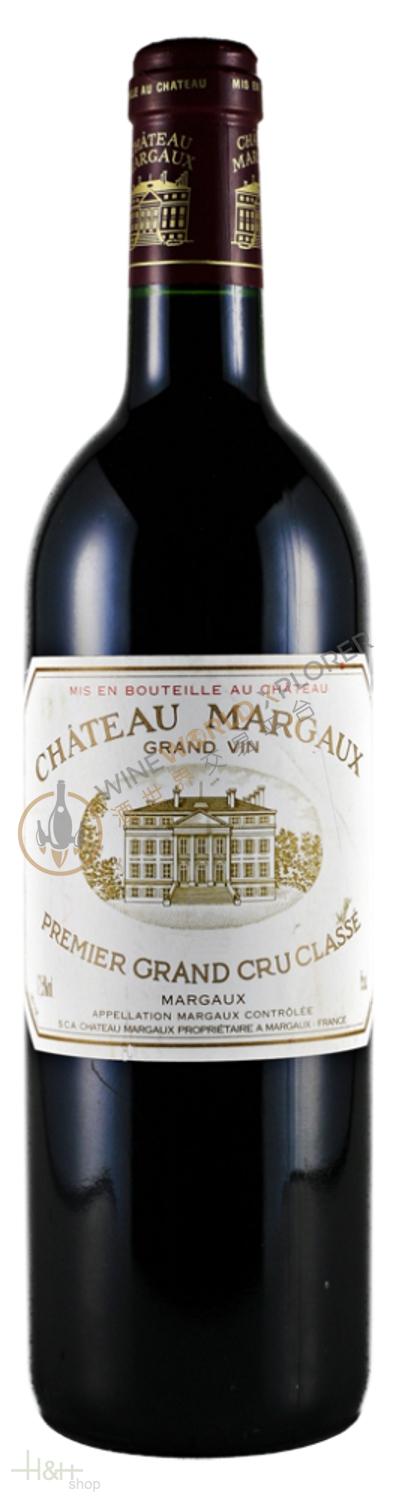
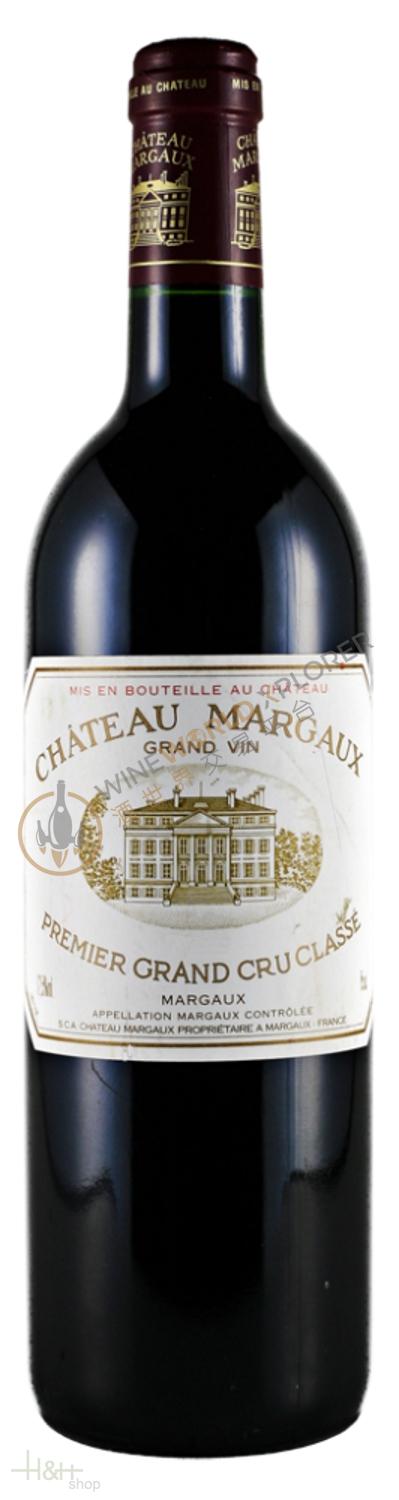
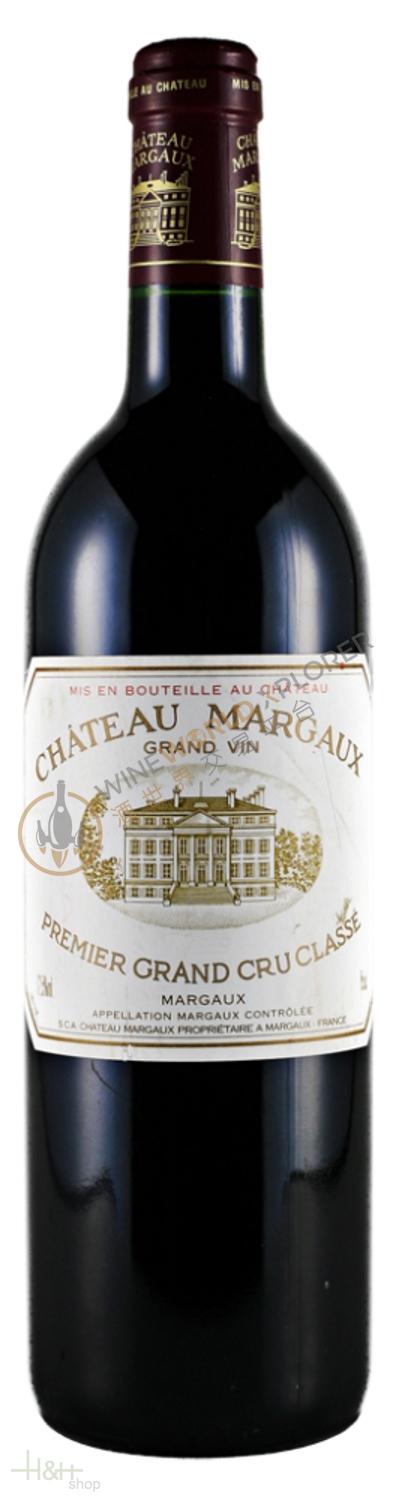
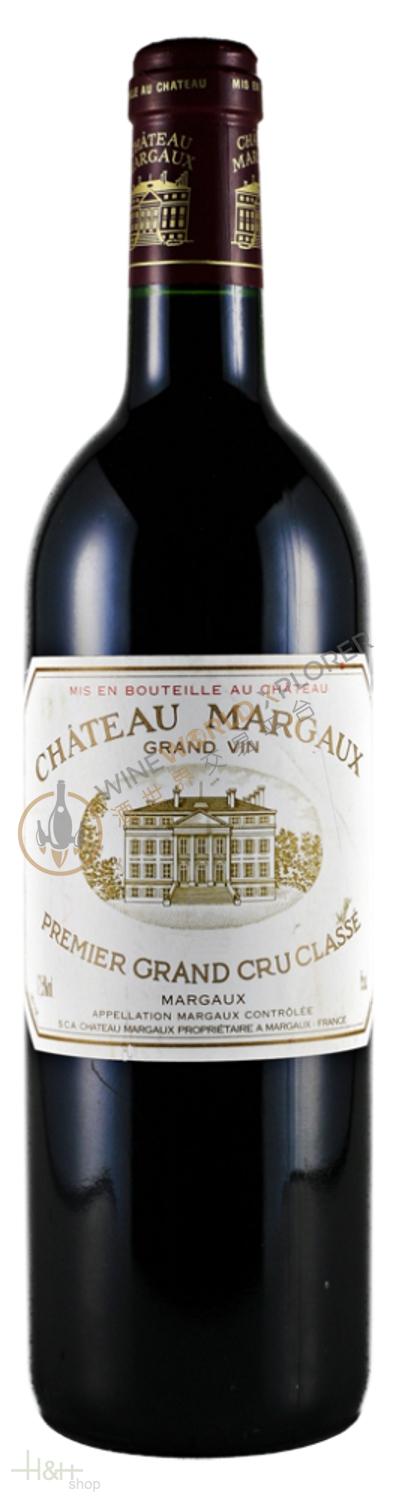
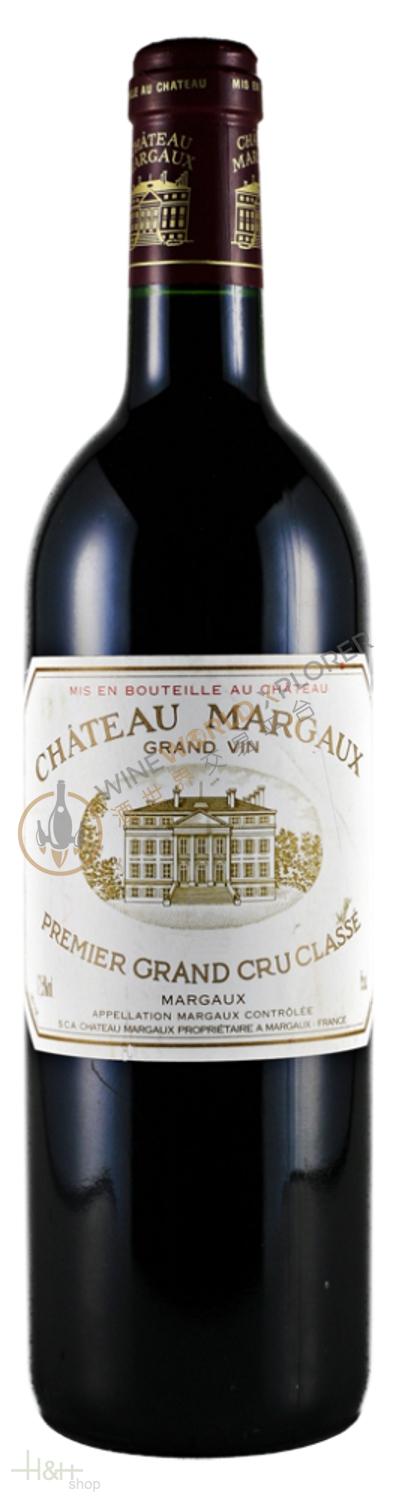
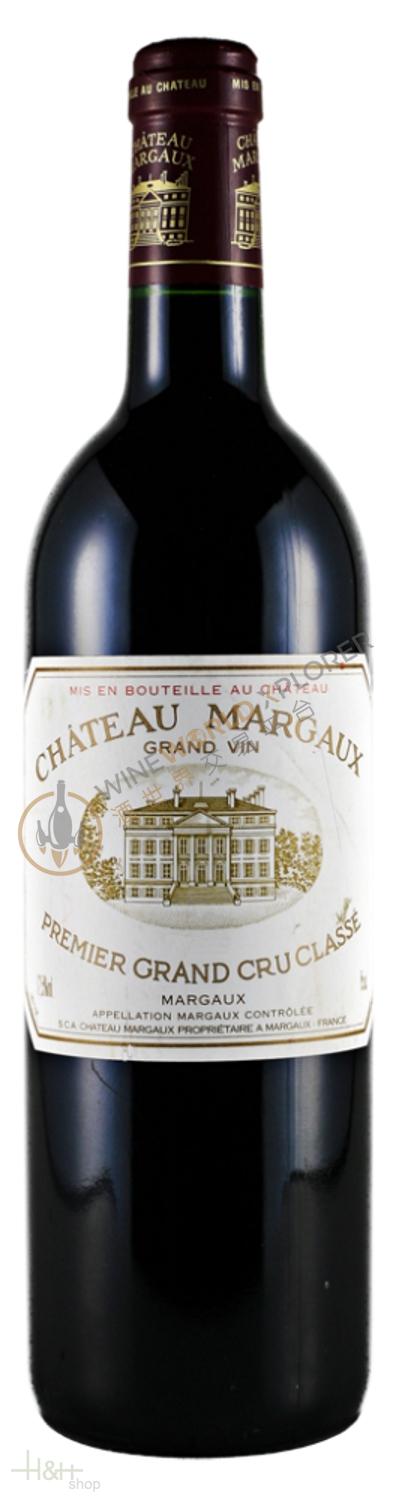
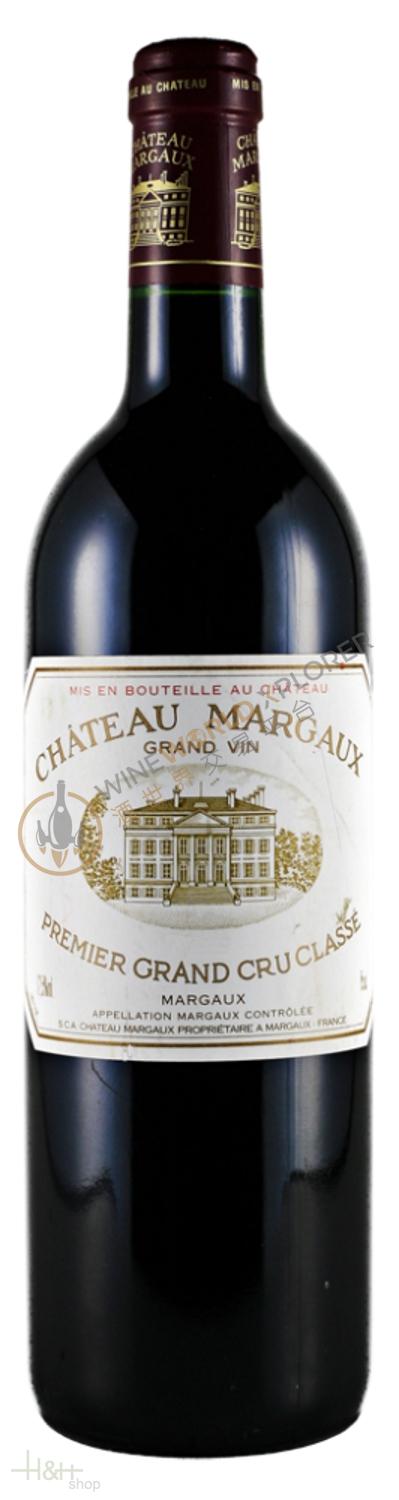
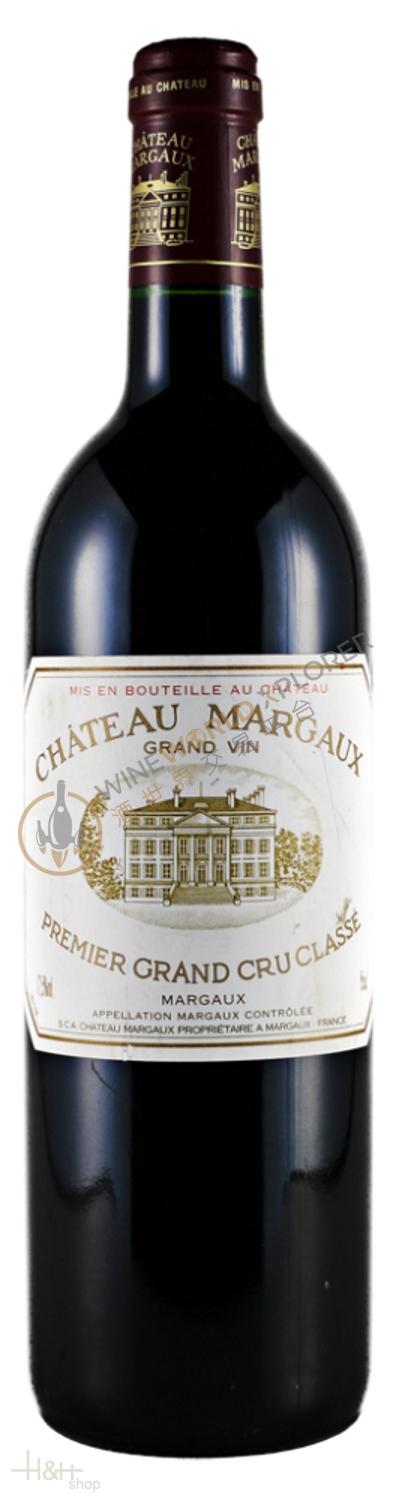
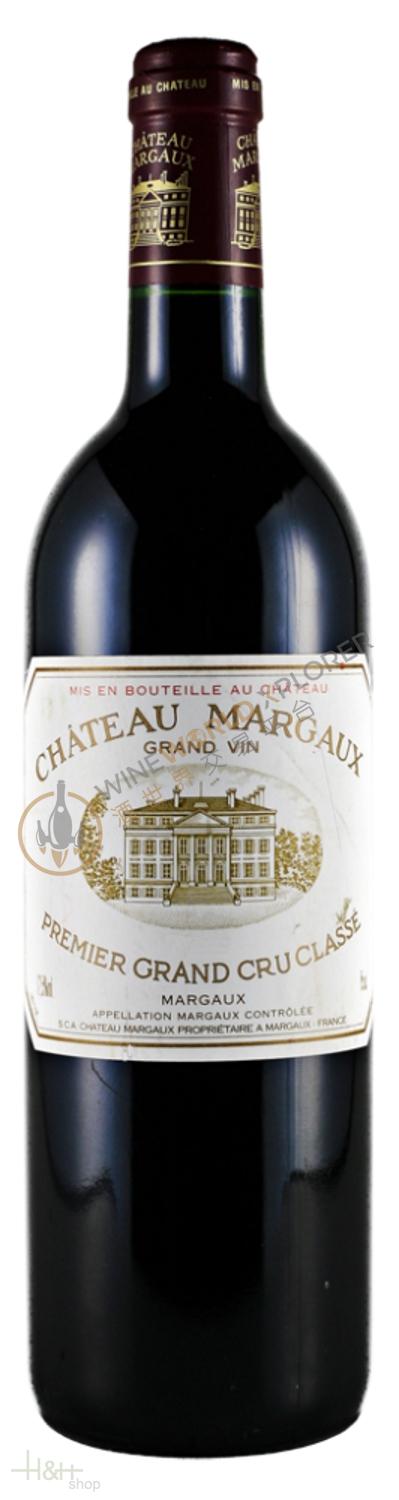
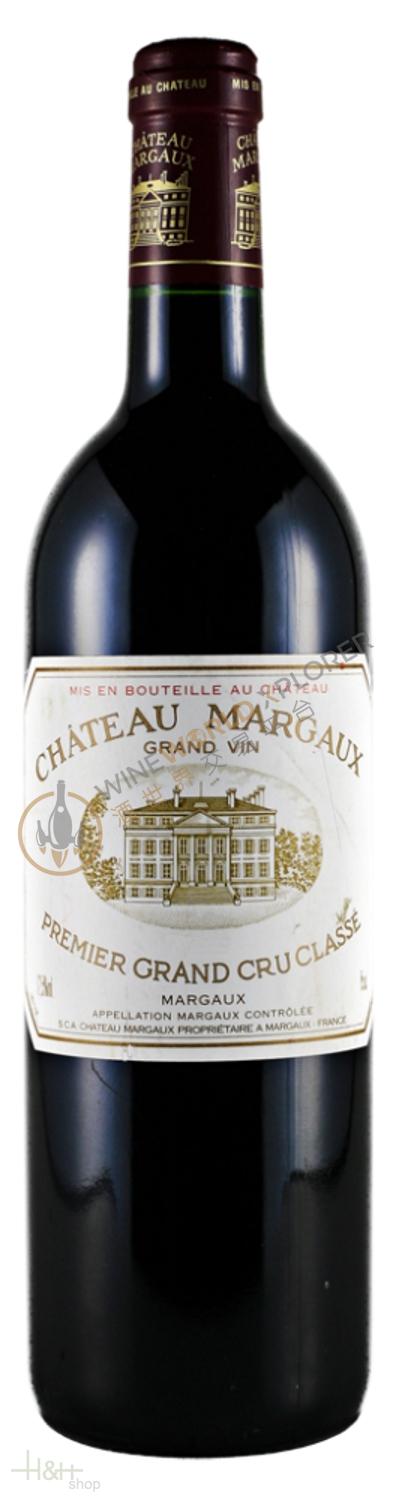
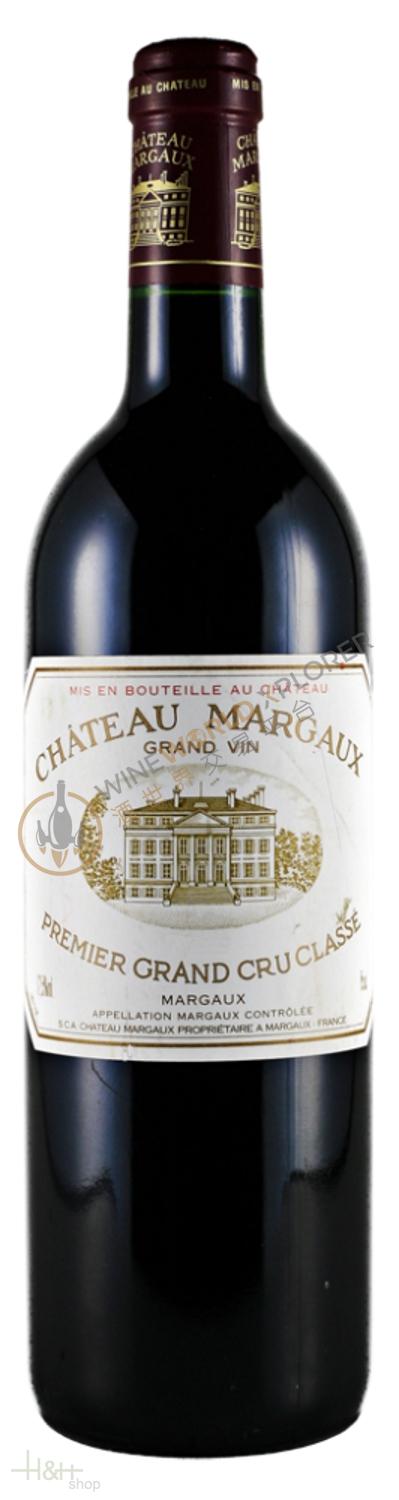
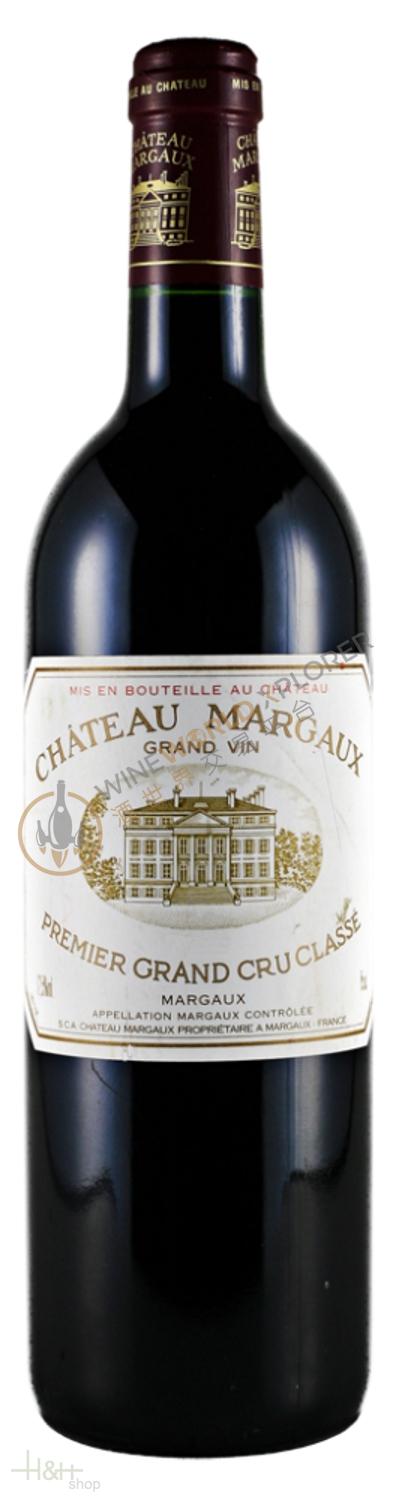
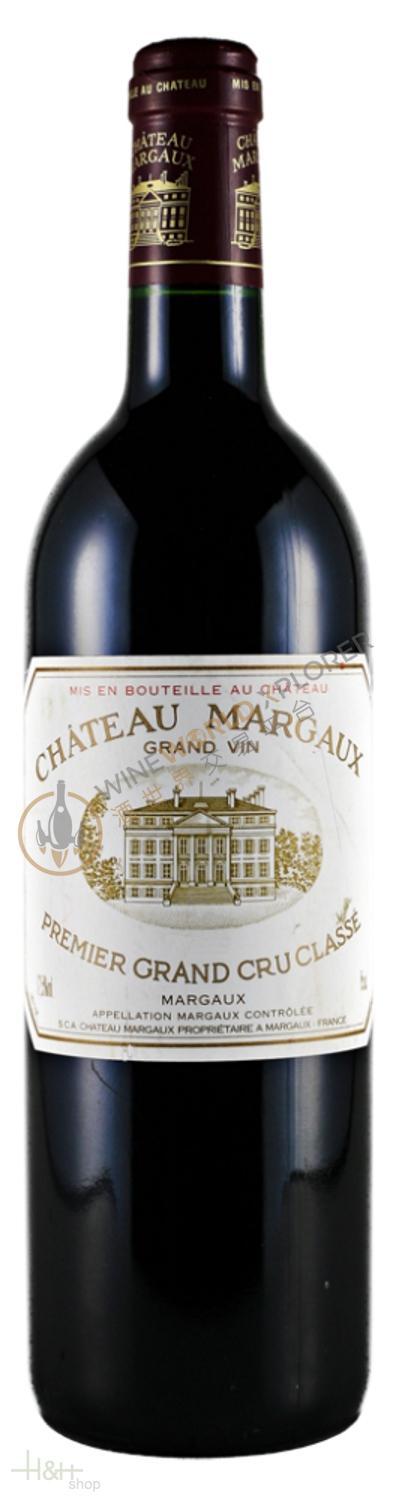
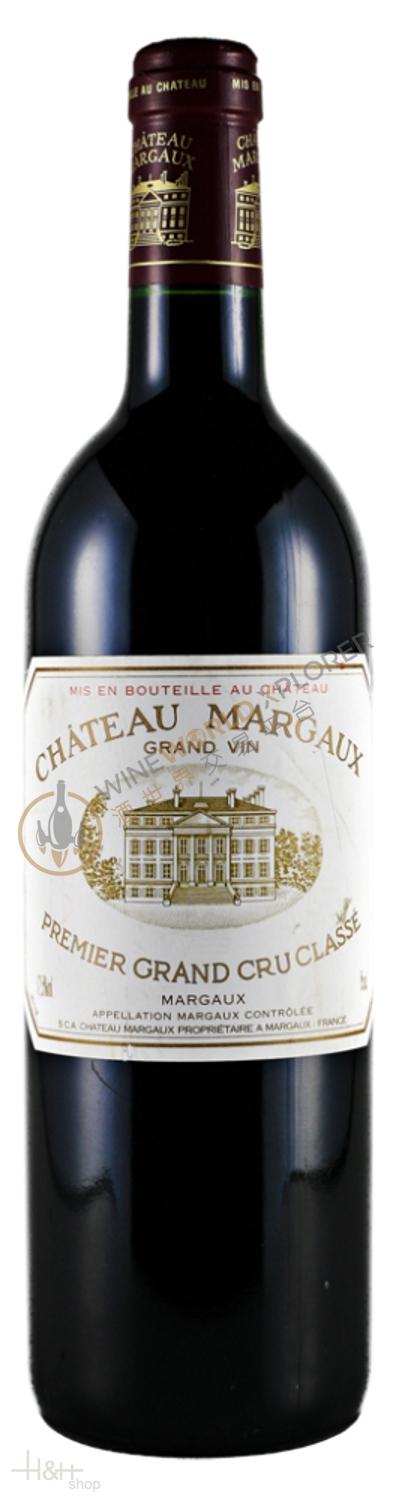
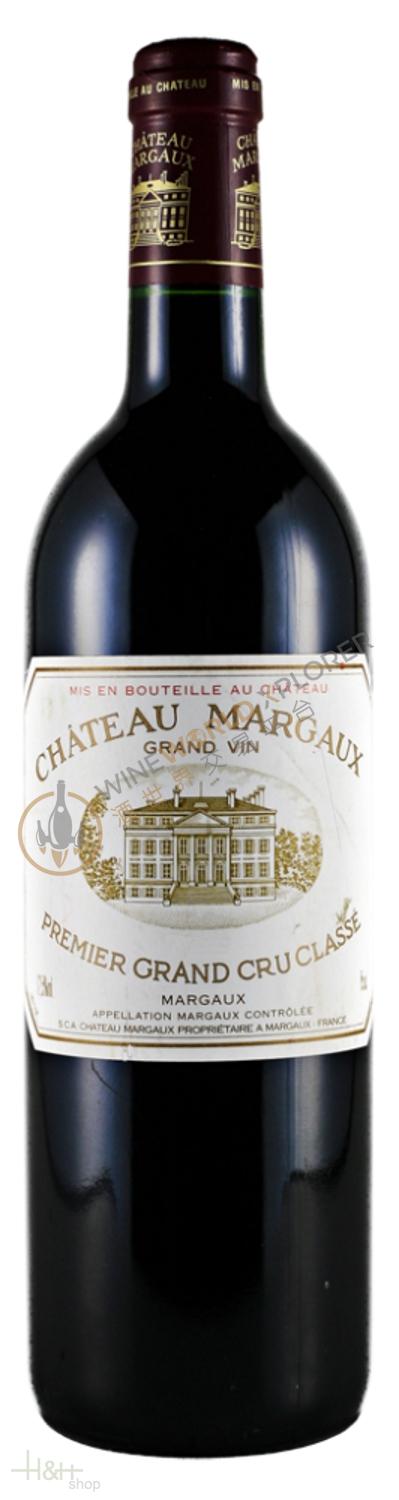
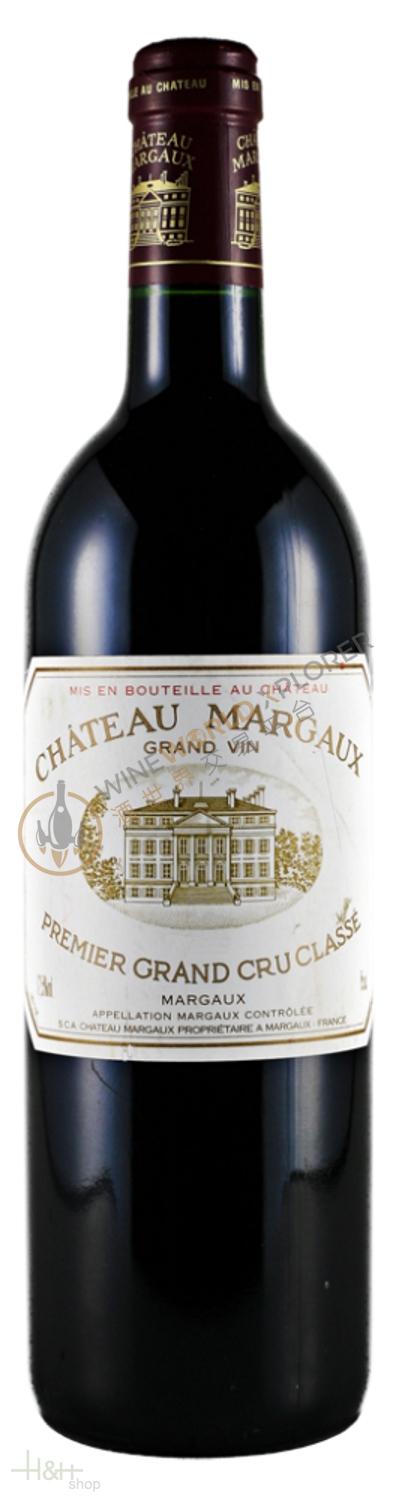
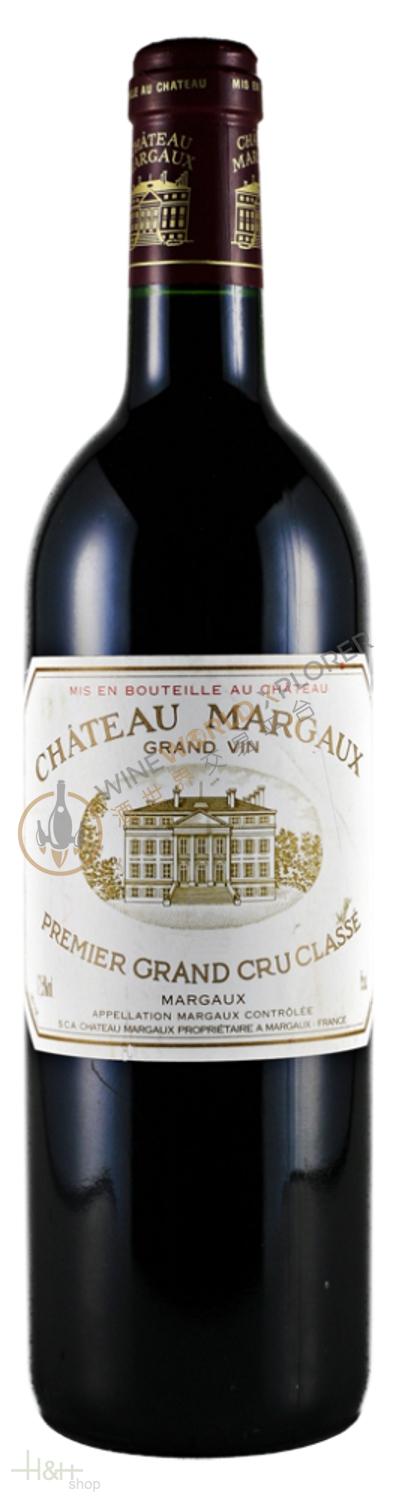
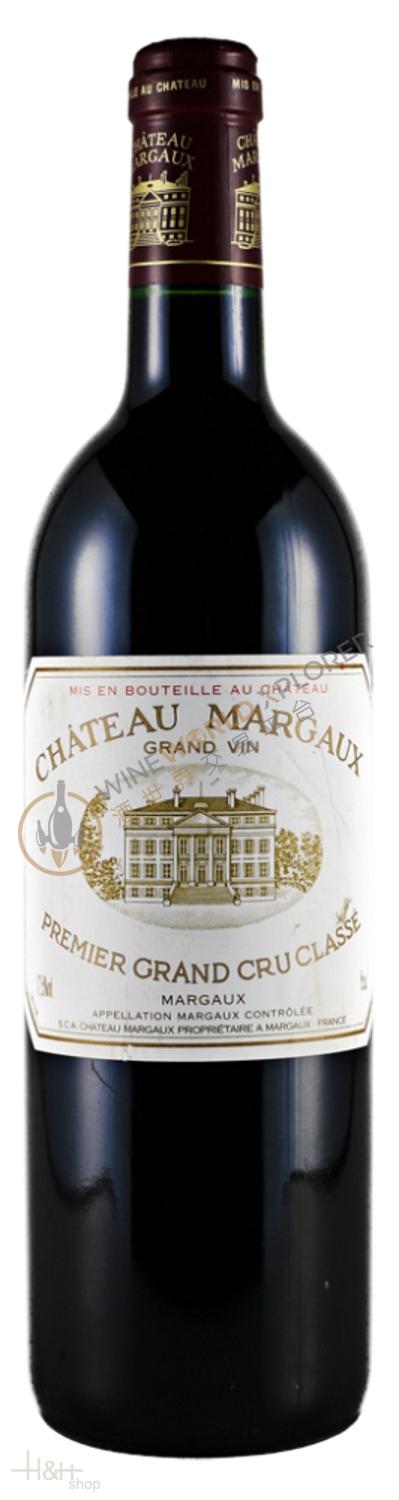
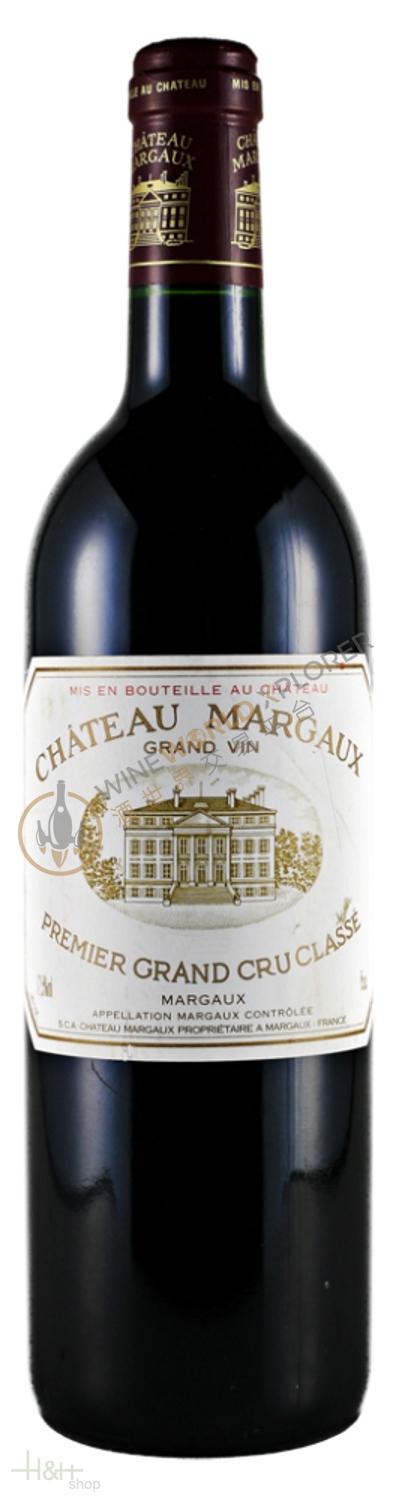
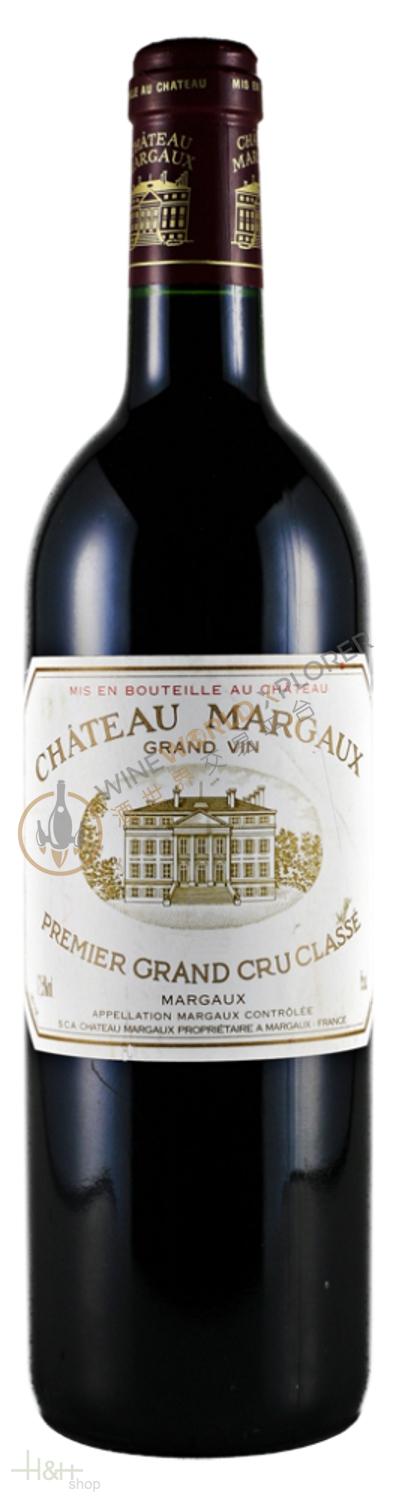
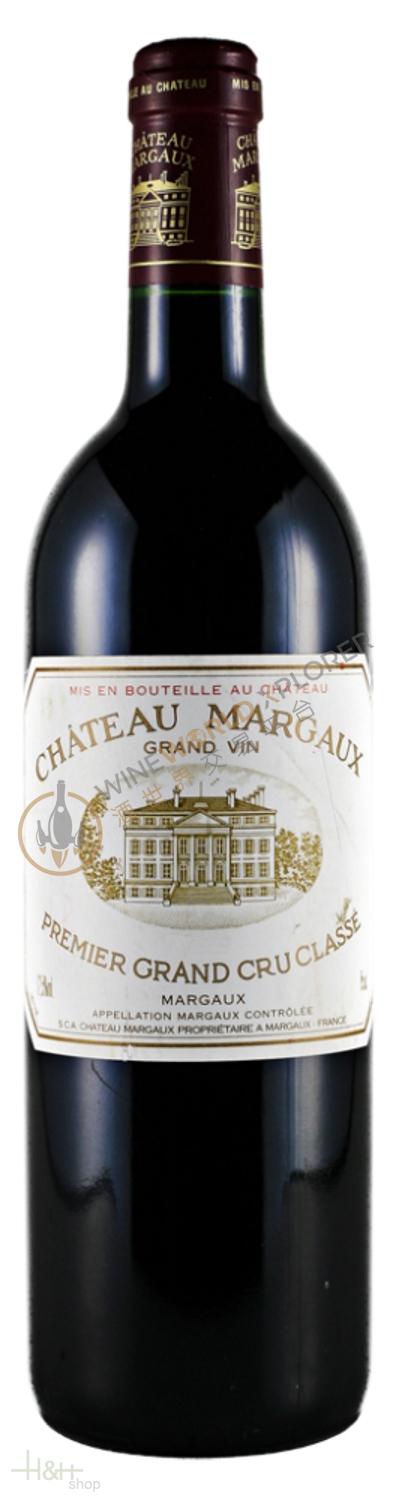
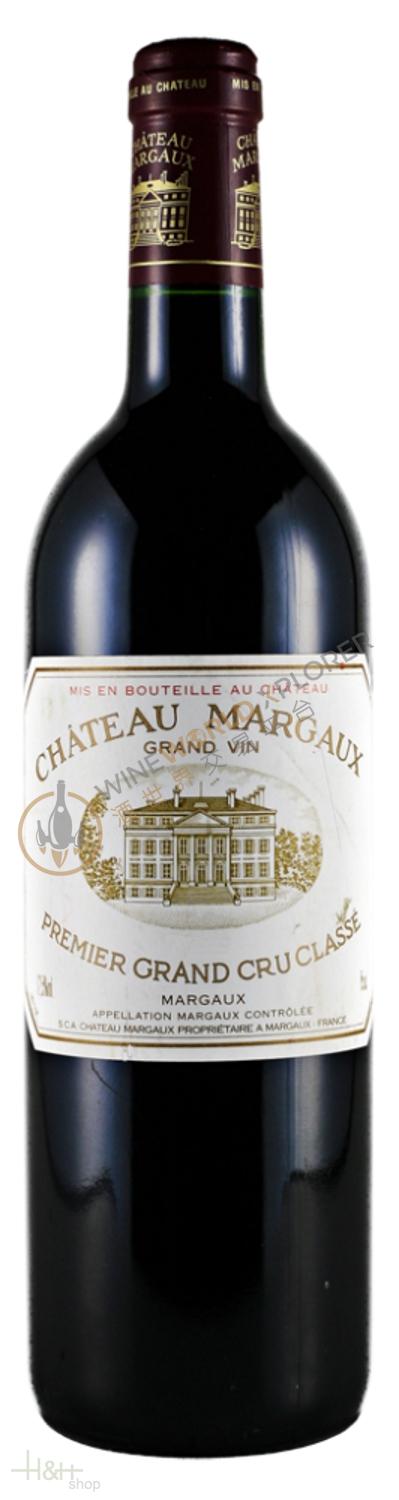
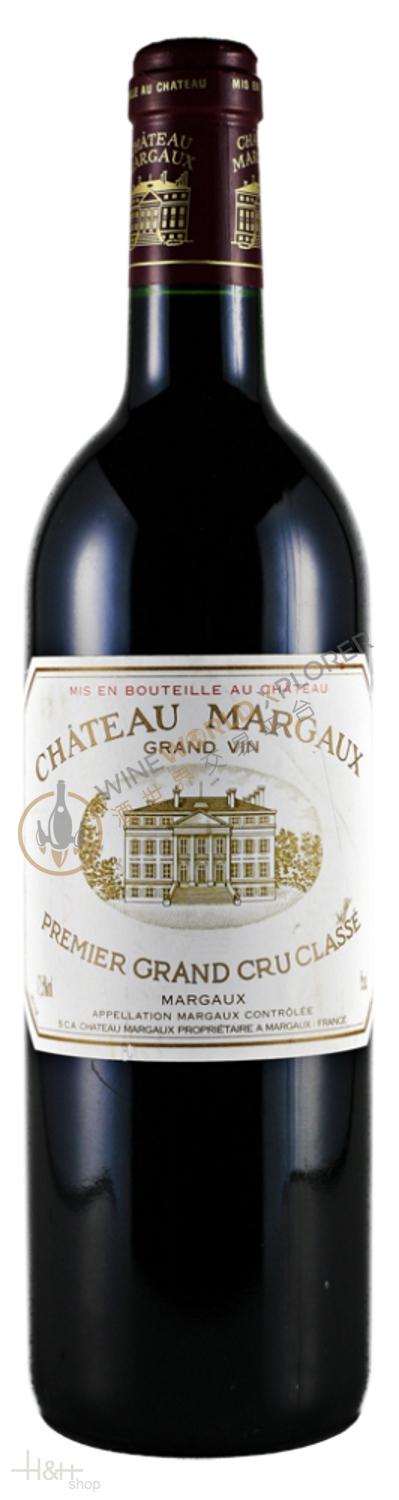
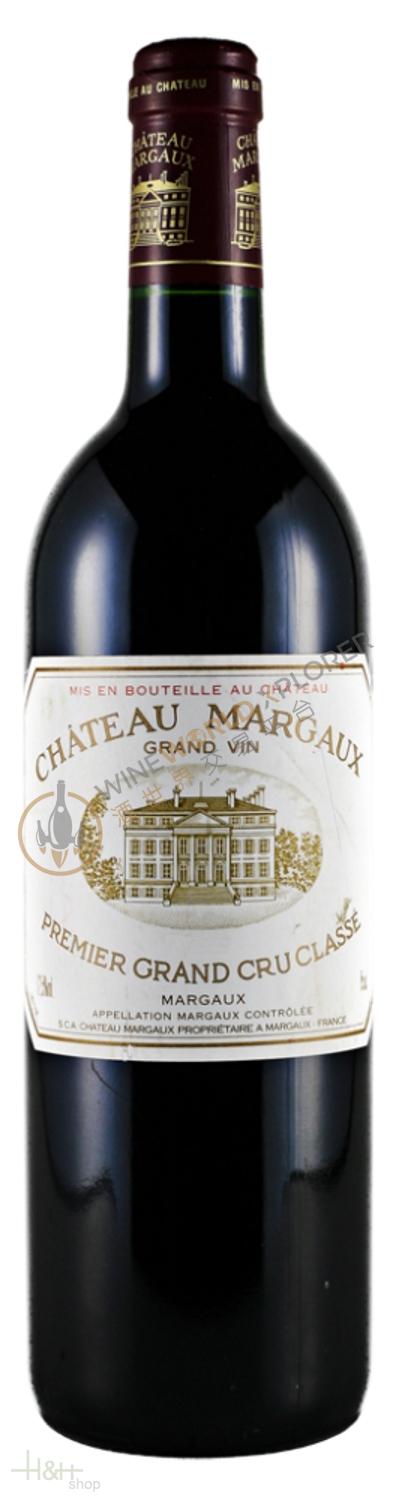
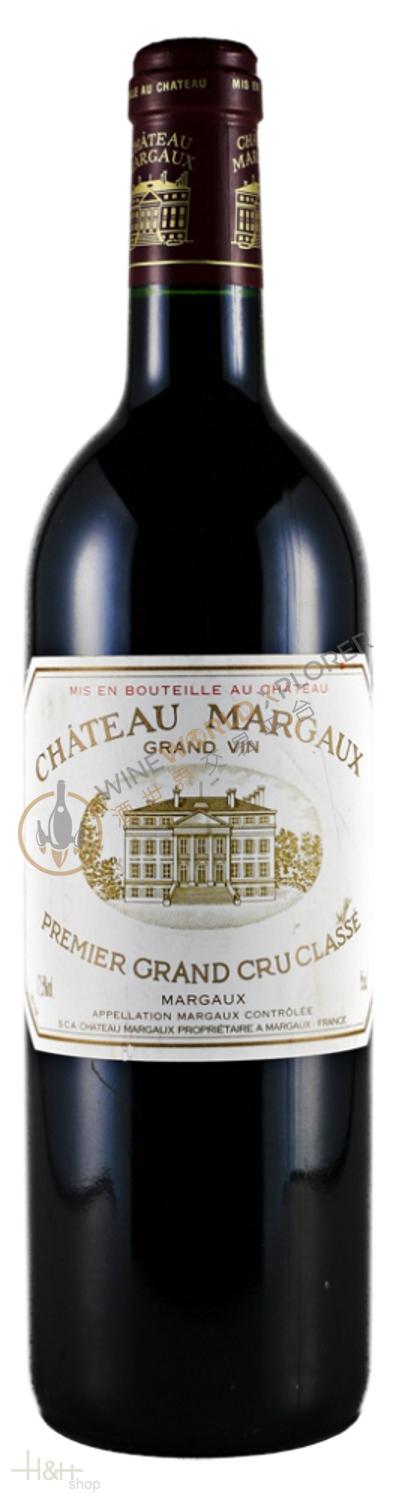
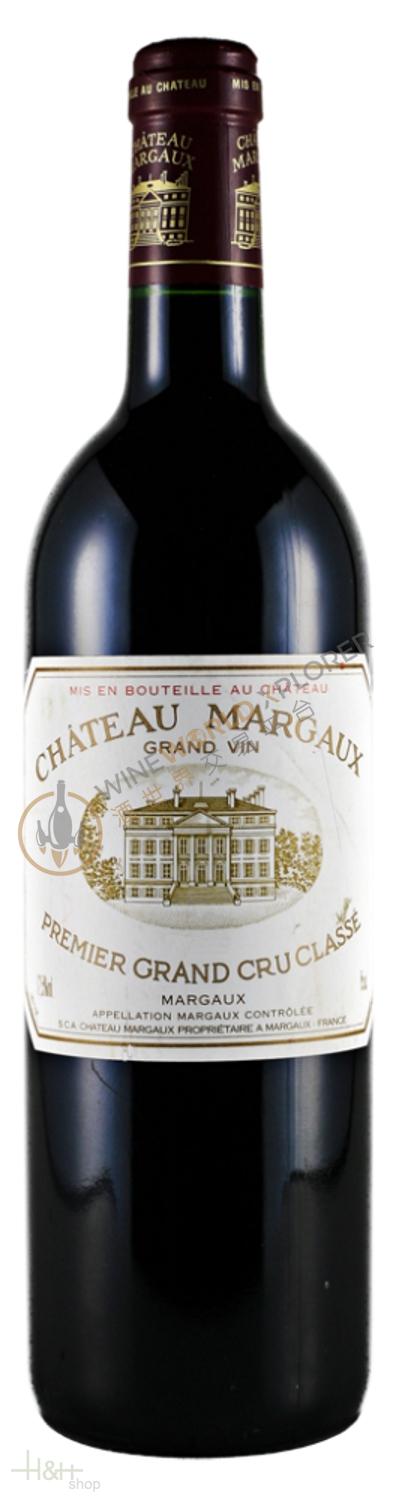
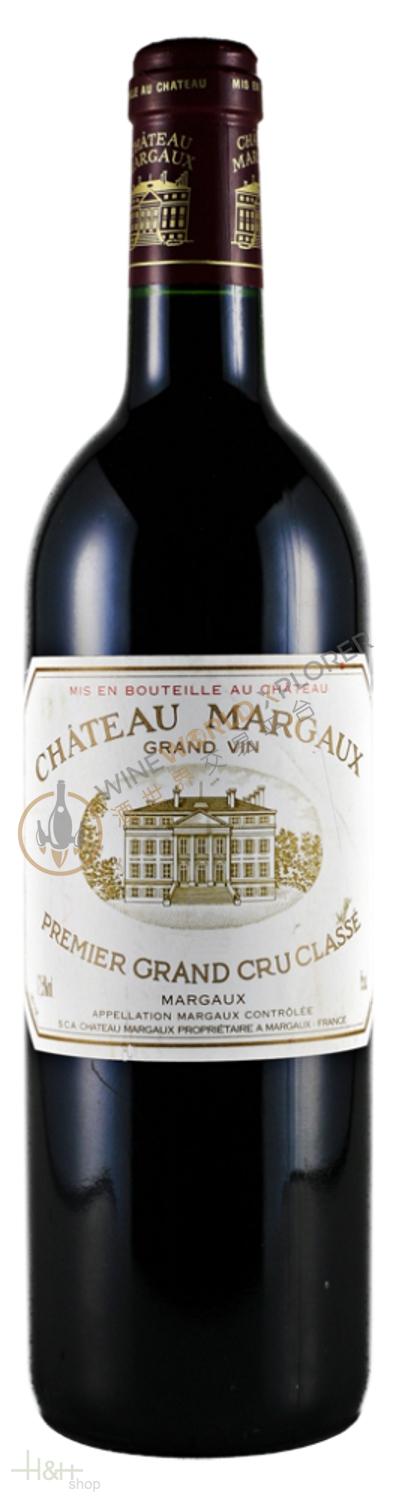
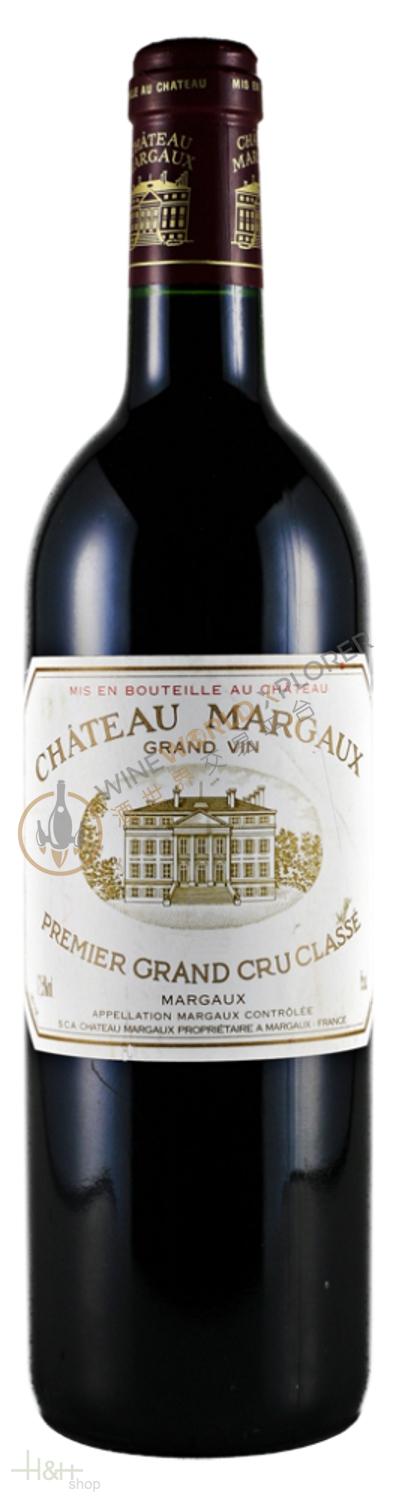
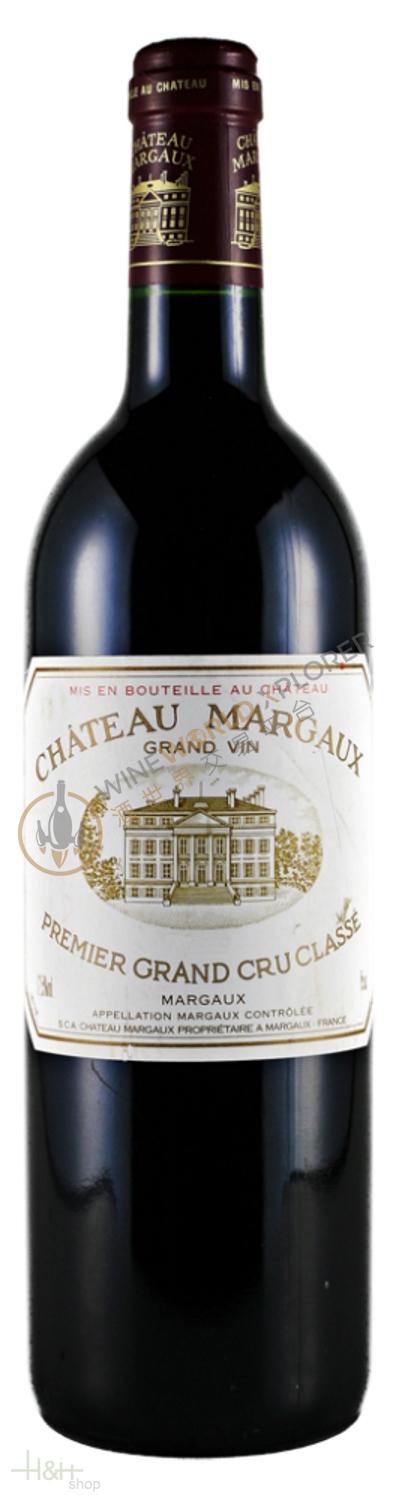
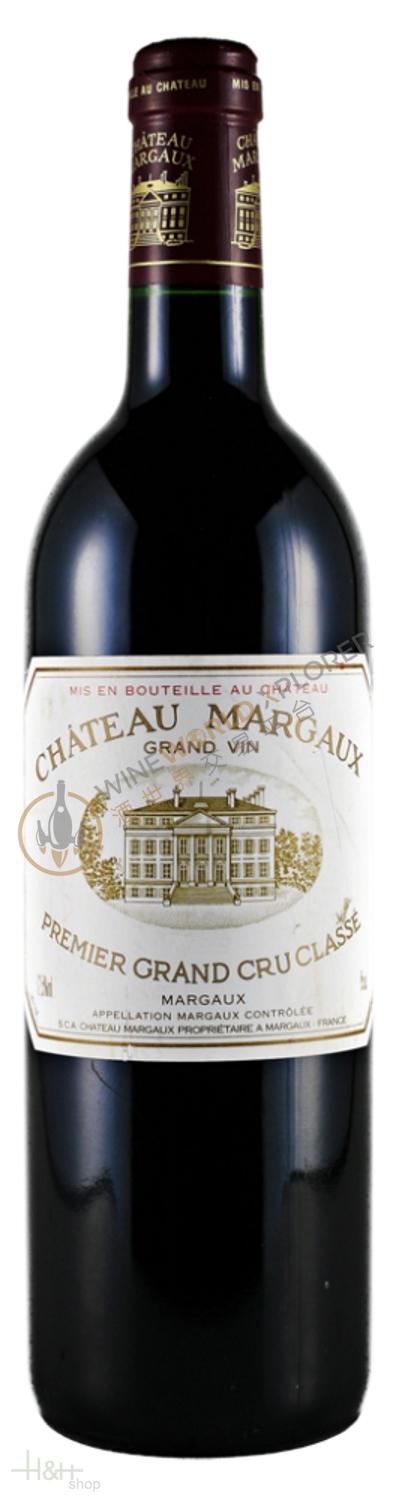
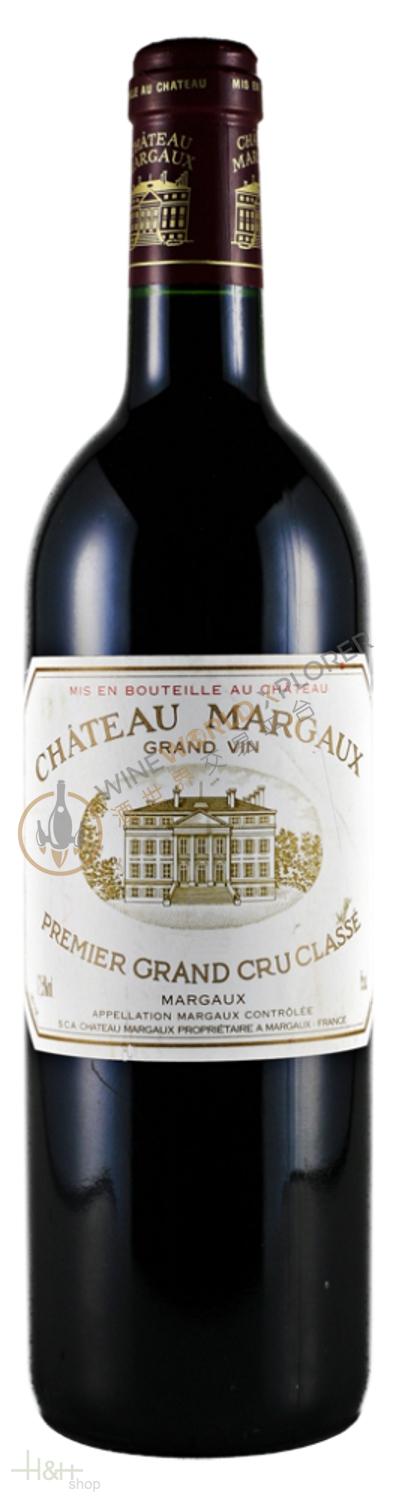
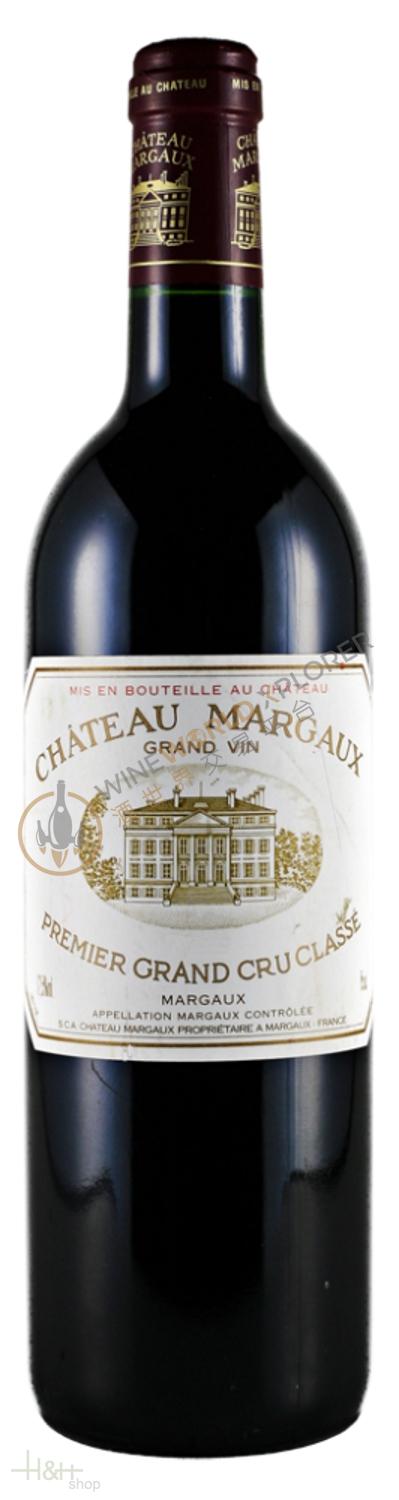
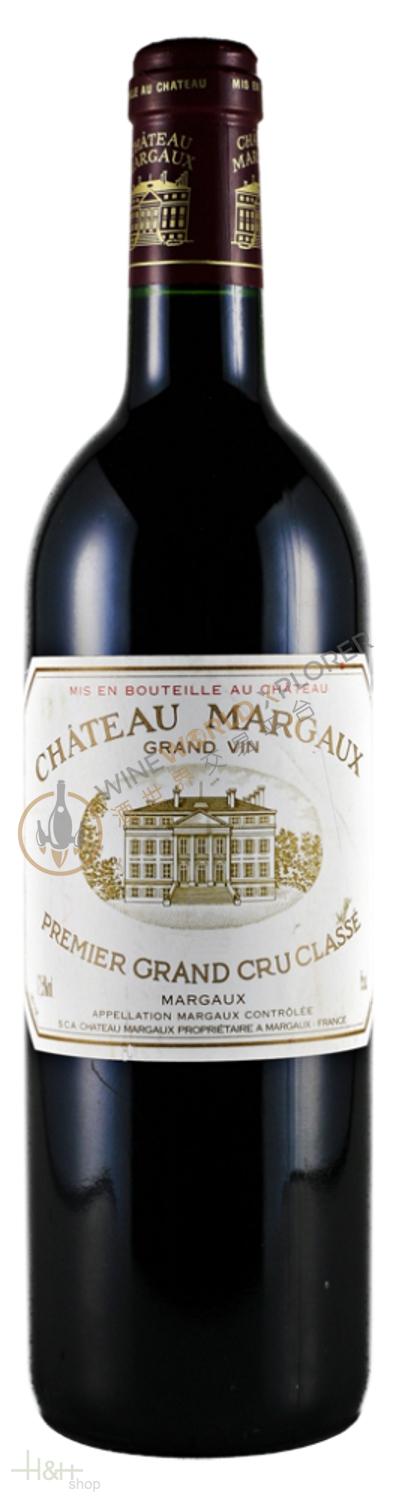
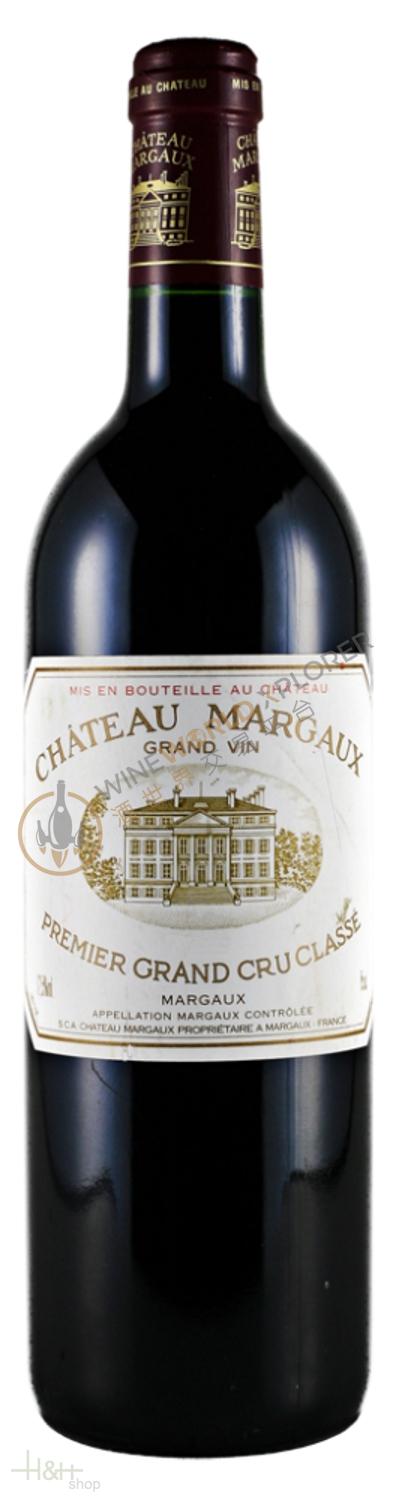
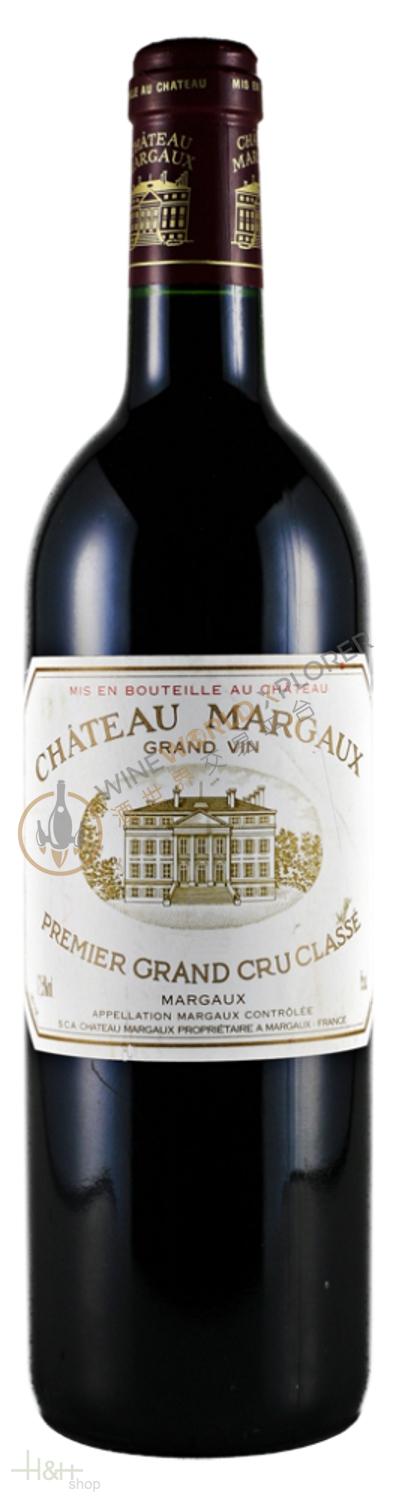
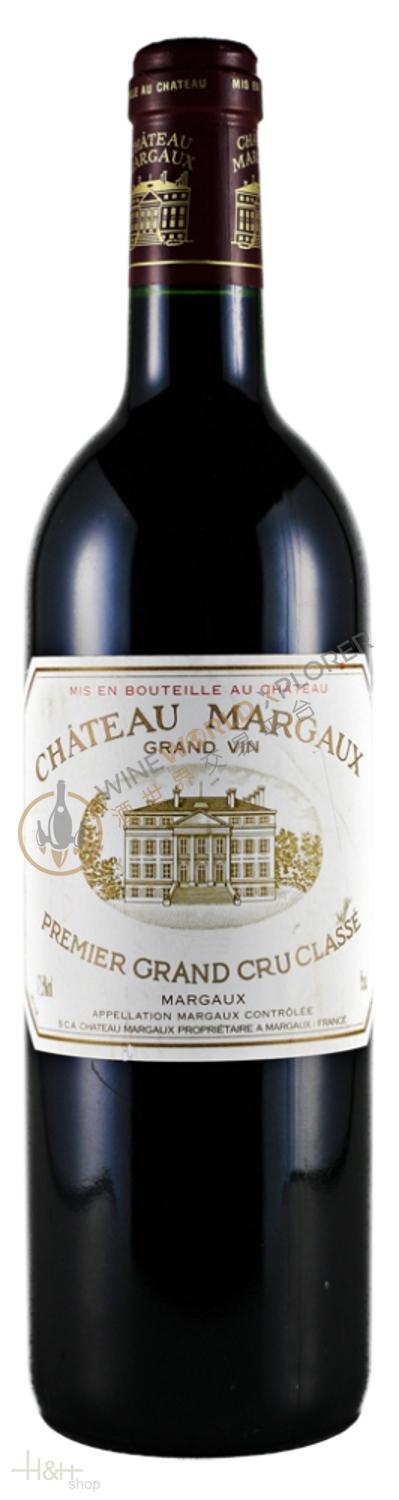
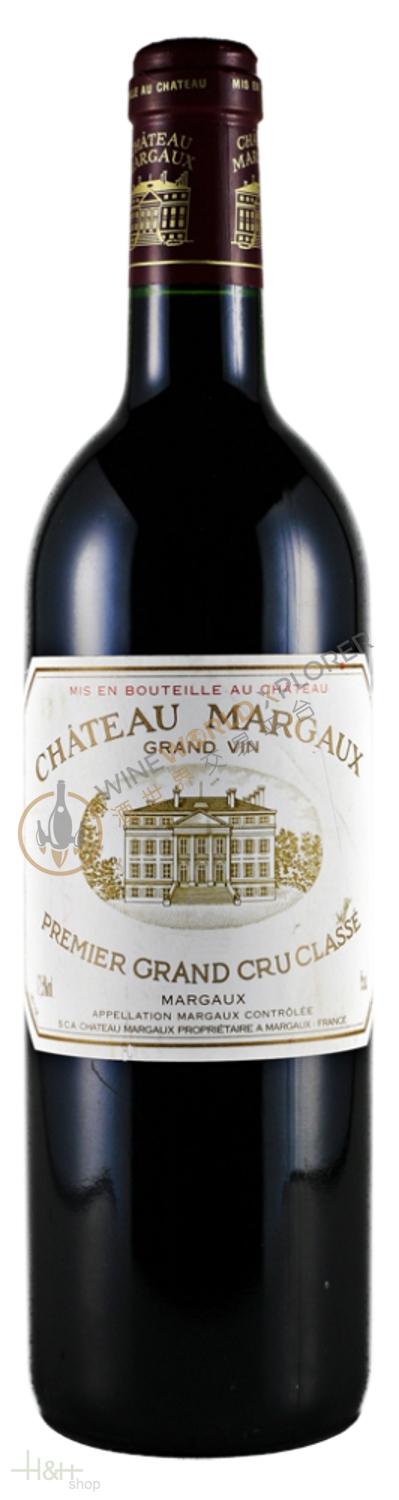
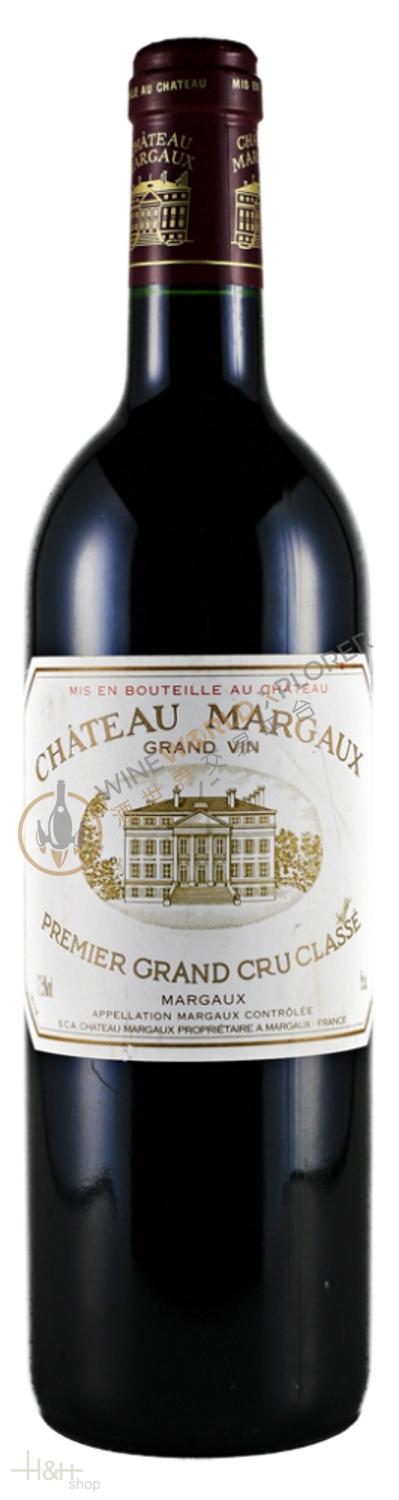
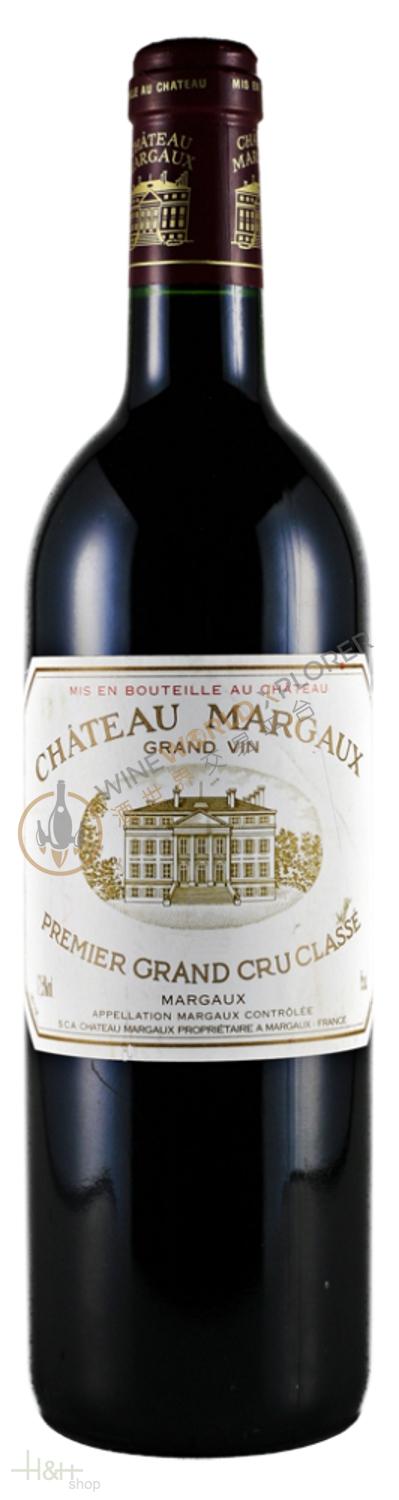
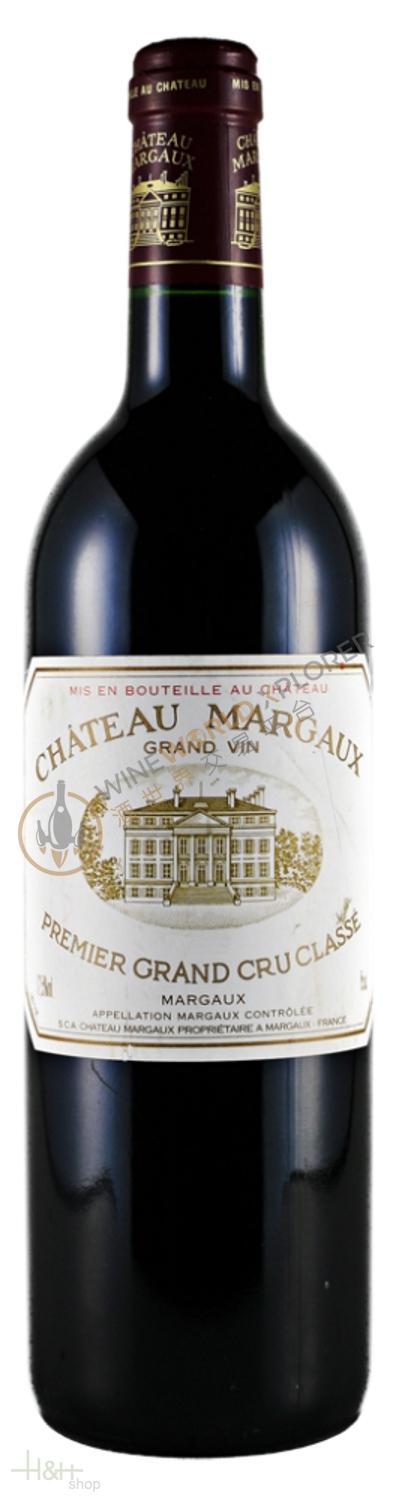
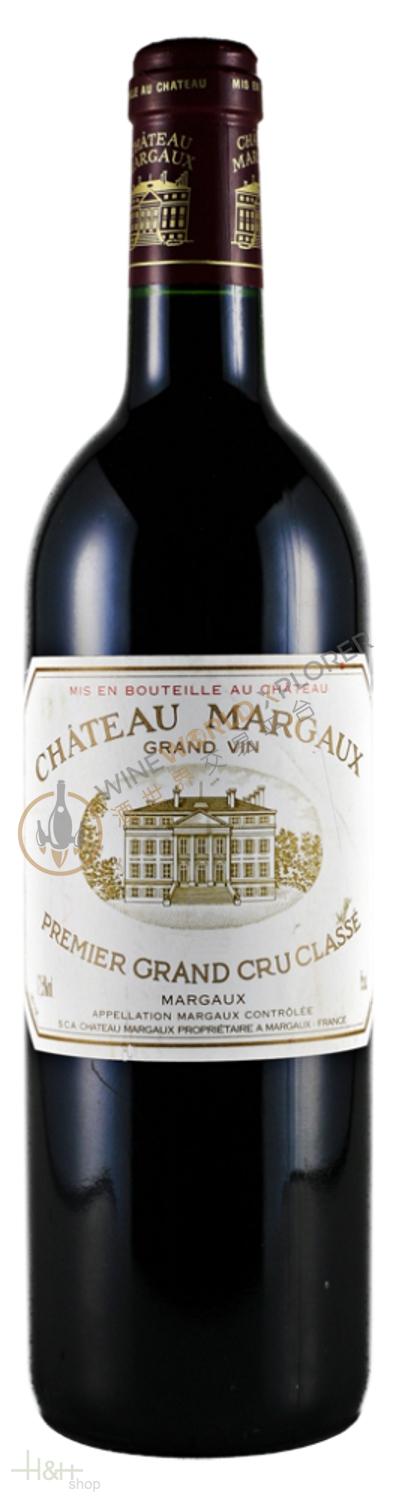
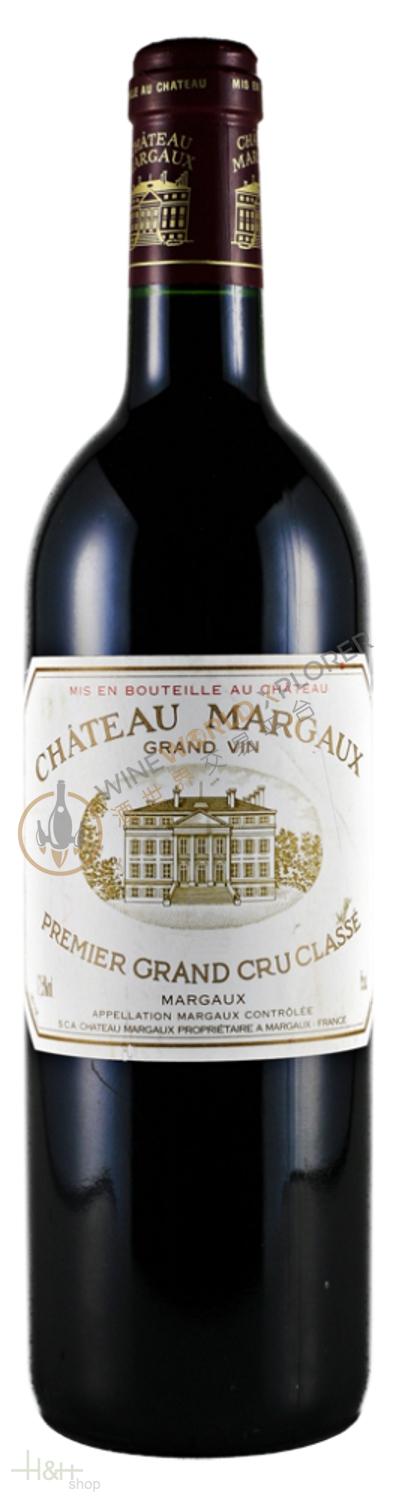
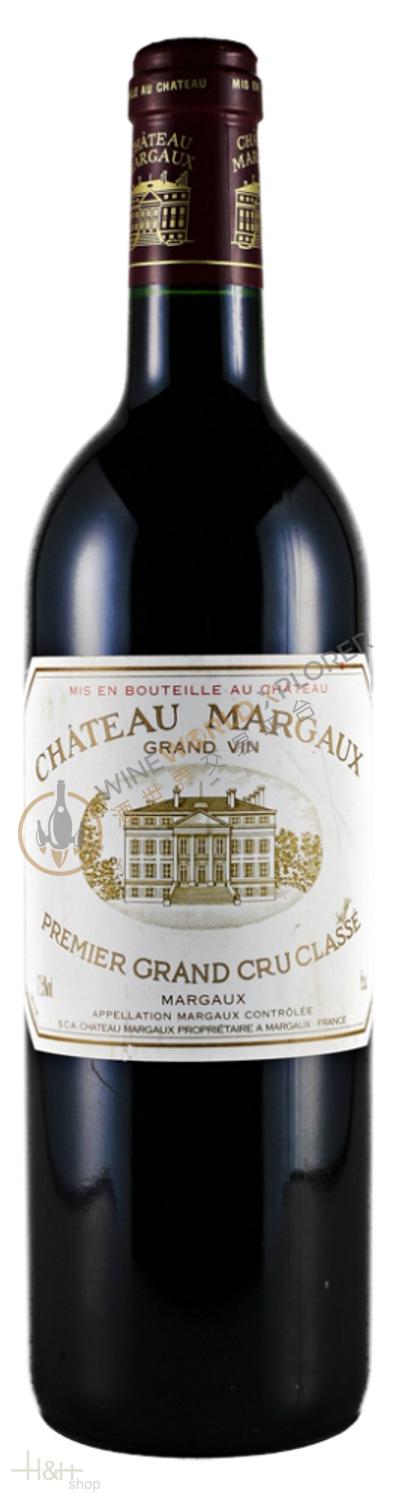
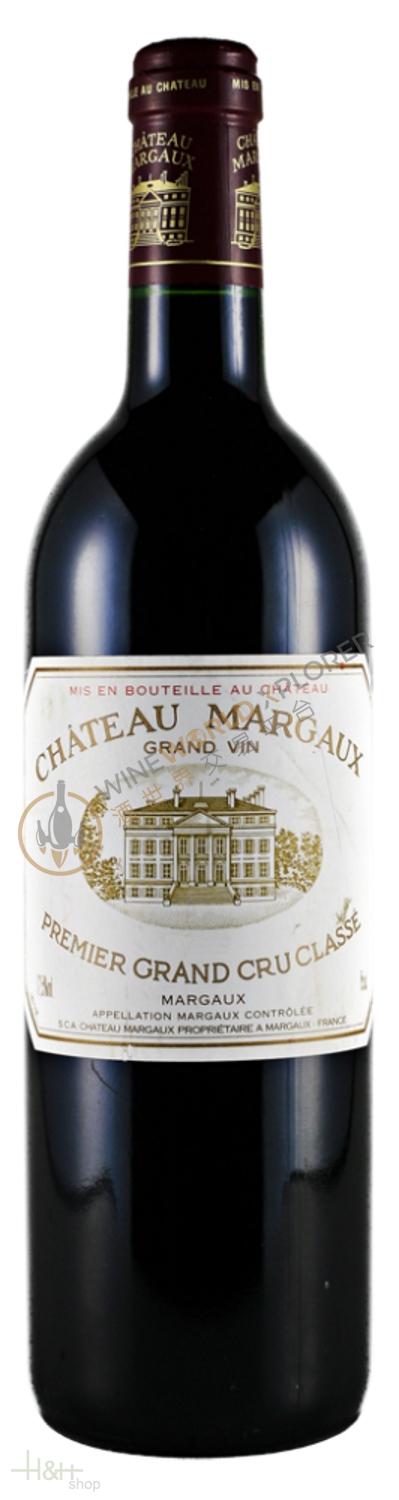
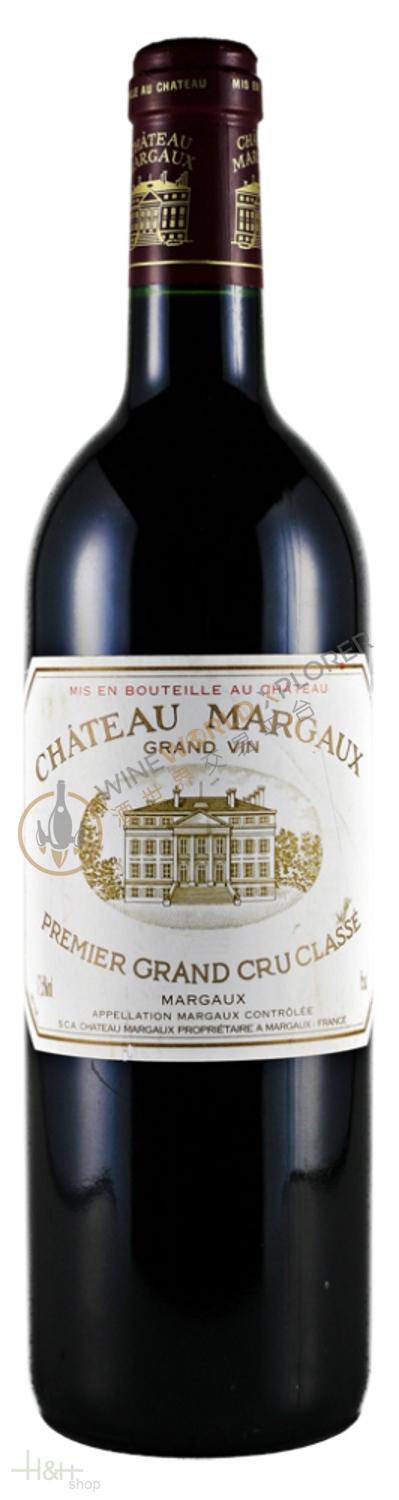
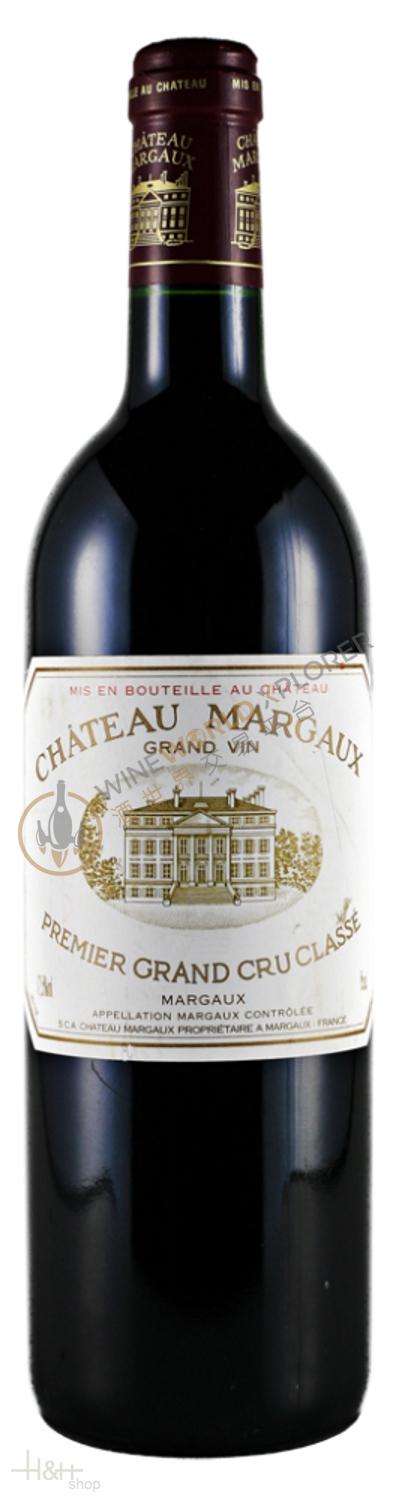
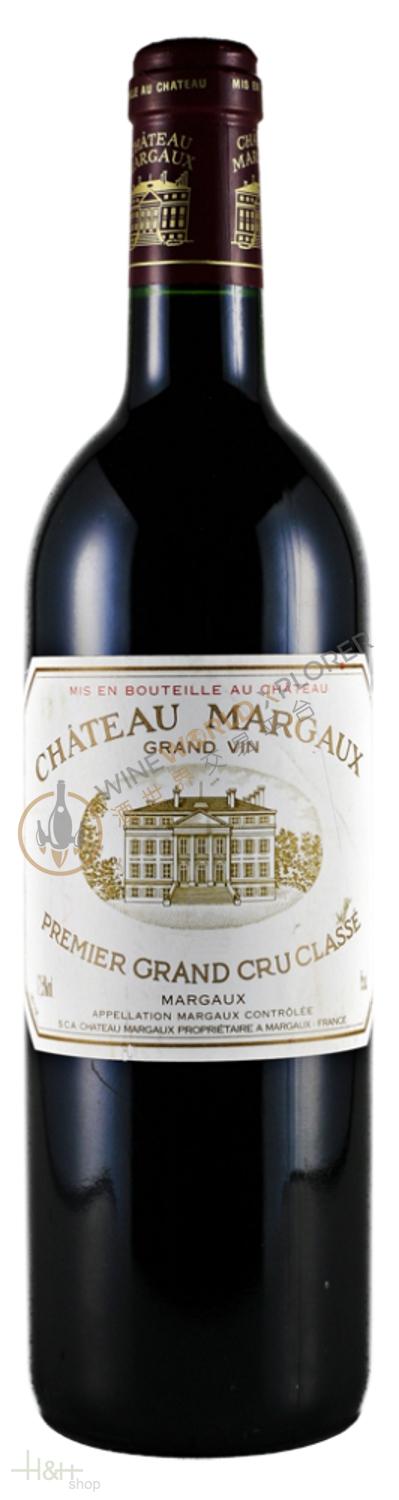
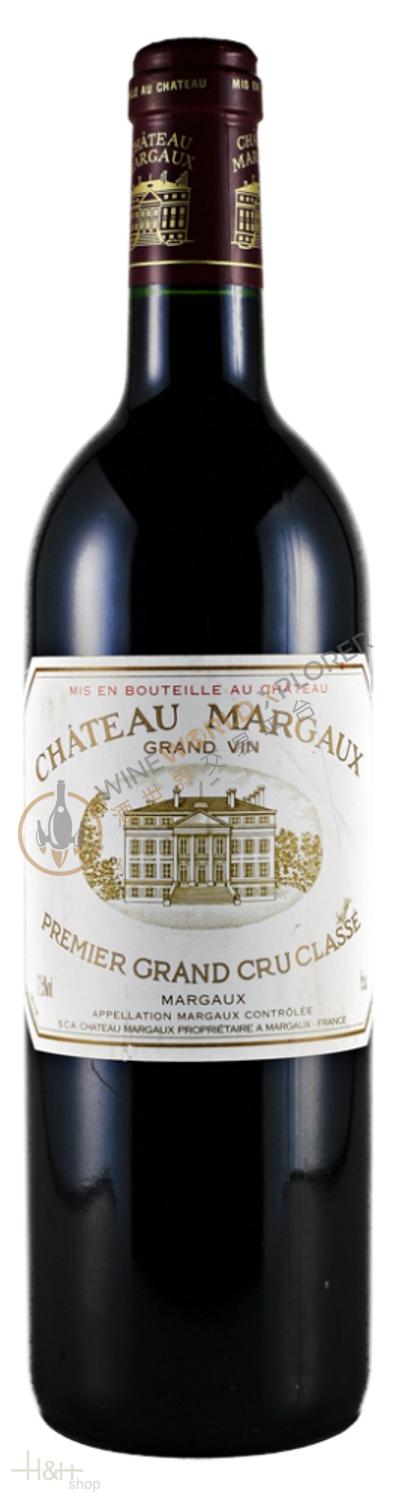
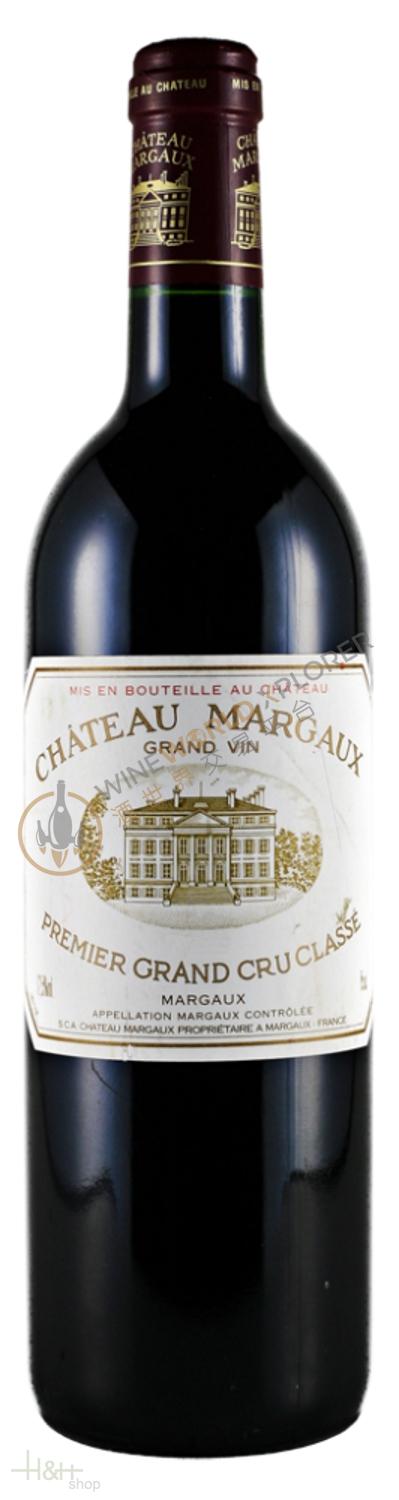
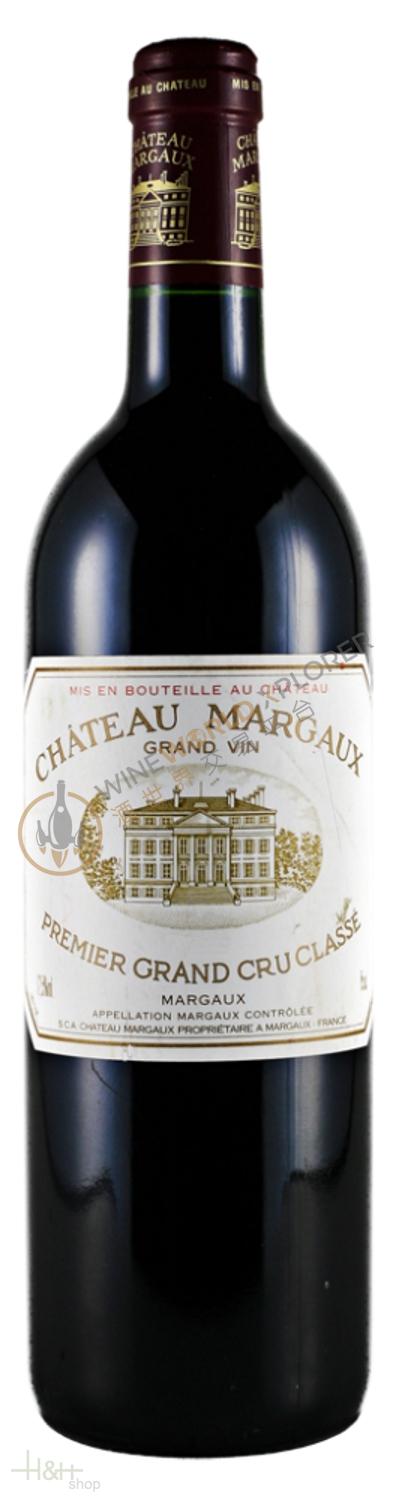
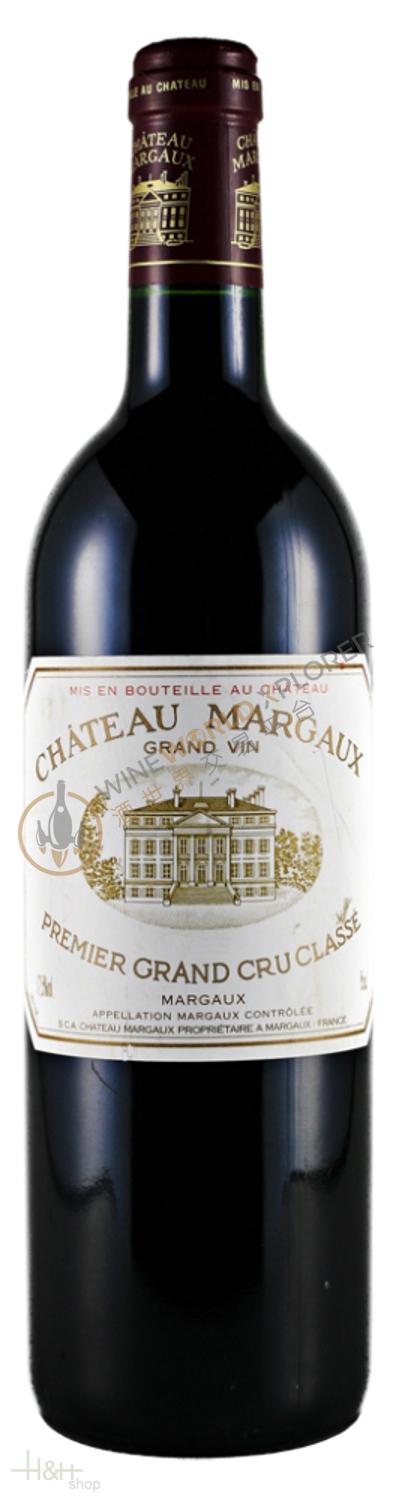
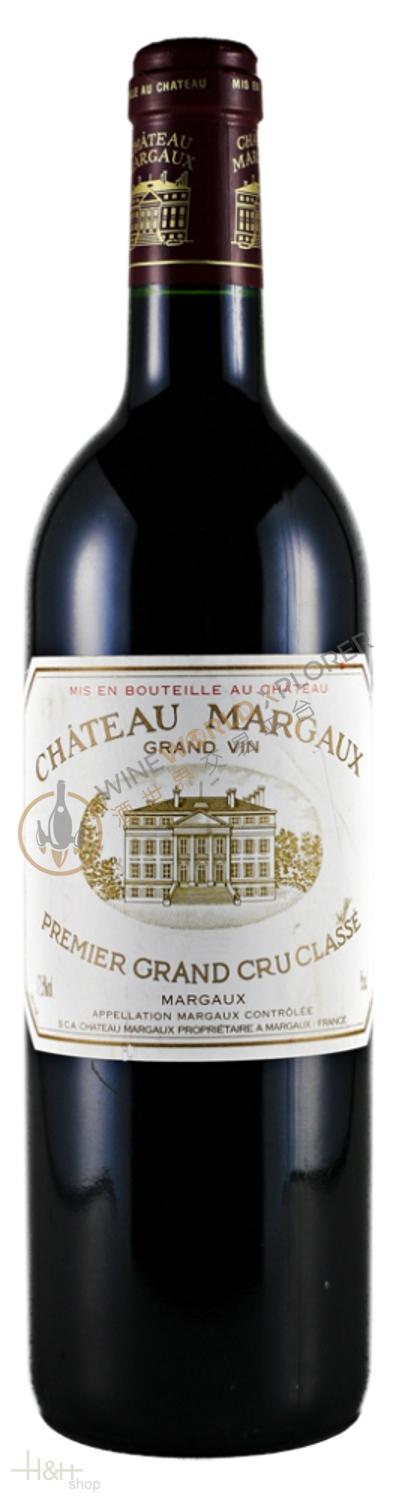
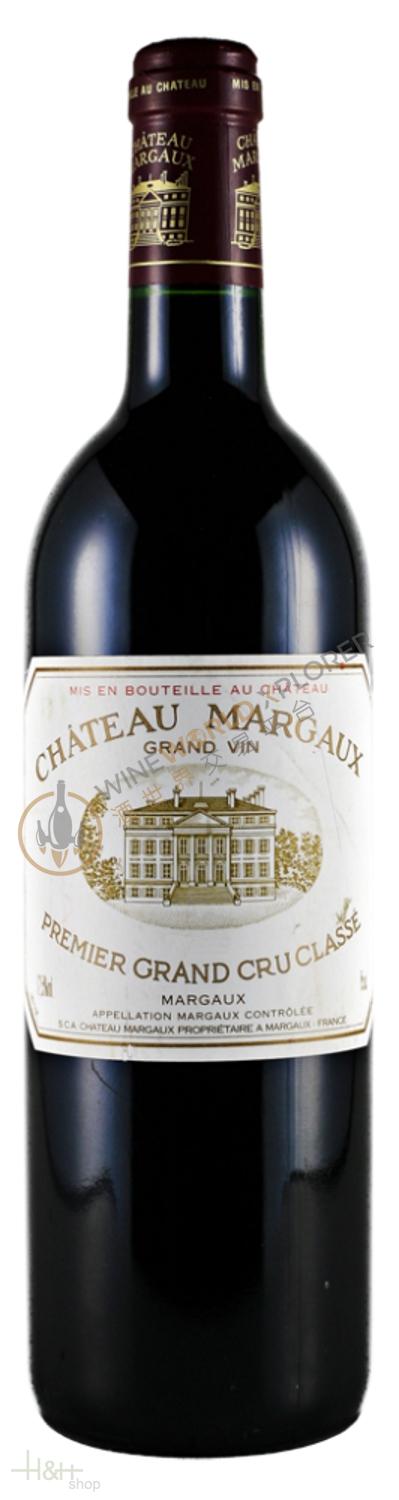
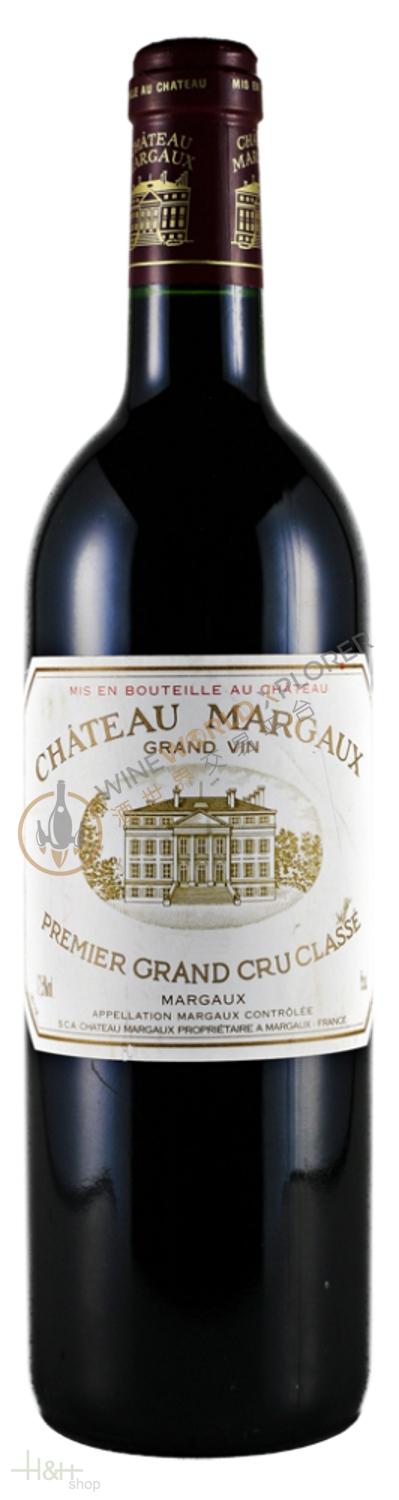
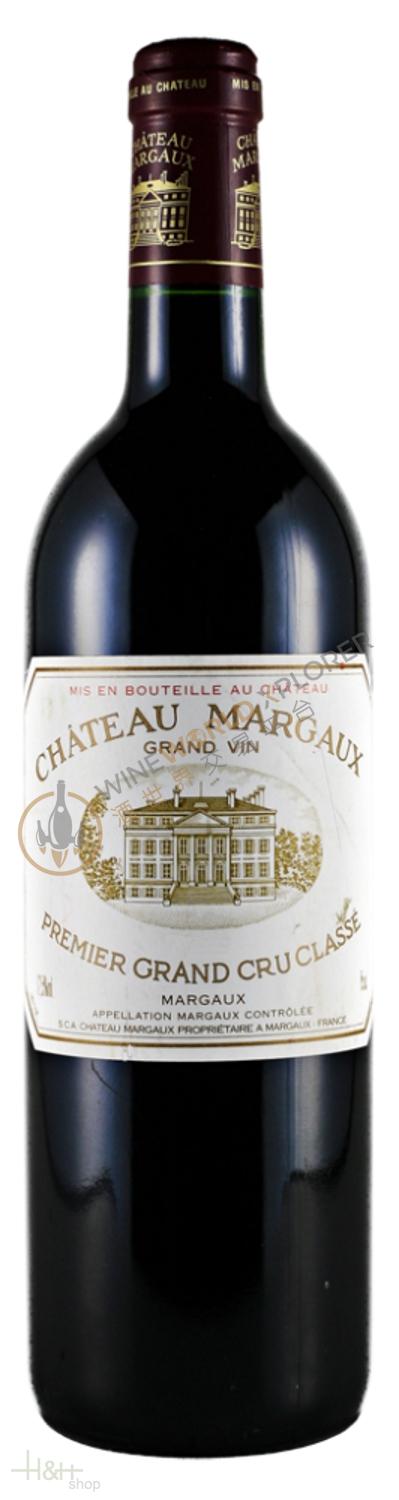
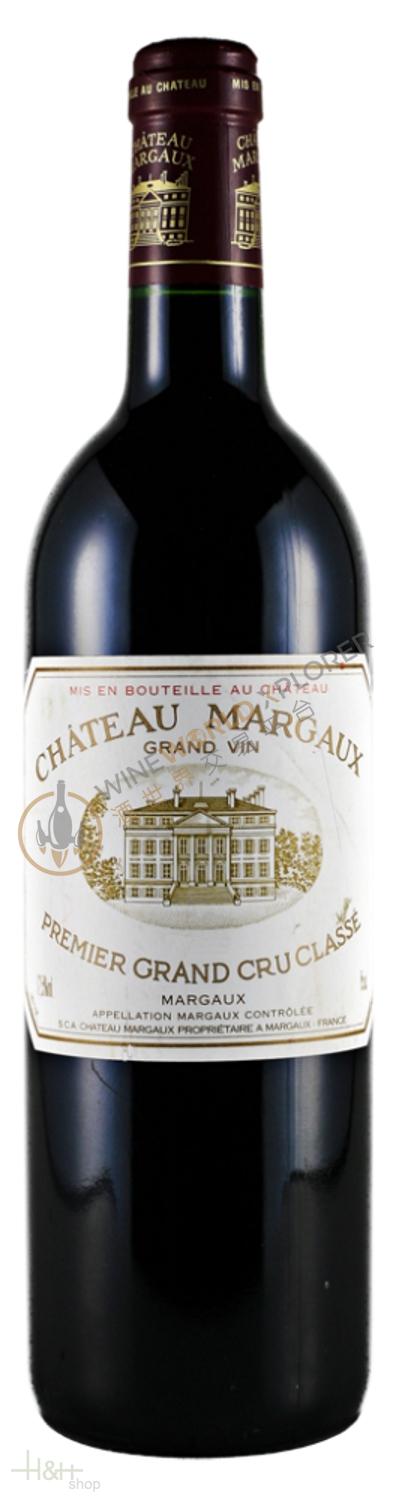
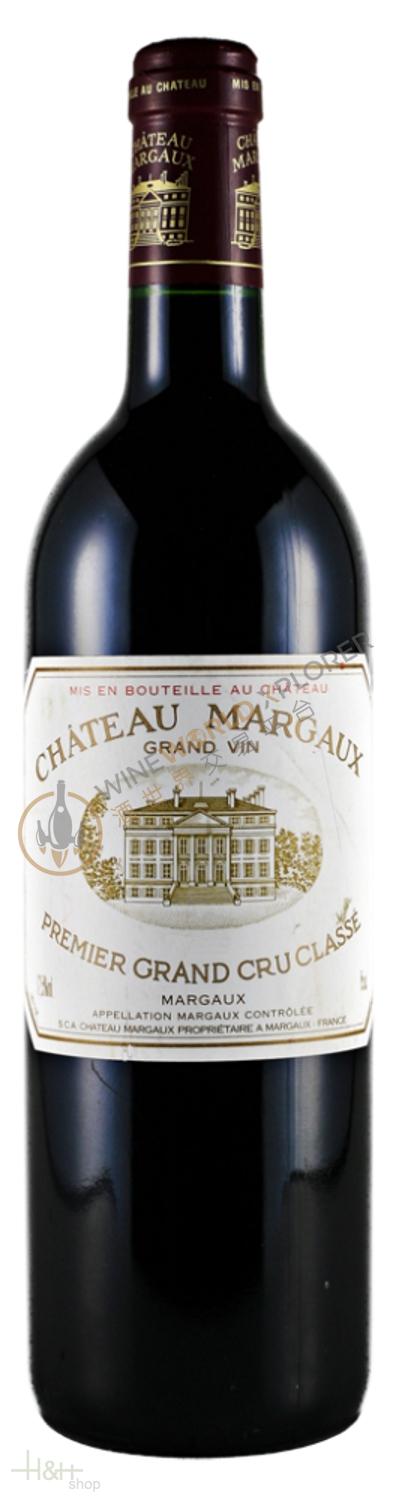
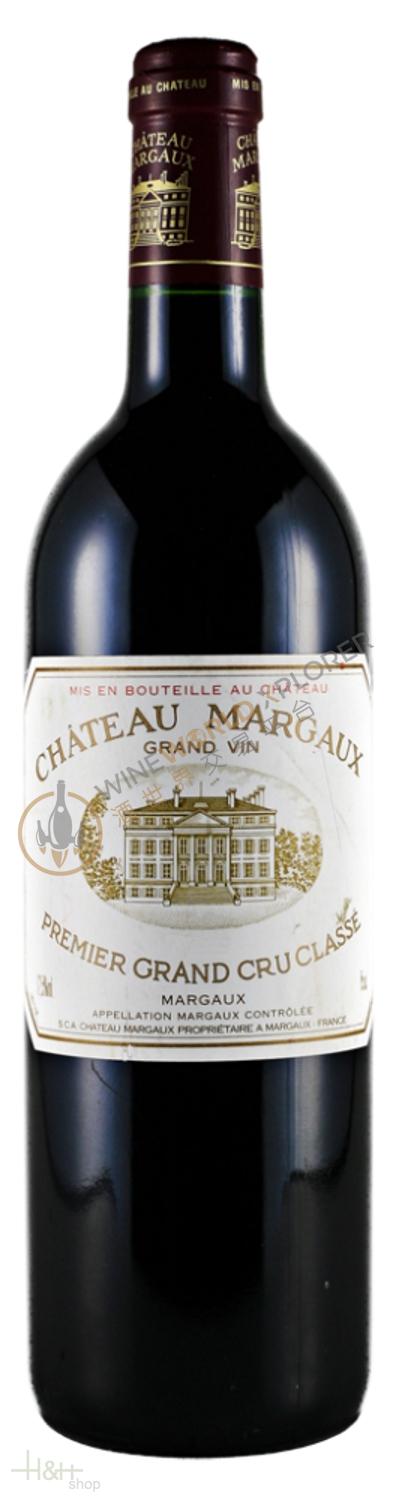
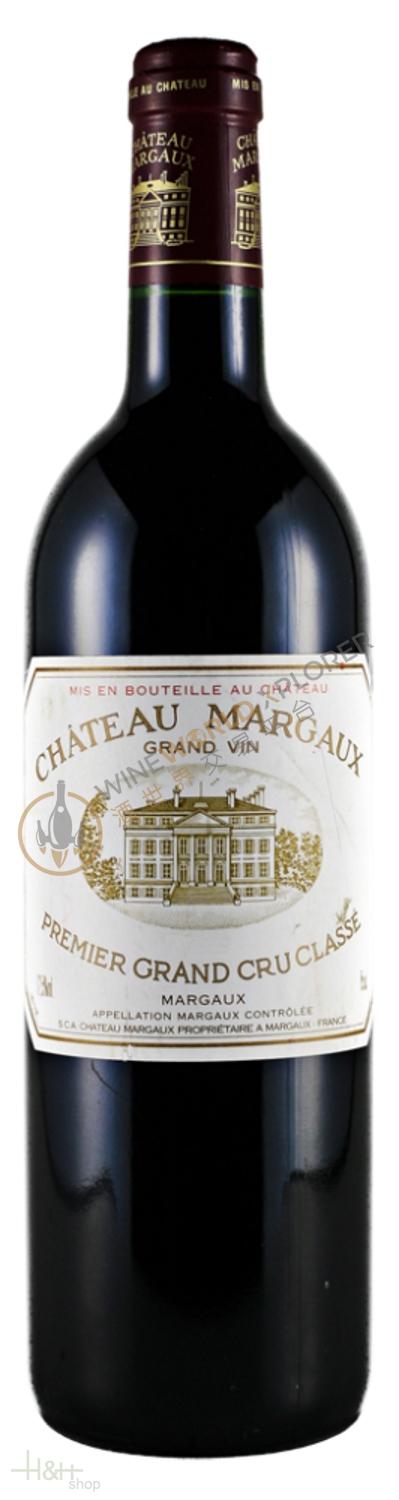
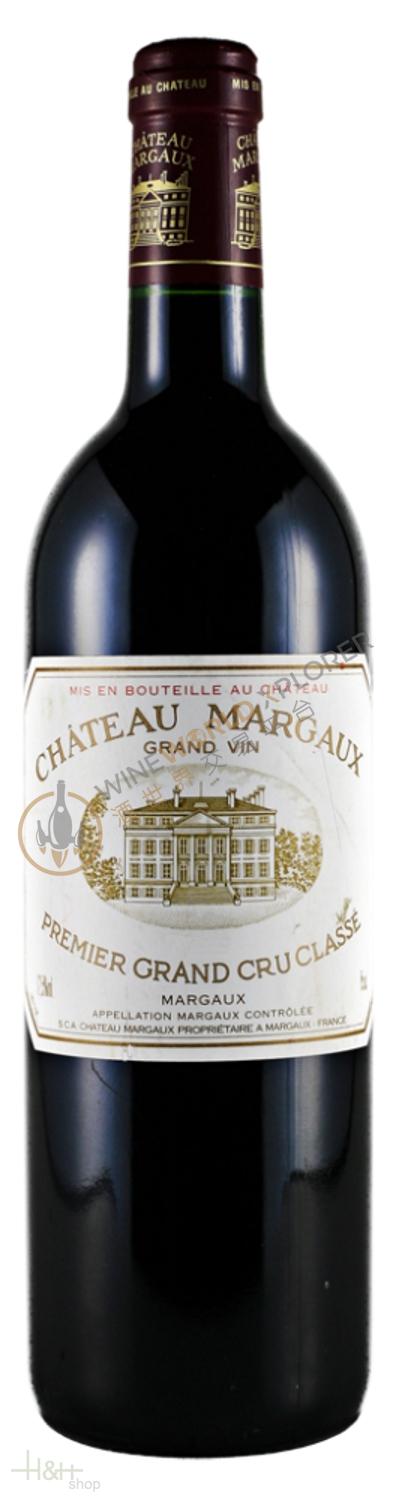
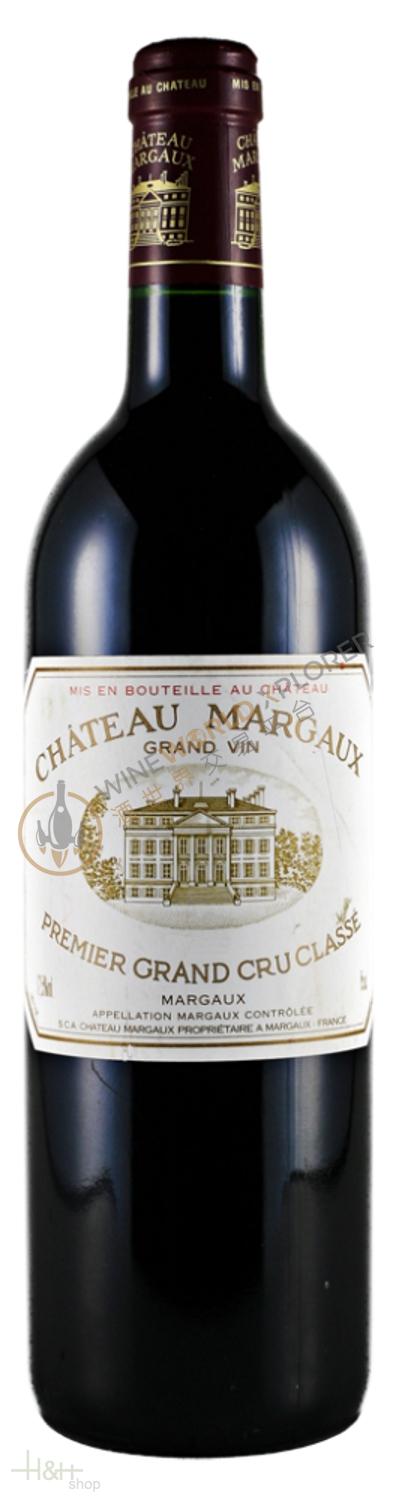
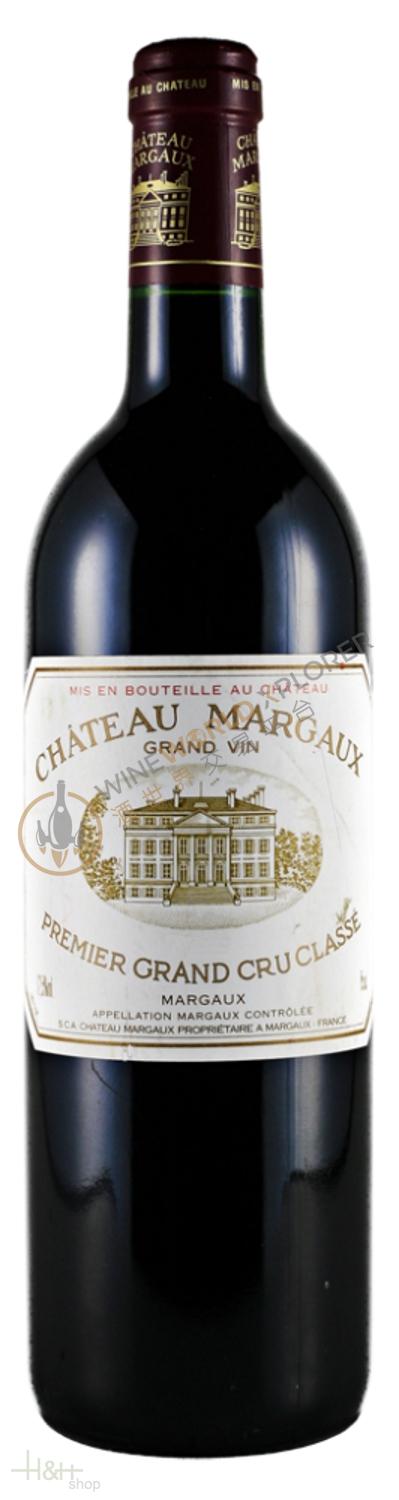
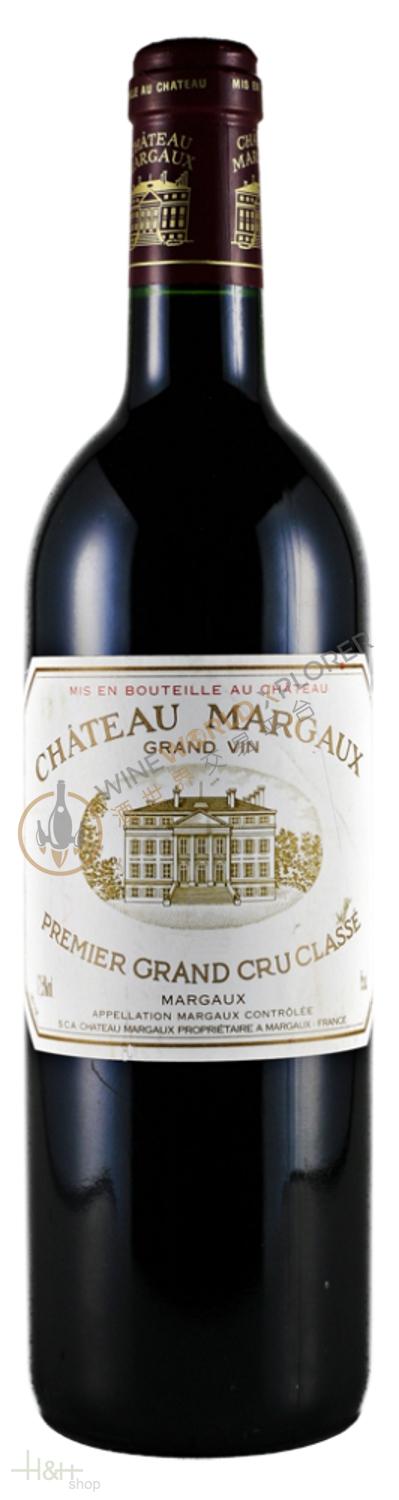
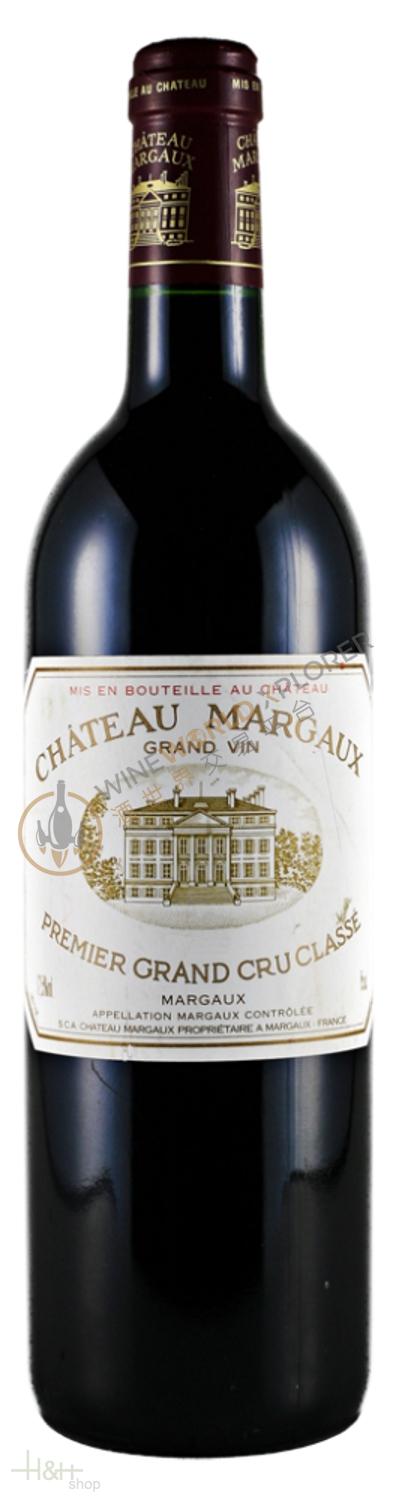
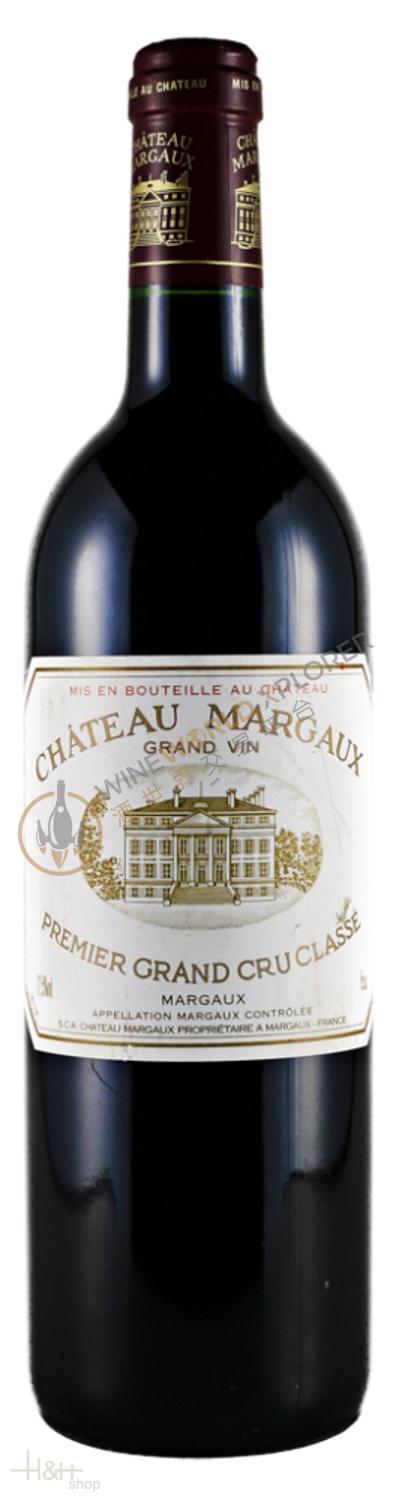
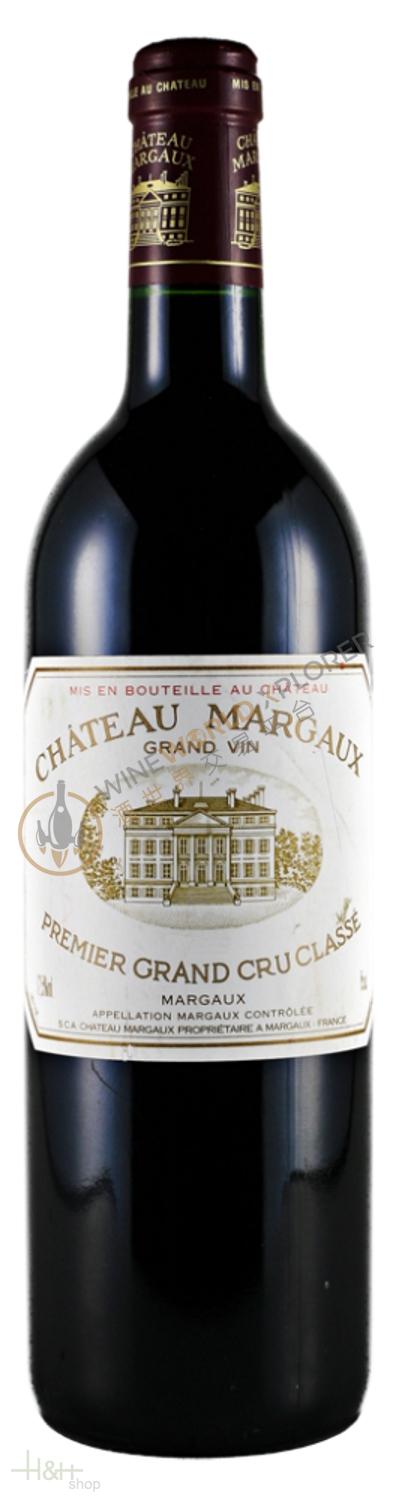
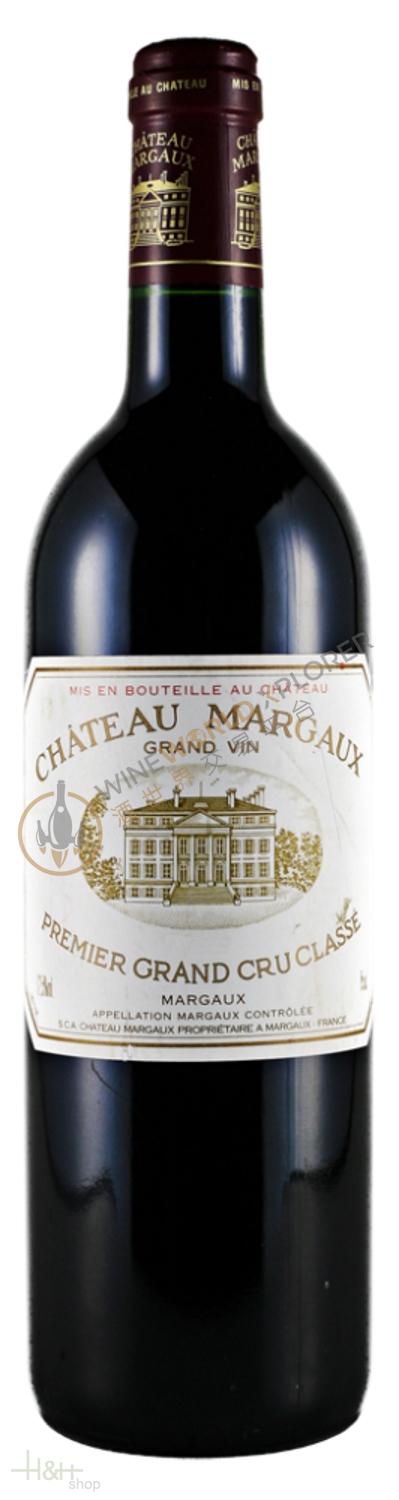
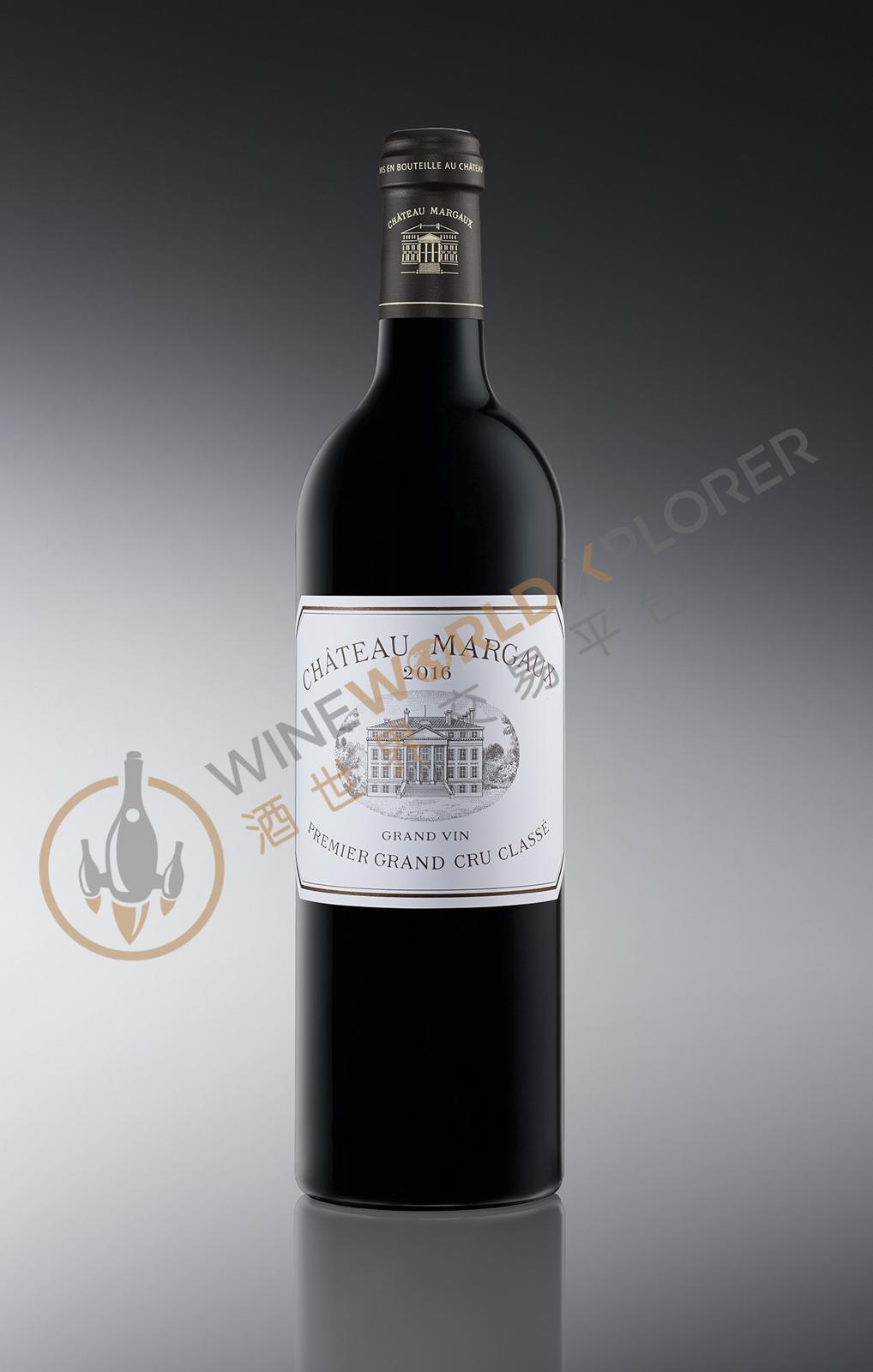
Chateau Margaux 1961
 View analysis


Description
Tasting notes

Reviewed by: Robert M. Parker, Jr.
(Magnum) Last Tasted 6/92 This wine proves the old adage that there are "no great wines, only great bottles." One would think that from magnum this would have been an enthralling tasting experience. While this bottle exhibited fine ripeness and plenty of fruit, it was one-dimensional, with a finish that displayed bitter tannins and a dried out, astringent taste. Although the color appeared sound, I suspect this bottle endured unfavorable storage conditions during its life, resulting in a damaged product. Other bottles of the 1961 Margaux have been fully mature wines that I consistently rated in the low nineties.
Reviewed by: Neal Martin
Destined to forever be in the shadow of the impeccable 1961 Palmer, the 1961 Chateau Margaux remains an attractive wine, if not one that reached its full potential. Now at 55 years of age, it has developed a dark mahogany core. The nose is attractive, but as I have noticed with respect to previous bottles, it does lack expected vivacity and intensity, yet pleasure can still be found in the vestiges of black fruit, cedar and cigar box; perhaps this bottle a little more Burgundy-like than I remember. The palate is nicely structured, straight-laced and correct, though there is plenty of freshness. It is quite a masculine wine with hints of dried blood emerging towards the foursquare finish. It will probably last a few years, but spare its blushes by not serving it against the 1961 Palmer. Tasted May 2016.
Reviewed by: Neal Martin
Served blind at David Wainwright’s 40th bacchanal in Brighton and poured against Moss Wood ’96, this Claret still fails to enamor and should be seen as a dropped catch considering the vintage. The nose is a little disjointed and lacking vigour: autumn leaves, cedar and a tincture of something estuarine. Medium-bodied on the palate, a sweet core of decayed fruit but this wine is obviously firmly into its secondary phase and lacking the structure and length one associated with this First Growth. It is a decent enough ’61, but nowhere near the stratospheric heights it should have occupied. Drink now. Tasted June 2009.
Reviewed by: Neal Martin
I have never been a great fan of this Chateau Margaux. A moderate garnet hue. The nose is tight at first, but lacking vigour and joie-de-vivre – a little dour. Notes of balsam, cedar and cigar box. The palate is medium-bodied, harmonious, perhaps even a little tart. Quite charming and feminine and yet it does not have the complexity one would expect of a First Growth, let alone one from this fabled vintage. Dry on the conservative finish. No worse, but no better than other Margaux 1961’s…but a little more expensive. Drink now. Tasted June 2007.
Reviewed by: Neal Martin
Deep colour. An austere nose of tobacco and leather. Supreme balance on the palate. Mature tannins though not as much complexity as expected. However this has the edge on Lafite-Rothschild in its balance and femininity. It did seem a little dry at the end. Does not blow you away but definitely an understated great wine. Tasted October 2001.
Reviewed by: Robert M. Parker, Jr.
An intense bouquet filled with the scents of ripe plums, flowers, toasted walnuts, and oak is divine. This expansive wine is silky, rich, very generously flavored, long, and full bodied on the palate. It is fully mature, but there is little chance of this wine falling apart for at least another decade. I have high hopes that the 1982, 1983, and 1986 will ultimately surpass this vintage of Margaux. The 1961 is a top-flight wine and unquestionably the last great Margaux until the Mentzelopoulos era began its remarkable string of great Margaux in 1978.Anticipated maturity: Now. Last tasted, 4/91.
About the Producer
Chateau Margaux is located in the village of Margaux, in the Medoc appellation on the left bank of Bordeaux, and was awarded a First Growth in the 1855 Bordeaux Medoc classification, alongside Chateau Lafite Rothschild, Chateau Latour and Château Haut-Brion. It is also known as Chateau Haut-Brion. Château Margaux currently covers a total of 262 hectares, including 99 hectares of vineyards. The red vineyard has an appellation of 87 hectares, of which 82 hectares are planted, while the white vineyard is planted with 12 hectares. The red varieties are mainly Cabernet Sauvignon, Merlot, Petit Verdot and Cabernet Franc; the white varieties are Sauvignon Blanc and the vines are on average 45 years old. Since the end of the 1990s, the estate has refused to use pesticides in the vineyards. In addition, only organic fertilisers are used in the vineyard, and deep fertilisation is carried out at regular intervals to improve the soil structure and rejuvenate the soil. During the harvest season, the winery team selects the right time to harvest the grapes by testing and analysing all the indicators and by tasting the grapes themselves. Once the grapes have reached their ideal state of ripeness, they are harvested by a team of over 200 trained harvesters. Once in the winery, the grapes undergo a rigorous selection process before being de-stemmed. Both oak barrels and stainless steel tanks are used to ferment the red grapes, while the white grapes are fermented entirely in oak barrels. After the alcoholic fermentation, the wine undergoes malolactic fermentation. The red wines are then left to mature in oak barrels for 18-24 months and the whites for 6-8 months. The main wine of the estate, Château Margaux's red wine, is rich and complex, with an elegant and powerful ballet on the tongue, rich and smooth tannins, good balance and a long, fresh finish with excellent ageing potential. It successfully conquered Napoleon Bonaparte, the founder of the First French Empire, and won the hearts of Thomas Jefferson, the founding father of the United States, and Margaret Thatcher, the "Iron Lady" of England. In the world of wine criticism, Château Margaux's red wines have also been recognised, with four perfect scores from Robert Parker and many more from other critics with 95 points or more. In recent years, the quality of Château Margaux's red wines has been steady and has maintained a high level of interest in the market.
1958(1)1960(1)
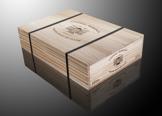
Package Size