 Wine Advisor



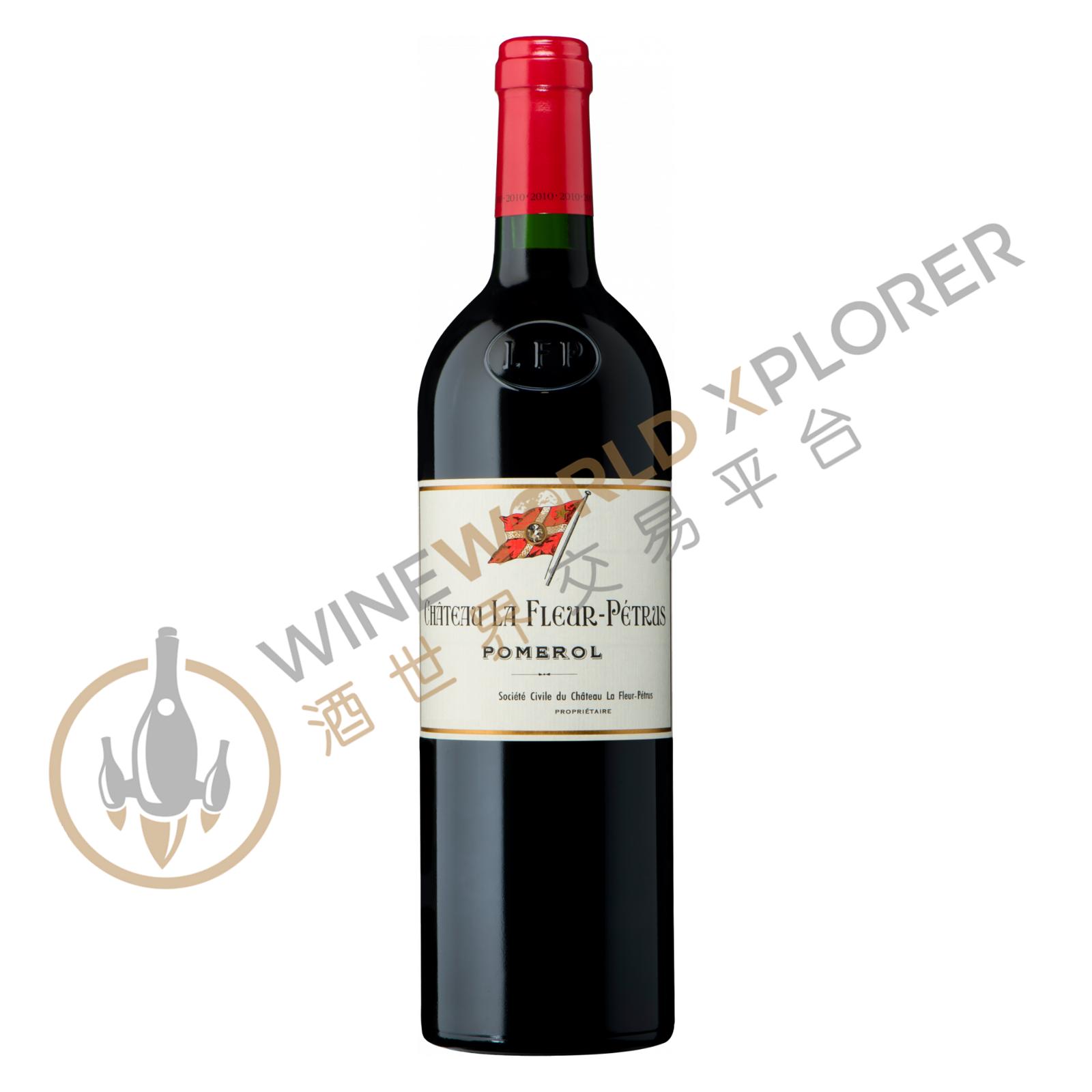
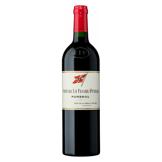
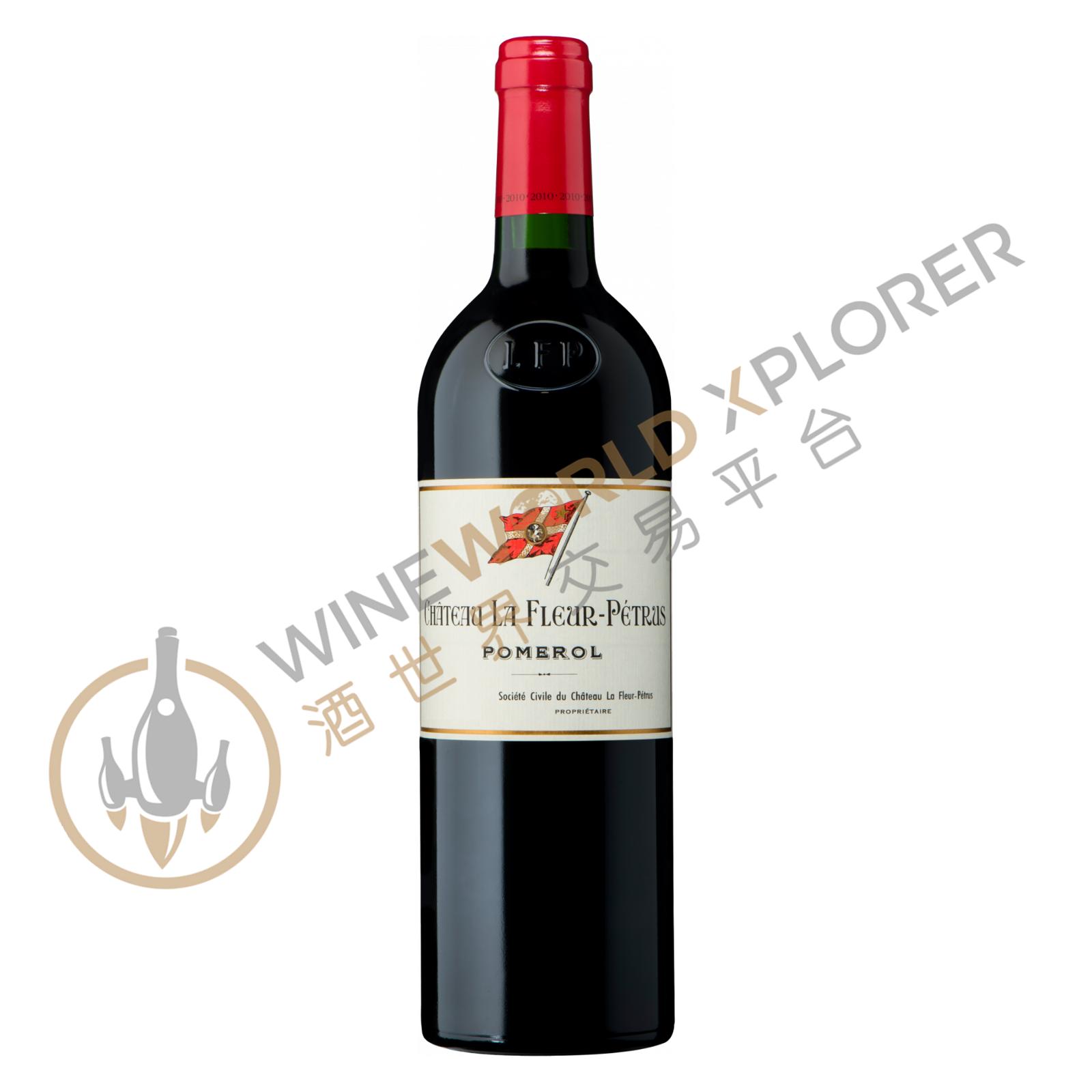
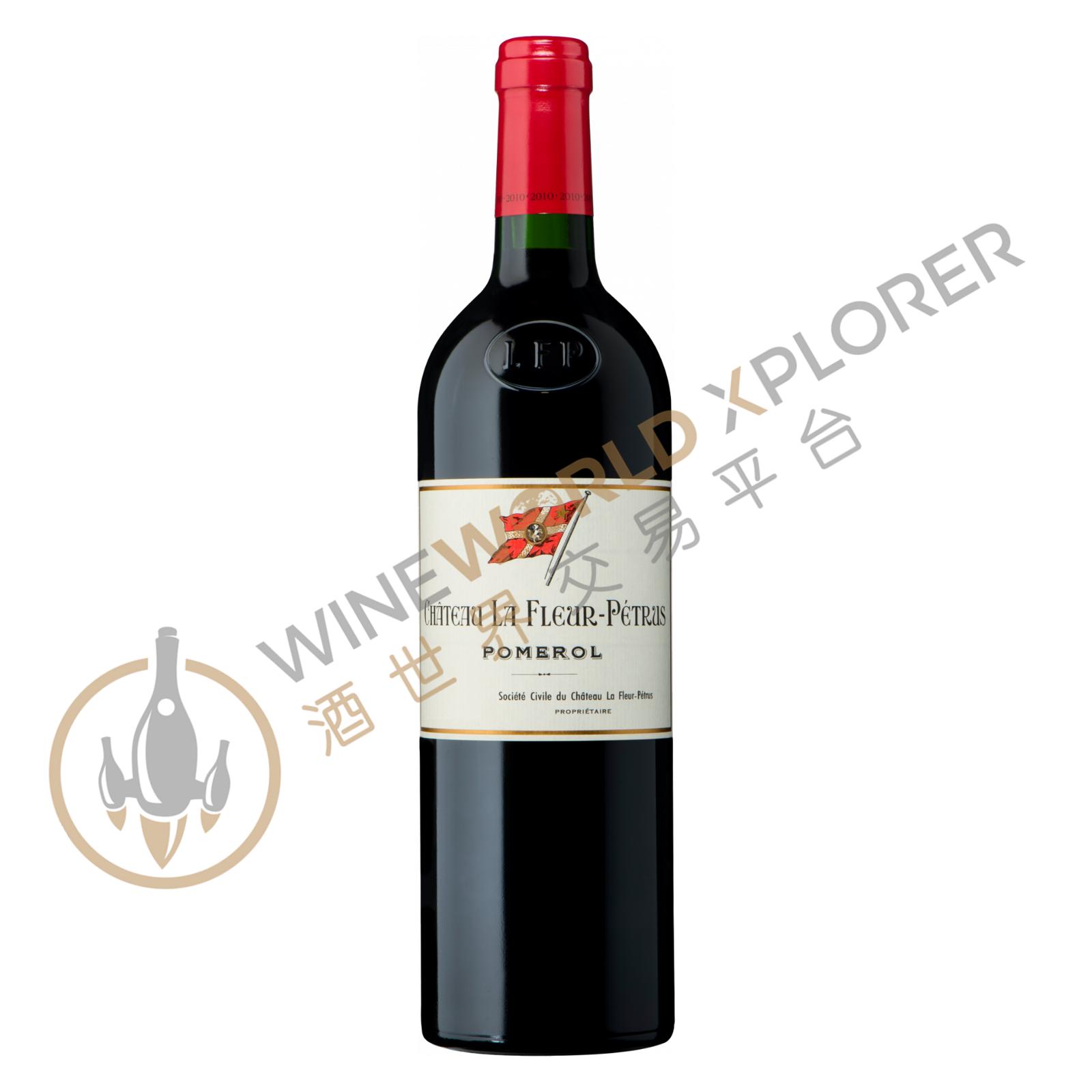
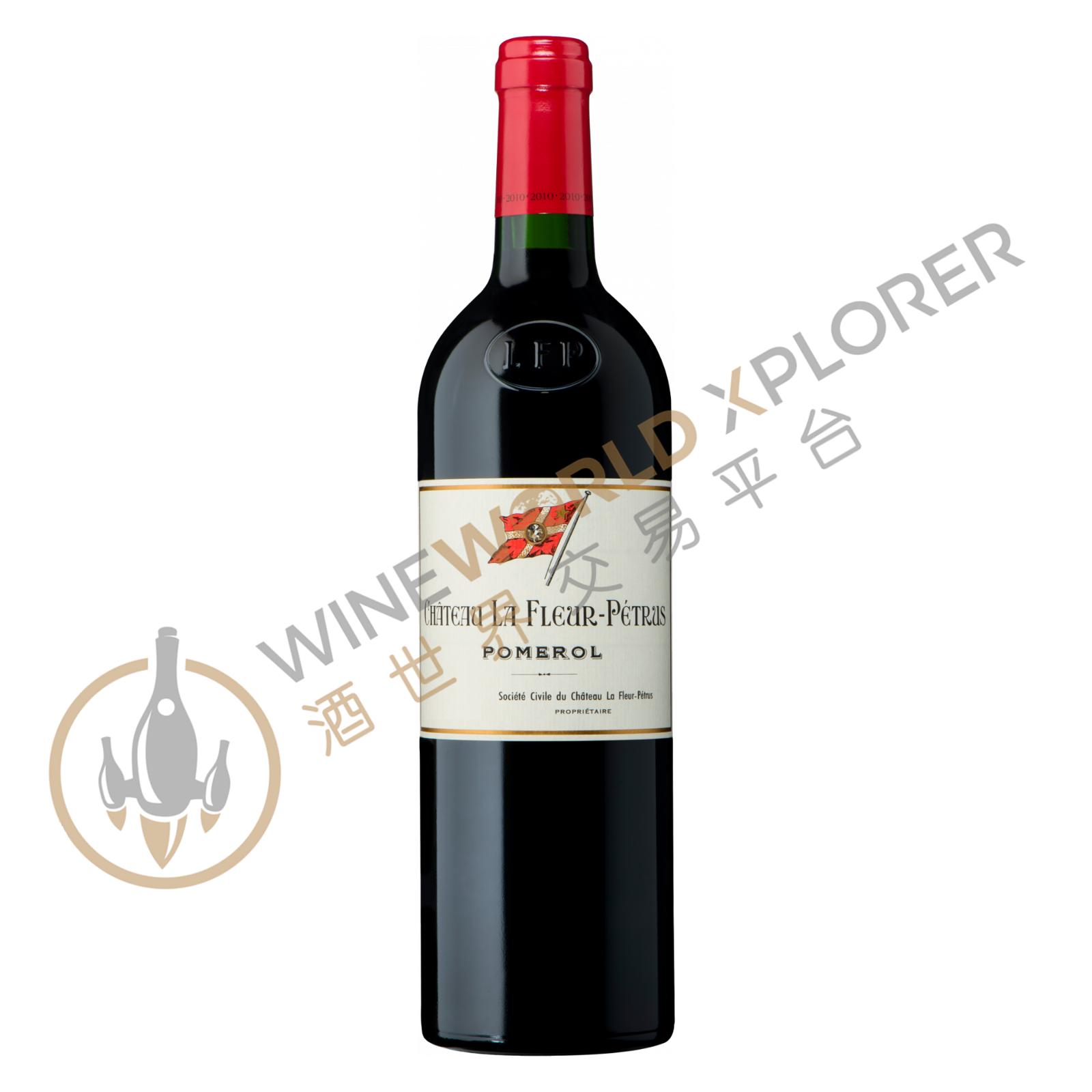
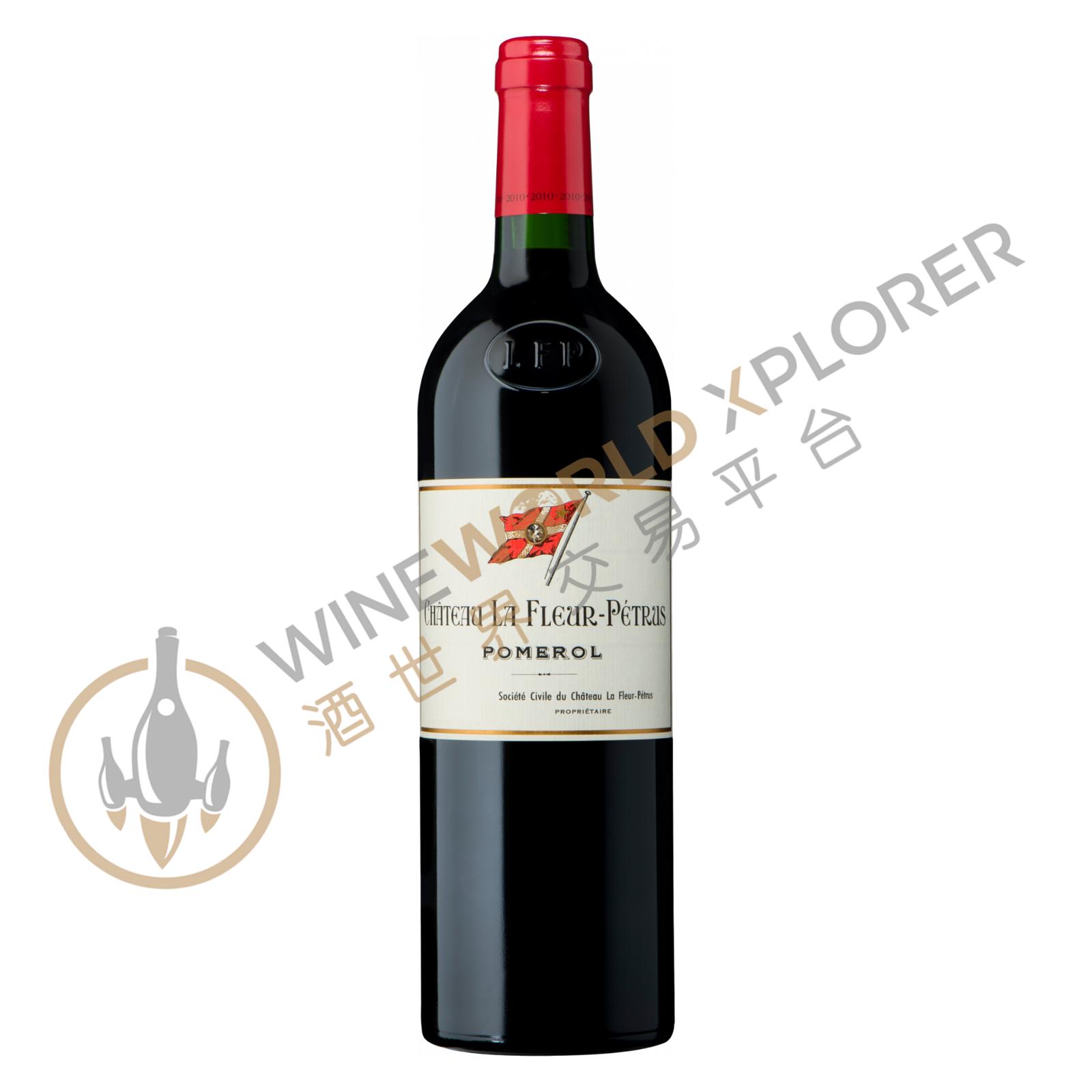
La Fleur Petrus 2014
 View analysis


Description
Château La Fleur-Pétrus is one of the most renowned vineyards of Pomerol. This historic estate, situated exclusively on the plateau, was named in the 18th century for its position across the localities ‘Petrus’ and ‘La Fleur’. Established in Libourne since 1937, Jean-Pierre Moueix perceived early on the excellent quality of the Pomerol appellation. Château La Fleur-Pétrus was his very first acquisition in 1950. Quickly after, he purchased Château Trotanoy in 1953.
Tasting notes

Reviewed by: Neal Martin
The Château La Fleur-Petrus 2014 was the penultimate wine from JP Moueix that I tasted before Trotanoy and it marks a serious step up in quality from the wines that I had tasted before. Here there is much more fruit intensity and presence on the nose: animated crushed strawberry, raspberry and orange sorbet scents all well defined and unlike the previous wines...vivacious. The palate is medium-bodied with fine tannin, tobacco and cigar ash infusing the solid core of red fruit with a long structured finish. It is not the greatest La Fleur-Petrus that I have tasted however, it is a great contribution to the vintage. Excellent.
Reviewed by: Neal Martin
The 2014 La Fleur Petrus is impressive out of barrel and it continues to evince quality now in bottle. It has a lovely, engaging bouquet with vivacious redcurrant and cranberry fruit, superb mineralité and energy, real focus and a sense of drive in situ. The palate is medium-bodied with fine tannin, a sense of symmetry and poise from start to finish. It has perhaps turned into a slightly more elegant and feminine wine than I anticipated, less bullish than the Hosanna. But there is real complexity on the finish with black pepper and clove lingering on the aftertaste. This is superb.
Reviewed by: Antonio Galloni
The 2014 Lafleur-Pétrus is a wine of translucence and total finesse. Deep and rich, yet also light on its feet, the 2014 Lafleur-Pétrus is one of the most distinctive wines of the vintage for the way in which it brings together intensity and elegance, all with an unmistakably understated personality. Bright aromatic top notes add to the wine’s open-knit bouquet and overall feeling of sensuality. A considerable amount of Cabernet Franc character comes through, even if Franc is only 7 % of the blend. All the elements are in the right place. In 2014, Lafleur-Pétrus is 93 % Merlot and 7 % Cabernet Franc.
Reviewed by: Antonio Galloni
The 2014 Lafleur-Pétrus is one of the most captivating wines of the vintage for the way it marries power and finesse. Soaring aromatics open up in the glass, with scents of sweet herbs, rose petals, juniper berries, mint and raspberries. Huge and resonant on the palate yet with remarkable nuance, the 2014 is all about harmony. The magnificent, layered finish proves to be utterly irresistible. In 2014 the blend is 93% Merlot and 7% Cabernet Franc, taken from the three sites that now constitute the entirety of the property. The combination of mostly gravelly soils with some clay and iron yields a Pomerol of pure pedigree.
About the Producer
Château La Fleur-Pétrus is one of the most renowned vineyards of Pomerol. This historic estate, situated exclusively on the plateau, was named in the 18th century for its position across the localities ‘Petrus’ and ‘La Fleur’. Established in Libourne since 1937, Jean-Pierre Moueix perceived early on the excellent quality of the Pomerol appellation. Château La Fleur-Pétrus was his very first acquisition in 1950. Quickly after, he purchased Château Trotanoy in 1953. The personality of Château La Fleur-Pétrus lies in the careful association of the famous gravel and clay terroirs of the plateau of Pomerol. The vineyard, located at 33 to 38 meters above sea level, draws its identity from the nuances of soil and elevation of each parcel. Those parcels which are dominated by gravel tend to yield wines of great elegance, while those dominated by clay are distinctly velvety, dense, and structured. Château La Fleur-Pétrus is composed predominantly of Merlot, which lends silkiness and generosity to the wine. Cabernet Franc, planted on gravel and fine clay, contributes rigor and complexity, while a small percentage of Petit Verdot, planted on fine gravel, offers a hint of spice to the finish. The wine combines a unique elegance with the generosity and structure typical of the great vineyards of Pomerol. An attentive tasting reveals remarkable refinement, complexity, and a touch of violet.
1982(2)1983(1)1995(1)1996(1)1998(1)1999(1)2000(6)2001(3)2002(7)2003(5)2004(5)2005(10)2006(5)2007(5)2008(7)2009(14)2010(15)2011(11)2012(13)2013(12)
Package Size