 Wine Advisor



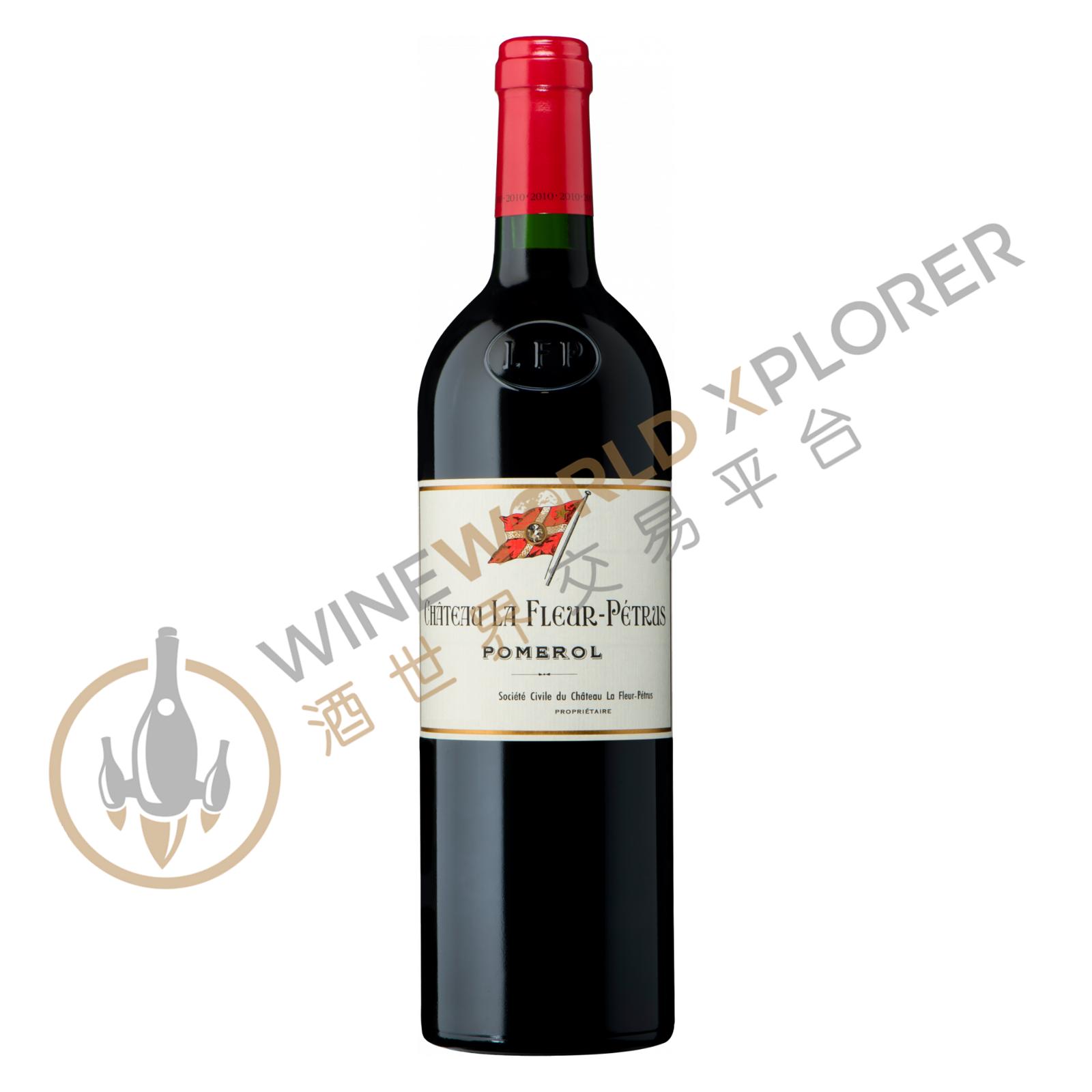
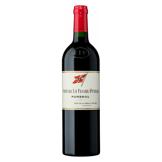
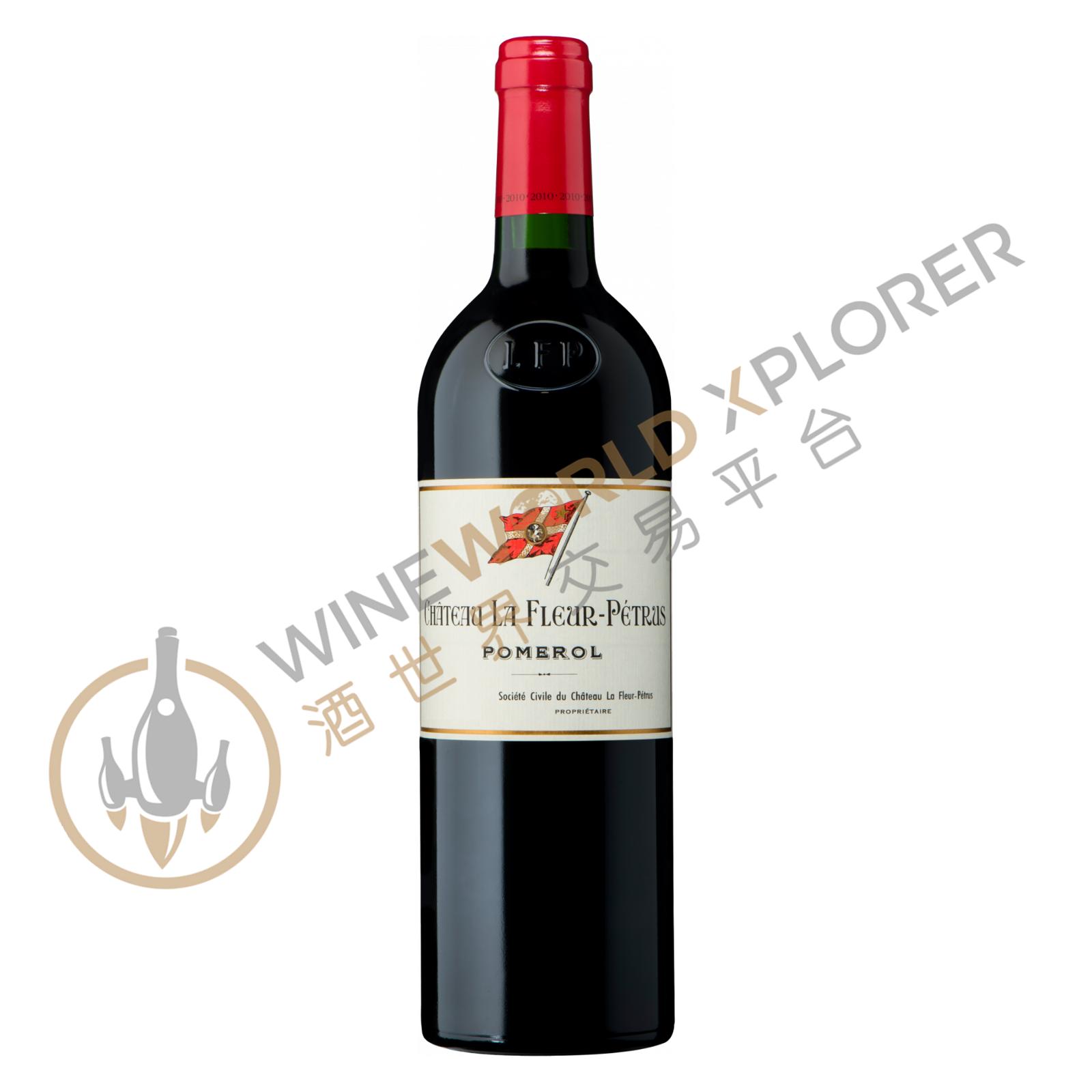
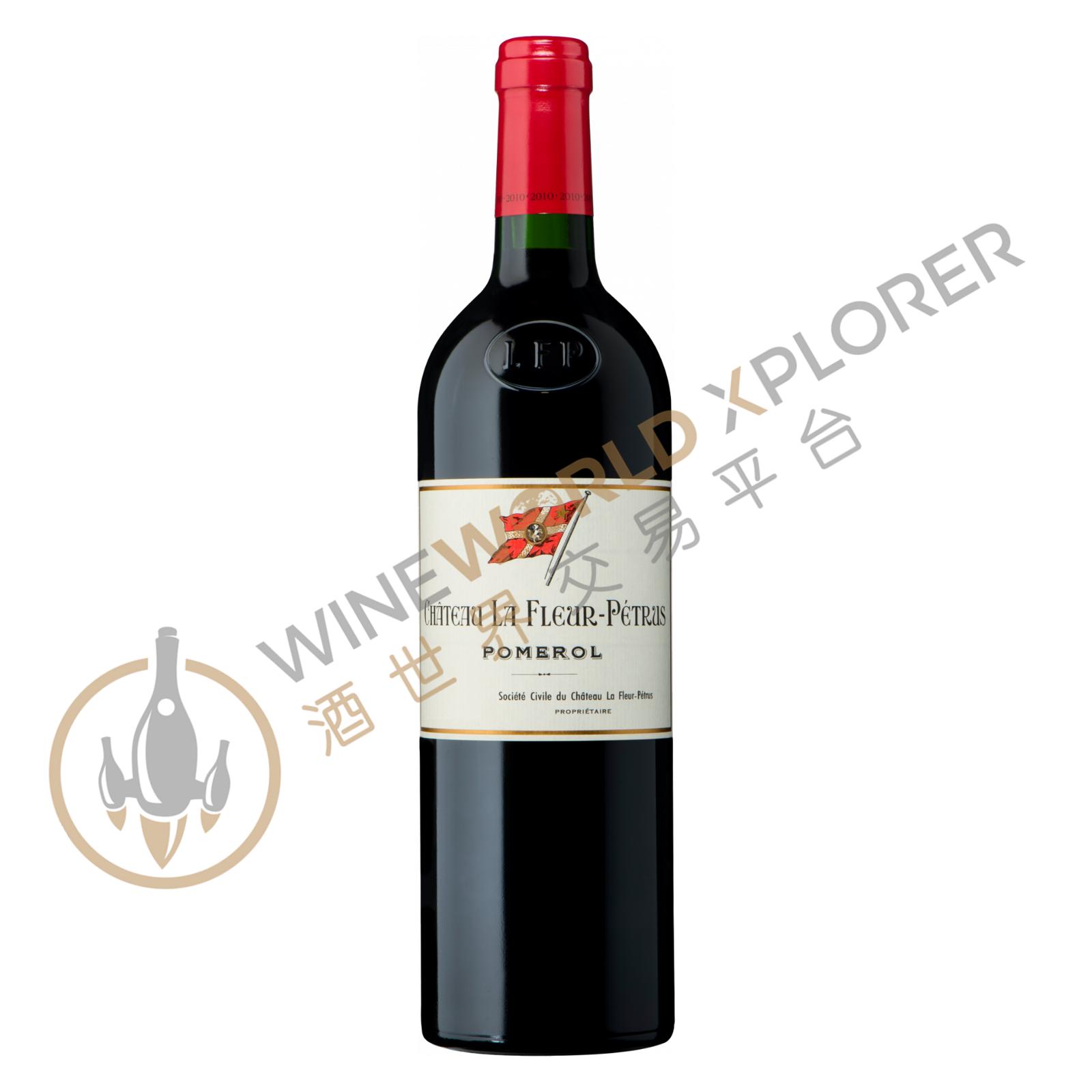
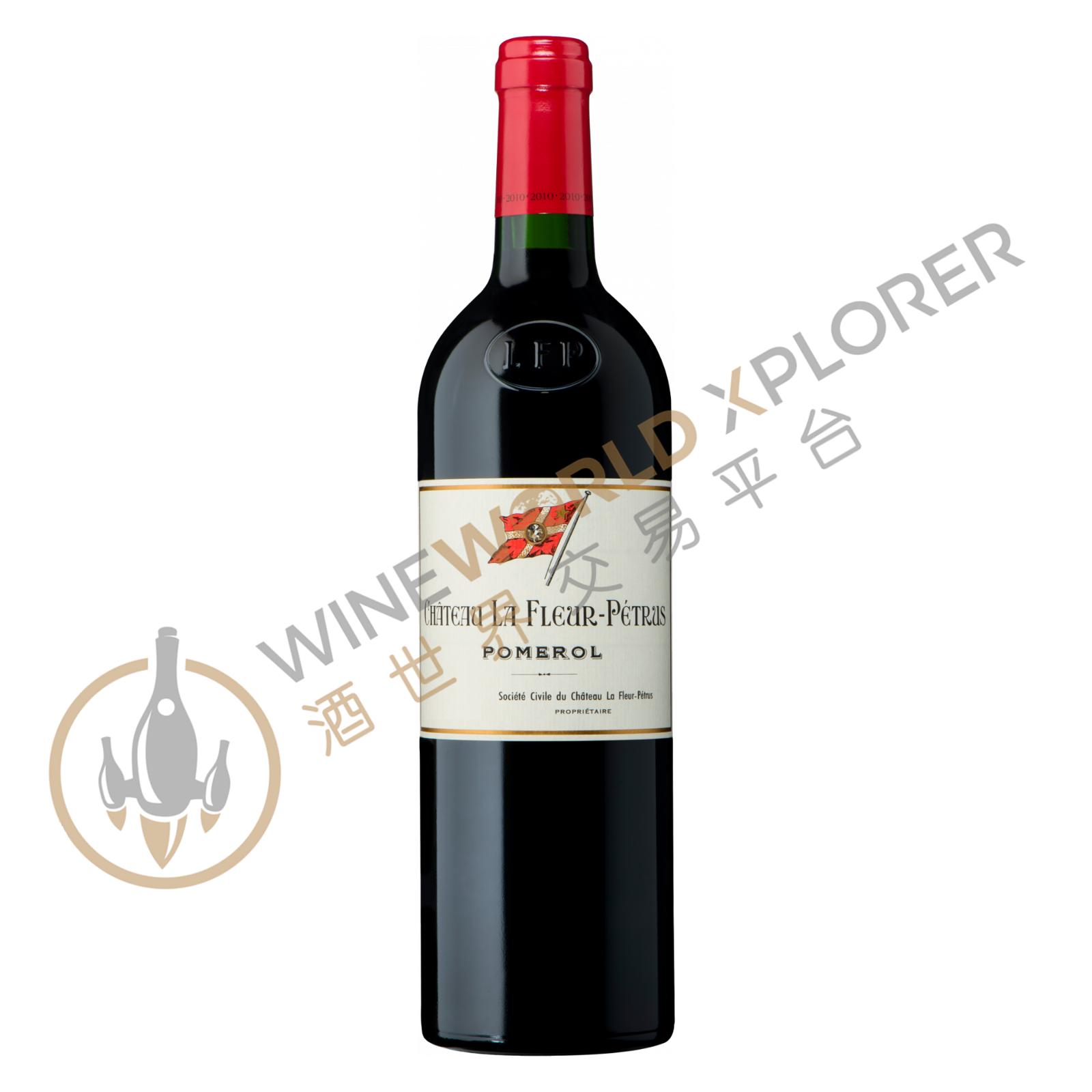
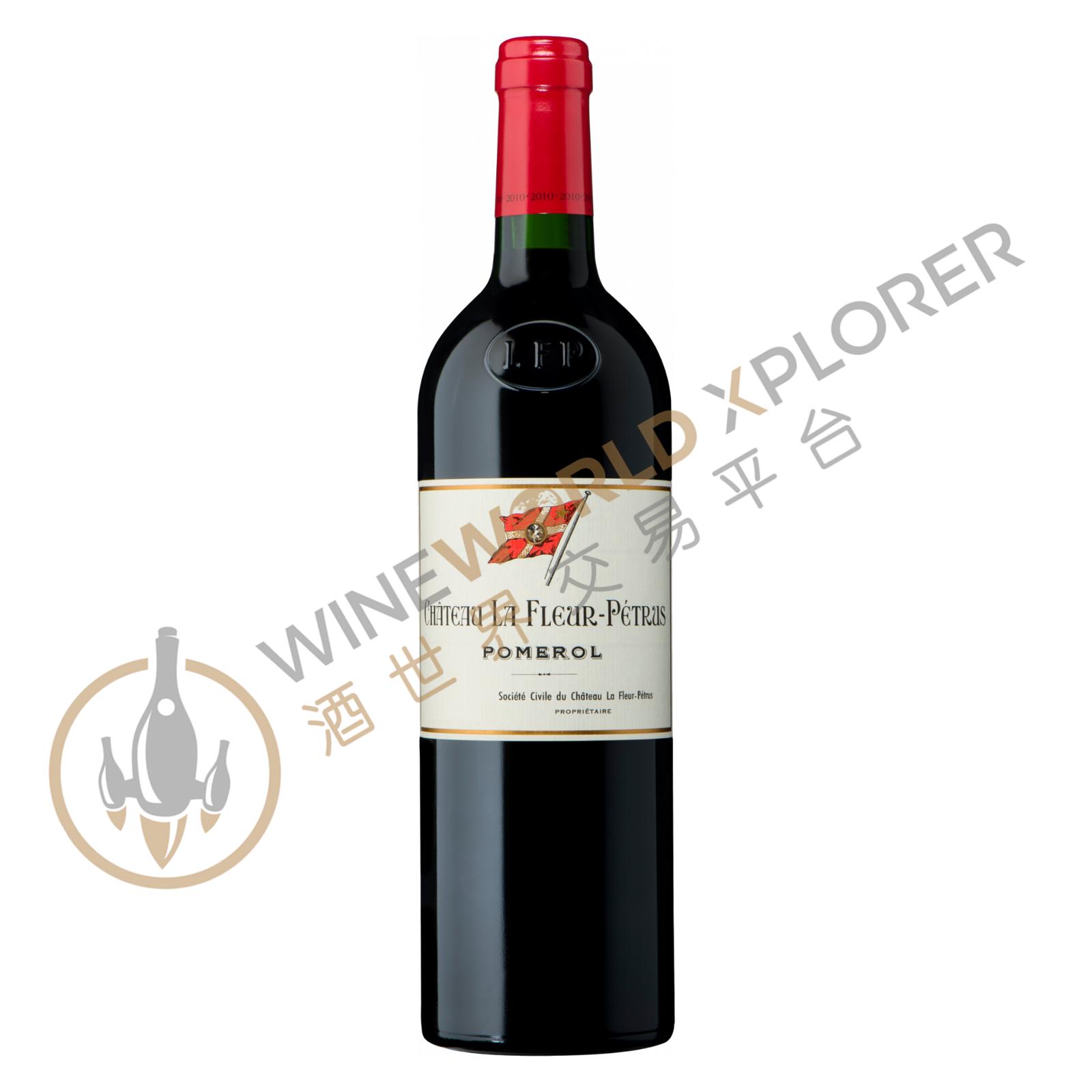
La Fleur Petrus 2013
 View analysis


Description
Château La Fleur-Pétrus is one of the most renowned vineyards of Pomerol. This historic estate, situated exclusively on the plateau, was named in the 18th century for its position across the localities ‘Petrus’ and ‘La Fleur’. Established in Libourne since 1937, Jean-Pierre Moueix perceived early on the excellent quality of the Pomerol appellation. Château La Fleur-Pétrus was his very first acquisition in 1950. Quickly after, he purchased Château Trotanoy in 1953.
Tasting notes

Reviewed by: Neal Martin
Now La Fleur-Petrus has swallowed Chateau Guillot, I thought it pertinent to ask Edouard Moueix exactly how it is contributing to the blend. Edouard told me that around 75% of its vines are currently being blended into La Fleur Petrus, but that the vines surrounding the house suffered severe millerandage and was not used. The La Fleur-Petrus has an elegant bouquet with cranberry, crushed strawberry and mineral tones. It is a little more flamboyant than the Latour-a-Pomerol and yet it never "lets go" completely. The palate is medium-bodied with grainy tannins, a fine line of acidity and a lovely spiciness towards the slightly austere finish. With good structure, this classic Pomerol should give pleasure over the next 10 to 15 years. Tasted April 2014.
Reviewed by: Robert M. Parker, Jr.
Only 2,000 cases will be produced from the tiny 2013 crop at La Fleur Petrus, an estate that the Moueix family is making every effort to elevate (in price and quality) next to such properties as Petrus, Lafleur, La Conseillante, l'Evangile and Vieux Chateau Certan. The 2013 La Fleur Petrus- attractive dark ruby/plum color is followed by sweet cassis, kirsch, raspberry, dusty, loamy soil and tobacco leaf aromas. Medium-bodied with adequate acidity and sweet tannin, this attractive, elegant, purely made Pomerol can be enjoyed over the next 10-12 years.
Reviewed by: Neal Martin
The 2013 La Fleur Petrus is a blend of 90% Merlot and 10% Cabernet Franc and offers a more enticing bouquet than the Latour-à-Pomerol at this early stage, more depth of fruit on the nose thanks to that pure Merlot: small red cherries, crushed strawberry and just a hint of iodine. The palate is sweet on the entry with crushed red berries, sea salt, bay leaf and a pinch of black pepper. This is well balanced and with more rondeur than the comparatively masculine Latour-à-Pomerol, suave on the finish even if it does not bestow the same complexity as other vintages from this Pomerol estate. Give it just another year in bottle and then it should give 12-15 years drinking pleasure, possibly more.
Reviewed by: Antonio Galloni
One of the true stand outs of the vintage, the 2013 La Fleur-Pétrus is superb. Graphite, violets, lavender, savory herbs, smoke and purplish fruit all meld together in a wine of incomparable grace. The La Fleur-Pétrus impresses for its textural elegance, volume and sheer class. It is without question one of the wines of the year. These pebbly, well-draining soils handled the vintage as well as could have been expected.
Reviewed by: Ian d'Agata
Deep ruby. Ripe aromas of blackcurrant jam, blueberry pie, minerals and spices. Nicely rich and dense, with blueberry jam and blackberry syrup flavors refreshed by lively harmonious acidity. This is one of the rare wines in 2013 that does remind one of cassis. Finishes with very good length. A major success.
About the Producer
Château La Fleur-Pétrus is one of the most renowned vineyards of Pomerol. This historic estate, situated exclusively on the plateau, was named in the 18th century for its position across the localities ‘Petrus’ and ‘La Fleur’. Established in Libourne since 1937, Jean-Pierre Moueix perceived early on the excellent quality of the Pomerol appellation. Château La Fleur-Pétrus was his very first acquisition in 1950. Quickly after, he purchased Château Trotanoy in 1953. The personality of Château La Fleur-Pétrus lies in the careful association of the famous gravel and clay terroirs of the plateau of Pomerol. The vineyard, located at 33 to 38 meters above sea level, draws its identity from the nuances of soil and elevation of each parcel. Those parcels which are dominated by gravel tend to yield wines of great elegance, while those dominated by clay are distinctly velvety, dense, and structured. Château La Fleur-Pétrus is composed predominantly of Merlot, which lends silkiness and generosity to the wine. Cabernet Franc, planted on gravel and fine clay, contributes rigor and complexity, while a small percentage of Petit Verdot, planted on fine gravel, offers a hint of spice to the finish. The wine combines a unique elegance with the generosity and structure typical of the great vineyards of Pomerol. An attentive tasting reveals remarkable refinement, complexity, and a touch of violet.
1982(2)1983(1)1995(1)1996(1)1998(1)1999(1)2000(6)2001(3)2002(7)2003(5)2004(5)2005(10)2006(5)2007(5)2008(7)2009(14)2010(15)2011(11)2012(13)
Package Size