 Wine Advisor



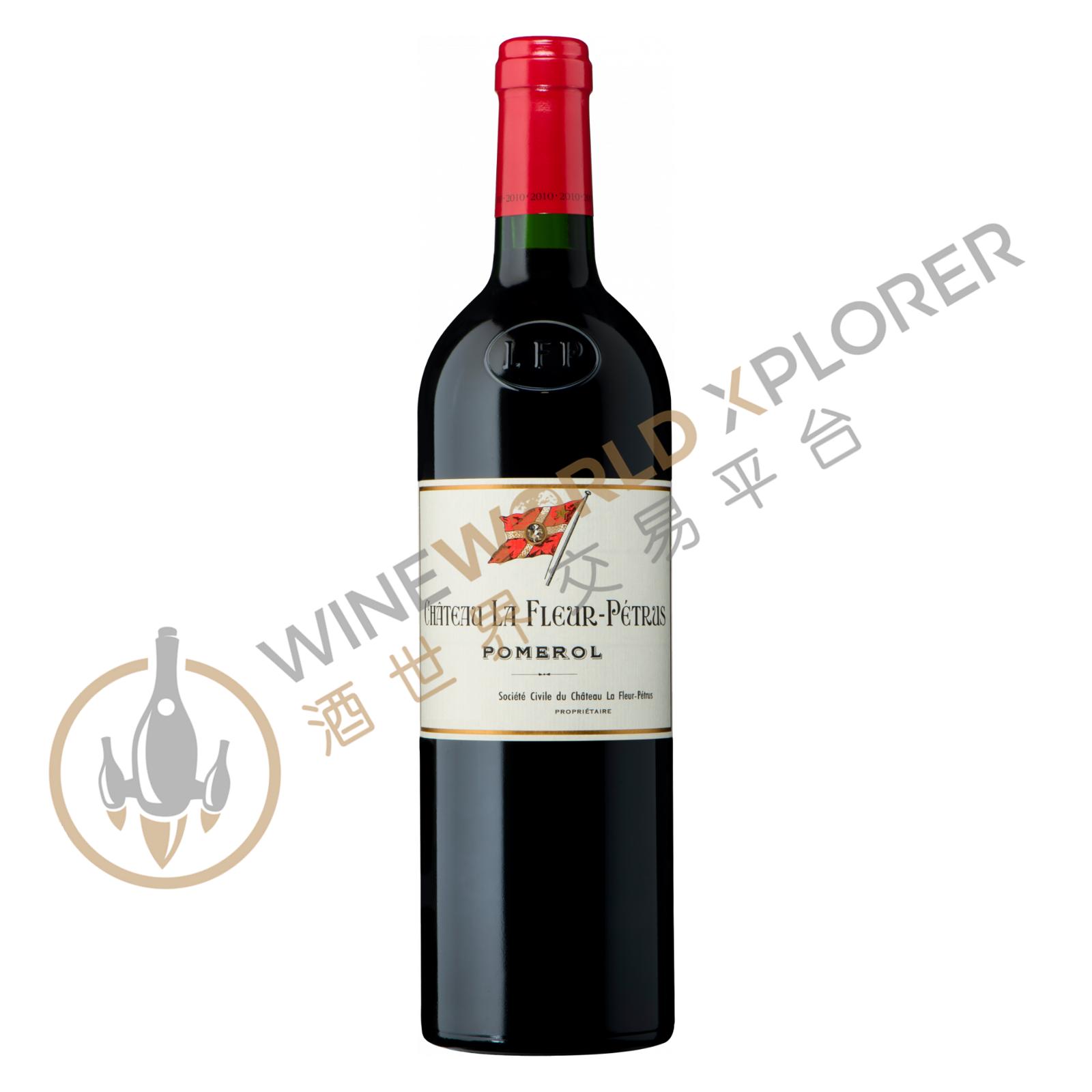
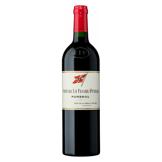
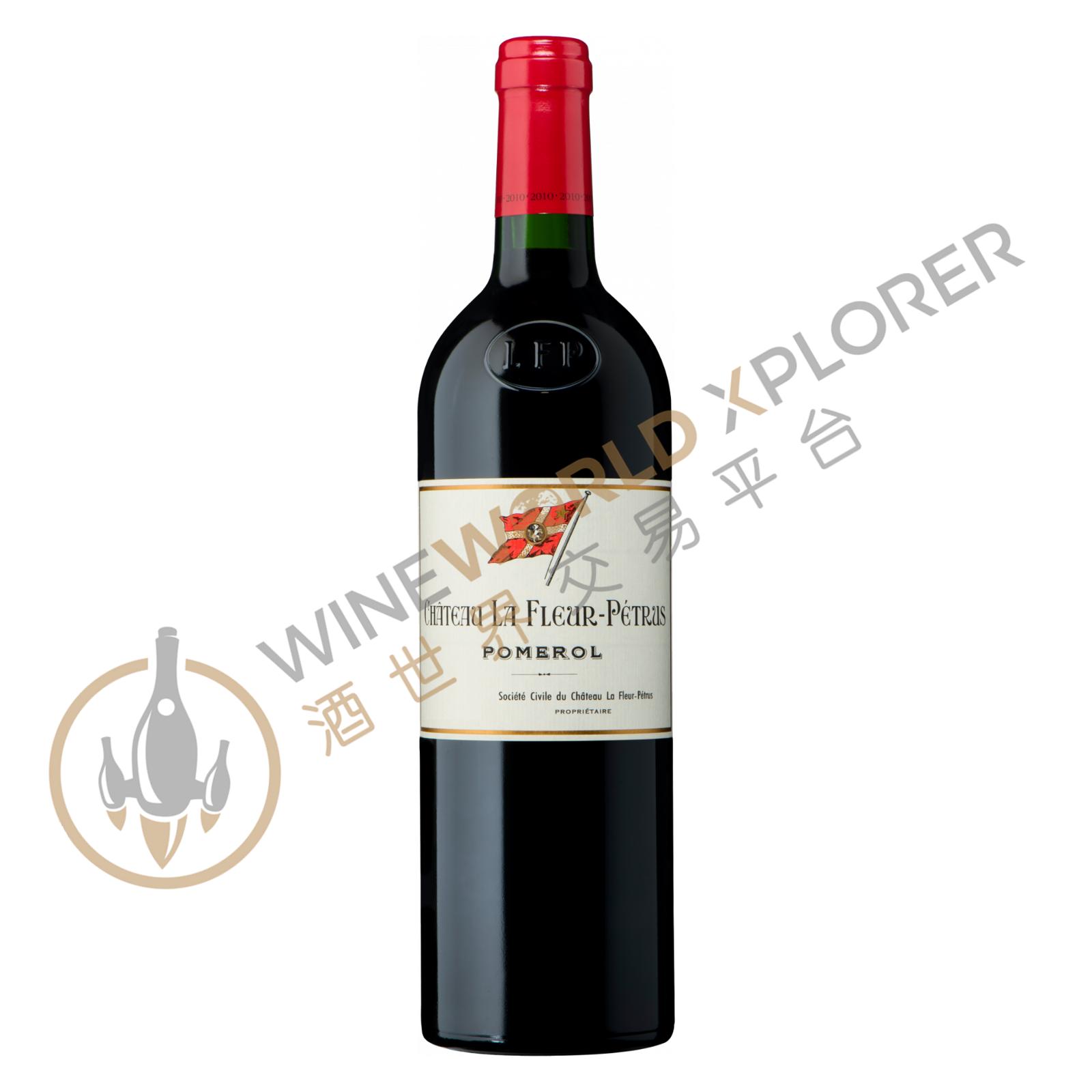
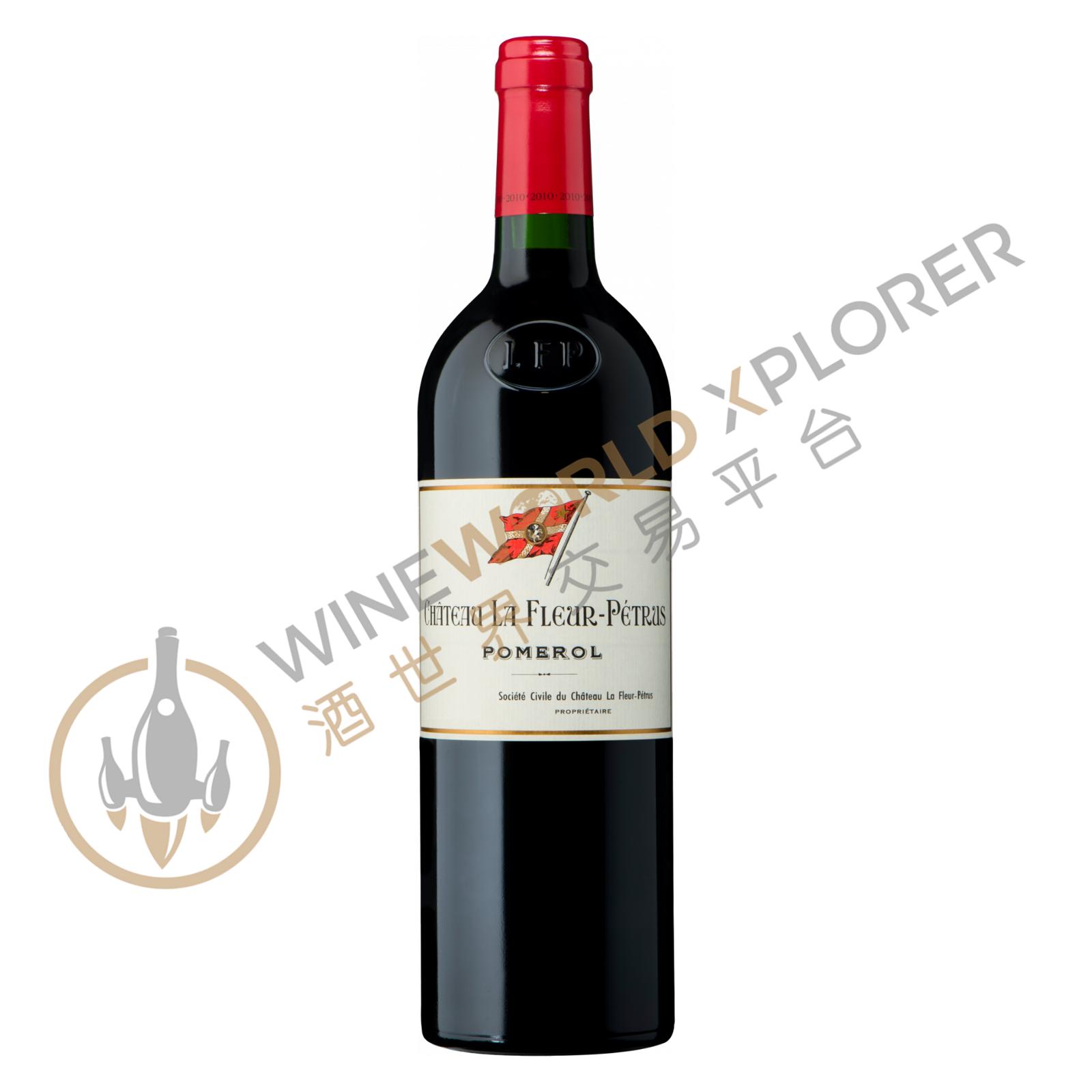
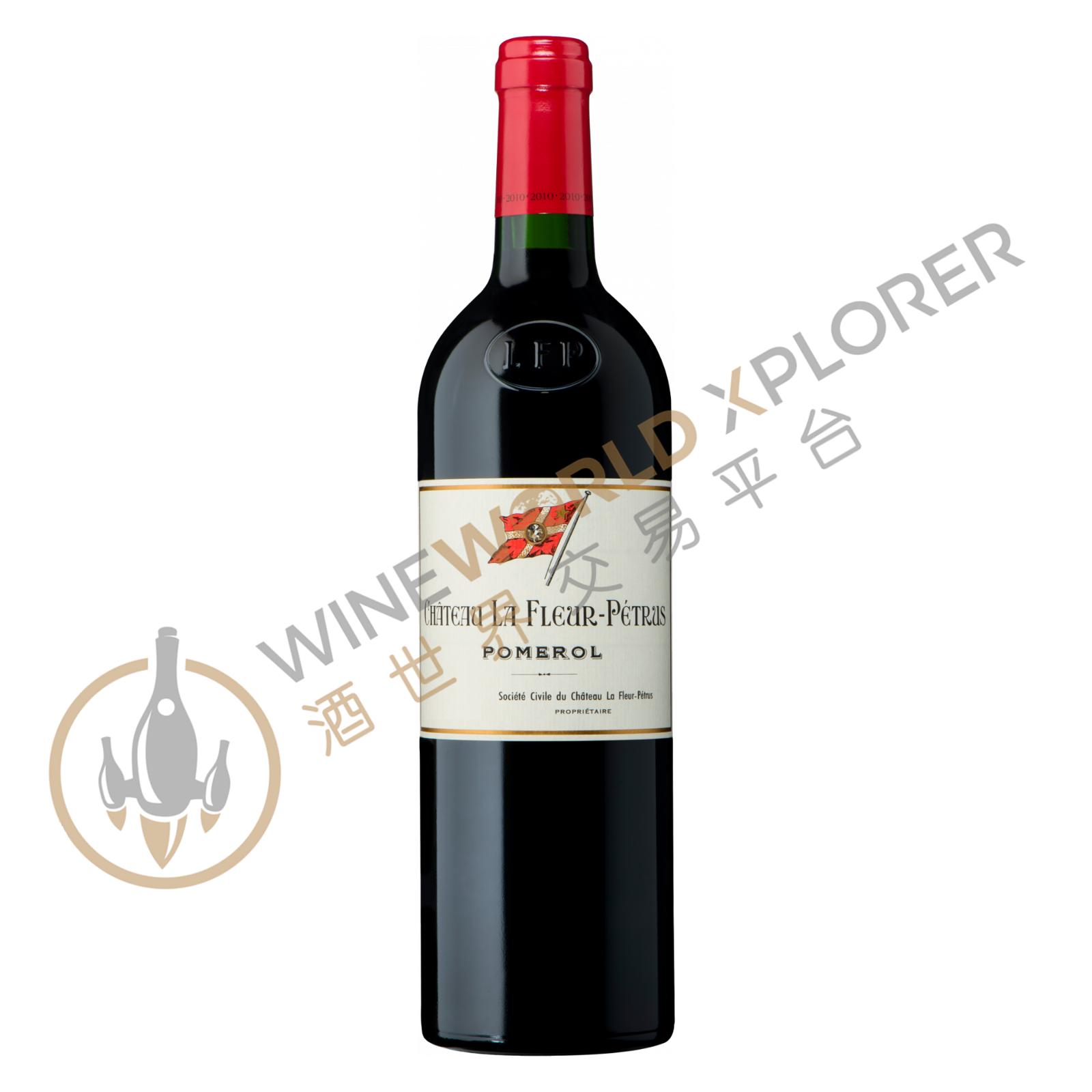
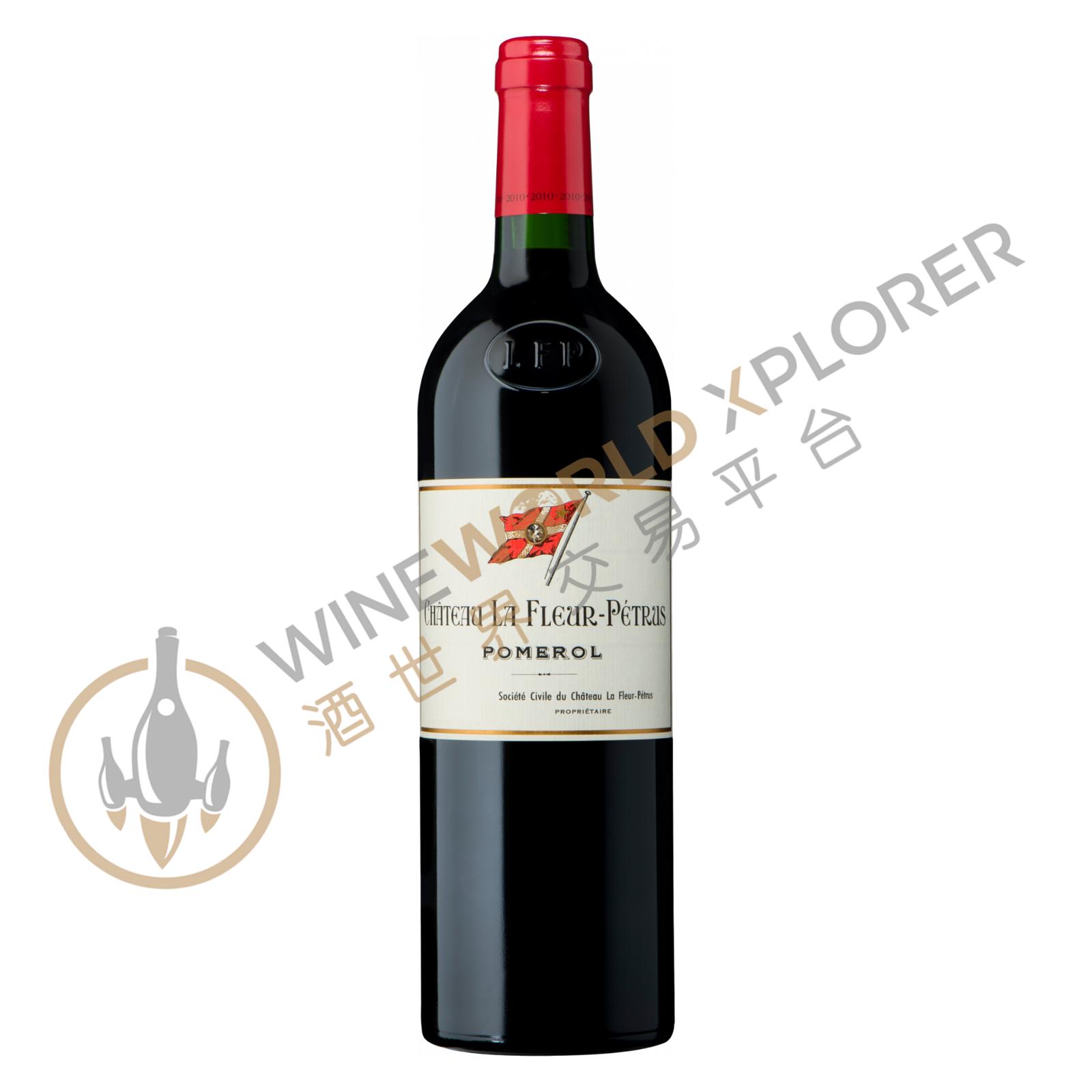
La Fleur Petrus 2007
 View analysis


Description
Château La Fleur-Pétrus is one of the most renowned vineyards of Pomerol. This historic estate, situated exclusively on the plateau, was named in the 18th century for its position across the localities ‘Petrus’ and ‘La Fleur’. Established in Libourne since 1937, Jean-Pierre Moueix perceived early on the excellent quality of the Pomerol appellation. Château La Fleur-Pétrus was his very first acquisition in 1950. Quickly after, he purchased Château Trotanoy in 1953.
Tasting notes

Reviewed by: Neal Martin
Tasted blind at the 2007 Bordeaux horizontal in Southwold. A real surprise, this. What a great off-vintage Pomerol from perhaps one of the most underrated addresses. The nose demands a lot of coaxing from the glass: introverted and broody, with blackberry, charcoal, a hint of wild heather and peat. The palate is very well balanced, quite powerful with layers of ripe dark-berried fruits laced with cooked meat, spice, white pepper and a little sage. Firm grip on the finish that tingles enticingly long after the wine has departed. Serious quality for the vintage. Tasted January 2011.
Reviewed by: Neal Martin
This is lacking some definition and clarity on the nose with blackberry, plum and a touch of mulberry fruit. The palate is medium-bodied with rounded, slightly furry tannins. Black fruits, a little tar and tobacco with good weight on the finish. Disjointed at the moment but should meld together by bottling. A good rather than great Lafleur-Petrus. Tasted April 2008.
Reviewed by: Robert M. Parker, Jr.
One of the stars of the vintage, this deep plum/ruby-tinged 2007 offers a big, sweet kiss of black cherries, blackberries, licorice, and earth. Round, generous, and medium-bodied with an intensity of flavor and silkiness that are endearing, it should drink nicely for a decade or more.
Reviewed by: Neal Martin
Tasted at BI Wine & Spirits' 10-Years-On tasting, the 2007 La Fleur Petrus has been an impressive Pomerol in recent showings. This one does nothing to alter that view. It has plenty of energy on the nose with great delineation: cranberry, pomegranate, singed leather and a touch of melted tar, firmly moving into secondary territory. The palate is medium-bodied with good structure, still quite tight but with a keen line of acidity and plenty of truffle-infused, black, dusky fruit on the finish. Great wine in an off-vintage. Tasted February 2017.
Reviewed by: Robert M. Parker, Jr.
Rated - No tasting note given.
Reviewed by: Neal Martin
Served at a mini-vertical at the chateau, the 2007 La Fleur-Petrus has a lifted nose, the fruit more red than black, with cranberry, wild strawberry mingling with touches of warm gravel and dried herbs. It opens nicely in the glass. The palate is rounded and savoury, almost meaty on the entry. The acidity is nicely judged and it has a very harmonious, ferrous finish that caresses the palate. It perhaps would benefit with a little more length and tension, but this remains a commendable, enjoyable Pomerol for the vintage that will drink well over the next decade. Tasted June 2013.
Reviewed by: Stephen Tanzer
Ruby-red. Peppery aromas of black fruits and licorice. Juicy and light on its feet, with good grip and floral lift to the dark berry flavors. There's a slight herbal astringence lurking but this offers good intensity and energy, and finishes with very good persistence.
About the Producer
Château La Fleur-Pétrus is one of the most renowned vineyards of Pomerol. This historic estate, situated exclusively on the plateau, was named in the 18th century for its position across the localities ‘Petrus’ and ‘La Fleur’. Established in Libourne since 1937, Jean-Pierre Moueix perceived early on the excellent quality of the Pomerol appellation. Château La Fleur-Pétrus was his very first acquisition in 1950. Quickly after, he purchased Château Trotanoy in 1953. The personality of Château La Fleur-Pétrus lies in the careful association of the famous gravel and clay terroirs of the plateau of Pomerol. The vineyard, located at 33 to 38 meters above sea level, draws its identity from the nuances of soil and elevation of each parcel. Those parcels which are dominated by gravel tend to yield wines of great elegance, while those dominated by clay are distinctly velvety, dense, and structured. Château La Fleur-Pétrus is composed predominantly of Merlot, which lends silkiness and generosity to the wine. Cabernet Franc, planted on gravel and fine clay, contributes rigor and complexity, while a small percentage of Petit Verdot, planted on fine gravel, offers a hint of spice to the finish. The wine combines a unique elegance with the generosity and structure typical of the great vineyards of Pomerol. An attentive tasting reveals remarkable refinement, complexity, and a touch of violet.
1982(2)1983(1)1995(1)1996(1)1998(1)1999(1)2000(6)2001(3)2002(7)2003(5)2004(5)2005(10)2006(5)
Package Size