 Wine Advisor



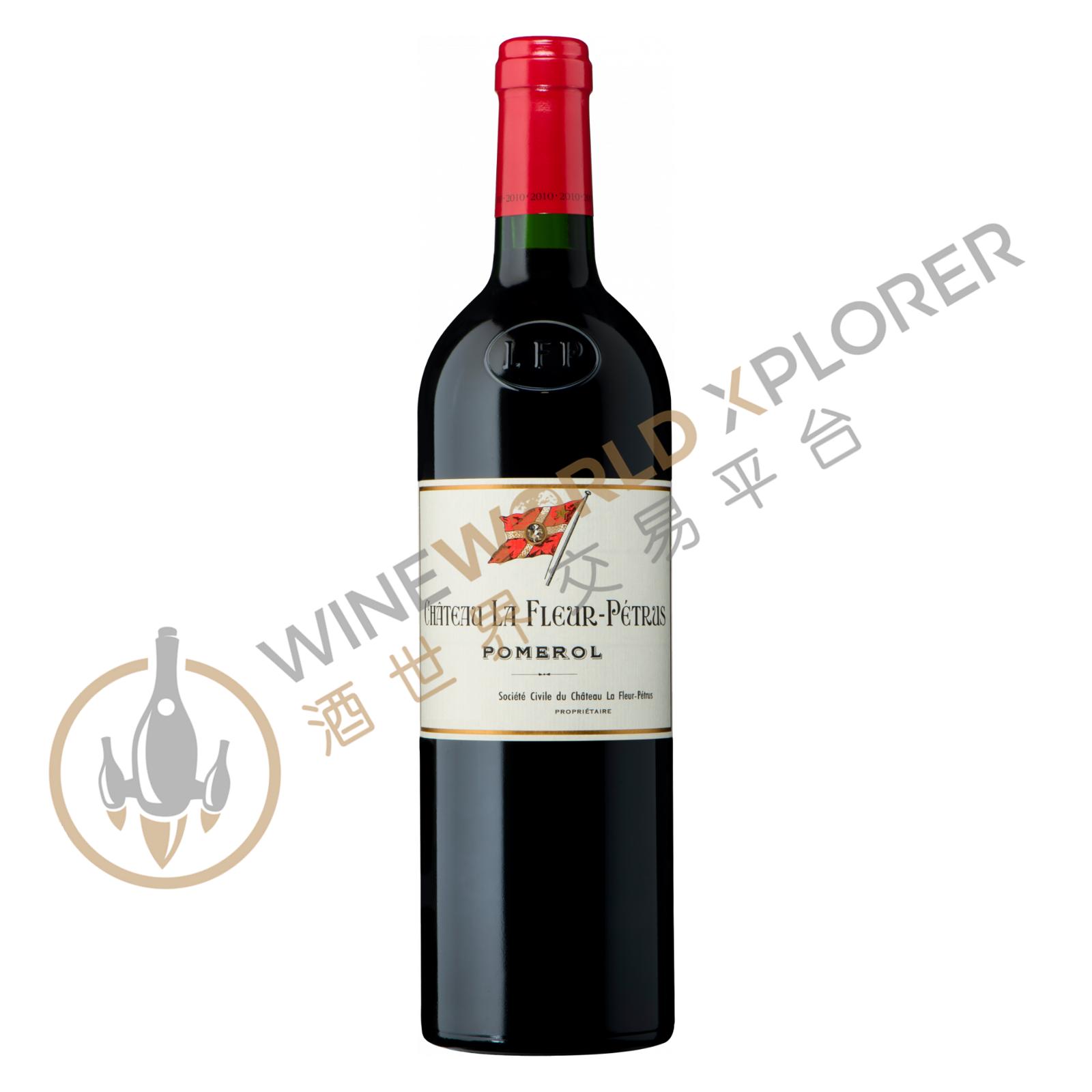
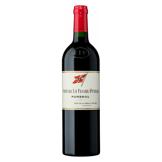
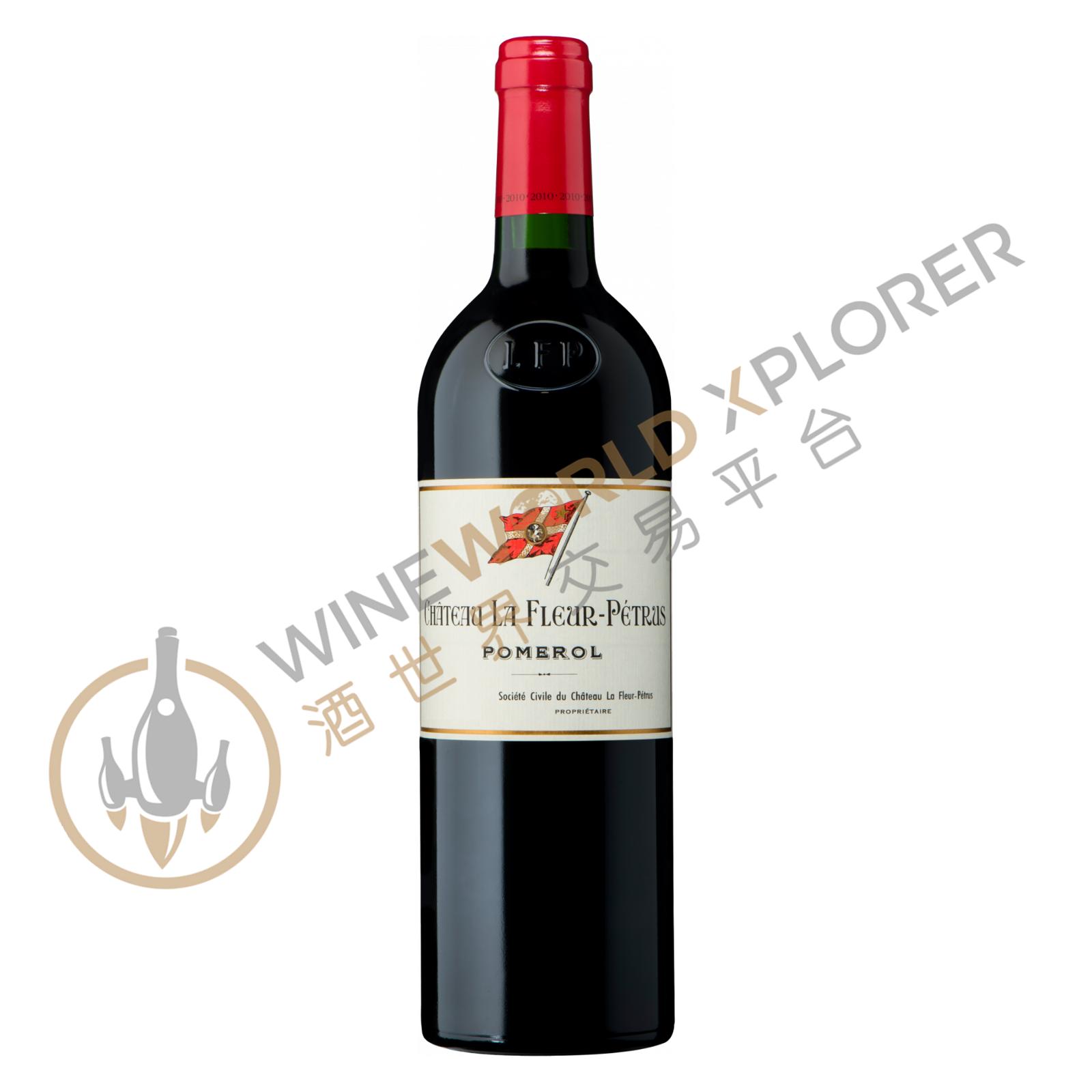
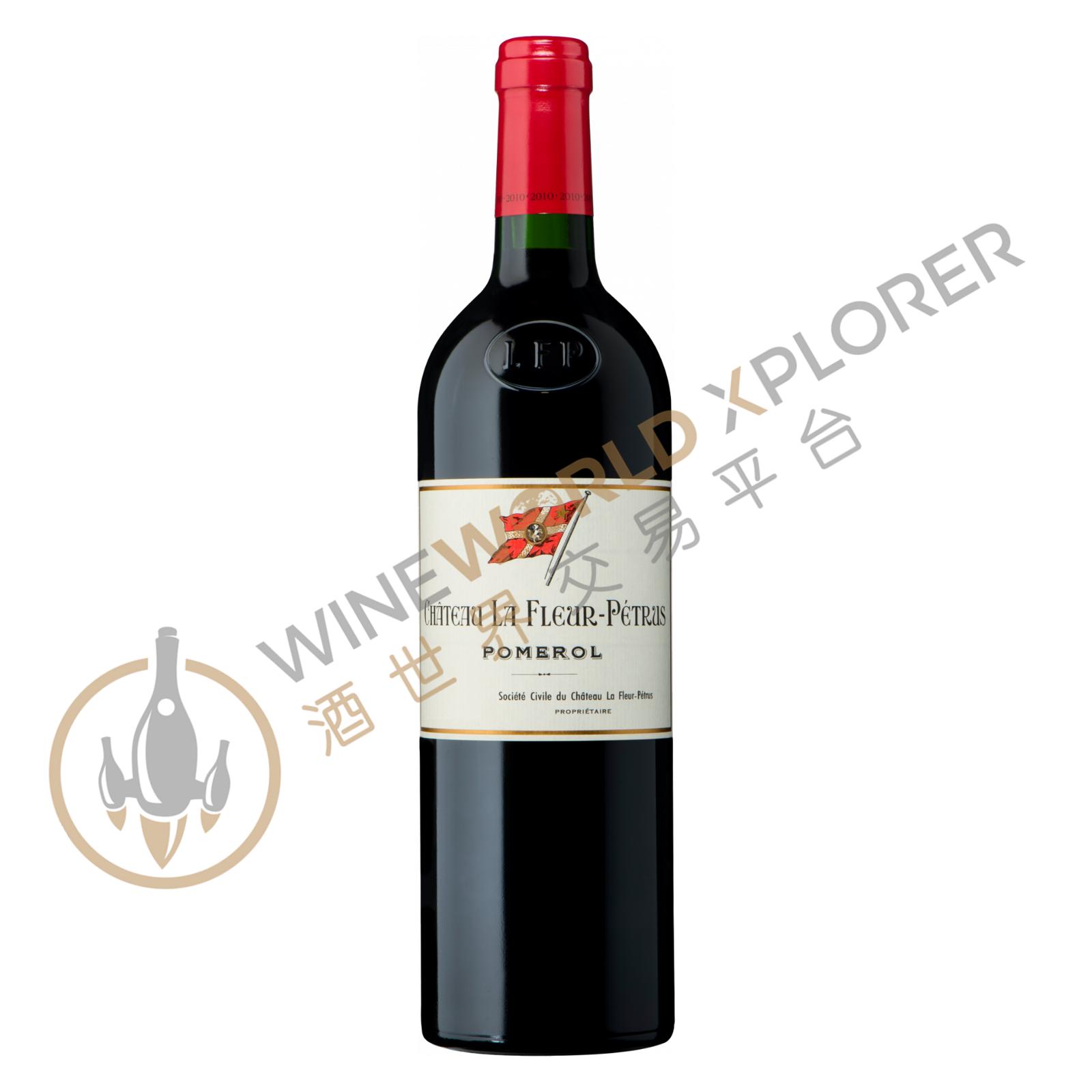
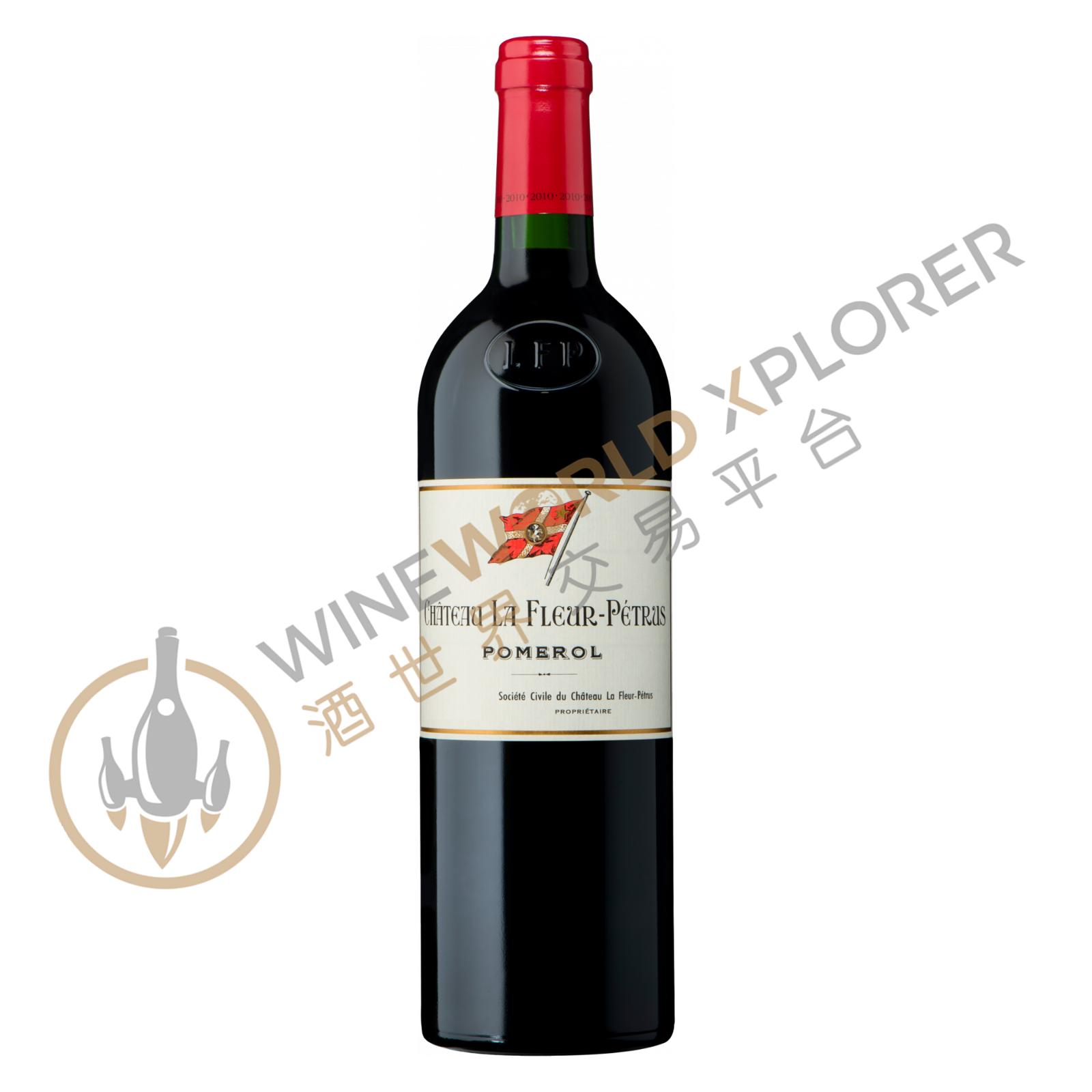
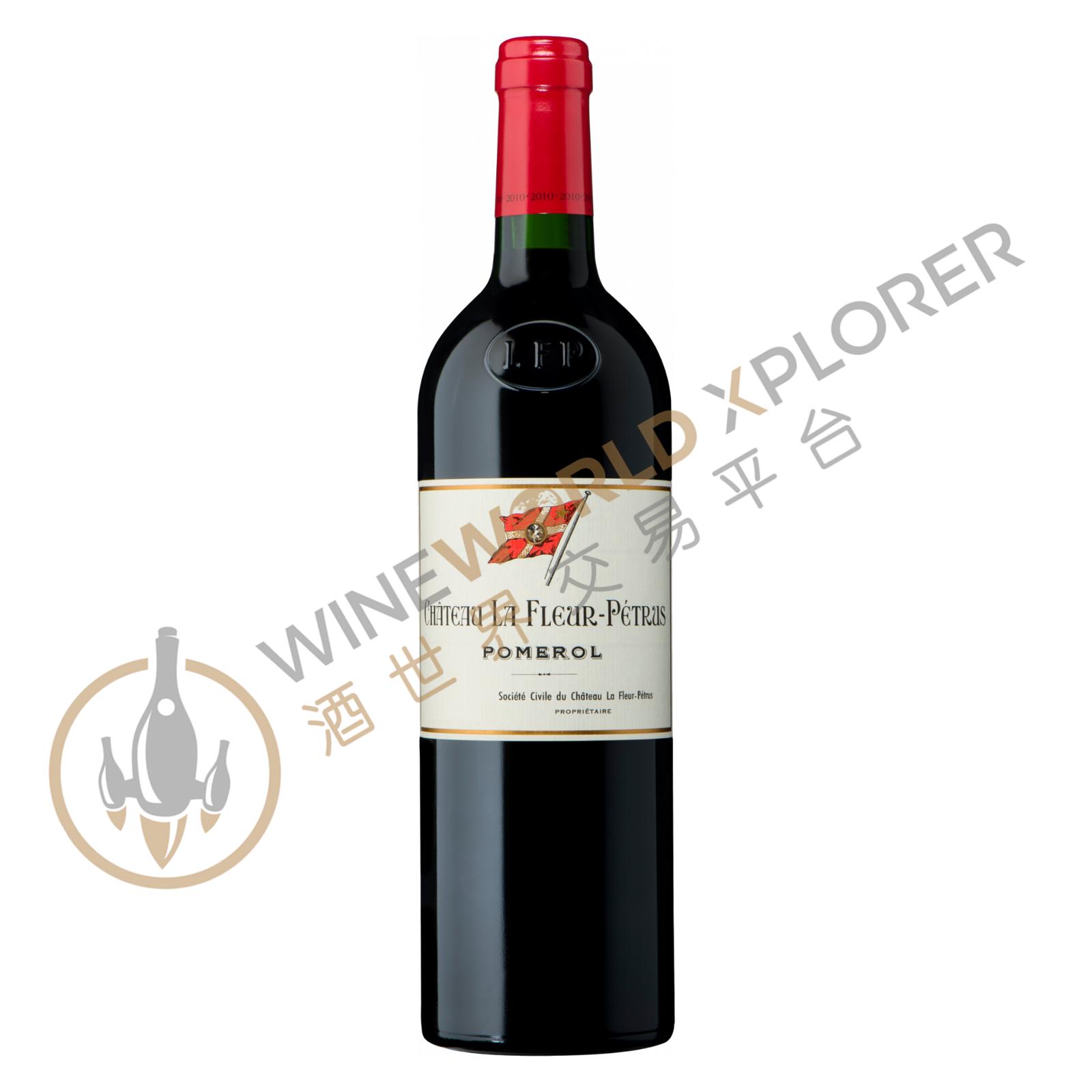
La Fleur Petrus 2002
 View analysis


Description
Château La Fleur-Pétrus is one of the most renowned vineyards of Pomerol. This historic estate, situated exclusively on the plateau, was named in the 18th century for its position across the localities ‘Petrus’ and ‘La Fleur’. Established in Libourne since 1937, Jean-Pierre Moueix perceived early on the excellent quality of the Pomerol appellation. Château La Fleur-Pétrus was his very first acquisition in 1950. Quickly after, he purchased Château Trotanoy in 1953.
Tasting notes

Reviewed by: Robert M. Parker, Jr.
A quintessentially elegant, restrained Pomerol that builds incrementally in the mouth, La Fleur-Petrus’s 2002 will never match the heights it reached in such recent vintages as 2000 and 1998. The 2002 exhibits sweet cola and cherry fruit, Asian spices, vanilla, and background wood. Medium-bodied, with excellent purity, good texture on the attack, and a short, moderately tannic finish, it’s pretty, but lacks the flavor and textural dimensions this offering has previously possessed. Anticipated maturity: 2005-2013.
Reviewed by: Robert M. Parker, Jr.
Deep ruby with an attractive, moderately intense bouquet of sweet cherries, flowers, plums, some earth, and new oak, this wine is medium-bodied, nicely balanced, with ripe tannin, not a great deal of depth, but a good solid mid-palate and attractive finish. It should drink well for 10-12 years.
About the Producer
Château La Fleur-Pétrus is one of the most renowned vineyards of Pomerol. This historic estate, situated exclusively on the plateau, was named in the 18th century for its position across the localities ‘Petrus’ and ‘La Fleur’. Established in Libourne since 1937, Jean-Pierre Moueix perceived early on the excellent quality of the Pomerol appellation. Château La Fleur-Pétrus was his very first acquisition in 1950. Quickly after, he purchased Château Trotanoy in 1953. The personality of Château La Fleur-Pétrus lies in the careful association of the famous gravel and clay terroirs of the plateau of Pomerol. The vineyard, located at 33 to 38 meters above sea level, draws its identity from the nuances of soil and elevation of each parcel. Those parcels which are dominated by gravel tend to yield wines of great elegance, while those dominated by clay are distinctly velvety, dense, and structured. Château La Fleur-Pétrus is composed predominantly of Merlot, which lends silkiness and generosity to the wine. Cabernet Franc, planted on gravel and fine clay, contributes rigor and complexity, while a small percentage of Petit Verdot, planted on fine gravel, offers a hint of spice to the finish. The wine combines a unique elegance with the generosity and structure typical of the great vineyards of Pomerol. An attentive tasting reveals remarkable refinement, complexity, and a touch of violet.
1982(2)1983(1)1995(1)1996(1)1998(1)1999(1)2000(6)2001(3)
Package Size