 Wine Advisor



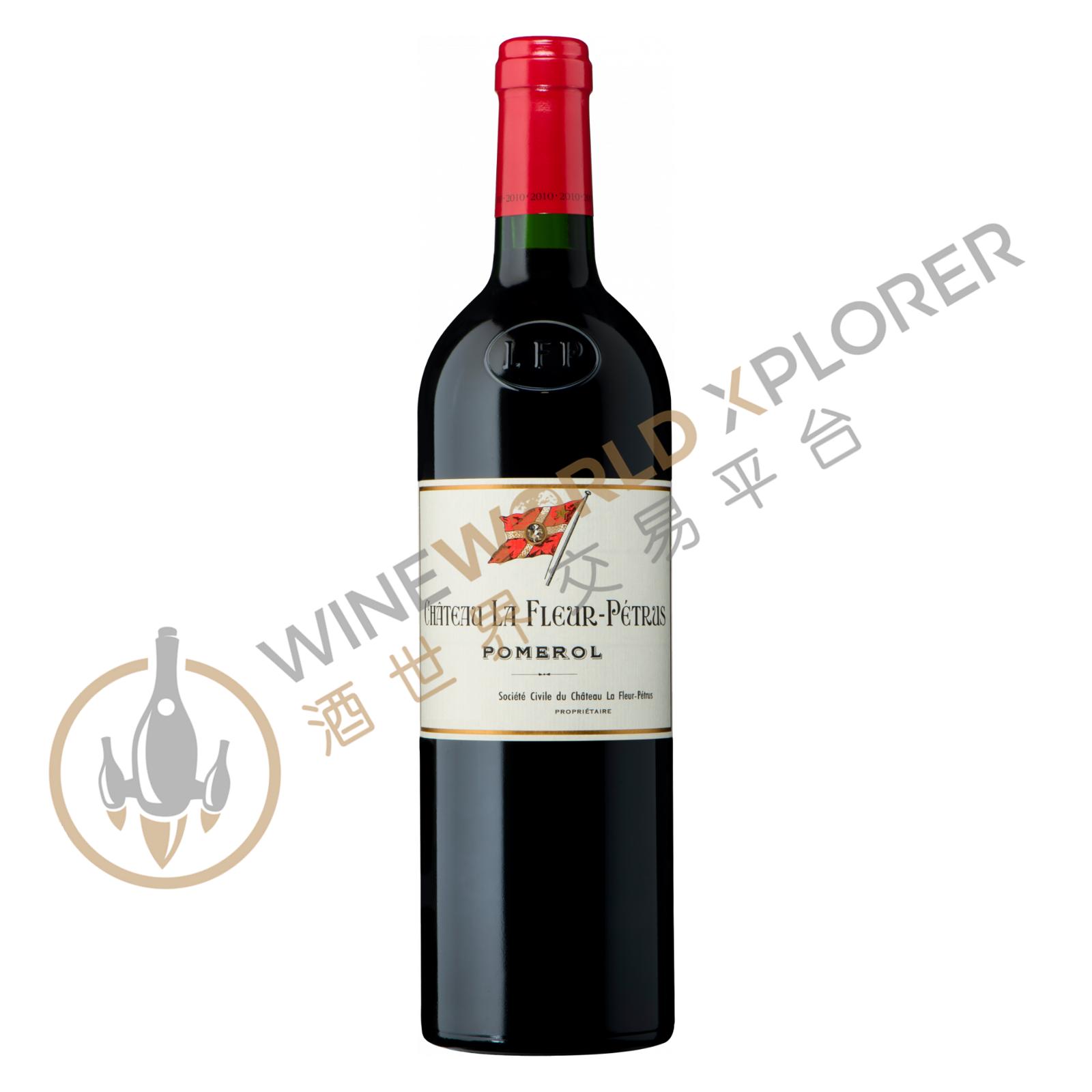
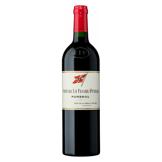
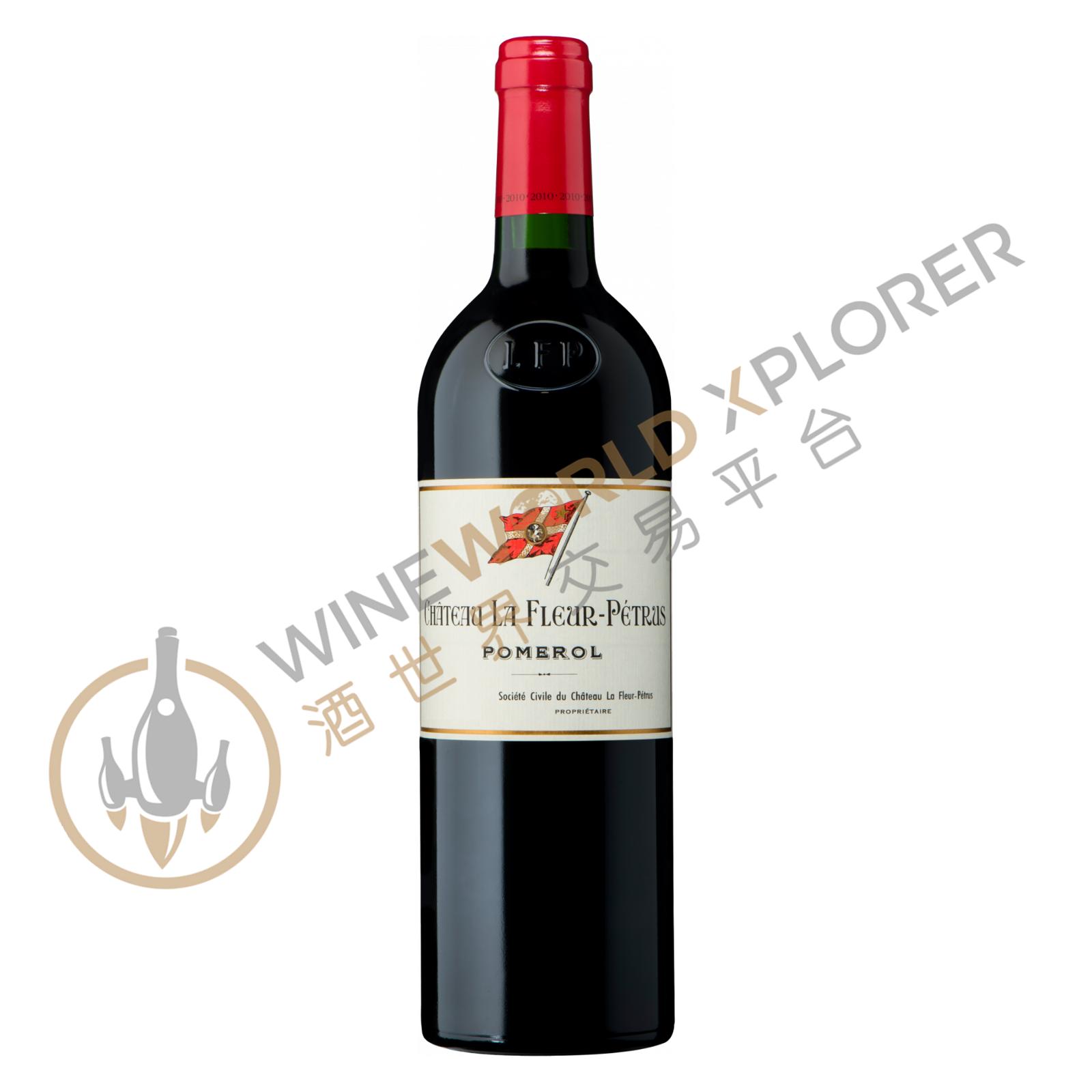
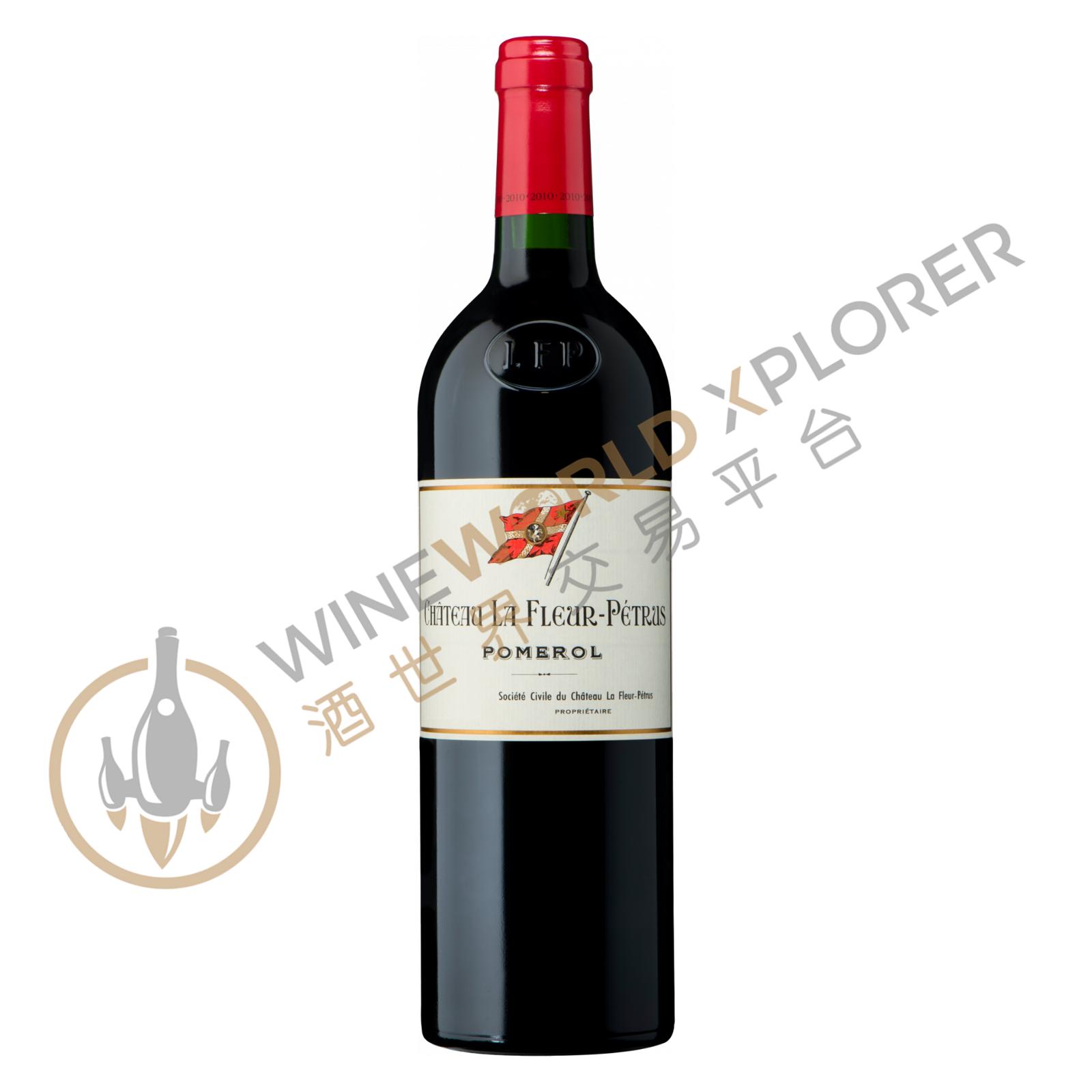
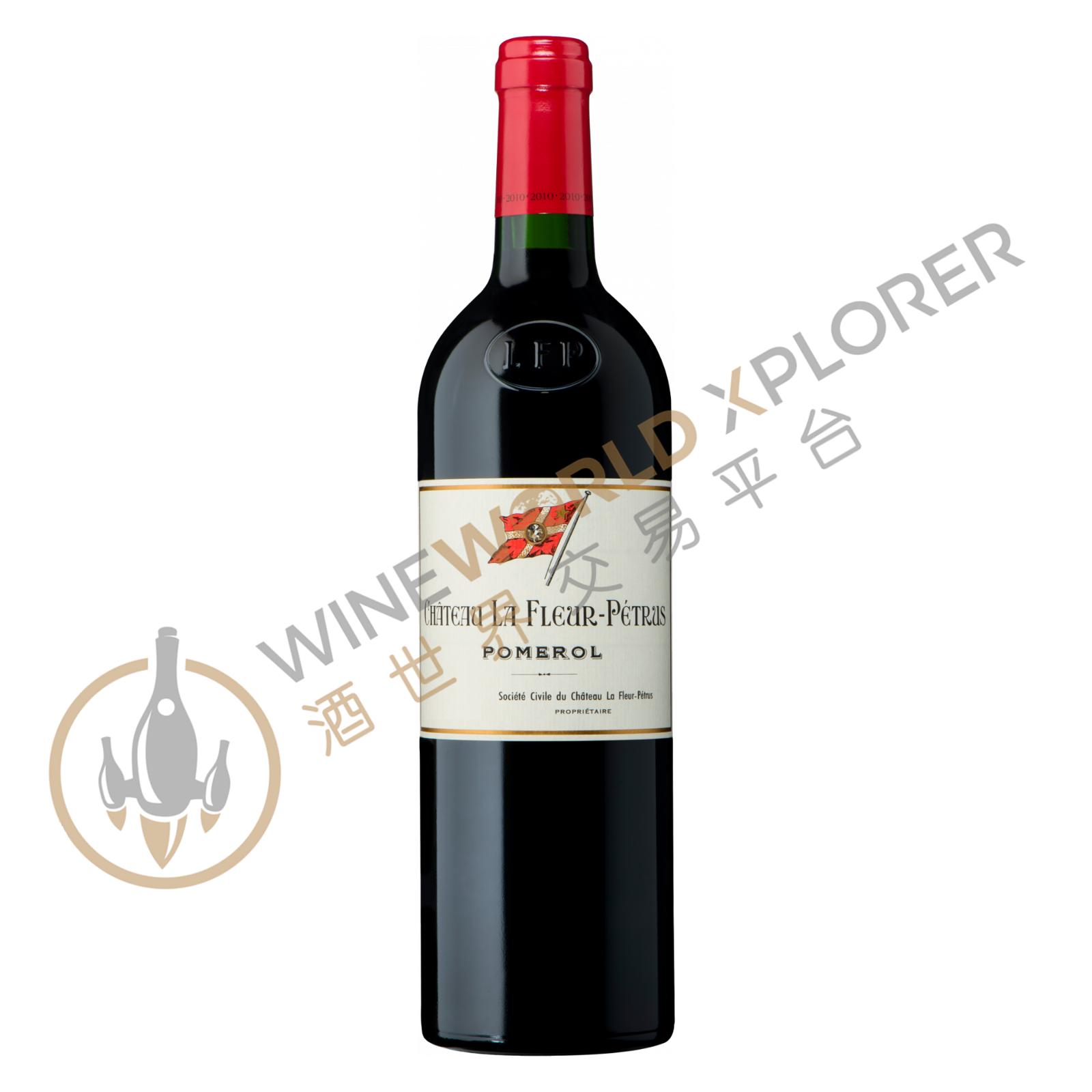
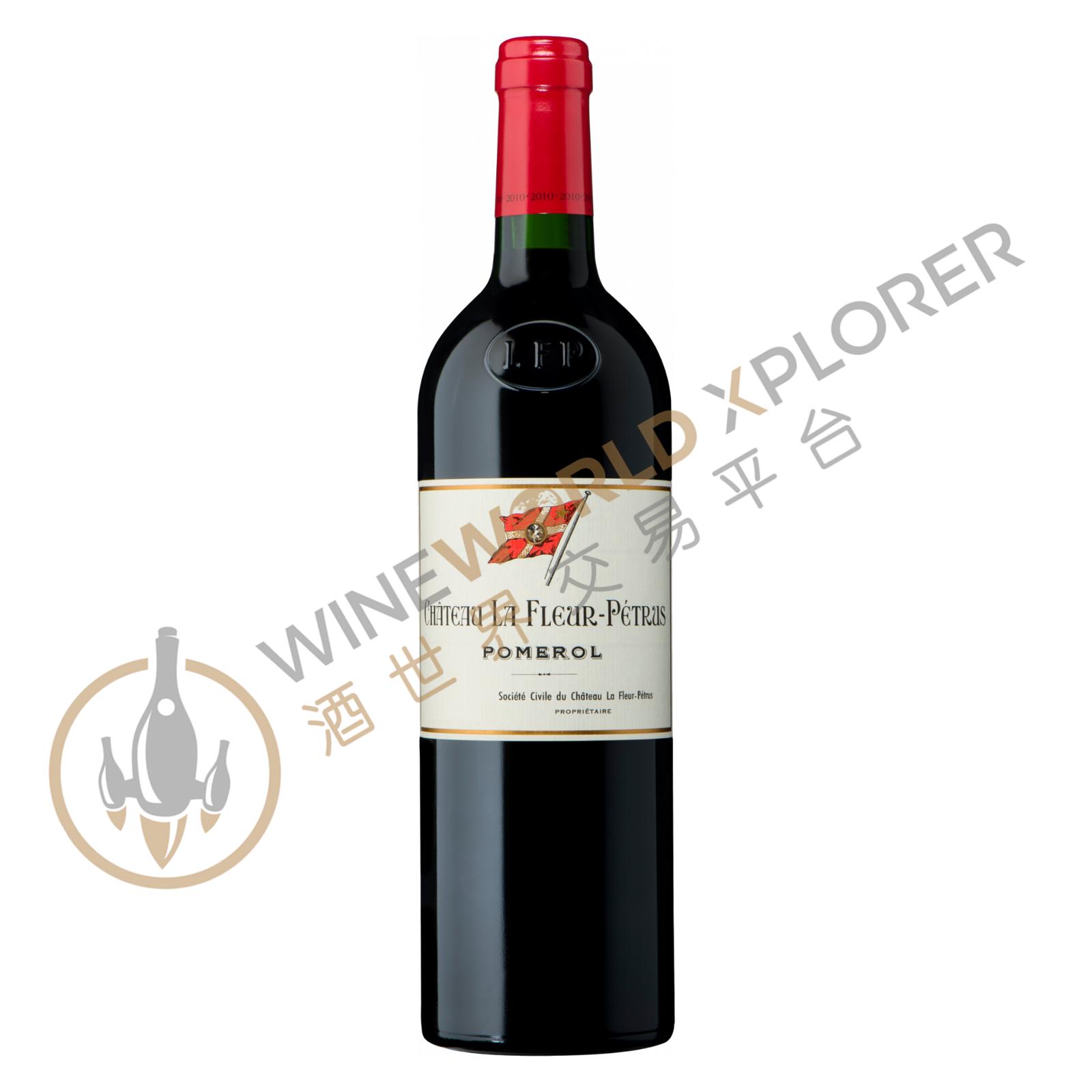
La Fleur Petrus 2000
 View analysis


Description
Château La Fleur-Pétrus is one of the most renowned vineyards of Pomerol. This historic estate, situated exclusively on the plateau, was named in the 18th century for its position across the localities ‘Petrus’ and ‘La Fleur’. Established in Libourne since 1937, Jean-Pierre Moueix perceived early on the excellent quality of the Pomerol appellation. Château La Fleur-Pétrus was his very first acquisition in 1950. Quickly after, he purchased Château Trotanoy in 1953.
Tasting notes

Reviewed by: Neal Martin
Tasted blind at Bordeaux Index’s 2000 tasting in London. Very well defined on the nose, superb mineralite and clarity with touches of limestone and undergrowth inflecting the black fruit accompanied by scents of cedar, sous-bois, a touch of thyme and then sandalwood. Smooth on the entry, nice weight with rounded tannins, blackberry, graphite, cedar and a touch of mint, dense and sinewy towards the finish. This is a lovely La Fleur-Petrus that should last 20-25 years. Drink 2012-2030+ Tasted March 2010.
Reviewed by: Robert M. Parker, Jr.
A wine of superb concentration and dazzling intensity, the impressive 2000 Lafleur-Petrus is tasting even better out of bottle than it did from cask. A deep saturated purple-colored, full-bodied, powerful example that is clearly in a class with the 1998, it may be the finest Lafleur-Petrus made in the last 50 years. The 2000 exhibits plenty of cocoa, black cherry, plum, and currant fruit, a large framework, and impressive concentration as well as power. I always thought this was an improved "bigger" version of the 1975, and I have no reason to think otherwise based on its performance from bottle. Anticipated maturity: 2008-2025.
Reviewed by: Robert M. Parker, Jr.
A revelation in my tastings was the fabulous performance of La Fleur-Petrus's 2000. It made my tasting note of last year look negligent. This is a wine of great concentration, a fabulous dense purple color, powerful, long, highly-extracted flavors, and copious sweet tannin in the finish. The tannin is well-integrated and sweet, but it possesses a large size as well as impressive concentration and power. Anticipated maturity: 2007-2025.
Reviewed by: Robert M. Parker, Jr.
I am not convinced the 2000 La Fleur Petrus is going to eclipse the 1998, which performed even better in a recent tasting. Nevertheless, it is a terrific effort from this estate, sandwiched between the hallowed vineyards of Petrus and Lafleur. A deep plum/ruby color is followed by aromas of mocha, kirsch liqueur, loamy soil, spice box, and licorice. It is an opulent, medium to full-bodied, big, substantial yet elegant, precise Pomerol displaying beautiful purity. It is just beginning to drink well, and should continue to age for another 10+ years. One of the two bottles I tasted was corked.
Reviewed by: Robert M. Parker, Jr.
This delicate, graceful, dark ruby-colored Pomerol reveals scents of sweet cherries and kirsch. Made in an elegant style, it lacks depth and exceptional richness. Moderate tannin in the finish suggests it will age well for 18-20 years.
About the Producer
Château La Fleur-Pétrus is one of the most renowned vineyards of Pomerol. This historic estate, situated exclusively on the plateau, was named in the 18th century for its position across the localities ‘Petrus’ and ‘La Fleur’. Established in Libourne since 1937, Jean-Pierre Moueix perceived early on the excellent quality of the Pomerol appellation. Château La Fleur-Pétrus was his very first acquisition in 1950. Quickly after, he purchased Château Trotanoy in 1953. The personality of Château La Fleur-Pétrus lies in the careful association of the famous gravel and clay terroirs of the plateau of Pomerol. The vineyard, located at 33 to 38 meters above sea level, draws its identity from the nuances of soil and elevation of each parcel. Those parcels which are dominated by gravel tend to yield wines of great elegance, while those dominated by clay are distinctly velvety, dense, and structured. Château La Fleur-Pétrus is composed predominantly of Merlot, which lends silkiness and generosity to the wine. Cabernet Franc, planted on gravel and fine clay, contributes rigor and complexity, while a small percentage of Petit Verdot, planted on fine gravel, offers a hint of spice to the finish. The wine combines a unique elegance with the generosity and structure typical of the great vineyards of Pomerol. An attentive tasting reveals remarkable refinement, complexity, and a touch of violet.
1982(2)1983(1)1995(1)1996(1)1998(1)1999(1)
Package Size