 Wine Advisor



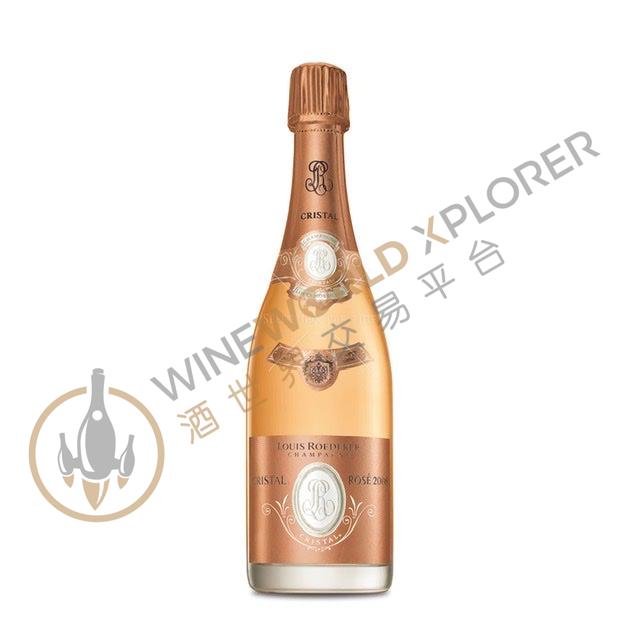
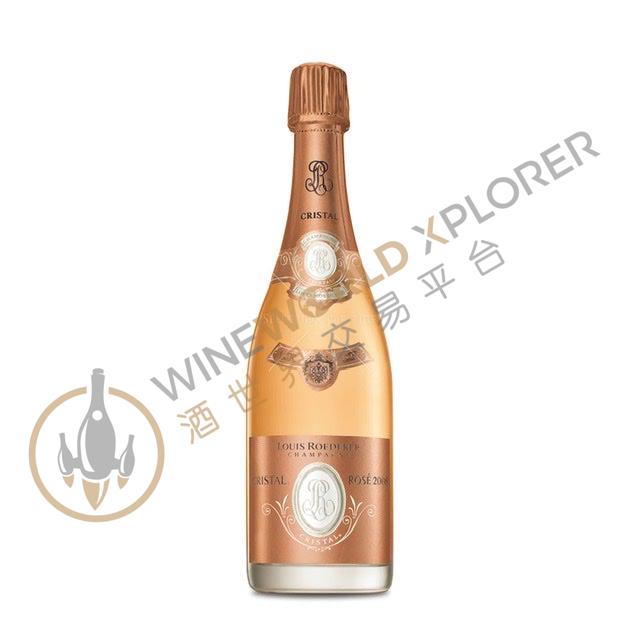
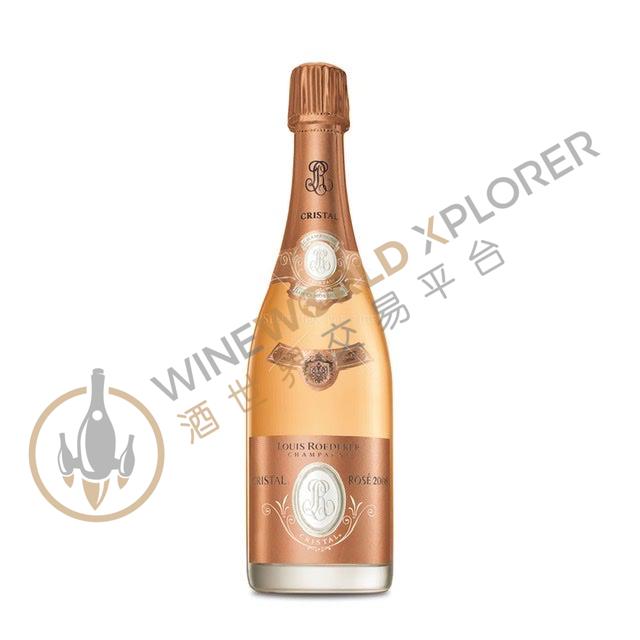
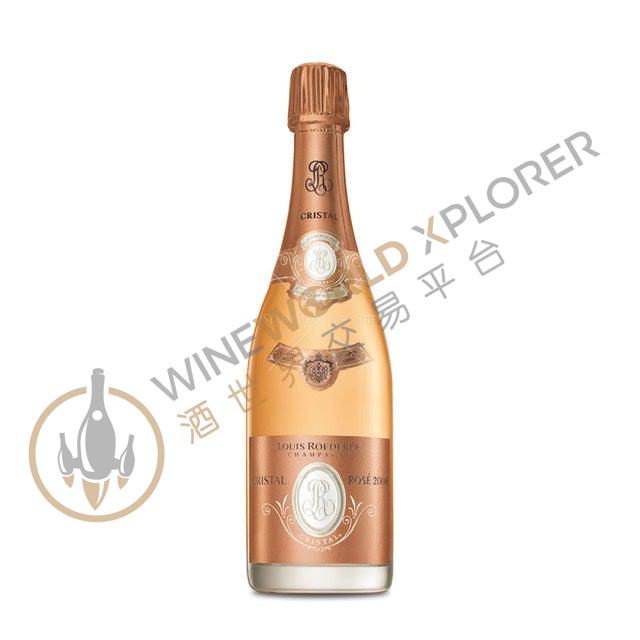
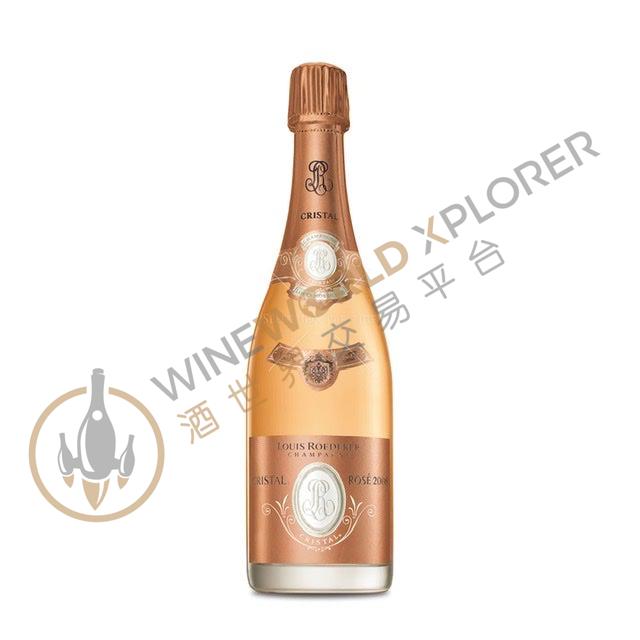
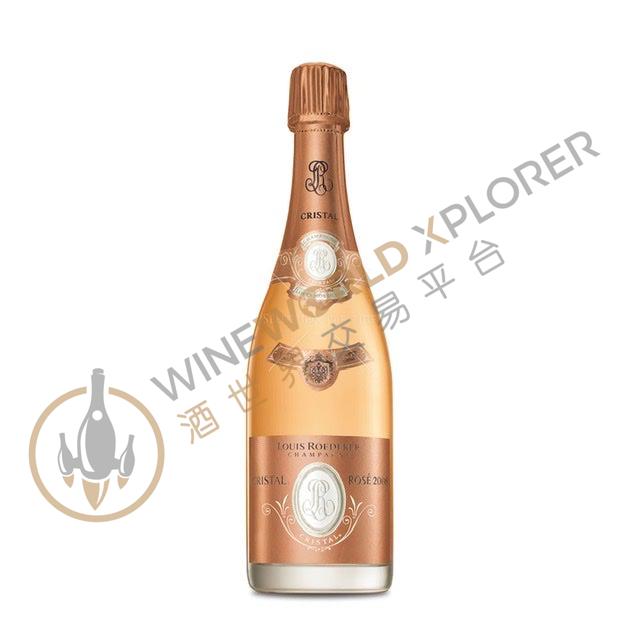
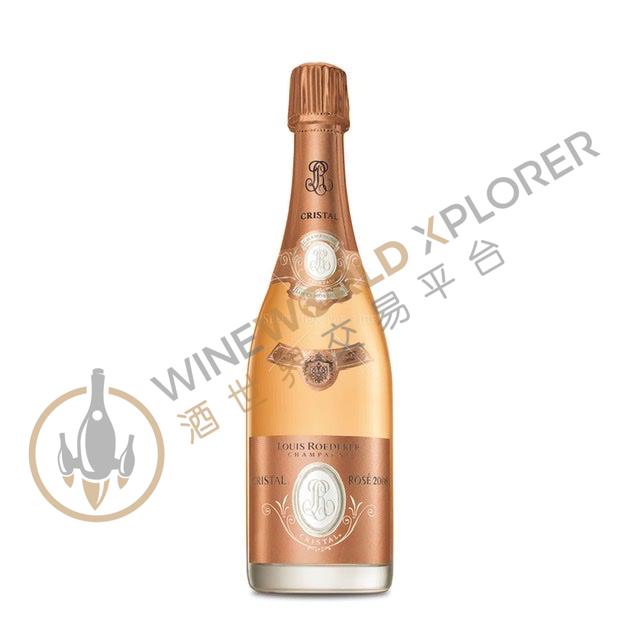
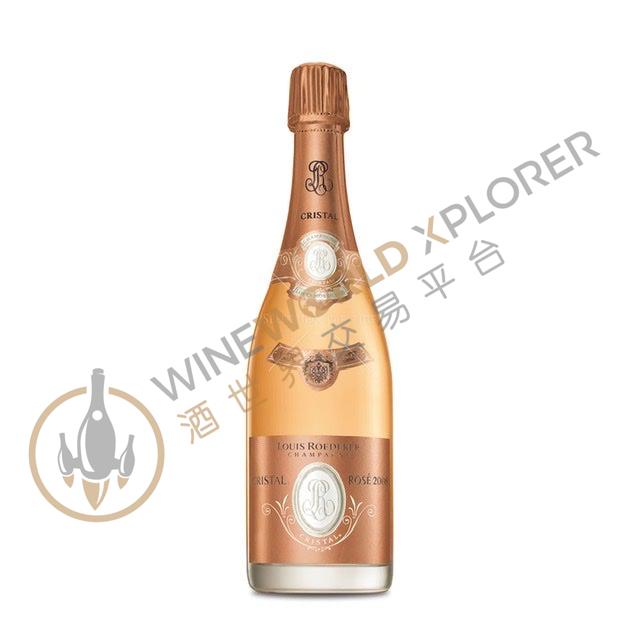
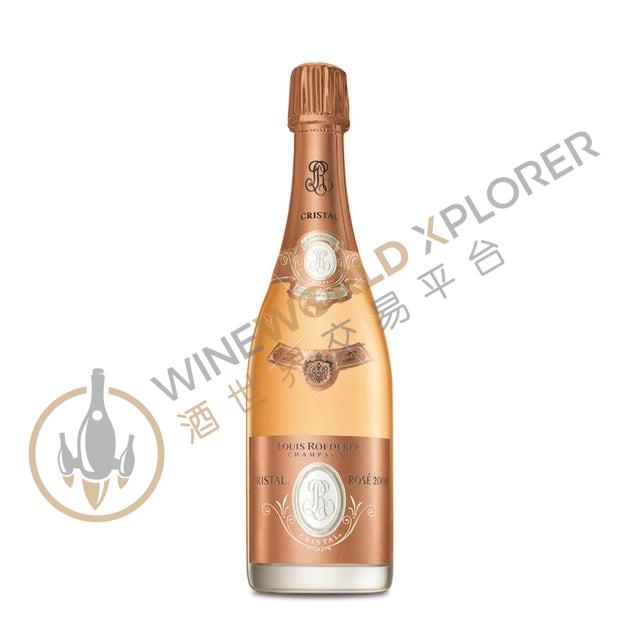
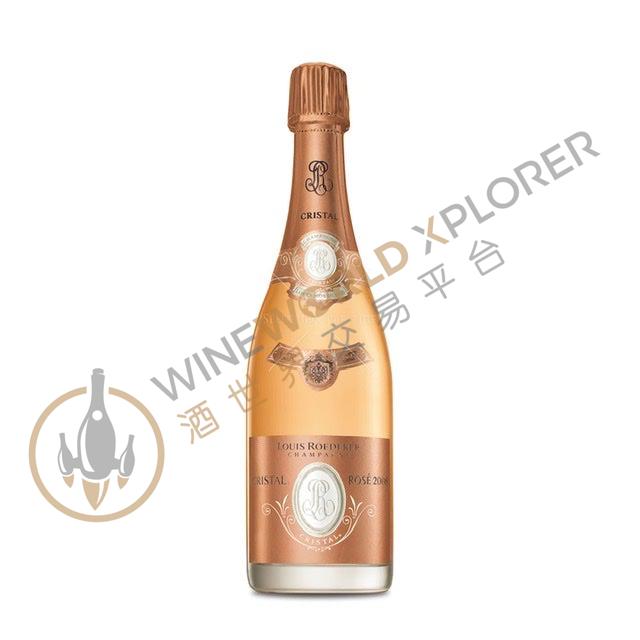
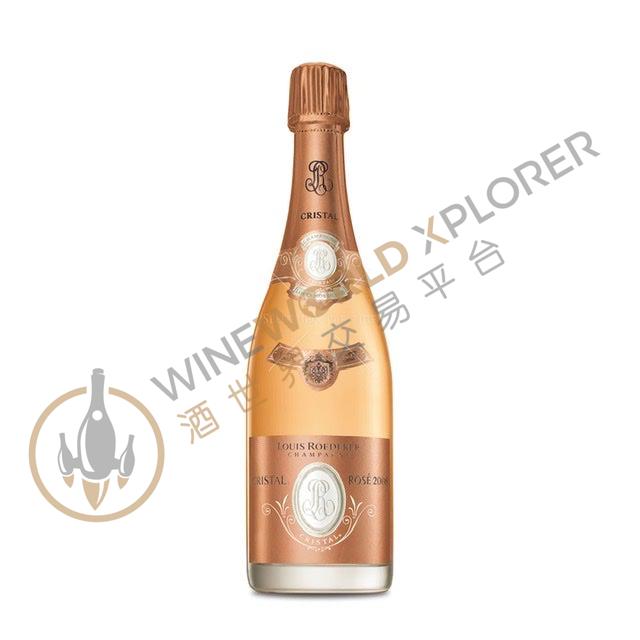
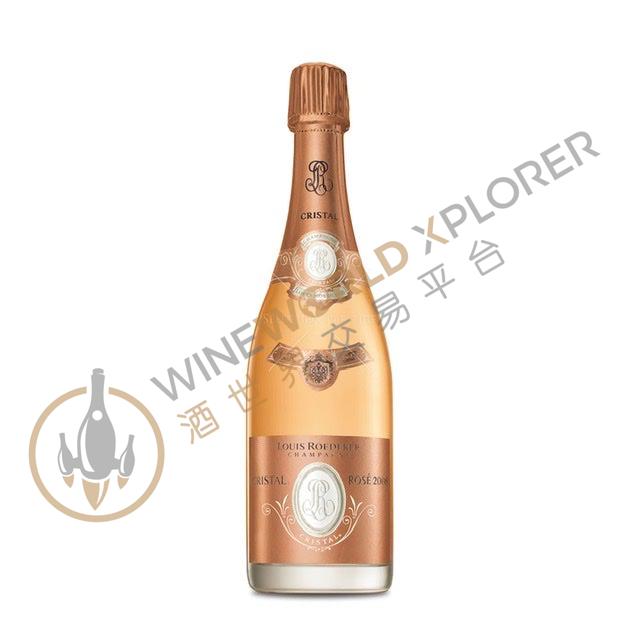
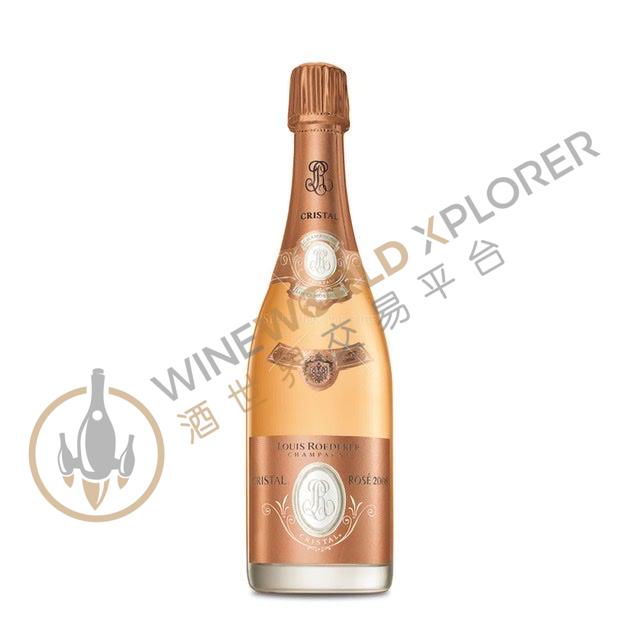
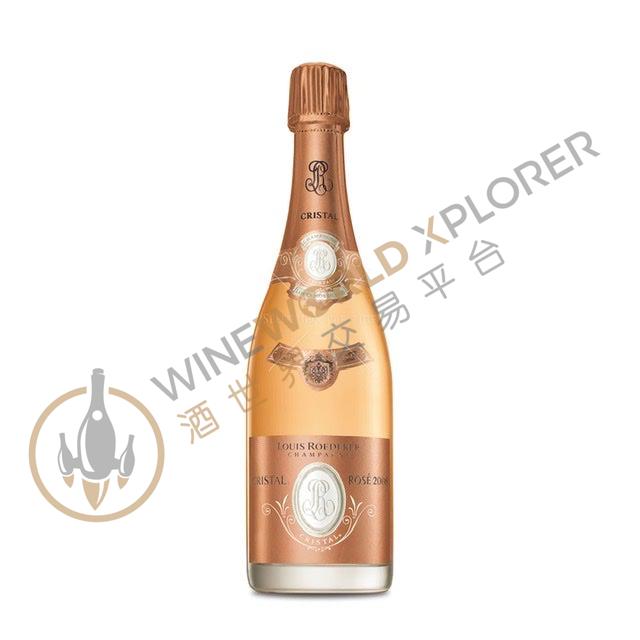
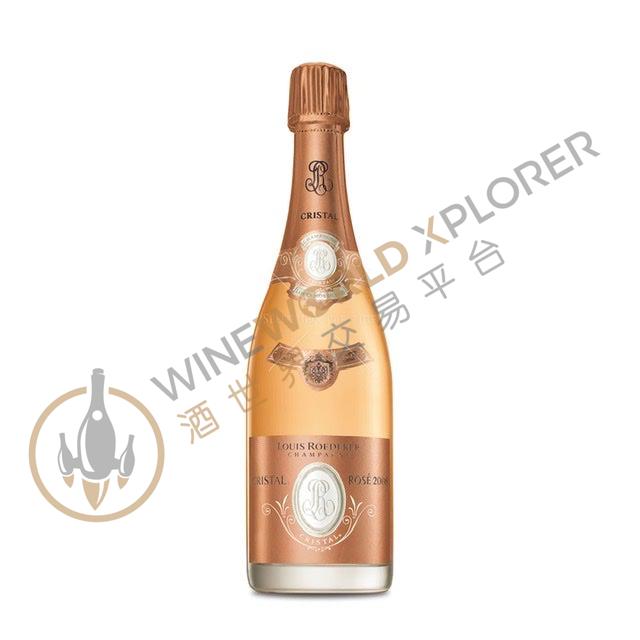
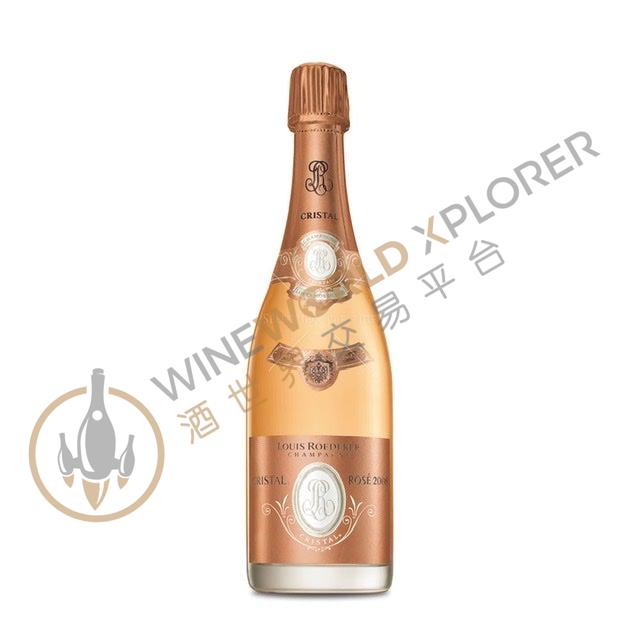
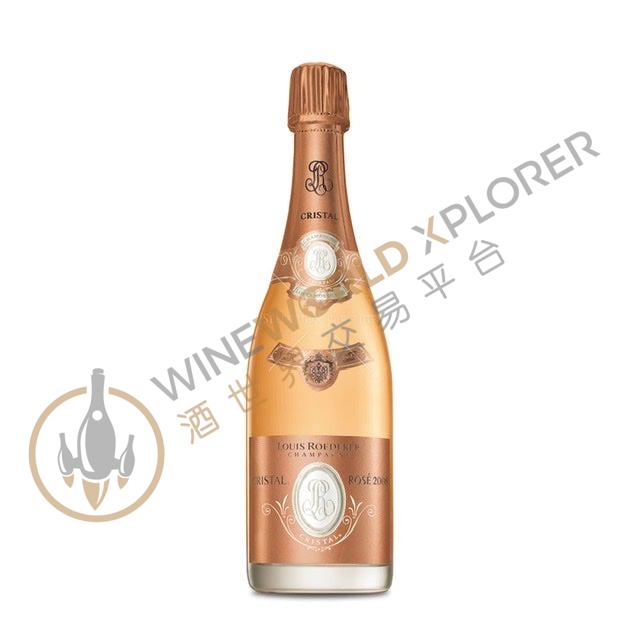
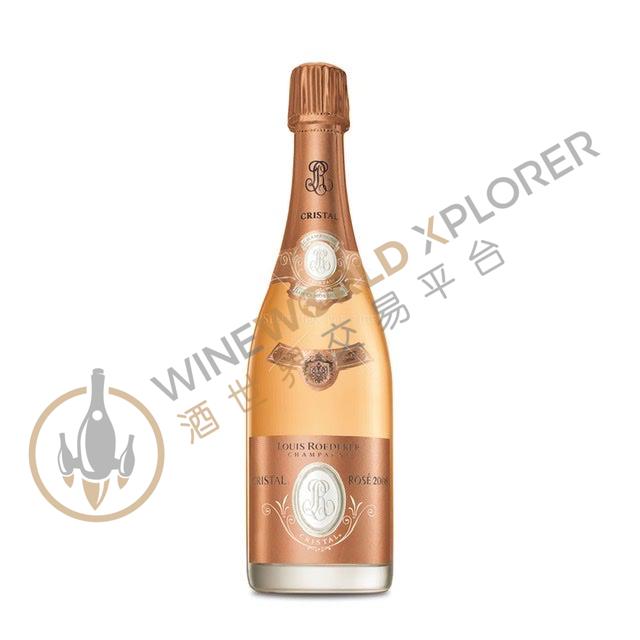
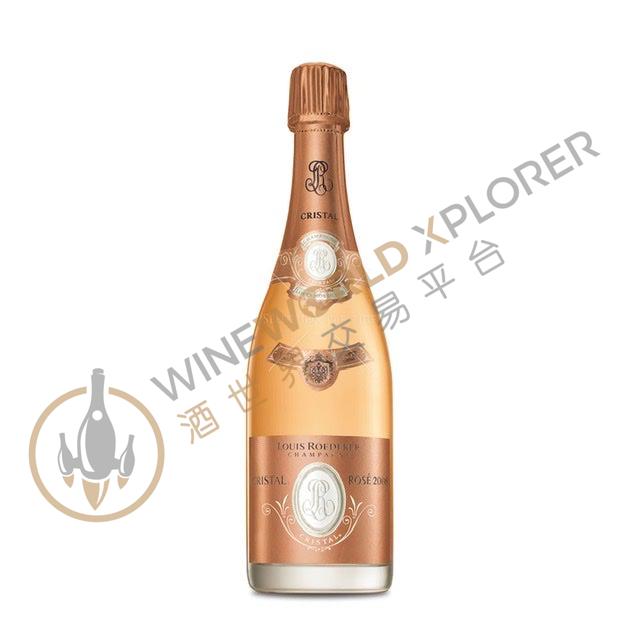
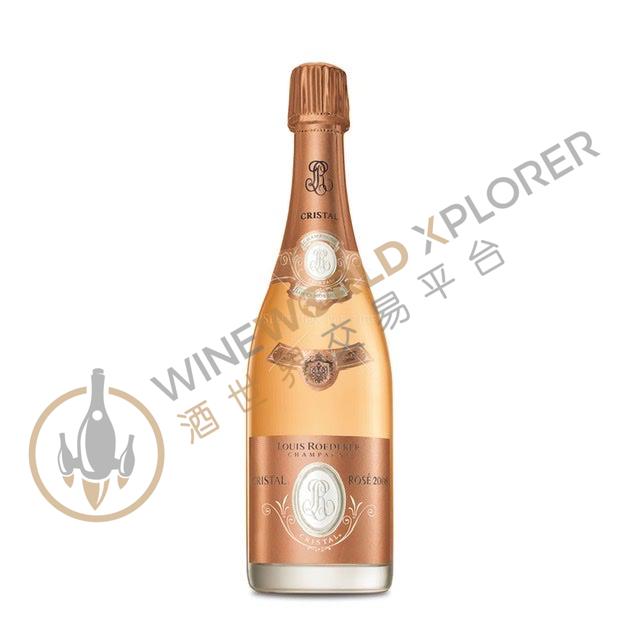
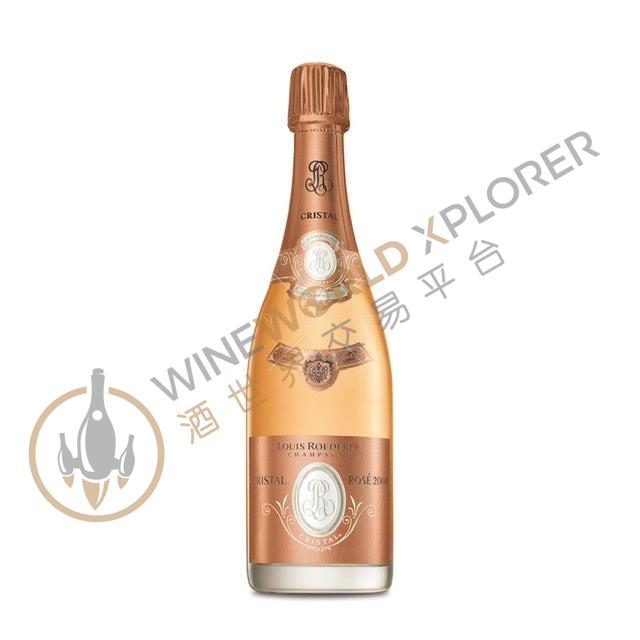
Louis Roederer, Cristal Rose Brut 2013
 View analysis


Description
Tasting notes

Reviewed by: William Kelley
A candidate for wine-of-the-vintage honors in Champagne, Roederer's 2013 Cristal Rosé is showing brilliantly, unfurling in the glass with notes of crisp orchard fruit, white flowers, red berries, stone fruit, freshly baked bread and tangerine oil. Full-bodied, layered and multidimensional, the vintage's bright girdling acids are amply cloaked in exuberant, expressive and notably concentrated fruit; so while this Cristal is as tensile and age-worthy as one would expect, it's also impressively fleshy and generous given the year. Concluding with an intensely sapid finish, the 2013 isn't as overtly structured as the muscular, tightly wound 2012: rather, it's the 2013's alliance of cut and flesh, precision and charm that's so compelling this year. This is another banner vintage for what I consider the reigning champion of the region's tête de cuvée bottlings, and it will be worth an effort to acquire.
Reviewed by: William Kelley
Notes of crisp yellow orchard fruit, white flowers, blanched almonds and warm brioche introduce the 2013 Cristal, a full-bodied, layered and incisive wine that's taut and chiseled but also notably exuberant in a vintage that I admire immensely but which can sometimes present an austere side. Deep, concentrated and penetrating, it's complemented by a pinpoint mousse and concludes with a long, saline finish. Less introverted than its 2012 predecessor, readers won't regret trying a bottle of the 2013 Cristal young—even if I'd recommend forgetting some for a decade too.
Reviewed by: William Kelley
I've revisited Roederer's 2013 Cristal four times since I reviewed it in April of this year—including several times from my own cellar—and I had to admit that even my lavish praise didn't do it full justice. Combining the cool-vintage cut of 2008 with the more completely mature fruit of 2012, the 2013 Cristal might well be said to represent the perfect combination of the two from a purist's perspective. The wine unwinds in the glass with notes of crisp orchard fruit, white flowers, almond paste and citrus oil, followed by a medium to full-bodied, seamless and multidimensional palate that's intense but weightless, with racy acids, a pinpoint mousse and a long, penetrating finish. Drink the 2008 Cristal on its own, and you're unlikely—to put it mildly—to have any complaints; but compare it directly with the 2013 and you'll see Roederer's rapid progress in the vineyards writ large.
Reviewed by: Antonio Galloni
The 2013 Cristal Rosé is searingly intense right out of the glass, just like the Blanc, except it has a bit more fleshiness because of the skin contact on the Pinot. Cristal Rosé has one of the best track records for aging in Champagne. I suspect the 2013 will join the ranks of the epic vintages, but it is painfully tight today. The blend is 55% Pinot Noir (from Aÿ) and 45% Chardonnay (from Avize and Mesnil) done in the classic Roederer infusion style in which Pinot Noir is vinified on the skins and then blended with Chardonnay to complete the fermentation. About 25% of the lots were done in oak, while malolactic fermentation was blocked. (Originally published in May 2021)
Reviewed by: Antonio Galloni
The 2013 Cristal Rosé is searingly intense right out of the glass, just like the Blanc, except it has a bit more fleshiness because of the skin contact on the Pinot. Cristal Rosé has one of the best track records for aging in Champagne. I suspect the 2013 will join the ranks of the epic vintages, but it is painfully tight today. The blend is 55% Pinot Noir (from Aÿ) and 45% Chardonnay (from Avize and Mesnil) done in the classic Roederer infusion style in which Pinot Noir is vinified on the skins and then blended with Chardonnay to complete the fermentation. About 25% of the lots were done in oak, while malolactic fermentation was blocked.
About the Producer
When he inherited the Champagne House in 1833, the aesthete and entrepreneur Louis Roederer took a visionary approach to enriching his vines, aiming to master every stage of the wine’s creation. He forged the wine’s unique style, character, and taste. In the mid-nineteenth century, Louis Roederer acquired some of Champagne’s grand cru vineyards—an approach that contrasted sharply with contemporary practices.. While other Houses bought their grapes, Louis Roederer nurtured his vineyards, familiarized himself with the specific characteristics of each parcel, and methodically acquired the finest land. Louis Roederer’s guiding principle was that all great wine depends on the quality of the soil, a passion for tradition, and an astute vision of the future; the fame and reputation of the House of Louis Roederer was firmly established. His heir, Louis Roederer II was equally enlightened and adopted his father’s conscientious approach to the production of champagne, patrimonial estate management, and instinctive audacity.