 Wine Advisor



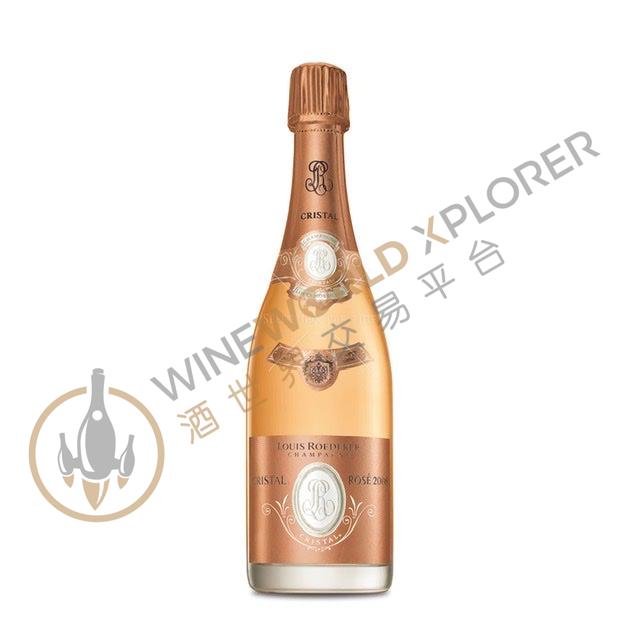
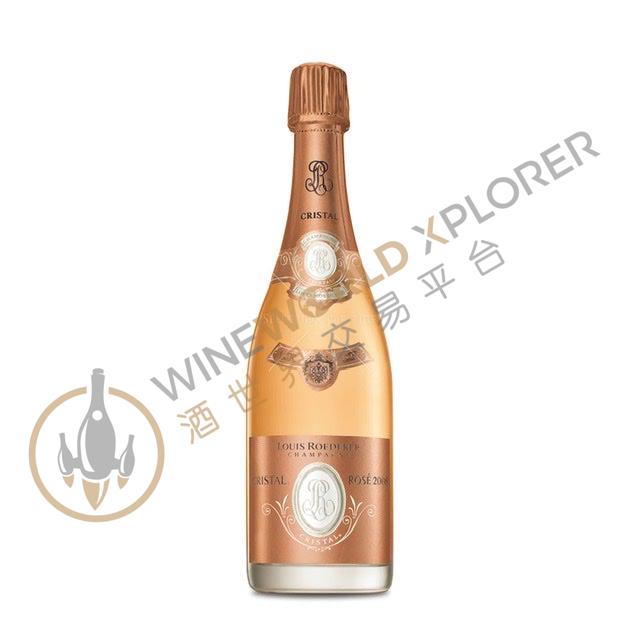
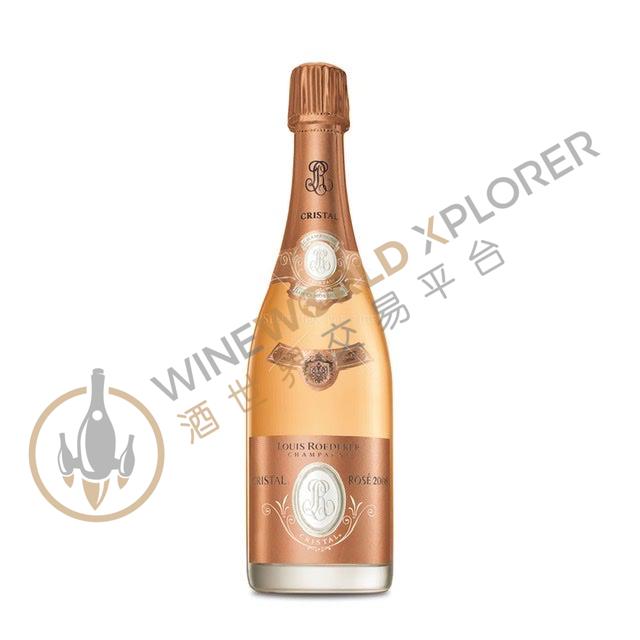
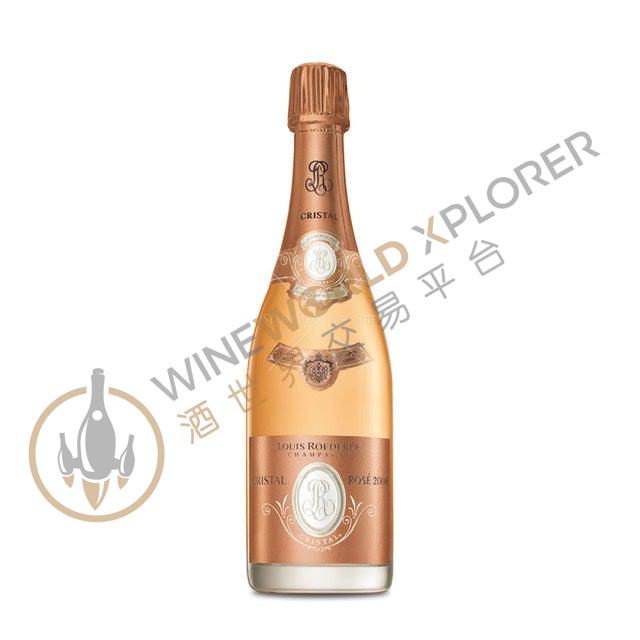
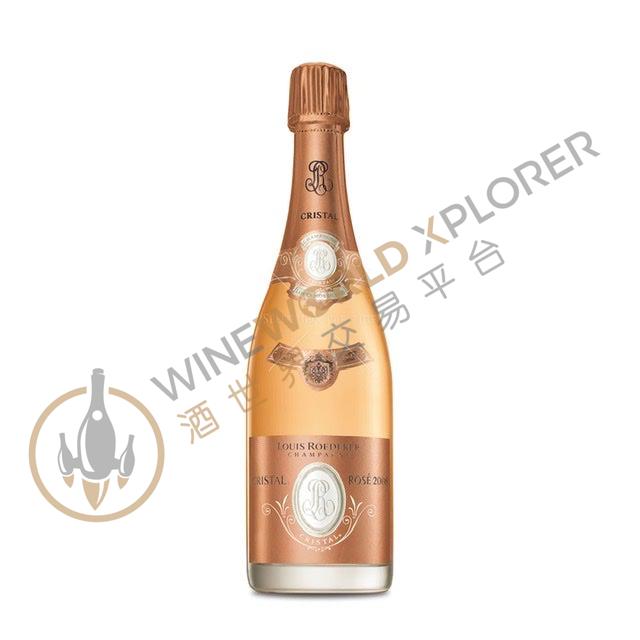
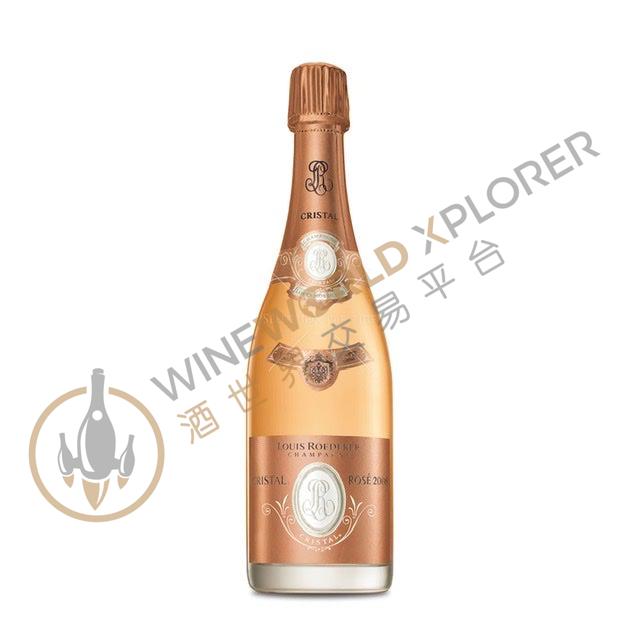
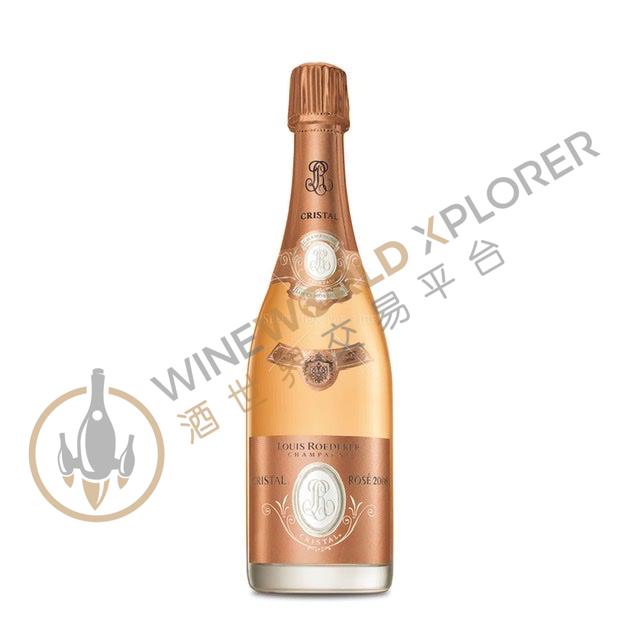
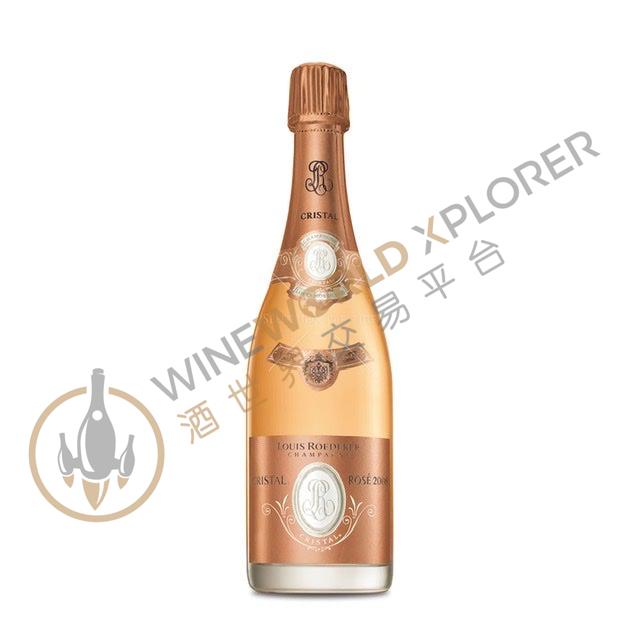
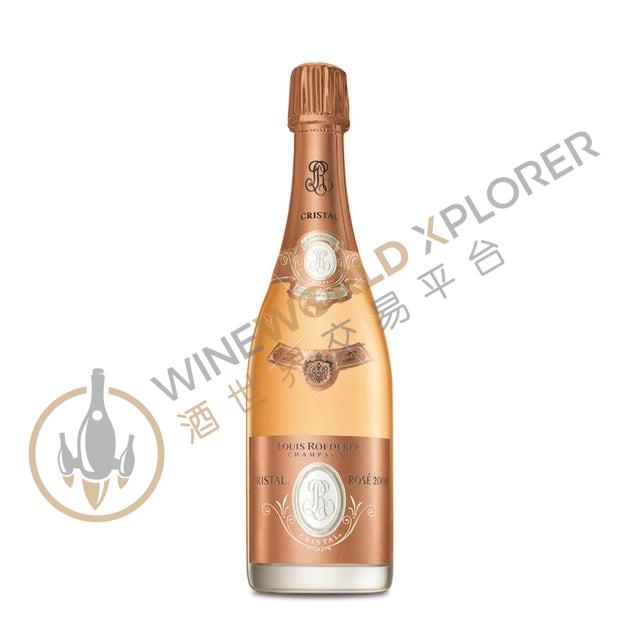
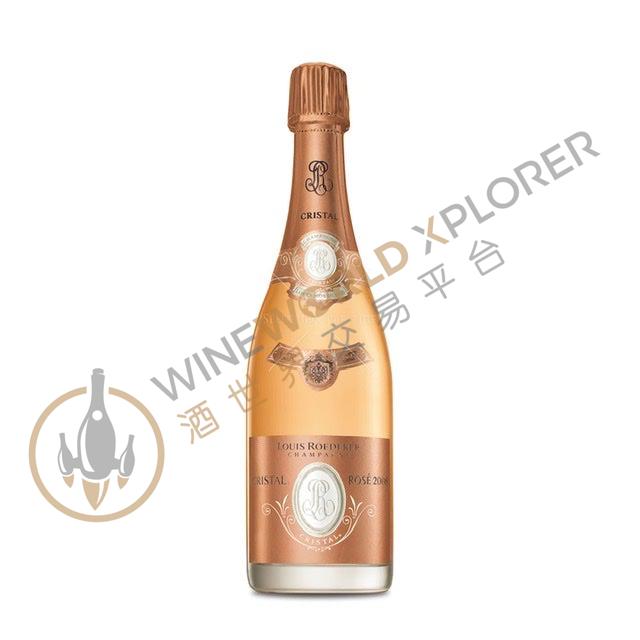
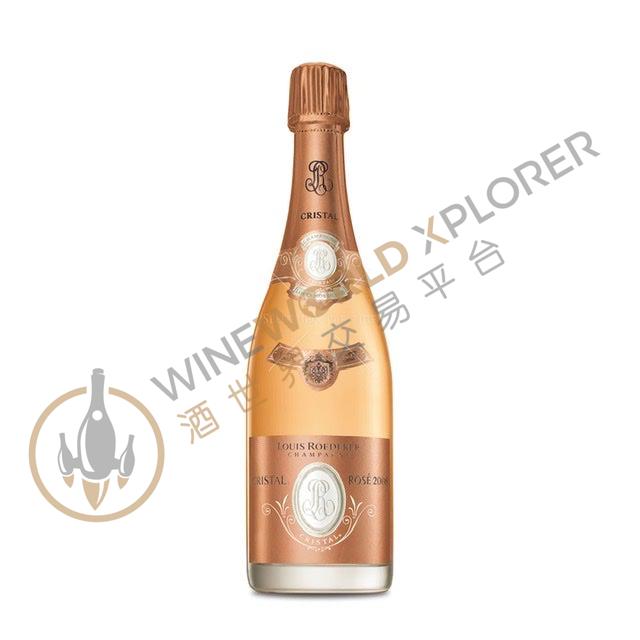
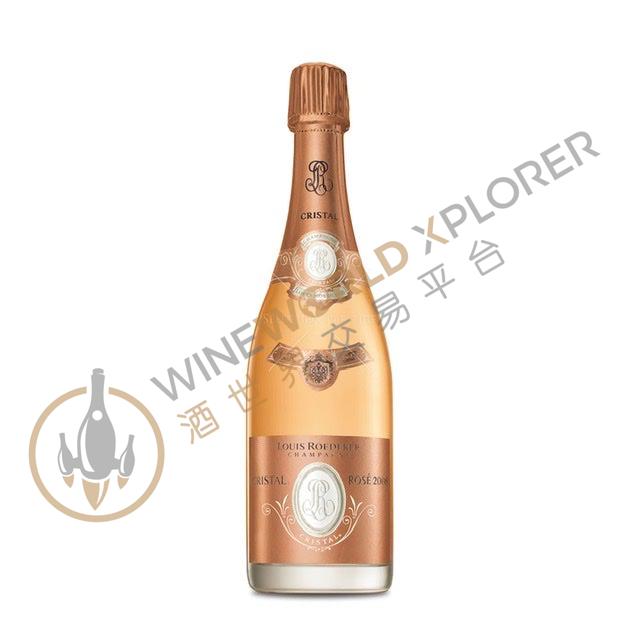
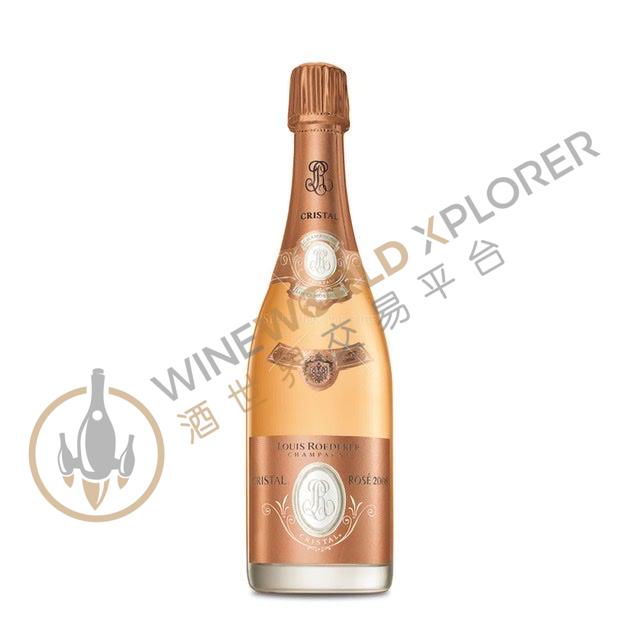
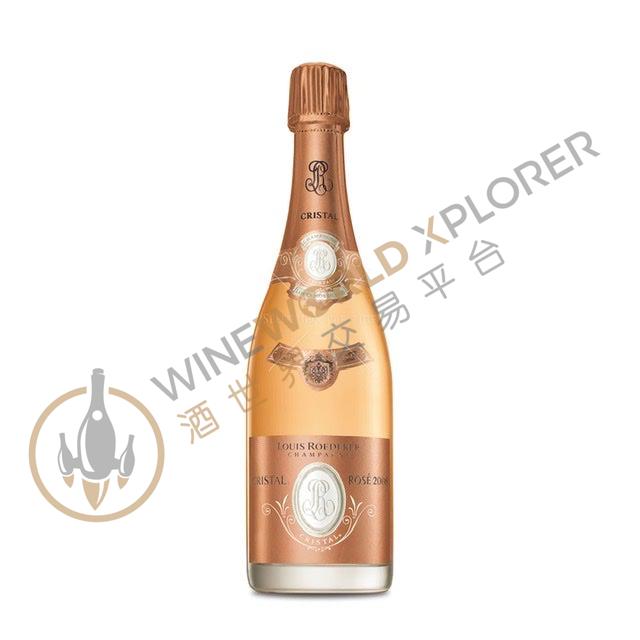
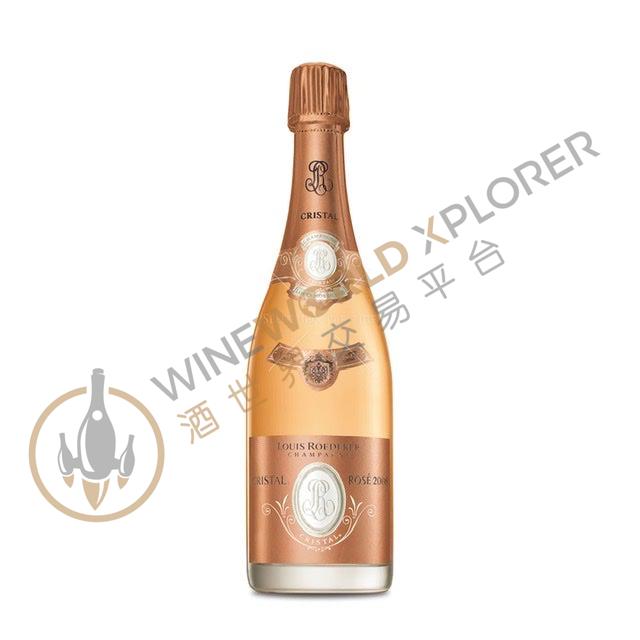
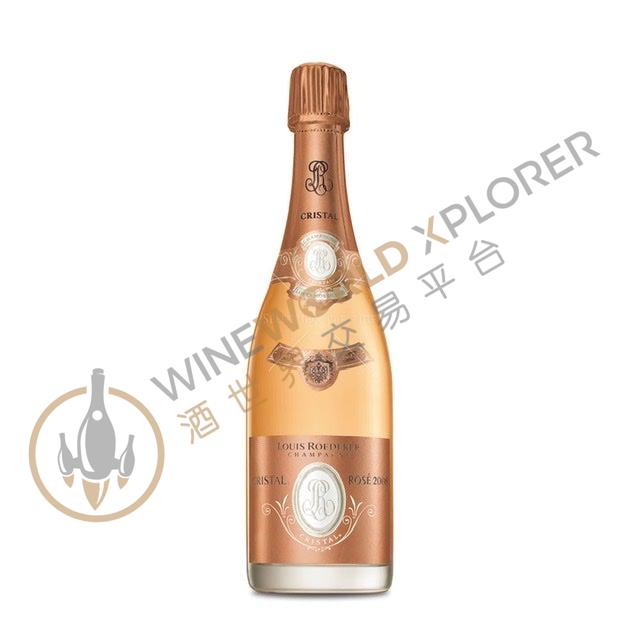
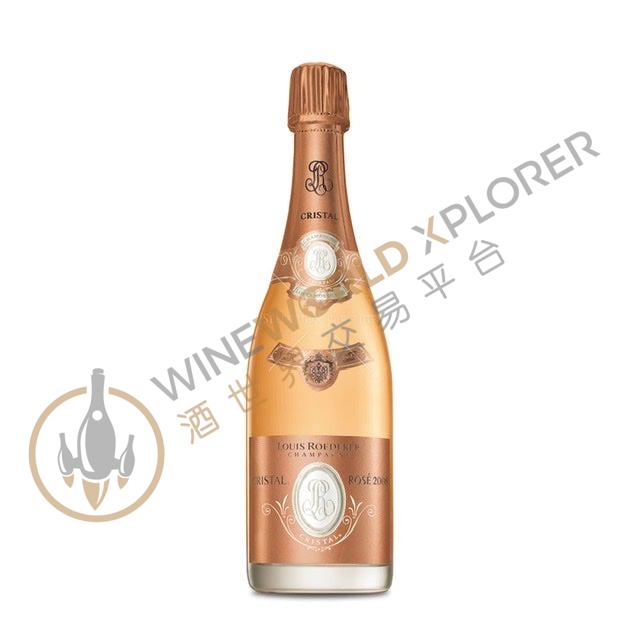
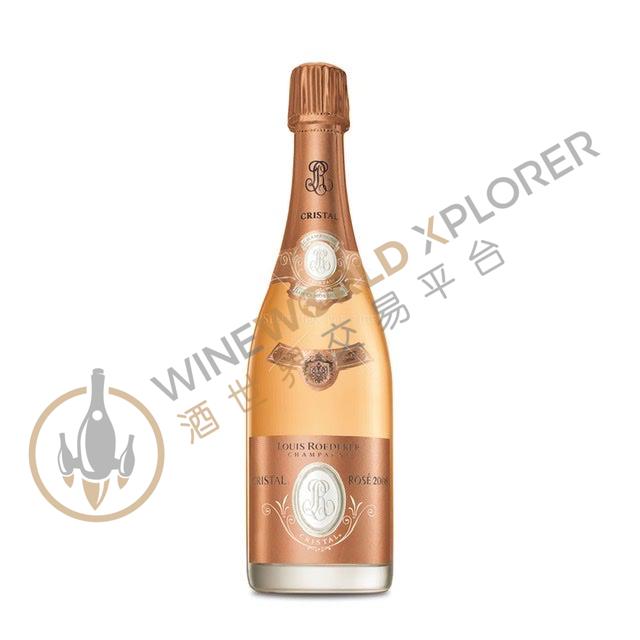
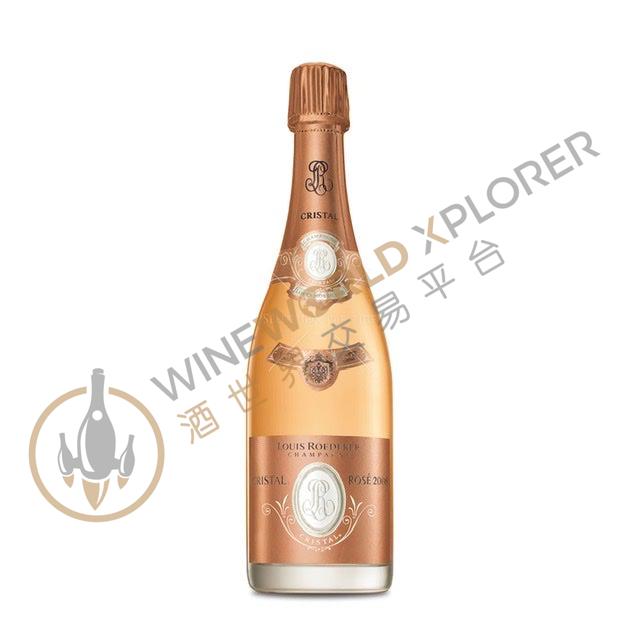
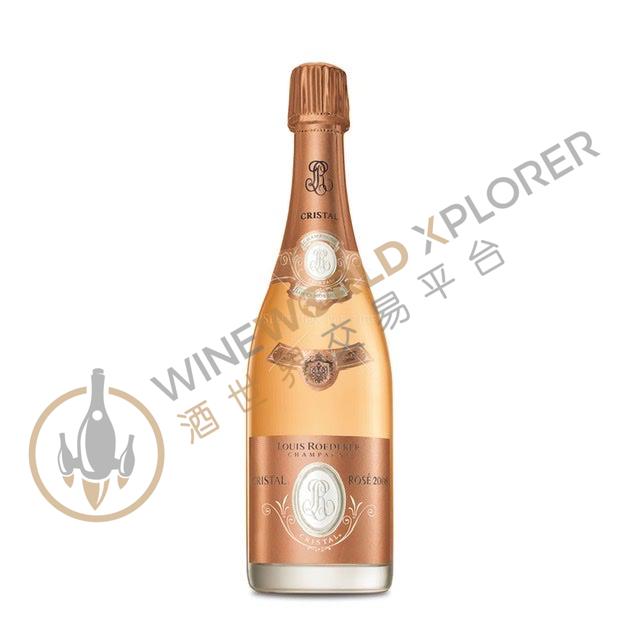
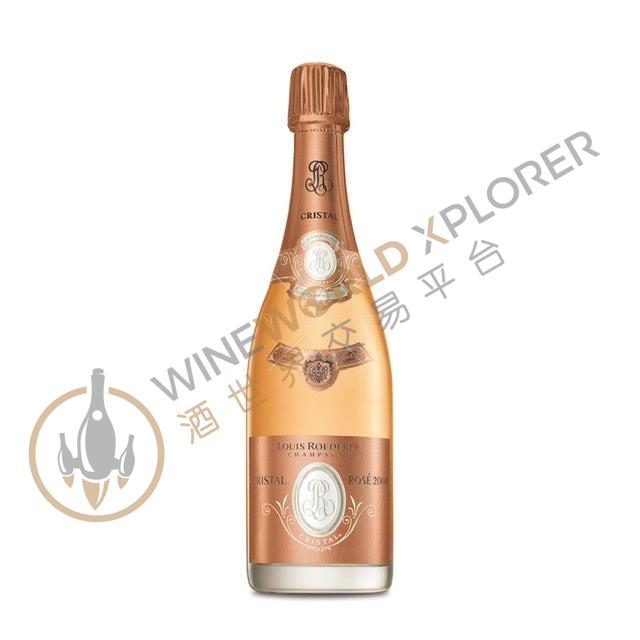
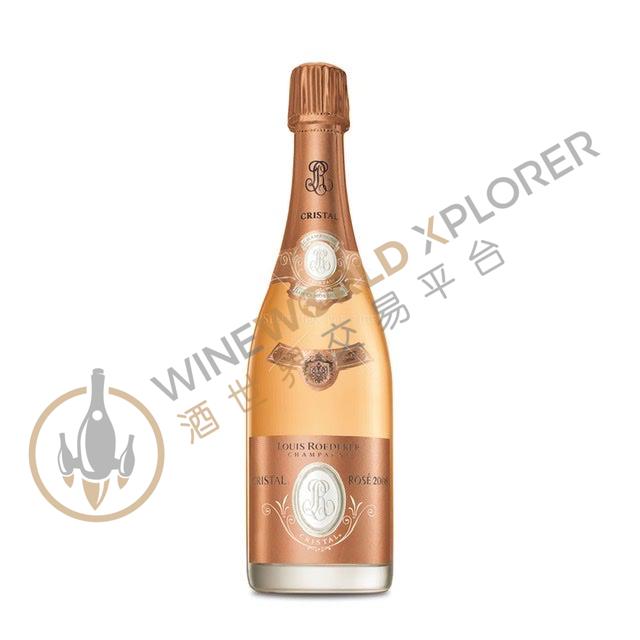
Louis Roederer, Cristal Rose Brut 2008
 View analysis


Description
Tasting notes

Reviewed by: Stephan Reinhardt
Roederer's 2008 Cristal Rosé is a pure but textured, perfectly ripe, round, luscious and mouth-filling Champagne with power and concentration as well as a crystalline, elegant precision and stunning, citrusy freshness. Sourced in four biodynamically farmed plots in Aÿ (two vineyards with old-vines Pinot Noir on calcareous clay soils that can give exceptional ripeness but also crystalline freshness), Avize and Mesnil (one-third), the 2008 is a blend of 55% to 57% Pinot Noir and 43% to 45% Chardonnay and was fermented partly (15%) in large oak casks, with 16% having undergone malolactic fermentation. The unique light peach to pink-salmon color as well as the combination of juicy ripeness and great freshness is the result of "infusion," a vinification method practiced at Roederer since 1974 to combine finesse and mineralization with depth and ripeness. Cristal Rosé is produced with the saignée process after a cold maceration of seven to ten days and, after being blended with Chardonnay, is fermented like a dry wine. The delicate and subtle bouquet of the 2008 Cristal Rosé is intense and fruity, intertwining red berry and sweet cherry aromas with floral flavors and a touch of caramel and nuts. On the palate, the 2008 is very elegant, fine, pure, precise and fresh but nevertheless dense, intense and fleshy, with lots of powdery chalk and a pure, very fresh, chalky-salty finish with zesty citrus flavors. The 2008 should have enormous aging potential. The Rosé was disgorged in March 2017, and the dosage is eight grams per liter. Tasted at the domaine in May 2018.
Reviewed by: William Kelley
The finest rendition of this cuvée that Lécaillon has produced to date—and, indeed, one of the finest wines produced by any of Champagne's important houses in the last two or three decades—is the 2008 Cristal Rosé, a brilliant wine that derives from a mere four of the 45 plots that are candidates for inclusion in Cristal: two blocks of Pinot Noir from Aÿ, one of Chardonnay from Mesnil and another from Avize, and I suspect that its origin in the crème de la crème of Roederer's Cristal-worthy holdings has even more to do with the extra dimension it possesses above and beyond its white counterpart than the delicate infusion of Pinot Noir phenolics that give it its delicate pink hue. Unfurling in the glass with aromas of wild strawberries, tangerine, warm pastry and crisp green orchard fruit, the 2008 is medium to full-bodied, deep and concentrated, with a racy but beautifully integrated spine of acidity, a multidimensional core and a searingly chalky and laser-focused finish. Impeccably balanced and harmonious, this superb wine represents one of the qualitative peaks of this great vintage. It will be seven or eight years until it truly starts to blossom, but its benchmark quality is already glaringly apparent.
Reviewed by: Stephan Reinhardt
Let's start describing the 2008 Cristal technically first. It is a 60/40 blend of Pinot Noir and Chardonnay from 36 plots in seven grands crus: Verzy, Verzenay, Beaumont and Aÿ for the Pinot Noir and Mesnil, Avize and Cramant for the Chardonnay. Twenty-five percent of the wine was fermented in oak, and 16% underwent malolactic fermentation to moderate the fresh acidity of the 2008 vintage. The assemblage was bottled in May 2009. After 8.5 years on the second lees (longer than any Cristal before), the first release was disgorged in September 2017 with a relatively low dosage of 7.5 grams per liter. So, here is how it tastes as a "young" cuvée: The 2008 Cristal opens bright, super clear, fresh and pure on the exciting, absolutely fascinating nose with its fine, complex and elegant bouquet of gorgeously ripe and matured fruits, brioche and chalk expressions. This is the finest you can get from Champagne. The palate is pure, lean, fresh and filigreed but concentrated, highly complex, full of tension and enormously vibrant. This is a great vin de terroir, a dense and elegant Super-Cristal that goes straight and precise as a laser beam over the palate but also has texture in the form of sensually fleshy fruit. The dosage, however, is the lowest ever: just 7.5 grams. The endless and highly tensioned finish is complex, citrusy fresh, full of chalk and crystalline finesse. The 2008 Cristal is a vitalizing drug, "the Chevalier Montrachet of Champagne," as Jean-Baptise Lécaillon puts it. It is the most exciting 2008 Champagne I have tasted thus far (May 2018).
Reviewed by: William Kelley
Disgorged in September 2017 with 7.5 grams per liter dosage, the 2008 Cristal was produced from 37 of the 45 parcels that are candidates for inclusion in this cuvée—some 40% of which were farmed organically back in 2008—and it's a blend of 60% Pinot Noir and 40% Chardonnay. The finest young Cristal in decades, the wine wafts from the glass with a pure and vibrant bouquet of crisp orchard fruit, clear honey, warm brioche, citrus zest and white flowers. On the palate, it's full-bodied, intense and incisive, with superb concentration, racy acids and a long, searingly chalky finish. Pristinely balanced, there are some 500,000 bottles of this legend-in-the-making.
Reviewed by: Antonio Galloni
As a group, the 2008 Champagnes are focused and tightly wound. The 2008 Cristal Rosé has plenty of those qualities, but what places it in a truly rarified category is its sheer depth and verticality. Vinous, powerful and resonant, the 2008 Cristal Rosé has more than enough stuffing to support decades of cellaring. For starters, it won’t be ready to drink for another 5-10 years. This is a positively monumental, towering Champagne from Chef de Caves Jean-Baptiste Lécaillon and his team.
Reviewed by: Antonio Galloni
The 2008 Cristal Rosé is all tension, nuance and class. Fresh and utterly brilliant, the 2008 bristles on the palate with pure pedigree. In the glass, the 2008 is at once translucent, weightless and powerful. Readers should be in no hurry to drink the 2008, a wine that will age effortlessly for many, many decades to come.
About the Producer
When he inherited the Champagne House in 1833, the aesthete and entrepreneur Louis Roederer took a visionary approach to enriching his vines, aiming to master every stage of the wine’s creation. He forged the wine’s unique style, character, and taste. In the mid-nineteenth century, Louis Roederer acquired some of Champagne’s grand cru vineyards—an approach that contrasted sharply with contemporary practices.. While other Houses bought their grapes, Louis Roederer nurtured his vineyards, familiarized himself with the specific characteristics of each parcel, and methodically acquired the finest land. Louis Roederer’s guiding principle was that all great wine depends on the quality of the soil, a passion for tradition, and an astute vision of the future; the fame and reputation of the House of Louis Roederer was firmly established. His heir, Louis Roederer II was equally enlightened and adopted his father’s conscientious approach to the production of champagne, patrimonial estate management, and instinctive audacity.