 Wine Advisor



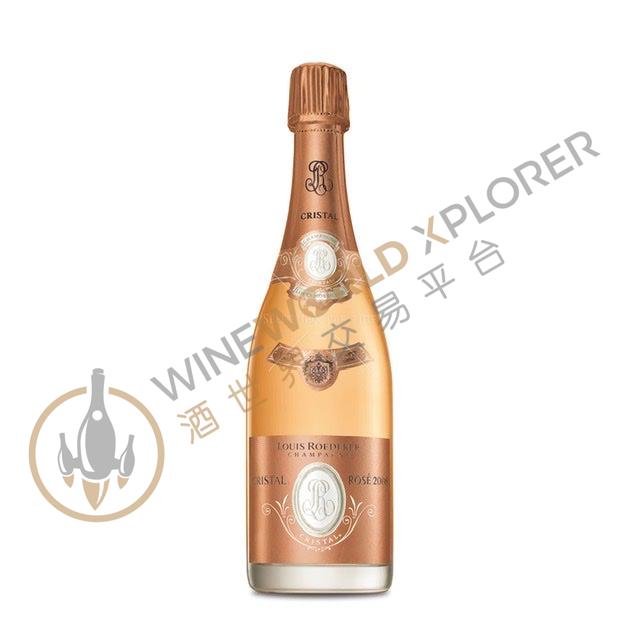
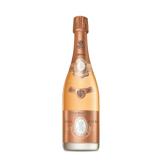
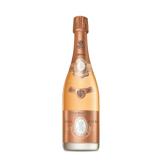
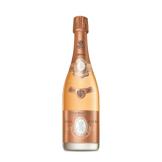
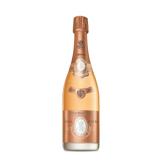
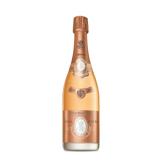
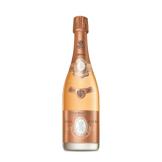
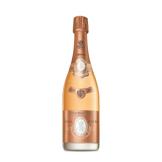
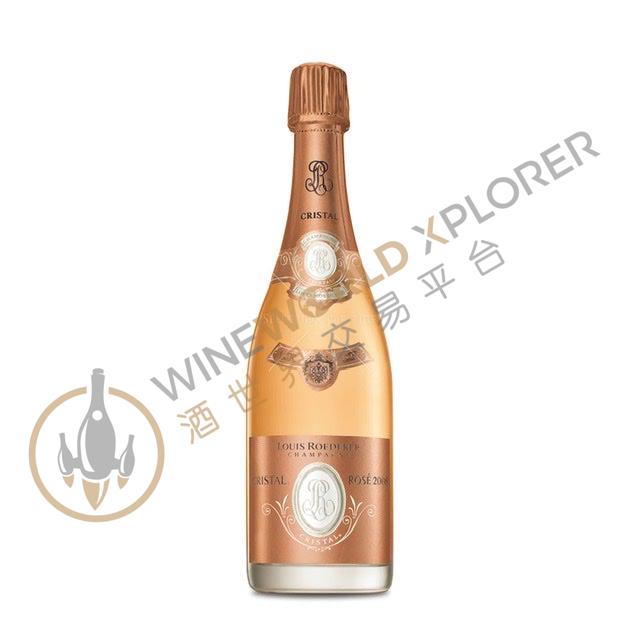
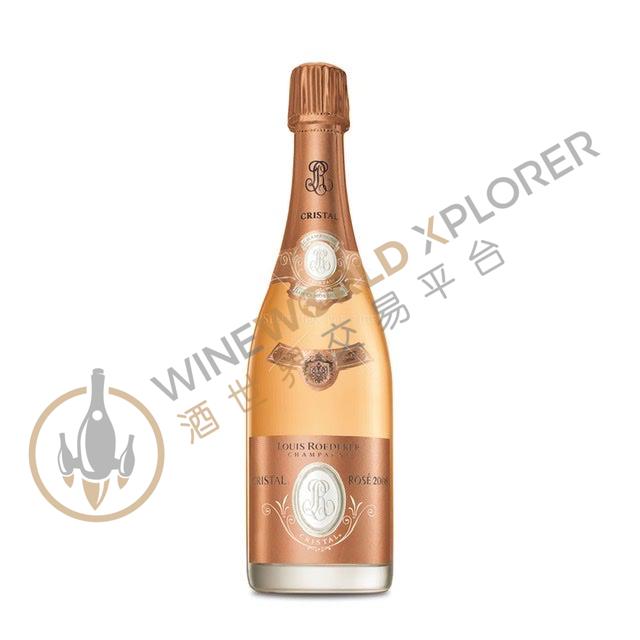
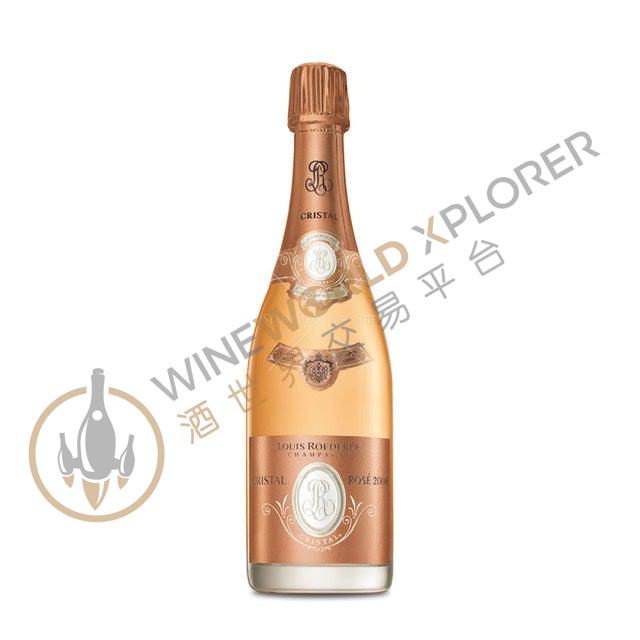
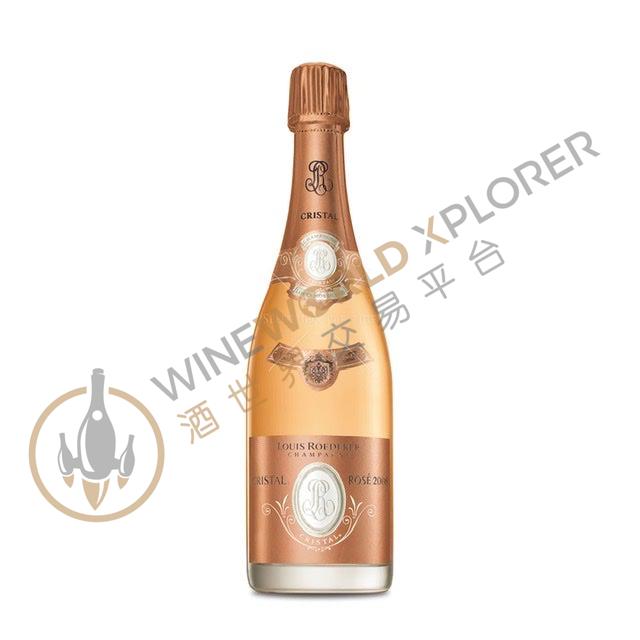
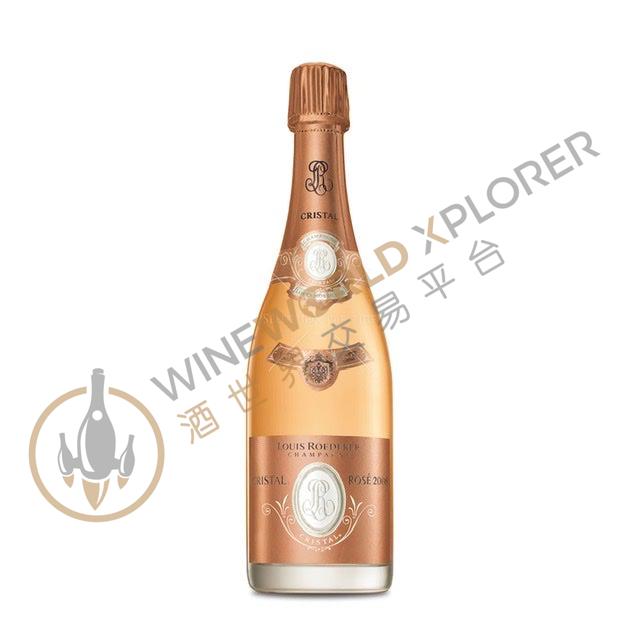
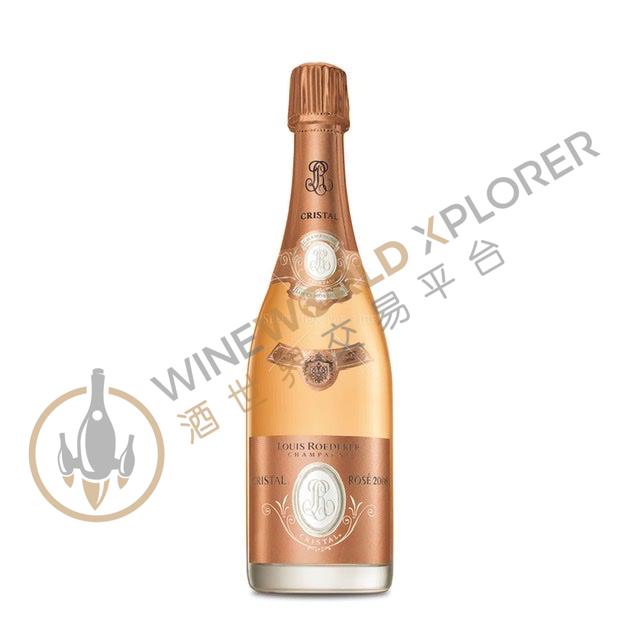
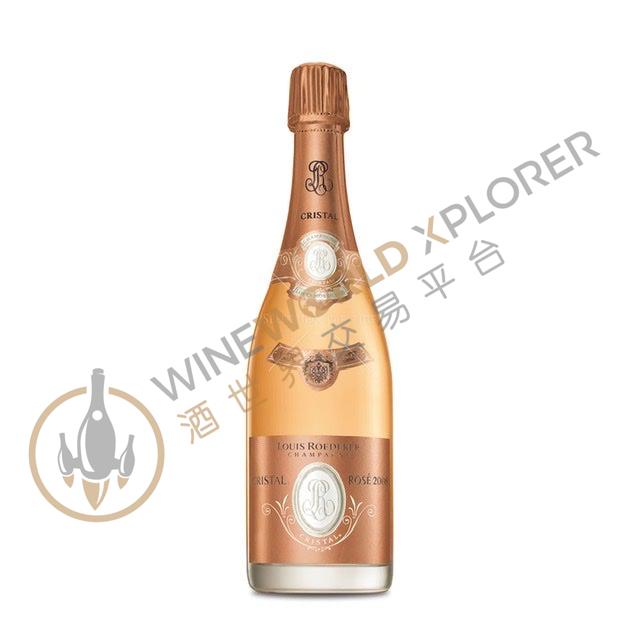
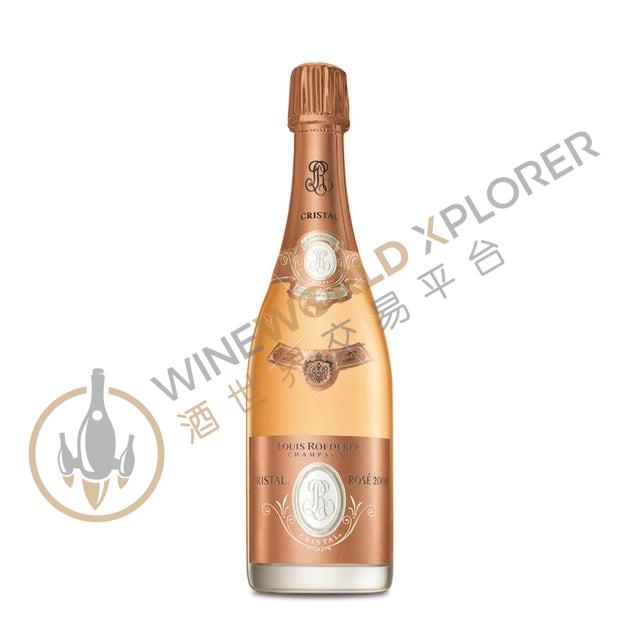
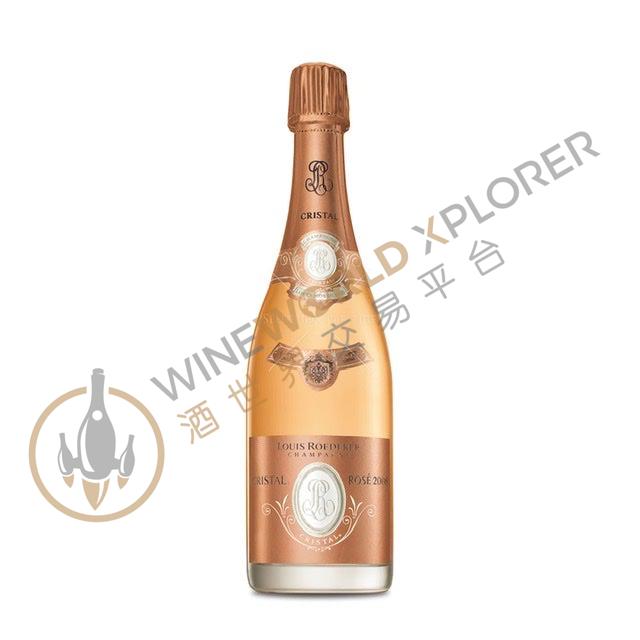
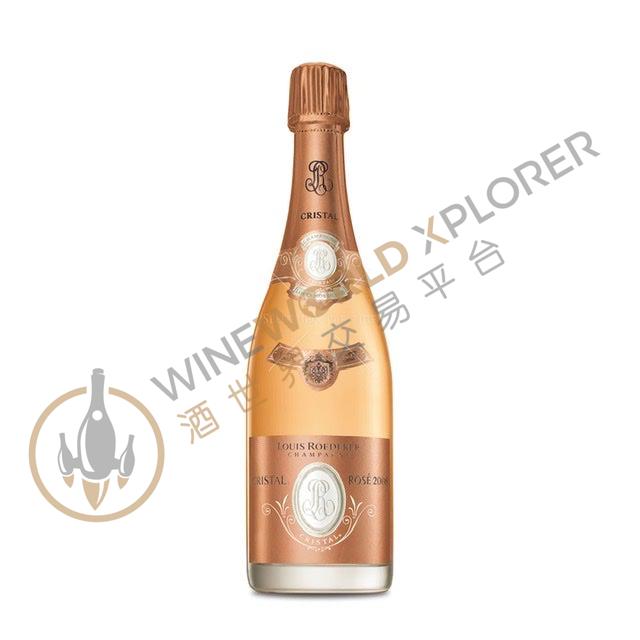
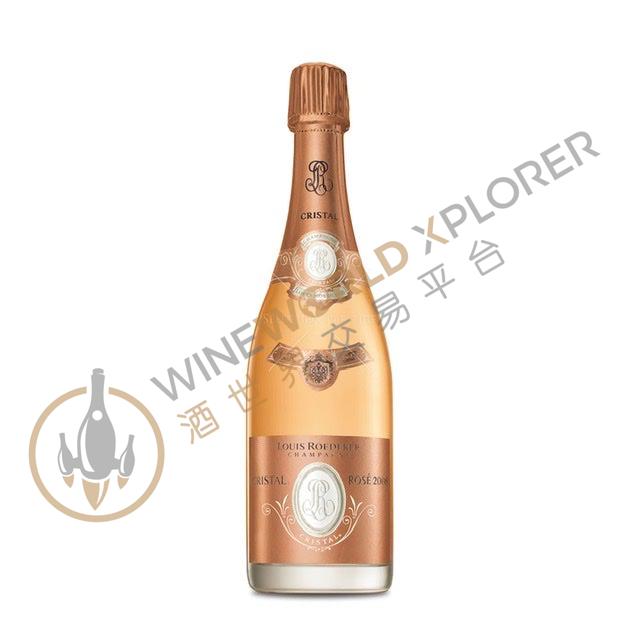
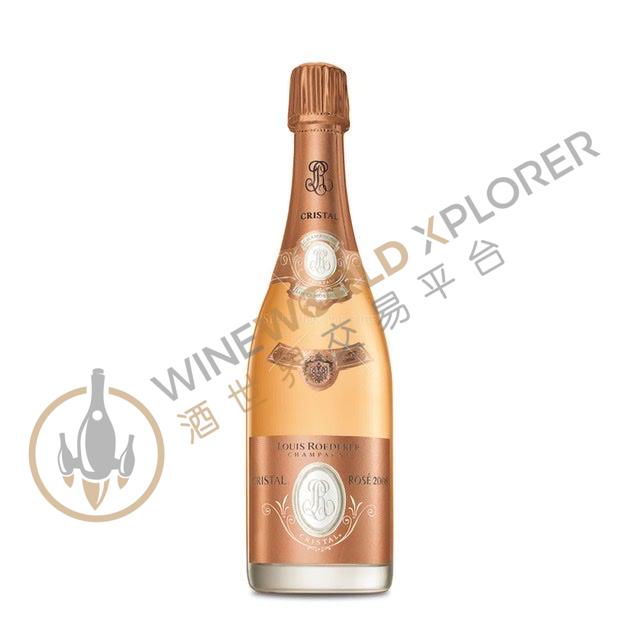
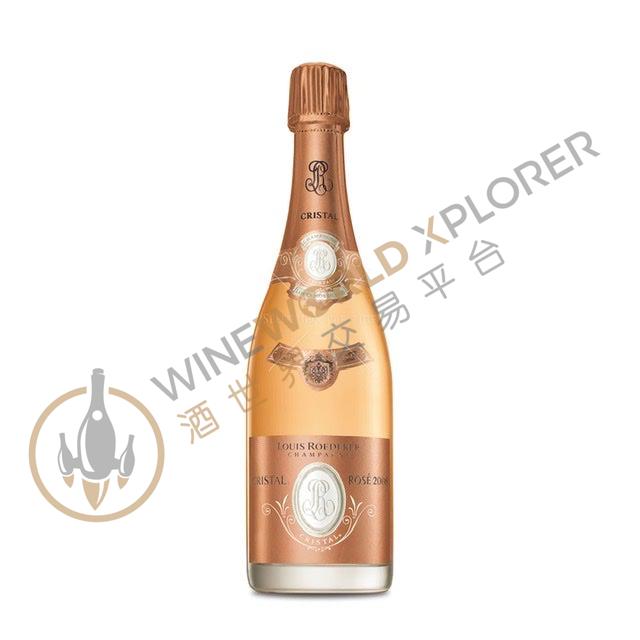
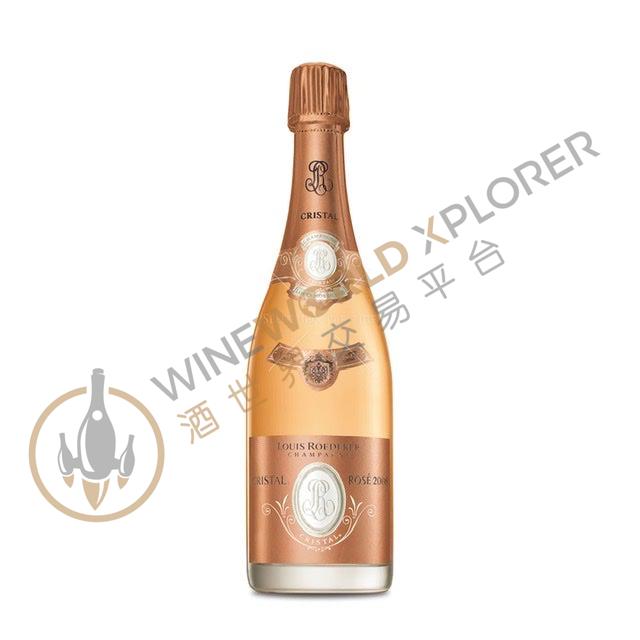
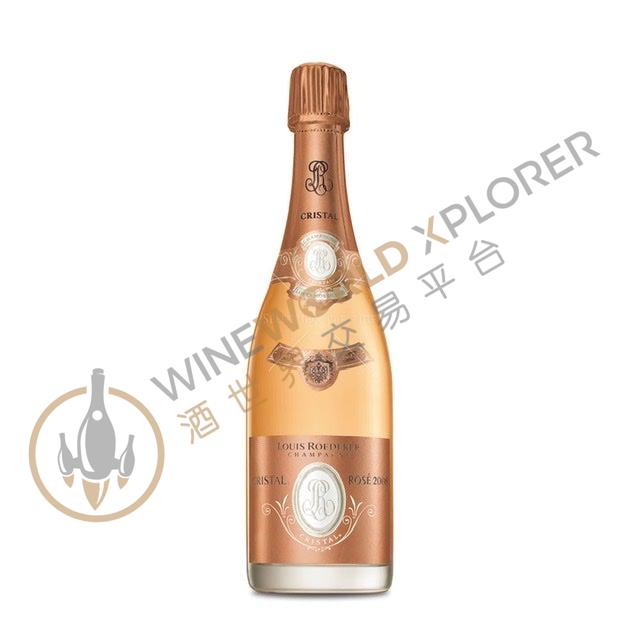
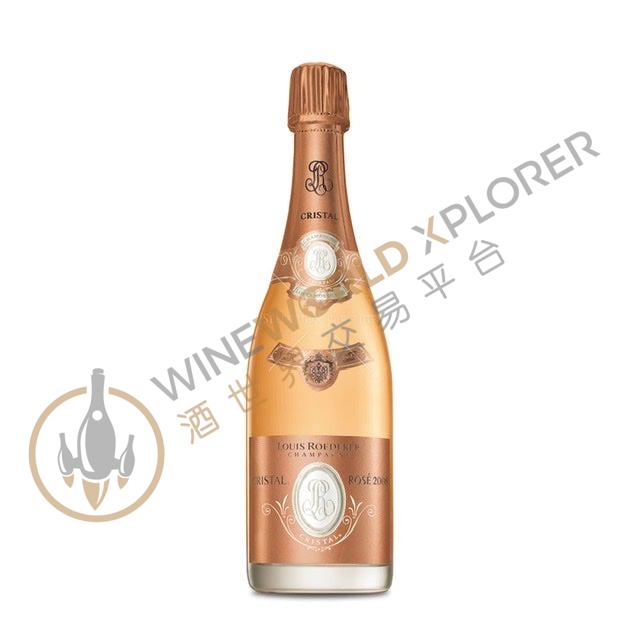
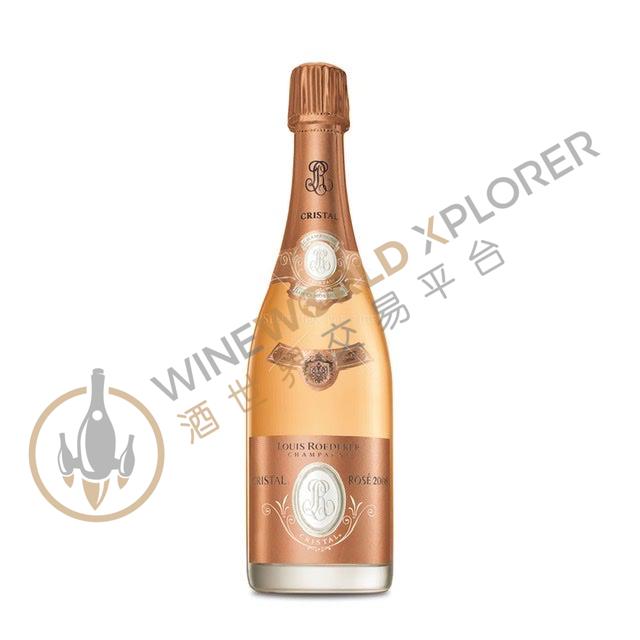
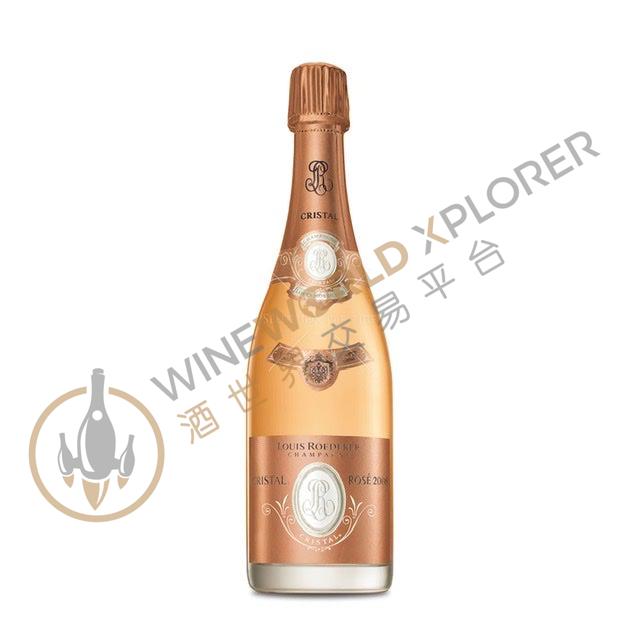
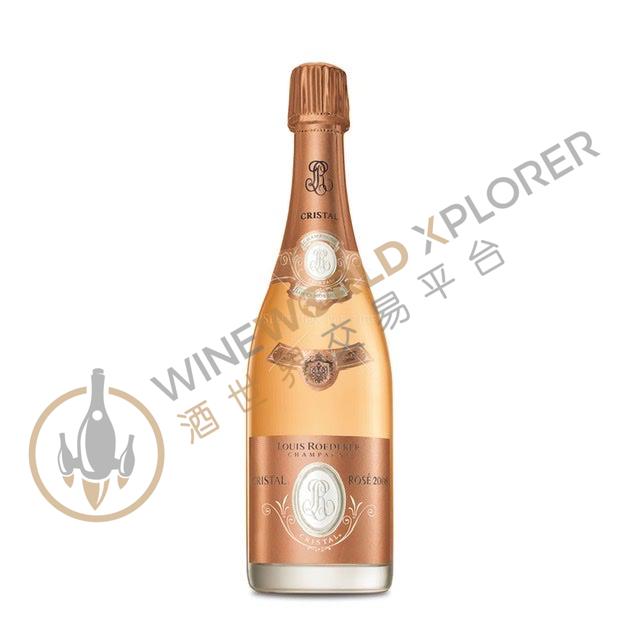
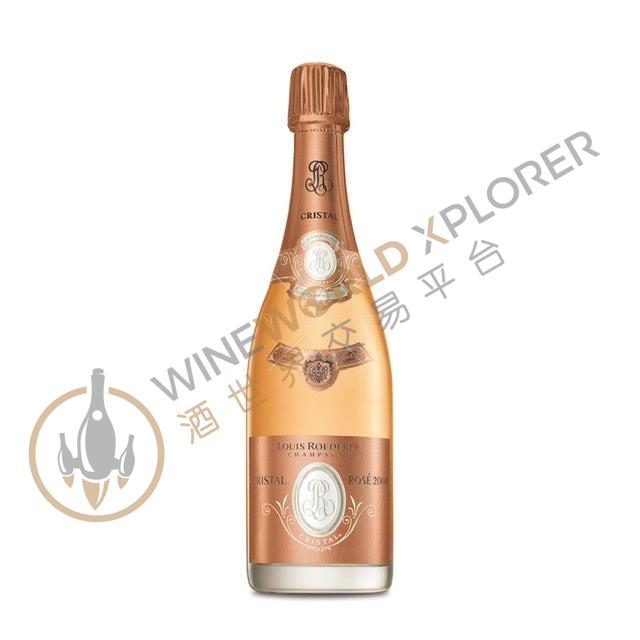
Louis Roederer, Cristal Rose Brut 2005


Description
Tasting notes

Reviewed by: William Kelley
The 2005 Cristal is drinking very well, and it stands out as a fine effort in this challenging year for Champagne. Offering up aromas of crisp orchard fruit, nectarine, freshly baked bread and subtle hints of honeycomb, it's medium to full-bodied, elegantly fleshy and incisive, with racy acids and a pearly mousse, concluding with a long, chalky finish.
Reviewed by: Antonio Galloni
The 2005 Cristal stands out for its exceptional inner perfume and elegance. Soft, delicate and pretty, the 2005 is a relatively immediate Cristal with all of the signatures very much in the right place. The 2005 doesn’t have the opulence of the 2002 nor the focus of the 2004, but it is a very pretty, if somewhat small-scaled version of this iconic Champagne. I would drink the 2005 while the 2002 and 2004 age. Although Cristal has an impeccable track record when it comes to aging, personally I would not push it with the 2005. Anticipated maturity: 2012-2020. Roederer fans will find plenty of delicious wines in this lineup. Best of all, many of the best wines this year won’t break the bank. Unfortunately I did not taste Roederer’s NV wines, as the house does not list disgorgement dates or base vintages on their labels. Still, there are few estates in Champagne that are so consistently outstanding across their entire range. Importer: Maisons Marques & Domaines USA, Inc., Oakland, CA; tel. (510) 587-2000
About the Producer
When he inherited the Champagne House in 1833, the aesthete and entrepreneur Louis Roederer took a visionary approach to enriching his vines, aiming to master every stage of the wine’s creation. He forged the wine’s unique style, character, and taste. In the mid-nineteenth century, Louis Roederer acquired some of Champagne’s grand cru vineyards—an approach that contrasted sharply with contemporary practices.. While other Houses bought their grapes, Louis Roederer nurtured his vineyards, familiarized himself with the specific characteristics of each parcel, and methodically acquired the finest land. Louis Roederer’s guiding principle was that all great wine depends on the quality of the soil, a passion for tradition, and an astute vision of the future; the fame and reputation of the House of Louis Roederer was firmly established. His heir, Louis Roederer II was equally enlightened and adopted his father’s conscientious approach to the production of champagne, patrimonial estate management, and instinctive audacity.