 Wine Advisor



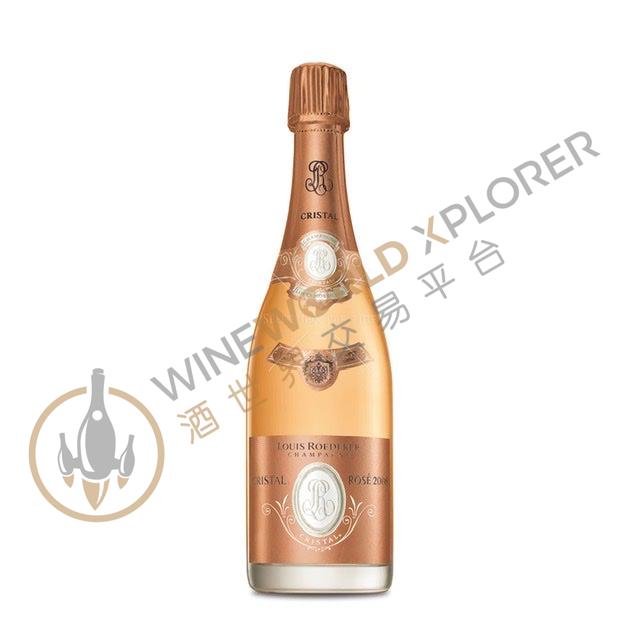
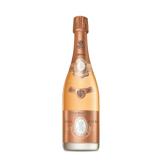
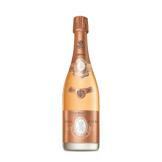
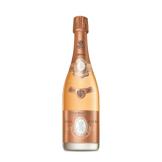
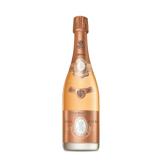
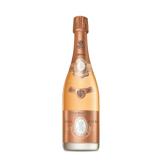
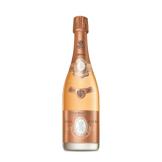
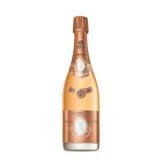
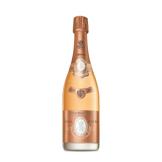
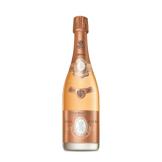
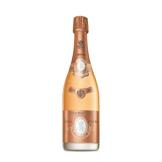
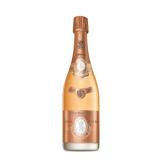
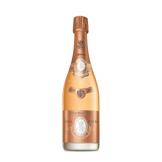
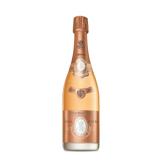
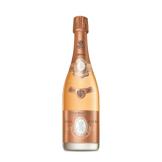
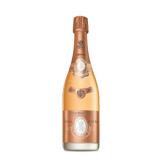
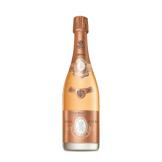
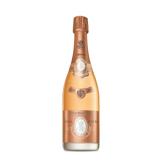
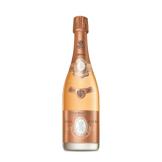
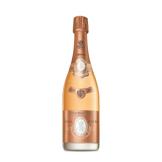
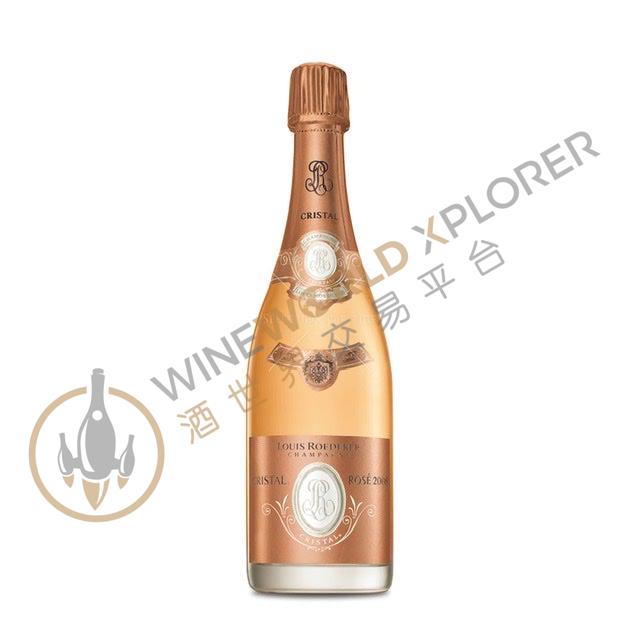
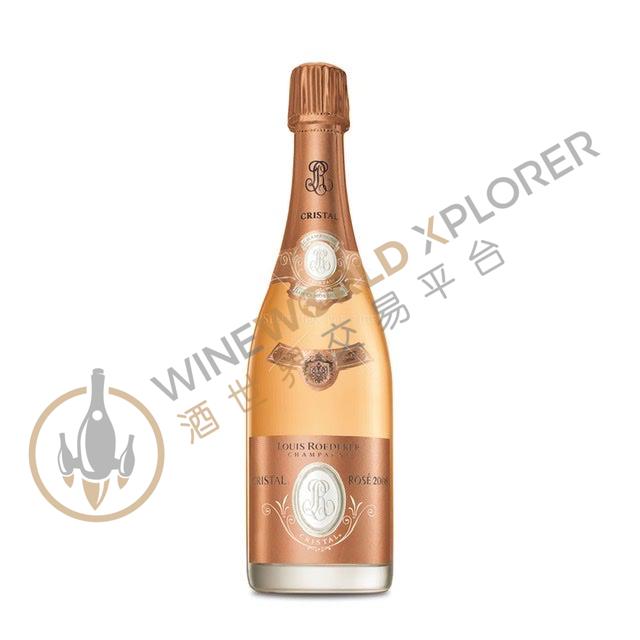
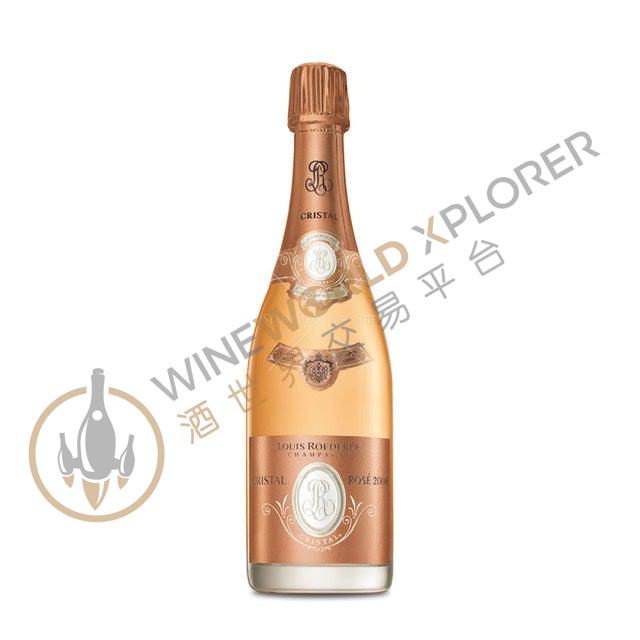
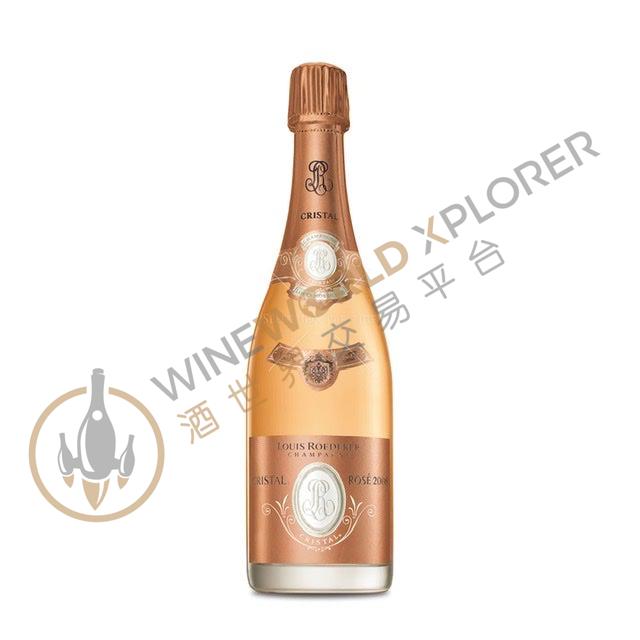
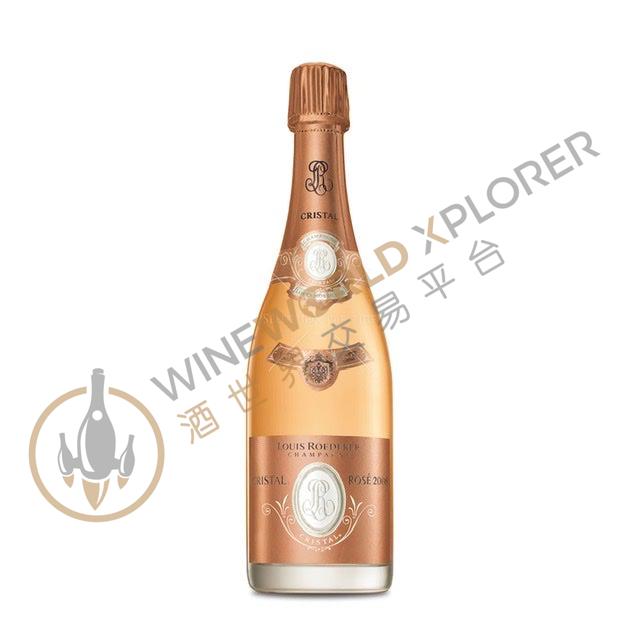
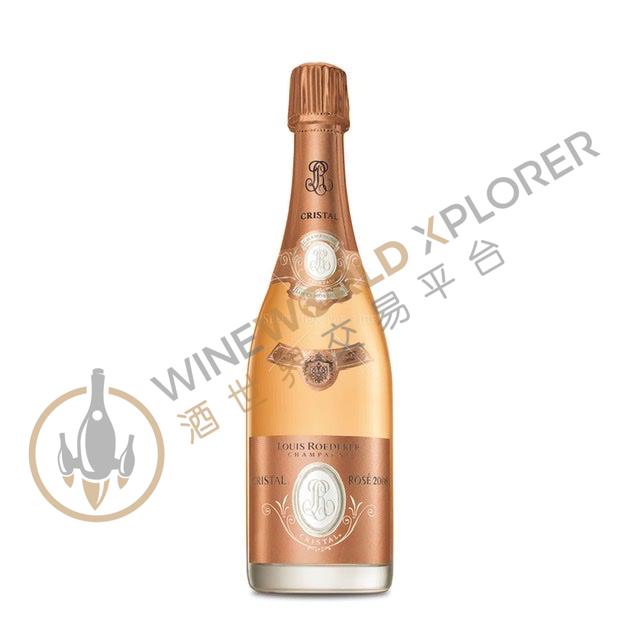
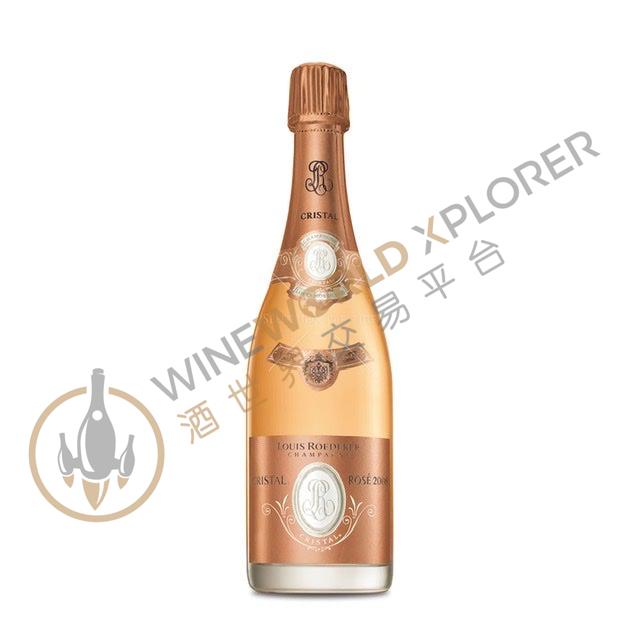
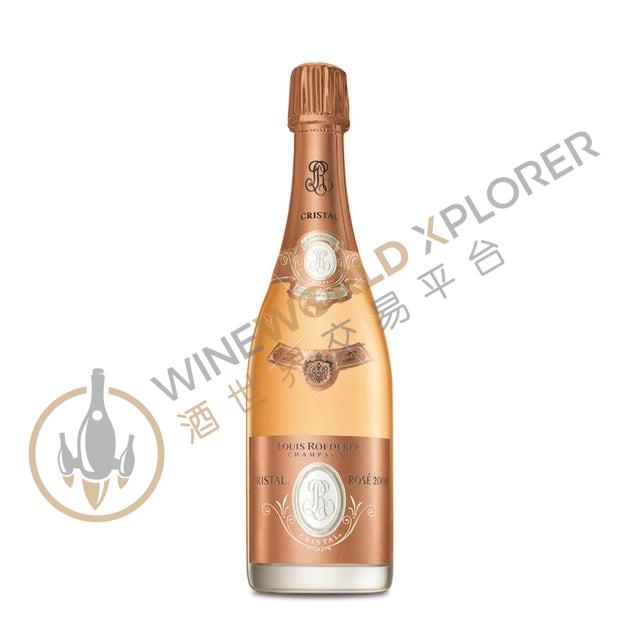
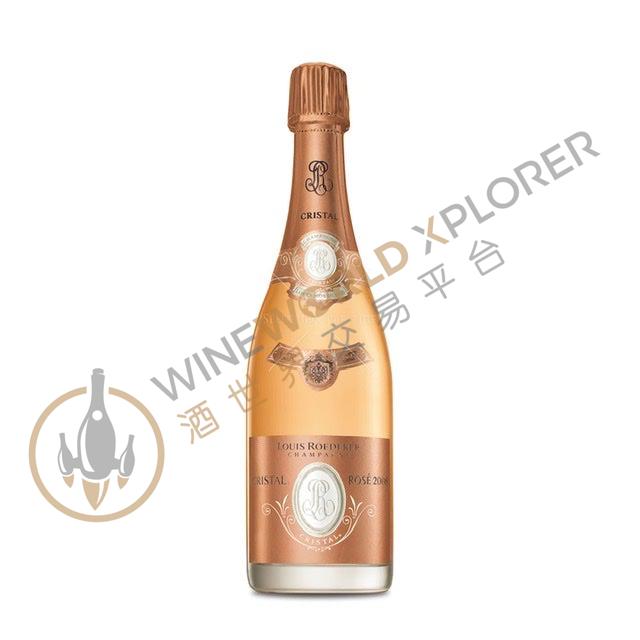
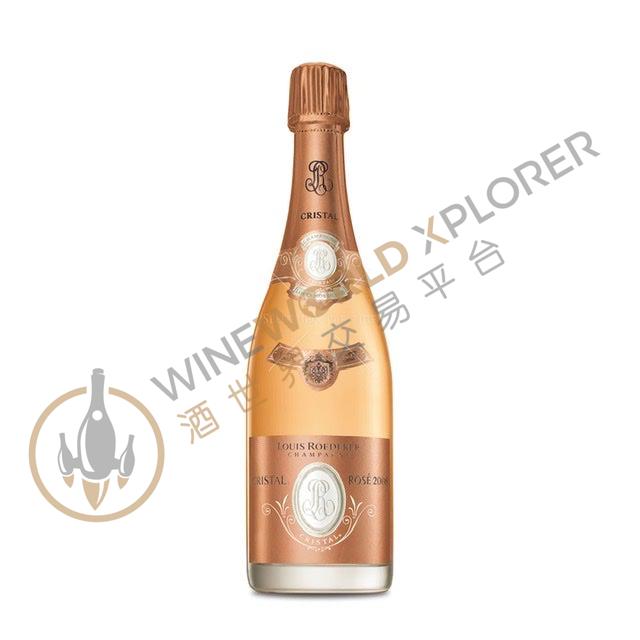
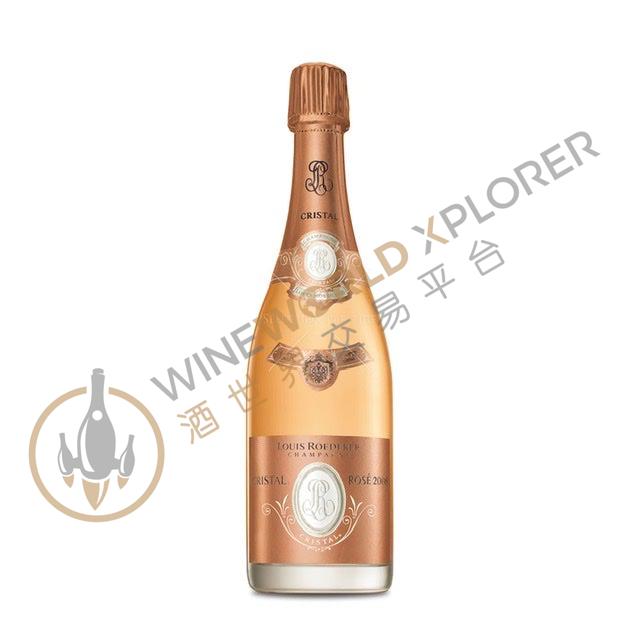
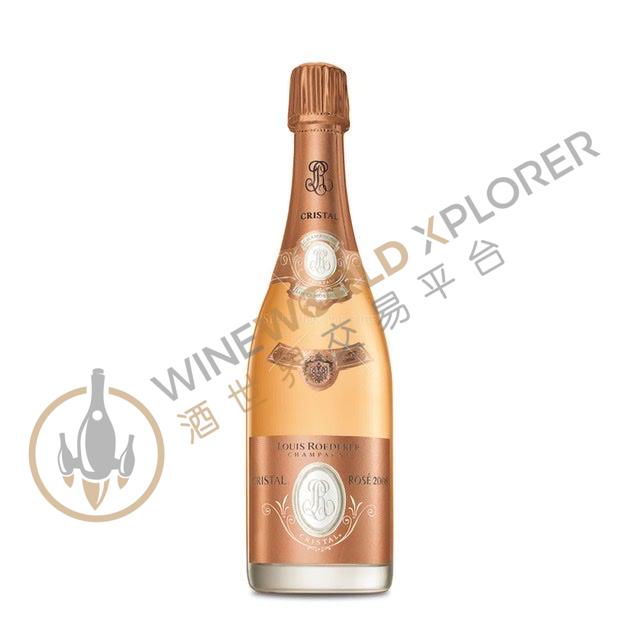
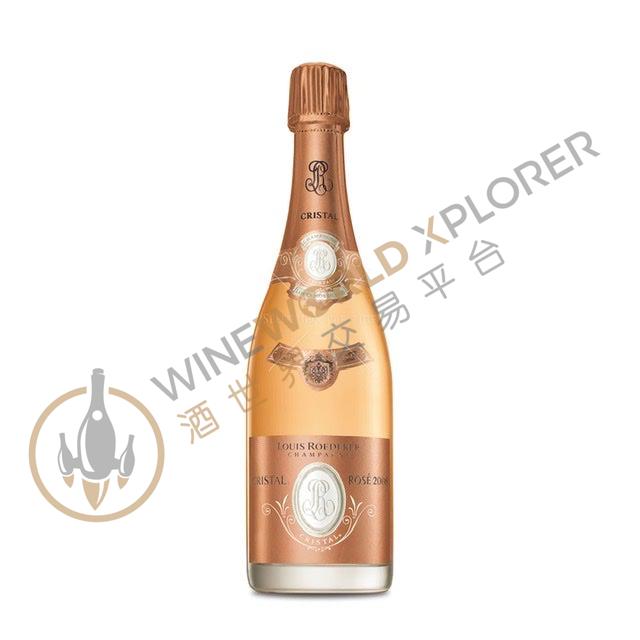
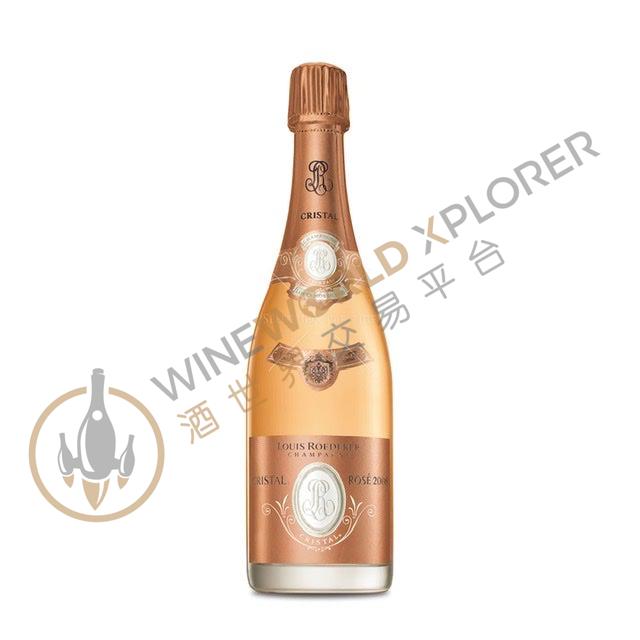
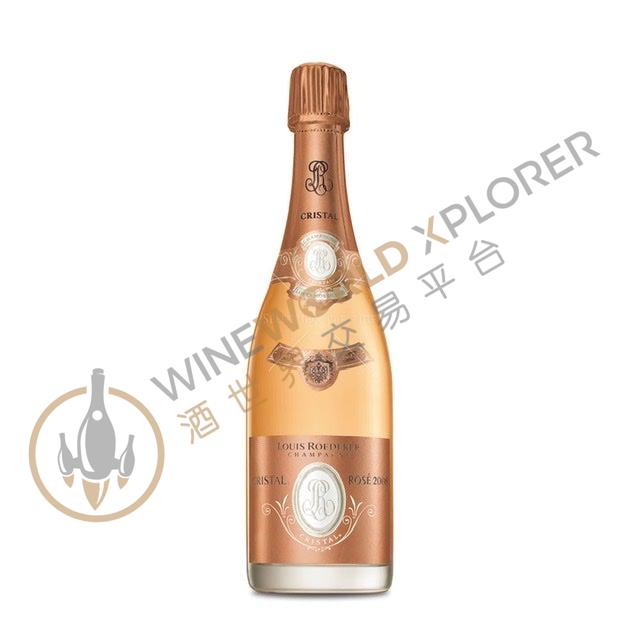
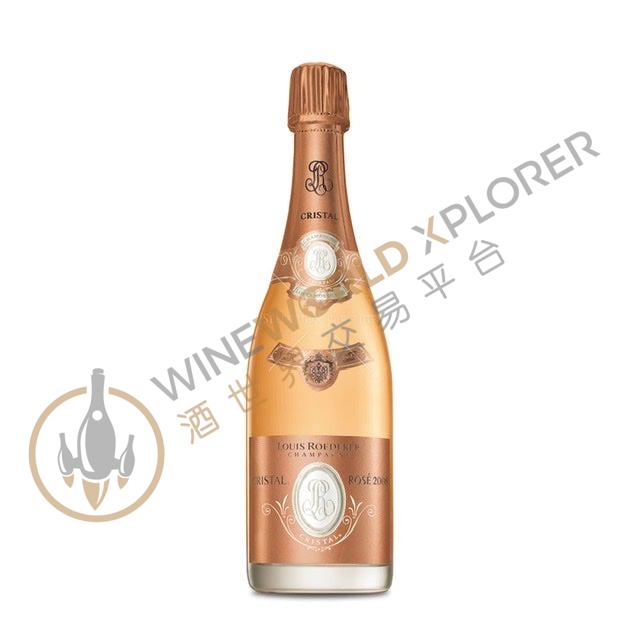
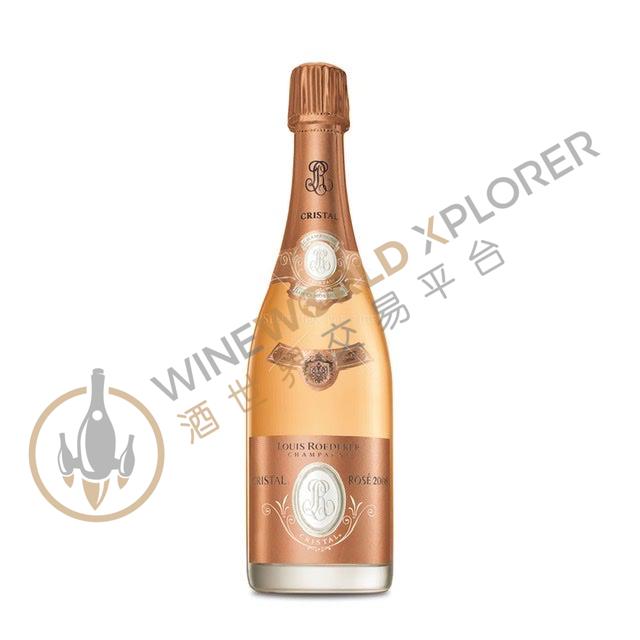
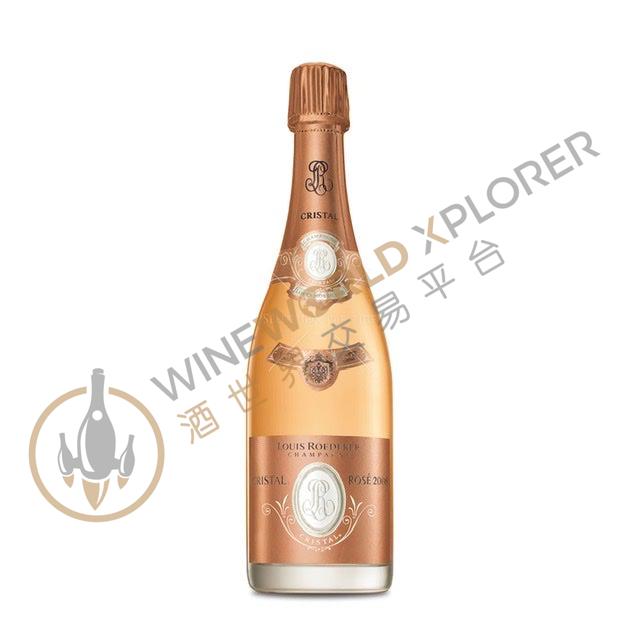
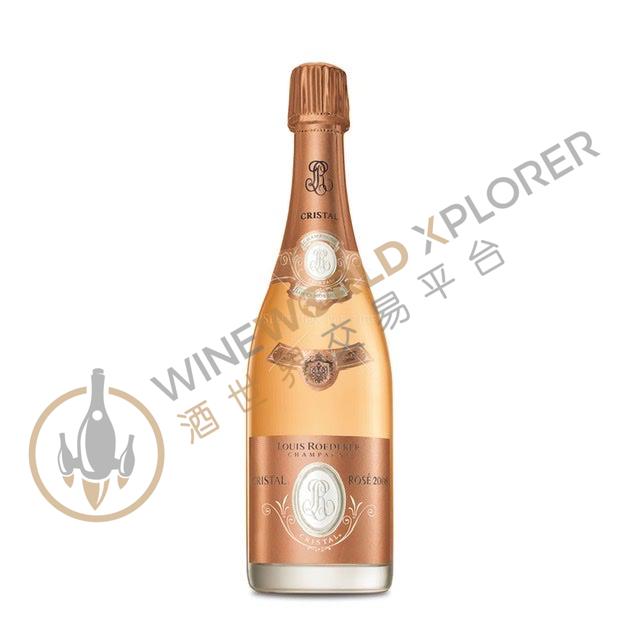
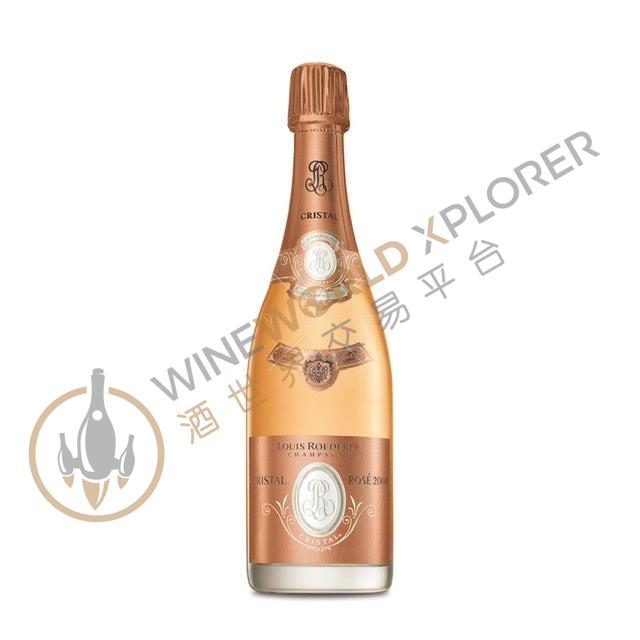
Louis Roederer, Cristal Rose Brut 2000
 View analysis


Description
Tasting notes

Reviewed by: Antonio Galloni
The 2000 Cristal Rose emerges from the glass in a stunning display of well-articulated aromas and flavors. Everything in is perfect balance as this perfumed wine opens up in the glass in a style that recalls the weightless transparency of a great Burgundy. The finish is long, sweet and incredibly refined. I came back to the bottle several hours after opening, and the wine had blossomed into an extraordinary Champagne. In 2000 the Brut Cristal Rose is 70% Pinot Noir from Ay and 30% Chardonnay from Mesnil, Avize and Oger. Roughly 15% of the wine was aged in oak. This is Lot: L029898D100064, disgorged February 1st, 2007. Anticipated maturity: 2008-2020. Roederer is one of the most impressive estates in Champagne. Few houses have managed to reconcile this level production in a negociant operation while achieving such a consistently outstanding level of quality across the entire range. Roederer owns 214 hectares of vineyards, which is enough to meet 65-70% of the house’s needs. The vintage wines are made from 100% estate-grown fruit, while the NV wines are made with the addition of roughly 45% purchased fruit. Generally speaking, malolactic fermentation and oak aging are used to a higher degree for the NV range than for the vintage wines. Dosage varies as well, and ranges from 11-12 grams for the entry-level wines to 9-10 for the tete de cuvee Cristal. Unfortunately because if its rabid following the vast majority of Cristal is drunk upon release, which is ironic, if not downright tragic, considering Cristal is a wine that starts peaking around age 15-20, and that can last much longer under ideal storage conditions. With Cristal, Chef de Caves Jean-Baptiste Lecaillon aims to make an ageworthy Champagne that is fresh and floral when young, but that is also capable of considerable development with bottle age, qualities the finest Cristals have in spades. In the best vintages one tank of Cristal Rose is also made that features the exquisite Pinot Noir of Ay. Unfortunately Roederer does not provide disgorgement dates for its wines, but the bottles have codes that can be traced back to dates at the winery. It would be great to see this venerable property add a simple disgorgement date, at least for their top wines, considering the significant financial investment required to purchase them. Importer: Maison Marques & Domaines, Oakland, CA; tel. (510) 587-2000
Reviewed by: Stephan Reinhardt
From a difficult vintage with destructive hailstorms and botrytis, the 2000 Cristal opens with an elegant and delicate bouquet with brioche, ripe apple, green olive and iodine aromas. Complex and very salty, with oyster and umami flavors, this is a generous and very long Cristal that is excellent with Japanese food, such as sashimi for example, as chef de cave Jean-Baptiste Lécaillon said during the tasting in New York in November 2018.
Reviewed by: Antonio Galloni
The 2000 Cristal Rosé emerges from the glass in a stunning display of well-articulated aromas and flavors. Everything in is perfect balance as this perfumed wine opens up in the glass in a style that recalls the weightless transparency of a great Burgundy. The finish is long, sweet and incredibly refined. I came back to the bottle several hours after opening, and the wine had blossomed into an extraordinary Champagne. In 2000 the Brut Cristal Rosé is 70% Pinot Noir from Aÿ and 30% Chardonnay from Mesnil, Avize and Oger. Roughly 15% of the wine was aged in oak. This is Lot: L029898D100064, disgorged February 1st, 2007.
Reviewed by: Josh Raynolds
Pink with an orange rim and a vigorous mousse. Deep cherry, berry skin, spiced nuts and flowers on the nose, brightened by blood orange and smoky minerals. Taut, finely etched red berry and citrus flavors gain flesh with air, taking a turn to bitter cherry, toffee apple and yellow plum. Sappy, lightly chewy and concentrated, with a long, spicy finish. Changed continually in the glass but maintained an impressive, nervy precision, suggesting that it will reward cellaring.
About the Producer
When he inherited the Champagne House in 1833, the aesthete and entrepreneur Louis Roederer took a visionary approach to enriching his vines, aiming to master every stage of the wine’s creation. He forged the wine’s unique style, character, and taste. In the mid-nineteenth century, Louis Roederer acquired some of Champagne’s grand cru vineyards—an approach that contrasted sharply with contemporary practices.. While other Houses bought their grapes, Louis Roederer nurtured his vineyards, familiarized himself with the specific characteristics of each parcel, and methodically acquired the finest land. Louis Roederer’s guiding principle was that all great wine depends on the quality of the soil, a passion for tradition, and an astute vision of the future; the fame and reputation of the House of Louis Roederer was firmly established. His heir, Louis Roederer II was equally enlightened and adopted his father’s conscientious approach to the production of champagne, patrimonial estate management, and instinctive audacity.