 Wine Advisor



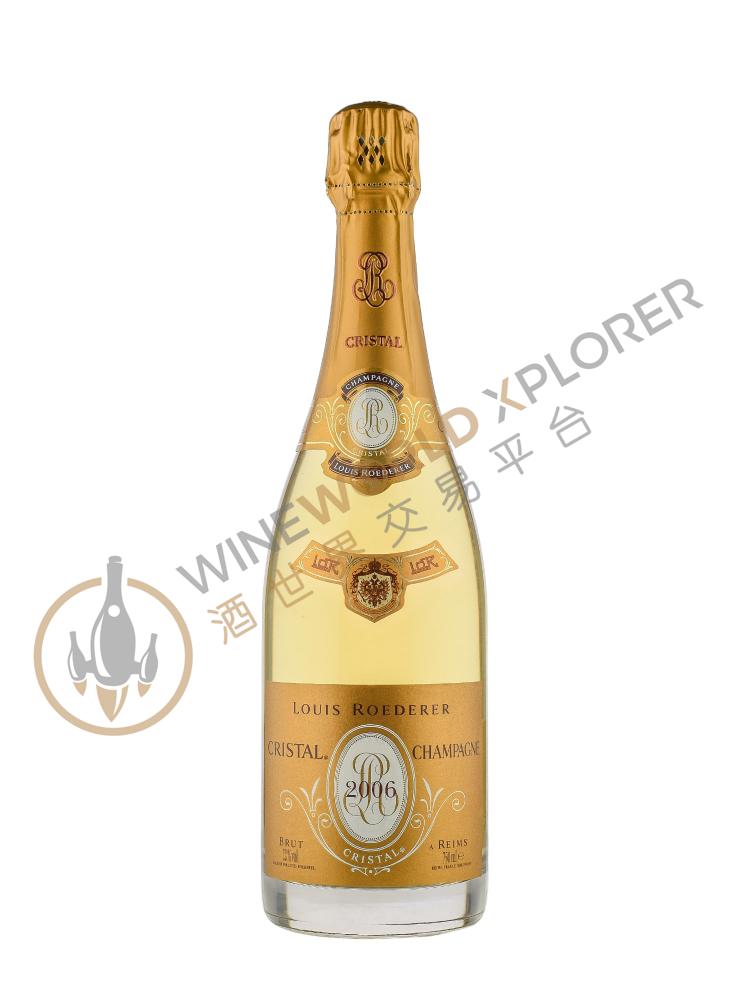
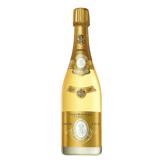
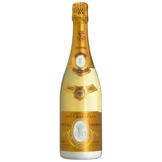
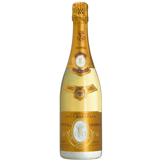
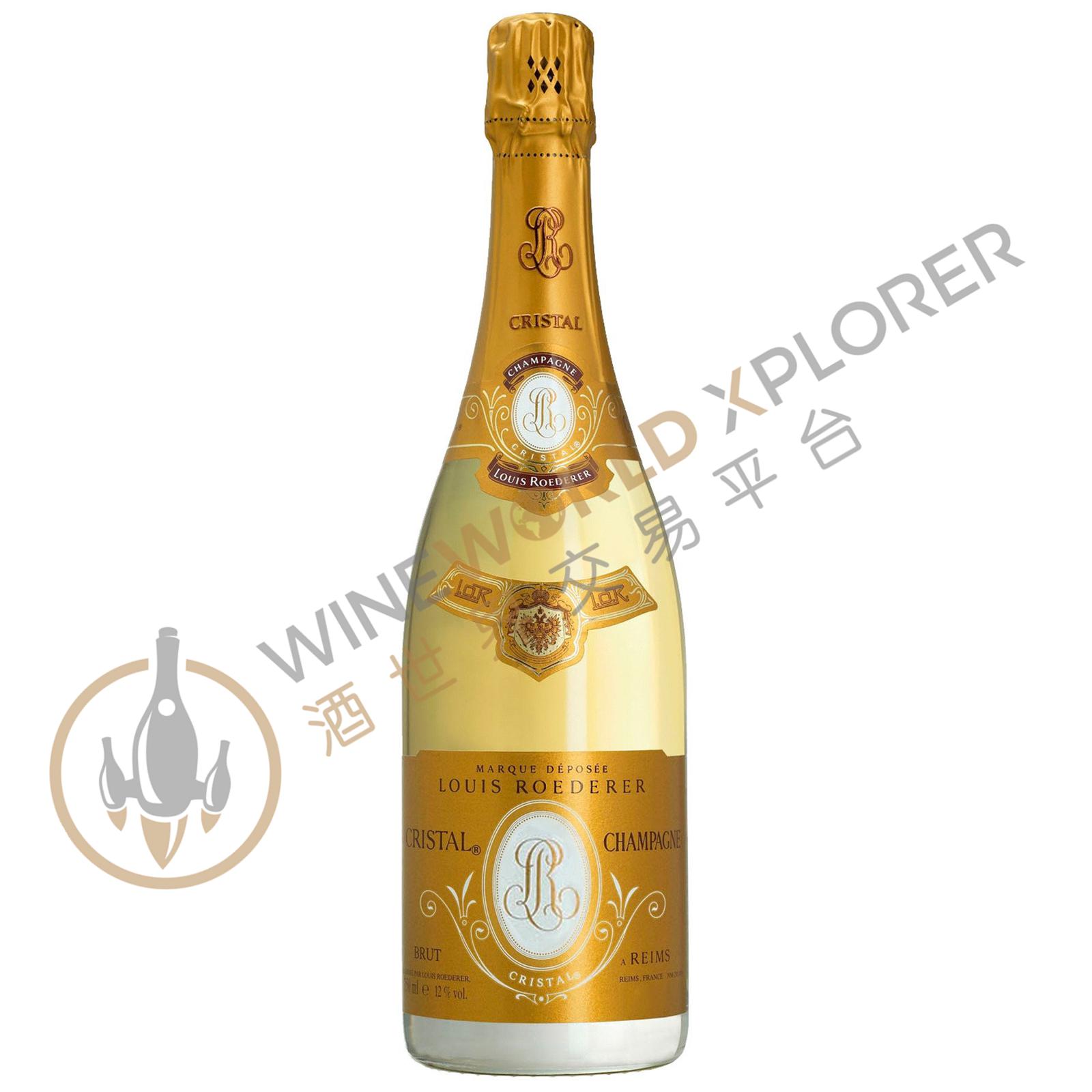
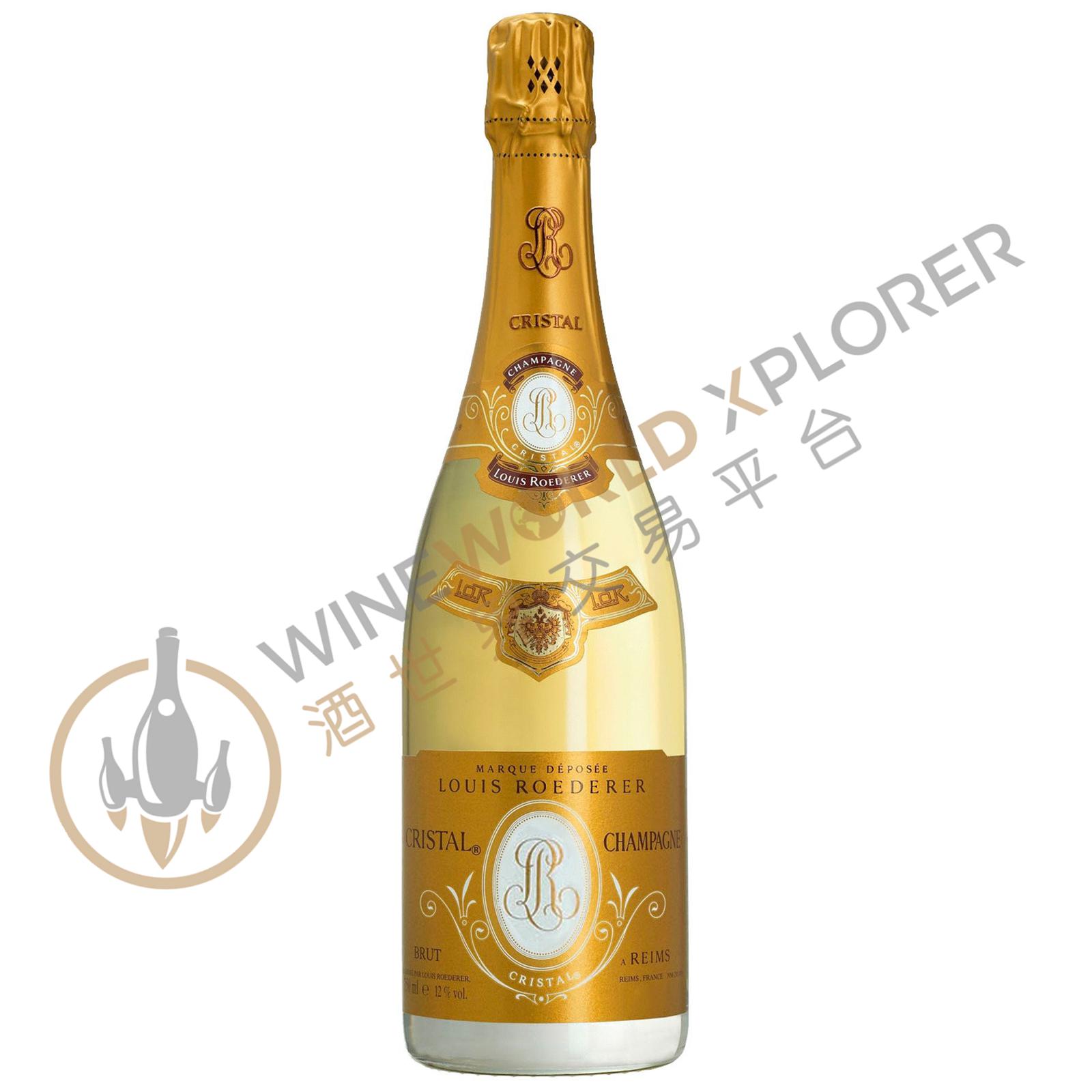
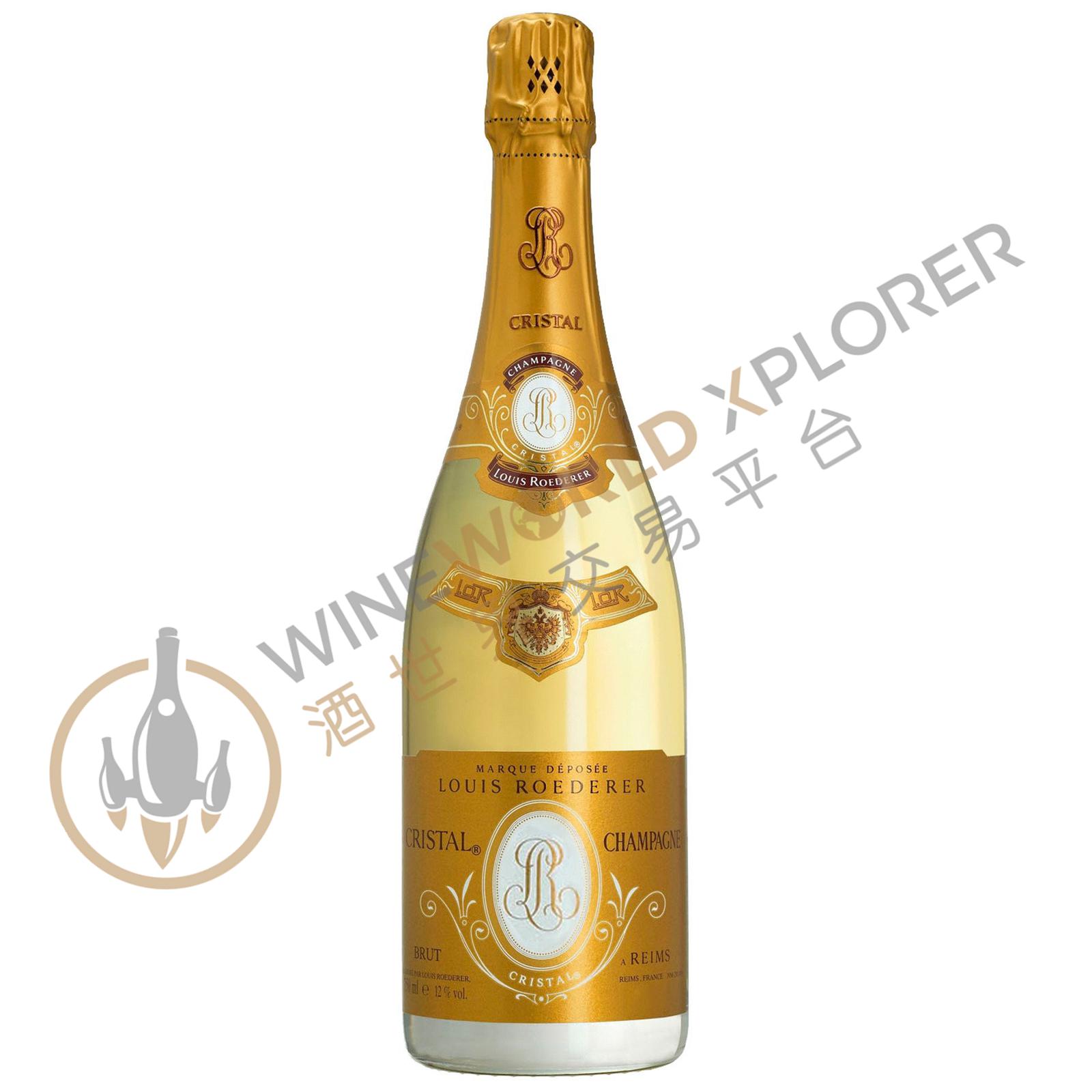
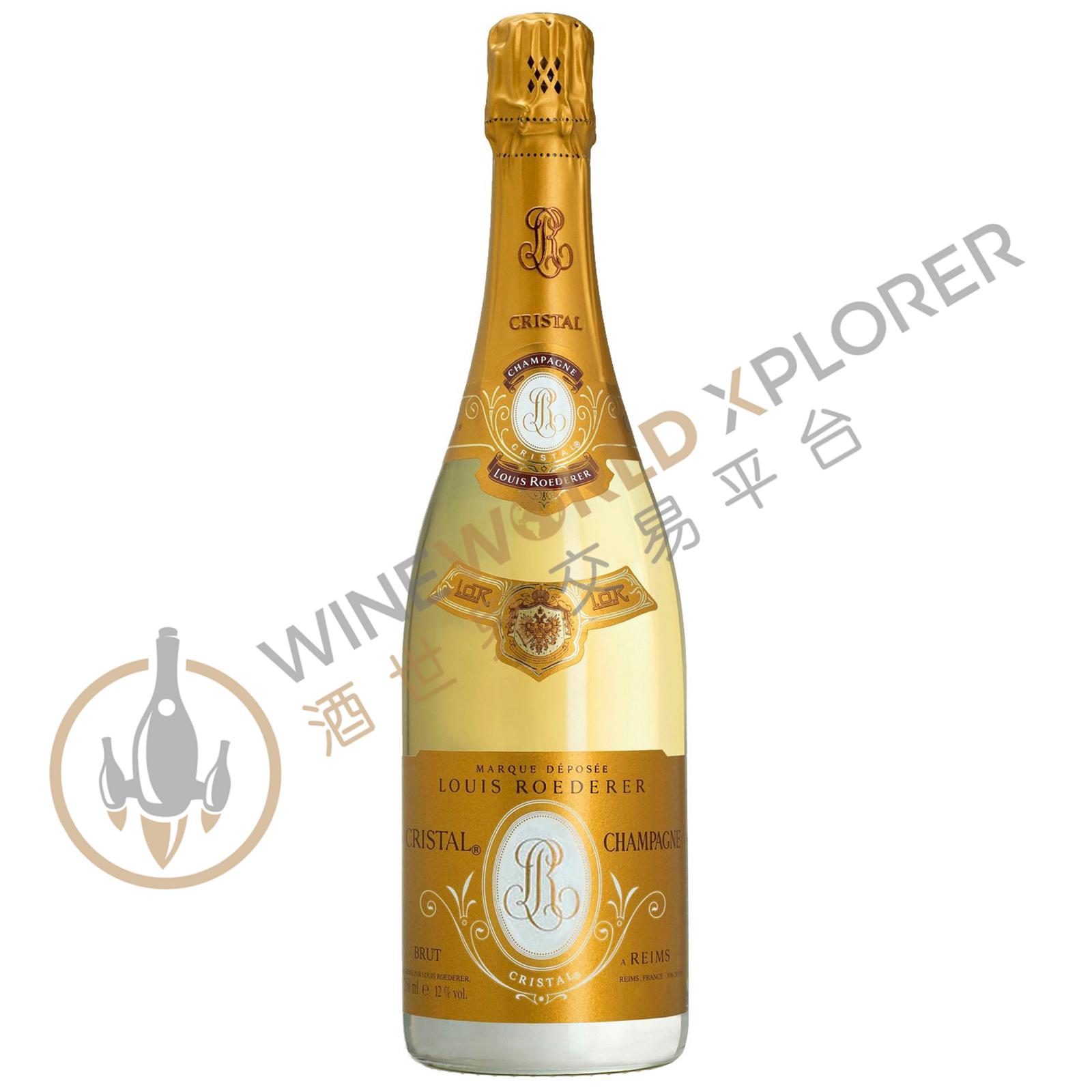
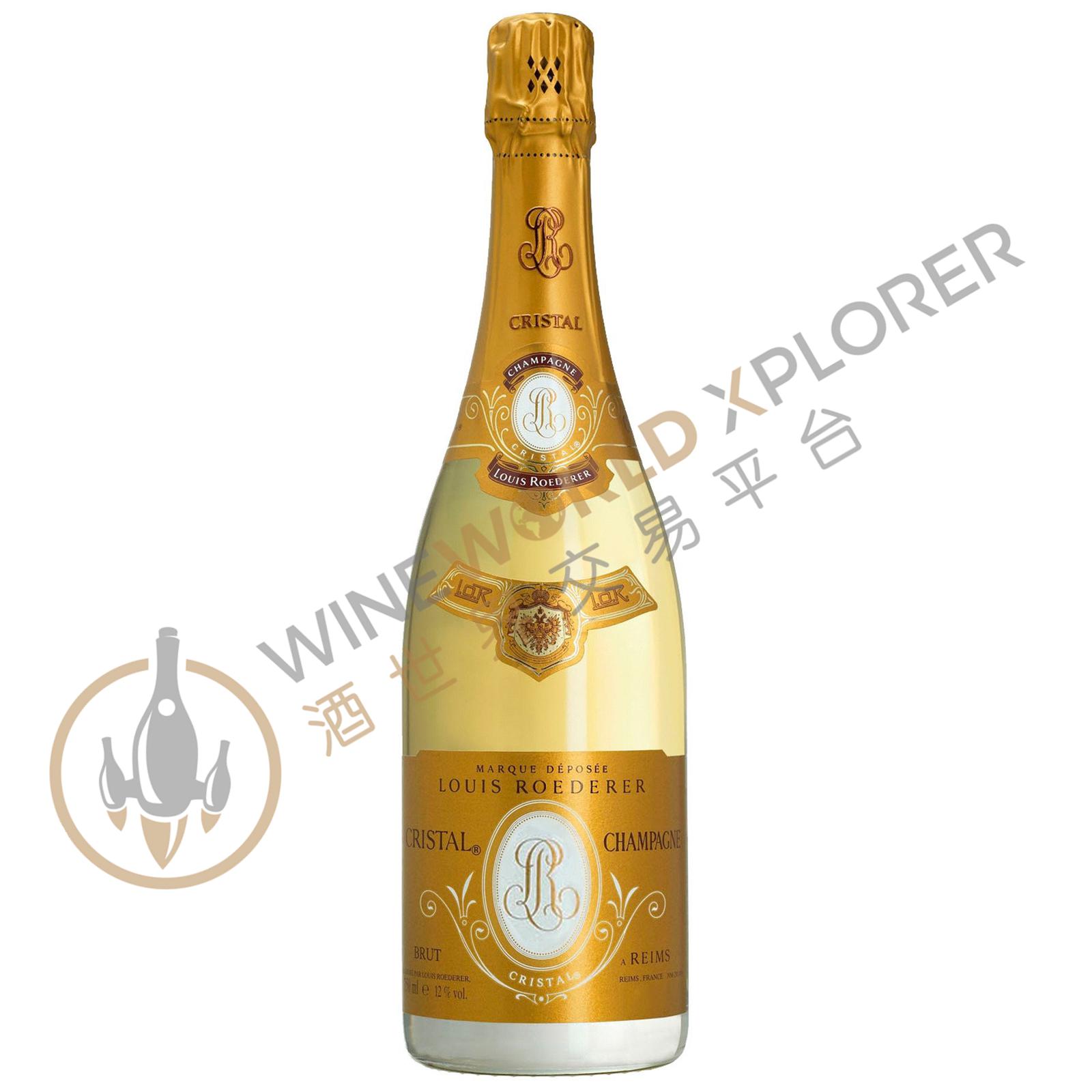
Louis Roederer, Cristal Brut 2015
 View analysis


Description
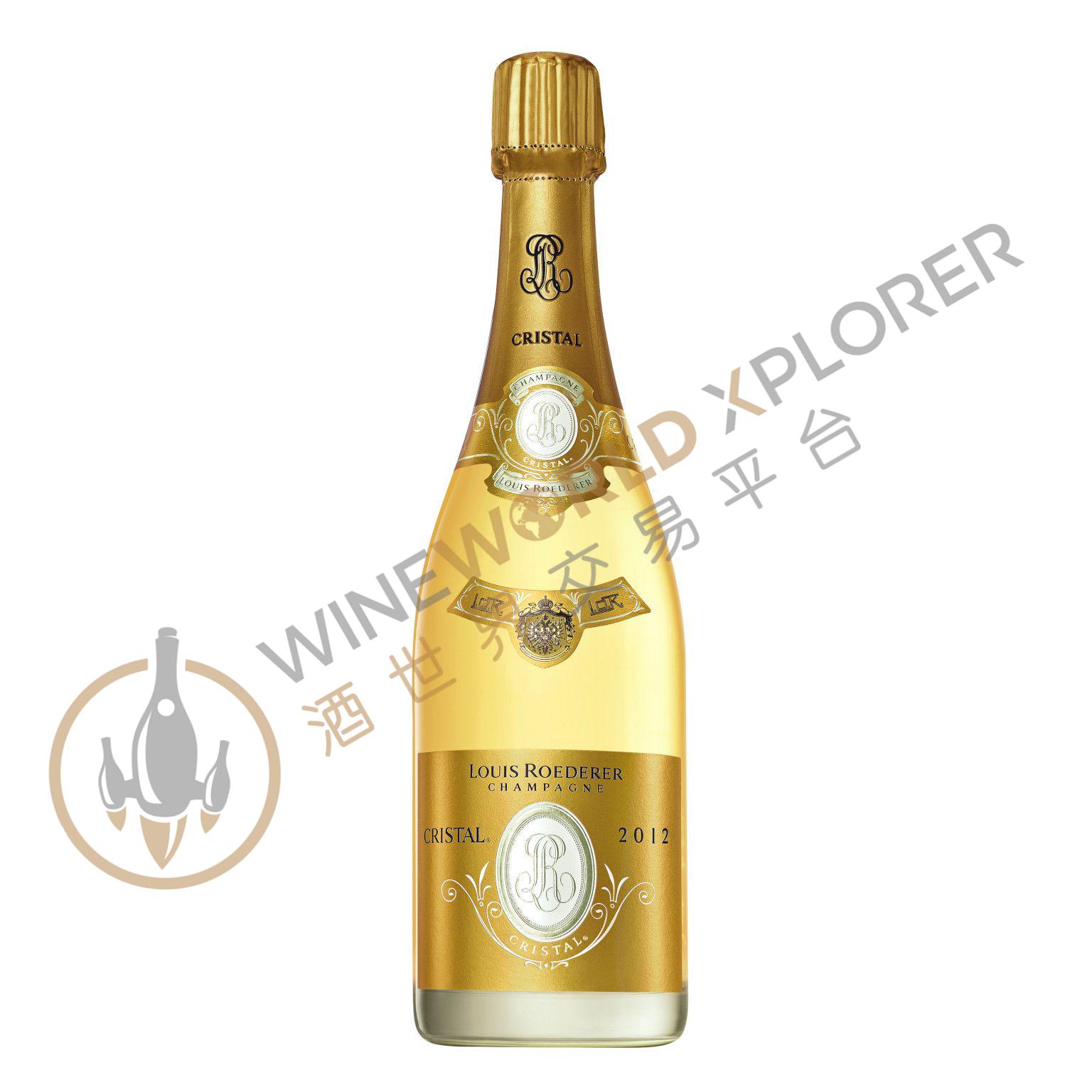
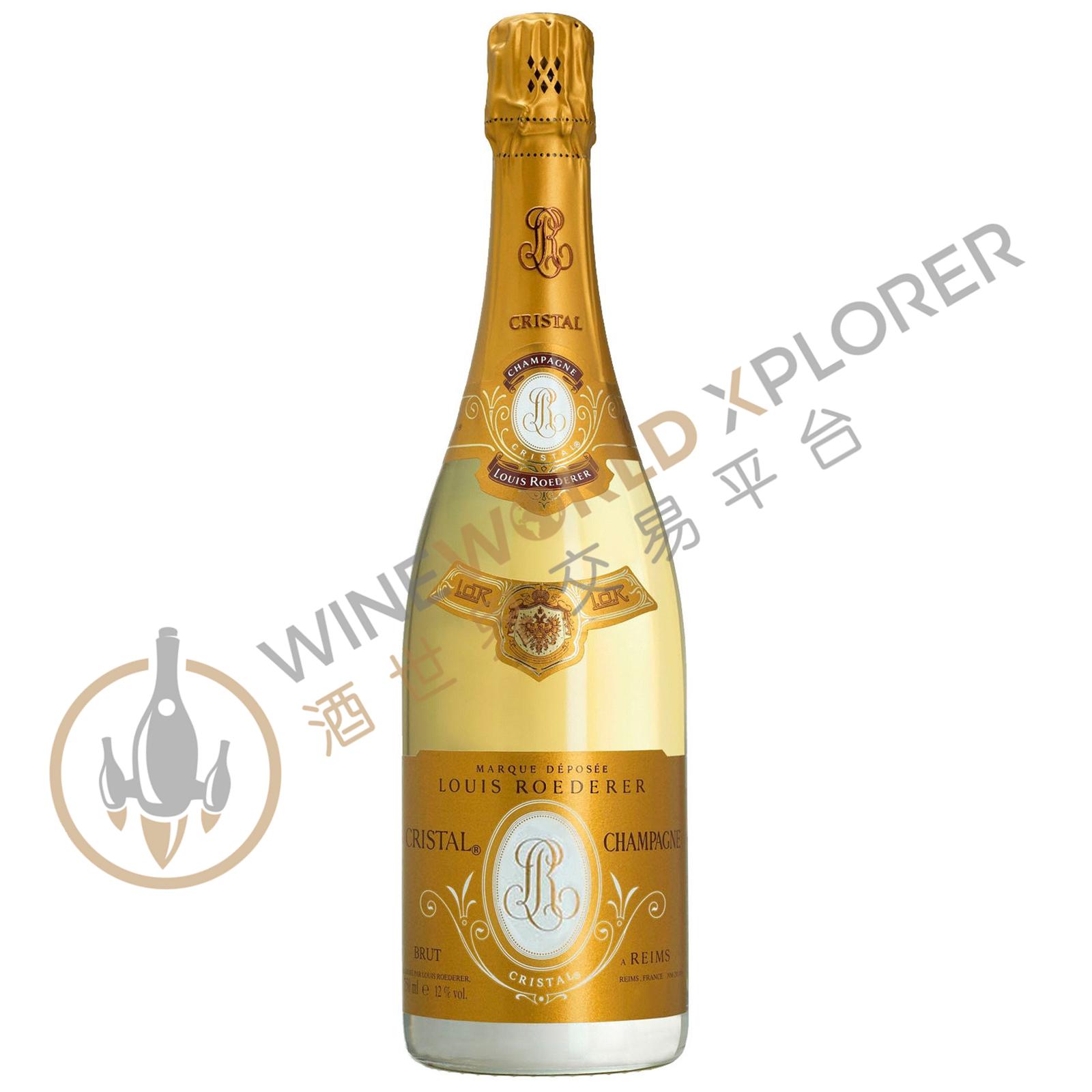
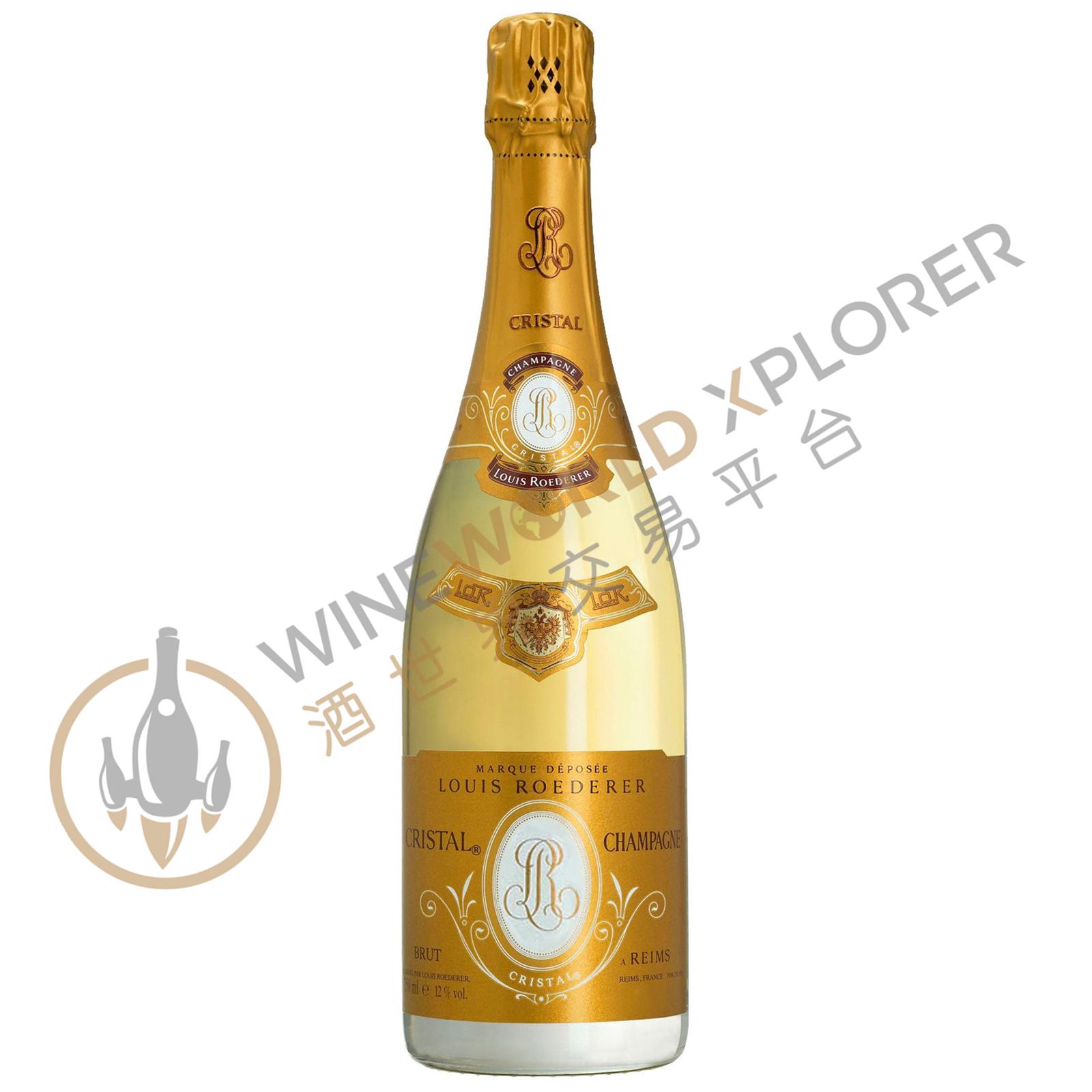
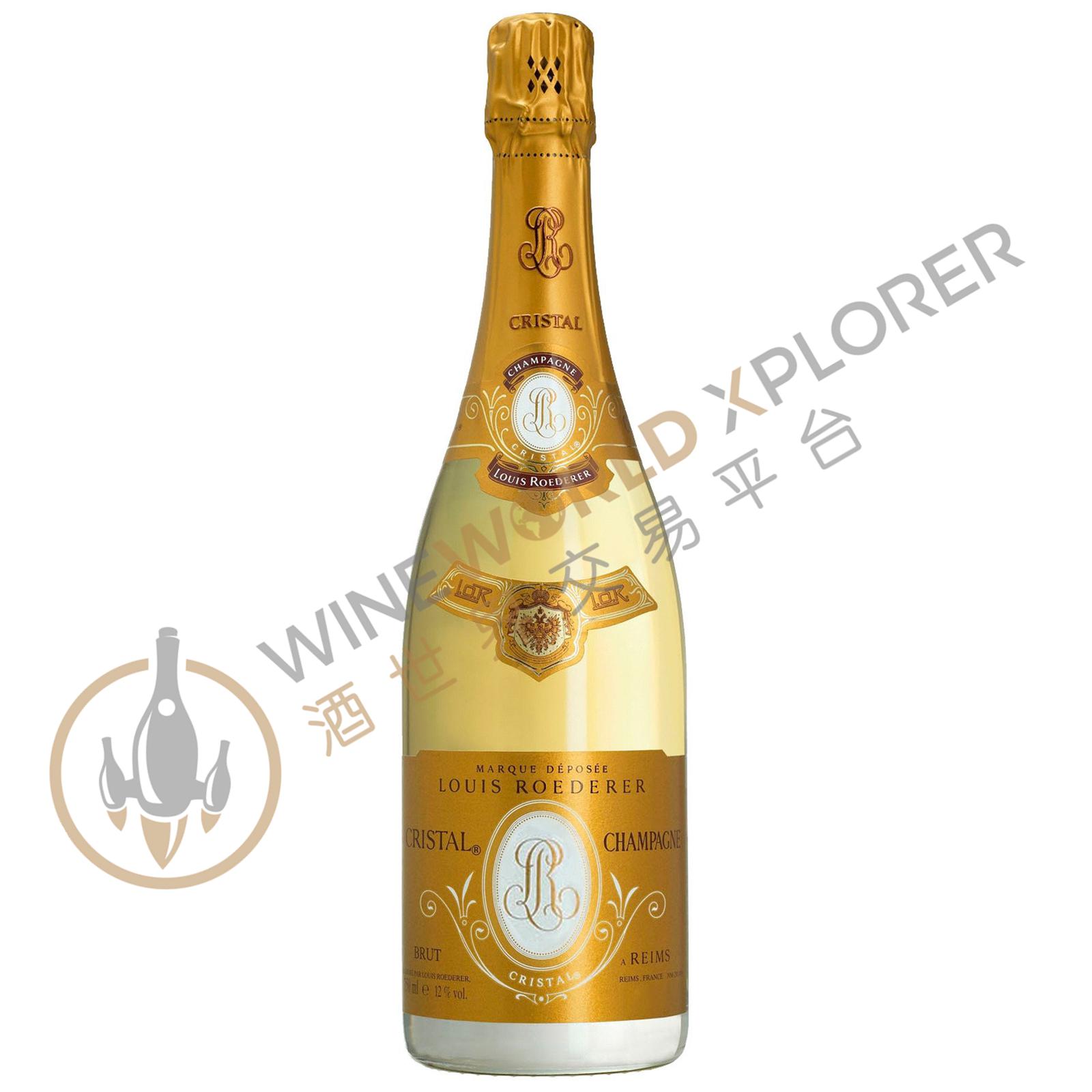
Louis Reoderer’s most famous wine was created in 1876 to satisfy the demanding tastes of Tsar Alexander II. The emperor asked Louis Roederer to reserve the House’s best cuvée for him every year. He was particularly fond of the House’s wine. To distinguish this cuvée, this exceptional champagne came in a flat-bottomed, transparent lead-crystal bottle. The new brand was named after this precious material, which is particularly transparent and luminous.
Tasting notes

Reviewed by: William Kelley
If the 2014 vintage was especially open and demonstrative, the 2015 Cristal is going to require more patience. Unwinding in the glass with aromas of citrus oil, crisp stone fruits, white flowers, crushed mint and subtle hints of buttery pastry, it's medium to full-bodied, deep and layered, with a deep, concentrated and rather introverted core of fruit framed by chalky extract and animated by a pretty pinpoint mousse. This is a serious, vinous Champagne that has considerable substance to age and may well evolve along the lines of the lovely 1985.
Reviewed by: Antonio Galloni
I have tasted the 2015 Cristal three times so far - once as part of an extensive vertical I will be reporting on shortly, and then later in my office. Those tastings paint a portrait of a complex Champagne that is still finding its center. Tasted at the maison, the 2015 is rich, dense and explosive, with tremendous textural intensity and also a good bit of energy to back it up. Citrus confit, spice, ginger, chalk and dried flowers abound in a Champagne endowed with tremendous aromatic presence in a style that offers notable richness, but lighter than vintages such as 2012. There is a bit of the savoriness that is such a signature of the year, but it is nicely integrated in the wine’s fabric. Two later tastings in my office strongly suggest the 2015 has already started to shut down a bit, which is a shame, as it may be hard to read for some time to come. Dosage is 7 grams per liter. Disgorged: November 2022. This is a compelling set of new releases from Roederer and long-time Chef de Caves Jean-Baptiste Lécaillon. The 2015 Cristal is one of the more intriguing Champagnes in what has turned out to be a tricky vintage overall for a region that is struggling to adapt to the new reality of climate change and its impact on achieving phenolic maturity in the field. “We strive to reach the classic measurement of 100 days between flowering and harvest, and that requires waiting to pick,” Lécaillon explains. “At the same time, acidity does not really exist anymore in Champagne, so we have to find a way to reinvent it,” he adds, a bit ironically.The 2015 is an unusual Cristal in that it includes fruit from all 45 parcels at the domaine, which has not happened since 2002. Pinots from Verzy and Verzenay, north-facing sites in the Montagne de Reims, featured quite a bit, adding energy to the blend. As always, there is no malolactic fermentation. About 25-30% of the lots were fermented in oak. In warmer vintages, Lécaillon bumps up the wood a bit to add phenolic intensity, which he describes as “stretching out the finish” and adding freshness.
Reviewed by: Antonio Galloni
I have tasted the 2015 Cristal three times so far - once as part of an extensive vertical I will be reporting on shortly, and then later in my office. Those tastings paint a portrait of a complex Champagne that is still finding its center. Tasted at the maison, the 2015 is rich, dense and explosive, with tremendous textural intensity and also a good bit of energy to back it up. Citrus confit, spice, ginger, chalk and dried flowers abound in a Champagne endowed with tremendous aromatic presence in a style that offers notable richness, but lighter than vintages such as 2012. There is a bit of the savoriness that is such a signature of the year, but it is nicely integrated in the wine’s fabric. Two later tastings in my office strongly suggest the 2015 has already started to shut down a bit, which is a shame, as it may be hard to read for some time to come. Dosage is 7 grams per liter. Disgorged: November 2022.
About the Producer
When he inherited the Champagne House in 1833, the aesthete and entrepreneur Louis Roederer took a visionary approach to enriching his vines, aiming to master every stage of the wine’s creation. He forged the wine’s unique style, character, and taste. In the mid-nineteenth century, Louis Roederer acquired some of Champagne’s grand cru vineyards—an approach that contrasted sharply with contemporary practices.. While other Houses bought their grapes, Louis Roederer nurtured his vineyards, familiarized himself with the specific characteristics of each parcel, and methodically acquired the finest land. Louis Roederer’s guiding principle was that all great wine depends on the quality of the soil, a passion for tradition, and an astute vision of the future; the fame and reputation of the House of Louis Roederer was firmly established. His heir, Louis Roederer II was equally enlightened and adopted his father’s conscientious approach to the production of champagne, patrimonial estate management, and instinctive audacity.
1989(2)1996(1)1997(1)1999(3)2000(3)2002(13)2004(8)2005(7)2006(13)2007(13)2008(22)2009(7)2012(20)2013(19)2014(13)
Package Size