 Wine Advisor



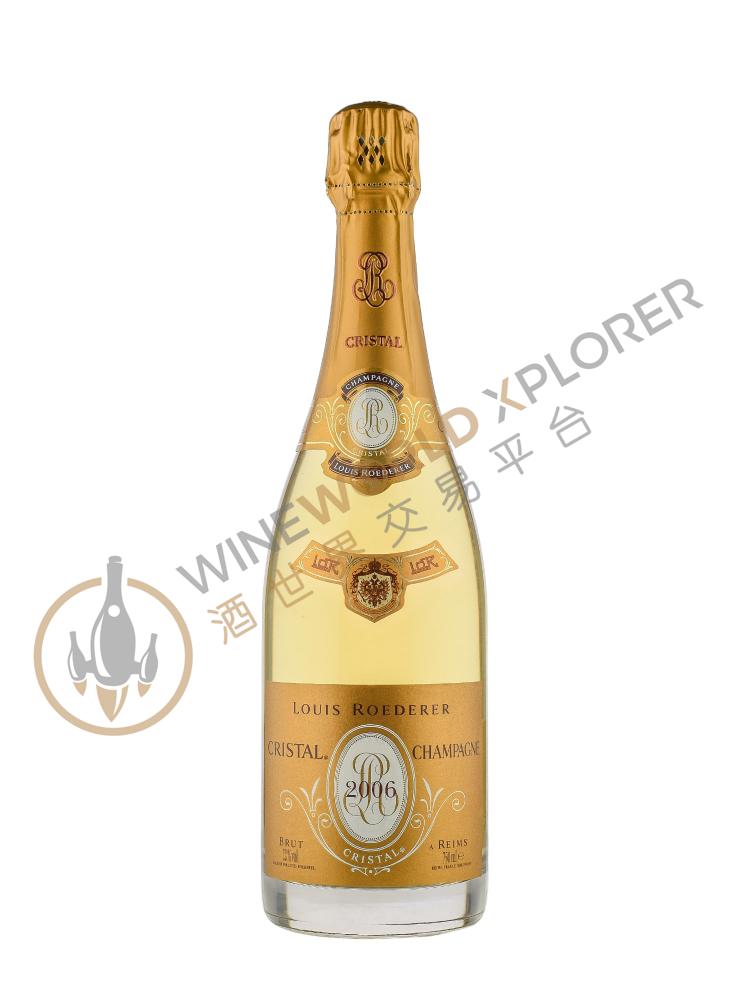
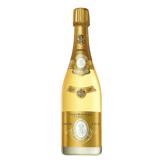
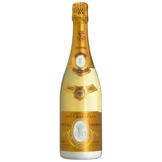
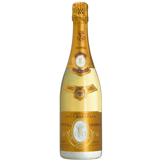
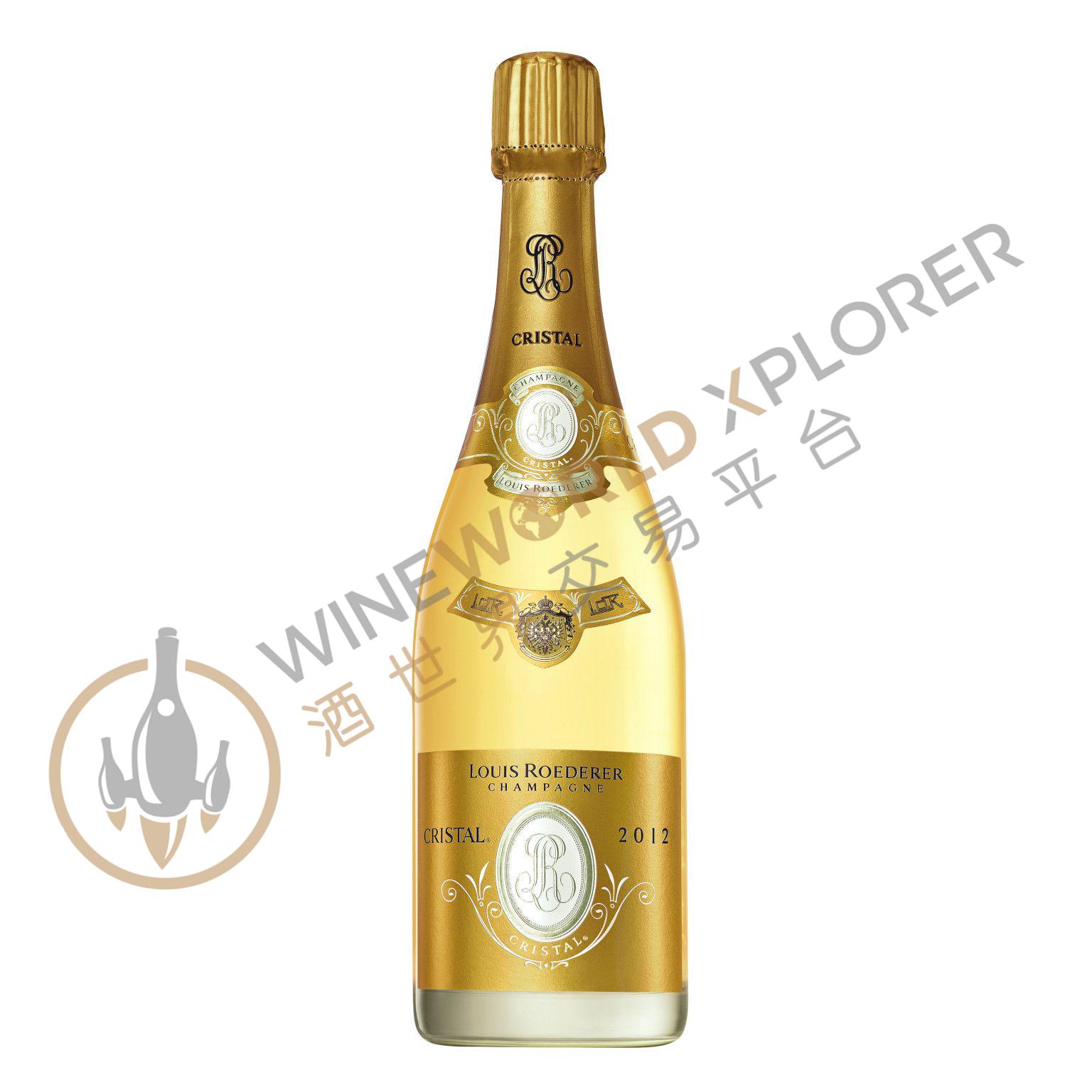
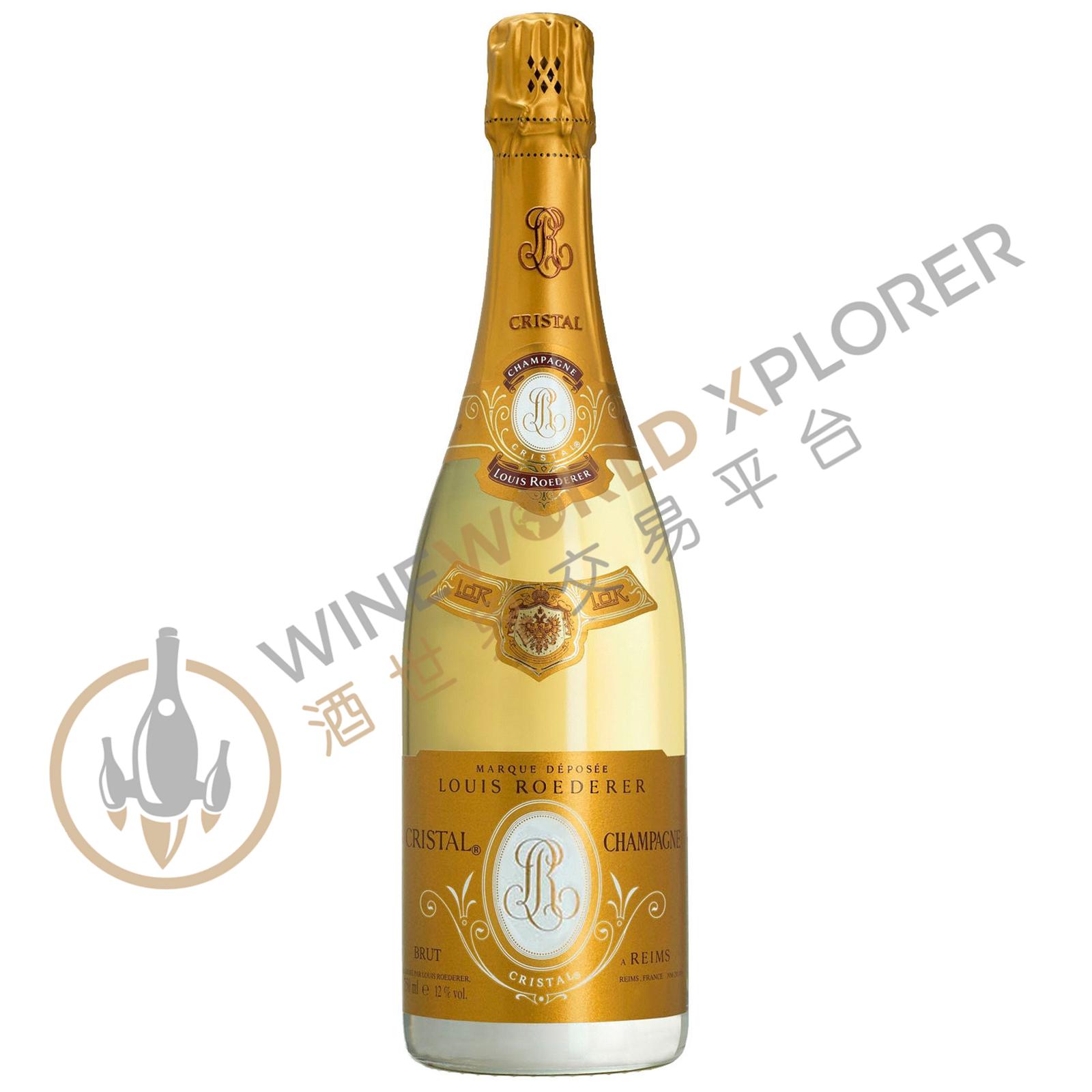
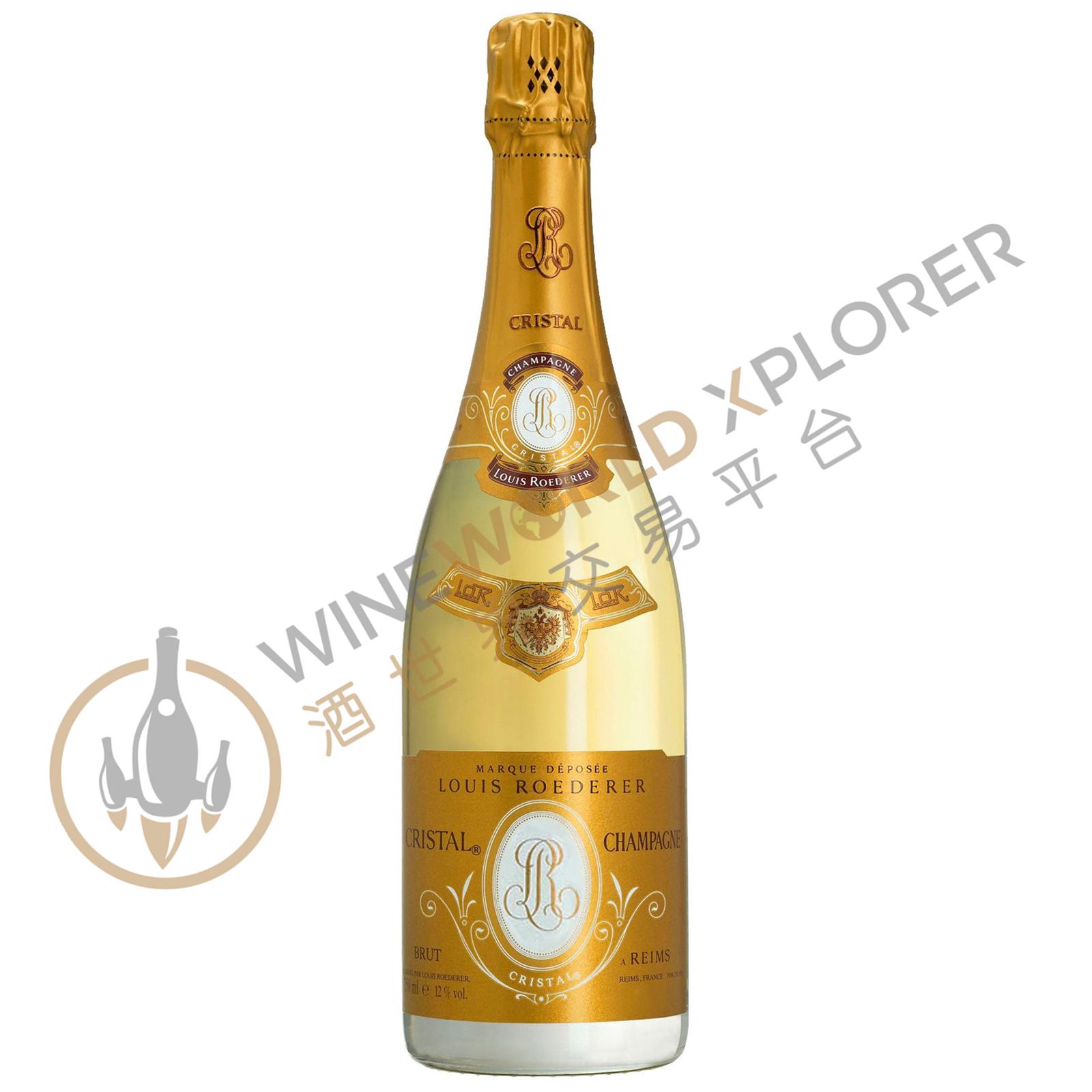
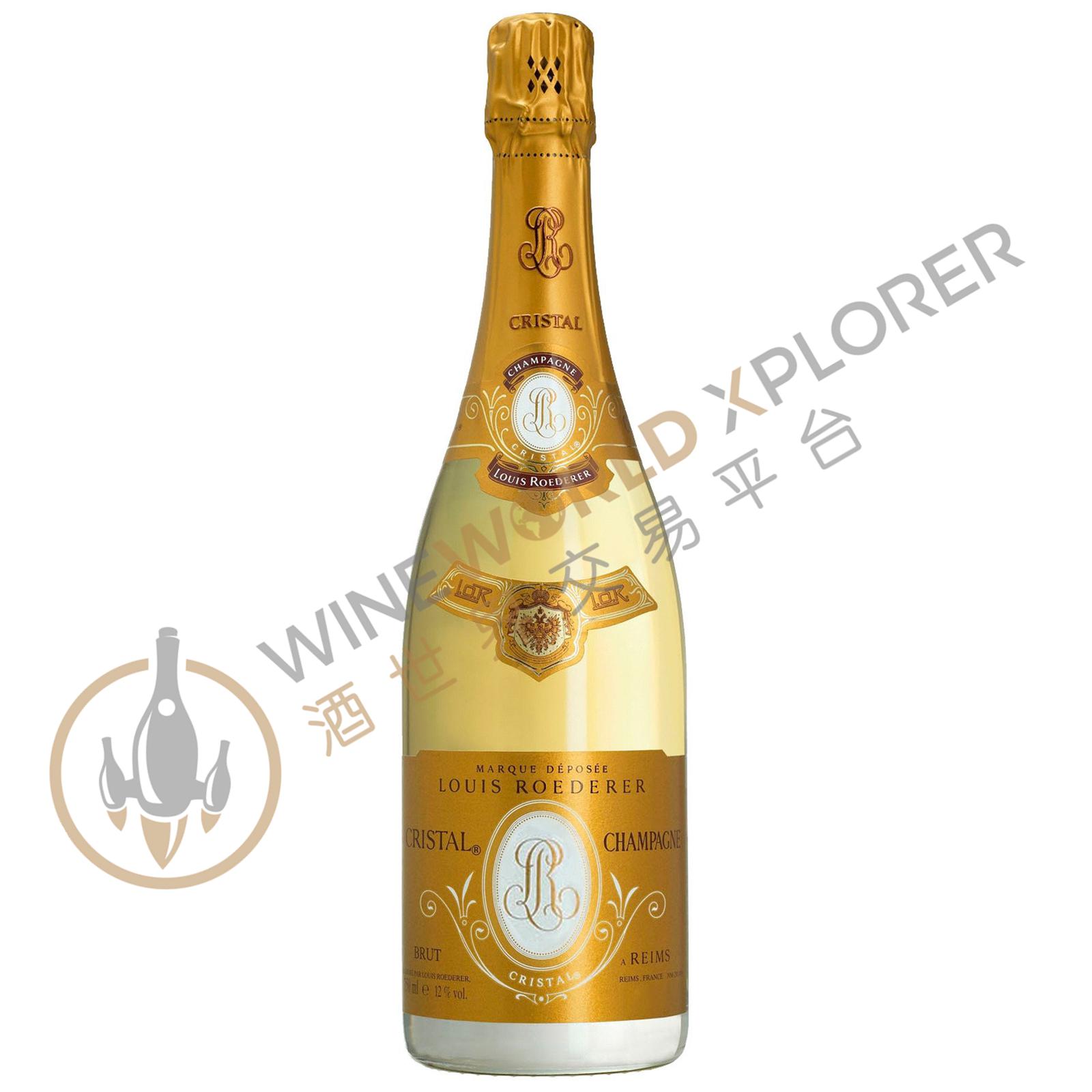
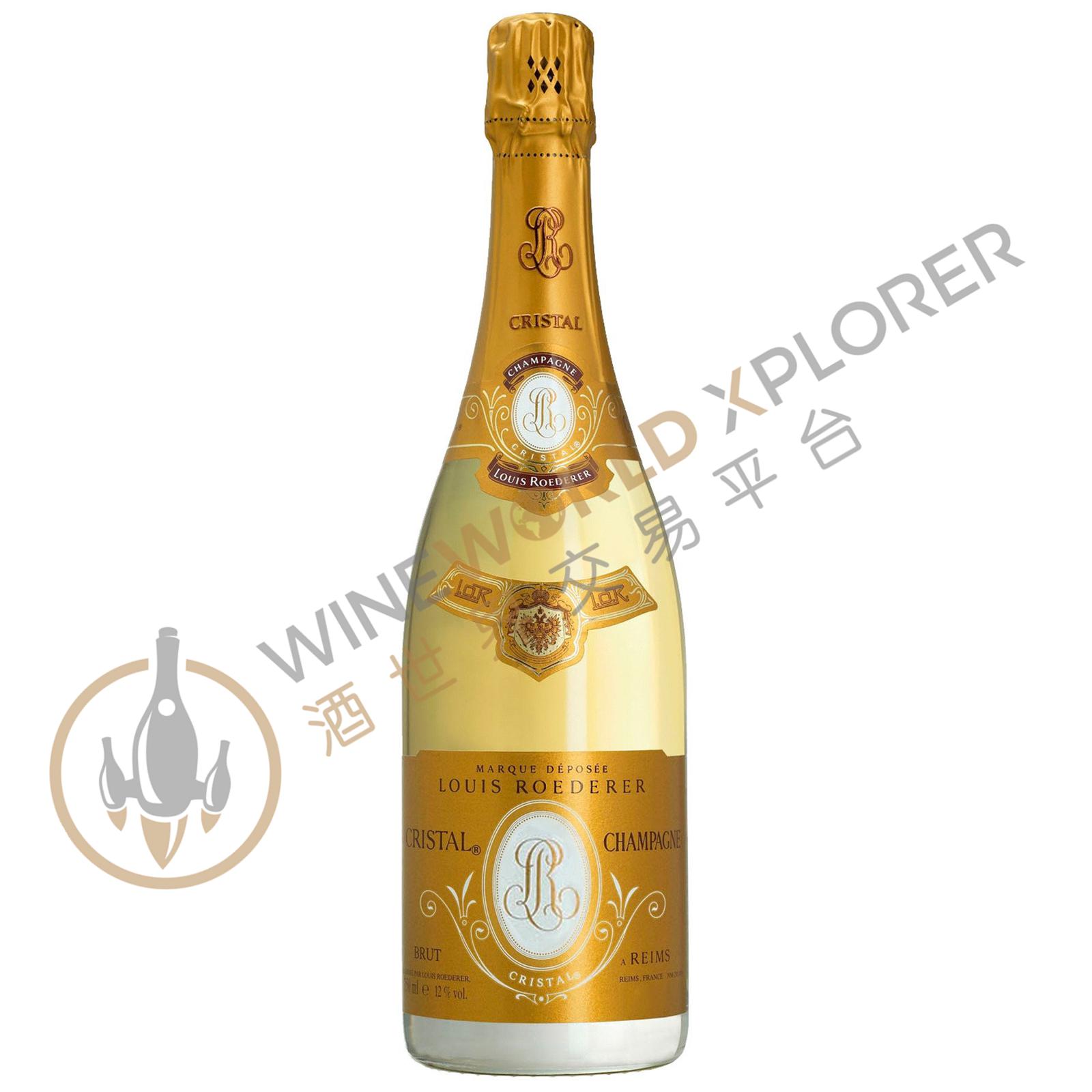
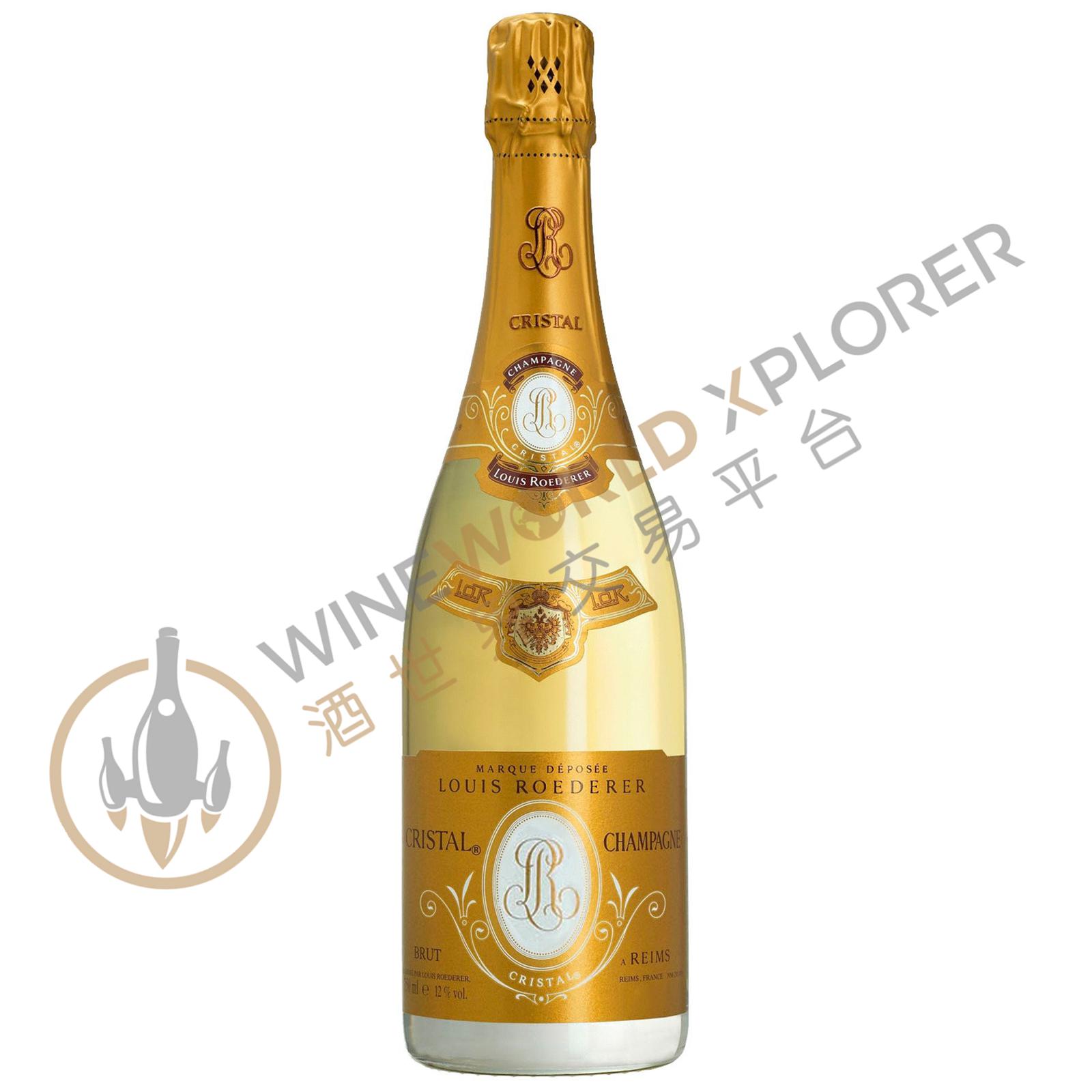
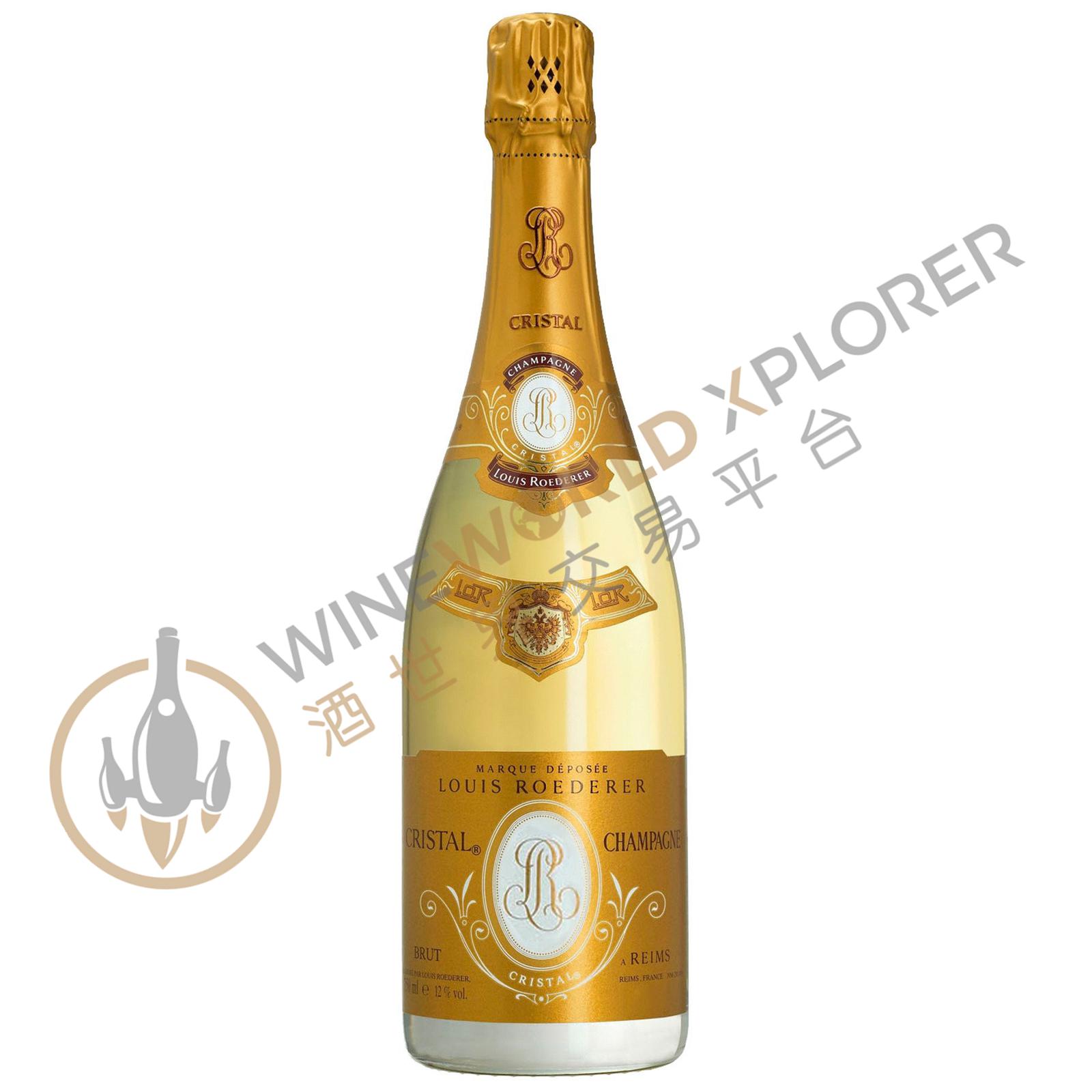
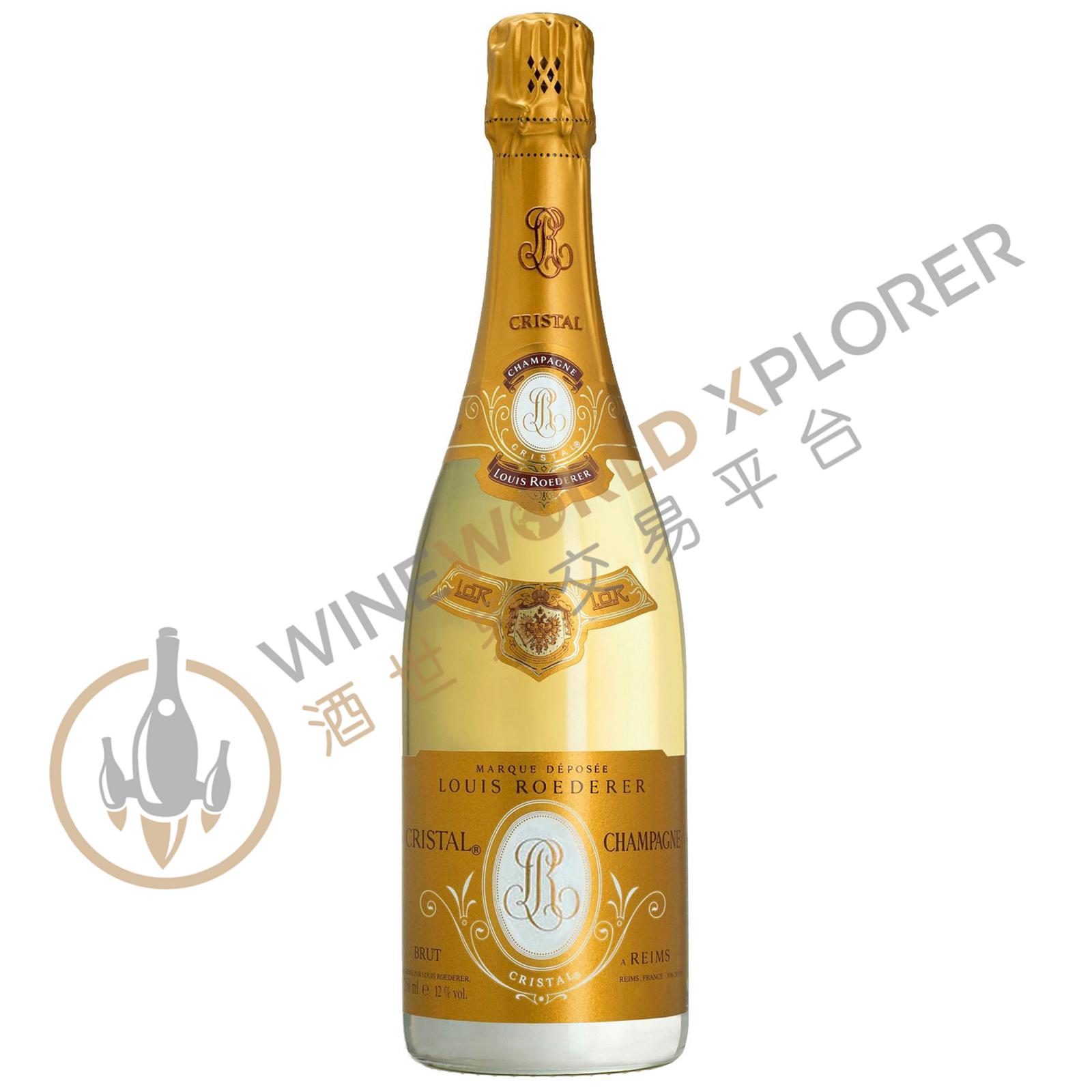
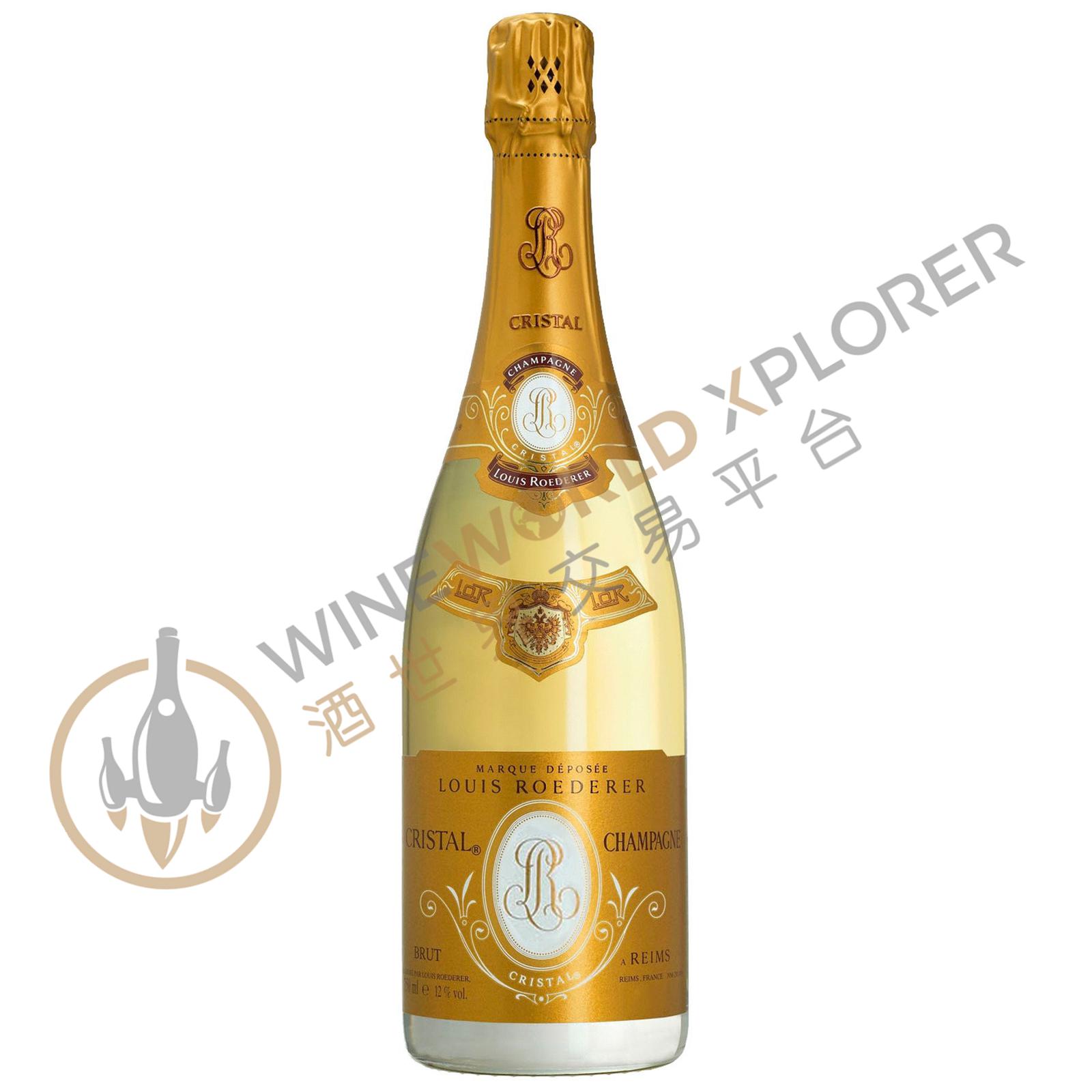
Louis Roederer, Cristal Brut 2014
 View analysis


Description
Louis Reoderer’s most famous wine was created in 1876 to satisfy the demanding tastes of Tsar Alexander II. The emperor asked Louis Roederer to reserve the House’s best cuvée for him every year. He was particularly fond of the House’s wine. To distinguish this cuvée, this exceptional champagne came in a flat-bottomed, transparent lead-crystal bottle. The new brand was named after this precious material, which is particularly transparent and luminous.
Tasting notes

Reviewed by: William Kelley
The 2014 Cristal is a terrific effort that transcends the vintage. Bursting from the glass with expressive aromas of ripe citrus fruit, nectarine, white flowers, freshly baked bread and subtle hints of honeycomb, it's medium to full-bodied, vinous and fleshy, with an exuberant core of fruit that's girdled by racy acids, resulting in a wine that's simultaneously chiseled and demonstrative, meaning that early appeal doesn't come at the expense of the requisite tension for long-term cellaring. Concluding with a long, aromatic and intensely chalky finish, it is a brilliant Champagne that will offer a broad drinking window. This bottle was disgorged in June 2021 with seven grams per liter dosage.
Reviewed by: Antonio Galloni
The 2014 Cristal is another in a long line of gorgeous wines from Roederer and long-time Chef de Caves Jean-Baptiste Lécaillon. A dazzling, vibrant Champagne, the 2014 impresses with a stunning combination of fruit density and linear energy that brings to mind a hypothetical blend of 2012 and 2008. At times, the bubbles feel totally wrapped up in waves of creamy, resonant fruit to the point the mousse is barely perceptible, especially with aeration. The flavors are bright and finely sculpted, leaning very much into the citrus, floral and mineral end of the spectrum.The blend is a classic: 60% Pinot Noir and 40% Chardonnay taken from 39 of the 45 parcels that comprise the Cristal estate. In most vintages, the Pinot components are roughly equally split between Verzy/Verzenay and Aÿ, but in 2014, Lécaillon favored Verzy and Verzenay, two north facing villages in the Montagne de Reims (where rain was less problematic) known for conferring saline energy and vibrancy. Rain was much more of an issue in the Vallée de la Marne. Consequently, some of the Pinots in Aÿ were diluted and did not make it into the blend. Chardonnays were sourced from historic plots in Avize, Mesnil and Cramant. About 32% of the lots were fermented in wood, the rest were done in tank. As always, all of the malolactic fermentations were blocked. In 2014, the growing season was marked by a good spring followed by a cool, wet summer and then very favorable weather in September. I vividly recall that there was not much enthusiasm for the vintage at the outset. Today, though, opinions are starting to change, at least with regards to some wines. Since 2012, Cristal has been made entirely from organically-farmed grapes, an approach Lécaillon adopted in order to achieve a more ideal and parallel relationship between sugar and phenolic ripeness. “Champagne is always a battle between picking too early and rot,” Lécaillon has often said during our tastings. One of the other benefits of organic farming is that it naturally lowers yields. As Champagne fans know, the great wines of the 1950s and 1960s were made at a time when yields were in the 5,000 kilo per hectare range. Then, in the 1980s, widespread planting of higher-yielding clones led to an entirely different situation in the vineyard. Today’s permitted yields are 11,000 kilos per hectare, with some variation in years that present unusual growing conditions. With organic farming, yields for Cristal are in the 7,000-9,000 kilo per hectare range. Another innovation at Roederer has been a focus on higher-density plantings with newer vineyards, an approach that encourages low production per vine. But back to the wine.The 2014 Cristal is a riveting Champagne. Don’t miss it.
About the Producer
When he inherited the Champagne House in 1833, the aesthete and entrepreneur Louis Roederer took a visionary approach to enriching his vines, aiming to master every stage of the wine’s creation. He forged the wine’s unique style, character, and taste. In the mid-nineteenth century, Louis Roederer acquired some of Champagne’s grand cru vineyards—an approach that contrasted sharply with contemporary practices.. While other Houses bought their grapes, Louis Roederer nurtured his vineyards, familiarized himself with the specific characteristics of each parcel, and methodically acquired the finest land. Louis Roederer’s guiding principle was that all great wine depends on the quality of the soil, a passion for tradition, and an astute vision of the future; the fame and reputation of the House of Louis Roederer was firmly established. His heir, Louis Roederer II was equally enlightened and adopted his father’s conscientious approach to the production of champagne, patrimonial estate management, and instinctive audacity.
1989(2)1996(1)1997(1)1999(3)2000(3)2002(13)2004(8)2005(7)2006(13)2007(13)2008(22)2009(7)2012(20)2013(19)
Package Size