 Wine Advisor



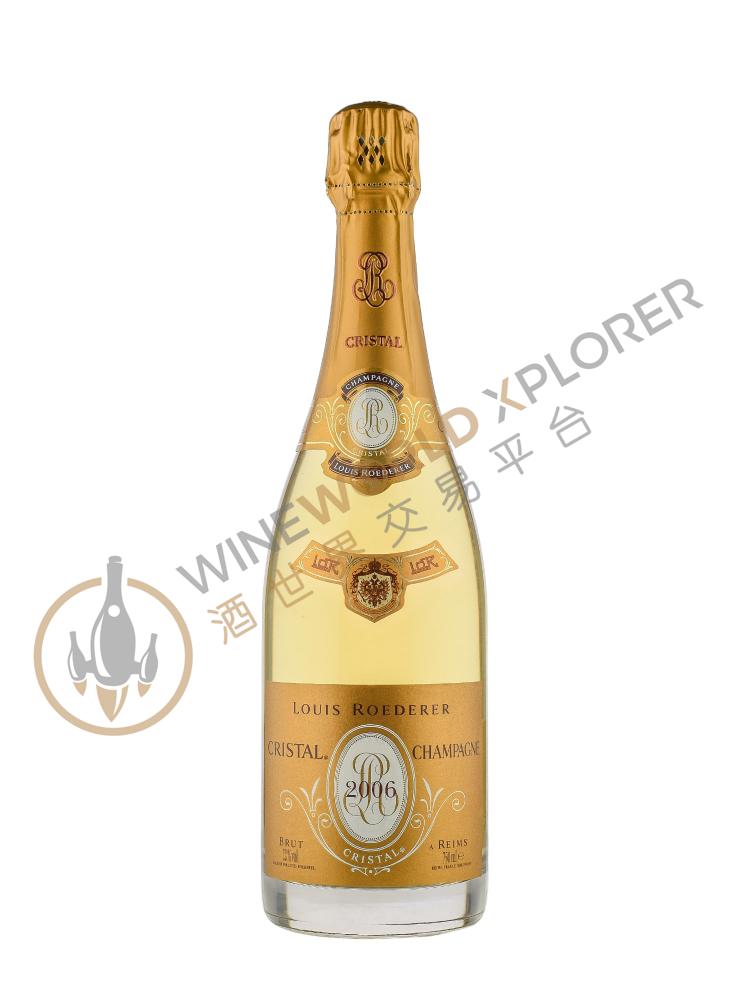
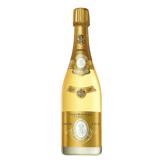
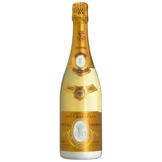
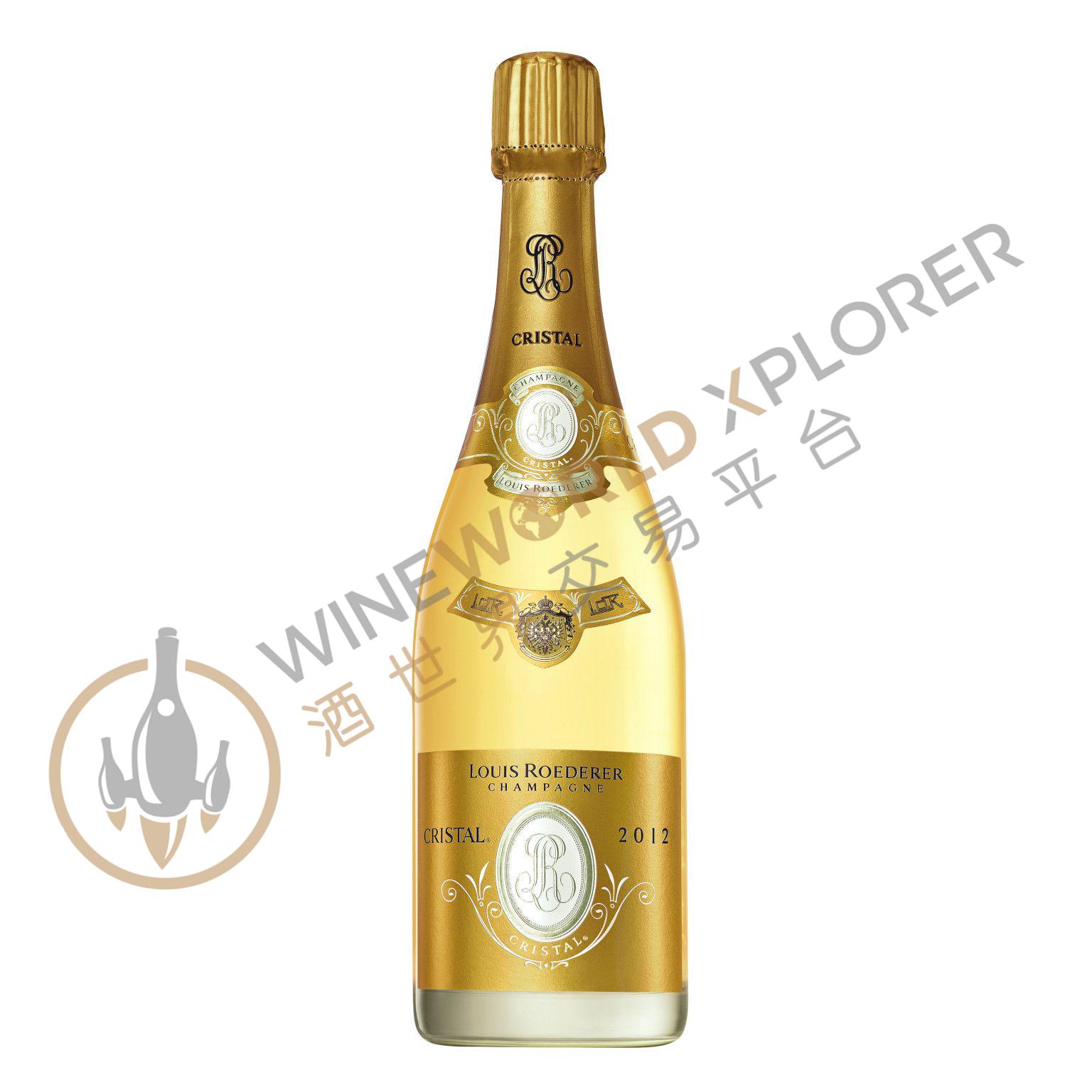
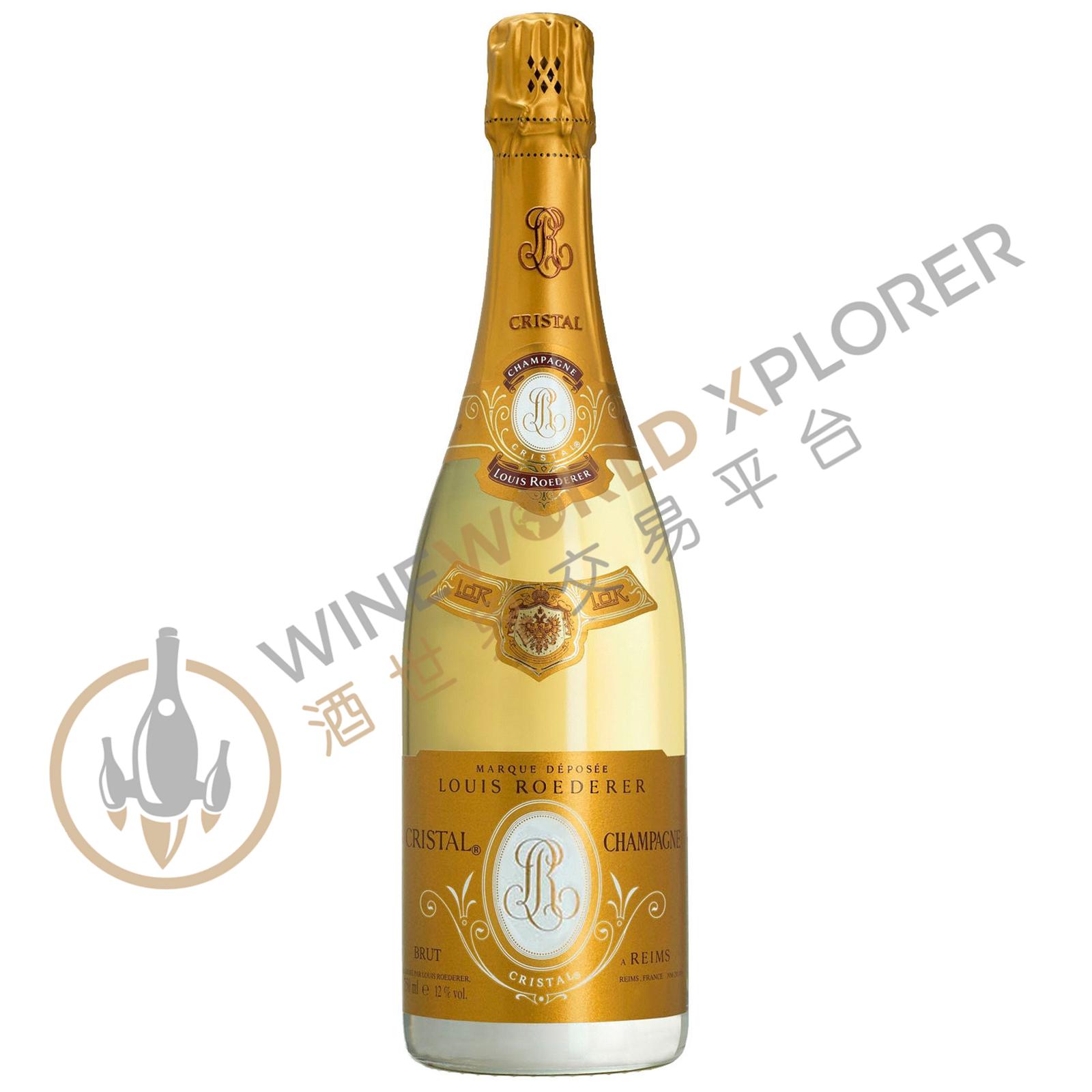
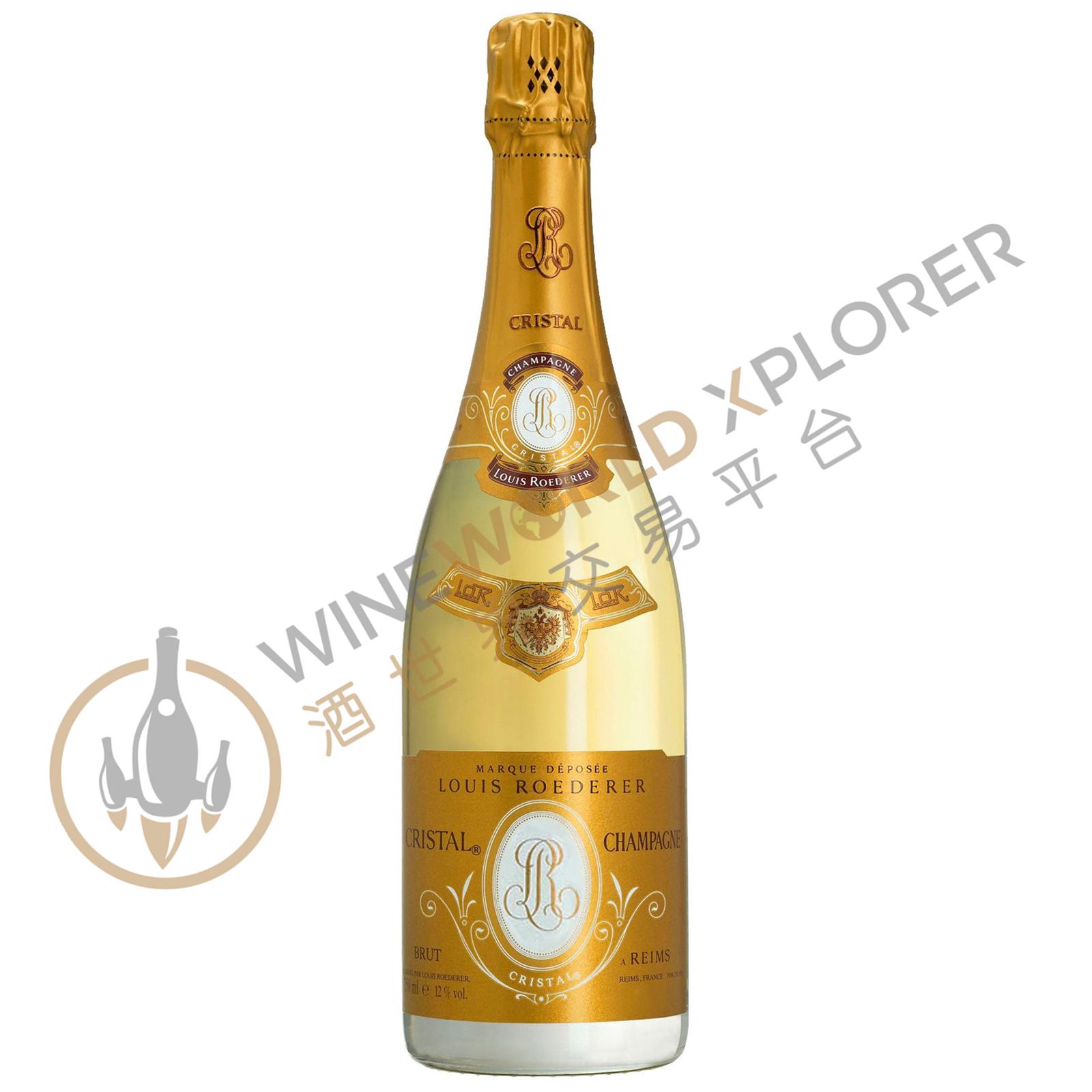
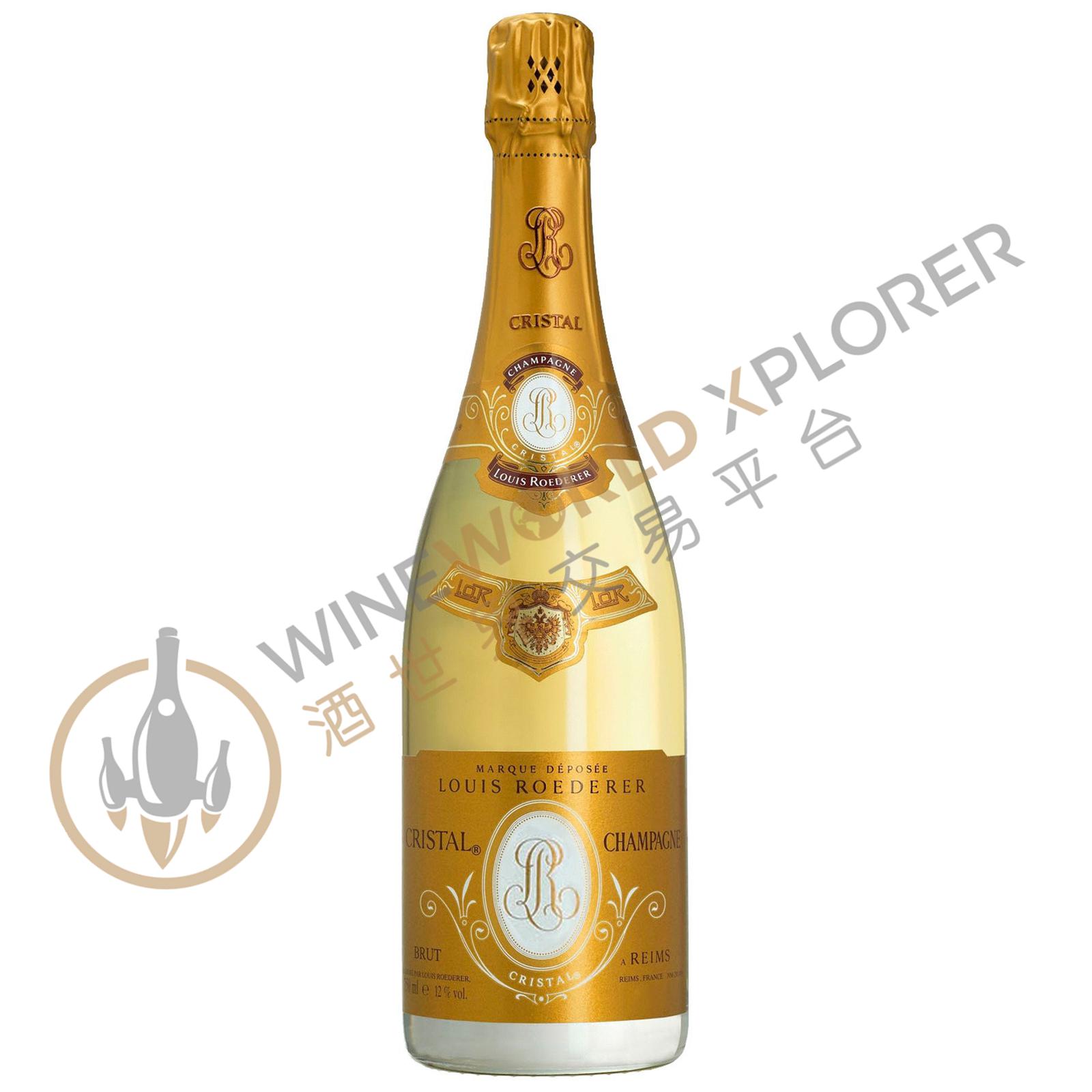
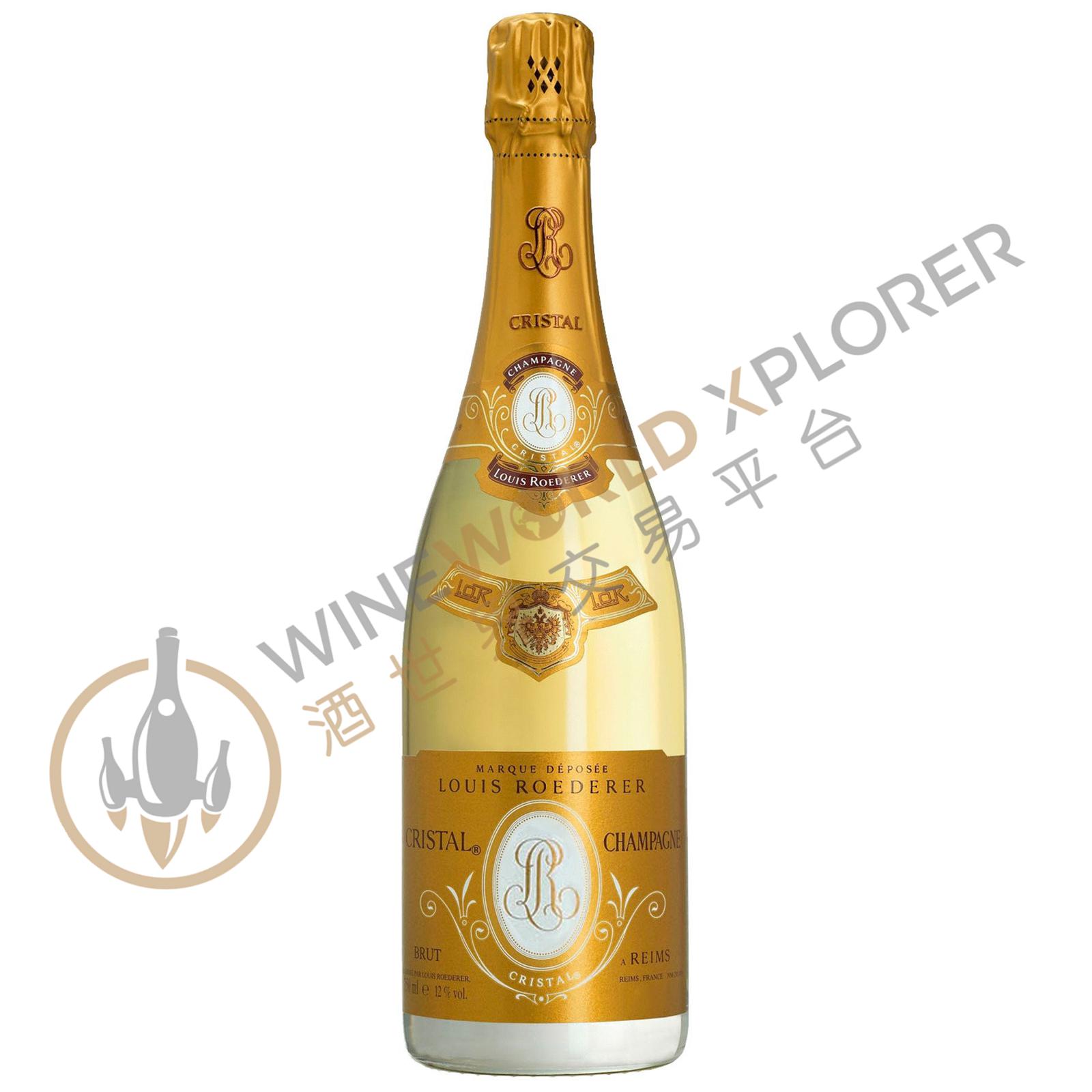
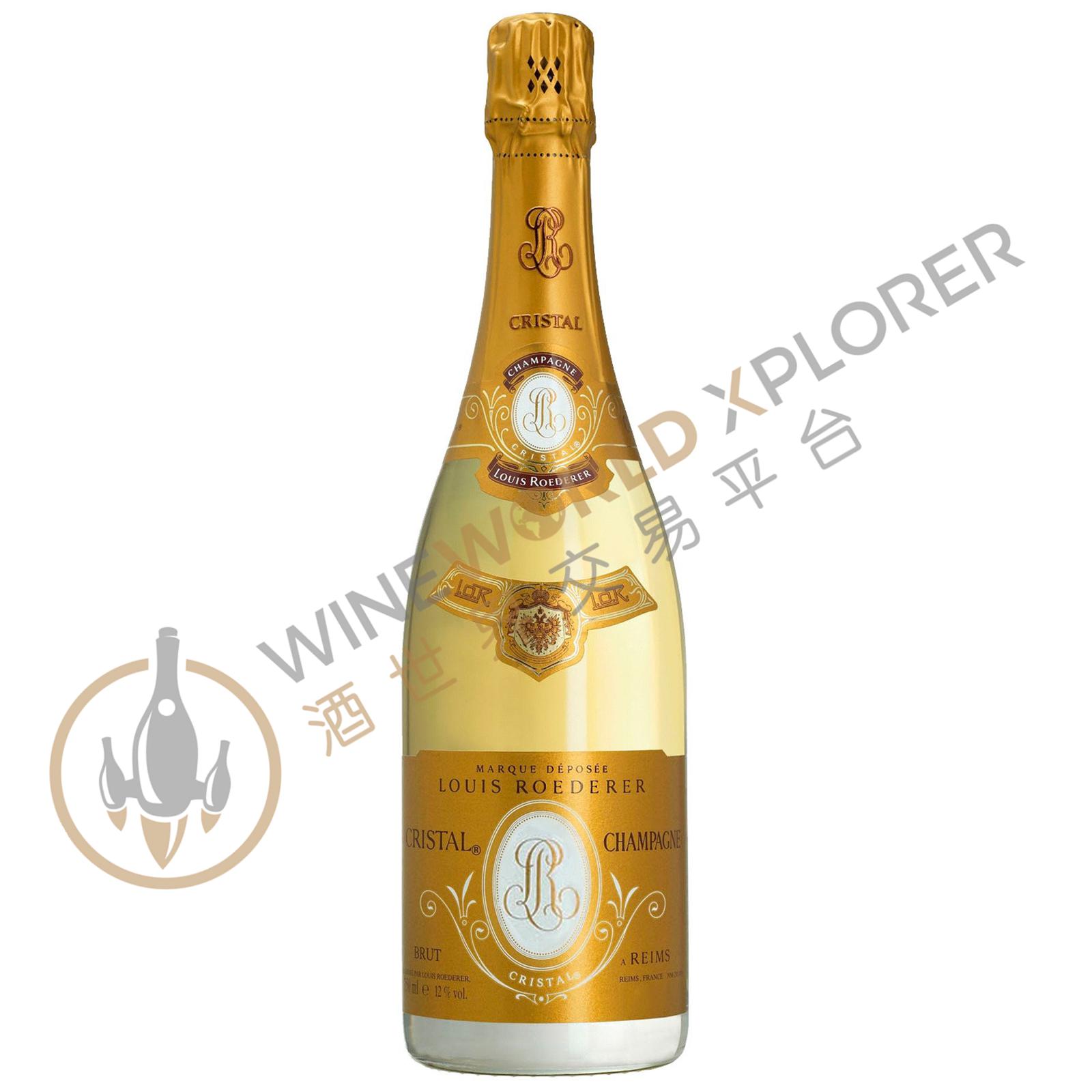
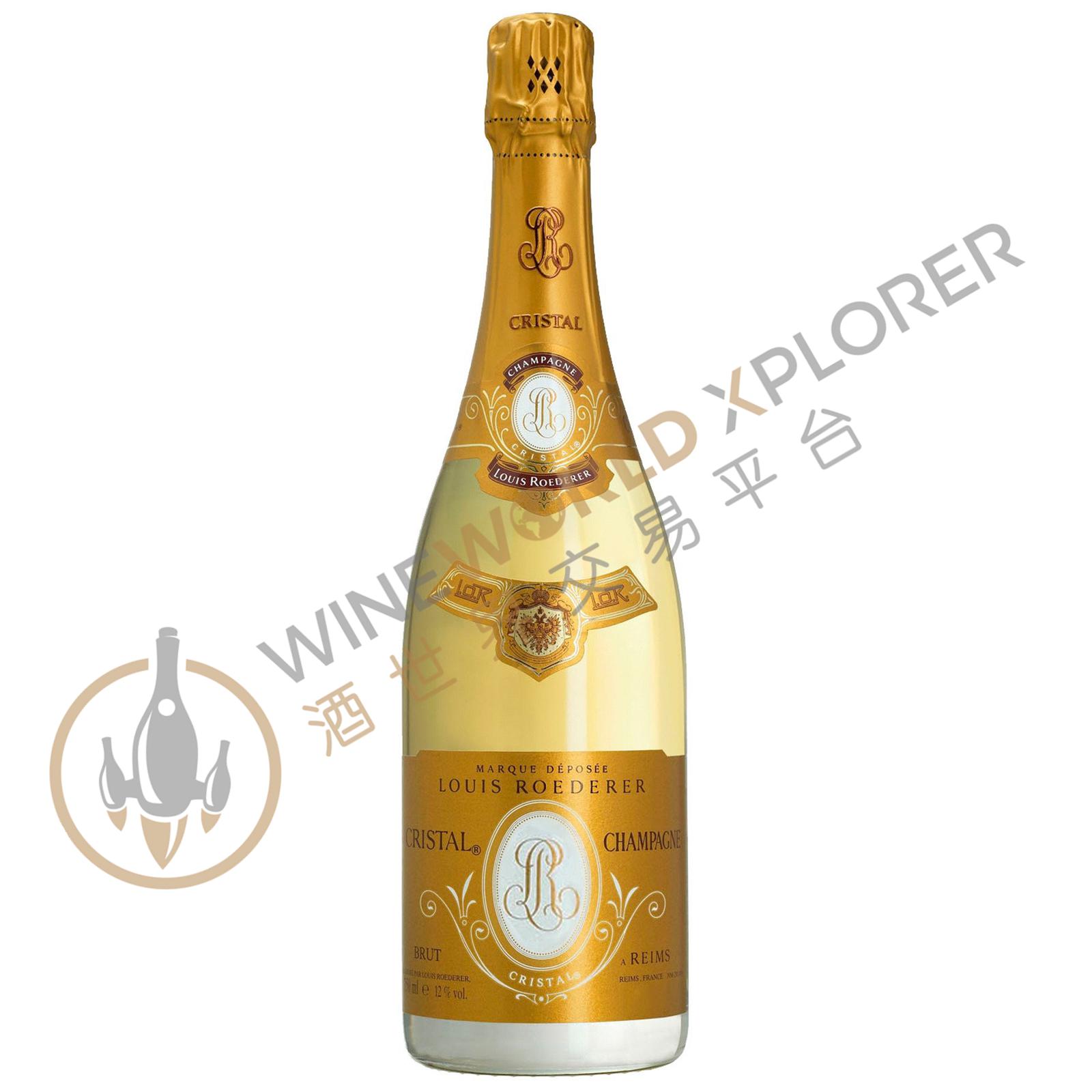
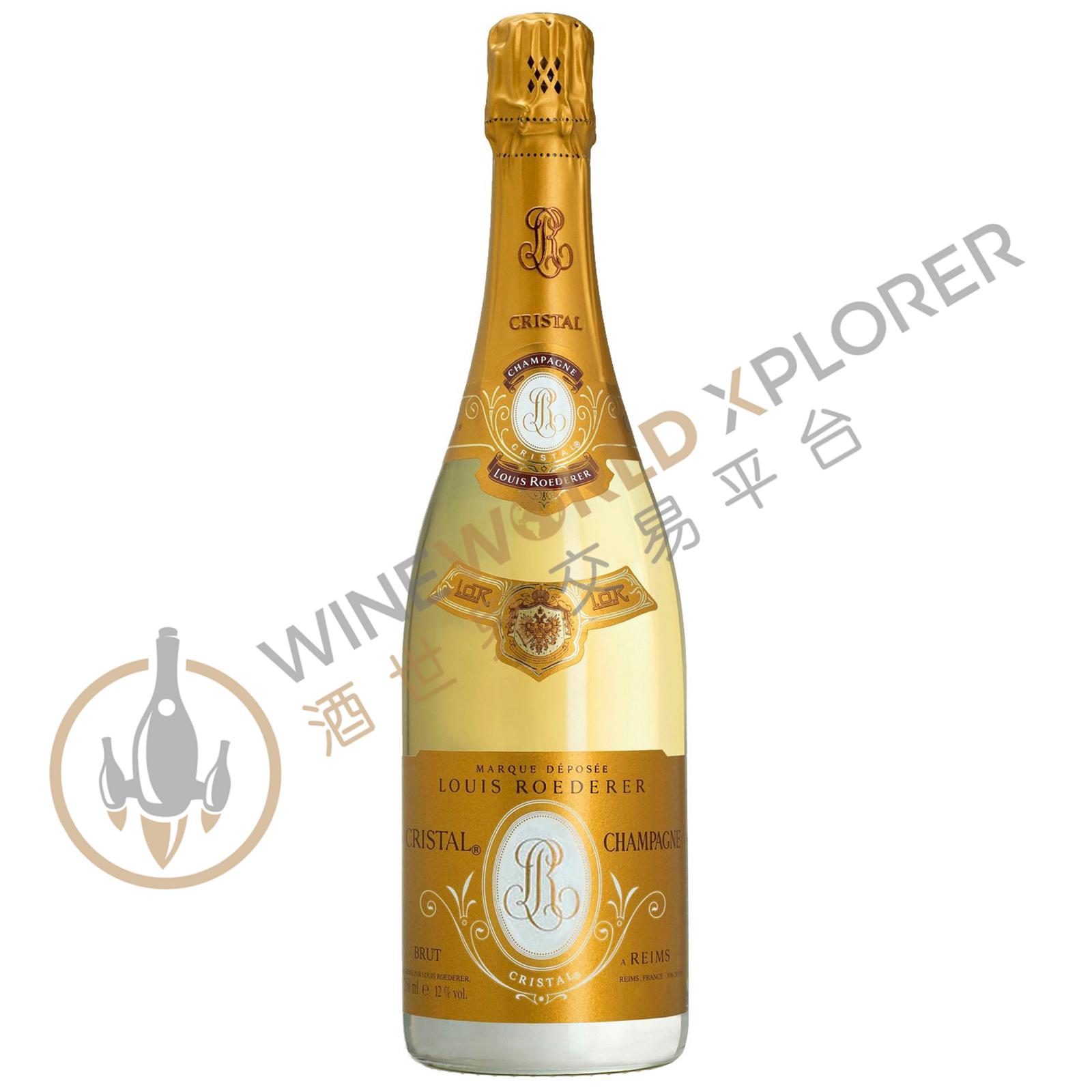
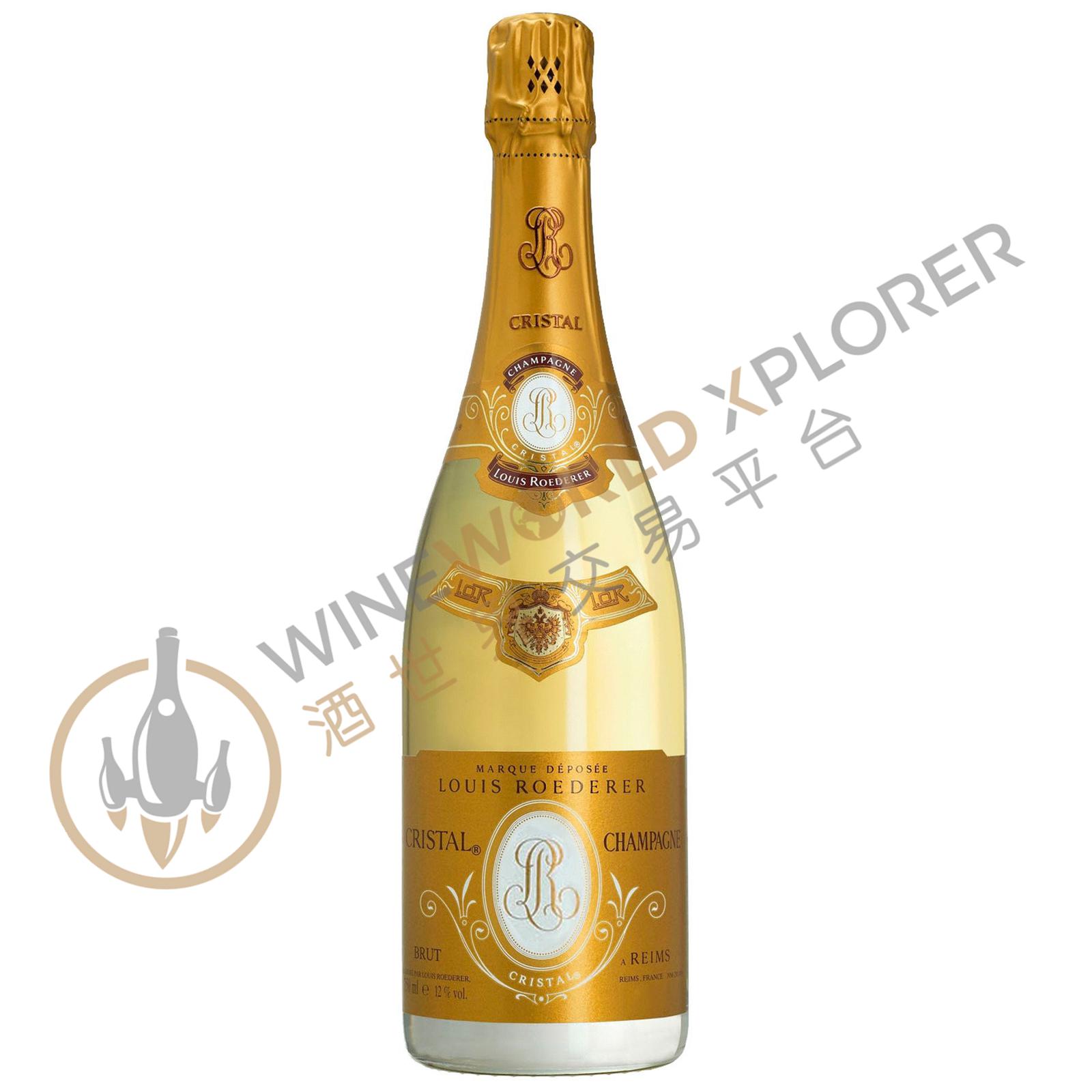
Louis Roederer, Cristal Brut 2013
 View analysis


Description
Louis Reoderer’s most famous wine was created in 1876 to satisfy the demanding tastes of Tsar Alexander II. The emperor asked Louis Roederer to reserve the House’s best cuvée for him every year. He was particularly fond of the House’s wine. To distinguish this cuvée, this exceptional champagne came in a flat-bottomed, transparent lead-crystal bottle. The new brand was named after this precious material, which is particularly transparent and luminous.
The last vintage harvested in October, the only one in two decades, Cristal 2013 continues the great tradition of balance and purity that has made it legendary. The mineral concentration is at its peak and achieves tremendous depth in this late year. The longer vegetative cycle, the dry, bright summer and the slow ripening of the grapes up until the start of the autumn have given rise to two remarkably well-balanced and fresh champagnes that are the quintessence of chalky purity and the unique elegance typical of Cristal.
Tasting notes

Reviewed by: William Kelley
Notes of crisp yellow orchard fruit, white flowers, blanched almonds and warm brioche introduce the 2013 Cristal, a full-bodied, layered and incisive wine that's taut and chiseled but also notably exuberant in a vintage that I admire immensely but which can sometimes present an austere side. Deep, concentrated and penetrating, it's complemented by a pinpoint mousse and concludes with a long, saline finish. Less introverted than its 2012 predecessor, readers won't regret trying a bottle of the 2013 Cristal young—even if I'd recommend forgetting some for a decade too.
Reviewed by: William Kelley
I've revisited Roederer's 2013 Cristal four times since I reviewed it in April of this year—including several times from my own cellar—and I had to admit that even my lavish praise didn't do it full justice. Combining the cool-vintage cut of 2008 with the more completely mature fruit of 2012, the 2013 Cristal might well be said to represent the perfect combination of the two from a purist's perspective. The wine unwinds in the glass with notes of crisp orchard fruit, white flowers, almond paste and citrus oil, followed by a medium to full-bodied, seamless and multidimensional palate that's intense but weightless, with racy acids, a pinpoint mousse and a long, penetrating finish. Drink the 2008 Cristal on its own, and you're unlikely—to put it mildly—to have any complaints; but compare it directly with the 2013 and you'll see Roederer's rapid progress in the vineyards writ large.
Reviewed by: Antonio Galloni
The 2013 Cristal is a wine of extraordinary precision and tension. Searing acids drive a bold, racy Champagne that won’t be ready to offer its best drinking anytime soon. In recent vintages, Cristal has been quite open on release. That is far from the case with the 2013. Readers should plan on being quite patient. The blend is 60% Pinot Noir (from Aÿ, Verzy, Verzenay, Beaumont-sur-Vesle) and 40% Chardonnay (Mesnil, Avize, Cramant). Chef de Caves Jean-Baptiste Lecaillon was especially selective and used only 30 out of the potential 45 plots that are typically available for Cristal. About 32% of the lots were done in oak, the rest in steel, with the malolactic fermentation blocked across the board. It was an October harvest, the sort of harvest that has become increasingly rare in Champagne. Lecaillon describes the summer as similar to 2012, but adds the vines were a month behind in their development. In tasting, the 2013 reminds me of the 1996 in its austerity, even more so than the epic 2008. (Originally published in May 2021)
Reviewed by: Antonio Galloni
The 2013 Cristal is a wine of extraordinary precision and tension. Searing acids drive a bold, racy Champagne that won’t be ready to offer its best drinking anytime soon. In recent vintages, Cristal has been quite open on release. That is far from the case with the 2013. Readers should plan on being quite patient. The blend is 60% Pinot Noir (from Aÿ, Verzy, Verzenay, Beaumont-sur-Vesle) and 40% Chardonnay (Mesnil, Avize, Cramant). Chef de Caves Jean-Baptiste Lecaillon was especially selective and used only 30 out of the potential 45 plots that are typically available for Cristal. About 32% of the lots were done in oak, the rest in steel, with the malolactic fermentation blocked across the board. It was an October harvest, the sort of harvest that has become increasingly rare in Champagne. Lecaillon describes the summer as similar to 2012, but adds the vines were a month behind in their development. In tasting, the 2013 reminds me of the 1996 in its austerity, even more so than the epic 2008.
About the Producer
When he inherited the Champagne House in 1833, the aesthete and entrepreneur Louis Roederer took a visionary approach to enriching his vines, aiming to master every stage of the wine’s creation. He forged the wine’s unique style, character, and taste. In the mid-nineteenth century, Louis Roederer acquired some of Champagne’s grand cru vineyards—an approach that contrasted sharply with contemporary practices.. While other Houses bought their grapes, Louis Roederer nurtured his vineyards, familiarized himself with the specific characteristics of each parcel, and methodically acquired the finest land. Louis Roederer’s guiding principle was that all great wine depends on the quality of the soil, a passion for tradition, and an astute vision of the future; the fame and reputation of the House of Louis Roederer was firmly established. His heir, Louis Roederer II was equally enlightened and adopted his father’s conscientious approach to the production of champagne, patrimonial estate management, and instinctive audacity.
1989(2)1996(1)1997(1)1999(3)2000(3)2002(13)2004(8)2005(7)2006(13)2007(13)2008(22)2009(7)2012(20)
Package Size