 Wine Advisor



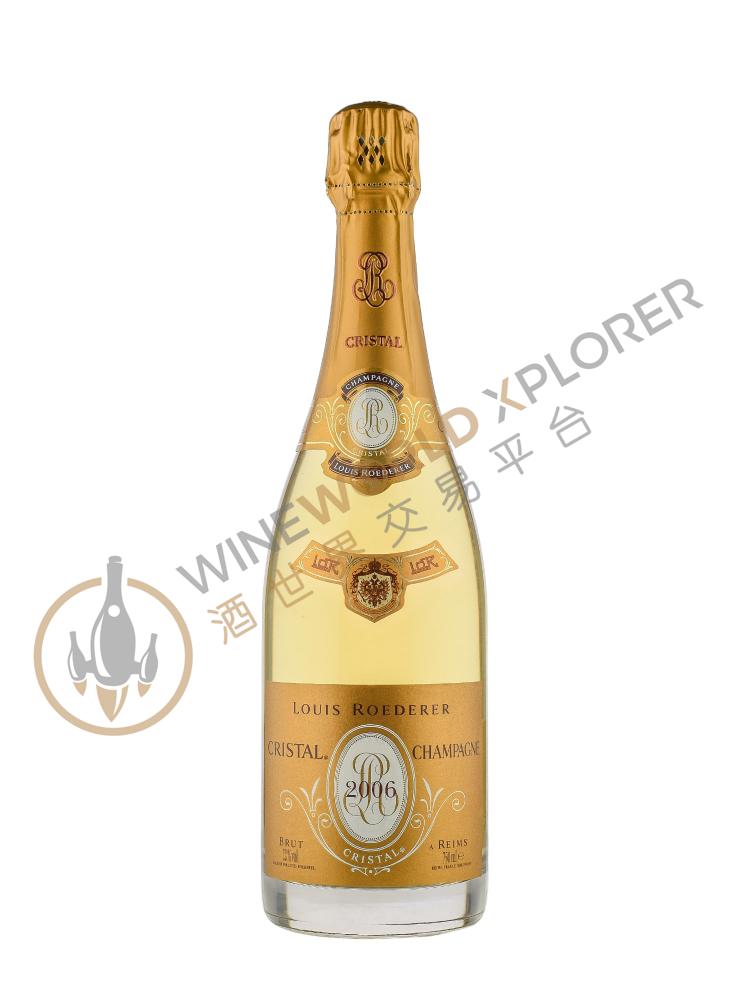
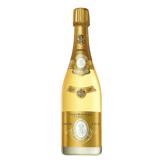
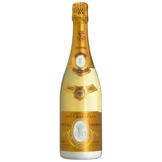
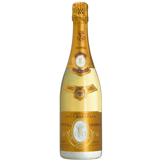
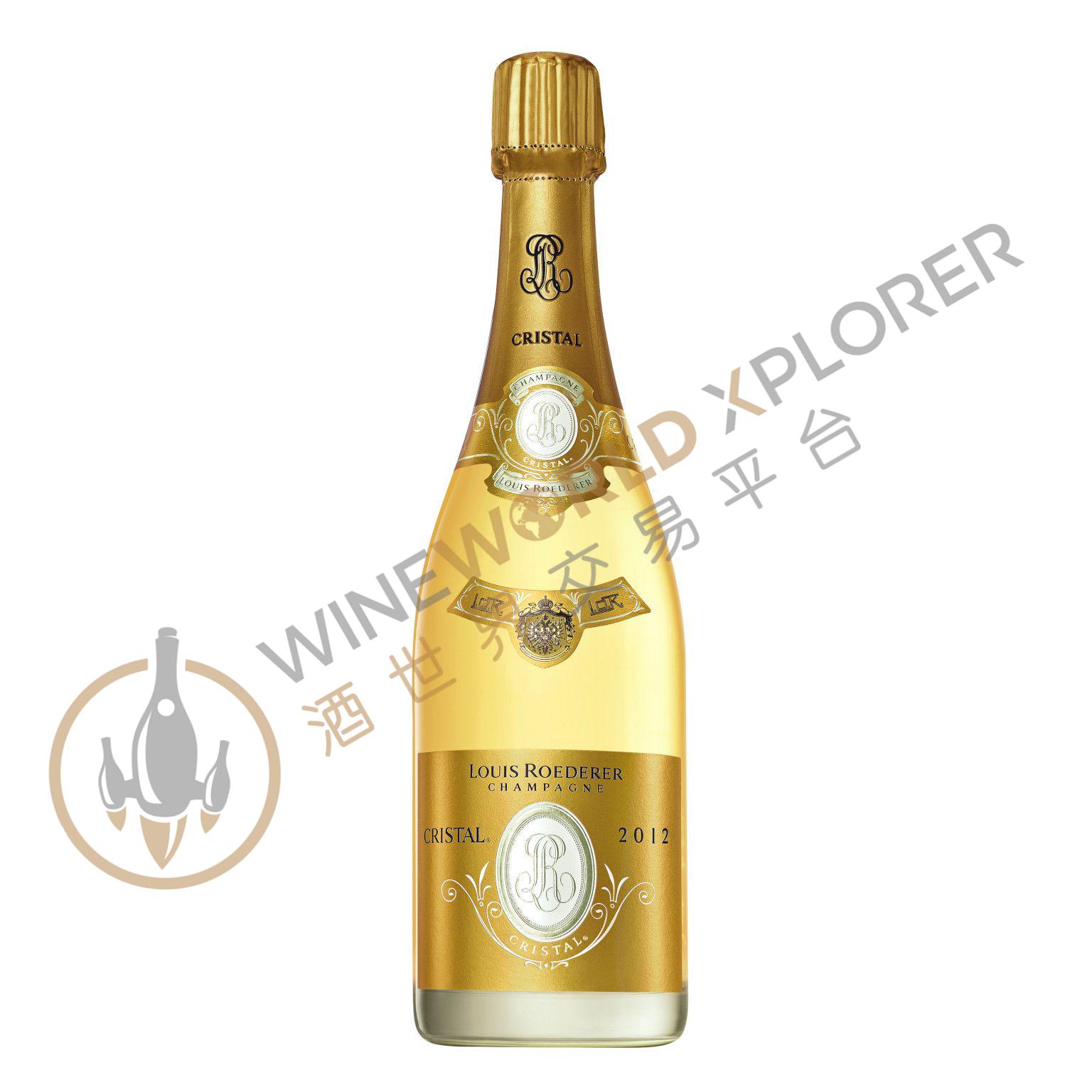
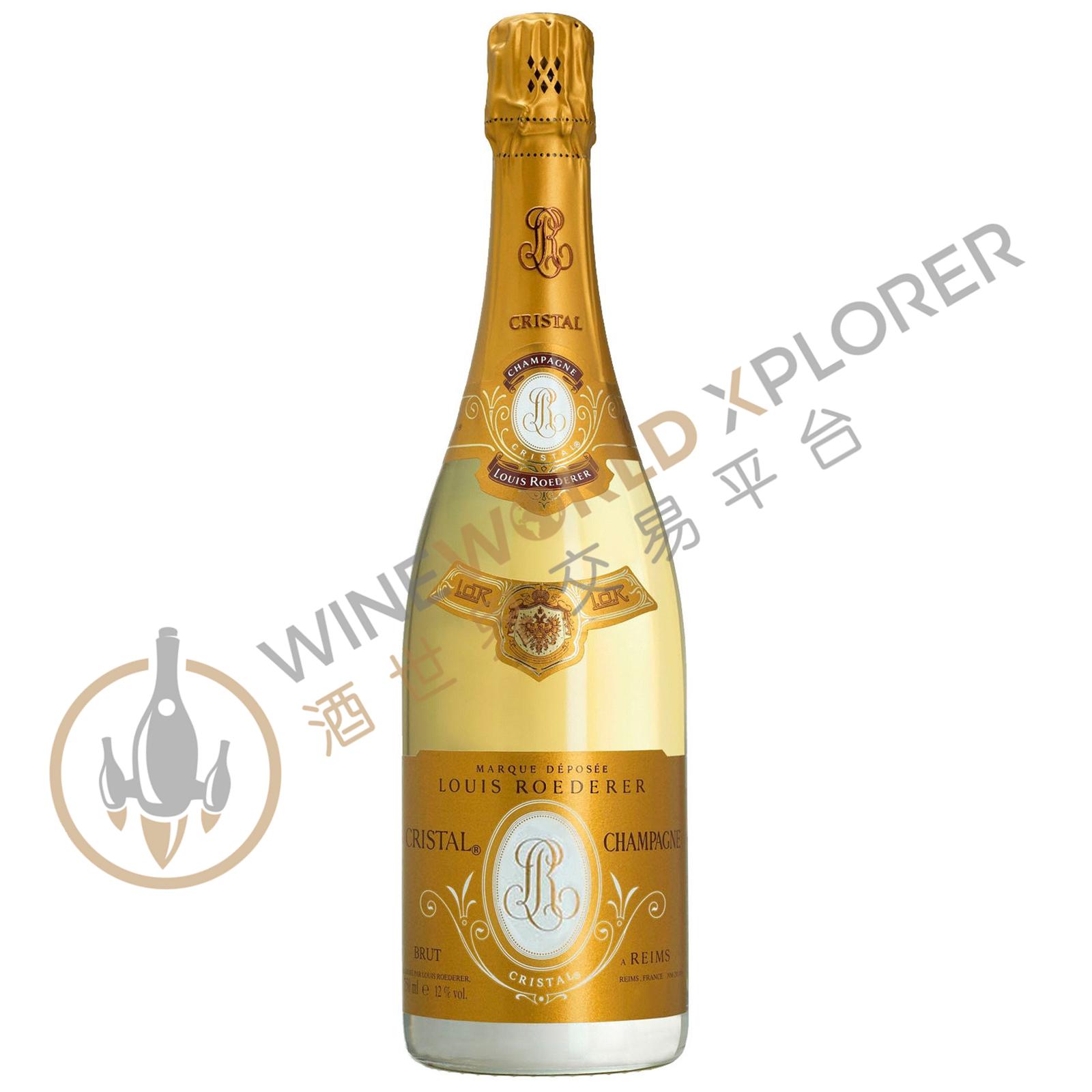
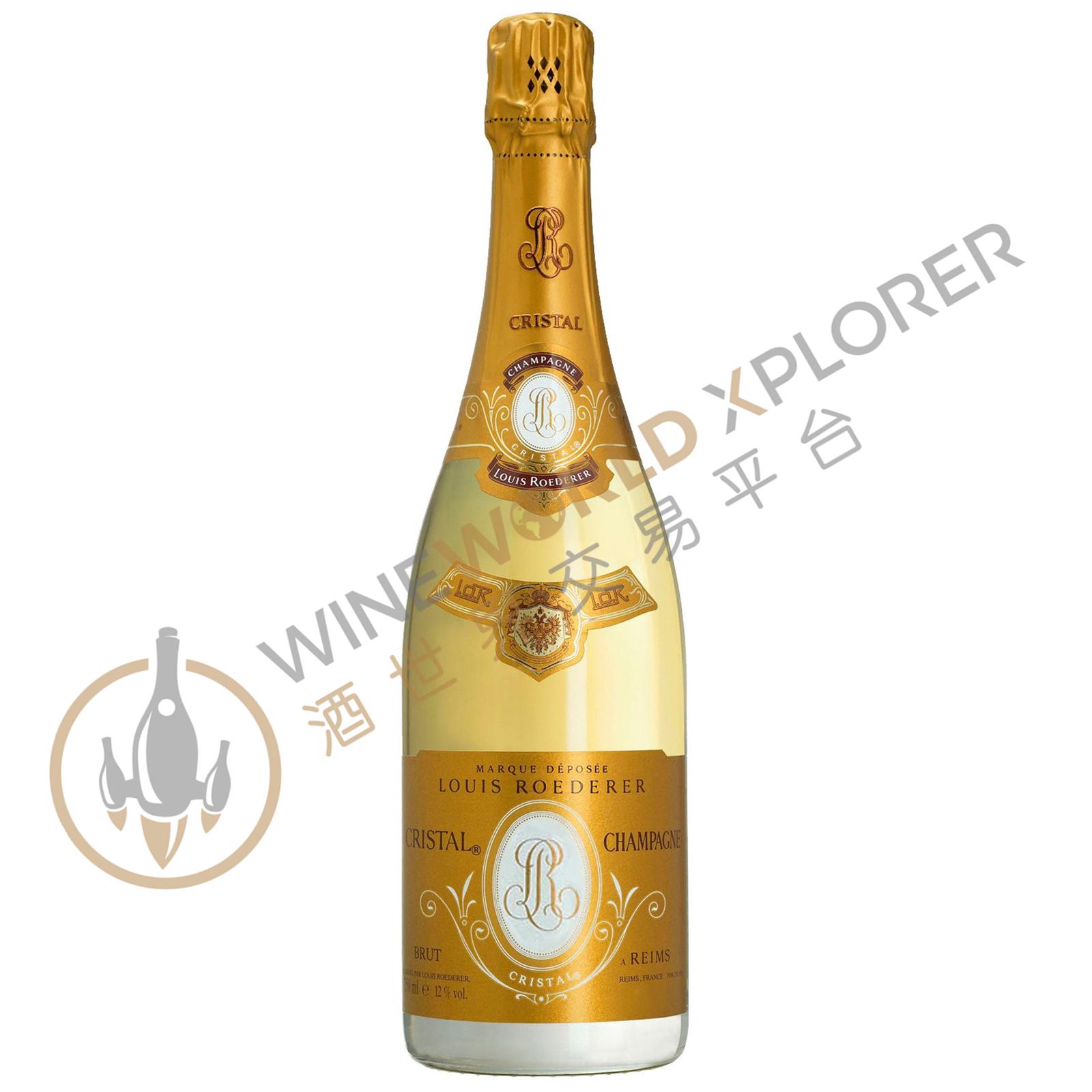
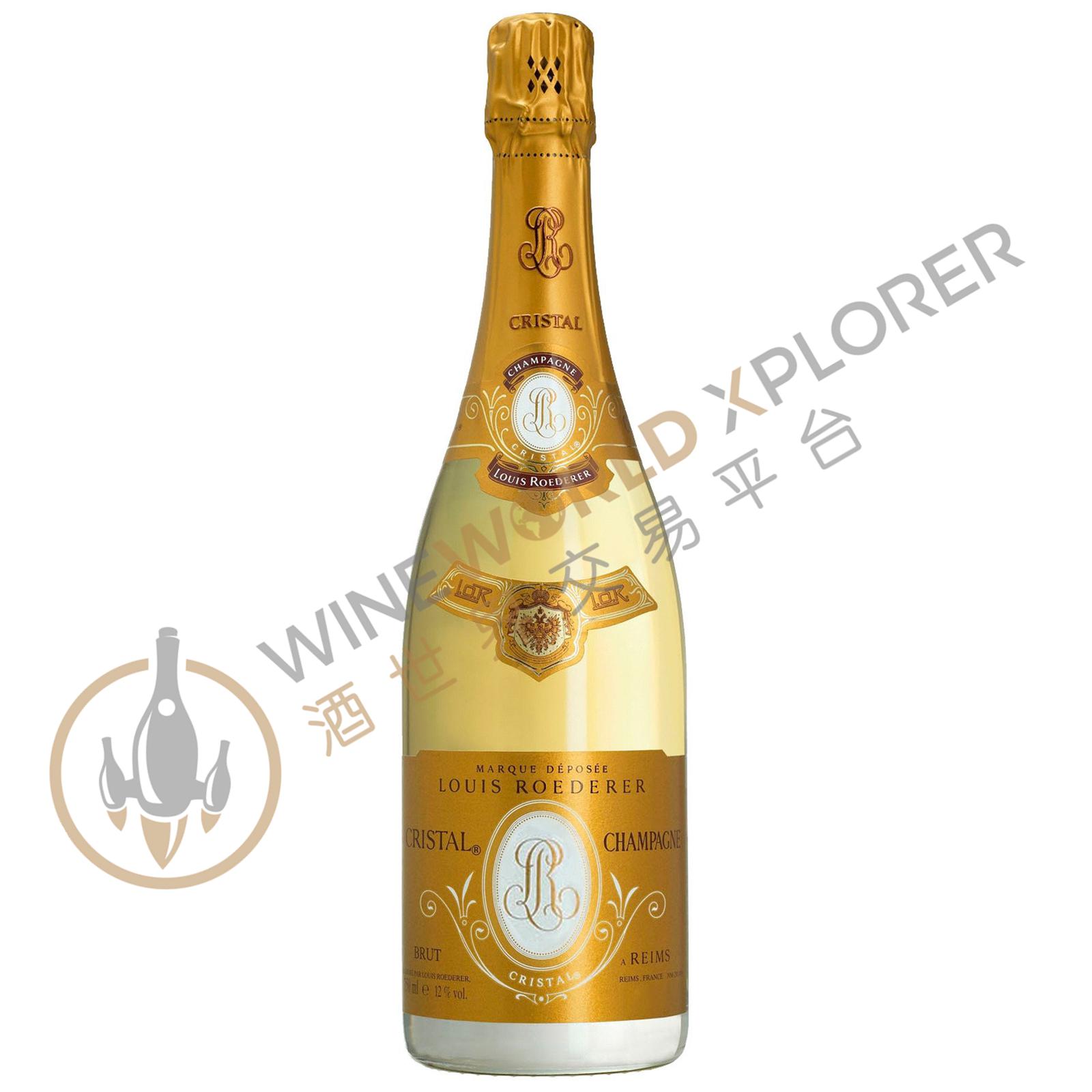
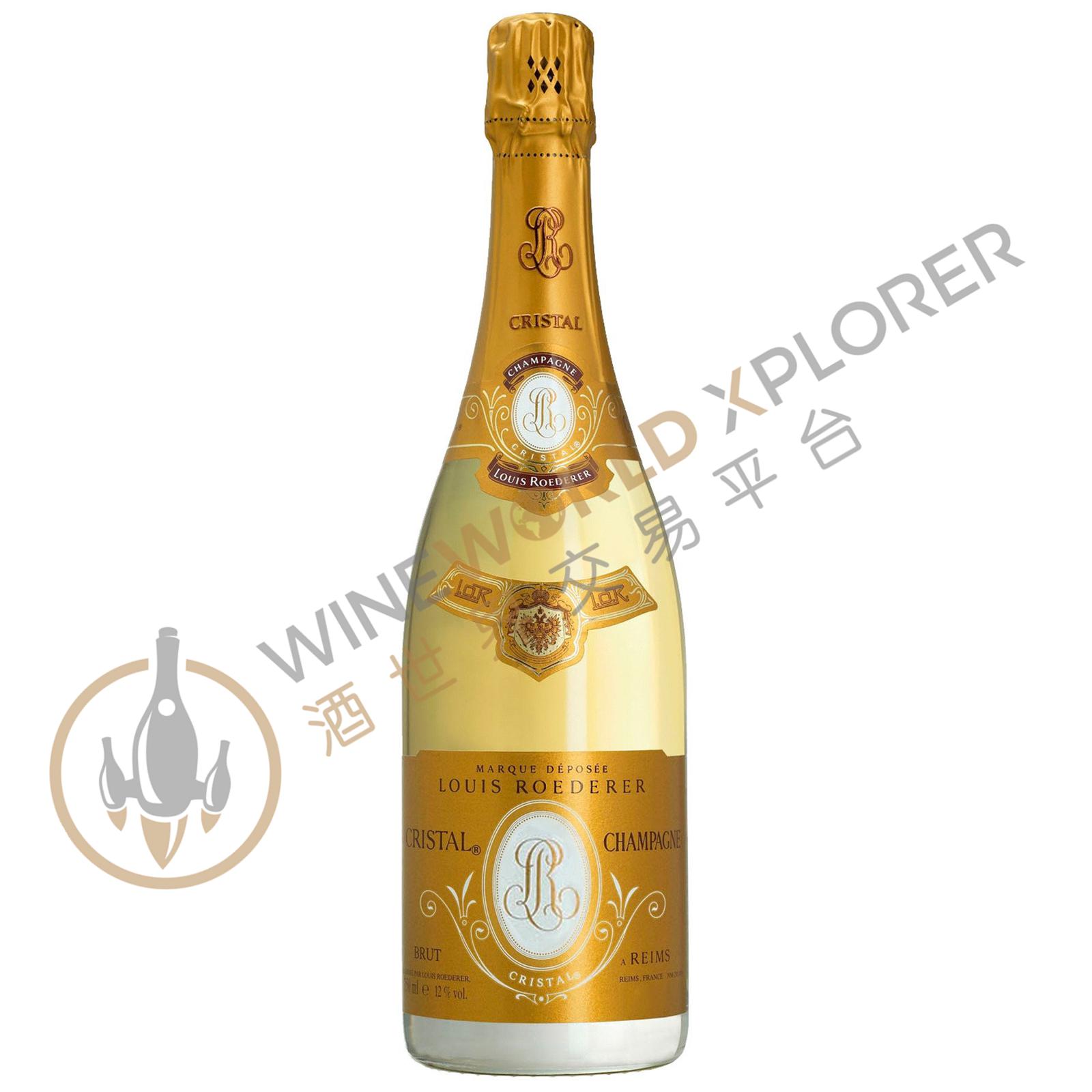
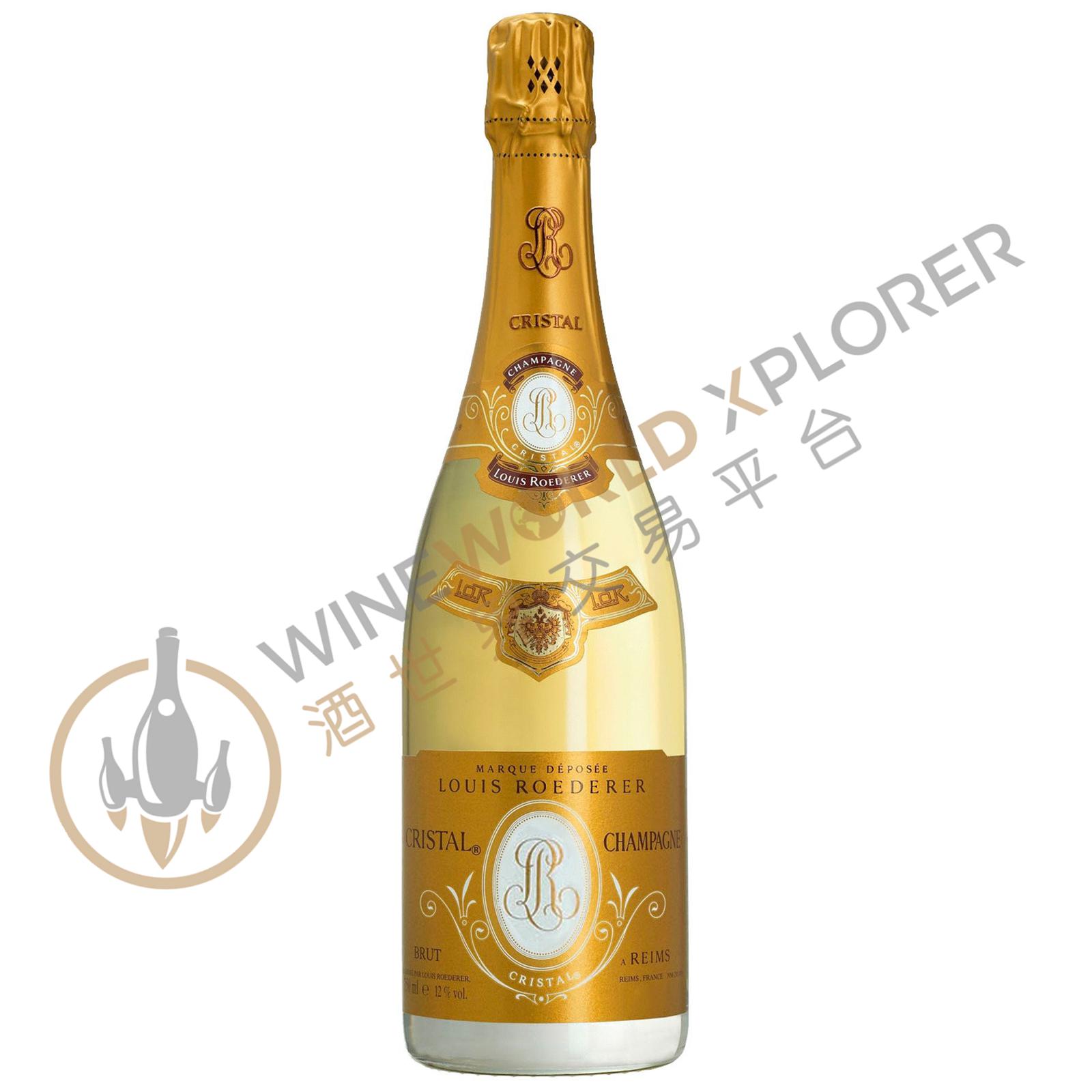
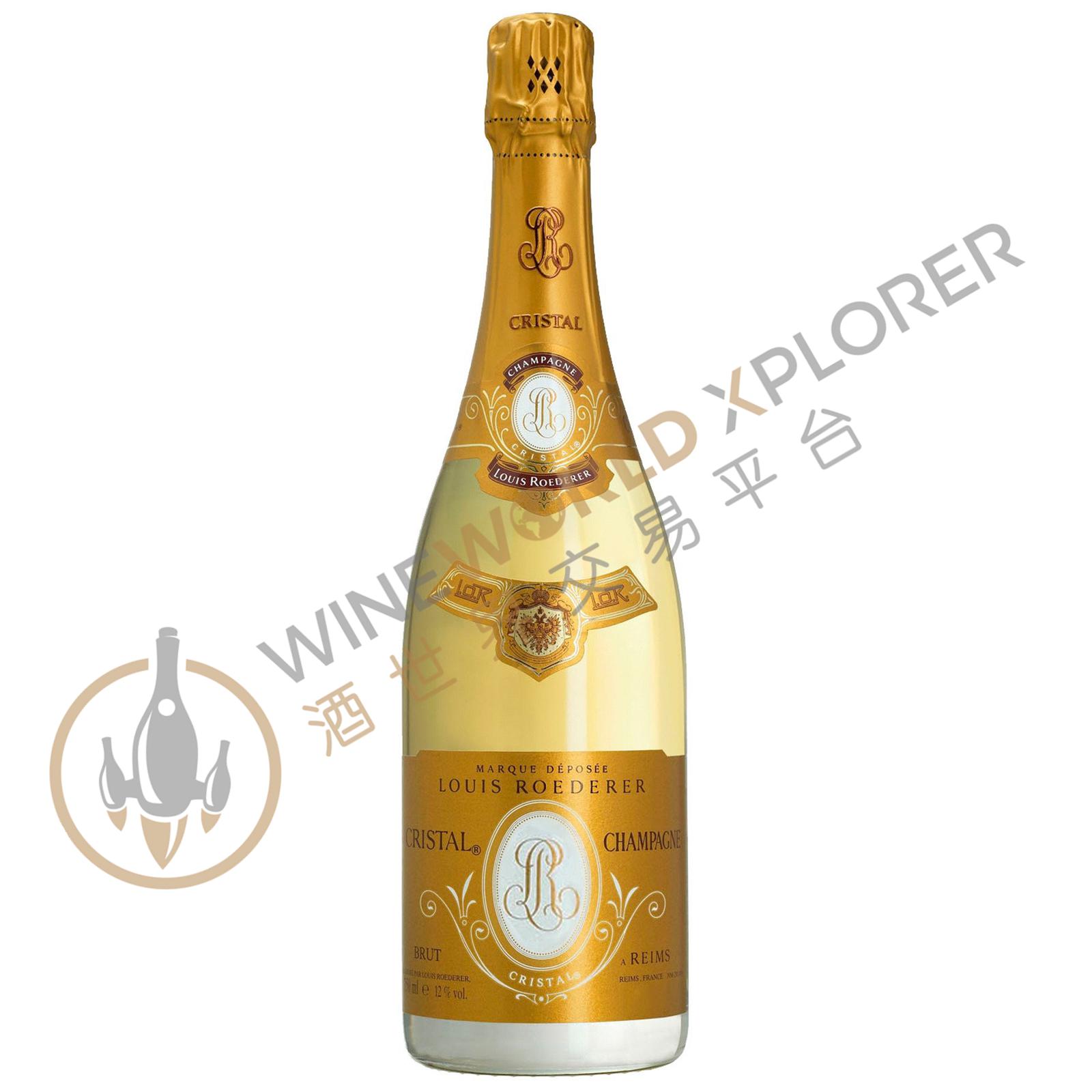
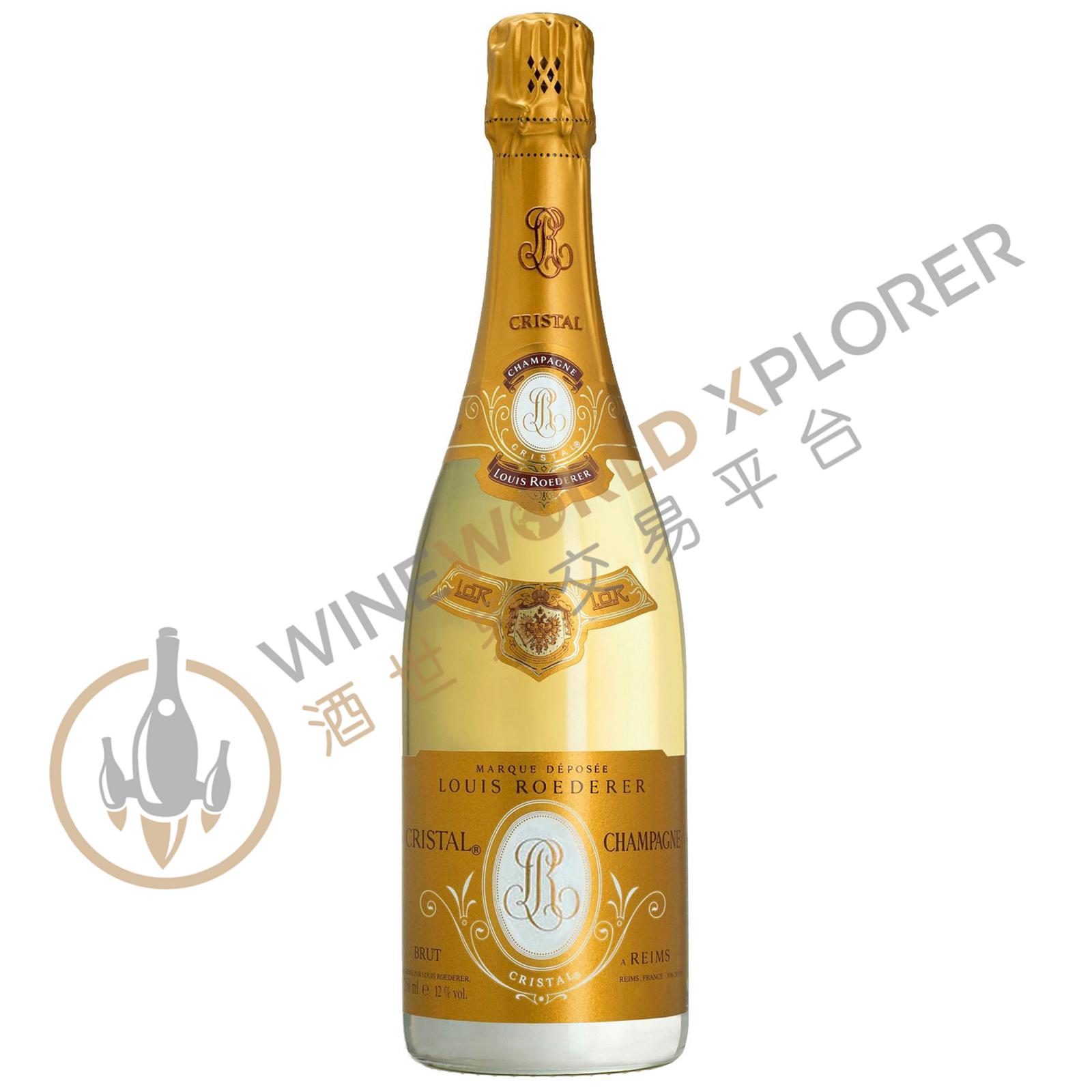
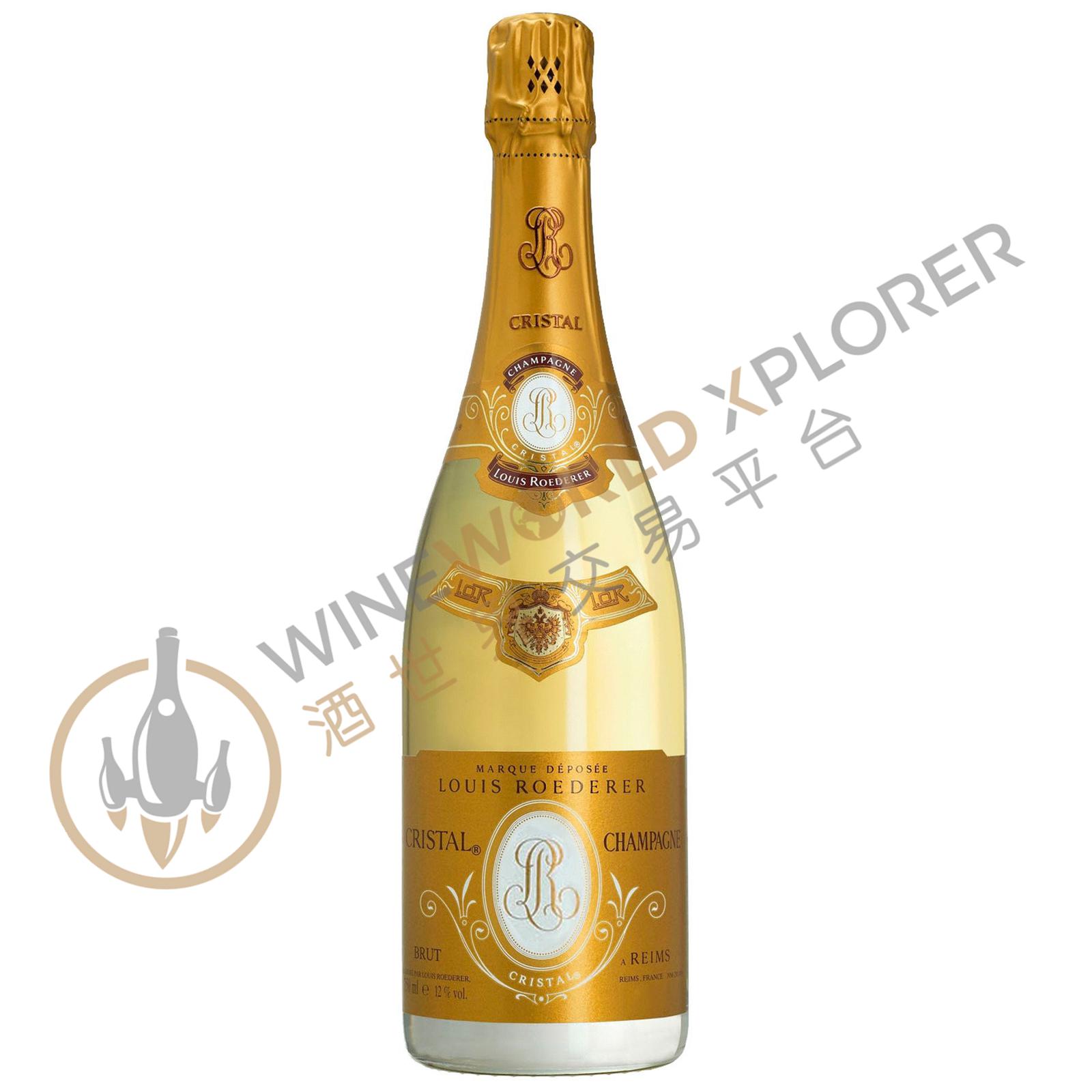
Louis Roederer, Cristal Brut 2007
 View analysis


Description
Louis Reoderer’s most famous wine was created in 1876 to satisfy the demanding tastes of Tsar Alexander II. The emperor asked Louis Roederer to reserve the House’s best cuvée for him every year. He was particularly fond of the House’s wine. To distinguish this cuvée, this exceptional champagne came in a flat-bottomed, transparent lead-crystal bottle. The new brand was named after this precious material, which is particularly transparent and luminous.
Tasting notes

Reviewed by: Stephan Reinhardt
Jean-Baptiste Lécaillon calls Cristal "the first terroir cuvée of the Champagne." He furthers, "It’s not just Chardonnay or Pinot Noir, but the chalk that brings the ultimate finesse, length and precision of Cristal." Forty-five blocks with averaging age of 43-years-old, low-yielding vines form the base of Cristal, which is usually made of approximately 60% Pinot Noir and 40% Chardonnay. Due to an early bud break (end of March) and the wet summer, the 2007 was picked at the end of August, so almost 100 days after the flowering instead of the normal 93-95 days. There is a bit less Pinot Noir than usual (57%) and accordingly, more Chardonnay (43%) in the 2007 Cristal. This Champagne comes along in a golden color and with a deep and matured, yet well-defined bouquet of ripe yellow fruits and honey notes. Full-bodied, round and very complex, the generous 2007 is a perfect mix of ripe fruit and precise minerality. It is a silky textured, pure and precise, as well as powerful and expressive Champagne. It has great tension and grip in the very long and persistent finish. Great expression of chalk. The 2007 was disgorged in 2015. The 2009 is to be released in September; the 2008 won't be in the market earlier than January 2018. Neither a 2010 nor a 2011 will be released, but a 2012.
Reviewed by: Antonio Galloni
Long-time Chef de Caves Jean-Baptiste Lécaillon has produced yet another in a string of superb Champagnes with the 2007 Cristal. Rich, powerful and enveloping, the 2007 takes hold of all the senses and never lets up. The aromatics alone are captivating, but then the wine opens on the palate, revealing layer after layer of flavor to match a multi-dimensional, kaleidoscopic personality that will leave Champagne lovers weak at the knees. The 2007 is 58% Pinot Noir and 42% Chardonnay, which is to say a bit more Chardonnay-leaning than is the norm. The 2007 is striking today, but it should also age effortlessly for several decades. It is also without question one of the very finest new releases of the year.
About the Producer
When he inherited the Champagne House in 1833, the aesthete and entrepreneur Louis Roederer took a visionary approach to enriching his vines, aiming to master every stage of the wine’s creation. He forged the wine’s unique style, character, and taste. In the mid-nineteenth century, Louis Roederer acquired some of Champagne’s grand cru vineyards—an approach that contrasted sharply with contemporary practices.. While other Houses bought their grapes, Louis Roederer nurtured his vineyards, familiarized himself with the specific characteristics of each parcel, and methodically acquired the finest land. Louis Roederer’s guiding principle was that all great wine depends on the quality of the soil, a passion for tradition, and an astute vision of the future; the fame and reputation of the House of Louis Roederer was firmly established. His heir, Louis Roederer II was equally enlightened and adopted his father’s conscientious approach to the production of champagne, patrimonial estate management, and instinctive audacity.
1989(2)1996(1)1997(1)1999(3)2000(3)2002(13)2004(8)2005(7)2006(13)
Package Size