 Wine Advisor



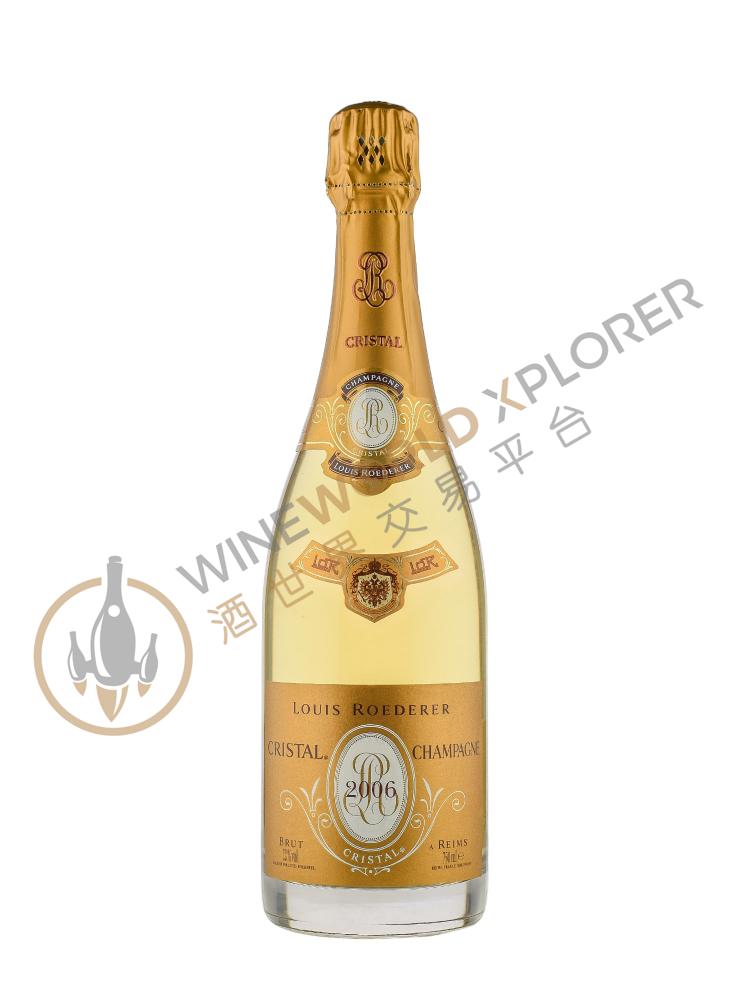
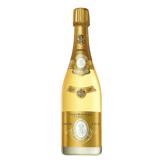
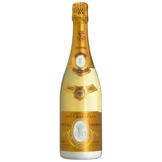
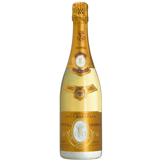
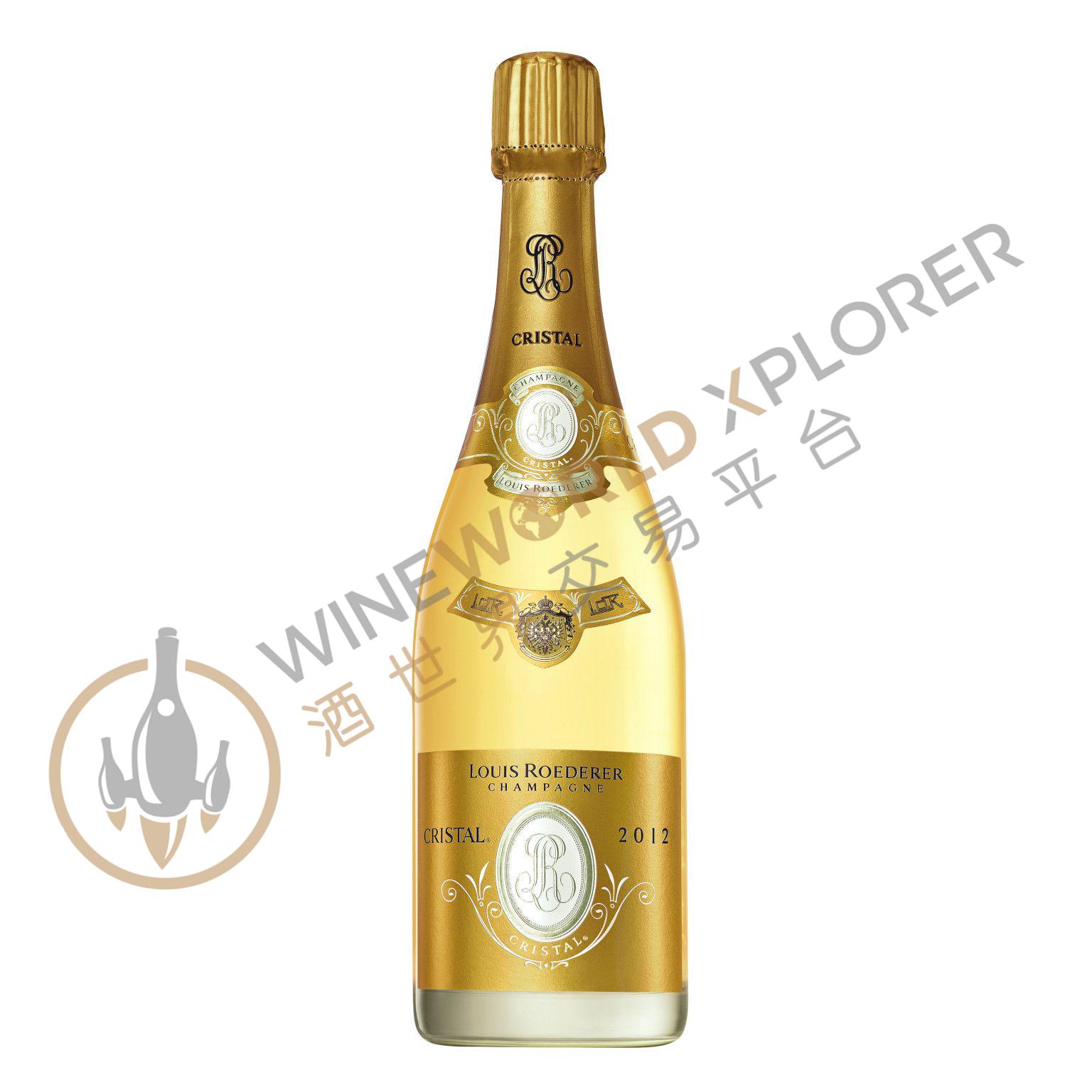
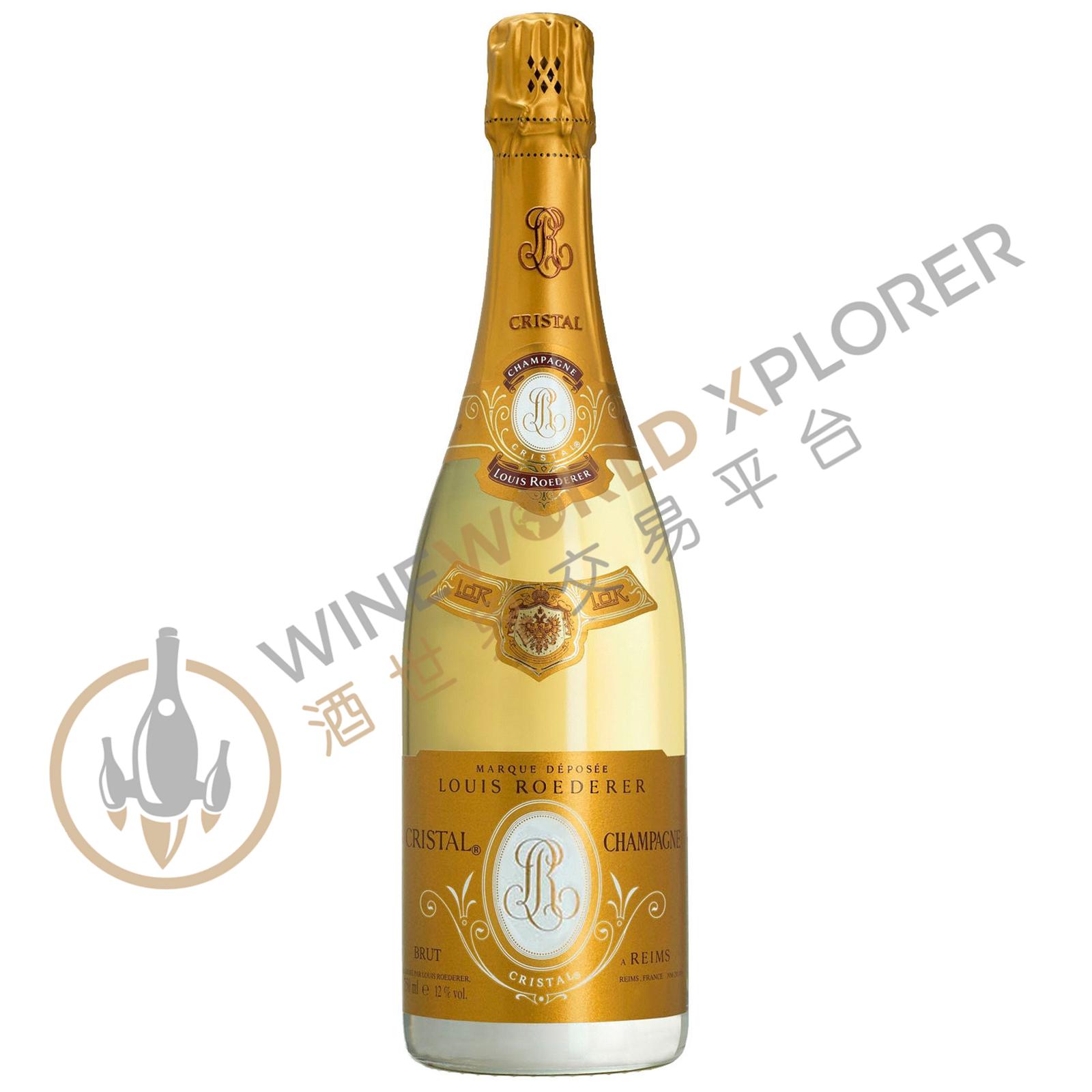
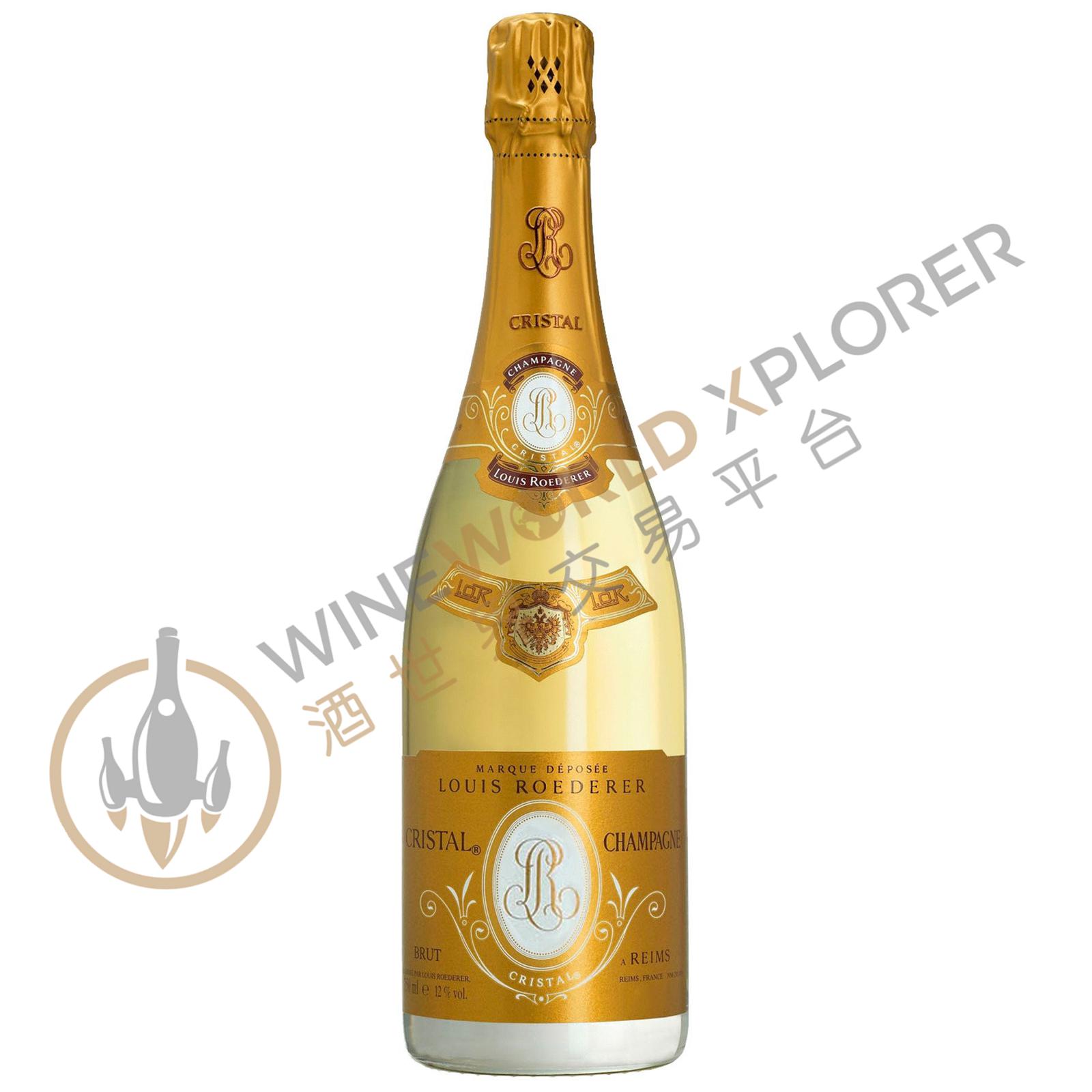
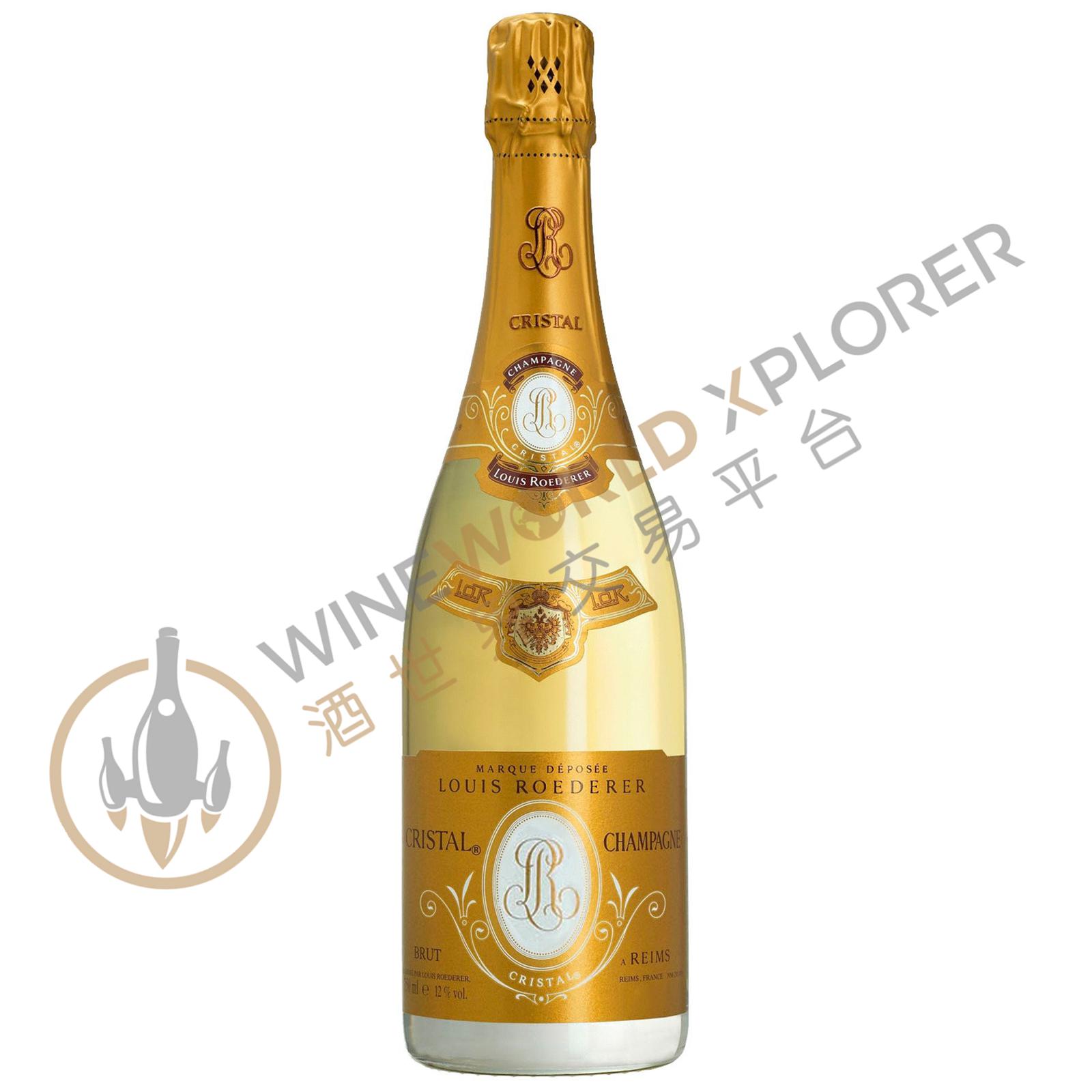
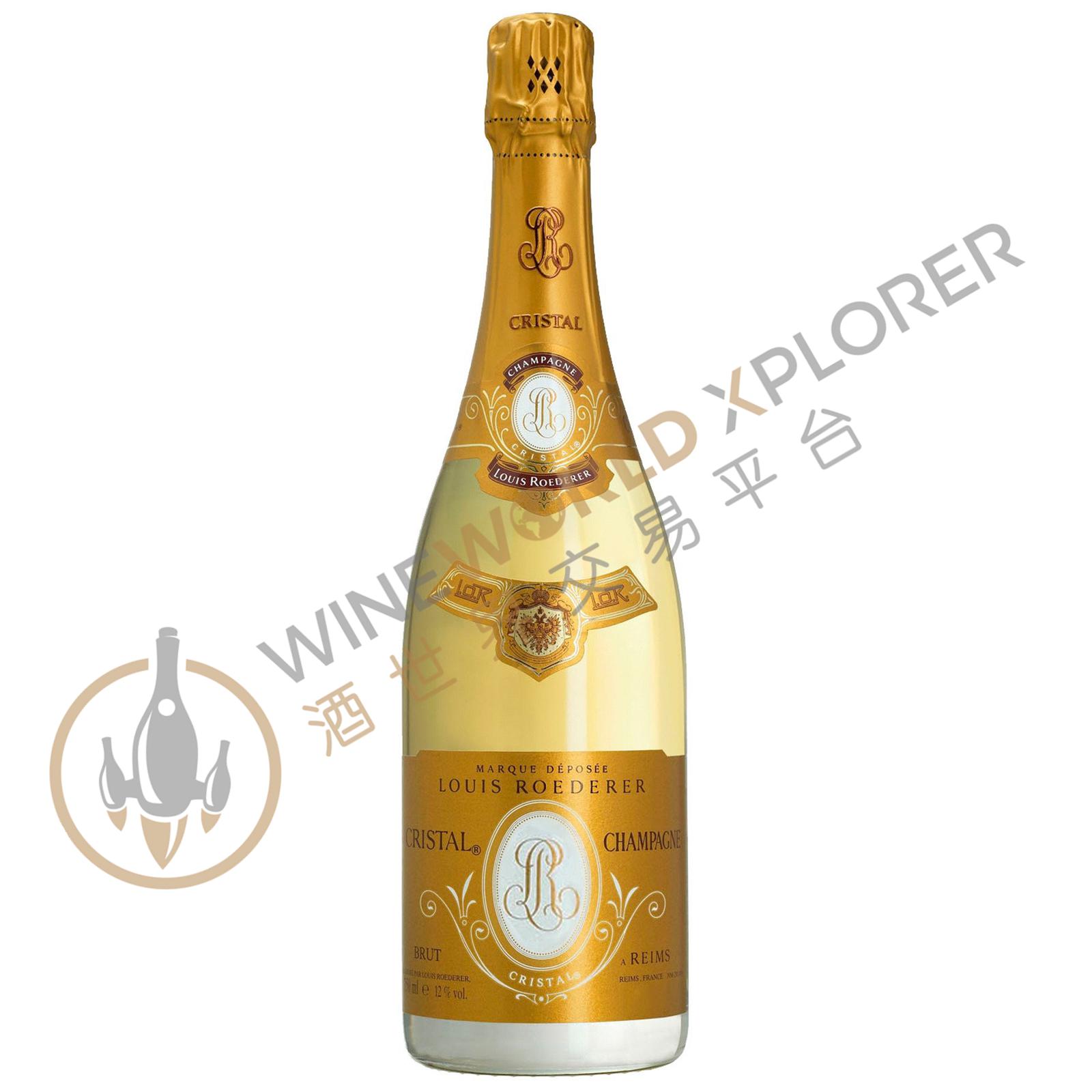
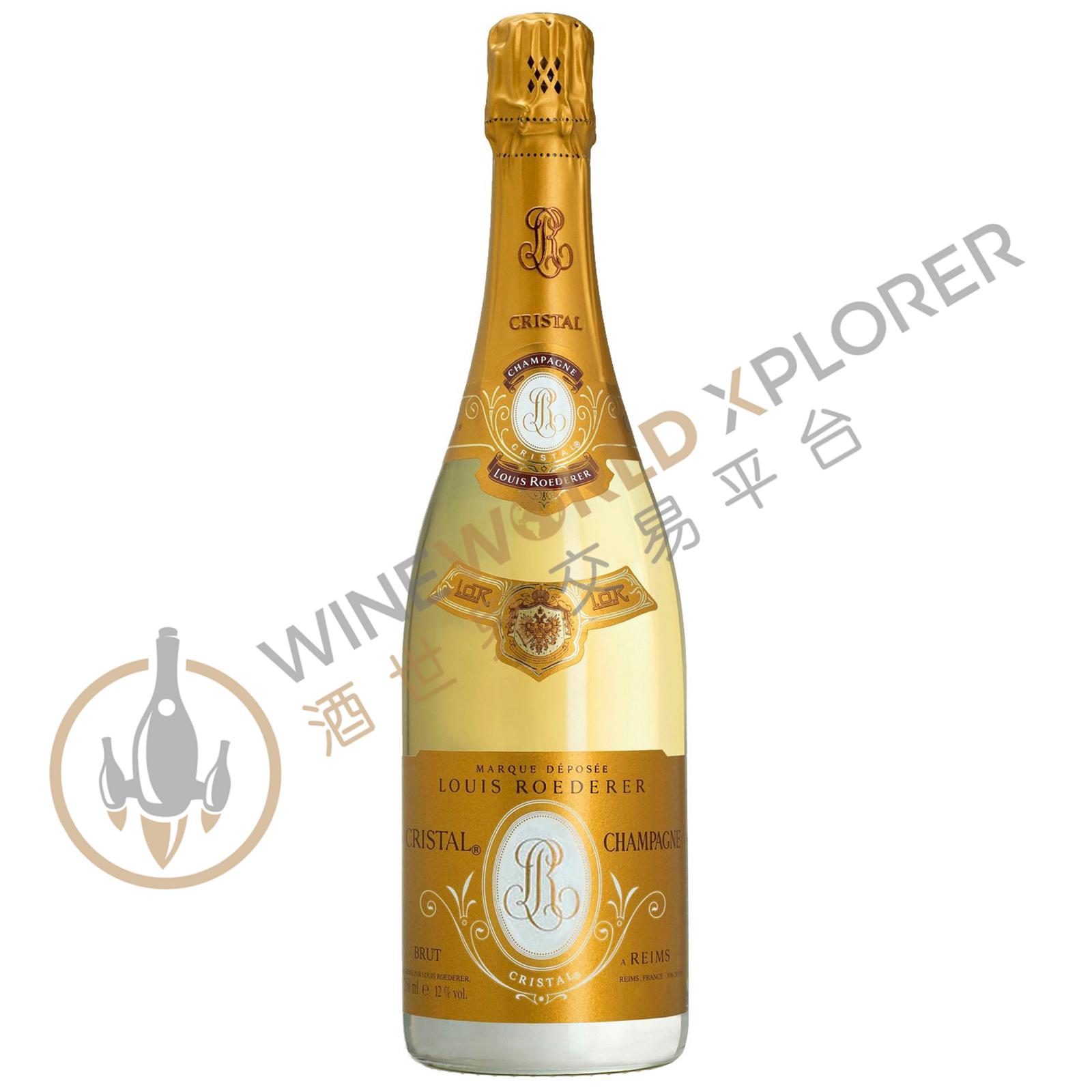
Louis Roederer, Cristal Brut 2004
 View analysis


Description
Louis Reoderer’s most famous wine was created in 1876 to satisfy the demanding tastes of Tsar Alexander II. The emperor asked Louis Roederer to reserve the House’s best cuvée for him every year. He was particularly fond of the House’s wine. To distinguish this cuvée, this exceptional champagne came in a flat-bottomed, transparent lead-crystal bottle. The new brand was named after this precious material, which is particularly transparent and luminous.
Tasting notes

Reviewed by: Antonio Galloni
The estate's 2004's had been recently disgorged at the time of my visit. An explosion of fruit emerges from the 2004 Cristal, making a strong and very positive first impression. This is a wine of incredible finesse, length and balance that promises to develop beautifully over the next several decades. Today the 2004 comes across as more linear than the 2002. It should fill out nicely in bottle, although my sense is it will always remain a more focused, pointed vintage. The 2004 Cristal is 60% Pinot Noir and 40% Chardonnay. In 2009 dosage was 9-10 grams per liter, down from the 12 or so grams that was customary five years ago. This bottle was disgorged in January 2009.
Reviewed by: Antonio Galloni
The 2004 Brut Cristal has put on quite a bit of weight since I first tasted it earlier this year. It is a powerful, structured Cristal layered with considerable fruit. Chardonnay seems to play the leading role in 2004, at least today. Cristal is often accessible young, but that is far from the case here. This is a serious, painfully young Cristal that will require considerable patience. Readers who are willing to spend some time with the wine today will find a super-impressive, complete Cristal. The 2004 Cristal is 60% Pinot Noir and 40% Chardonnay. This is Lot L033331E100008, disgorged January, 2010. Anticipated maturity: 2014-2034. My visit to these historic cellars earlier in the year was an eye-opening experience. I spent several hours with Chef de Caves Jean-Baptiste Lecaillon tasting through a wide range of 2009s vins claires. Readers may want to take a look at my feature on www.erobertparker.com for more on those wines. The visit was capped off by previews of the 2004 Cristal and the as-yet-unreleased Cristal Rose. Both were superb. Over the last six months the 2004 Cristal has come together beautifully and is shaping up to be a truly great, monumental Champagne. From top to bottom, this is an impressive set of wines. My only real criticism of Roederer is the estate’s insistence on using lot numbers that resemble missile launch codes in their complexity. Surely something simpler must be possible. Importer: Maisons Marques & Domaines USA, Inc., Oakland, CA; tel. (510) 587-2000
Reviewed by: Antonio Galloni
The 2004 Cristal is superb today. Bright and focused, the 2004 shows all of the tension and energy that has always been one of its signatures. The first hints of aromatic maturity are starting to develop, but the 2004 remains quite young and full of energy. I have always admired the 2004 (along with the best wines of the vintage) for its focus. In this bottle, the interplay of freshness from the recent 2018 disgorgement and richness gained through added time on the lees (which also results in lower dosage of 7 grams per liter) opens another window into the personality of Cristal. In 2004, the Pinot Noir is 57%, or a bit lower than normal, while the Chardonnay at 43% is correspondingly a touch higher.
Reviewed by: Antonio Galloni
The 2004 Brut Cristal has put on quite a bit of weight since I first tasted it earlier this year. It is a powerful, structured Cristal layered with considerable fruit. Chardonnay seems to play the leading role in 2004, at least today. Cristal is often accessible young, but that is far from the case here. This is a serious, painfully young Cristal that will require considerable patience. Readers who are willing to spend some time with the wine today will find a super-impressive, complete Cristal. This is Lot L033331E100008, disgorged January, 2010.
Reviewed by: Antonio Galloni
The estate’s 2004’s had been recently disgorged at the time of my visit. An explosion of fruit emerges from the 2004 Cristal, making a strong and very positive first impression. This is a wine of incredible finesse, length and balance that promises to develop beautifully over the next several decades. Today the 2004 comes across as more linear than the 2002. It should fill out nicely in bottle, although my sense is it will always remain a more focused, pointed vintage. The 2004 Cristal is 60% Pinot Noir and 40% Chardonnay. In 2009 dosage was 9-10 grams per liter, down from the 12 or so grams that was customary five years ago. This bottle was disgorged in January 2009.
Reviewed by: Josh Raynolds
(55% pinot noir and 45% chardonnay) Light, bright gold. Spicy citrus and orchard fruit aromas are complemented by chalk, white flowers and a touch of smokiness. Taut, linear lemon and orange rind flavors give way to deeper pear in the mid-palate and pick up notes of honeysuckle and toasted grain with air. Still very young but shows excellent promise. Finishes with good mineral cut and sappy persistence.
About the Producer
When he inherited the Champagne House in 1833, the aesthete and entrepreneur Louis Roederer took a visionary approach to enriching his vines, aiming to master every stage of the wine’s creation. He forged the wine’s unique style, character, and taste. In the mid-nineteenth century, Louis Roederer acquired some of Champagne’s grand cru vineyards—an approach that contrasted sharply with contemporary practices.. While other Houses bought their grapes, Louis Roederer nurtured his vineyards, familiarized himself with the specific characteristics of each parcel, and methodically acquired the finest land. Louis Roederer’s guiding principle was that all great wine depends on the quality of the soil, a passion for tradition, and an astute vision of the future; the fame and reputation of the House of Louis Roederer was firmly established. His heir, Louis Roederer II was equally enlightened and adopted his father’s conscientious approach to the production of champagne, patrimonial estate management, and instinctive audacity.
1989(2)1996(1)1997(1)1999(3)2000(3)2002(13)
Package Size