 Wine Advisor



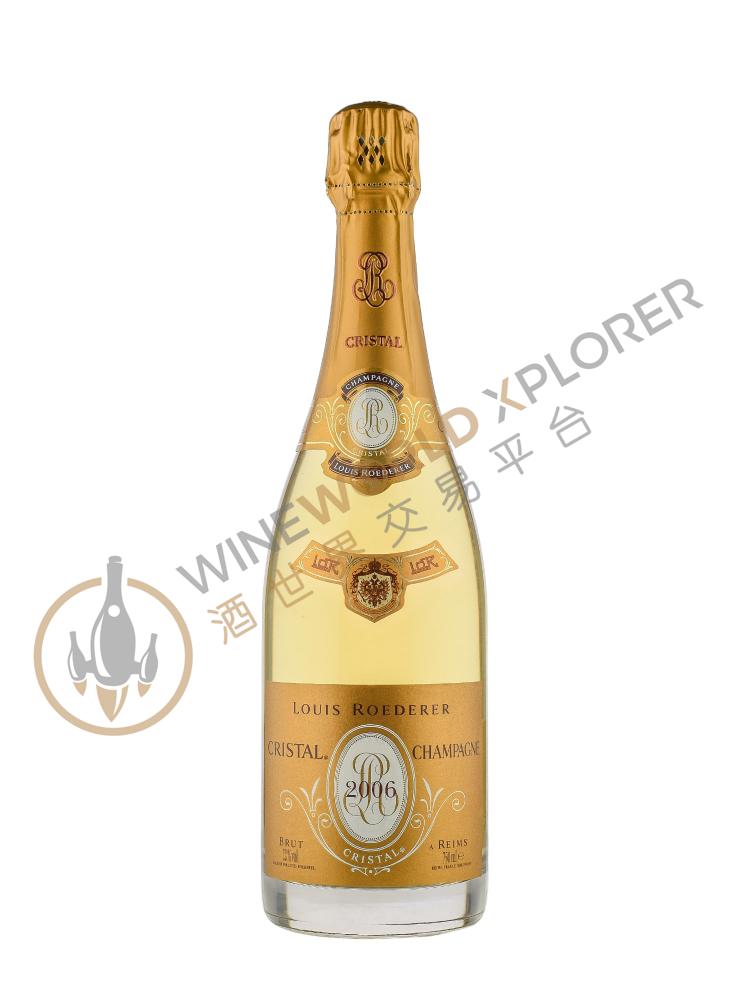
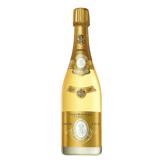
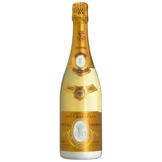
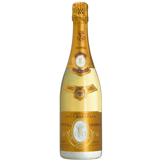
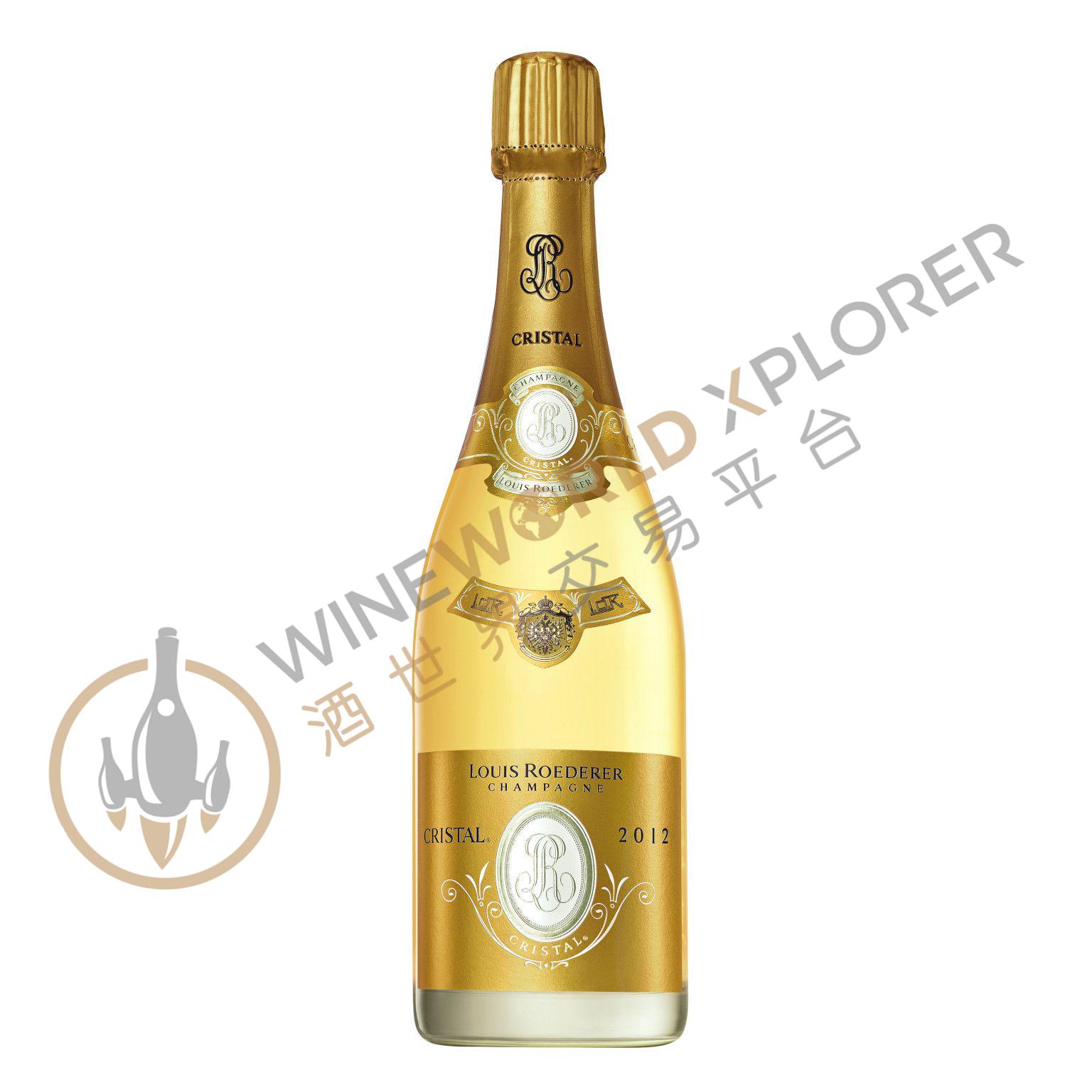
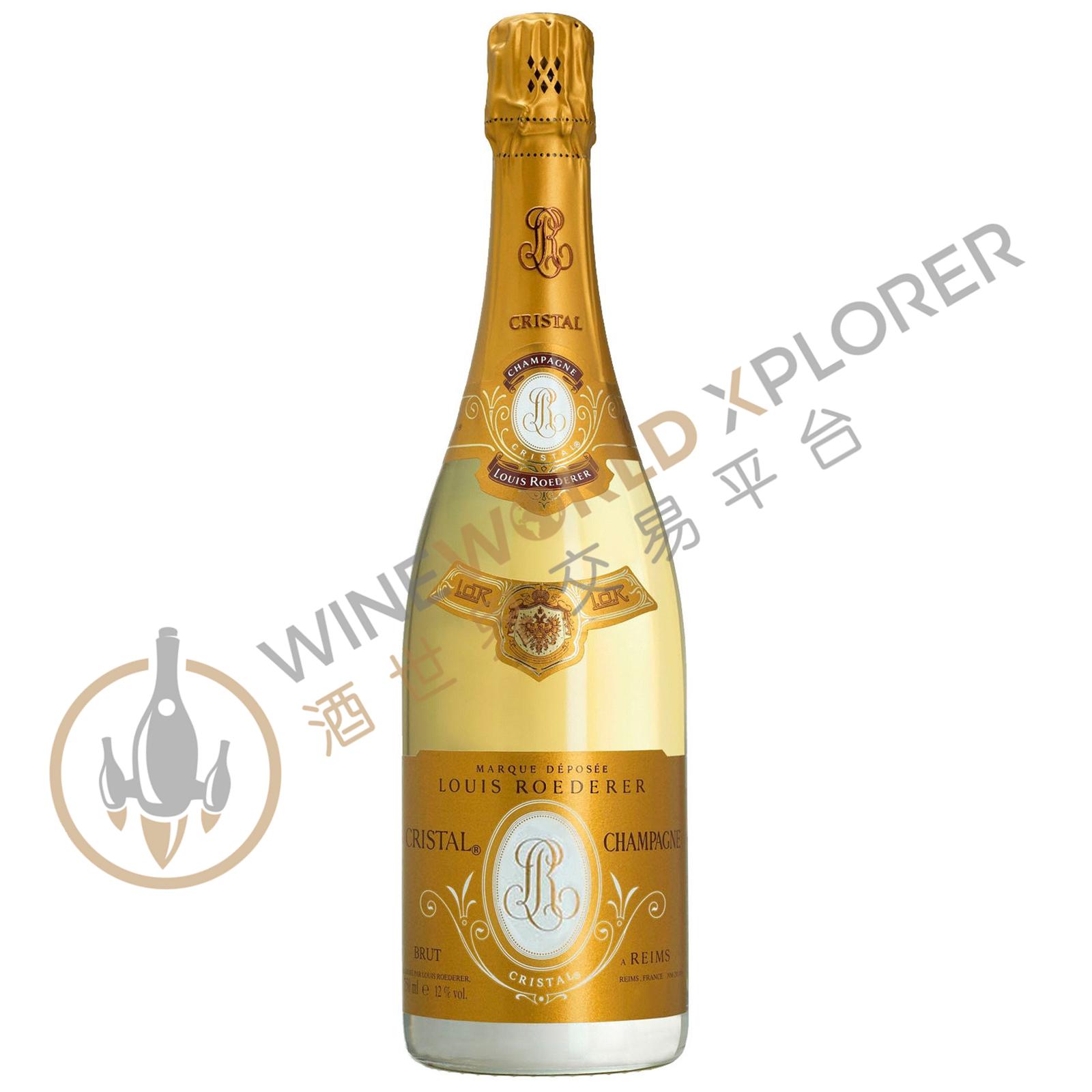
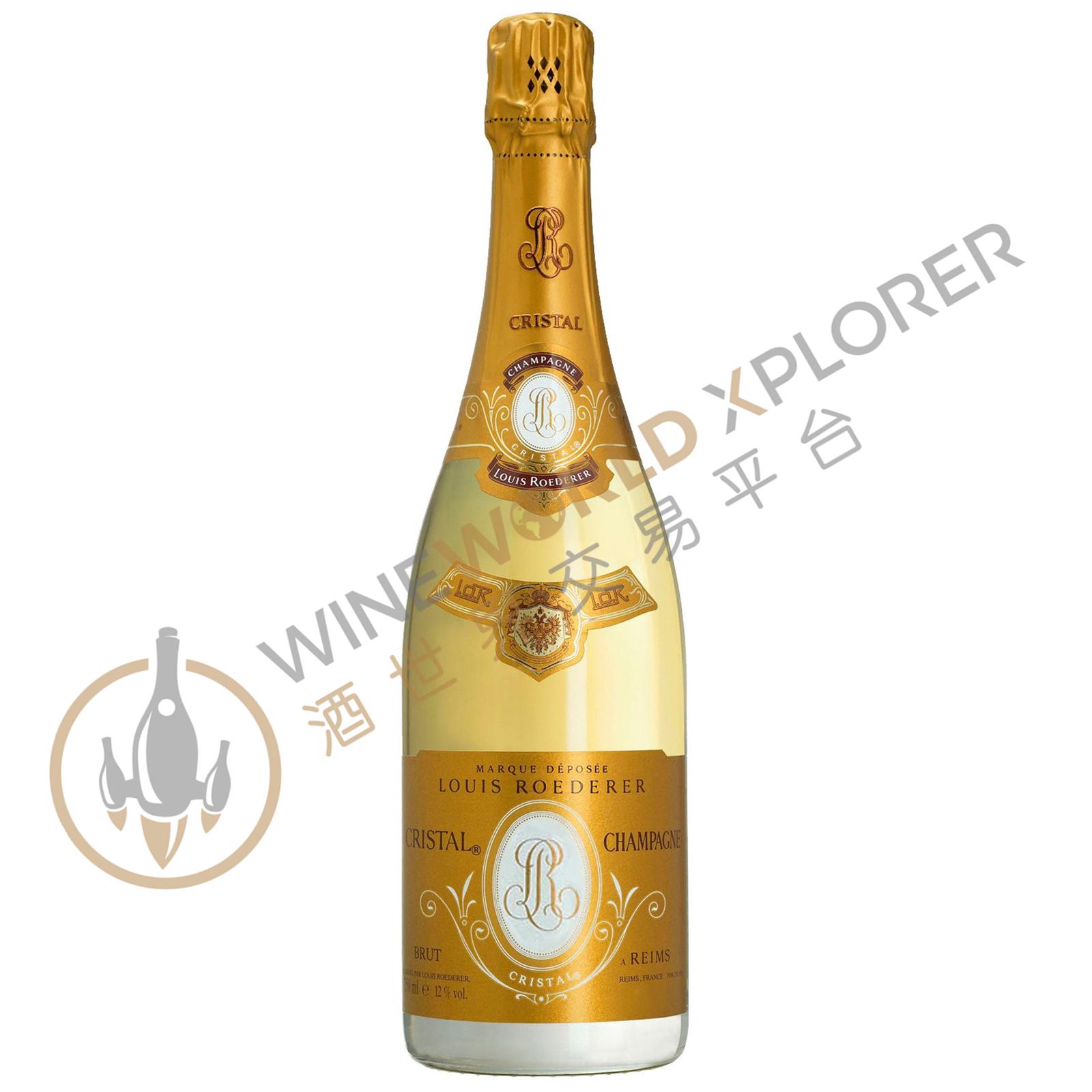
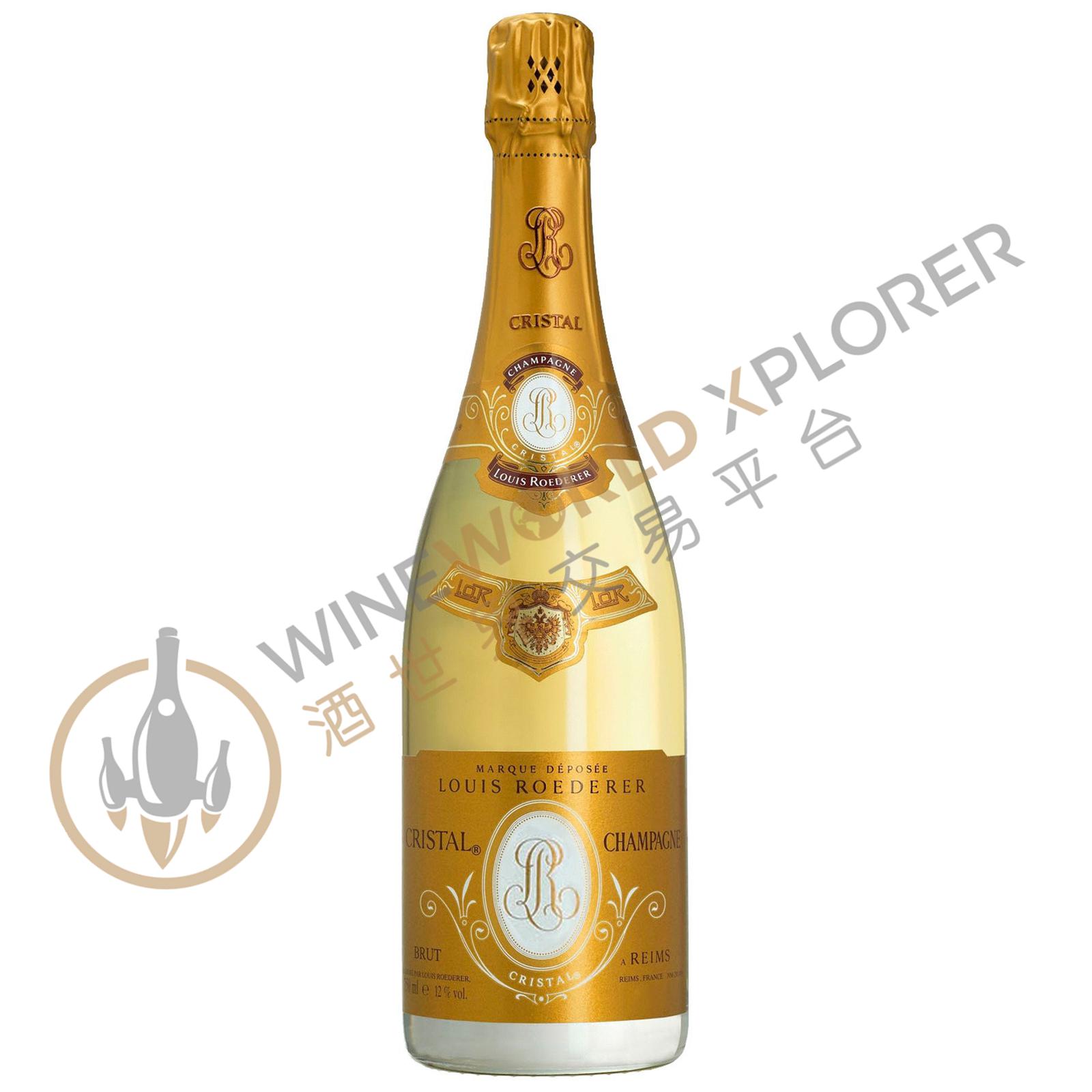
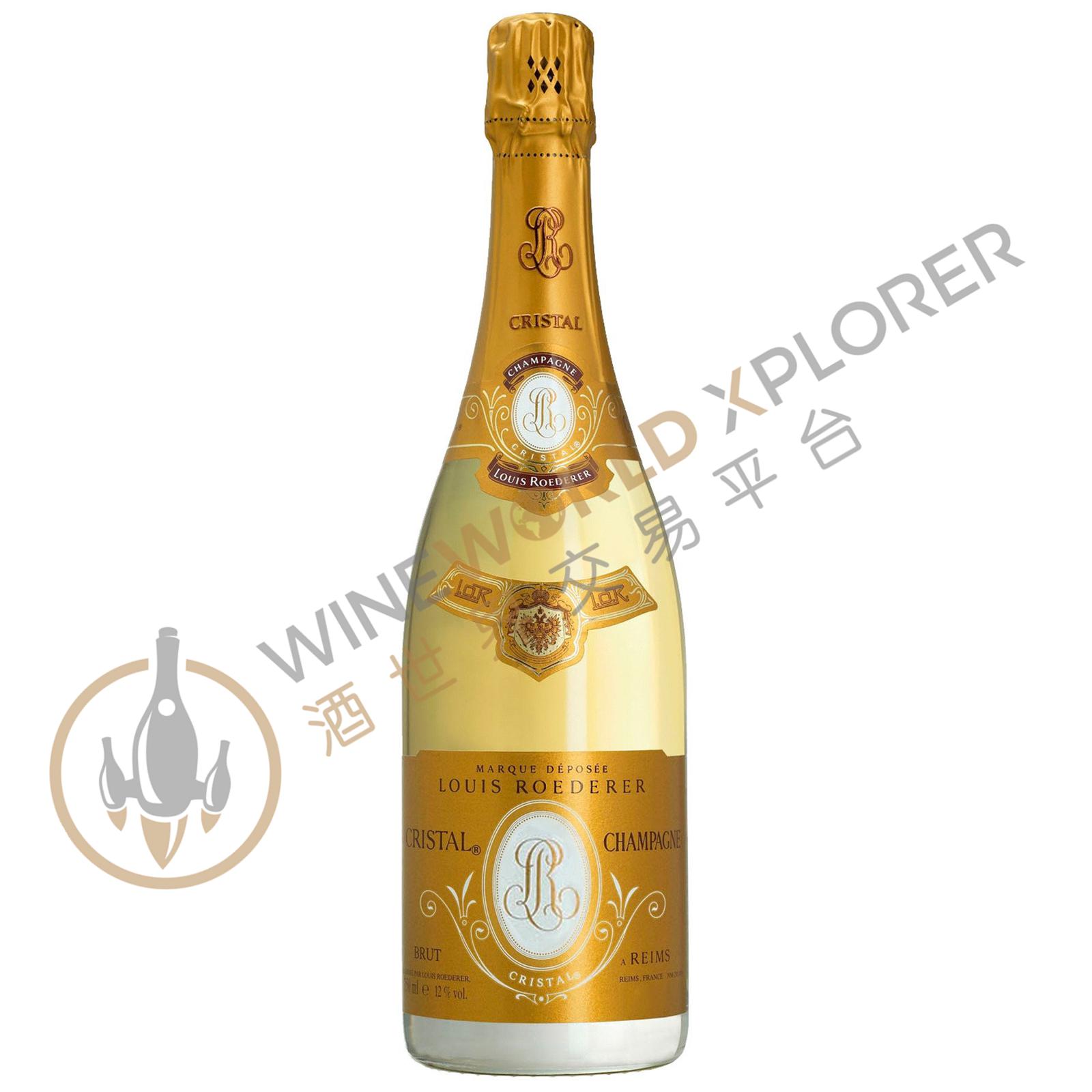
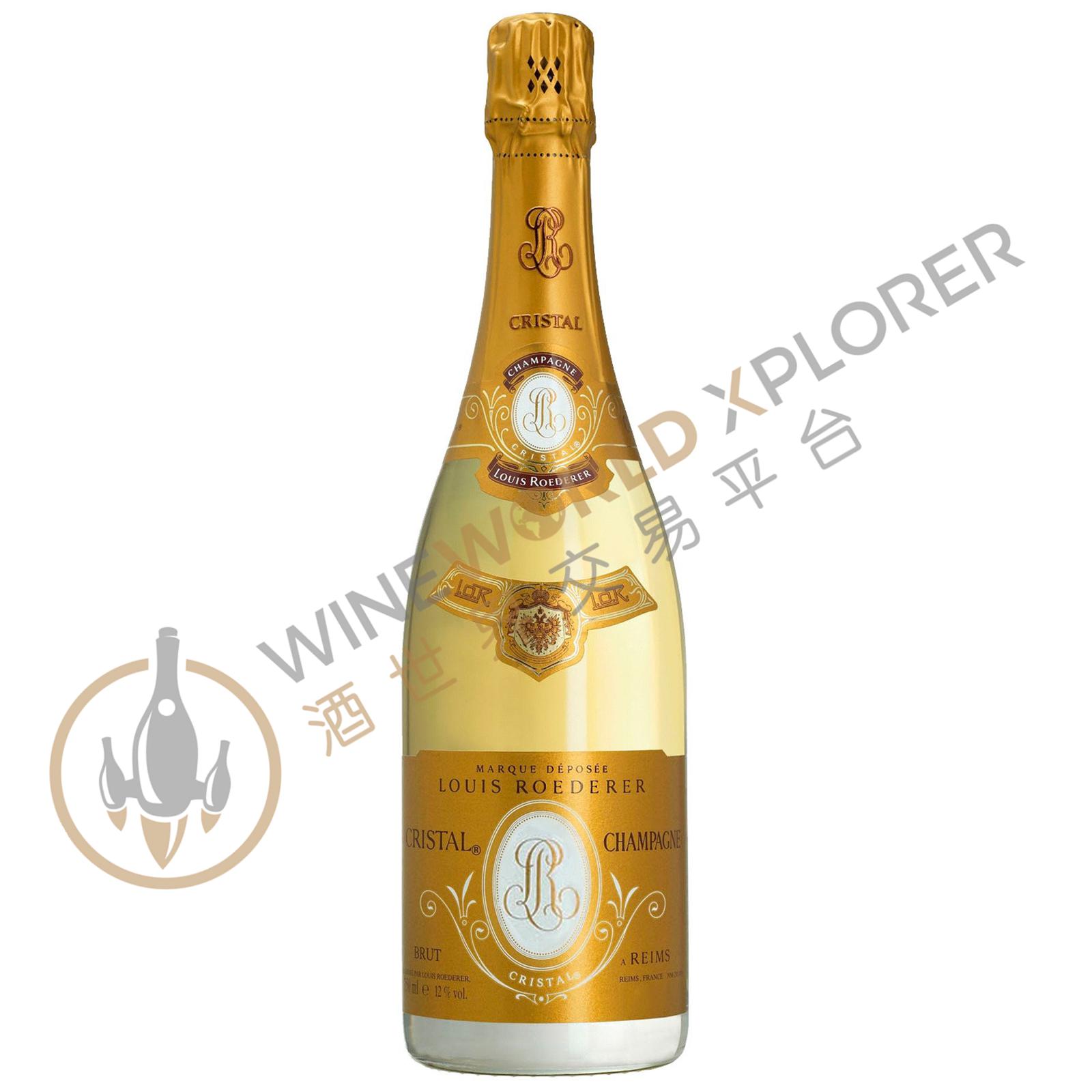
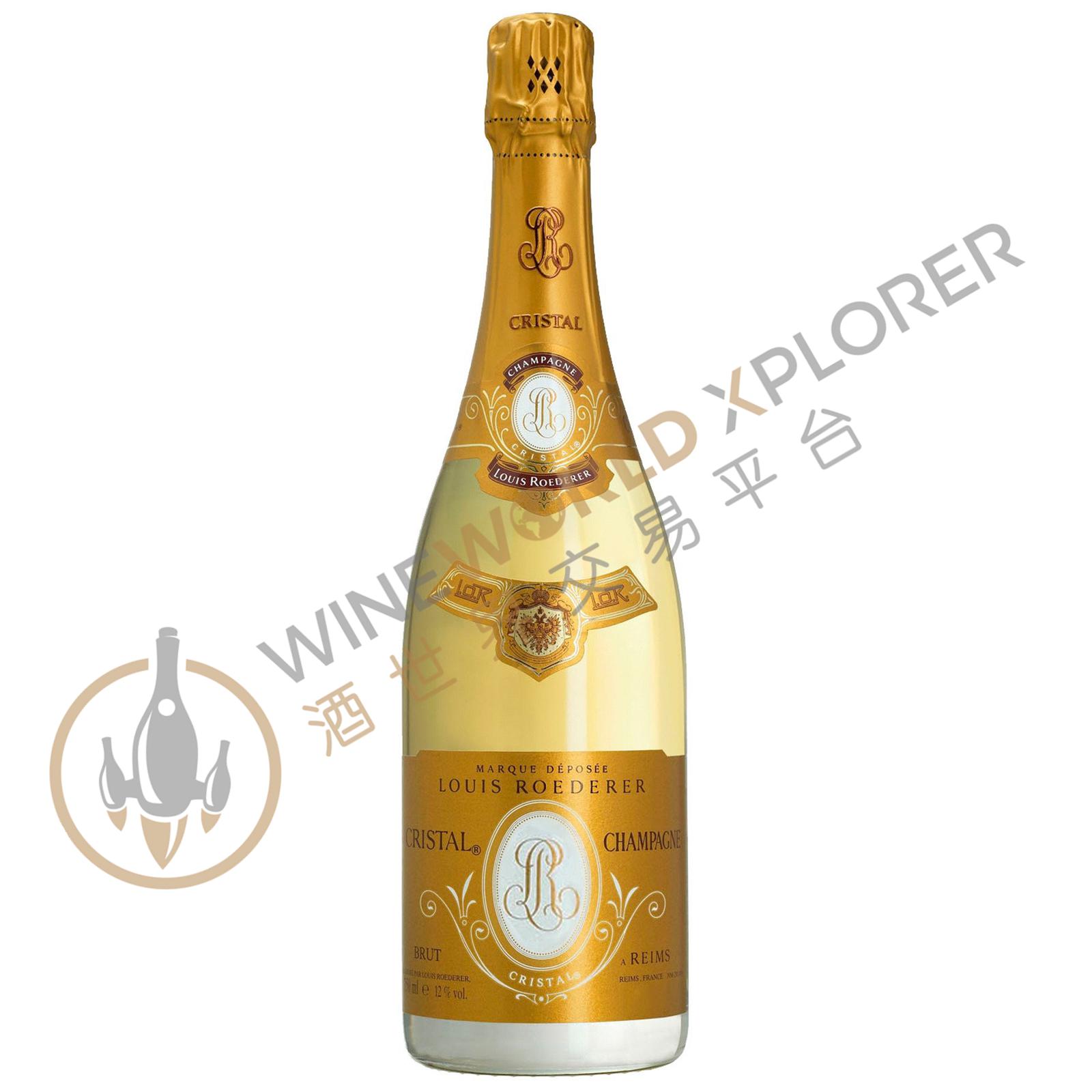
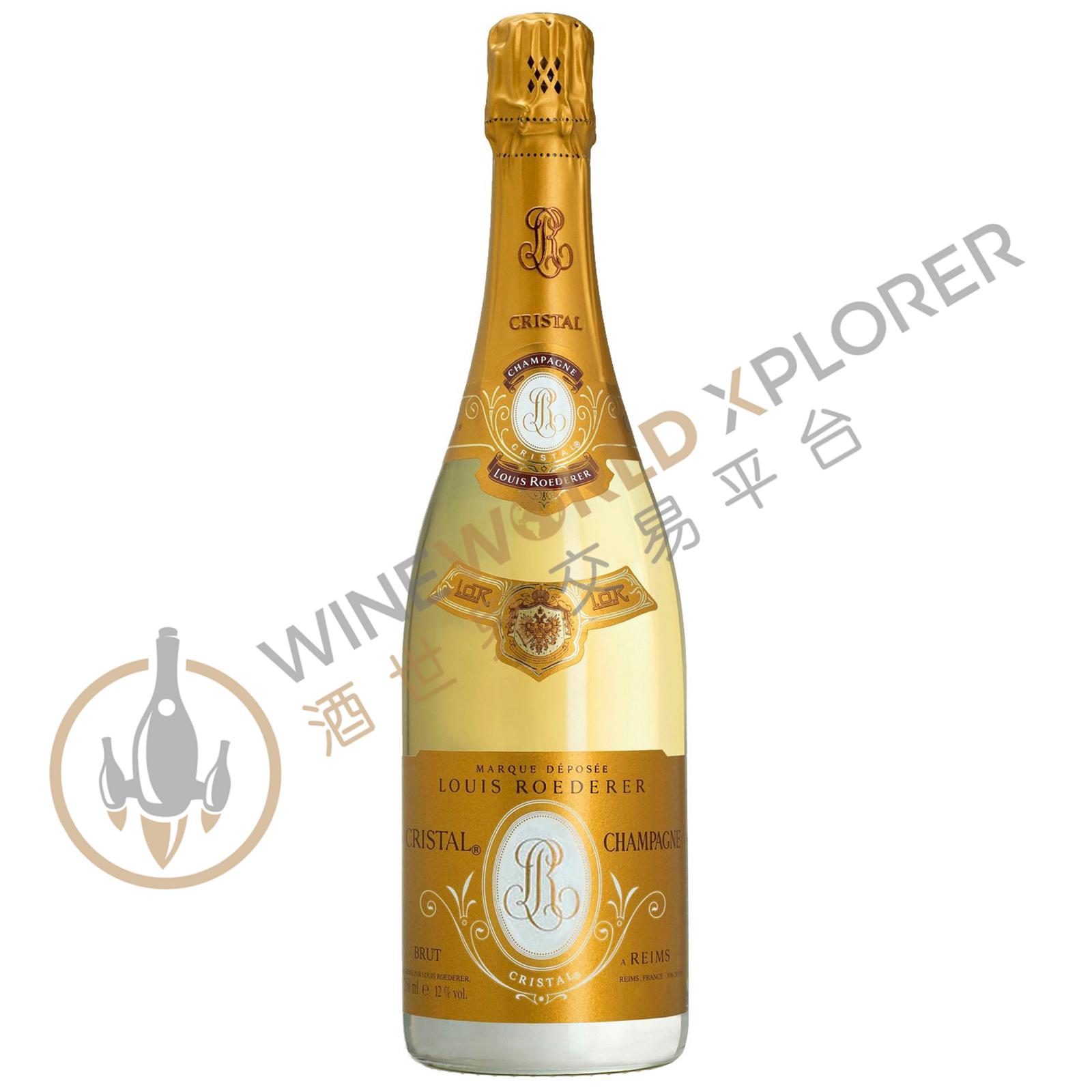
Louis Roederer, Cristal Brut 1996
 View analysis


Description
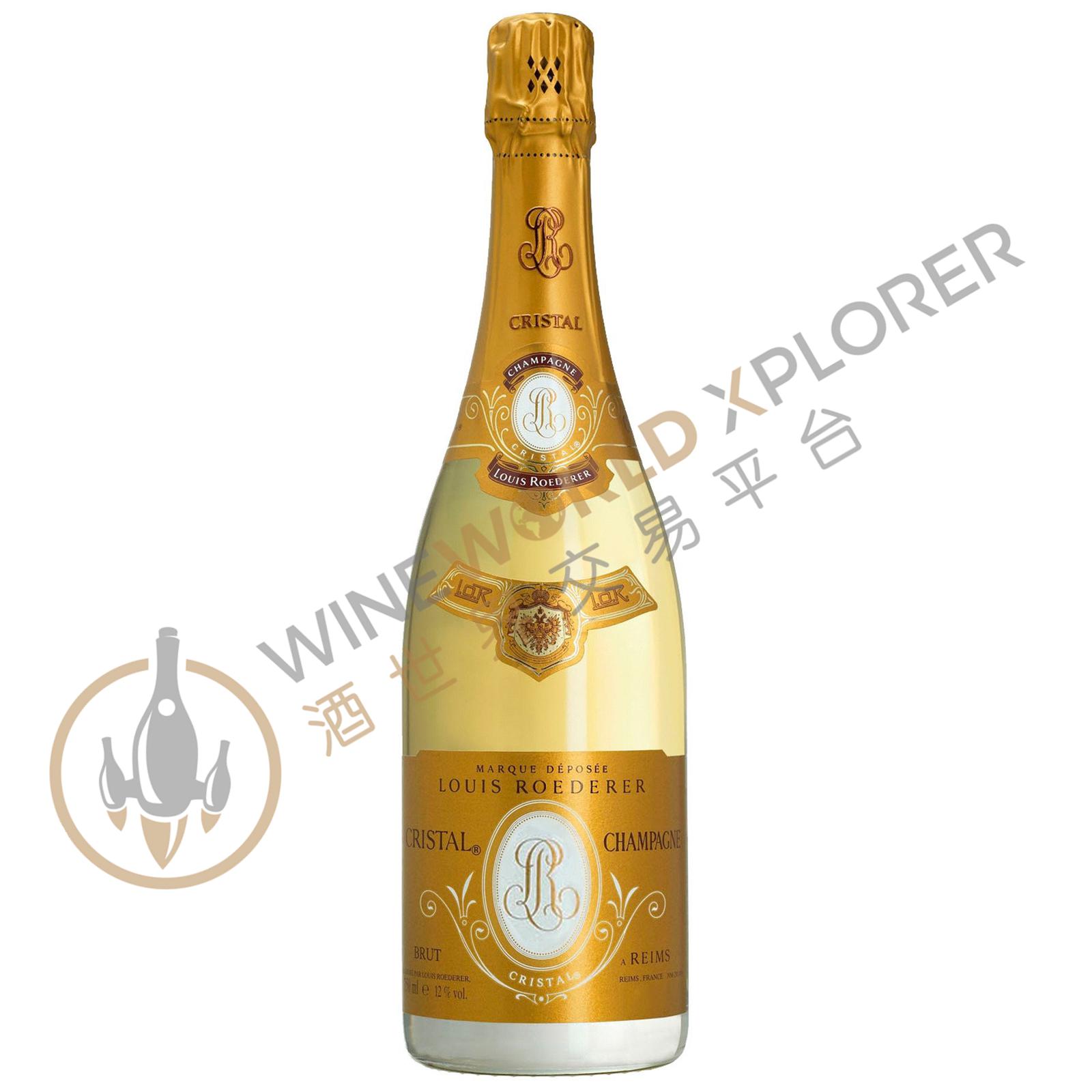
Louis Reoderer’s most famous wine was created in 1876 to satisfy the demanding tastes of Tsar Alexander II. The emperor asked Louis Roederer to reserve the House’s best cuvée for him every year. He was particularly fond of the House’s wine. To distinguish this cuvée, this exceptional champagne came in a flat-bottomed, transparent lead-crystal bottle. The new brand was named after this precious material, which is particularly transparent and luminous.
Tasting notes

Reviewed by: Neal Martin
Oh, well how can this fail? A very limpid, silvery colour. The nose has opened just a little since this time last year, with a touch of brioche and a faint scent redolent of strawberries and cream. It displays stunning balance on the palate with citrus lemon, crisp apples. Its still very primal, but its the killer poise that gets you. Needs a long time, but how many are going to cellar this for a decade or more? Tasted February 2006.
Reviewed by: Antonio Galloni
The estate’s 1996 Cristal, from a legendary vintage, does not disappoint. Like the 1979, there are elements of austerity that will require some time to sort themselves out, yet the 1996 is an insanely beautiful Cristal loaded with floral, perfumed fruit and vibrant minerality. The wine turns delicate in the glass, yet this is a sublime, fresh Cristal that is in need of further cellaring. In 1996 Cristal is 60% Pinot Noir and 40% Chardonnay. According to Lecaillon 1996 is a vintage that did not respond well to oak aging, so only 3% of the wine was aged in wood, while 10% of the wine saw malolactic fermentation. This bottle was disgorged in 2007 and dosage was 8 grams. Anticipated maturity: 2013-2026.
Reviewed by: Antonio Galloni
Roederer’s 1996 Cristal is gorgeous. The expressive, floral bouquet melds seamlessly into an expansive palate of sweet fruit. This is an exceptionally polished and finessed Cristal, but like so many vintages, it needs time in bottle, regardless of how rewarding it is today. Even after all of these great 1996s, the Cristal delivers the goods.
Reviewed by: Neal Martin
Tasted at the IMW Louis Roederer tasting. Disgorged September 2006. A light silvery hue. The bouquet is still firmly in its first stages of evolution but unfurls in the glass, offering notes of clear honey, acacia, a touch of smoke, a hint of white peach and pink grapefruit. Gaining freshness and intensity with aeration. The palate is beautifully balanced with a bewitching sense of symmetry. Elegant and caressing towards the finish with touches of orange-blossom and apricot. Superb length. Wonderful. Drink now-2025+ Tasted December 2009.
Reviewed by: Antonio Galloni
Even though Cristal is typically very appealing upon release, the truth is that it needs serious cellaring to reveal its pedigree. Several recent bottles have been breathtaking. The aromatics, fruit and acidity are all beautifully woven together in this fabulous Cristal.
Reviewed by: Robert M. Parker, Jr.
This wine was recommended, but no tasting note was given.
Reviewed by: Antonio Galloni
As good as the 1995 Cristal (Late Disgorged) is, the 1996 may be even a touch better, as it has a bit more volume and also more layers of intensity. Taut yet wonderfully explosive, with fabulous energy, the 1996 captures all the best qualities of the vintage. In most 1996 retrospectives, Cristal makes a case for itself as one of the wines of the year, so it is not so surprising to see the Late Disgorged version show so well. Readers who can find the 1996 are in for a real treat.
Reviewed by: Antonio Galloni
The 1996 Cristal is another highlight in a tasting full of thrilling wines. Cristal is all about finesse, nuance and understatement, all of which come through in spades here. Hints of apricot jam and wild flowers are laced into the soft, super-expressive finish.
Reviewed by: Antonio Galloni
Both wines from Roederer are fantastic. Even though Cristal is typically very appealing upon release, the truth is that it needs serious cellaring to reveal its pedigree. Several recent bottles have been breathtaking. The aromatics, fruit and acidity are all beautifully woven together in this fabulous Cristal.
Reviewed by: Antonio Galloni
Then it was off to one of the most mind-boggling array of 1996 Champagnes I have ever seen. Imagine being able to liberally sample all of that vintage’s top wines at once. As I have recently tasted and reviewed many of the wines recently in my retrospective of the 1996 Champagnes, I won’t comment on each wine here, except to say that so many bottles seem to be growing with each passing year. The head of the class among the 1996s remains Krug’s Clos du Mesnil. I was equally impressed with all three Dom Pérignons and both Cristals.
Reviewed by: Antonio Galloni
Roederer’s 1996 Cristal was awesome. A sweeping, dramatic Champagne, it revealed an expressive core of exuberant fruit that came to life in the glass with marvelous clarity and precision. It was magnificent.
Reviewed by: Antonio Galloni
Roederer's 1996 Cristal is gorgeous. The expressive, floral bouquet melds seamlessly into an expansive palate of sweet fruit. This is an exceptionally polished and finessed Cristal, but like so many vintages, it needs time in bottle, regardless of how rewarding it is today. Even after all of these great 1996s, the Cristal delivers the goods.
Reviewed by: Antonio Galloni
The 1996 Cristal was another of the standouts of the night. Remarkable for its gorgeous bouquet and silky-textured fruit, the wine offered surreal balance in a sensual, seductive style.
Reviewed by: Stephen Tanzer
Multidimensional nose offers baked apple, orange oil, acacia honey, white chocolate, toffee and earthy low tones. Expansive, superconcentrated and powerful but not aggressive, with wonderfully sweet flavors of orange, flowers and honey supported by strong underlying structure. An amazingly solid Champagne with the stuffing for extended development in bottle.
About the Producer
When he inherited the Champagne House in 1833, the aesthete and entrepreneur Louis Roederer took a visionary approach to enriching his vines, aiming to master every stage of the wine’s creation. He forged the wine’s unique style, character, and taste. In the mid-nineteenth century, Louis Roederer acquired some of Champagne’s grand cru vineyards—an approach that contrasted sharply with contemporary practices.. While other Houses bought their grapes, Louis Roederer nurtured his vineyards, familiarized himself with the specific characteristics of each parcel, and methodically acquired the finest land. Louis Roederer’s guiding principle was that all great wine depends on the quality of the soil, a passion for tradition, and an astute vision of the future; the fame and reputation of the House of Louis Roederer was firmly established. His heir, Louis Roederer II was equally enlightened and adopted his father’s conscientious approach to the production of champagne, patrimonial estate management, and instinctive audacity.
1989(2)
Package Size