 Wine Advisor



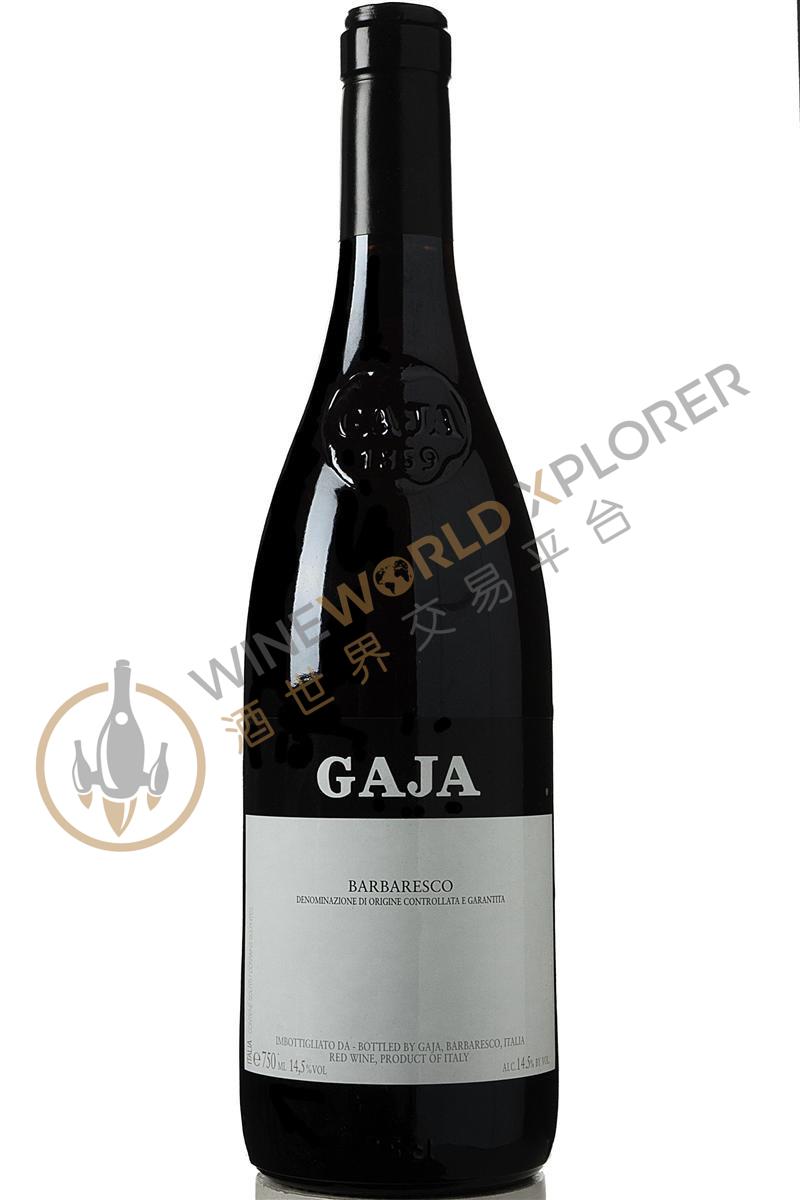
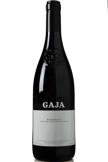
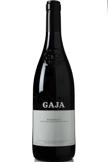
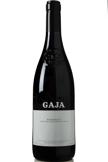
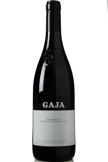
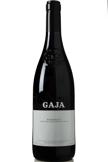
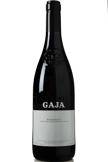
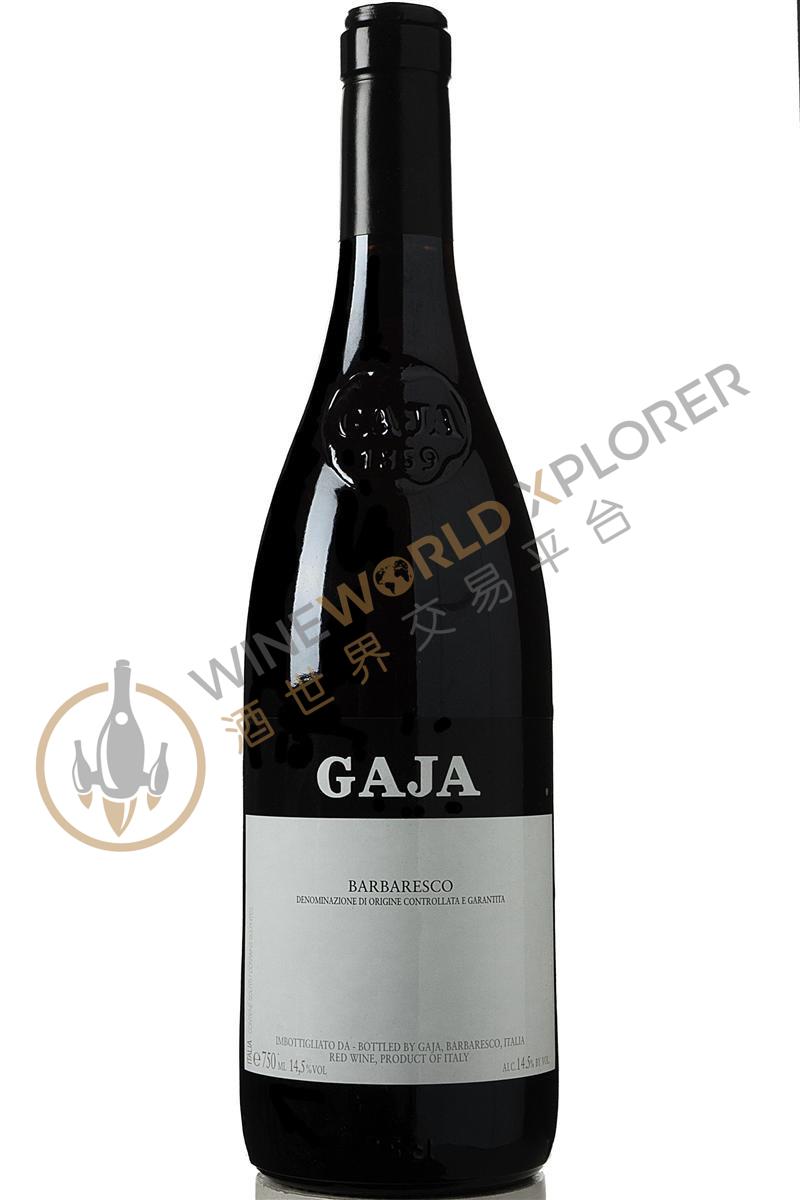
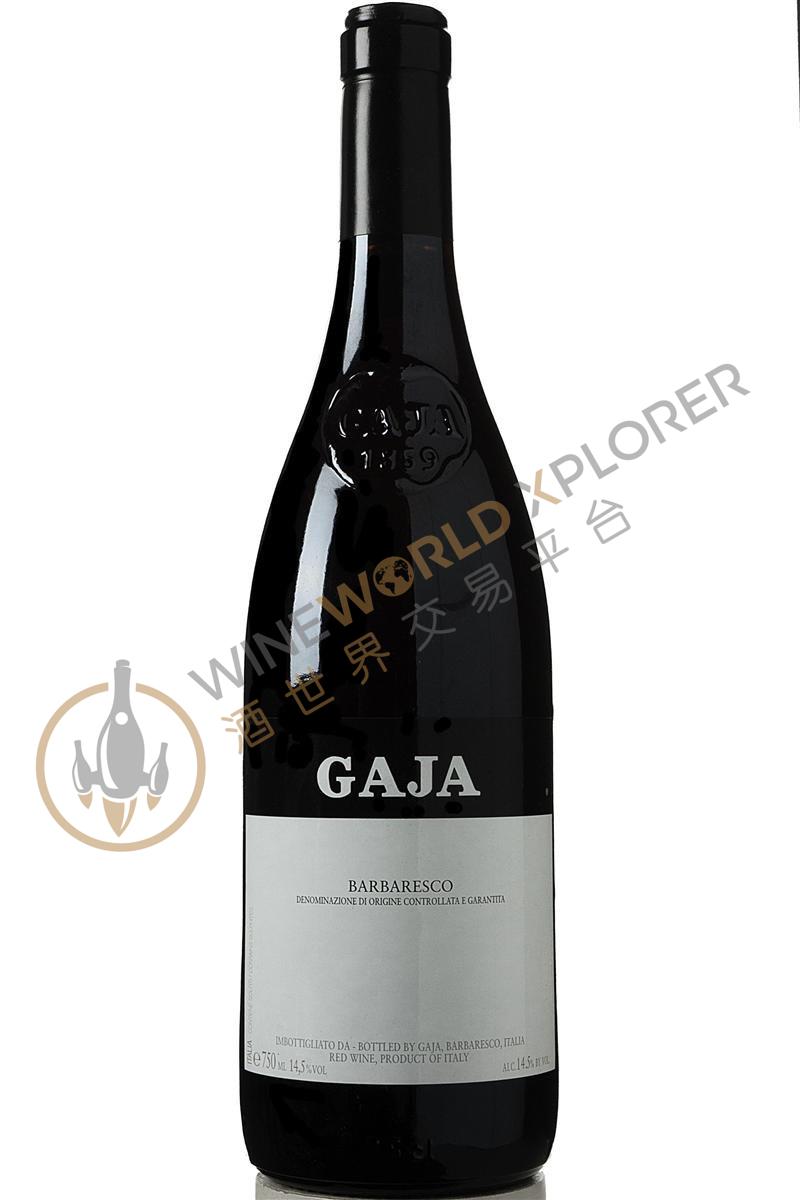
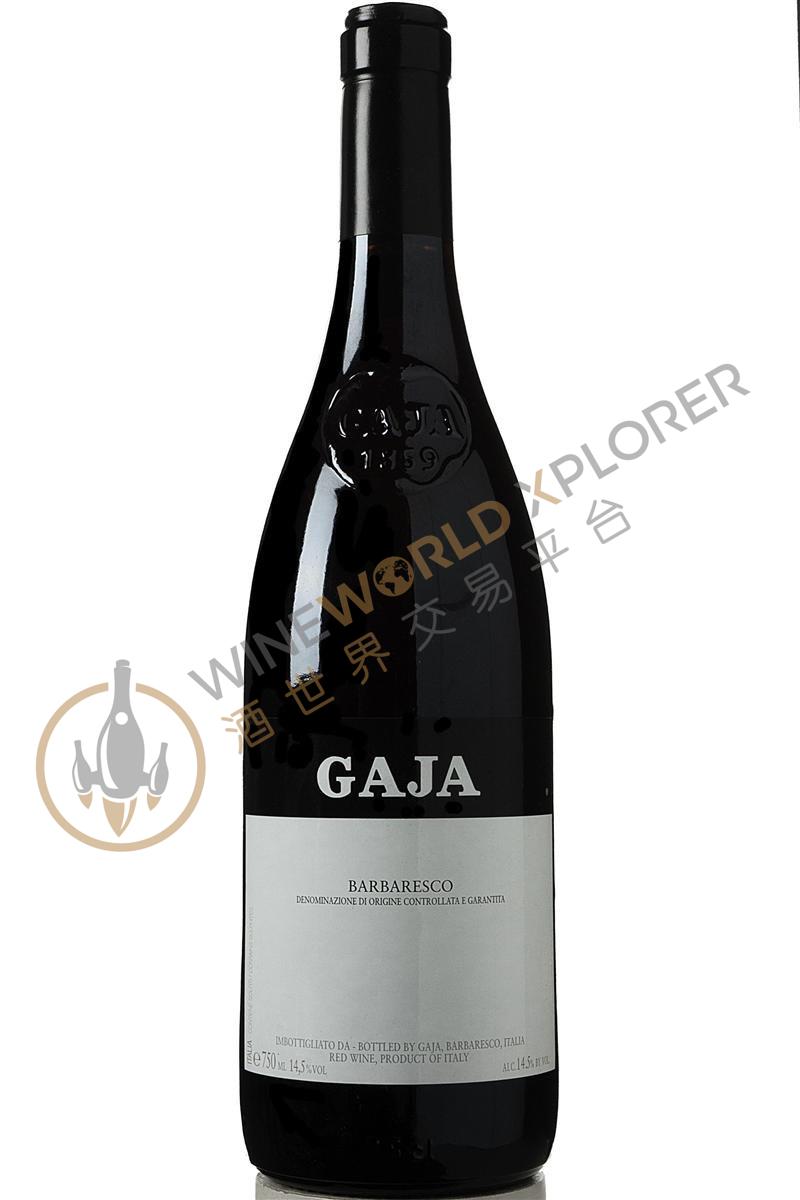
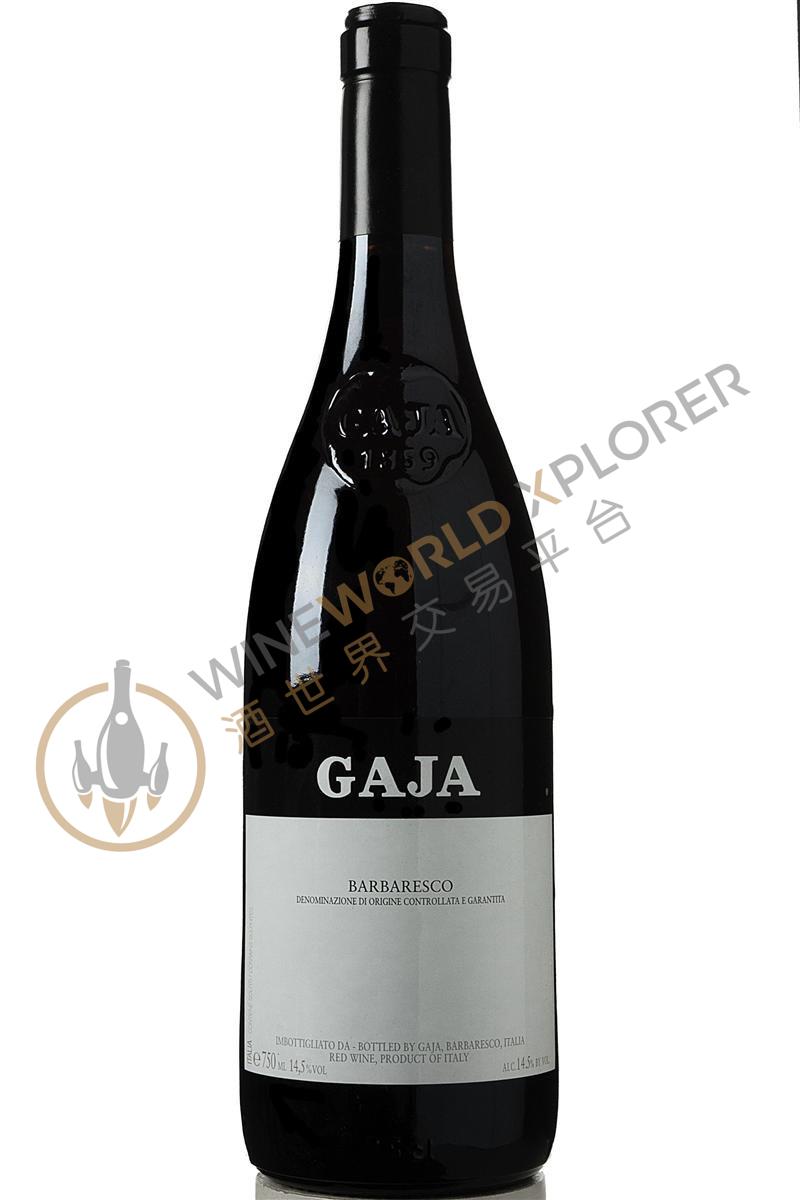
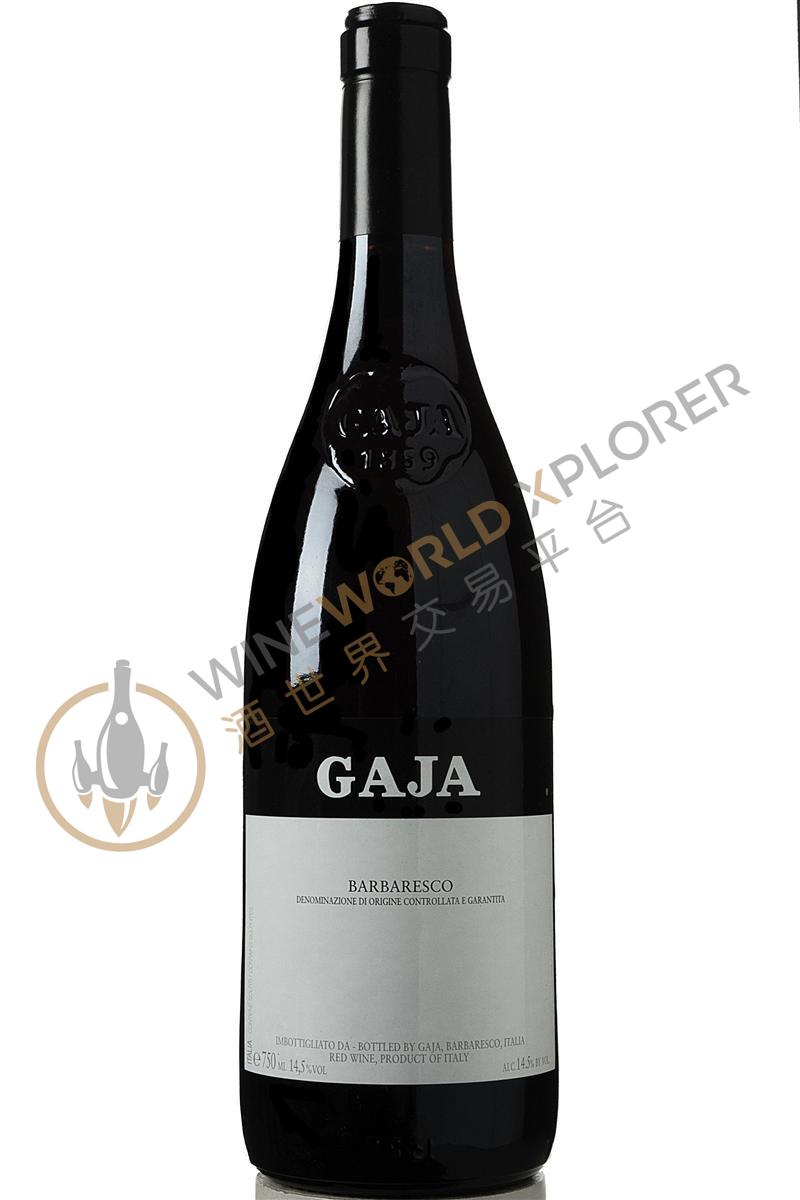
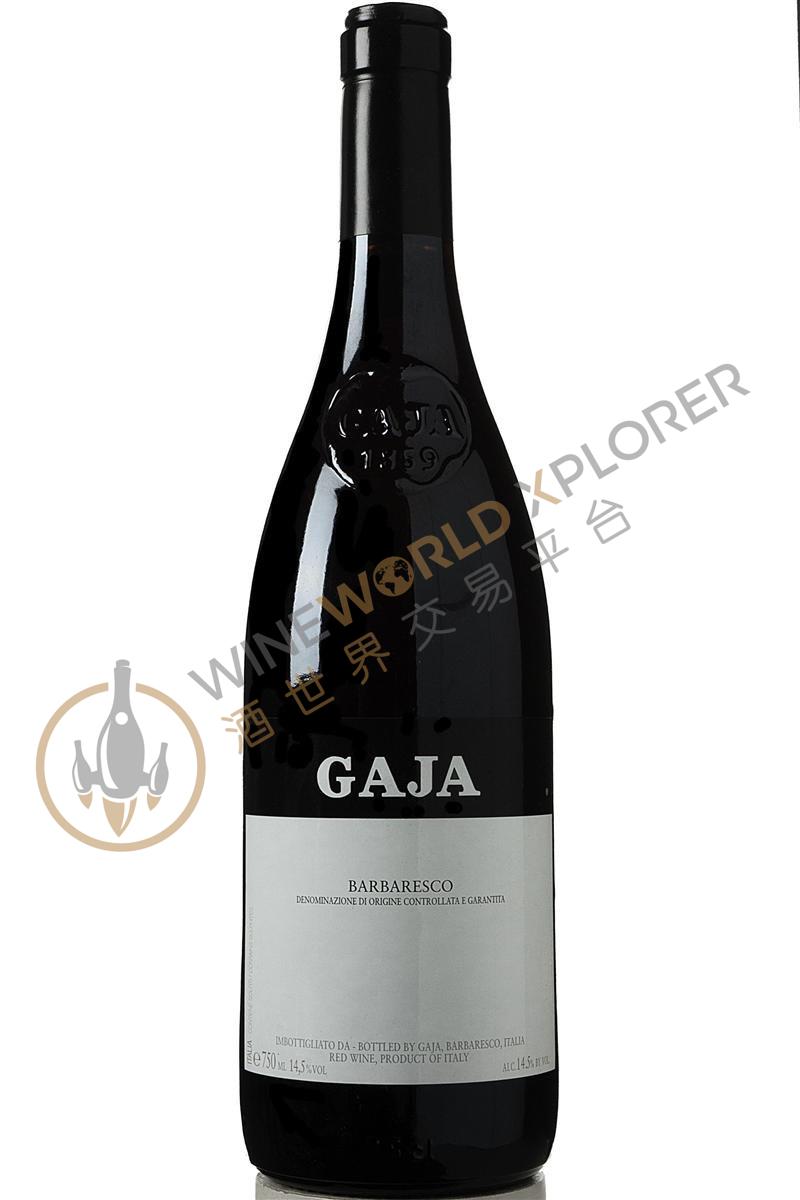
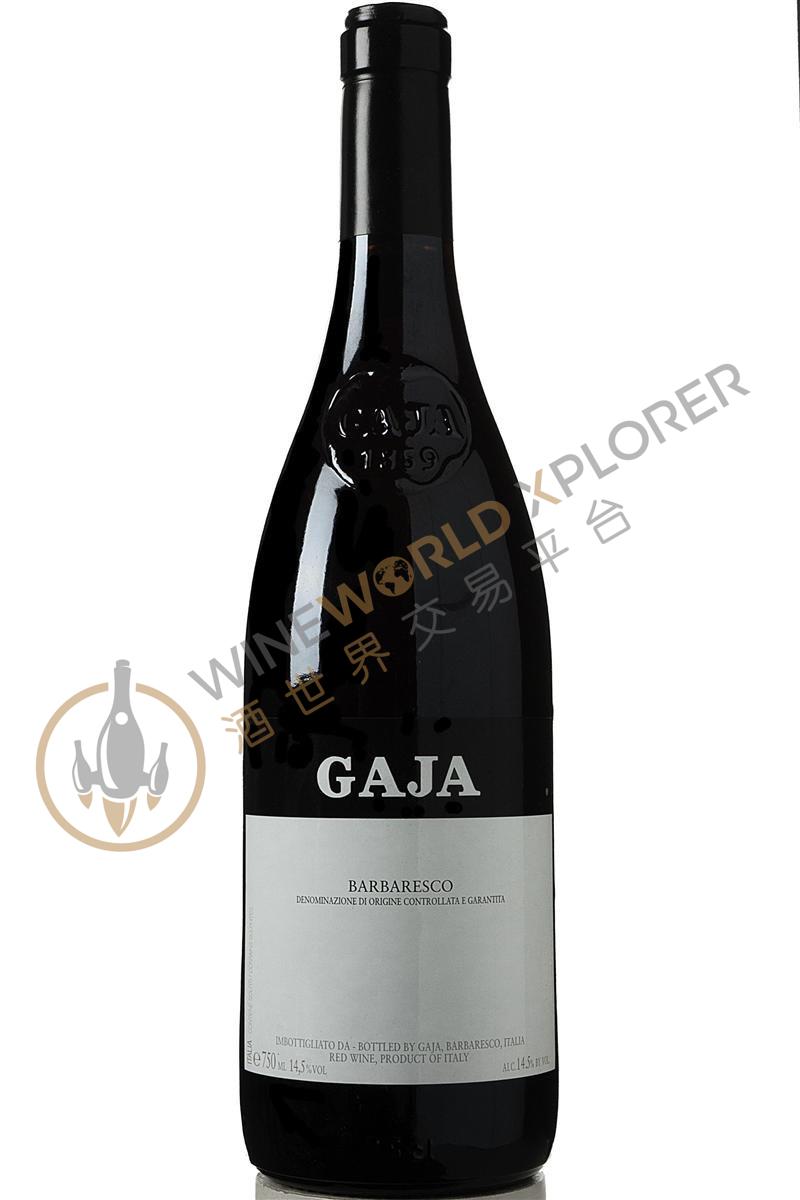
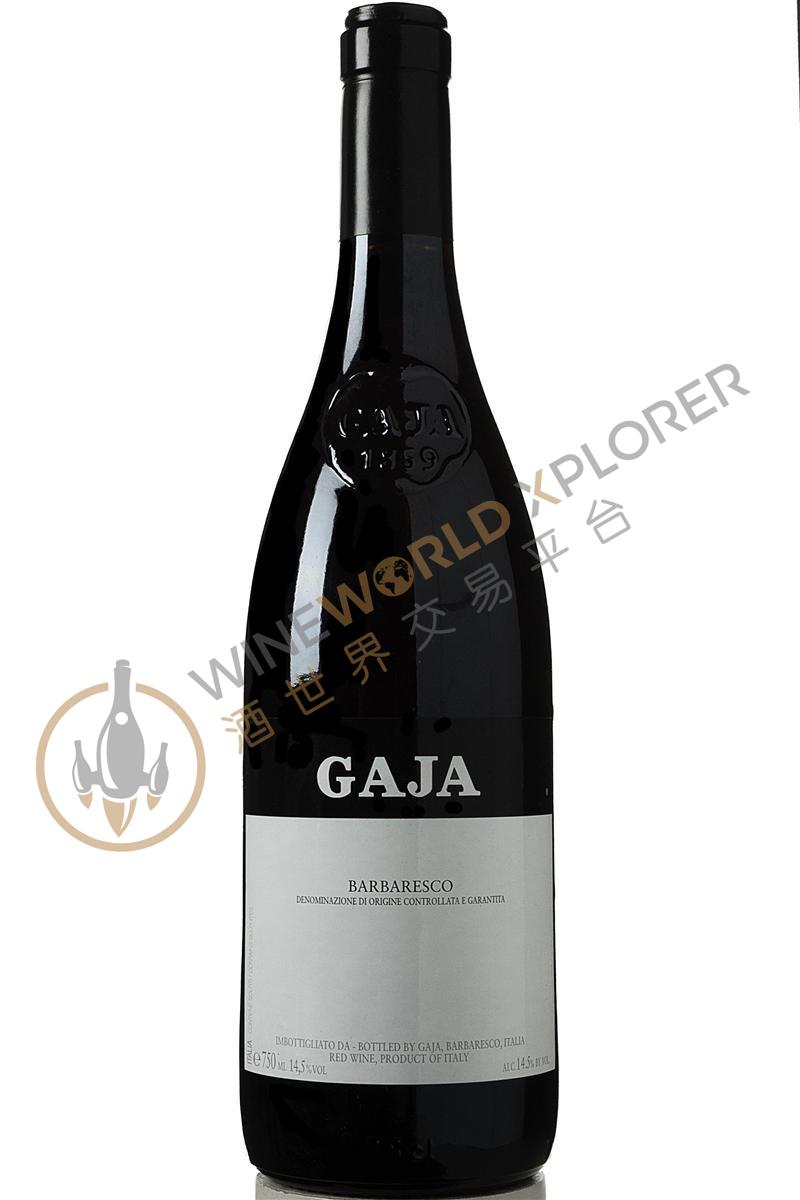
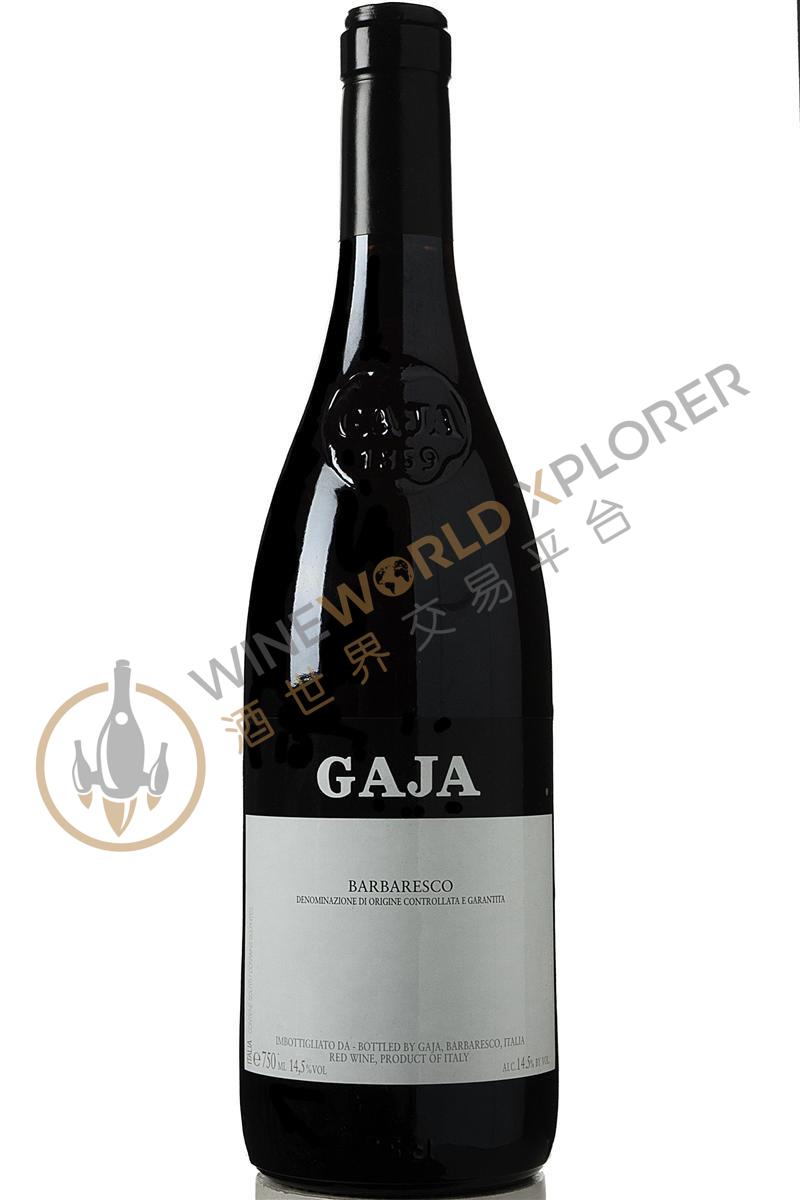
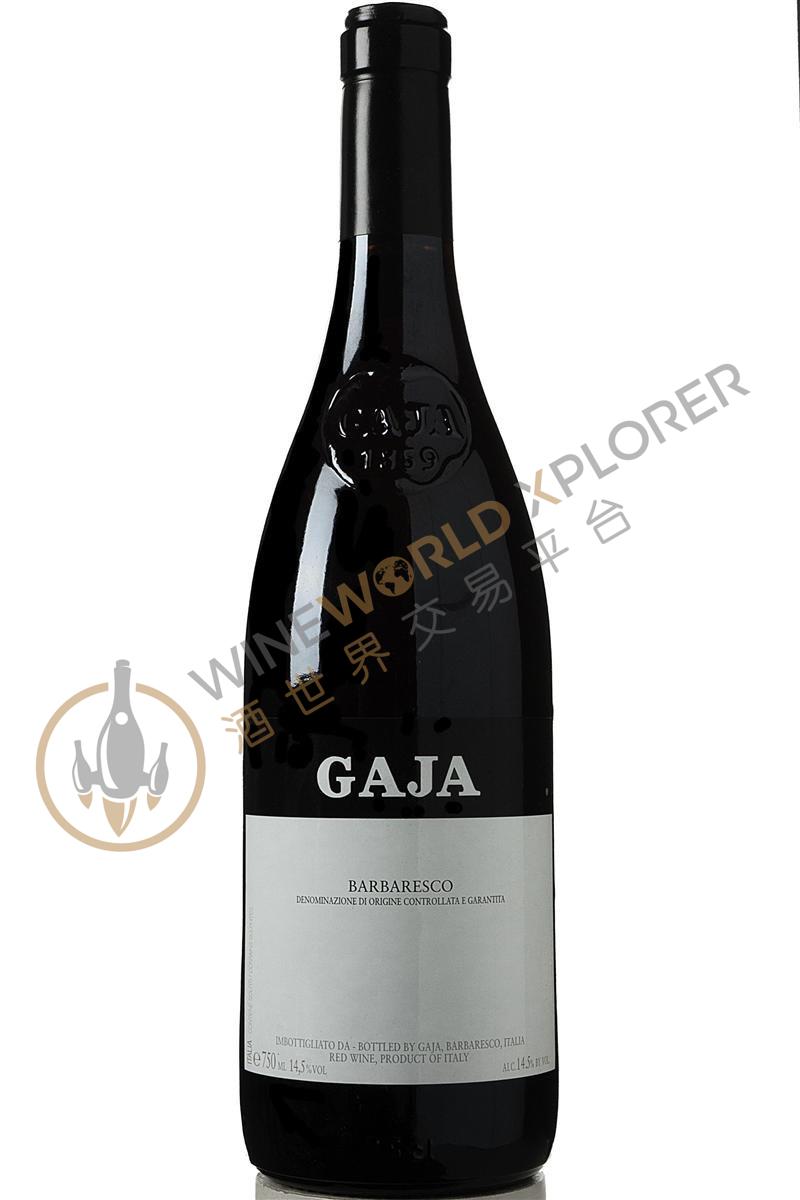
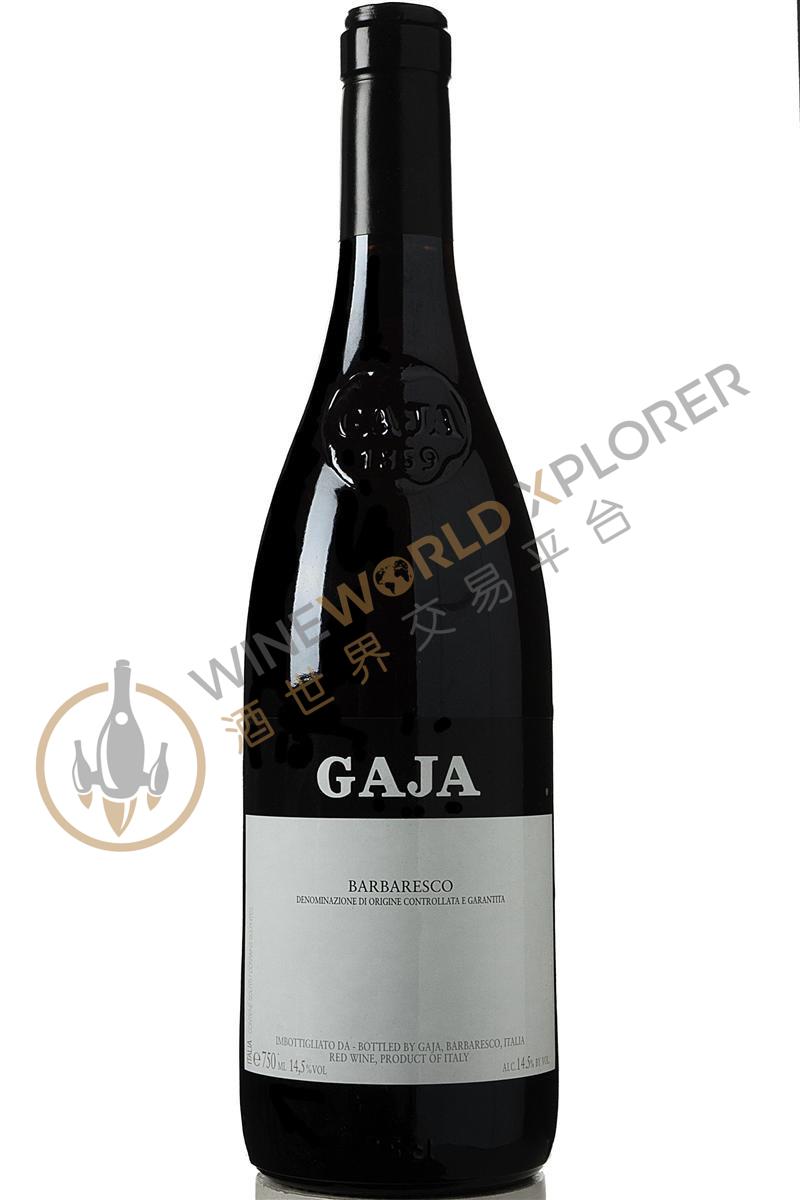
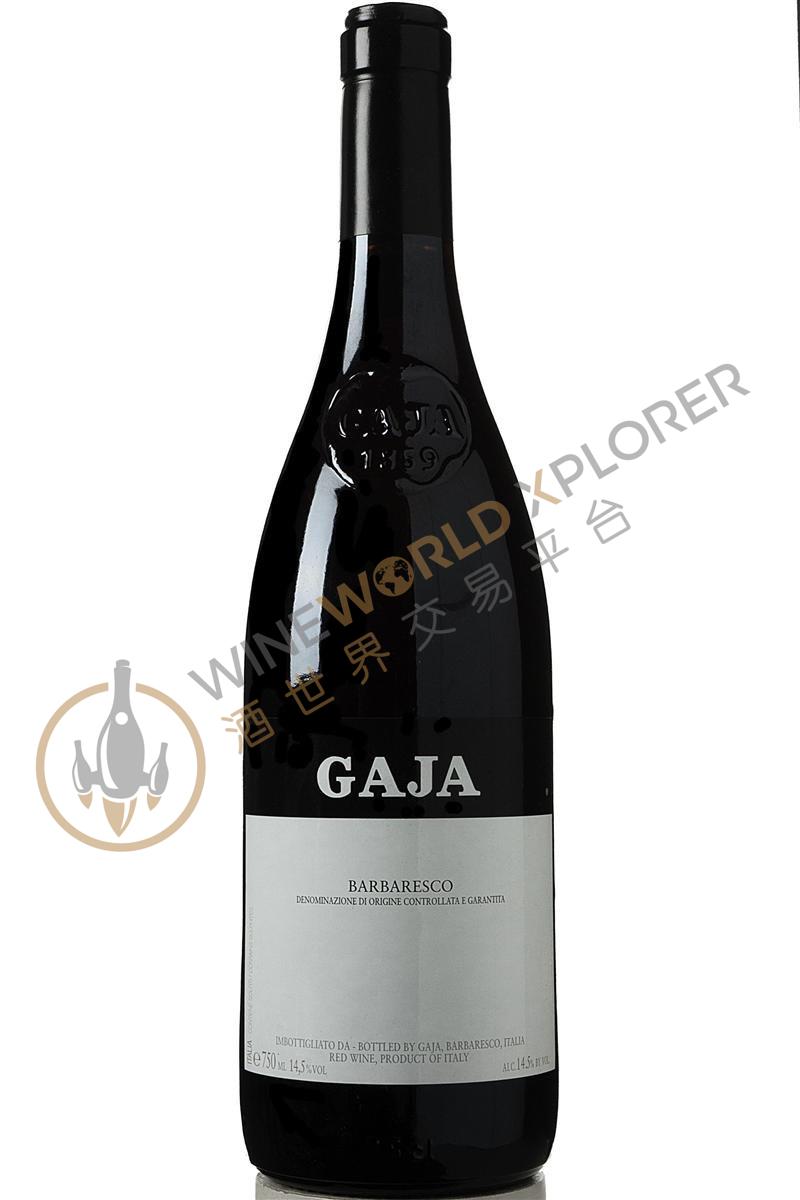
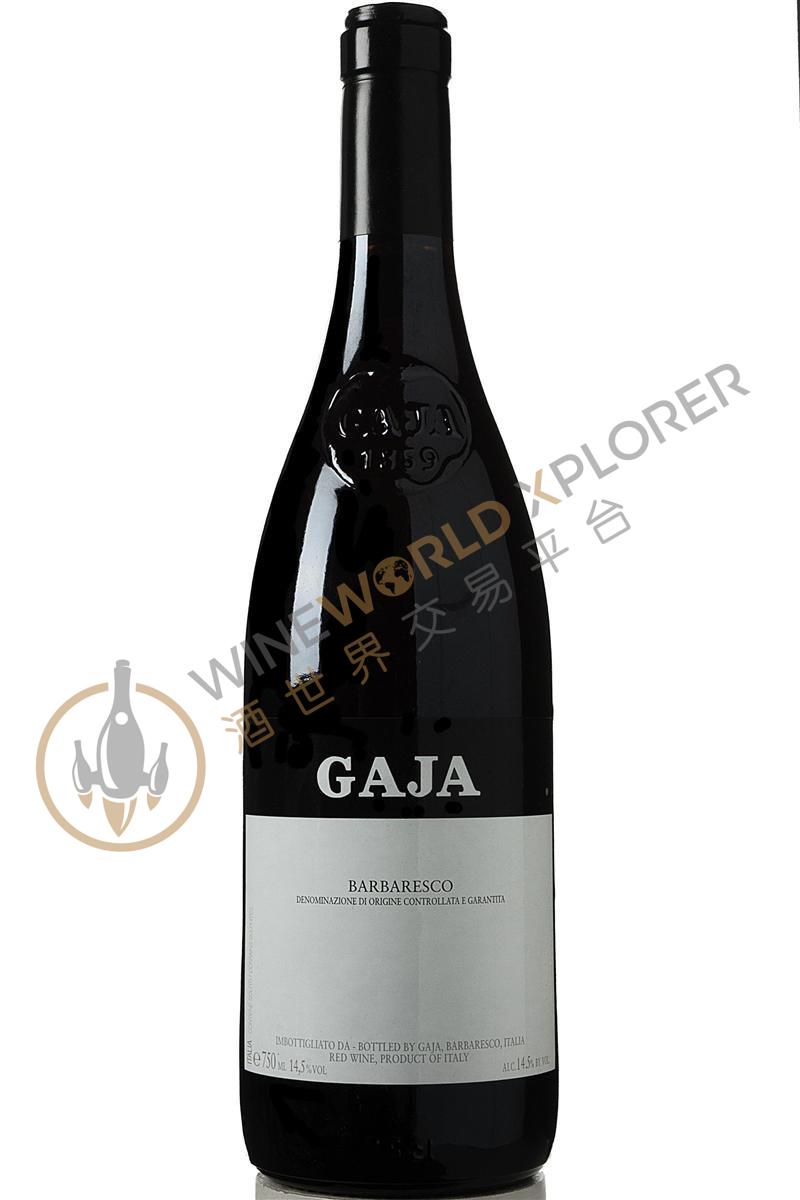
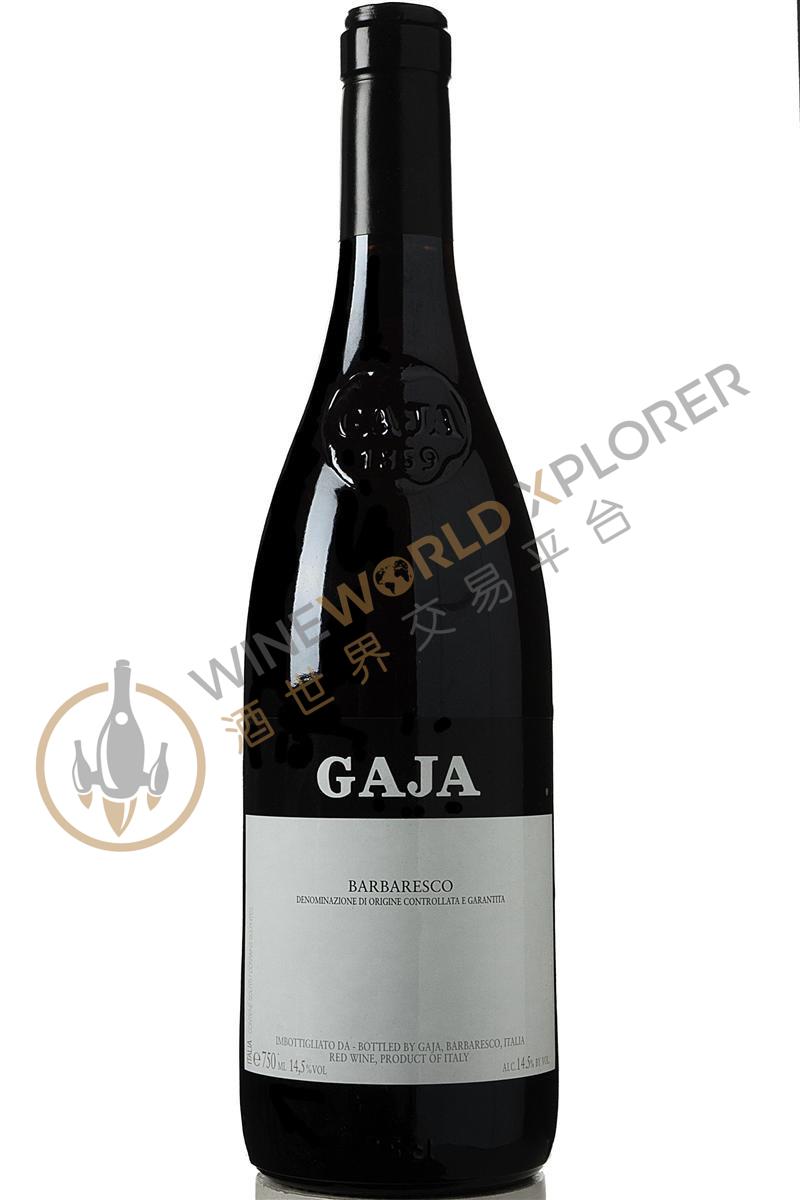
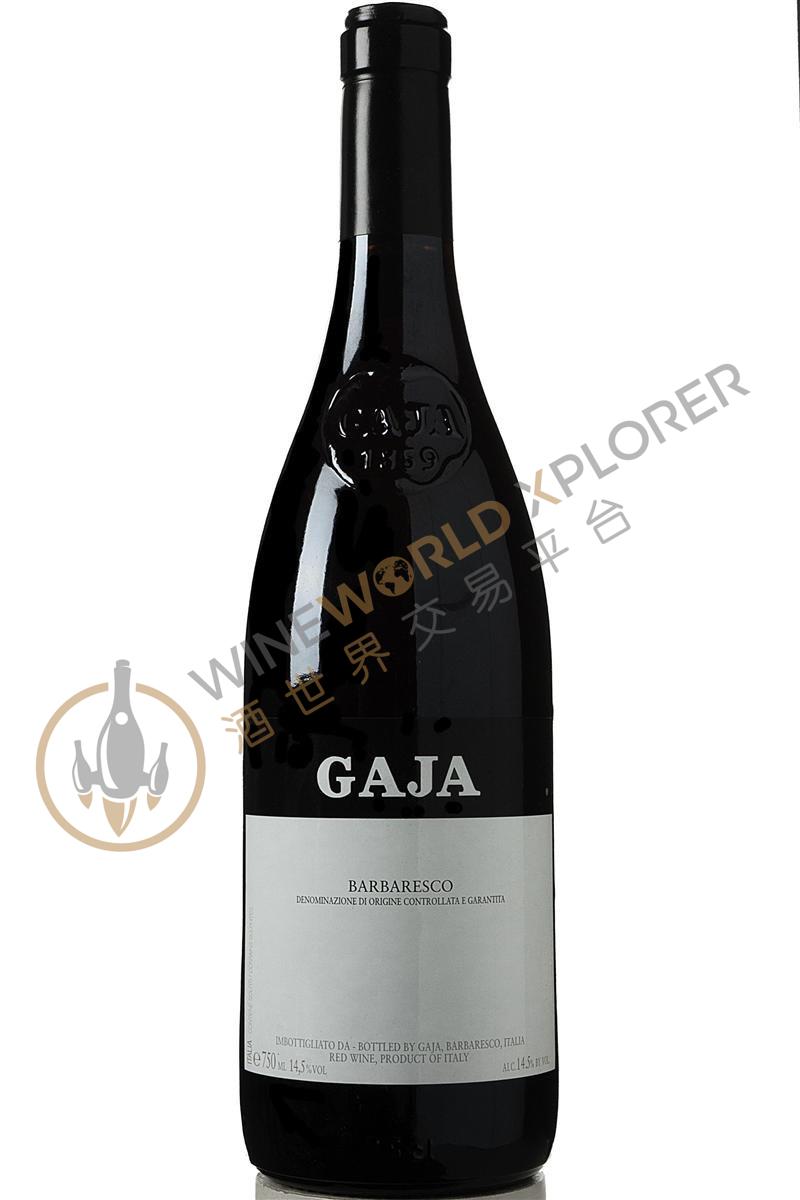
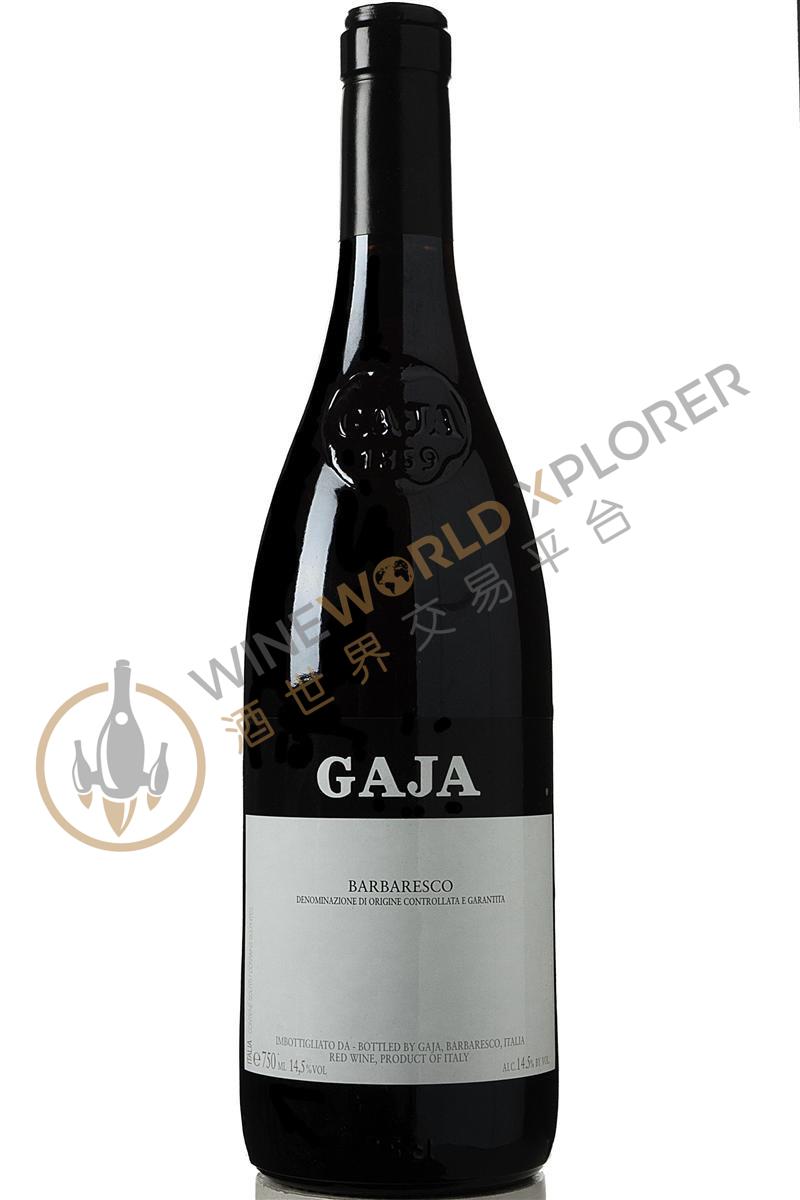
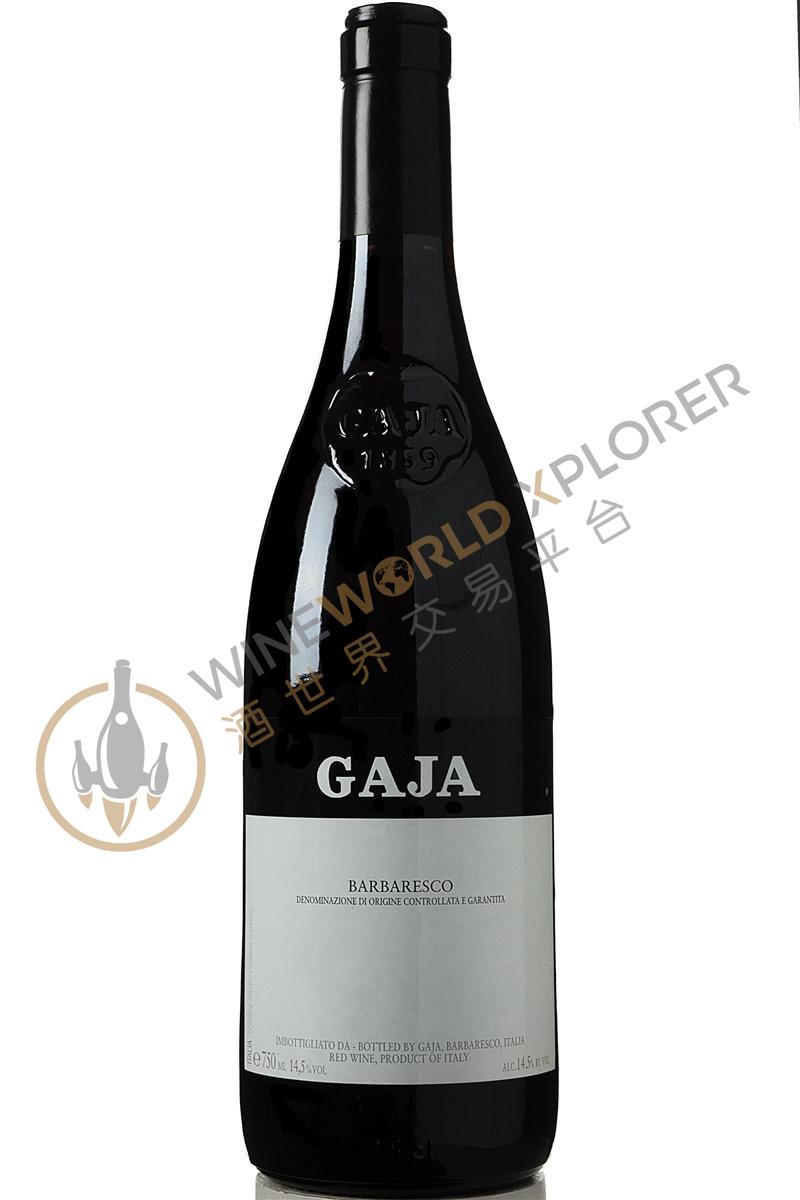
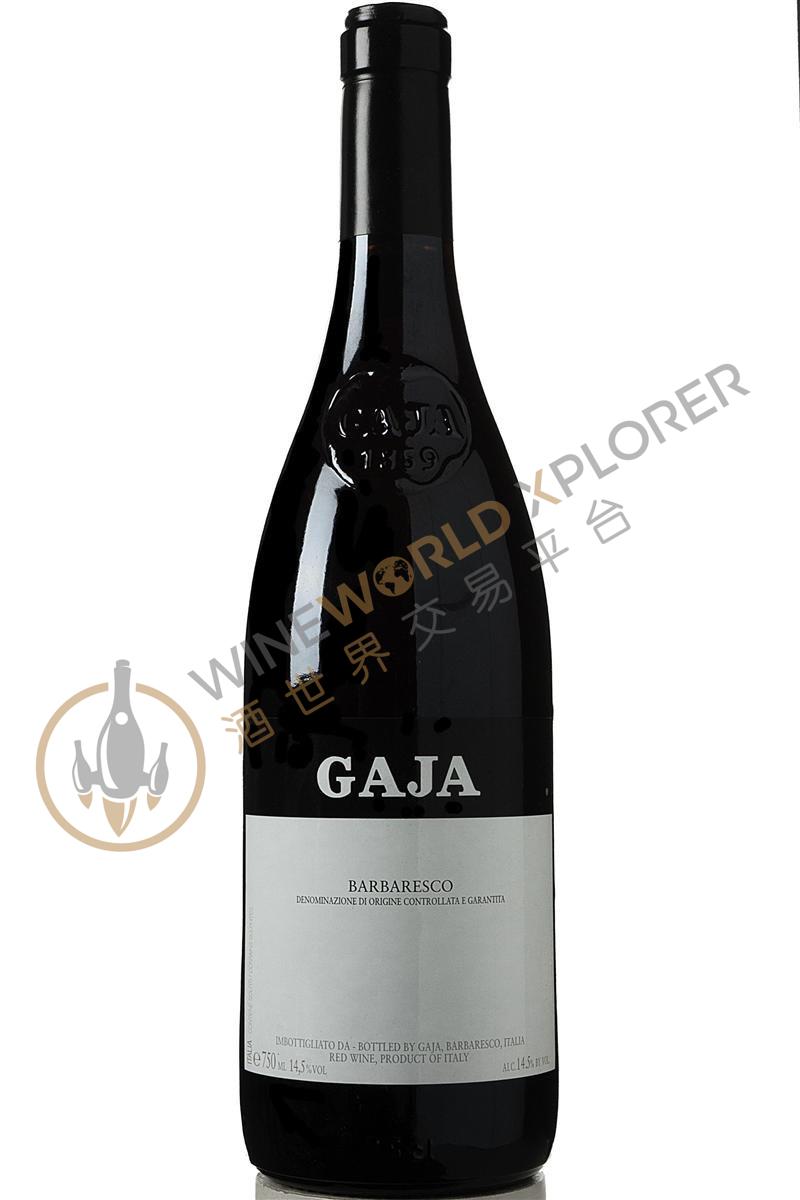
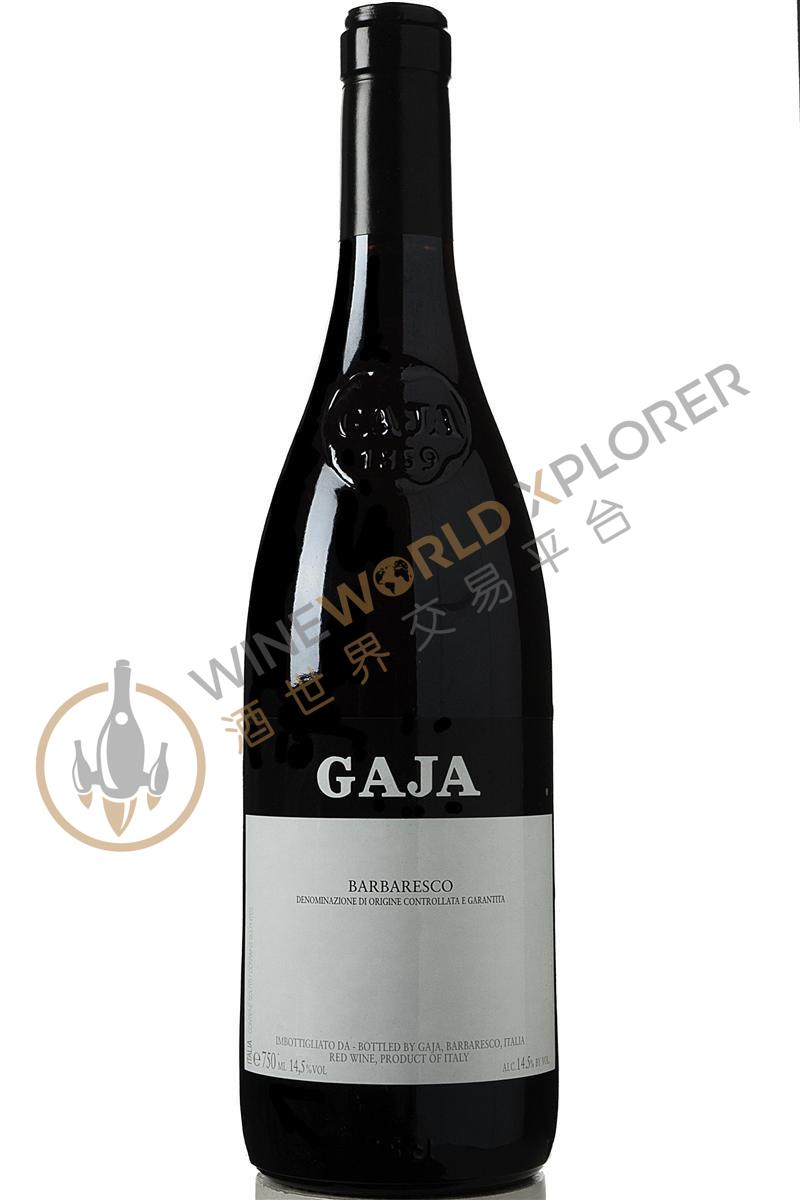
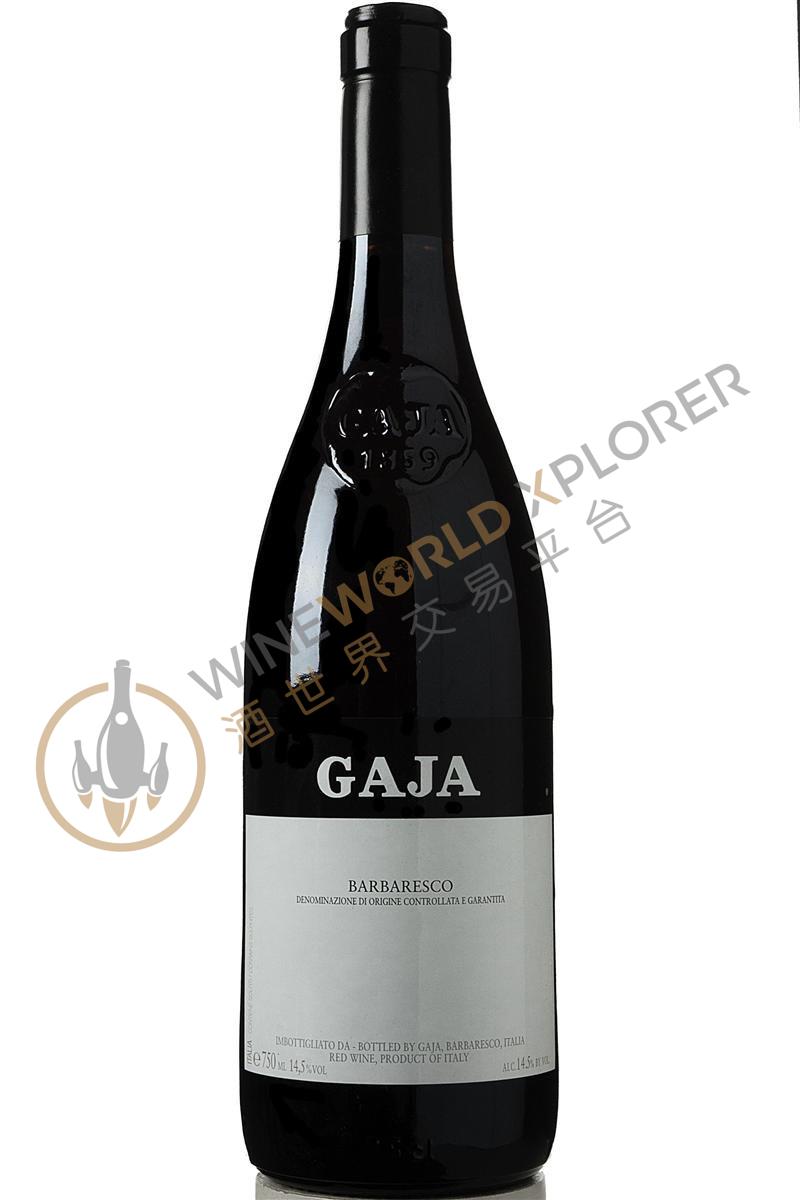
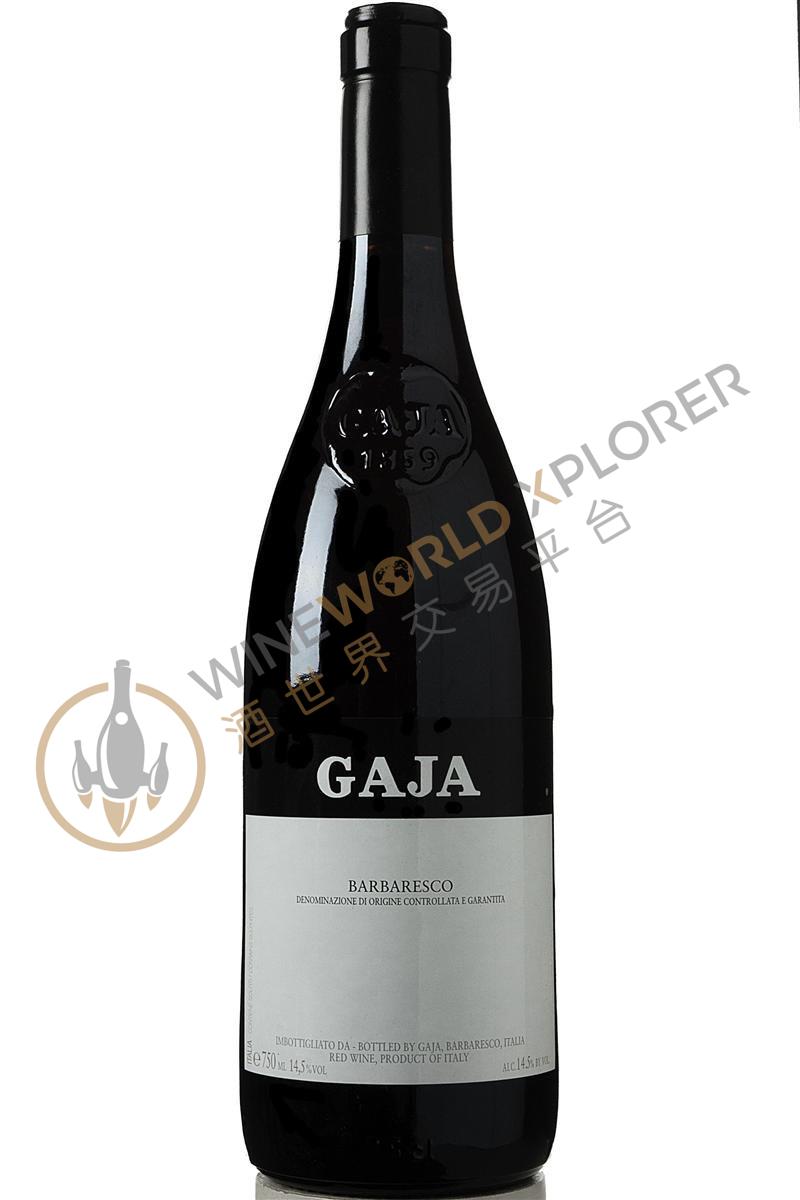
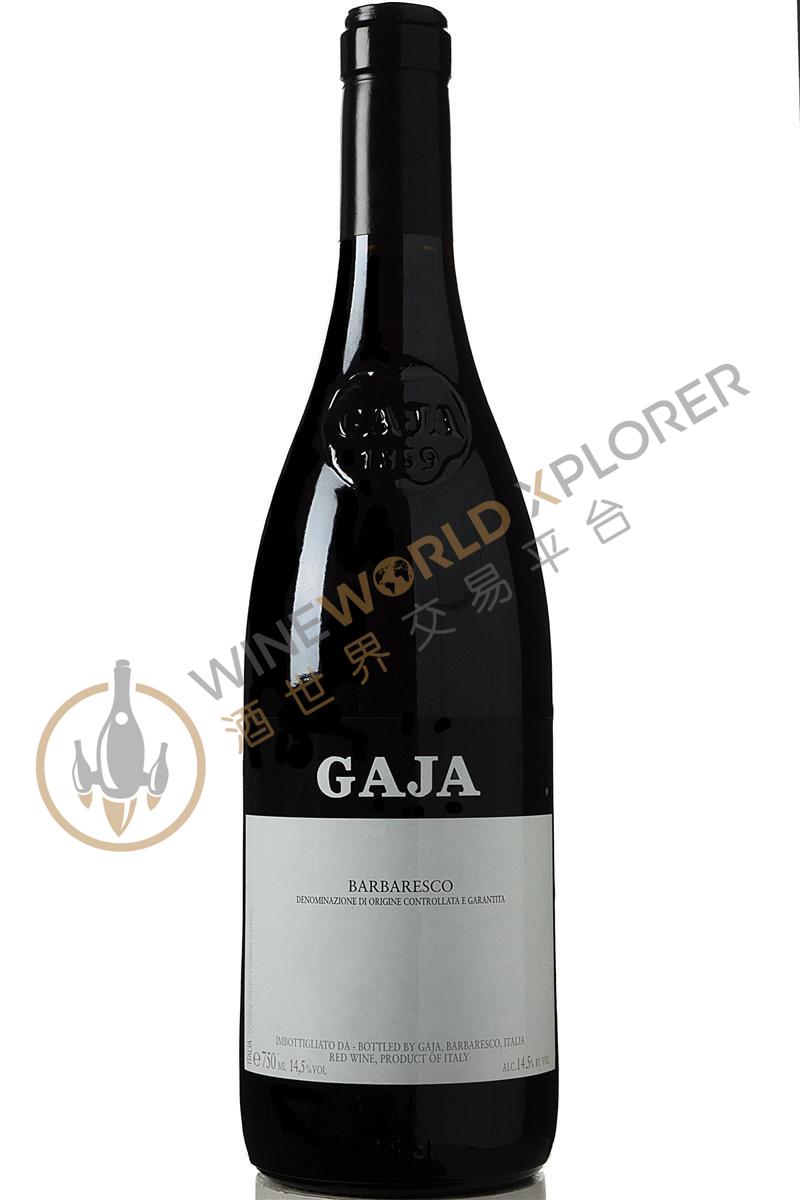
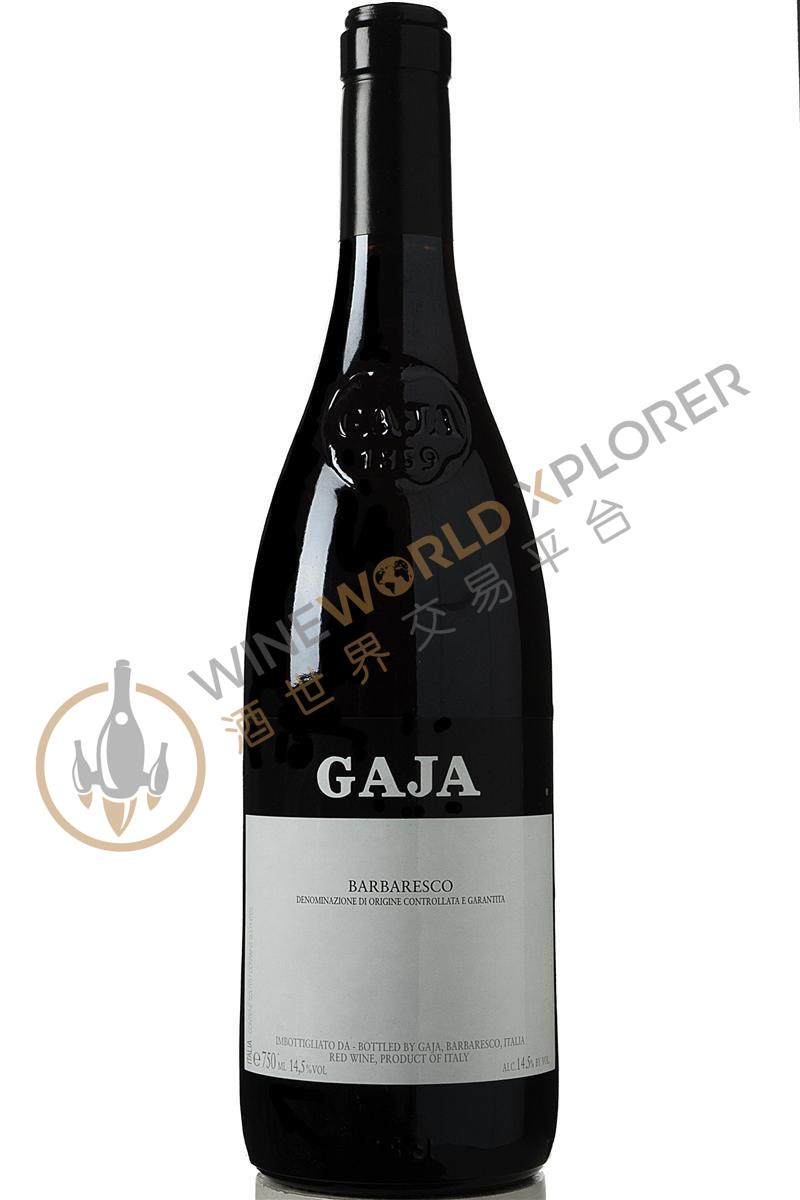
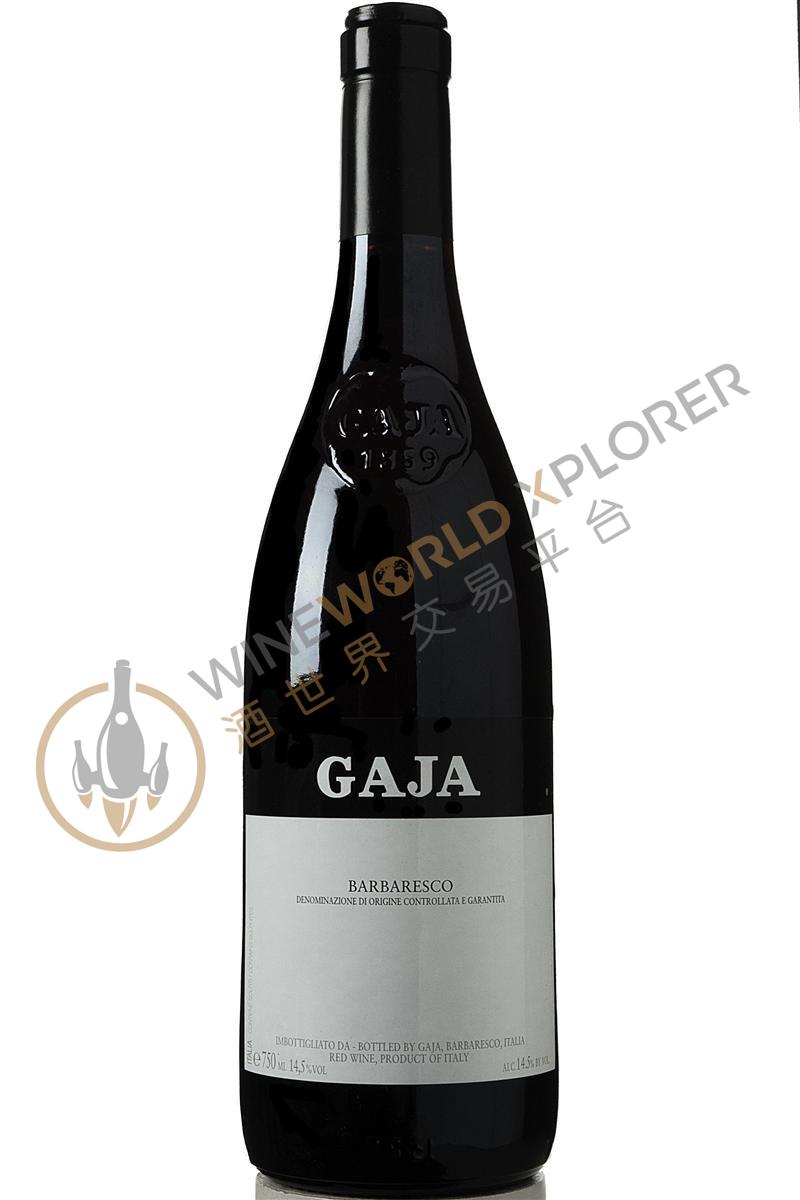
Gaja, Barbaresco 2007
 View analysis


Description
Tasting notes

Reviewed by: Antonio Galloni
All readers need to do is taste the 2007 Barbaresco to get a sense of the promise the vintage holds at Gaja. Soft and seamless on the palate, the Barbaresco shows wonderful integrity in its fruit in an opulent, yet mid-weight style. Fragrant, perfumed aromatics are woven throughout, while an attractive spiciness develops in the glass. There is incredible depth to the fruit and simply phenomenal overall balance. Readers will not want to miss this Barbaresco; arguably Gaja’s finest since 1997. Anticipated maturity: 2017-2032. My most recent visit to Gaja was quite an experience, as I tasted all of the estate’s 1989s, 1990s and 2007s. The 1989s and 1990s are reviewed in this issue’s What About Now feature. Angelo Gaja, always loquacious on a wide range of subjects, says virtually nothing about his wines, an approach I have increasingly come to appreciate in an era where so many producers are constantly in pitch mode. Then again, Gaja doesn’t really need to say anything, the wines speak for themselves. I tasted the 2007s at the winery in November 2009 and then again in New York in January 2010. Both times they were spectacular. Stylistically the 2007s remind me of the 1997s in terms of their opulence. Gaja’s wines are often immensely appealing when young – which is certainly the case with the 2007s – but then close down in bottle for a number of years, sometimes many years. My impression is that the Costa Russi and Conteisa are the most likely of these 2007s to offer the widest drinking windows throughout their lives with a minimum of cellaring. Fermentation and malolactic fermentation take place in steel. The wines then spend approximately one year in French oak and a second year in cask prior to being bottled. As has been the case for a number of years now, Gaja’s Langhe wines incorporate a small percentage of Barbera. On a final note, it’s great to see Gaja’s daughters Gaia and Rossana increasingly involved in the winery. They, and their younger brother Giovanni, have big shoes to fill, but couldn’t have asked for better teachers than Angelo and Lucia Gaja. Importer: Terlato Wines International, Lake Bluff, IL; tel. (847) 604 8900
Reviewed by: Antonio Galloni
All readers need to do is taste the 2007 Barbaresco to get a sense of the promise the vintage holds at Gaja. Soft and seamless on the palate, the Barbaresco shows wonderful integrity in its fruit in an opulent, yet mid-weight style. Fragrant, perfumed aromatics are woven throughout, while an attractive spiciness develops in the glass. There is incredible depth to the fruit and simply phenomenal overall balance. Readers will not want to miss this Barbaresco; arguably Gaja's finest since 1997.
Reviewed by: Stephen Tanzer
Good medium red. Seriously complex nose melds raspberry, leather, minerals, graphite and spicy oak. Bright and perfumed in the mouth, with firm acids framing the flavors of red fruits and flowers. Building tannins give this highly aromatic Barbaresco very good spine for development in bottle.
About the Producer
Located in the Barbaresco region of Piedmont, Italy, Gaja was founded in 1859 by Giovanni Gaja and is still owned by the Gaja family. For generations, the Gaja family has worked tirelessly to achieve the five-star rating in the 2013 Vini d'Italia. In 1961, Angelo Gaja, Giovanni's son, gradually took over the winery's affairs from his father. Angelo studied winemaking at university and obtained a doctorate in economics. Since taking charge of the estate, Angelo has travelled extensively to France (particularly the great Burgundy estates) and has been inspired to make bold changes to the estate. Not only did he emphasise Green Harvest and yield control in the management of the vineyards to achieve high quality wines, but he also pioneered the introduction of Bordeaux grape varieties and advanced winemaking equipment such as temperature-controlled fermenters and French oak barrels, as well as the creative introduction of single-vineyard wines, and is therefore considered to be a pioneer of the modern Italian style of wine, and has made an indelible contribution to the international reputation of Piedmont and indeed Italy. He is also regarded as a pioneer of modern Italian wines and has made an indelible contribution to the international reputation of Piedmont and Italy. The winery has a number of vineyards, including three of the better known single vineyards in Barbaresco - Sori San Lorenzo, Sori Tildin and Costa Russi - where the most popular Piedmontese grape variety, Nebbiolo, is grown. Nebbiolo, the most popular red grape variety in Piedmont. Sori San Lorenzo is a vineyard bought from the parish of Alba and named after the patron saint of the Alba Cathedral, while Russi is the nickname of the former owner. The vineyards were expanded and in 1988 the winery acquired Marenca & Rivette in the Barolo appellation and began producing Barolo wines; in 1994 it acquired Pieve Santa Restituta in the Montalcino appellation of Tuscany; and in 1996 it acquired the Pieve Santa Restituta in the Tuscany appellation. In 2000, Angelo Gaja broke with tradition by blending a small portion of Barbera with Nebbiolo to make Barbaresco, a controversial move at the time. 2016 On 1 July, Gaia Gaja, the eldest daughter of Angelo, announced to the public that the three single vineyards of the Gaja estate - Surrey San Lorenzo, Surrey Tintin and Ross Coast - would be used as specific appellations for the Gaja Barbaresco wines, which must The Barbaresco wines will be made from 100% Nebbiolo. This initiative ushers in a new era for Château Gaja. The wines produced by Château Gaja are of different styles and of outstanding quality. The Gaja Barbaresco DOCG (Piedmont, Italy) is the best of the Barbaresco wines and has developed into one of Italy's famous "Four Jasons". In addition, Gaja has produced three single-vineyard Barbaresco wines using grapes from the Surrey San Lorenzo, Surrey Tintin and Costa Rossa vineyards, which have also received high marks from many renowned wine critics. The Gaja Sori San Lorenzo Barbaresco DOCG, Piedmont, Italy, the first single-vineyard wine to be released, is the most powerful of the estate's single-vineyard wines, receiving full marks for the 2013 vintage from James Suckling. The 2013 vintage received a perfect score from James Suckling.