 Wine Advisor



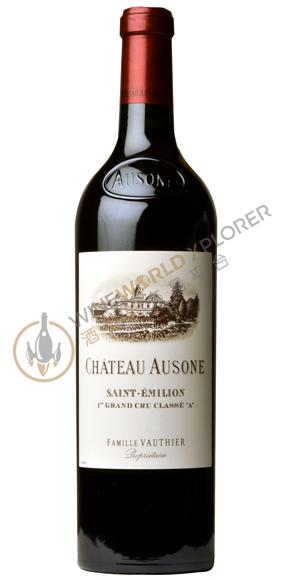
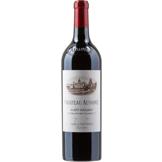
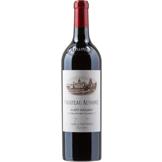
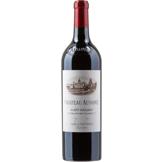
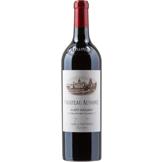
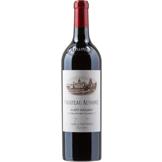
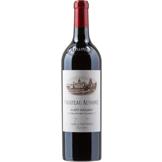
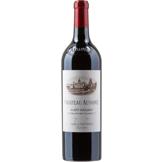
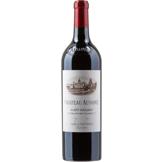
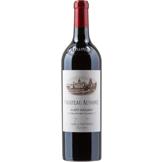
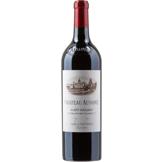
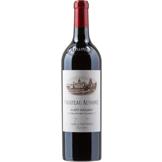
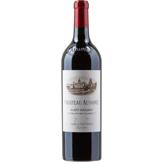
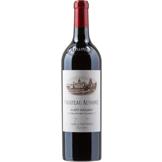
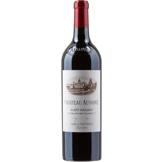
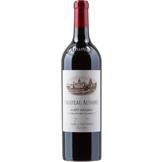
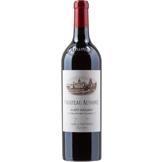
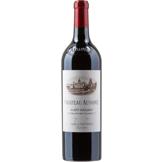
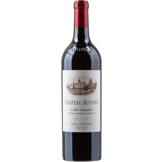
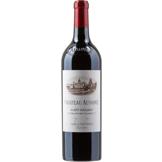
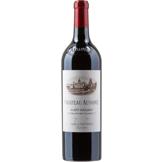
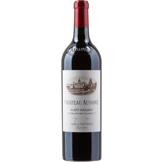
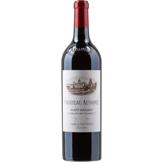
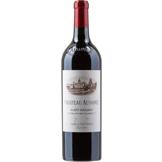
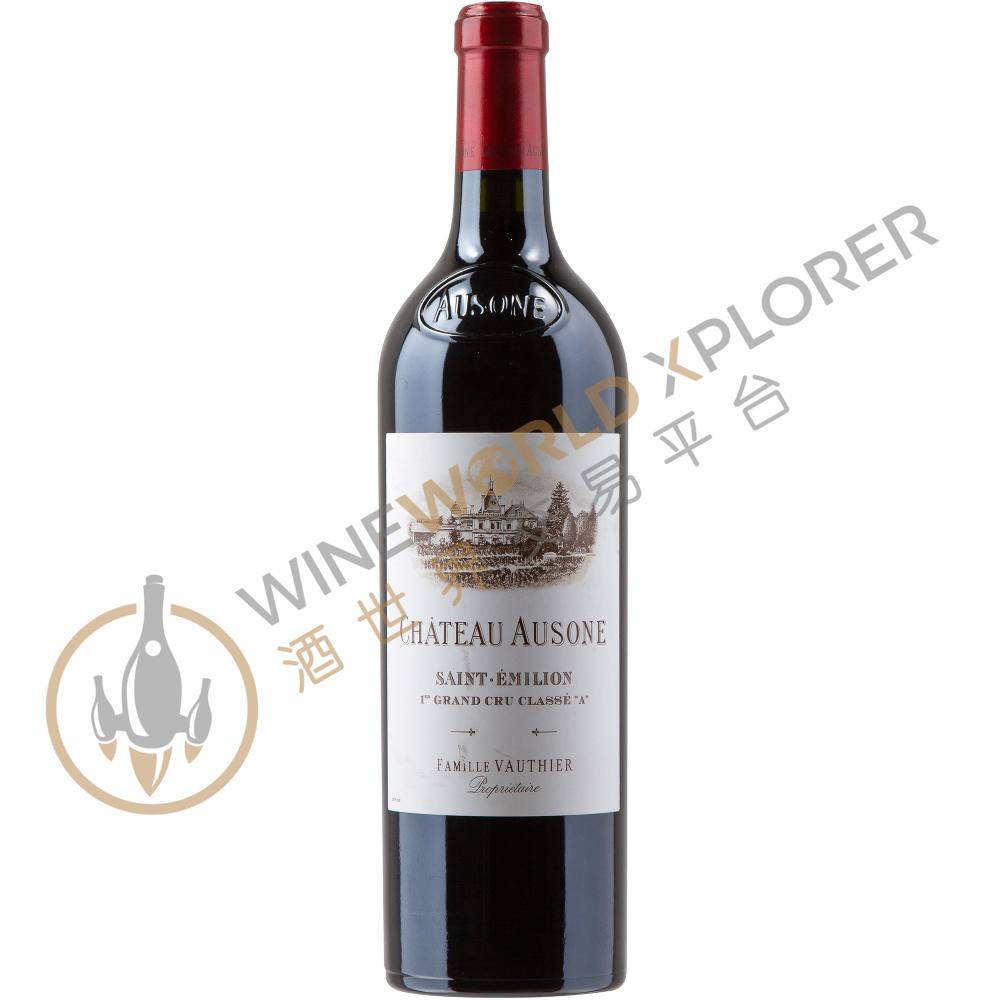
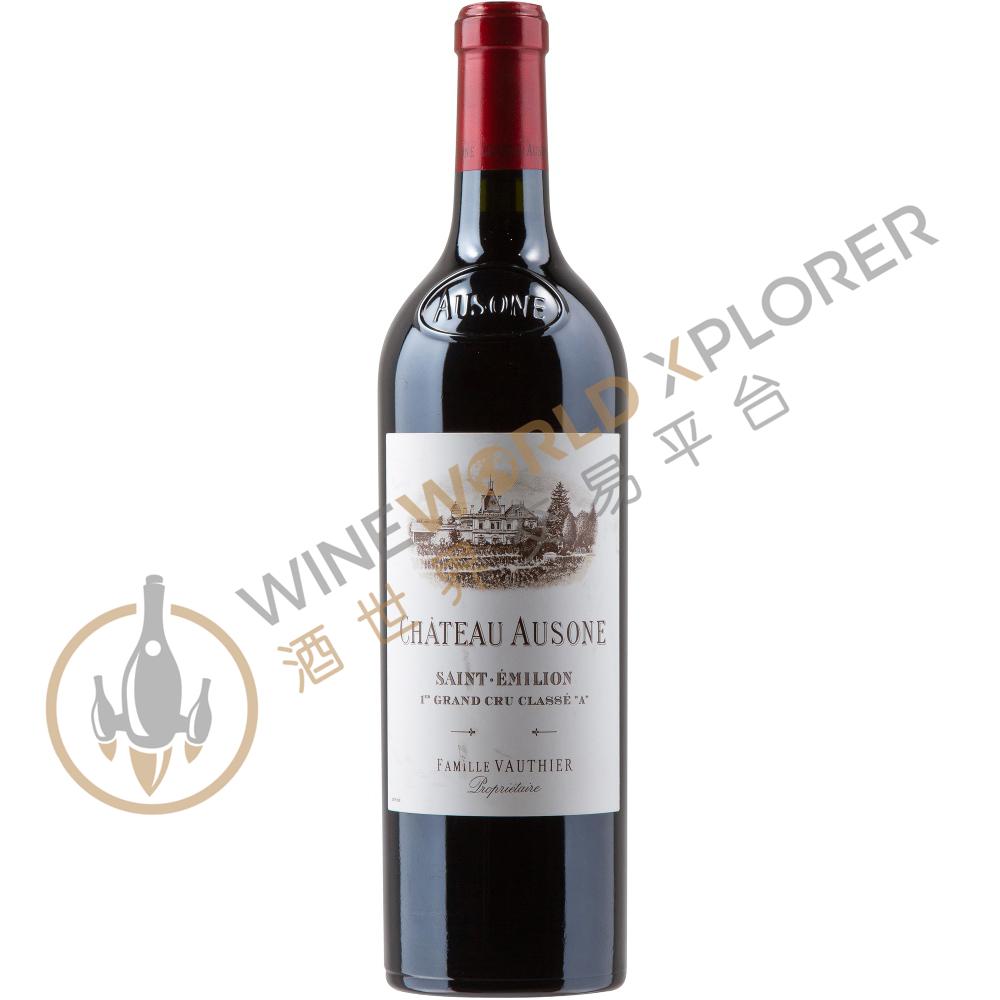
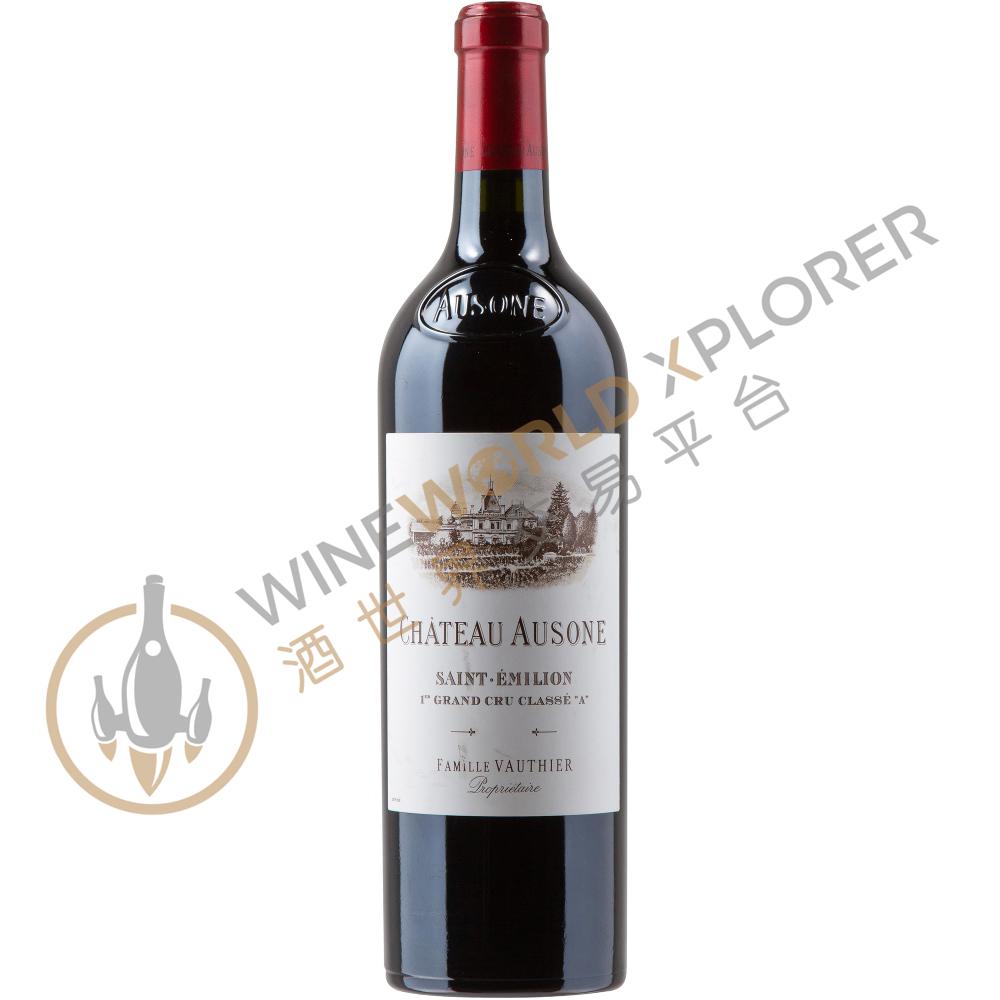
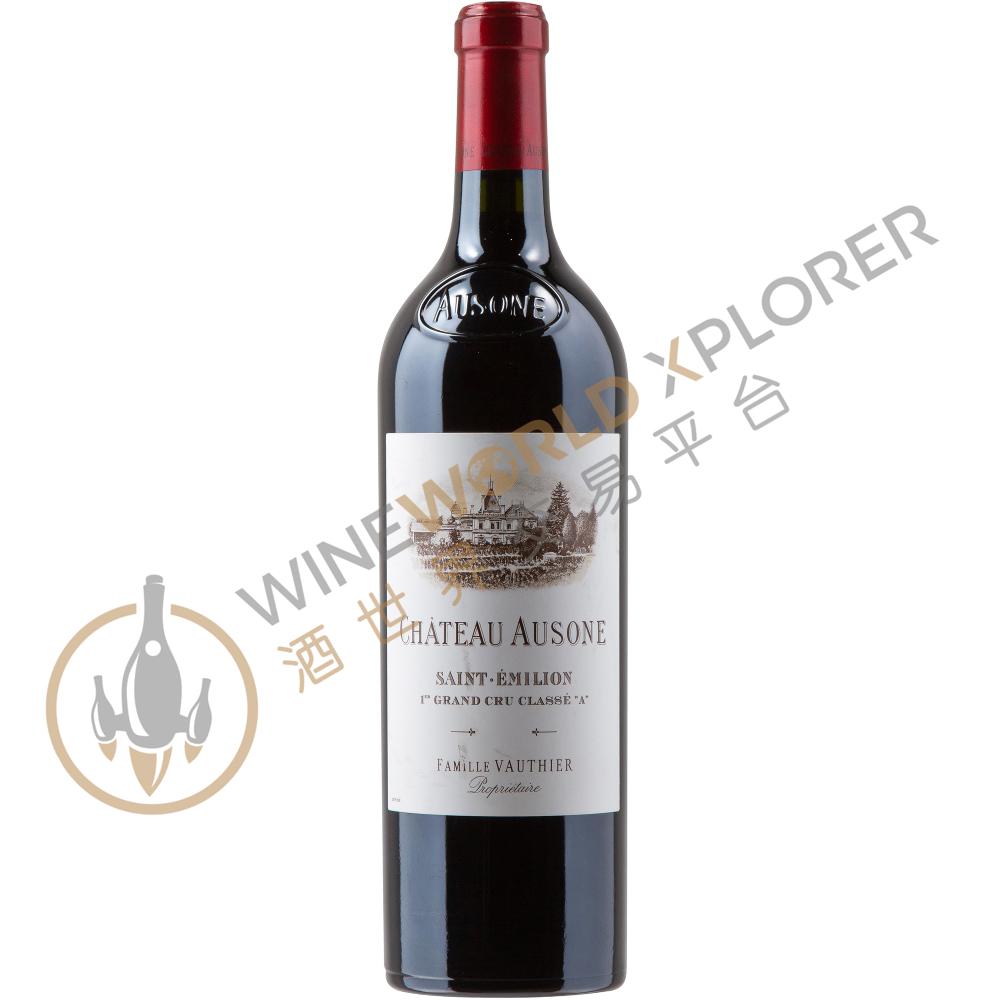
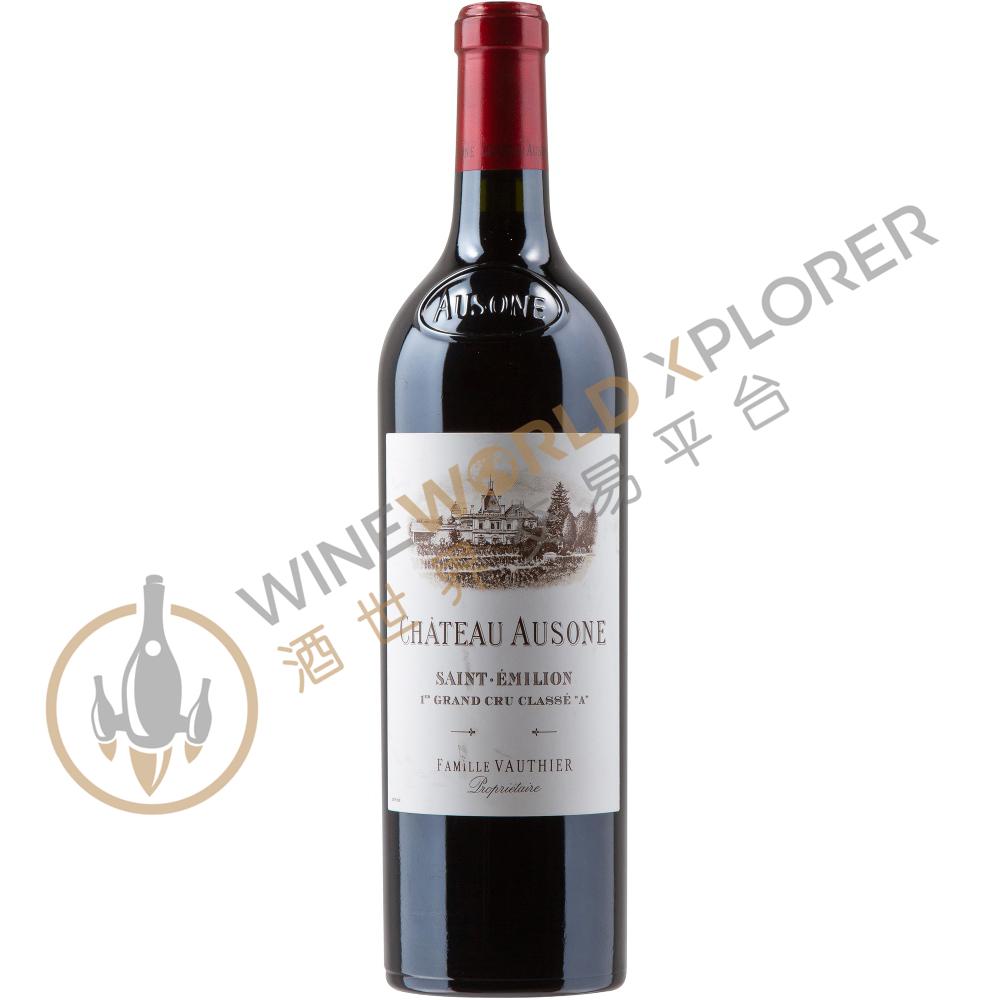
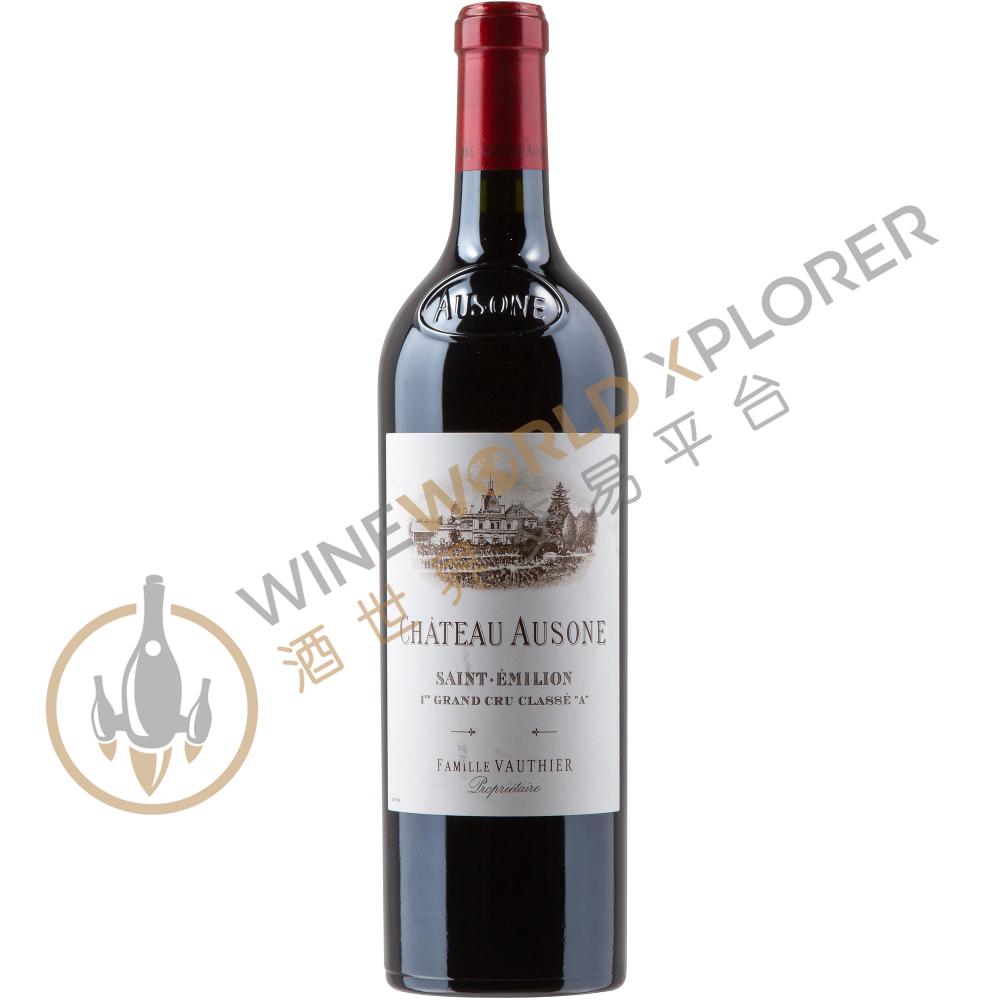
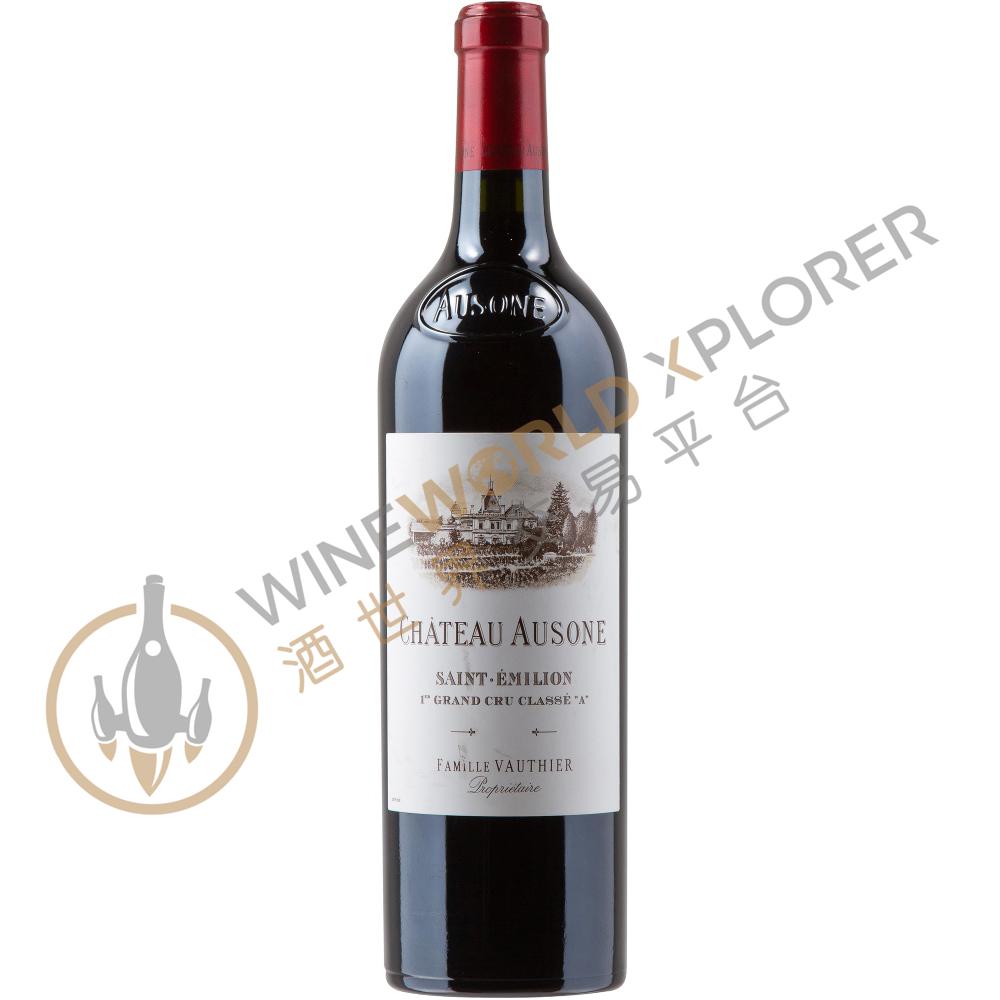
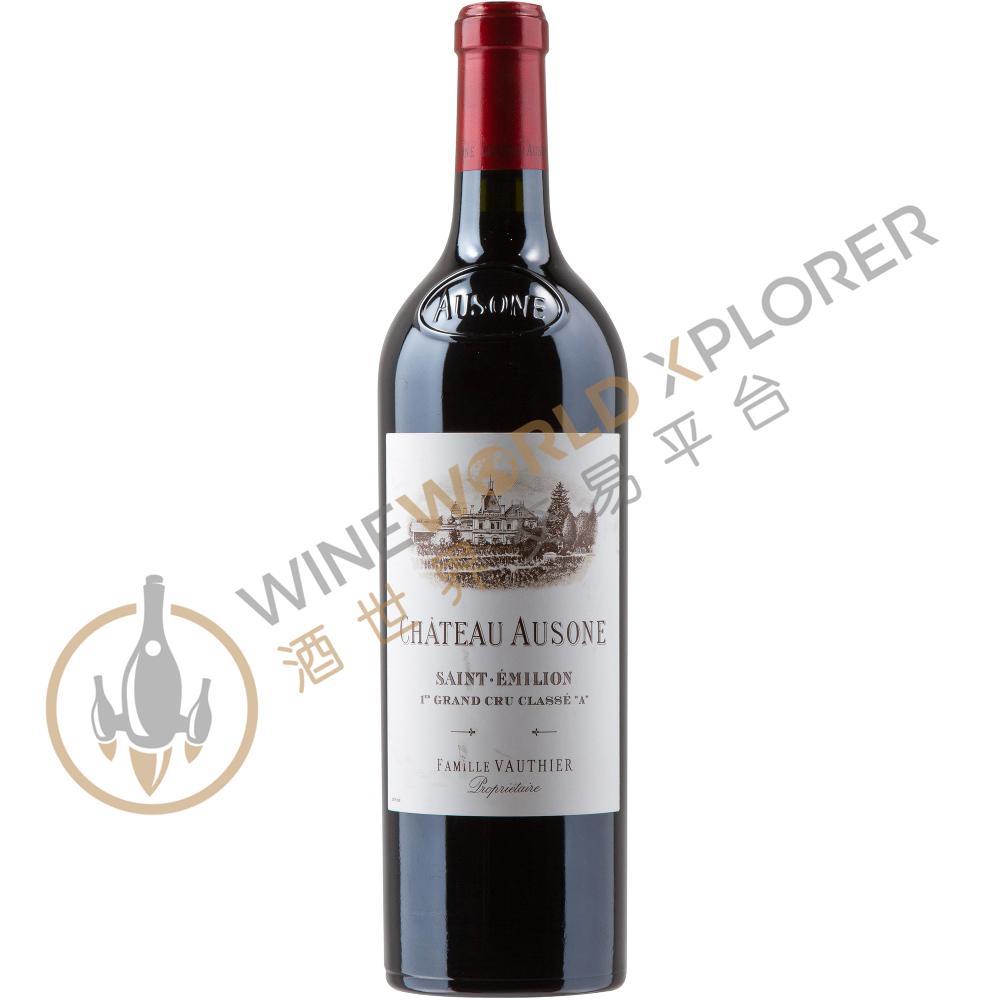
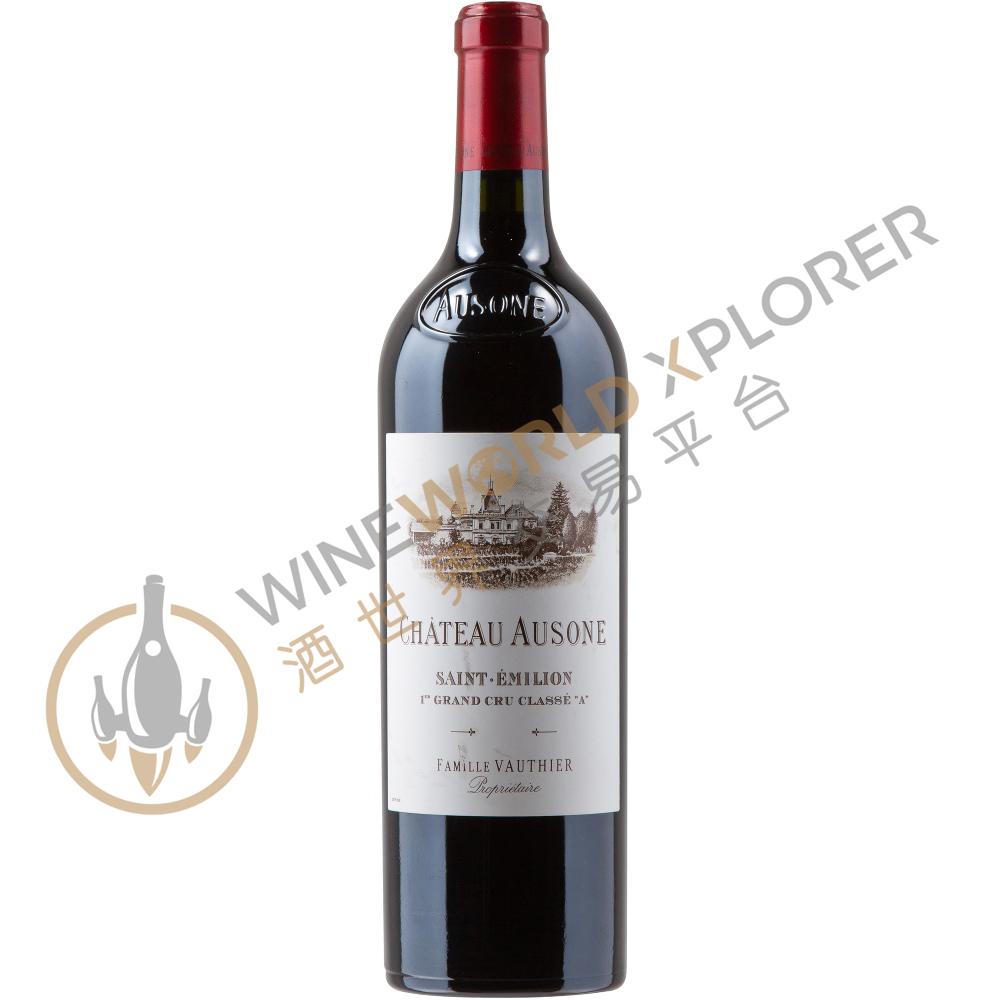
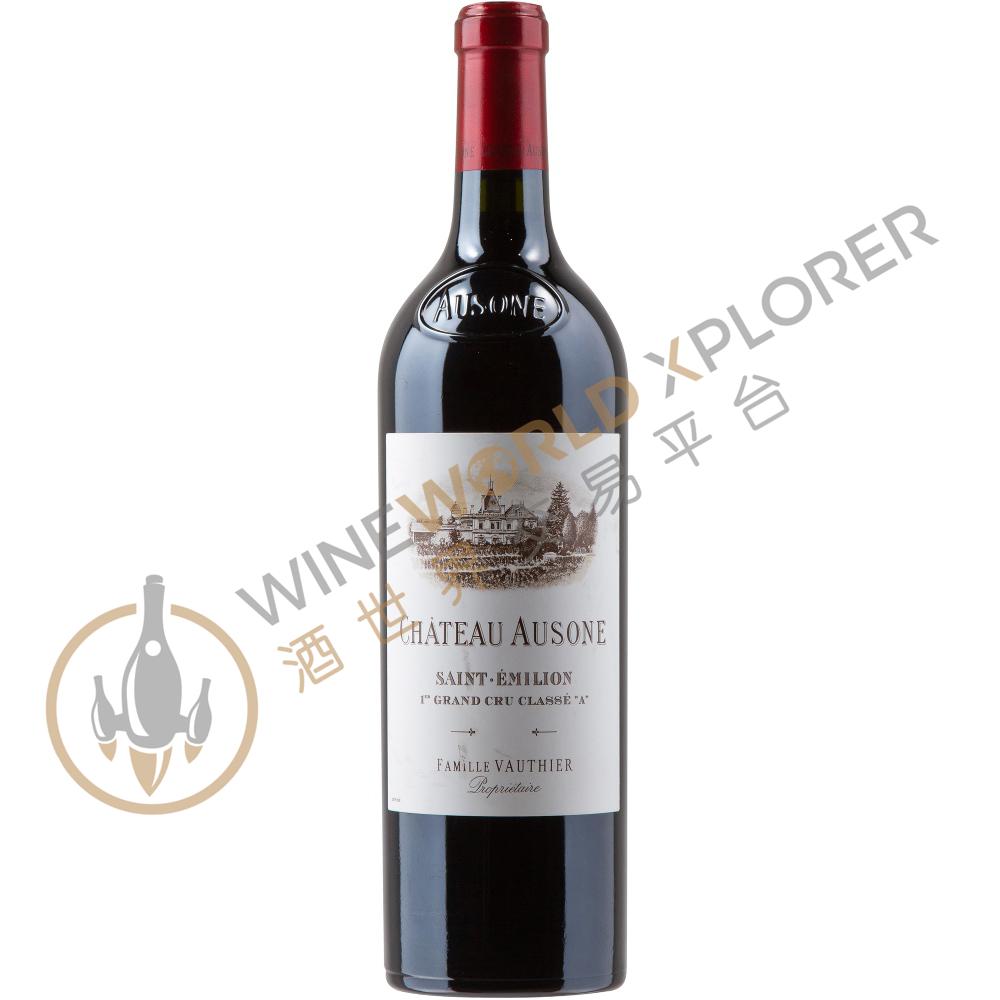
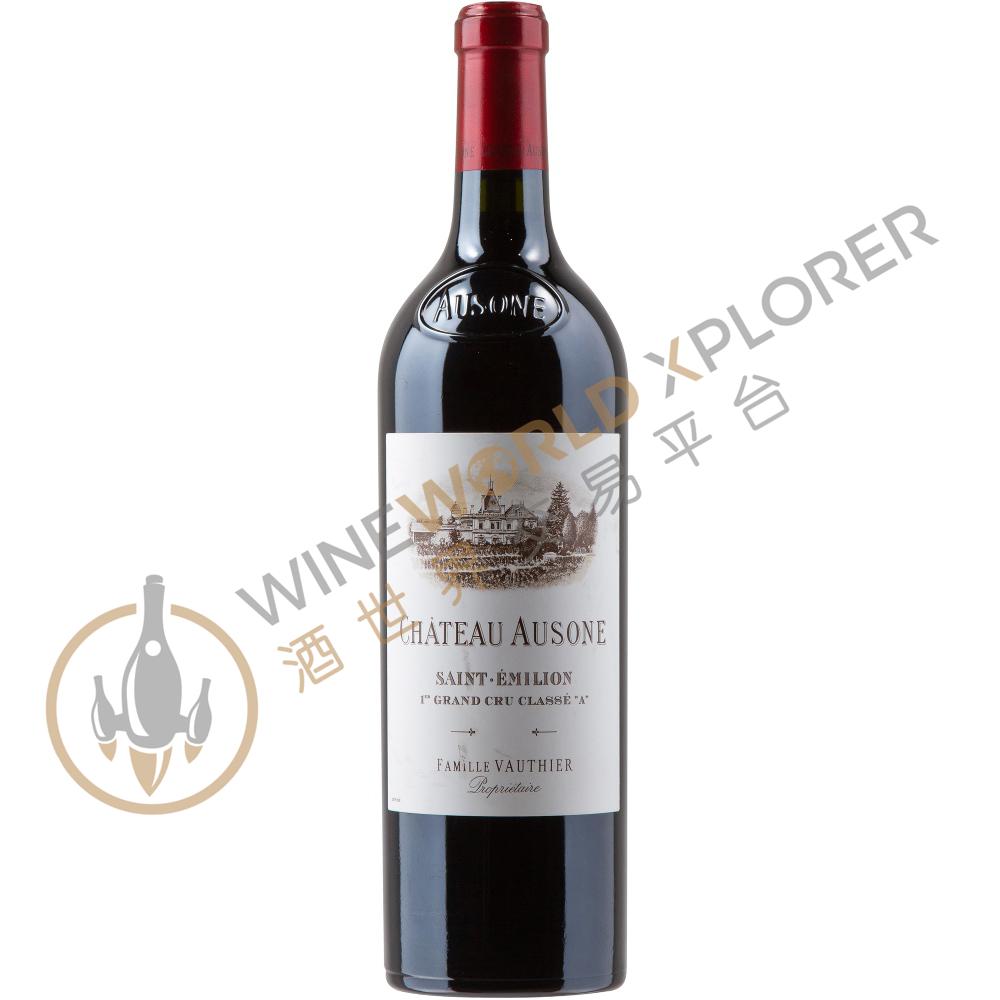
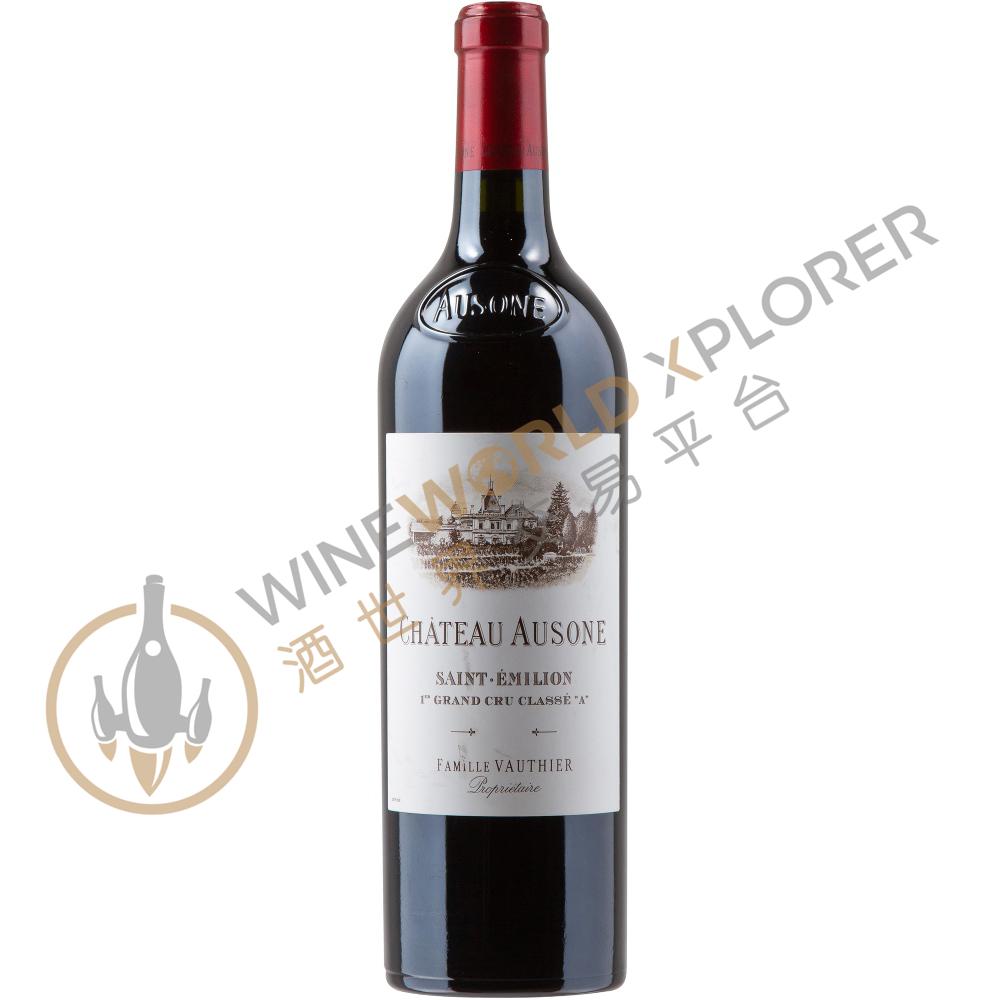
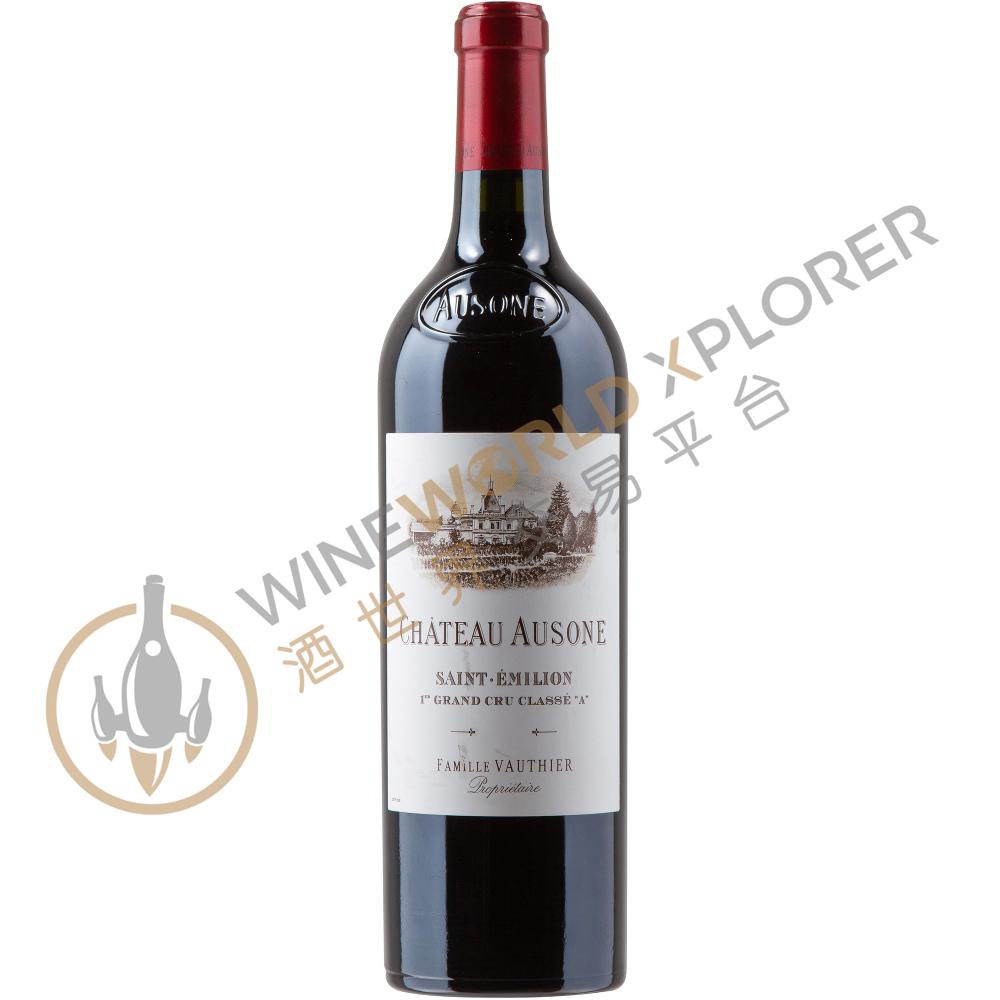
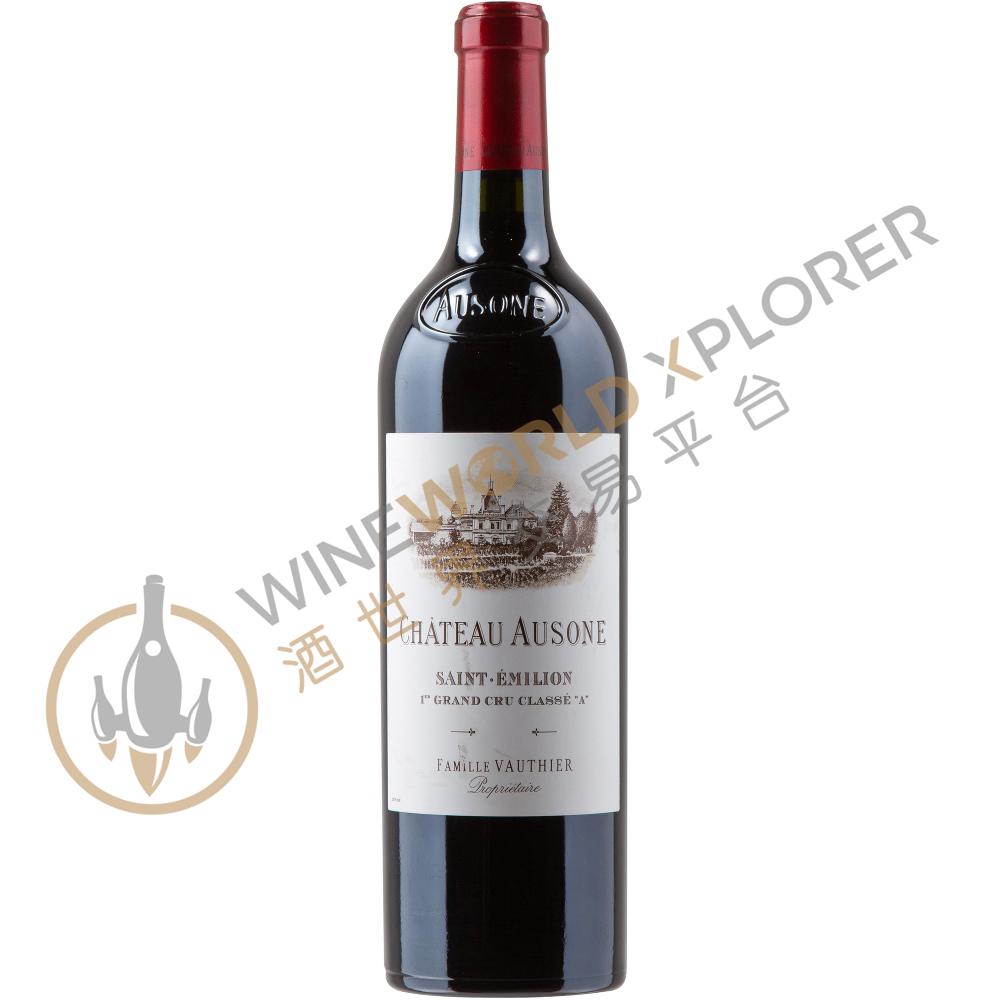
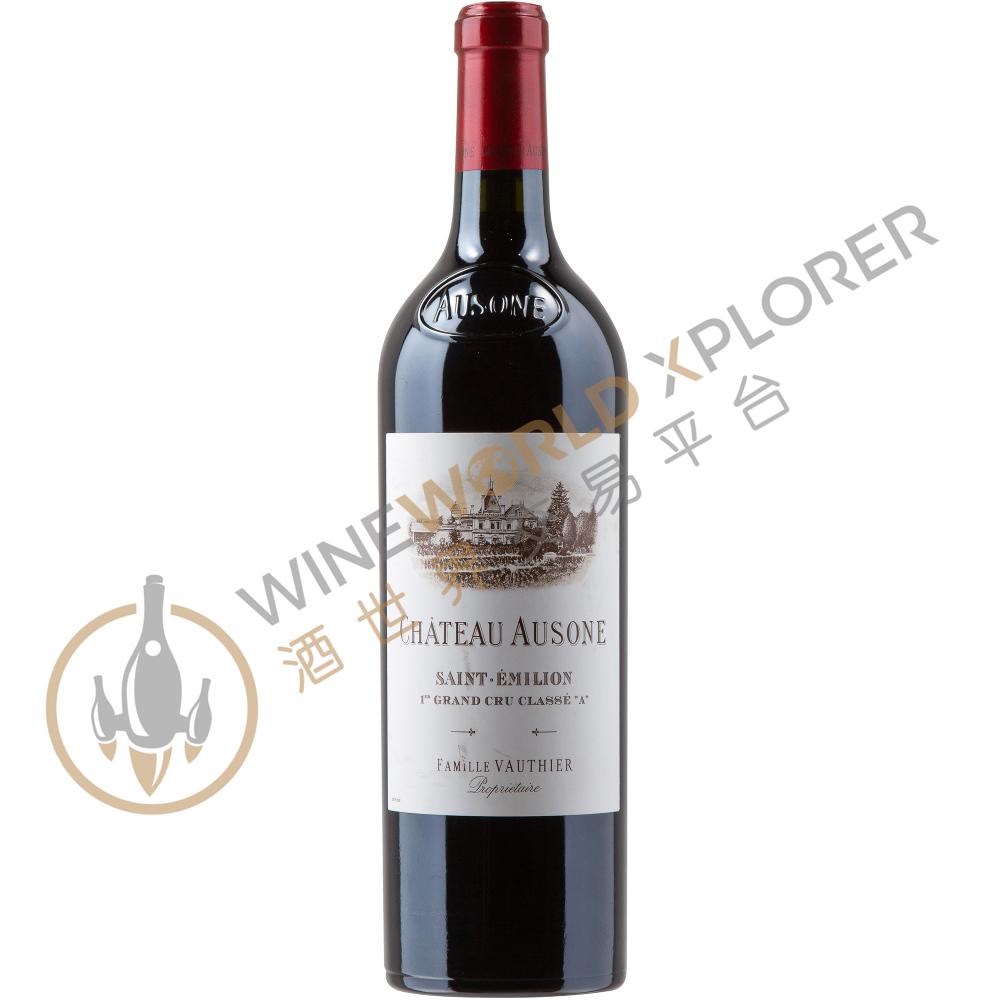
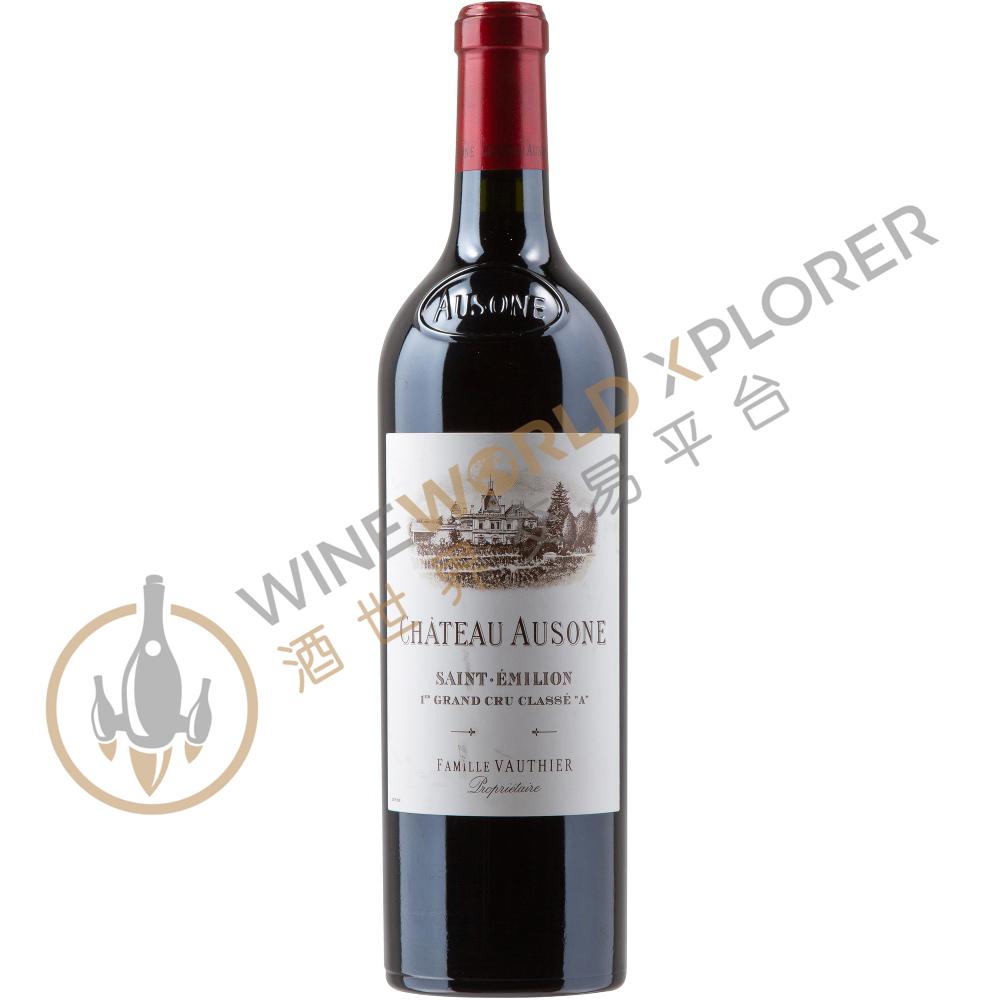
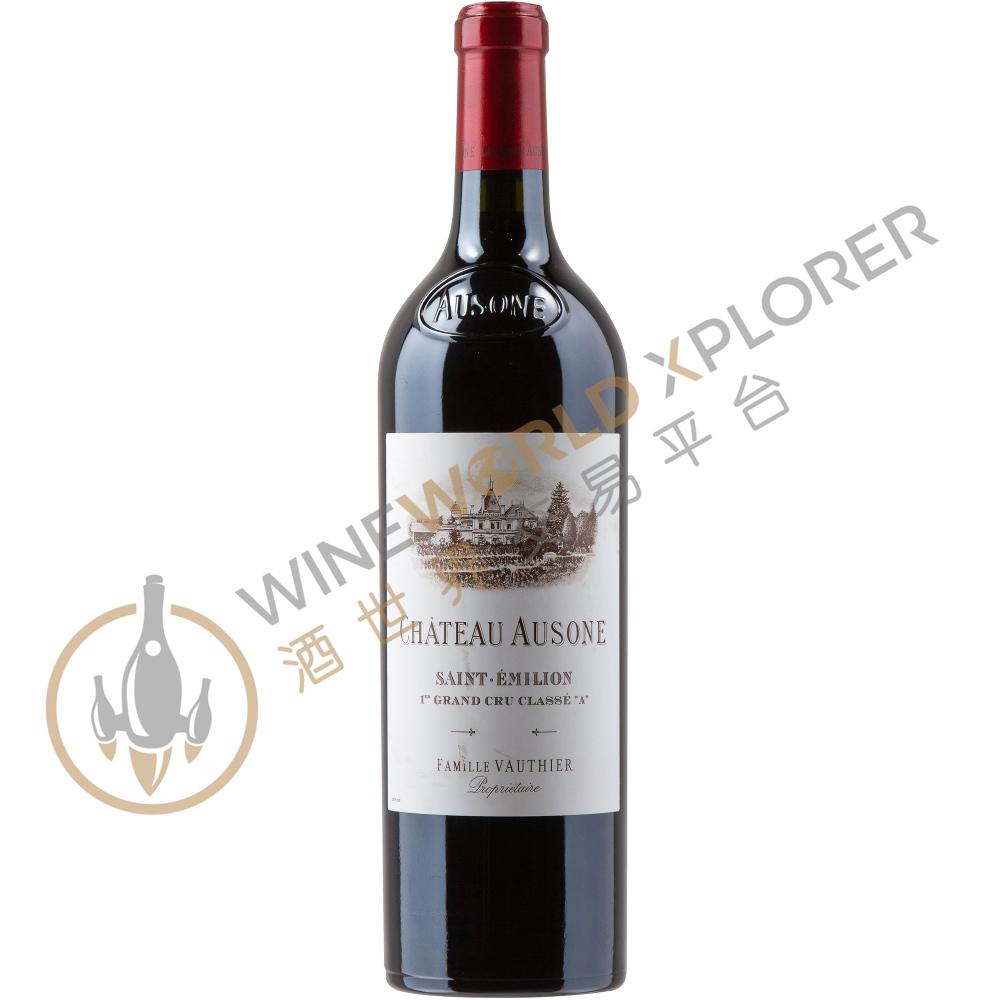
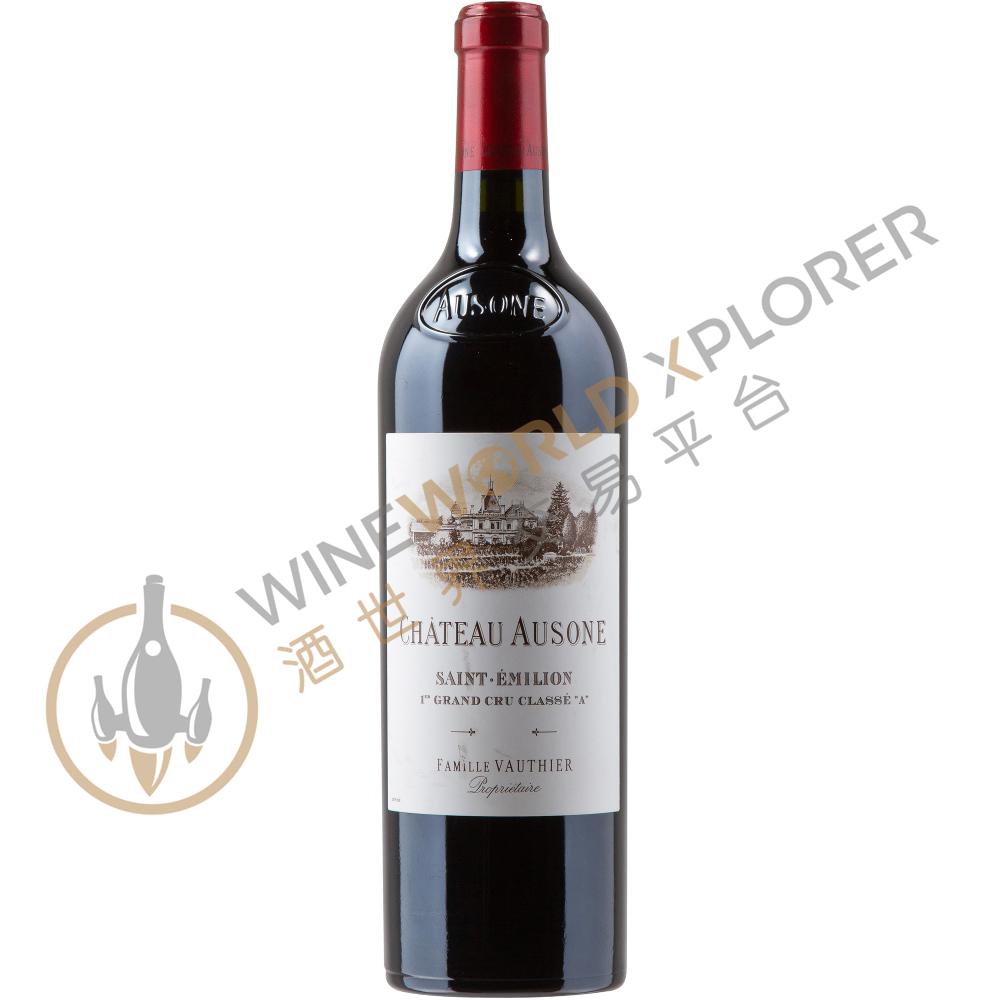
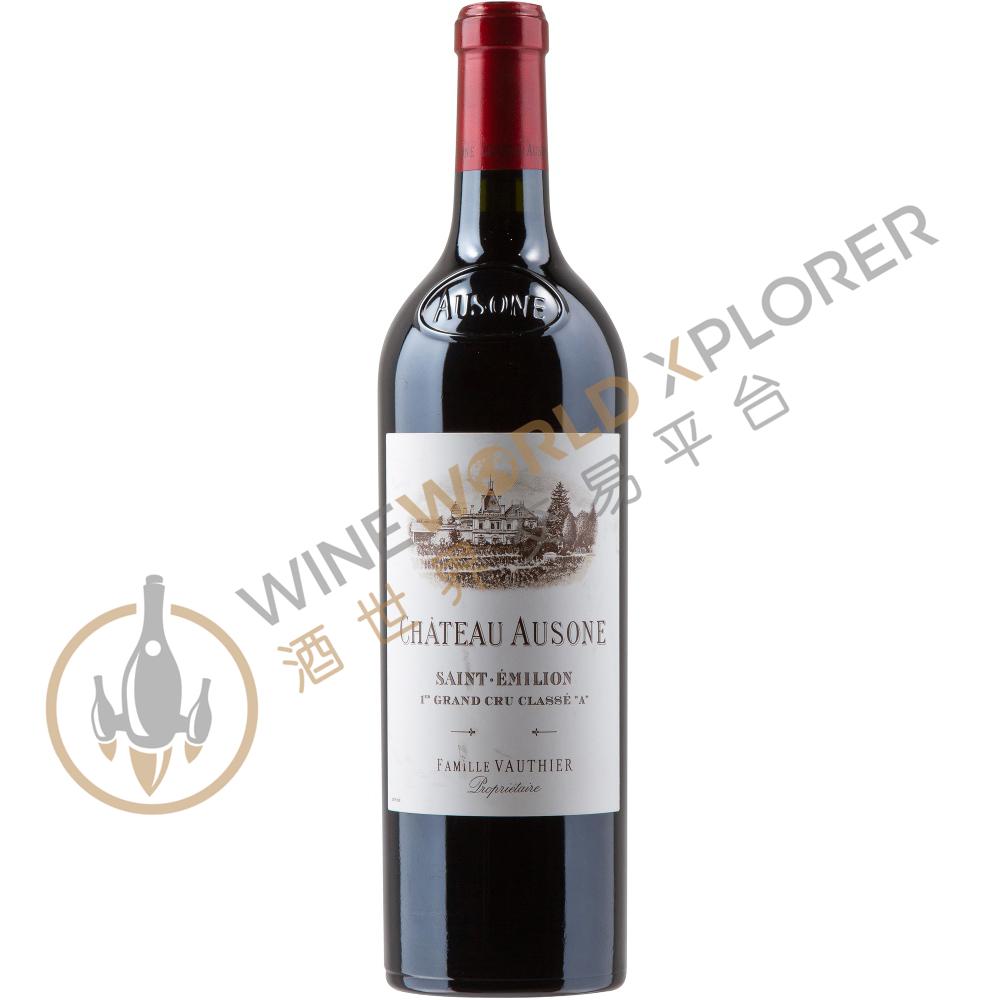
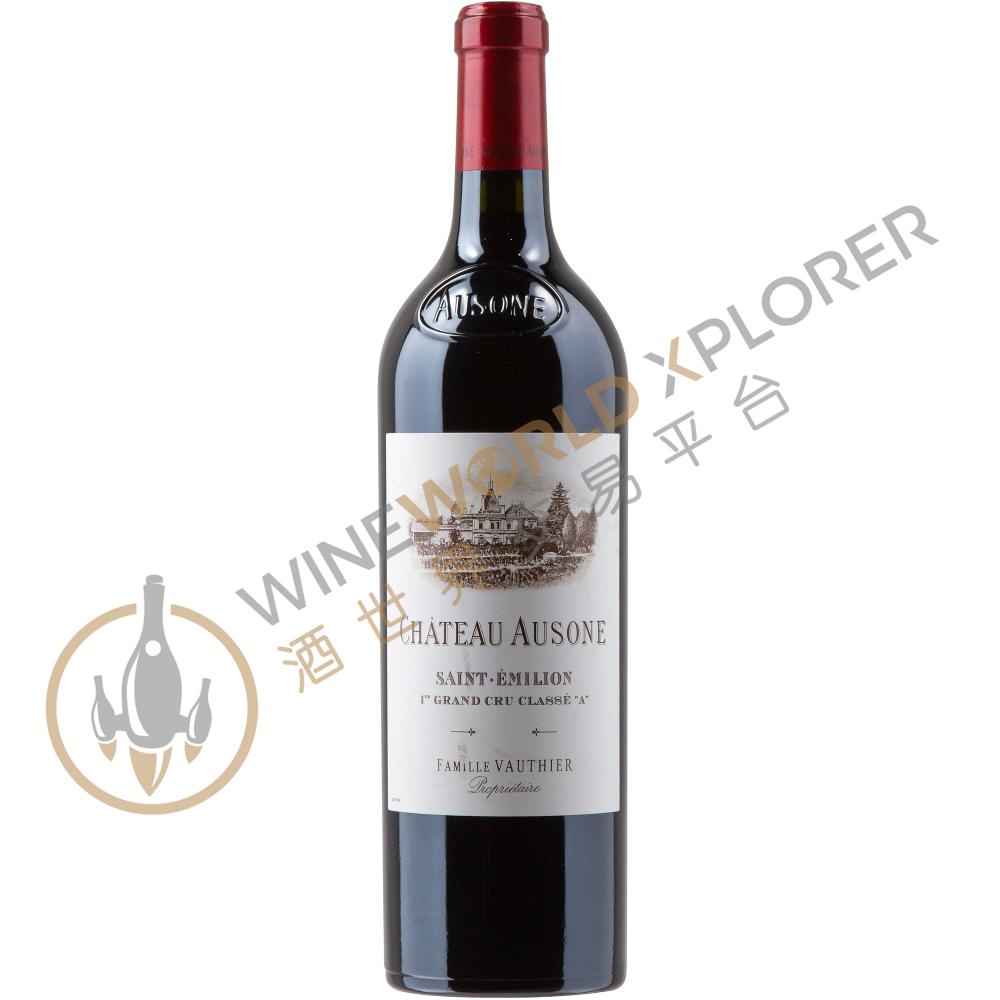
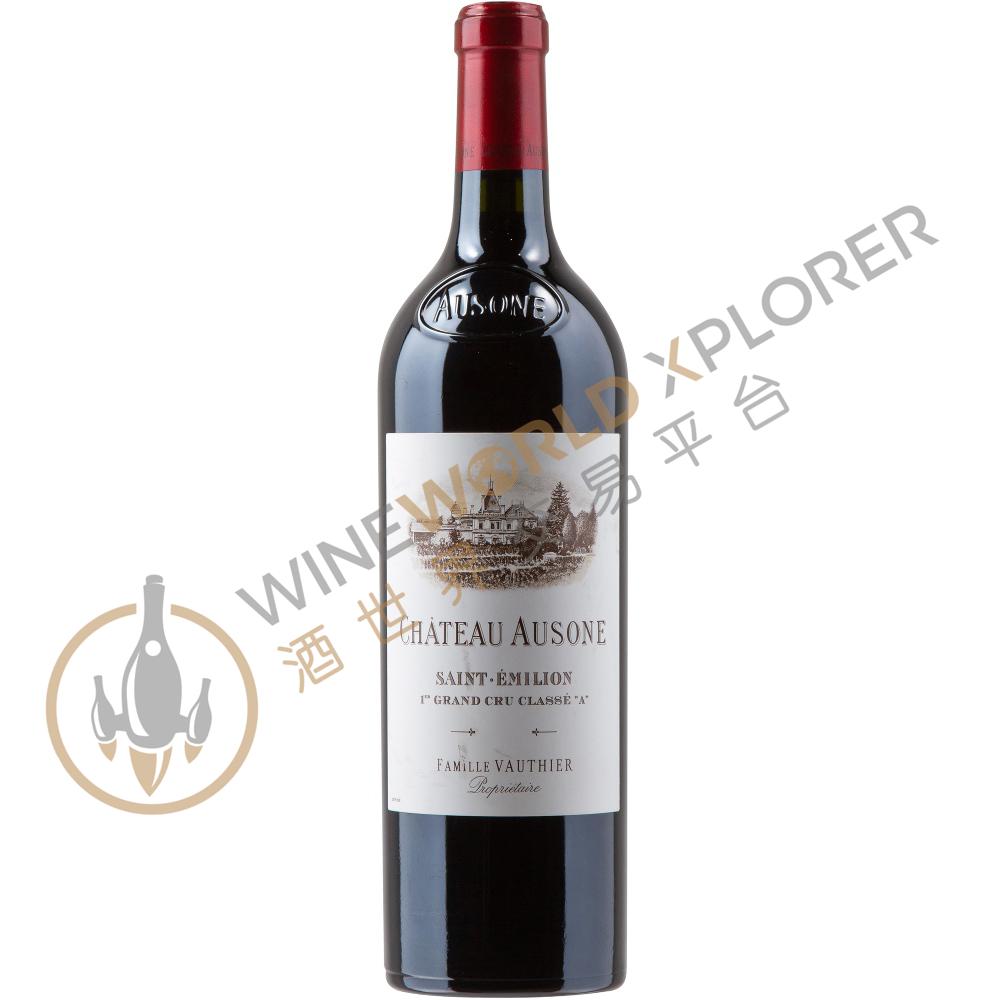
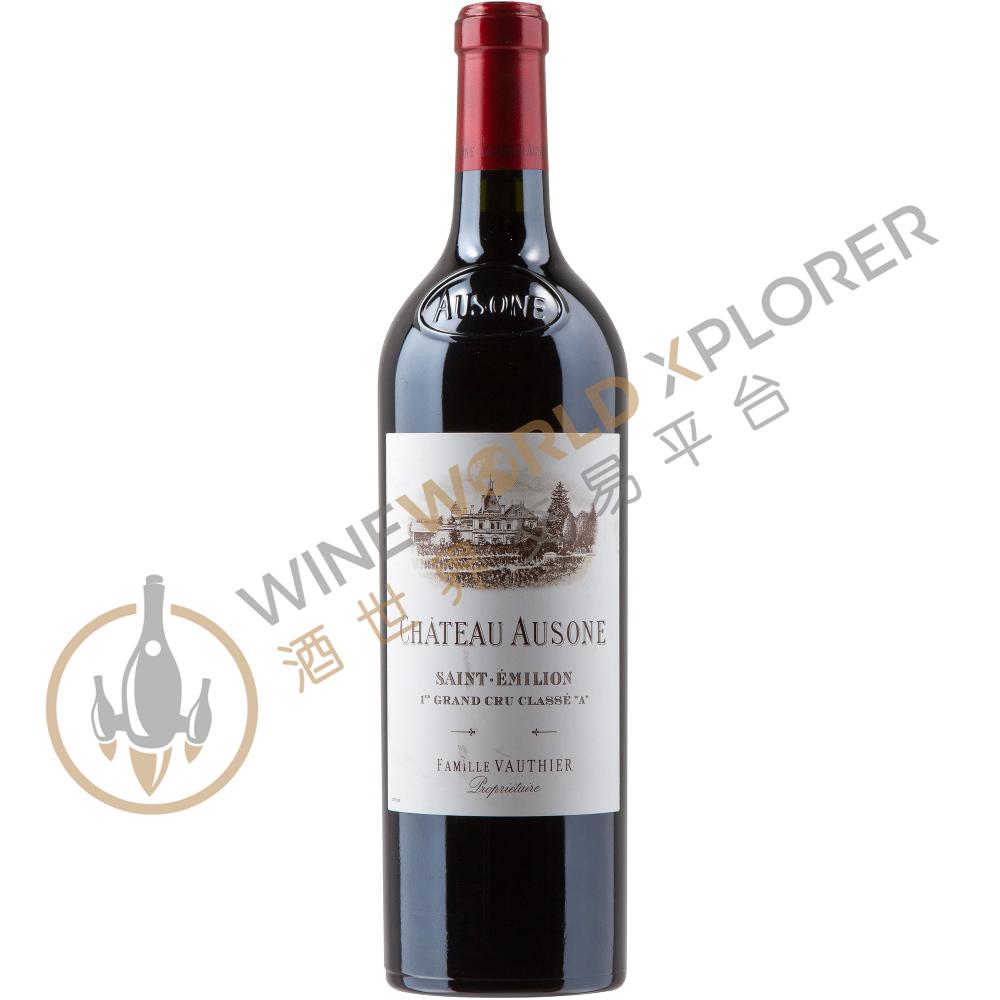
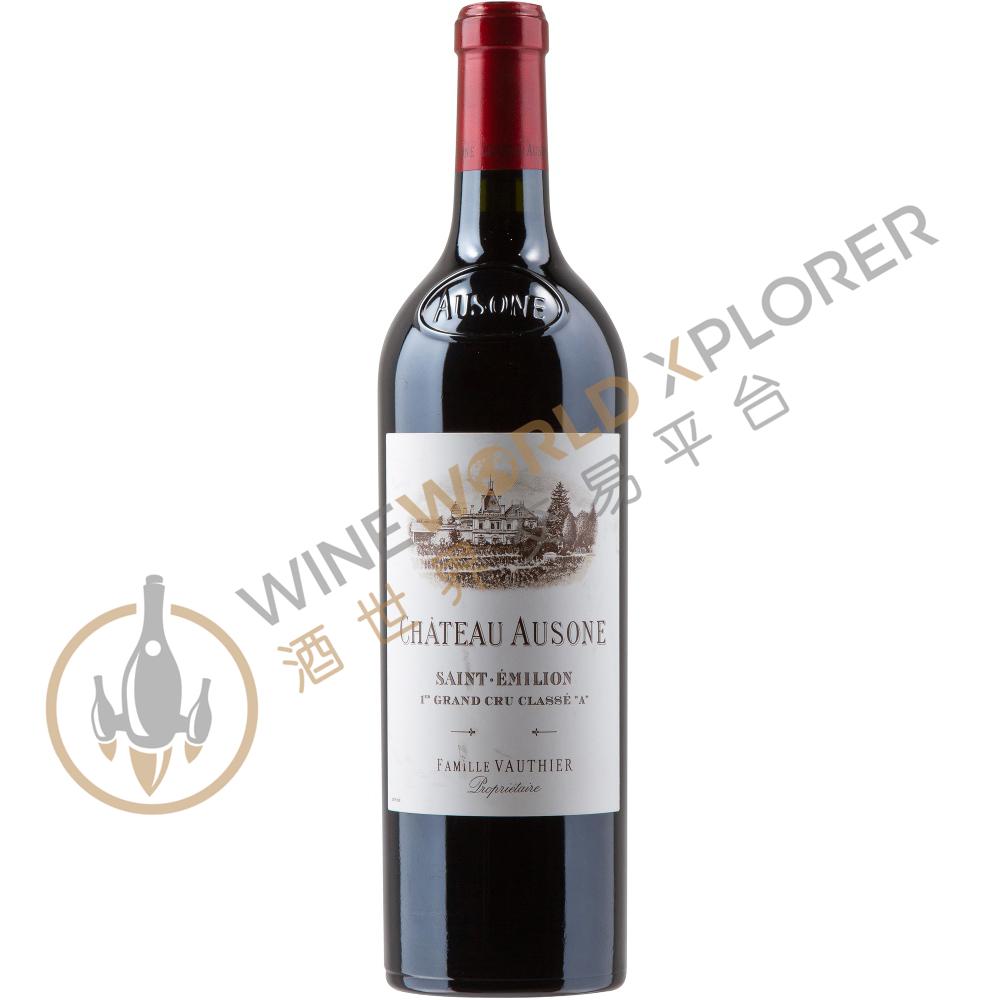
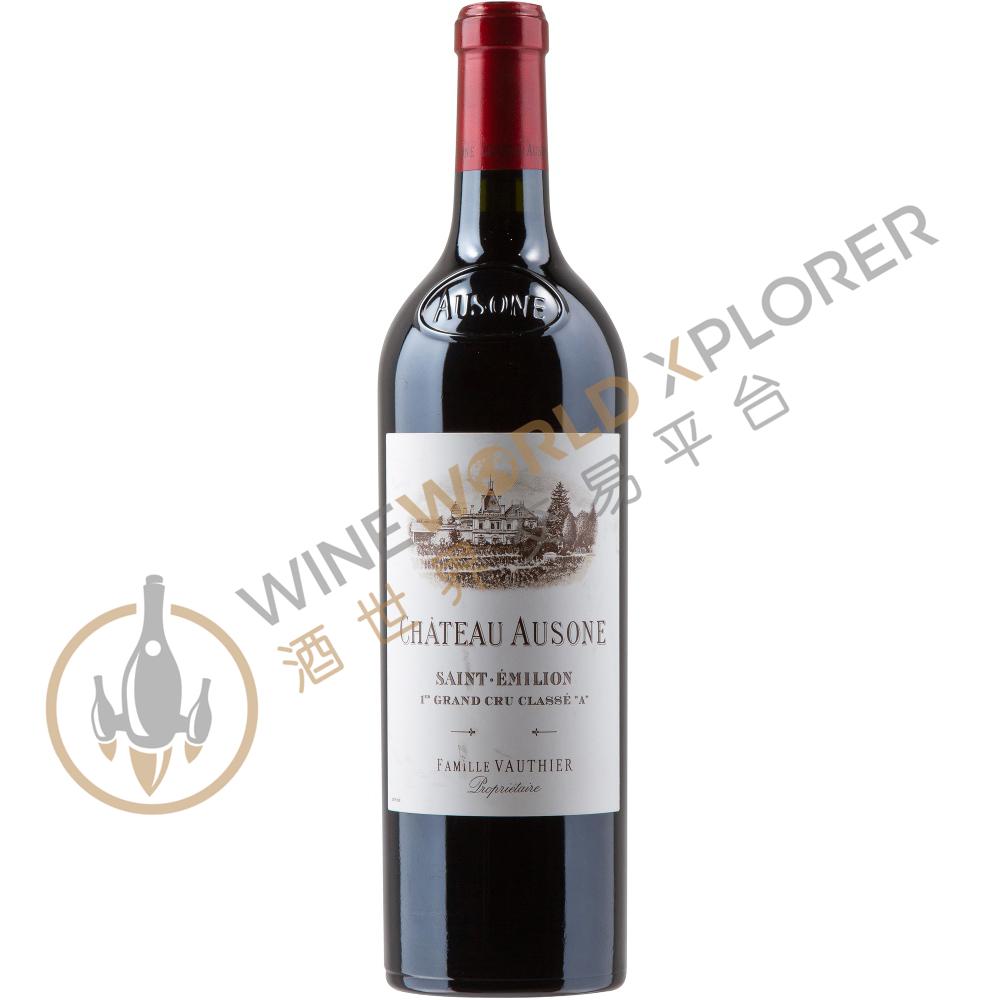
Ausone 2018
 View analysis


Description
Tasting notes

Reviewed by: Lisa Perrotti-Brown
The 2018 Ausone is a blend of 60% Cabernet Franc and 40% Merlot. Deep garnet-purple in color, rather predictably, the nose is almost completely shut-down on first sniff, taking considerable aeration to begin to reveal its jaw-dropping perfume of ripe black cherries, wild blueberries and plum preserves, leading to suggestions of candied violets, molten chocolate, licorice and crushed rocks with subtle cedar and pencil lead hints. The medium to full-bodied palate (14.5% alcohol) is so tightly wound and nuanced at this stage, it requires a lot of focus unravel all that is going on here. In short: a lot. The ripe, rich, black and blue fruit layers eventually give way to the beautifully cerebral earthy/minerally subtext, carried by fantastically well-knit tension, delivering an incredibly long, foundation-shaking finish. If the earth doesn't move when you drink this, you're probably not doing it right.
Reviewed by: Lisa Perrotti-Brown
The 2018 Ausone is composed of 60% Cabernet Franc and 40% Merlot. The Merlot was harvested September 25 and 27, and the Cabernet Franc was harvested October 3, 8 and 9. Deep purple-black in color, it is an impenetrable wall to begin, unrelenting without persistent coaxing, at last uncoiling to offer glimpses at preserved plums, blueberry coulis, molten licorice and underbrush with emerging scents of lavender, iron ore, crushed stones, charcoal and Indian spices plus a waft of red roses. Full-bodied, rich, decadent and tightly knit, it offers layer upon layer of fruit, spice and mineral nuances with a firm frame of exquisitely fine tannins and bold freshness, finishing with epic length and heart-stopping beauty.
Reviewed by: Antonio Galloni
The 2018 Ausone is mind-blowing. The aromatics alone are mesmerizing. I don't know what more to say. Cabernet Franc is so expressive, so vibrant so nuanced. Rose petal, cinnamon, star anise and sage meld into a core of red fleshed fruit. The 2018 doesn't impress with opulence or richness, rather it is a Saint-Émilion that is all about persistence and energy. I won't be at all surprised if it merits a higher score in the future. Readers who can find it should not hesitate. The 2018 is a viscerally thrilling wine of the highest level.
Reviewed by: Antonio Galloni
The 2018 Ausone is off the charts. Deep, sensual and mysterious, the 2018 is going to need many years to show the full breadth of its potential. And yet, there is so much there. Rich and concentrated on the palate, with phenomenal persistence, the 2018 is loaded with energy, tension and precision, offering a compelling interplay of opulence, saline intensity and structure. It is without question one of the wines of the vintage.
Reviewed by: Antonio Galloni
The 2018 Ausone is off the charts. Deep, sensual and mysterious, the 2018 is going to need many years to show the full breadth of its potential. And yet, there is so much there. Rich and concentrated on the palate, with phenomenal persistence, the 2018 is loaded with energy, tension and precision, offering a compelling interplay of opulence, saline intensity and structure. It is without question one of the wines of the vintage.
Reviewed by: Neal Martin
The 2018 Ausone, aged for 20 months in new French oak, was tasted over a period of 24 hours. It has a very intense nose featuring layers of black cherries and blueberry fruit; the violet element is initially even more expressive than when I tasted this from barrel, then gradually ebbs by the second day. As usual, this Ausone is no wallflower, coming across opulent yet succinctly controlled. The palate is medium-bodied with saturated tannins that frame the sumptuous black fruit, accompanied by touches of shaved truffle and clove. There is unerring symmetry to this Ausone. Precise and very persistent on the finish, which fans out wonderfully. A supremely gifted Saint-Émilion that will require several years in bottle.
Reviewed by: Neal Martin
The 2018 Ausone was picked on 25 and 27 September with respect to the Merlot and the 3, 8 and 9 October for the Cabernet Franc at 35hL/ha. Aged for 20 months in new French oak barrels. This takes a long time to really open in the glass, eventually revealing intense black cherry and bilberry fruit, shucked oyster shells and touches of pressed violet. There is an exoticism here, yet it is behind several closed doors. The palate is medium-bodied with succulent ripe tannin, fine acidity, the alcohol nicely controlled at around 14.4% with a caressing, multi-layered peacock’s tail finish of truffle, black pepper and a touch of graphite. It is not the very greatest Ausone that I have tasted at this stage - it has stiff competition! But is a very gifted wine that expresses the DNA of Ausone, which is exactly what you want.
About the Producer
Located in the Saint-Emilion appellation on the right bank of Bordeaux, France, Chateau Ausone is one of only four Saint-Emilion Premier Grand Cru Classe A estates in the appellation and one of the eight most prestigious estates in Bordeaux. The 7.25 hectares of vineyards at Château d'Orson are oriented to the east or south-east, allowing the vineyards to enjoy the full sun and to be protected from the north-west winds. The vineyard's proximity to the Dordogne, which is regulated by the river, provides an ideal microclimate for the grapes to grow, and the fact that the vineyard was not seriously affected by the severe frosts of 1892 and 1956 is testament to the terroir. While Merlot is the dominant wine in the Saint-Emilion appellation, Cabernet Franc is the preferred wine at Château d'Ausone, with Cabernet Franc planted in the vineyard, supplemented by some Merlot and a very small amount of Cabernet Sauvignon, which is used only for the secondary wines (Chapelle d'Ausone, Saint-Emilion). 'Ausone, Saint-Emilion Grand Cru, France). The average age of these vines is 52 years, with the oldest vines, planted in the early 20th century, being up to 100 years old and planted at a density of 6,500-12,000 vines per hectare. The soils are predominantly calcareous clay and limestone, which is the main reason for the minerality of the red wines of Château Ausone, Saint-Emilion Grand Cru Classe, France. The organic and biodynamic approach to vineyard management and winemaking at Château Ausone is a commitment to producing wines that express the full character of the terroir. In the vineyards, the staff takes care of the vines, planting fruit trees and aromatic plants, allowing insects, birds and even bats to come and go, in order to release the vitality of the soil and promote the harmony of the entire vineyard ecosystem. During the harvest, the grapes are very carefully selected and only healthy grapes of optimum ripeness are used to make the wine. During the winemaking process, the treated grapes are first subjected to Cold Maceration to extract the pigments and flavours from the skins. Next, alcoholic fermentation takes place in large traditional oak barrels, followed by Malolactic Fermentation in small French oak barrels. After this, the estate's main wines are aged in 100% new oak barrels for up to 24 months, adjusted to the characteristics of the vintage. The wines are aged in the estate's natural limestone cellars, where the humidity and temperature are stable and provide excellent conditions for the wines to age. The wines of Château d'Orson have always been known as "the poet's wine", with a deep colour, very pure aromas of dark fruit, liquorice, flowers and crushed stone, full-bodied but not too heavy, and with great potential for ageing. Robert Parker once said: "If patience is not your virtue, there is no point in buying a bottle of Ouzo". The quality of Château Ouzon's wines has been consistent, with the best vintages including 2018, 2017, 2016, 2015, 2014, 2012, 2010, 2009, 2008, 2006, 2005, 2004, 2003, 2001, 2000 and 1998, to name but a few. In addition, the estate's secondary wine was born in 1995 from a selection of Cabernet Franc, Merlot and Cabernet Sauvignon from the young vines of the estate. Thanks to the limestone soils of the estate, this wine is rich in mineral flavours, with aromas of black cherry, blackberry, cassis and flowers, a full-bodied wine with velvety tannins and a long, impressive finish. With Robert Parker and James Suckling scores of over 90 points in almost all vintages, this wine has long ageing potential.
1944(1)1957(1)1958(1)1959(1)1961(1)1969(1)1970(1)1978(1)1979(1)1980(1)1981(2)1982(2)1985(2)1986(3)1987(1)1988(3)1989(3)1990(4)1994(1)1995(2)1996(4)1998(9)1999(8)2000(11)2001(7)2002(6)2003(5)2004(2)2005(3)2006(8)2007(6)2008(8)2009(12)2010(9)2011(8)2012(9)2013(11)2014(9)2015(7)2016(9)2017(13)
Package Size