 Wine Advisor



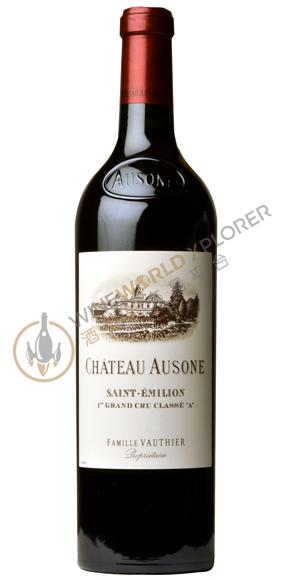
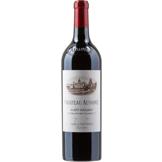
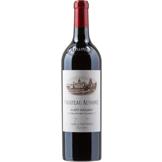
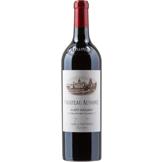
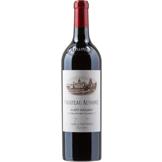
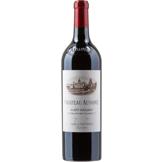
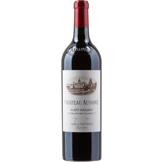
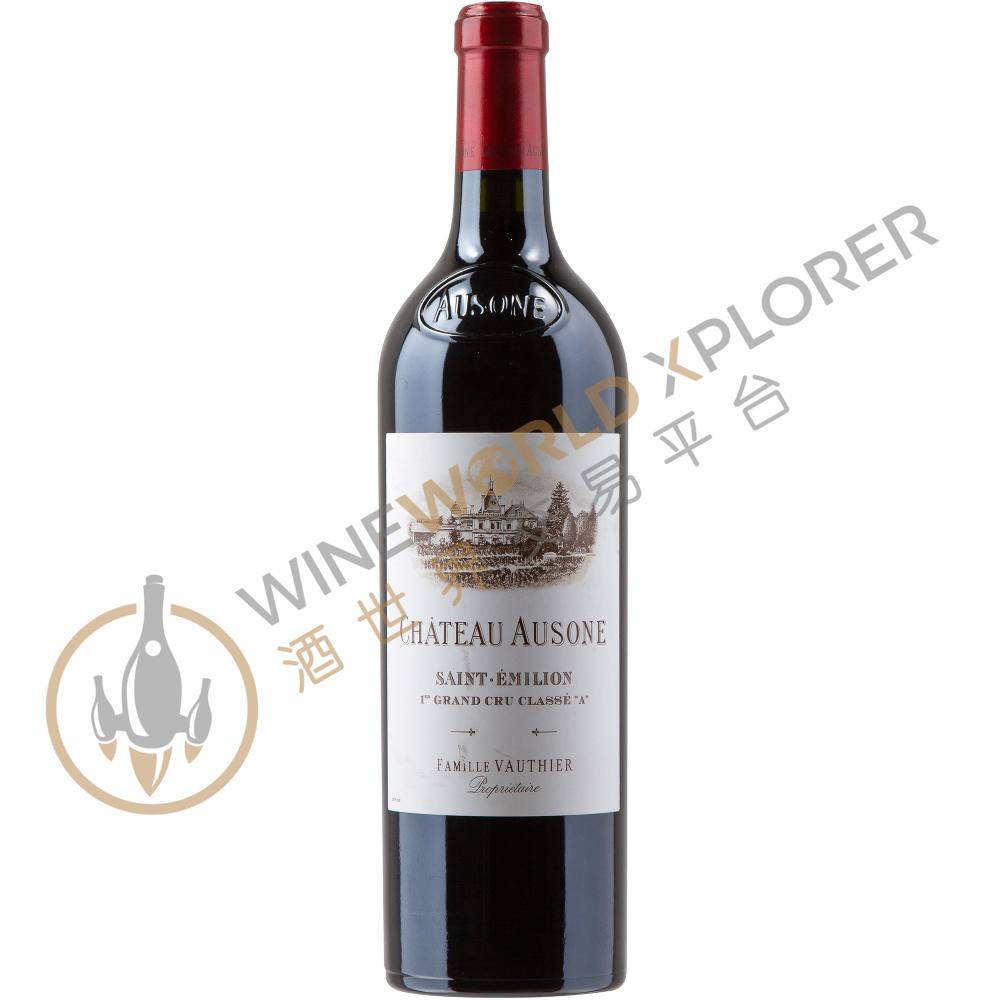
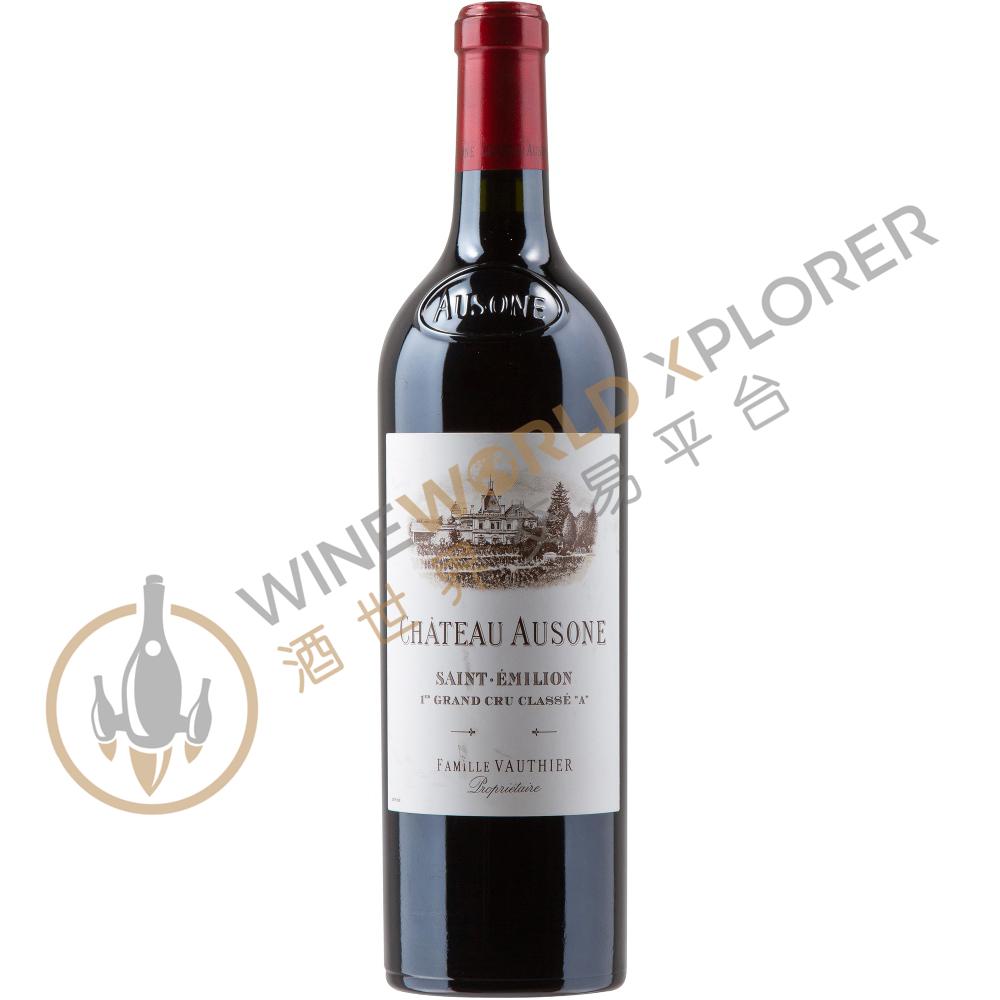
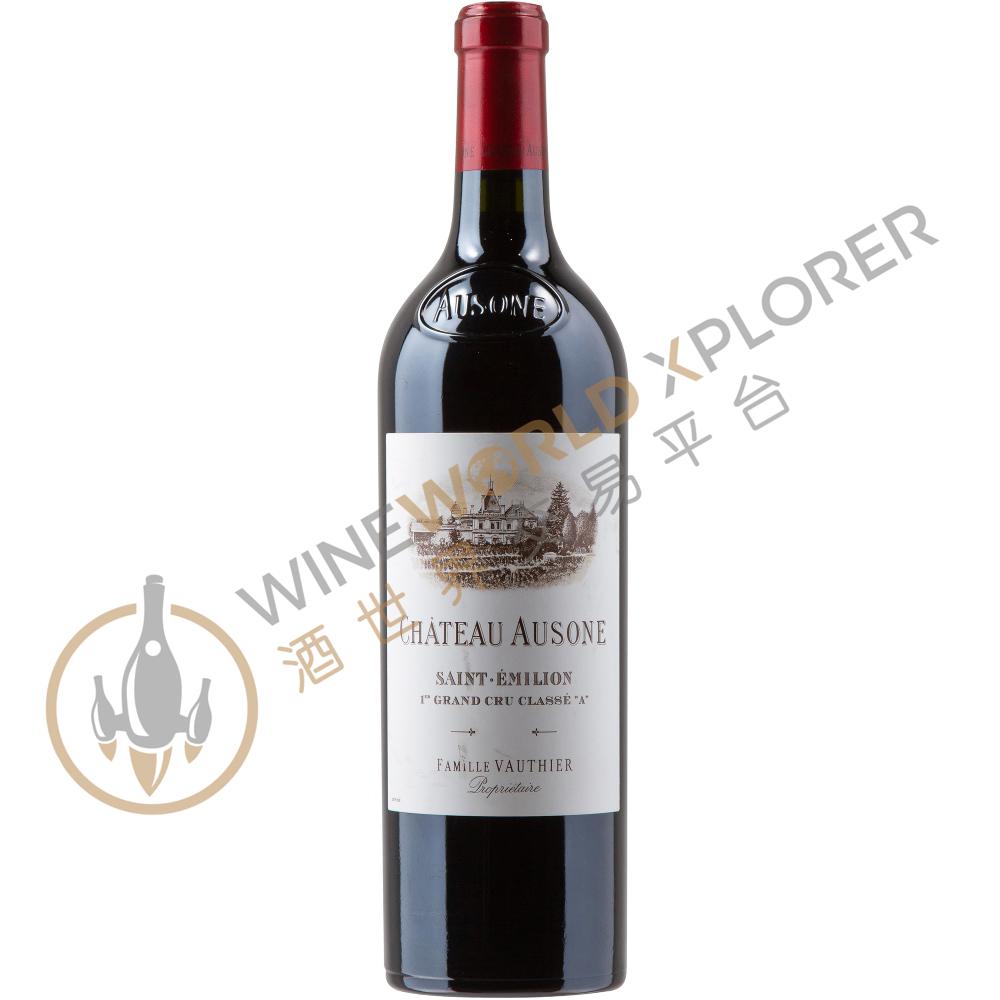
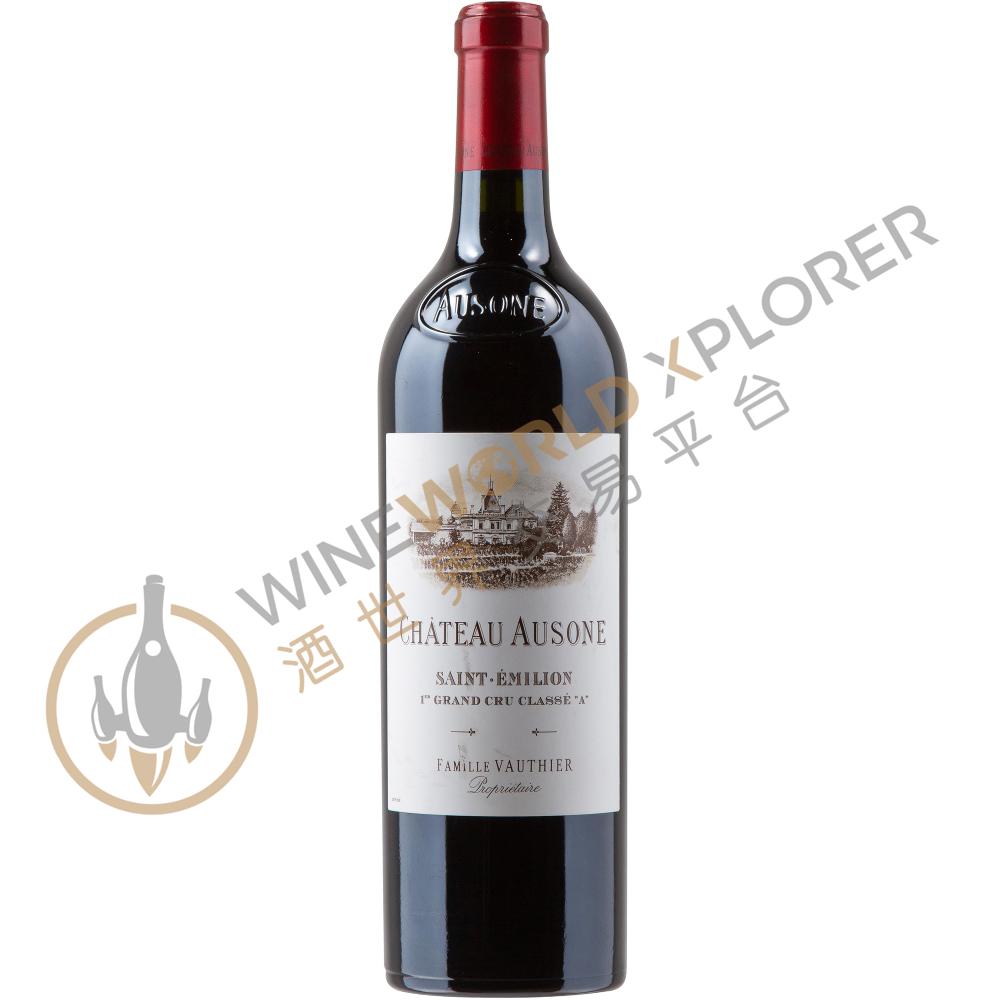
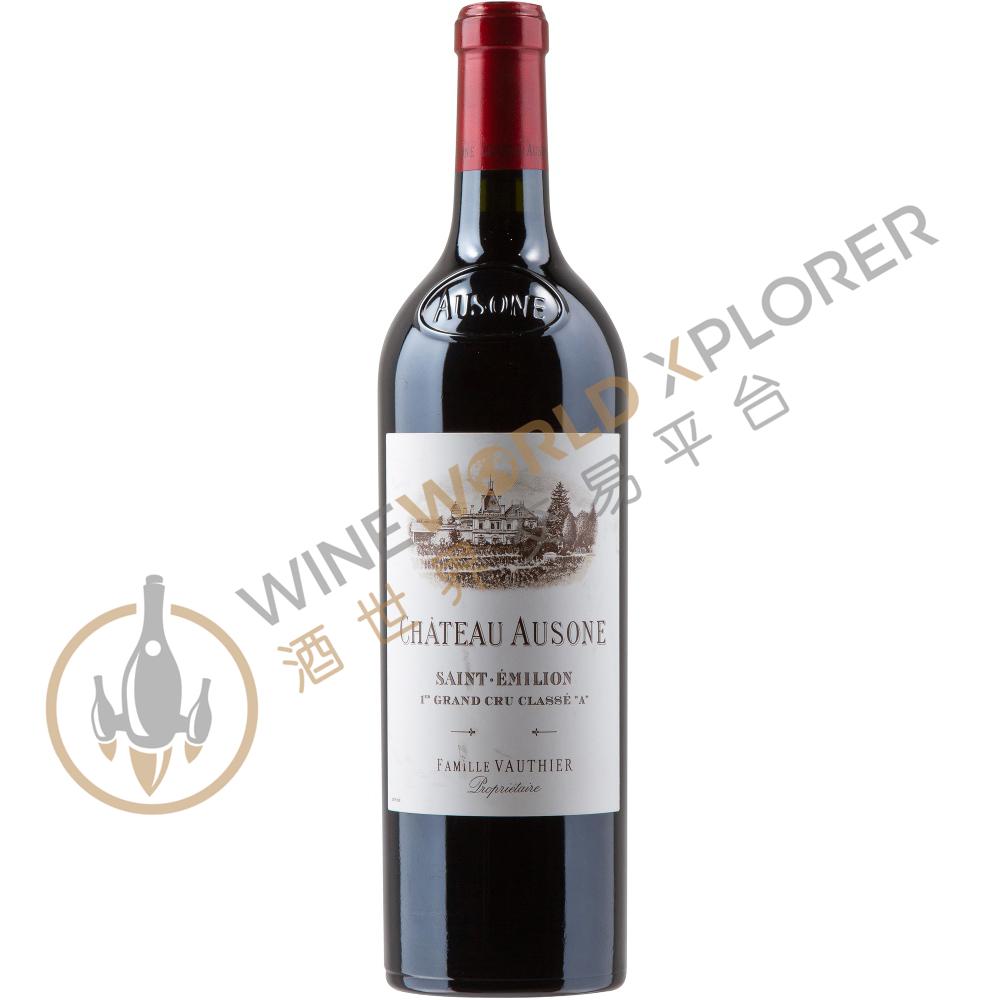
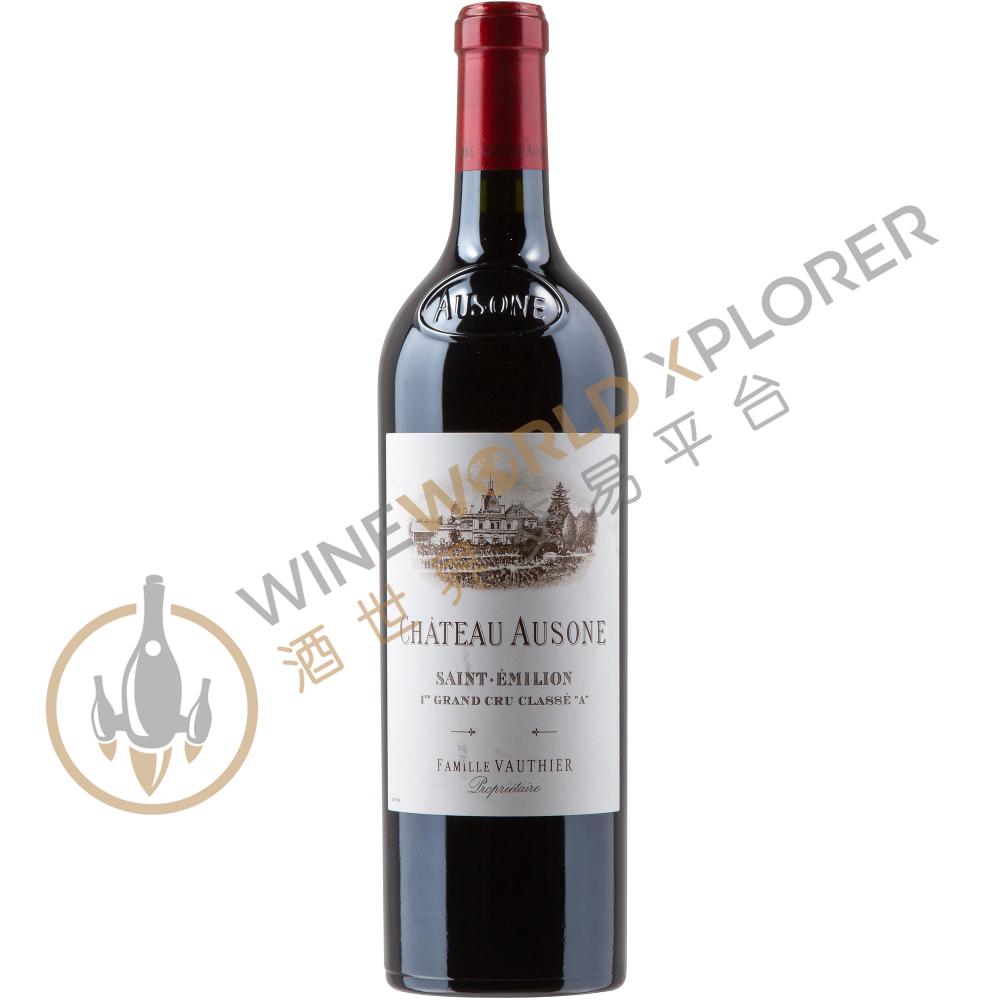
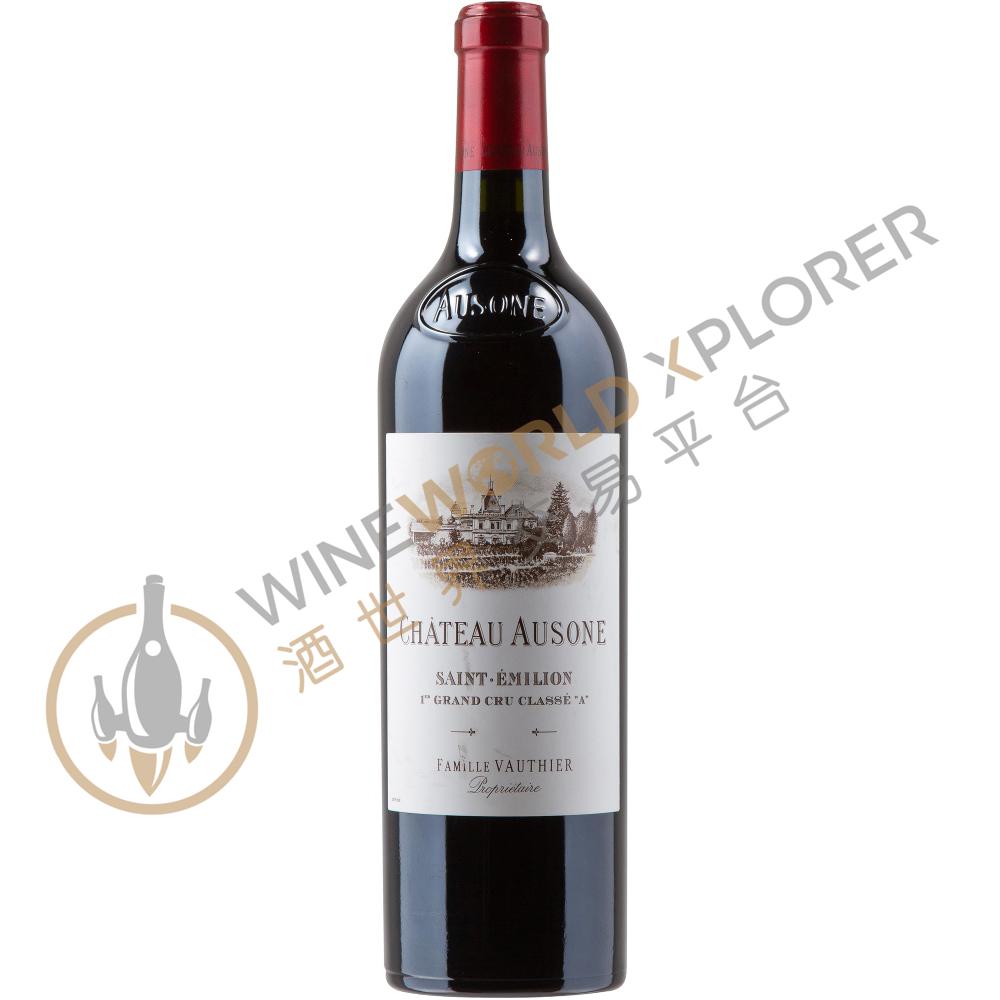
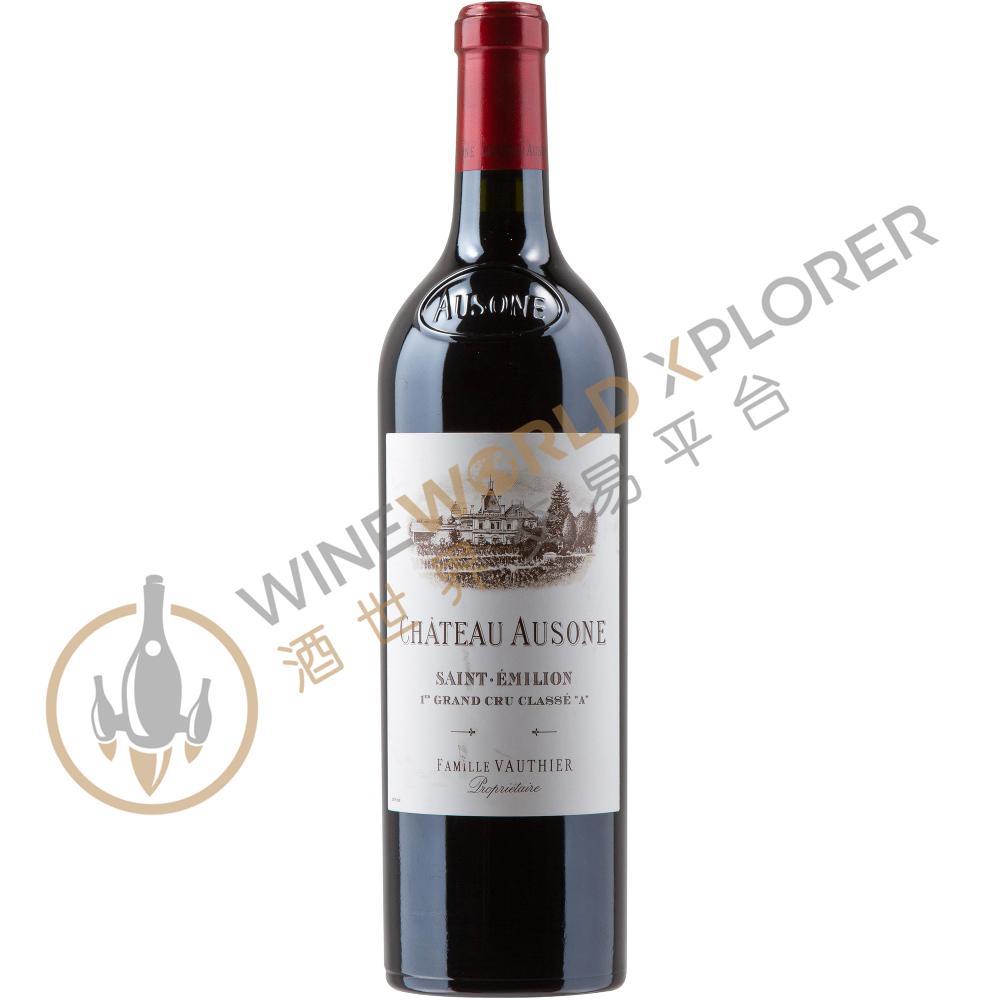
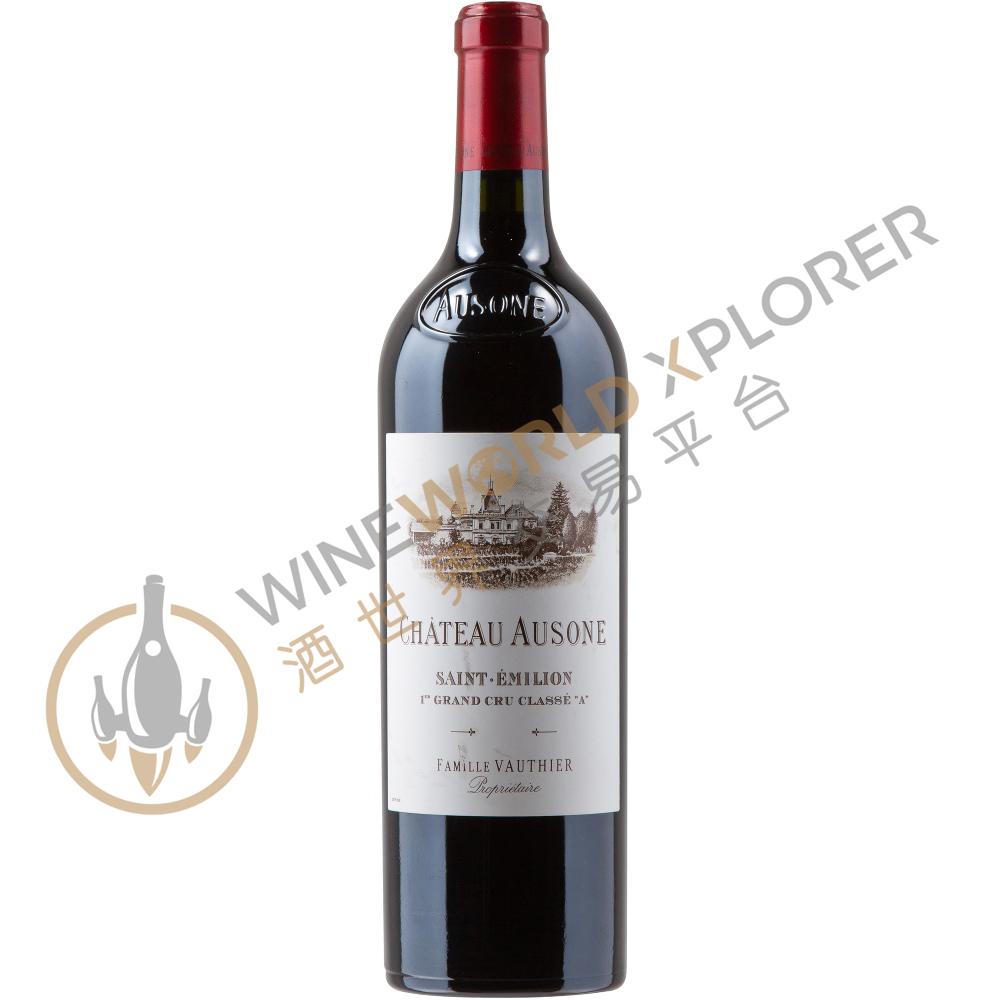
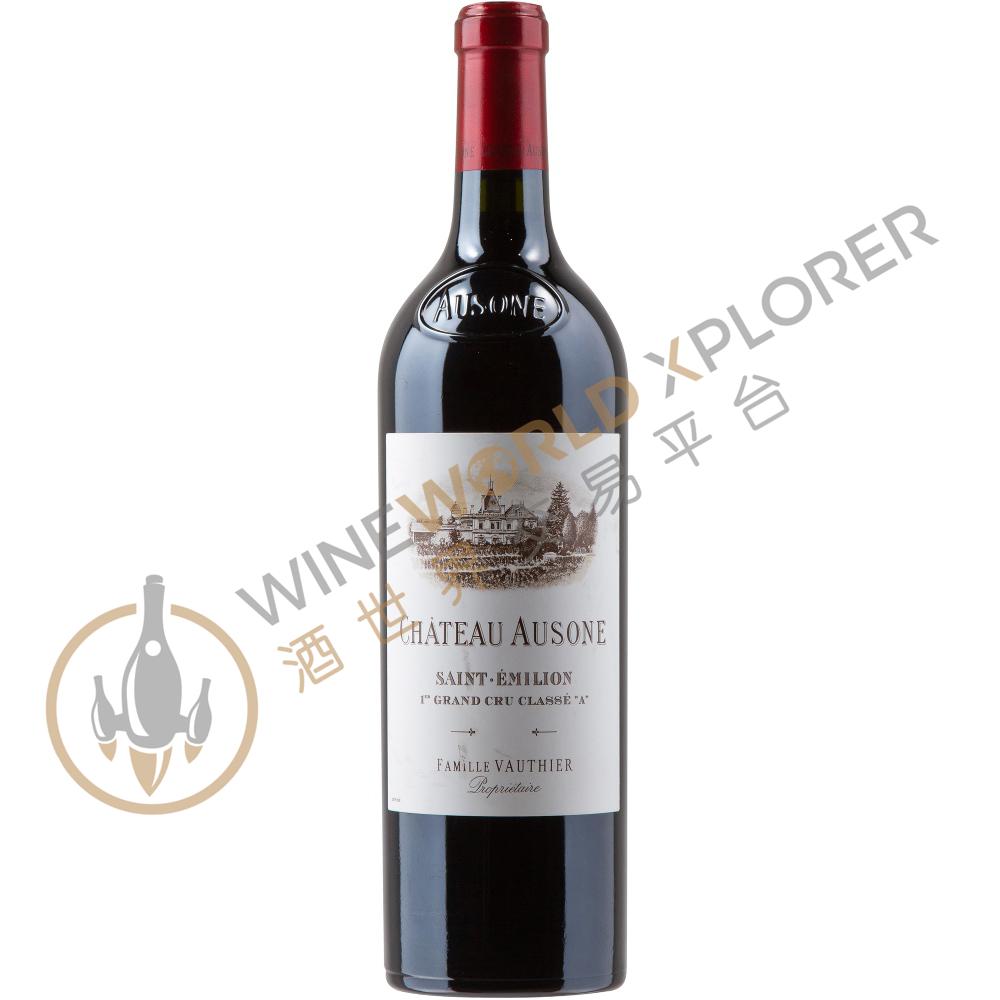
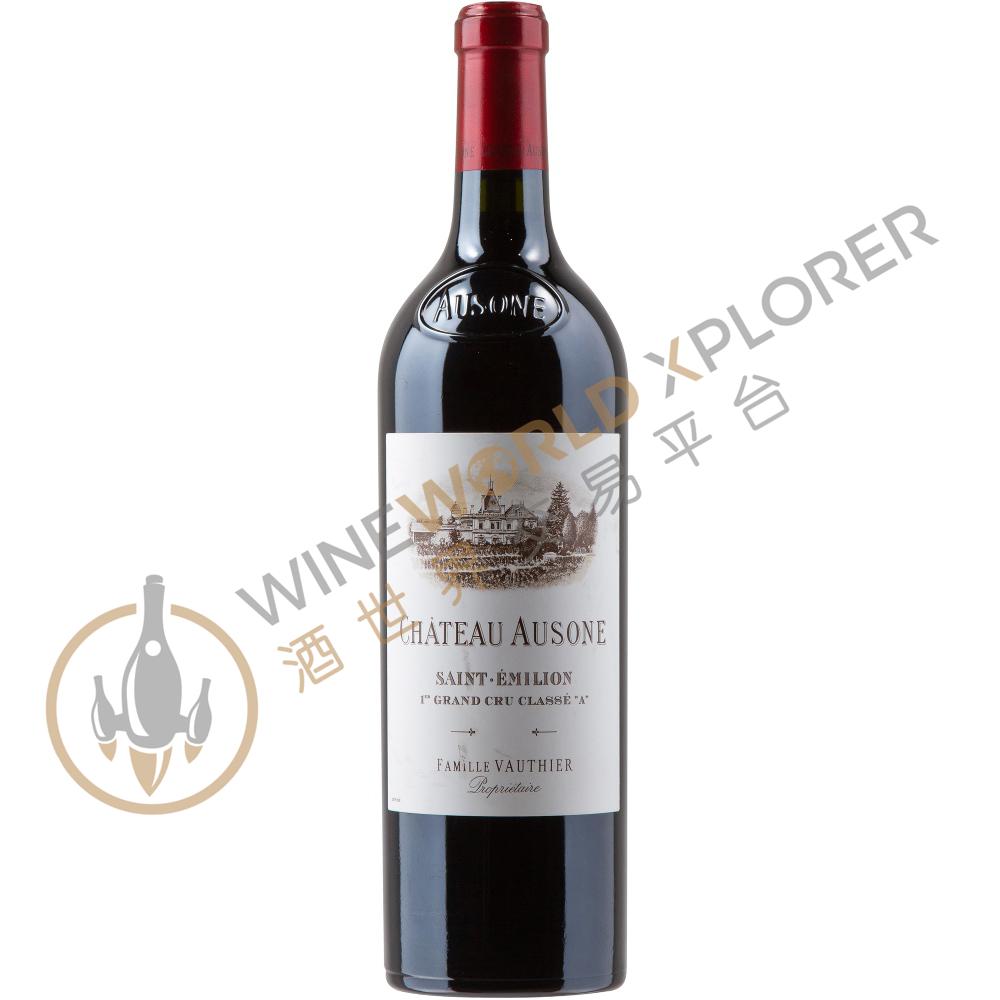
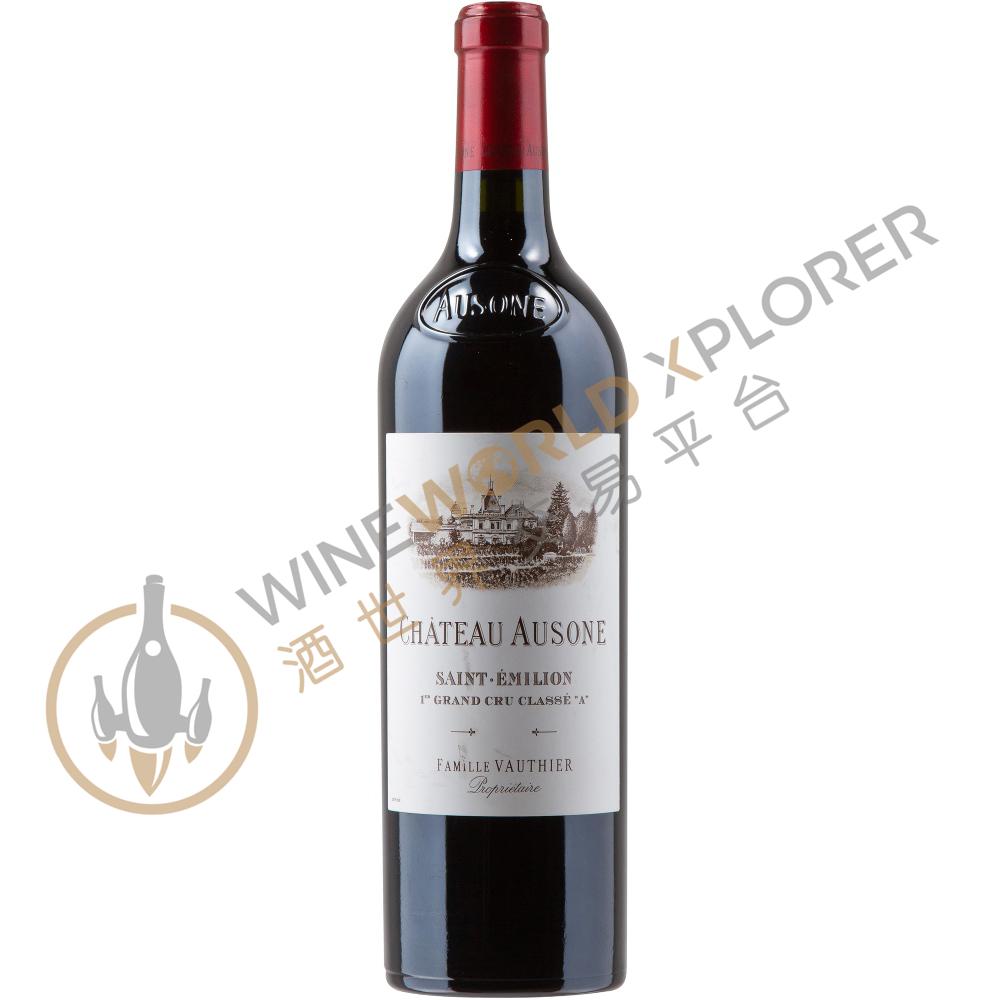
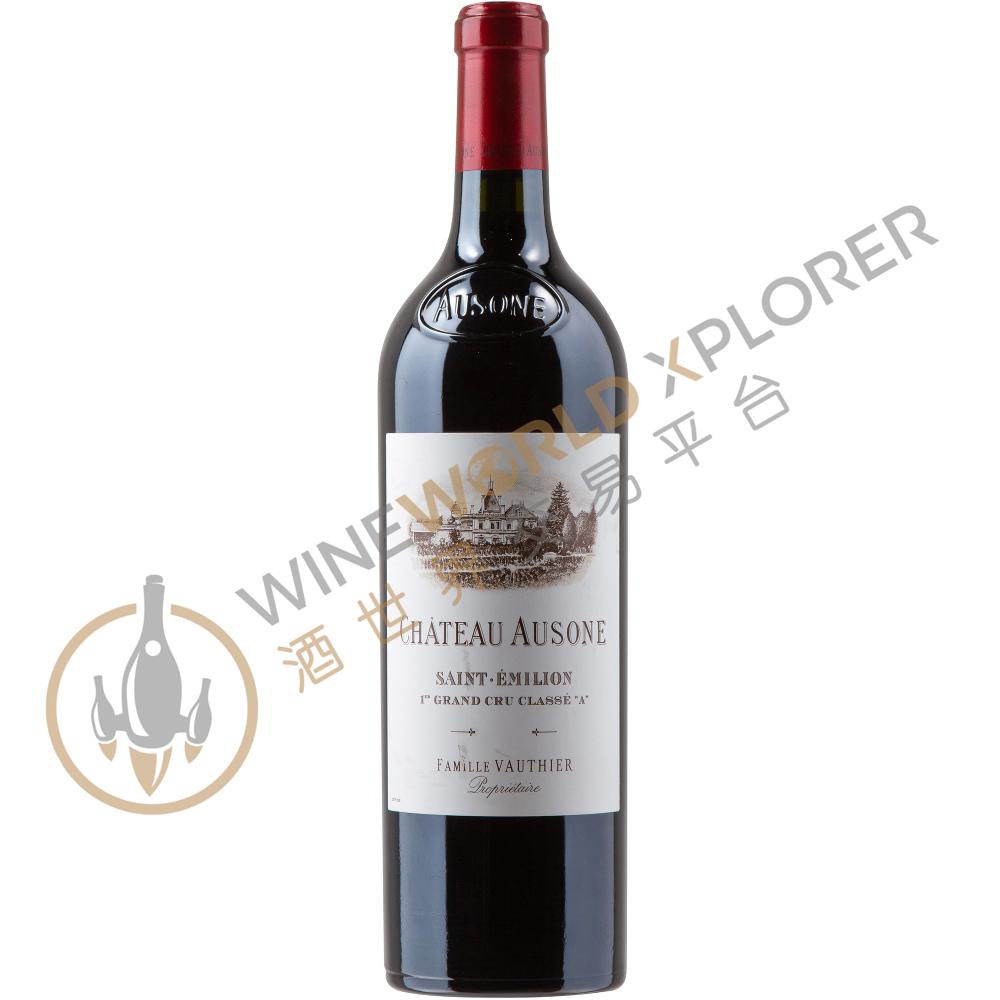
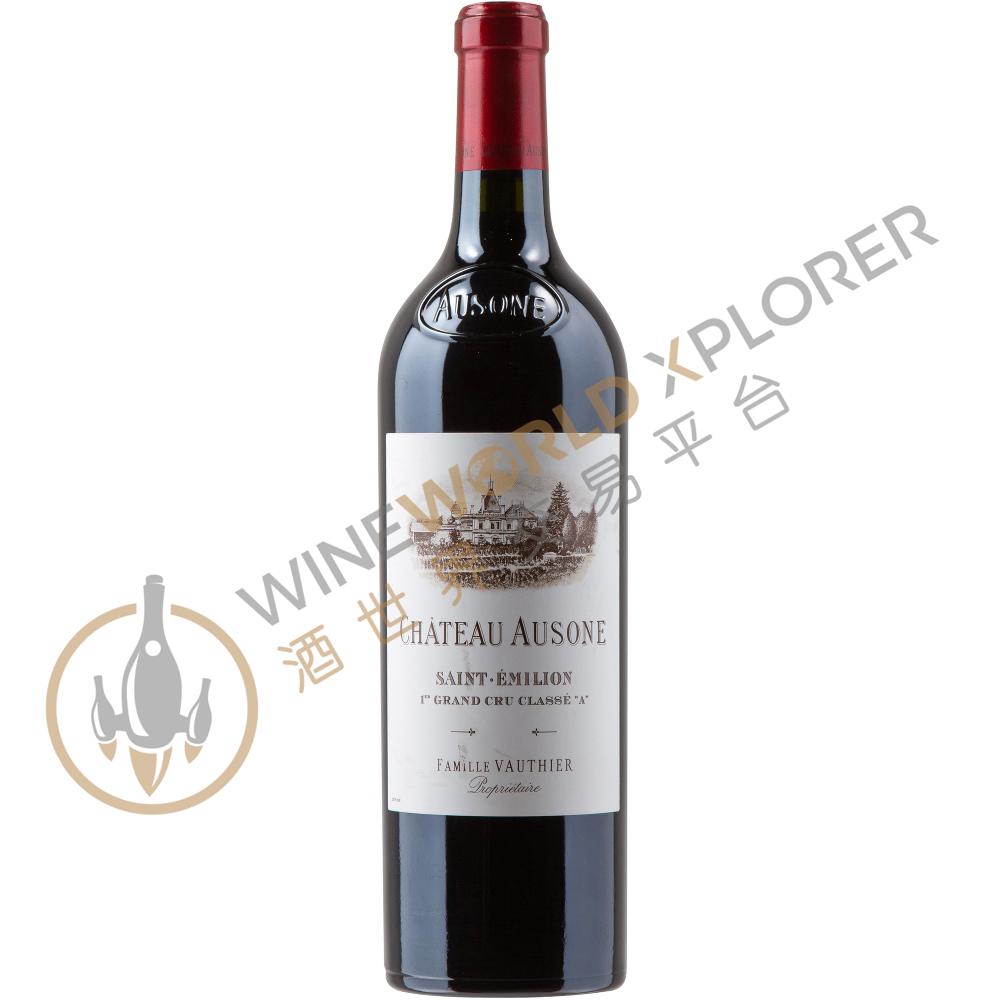
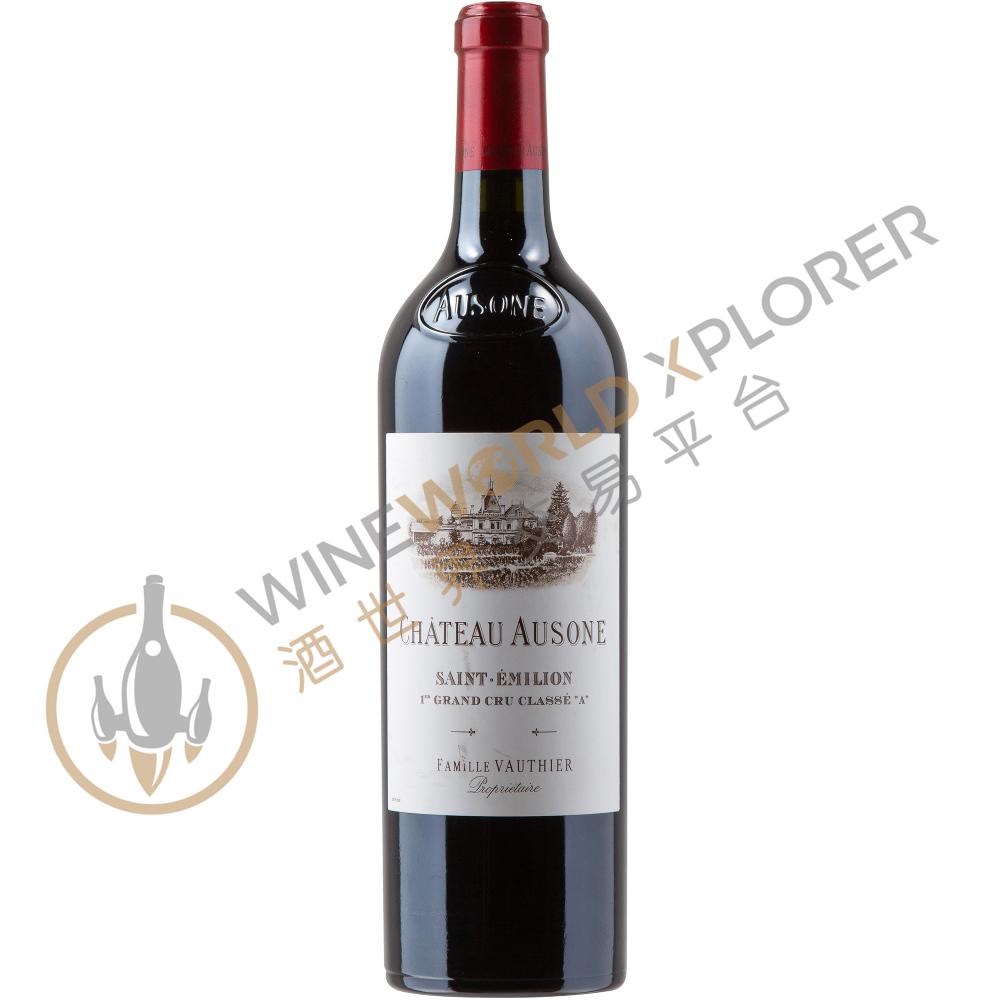
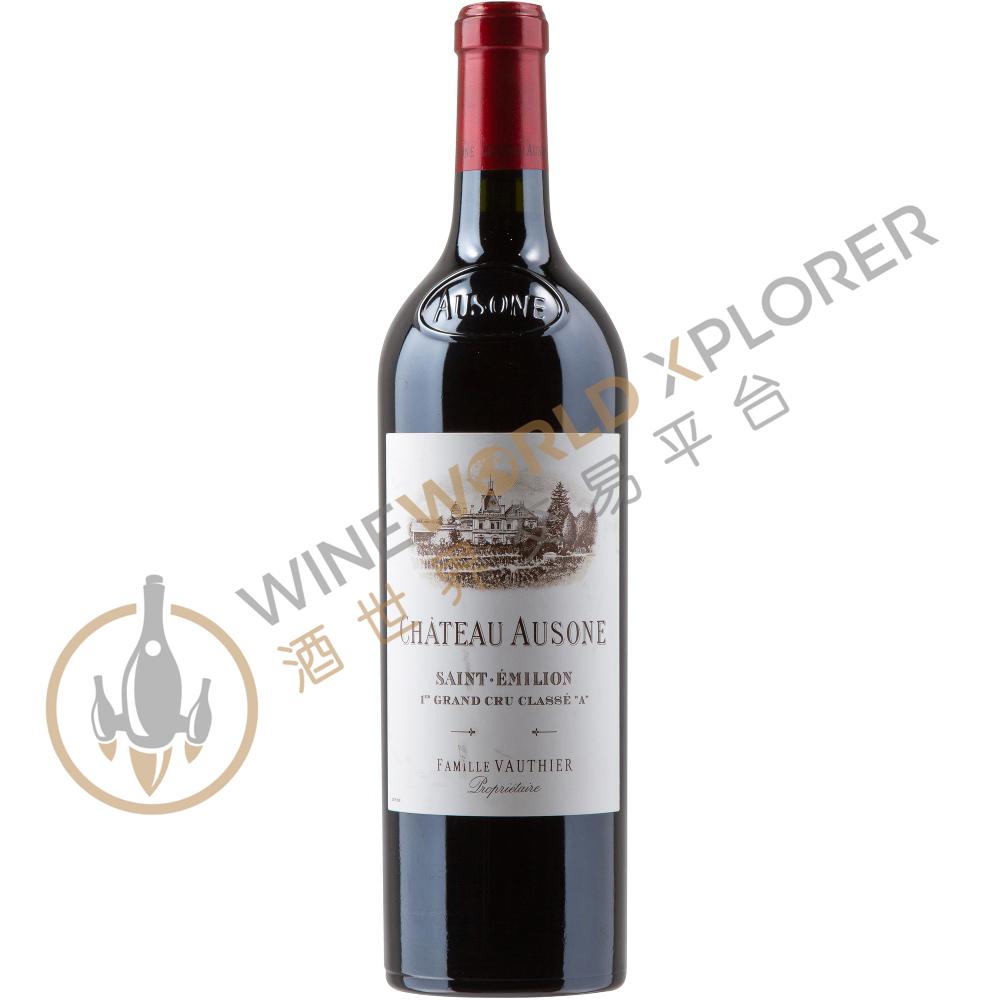
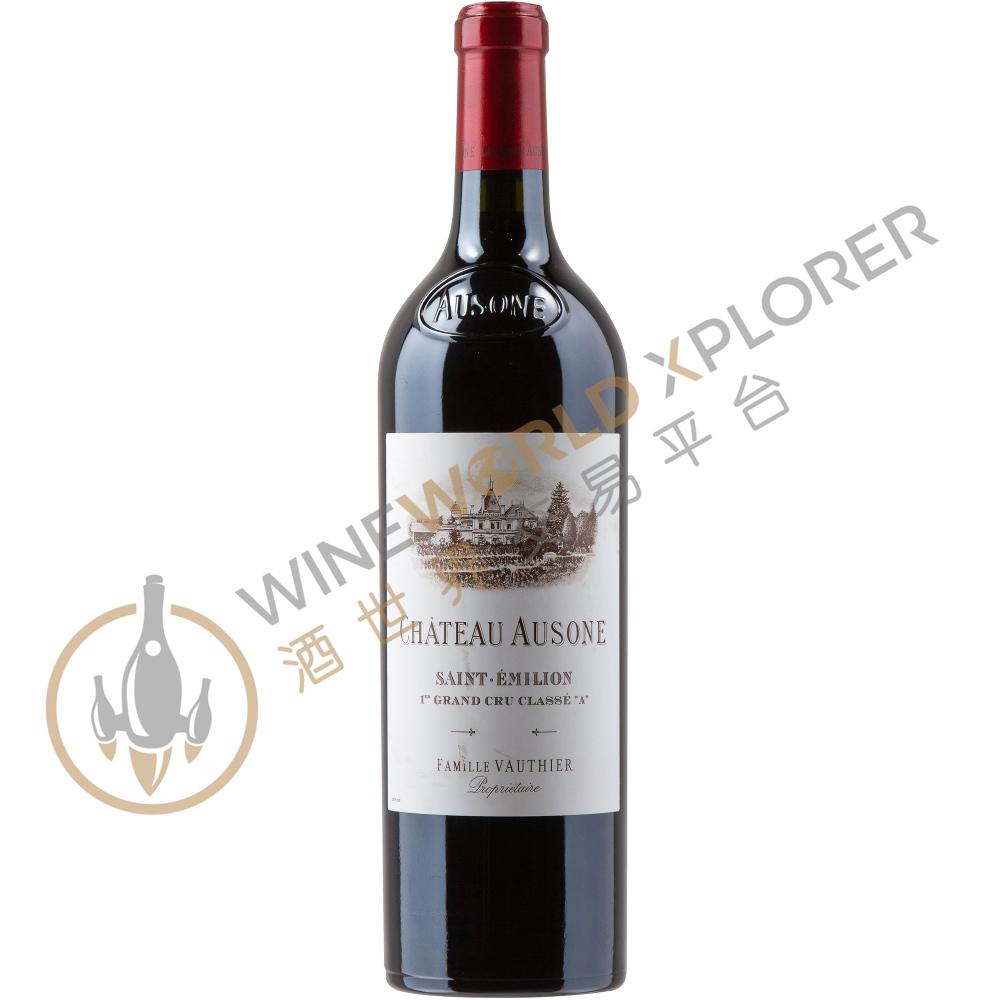
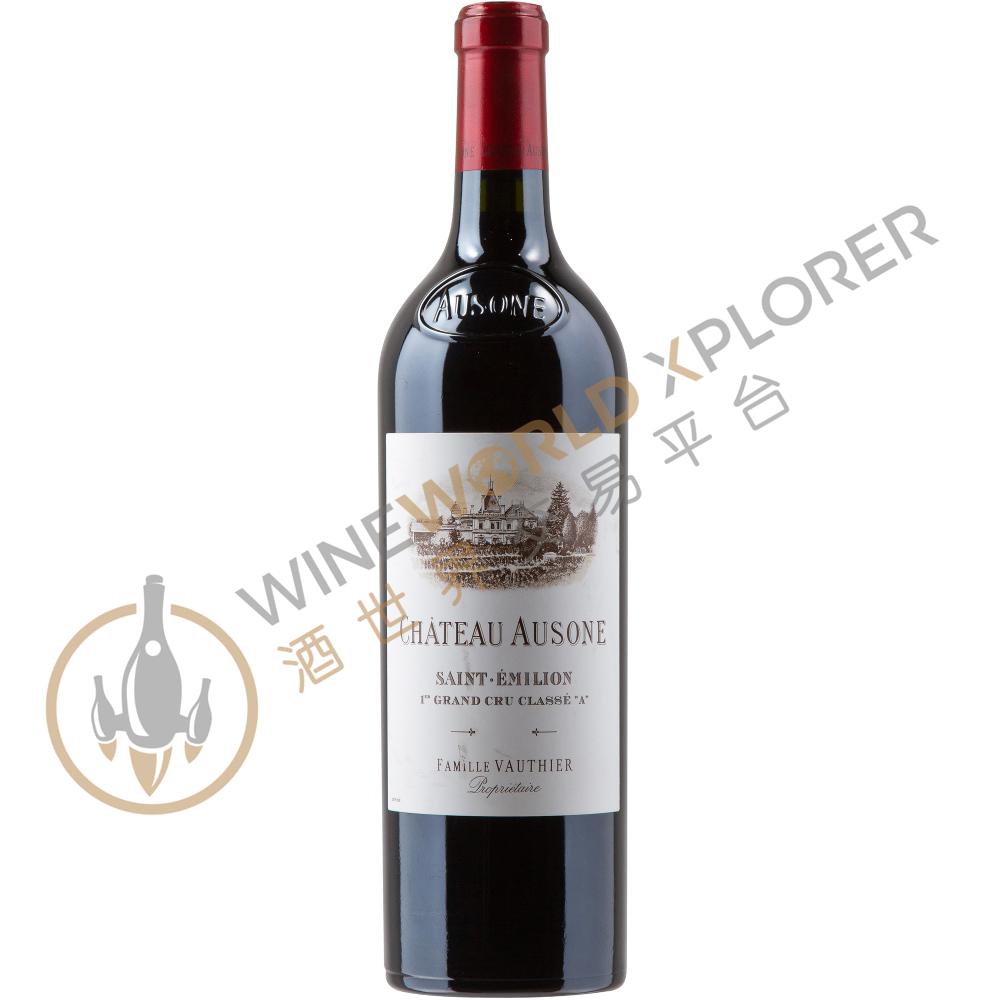
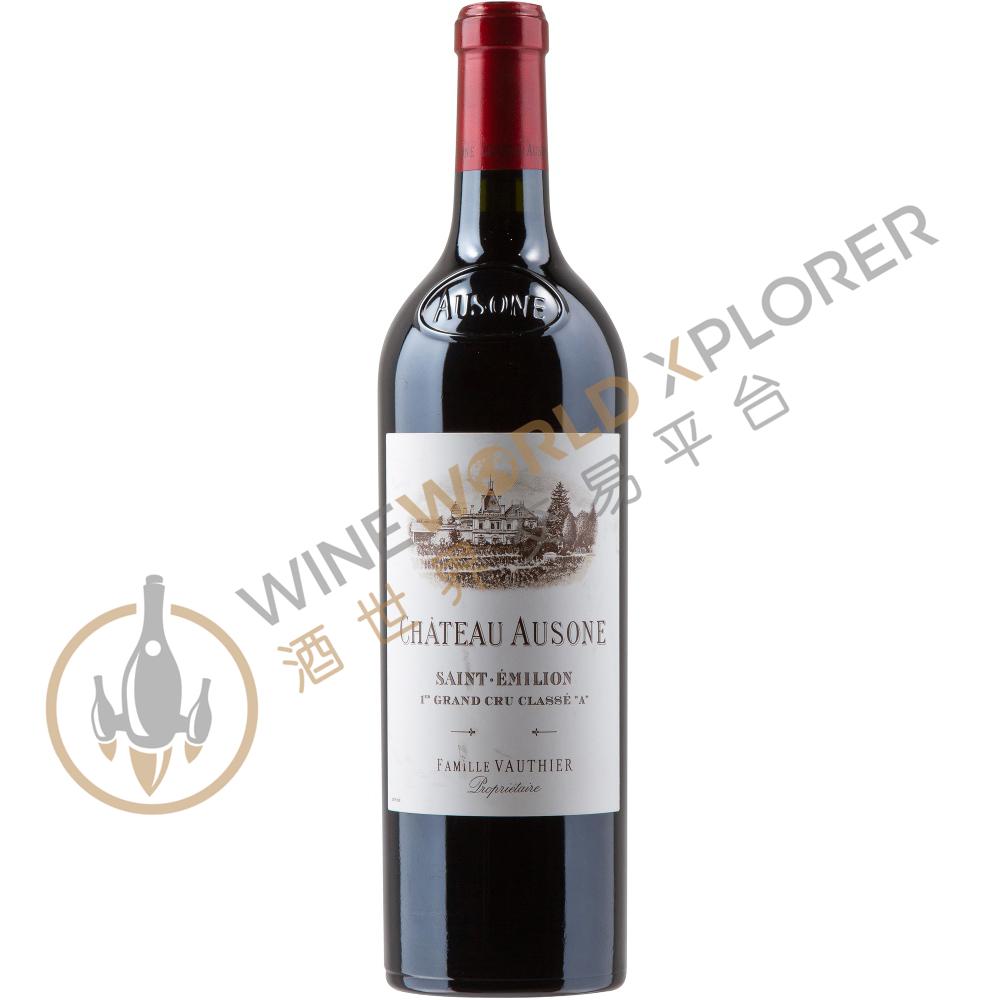
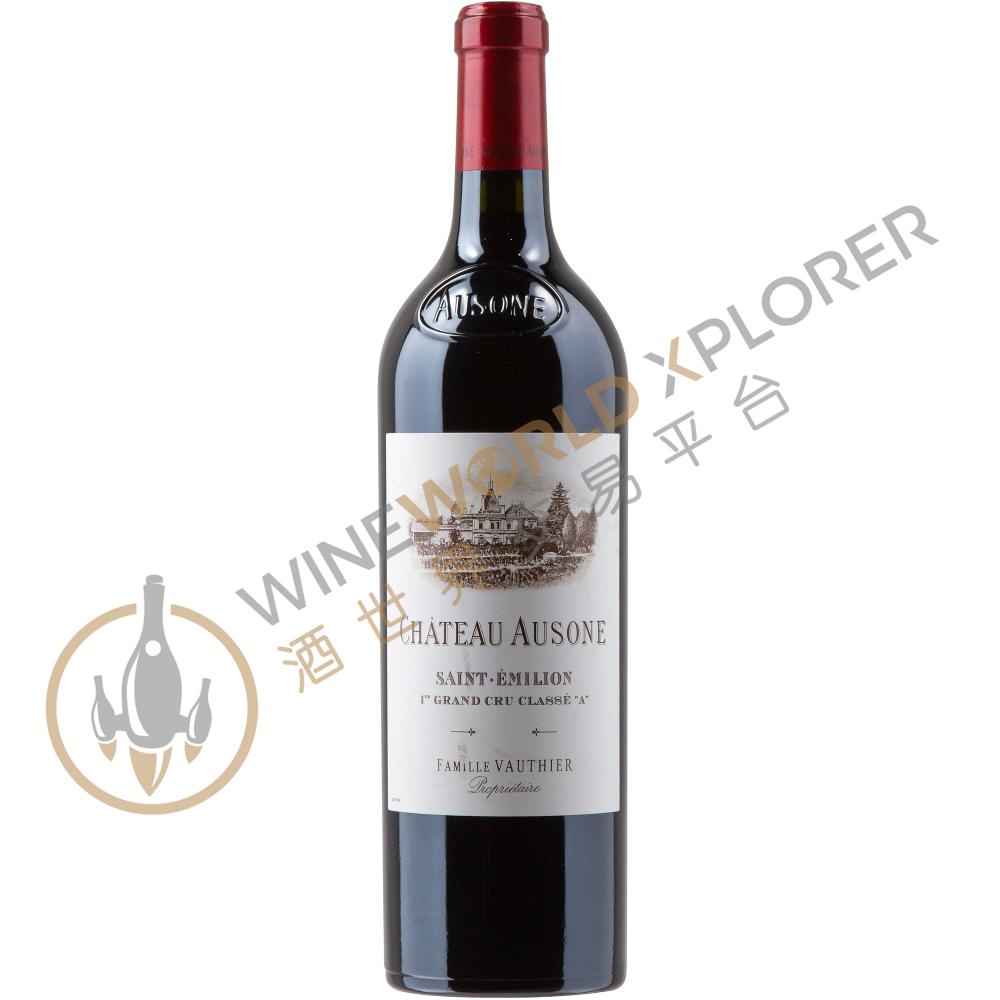
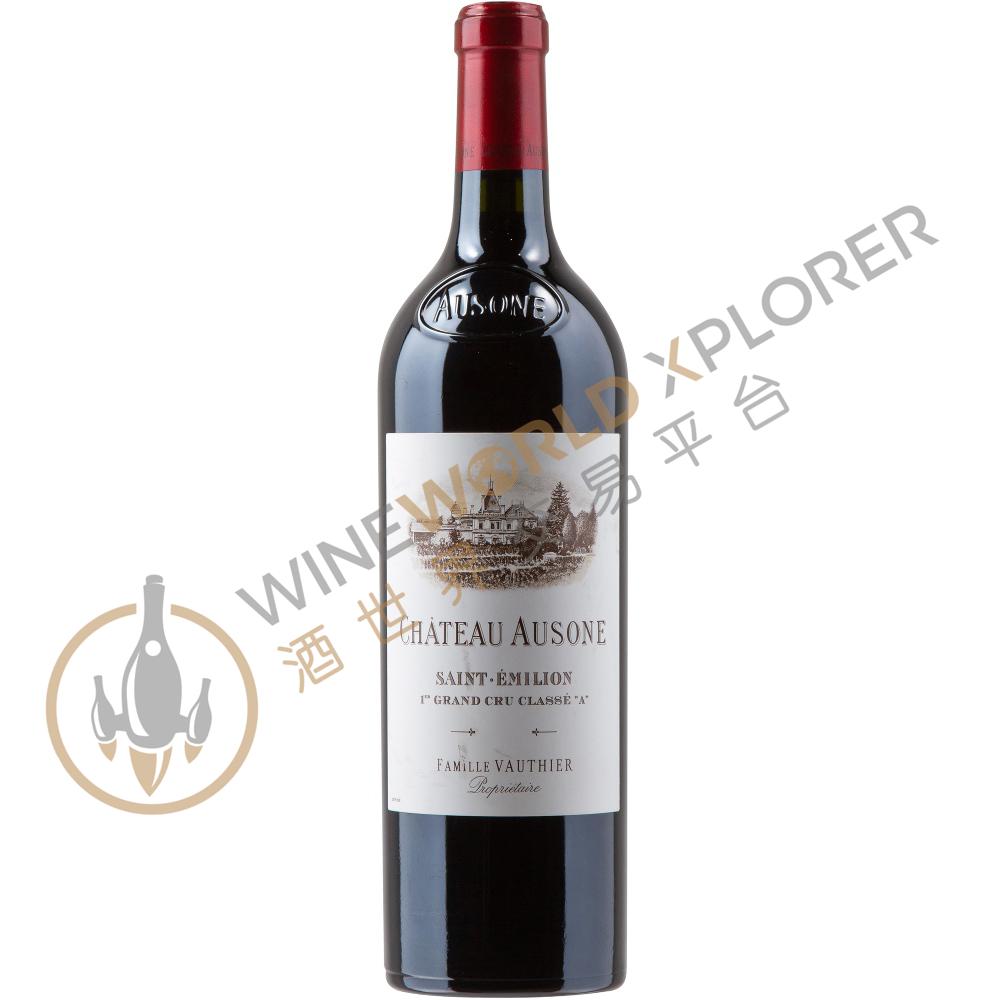
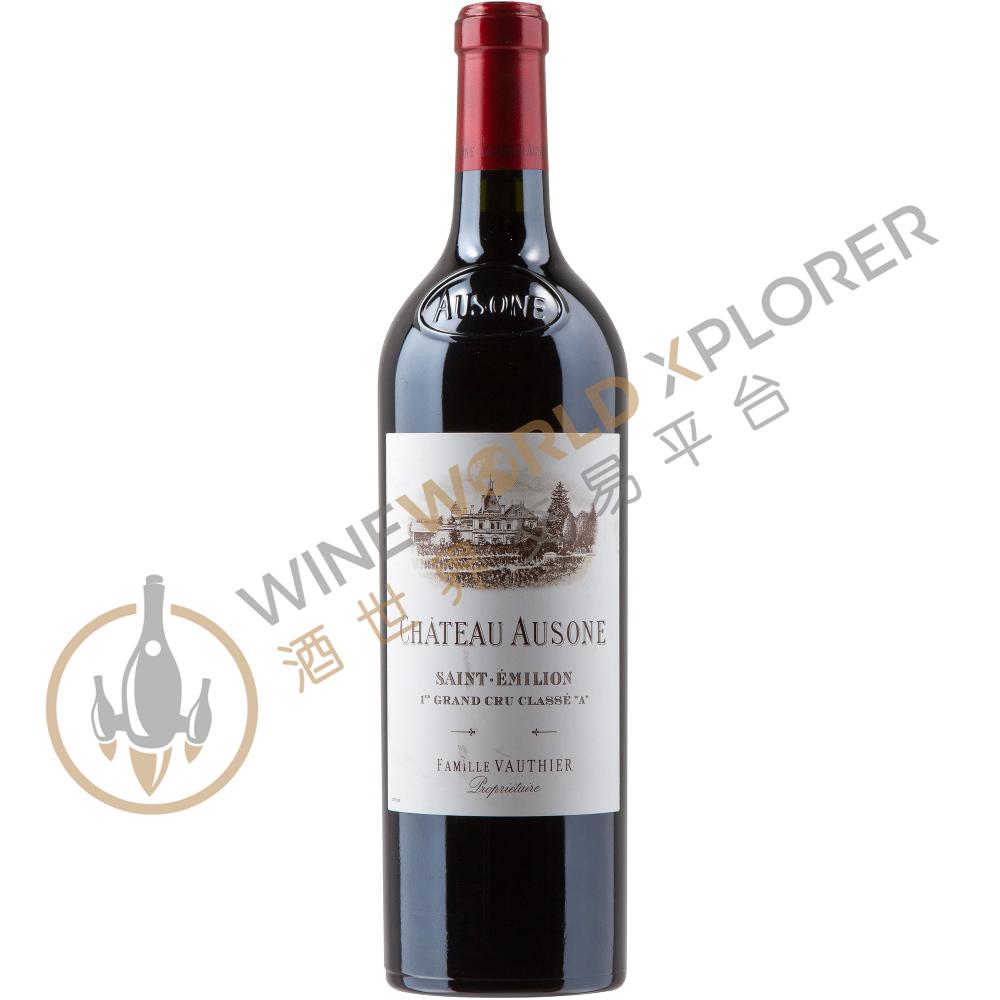
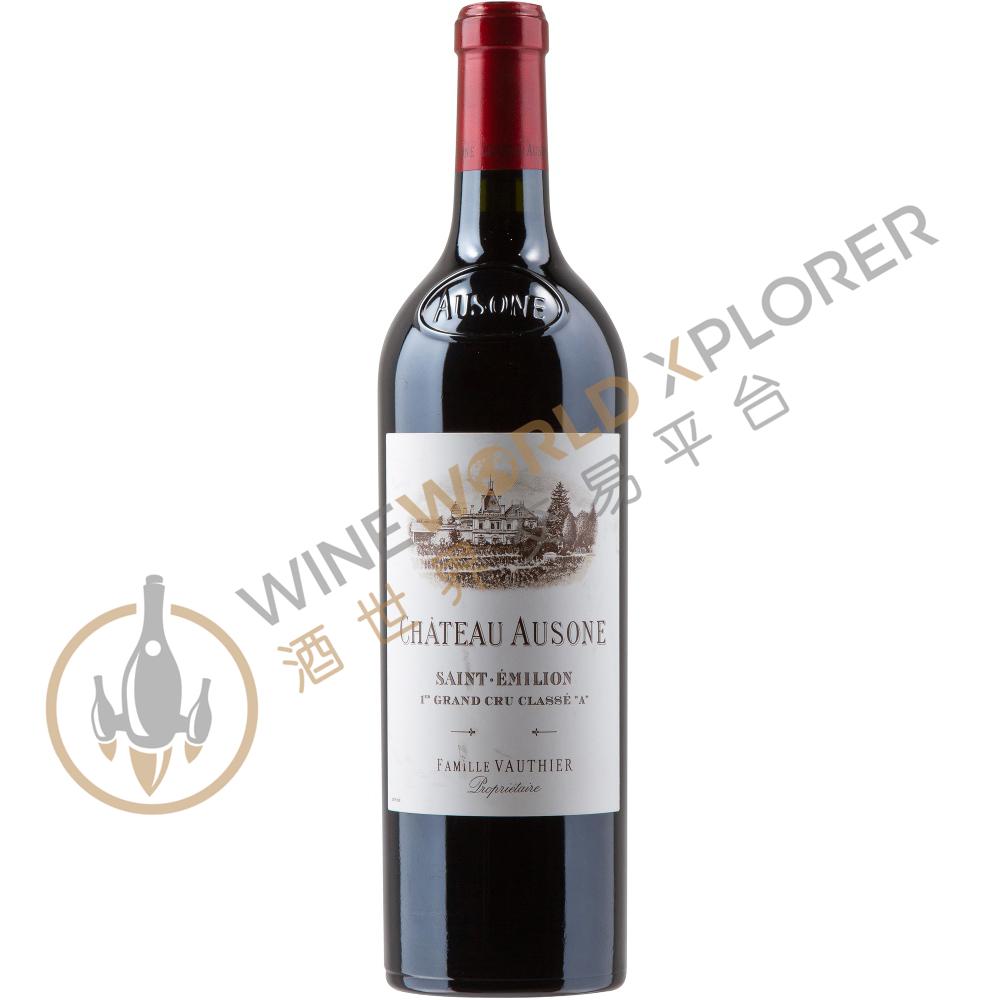
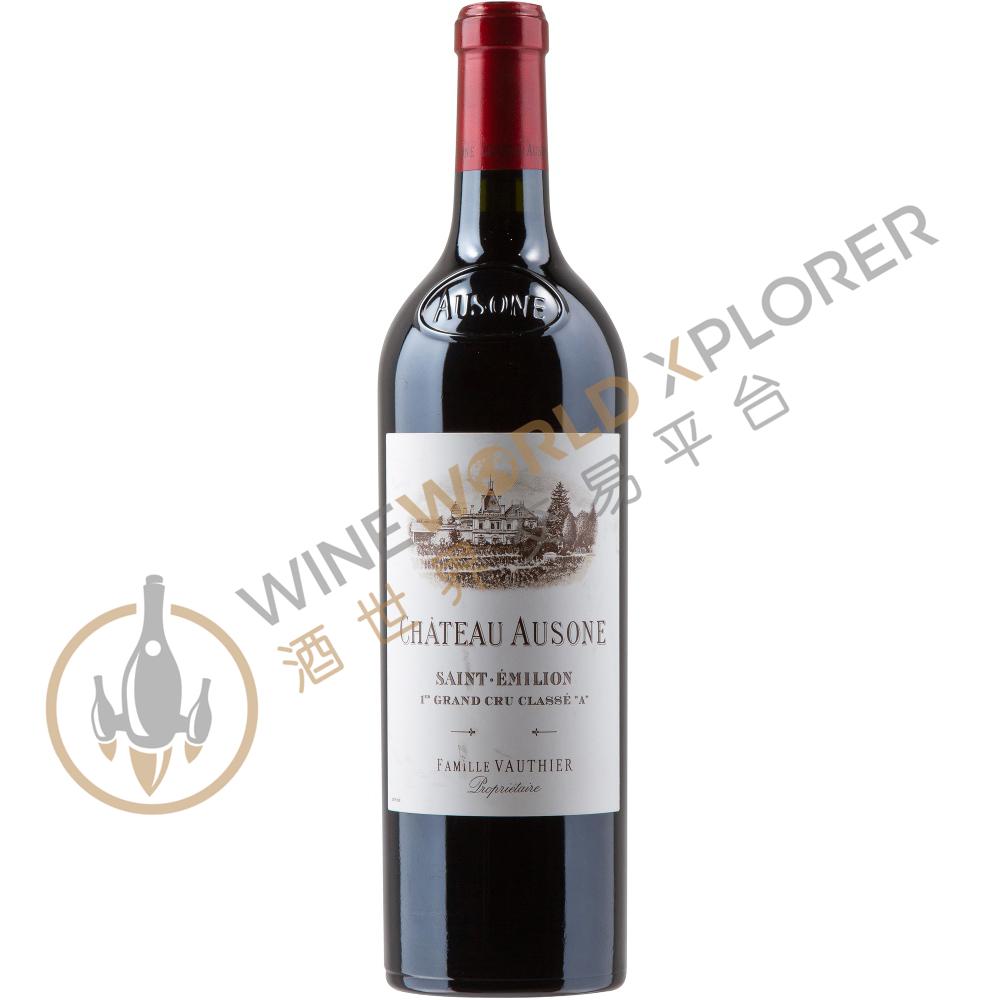
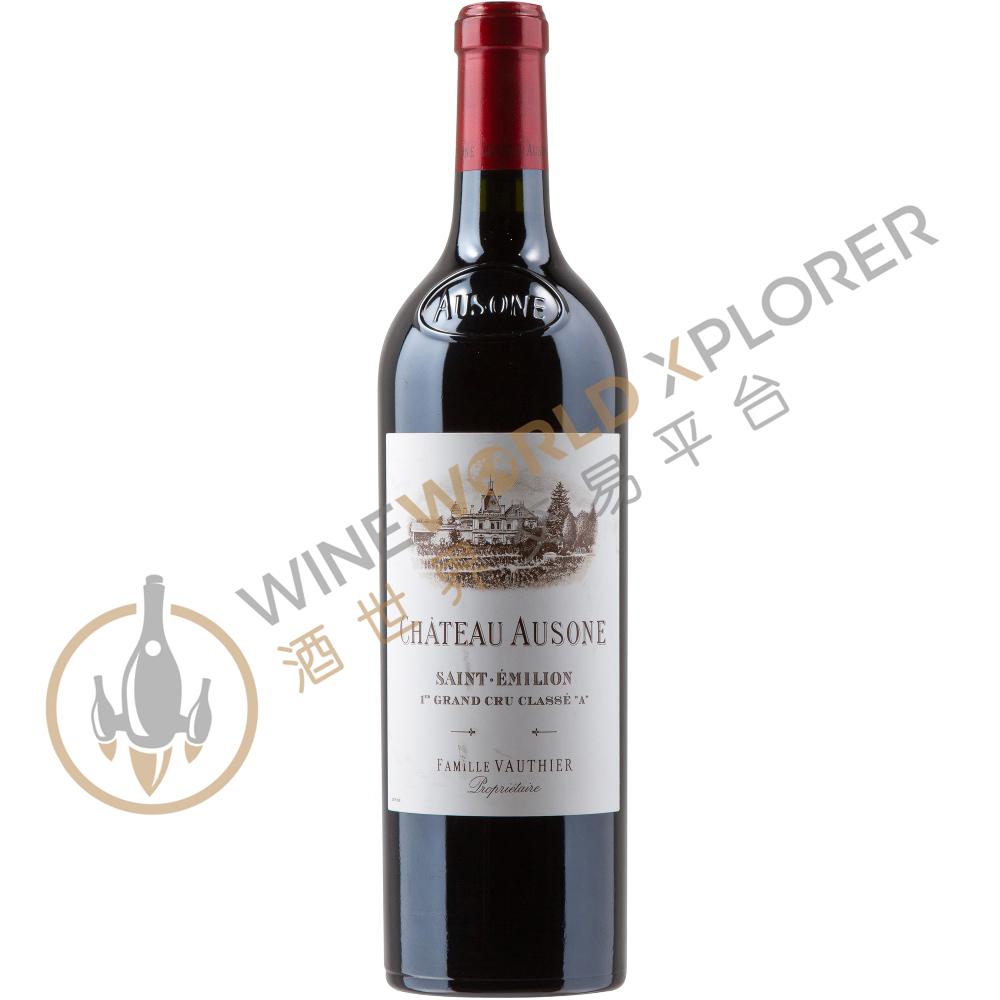
Ausone 2011
 View analysis


Description
Tasting notes

Reviewed by: Robert M. Parker, Jr.
Its bigger sibling, the 2011 Ausone increases the level of intensity, elegance, complexity, richness and length. Nearly a mirror image of the La Chapelle, just with more going on, the Ausone boasts a more saturated purple color, and the wine has everything in large, intense proportions. The finesse and delicacy of all its components are what make it such a remarkable wine. The quality of the tannins and purity of the fruit make this another legendary effort that should age for 30-40 years.
Reviewed by: Neal Martin
The Grand Vin is a blend of 55% Cabernet Franc and 45% Merlot, cropped at 29hl/ha. It has a comparatively luscious bouquet for the vintage with layers of ripe dark cherry and cassis fruit on the nose that are cloaked in vanillary new oak. It possesses an almost Burgundy-like purity. The palate is medium-bodied with velvety tannins, perfect balance and wonderful composure. The acidity is nigh on perfect, the focus and delineation beguiling. There is no explosion on the finish, just unbridled finesse. Outstanding. Tasted April 2012.
Reviewed by: Robert M. Parker, Jr.
Not surprisingly, Alain Vauthier’s 2011 Ausone is one of the greatest wines he has produced. I know this sounds impossible, but it is the reason why I spend so much time tasting and reflecting on what is in front of me. The 2011 could turn out to be better than his 2009 – sacre bleu! Probably the wine of the vintage, the 2011 exhibits a murky, inky, blue/purple color as well as an extraordinary nose of creme de cassis, plum sauce, crushed rocks (primarily chalk), acacia flowers and hints of graphite, truffles and damp forest floor. The riveting aromatics are followed by a wine that does not let the taster down in the mouth. Full-bodied with extraordinary purity, oozing richness and well-integrated velvety tannins, acidity, oak and alcohol, this is another superb achievement by Vauthier from this phenomenal site on the decomposed limestone hillsides of St.-Emilion. Possibly the longest-lived wine of the vintage, it should evolve for 30-40 years. Since few of us can afford Ausone (or even find it, assuming we have the discretionary income necessary to purchase it), readers should seek out the second wine, which usually represents one-third of the entire production.
Reviewed by: Ian d'Agata
Good bright, fully saturated ruby. Brooding, complex nose features raspberry, minerals, violet, cocoa, white pepper and sweet spices: very cabernet franc (55% of the blend). Then deep and complex on the palate too, with a wonderfully fine-grained texture given lift and razor-sharp definition by bright acidity and a white pepper nuance. Though the tannins are just a bit harder than usual for Ausone (a dead giveaway it's the 2011 vintage being tasted), this wine offers a sensational combination of density and finely delineated fruit. Finishes extremely long, with building tannins and outstanding finesse.
Reviewed by: Ian d'Agata
(55% cabernet franc and 45% merlot; 29 h/h; 100% new oak): Fully saturated purple-ruby. Intense, rich aromas of cassis, ripe blackberry and violet, with a whiff of aromatic oak. Creamy, dense and full on entry, then tannic and oaky, with a peppery chocolate character complementing ripe cassis fruit. Finishes very long, but with slightly tough tannins today.
Reviewed by: Neal Martin
The 2011 Ausone is ripe and perfumed, quite floral in style, touches of cassis and violet coming through with time. It is just missing a little charm compared to its peers. The palate is plush and rounded in the mouth, quite a sensual wine with piquant red fruit, white pepper and clove, although the finish is just missing a little complexity and personality at the moment. A fine Ausone, though I would be inclined to drink this over the next decade. Tasted blind at the annual 10-Year-On tasting.
Reviewed by: Neal Martin
The 2011 Ausone mirrored my sentiments from barrel. It feels lush and generous on the nose, practically ignoring the modest growing season, with raspberry and blueberry fruit, crushed violet and hints of cracked black pepper. It seems to ratchet up through the gears with continued aeration. The palate is medium-bodied with firm tannin cloaked in layers of plush black fruit. It feels composed and focused although it does not quite deliver the persistence of the 2012. Of course, this is still very young but I suspect that it will not be the longest lived of recent vintages, preferring to give drinking pleasure over the next 12 to 15 years before leveling off. Tasted at a private dinner in Bordeaux.
About the Producer
Located in the Saint-Emilion appellation on the right bank of Bordeaux, France, Chateau Ausone is one of only four Saint-Emilion Premier Grand Cru Classe A estates in the appellation and one of the eight most prestigious estates in Bordeaux. The 7.25 hectares of vineyards at Château d'Orson are oriented to the east or south-east, allowing the vineyards to enjoy the full sun and to be protected from the north-west winds. The vineyard's proximity to the Dordogne, which is regulated by the river, provides an ideal microclimate for the grapes to grow, and the fact that the vineyard was not seriously affected by the severe frosts of 1892 and 1956 is testament to the terroir. While Merlot is the dominant wine in the Saint-Emilion appellation, Cabernet Franc is the preferred wine at Château d'Ausone, with Cabernet Franc planted in the vineyard, supplemented by some Merlot and a very small amount of Cabernet Sauvignon, which is used only for the secondary wines (Chapelle d'Ausone, Saint-Emilion). 'Ausone, Saint-Emilion Grand Cru, France). The average age of these vines is 52 years, with the oldest vines, planted in the early 20th century, being up to 100 years old and planted at a density of 6,500-12,000 vines per hectare. The soils are predominantly calcareous clay and limestone, which is the main reason for the minerality of the red wines of Château Ausone, Saint-Emilion Grand Cru Classe, France. The organic and biodynamic approach to vineyard management and winemaking at Château Ausone is a commitment to producing wines that express the full character of the terroir. In the vineyards, the staff takes care of the vines, planting fruit trees and aromatic plants, allowing insects, birds and even bats to come and go, in order to release the vitality of the soil and promote the harmony of the entire vineyard ecosystem. During the harvest, the grapes are very carefully selected and only healthy grapes of optimum ripeness are used to make the wine. During the winemaking process, the treated grapes are first subjected to Cold Maceration to extract the pigments and flavours from the skins. Next, alcoholic fermentation takes place in large traditional oak barrels, followed by Malolactic Fermentation in small French oak barrels. After this, the estate's main wines are aged in 100% new oak barrels for up to 24 months, adjusted to the characteristics of the vintage. The wines are aged in the estate's natural limestone cellars, where the humidity and temperature are stable and provide excellent conditions for the wines to age. The wines of Château d'Orson have always been known as "the poet's wine", with a deep colour, very pure aromas of dark fruit, liquorice, flowers and crushed stone, full-bodied but not too heavy, and with great potential for ageing. Robert Parker once said: "If patience is not your virtue, there is no point in buying a bottle of Ouzo". The quality of Château Ouzon's wines has been consistent, with the best vintages including 2018, 2017, 2016, 2015, 2014, 2012, 2010, 2009, 2008, 2006, 2005, 2004, 2003, 2001, 2000 and 1998, to name but a few. In addition, the estate's secondary wine was born in 1995 from a selection of Cabernet Franc, Merlot and Cabernet Sauvignon from the young vines of the estate. Thanks to the limestone soils of the estate, this wine is rich in mineral flavours, with aromas of black cherry, blackberry, cassis and flowers, a full-bodied wine with velvety tannins and a long, impressive finish. With Robert Parker and James Suckling scores of over 90 points in almost all vintages, this wine has long ageing potential.
1944(1)1957(1)1958(1)1959(1)1961(1)1969(1)1970(1)1978(1)1979(1)1980(1)1981(2)1982(2)1985(2)1986(3)1987(1)1988(3)1989(3)1990(4)1994(1)1995(2)1996(4)1998(9)1999(8)2000(11)2001(7)2002(6)2003(5)2004(2)2005(3)2006(8)2007(6)2008(8)2009(12)2010(9)
Package Size