 Wine Advisor



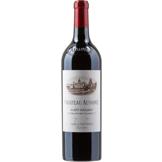
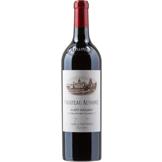
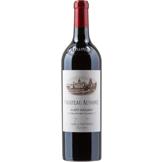
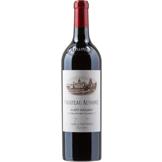
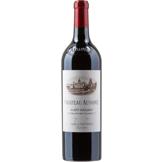
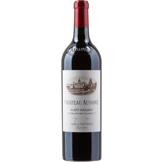
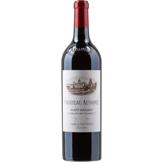
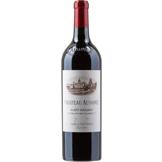
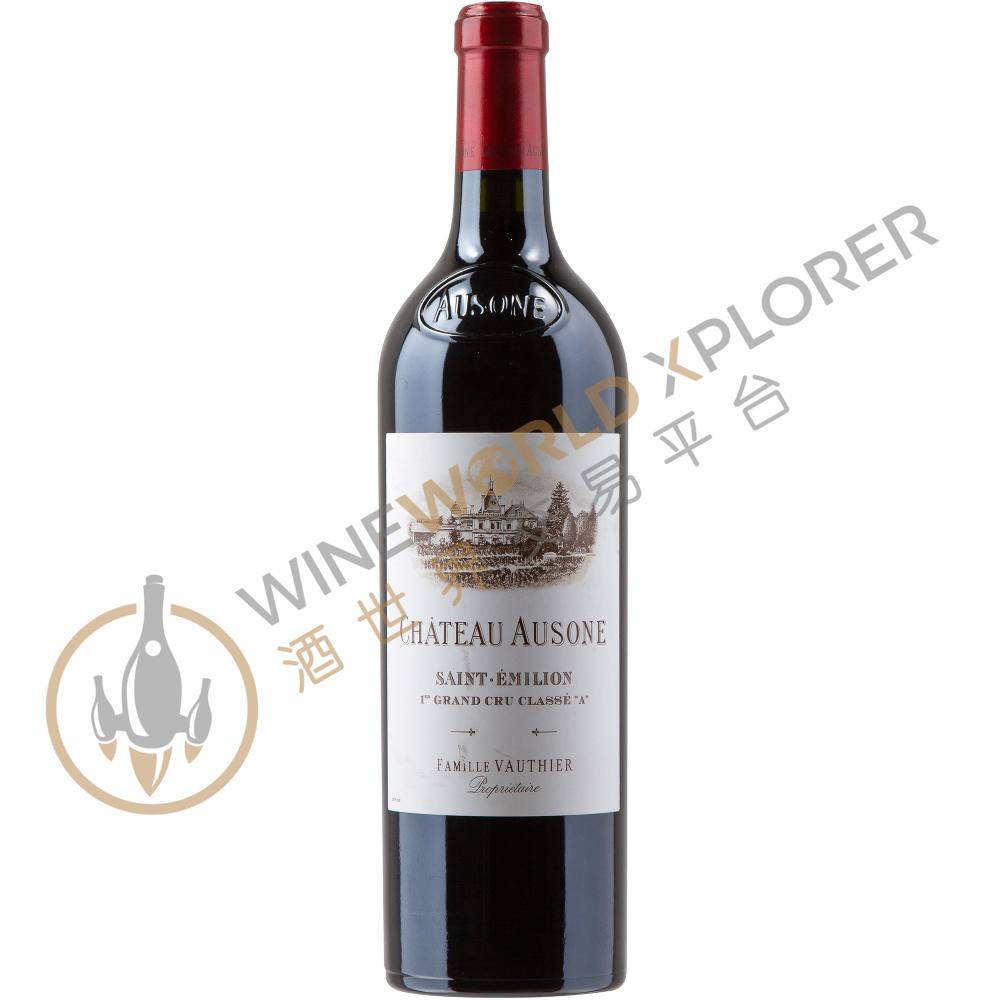
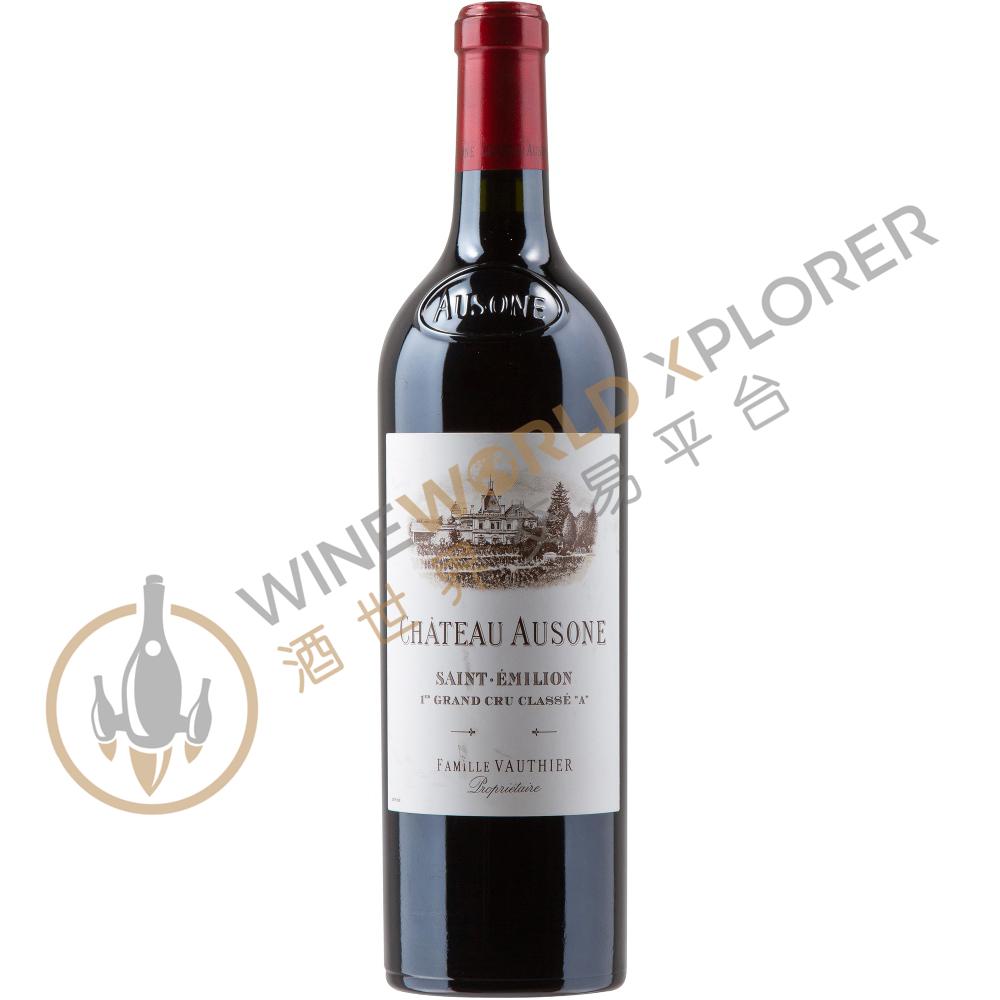
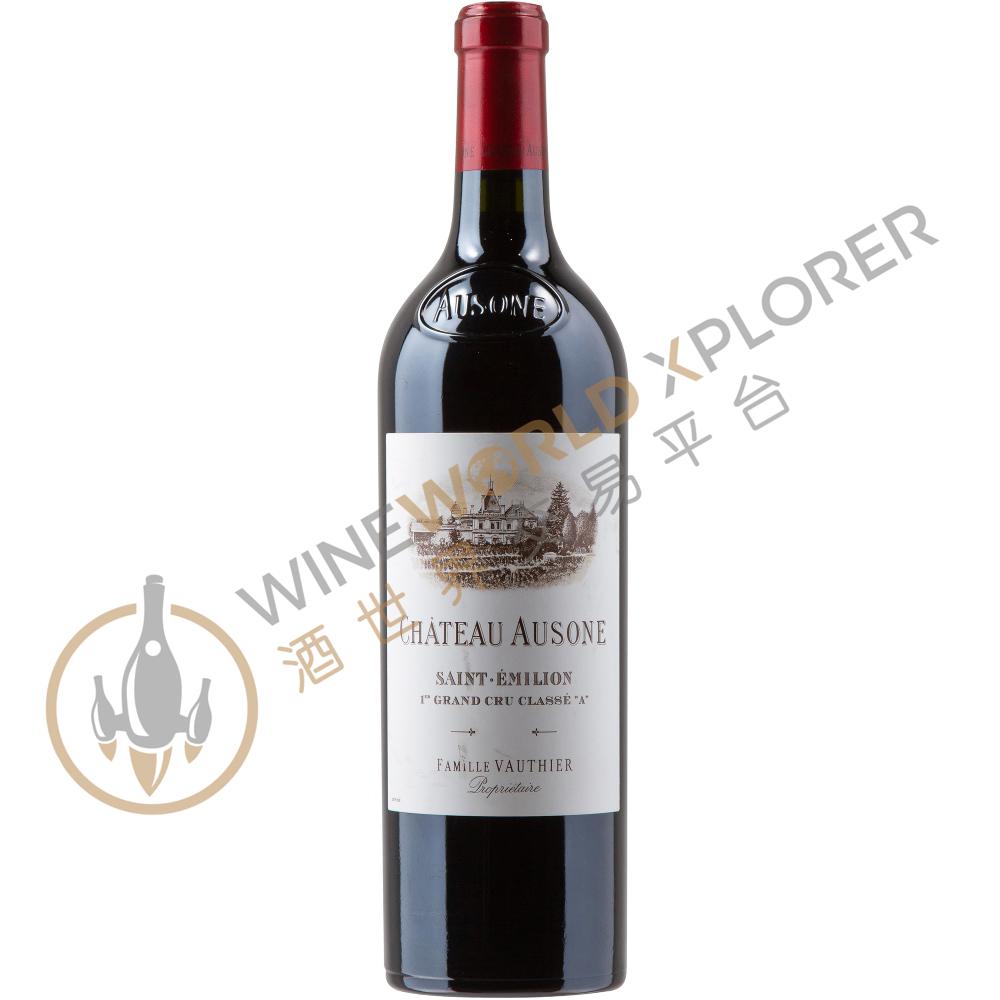
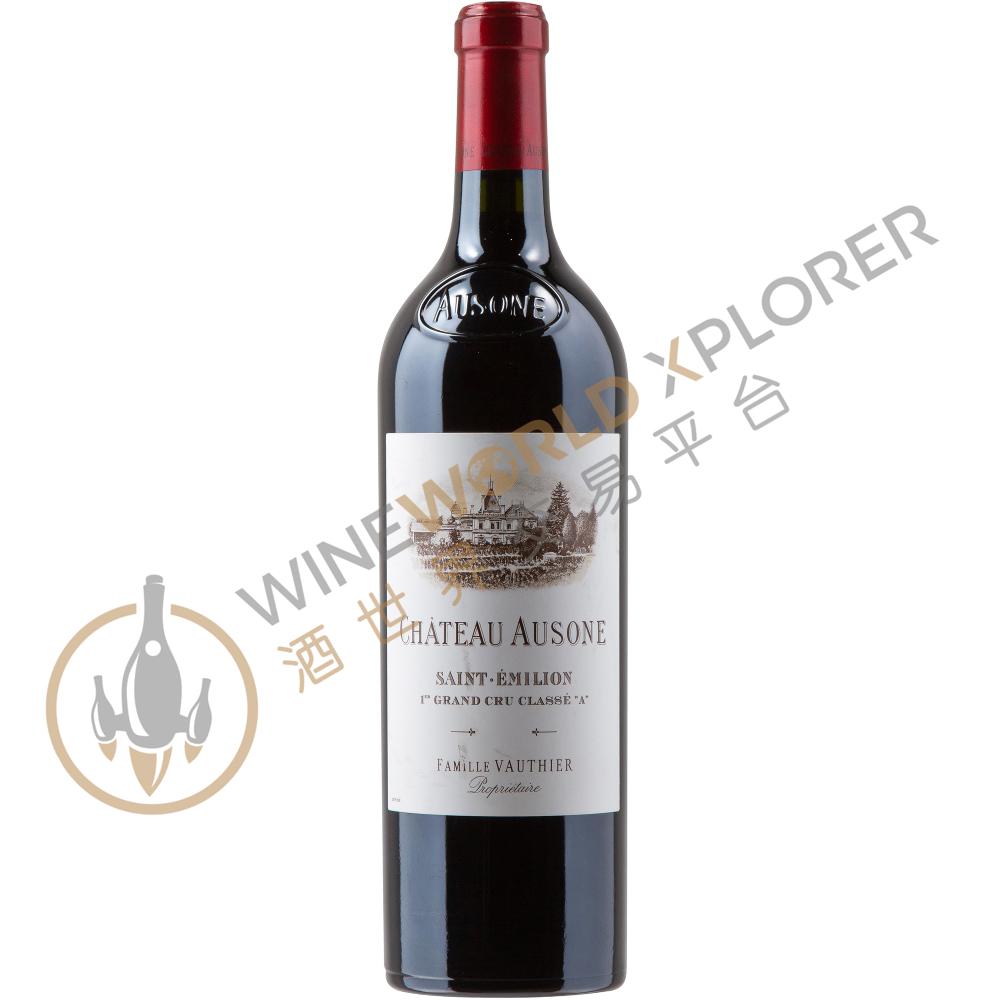
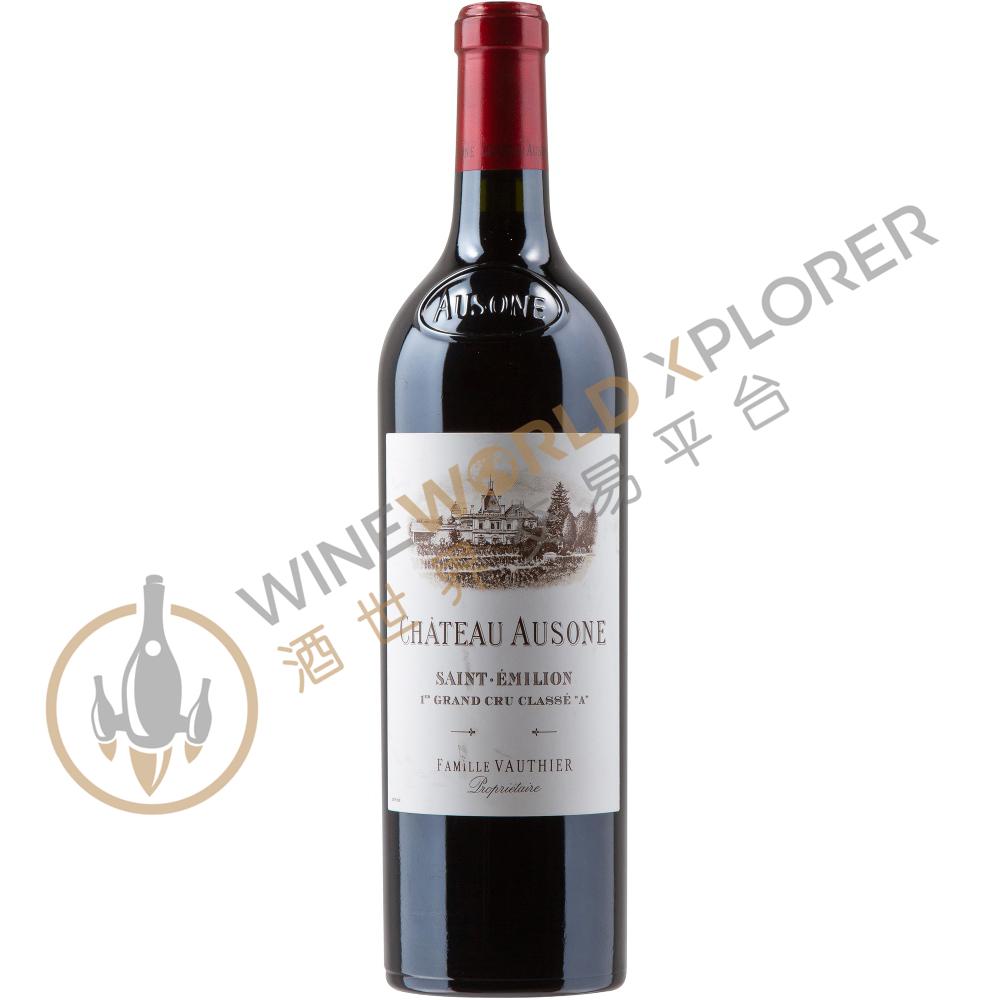
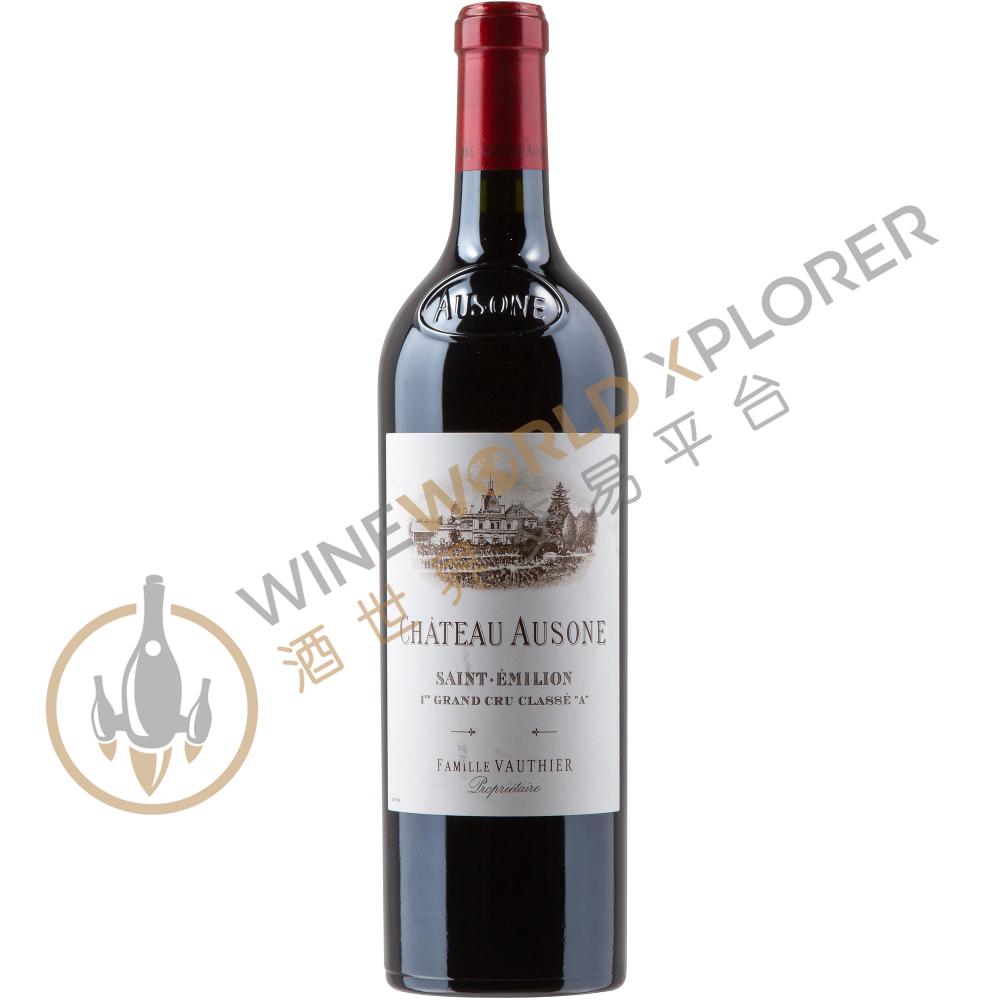
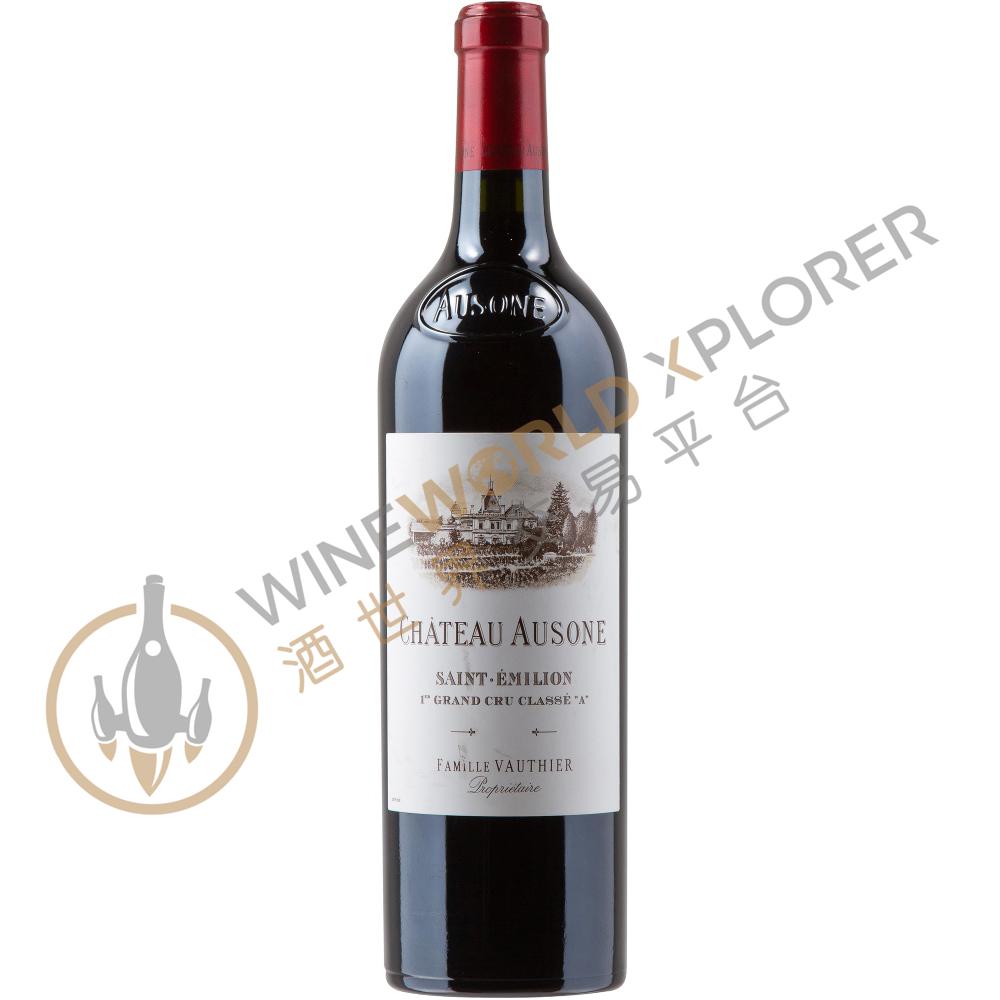
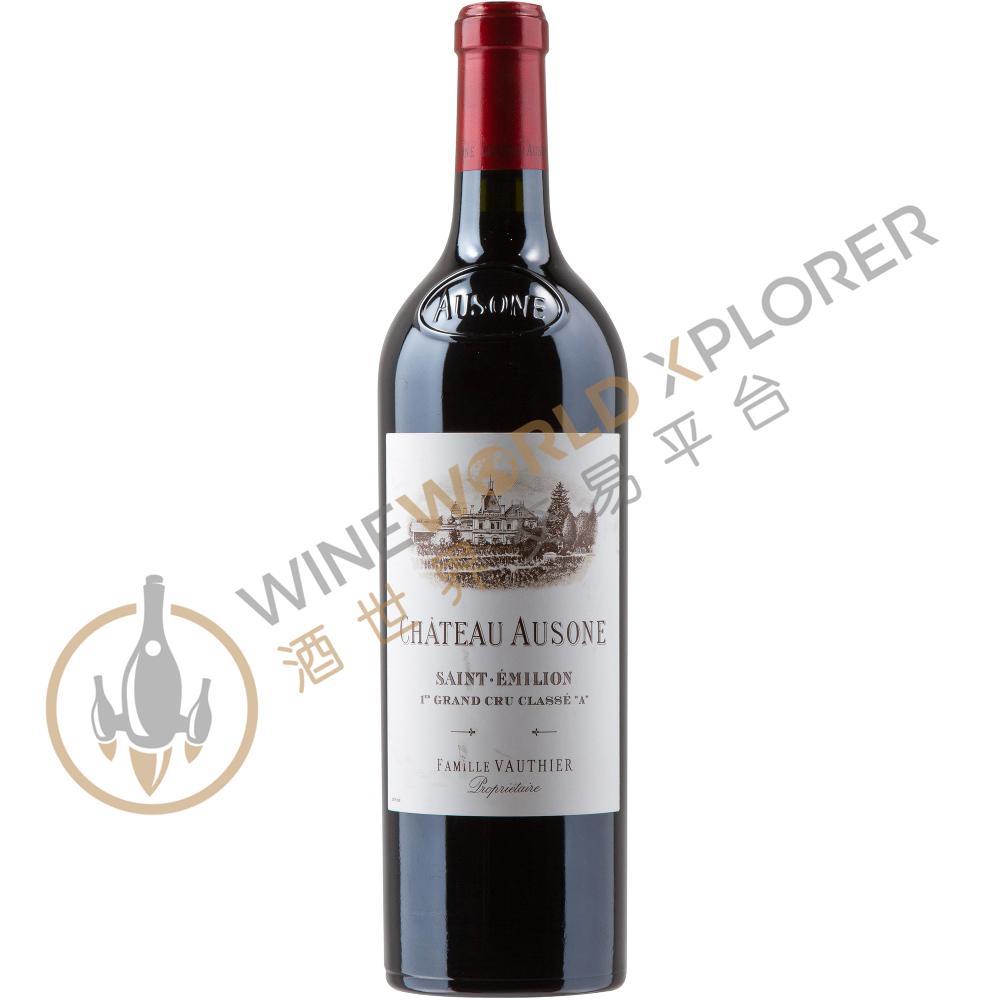
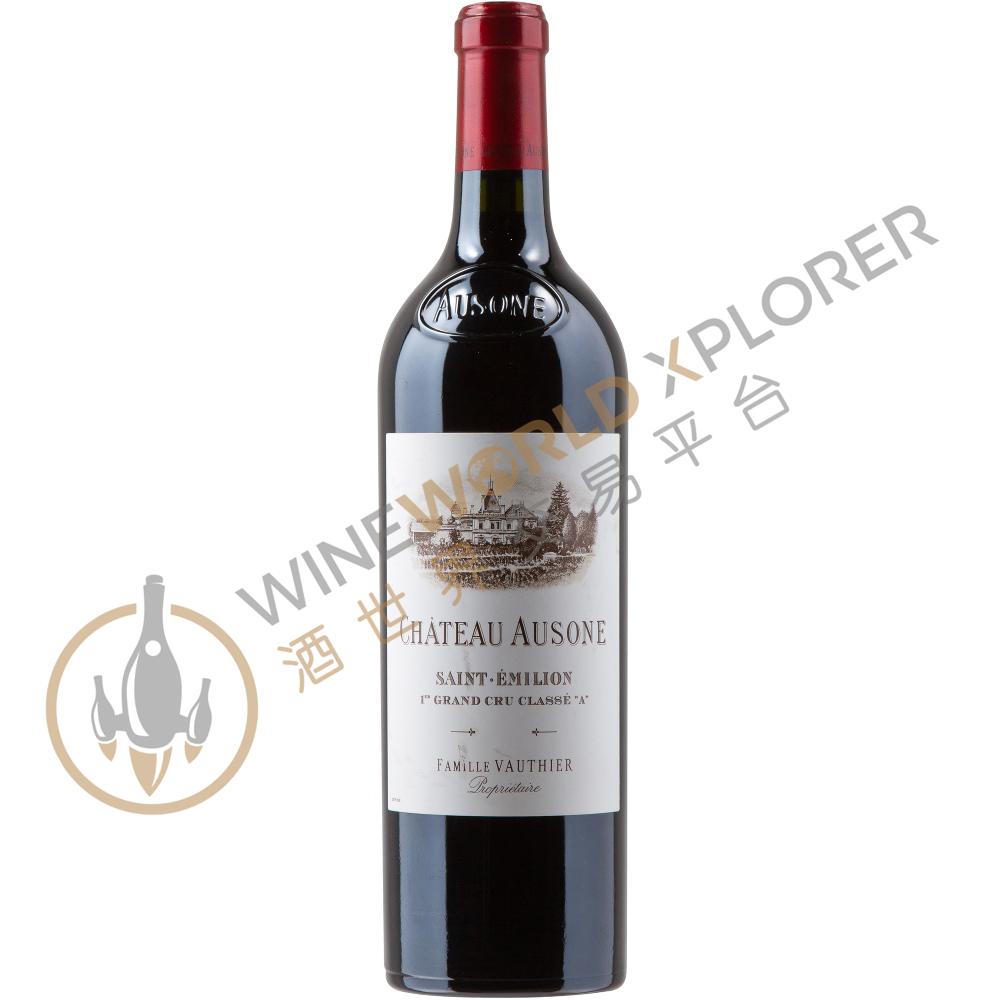
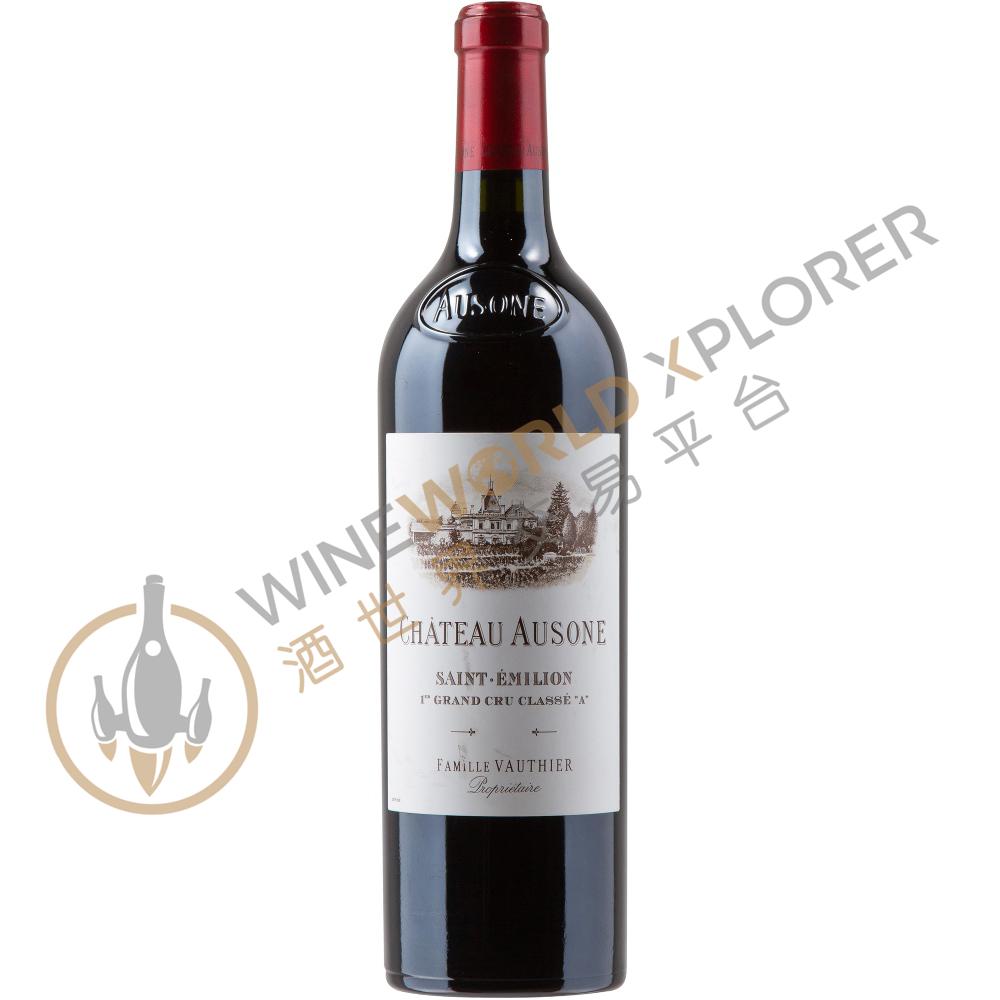
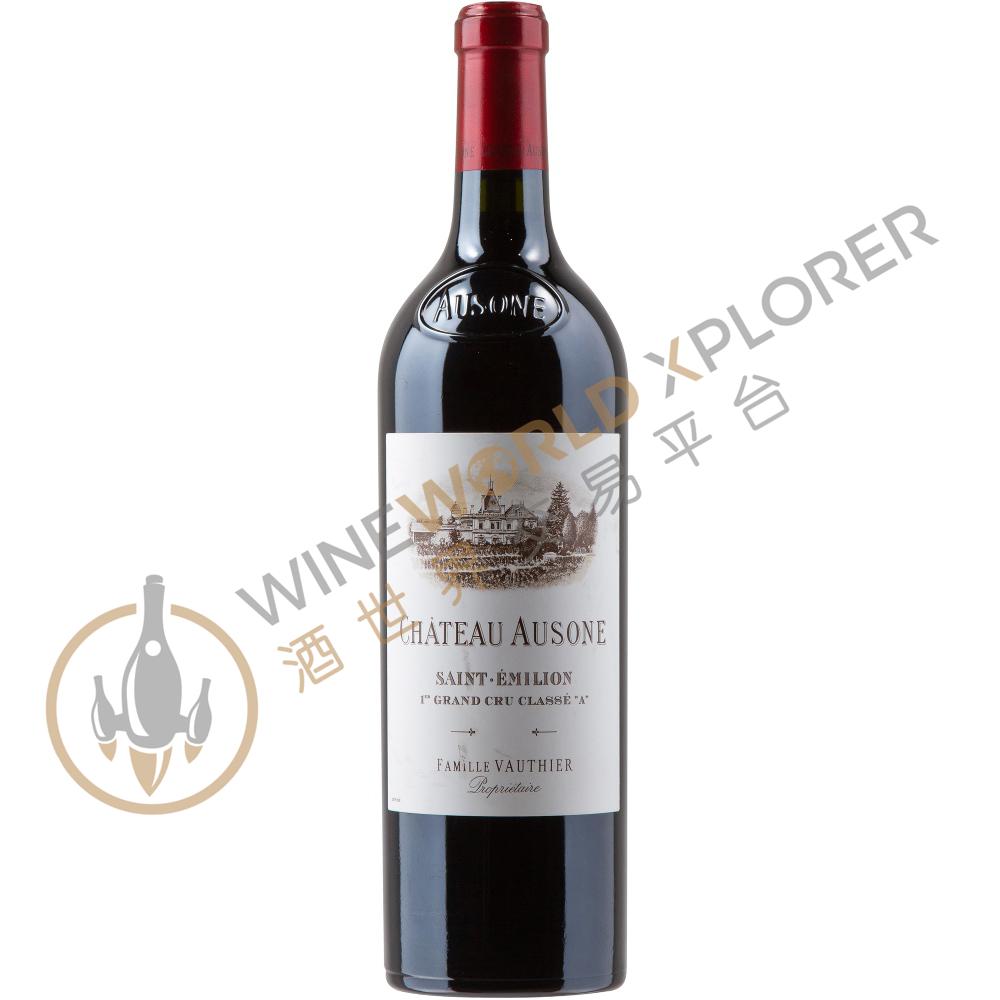
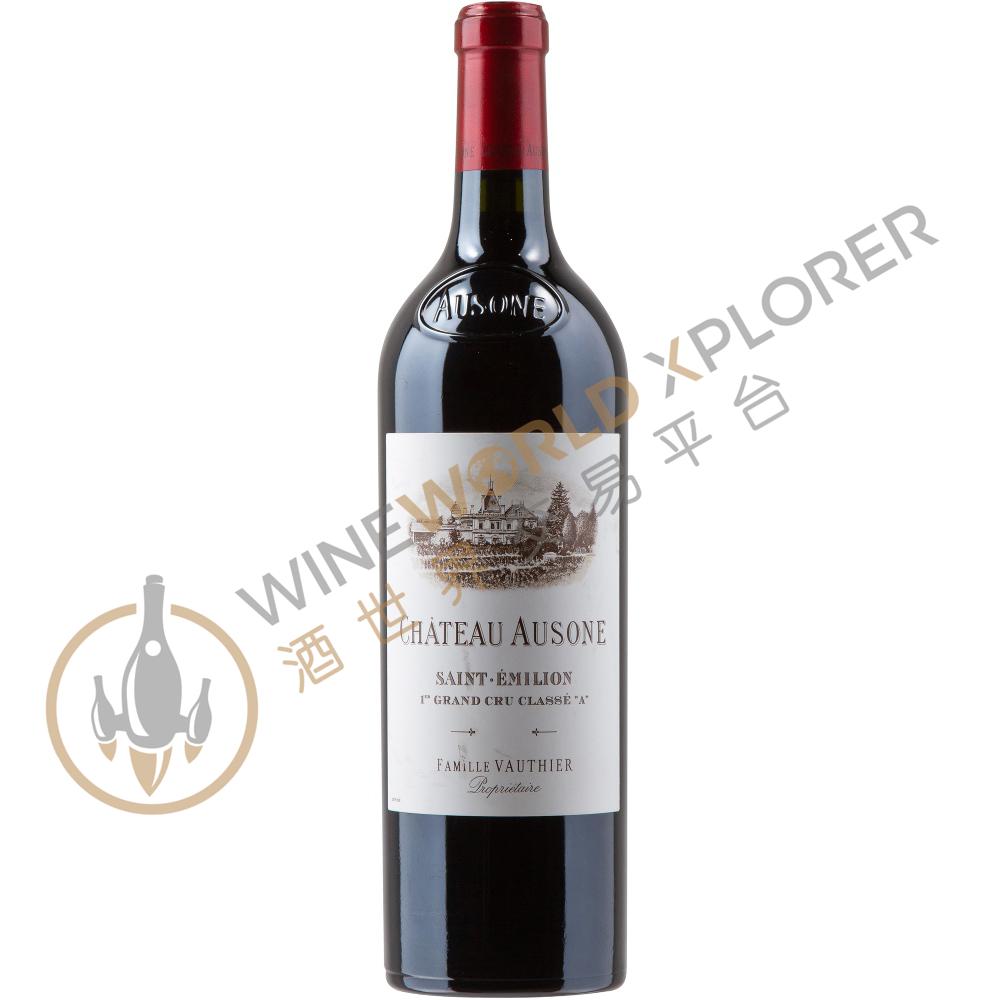
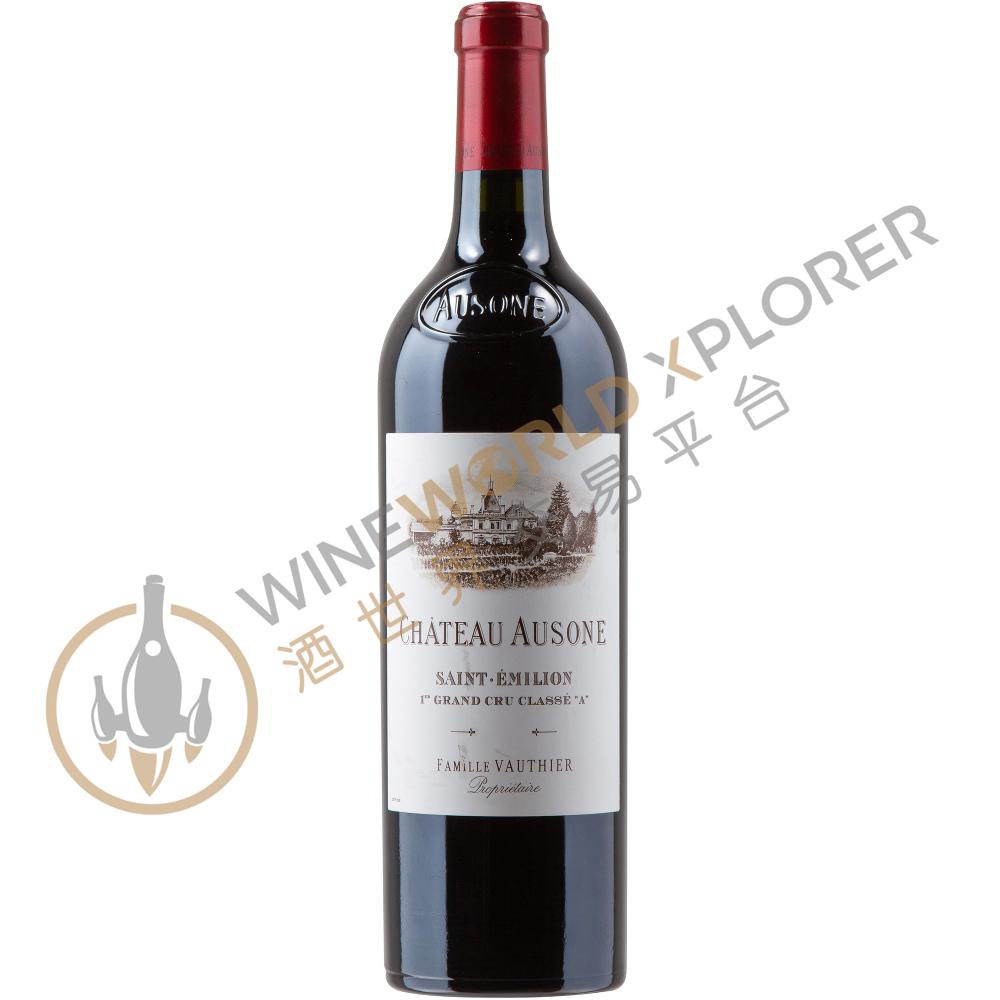
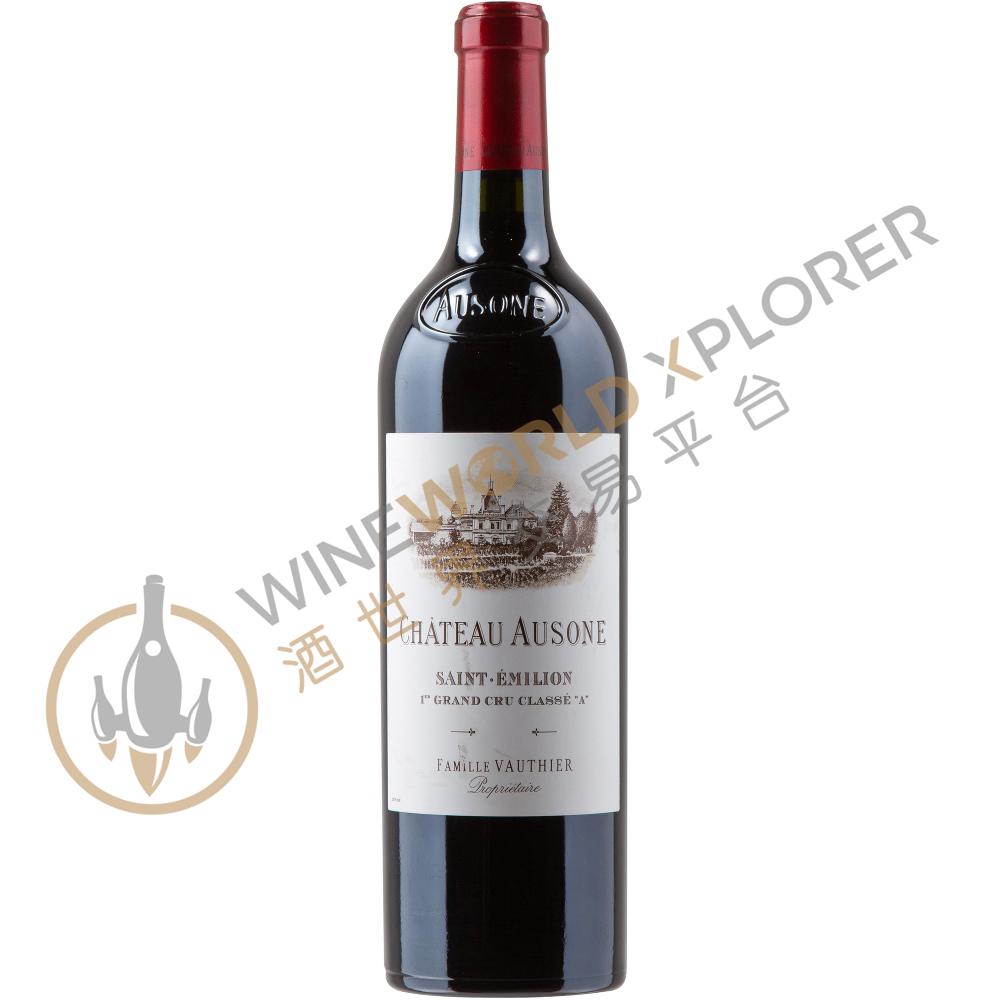
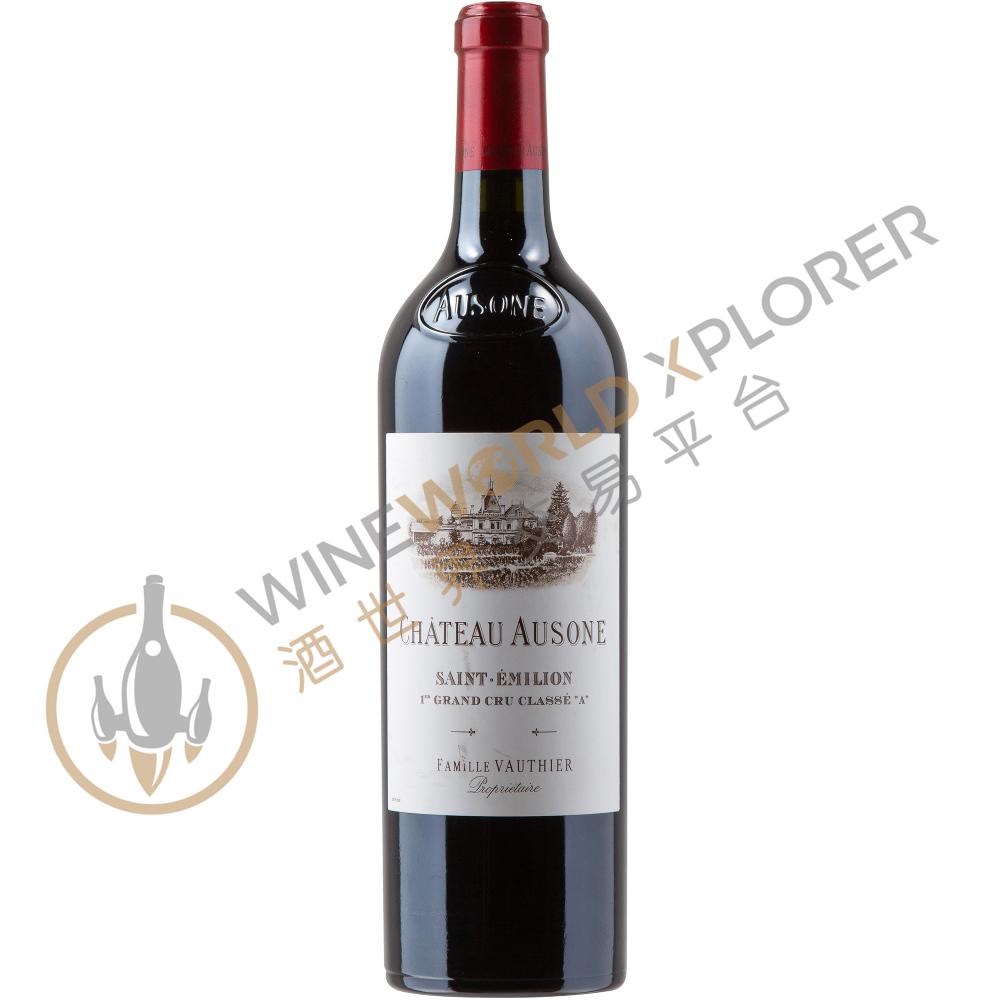
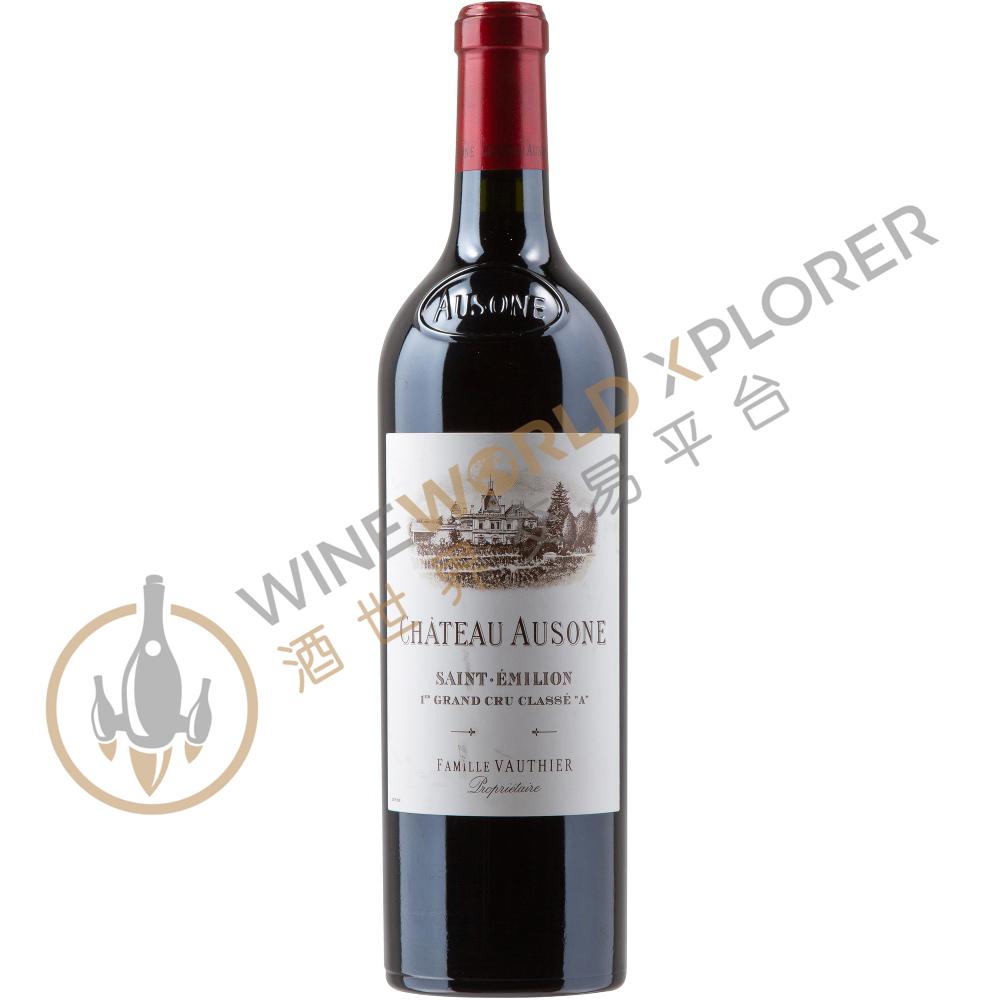
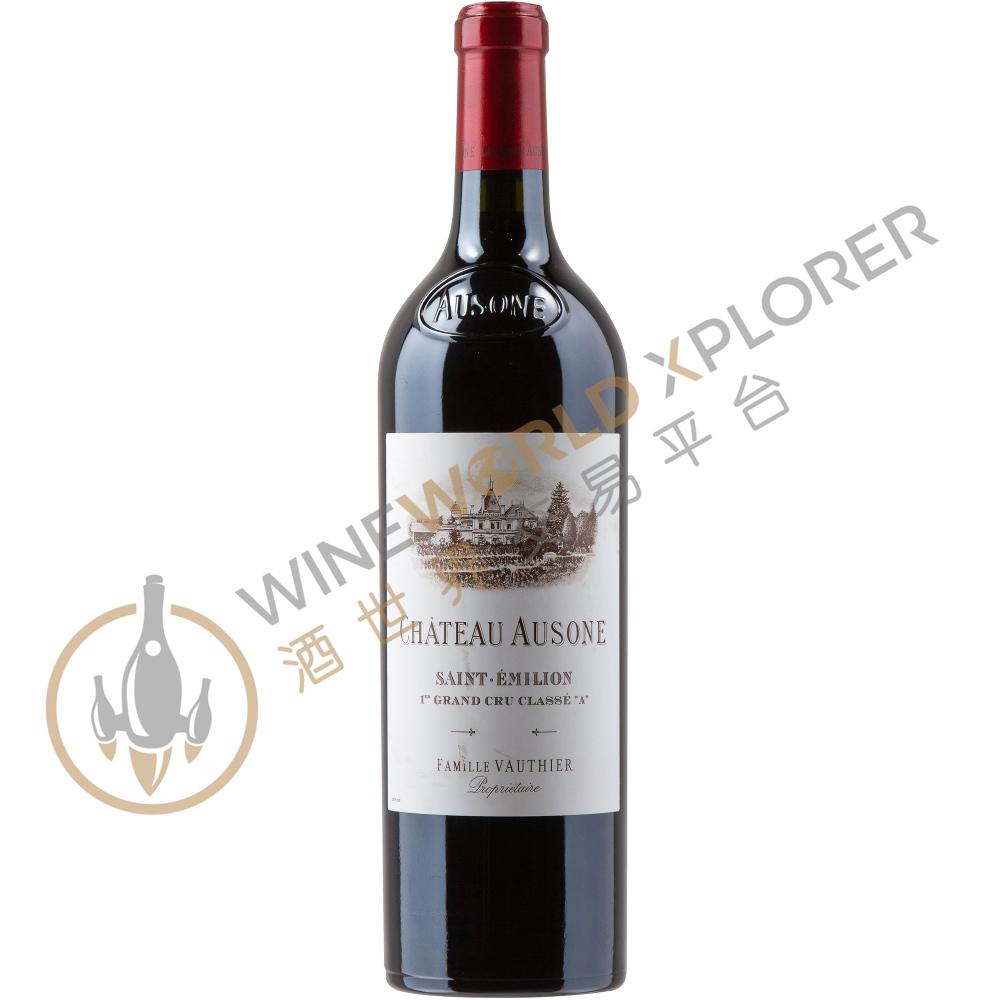
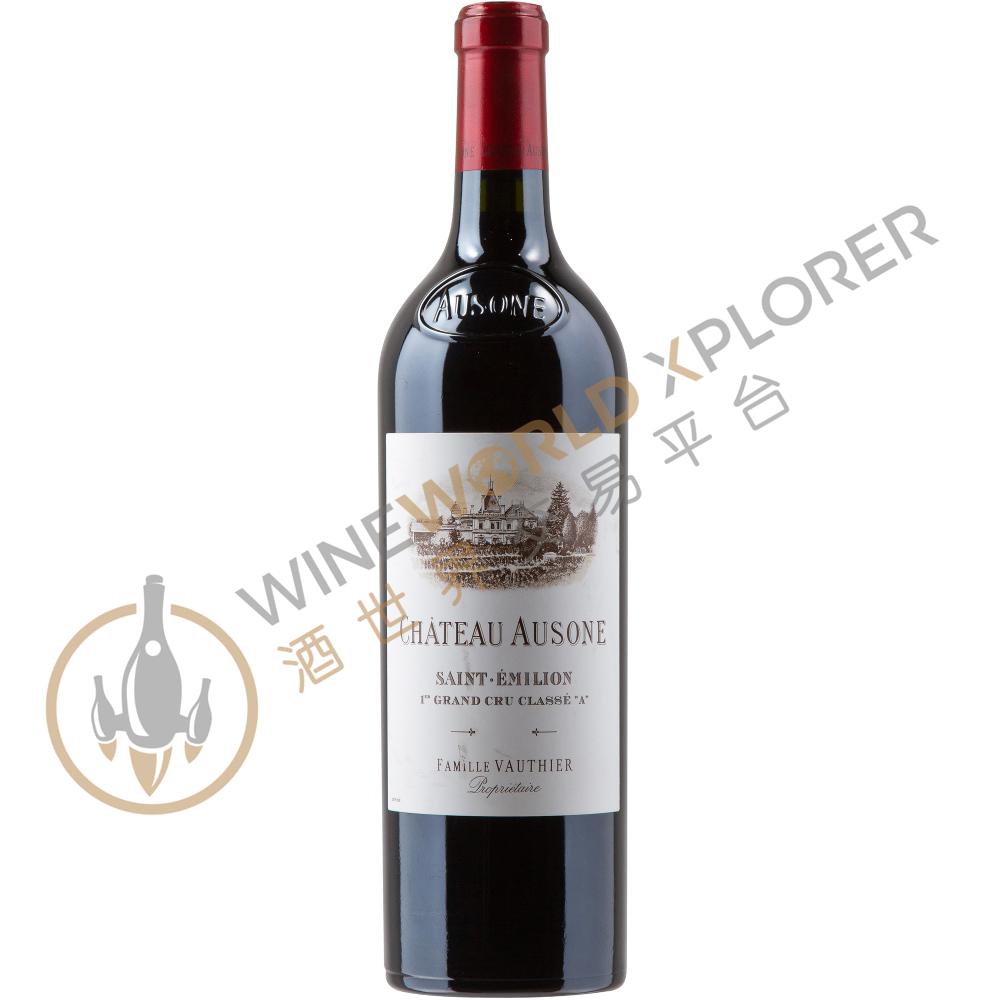
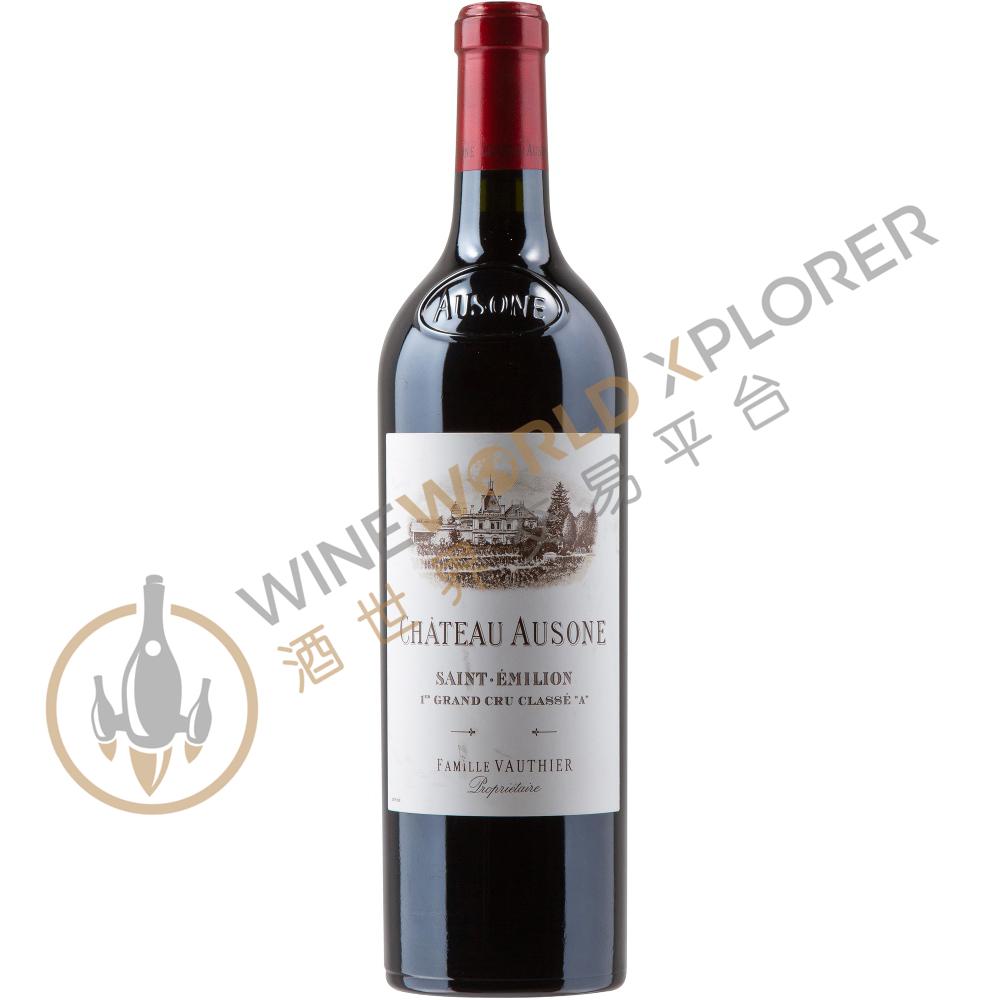
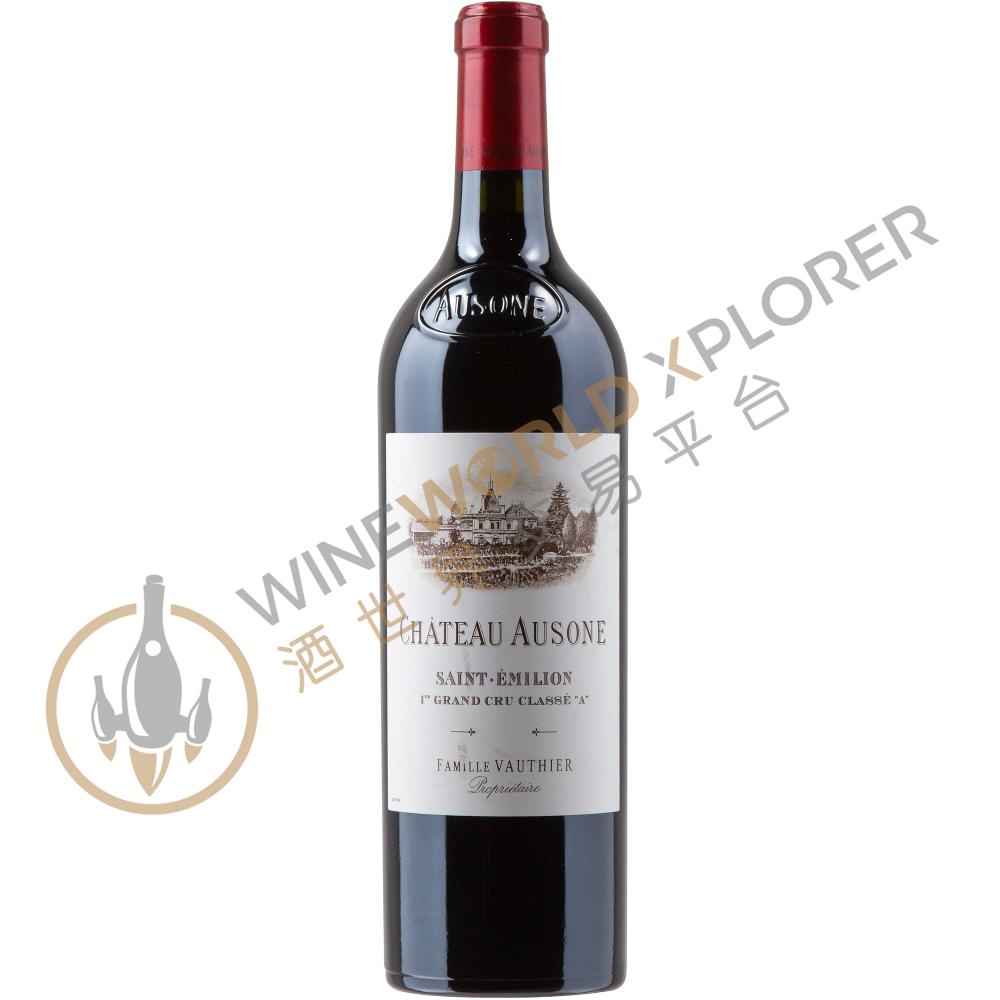
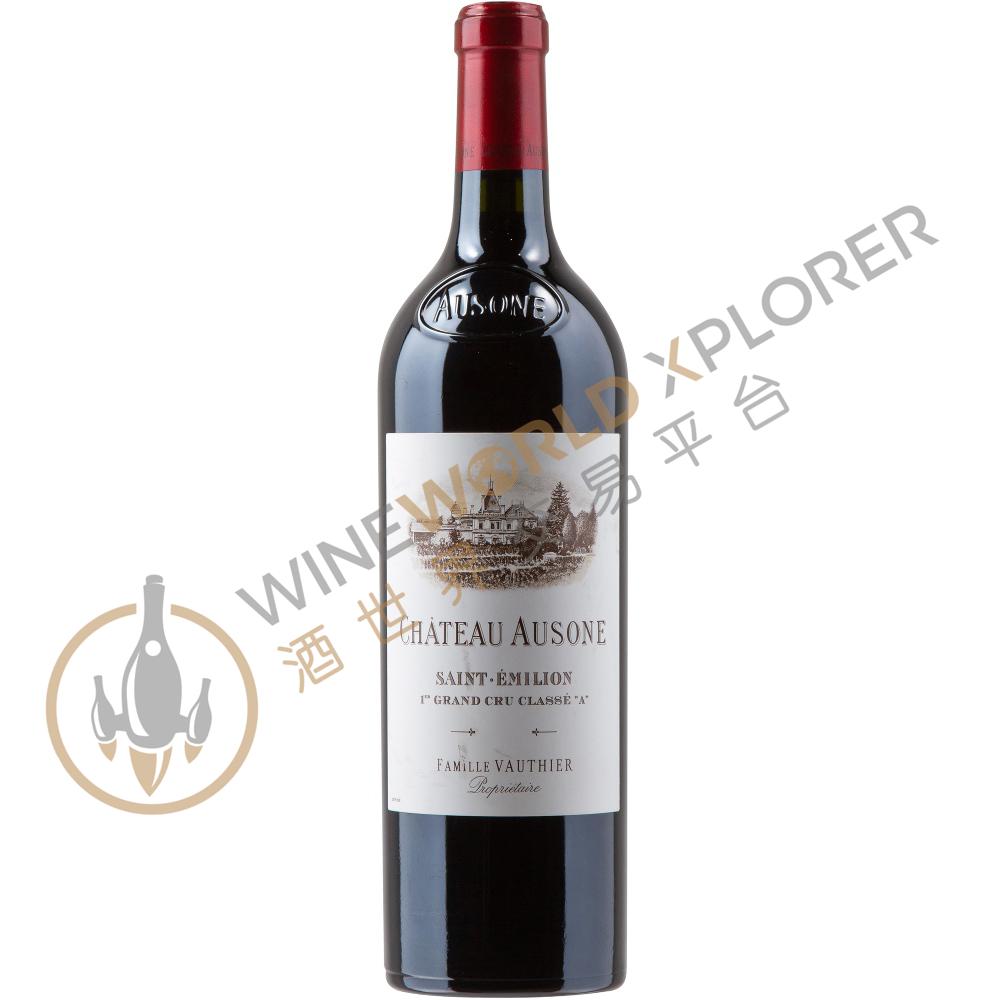
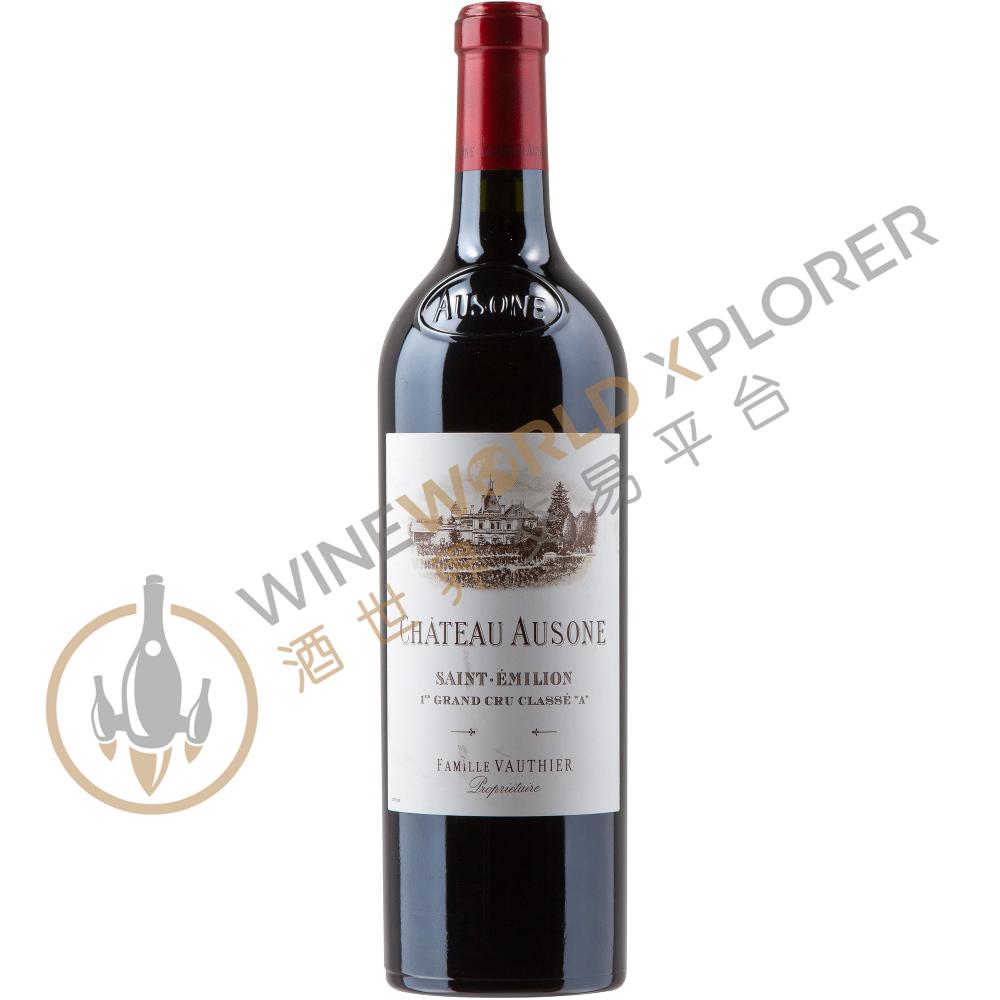
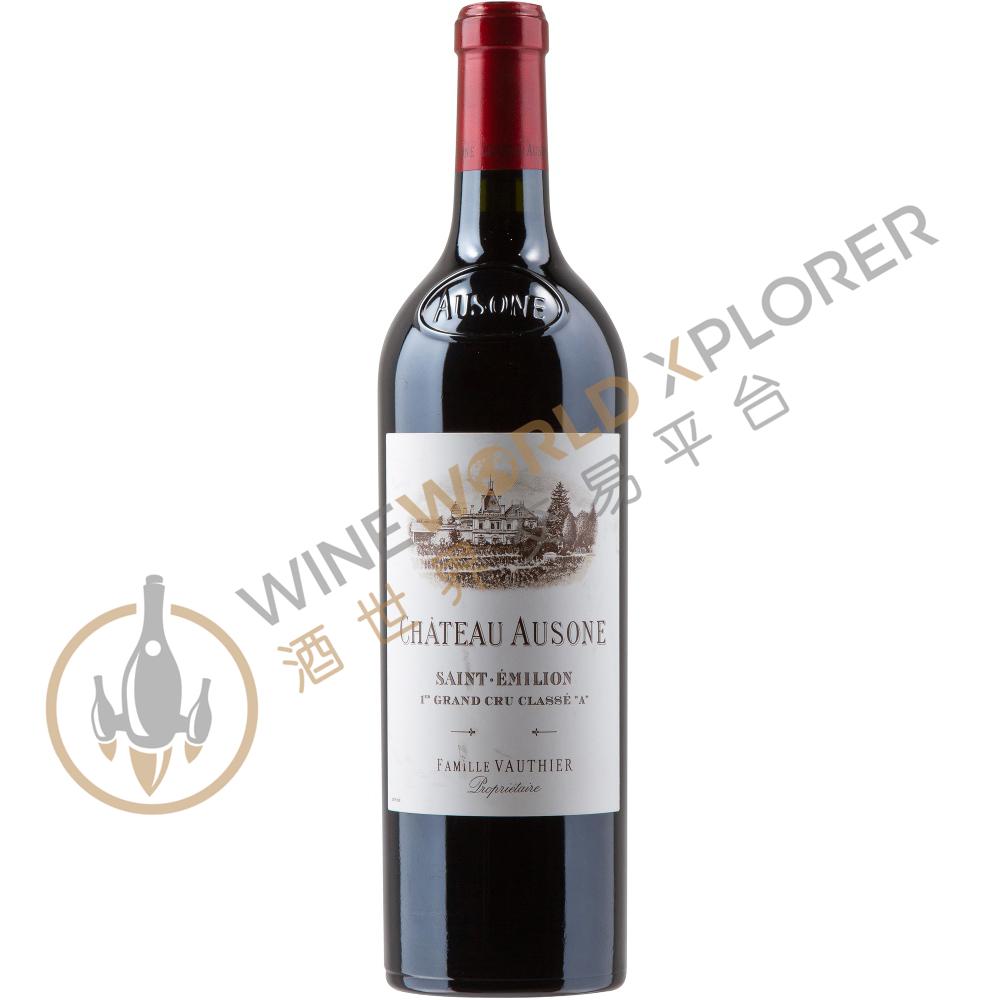
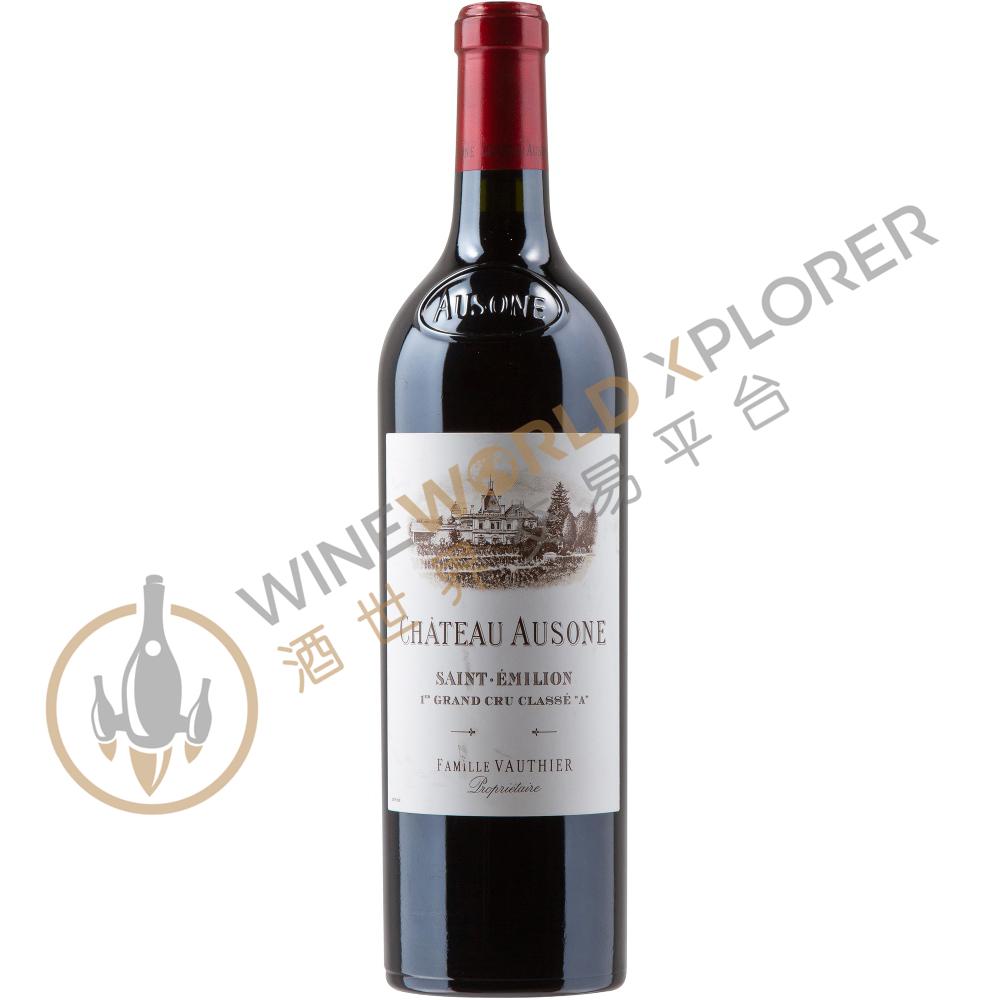
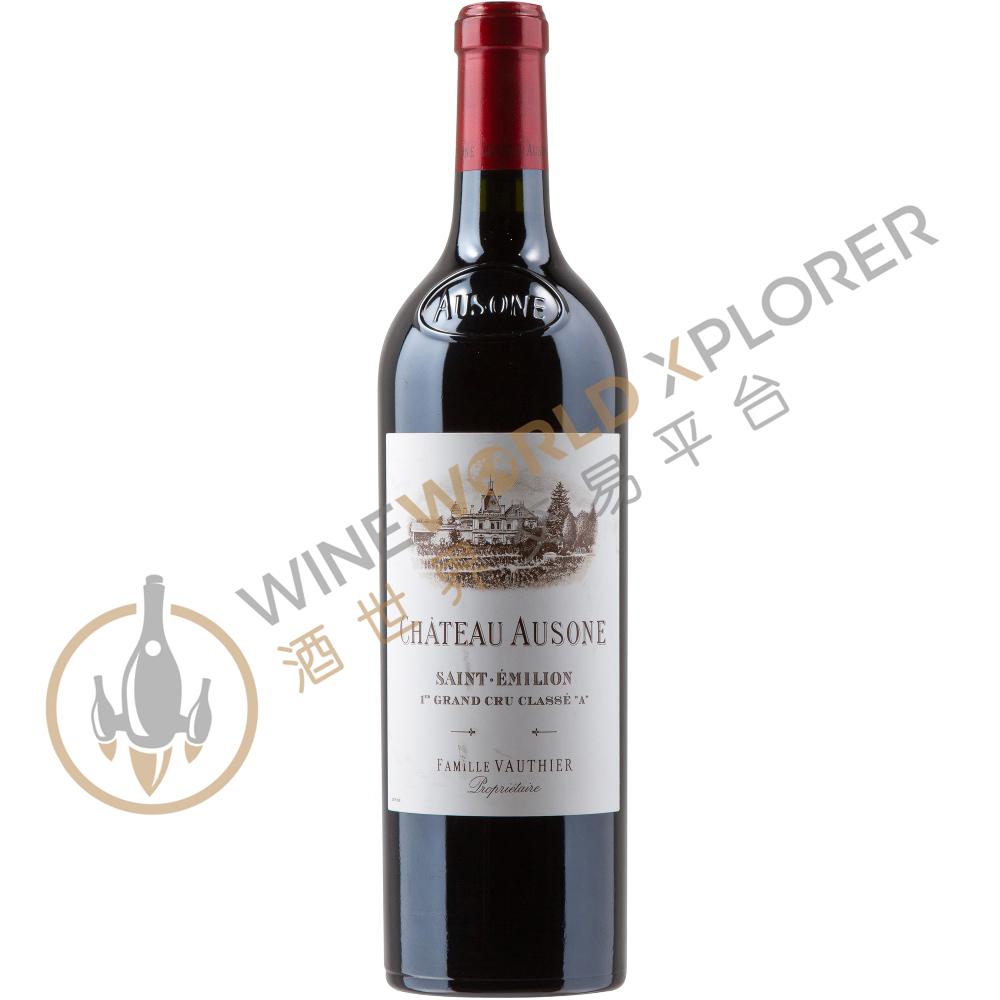
Ausone 2008
 View analysis


Description
Tasting notes

Reviewed by: Robert M. Parker, Jr.
Possibly the “wine of the vintage,” the 2008 boasts an inky/blue/purple color as well as a glorious perfume of spring flowers, blueberry and blackberry liqueur, camphor, truffles and crushed rocks. With great fruit on the attack and mid-palate, a medium to full-bodied, multidimensional mouthfeel and a skyscraper-like finish, this prodigious effort over-delivers, even for this phenomenal terroir. Give it 5-8 years of cellaring and drink it over the following 40-50 years.
Reviewed by: Robert M. Parker, Jr.
The 2008 Ausone tasted much more forward and softer than most Ausones do at this stage, which is remarkable considering the extremely late harvest and slow, late malolactics. Nevertheless, it is a packed and stacked St.-Emilion displaying an inky/blue/purple color, unreal fruit density, and that liquid mineral component that comes from this steep, limestone vineyard. The wine possesses dense fruit, full-bodied power, remarkably sweet tannins, and more elevated acidity than in such years as 2000, 2001, 2003, 2005, and 2006. The acidity seems low because of the wealth and density of the fruit. Everything is incredibly pure, and the cascade of blue and black fruits interwoven with notions of crushed rocks, flowers, and forest floor is as provocative as it is grand. I can conceive of drinking this Ausone with some degree of complexity in less than ten years, which may be considered sacre bleu by the proprietor since many of his wines will last 50-100 years where well-stored. Yields were a ridiculously low 20 hectoliters per hectare, and the grapes were harvested in mid to late October. Once again, Alain Vauthier has produced a wine that flirts with perfection. As I stated in my bottled 2006 Bordeaux report, over the last decade no proprietor has produced as many virtually perfect wines as Vauthier.
Reviewed by: Neal Martin
Tasted at the chateau with Alain Vauthier, the Ausone ’08 is more taciturn on the nose compared to recent vintages and demands coaxing from the glass. Pure blackberry and cassis, a hint of mint, very restrained but beautifully focused. The palate is medium-bodied with cashmere tannins, pure black cherry, strawberry and raspberry fruit, perfect acidity and brilliant focus. This is a restrained, elegant Ausone that is beautifully crafted and underpinned with a pixelated finish with hints of vanilla adorning the aftertaste. Lovely. Drink 2015-2030. Tasted October 2010.
Reviewed by: Neal Martin
A blend of 45% Merlot and 55% Cabernet Franc, the Ausone is muted on the nose at first – it really needs time to unfurl and when it does, there are wonderful pure blackberries, cassis, damson and loganberries. It has spellbinding definition – razor-sharp. The palate has cashmere tannins, sensuous texture and ethereal harmony. Does not just caress the mouth, but leaves it utterly in love and hoping for marriage. A brilliant wine from Alain Vauthier this year, but we have come to expect nothing less. Tasted April 2009.
Reviewed by: Ian d'Agata
(90% merlot and 10% cabernet franc; 27 hl/ha; 100% new oak) Inky-purple color. Brooding, complex aromas of blueberry juice, air-dried plum and balsamic vinegar, with a touch of dusty minerality. Sweet and massive on entry, this conveys a serious sense of huge power but also impeccable balance to its black fruit and sweet spice flavors. Finishes clean and impressively long, with ultra-silky tannins that coat the gums and won't let go.
Reviewed by: Neal Martin
The 2008 Ausone has a dark hue with just slight aging on the rim. It has an introspective nose: black fruit, melted tar, cracked black pepper and a background of dried blood/meaty scents. The palate is medium-bodied with firm tannins; it's a little austere for Ausone and is strict and drier than more benevolent vintages. Saline towards the finish that exerts a gentle grip. I would afford this another couple of years in bottle. Tasted at the château.
Reviewed by: Neal Martin
The 2008 Ausone has a really showstopping bouquet, to wit, one of the most seductive you will find in 2008: pure red cherries, crushed strawberry and vanilla pod scents, later rose petal and an almost honeyed aroma. The palate is medium-bodied with sensual, ripe tannin that feel lavish, luxuriant. The richness is neatly countered by a fine seam of acidity. There are vines of orange zest and allspice towards the finish that fans out with brio and confidence. This is an Ausone determined to make an impression – and it does with some panache. Chapeau Pauline et Alain! (Tasted at BI Wine & Spirits' annual 10-Year On tasting.)
About the Producer
Located in the Saint-Emilion appellation on the right bank of Bordeaux, France, Chateau Ausone is one of only four Saint-Emilion Premier Grand Cru Classe A estates in the appellation and one of the eight most prestigious estates in Bordeaux. The 7.25 hectares of vineyards at Château d'Orson are oriented to the east or south-east, allowing the vineyards to enjoy the full sun and to be protected from the north-west winds. The vineyard's proximity to the Dordogne, which is regulated by the river, provides an ideal microclimate for the grapes to grow, and the fact that the vineyard was not seriously affected by the severe frosts of 1892 and 1956 is testament to the terroir. While Merlot is the dominant wine in the Saint-Emilion appellation, Cabernet Franc is the preferred wine at Château d'Ausone, with Cabernet Franc planted in the vineyard, supplemented by some Merlot and a very small amount of Cabernet Sauvignon, which is used only for the secondary wines (Chapelle d'Ausone, Saint-Emilion). 'Ausone, Saint-Emilion Grand Cru, France). The average age of these vines is 52 years, with the oldest vines, planted in the early 20th century, being up to 100 years old and planted at a density of 6,500-12,000 vines per hectare. The soils are predominantly calcareous clay and limestone, which is the main reason for the minerality of the red wines of Château Ausone, Saint-Emilion Grand Cru Classe, France. The organic and biodynamic approach to vineyard management and winemaking at Château Ausone is a commitment to producing wines that express the full character of the terroir. In the vineyards, the staff takes care of the vines, planting fruit trees and aromatic plants, allowing insects, birds and even bats to come and go, in order to release the vitality of the soil and promote the harmony of the entire vineyard ecosystem. During the harvest, the grapes are very carefully selected and only healthy grapes of optimum ripeness are used to make the wine. During the winemaking process, the treated grapes are first subjected to Cold Maceration to extract the pigments and flavours from the skins. Next, alcoholic fermentation takes place in large traditional oak barrels, followed by Malolactic Fermentation in small French oak barrels. After this, the estate's main wines are aged in 100% new oak barrels for up to 24 months, adjusted to the characteristics of the vintage. The wines are aged in the estate's natural limestone cellars, where the humidity and temperature are stable and provide excellent conditions for the wines to age. The wines of Château d'Orson have always been known as "the poet's wine", with a deep colour, very pure aromas of dark fruit, liquorice, flowers and crushed stone, full-bodied but not too heavy, and with great potential for ageing. Robert Parker once said: "If patience is not your virtue, there is no point in buying a bottle of Ouzo". The quality of Château Ouzon's wines has been consistent, with the best vintages including 2018, 2017, 2016, 2015, 2014, 2012, 2010, 2009, 2008, 2006, 2005, 2004, 2003, 2001, 2000 and 1998, to name but a few. In addition, the estate's secondary wine was born in 1995 from a selection of Cabernet Franc, Merlot and Cabernet Sauvignon from the young vines of the estate. Thanks to the limestone soils of the estate, this wine is rich in mineral flavours, with aromas of black cherry, blackberry, cassis and flowers, a full-bodied wine with velvety tannins and a long, impressive finish. With Robert Parker and James Suckling scores of over 90 points in almost all vintages, this wine has long ageing potential.
1944(1)1957(1)1958(1)1959(1)1961(1)1969(1)1970(1)1978(1)1979(1)1980(1)1981(2)1982(2)1985(2)1986(3)1987(1)1988(3)1989(3)1990(4)1994(1)1995(2)1996(4)1998(9)1999(8)2000(11)2001(7)2002(6)2003(5)2004(2)2005(3)2006(8)2007(6)
Package Size