 Wine Advisor



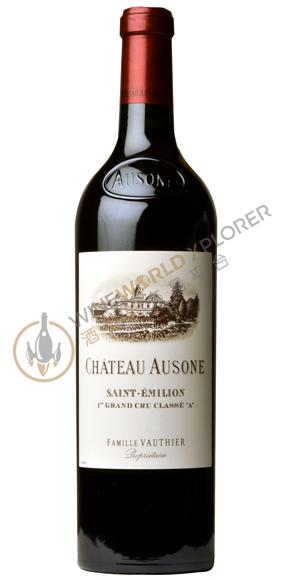
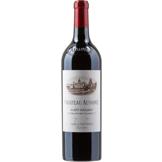
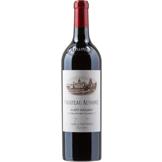
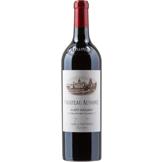
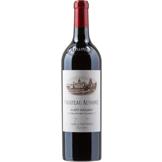
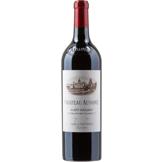
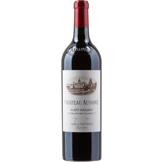
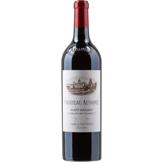
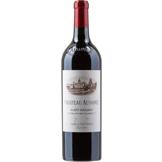
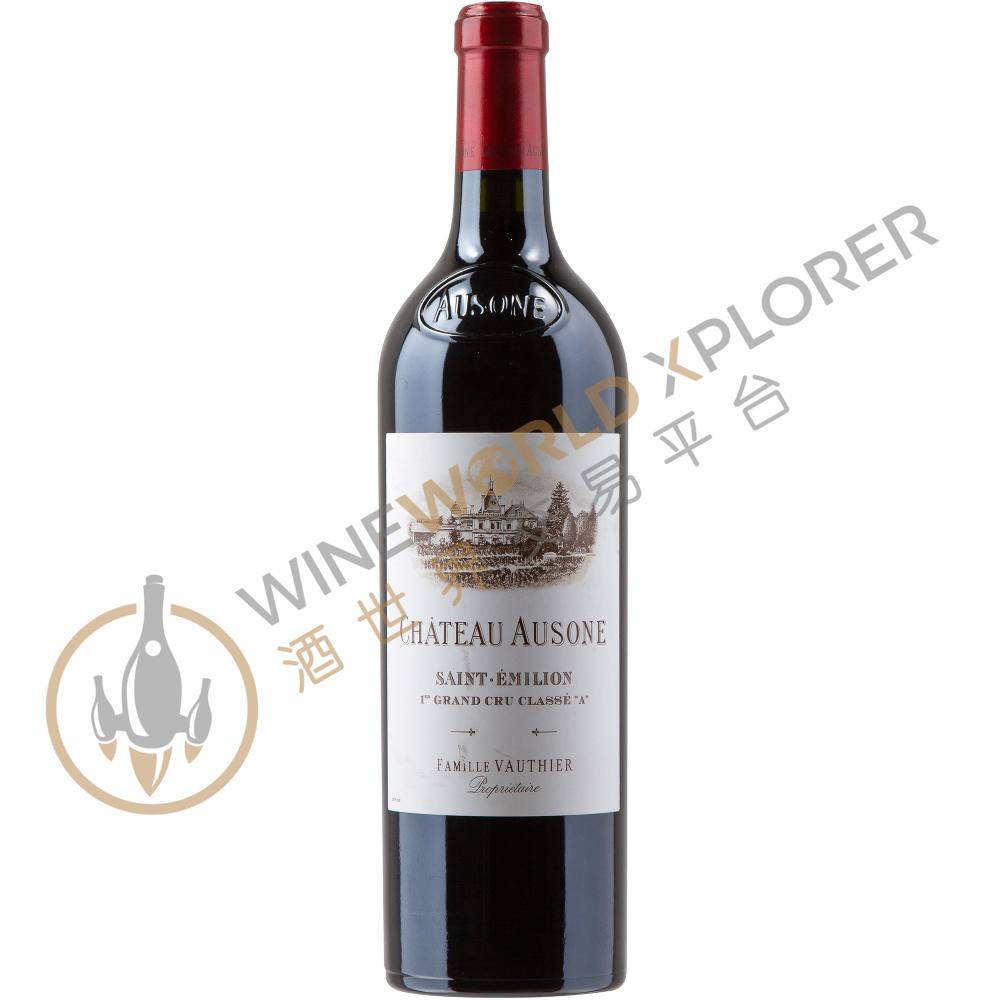
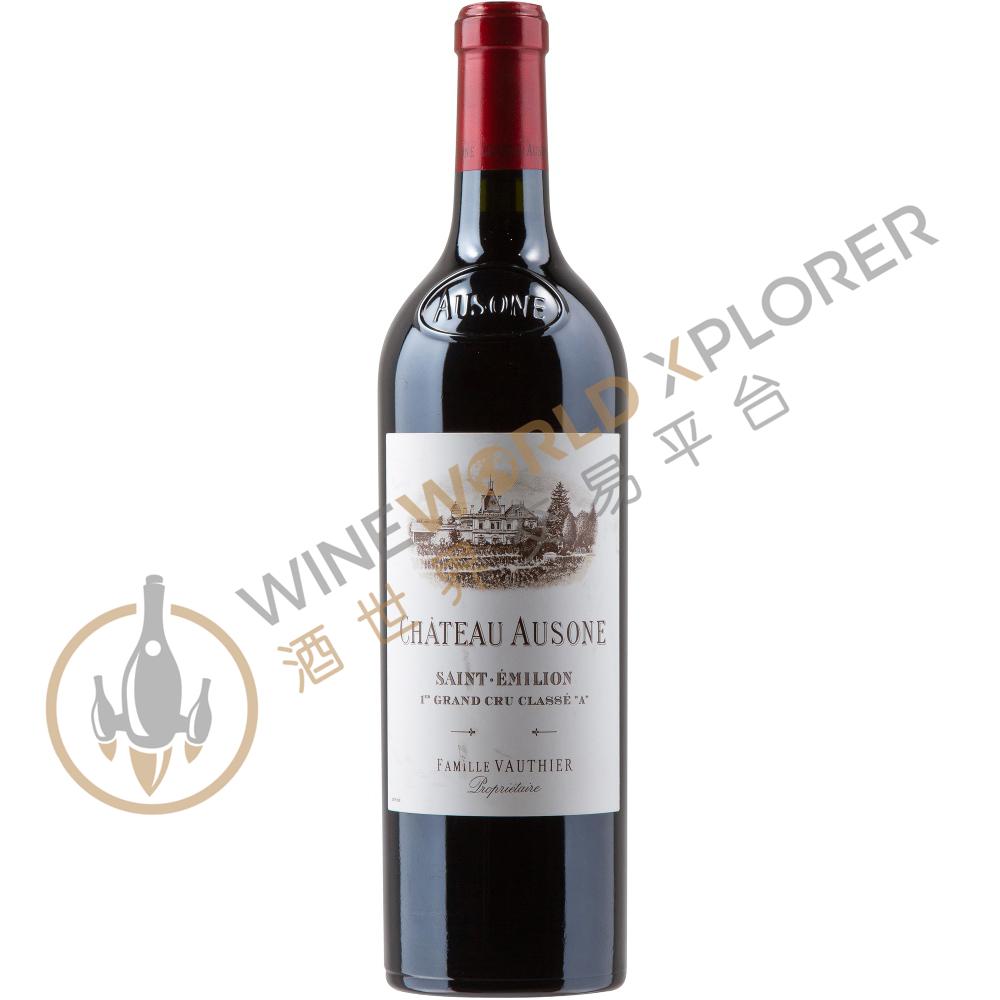
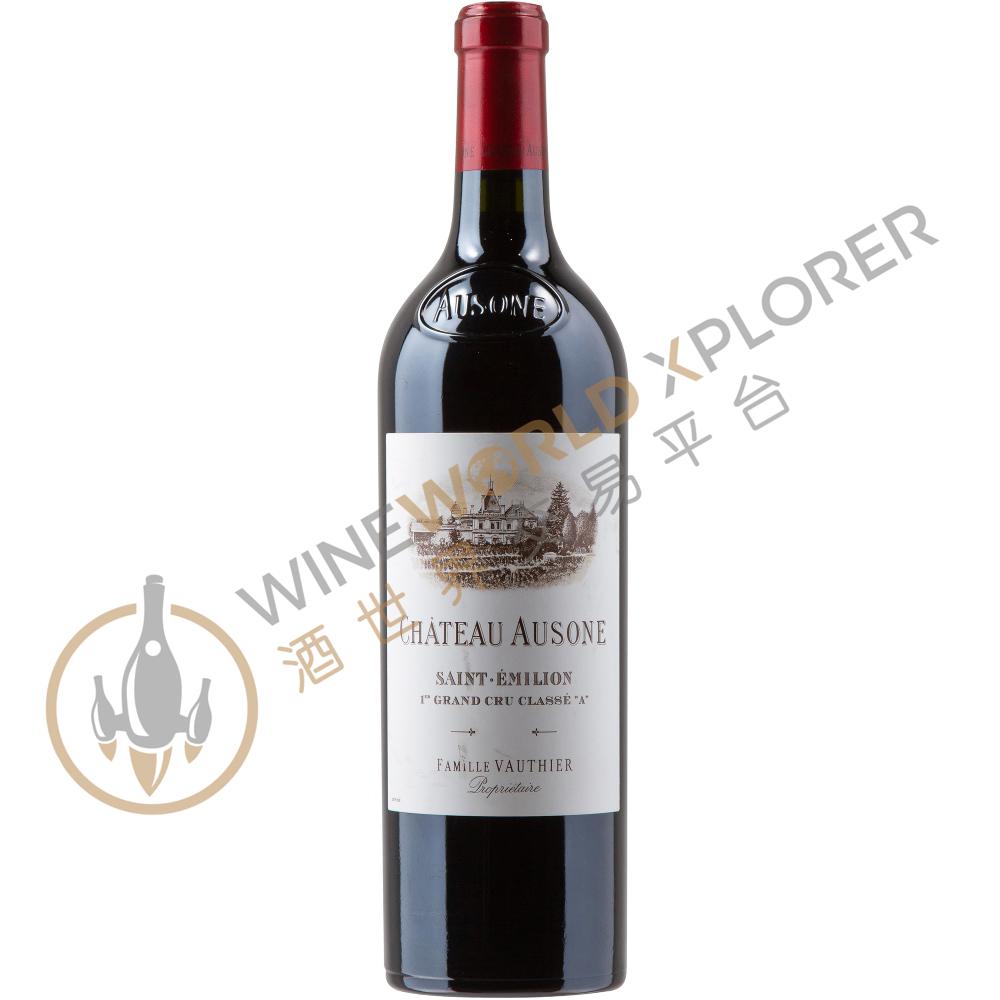
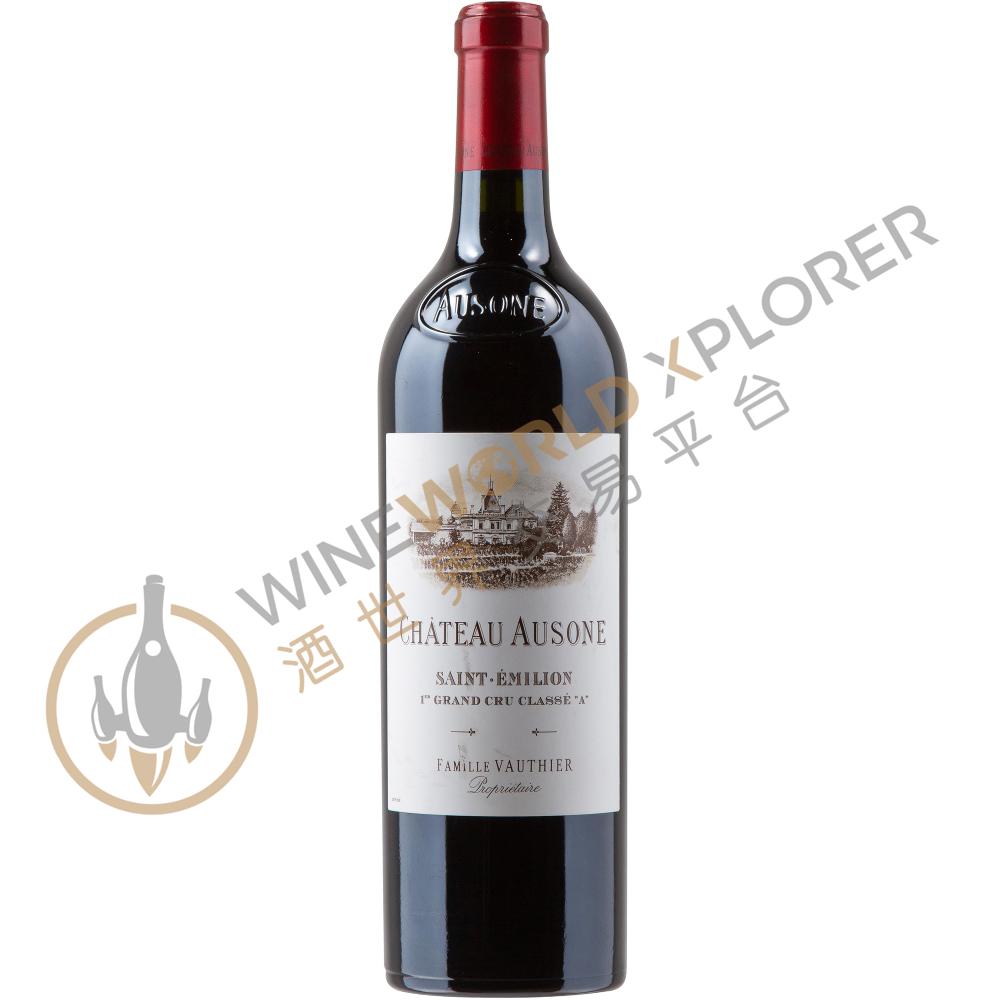
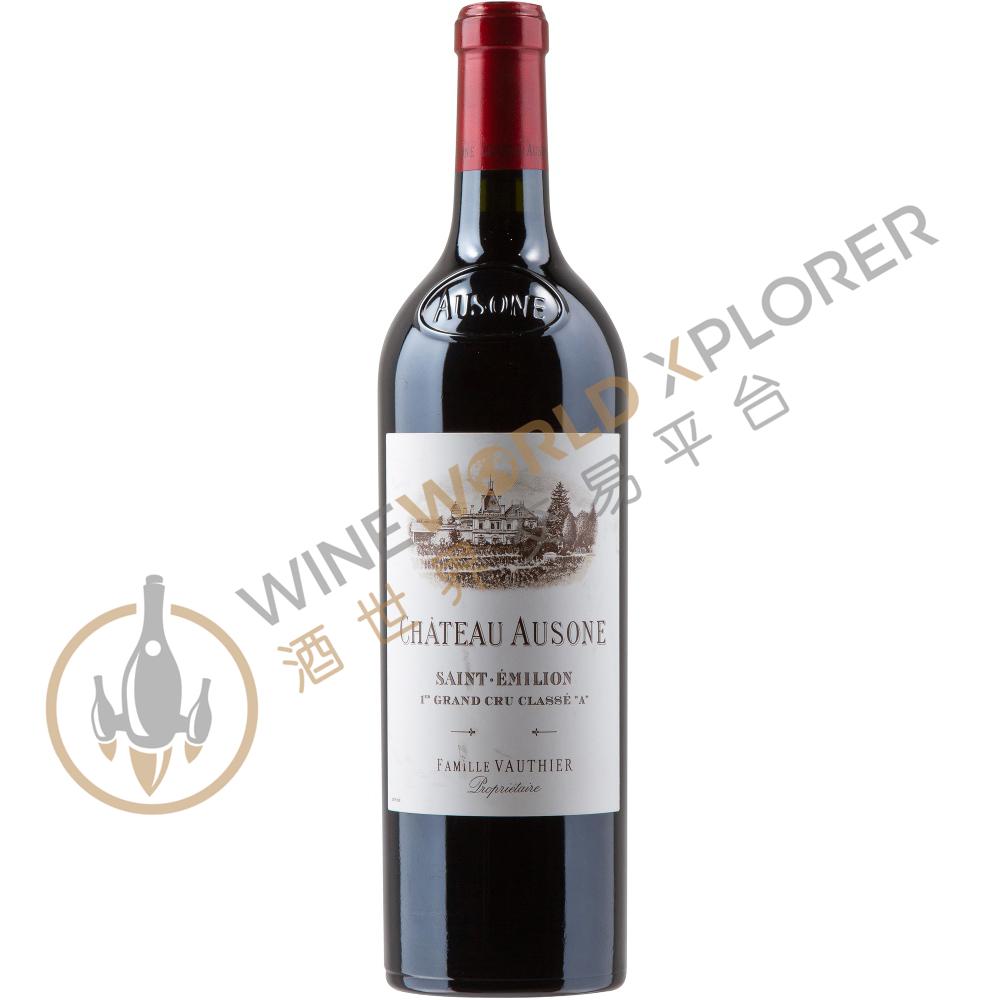
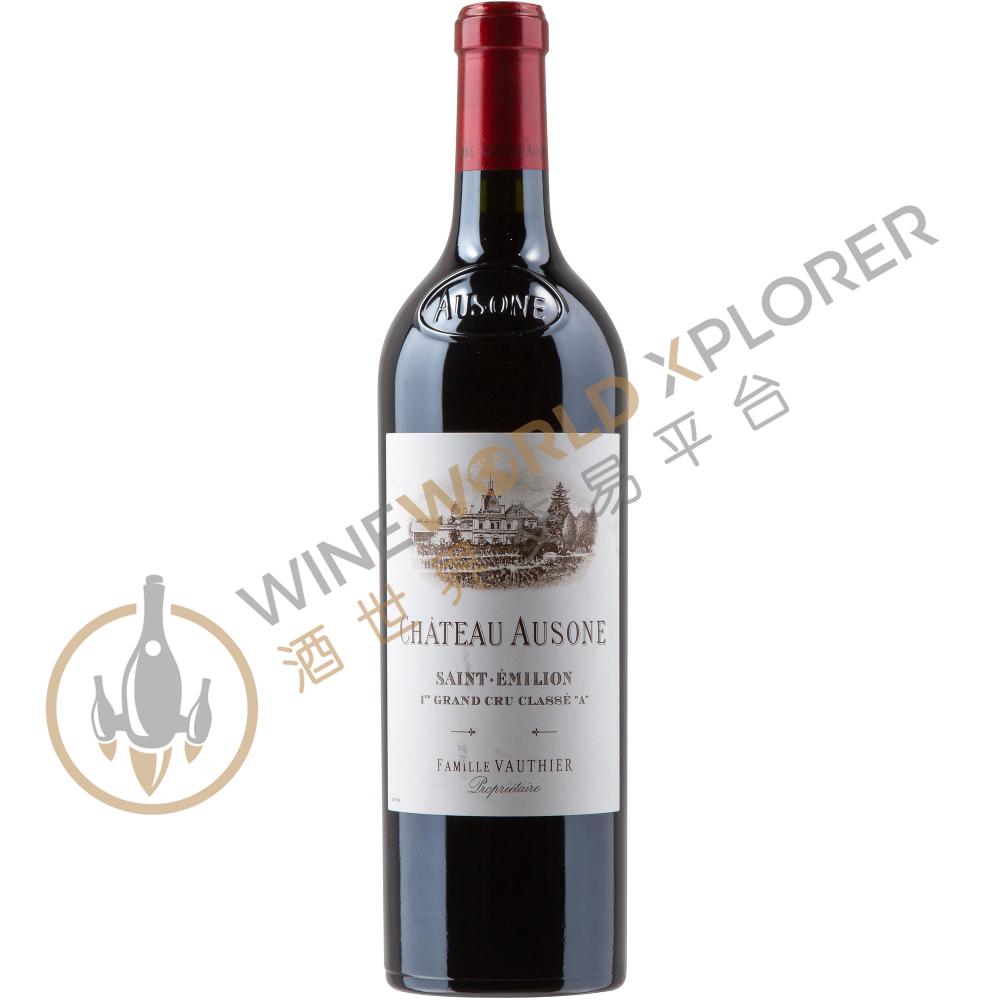
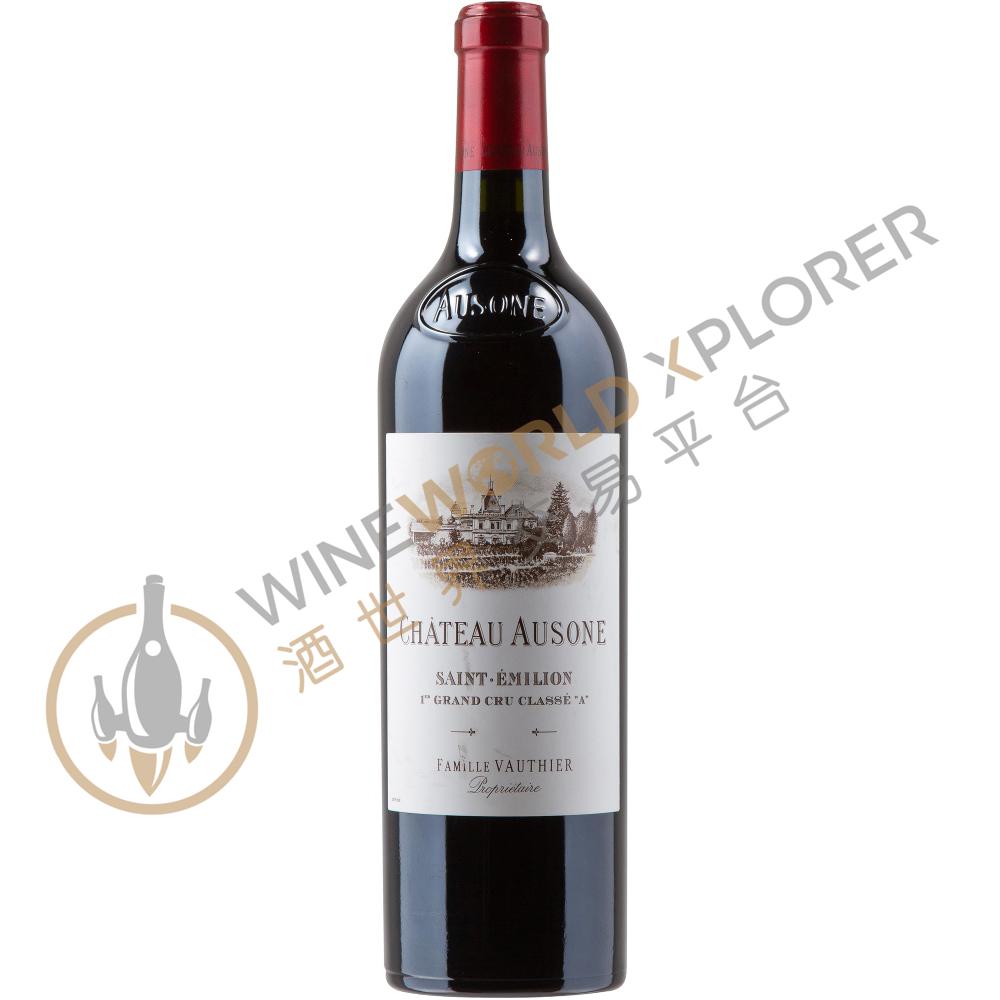
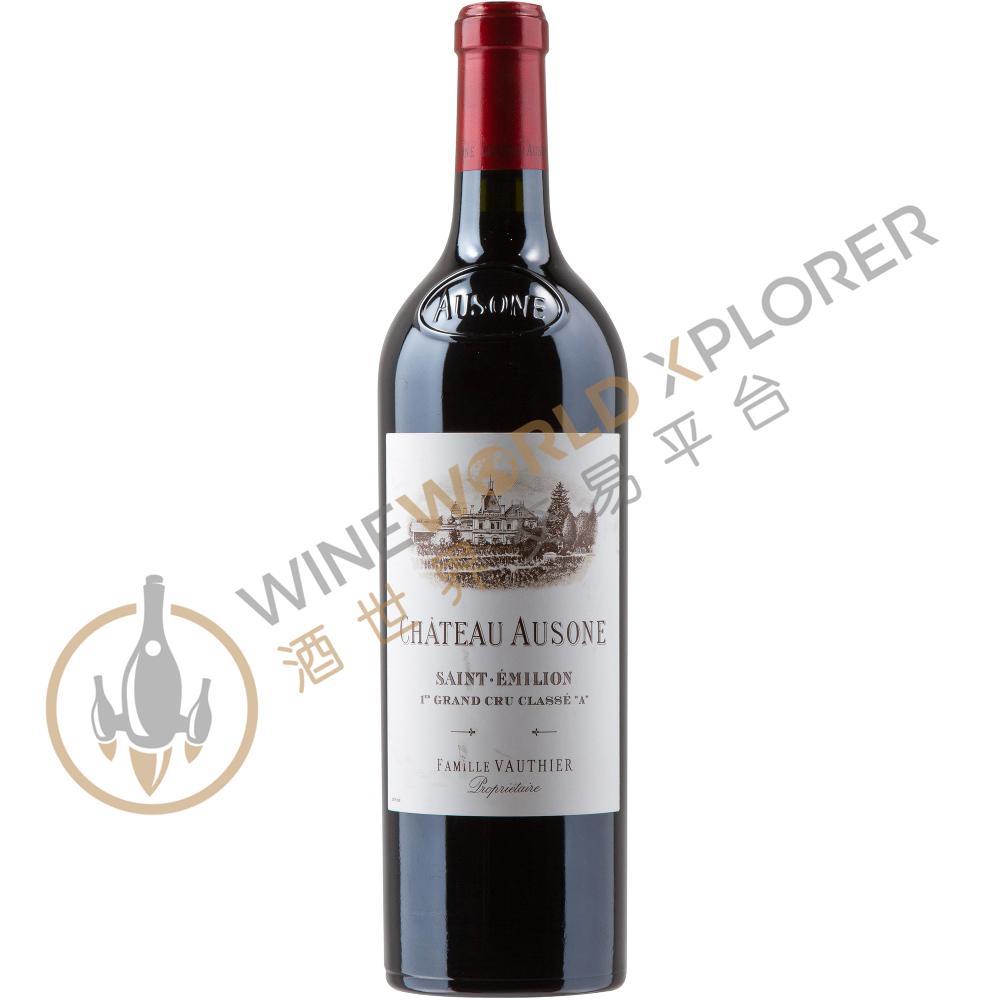
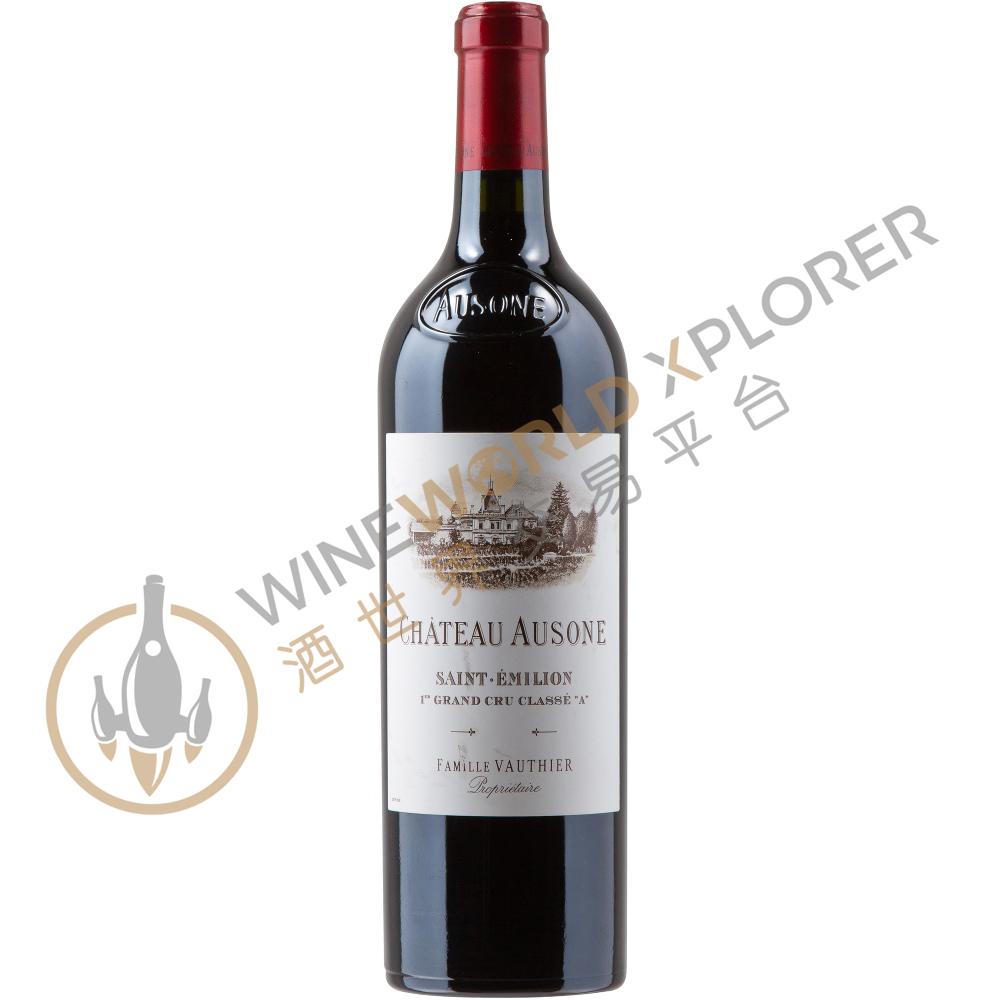
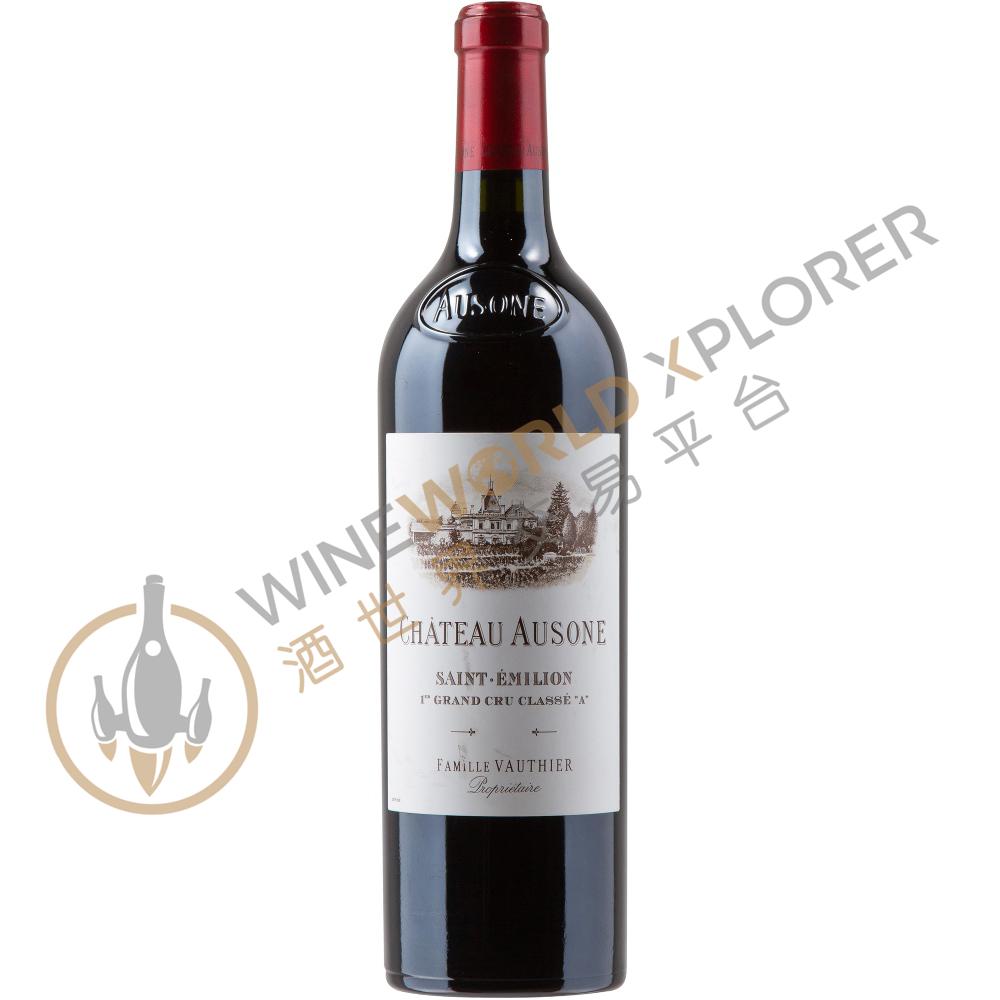
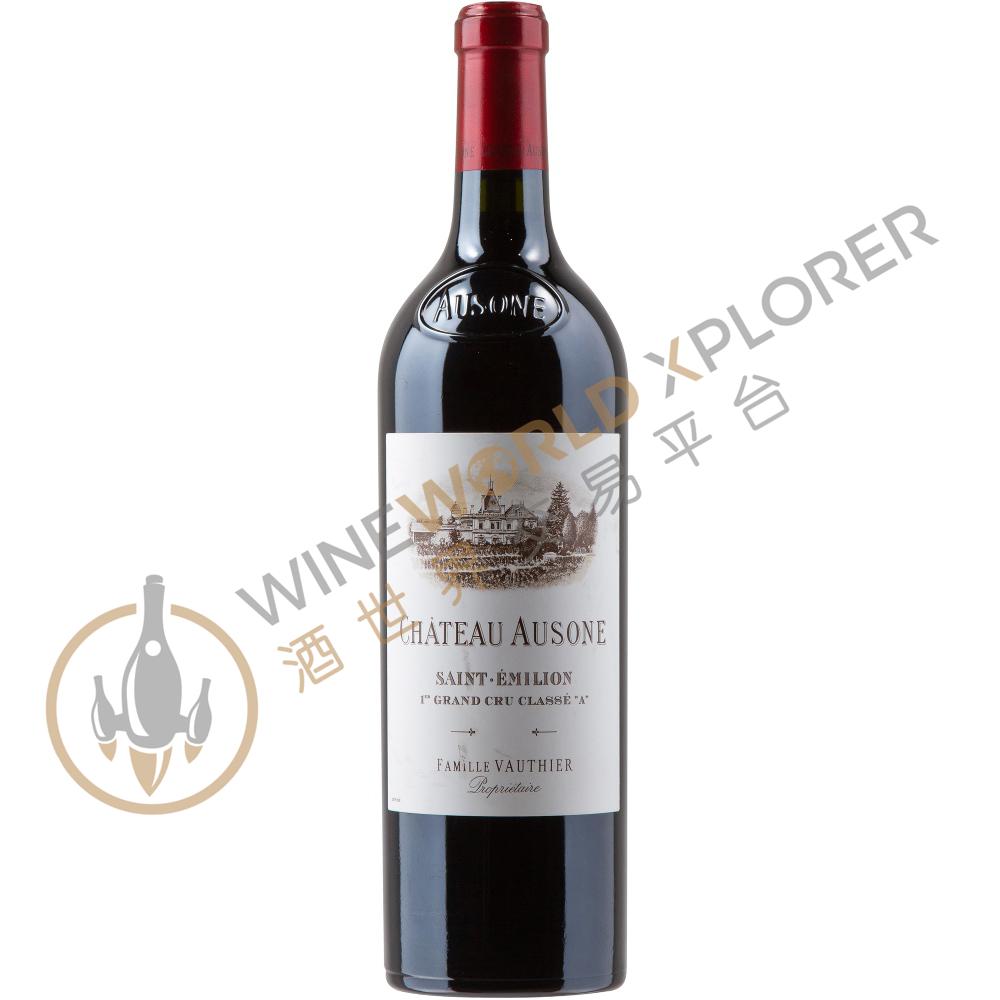
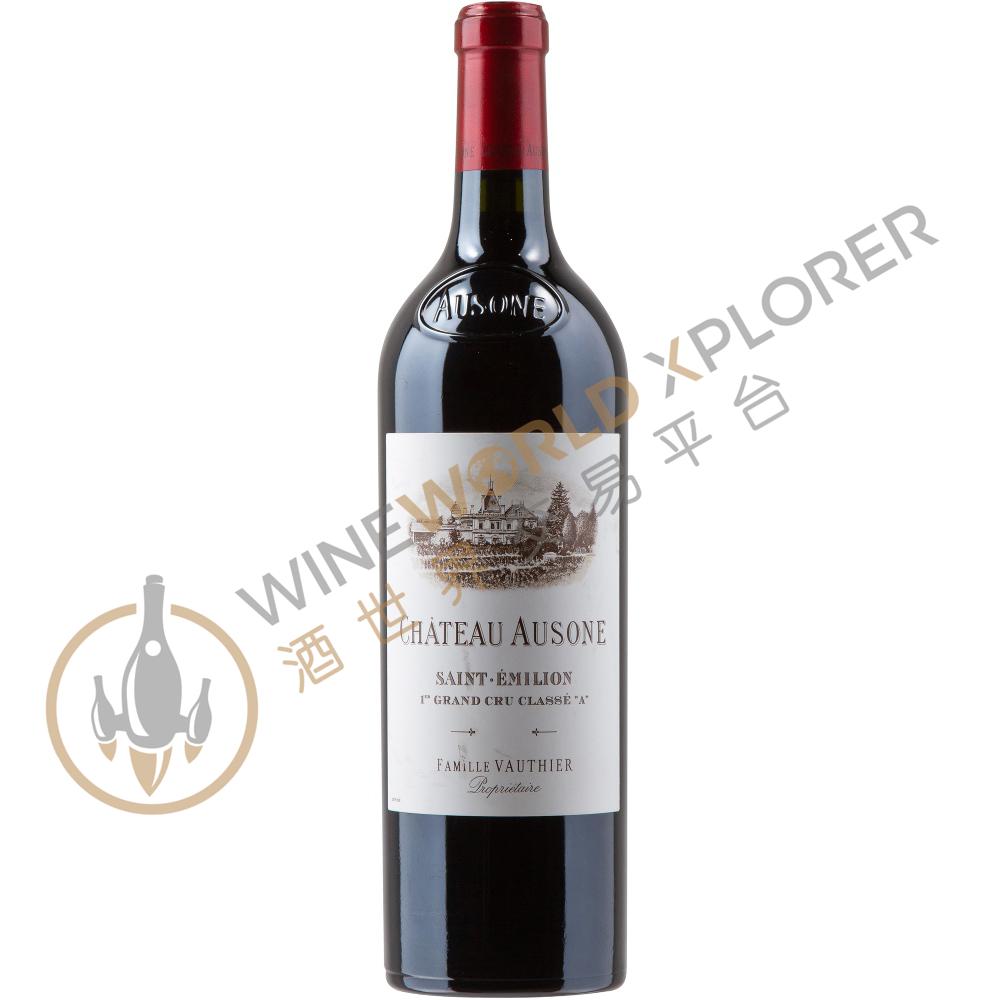
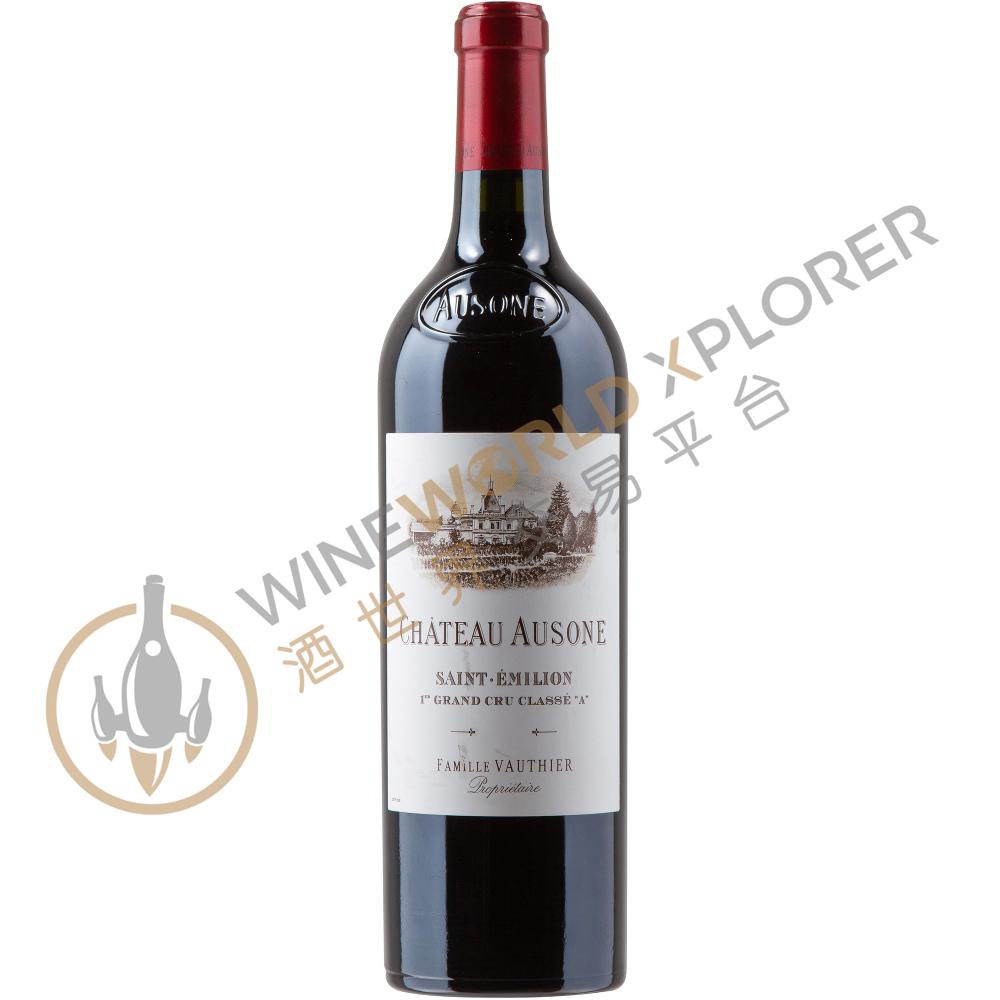
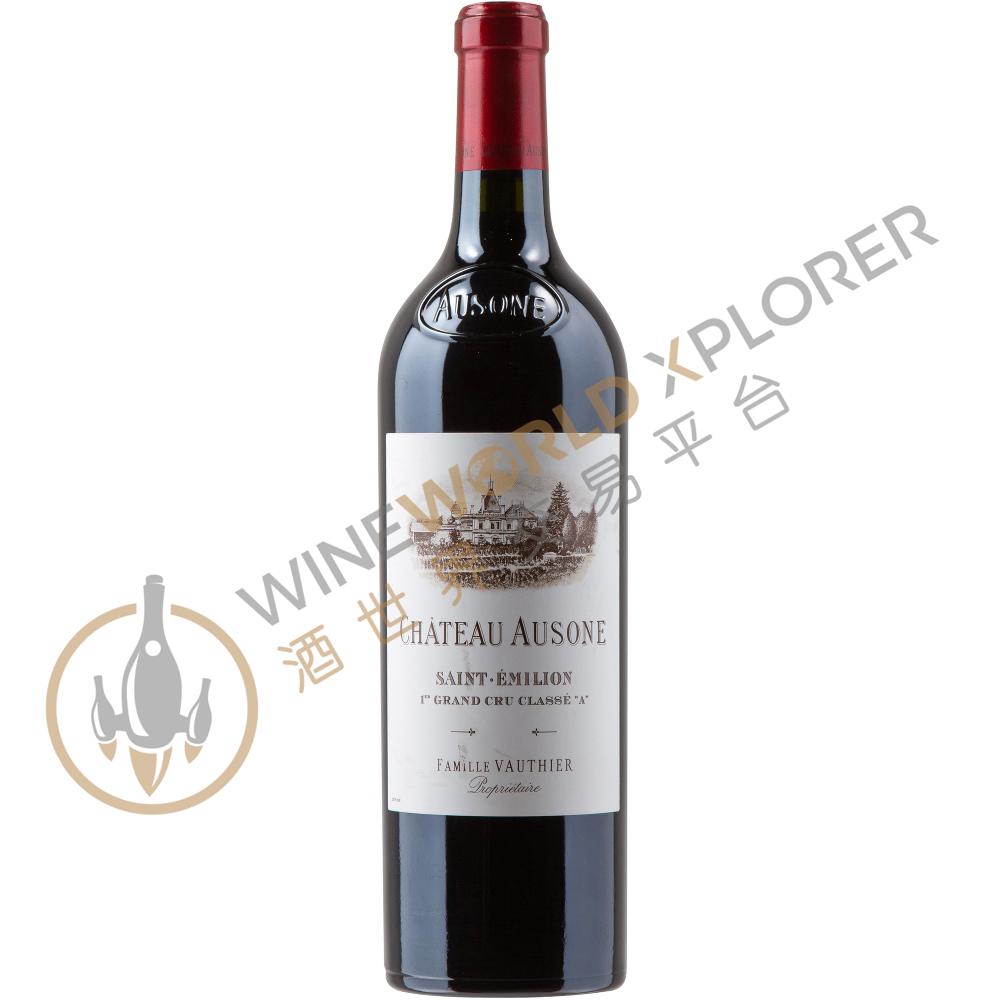
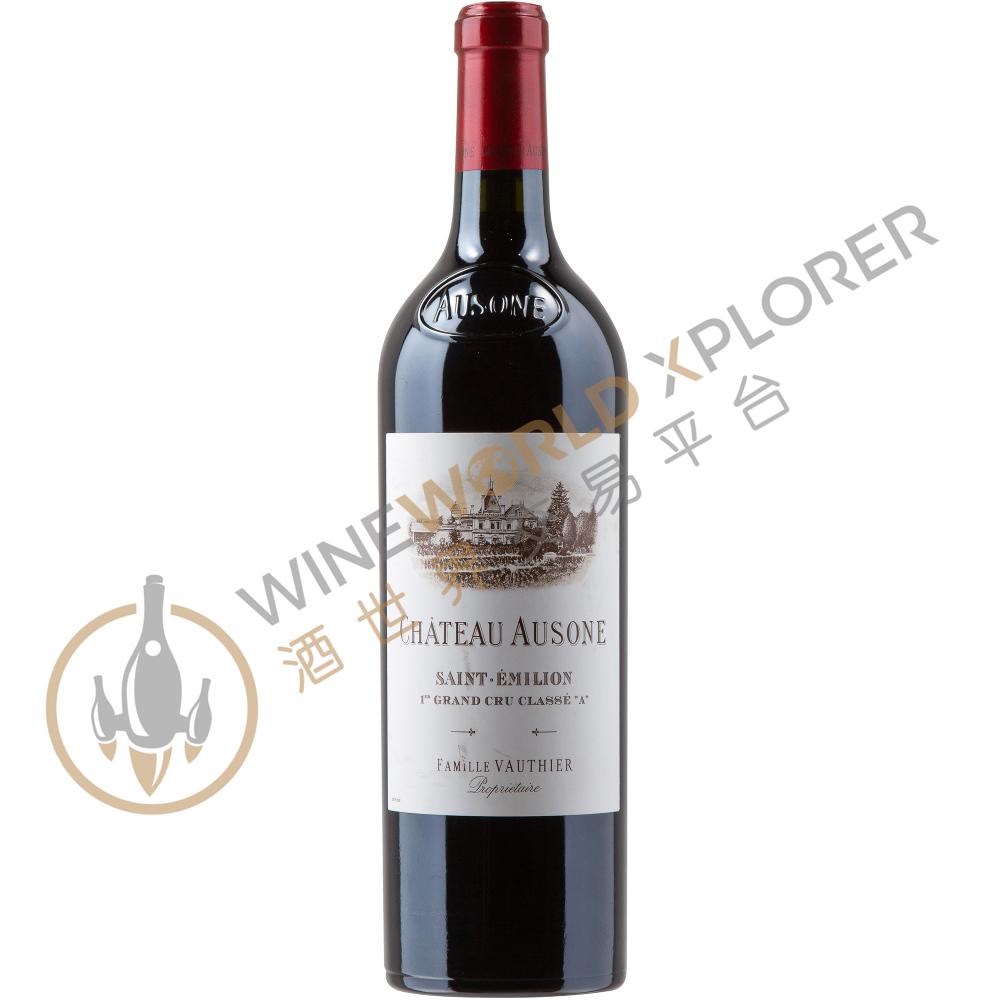
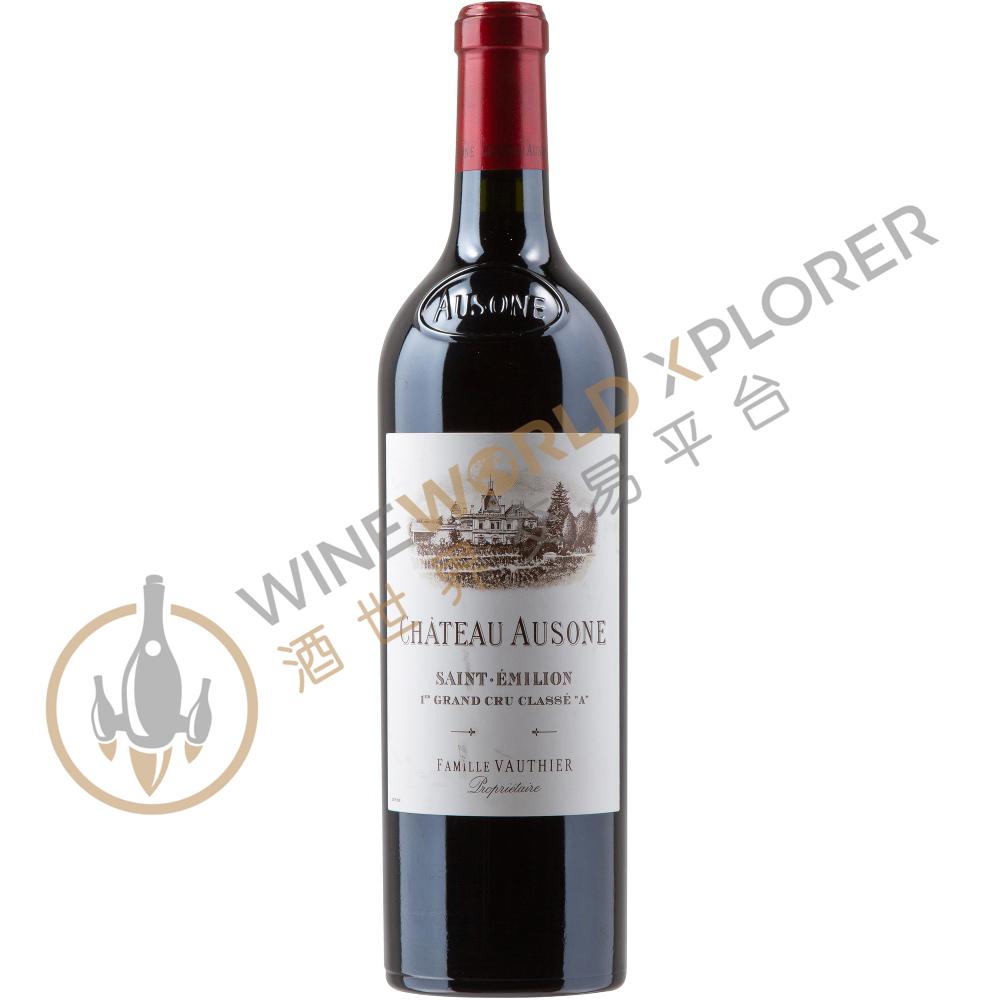
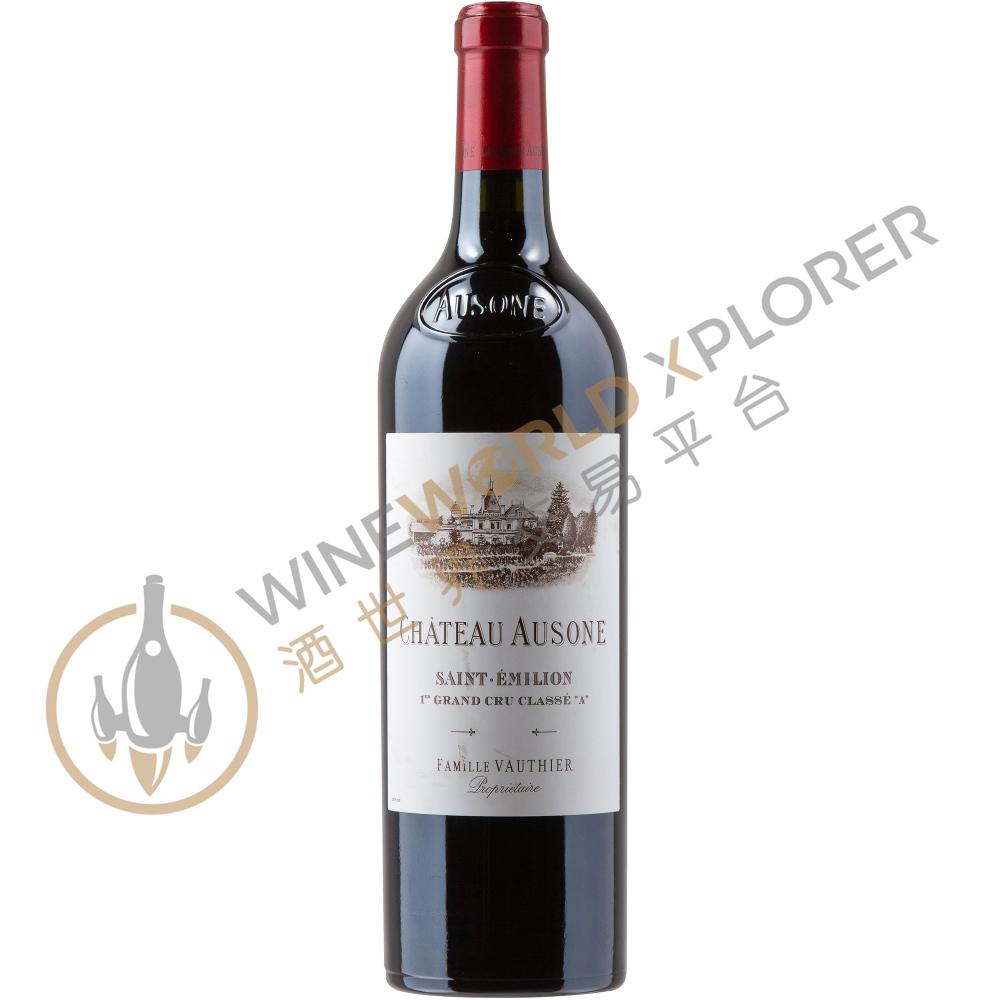
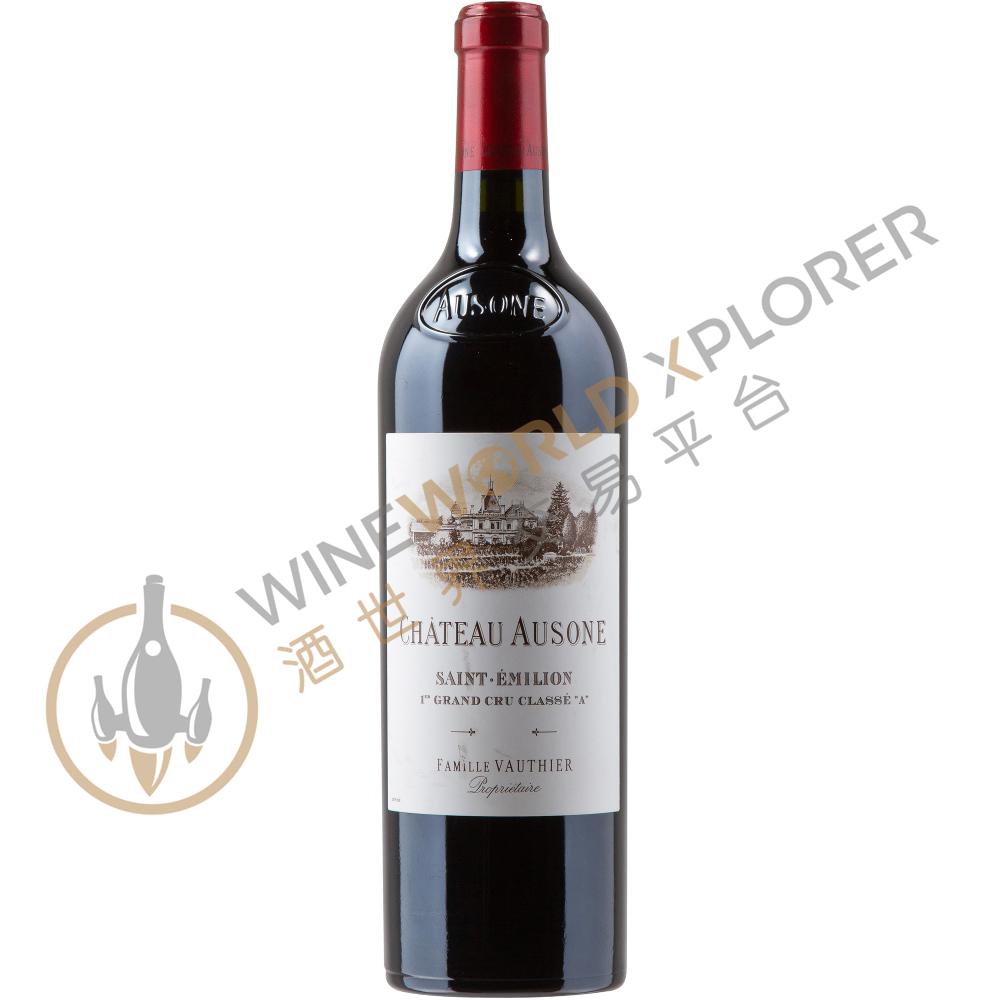
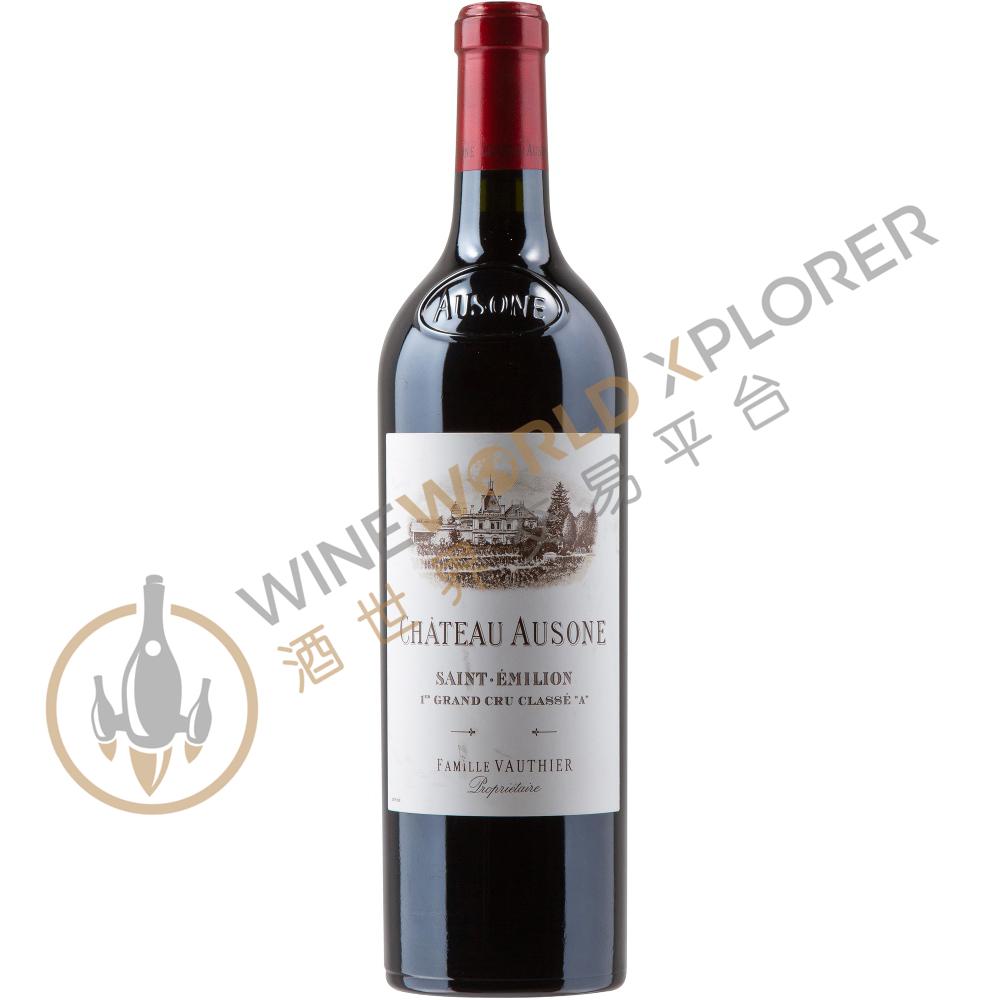
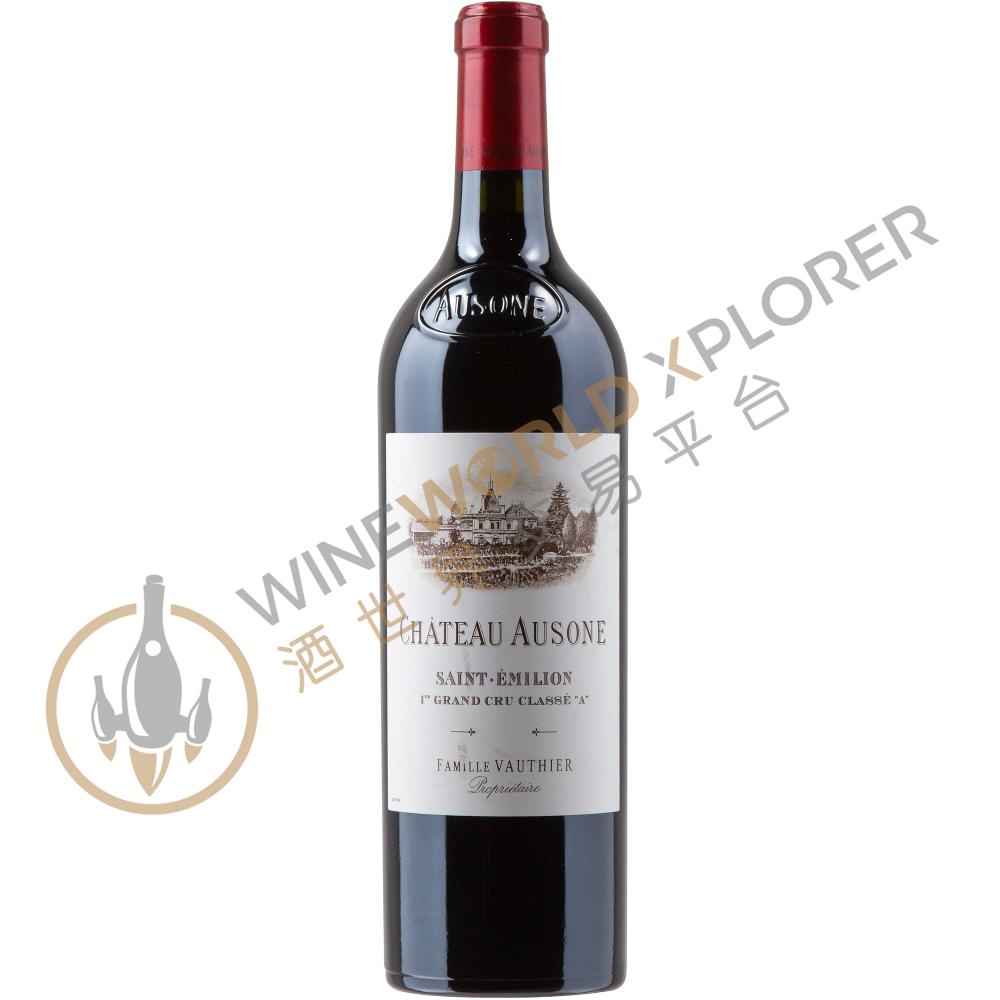
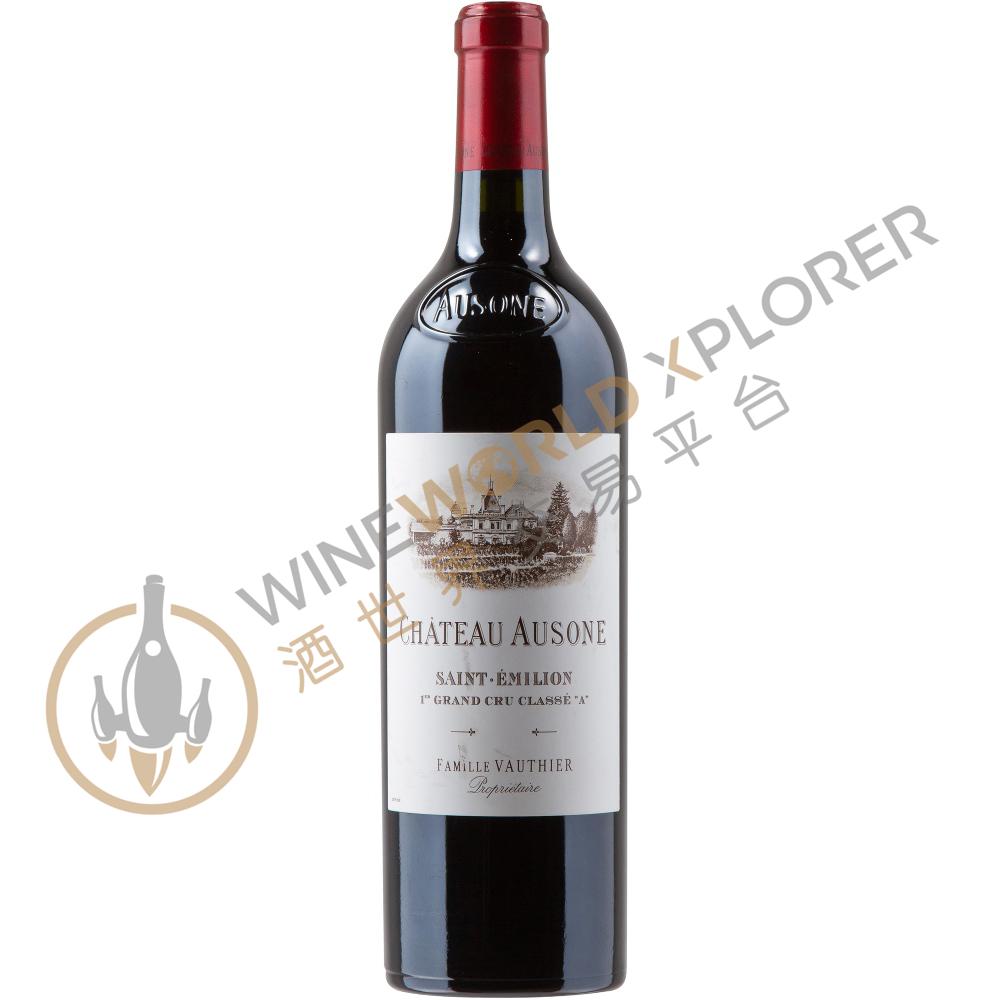
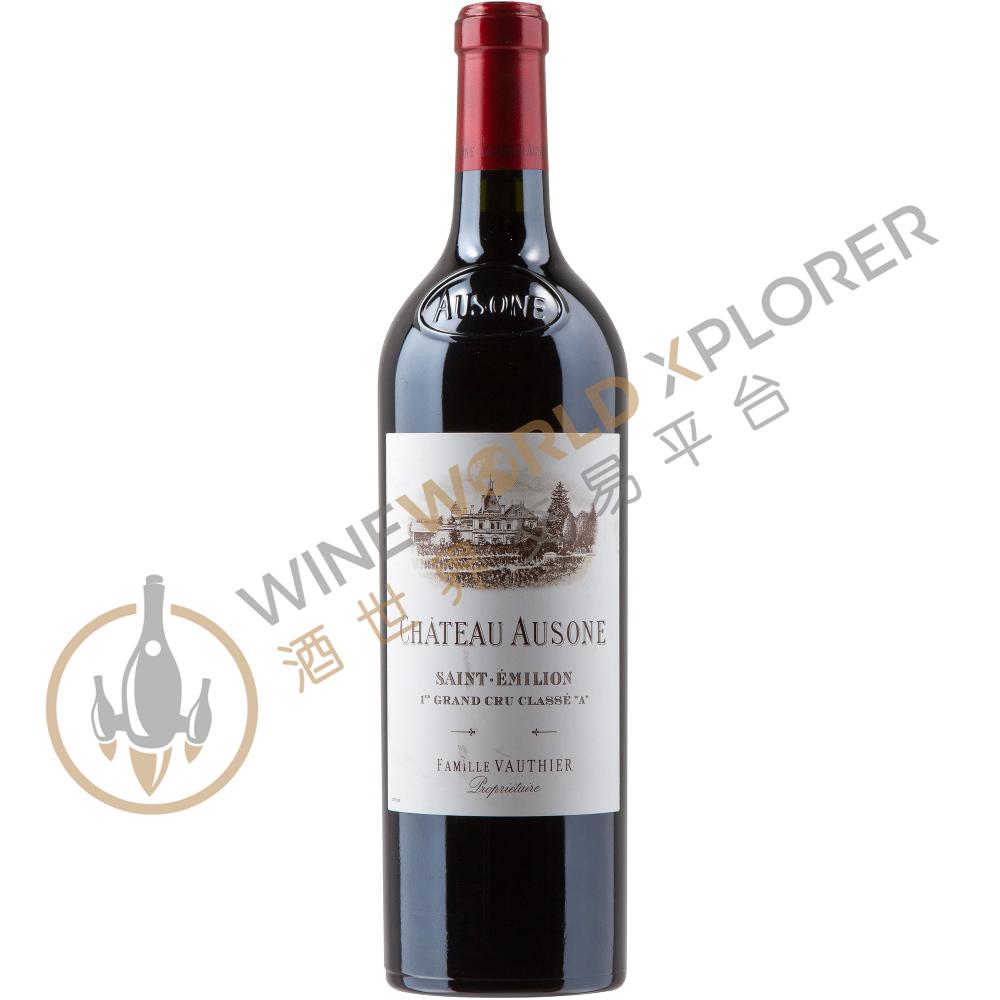
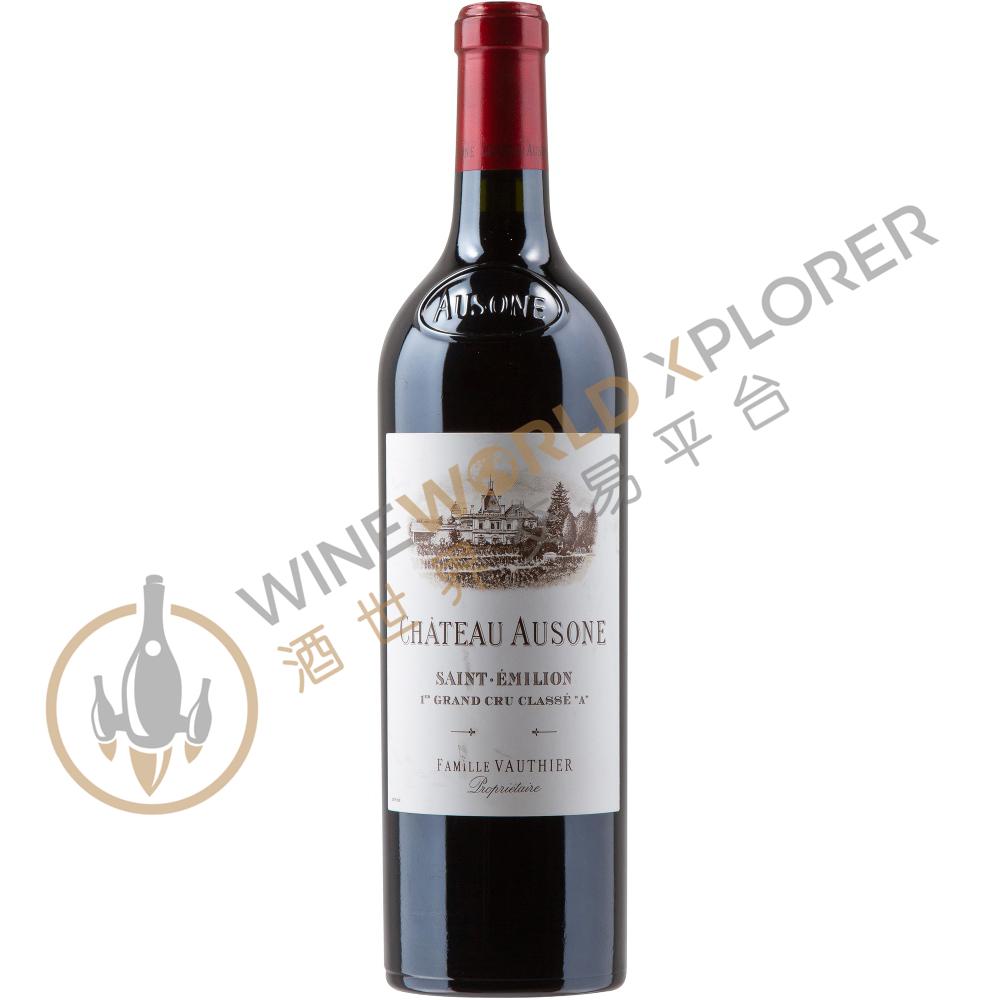
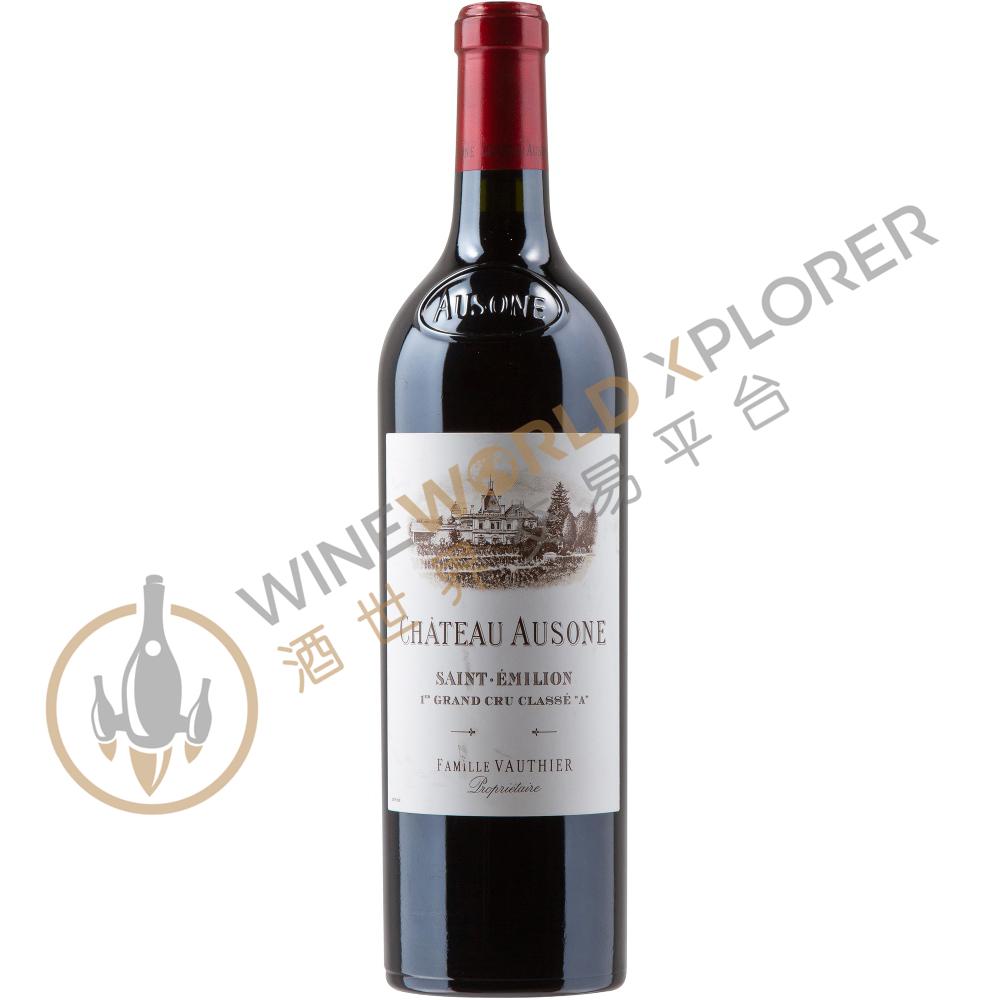
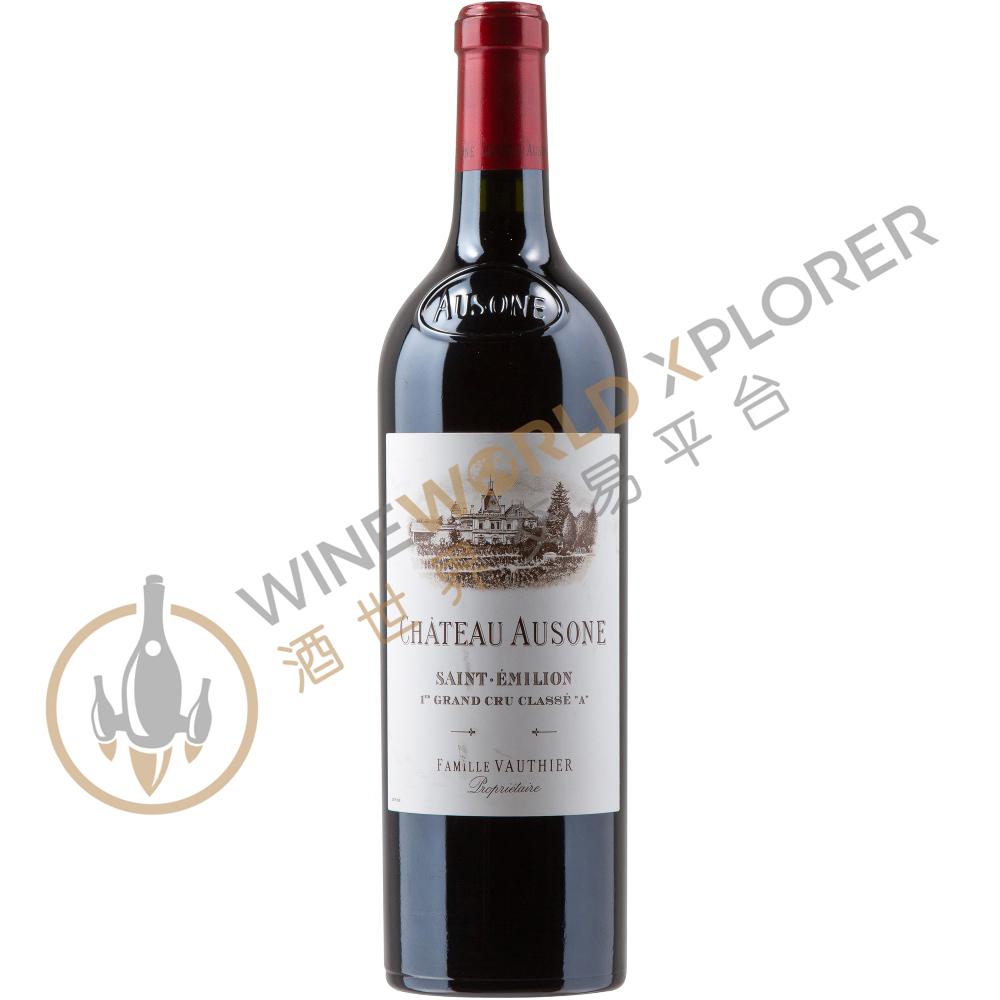
Ausone 2007
 View analysis


Description
Tasting notes

Reviewed by: Neal Martin
Tasted blind at the 2007 Bordeaux horizontal in Southwold. There seems to be just a little Cabernet in this wine, wonderful lift and sense of clarity, airy even, dark cherries, boysenberry and an odd scent of lime cordial that vanishes after five minutes in the glass. The palate is citrus-fresh on the entry, very pretty and feminine with filigree tannins and touches of fresh apricot and white peach interlacing the cassis and dark cherry fruit towards the finish. Tasted January 2011.
Reviewed by: Neal Martin
A deep black/purple colour. Like many other wines, the nose is quite taciturn at first, but it unfurls just like the Cheval Blanc to reveal some lovely pure blackberries, briary and bilberry. Very good definition and sense of minerality. This has immense concentration, very ripe black fruit and no evidence of any greenness at all. Lovely texture and focus, sappy finish. Great length, minerals all over the show. Excellent. Tasted April 2008.
Reviewed by: Robert M. Parker, Jr.
The 2007 Ausone is a candidate for one of the wines of the vintage, rivaling Pavie and Lafite Rothschild. Its deep ruby/purple hue is accompanied by a beautiful nose of spring flowers, raspberries, black currants, and crushed rocks. The wine is dense, medium to full-bodied, and pure with sweet tannin as well as a surprisingly evolved, forward style. It is one of the few Ausones I have tasted that can be drunk with great pleasure at this stage, yet it promises to evolve for two decades.
Reviewed by: Neal Martin
Tasted blind at Farr Vintners 2007 Bordeaux tasting. The 2007 Ausone has a high-toned bouquet, a little flashy in style compared to its peers with touches of salted licorice coming through with aeration. The palate is medium-bodied with supple tannins and fine acidity. This is more cohesive and mild-mannered than the feisty aromatics, with good depth and a caressing, quite plush finish. It is a fine Saint Emilion, though it does not quite possess the breeding of the Cheval Blanc 2007 that was tasted alongside. Tasted March 2015.
Reviewed by: Robert M. Parker, Jr.
Rated - No tasting note given.
Reviewed by: Stephen Tanzer
Full red-ruby color. Inky black cherry, blueberry, licorice and bitter chocolate on the nose, plus a whiff of roasted meat that quickly dissipated. Dense and chewy on the palate, with very good intensity to its dark fruit, leather and chocolate flavors and a pronounced rocky quality. Showed increasing vibrancy with aeration but there's no easy sweetness to this soil-driven wine. Struck me as a bit energetically extracted. Finishes broad and long, with substantial dusty tannins. I'd forget about this for at least a few years.
Reviewed by: Stephen Tanzer
Bright medium ruby. Dark berries, graphite and violet on the perfumed nose and palate. Suave, creamy and seamless, with terrific inner-mouth energy to the concentrated fruit flavors. Boasts wonderful volume and sweetness for the vintage. Not at all a blockbuster-and less structured and youthfully aggressive than the 2006-but shapely and long on the aftertaste, with rather suave tannins. This is likely to give pleasure much earlier than the 2006 and 2005.
About the Producer
Located in the Saint-Emilion appellation on the right bank of Bordeaux, France, Chateau Ausone is one of only four Saint-Emilion Premier Grand Cru Classe A estates in the appellation and one of the eight most prestigious estates in Bordeaux. The 7.25 hectares of vineyards at Château d'Orson are oriented to the east or south-east, allowing the vineyards to enjoy the full sun and to be protected from the north-west winds. The vineyard's proximity to the Dordogne, which is regulated by the river, provides an ideal microclimate for the grapes to grow, and the fact that the vineyard was not seriously affected by the severe frosts of 1892 and 1956 is testament to the terroir. While Merlot is the dominant wine in the Saint-Emilion appellation, Cabernet Franc is the preferred wine at Château d'Ausone, with Cabernet Franc planted in the vineyard, supplemented by some Merlot and a very small amount of Cabernet Sauvignon, which is used only for the secondary wines (Chapelle d'Ausone, Saint-Emilion). 'Ausone, Saint-Emilion Grand Cru, France). The average age of these vines is 52 years, with the oldest vines, planted in the early 20th century, being up to 100 years old and planted at a density of 6,500-12,000 vines per hectare. The soils are predominantly calcareous clay and limestone, which is the main reason for the minerality of the red wines of Château Ausone, Saint-Emilion Grand Cru Classe, France. The organic and biodynamic approach to vineyard management and winemaking at Château Ausone is a commitment to producing wines that express the full character of the terroir. In the vineyards, the staff takes care of the vines, planting fruit trees and aromatic plants, allowing insects, birds and even bats to come and go, in order to release the vitality of the soil and promote the harmony of the entire vineyard ecosystem. During the harvest, the grapes are very carefully selected and only healthy grapes of optimum ripeness are used to make the wine. During the winemaking process, the treated grapes are first subjected to Cold Maceration to extract the pigments and flavours from the skins. Next, alcoholic fermentation takes place in large traditional oak barrels, followed by Malolactic Fermentation in small French oak barrels. After this, the estate's main wines are aged in 100% new oak barrels for up to 24 months, adjusted to the characteristics of the vintage. The wines are aged in the estate's natural limestone cellars, where the humidity and temperature are stable and provide excellent conditions for the wines to age. The wines of Château d'Orson have always been known as "the poet's wine", with a deep colour, very pure aromas of dark fruit, liquorice, flowers and crushed stone, full-bodied but not too heavy, and with great potential for ageing. Robert Parker once said: "If patience is not your virtue, there is no point in buying a bottle of Ouzo". The quality of Château Ouzon's wines has been consistent, with the best vintages including 2018, 2017, 2016, 2015, 2014, 2012, 2010, 2009, 2008, 2006, 2005, 2004, 2003, 2001, 2000 and 1998, to name but a few. In addition, the estate's secondary wine was born in 1995 from a selection of Cabernet Franc, Merlot and Cabernet Sauvignon from the young vines of the estate. Thanks to the limestone soils of the estate, this wine is rich in mineral flavours, with aromas of black cherry, blackberry, cassis and flowers, a full-bodied wine with velvety tannins and a long, impressive finish. With Robert Parker and James Suckling scores of over 90 points in almost all vintages, this wine has long ageing potential.
1944(1)1957(1)1958(1)1959(1)1961(1)1969(1)1970(1)1978(1)1979(1)1980(1)1981(2)1982(2)1985(2)1986(3)1987(1)1988(3)1989(3)1990(4)1994(1)1995(2)1996(4)1998(9)1999(8)2000(11)2001(7)2002(6)2003(5)2004(2)2005(3)2006(8)
Package Size