 Wine Advisor



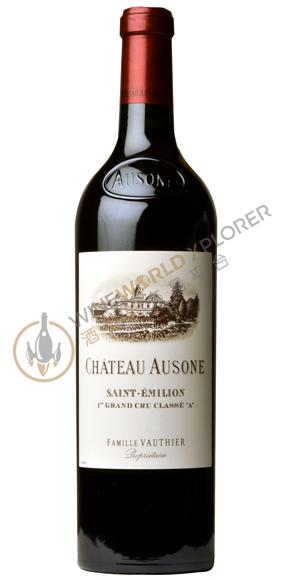
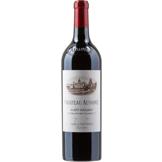
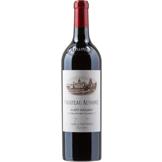
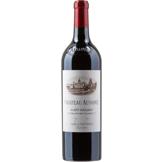
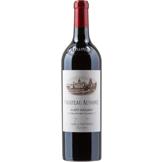
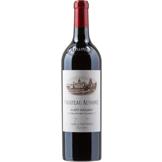
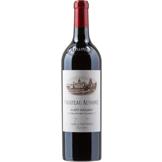
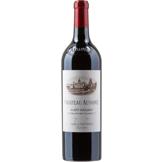
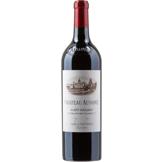
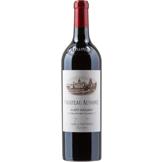
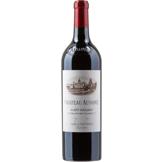
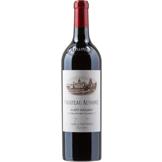
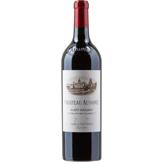
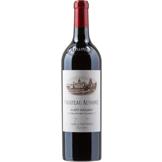
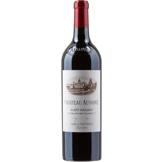
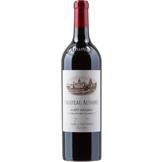
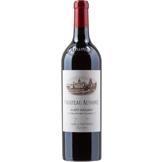
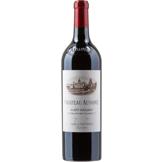
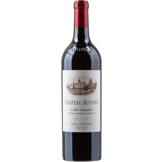
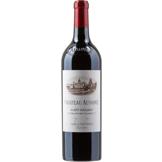
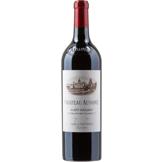
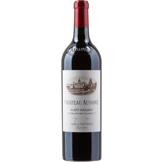
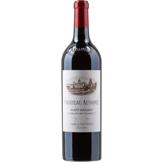
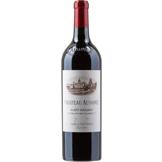
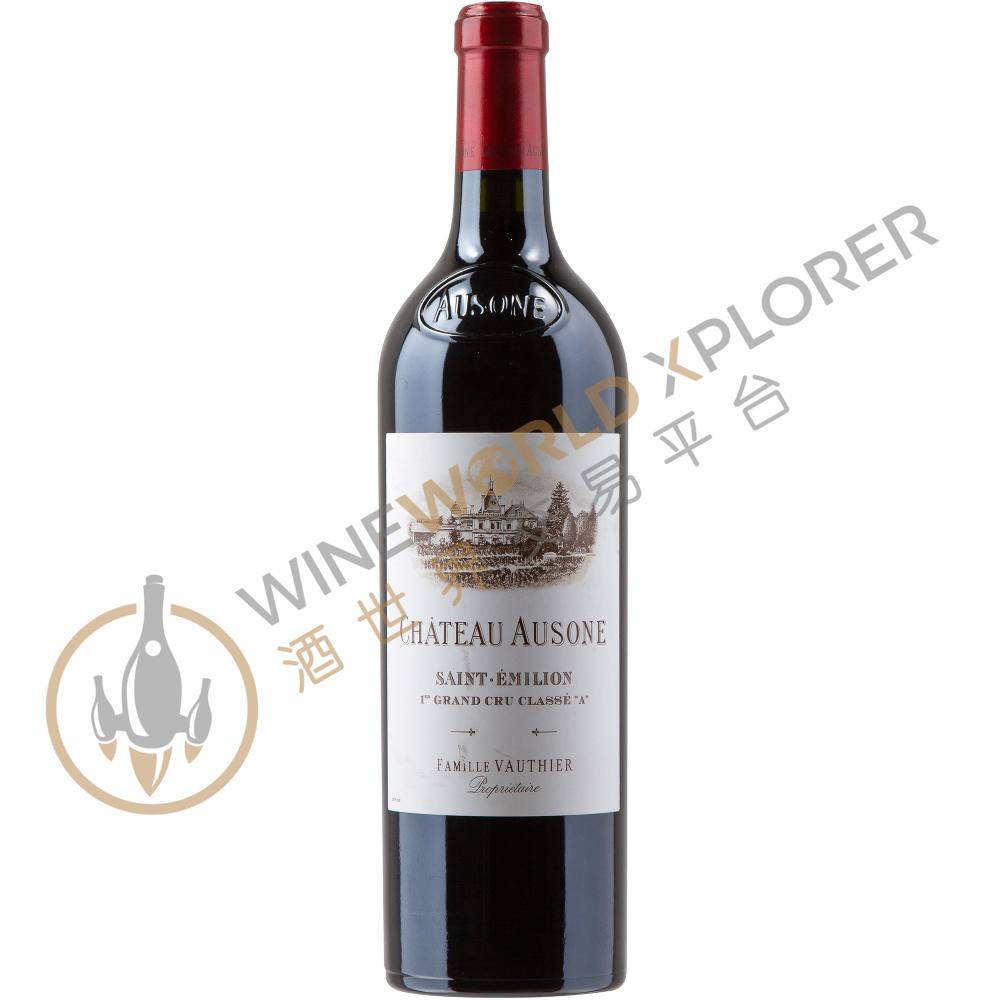
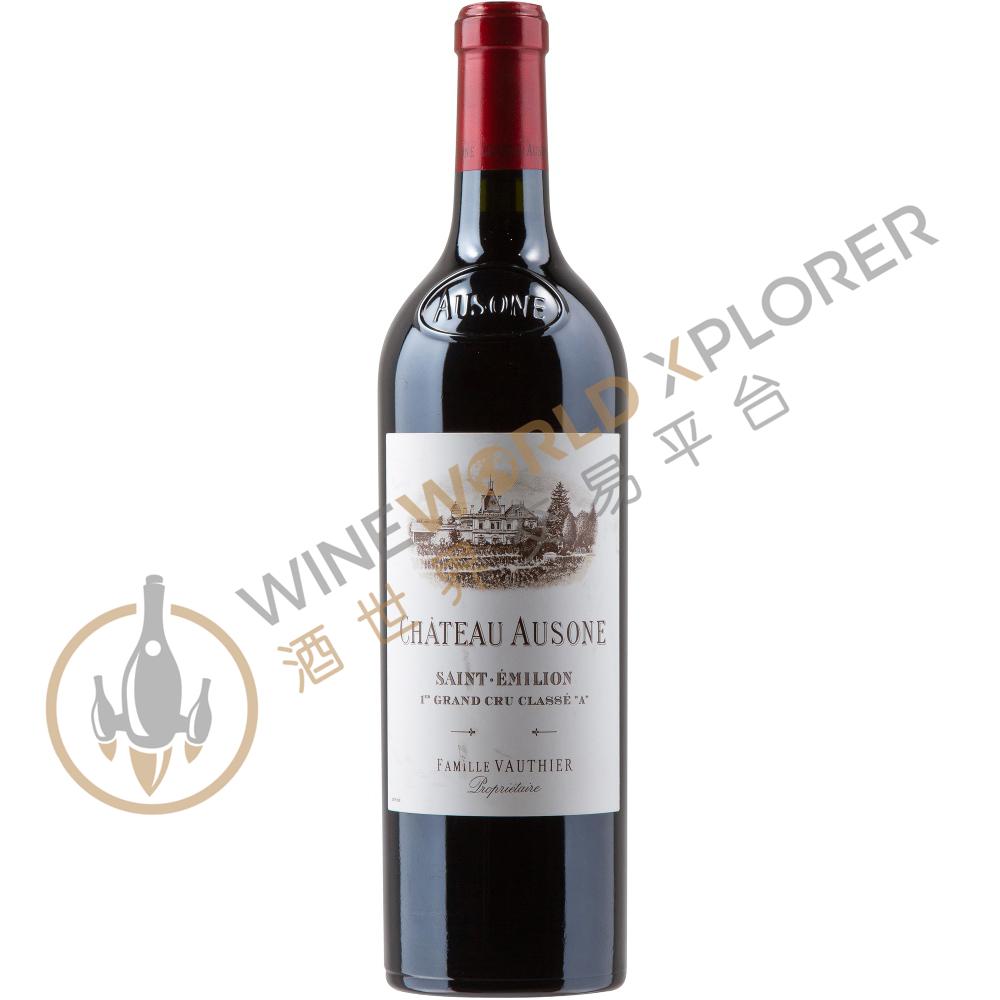
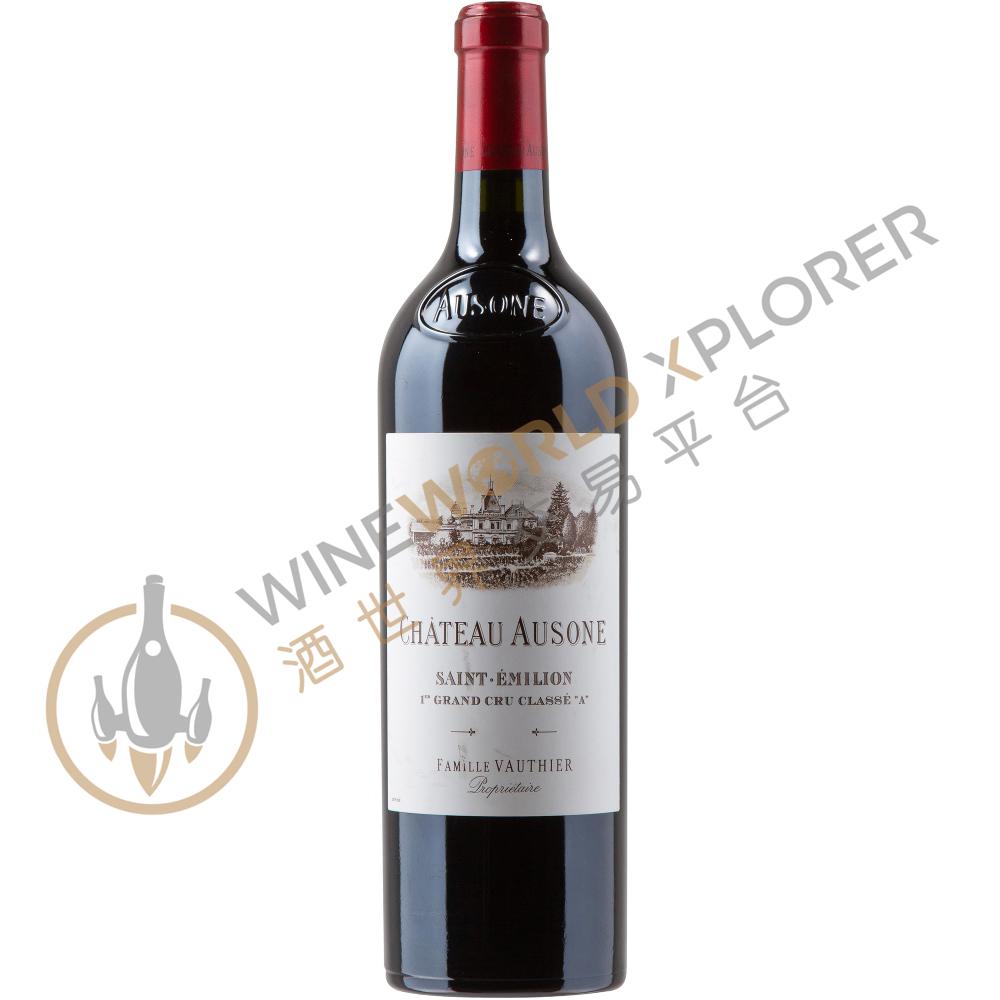
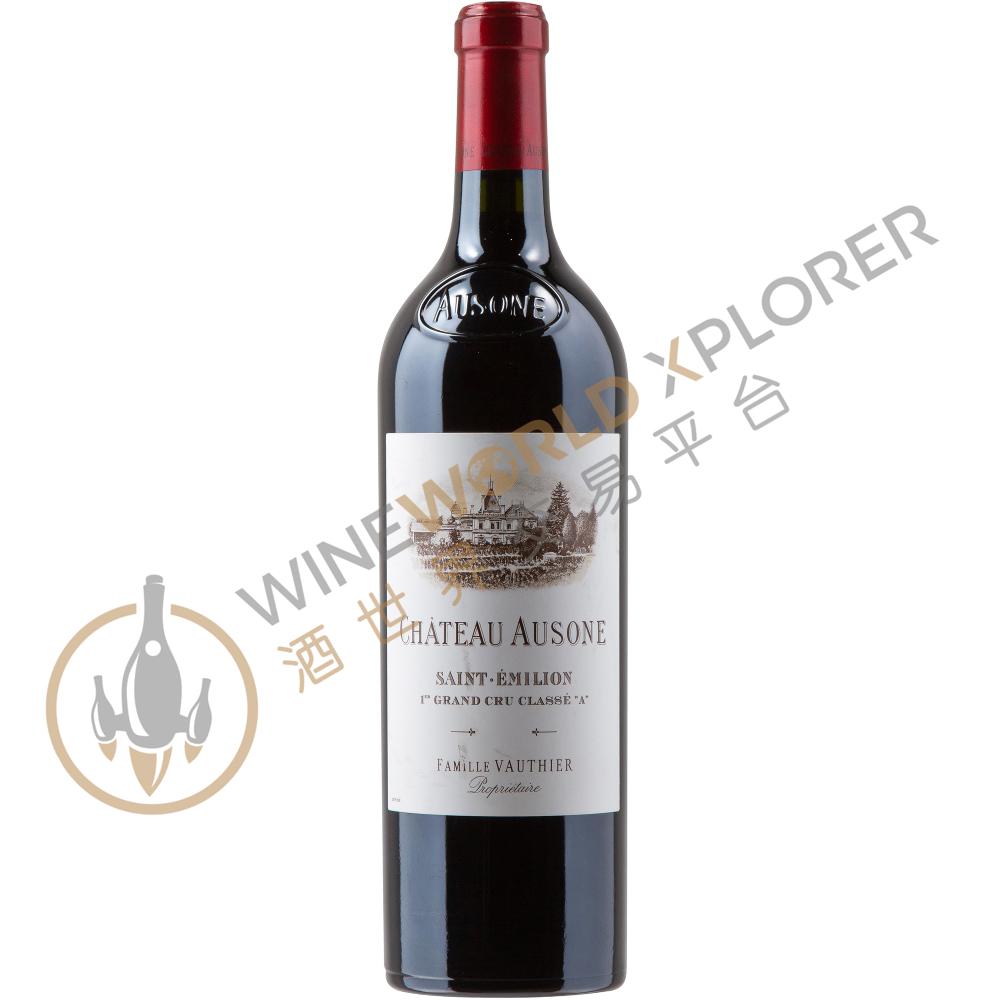
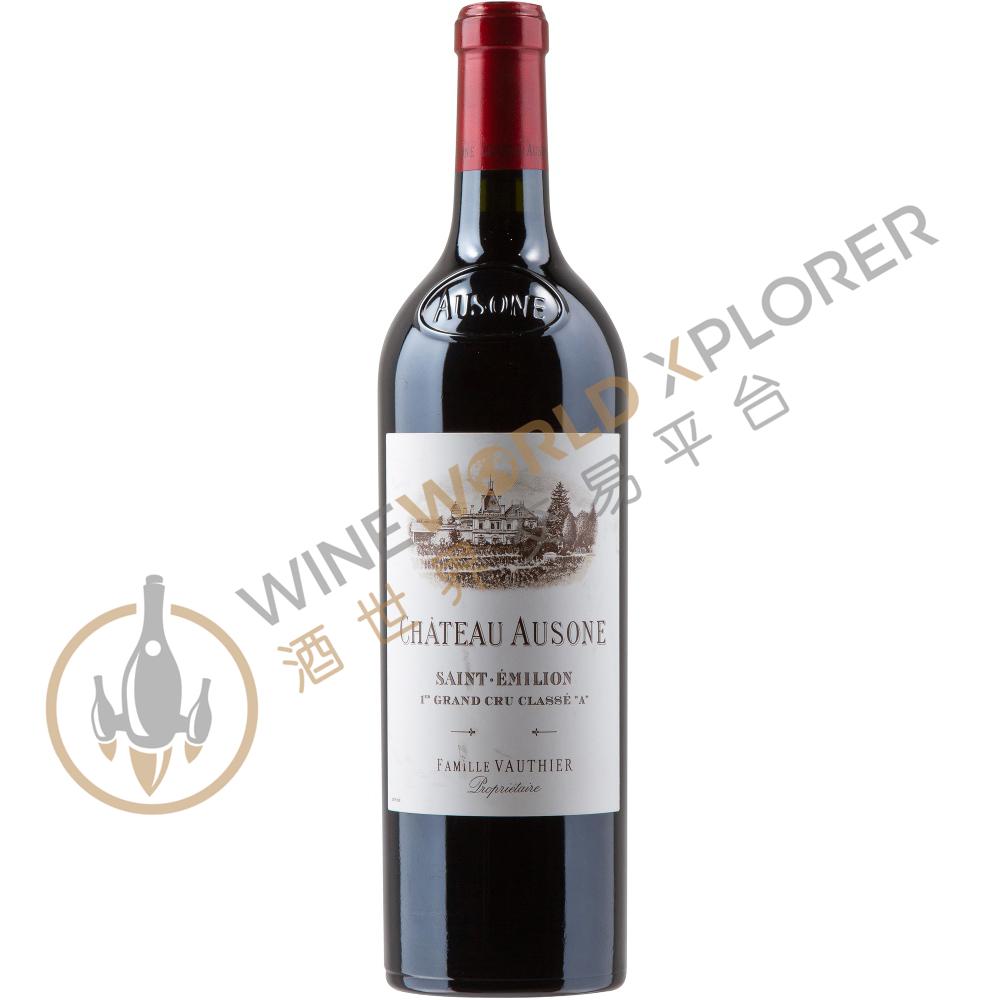
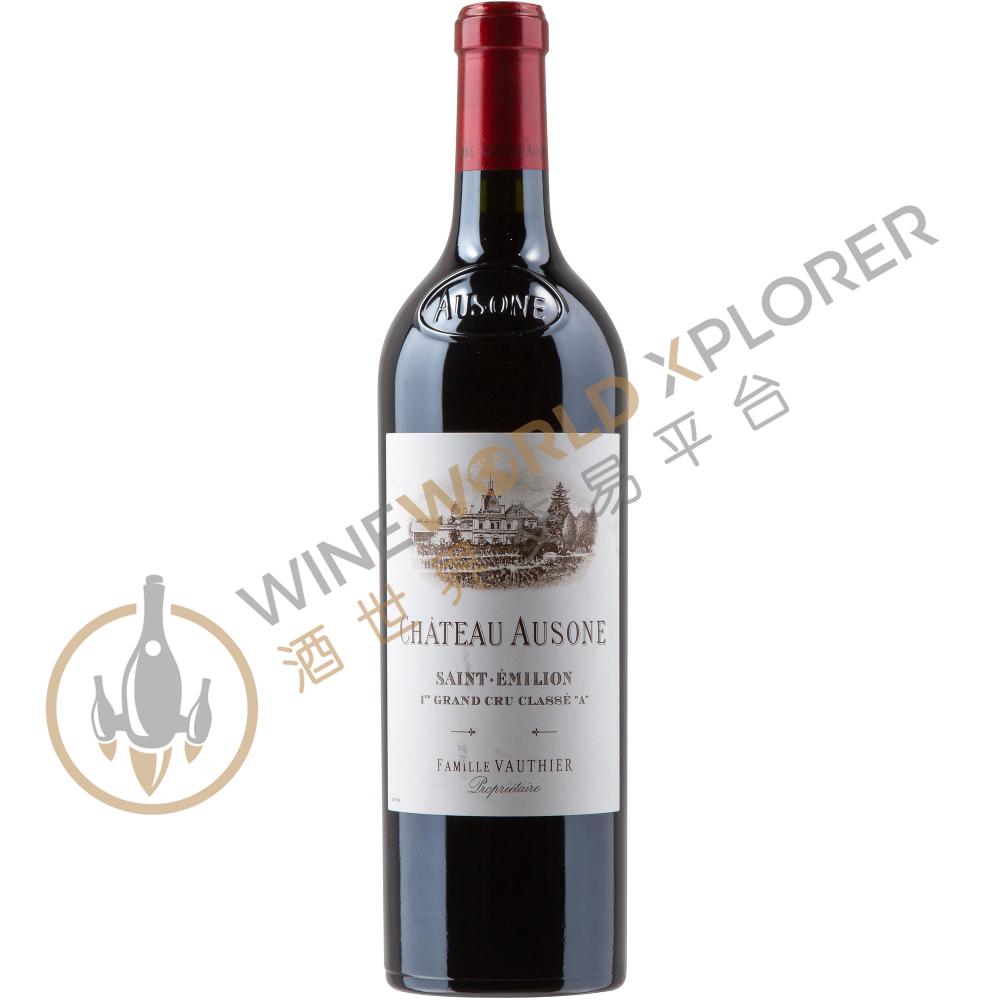
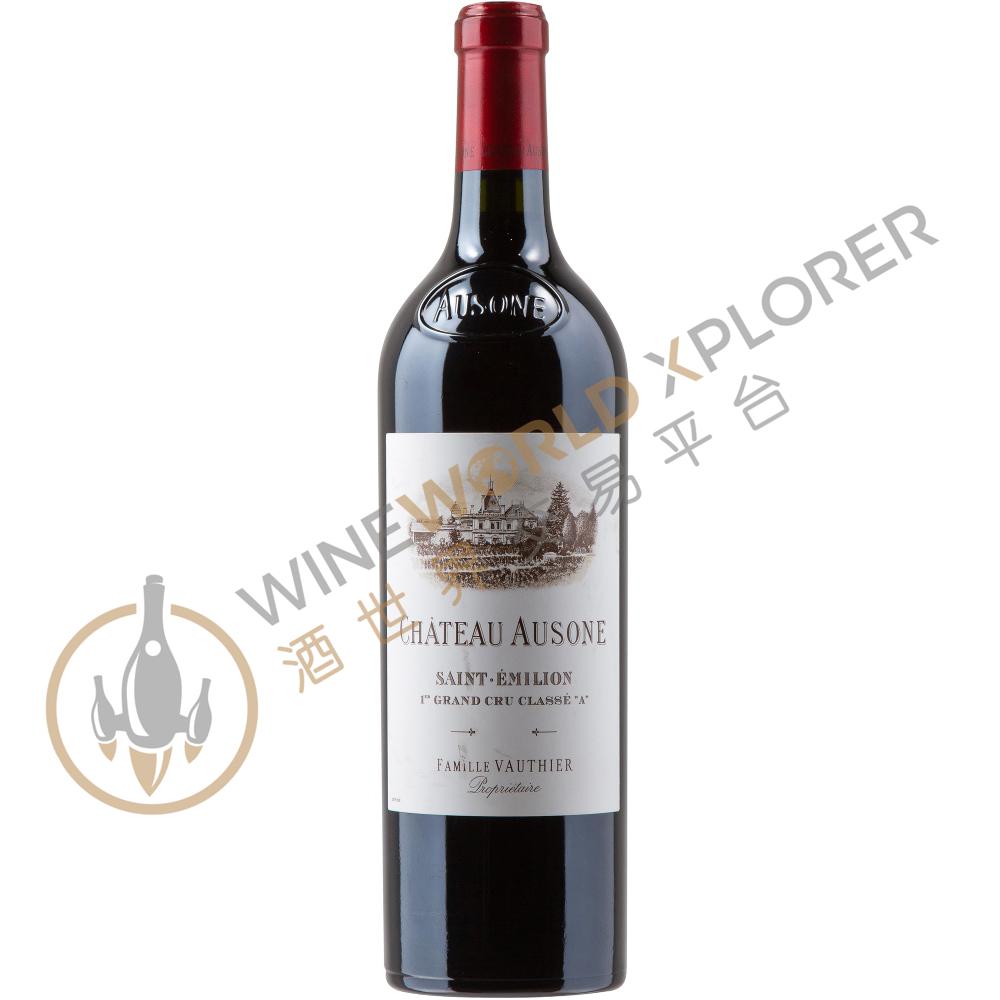
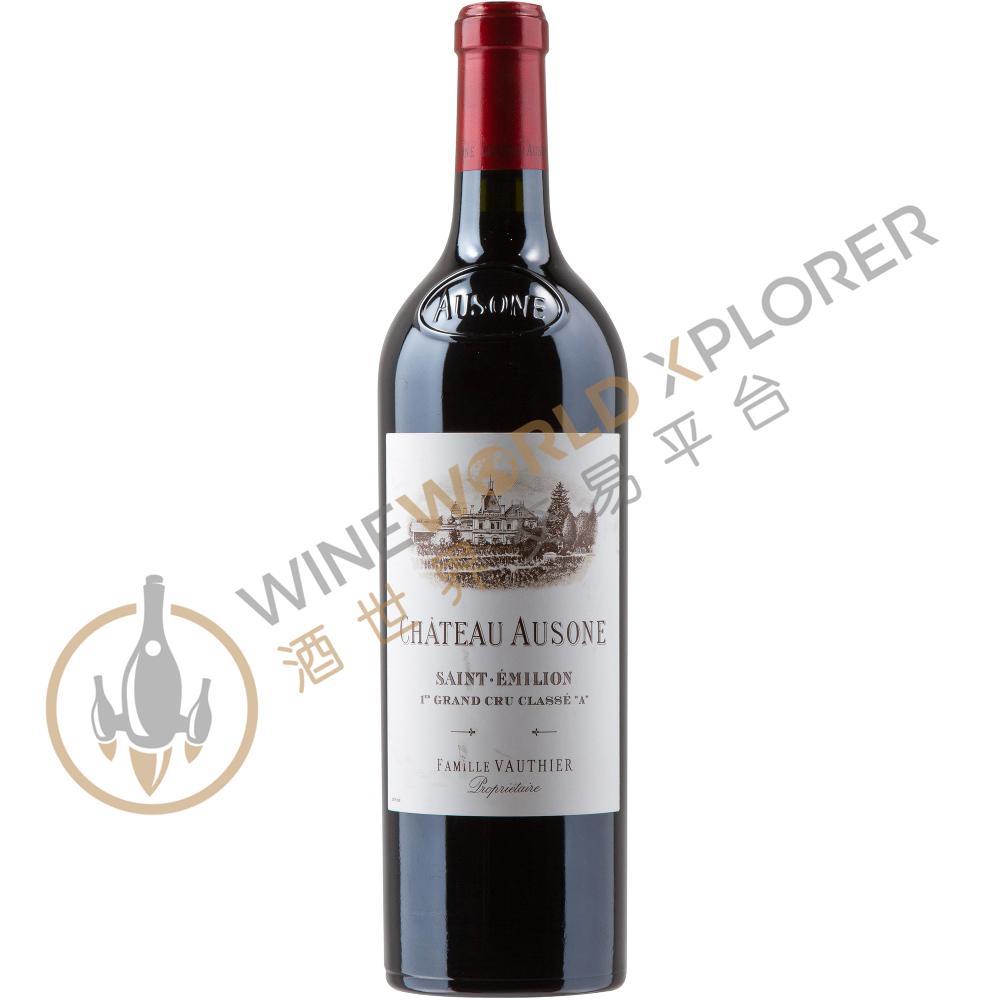
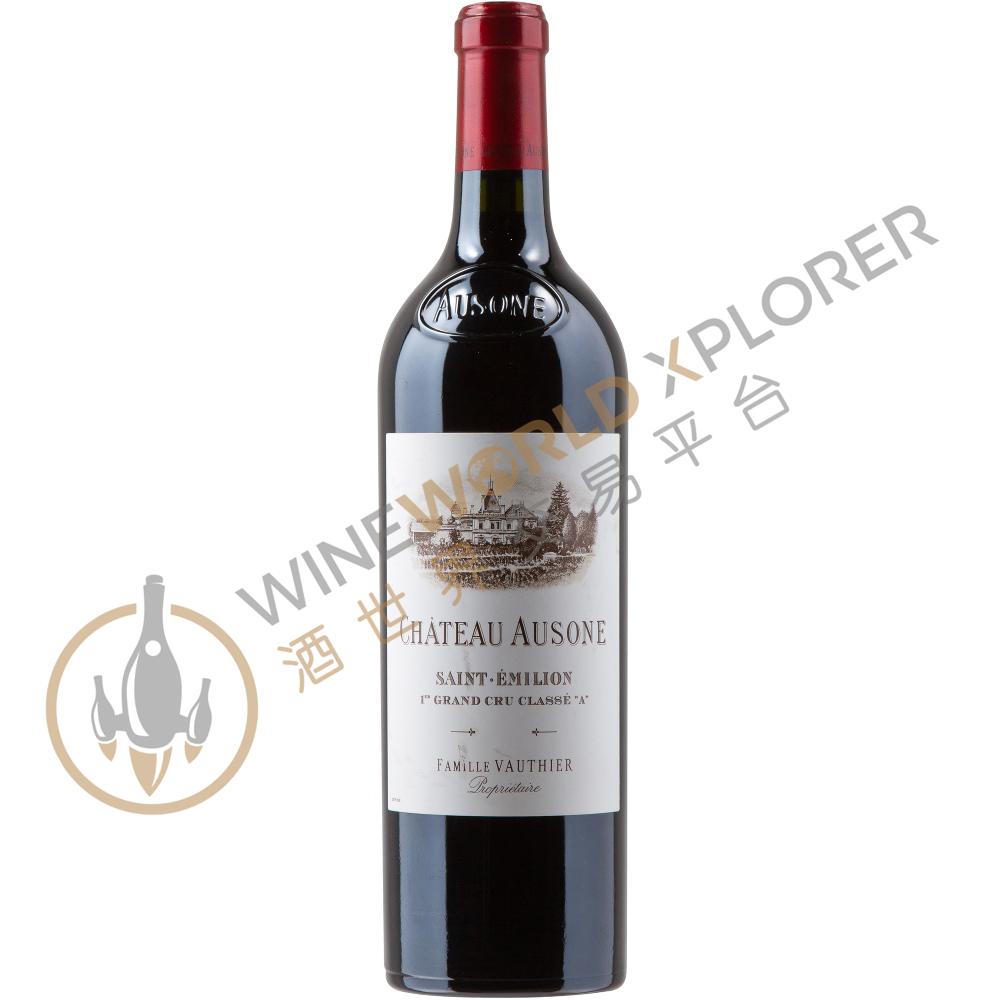
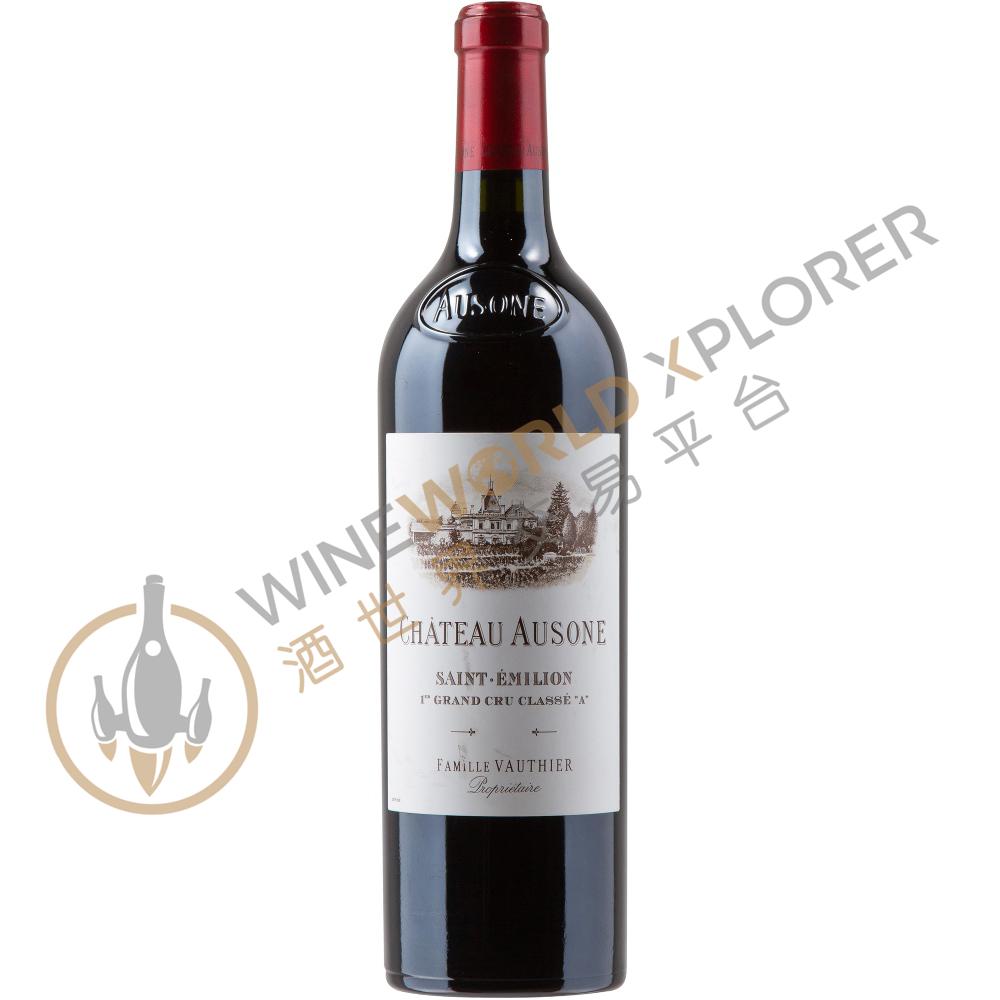
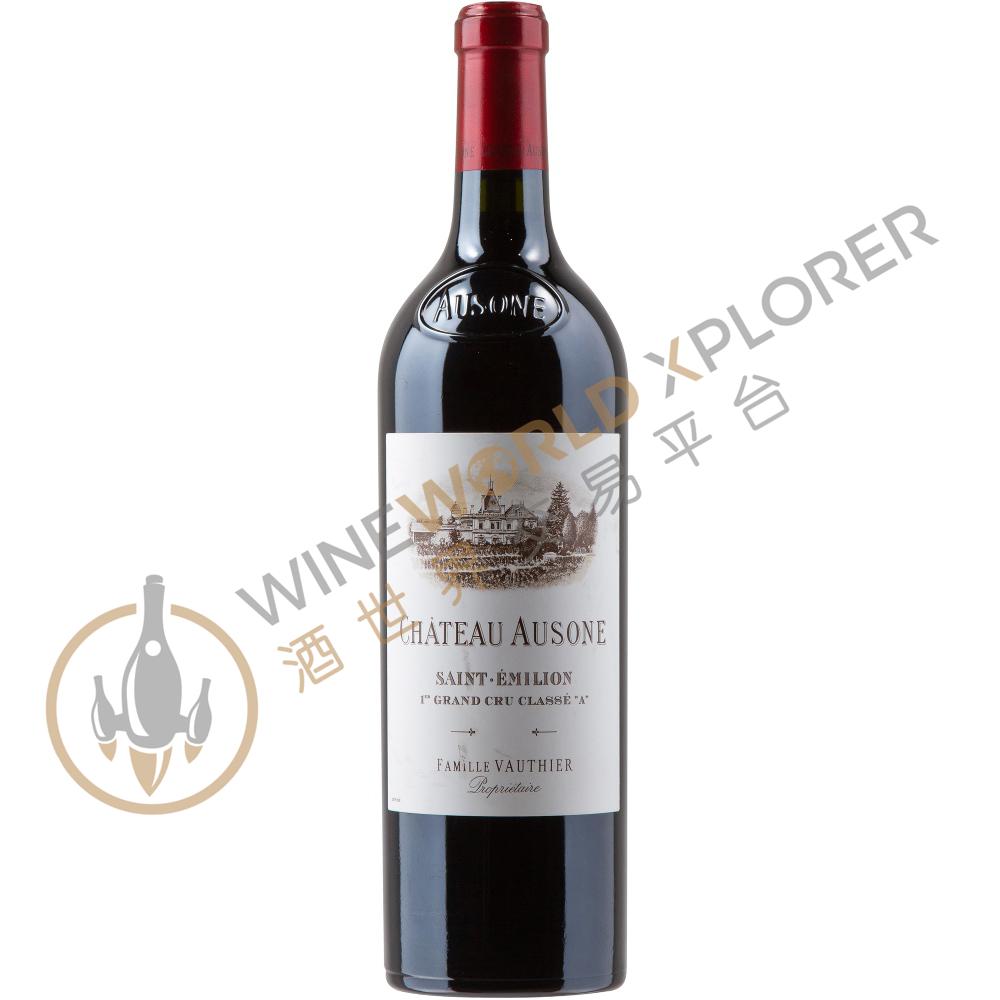
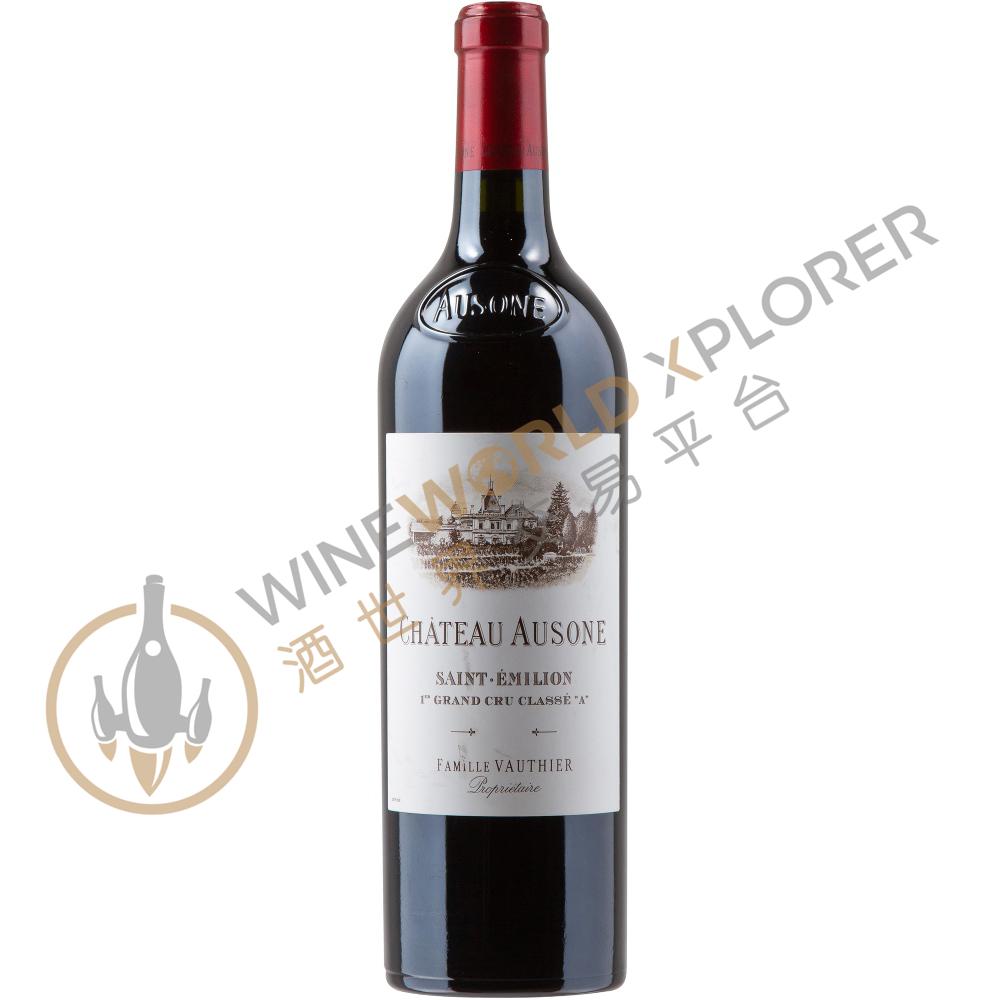
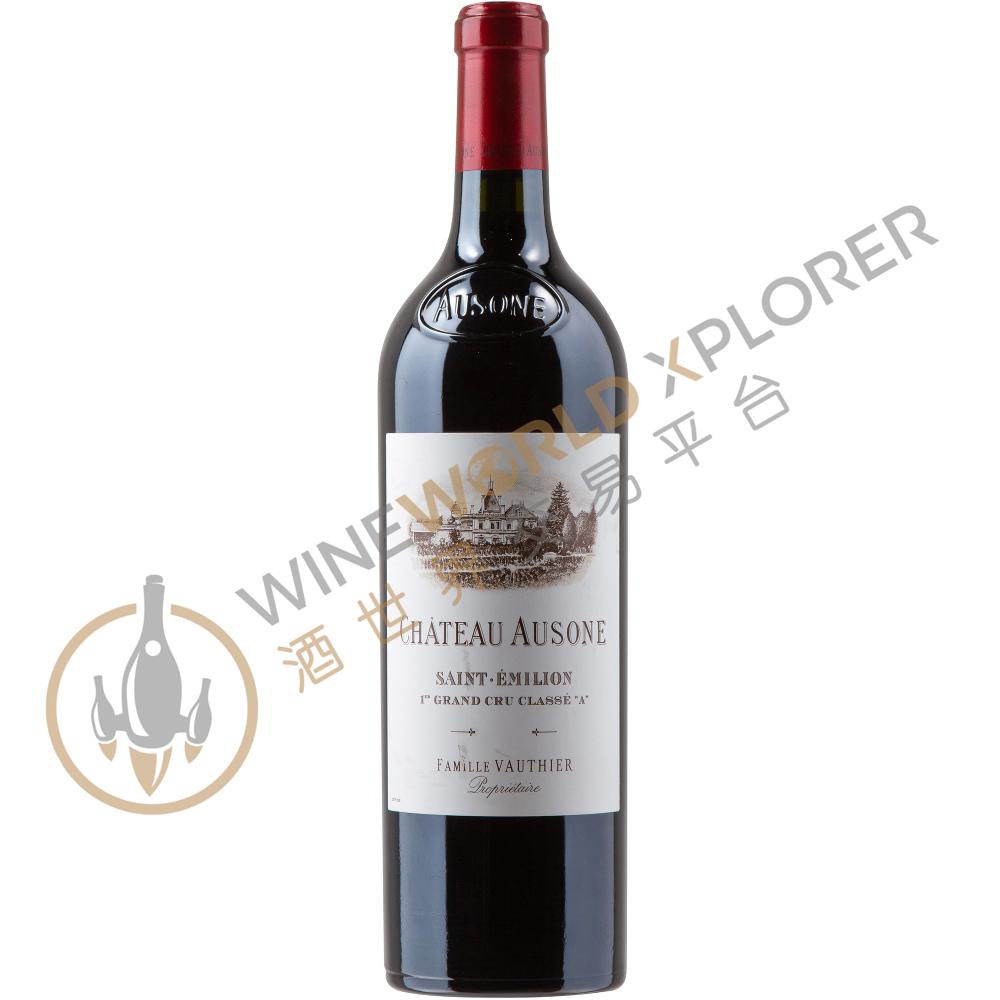
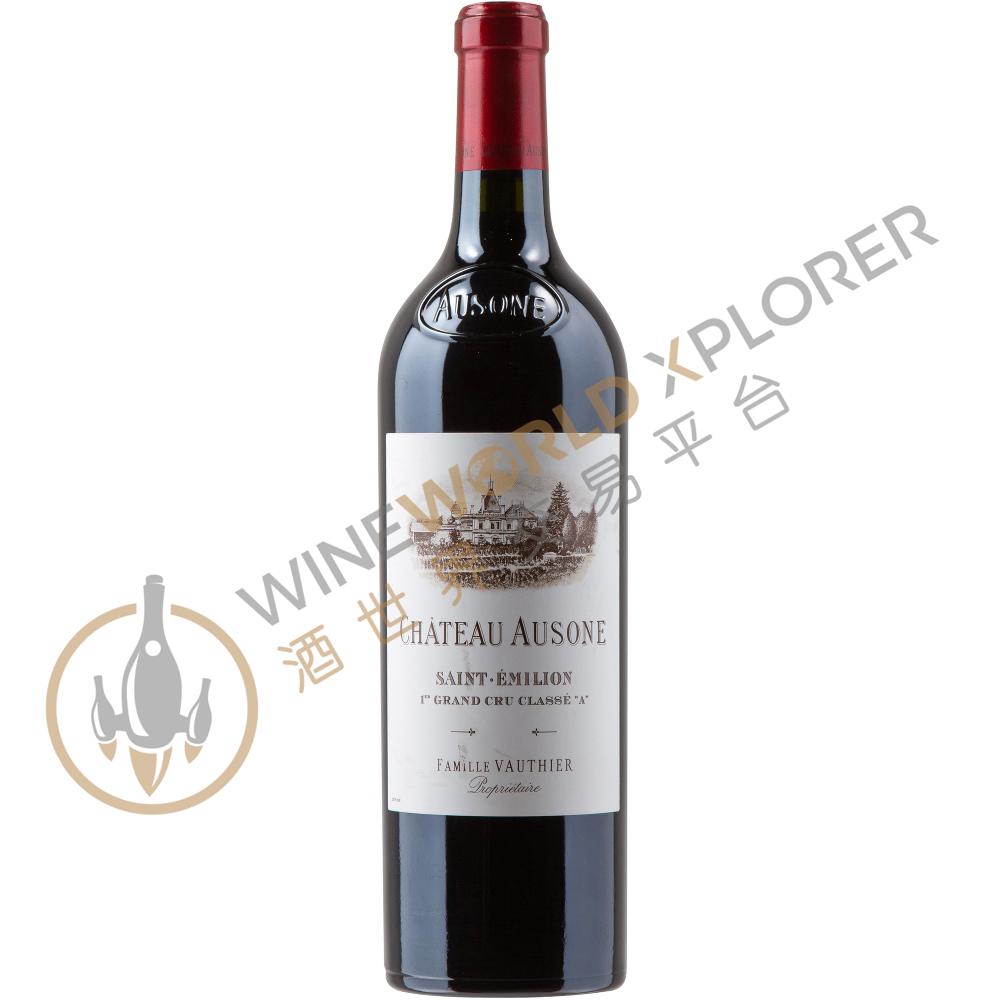
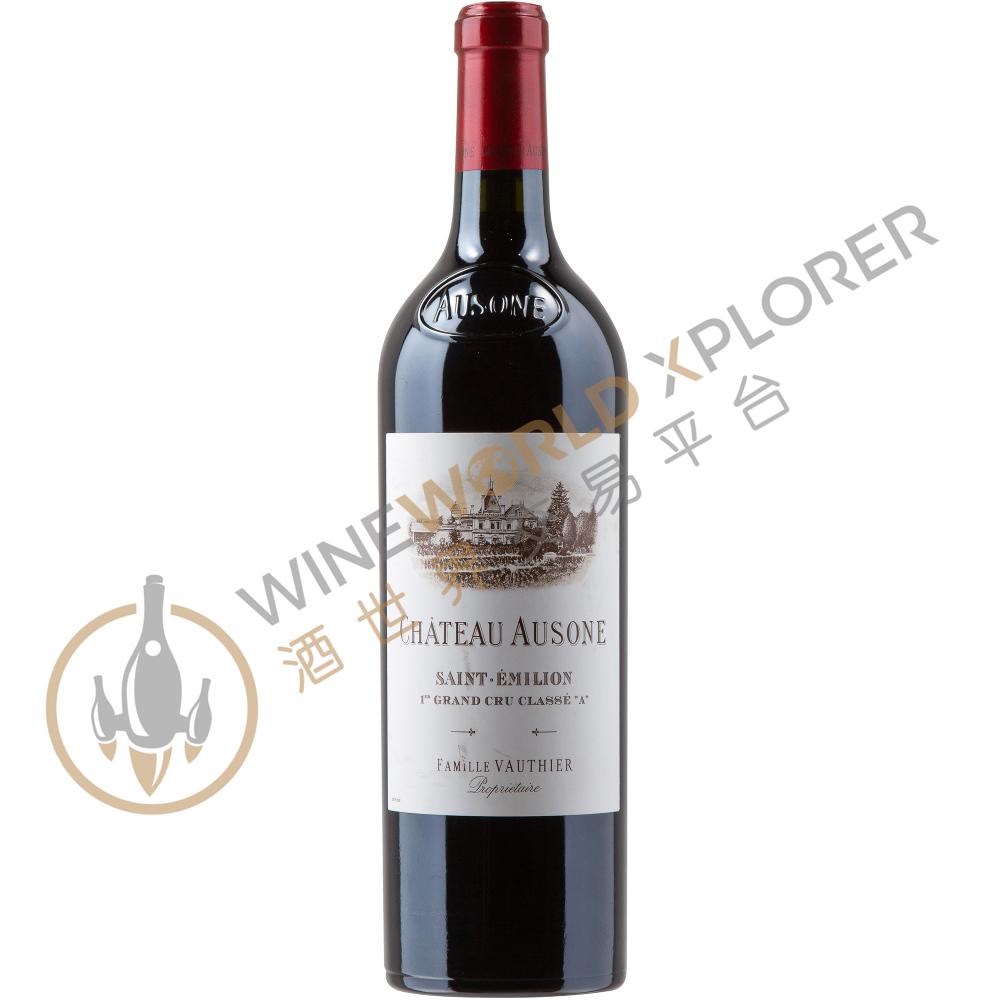
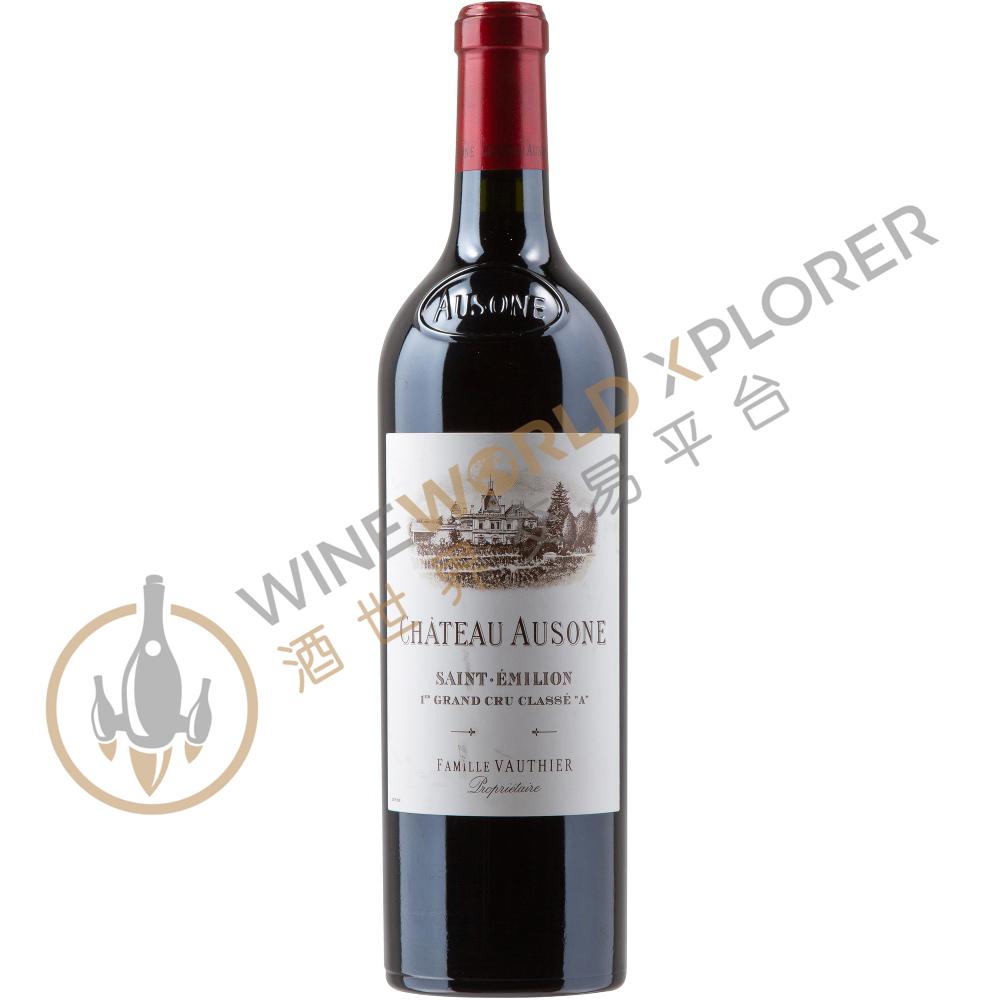
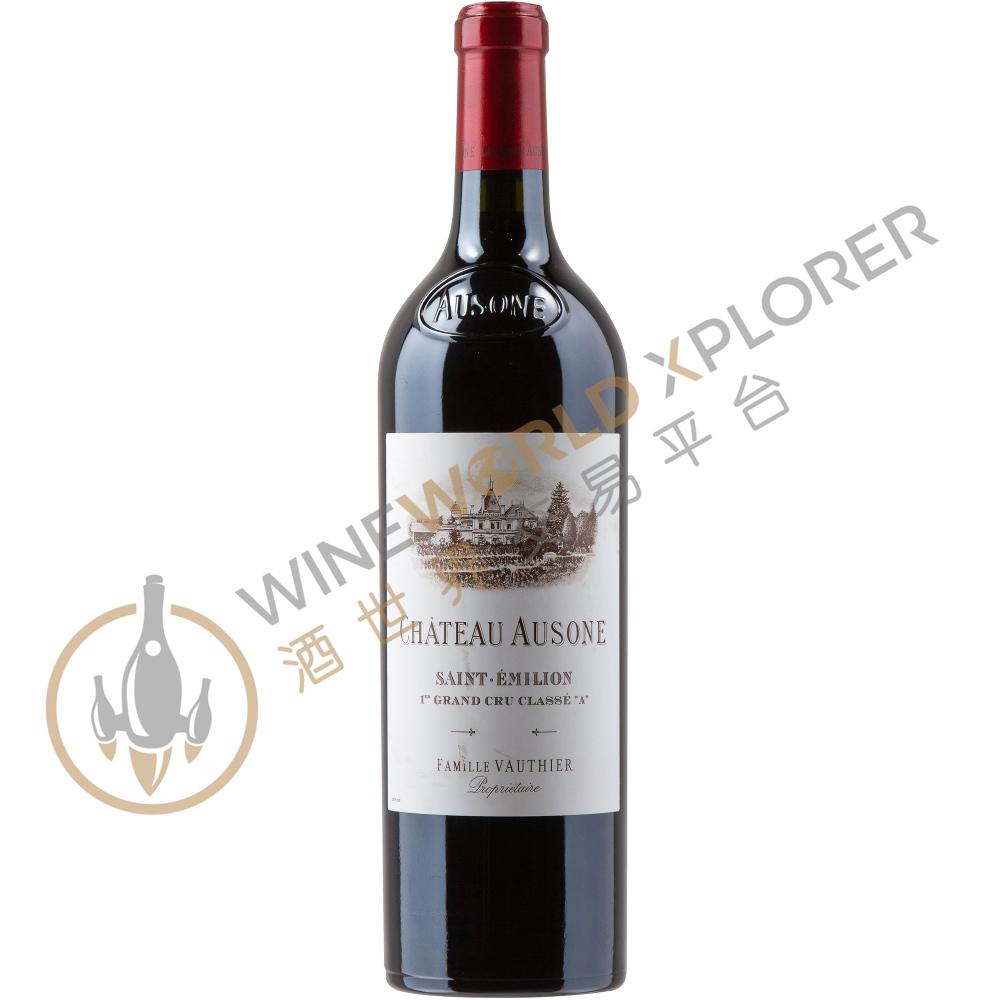
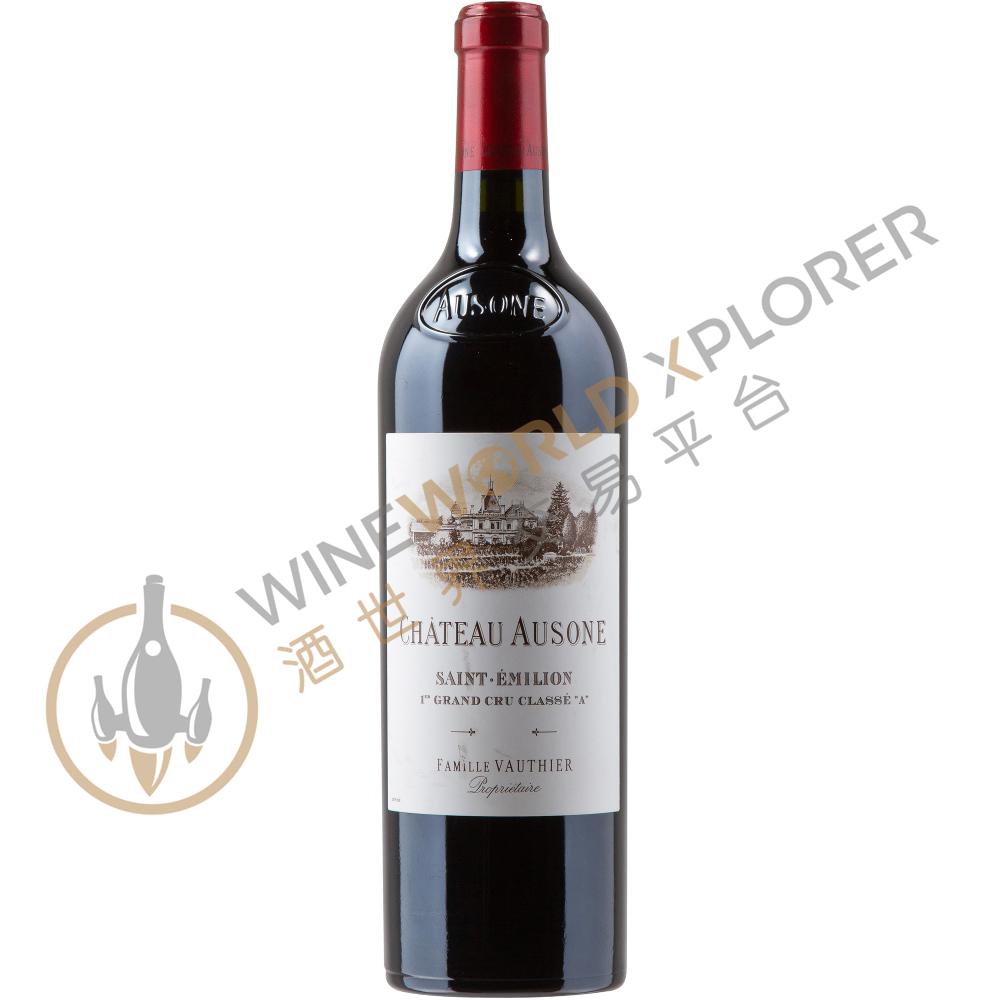
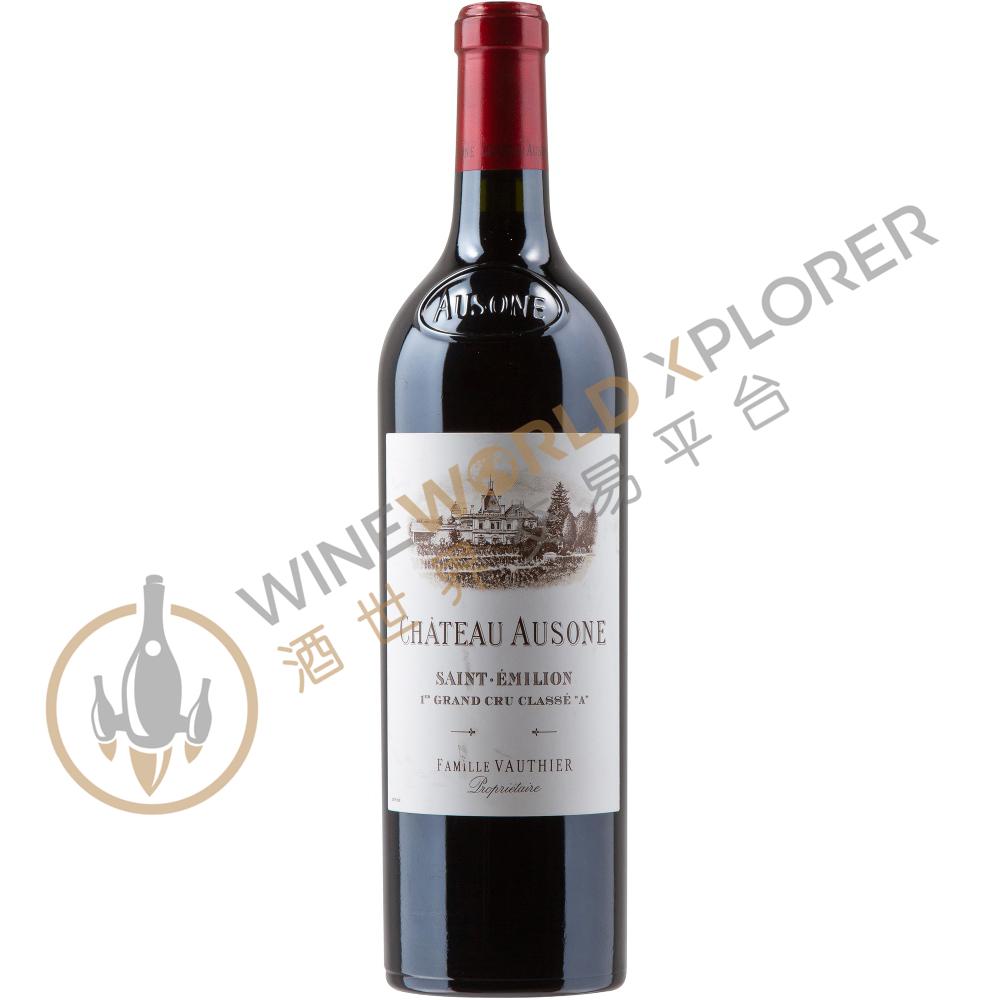
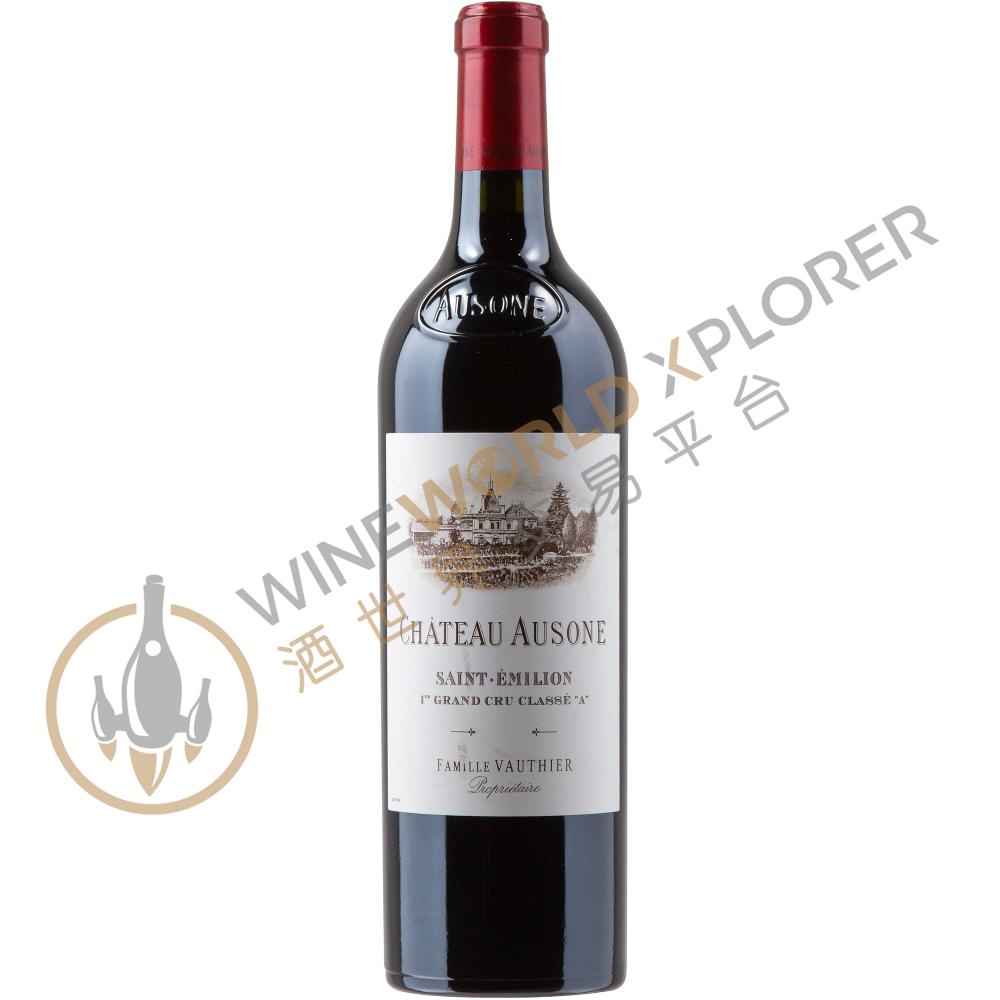
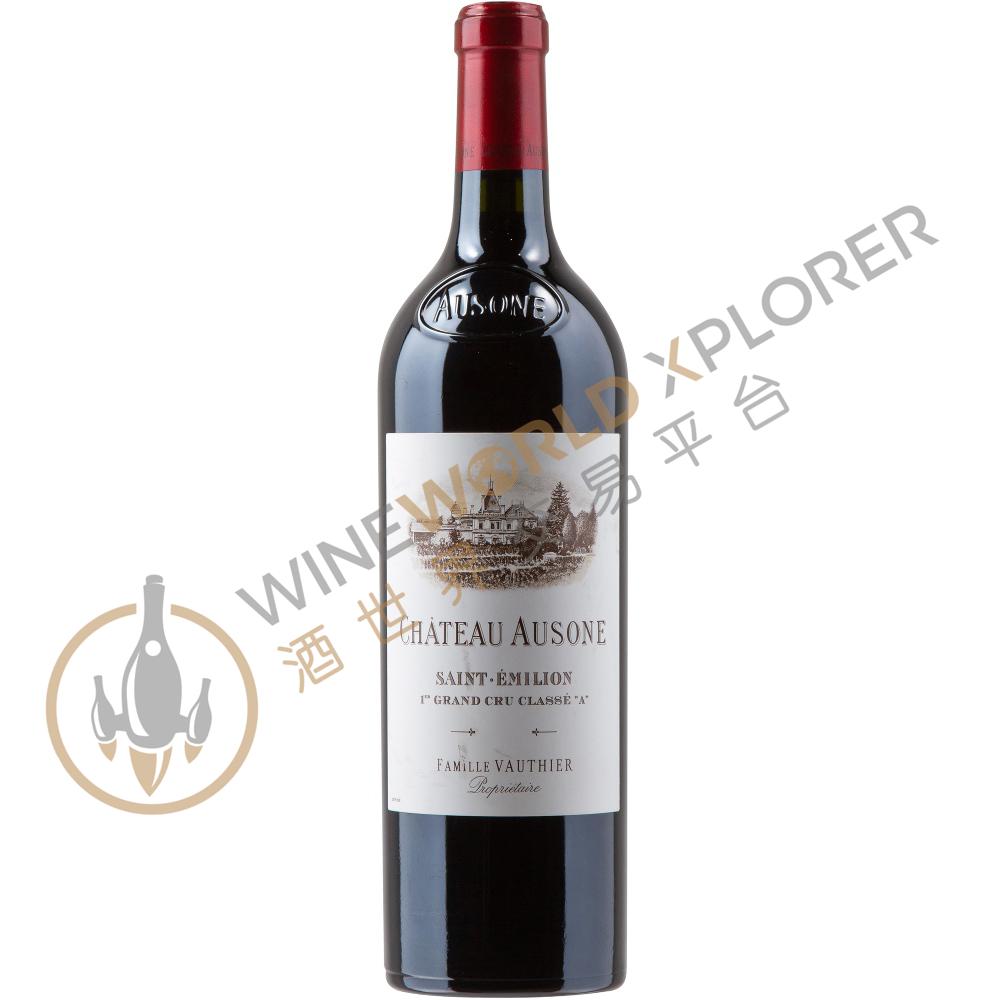
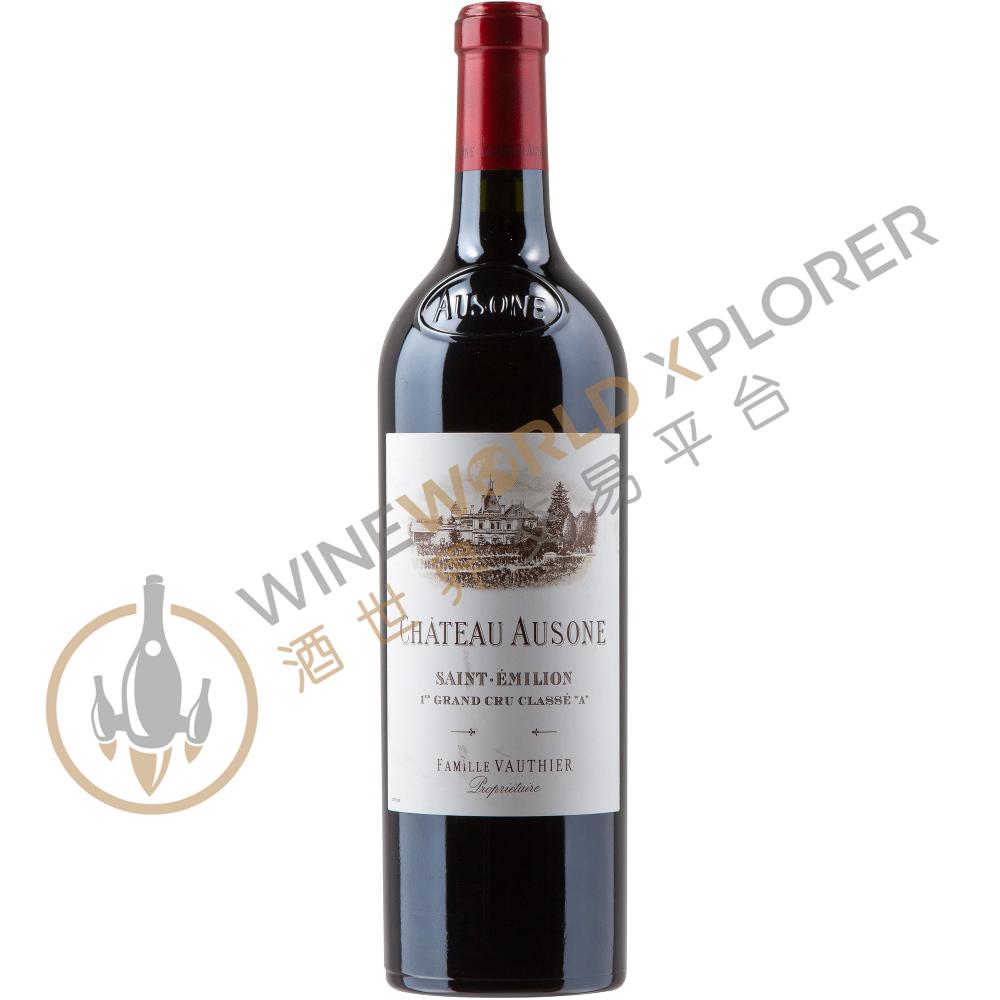
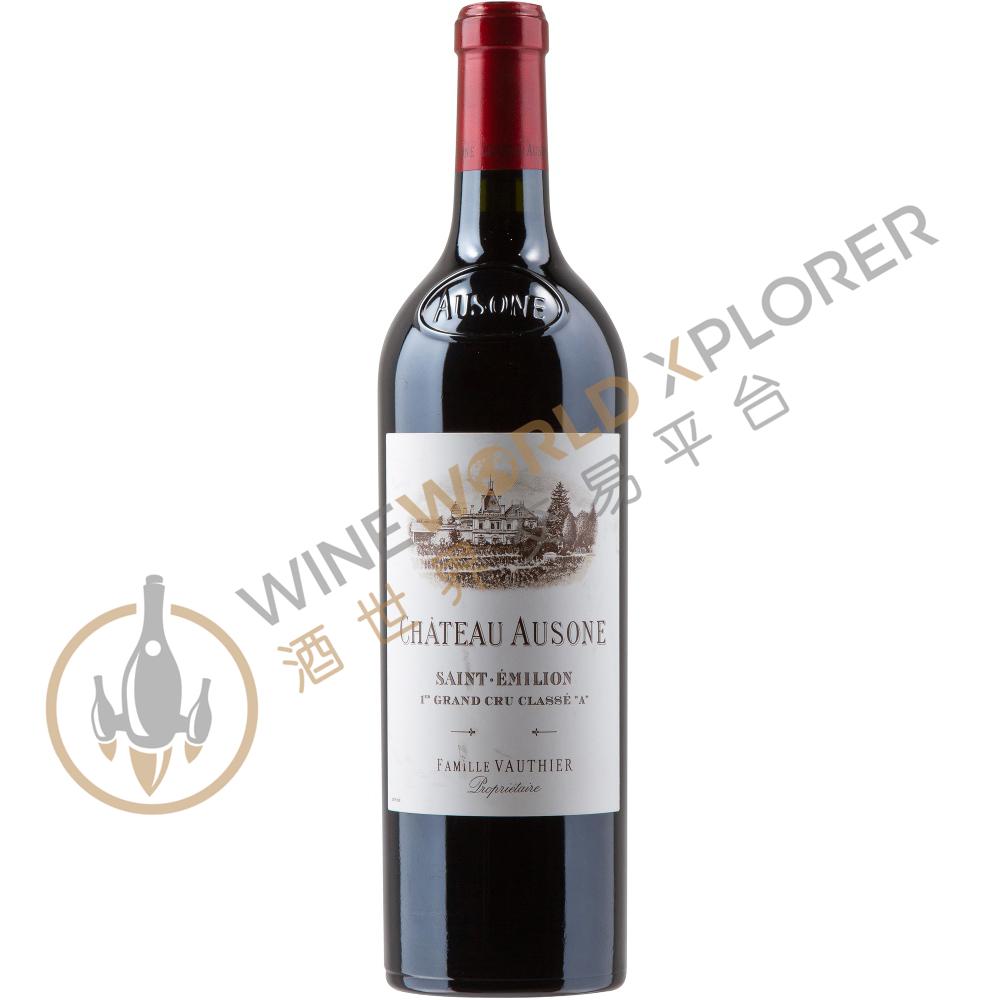
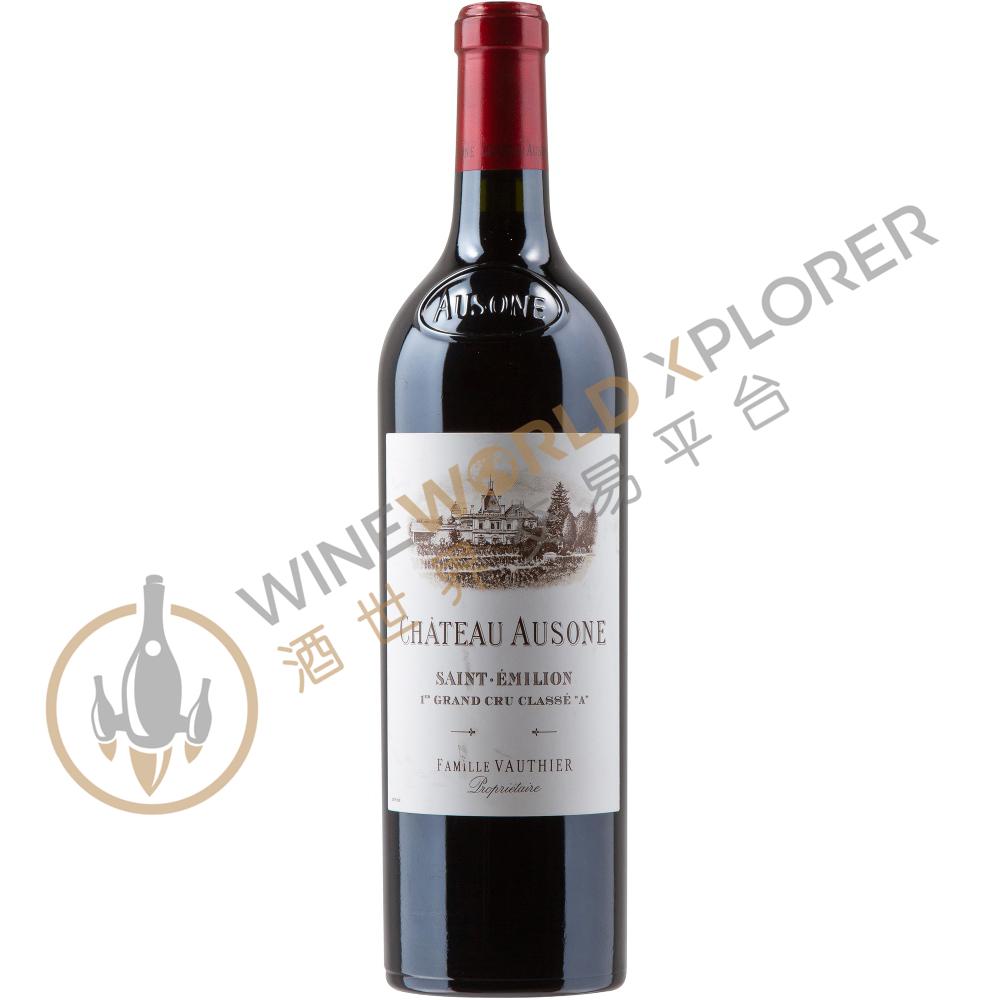
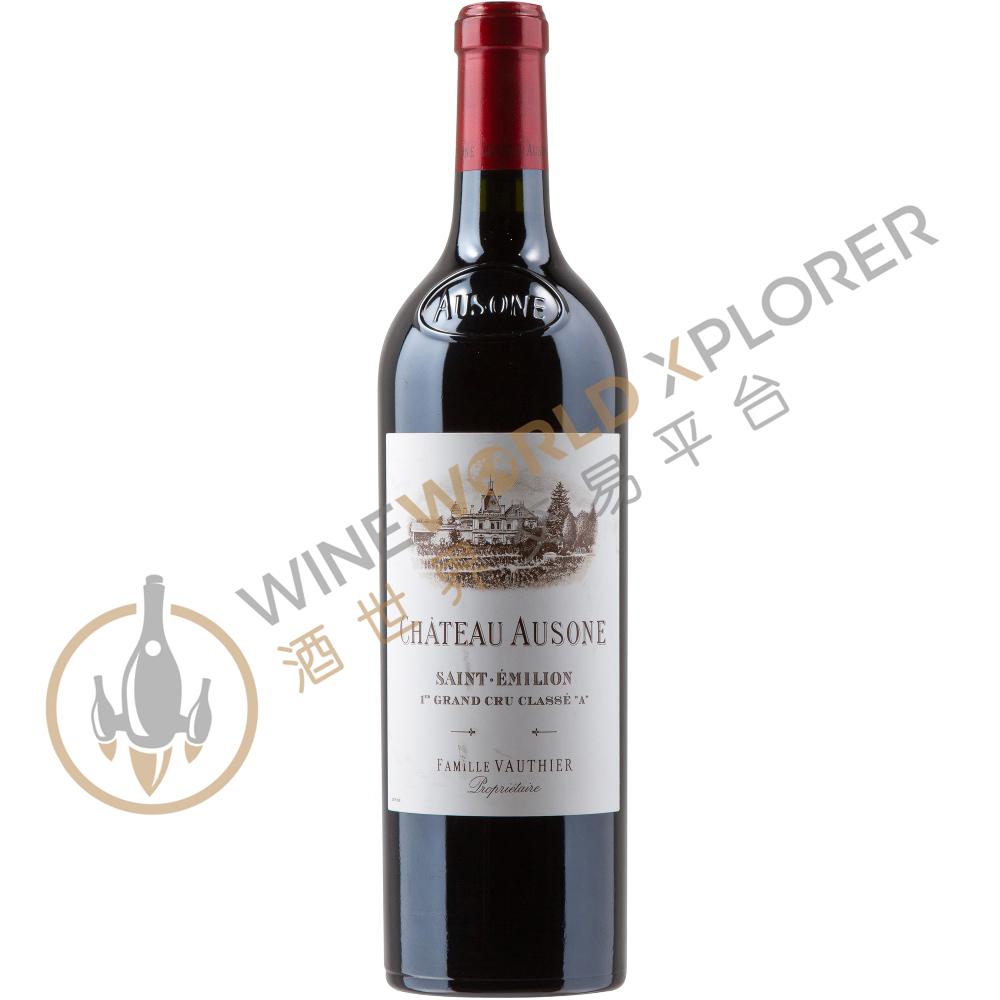
Ausone 2003
 View analysis


Description
Tasting notes

Reviewed by: Robert M. Parker, Jr.
Amazing! The limestone soils of Ausone appear to have been the perfect foil for resisting the extreme heat and drought of June, July and August, 2003. This black/purple-colored effort boasts a glorious nose of violets, truffles, lead pencil shavings, blueberry and blackberry liqueur. Full-bodied with staggering concentration, a voluptuous texture, low acidity and well-integrated, melted tannins, this deep, multidimensional, profound Bordeaux is beginning to drink exceptionally well. It should continue to do so for another two decades or more.
Reviewed by: Neal Martin
Now here is a great wine. The nose is very backward, but so pure with layers of sweet blackberry and a touch of rock salt. As with recent vintage the key attribute to Ausone is poise. Wonderful acidity, which slices through that core of pure heavenly black/cassis fruit. It does not have the grip of the 2000 but it the wine is in a similar vein. Magnificent. Tasted March 2004.
Reviewed by: Neal Martin
A decadent, cassis-inspired nose with a touch of smoke, blackberry and raisin. The palate is full-bodied, with good acidity and a structure redolent of Chateau Latour. Backward, beautifully integrated new oak an immense purity on the finish. Sheer class. Drink 2015-2025+. Tasted January 2007.
Reviewed by: Robert M. Parker, Jr.
Made from 23 hectoliters per hectare, there are only 1,500 cases of the prodigious 2003 grand vin. A blend of 55% Cabernet Franc and 45% Merlot, it is one of the greatest wines I have ever tasted from cask. An inky/purple color is followed by an extraordinary crystalline, statuesque bouquet of flowers, raspberries, blackberries, liqueur of minerals, and a hint of quince. Extremely rich yet light and seamless with a nearly endless finish (it lasts for over 70 seconds), this is an ethereal, monumental effort. No one who knows proprietor Alain Vauthier will be surprised to learn that he has produced a 2003 Ausone that equals or surpasses his perfect 2000. A perfectionist in all senses, he oversees every detail, and constantly keeps his mind open for new winemaking techniques that might enhance Ausone’s extraordinary terroir. In contrast to the 2000 at a similar age, it comes across as more flattering because of low acidity and higher alcohol, I suspect it will close down and re-emerge in 10-20 years. This extraordinary terroir has produced an amazing 2003. Anticipated maturity: 2015-2050+.
Reviewed by: Robert M. Parker, Jr.
The 2003 Ausone is off the charts in terms of richness. While I gave a 3-digit score to the 2000, I think this profoundly concentrated wine may be even more sublime and exotic. Its inky/blue/purple color is followed by an extraordinary perfume of flowers, crushed rocks, sweet raspberries, blackberries, blueberries, and God knows what else. The impression is one of extraordinary richness and purity, and a multilayered texture yet a surreal lightness as well as laser-like precision. This exquisite offering must be tasted to be believed. Incredibly young, it will undoubtedly close down over the next few years, re-emerging after 15-20 years. It should last for 70-100 years. It is a wine for anthology! No one in Bordeaux has made greater progress in taming the extraordinary potential of this noble terroir than Alain Vauthier, an obsessed perfectionist if there ever was one. He has instituted a Draconian selection at this tiny estate, both in the vineyard and the cellar, and the second wine, Chapelle d’Ausone, has also become one of the region’s finest wines. Prospective purchasers should be aware that Ausone requires 10-20 years of cellaring before it approaches maturity.
Reviewed by: Robert M. Parker, Jr.
There are only 18,000 bottles of this wine, which certainly will be a candidate for perfection. The limestone soils supported the heat and drought of 2003 better than the gravelly, sandy oils of St.-Emilion. Ausone obviously benefited perfectly from the climate. In addition, the little bit of rain that fell at the end of August was the magic key that opened the door to what looks to be a modern-day legend. Black/purple to the rim with an extraordinary nose of graphite, incense, licorice, Asian spice, and copious quantities of black and red fruits and that almost liquid minerality, this astoundingly great wine is the essence of Ausone and the essence of what makes Bordeaux so special. Will it evolve for 50, 75, or perhaps 100 years? Who knows? It is a magnificently concentrated, seamless, harmonious, brilliant wine that even after tasting a quarter million and twenty-six years on the road, it still gave me chills. If you can find it, if you can afford it, and if you have good DNA for aging, buy it. Anticipated maturity: 2020-2075.
Reviewed by: Neal Martin
Tasted at Bordeaux Index’s “10-Year On” tasting in London. The Ausone 2003 has an opulent, very pure bouquet with cassis, blueberry, violets and a touch of pencil shavings. It does not quite have the ebullience of delineation of the Cheval Blanc but is very fine. The palate is fresh and offers a Burgundy-like silky smooth texture on the entry. The tannins are supremely fine and lend the middle and finish a cashmere texture. There is a hint of spice right on the aftertaste. This is just gorgeous albeit not cheap Saint Emilion! Tasted March 2013.
Reviewed by: Stephen Tanzer
Full ruby. Black raspberry, mocha, minerals, graphite and nutty oak on the superripe nose. Extravagantly rich and sweet in the mouth without coming off as heavy. This boasts extraordinary fruit intensity and verve (it's hard to imagine cabernet franc better than this), and finishes with great palate-staining persistence. But this powerfully tannic wine may already be starting to shut down in the bottle. Like the 2005, it will need a decade of aging at a minimum, and possibly a lot longer.
Reviewed by: Stephen Tanzer
(tasted just off its finings) Moderately saturated medium ruby color. Flamboyantly ripe, mineral-rich aromas of dark berries, licorice, espresso and dark chocolate. Huge and thick, but with firm acids and powerful minerality giving the wine great verve, thrust and inner-mouth perfume. Not showing its fat at the moment following the recent fining, but this will return. Finishes with a strong tannic spine and great palate-staining length. This should be among the longest-lived wines of the vintage.
Reviewed by: Stephen Tanzer
Full blue-tinged ruby color. Vibrant, austere aromas of blackberry, blueberry, bitter cherry, licorice, minerals and mint. Penetrating and powerful, with strong acids contributing to the wine's muscularity. Not yet especially fleshy or sweet, but this has superb energy in the mouth, and the structure to carry it through decades of development in bottle. Notes of dark berries, graphite and licorice. The huge, expanding finish features powerful, medicinal but noble tannins that avoid dryness. A testament to the high quality achievable in 2003 by cabernet franc grown on chalk.
About the Producer
Located in the Saint-Emilion appellation on the right bank of Bordeaux, France, Chateau Ausone is one of only four Saint-Emilion Premier Grand Cru Classe A estates in the appellation and one of the eight most prestigious estates in Bordeaux. The 7.25 hectares of vineyards at Château d'Orson are oriented to the east or south-east, allowing the vineyards to enjoy the full sun and to be protected from the north-west winds. The vineyard's proximity to the Dordogne, which is regulated by the river, provides an ideal microclimate for the grapes to grow, and the fact that the vineyard was not seriously affected by the severe frosts of 1892 and 1956 is testament to the terroir. While Merlot is the dominant wine in the Saint-Emilion appellation, Cabernet Franc is the preferred wine at Château d'Ausone, with Cabernet Franc planted in the vineyard, supplemented by some Merlot and a very small amount of Cabernet Sauvignon, which is used only for the secondary wines (Chapelle d'Ausone, Saint-Emilion). 'Ausone, Saint-Emilion Grand Cru, France). The average age of these vines is 52 years, with the oldest vines, planted in the early 20th century, being up to 100 years old and planted at a density of 6,500-12,000 vines per hectare. The soils are predominantly calcareous clay and limestone, which is the main reason for the minerality of the red wines of Château Ausone, Saint-Emilion Grand Cru Classe, France. The organic and biodynamic approach to vineyard management and winemaking at Château Ausone is a commitment to producing wines that express the full character of the terroir. In the vineyards, the staff takes care of the vines, planting fruit trees and aromatic plants, allowing insects, birds and even bats to come and go, in order to release the vitality of the soil and promote the harmony of the entire vineyard ecosystem. During the harvest, the grapes are very carefully selected and only healthy grapes of optimum ripeness are used to make the wine. During the winemaking process, the treated grapes are first subjected to Cold Maceration to extract the pigments and flavours from the skins. Next, alcoholic fermentation takes place in large traditional oak barrels, followed by Malolactic Fermentation in small French oak barrels. After this, the estate's main wines are aged in 100% new oak barrels for up to 24 months, adjusted to the characteristics of the vintage. The wines are aged in the estate's natural limestone cellars, where the humidity and temperature are stable and provide excellent conditions for the wines to age. The wines of Château d'Orson have always been known as "the poet's wine", with a deep colour, very pure aromas of dark fruit, liquorice, flowers and crushed stone, full-bodied but not too heavy, and with great potential for ageing. Robert Parker once said: "If patience is not your virtue, there is no point in buying a bottle of Ouzo". The quality of Château Ouzon's wines has been consistent, with the best vintages including 2018, 2017, 2016, 2015, 2014, 2012, 2010, 2009, 2008, 2006, 2005, 2004, 2003, 2001, 2000 and 1998, to name but a few. In addition, the estate's secondary wine was born in 1995 from a selection of Cabernet Franc, Merlot and Cabernet Sauvignon from the young vines of the estate. Thanks to the limestone soils of the estate, this wine is rich in mineral flavours, with aromas of black cherry, blackberry, cassis and flowers, a full-bodied wine with velvety tannins and a long, impressive finish. With Robert Parker and James Suckling scores of over 90 points in almost all vintages, this wine has long ageing potential.
1944(1)1957(1)1958(1)1959(1)1961(1)1969(1)1970(1)1978(1)1979(1)1980(1)1981(2)1982(2)1985(2)1986(3)1987(1)1988(3)1989(3)1990(4)1994(1)1995(2)1996(4)1998(9)1999(8)2000(11)2001(7)2002(6)
Package Size