 Wine Advisor



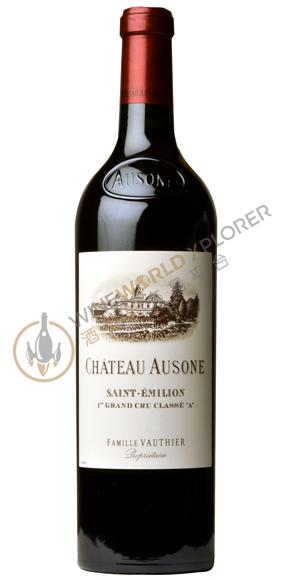
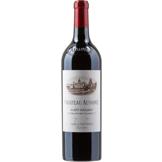
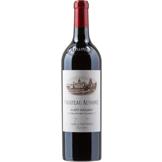
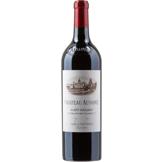
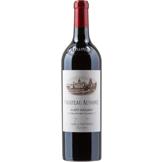
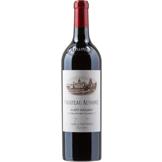
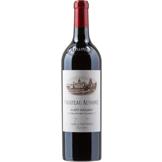
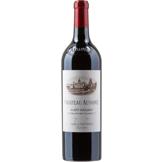
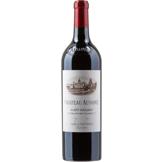
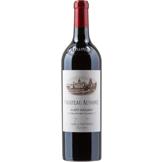
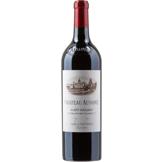
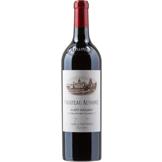
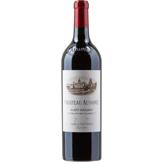
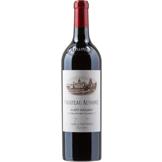
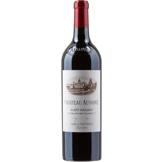
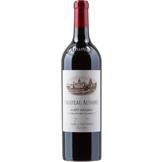
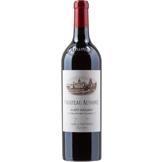
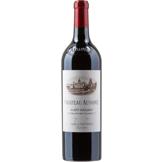
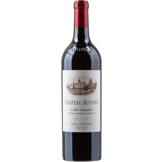
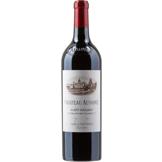
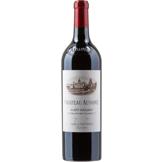
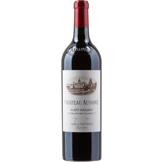
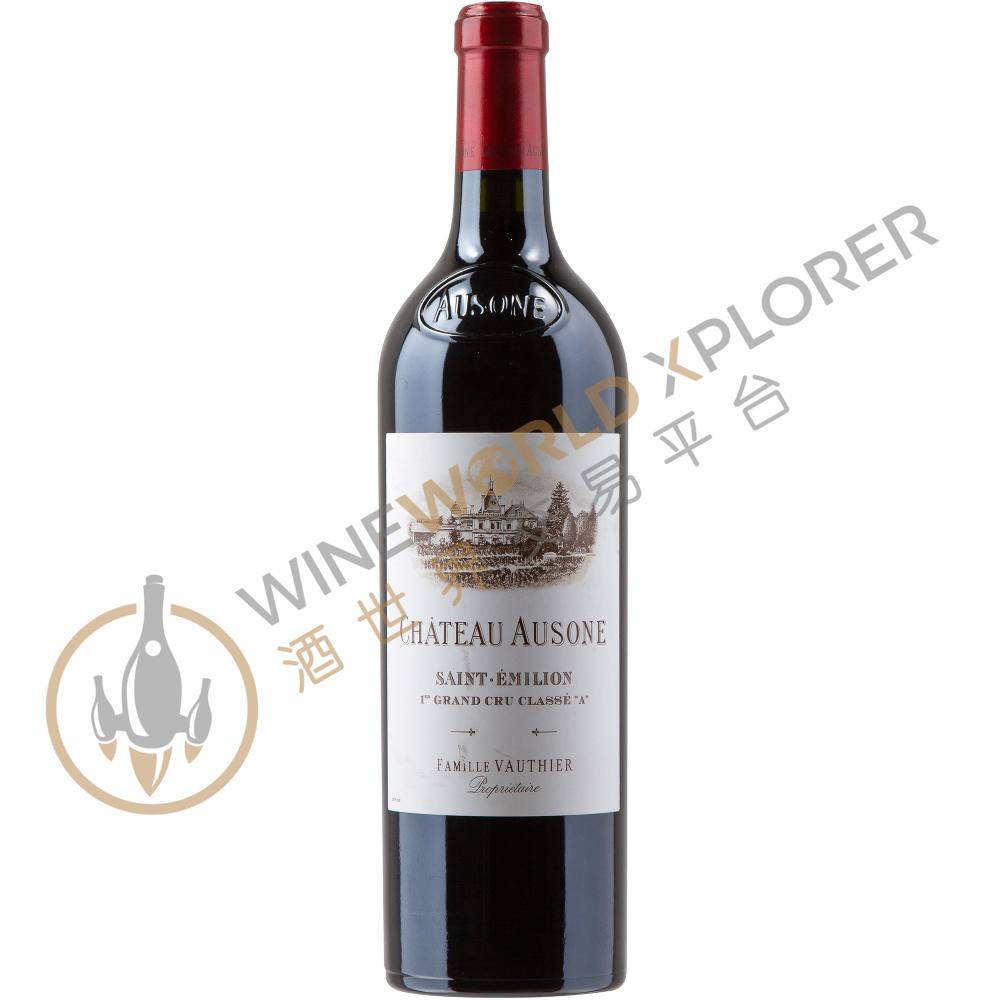
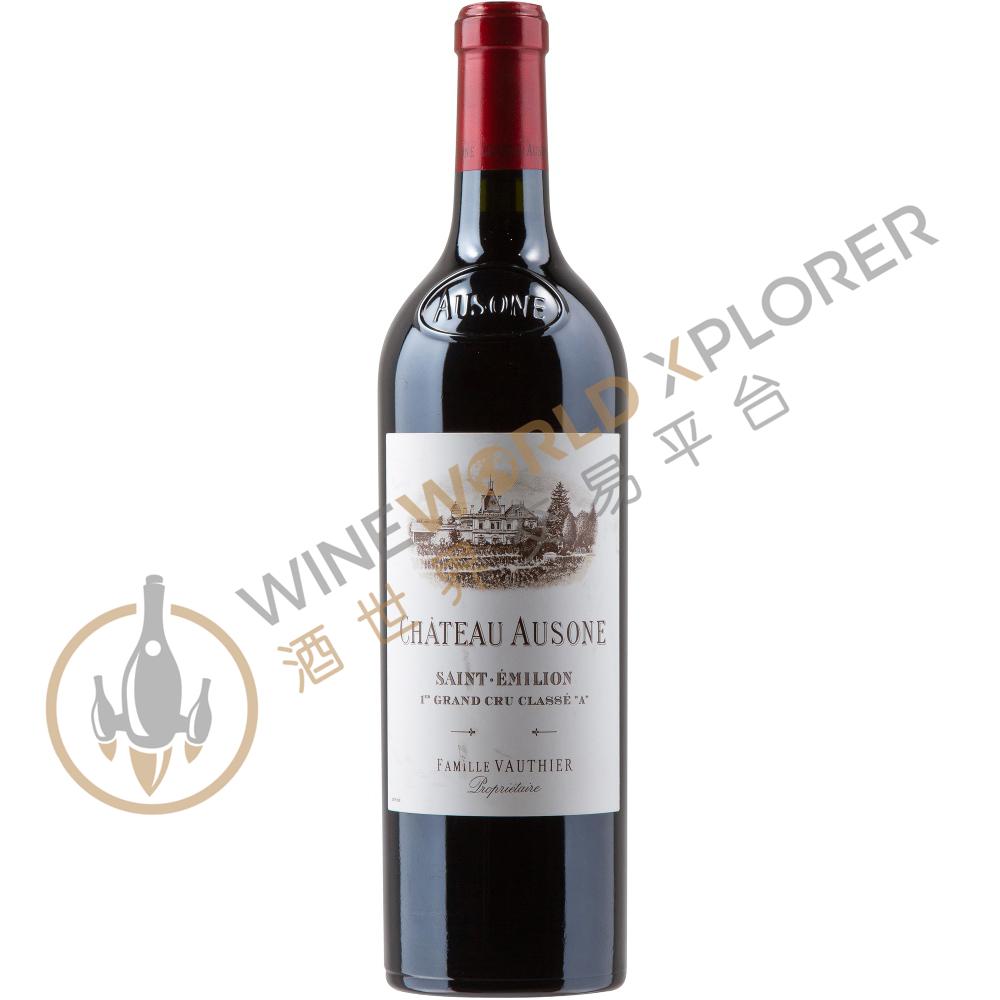
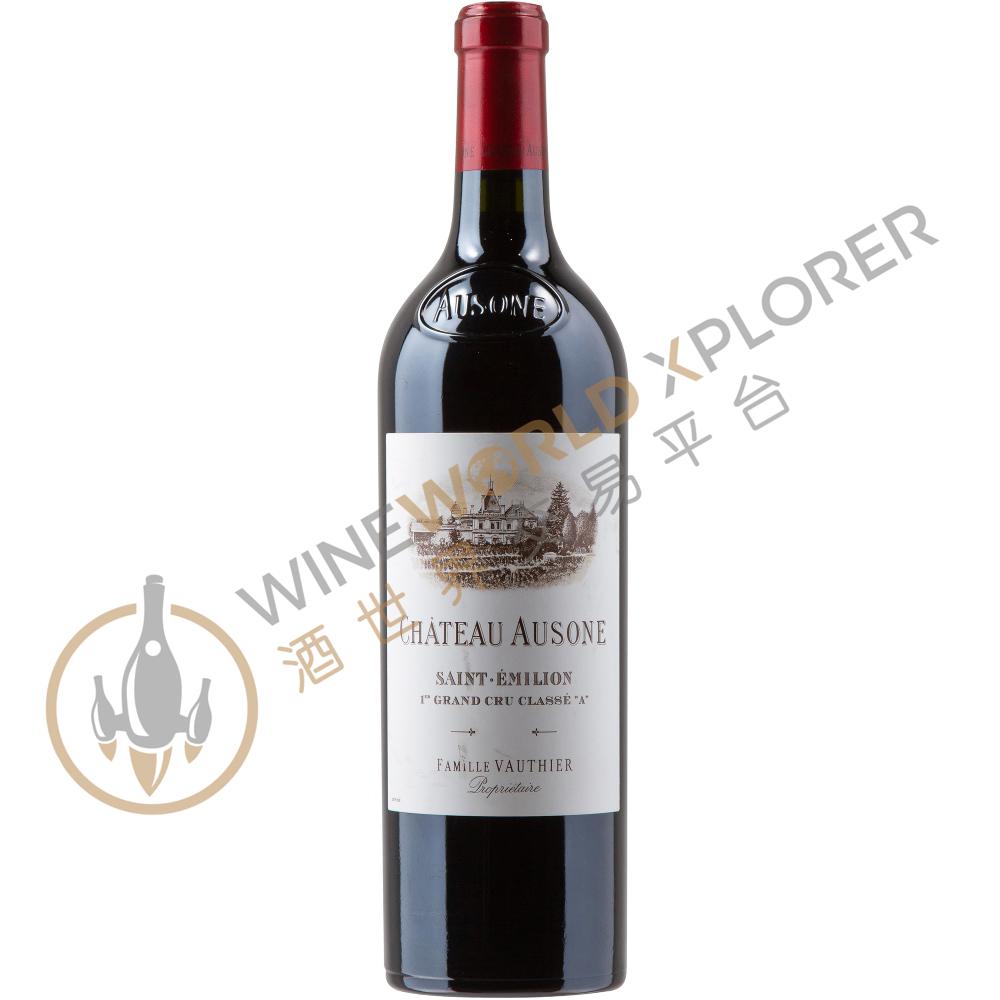
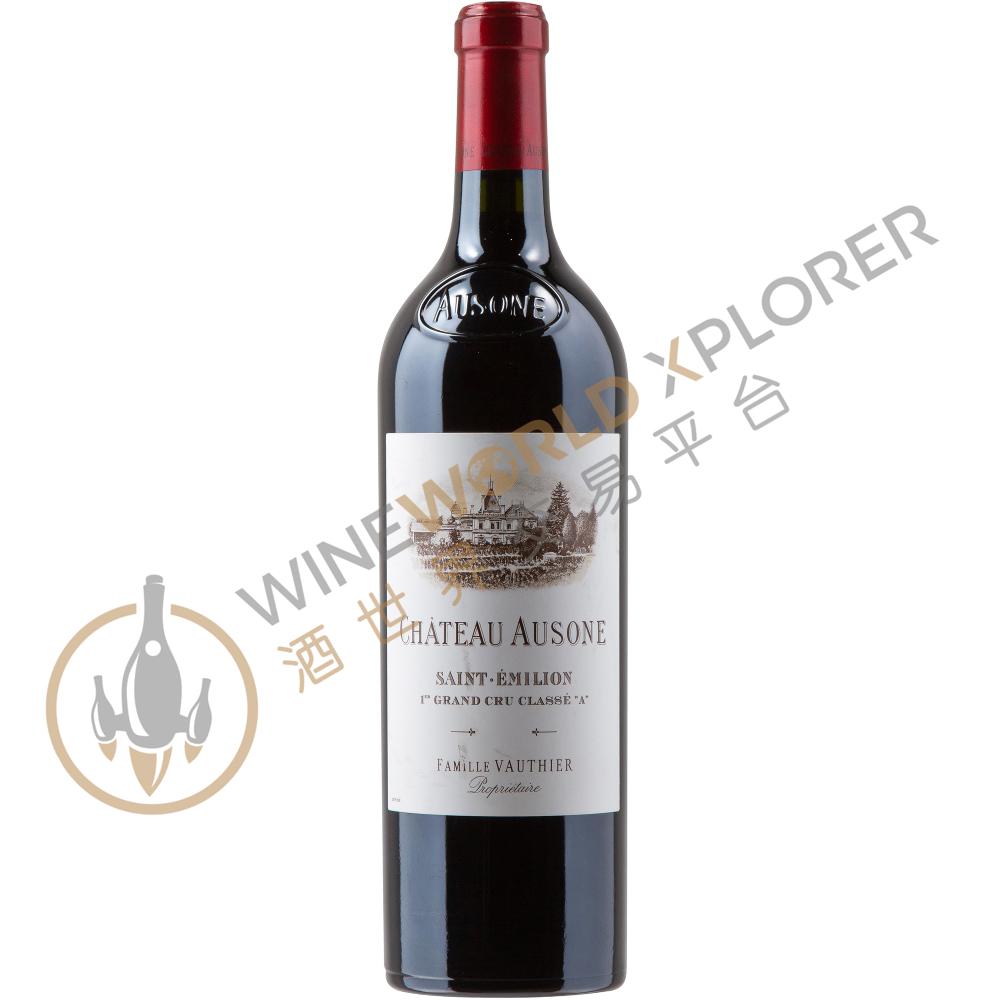
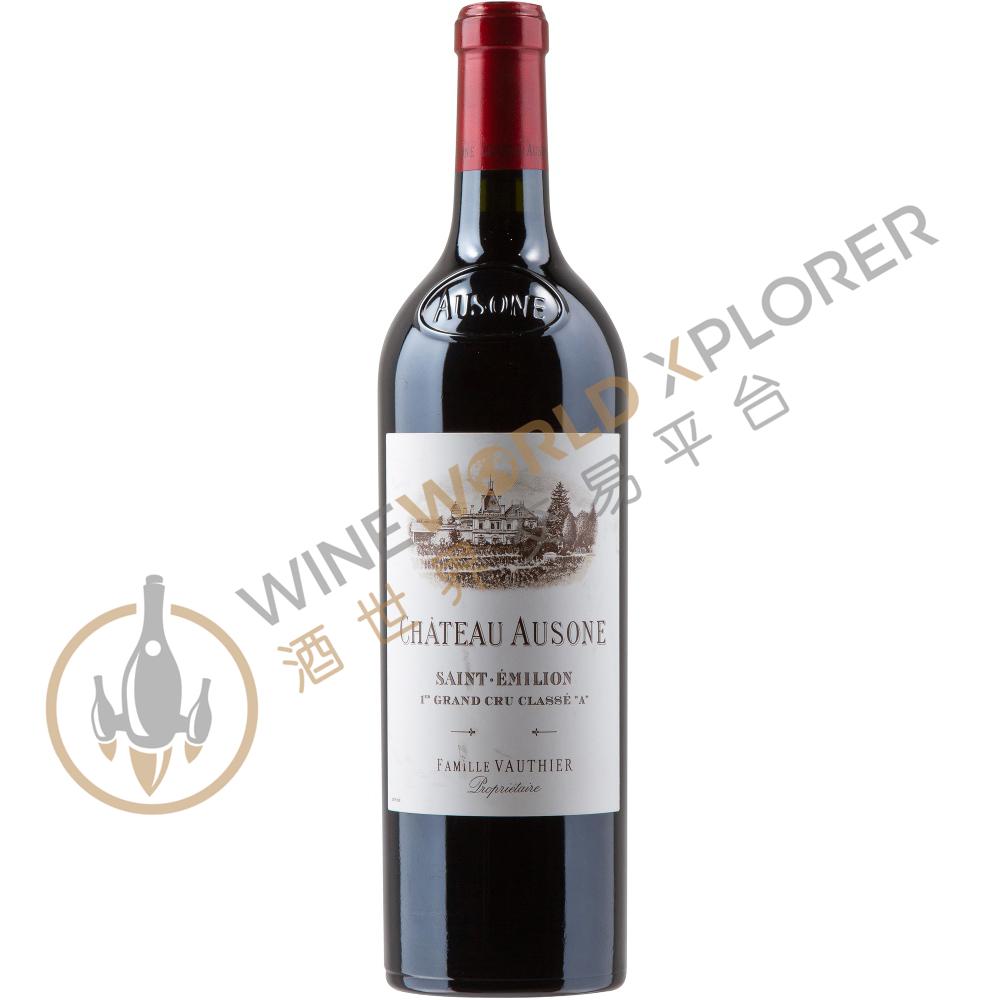
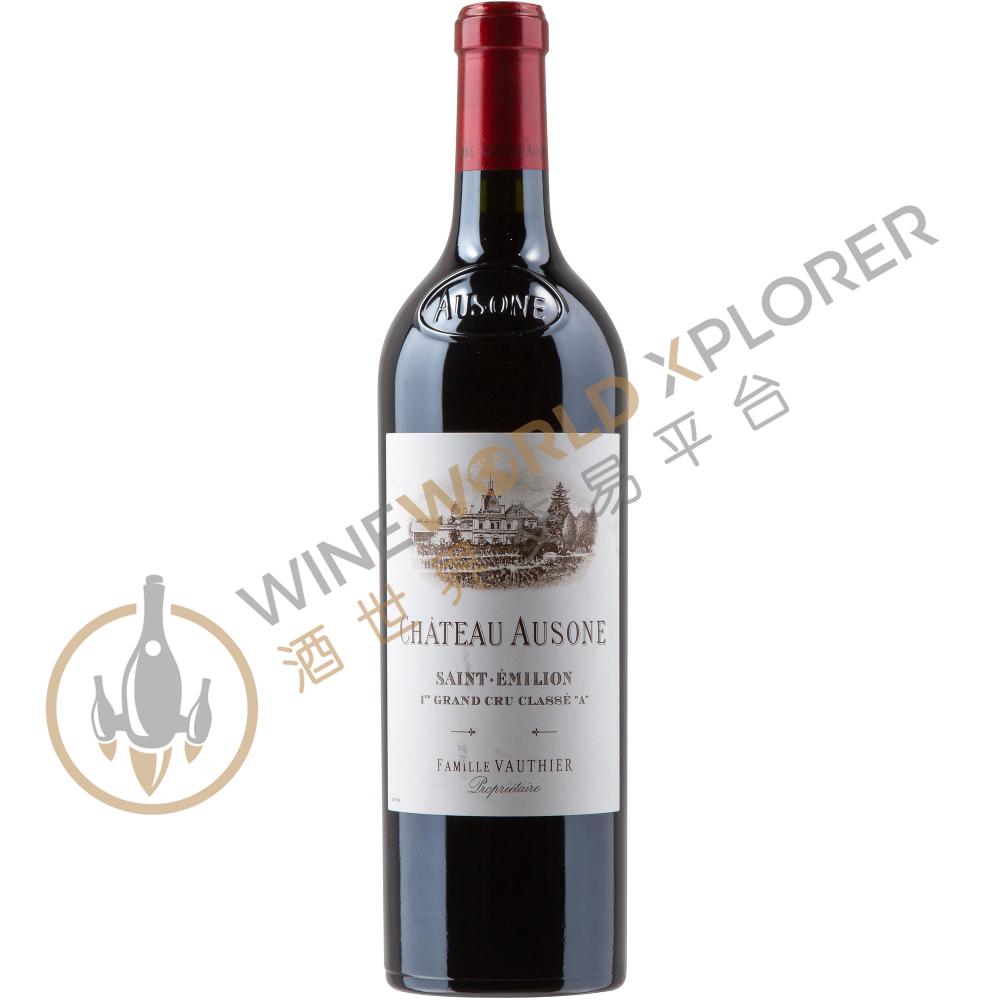
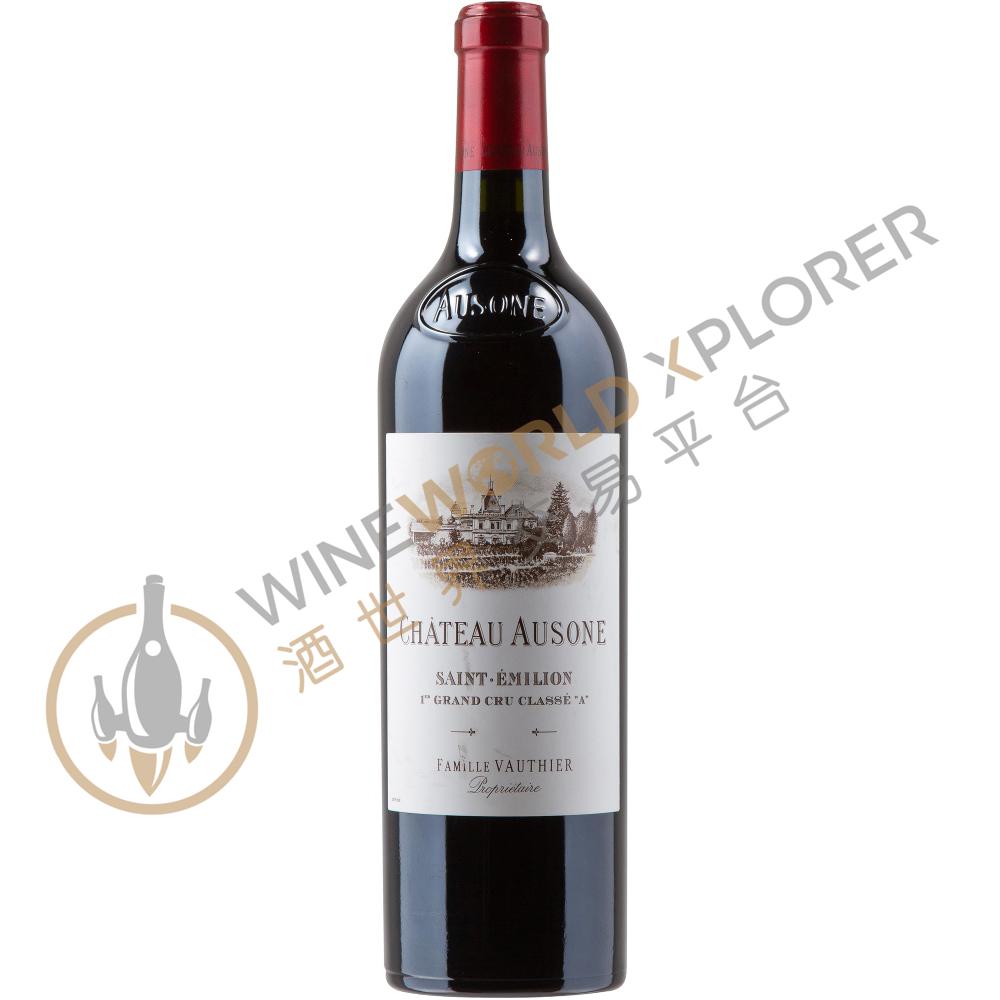
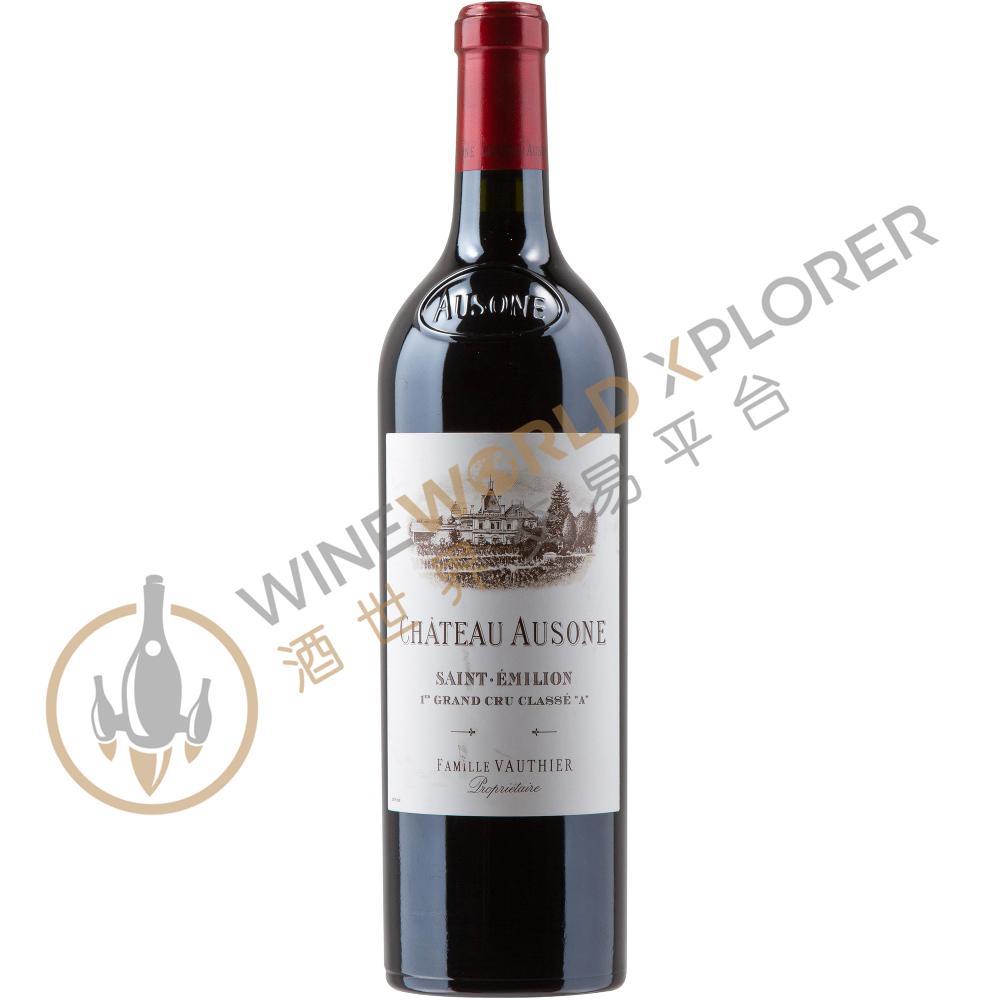
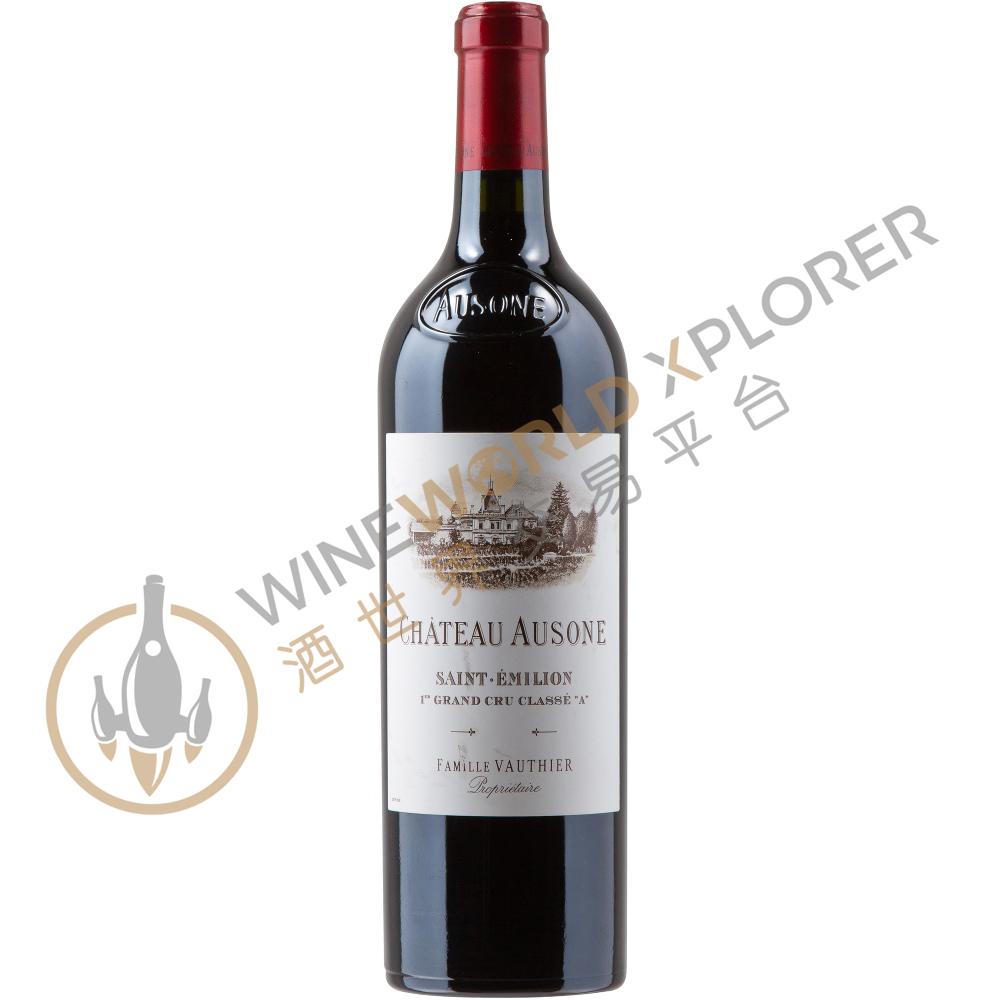
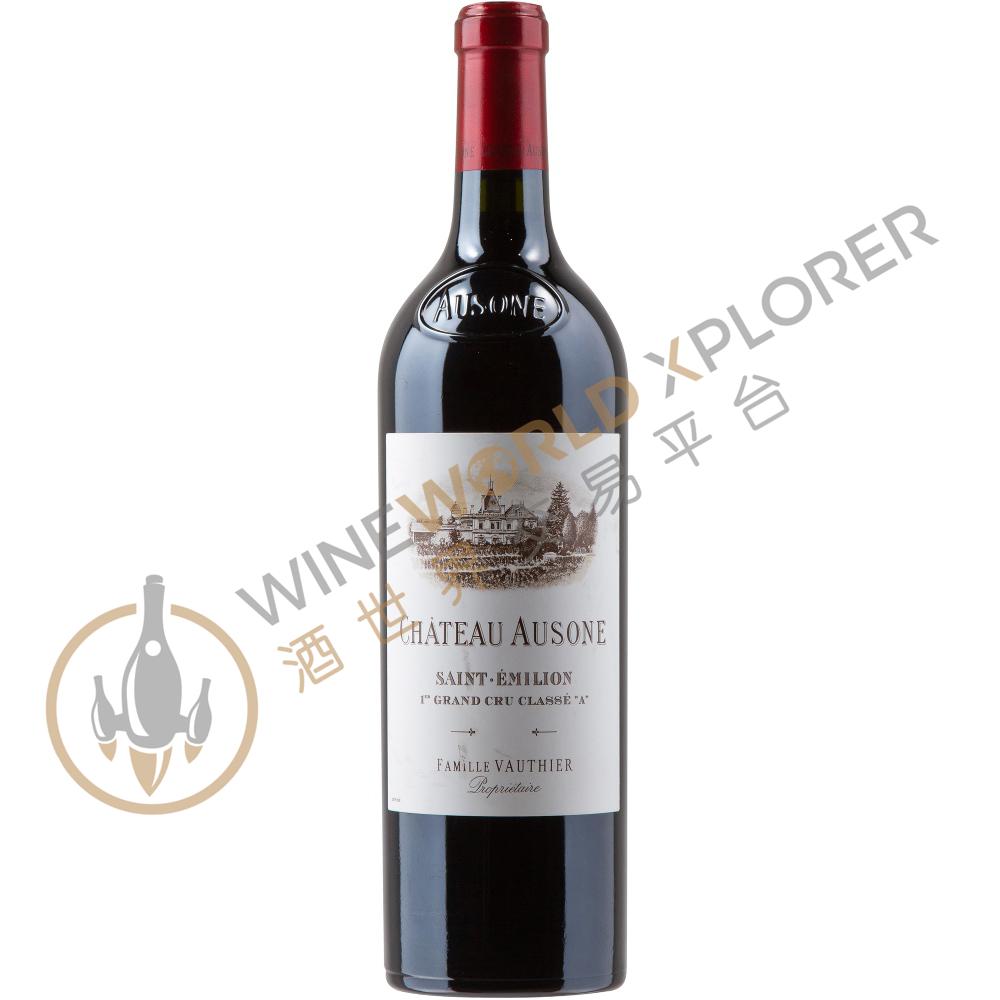
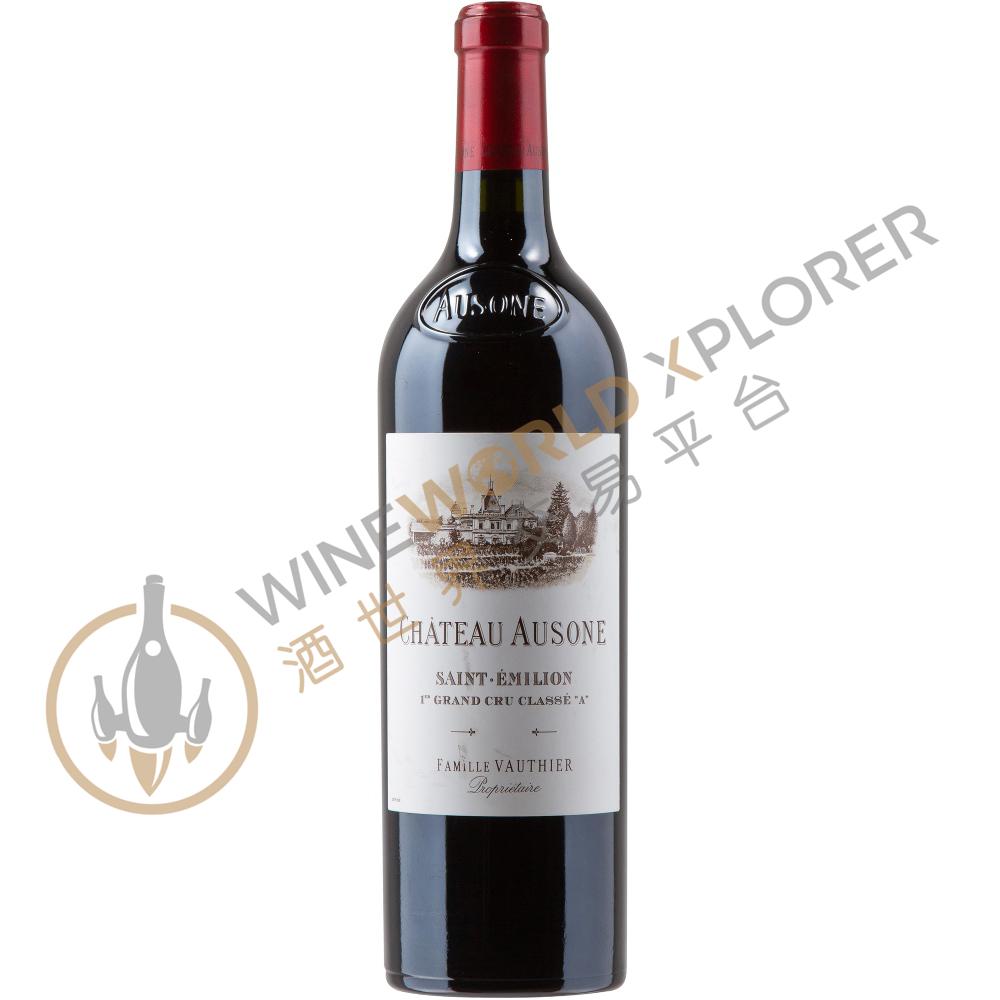
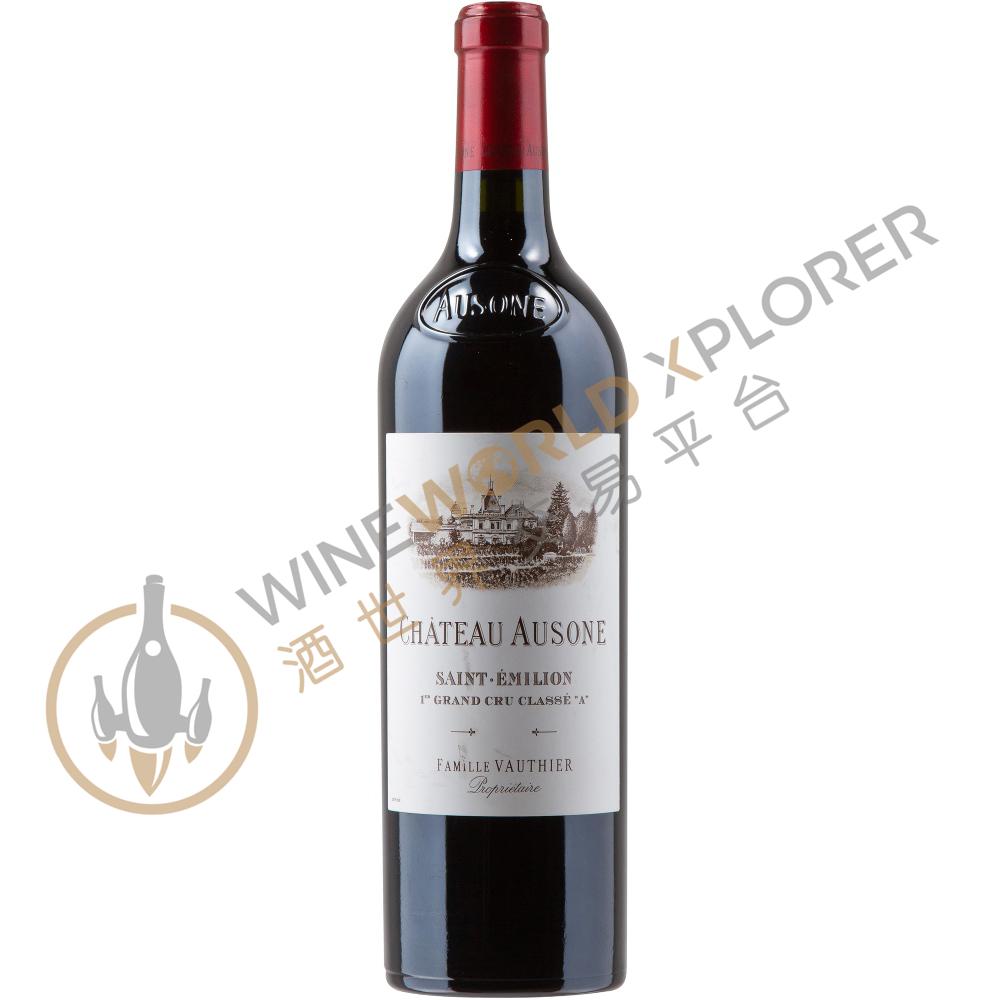
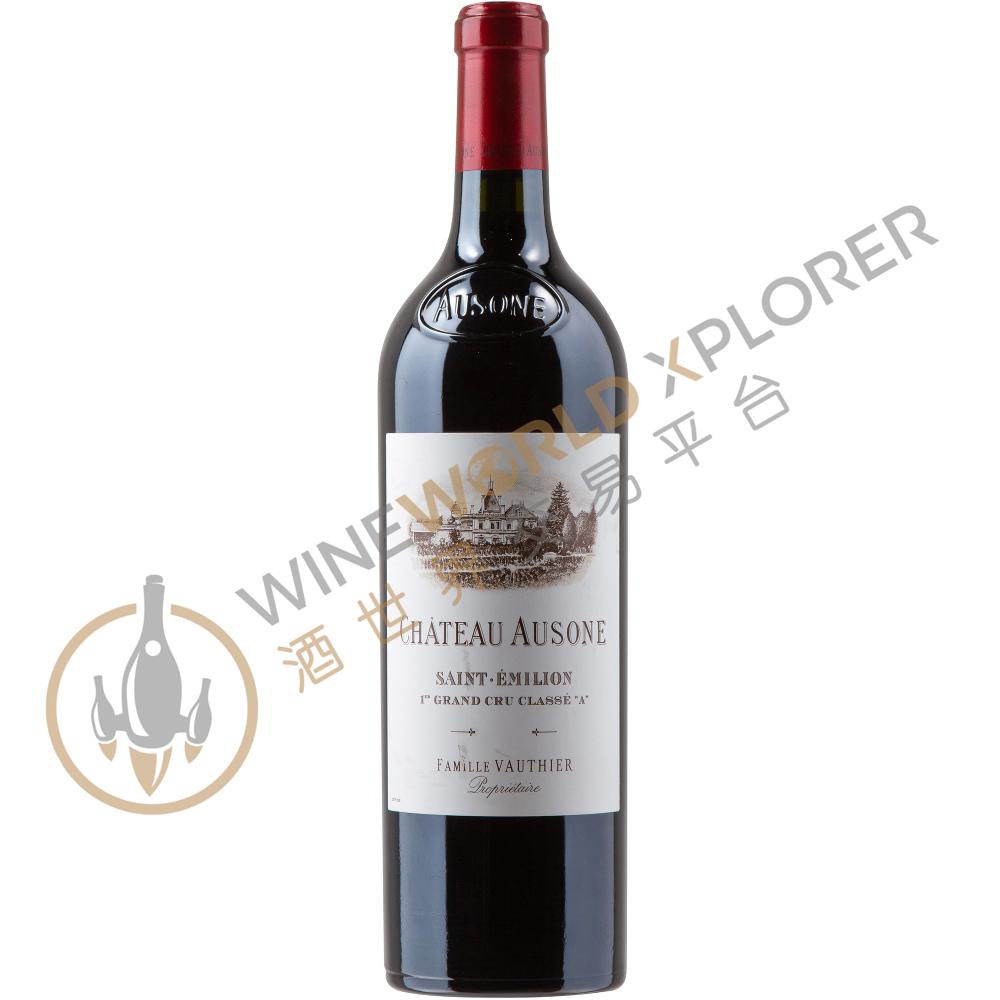
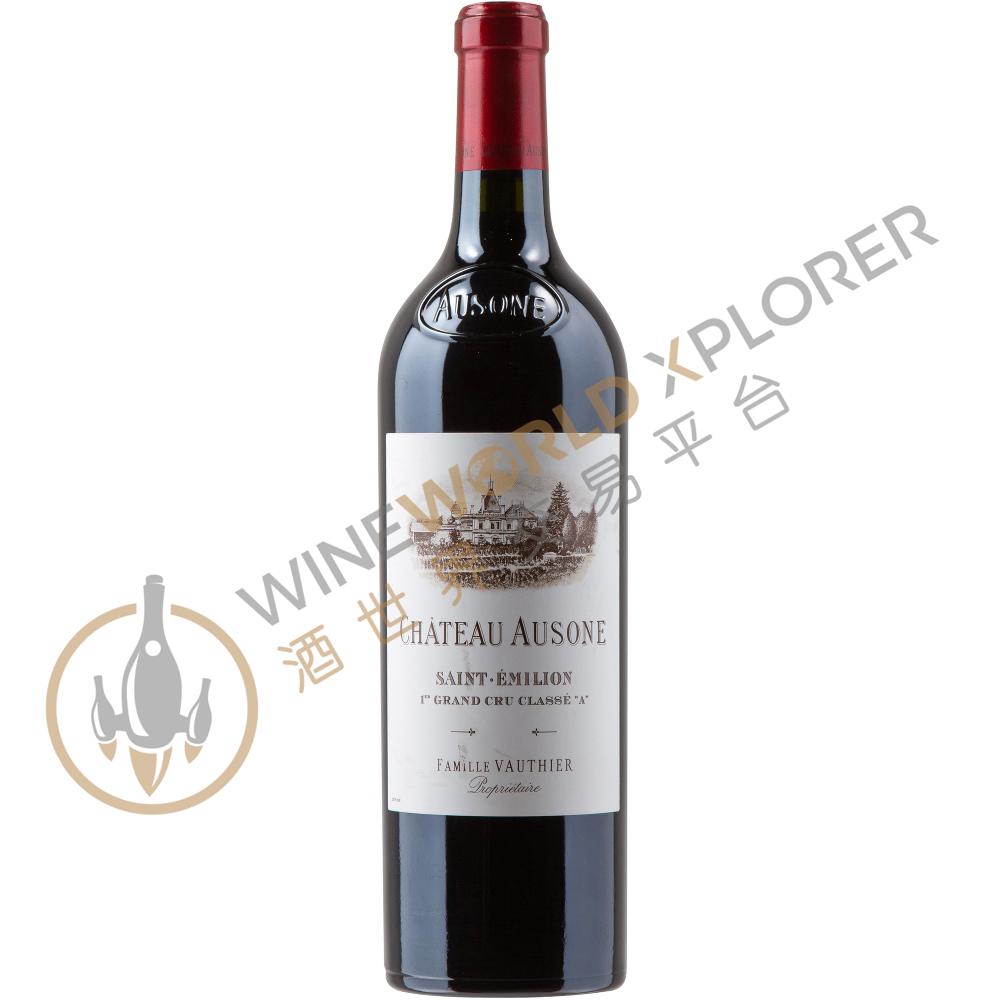
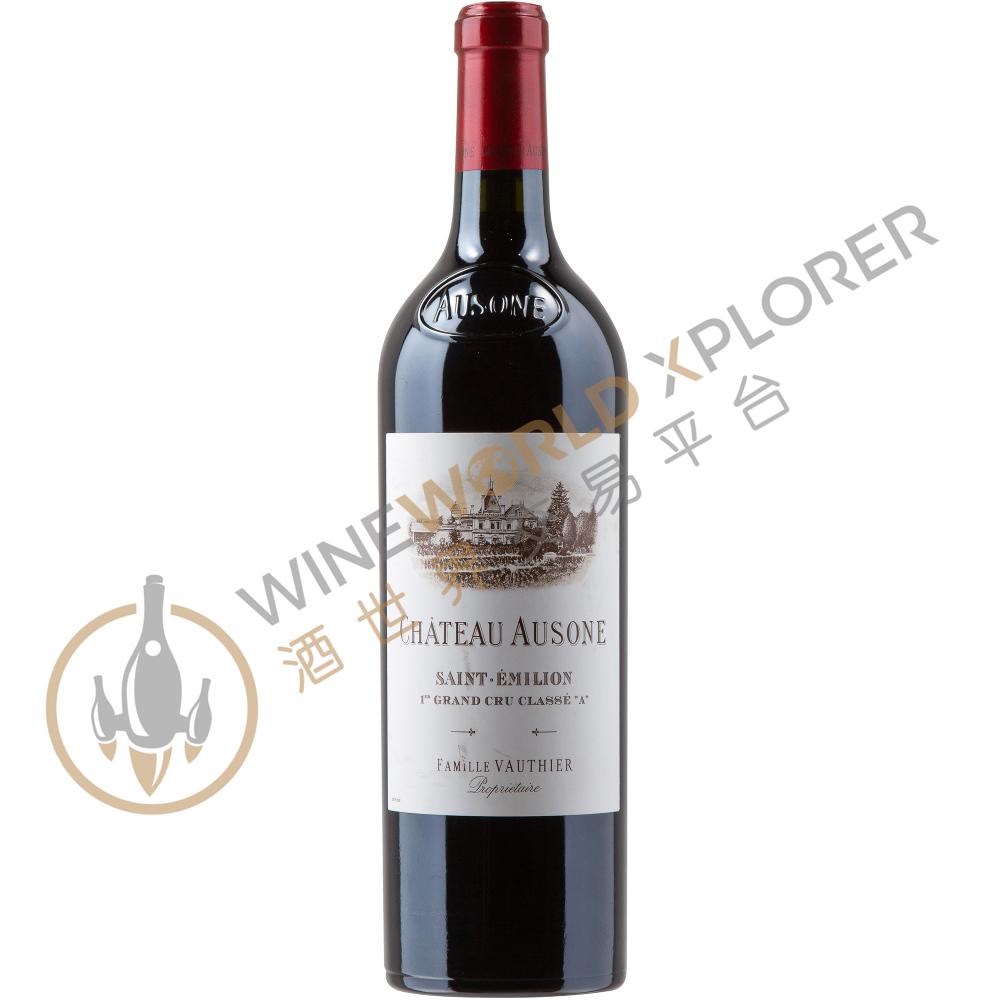
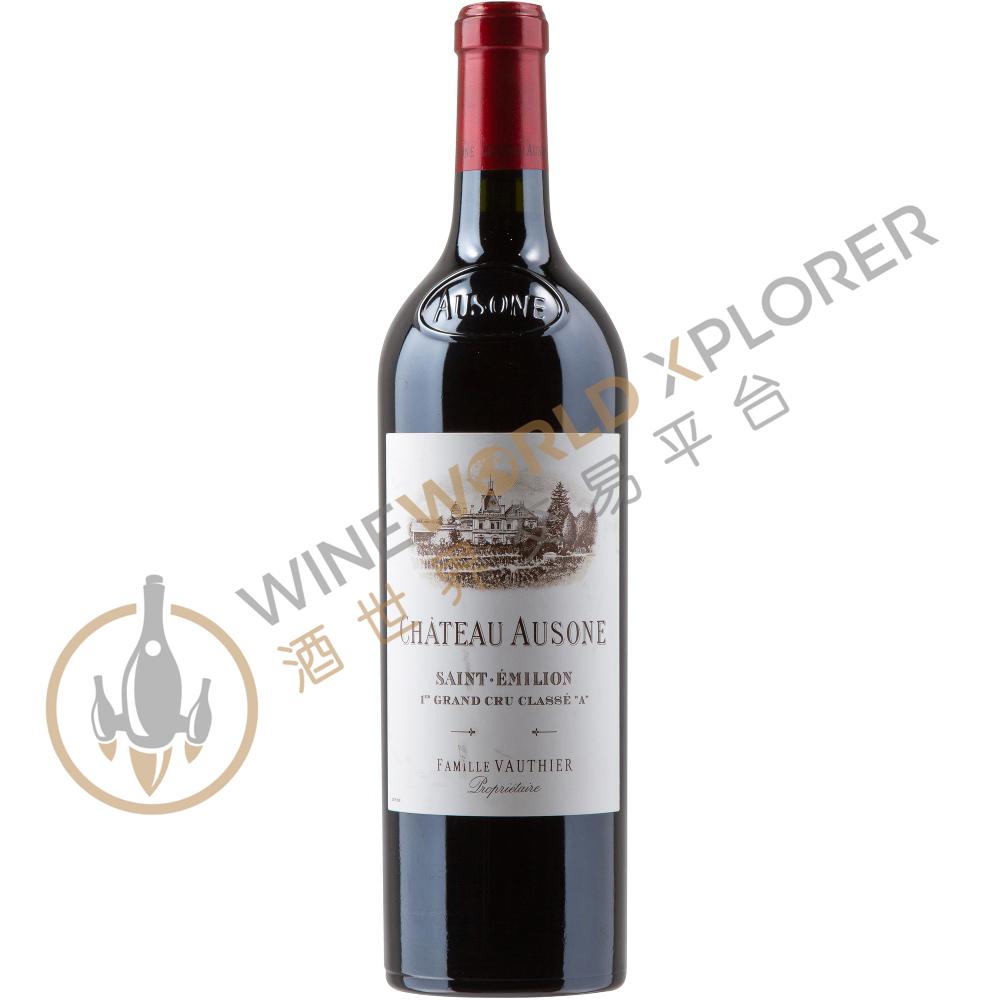
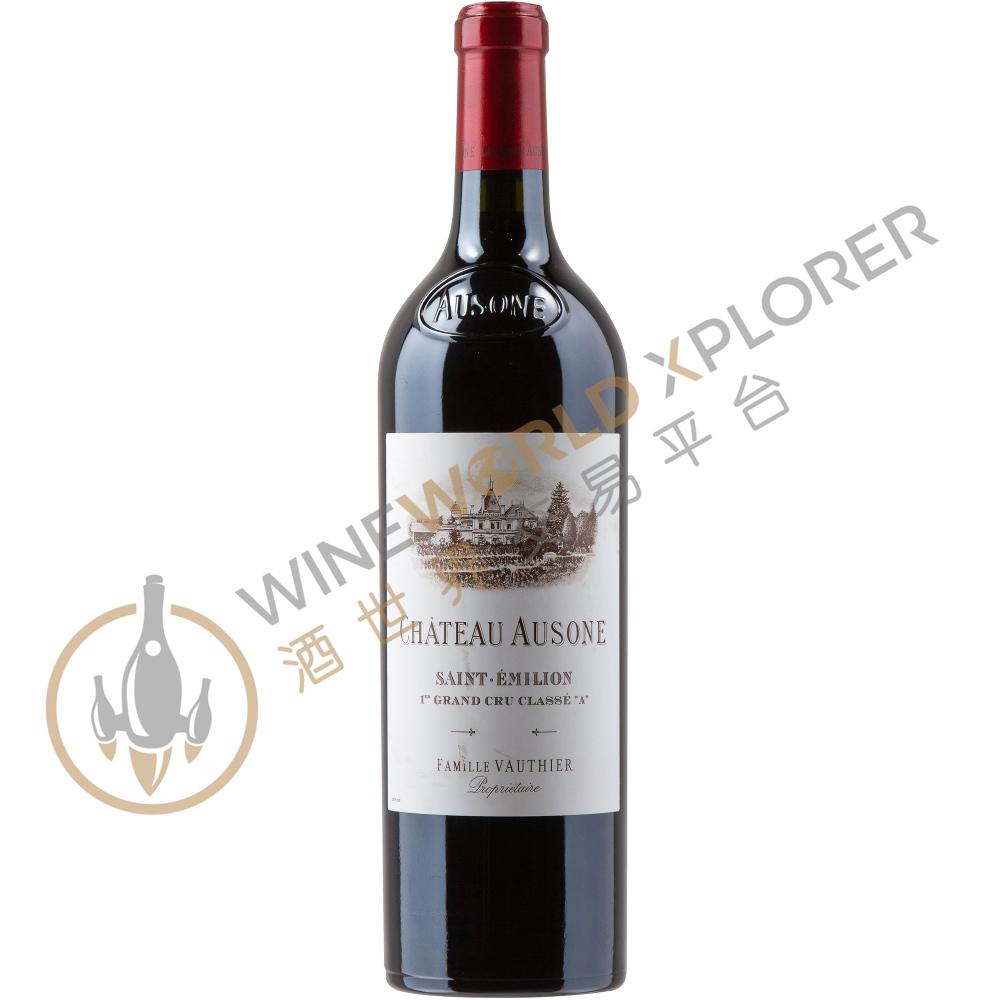
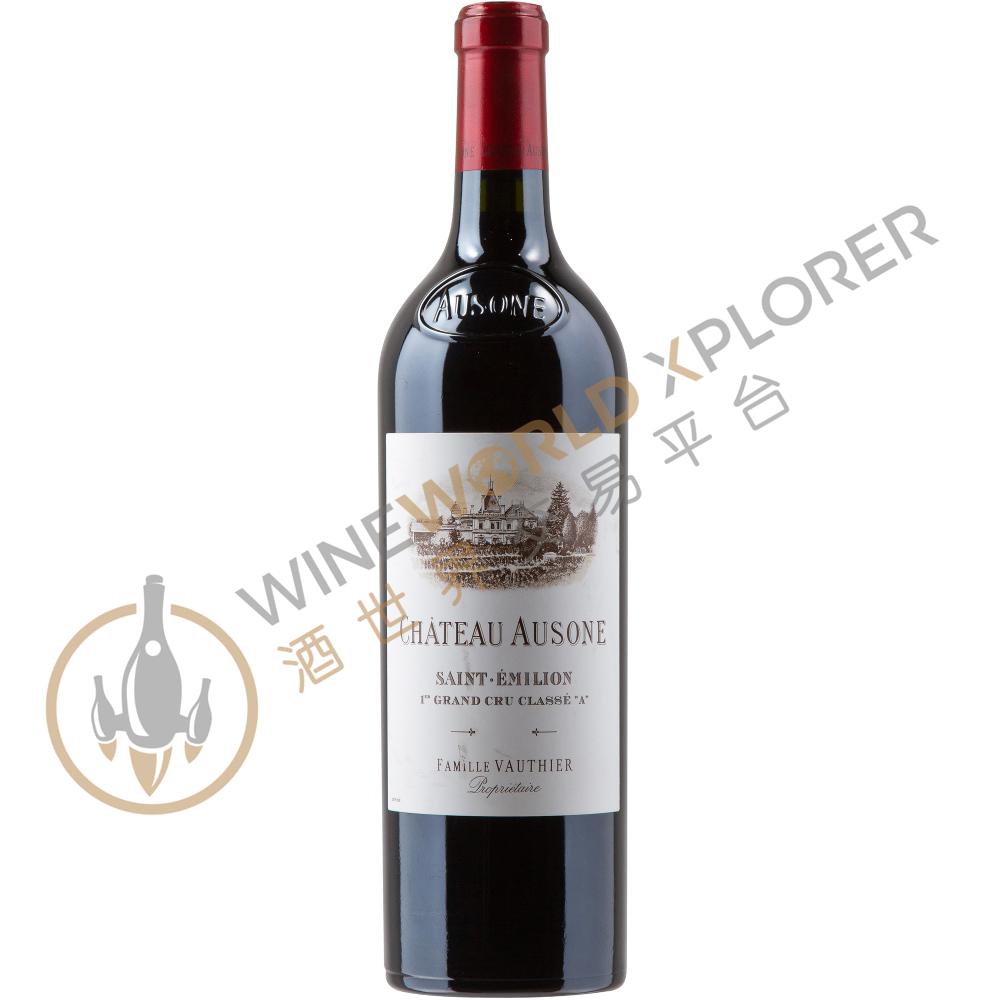
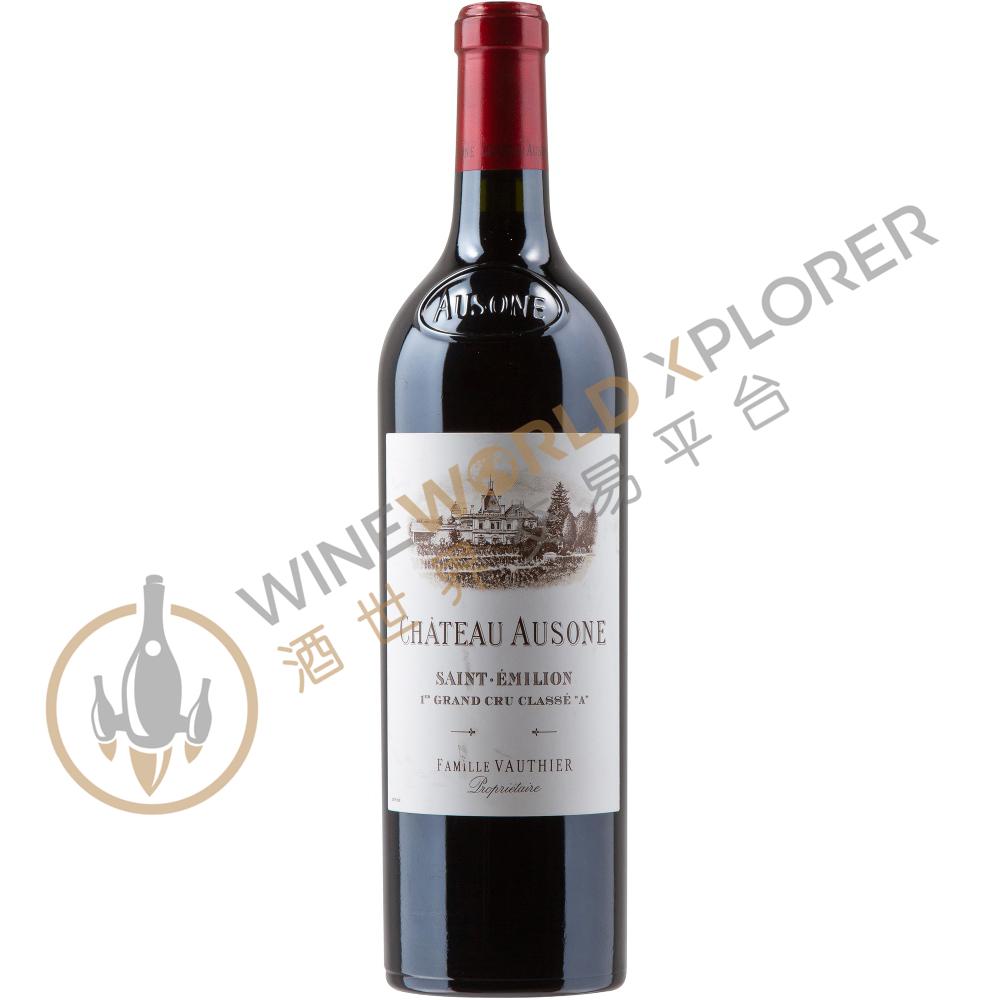
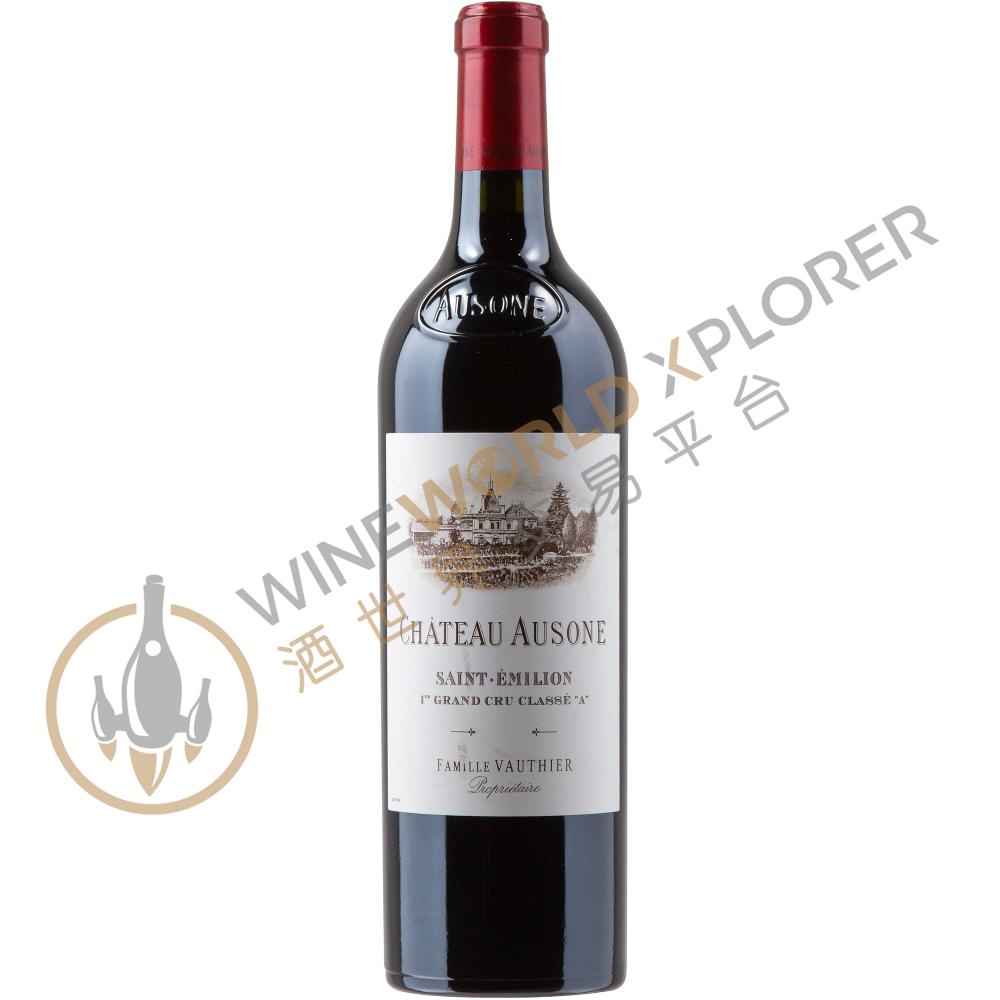
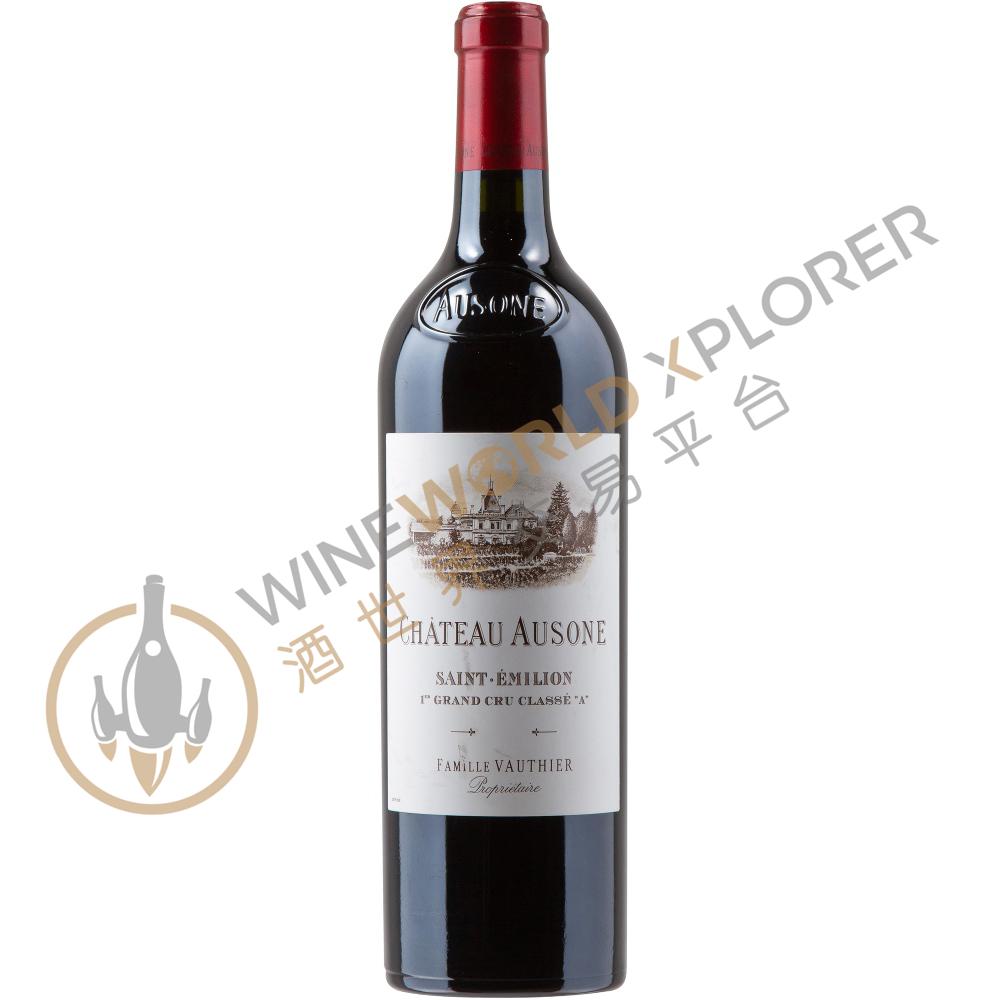
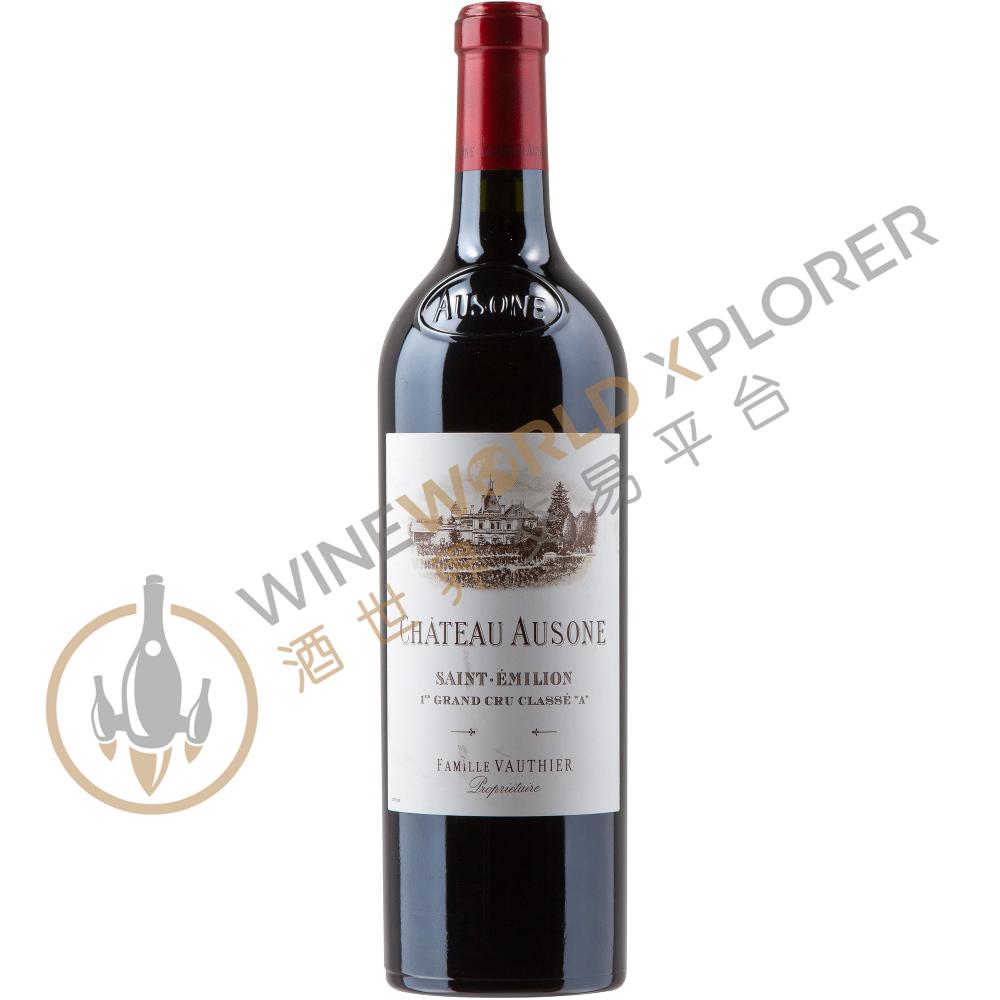
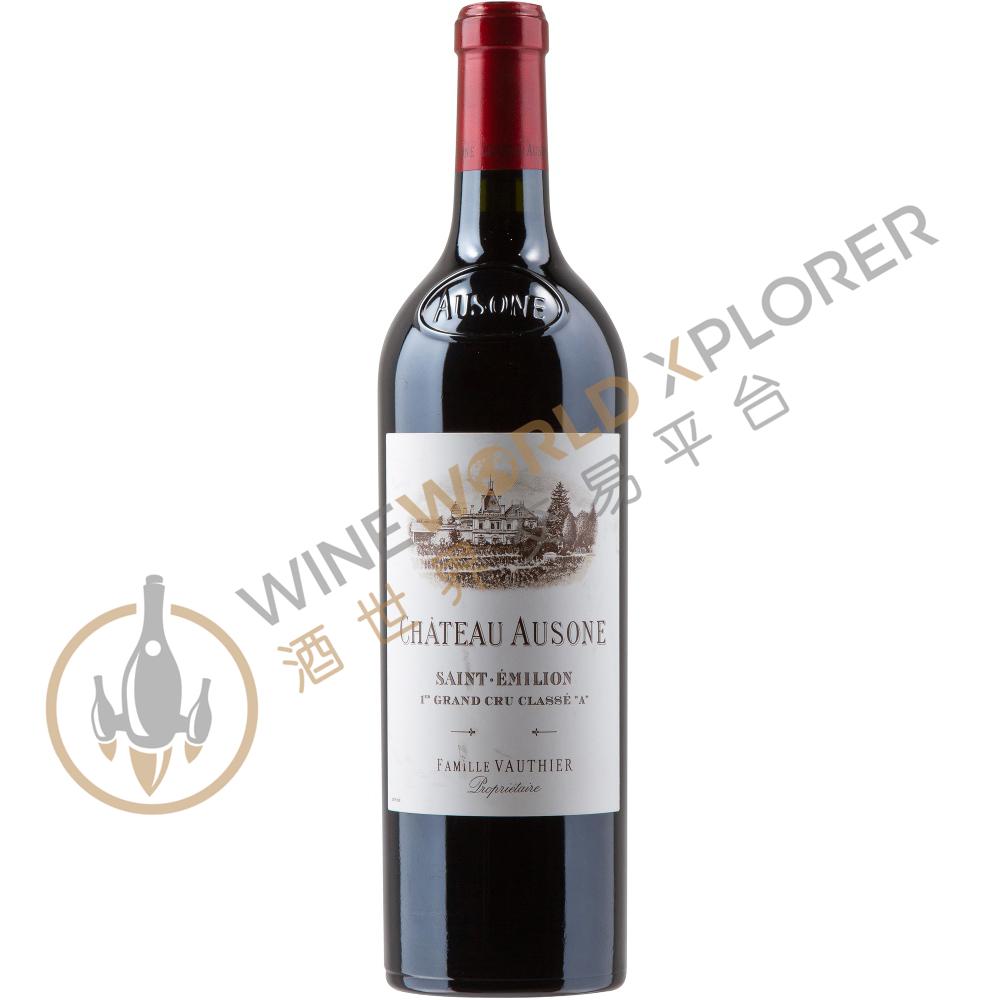
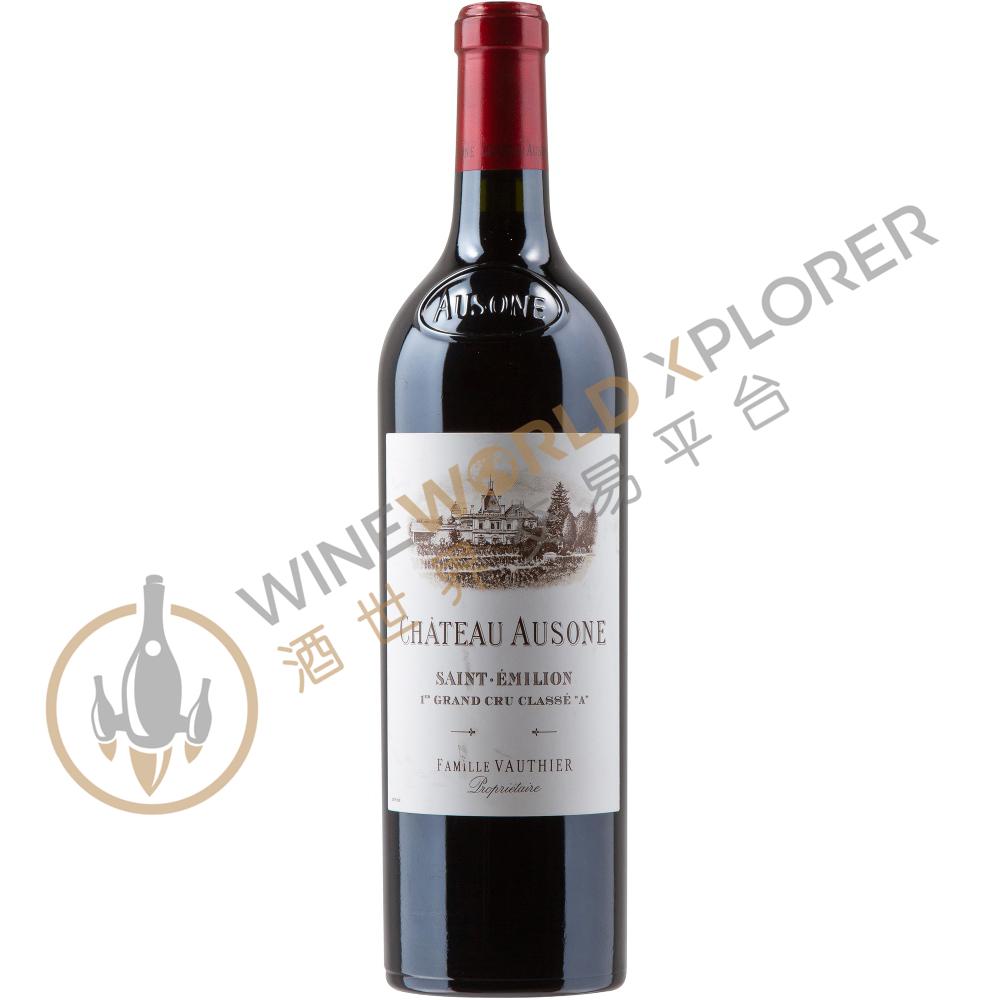
Ausone 1999
 View analysis


Description
Tasting notes

Reviewed by: Robert M. Parker, Jr.
Ausone appears to be exploiting its potential now that Alain Vauthier has full control, and former winemaker, Pascal Delbeck is no longer a factor. The saturated purple-colored 1999 boasts a glorious bouquet of liquid minerals, smoke, flowers, and black fruits. Exceptionally pure, with remarkable delineation, this low acid effort possesses high tannin, formidable concentration and extract, sensational palate presence, and a 40+ second finish. Anticipated maturity: 2007-2035.
Reviewed by: Neal Martin
The nose has closed down a little. The palate is medium-bodied with notes of blackberry and mineral. Not as decadent as the 2000 or the 2002 but there is still great definition. Slightly more savory than other recent vintages, more masculine. I think this will close down shortly and reveal its true potential after a decade of aging. Tasted October 2003.
Reviewed by: Robert M. Parker, Jr.
Readers should not hesitate to check out Ausone's new second wine, Chapelle d'Ausone. It reveals Ausone's minerality, finesse, and quality presented in a lower-keyed, more open-knit style. The 1999 is nearly spectacular. Whether it will ultimately have immortal aging potential remains to be seen. It boasts gorgeous aromas of black fruits, flowers, smoke, licorice, and subtle wood. Fabulously concentrated, with sensational persistence on the palate, sweet tannin, and admirable balance as well as stature, this is a medium-bodied wine of exceptional pedigree and aging potential. Anticipated maturity: 2008-2040. As I wrote last year, this will undoubtedly be the longest lived wine of the vintage.
Reviewed by: Neal Martin
This Ausone has a deep, broody nose with black cherries, iodine, leather and a touch of ginger. The palate is full-bodied with thick chewy tannins, not as fine as more recent vintages. Pure black cherries, iodine, bilberry, a touch of sourness towards the finish that shows a slight hardness. This is what you might describe as a “steadfast”, almost “conservative” Ausone, but it seems to have lost the exuberance that it demonstrated in its youth. Drink 2012-2025. Tasted June 2009.
Reviewed by: Robert M. Parker, Jr.
Is the 1999 Ausone the wine of the vintage? Dense purple color, a compelling bouquet of licorice, minerals, black and blueberry liqueur, extraordinary delineation, high tannin, superb extract, and phenomenal richness all are the stuff of a legend. This wine seems impossible to have emerged from a vintage like 1999. Proprietor Alain Vauthier produced only 20,000 bottles because he eliminated one-fourth of the tiny crop. The result is out-and-out fabulous, but the wine needs 12-15 years of cellaring. Anticipated maturity: 2015-2050.
About the Producer
Located in the Saint-Emilion appellation on the right bank of Bordeaux, France, Chateau Ausone is one of only four Saint-Emilion Premier Grand Cru Classe A estates in the appellation and one of the eight most prestigious estates in Bordeaux. The 7.25 hectares of vineyards at Château d'Orson are oriented to the east or south-east, allowing the vineyards to enjoy the full sun and to be protected from the north-west winds. The vineyard's proximity to the Dordogne, which is regulated by the river, provides an ideal microclimate for the grapes to grow, and the fact that the vineyard was not seriously affected by the severe frosts of 1892 and 1956 is testament to the terroir. While Merlot is the dominant wine in the Saint-Emilion appellation, Cabernet Franc is the preferred wine at Château d'Ausone, with Cabernet Franc planted in the vineyard, supplemented by some Merlot and a very small amount of Cabernet Sauvignon, which is used only for the secondary wines (Chapelle d'Ausone, Saint-Emilion). 'Ausone, Saint-Emilion Grand Cru, France). The average age of these vines is 52 years, with the oldest vines, planted in the early 20th century, being up to 100 years old and planted at a density of 6,500-12,000 vines per hectare. The soils are predominantly calcareous clay and limestone, which is the main reason for the minerality of the red wines of Château Ausone, Saint-Emilion Grand Cru Classe, France. The organic and biodynamic approach to vineyard management and winemaking at Château Ausone is a commitment to producing wines that express the full character of the terroir. In the vineyards, the staff takes care of the vines, planting fruit trees and aromatic plants, allowing insects, birds and even bats to come and go, in order to release the vitality of the soil and promote the harmony of the entire vineyard ecosystem. During the harvest, the grapes are very carefully selected and only healthy grapes of optimum ripeness are used to make the wine. During the winemaking process, the treated grapes are first subjected to Cold Maceration to extract the pigments and flavours from the skins. Next, alcoholic fermentation takes place in large traditional oak barrels, followed by Malolactic Fermentation in small French oak barrels. After this, the estate's main wines are aged in 100% new oak barrels for up to 24 months, adjusted to the characteristics of the vintage. The wines are aged in the estate's natural limestone cellars, where the humidity and temperature are stable and provide excellent conditions for the wines to age. The wines of Château d'Orson have always been known as "the poet's wine", with a deep colour, very pure aromas of dark fruit, liquorice, flowers and crushed stone, full-bodied but not too heavy, and with great potential for ageing. Robert Parker once said: "If patience is not your virtue, there is no point in buying a bottle of Ouzo". The quality of Château Ouzon's wines has been consistent, with the best vintages including 2018, 2017, 2016, 2015, 2014, 2012, 2010, 2009, 2008, 2006, 2005, 2004, 2003, 2001, 2000 and 1998, to name but a few. In addition, the estate's secondary wine was born in 1995 from a selection of Cabernet Franc, Merlot and Cabernet Sauvignon from the young vines of the estate. Thanks to the limestone soils of the estate, this wine is rich in mineral flavours, with aromas of black cherry, blackberry, cassis and flowers, a full-bodied wine with velvety tannins and a long, impressive finish. With Robert Parker and James Suckling scores of over 90 points in almost all vintages, this wine has long ageing potential.
1944(1)1957(1)1958(1)1959(1)1961(1)1969(1)1970(1)1978(1)1979(1)1980(1)1981(2)1982(2)1985(2)1986(3)1987(1)1988(3)1989(3)1990(4)1994(1)1995(2)1996(4)1998(9)
Package Size