 Wine Advisor



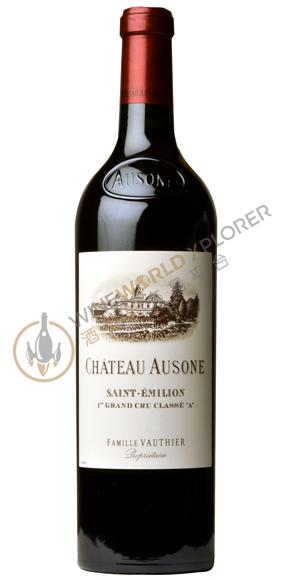
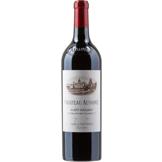
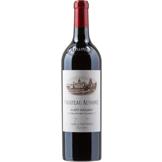
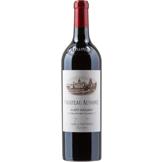
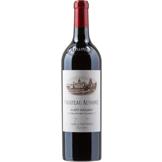
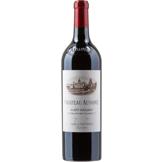
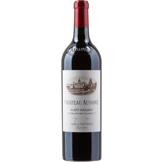
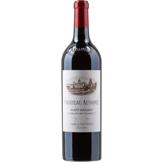
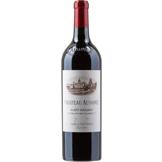
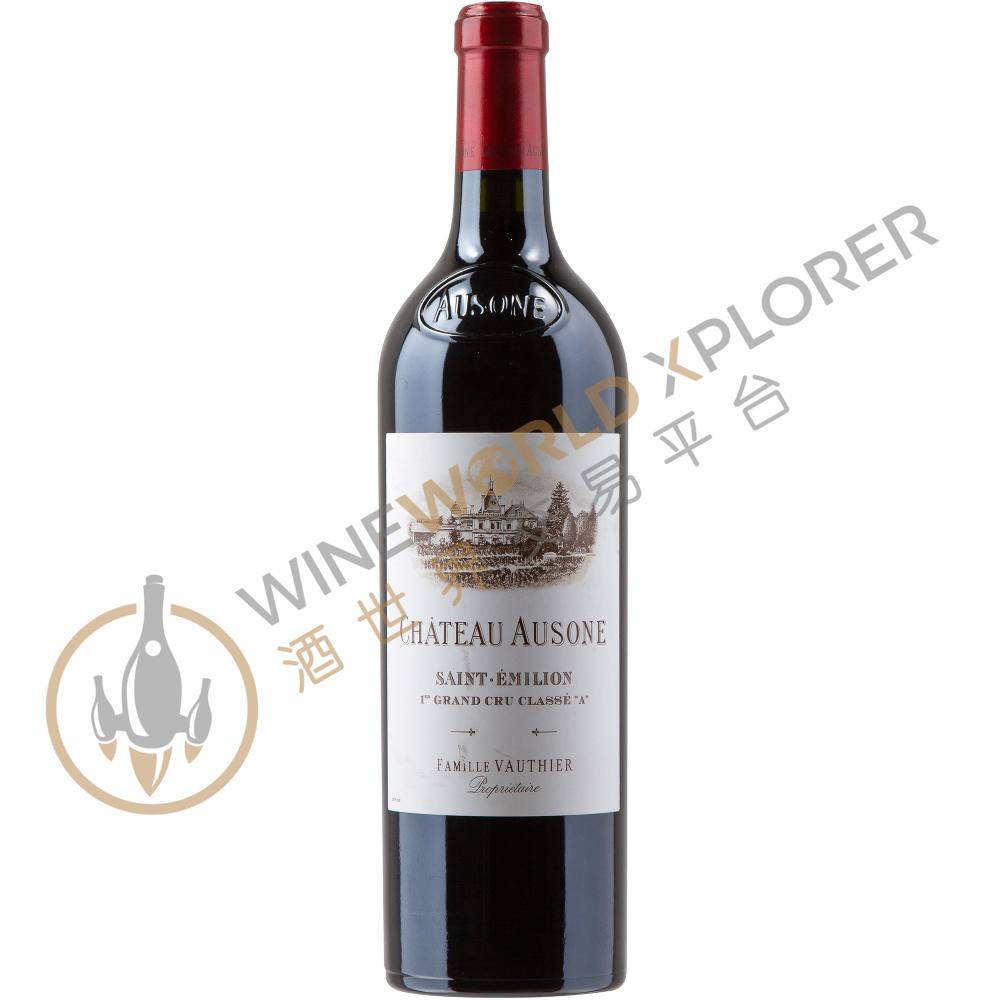
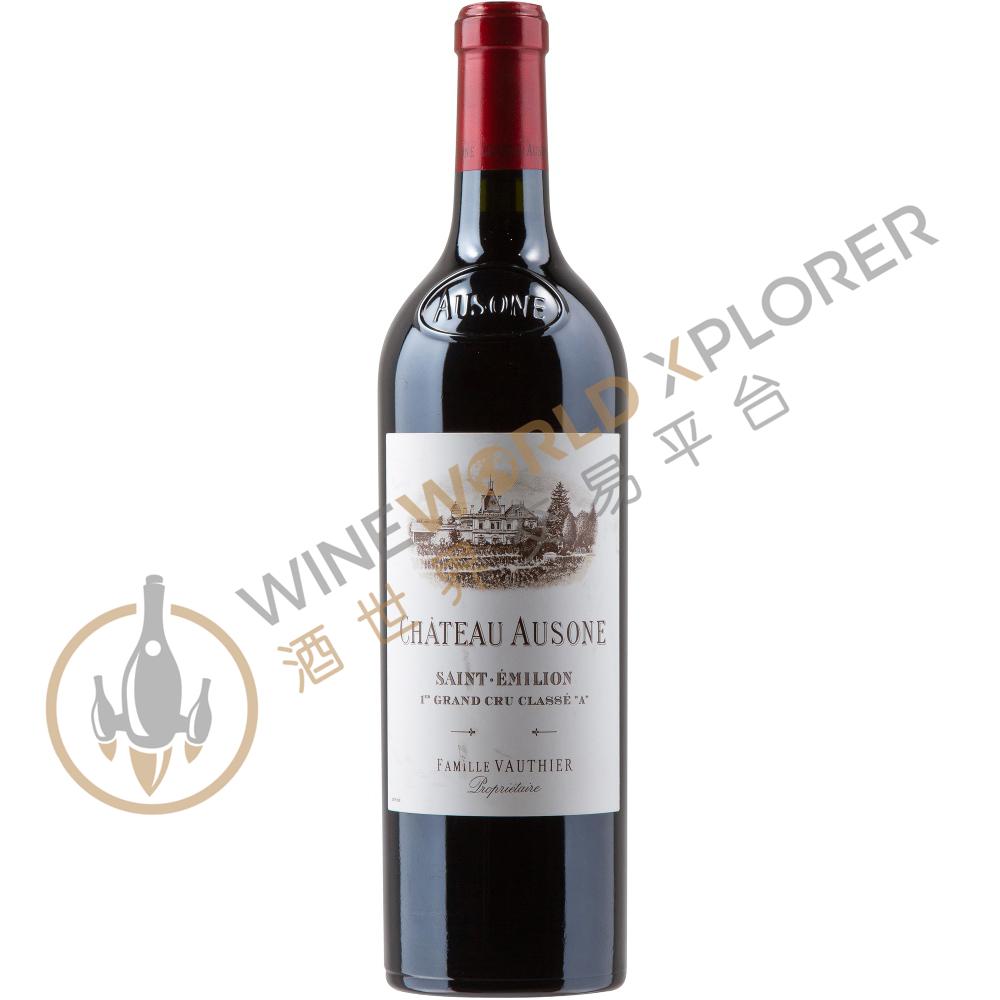
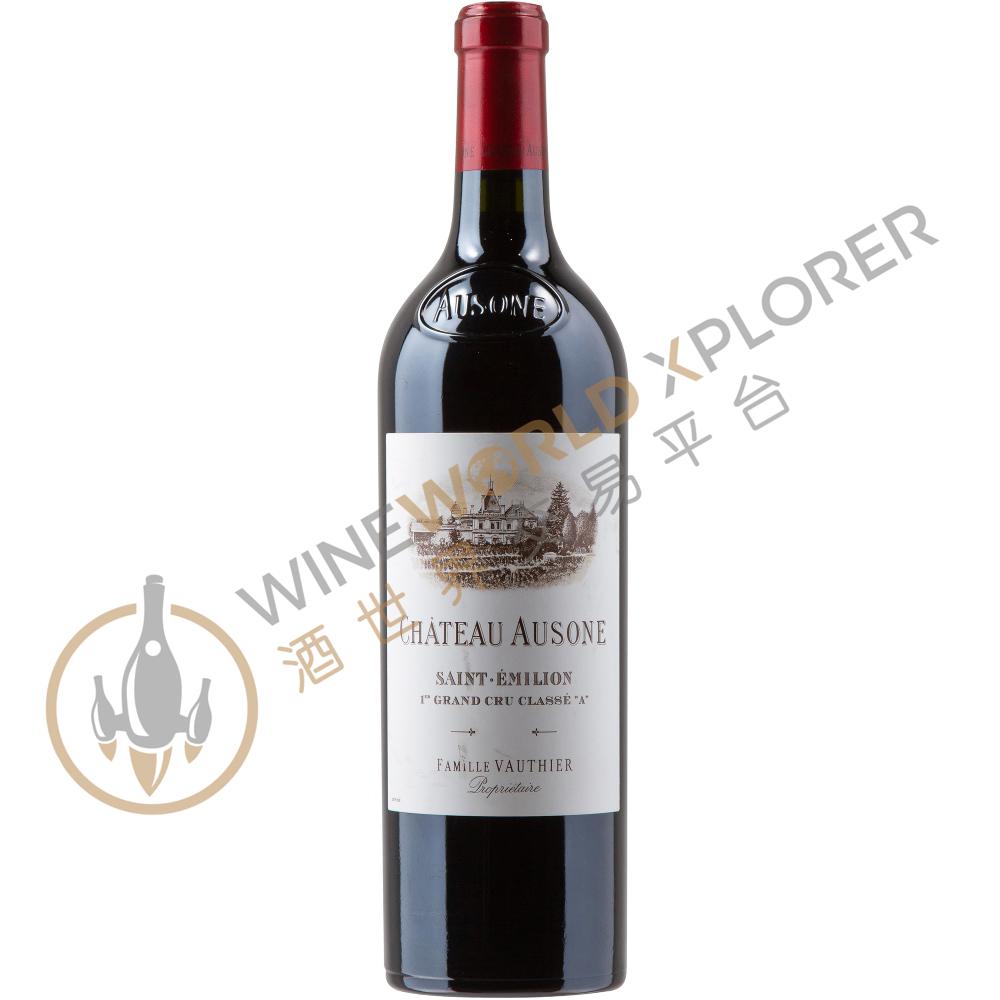
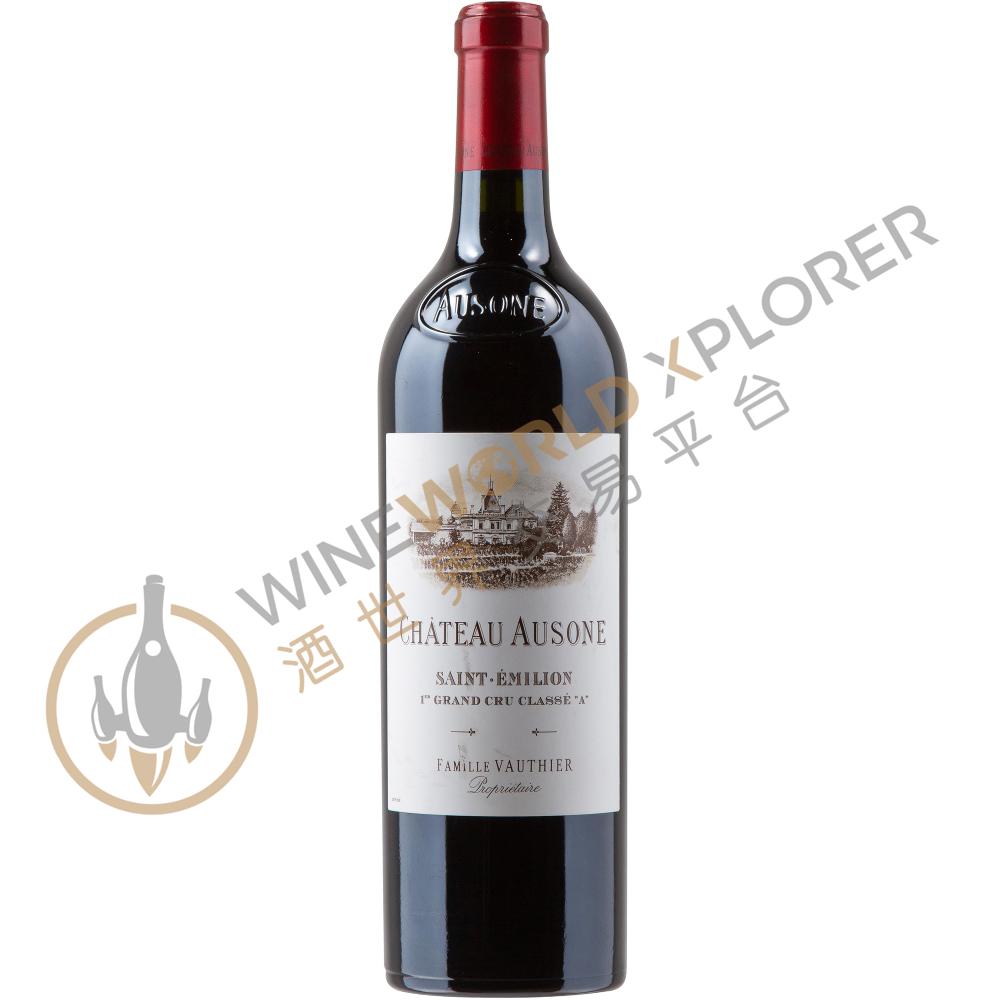
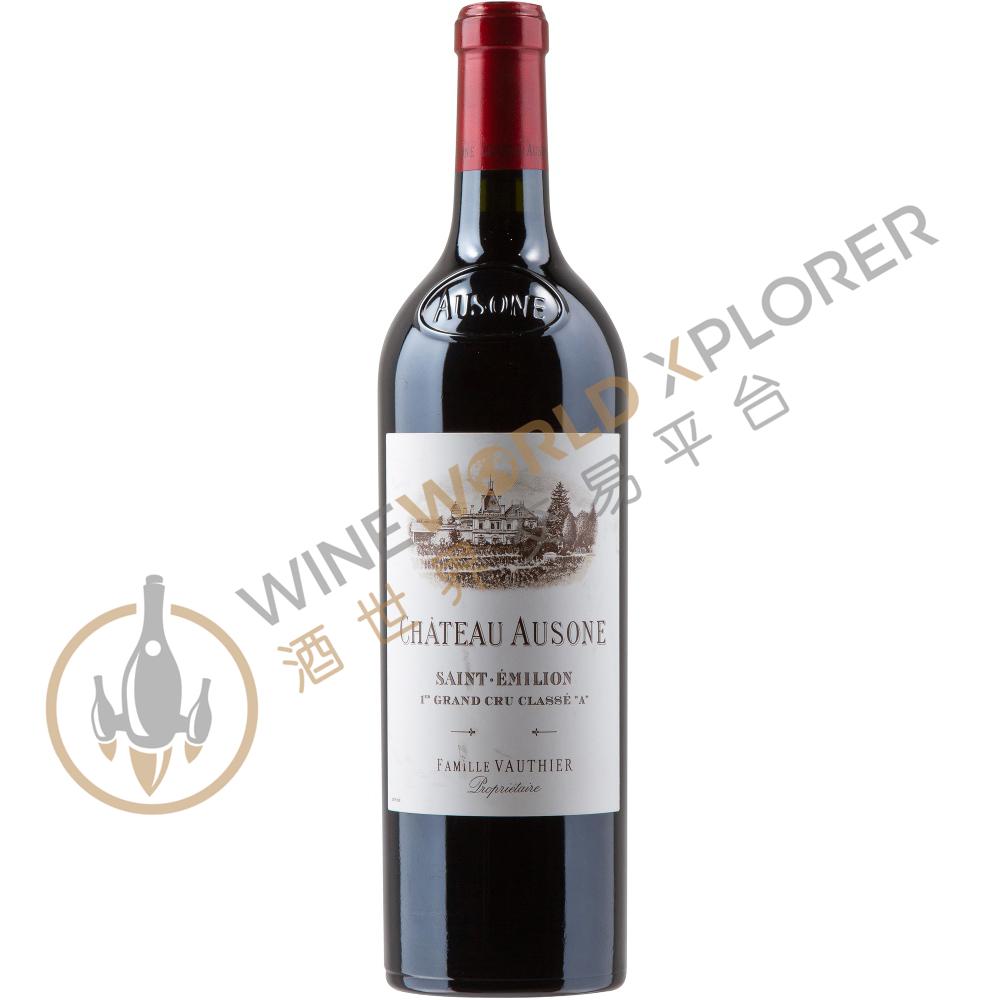
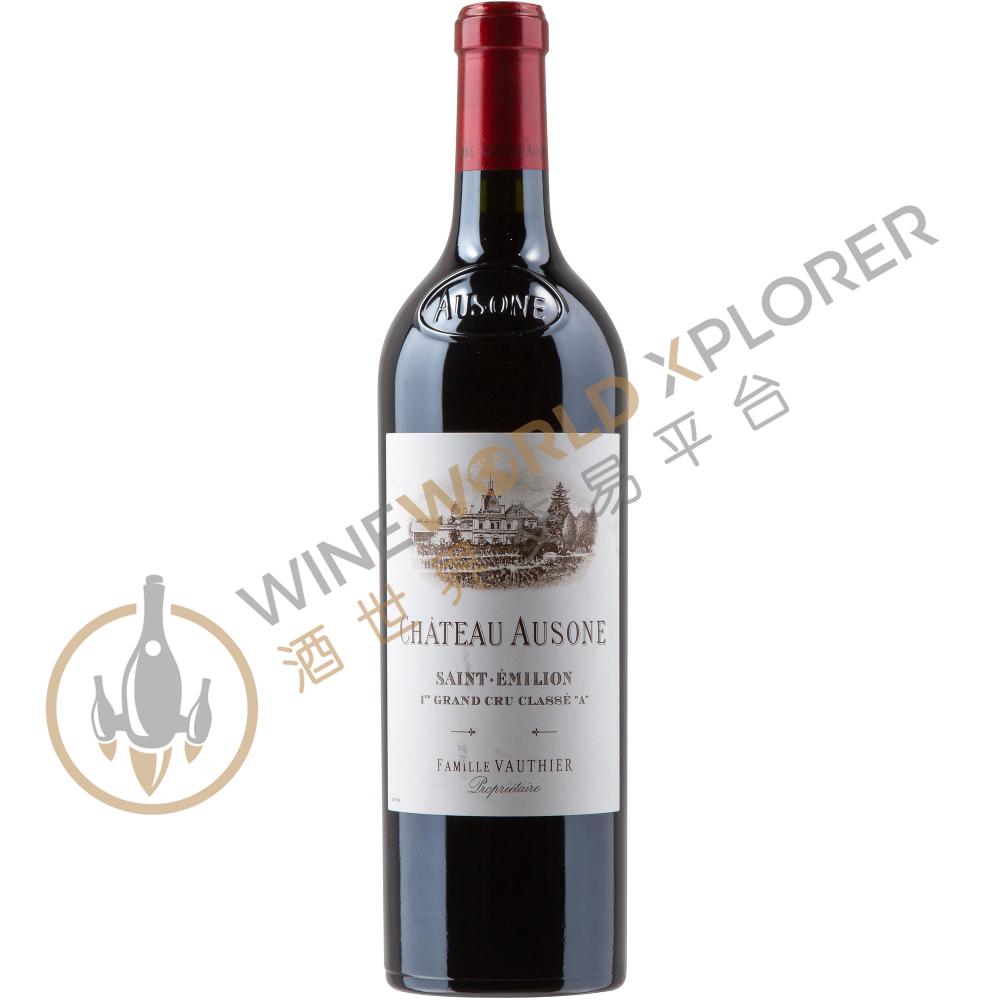
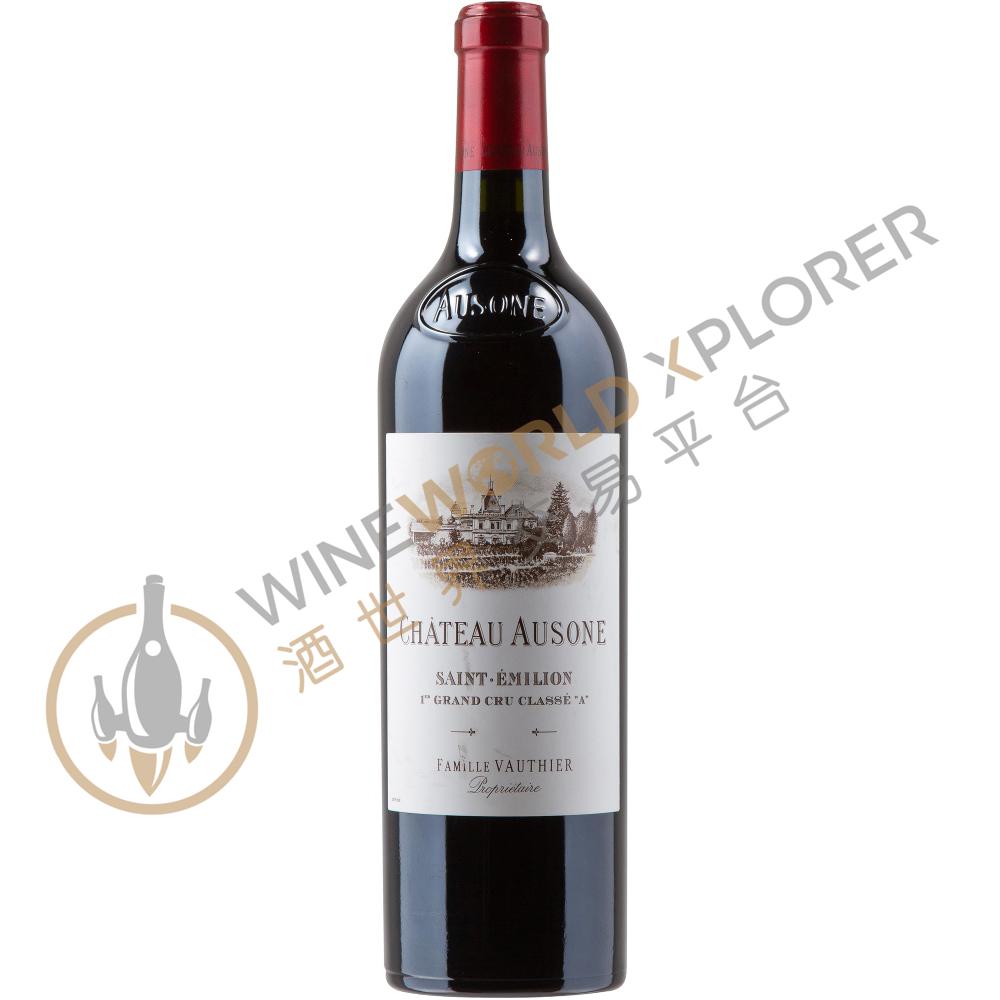
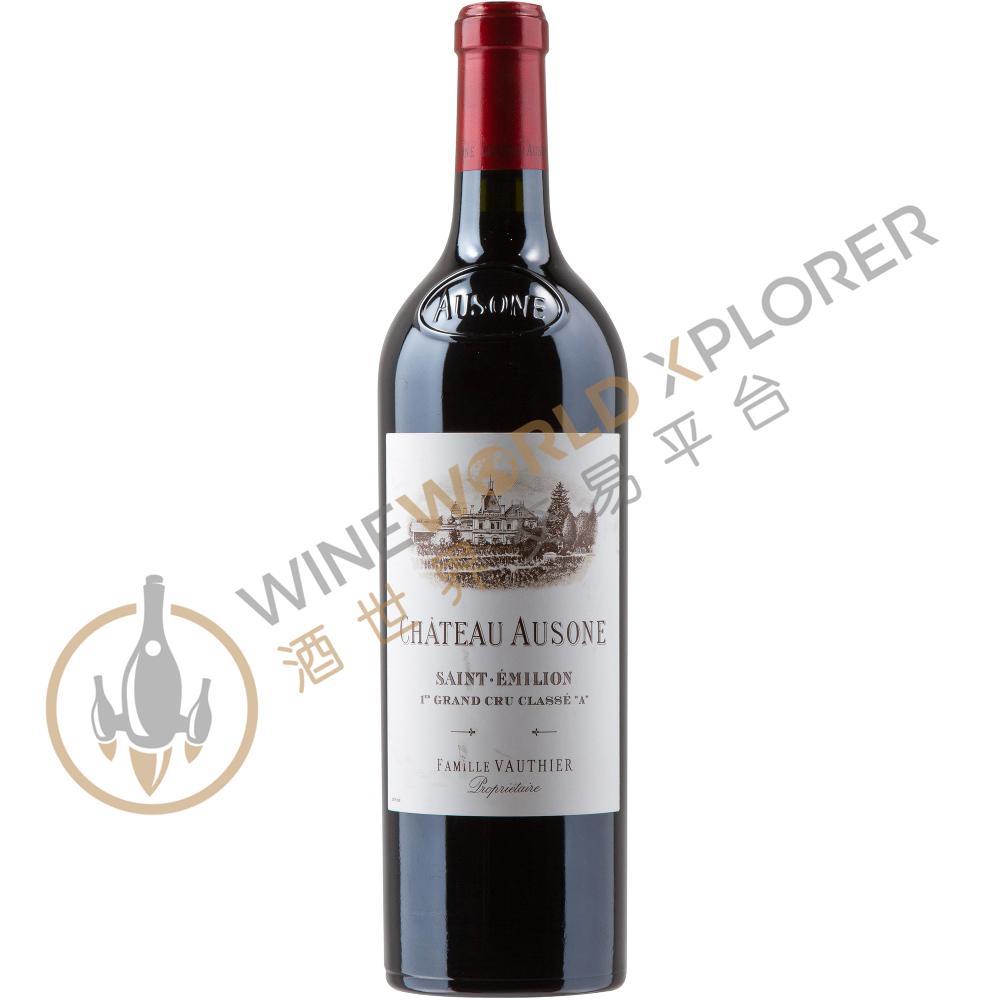
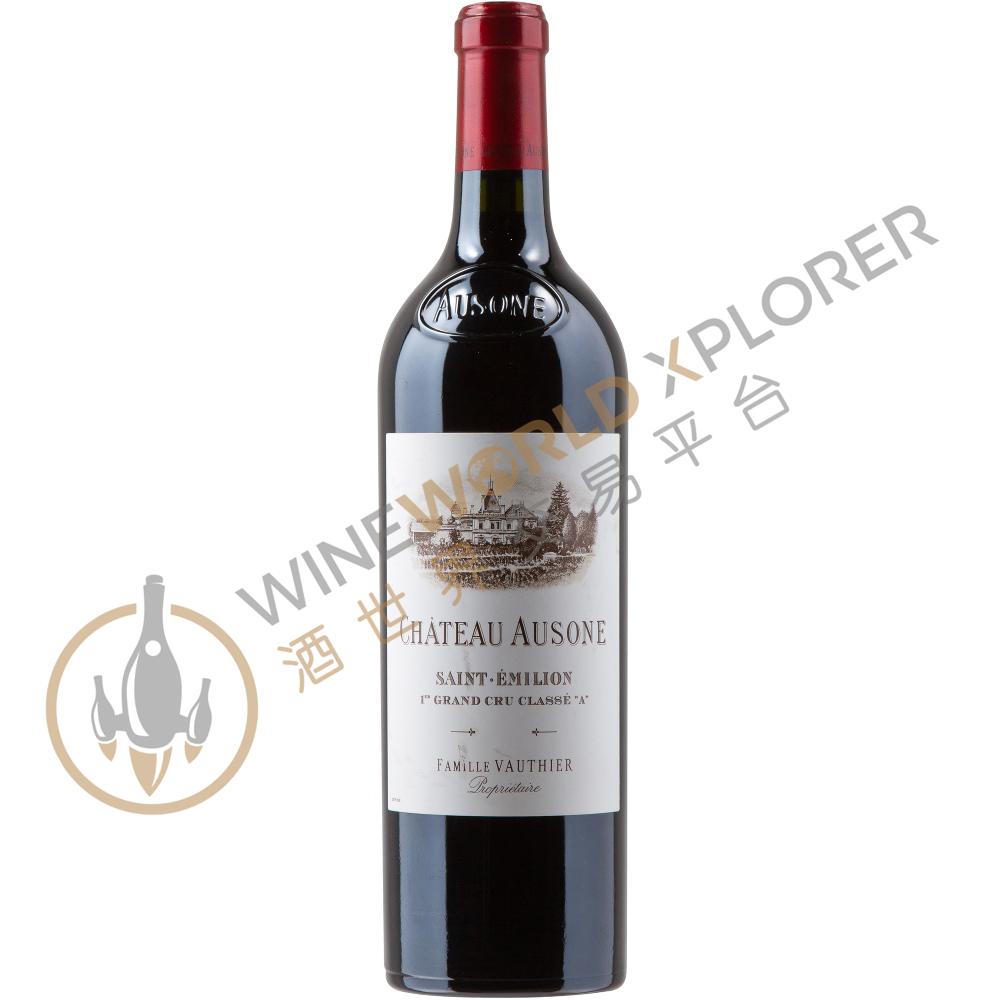
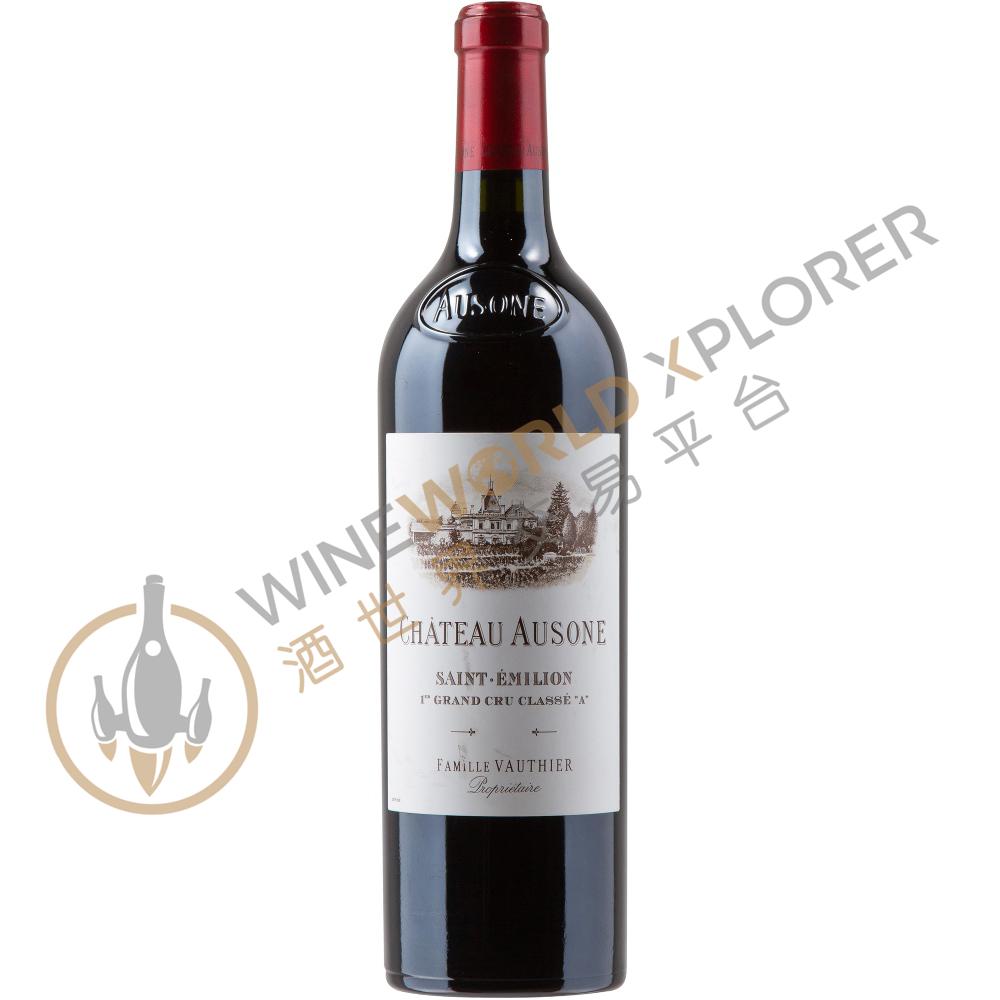
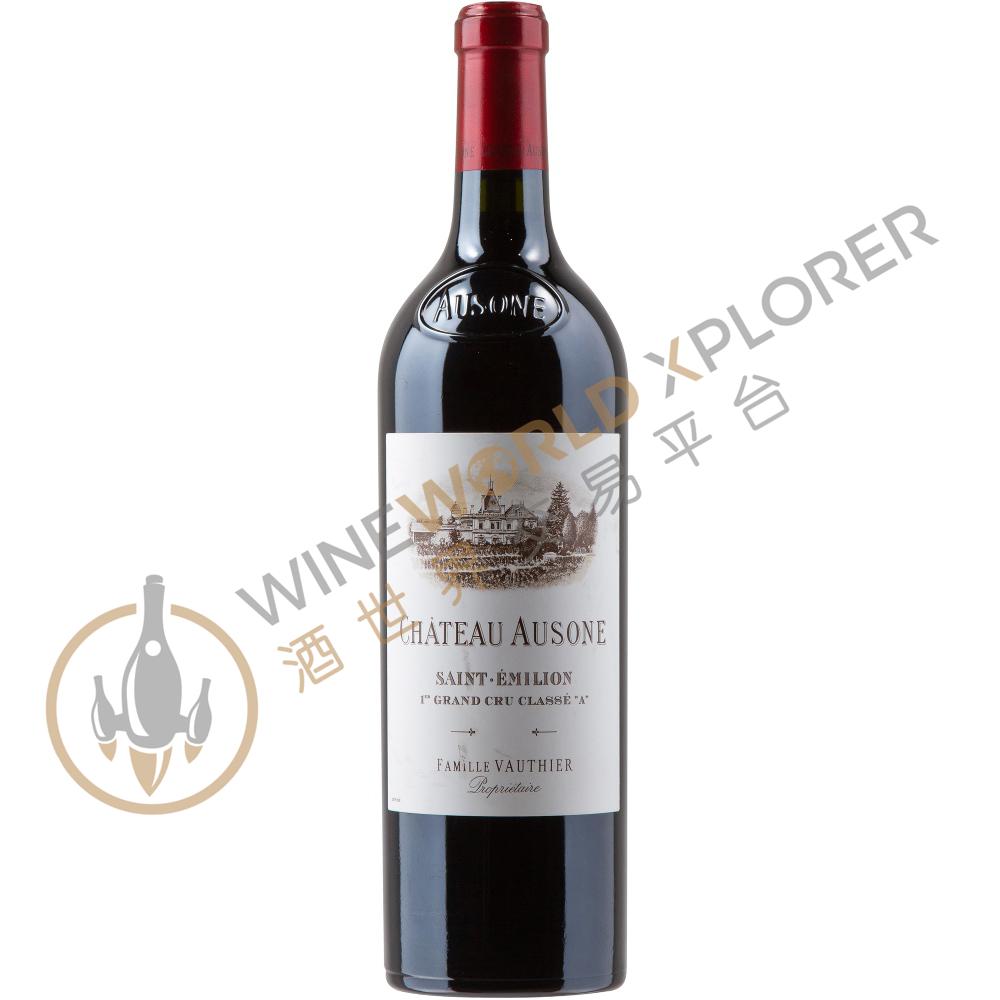
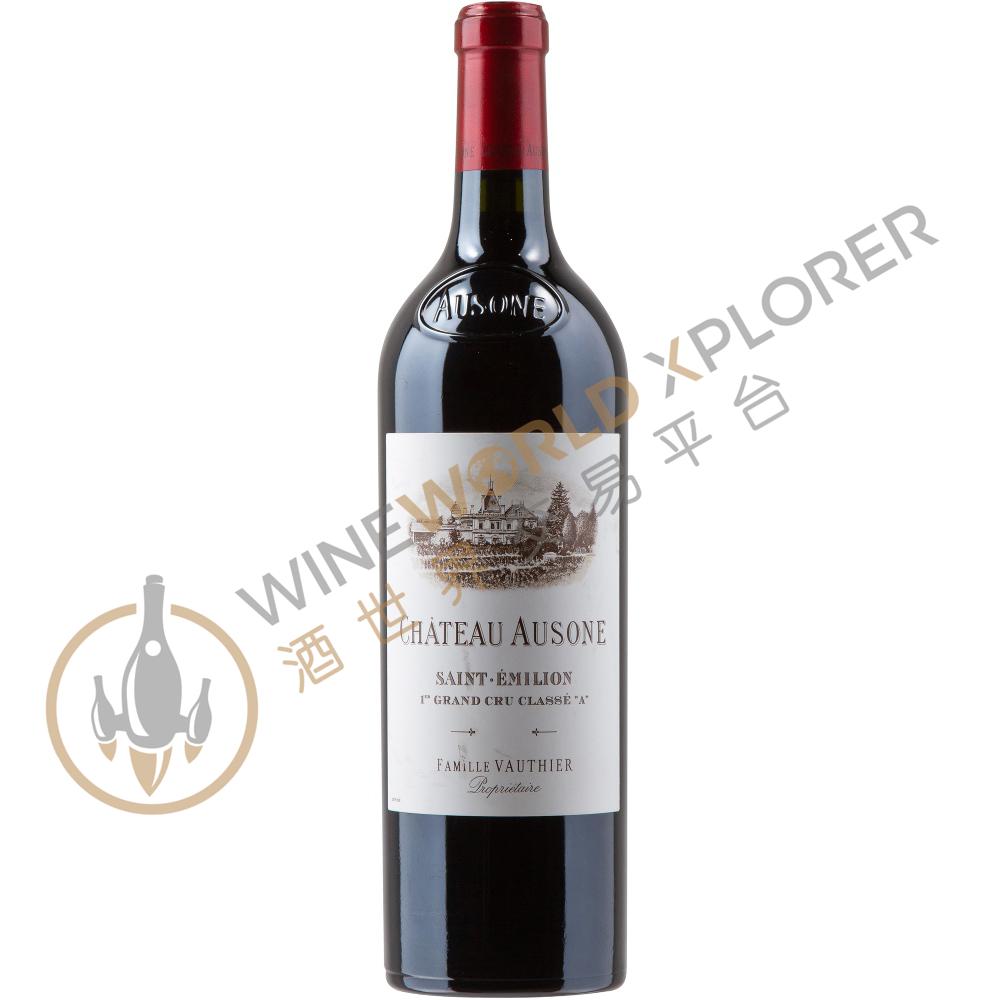
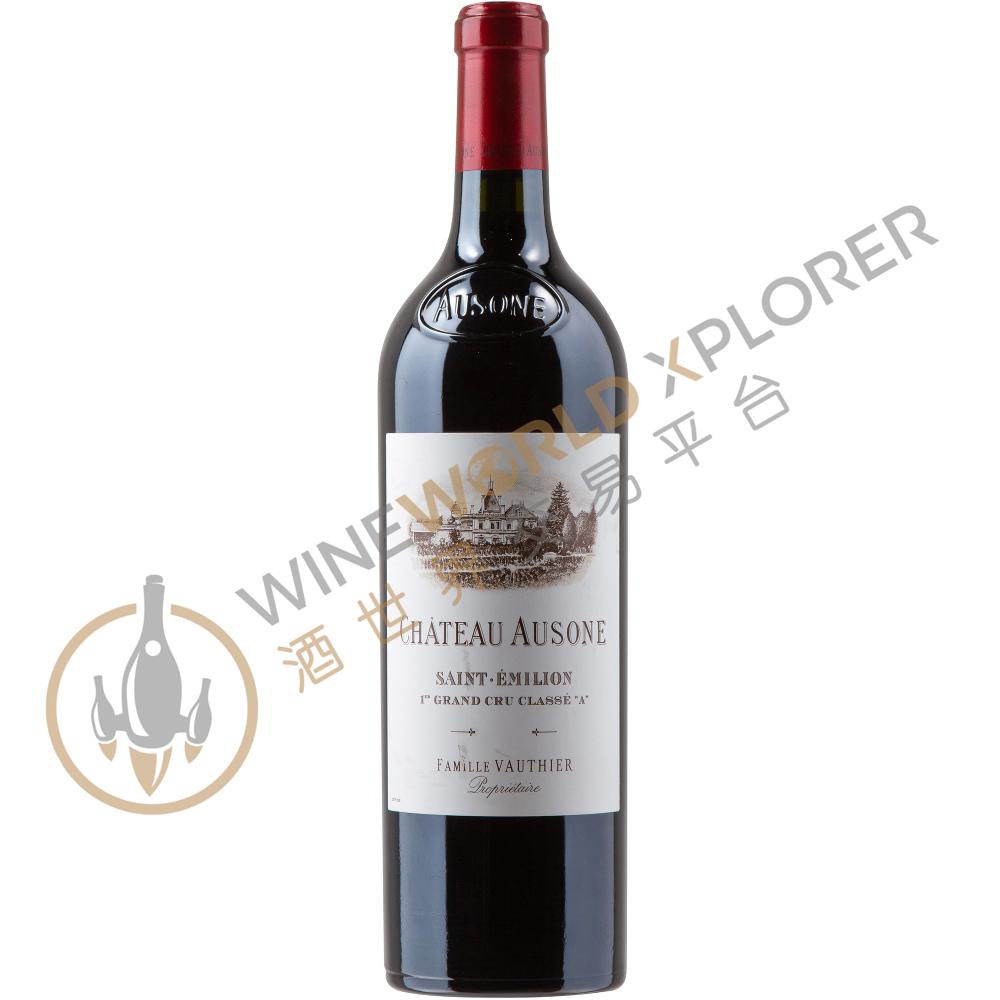
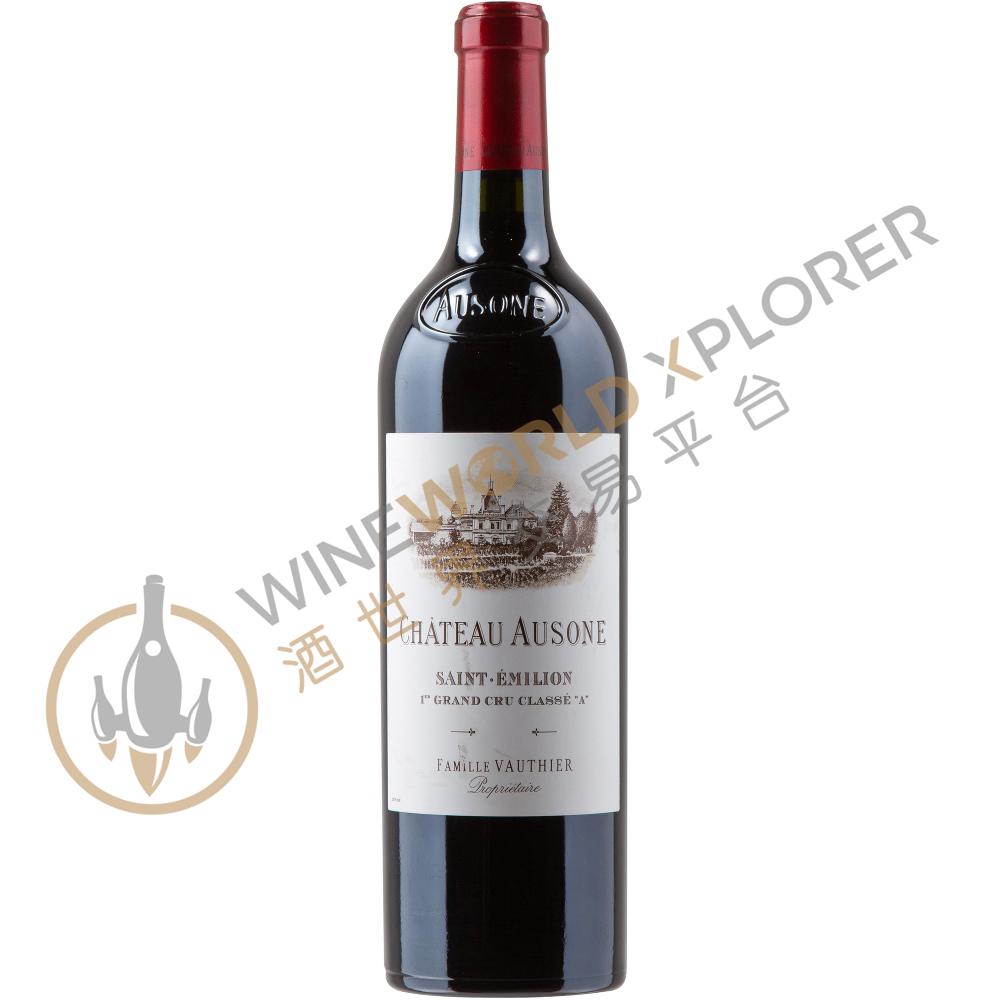
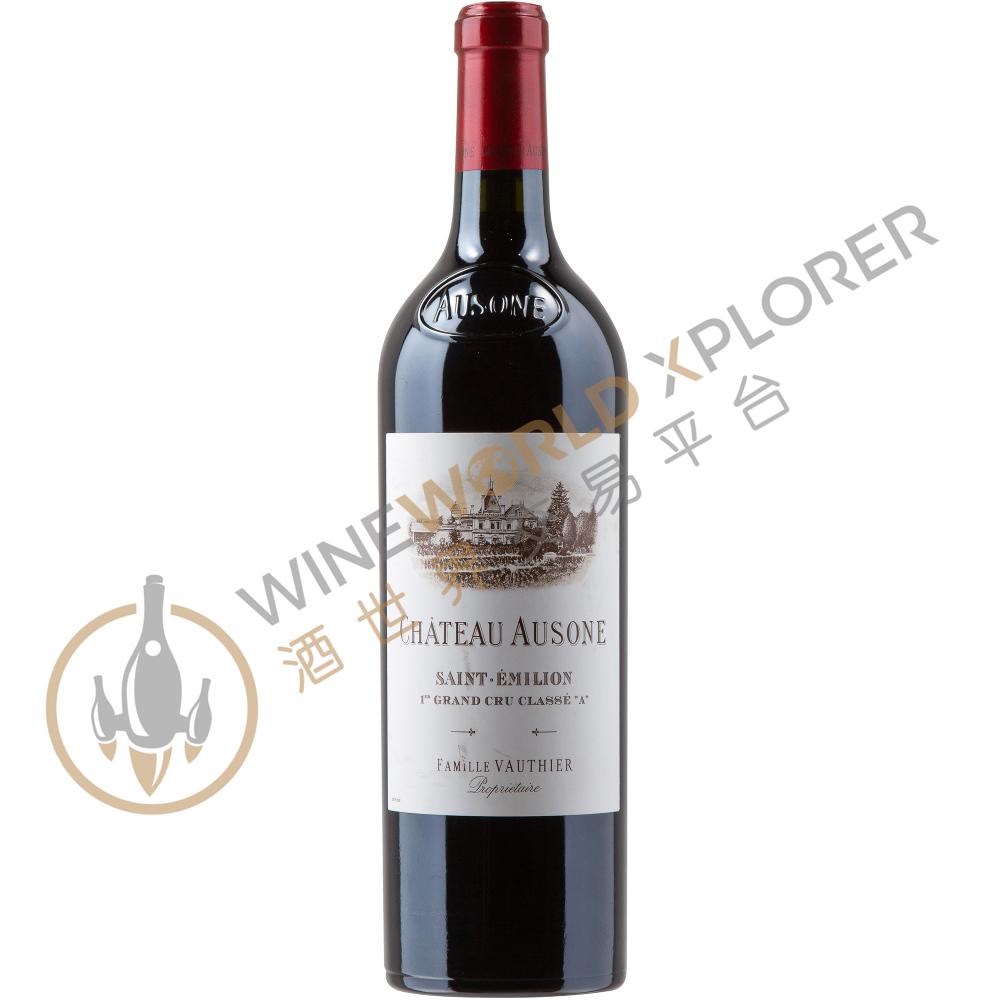
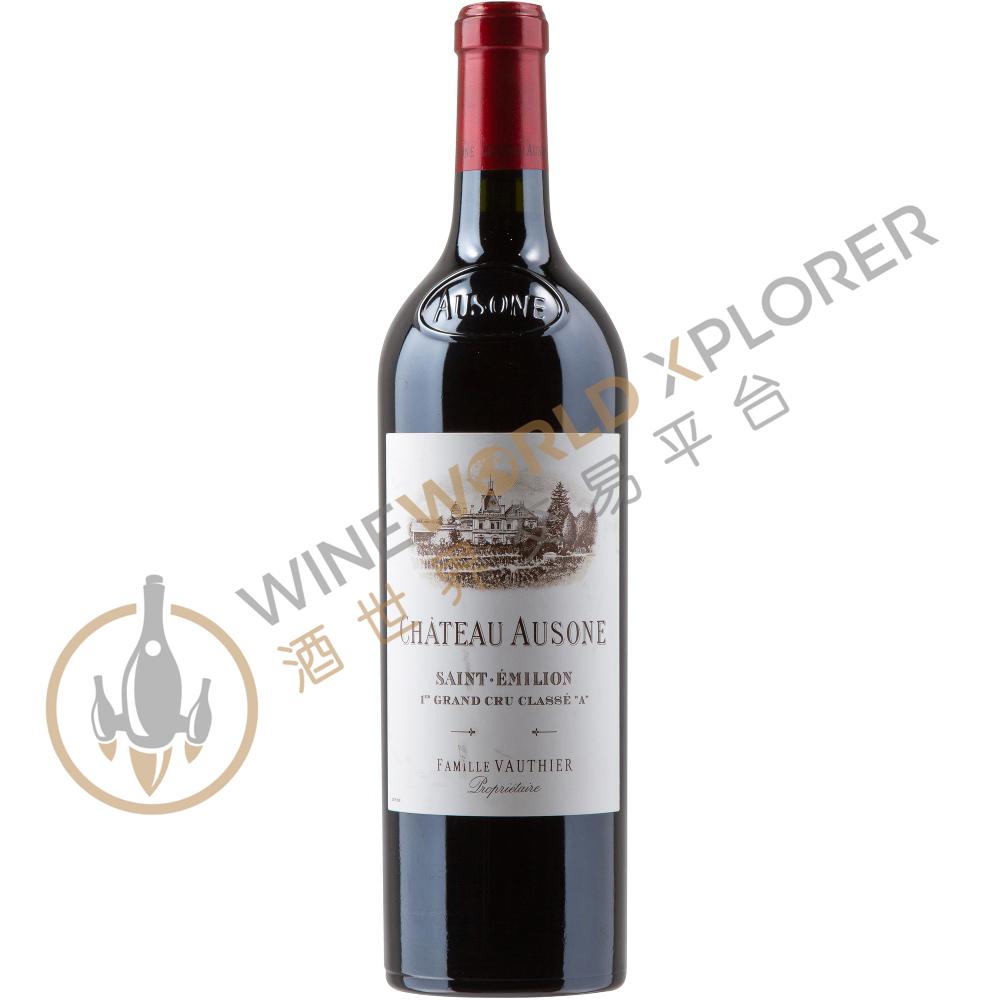
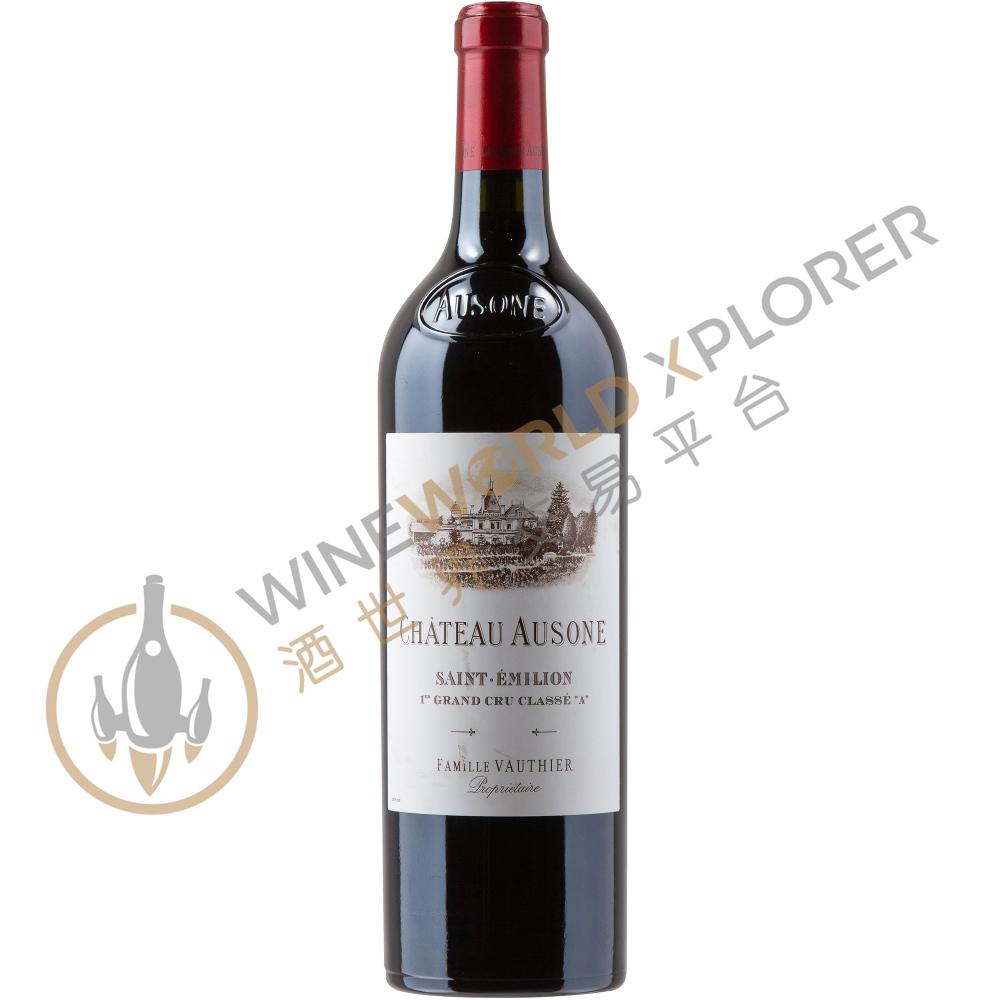
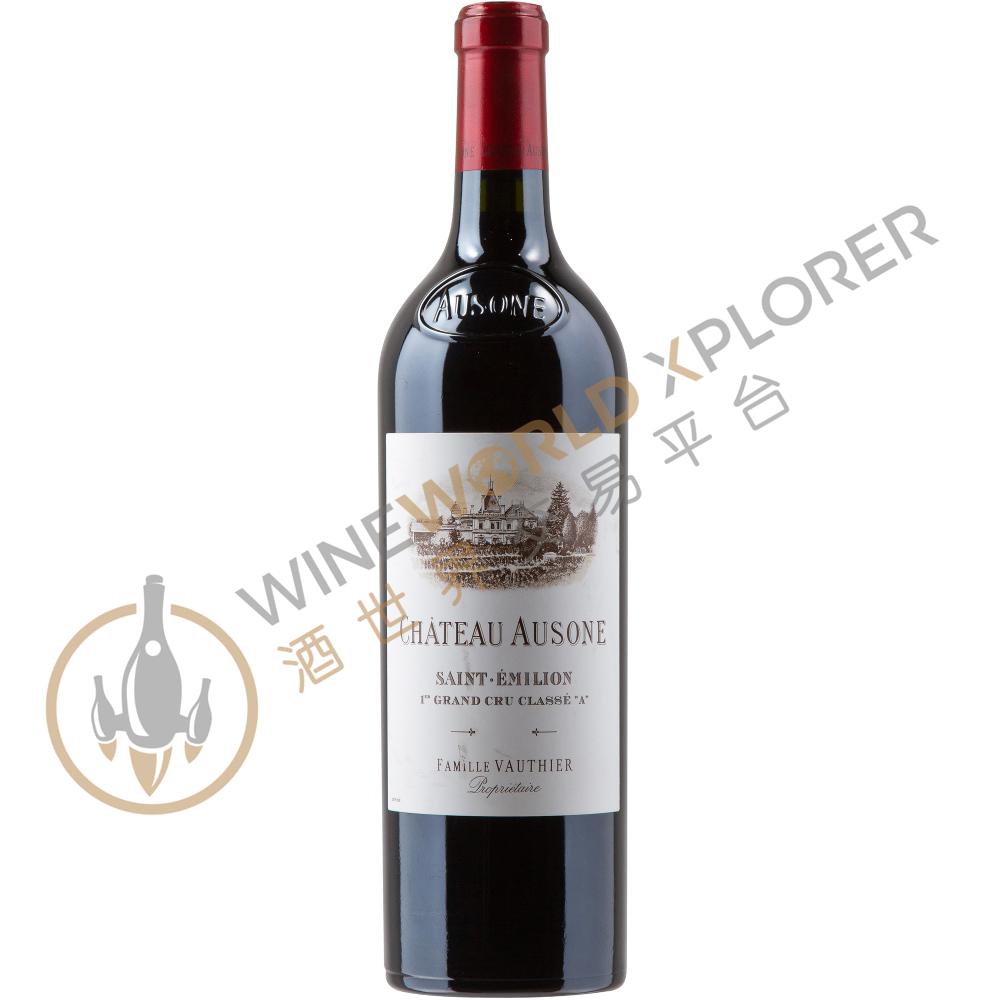
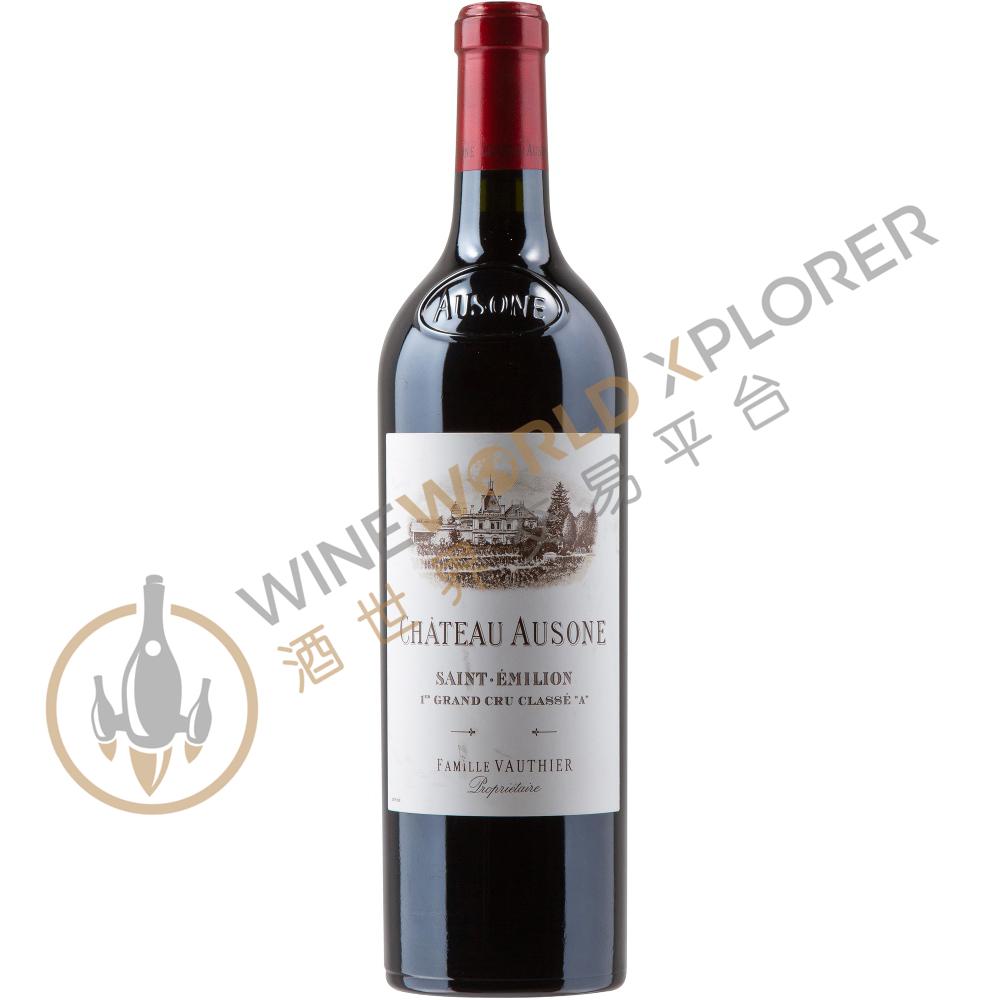
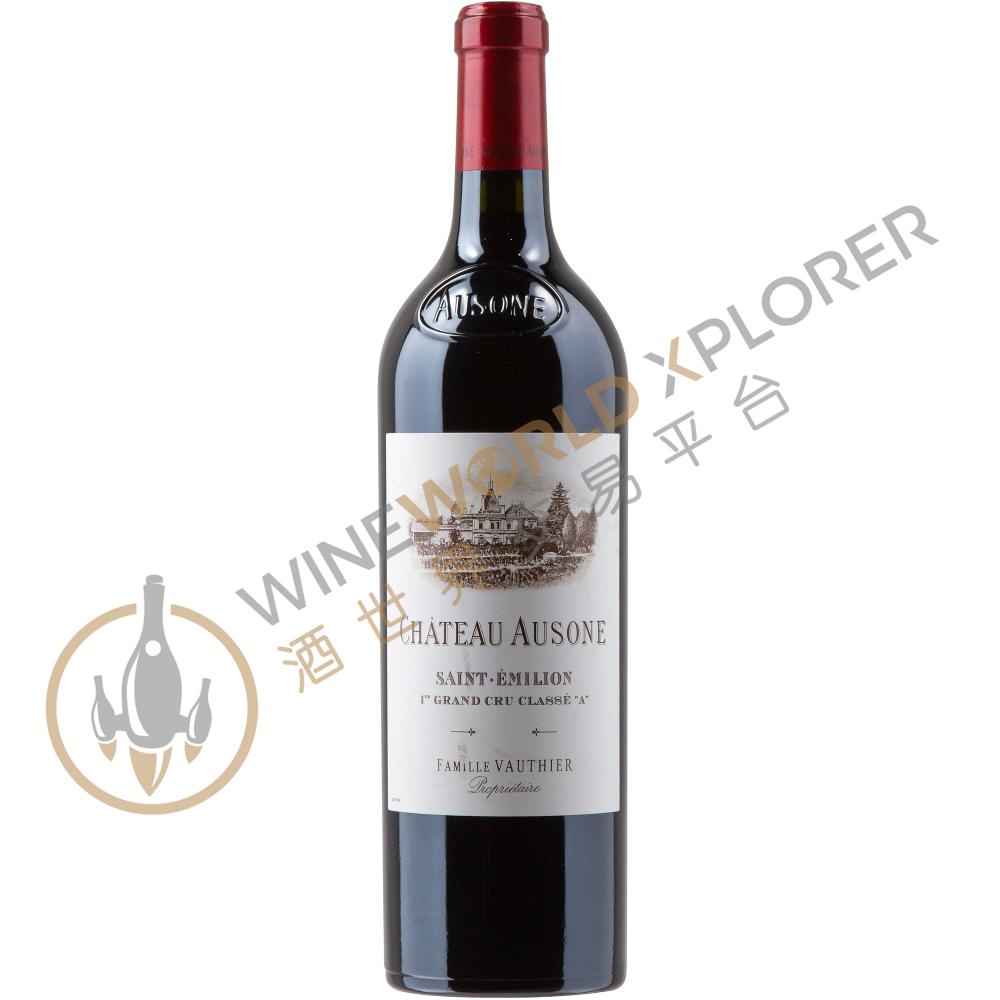
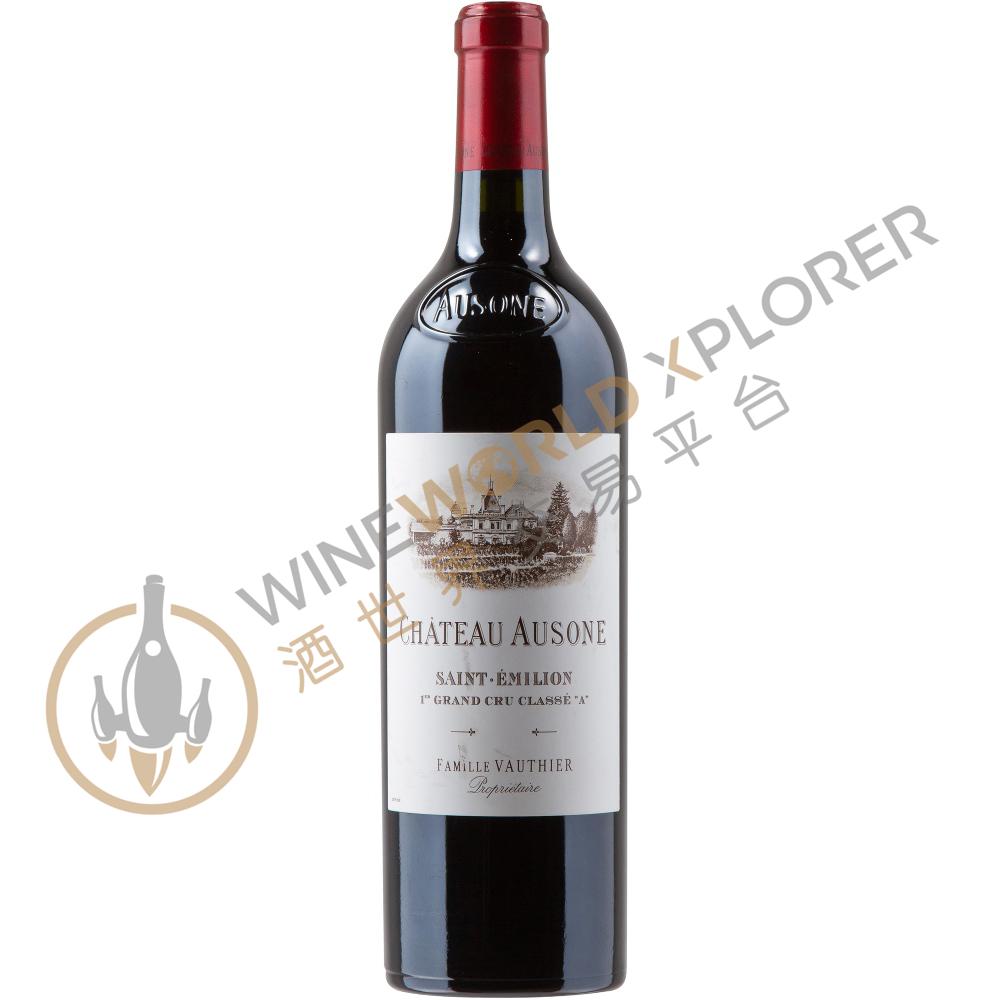
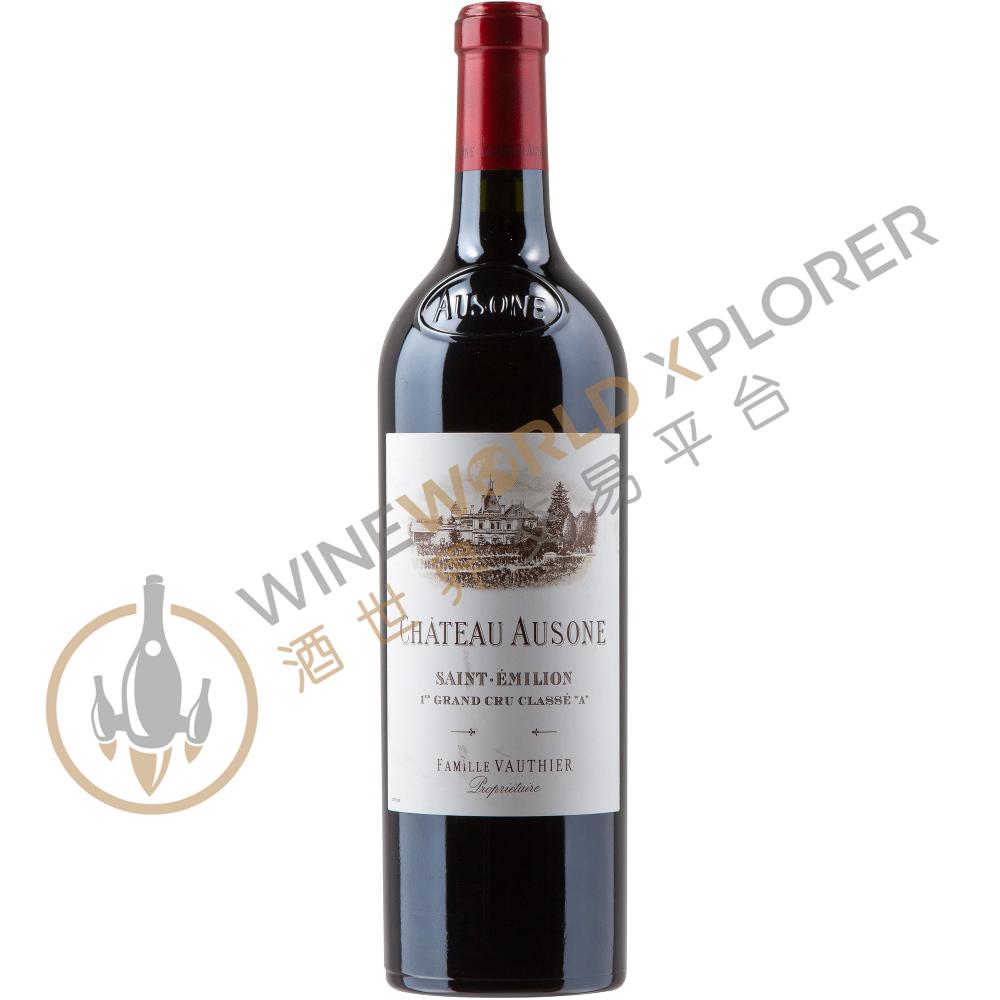
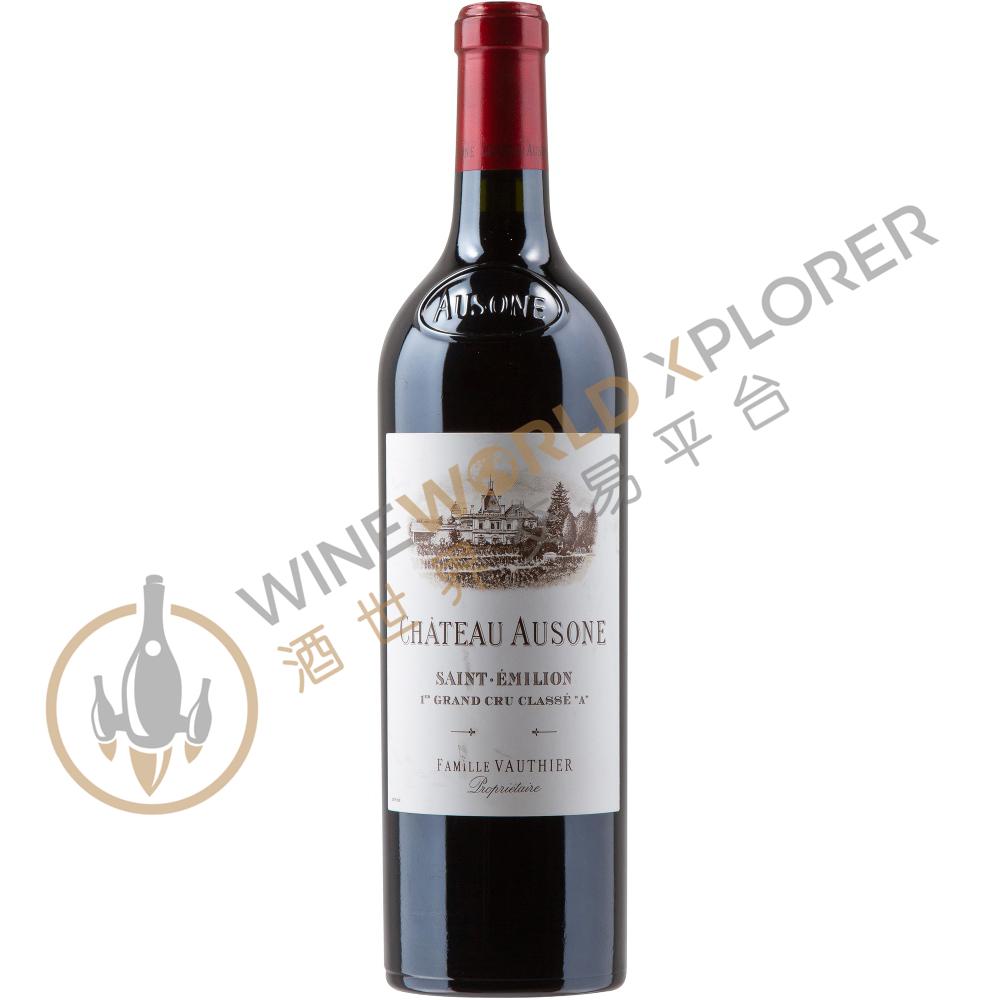
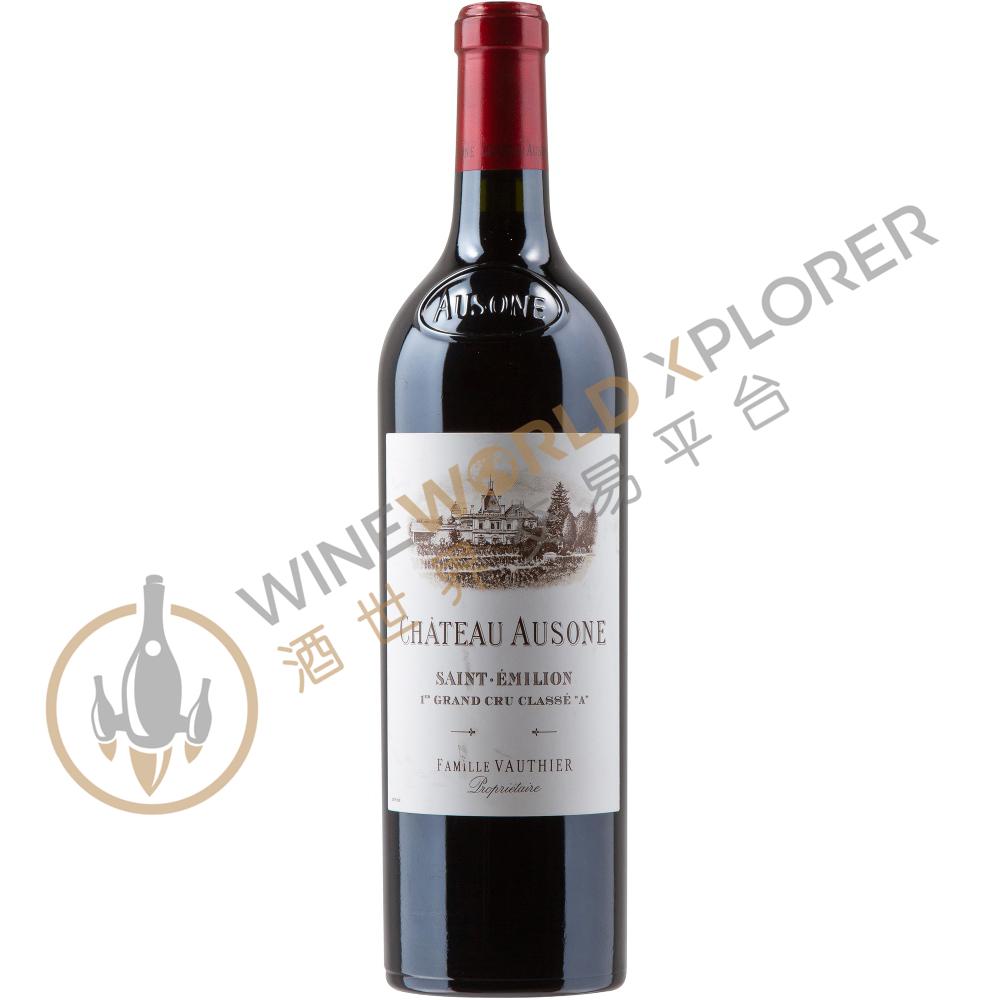
Ausone 1990
 View analysis


Description
Tasting notes

Reviewed by: Robert M. Parker, Jr.
I predict that over the next 25 years the 1990 will develop into the best Ausone since the 1982 and 1983. It has a deep ruby color, excellent richness, an exotic, kinky, oriental spice component, and a rich, mineral-like, tightly knit, backward character, as well as admirable concentration and length. I prefer it to the impressive 1989. It should only be purchased for your children. Anticipated maturity: 2010-2040. Last tasted, 4/93.
Reviewed by: Neal Martin
Tasted at the Ausone vertical in London. Dark claret core with deep brick/tawny rim. The nose is odd: very polished with some noticeable volatility at first, lifted red fruits: kirsch, juniper berries, a touch of blood orange and a little ginger. Good definition, but it takes some getting used to. It develops a digestive biscuit aroma with time. The palate is medium-bodied, certainly less complex than more recent vintages but it is well balanced. There is a touch of piquancy here, tart red-berried fruits, relatively lightweight but very fresh towards the finish. There are superior examples of this wine out there. Drink now-2020. Tasted December 2009.
Reviewed by: Robert M. Parker, Jr.
After revealing some amber at the edge as well as copious aromas of fruitcake, crushed rocks, incense, and a weedy character, the 1990 Ausone offers up sweet, jammy fruit notes as well as a firm finish with the tell-tale crushed rock minerality that this estate often achieves. The aromatics suggest a fully mature wine, but in the mouth, the firm structure and density indicate this effort needs more time. This wine gives off mixed signals, and I suspect it will last much longer than it appears, but only time will tell. There is a lot to like here, but the 1990 is not one of the most profound Ausones, such as those made since 1998. Owners should try a bottle and make up their own minds, but I think it has another 10- to 15-year window of maximum pleasure. Release price: ($3500.00/case)
Reviewed by: Robert M. Parker, Jr.
I predict that over the next 25 years the 1990 will develop into the best Ausone since the 1982 and 1983. It has a deep ruby color, excellent richness, an exotic, kinky, oriental spice component, and a rich, mineral-like, tightly knit, backward character, as well as admirable concentration and length. I prefer it to the impressive 1989. It should only be purchased for your children. Anticipated maturity: 2005-2040.
Reviewed by: Neal Martin
That distinctive, very intense nose of black cherries, espresso, roasted Provencal herbs. Good definition and freshness. The palate is full-bodied, well balanced, and extravagant with a sweet core of black fruits. Much more backward than anticipated, good acidity maintaining freshness and vigor with none of that 1990 heat. Develops a tang of dried blood on the finish. Great length. One of the best examples of Ausone 1990. Leave for 5-7 years. Tasted December 2006. Drinking now-2020
Reviewed by: Neal Martin
First tasted blind in March 2000 when it displayed a distinct nose of burnt toast and espresso, showing some sur-maturite on the palate. Then at the Ausone Vertical in January 2005. A simply joyous, perhaps vulgar wine at the Ausone vertical in January 2005. Mature in appearance with a wide brick rim and crimson core. A gorgeous nose of mulberry, espresso and a touch of liquorice. The warmth of the summer can be inhaled. A full-bodied, opulent palate with notes of raisin, leather, tar and liquorice. Open and brazen. Good acidity. Reminds me of the Lafleur 1989 with a wonderful savory, meaty finish. What an irresistible wine, one without pretension. Drink now and over the next 5-8 years. Tasted January 2005.
Reviewed by: Robert M. Parker, Jr.
Long-time readers of this publication know that I believe Ausone is the most intellectually challenging wine made in Bordeaux. The wine often tastes as if it needs 40-50 years to shed some of its astringency and closed style. The 1990 is not a charming, precocious wine. It is closed, but the color is a dense, dark ruby with no amber or orange at the edge. The fruit is sweeter, and the wine is more muscular, richer, and broader in the mouth, without losing Ausone's tell-tale minerality, spice, and curranty fruit. There is a good inner-core of sweet fruit in this medium to full-bodied wine that needs another 15-20 years of cellaring. Can the 1990 possibly rival the 1983 or 1982? Perhaps ... but don't bet on it. Anticipated maturity: 2008-2030.
Reviewed by: Robert M. Parker, Jr.
Tasted 3 Times After Bottling With Consistent Notes I predict that over the next 25 years the 1990 will develop into the best Ausone since the 1982 and 1983. It has a deep ruby color, excellent richness, an exotic, kinky, oriental spice component, and a rich, mineral-like, tightly knit, backward character, as well as admirable concentration and length. I prefer it to the impressive 1989. It should only be purchased for your children. Anticipated maturity: 2005-2040.
Reviewed by: Robert M. Parker, Jr.
I am going to go out on a limb to predict that within the next 25 years, this will become the best Ausone since the 1982 and 1983. I readily admit not always to understand the evolution of Ausone's wines, but there is no question that in barrel, the 1990 is profound. However, since this is always the most cerebral wine of Bordeaux, be forewarned. With its excellent richness, an exotic, kinky, oriental spice component, and a rich, mineral character, as well as admirable concentration and length, I even prefer it to the impressive 1989, and have to believe that in 20-40 years it will rival the great 1982 and 1983. It should only be purchased for your children. Anticipated maturity: 2005-2040.
About the Producer
Located in the Saint-Emilion appellation on the right bank of Bordeaux, France, Chateau Ausone is one of only four Saint-Emilion Premier Grand Cru Classe A estates in the appellation and one of the eight most prestigious estates in Bordeaux. The 7.25 hectares of vineyards at Château d'Orson are oriented to the east or south-east, allowing the vineyards to enjoy the full sun and to be protected from the north-west winds. The vineyard's proximity to the Dordogne, which is regulated by the river, provides an ideal microclimate for the grapes to grow, and the fact that the vineyard was not seriously affected by the severe frosts of 1892 and 1956 is testament to the terroir. While Merlot is the dominant wine in the Saint-Emilion appellation, Cabernet Franc is the preferred wine at Château d'Ausone, with Cabernet Franc planted in the vineyard, supplemented by some Merlot and a very small amount of Cabernet Sauvignon, which is used only for the secondary wines (Chapelle d'Ausone, Saint-Emilion). 'Ausone, Saint-Emilion Grand Cru, France). The average age of these vines is 52 years, with the oldest vines, planted in the early 20th century, being up to 100 years old and planted at a density of 6,500-12,000 vines per hectare. The soils are predominantly calcareous clay and limestone, which is the main reason for the minerality of the red wines of Château Ausone, Saint-Emilion Grand Cru Classe, France. The organic and biodynamic approach to vineyard management and winemaking at Château Ausone is a commitment to producing wines that express the full character of the terroir. In the vineyards, the staff takes care of the vines, planting fruit trees and aromatic plants, allowing insects, birds and even bats to come and go, in order to release the vitality of the soil and promote the harmony of the entire vineyard ecosystem. During the harvest, the grapes are very carefully selected and only healthy grapes of optimum ripeness are used to make the wine. During the winemaking process, the treated grapes are first subjected to Cold Maceration to extract the pigments and flavours from the skins. Next, alcoholic fermentation takes place in large traditional oak barrels, followed by Malolactic Fermentation in small French oak barrels. After this, the estate's main wines are aged in 100% new oak barrels for up to 24 months, adjusted to the characteristics of the vintage. The wines are aged in the estate's natural limestone cellars, where the humidity and temperature are stable and provide excellent conditions for the wines to age. The wines of Château d'Orson have always been known as "the poet's wine", with a deep colour, very pure aromas of dark fruit, liquorice, flowers and crushed stone, full-bodied but not too heavy, and with great potential for ageing. Robert Parker once said: "If patience is not your virtue, there is no point in buying a bottle of Ouzo". The quality of Château Ouzon's wines has been consistent, with the best vintages including 2018, 2017, 2016, 2015, 2014, 2012, 2010, 2009, 2008, 2006, 2005, 2004, 2003, 2001, 2000 and 1998, to name but a few. In addition, the estate's secondary wine was born in 1995 from a selection of Cabernet Franc, Merlot and Cabernet Sauvignon from the young vines of the estate. Thanks to the limestone soils of the estate, this wine is rich in mineral flavours, with aromas of black cherry, blackberry, cassis and flowers, a full-bodied wine with velvety tannins and a long, impressive finish. With Robert Parker and James Suckling scores of over 90 points in almost all vintages, this wine has long ageing potential.
1944(1)1957(1)1958(1)1959(1)1961(1)1969(1)1970(1)1978(1)1979(1)1980(1)1981(2)1982(2)1985(2)1986(3)1987(1)1988(3)1989(3)
Package Size