 Wine Advisor



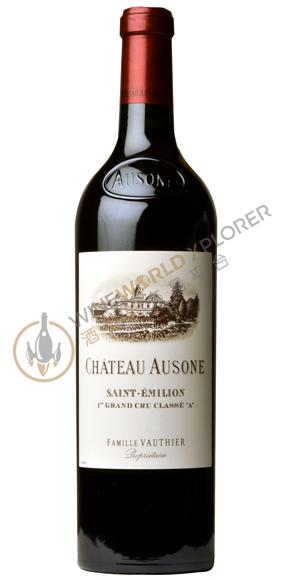
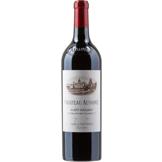
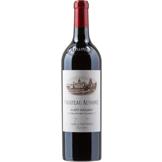
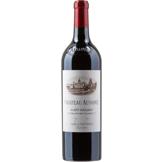
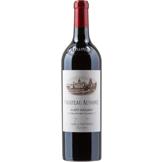
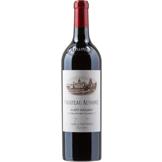
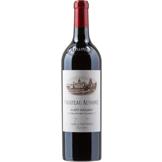
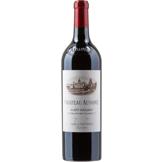
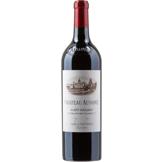
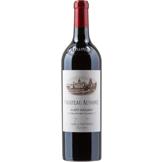
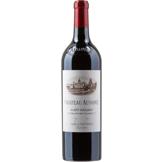
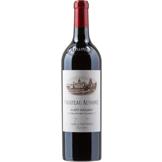
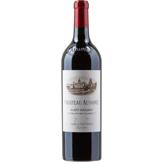
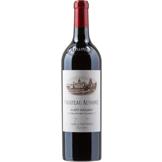
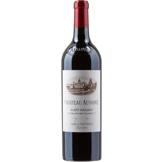
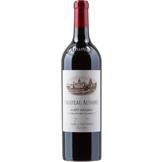
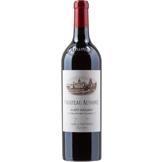
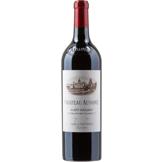
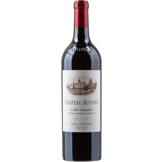
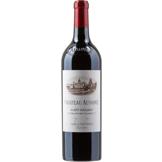
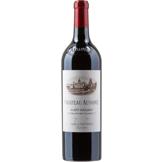
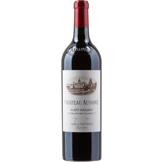
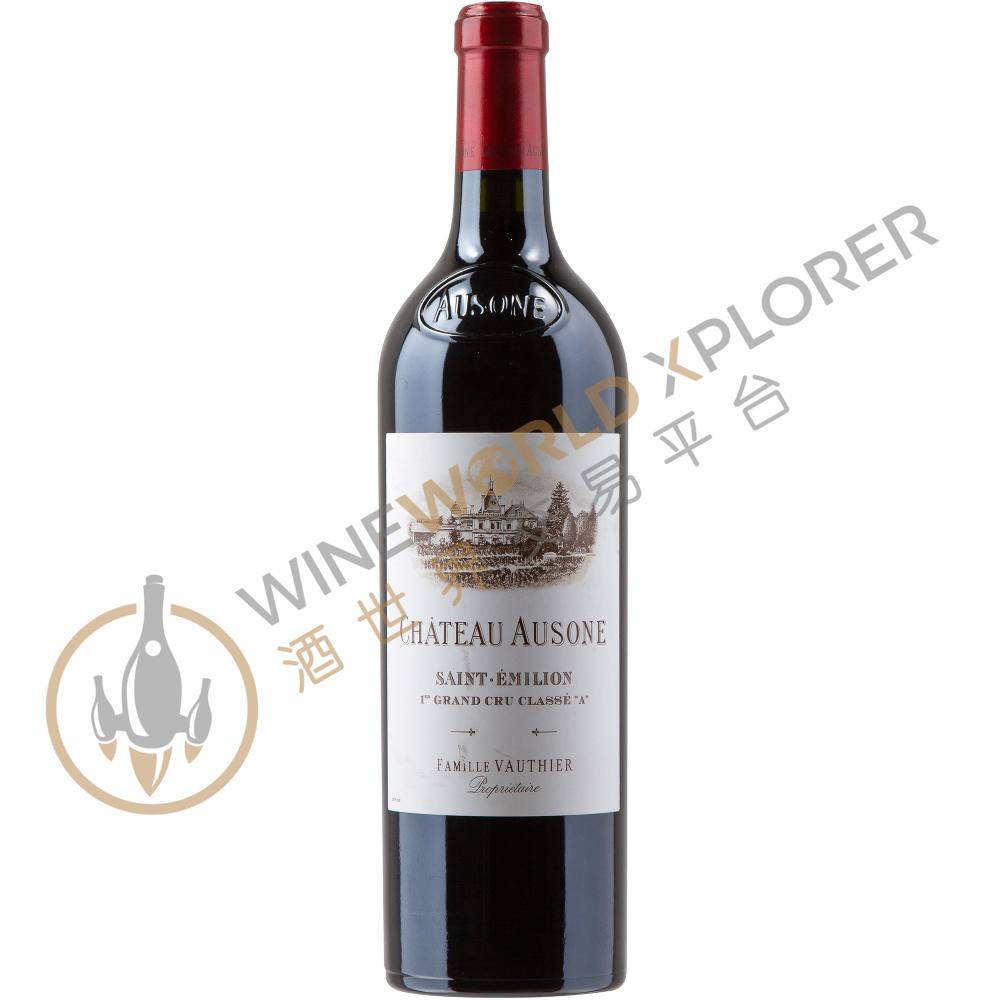
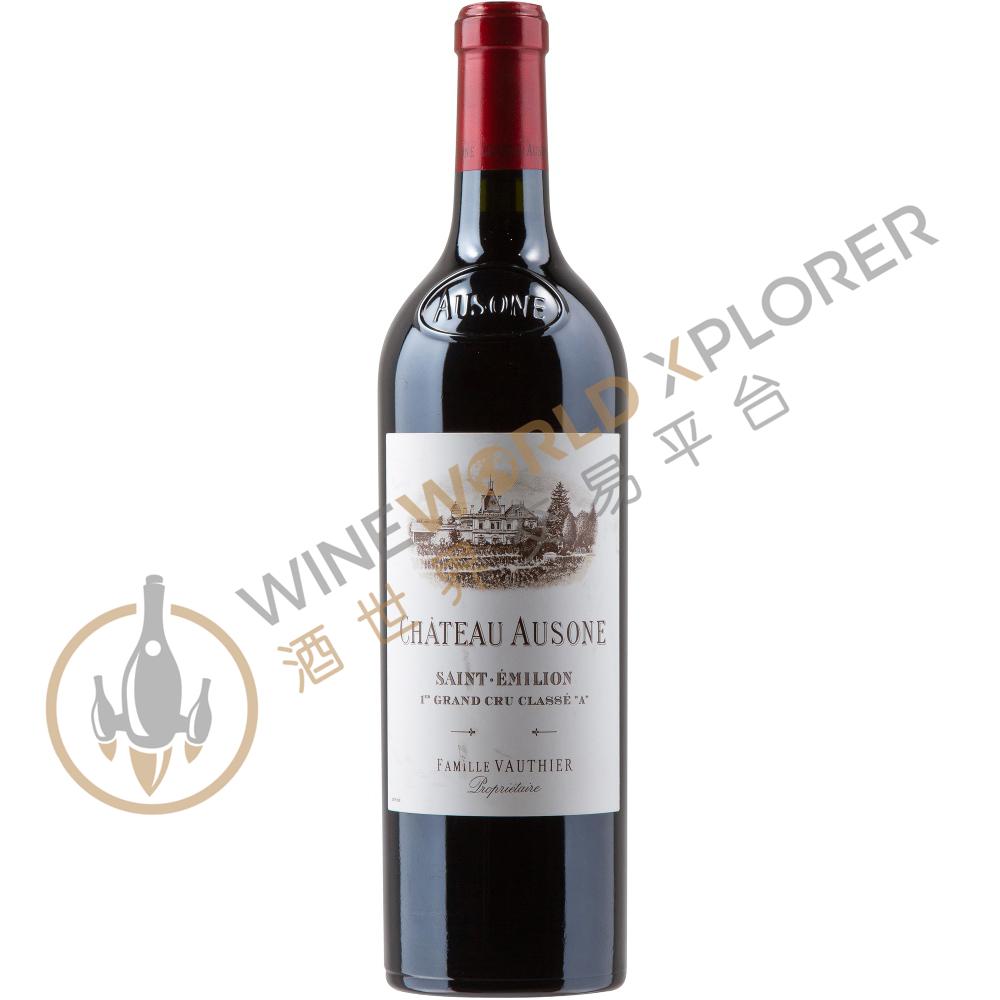
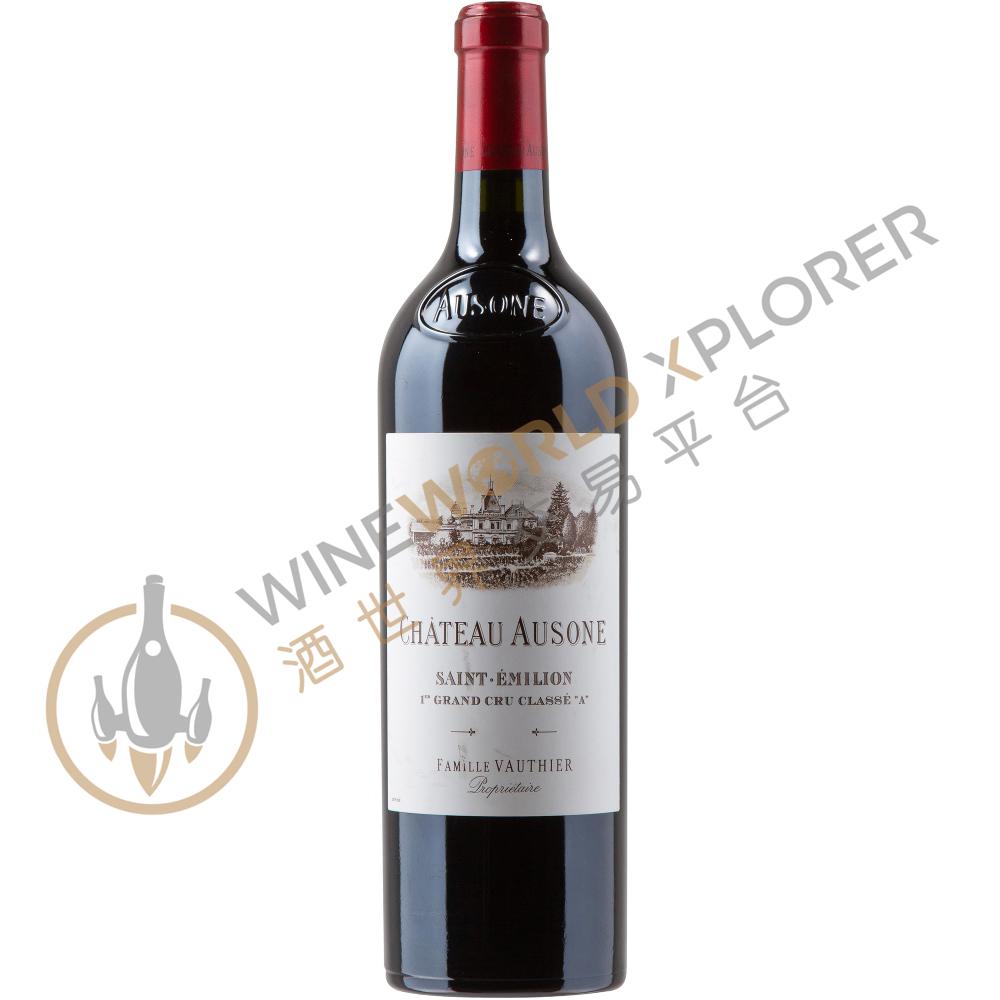
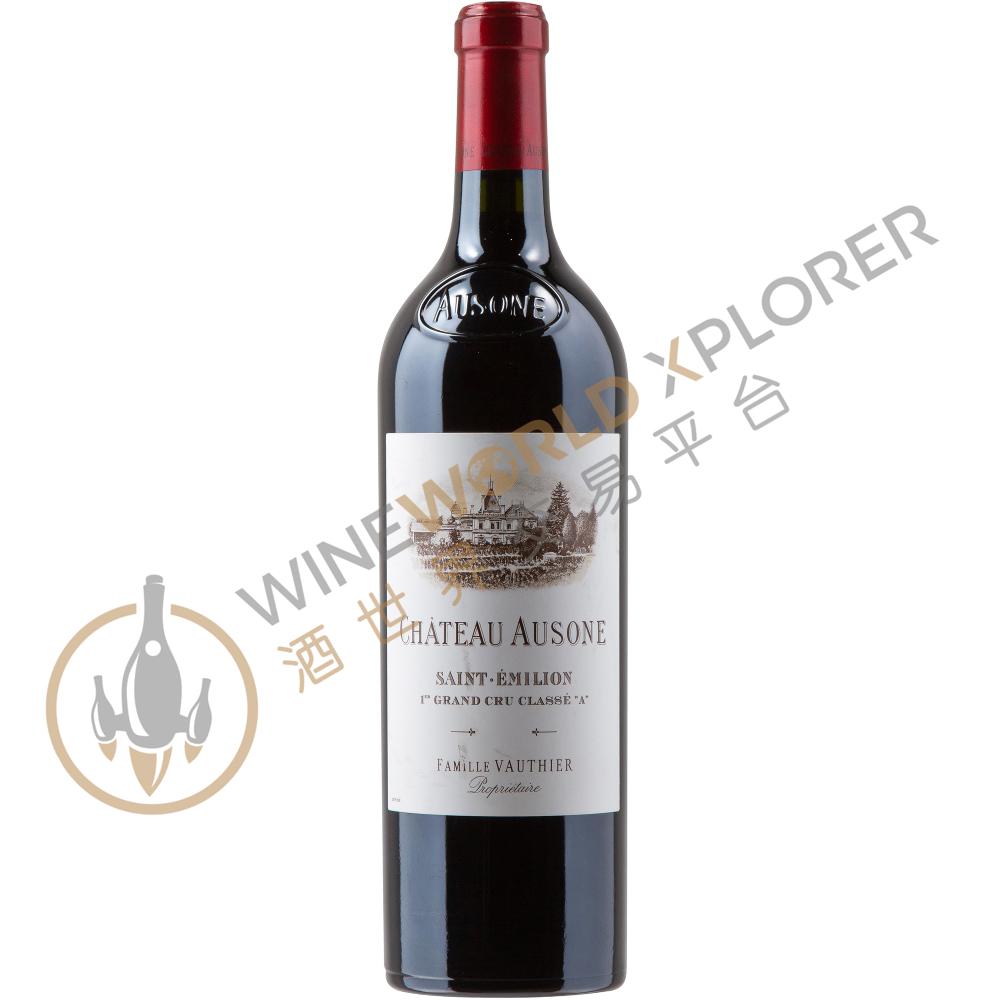
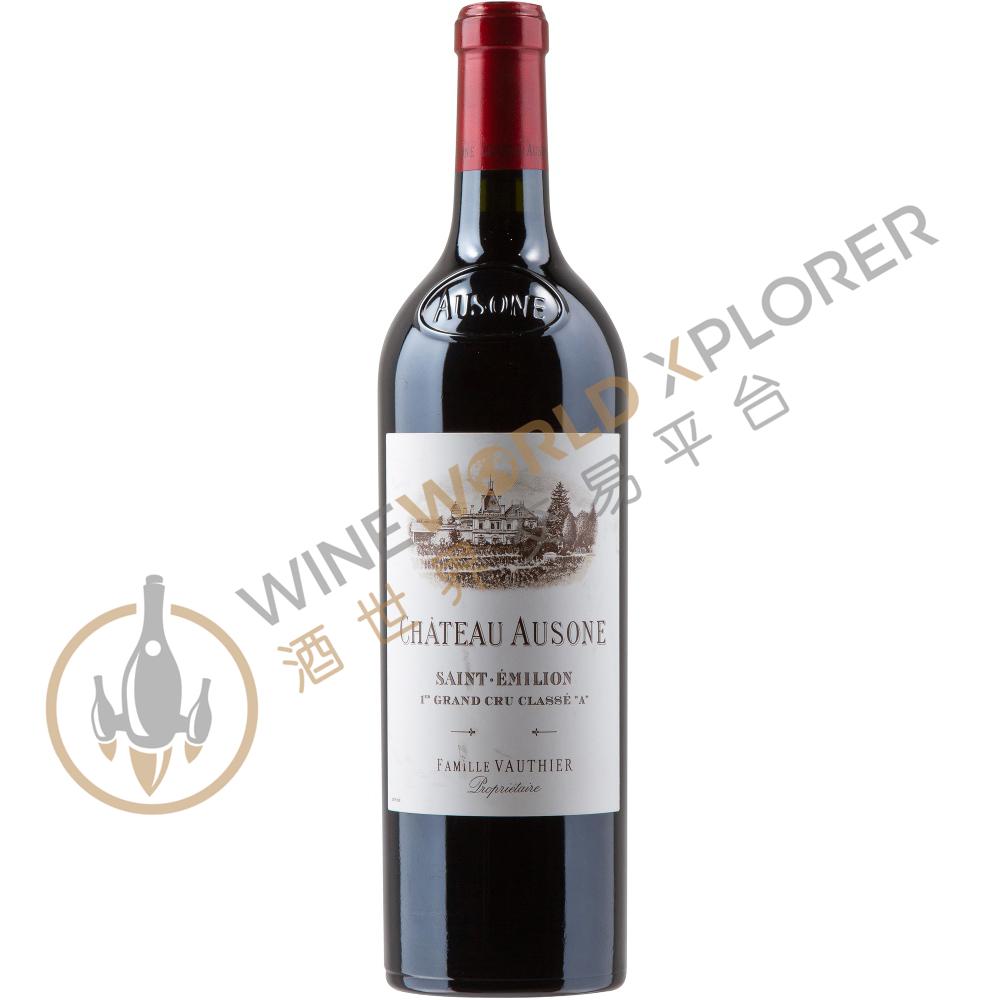
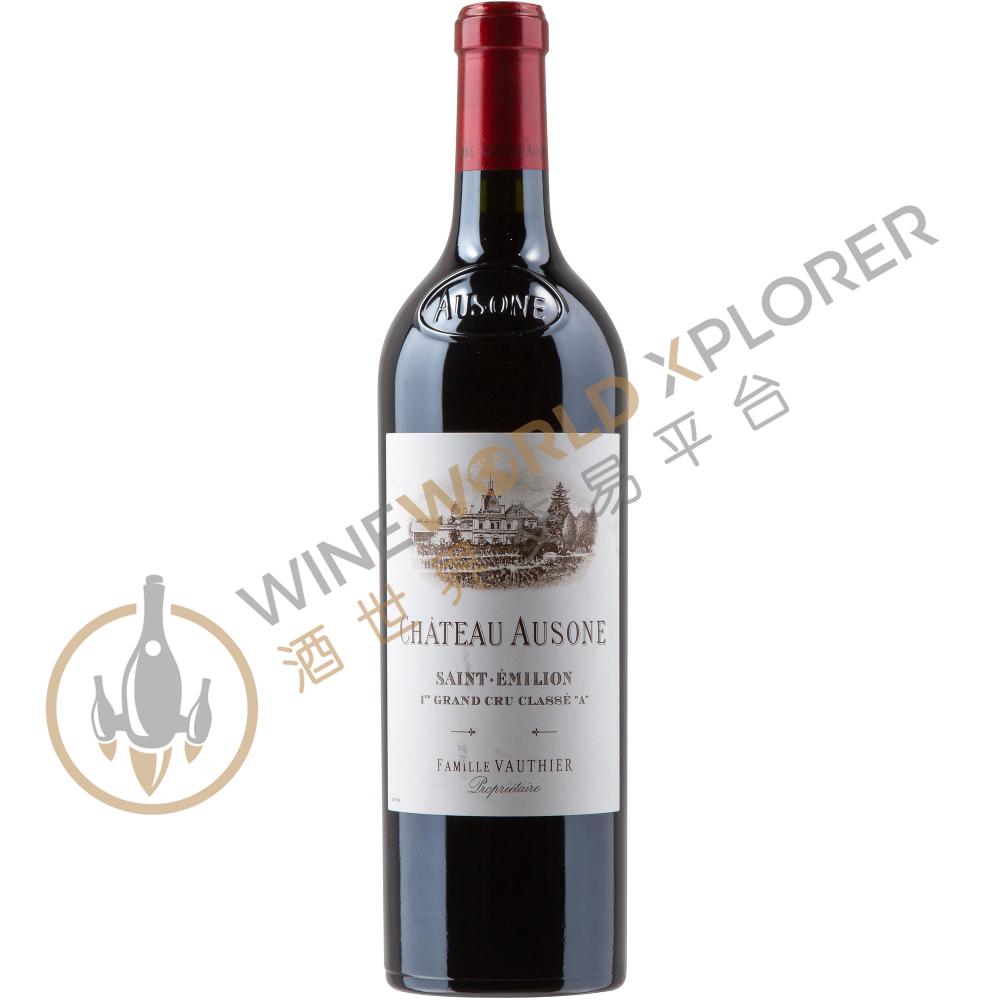
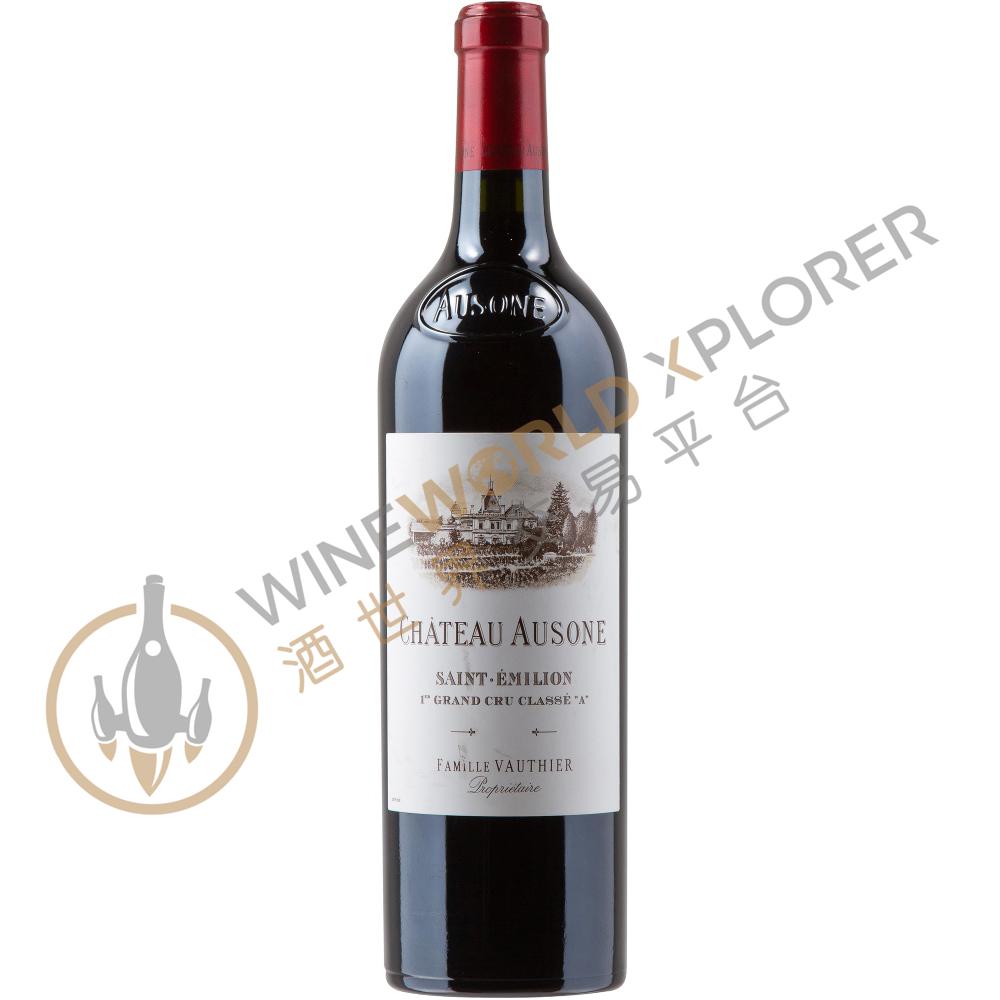
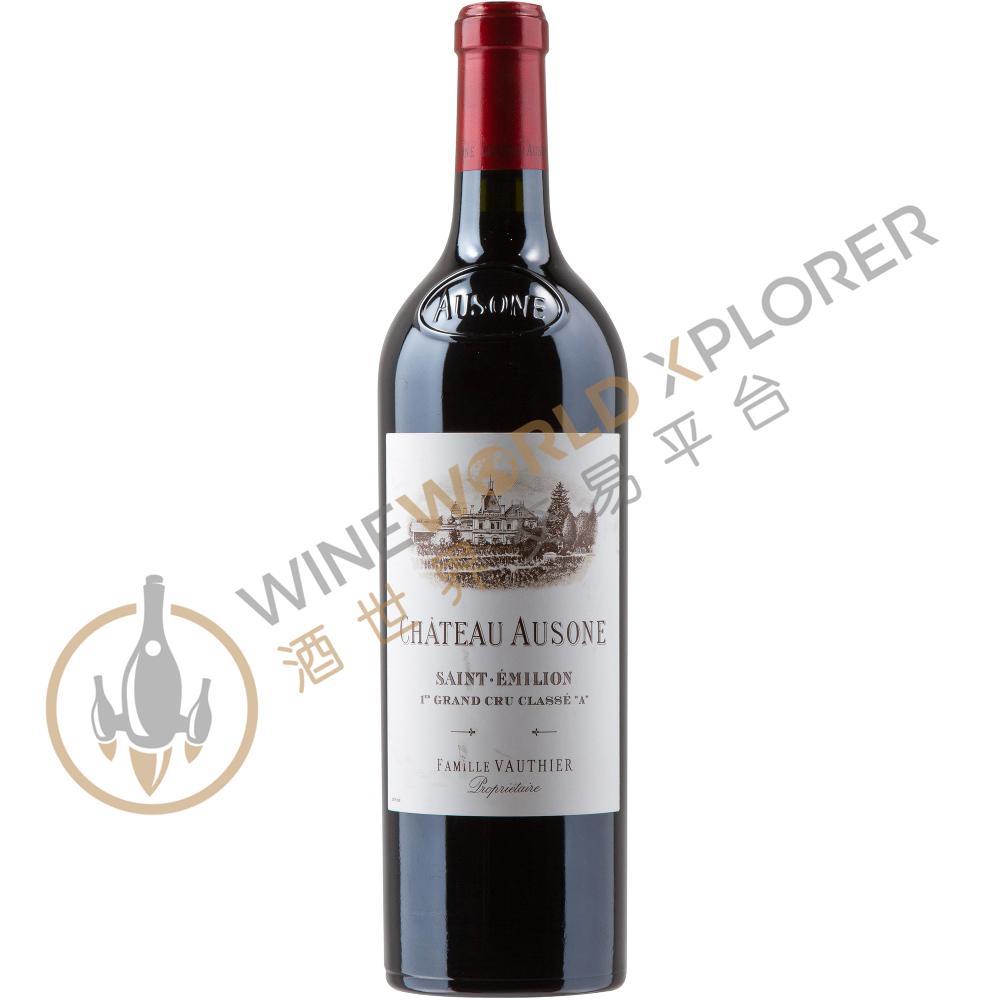
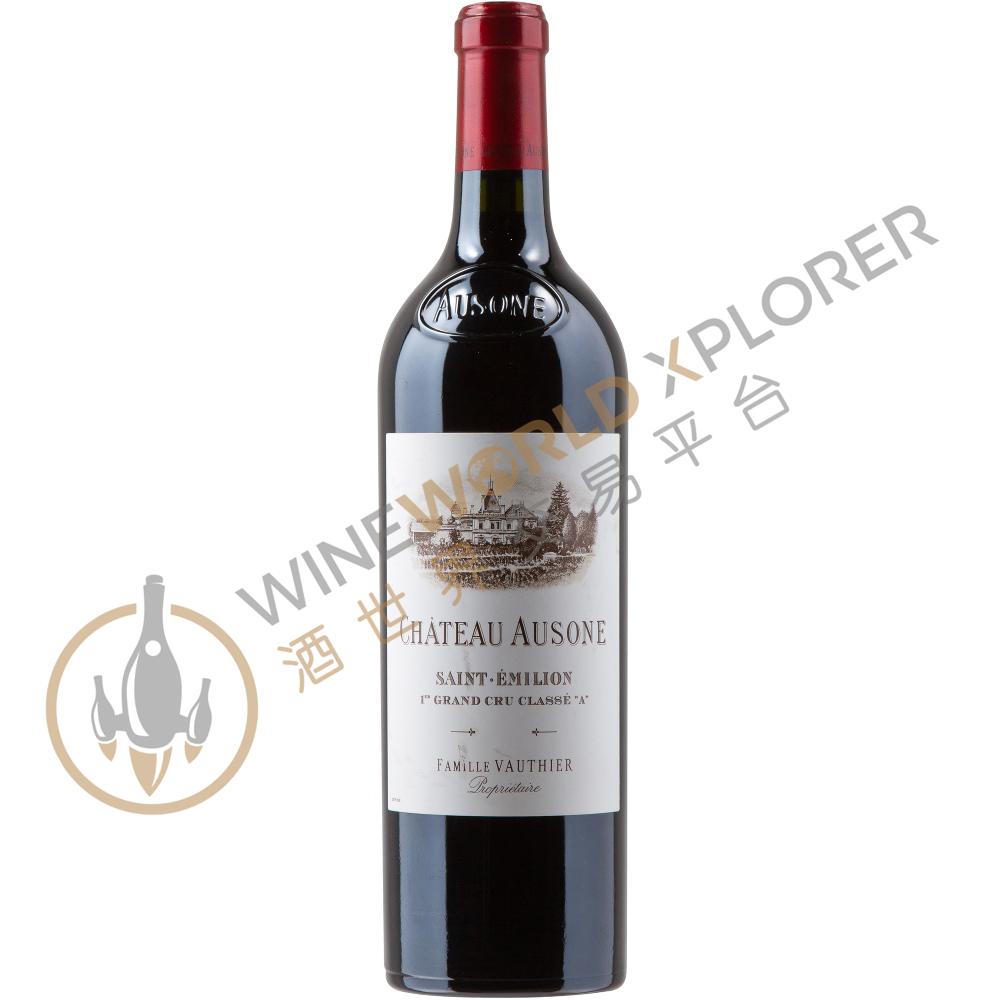
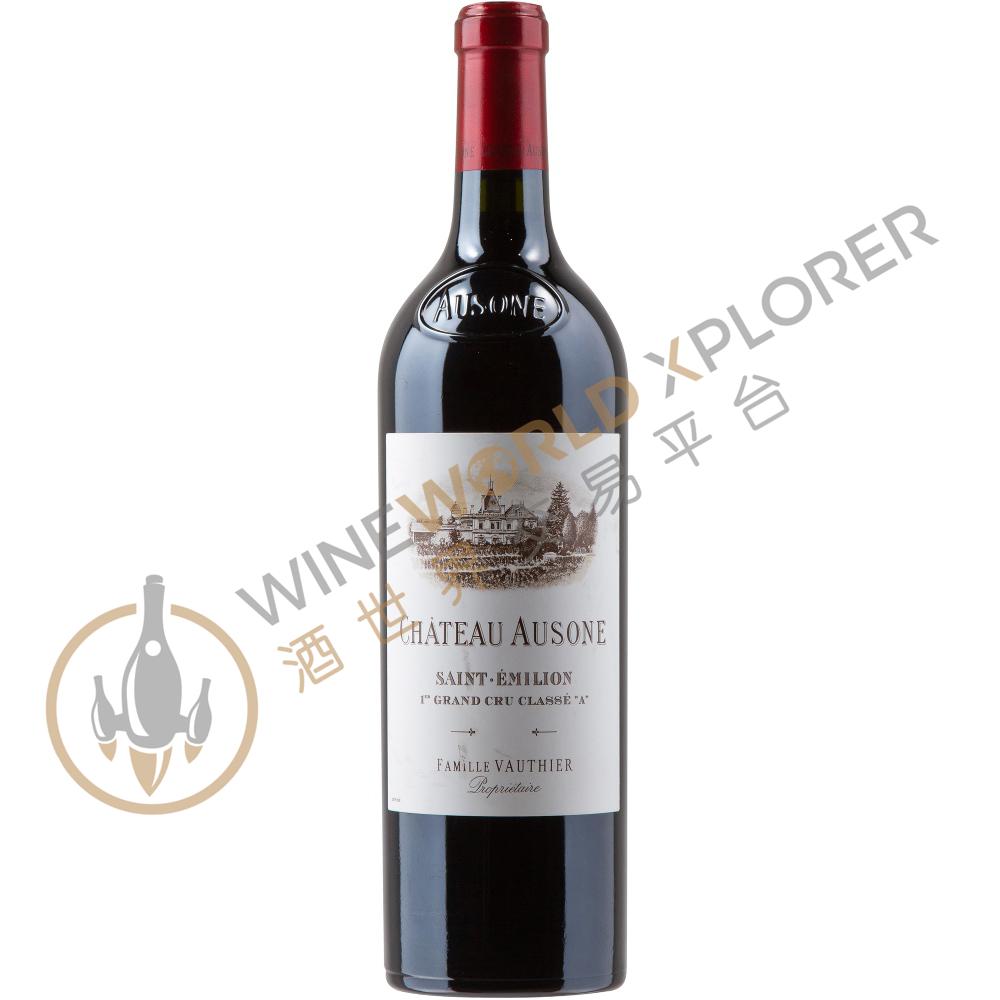
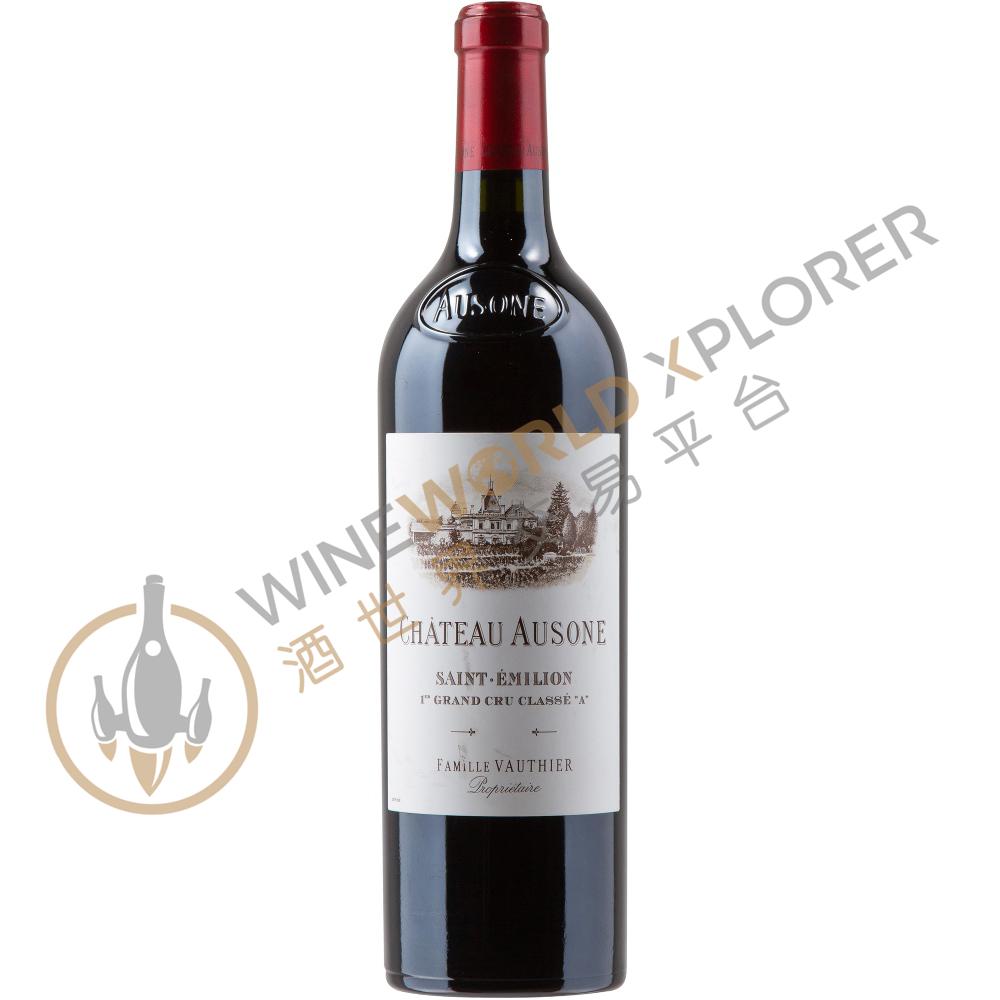
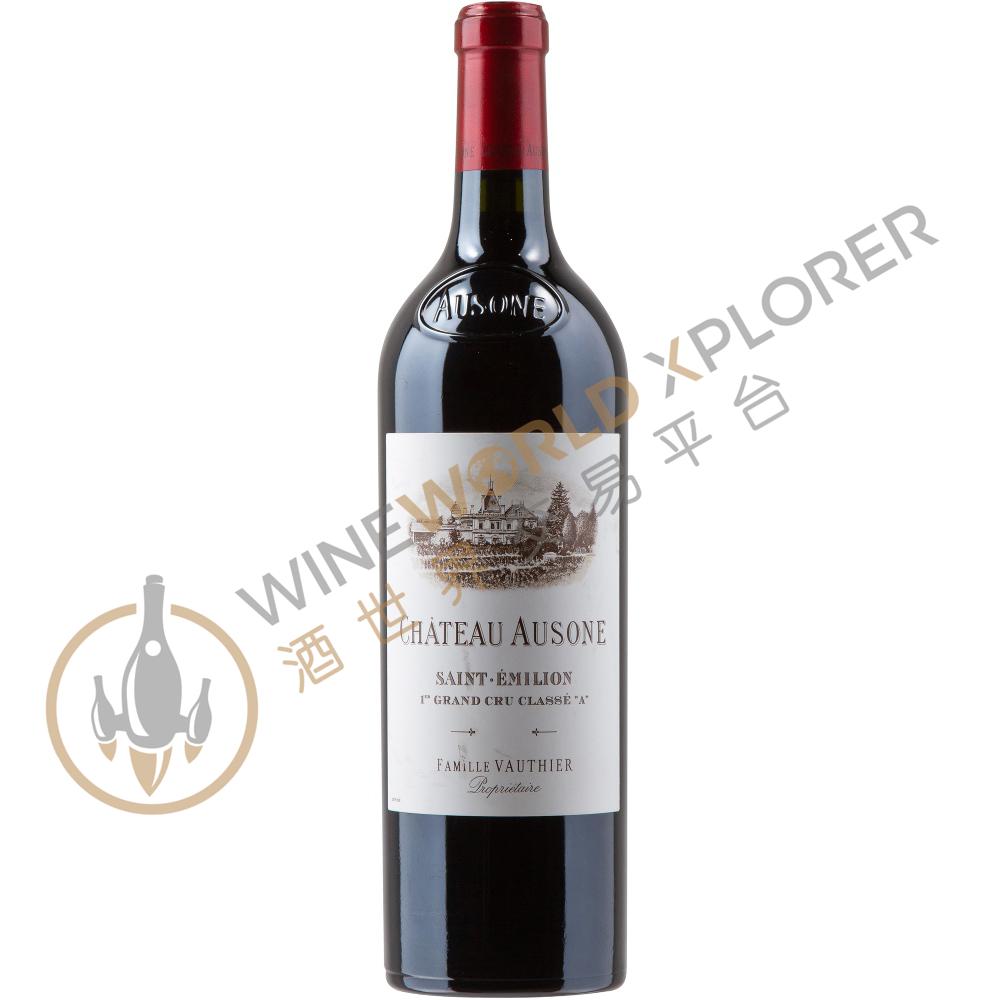
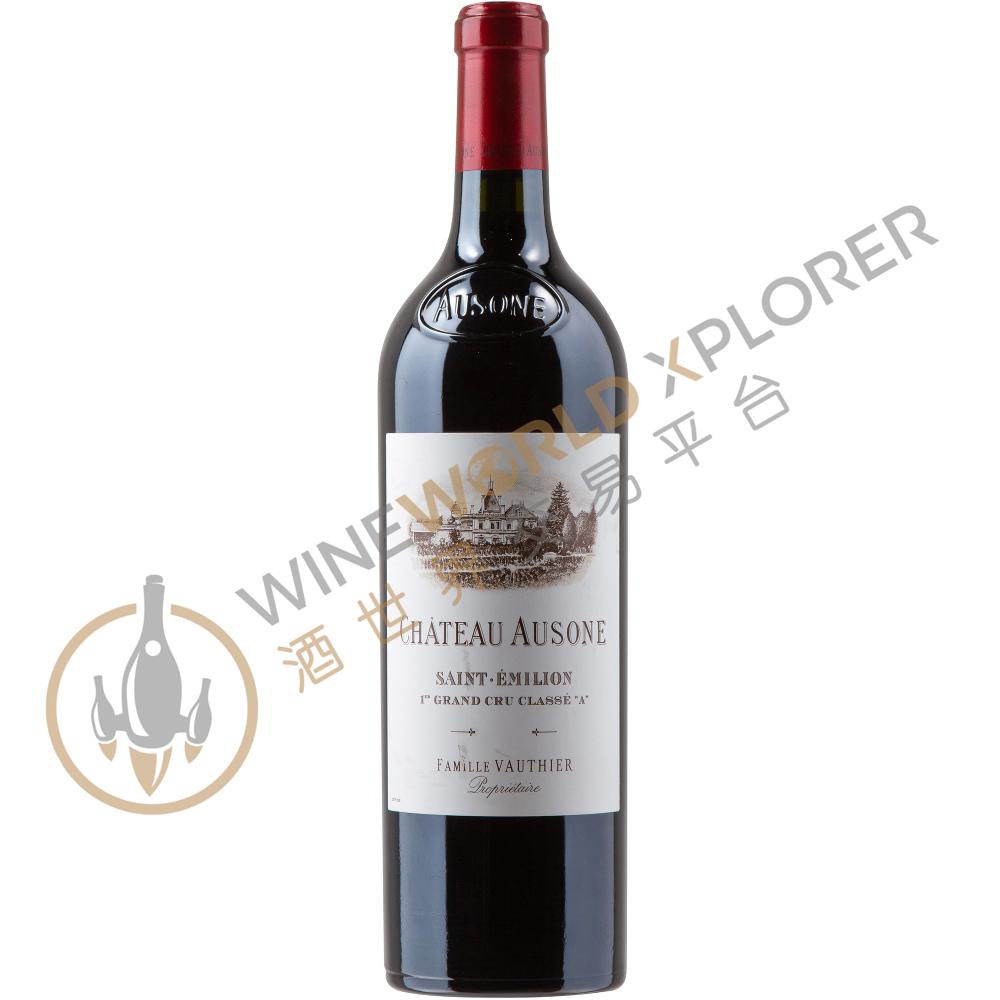
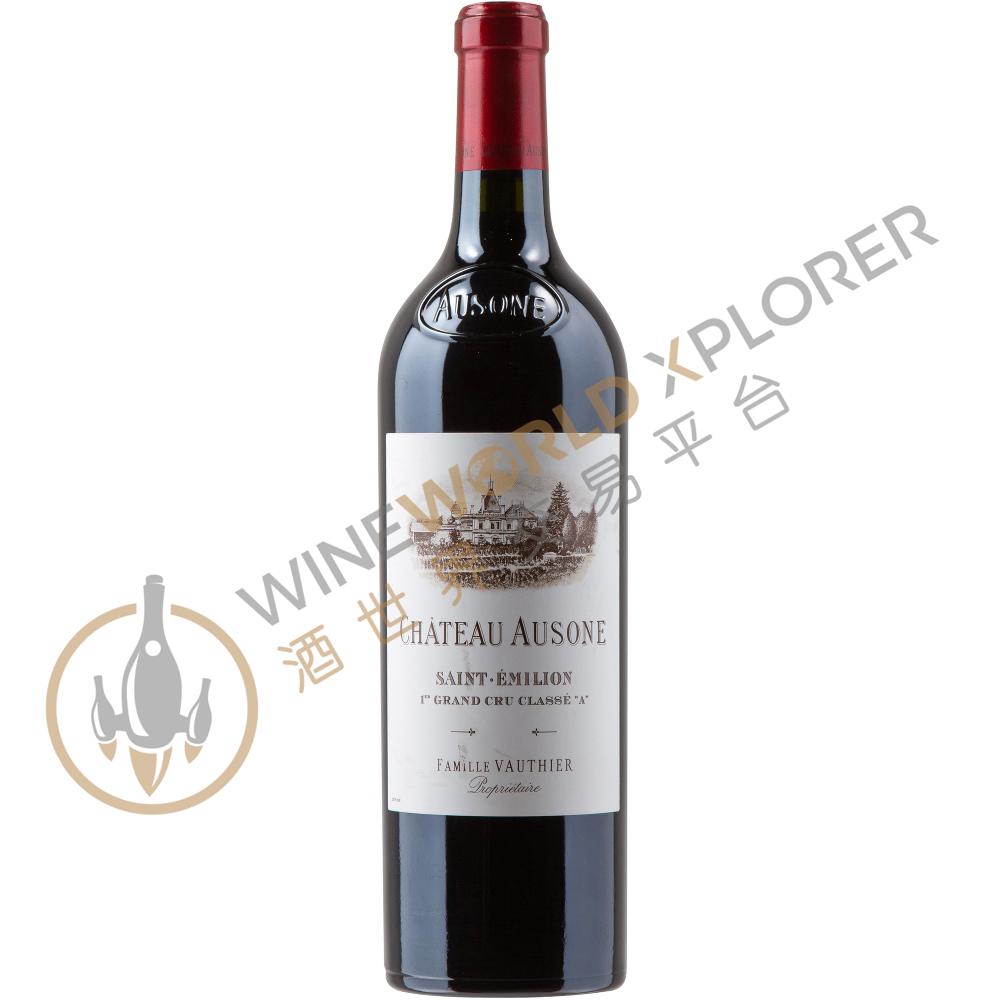
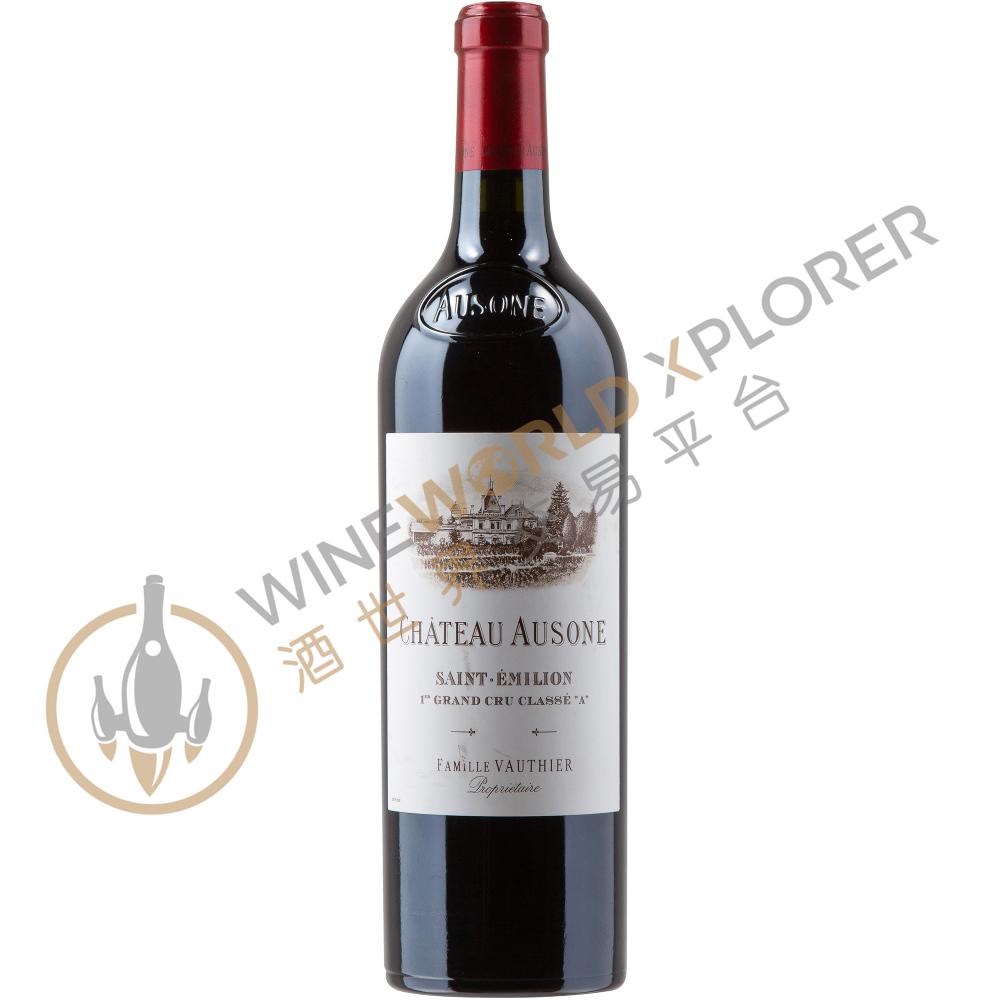
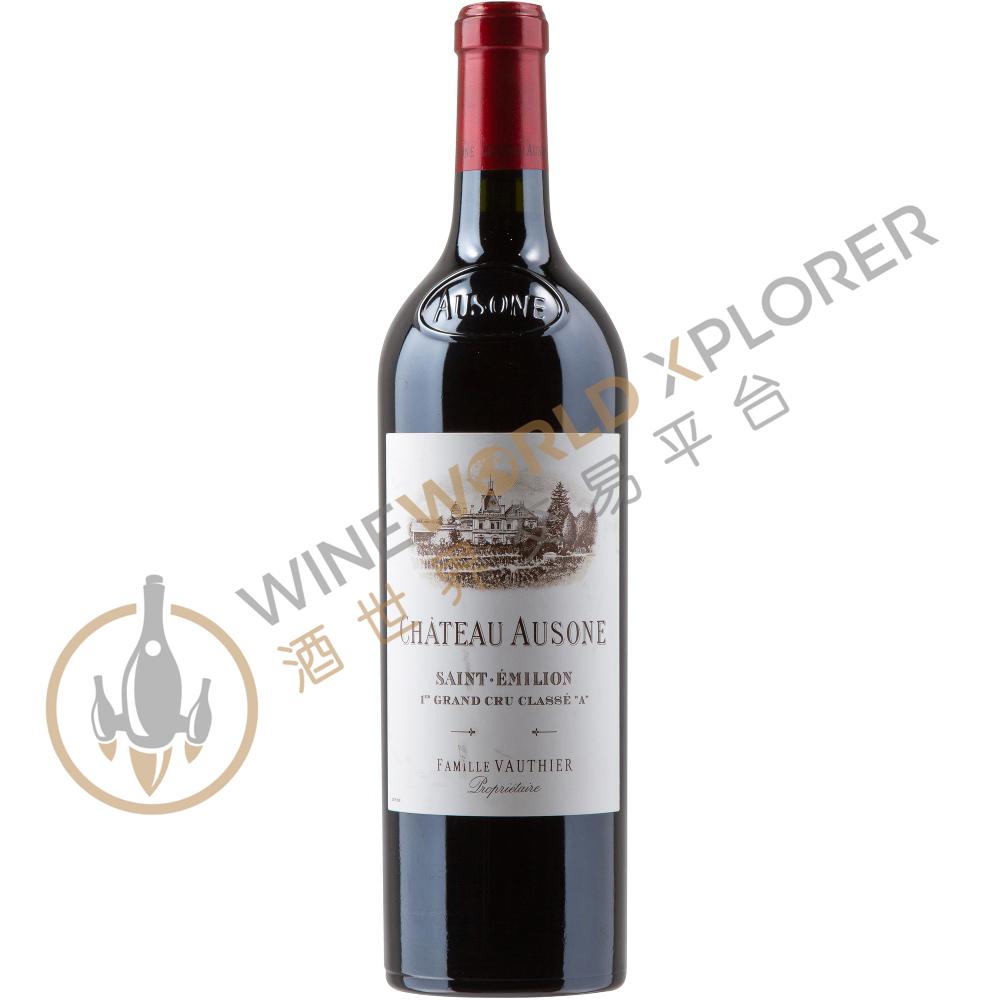
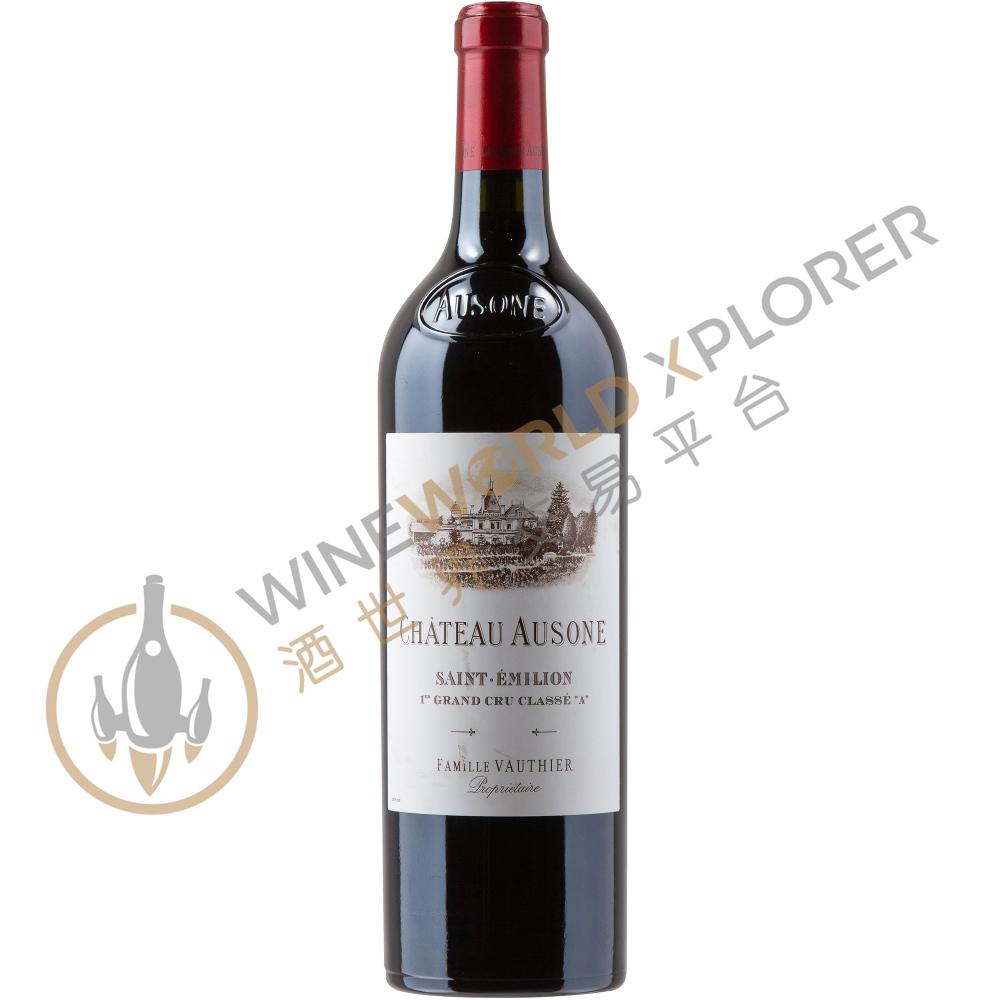
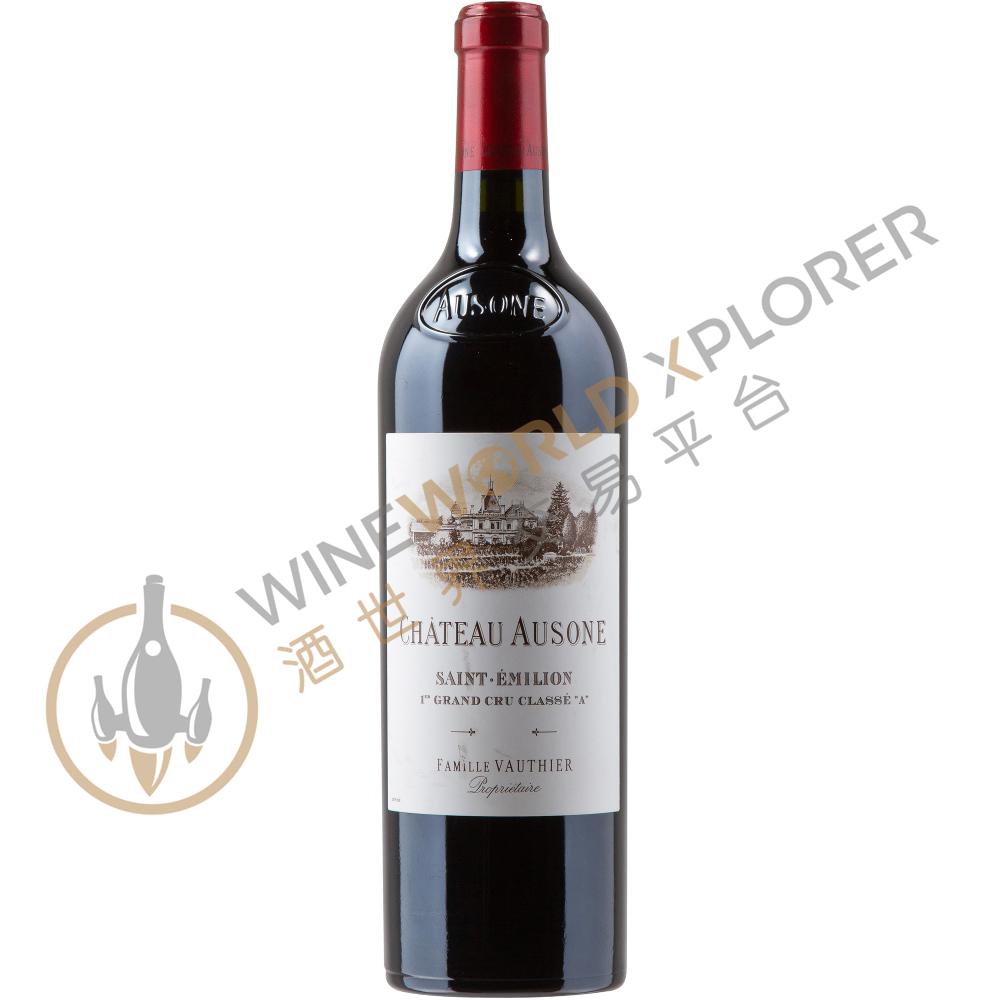
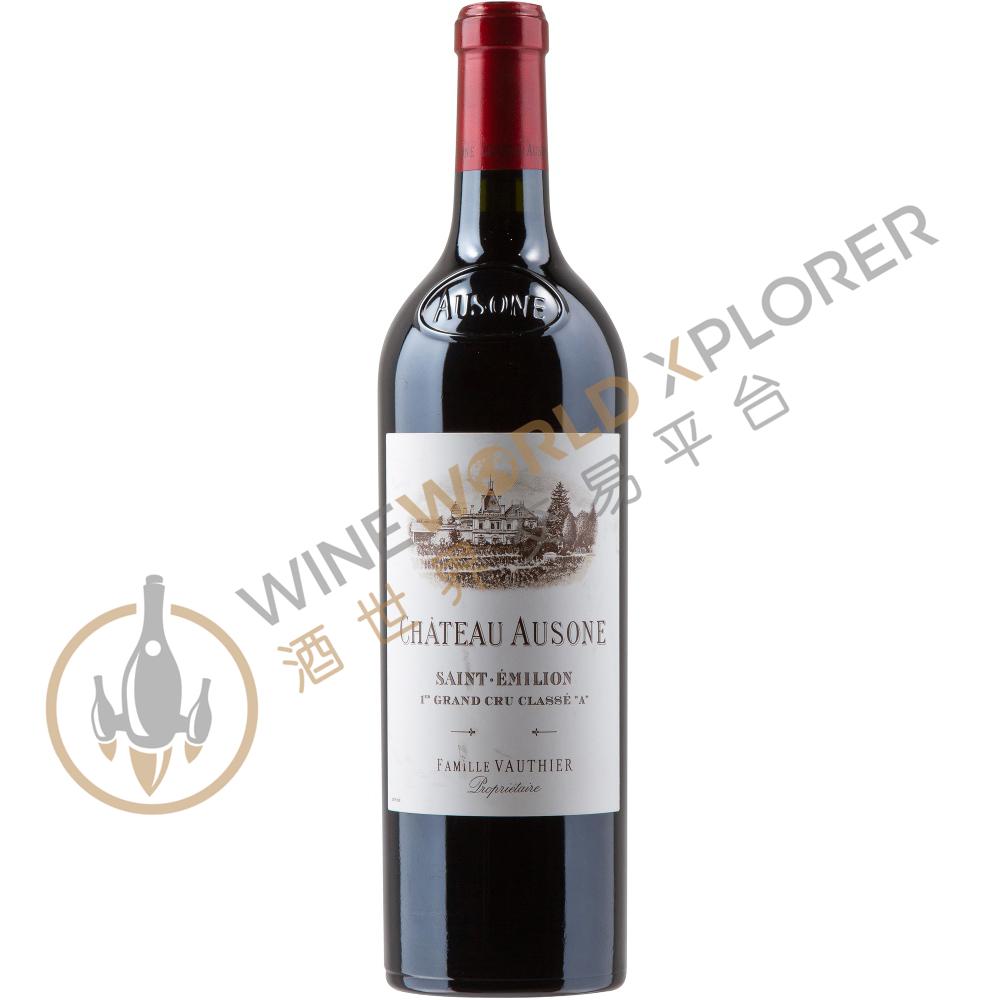
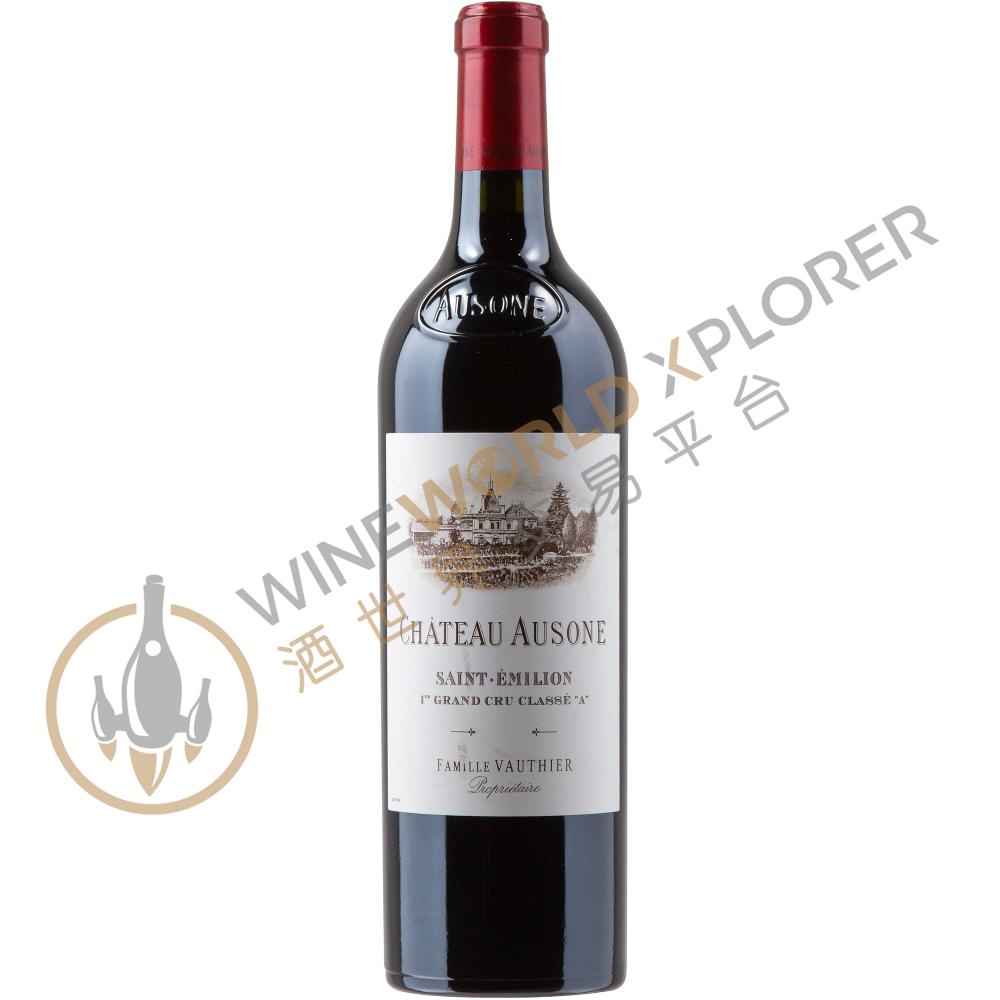
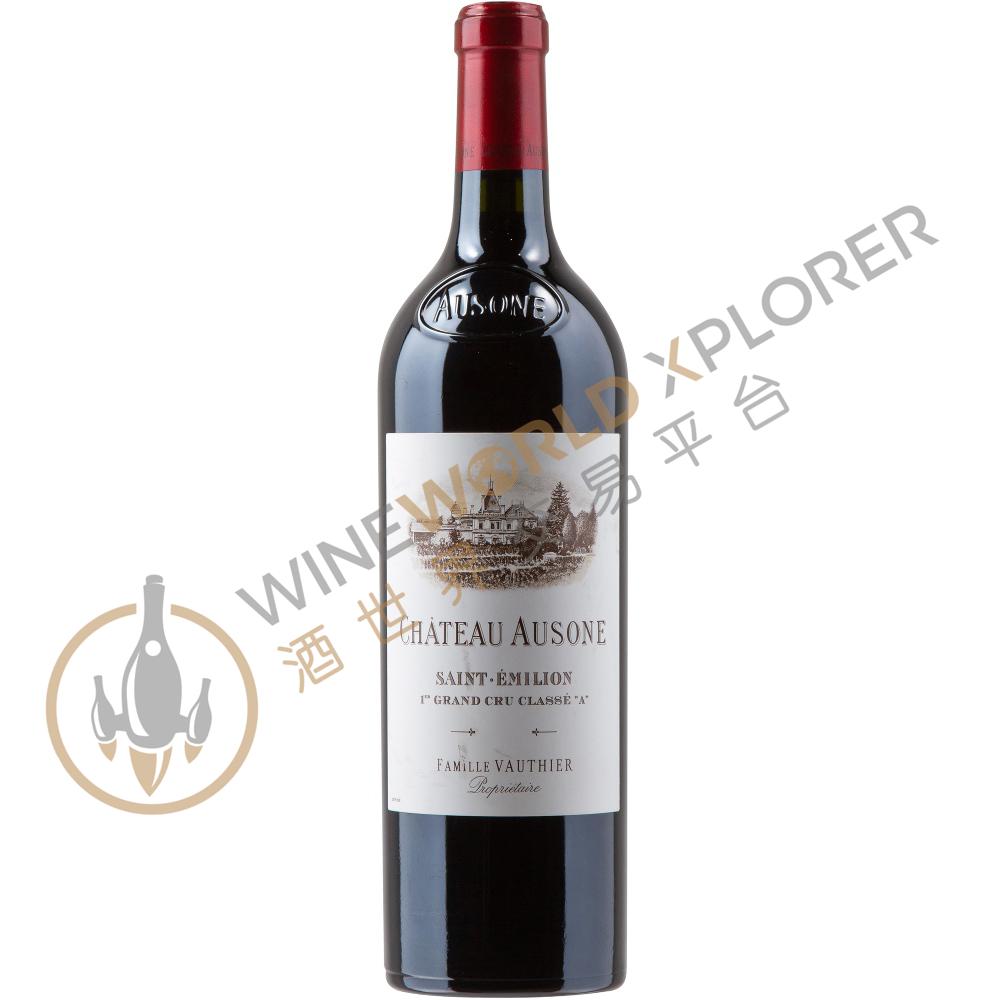
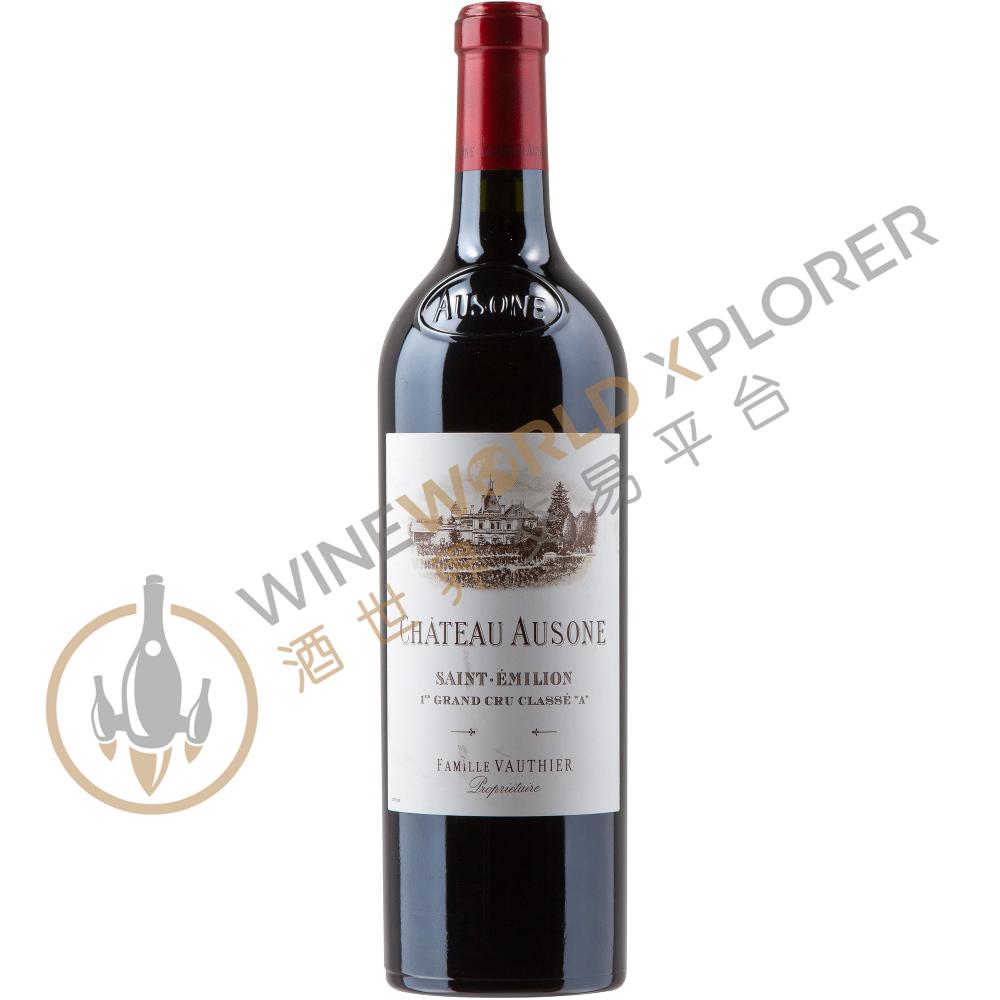
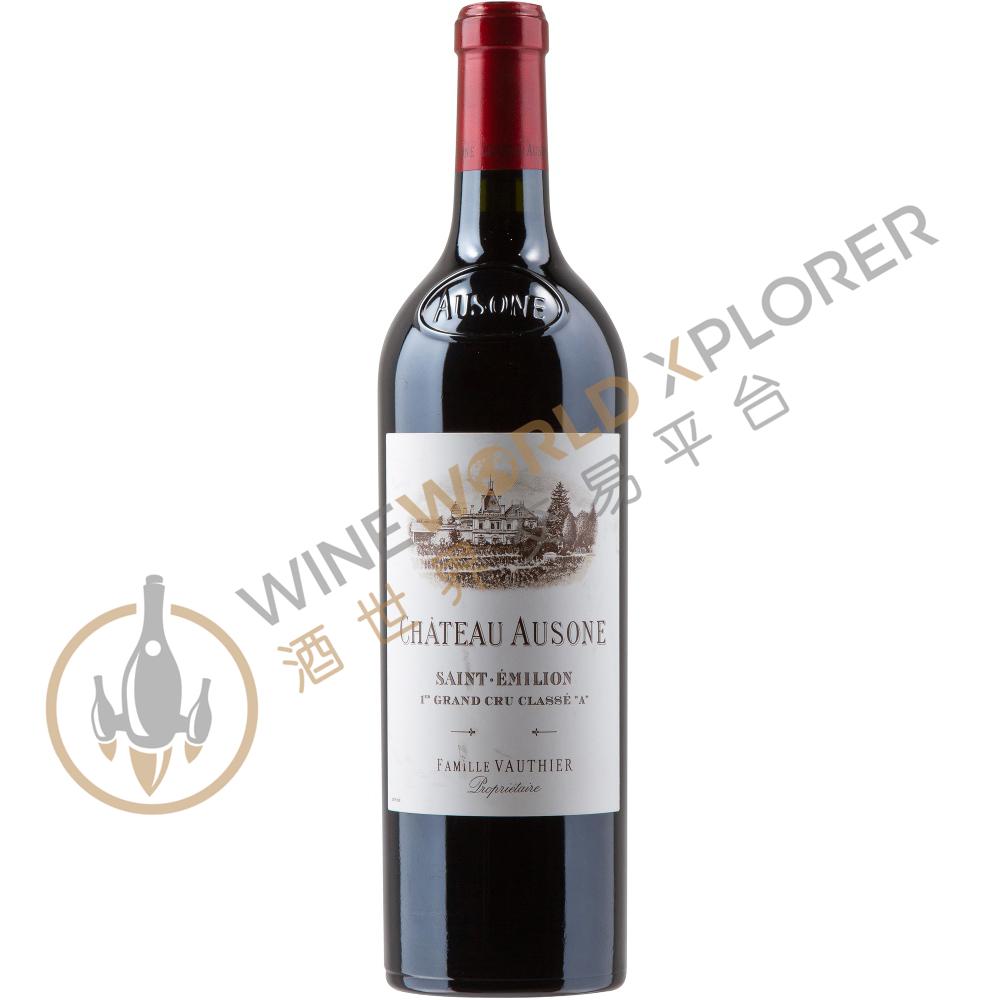
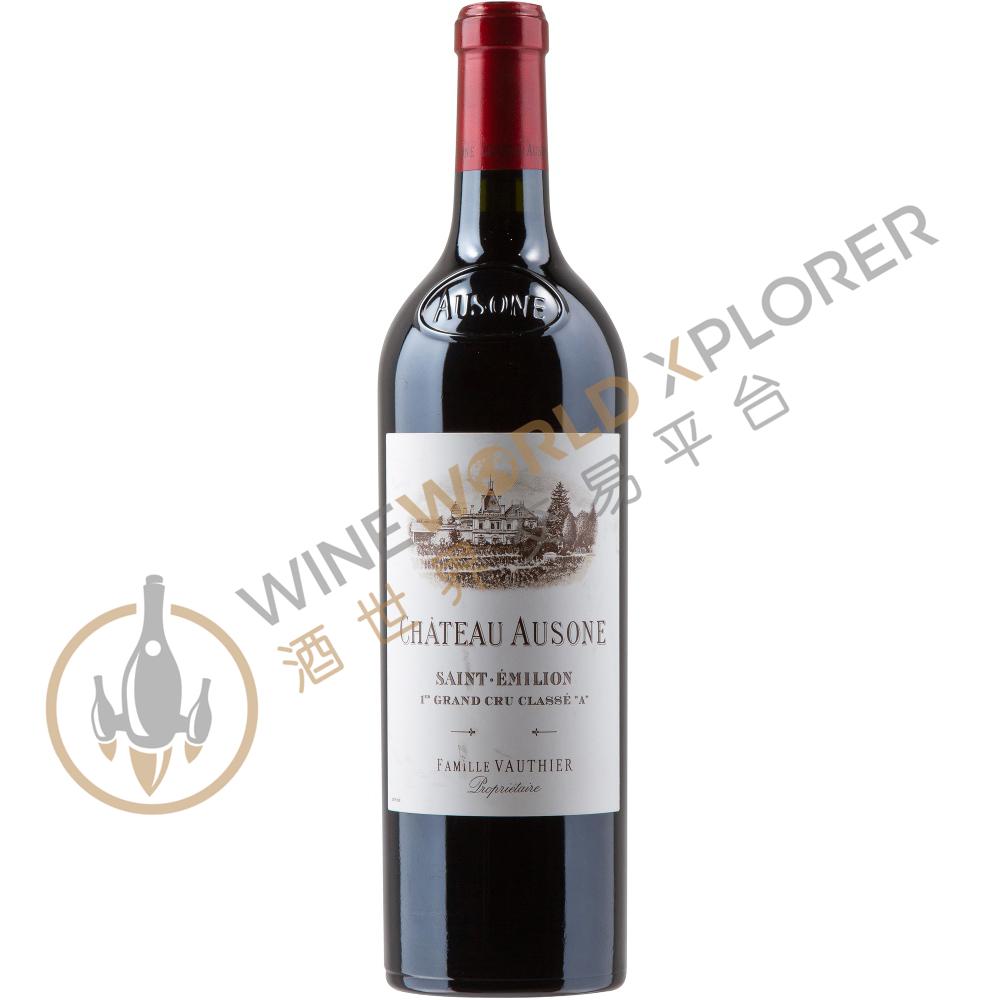
Ausone 1989
 View analysis


Description
Tasting notes

Reviewed by: Robert M. Parker, Jr.
In 1989, Ausone harvested their splendidly situated micro-vineyard between September 7 and 19. Their first cuvee of Merlot reached 14.6% alcohol naturally, the highest anyone at the chateau could ever remember. They also cut off 50% of the grape bunches in an effort to avoid overproduction and the diluted taste that plagued their 1985 and 1986. The result is a wine with remarkable strength, yet stunning balance because of its extremely high tannin content. It is the tannin that gives focus and definition to the wine's intense core of exotic black fruits. This is a medium to full-bodied, backward 1989, possessing a haunting underlying mineral character that seems to be a characteristic of this property's greatest vintages. Those readers who possess a millionaire's income and the cozy trade connections necessary to buy Ausone should be prepared to wait a good 25 years minimum for this wine to reach its apogee. Anticipated maturity: 2015-2035. Last tasted, 4/93.
Reviewed by: Neal Martin
Tasted at the Ausone vertical in London. Showing more maturity than the 1990, nevertheless I prefer the bouquet on the ’89, that shows less volatility and a little more cohesion and lushness. Raspberry, wild strawberry, some lovely Cabernet Franc aromas showing though with hints of green pepper and Provencal herbs (fennel and thyme.) The palate is medium-bodied, slightly coarse tannins on the entry, well balanced, perhaps almost rustic in style, more dryness than the 1990 but more composed. The finish lacks a touch of complexity, a little austere perhaps, but quite charming. Drink now-2018. Tasted December 2009.
Reviewed by: Robert M. Parker, Jr.
In 1989, Ausone, Bordeaux's and perhaps France's most cerebral wine, harvested their splendidly situated micro-vineyard between September 7 and 19. Their first cuvee of Merlot reached 14.6% alcohol naturally, the highest anyone at the chateau could ever remember. The result is a wine with remarkable strength, yet stunning balance because of its extremely high tannin content. It is the tannin that gives focus and definition to the wine's intense core of exotic black fruits. This is a medium to full-bodied, backward 1989, possessing a haunting underlying mineral dimension that seems to be a characteristic of this property's greatest vintages. On potential this is certainly the finest Ausone since the 1982. Anticipated maturity: 2015-2035.
Reviewed by: Robert M. Parker, Jr.
Long-time readers of this publication know that I believe Ausone is the most intellectually challenging wine made in Bordeaux. The wine often tastes as if it needs 40-50 years to shed some of its astringency and closed style. With that caveat in mind, the 1989 seemed significantly less impressive than in previous tastings. Certainly it is nowhere near the quality of the 1990. The 1989 reveals amber at the edge, and a green tobacco and mineral-scented, hard-edged nose of musty wood and earthy fruit. This mid-weight wine is spicy and elegant, with moderate body, and a boatload of astringent tannin in the harsh finish. It requires a minimum of 10-15 more years of cellaring. Anticipated maturity: 2005-2020.
Reviewed by: Robert M. Parker, Jr.
In 1989, Ausone, Bordeaux's and perhaps France's most cerebral wine, harvested their splendidly situated micro-vineyard between September 7 and 19. Their first cuvee of Merlot reached 14.6% alcohol naturally, the highest anyone at the chateau could ever remember. They also cut off 50% of the grape bunches in an effort to avoid overproduction and the diluted taste that plaqued their 1985 and 1986. The result is a wine with remarkable strength, yet stunning balance because of its extremely high tannin content. It is the tannin that gives focus and definition to the wine's intense core of exotic black fruits. This is a medium to full-bodied, backward 1989, possessing a haunting underlying mineral character that seems to be a characteristic of this property's greatest vintages. On potential this is certainly the finest Ausones since the 1982 (which remains impossibly impenetrable and closed). Those readers who possess a millionaire's income and the cozy trade connections necessary to buy Ausone should be prepared to wait a whopping 25 years minimum for this wine to reach its apogee. How's your bloodline? Anticipated maturity: 2015-2035. Tasted four times. Consistent notes.
Reviewed by: Robert M. Parker, Jr.
A Possible Legend Candidate This is outstanding, but amazingly variable wine.
Reviewed by: Robert M. Parker, Jr.
Notes of melted caramel, coffee, fruitcake, and ripe currants are moderately intense in this relatively ripe year for Ausone. Nevertheless, in the mouth there is still high tannin, a somewhat attenuated finish with medium body and average quantities of red and black currant fruits. Drink it over the next 10-15 years. Last tasted, 11/02.
About the Producer
Located in the Saint-Emilion appellation on the right bank of Bordeaux, France, Chateau Ausone is one of only four Saint-Emilion Premier Grand Cru Classe A estates in the appellation and one of the eight most prestigious estates in Bordeaux. The 7.25 hectares of vineyards at Château d'Orson are oriented to the east or south-east, allowing the vineyards to enjoy the full sun and to be protected from the north-west winds. The vineyard's proximity to the Dordogne, which is regulated by the river, provides an ideal microclimate for the grapes to grow, and the fact that the vineyard was not seriously affected by the severe frosts of 1892 and 1956 is testament to the terroir. While Merlot is the dominant wine in the Saint-Emilion appellation, Cabernet Franc is the preferred wine at Château d'Ausone, with Cabernet Franc planted in the vineyard, supplemented by some Merlot and a very small amount of Cabernet Sauvignon, which is used only for the secondary wines (Chapelle d'Ausone, Saint-Emilion). 'Ausone, Saint-Emilion Grand Cru, France). The average age of these vines is 52 years, with the oldest vines, planted in the early 20th century, being up to 100 years old and planted at a density of 6,500-12,000 vines per hectare. The soils are predominantly calcareous clay and limestone, which is the main reason for the minerality of the red wines of Château Ausone, Saint-Emilion Grand Cru Classe, France. The organic and biodynamic approach to vineyard management and winemaking at Château Ausone is a commitment to producing wines that express the full character of the terroir. In the vineyards, the staff takes care of the vines, planting fruit trees and aromatic plants, allowing insects, birds and even bats to come and go, in order to release the vitality of the soil and promote the harmony of the entire vineyard ecosystem. During the harvest, the grapes are very carefully selected and only healthy grapes of optimum ripeness are used to make the wine. During the winemaking process, the treated grapes are first subjected to Cold Maceration to extract the pigments and flavours from the skins. Next, alcoholic fermentation takes place in large traditional oak barrels, followed by Malolactic Fermentation in small French oak barrels. After this, the estate's main wines are aged in 100% new oak barrels for up to 24 months, adjusted to the characteristics of the vintage. The wines are aged in the estate's natural limestone cellars, where the humidity and temperature are stable and provide excellent conditions for the wines to age. The wines of Château d'Orson have always been known as "the poet's wine", with a deep colour, very pure aromas of dark fruit, liquorice, flowers and crushed stone, full-bodied but not too heavy, and with great potential for ageing. Robert Parker once said: "If patience is not your virtue, there is no point in buying a bottle of Ouzo". The quality of Château Ouzon's wines has been consistent, with the best vintages including 2018, 2017, 2016, 2015, 2014, 2012, 2010, 2009, 2008, 2006, 2005, 2004, 2003, 2001, 2000 and 1998, to name but a few. In addition, the estate's secondary wine was born in 1995 from a selection of Cabernet Franc, Merlot and Cabernet Sauvignon from the young vines of the estate. Thanks to the limestone soils of the estate, this wine is rich in mineral flavours, with aromas of black cherry, blackberry, cassis and flowers, a full-bodied wine with velvety tannins and a long, impressive finish. With Robert Parker and James Suckling scores of over 90 points in almost all vintages, this wine has long ageing potential.
1944(1)1957(1)1958(1)1959(1)1961(1)1969(1)1970(1)1978(1)1979(1)1980(1)1981(2)1982(2)1985(2)1986(3)1987(1)1988(3)
Package Size