 Wine Advisor



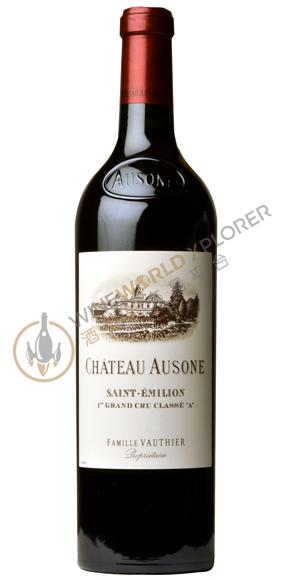
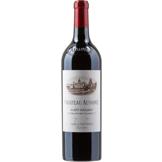
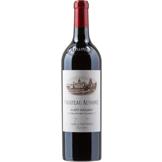
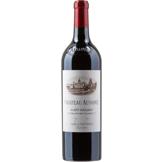
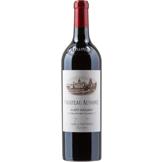
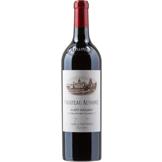
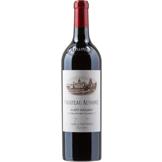
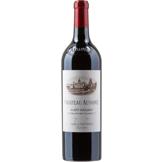
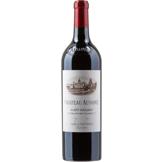
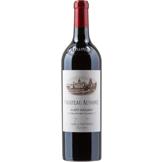
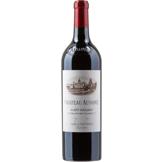
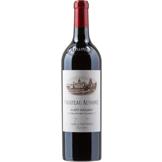
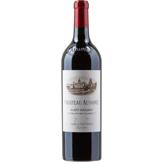
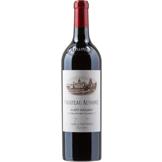
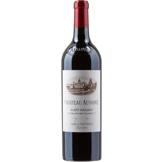
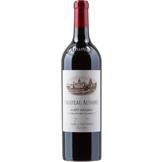
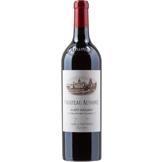
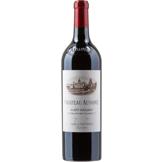
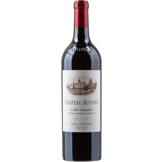
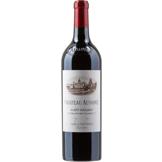
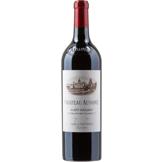
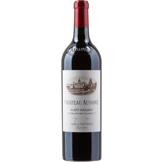
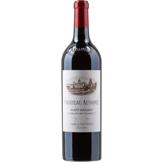
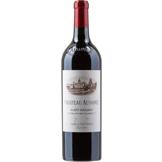
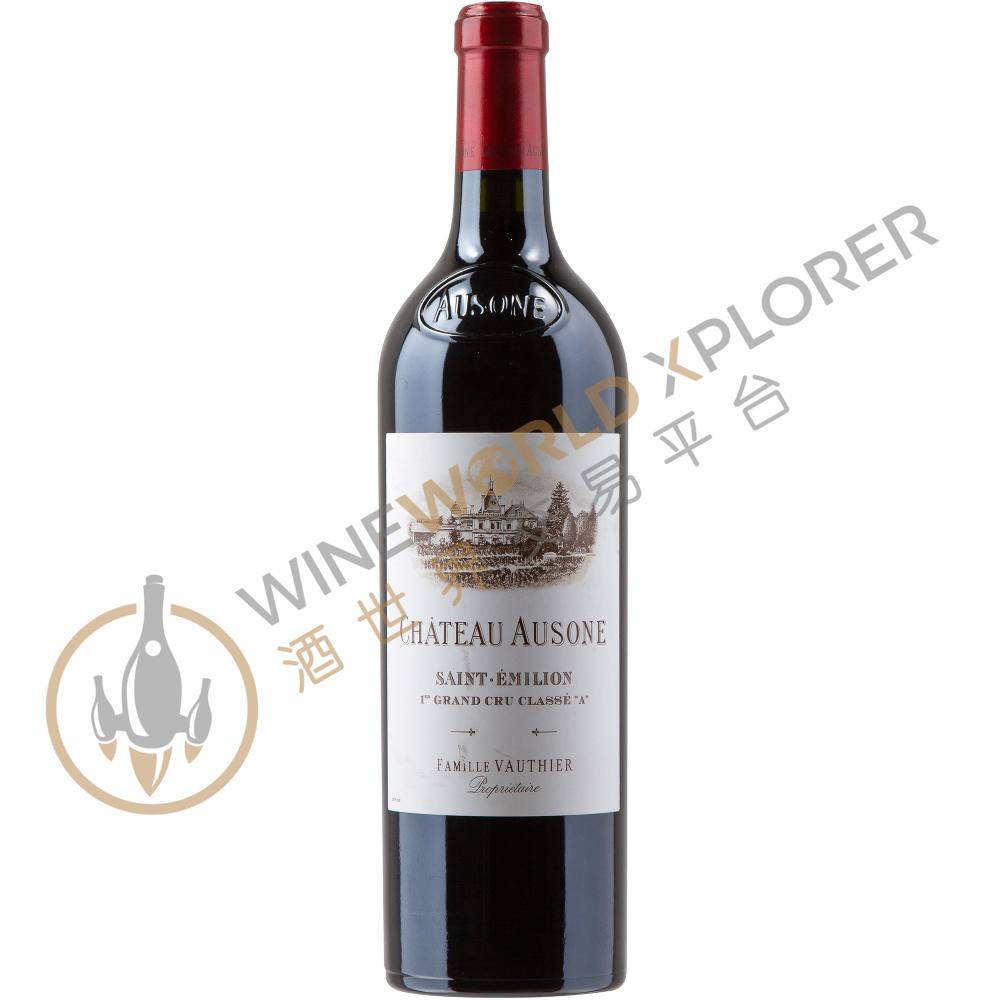
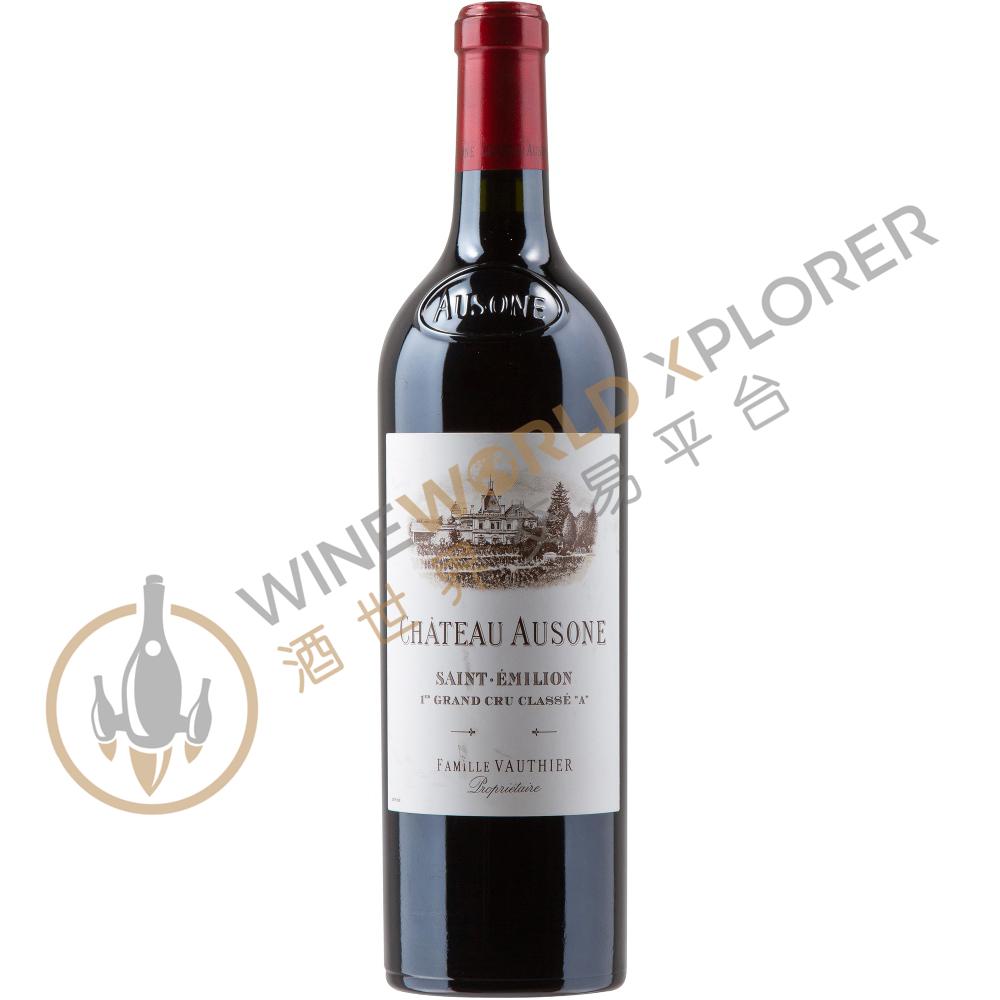
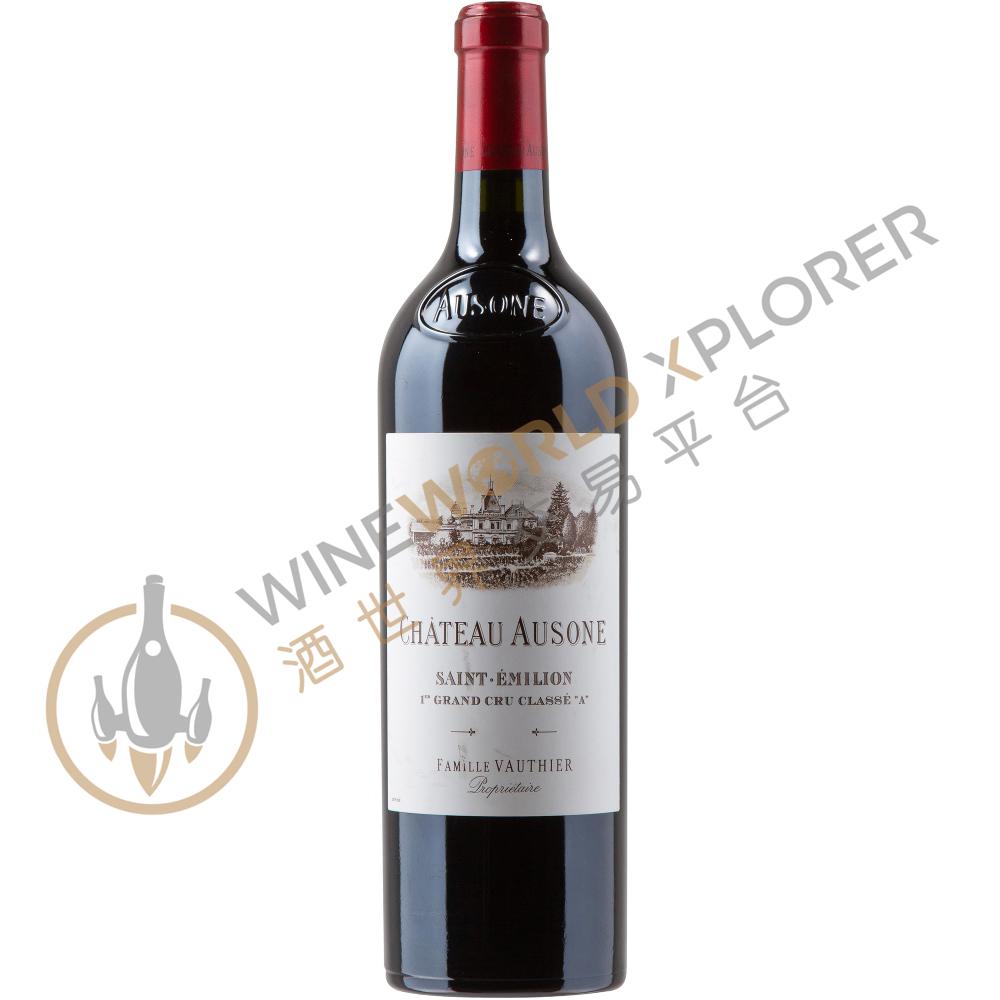
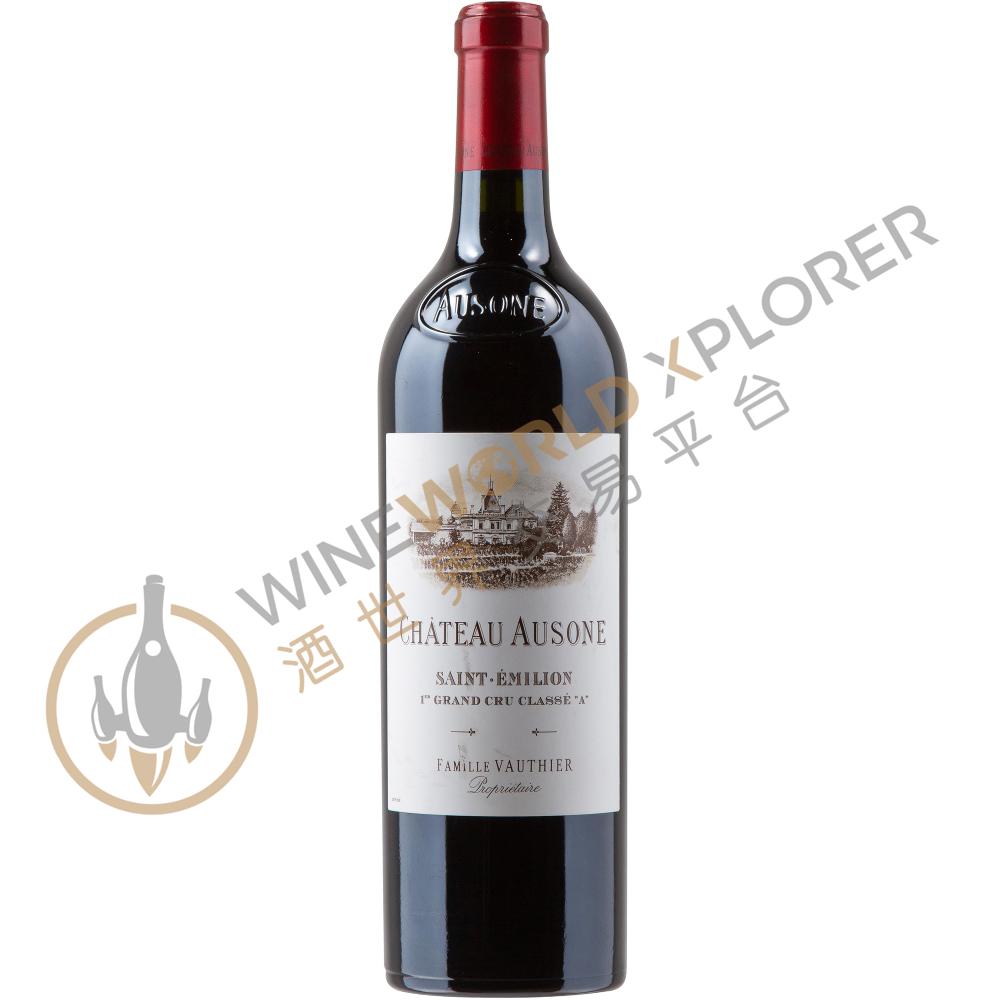
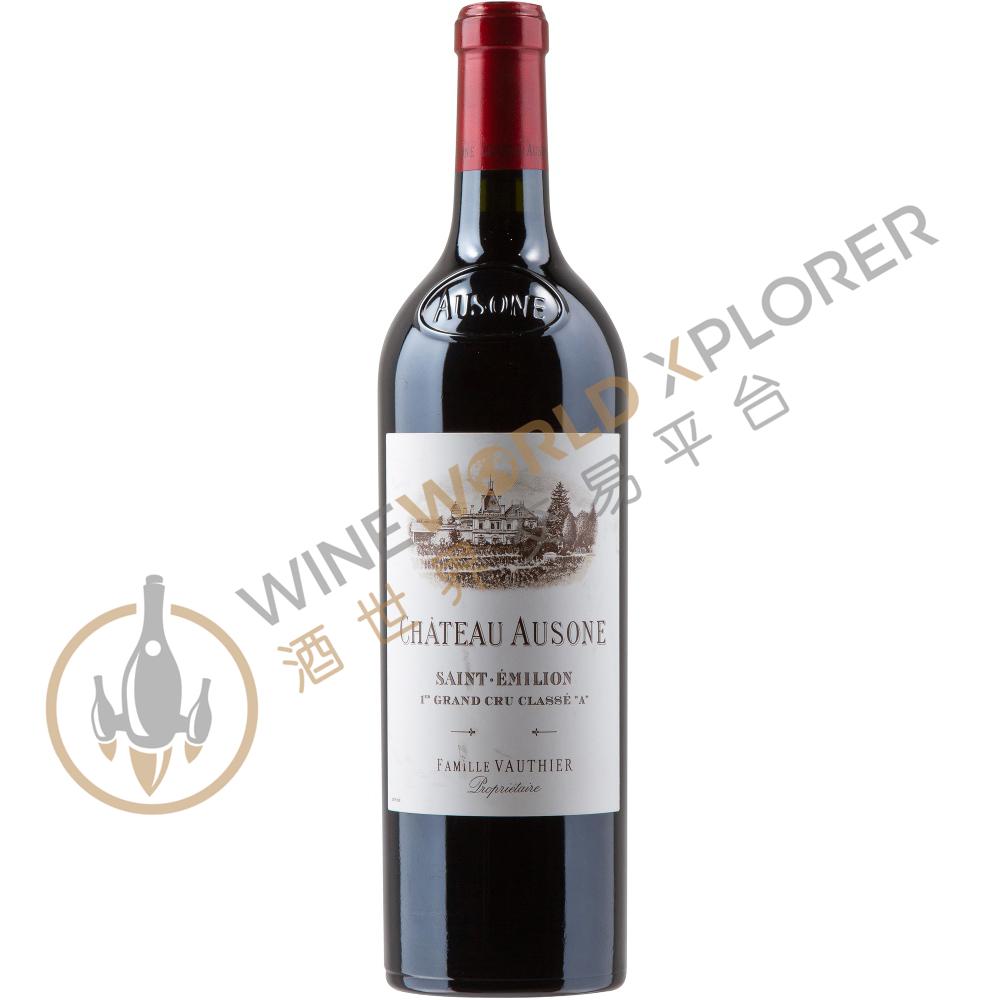
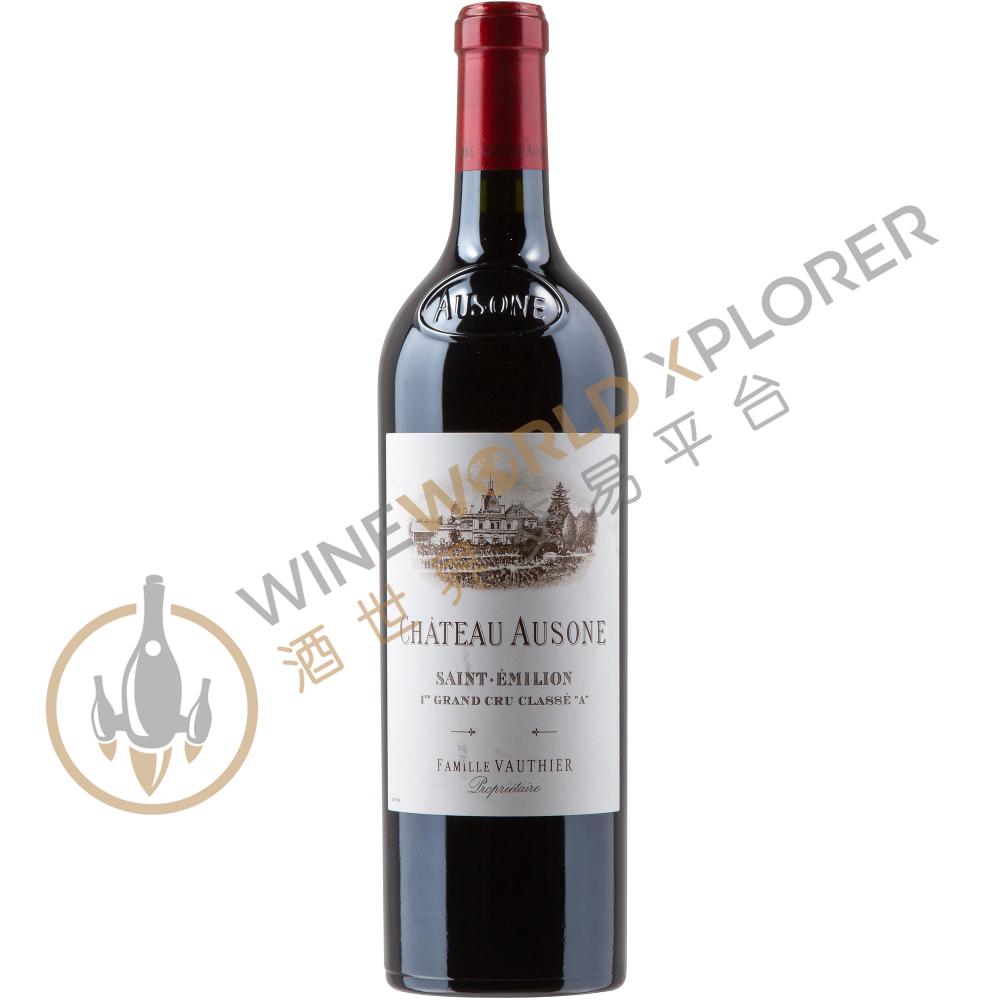
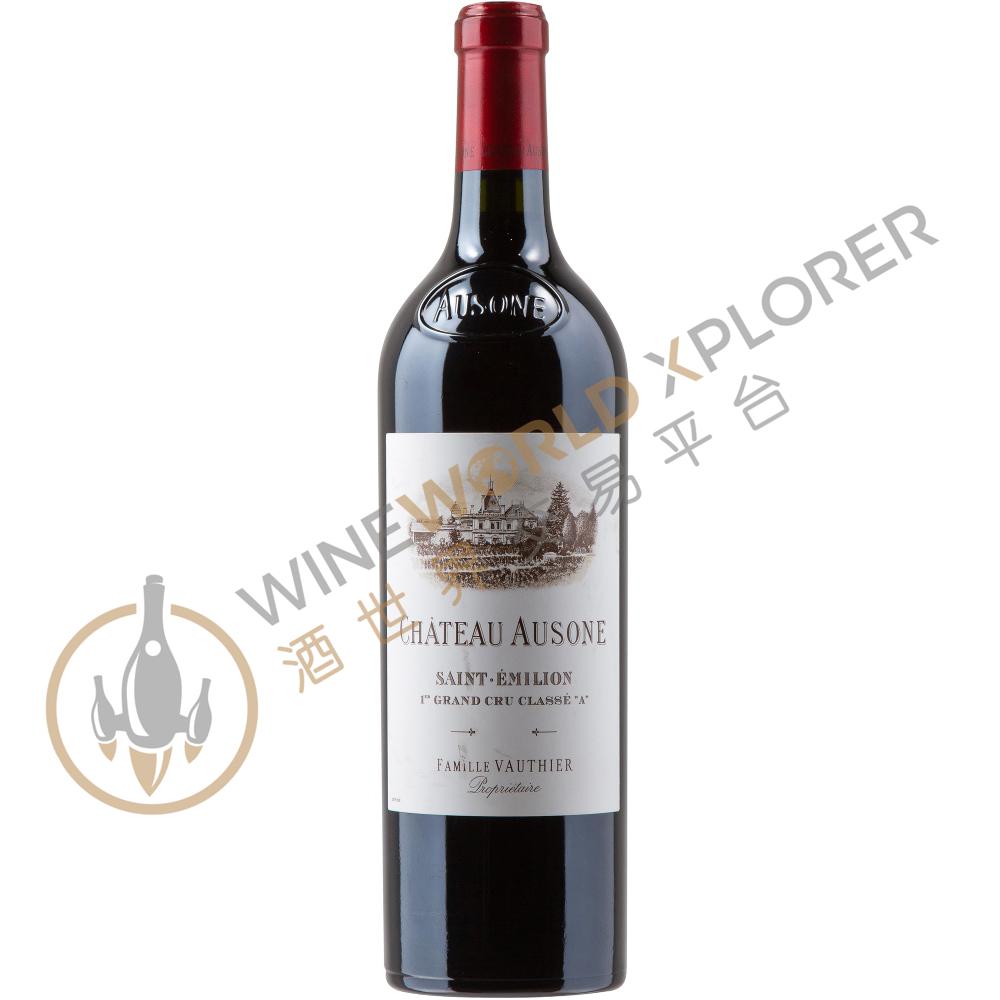
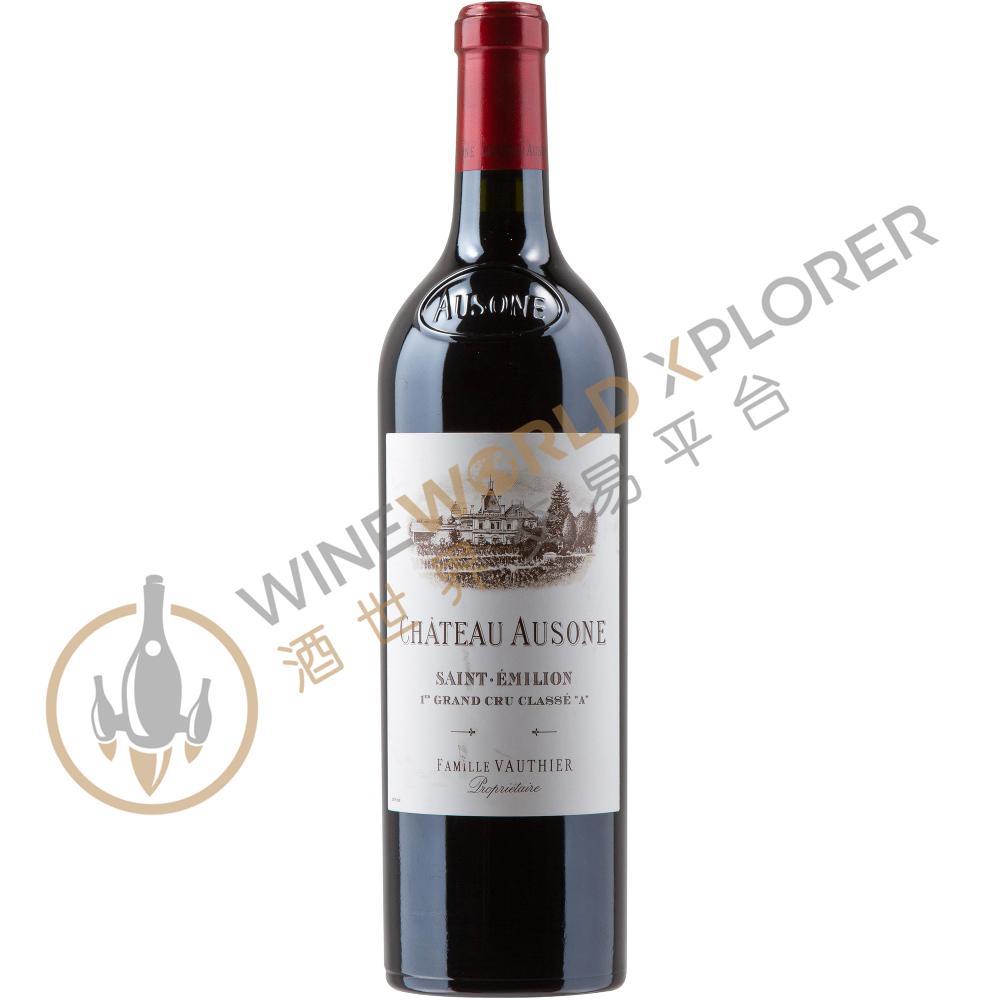
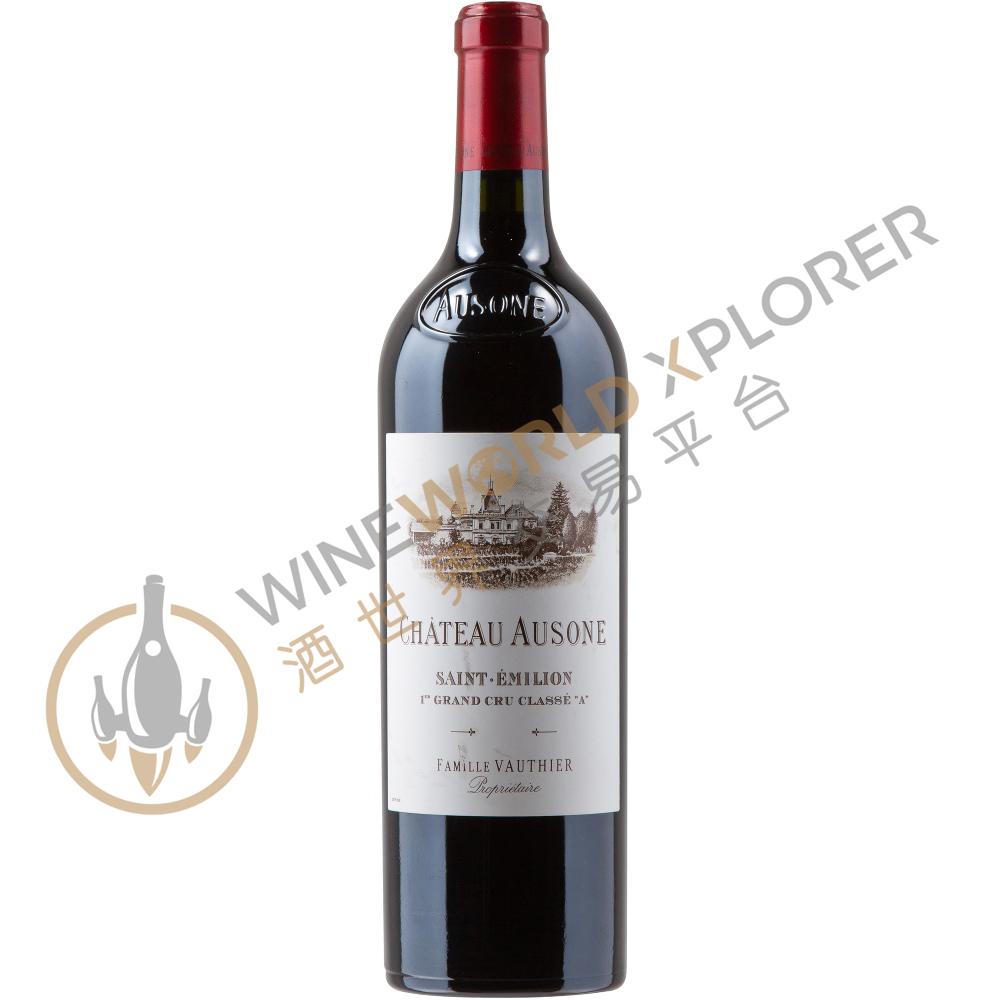
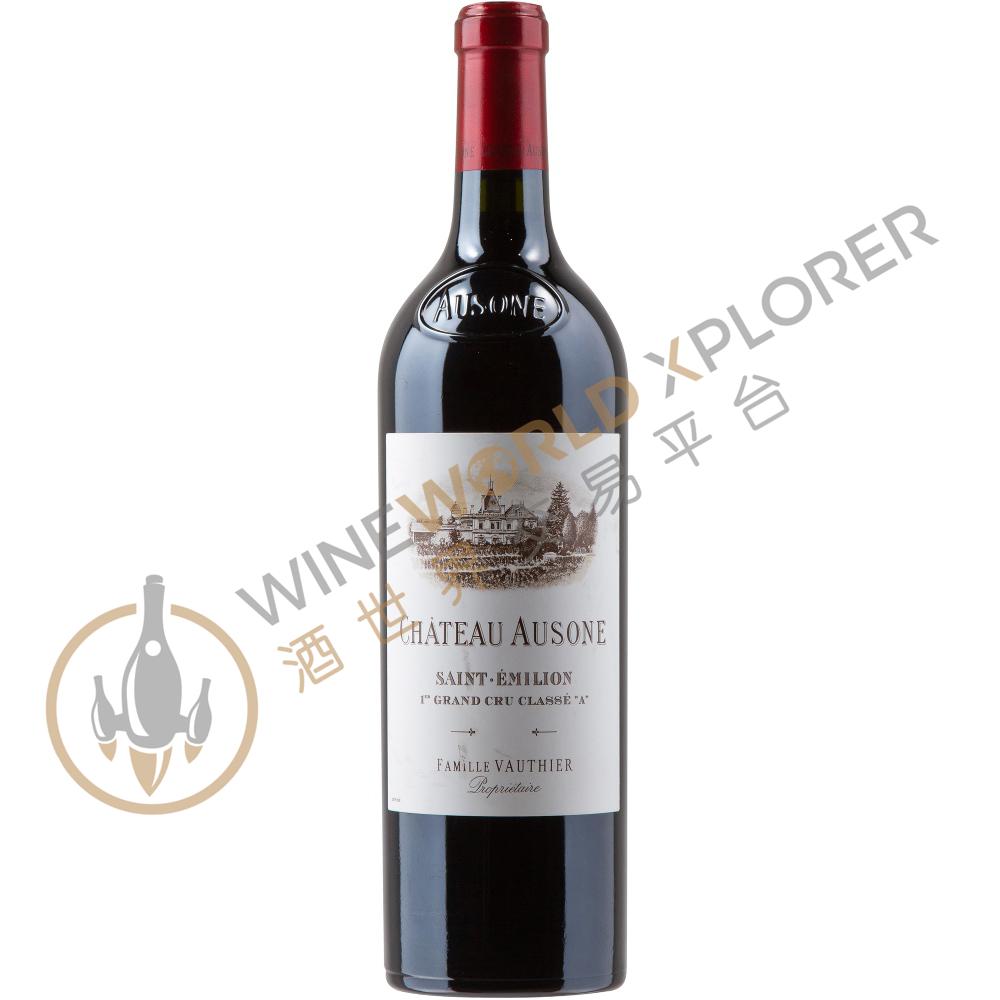
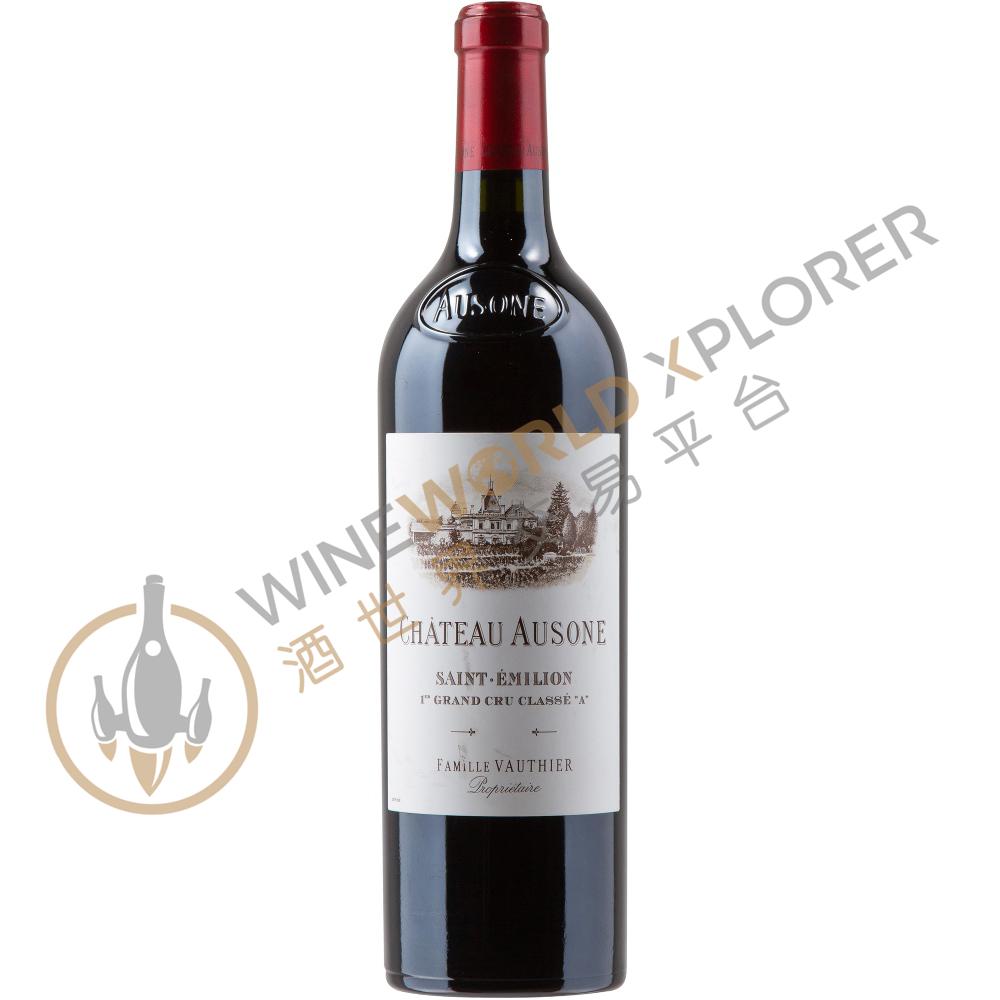
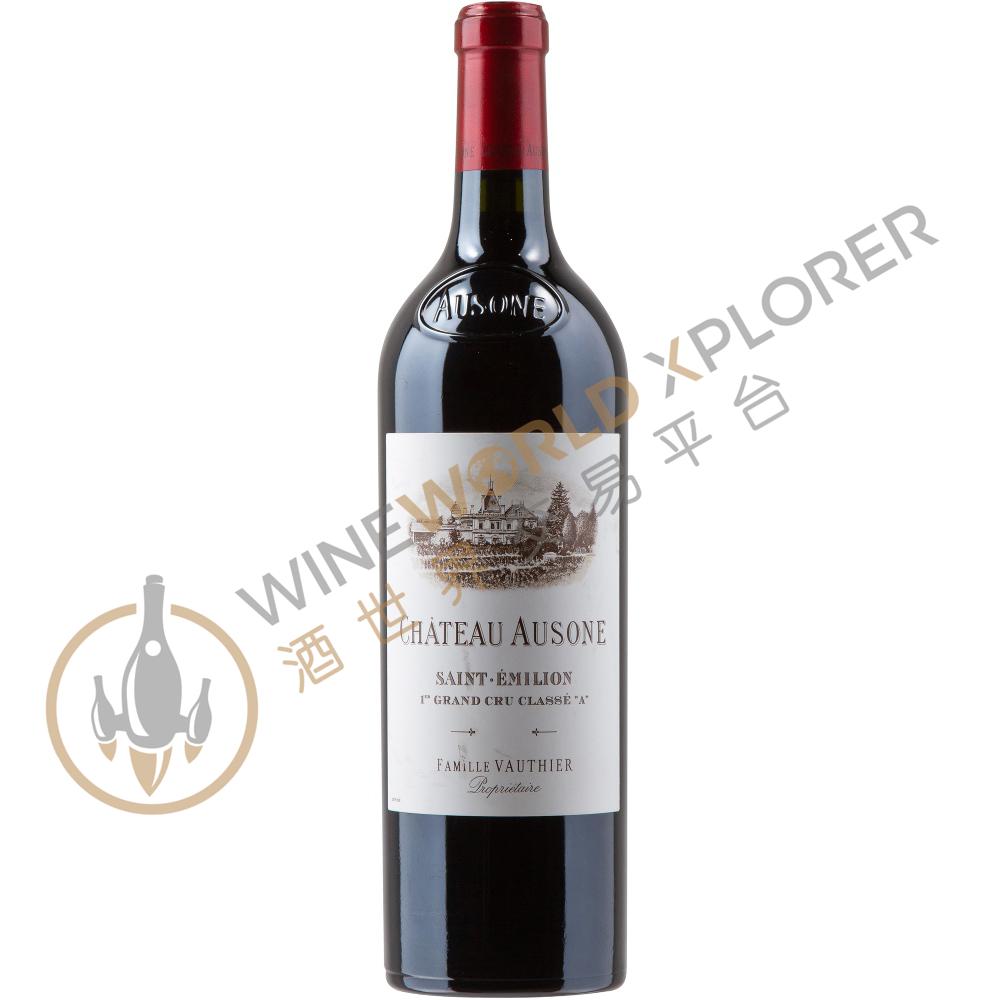
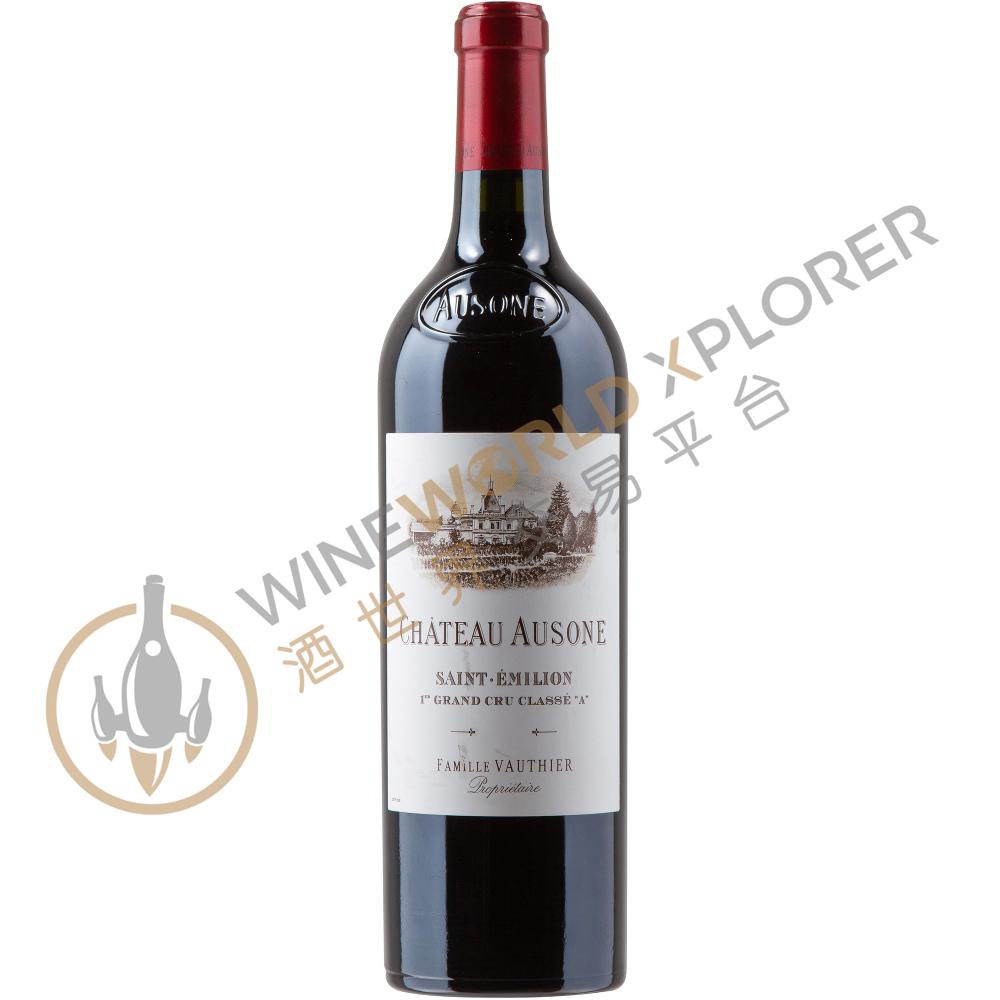
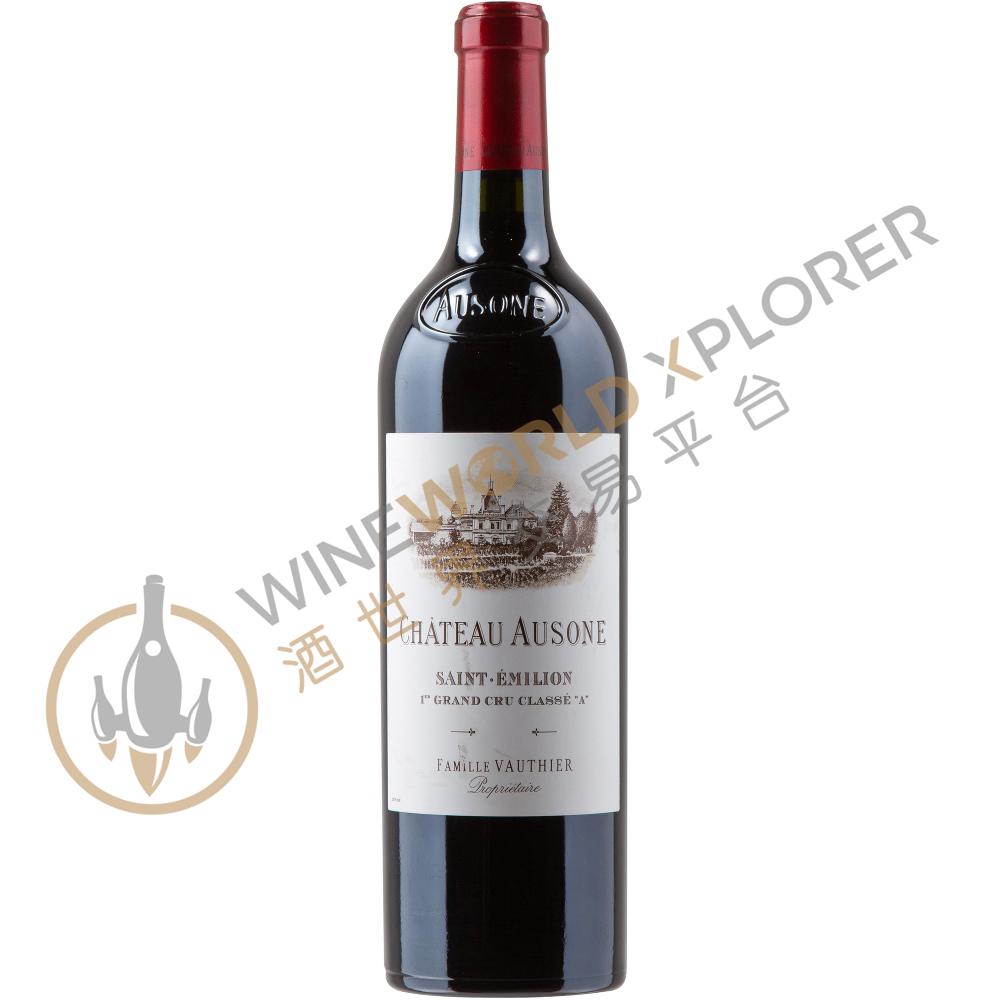
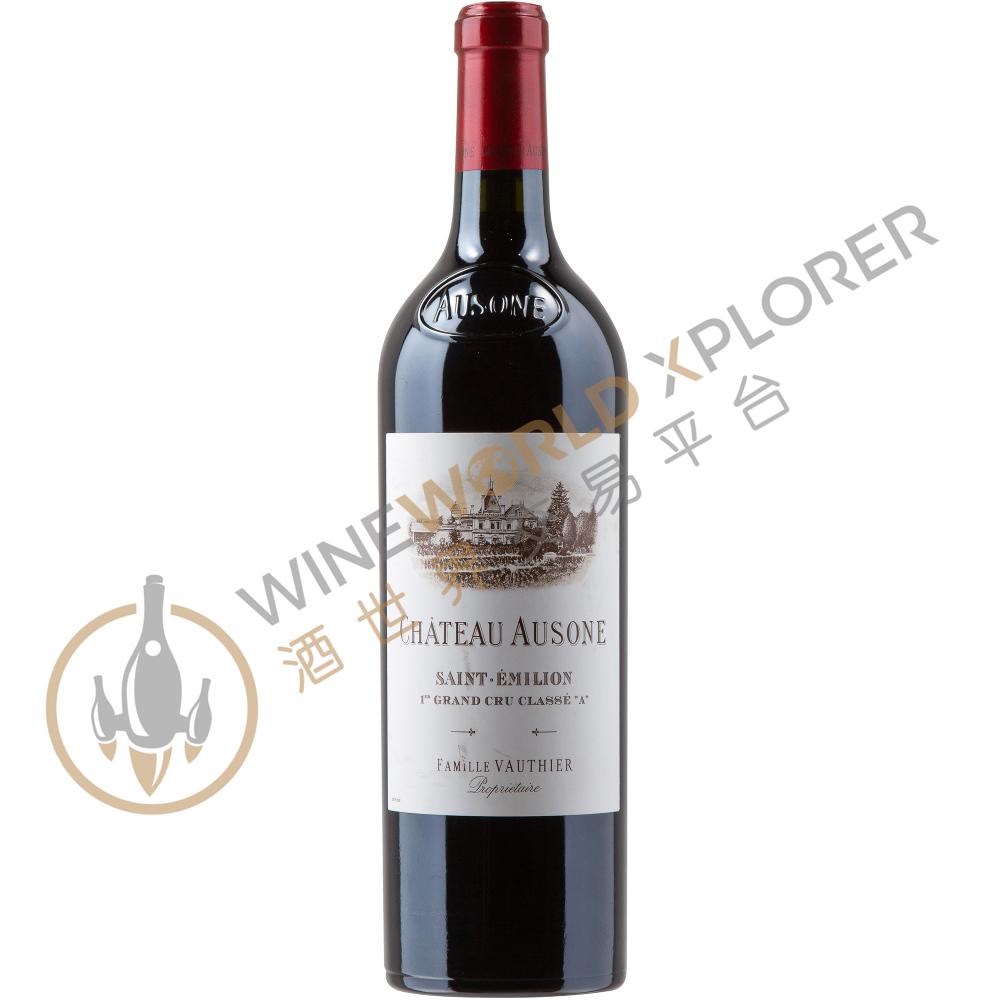
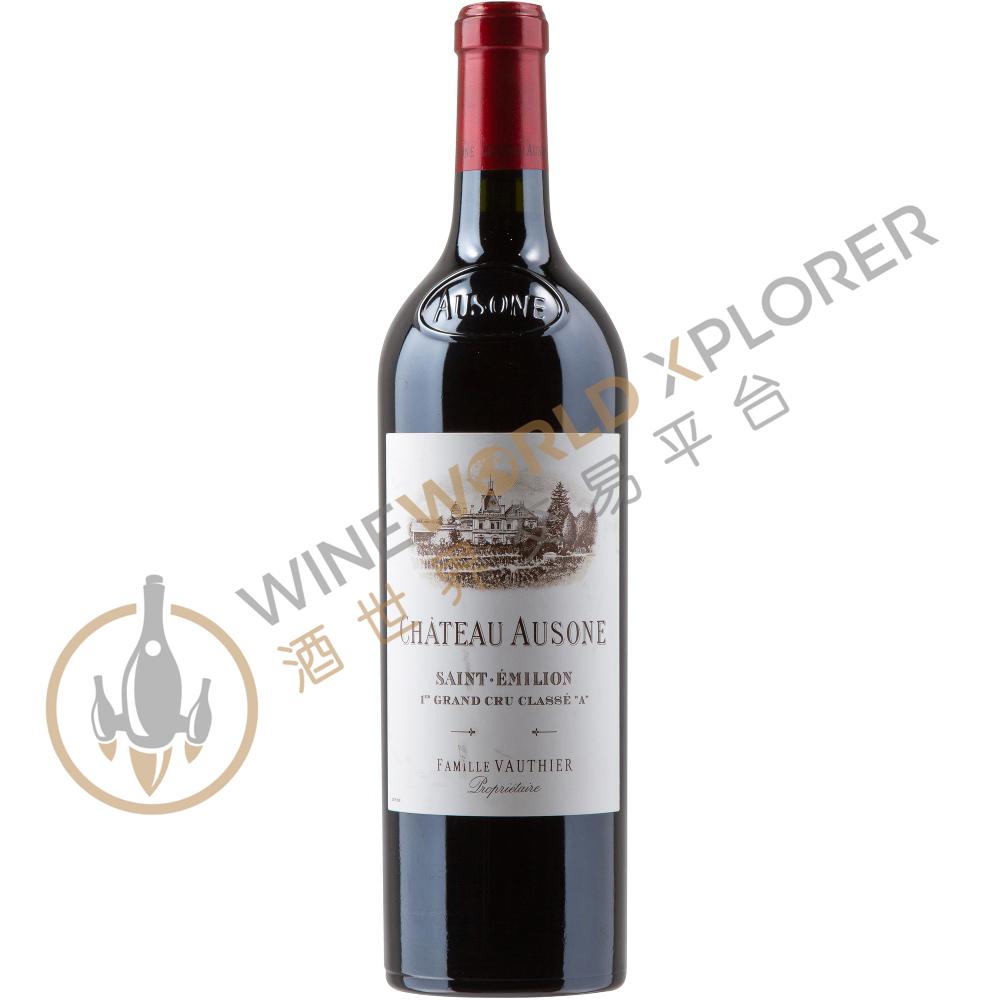
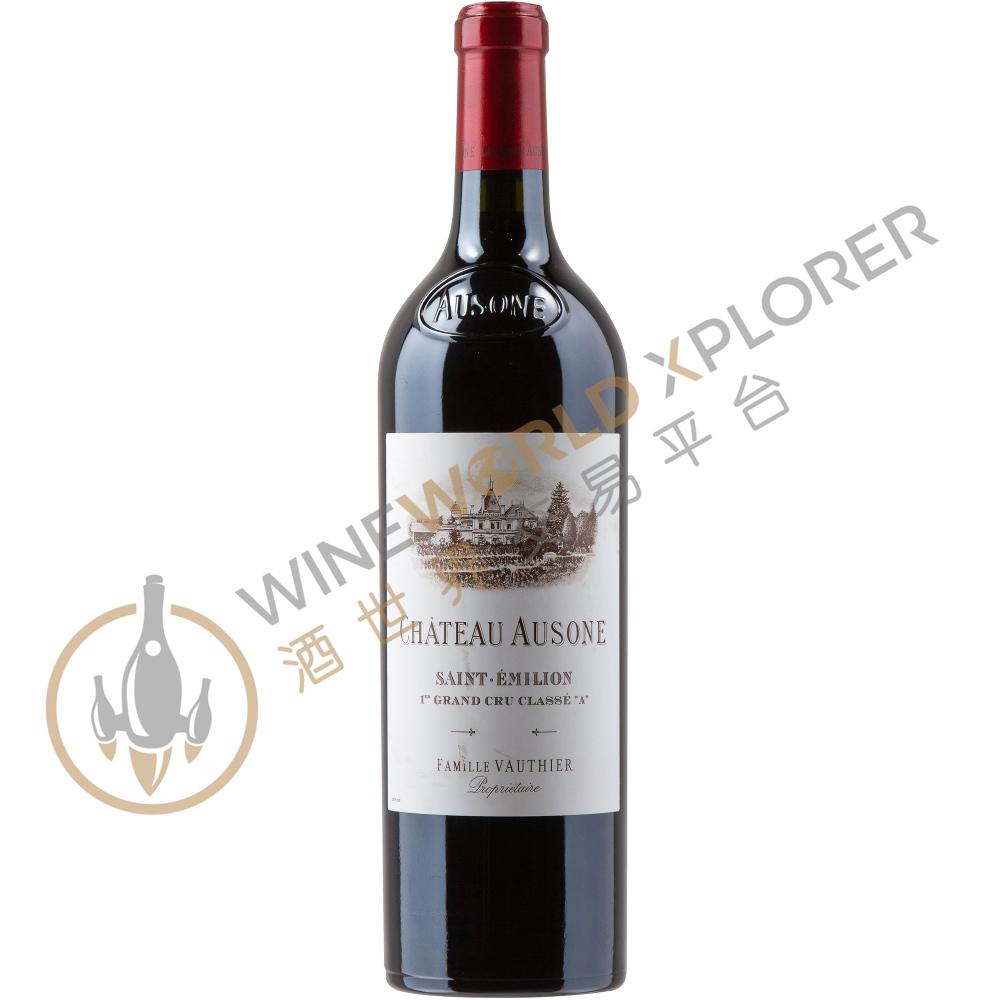
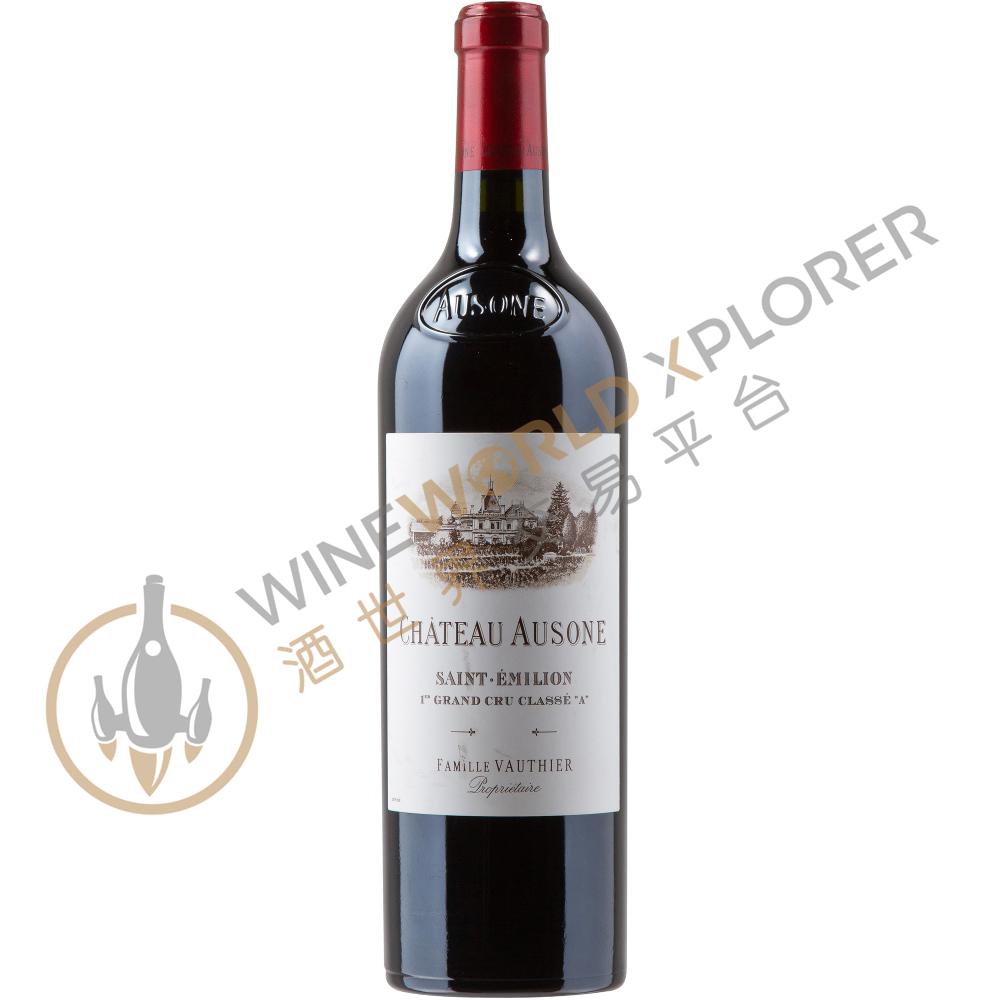
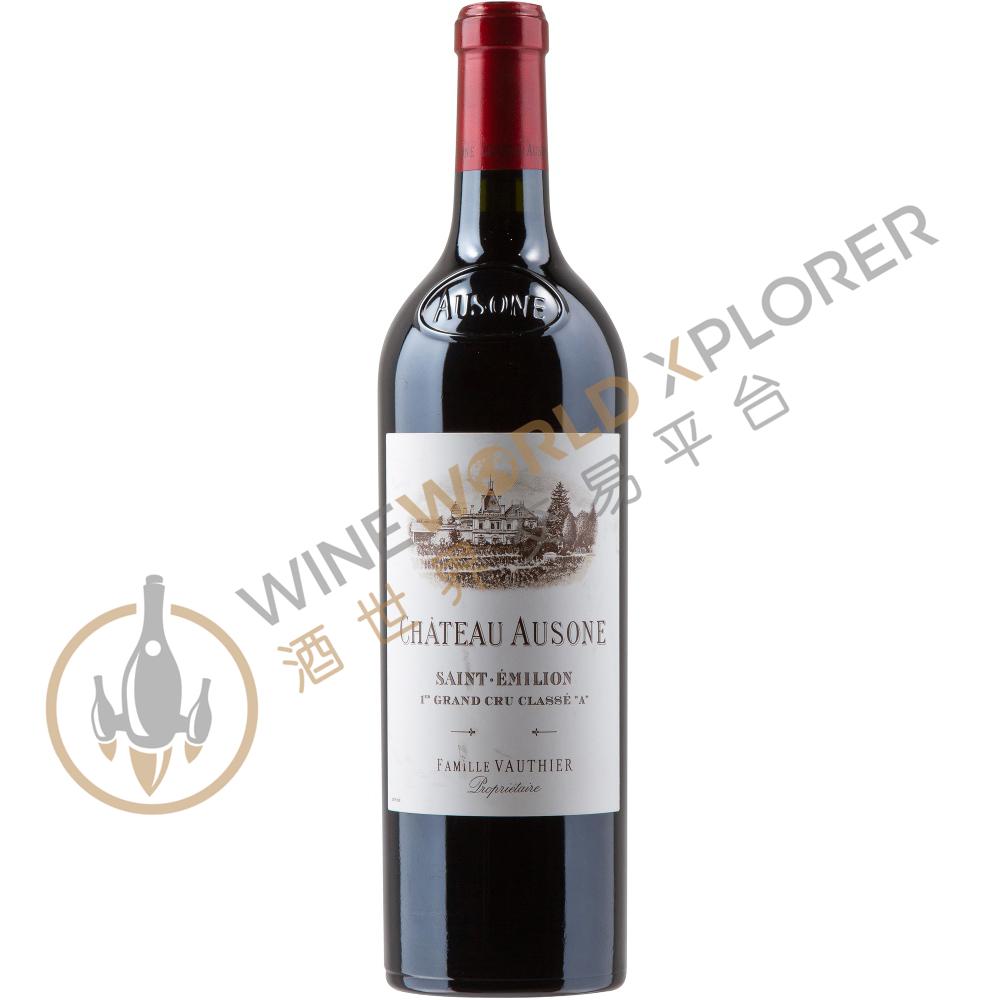
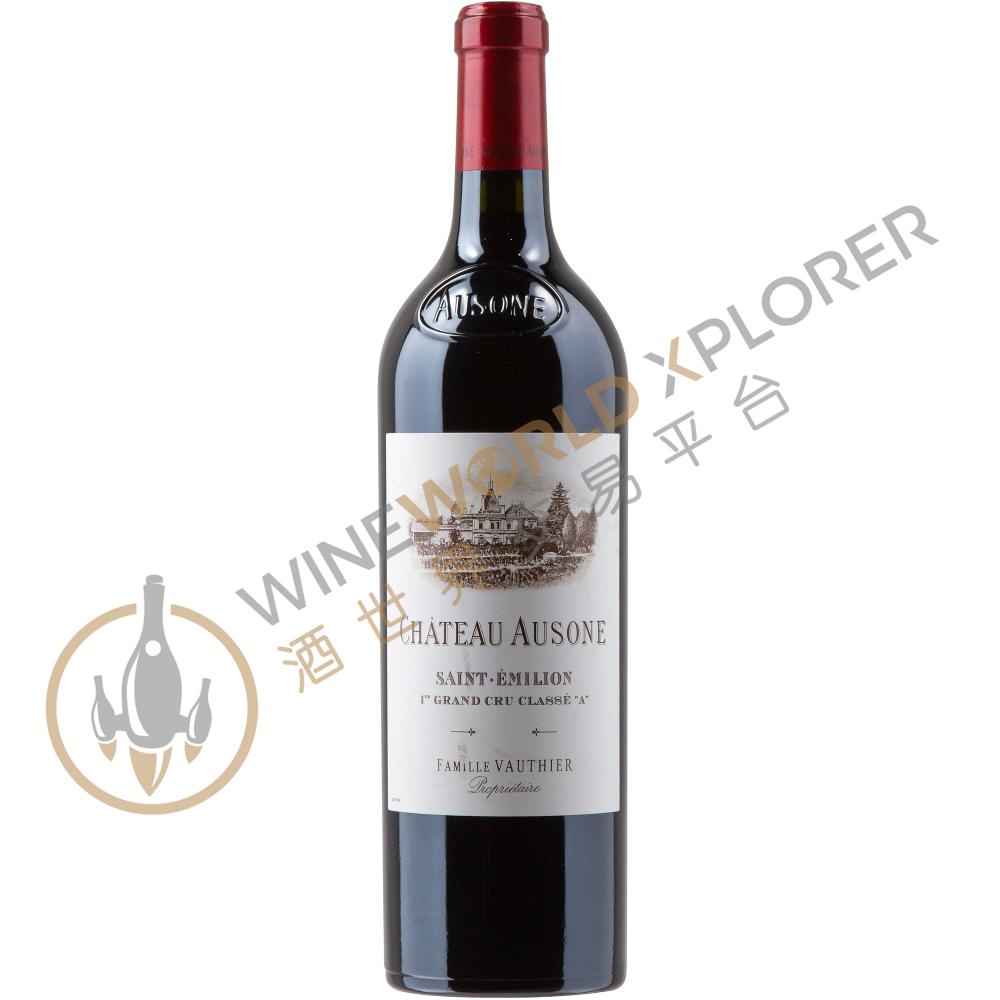
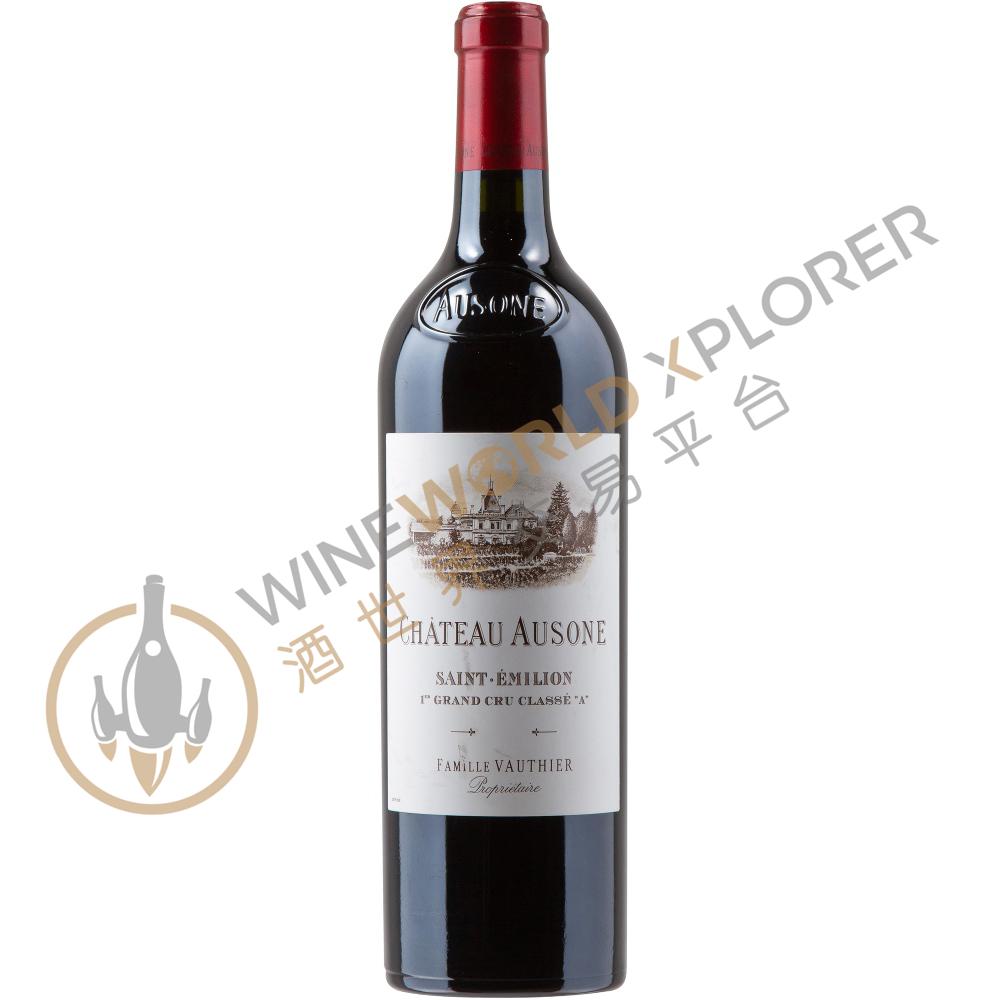
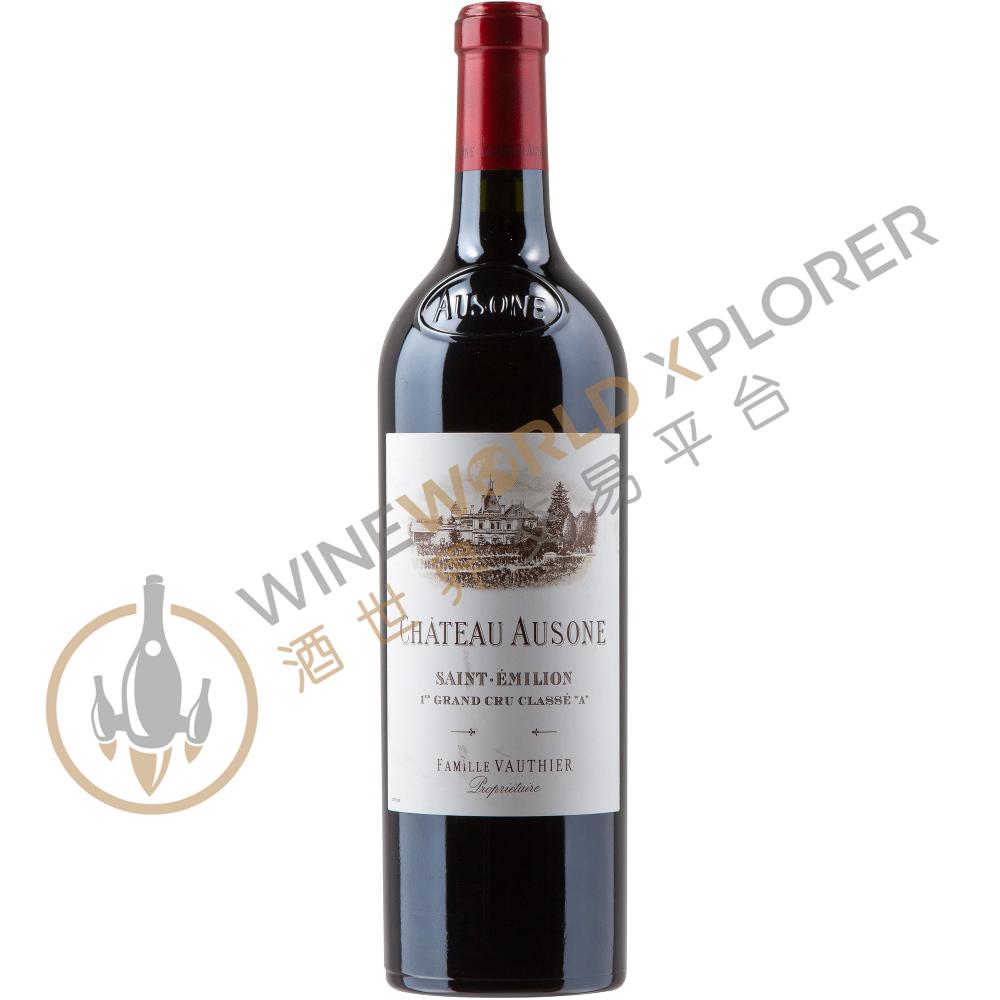
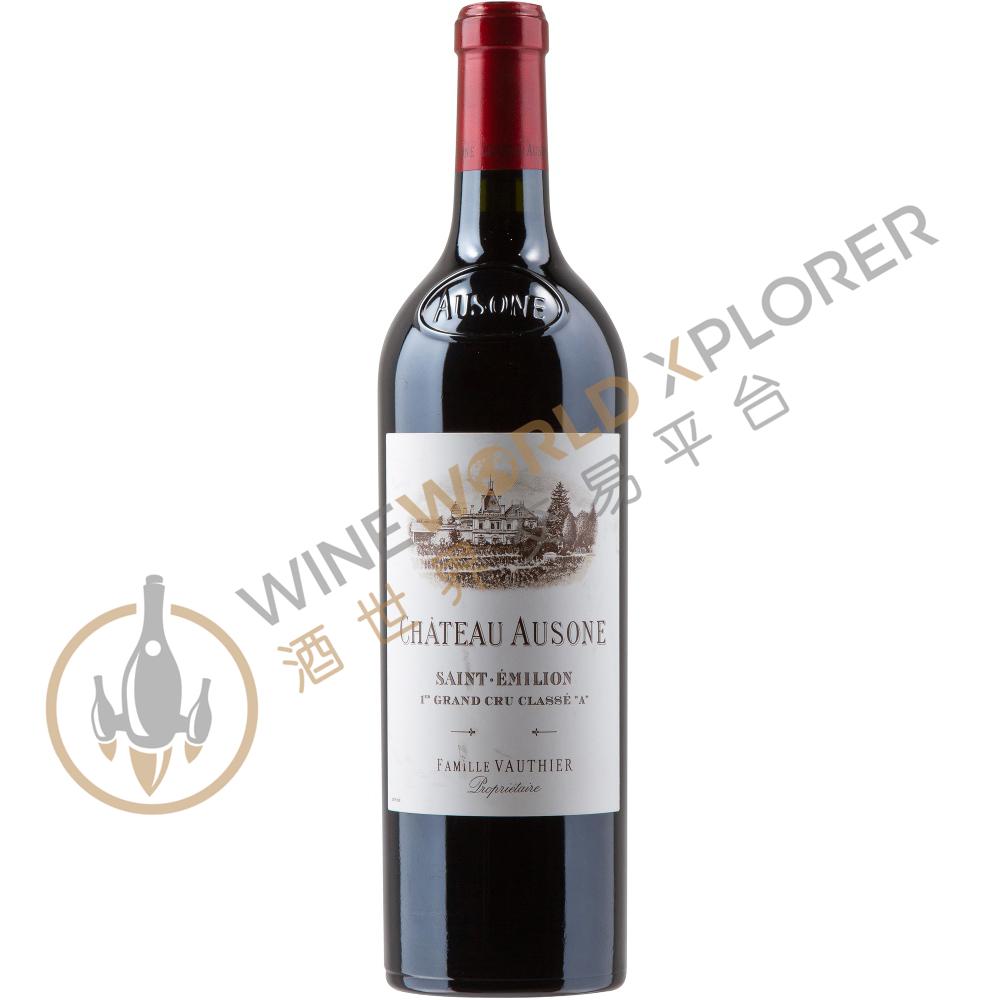
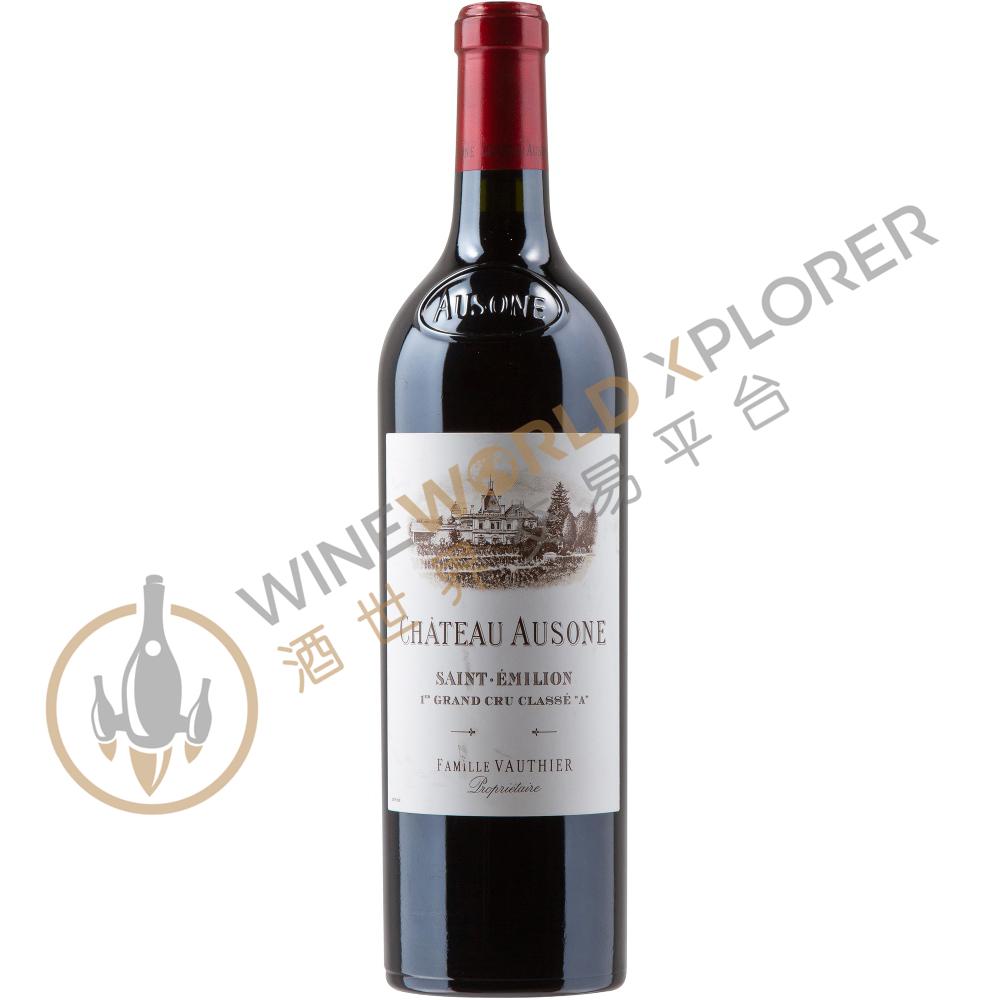
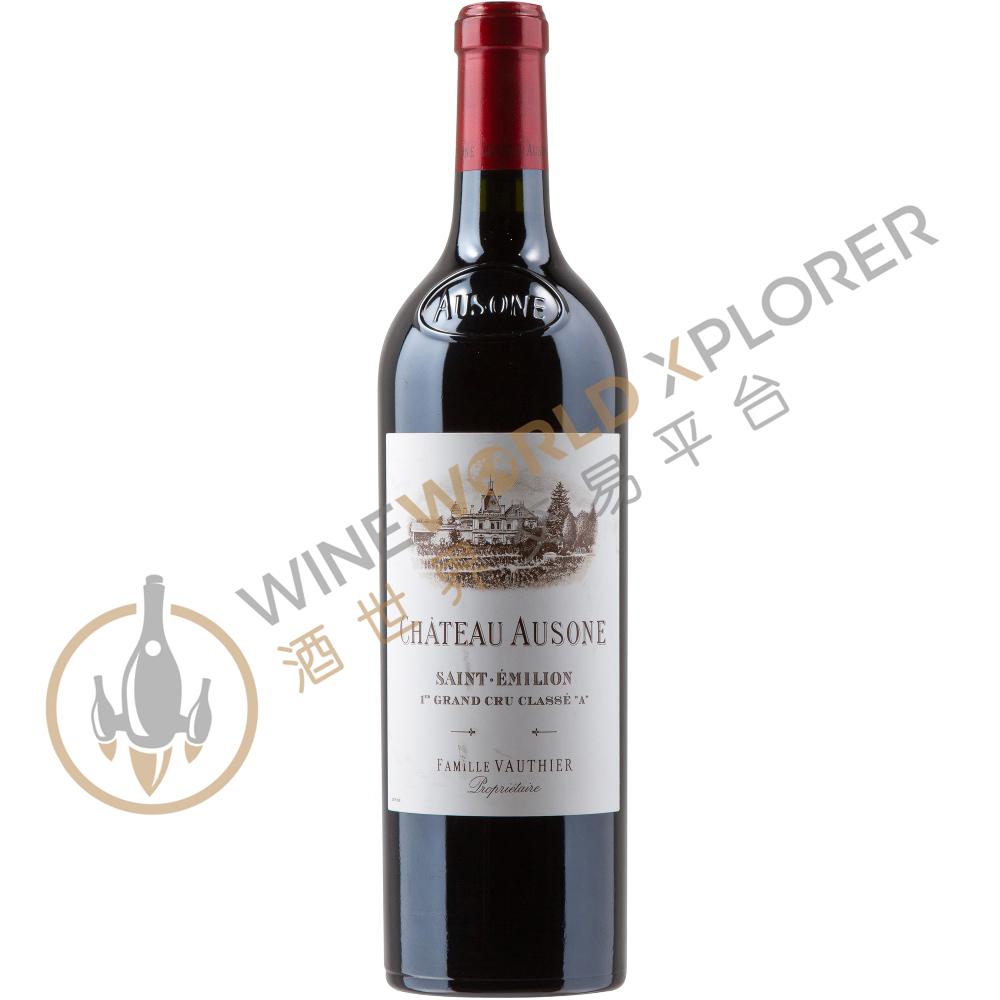
Ausone 1982
 View analysis


Description
Tasting notes

Reviewed by: Robert M. Parker, Jr.
Finally, there are signs that this wine is beginning to live up to the extraordinary potential it revealed out of cask, when many (including yours truly) felt it had the potential to become the "wine of the vintage." It is still a broodingly dark ruby-colored, tightly strung wine that with airing offers far less aromatic dimension than the more supple and showy 1983. But what does come forth reveals rich scents and intense concentration. Tannic, larger-scaled, and more massive than most Ausones, the monolithic dumbness this wine had revealed since it was bottled is finally a thing of the past. Patience here will still be a valuable commodity as it could prove to be one of the all-time great Ausones, but it will not be ready to drink for at least 10-15 more years. Last tasted, 5/93.
Reviewed by: Robert M. Parker, Jr.
Medium ruby-colored, with a pronounced smoky, herb-tinged bouquet revealing aromas of black tea, minerals, and sweet fruit, this medium-bodied 1982 exhibits a striking liquid minerality, decent acidity, and a powerful, concentrated, long finish. The 1982 Ausone is just turning the corner and beginning to reveal considerable complexity as well as finesse. Anticipated maturity: 2005-2040.
Reviewed by: Robert M. Parker, Jr.
A pleasant surprise when I think of what proprietor Alain Vauthier has done over the last decade, the outstanding 1982 Ausone exhibits plenty of licorice, fruitcake, mineral, kirsch, and black fruit characteristics. Medium-bodied and elegant with a touch of austerity at the finish, it should be consumed over the next 10 years. Re;ease price: ($320.00/case)
Reviewed by: Robert M. Parker, Jr.
At last this wine is beginning to warrant the lavish praise and high score I gave it from cask, when it was one of the most extraordinary young wines I had ever tasted. Its dormant stage has lasted for over a decade. When I last tasted it, the wine was taking on that provocative Ausone bouquet of minerals, spices, earth, and red and black fruits. Enormously constituted, with massive quantities of both extract and tannin, this powerful, still backward wine should prove to be one of the greatest Ausones made in the post-World War II era. It remains 5-10 years away from maturity . Although the exotic sweetness and lavish richness of the 1982 vintage is becoming more noticeable, readers should not touch a bottle before the turn of the century. It may turn out to be a 50-year wine. Tasted 11 times after bottling with inconsistent tasting notes.
Reviewed by: Neal Martin
Tasted three times and each time it has perplexed me rather than impressed me. A ruby/brickish core. Then the quite extraordinary nose: all Provencal herbs, burnt toast and what to me is a high brett/farmyardy pong. An open, highly extracted palate with fig and pruney notes. Mature. A love/hate wine but very distinct. I choose to dislike it but others may differ. Drink now. Tasted at the chateau cellars in October 2003: Would this wine display the barnyardy nose that afflicted previous samples consumed in the UK? Well yes and no. I could still detect a little brett, but this half-bottle was much more youthful and backward with a touch of toffee and horse -manure! The palate is very full-bodied with notes of black coffee, orange peel and cassis. Much more cohesive than previous samples with great balance. On this showing it needs 5 more years. Tasted October 2003.
Reviewed by: Robert M. Parker, Jr.
Tasted 6 Times After Bottling With Very Inconsistent Notes Finally, there are signs that the 1982 Ausone is beginning to live up to the extraordinary potential it revealed out of cask, when many (including yours truly) felt it had the potential to become the "wine of the vintage." It is still a broodingly dark ruby-colored, tightly strung wine that with airing offers far less aromatic dimension than the more supple and showy 1983. But what does come forth reveals rich scents and intense concentration. Tannic, larger-scaled, and more massive than most Ausones, the monolithic dumbness this wine had revealed since it was bottled is finally a thing of the past. Patience here will still be a valuable commodity as it could prove to be one of the all-time great Ausones, but it will not be ready to drink for at least 10-15 more years.
Reviewed by: William Kelley
One of the vintage's comparative disappointments, the 1982 Ausone exhibits somewhat evolved aromas of sweet dried berries and currants mingled with notions of forest floor, kirsch and grilled game meats. Medium-bodied, with firm, astringent tannins and somewhat desiccated fruit flavors, this bottle, purchased on release and stored impeccably, left much to be desired.
Reviewed by: Robert M. Parker, Jr.
Amber at the edge is evident in this dark garnet-colored wine. Sweet notes of weedy tobacco intermixed with red currant jam, spice box, and cedar jump from the glass of this relatively perfumed vintage for Ausone. The attack is sweet, with surprising glycerin and ripeness, but then the finish narrows out with plenty of tannin, hardness, and structure. The wine seems to have come out of its dormant stage, but where it's going is anyone's guess. Anticipated maturity: 2008-2030. Last tasted, 12/02.
Reviewed by: Neal Martin
Tasted at Pebbles/Zachy’s 1982 dinner in Hong Kong. Again, this is a 1982 that I have not tasted for a number of years. It is actually a better showing than I would have predicted given its auspicious company, especially in juxtaposition with Cheval Blanc. It has a rather odd not of wild mushroom, bacon fat and truffle, although there is certainly some brettanomyces adding some of the old sweaty saddle aromas that rather knocks the aromatics sideways. The palate is medium-bodied and loose knit on the entry. To be honest, it has more elegance than I anticipated and I cannot help feeling that if it were not for the brett it would have been a “contender”. But there is certainly good substance here and I suspect larger formats might have more to offer. Tasted November 2012.
About the Producer
Located in the Saint-Emilion appellation on the right bank of Bordeaux, France, Chateau Ausone is one of only four Saint-Emilion Premier Grand Cru Classe A estates in the appellation and one of the eight most prestigious estates in Bordeaux. The 7.25 hectares of vineyards at Château d'Orson are oriented to the east or south-east, allowing the vineyards to enjoy the full sun and to be protected from the north-west winds. The vineyard's proximity to the Dordogne, which is regulated by the river, provides an ideal microclimate for the grapes to grow, and the fact that the vineyard was not seriously affected by the severe frosts of 1892 and 1956 is testament to the terroir. While Merlot is the dominant wine in the Saint-Emilion appellation, Cabernet Franc is the preferred wine at Château d'Ausone, with Cabernet Franc planted in the vineyard, supplemented by some Merlot and a very small amount of Cabernet Sauvignon, which is used only for the secondary wines (Chapelle d'Ausone, Saint-Emilion). 'Ausone, Saint-Emilion Grand Cru, France). The average age of these vines is 52 years, with the oldest vines, planted in the early 20th century, being up to 100 years old and planted at a density of 6,500-12,000 vines per hectare. The soils are predominantly calcareous clay and limestone, which is the main reason for the minerality of the red wines of Château Ausone, Saint-Emilion Grand Cru Classe, France. The organic and biodynamic approach to vineyard management and winemaking at Château Ausone is a commitment to producing wines that express the full character of the terroir. In the vineyards, the staff takes care of the vines, planting fruit trees and aromatic plants, allowing insects, birds and even bats to come and go, in order to release the vitality of the soil and promote the harmony of the entire vineyard ecosystem. During the harvest, the grapes are very carefully selected and only healthy grapes of optimum ripeness are used to make the wine. During the winemaking process, the treated grapes are first subjected to Cold Maceration to extract the pigments and flavours from the skins. Next, alcoholic fermentation takes place in large traditional oak barrels, followed by Malolactic Fermentation in small French oak barrels. After this, the estate's main wines are aged in 100% new oak barrels for up to 24 months, adjusted to the characteristics of the vintage. The wines are aged in the estate's natural limestone cellars, where the humidity and temperature are stable and provide excellent conditions for the wines to age. The wines of Château d'Orson have always been known as "the poet's wine", with a deep colour, very pure aromas of dark fruit, liquorice, flowers and crushed stone, full-bodied but not too heavy, and with great potential for ageing. Robert Parker once said: "If patience is not your virtue, there is no point in buying a bottle of Ouzo". The quality of Château Ouzon's wines has been consistent, with the best vintages including 2018, 2017, 2016, 2015, 2014, 2012, 2010, 2009, 2008, 2006, 2005, 2004, 2003, 2001, 2000 and 1998, to name but a few. In addition, the estate's secondary wine was born in 1995 from a selection of Cabernet Franc, Merlot and Cabernet Sauvignon from the young vines of the estate. Thanks to the limestone soils of the estate, this wine is rich in mineral flavours, with aromas of black cherry, blackberry, cassis and flowers, a full-bodied wine with velvety tannins and a long, impressive finish. With Robert Parker and James Suckling scores of over 90 points in almost all vintages, this wine has long ageing potential.
1944(1)1957(1)1958(1)1959(1)1961(1)1969(1)1970(1)1978(1)1979(1)1980(1)1981(2)
Package Size