
 Wine Advisor



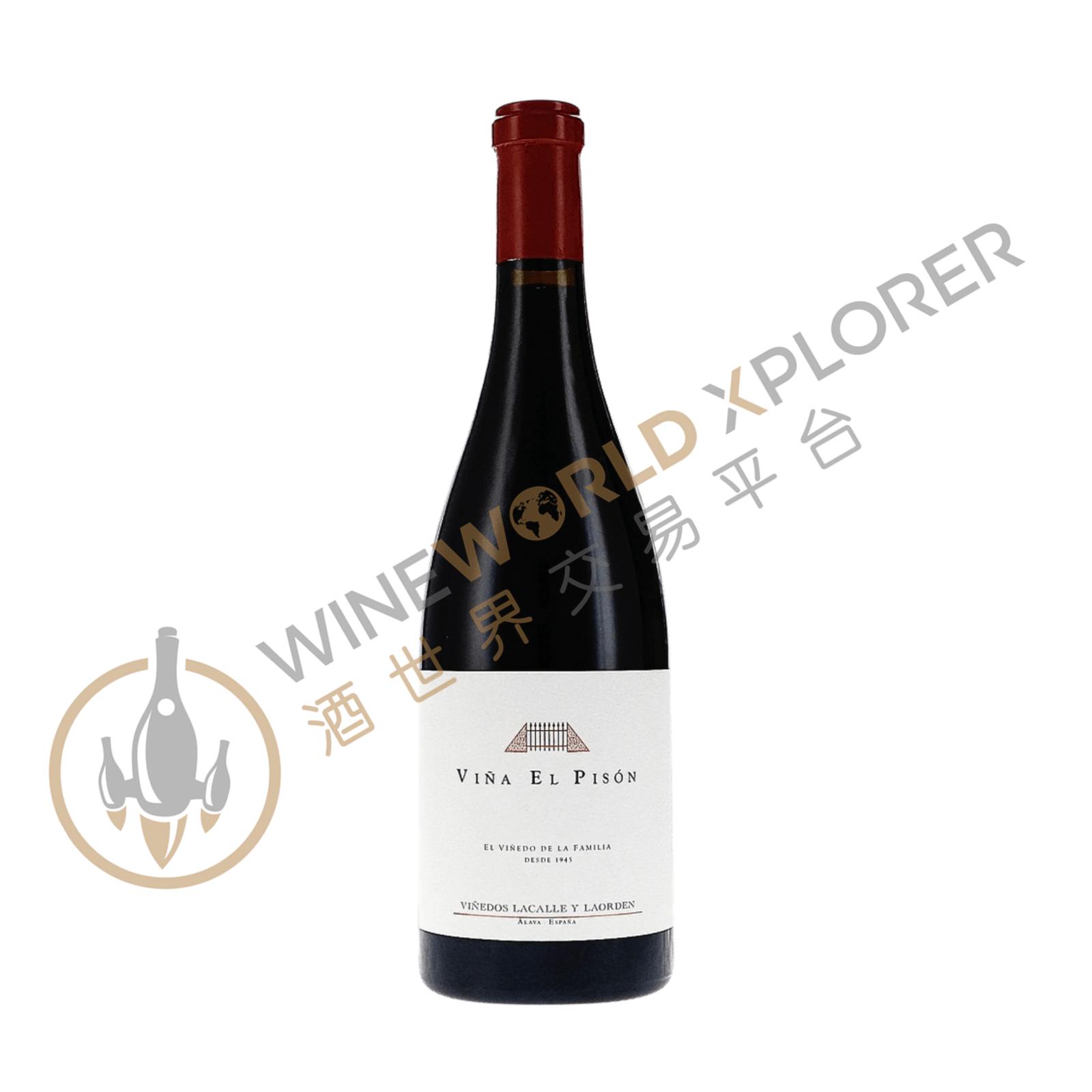
Artadi, Vina El Pison 2009
 View analysis


Description
Tasting notes

Reviewed by: Neal Martin
The 2009 Vina El Pison is born from 67-year-old vines within a real clos rather than the fictitious ones that abound. I could be pedantic and separate it from Juan Carlos- wines under the Artadi umbrella, but like my predecessor, I will include it here. The 2009 has a fresh, floral, Margaux-like bouquet with fine delineation and intensity. The palate is full-bodied with an almost impenetrable carapace of licorice-tinged black fruits, minerals, citrus peel and a powerful, sensual finish. Perhaps impressive more than pleasurable (at the moment), this behemoth will need a decade in the cellar before it will shine. Drink 2022-2040. Artadi was one of several imperative visits during my visit to Rioja, where I met respected winemaker Juan Carlos Lopez de Lacalle. His wines need little introduction, having already garnered glowing reviews in this publication and elsewhere. But what I was interested in discovering was whether Rioja can really exploit the minutiae of its multifarious terroirs and offer genuine nuances in a similar fashion to Burgundy or the Mosel (to give but two examples of regions where place is everything). If there is one man who lives by that philosophy, it is Juan Carlos, who oversees a coveted range of modern style Rioja that receive a generous amount of new French oak. Let us commence with the entry-level Vinas de Gain red and white. The Viura is harvested separately from Juan Carlos's intermixed vineyard and is fermented in 500-liter French oak barrels and kept in stainless steel tanks on the lees with three of four lees-stirring. Importer: Folio Fine Wine Partners, www.foliowine.com in the US, and www.bbr.com in the UK.
Reviewed by: Luis Gutiérrez
I had a glorious bottle of the 2009 Viña El Pisón, a wine I had not drunk for a while, and I thought it was worth sharing the experience because we do not provide enough notes of mature wines that people might drink. The wine is powerful and from a different winemaking era, and it shows it. But with the wines from great terroirs, despite what you do to them, after a decade, the terroir shows. And it does here. The wine is full-bodied and has reminiscences of an élevage in generous new oak, but time has polished the tannins and has blended the flavors of black fruit and spices with earthy notes and makes the wine come through as nicely balanced; there is harmony and complexity. This is in no danger of falling apart anytime soon and should continue developing in bottle for a while.
About the Producer
Artadi is a well-regarded, high-profile wine producer based in the Rioja Alavesa town of Laguardia although famously having left the local Rioja wine body, it produces wines under the Vino de Mesa title. It makes a range of Rioja-style wines albeit with a subregional focus and is perhaps best-known for its single vineyard labels, all made from Tempranillo. The single vineyard labels include El Carretil, La Poza de Ballesteros, Quintanilla, San Lazaro and Valdeginés, as well as the flagship El Pison. The 2004 vintage of El Pison wine received 100 points from American wine critic Robert Parker. Other notable wines include the Pagos Viejos cuvée, the value-level Viñas de Gain and the entry-level Artadi Joven, produced from carbonically macerated Tempranillo and Viura. Artadi also makes a white Viñas de Gain from 100 percent Viura aged in oak as well as a sparkling Cava, also from local Viura. López de Lacalle's wines are fruit-driven and characterized by smooth tannins, showing an emphasis on individual vineyard sites more than aging styles. He also owns the El Sequé estate in Alicante, which makes wine from the Monastrell variety, and Artazu in Navarra, which focuses on the Garnacha grape.
