
 Wine Advisor



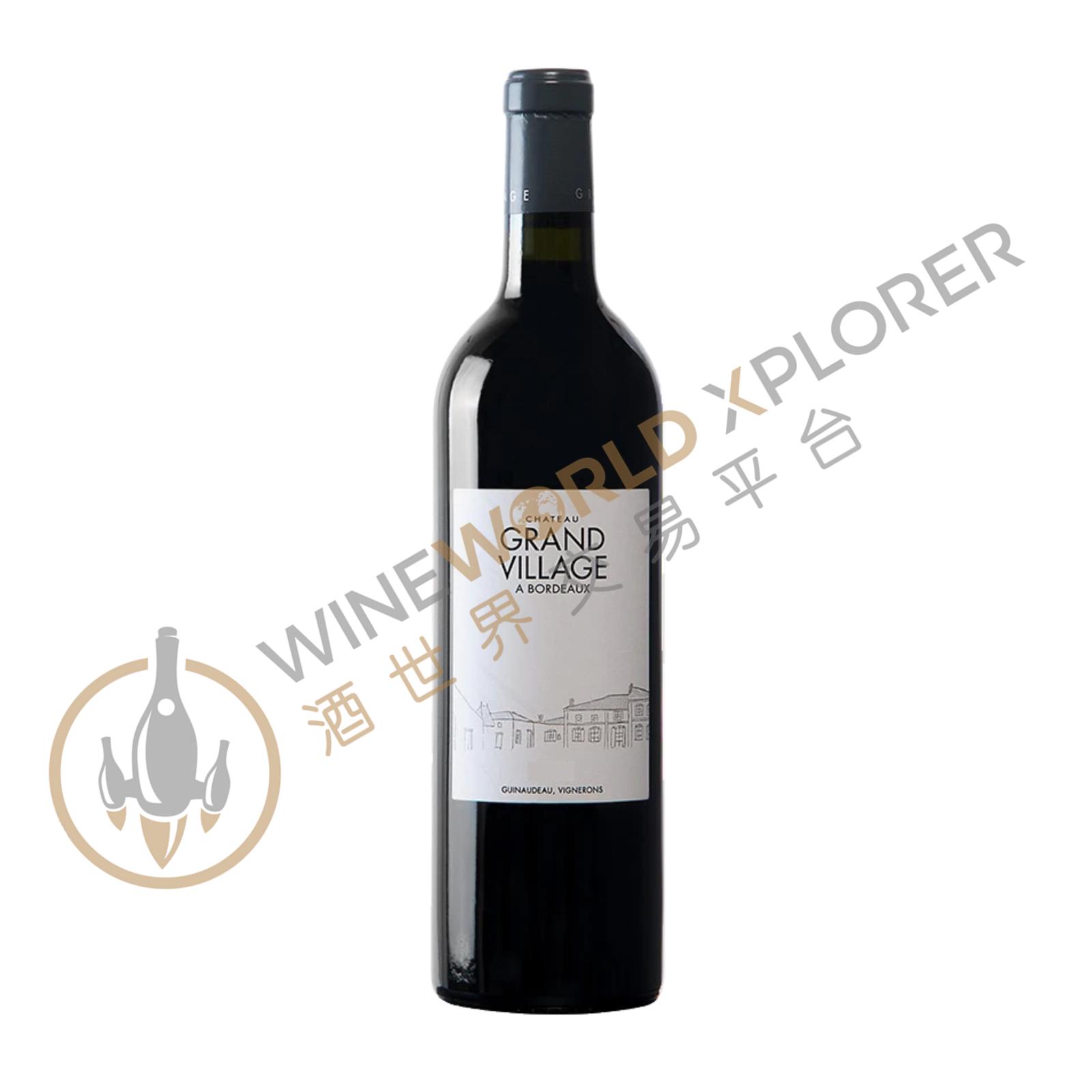
Grand Village 2017
 View analysis


Description
Tasting notes

Reviewed by: Lisa Perrotti-Brown
The blend is 97% Merlot this year—usually, it is around 83% or more Merlot—with the remaining proportion consisting of Cabernet Franc. Medium to deep garnet-purple colored, the 2017 Grand Village leaps from the glass with bold notions of Morello cherries, wild blueberries and blackberry compote plus hints of violets, star anise, pencil lead and menthol. Medium to full-bodied, the palate is solidly structured with firm, ripe, rounded tannins and bold freshness supporting the dense, muscular fruit, finishing long and mineral laced. Only around 4,000 bottles were made, but what has been made is truly impressive.
Reviewed by: Lisa Perrotti-Brown
This vintage of Grand Village has produced just 9% of the production of 2016. Medium garnet-purple in color, the 2017 Grand Village has pretty notes of powdered cinnamon, wood smoke, Bing cherries and black raspberries with a waft of lavender. Medium-bodied and velvety, it has good mid-palate density and a long spicy finish.
Reviewed by: Yohan Castaing
A blend of 97% Merlot and 3% Cabernet Franc, the 2017 Grand Village, the fruit of a frosty vintage, displays a dense, racy bouquet with aromas of strawberries, plums, dark wild berries, pencil lead and flowers intertwined with spicy hints. Medium to full-bodied, fleshy and sappy, its enveloping core of vibrant fruit is underpinned by velvety tannins. Dense, long, and energetic, the finish is endless. Balanced and harmonious, it’s a great effort.
About the Producer
Founded in 1650 by Jacques Verdery, a direct ancestor of the Guinaudeau family, Château Grand Village is the birthplace of the family of vignerons. Grand Village is located just north of the Fronsac appellation, in the small commune of Mouillac. Grand Village is used as the home base for Jacques and Sylvie Guinaudeau and their family. The vineyards of Chateau Grand Village have remained in the hands of the same family since the 17th century. So, the vineyards for Chateau Grand Village were worked in a classic Bordeaux wine, vine-growing manner. In 2000, the Guinaudeau family, who have been in charge of Chateau Lafleur in Pomerol since 1985 began producing the wines of Grand Village. They switched to managing the vineyards of Chateau Grand Village in the same manner as they do at Chateau Lafleur in Pomerol. The vinification techniques began to mirror what they were doing in Pomerol as well, which improved the quality of wines being produced at Grand Village. Chateau Grand Village Vineyards, Terroir, Grapes, Winemaking The 17 hectare Right Bank vineyard of Grand Village is planted to red and white wine grape varietals. For the red wines, 14 hectares of vines were replanted to 80% Merlot and 20% Cabernet Franc. The Cabernet Franc comes from clones planted at Chateau Lafleur. For the white Bordeaux wines, 3 hectares of vines are planted to 75% Sauvignon Blanc and 25% Semillon. The terroir is similar to what you can find in St. Emilion with its mix of clay, limestone, and gravel. Chateau Grand Village uses many of the same vineyard farming techniques employed at their more famous estate, Chateau Lafleur in Pomerol. They practice pruning and de-budding adapted to each vine plant, crop thinning in summer, and de-leafing. The grapes are picked by hand. This is followed by very careful sorting and selection. Chateau Grand Village is vinified in traditional cement vats and is aged 30% new, French oak barrels for an average of 12 months before bottling. New oak barrels are sent to Chateau Lafleur, where they are used for the aging of the Grand Vin and Pensees de Lafleur. On average, the production of Chateau Grand Village is close to 5,500 cases of wine per year.
