 Wine Advisor



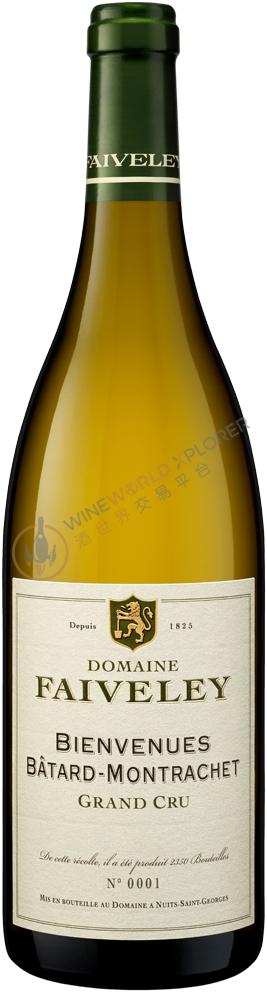
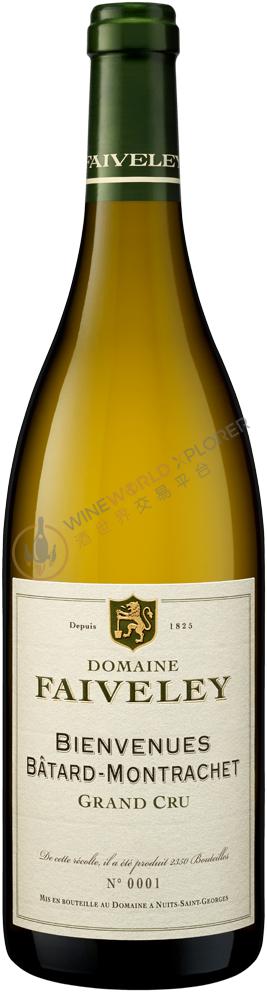
Domaine Faiveley, Bienvenues Batard Montrachet Grand Cru 2017
 View analysis


Description
Tasting notes

Reviewed by: William Kelley
Wafting from the glass with notes of fresh peach, pear, lemon curd, nougat and white flowers, Faiveley's 2017 Bienvenues-Bâtard-Montrachet Grand Cru is full-bodied, fleshy and layered, with a textural attack, fine depth at the core and a chalky, nicely defined finish.
Reviewed by: Neal Martin
The 2017 Bienvenues-Bâtard-Montrachet Grand Cru comes from a parcel acquired in 2008, a half-hectare parcel of around 13 long rows that stretches from the top to the bottom of the Grand Cru and actually continues into the Bâtard-Montachet. This has a well-defined, wet limestone-scented bouquet that feels very focused. The balanced palate displays neatly integrated oak (although there is now no new wood) and a tender, effervescent, sherbet-tinged finish. Excellent.
Reviewed by: Stephen Tanzer
(aging in 30% new and the rest once-used barrels): Bright, pale lemon-yellow with a green tinge. Unusually ripe on the nose for a wine normally marked by its citrus character, projecting aromas of pineapple, coconut, menthol and wet stone lifted by wild herbs. Concentrated and quite primary, with its ripe nectarine fruit framed by harmonious acidity and firm mineral spine. The long finish features a hint of saline chewiness and a light touch. Technical director Flous predicts that the terroir will arrive after the fruit has been digested by the wine.
About the Producer
Domaine Faiveley has a reputation in Burgundy that is as famous as it is. This is because it has more than 130 hectares of vineyards on a very small piece of land, almost all of them in the famous Cote d'Or and Cote Chalonnaise. Three quarters of the 50 hectares of the Côte d'Or vineyards are classified as Grand Cru or Premier Cru. More than 85% of the wines produced by Château Favillet come from its own vineyards. This strength is the result of six generations of tireless work by the Favillet family. Founded in 1852 by the Faiveley family, Château Faiveley is now run by Francois Faiveley. François invested heavily in hiring experts to analyse the soil quality of the vineyards and then apply relevant organic fertilisers to adjust the soil composition. He uses a number of methods to control yields, such as removing excess buds and retaining older vines. When it comes to harvesting the grapes, the traditional hand-picking method is used. This method is quite time consuming, but it is the only way to ensure the quality of the grapes. In Burgundy, it takes the average winemaker around a week to complete the harvesting process. Only an extravagant winemaker such as Favelle would go to the trouble of employing a team of 400 pickers to complete the harvest in a day or two. At the winery, the grapes are then carefully hand-selected before they can go through the fermentation process on the skins. After pressing, all the Favelle wines from the Grand Cru or Grand Cru vineyards are aged in new oak barrels and bottled unfiltered, in their original state, to reveal the complexity of the wine's personality. In addition to the strict control of the winemaking process, the Favelle range is constantly seeking to diversify its product range. Having acquired a large number of Nuits-St-Georges Grand Cru wines, François relied on his contacts to exchange vineyards with friends in order to diversify the range. He swapped red wines from the Beaune appellation and white wines from Aligote in the Cote Chalonnaise appellation, thus enriching the range of appellations and products he owned. Robert Parker once said of Château Favillé: "The only Burgundian winemakers today who can surpass Favillé in quality are probably Château Romanée-Conti (DRC) and Domaine Leroy! "