
 Wine Advisor



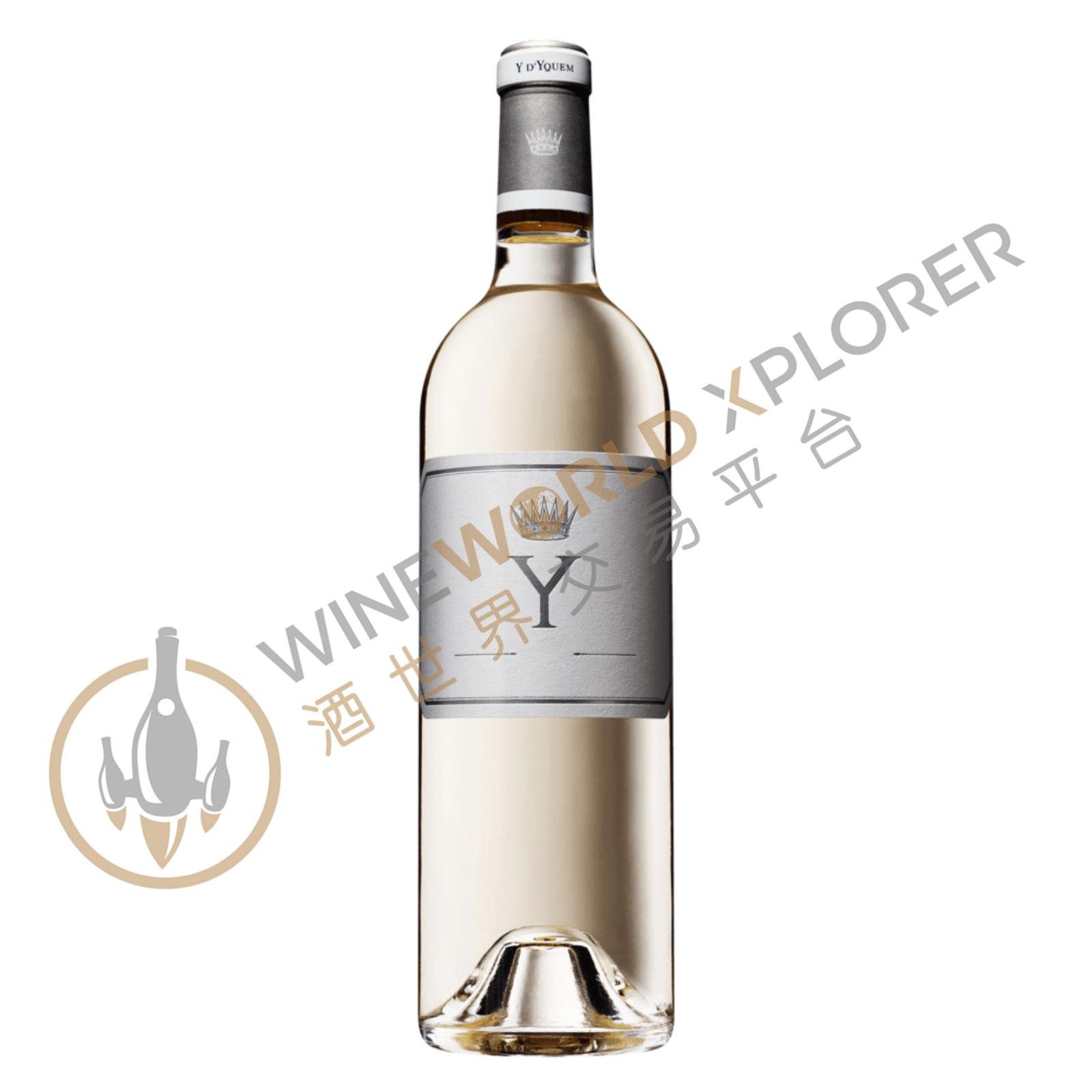
d'Yquem, Y Ygrec 2012
 View analysis


Description
Tasting notes

Reviewed by: Robert M. Parker, Jr.
A dry white wine made from two-thirds Semillon and one-third Sauvignon from the vineyards of Yquem, Ygrec was first introduced in 1959, and around 1,000 cases are produced each year. An exquisite white Bordeaux, while it does possess a high level of residual sugar (8%-9%), 90% of the people who taste it would say it is completely dry because of its high acids and low pH. A brilliant effort, the 2012 was harvested between September 25 and October 25. It should drink well for 8-12 years. Note: I was unable to taste the 2013 Ygrec because the final blend had not yet been assembled, so I am including the 2012. It appears the 2013 will be composed of equal parts Semillon and Sauvignon.
About the Producer
Chateau d'Yquem is located in the north-eastern part of the Sauternes wine producing village in the Bordeaux region of France and is one of the most prestigious chateaux in the Graves Sauternes appellation. It was named a Premier Cru Superieur in the 1855 Sauternes and Barsac Classification, the only Bordeaux chateau to be awarded this distinction. At the end of the 19th century, a barrel of wine was bought by the Grand Duke Constantine for 20,000 gold francs, a news story that grabbed the headlines and made Château Djinn famous at home and abroad. At the end of the 20th century, the French luxury goods giant Moet Hennessy-Louis Vuitton (LVMH) bought a majority stake in Château Djinn for a large sum of money and became the majority shareholder, thus opening a new chapter in the development of Château Djinn. Château Djinn has 113 hectares of vineyards, of which only 100 are in constant production. Every year, 2-3 hectares of old vines are pulled out of the vineyard and the land is left fallow for a year, while the newly planted vines do not produce any grapes for the first 5 years of the vintage. The vineyard has a top soil of pebbles and coarse gravel, which absorbs heat very well, and a subsoil of clay, which has good water storage capacity. The vineyard is planted with 75% Semillon and 25% Sauvignon Blanc. The vineyard is pruned to reduce yields by pruning and controlling the size of the canopy to increase the flavour concentration of the fruit. During the harvest season, the winery employs a large number of people to hand-pick the ripest grapes and those that have been properly infested with noble rot. The harvest is usually carried out in 5 or 6 rounds and is very rigorous. The picked grapes are sent to the winery within an hour, after which the grapes are pressed for 3-4 rounds, increasing the sugar content and quality of the juice with each pressing. The fermentation takes place in oak barrels, only new barrels made of good quality oak, during which the wine is closely monitored and its condition is regularly analysed. The finished wine is aged separately for 6-8 months, after which the winemaker blends the wine in the following spring and discards those wines that do not meet the requirements. The blended wine is then matured in the cellars for 20 months, during which time the barrels are refilled twice a week and the wine is decanted 15 times to remove the coarse sludge, while the fine sludge is removed by a clarification process. At the end of the maturation, the winemaker conducts a blind tasting to re-qualify the wine and determine the final percentage of the blend for the Grand Cru. Château d'Yquem, Sauternes, France, the main wine of Château d'Yquem, is known for its complex, concentrated and rather sweet taste, with crisp acidity and a well-balanced sweetness, and its excellent ageing potential. The wine has excellent potential to age for a century or more in some vintages, and with time the aromas and flavours become more complex and attractive, with the wine gradually changing colour from bright straw yellow to golden brown, amber and caramel. The wine has received full 100 points from Robert Parker and his team for the 1811, 1847, 1945, 2001, 2009 and 2015. The estate also produces a secondary wine, Chateau d'Yquem "Y", Bordeaux, France, which is a powerful dry It is a powerful dry white wine, usually made from Sauvignon Blanc and a small amount of Semillon, with an average annual production of around 10,000 bottles, usually with an alcohol content of 14% and a very rich and balanced nose and flavour, with a subtle sweetness.
