 Wine Advisor



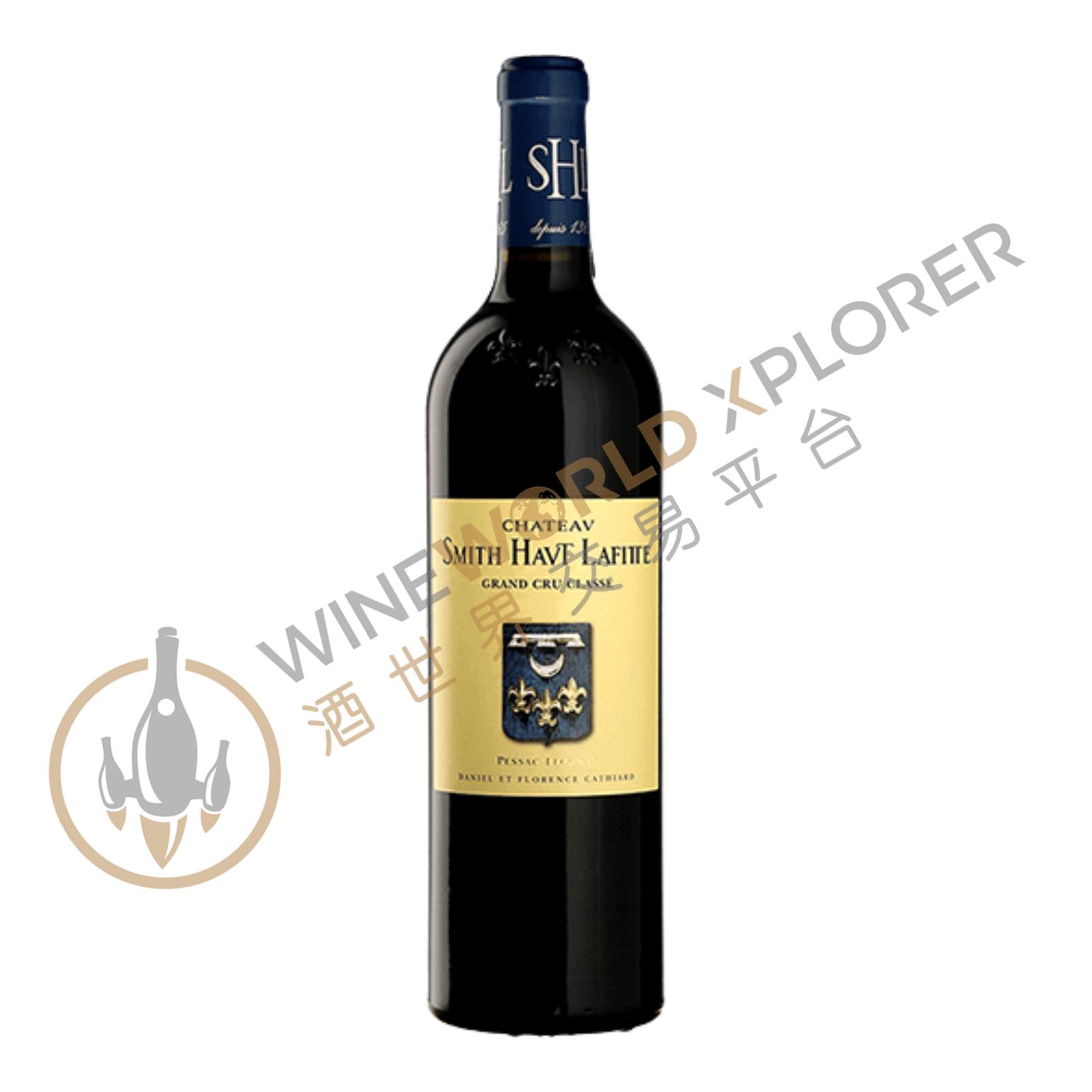
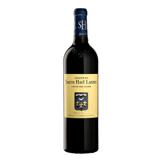
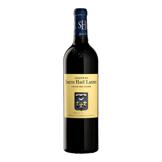
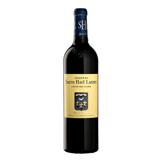
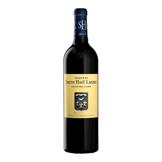
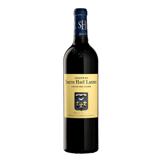
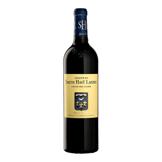
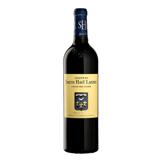
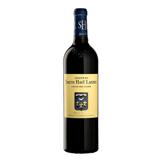
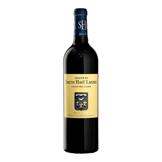
Smith Haut Lafitte 2003
 View analysis


Description
Tasting notes

Reviewed by: Robert M. Parker, Jr.
A beauty of cassis, plum, tobacco leaf and spice, this dark plum/purple-hued, medium to full-bodied 2003 reveals sweet, round, cassis flavors. It has reached full maturity, but shows no signs of decline, and should continue to hold at this plateau for another decade. Although the 2003 is not up to the perfect levels of the 2009 and 2010, it is unquestionably a noteworthy success in a vintage that did not favor Pessac-Leognan.
Reviewed by: Neal Martin
In barrel I thought that this was not dissimilar to Pape-Clement 2003. After bottling it seemed to build upon its potential with an attractive peppery, earthy nose with good definition. Not as overdone as other wines. The palate is medium-bodied, well balanced with moderate acidity. Notes of tobacco, black cherries and espresso on the finish. A harmonious and well knit wine, not a long-term proposition but very fine for the vintage. Tasted October 2005.
Reviewed by: Robert M. Parker, Jr.
Surprisingly soft (a characteristic of this low acid, ripe year), the 2003 Smith-Haut-Lafitte displays a deep plum/purple color as well as an attractive perfume of roasted coffee, spice box, earth, and copious quantities of red and black fruits. As it sits in the glass, scents of white chocolate and coffee emerge. With low acidity and ripe fruit (the jammy black currant and cherry characteristics reveal unexpected freshness), this evolved Pessac-Leognan is best consumed between 2005-2014.
Reviewed by: Robert M. Parker, Jr.
The opulent, accessible 2003 offers a dense plum/ruby-tinged color and a big, sweet bouquet of creme de cassis, smoked herbs, lead pencil, and subtle wood. It is a deep, fleshy, medium to full-bodied offering with low acidity, a plump, opulent texture, and a heady finish. Enjoy this beauty over the next 15+ years.
Reviewed by: Neal Martin
Tasted blind at Farr Vintner’s Left Bank tasting. Very little on the nose: subdued dark broody earthy fruit, touched of singed leather and sage, the oak dominant at the moment. The palate is well balanced with firm tannins matched with good fruit intensity and certainly more freshness than its peers, with a buoyant, blackberry and mint tinged finish. The Cathiard’s have fashioned a wine that is evolving better than many of its Pessac peers. Tasted October 2010.
Reviewed by: Robert M. Parker, Jr.
Broad, expansive, and more forward in style than usual, this deep ruby/purple-colored wine offers aromas of scorched earth, espresso roast, sweet plum and black currant fruit, and a hint of white chocolate. Full-bodied, with elegance allied with fleshy tobacco and spice box notes, it is a chewy, fleshy, attractive, pure example of Smith-Haut-Lafitte. Anticipated maturity: 2007-2020. An estate run impeccably by the Cathiard family, Smith-Haut-Lafitte has been one of the bright shining stars of Bordeaux since the mid-1990s.
Reviewed by: Neal Martin
Tasted at Bordeaux Index’s “10-Year On” tasting in London. The 2003 Smith Haut Lafitte has a composed bouquet that is showing better than its peers. No, there is not a surfeit of vigour, but there is plenty of dark cherry, boysenberry and mint fresh notes that are nicely defined. The palate is medium-bodied with fine tannins, a decent core of blackberry fruit infused by cedar and graphite with a composed, forthright finish that leaves you wanting to take another sip. This is a successful wine for the vintage. Tasted March 2013.
Reviewed by: Neal Martin
Tasted at the chateau. This has a ripe, “soft” nose of red-berried fruits, wild strawberry, a touch of mulberry and sandalwood. Moderate definition. The palate is medium-bodied, quite restrained for a 2003 with very good balance, though at the expense of intensity. No problem in my book because I find this fresher and more enjoyable to imbibe than other wines of the vintage. Harmonious, dried blood finish, less depth than I was expecting with a fine off-dry finish. My type of ’03. Drink now-2016. Tasted September 2008.
About the Producer
Chateau Smith Haut Lafitte is located in the village of Martillac in the Pessac-Leognan appellation, south of Bordeaux, France, and is a Grand Cru of the Graves appellation. The Château Smith Haut Lafitte complex is quite large, with a château, winery and large underground cellars, as well as a sizeable resort hotel (Les Sources de Caudalie), the Caudalie Vinotherapie Spa, the Caudalie restaurant, and the gardens, water and wine garden. The courtyard also features gardens, flowing water and a number of artistic sculptures, including a sculpture by Barry Flanagan called "The Flying Rabbit", as well as wonderful works by Chinese sculptor Huang Yongping and Italian artist Mimmo Paladino, among others. The Smith Haut Lafitte winery Smithers Lafitte has 78 hectares of vineyards planted with 60% Cabernet Sauvignon, 30% Merlot, 9% Cabernet Franc and 1% Petit Verdot, while the white varieties include 90% Sauvignon Blanc and 5% Petit Verdot. Sauvignon Blanc, 5% of Sauvignon Gris and 5% of Semillon. The average age of the red vines is 38 years and the average age of the white vines is 40 years. The wines are fermented in stainless steel tanks or in large oak barrels, depending on the variety and the plot. After fermentation, the red wines are aged for 18 months in 60% new barrels and the white wines for 12 months in 50% new barrels. The wines are not filtered before bottling and have a unique, slightly smoky aroma that fully reflects the true nature of the Graves origin. The winery is currently being upgraded and will be 100% gravity-fed when the renovation is complete. The grapes are harvested at perfect ripeness, gently broken and fermented to extract the smoothest and softest tannins and flavours, and the wine is then aged for several years to reveal its qualities: crisp and complex aromas, balanced and full-bodied, elegant and firm on the palate. Currently, Château Smith Lafitte produces six wines: one red and one white, one red and one white, two secondary wines called Le Petit Haut Lafitte, and one red and one white, two tertiary wines called "Les Hauts de Smith". Château Smith Lafitte has stabilised in recent years, receiving high ratings from critics and the press in several vintages, and has been well received by the market. The top vintages of the winery into the 20th century are 2005, 2009, 2010, 2014, 2015, 2016, 2017 and 2018.
1996(1)1997(1)1998(3)2000(3)2001(2)
Package Size