
 Wine Advisor



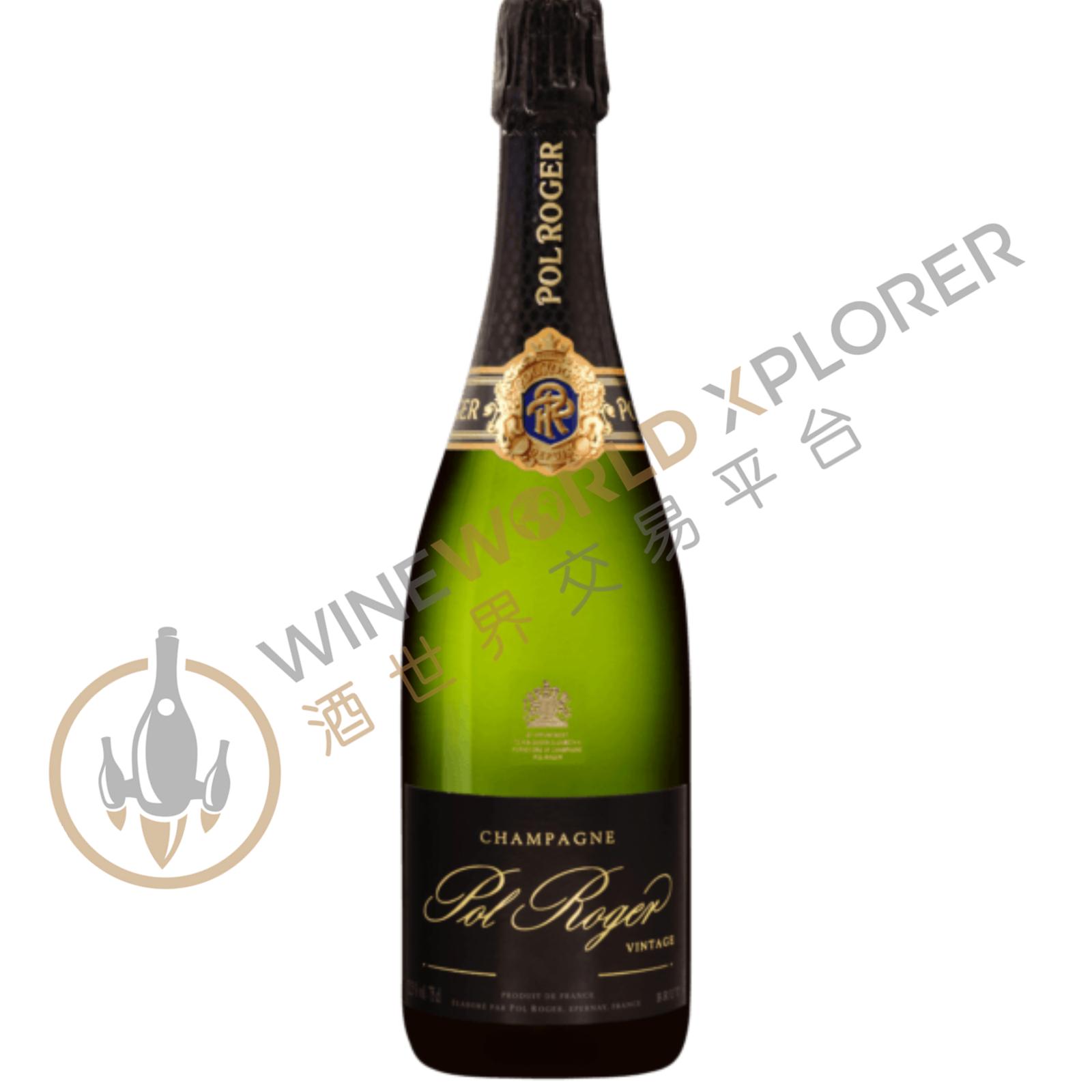
Pol Roger, Brut Vintage 2016
 View analysis


Description
Tasting notes

Reviewed by: Yohan Castaing
The 2016 Brut Vintage reveals a complex, gourmand bouquet with aromas of ripe orchard fruits, nectarine, pastry, nuts, sweet spices and ripe white fruits, signs of a warm vintage. Full-bodied, broad and vinous with a fleshy core of fruit, it’s rich and elegant with a penetrating, saline finish. It will drink at its peak in five to 10 years.
About the Producer
Located in the town of Epernay in the Champagne region, Pol Roger Champagne was founded in 1849 by Pol Roger, a Champagne man from Aix-en-Provence. Over the next 50 years, Pol Roger built the estate into one of the most respected in Champagne and established it as a solid trading cornerstone in the UK. After his death, the estate passed into the hands of his sons Maurice and Georges. The two brothers had their own specialities, Maurice being very open to the public and Georges preferring to stay in the blending room and tasting room, and it was in their hands that the Champagne de la Vignoble continued to flourish. The Champagnes are now made from 55 hectares of vineyards, mostly in or around Epernay. Made from grapes grown in 18 vineyards in the Epernay region, it is a rich, deep, full-bodied wine with the vibrancy and finesse that characterise the best Champagnes. Its Reserve Champagnes can last 30 years or more, longer than the best French red wines. Another of the estate's outstanding Champagnes is the Chardonnay Blanc de Blancs, which is also one of the world's finest white in white Champagnes, made from only Chardonnay from the best vineyards in the Cramant, Le Mesnil, Oger and Avize regions. The Chardonnay Blanc de Blancs is perhaps the estate's sexiest and most glamorous, ready to drink at a young age and with less ageing capacity than the Reserve and the famous Sir Winston Churchill Memorial Champagne. Today, after a century and a half of development, traditional and modern elements can be found in all aspects of the vinification process at Château Paulus. The most direct manifestation of this modernity is in the fermentation plant, with its neat and shiny stainless steel fermenting tanks, hinting at a departure from the days of first fermentation and storage in wooden barrels. It was around the 1930s that the estate decided to move away from barrel fermentation and started using concrete tanks for fermentation and later stainless steel fermenters. This modern equipment allowed for better temperature control during fermentation and clarification, resulting in a cleaner, more consistent and better quality fermented wine. Château Paulot was one of the first champagne houses to make this change.
