
 Wine Advisor



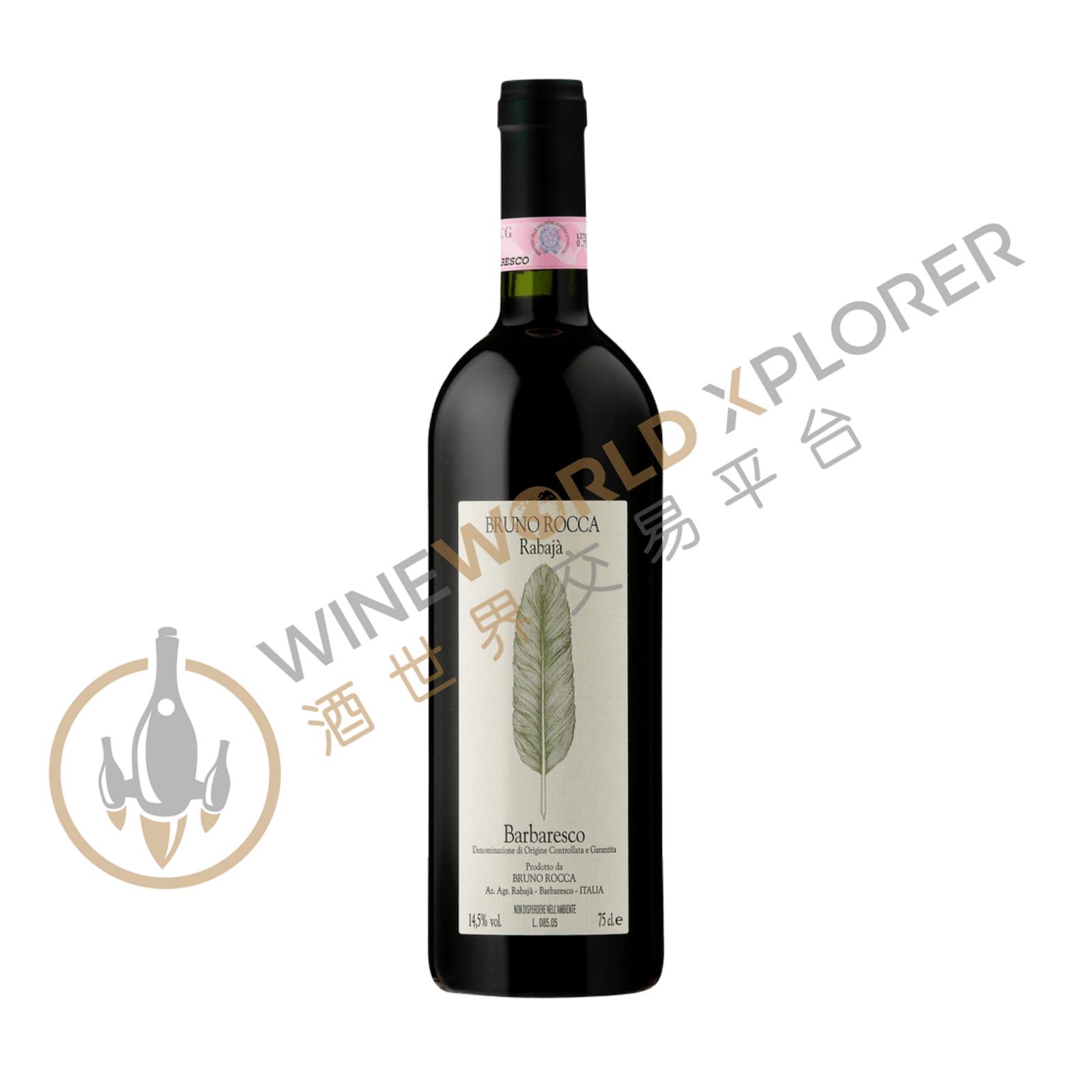
Bruno Rocca, Barbaresco Rabaja 2021
 View analysis


Description
Tasting notes

Reviewed by: James Suckling
Fresh and transparent, with aromas of violets, red currants, wild strawberries and licorice. Full-bodied, this Barbaresco shows refinement, with firm, muscular yet tamed tannins, tight-knit acidity and a dense, elegant finish. A great wine intended for cellaring. Best from 2031.
About the Producer
Bruno Rocca is a critically well-regarded, family-owned wine estate based in the Barbaresco region of Piedmont, in northwest Italy. It makes wines from various Piemontese appellations and varieties but is best known for its complex, refined, aromatic Nebbiolo wines from the Barbaresco DOCG. For many decades the family operated a mixed farm, but the modern estate began to take shape in 1958, when the family moved from the centre of Barbaresco to the south of the prized Rabajà zone and bought some prime vineyards. Initially, the harvested grapes were sold to the Barbaresco co-operative. This continued until 1978, when Bruno Rocca took over the estate and made the first wines under the family name. In the 1990s, the winery gained an international reputation and began to acquire further vineyards. In all, there are about 15 hectares (37 acres) of estate vineyards, including the 3.5-hectare (8.6-acre) plot in Rabajà (where there is also some Dolcetto) and plots in four further Barbaresco crus (vineyards), with some Chardonnay and Barbera alongside the Nebbiolo. Further from home, the company owns three hectares (7.5 acres) in the Monferrato Astigiano area, devoted to Barbera d'Asti. The winemaking style at Bruno Rocca is generally regarded as "modernist". Barbaresco grapes are fermented in wooden vats, with stainless steel tanks used for other wines. Individual vineyards are vinified separately, with larger vineyards divided into plots. Fermentations use native yeasts and have medium-to-long maceration times (on skins). Grapes are destemmed prior to ferment although ferments are almost entirely whole grapes (i.e. the grapes are not crushed following destemming), with delicate pumpovers and no punchdowns. The aim is to keep skins as intact as possible until the fermented wine is run off or pressed. Thereafter, aging takes place in carefully specified French oak barriques and larger barrels (tonneaux).
