
 Wine Advisor



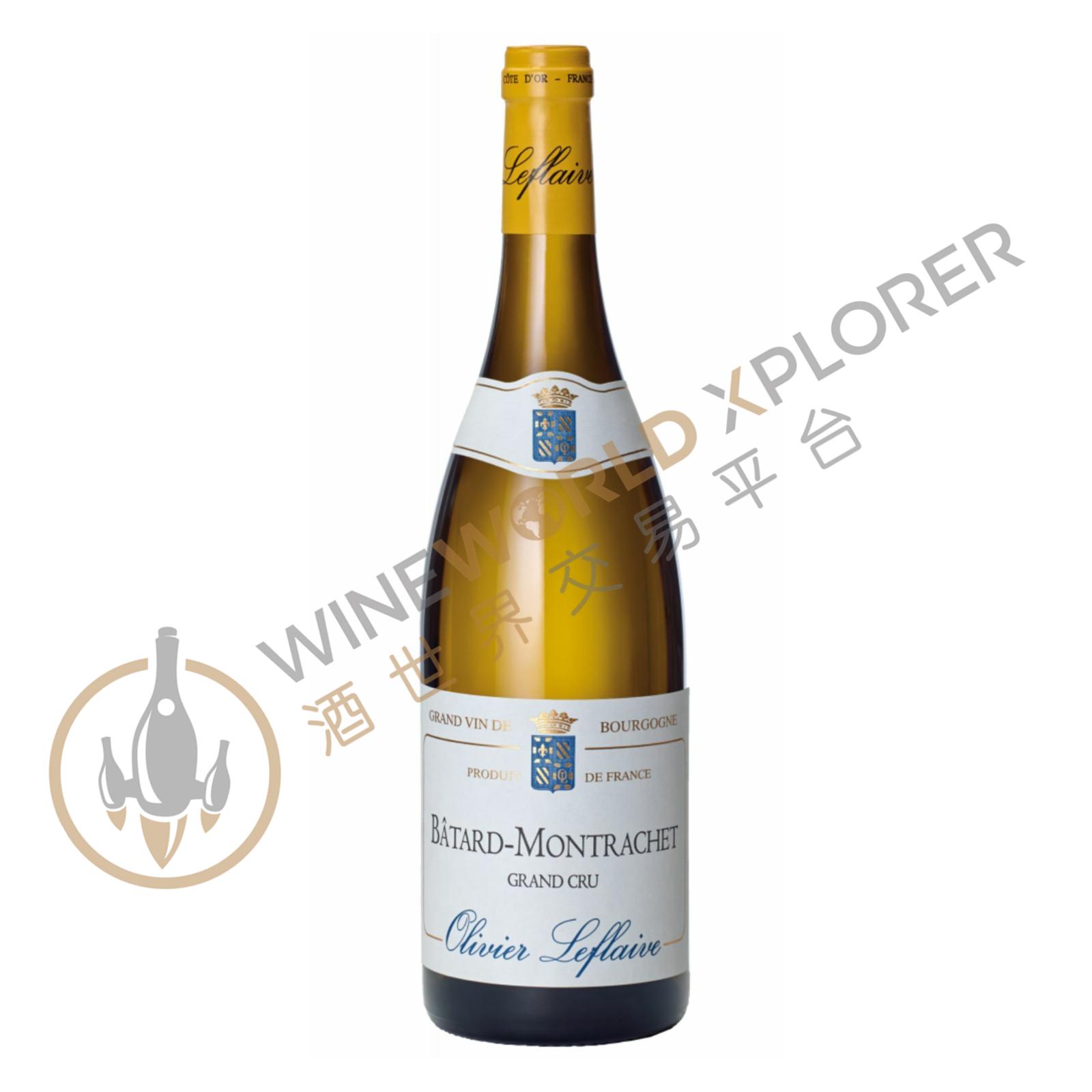
Leflaive, Batard Montrachet Grand Cru 2018
 View analysis


Description
Tasting notes

Reviewed by: James Suckling
This teeters towards opulence, but the bright acidity, flinty reduction and very precise winemaking enable it to retain excellent balance. In spite of the ripeness and concentration, this remains graceful, the tannins and minerality building at the expressive finish, where everything fits beautifully. From biodynamically grown grapes. Drinkable now, but best from 2023.
Reviewed by: William Kelley
Full-bodied, rich and concentrated, the 2018 Bâtard-Montrachet Grand Cru is a textural, elegantly muscular wine evocative of pear, toasted almonds, white flowers, peach and vanilla pod. Layered and powerful, it concludes with a long, saline finish. It's more dramatic and broader-shouldered than the suave, seamless Bienvenues-Bâtard-Montrachet this year.
Reviewed by: William Kelley
The 2018 Bâtard-Montrachet Grand Cru is powerful and muscular, opening in the glass with notions of orange oil, peach, white flowers, beeswax and warm bread. On the palate, it's full-bodied, deep and introverted, with a broad-shouldered, textural profile, serious reserves of concentration and lively balancing acids, concluding with a saline finish.
Reviewed by: Neal Martin
The 2018 Bâtard-Montrachet Grand Cru has a touch more pungency compared to the Bienvenue, but perhaps not quite the same alluring charm, at least at this primordial stage. The palate is where it’s at: supremely well balanced, exuding a sense of coiled-up energy countered by a dense, persistent finish. A bit of a beast, but time will tame it.
About the Producer
Domaine Leflaive, based in Puligny-Montrachet, is one of the most important producers in the Côte de Beaune. Focusing almost entirely on white wines made from Chardonnay, the Domaine makes four grand cru wines and four premier crus in Puligny-Montrachet. The Domaine was founded by Joseph Leflaive, a former engineer. In 1905, he purchased vineyards in Puligny-Montrachet which had been ravaged by phylloxera, and set about replanting and expanding them. Upon his death in 1953, his sons Vincent and Jo took over the running of the estate, and are widely credited with building up the reputation that Leflaive enjoys today. In 1990, cousins Anne Claude and Olivier Leflaive took over the running of the estate, with Olivier leaving in 1994 to run his own negociant business. Anne Claude converted the vineyards to biodynamics and is considered a pioneer of that movement in Burgundy. After her death in 2015, her nephew Brice de la Morandiere has taken over the running of Domaine Leflaive. Domaine Leflaive's most important wine is arguably the Montrachet Grand Cru, which, depending on vintage, can fetch upwards of $5000 a bottle. The domaine also has land in Chevalier-Montrachet, Batard-Montrachet, and Bienvenues-Batard-Montrachet, and makes a grand cru wine from each. Additional to this, there are several premier cru wines, the most important of which is probably the Les Clavoillon, which was one of the wines included in the 1976 Judgment of Paris. Domaine Leflaive also makes a sole red wine from Pinot Noir under the Blagny Sous le Dos d'Ane Premier Cru title.
