
 Wine Advisor



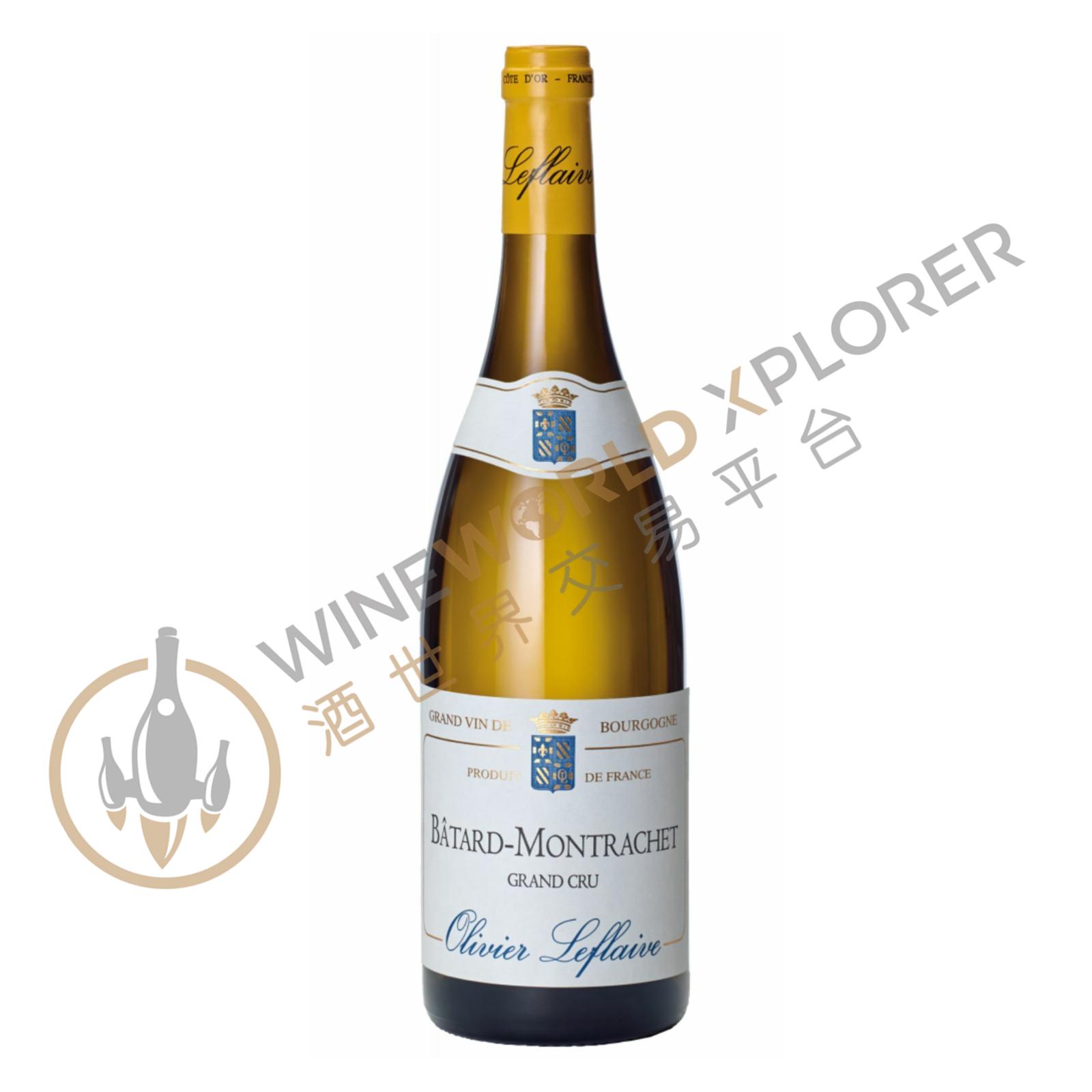
Leflaive, Batard Montrachet Grand Cru 2014
 View analysis


Description
Tasting notes

Reviewed by: Neal Martin
The 2014 Bâtard Montrachet Grand Cru has a more powerful bouquet than the Bienvenue-Bâtard-Montrachet, very energetic with fresh pear, white peach and citrus fruit. The palate is nicely balanced but does not quite offer the detail and precision of the Bienvenue at the moment. It's a grand cru that will hopefully up its game by the time of bottling, because on this showing, it is surpassed by the 2014 Bienvenue.
Reviewed by: Neal Martin
The 2014 Batard Montrachet Grand Cru was a wine that did not quite set my world of fire when I tasted it from vat last year when I preferred the Bienvenue-Bâtard-Montrachet. Reacquainting myself with the wine in bottle, I was not convinced to alter that opinion. Leaving it to open for 5-10 minutes in the glass, the grand cru does open up with fresh pear and white peach scents, overtaken by granitic aromas over several minutes. The palate is clean and fresh on the entry with an attractive spicy, white pepper note in the background that comes forward towards the finish that offers commendable weight. What it lacks is just a bit of tension and energy, while I found just as much persistence but no more than the 2014 Les Pucelles. Perhaps it will improve down the line as Bâtard-Montrachet always does, but compared not only to its peers but to the 2015 as well, this just falls a little short. Tasted December 2016.
Reviewed by: Stephen Tanzer
Pale yellow with green highlights. Deeper and leesier on the nose than the Bienvenues, with ripe peach and hazelnut aromas complicated by sexy reduction. Large-scaled and powerful but not heavy, and totally different in style from the Bienvenues. Thick, plump and adamantly dry, with harmonious acidity giving shape to the wine's very ripe stone fruit and pineapple flavors. In a rather masculine style and not yet explosive, rather like a barrel sample. The phenolic, firmly structured finish leaves behind citrus and mineral notes.
Reviewed by: Stephen Tanzer
Bright, pale yellow. Deeply pitched, slightly reduced aromas of stone fruits, pineapple and honey. Fatter and sweeter than the Bienvenue, then broader and more powerful on the back half, showing a ripe pineapple character but coming across as bone-dry. Less harmonious than the Bienvenue and a bit more phenolic on the back end. This wine will need a good seven or eight years of cellaring.
About the Producer
Domaine Leflaive, based in Puligny-Montrachet, is one of the most important producers in the Côte de Beaune. Focusing almost entirely on white wines made from Chardonnay, the Domaine makes four grand cru wines and four premier crus in Puligny-Montrachet. The Domaine was founded by Joseph Leflaive, a former engineer. In 1905, he purchased vineyards in Puligny-Montrachet which had been ravaged by phylloxera, and set about replanting and expanding them. Upon his death in 1953, his sons Vincent and Jo took over the running of the estate, and are widely credited with building up the reputation that Leflaive enjoys today. In 1990, cousins Anne Claude and Olivier Leflaive took over the running of the estate, with Olivier leaving in 1994 to run his own negociant business. Anne Claude converted the vineyards to biodynamics and is considered a pioneer of that movement in Burgundy. After her death in 2015, her nephew Brice de la Morandiere has taken over the running of Domaine Leflaive. Domaine Leflaive's most important wine is arguably the Montrachet Grand Cru, which, depending on vintage, can fetch upwards of $5000 a bottle. The domaine also has land in Chevalier-Montrachet, Batard-Montrachet, and Bienvenues-Batard-Montrachet, and makes a grand cru wine from each. Additional to this, there are several premier cru wines, the most important of which is probably the Les Clavoillon, which was one of the wines included in the 1976 Judgment of Paris. Domaine Leflaive also makes a sole red wine from Pinot Noir under the Blagny Sous le Dos d'Ane Premier Cru title.
