
 Wine Advisor



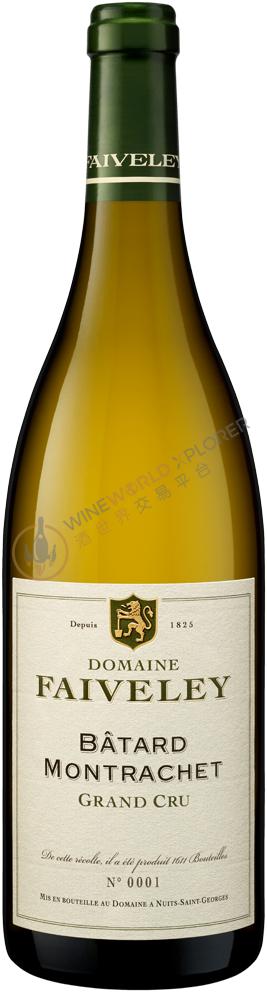
Domaine Faiveley, Batard Montrachet Grand Cru 2017
 View analysis


Description
Tasting notes

Reviewed by: William Kelley
Aromas of fresh pear, ripe citrus fruit, dried white flowers and praline introduce the 2017 Bâtard-Montrachet Grand Cru, a full-bodied, elegantly textural wine with a ripe core of fruit, excellent tension at the core, bright acids and chalky structuring extract, concluding with a lively, saline finish. Nicely integrated and impressively complete, it's one of the finer Bâtards I've tasted from Faiveley.
Reviewed by: William Kelley
Domaine Faiveley's 2017 Bâtard-Montrachet Grand Cru is showing very well, unfurling in the glass with notes of Anjou pear, white peach, orange oil, white flowers and an elegant top note of nutmeg. On the palate, it's full-bodied, satiny and supple, with lively acids, excellent concentration and a precise finish. This is a beautifully balanced Bâtard that represents a decidedly elegant interpretation of this sometimes hulking and massive Grand Cru.
Reviewed by: Neal Martin
The 2017 Bâtard-Montrachet Grand Cru has a more introspective bouquet compared to the Bienvenue, perhaps more malic, with a subtle, almost algal scent. The palate is very precise, maybe a bit meaner and more Chablis-like than the Bienvenue, but almost Zen-like toward the finish. It does not have the charm of the Bienvenues and frankly, it isn’t trying to. This is more a cerebral, terroir-driven wine.
Reviewed by: Stephen Tanzer
Pale yellow. Inexpressive and backward on the nose but quite pure, hinting at pineapple, white peach, citrus peel and menthol. Then juicy and penetrating in the mouth, conveying a stronger impression of acidity and salinity than the Bienvenue; this wine is more floral, while the Bienvenue shows more lemon and mandarin orange fruitiness. Here the easy fruit is already disappearing and the terroir is beginning to emerge owing to a very early malolactic fermentation (in January), but this powerful, sappy grand cru will need time to evolve in bottle.
About the Producer
Domaine Faiveley has a reputation in Burgundy that is as famous as it is. This is because it has more than 130 hectares of vineyards on a very small piece of land, almost all of them in the famous Cote d'Or and Cote Chalonnaise. Three quarters of the 50 hectares of the Côte d'Or vineyards are classified as Grand Cru or Premier Cru. More than 85% of the wines produced by Château Favillet come from its own vineyards. This strength is the result of six generations of tireless work by the Favillet family. Founded in 1852 by the Faiveley family, Château Faiveley is now run by Francois Faiveley. François invested heavily in hiring experts to analyse the soil quality of the vineyards and then apply relevant organic fertilisers to adjust the soil composition. He uses a number of methods to control yields, such as removing excess buds and retaining older vines. When it comes to harvesting the grapes, the traditional hand-picking method is used. This method is quite time consuming, but it is the only way to ensure the quality of the grapes. In Burgundy, it takes the average winemaker around a week to complete the harvesting process. Only an extravagant winemaker such as Favelle would go to the trouble of employing a team of 400 pickers to complete the harvest in a day or two. At the winery, the grapes are then carefully hand-selected before they can go through the fermentation process on the skins. After pressing, all the Favelle wines from the Grand Cru or Grand Cru vineyards are aged in new oak barrels and bottled unfiltered, in their original state, to reveal the complexity of the wine's personality. In addition to the strict control of the winemaking process, the Favelle range is constantly seeking to diversify its product range. Having acquired a large number of Nuits-St-Georges Grand Cru wines, François relied on his contacts to exchange vineyards with friends in order to diversify the range. He swapped red wines from the Beaune appellation and white wines from Aligote in the Cote Chalonnaise appellation, thus enriching the range of appellations and products he owned. Robert Parker once said of Château Favillé: "The only Burgundian winemakers today who can surpass Favillé in quality are probably Château Romanée-Conti (DRC) and Domaine Leroy! "
