 Wine Advisor



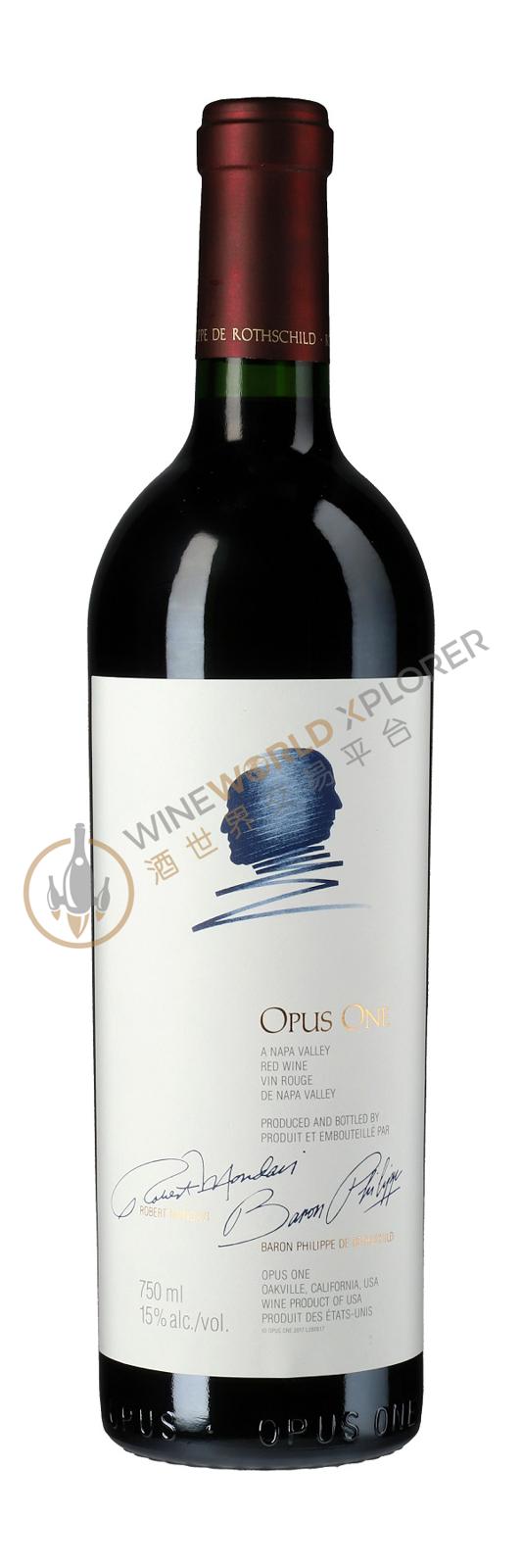
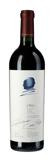
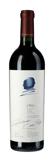
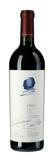
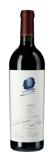
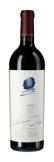
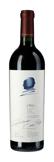
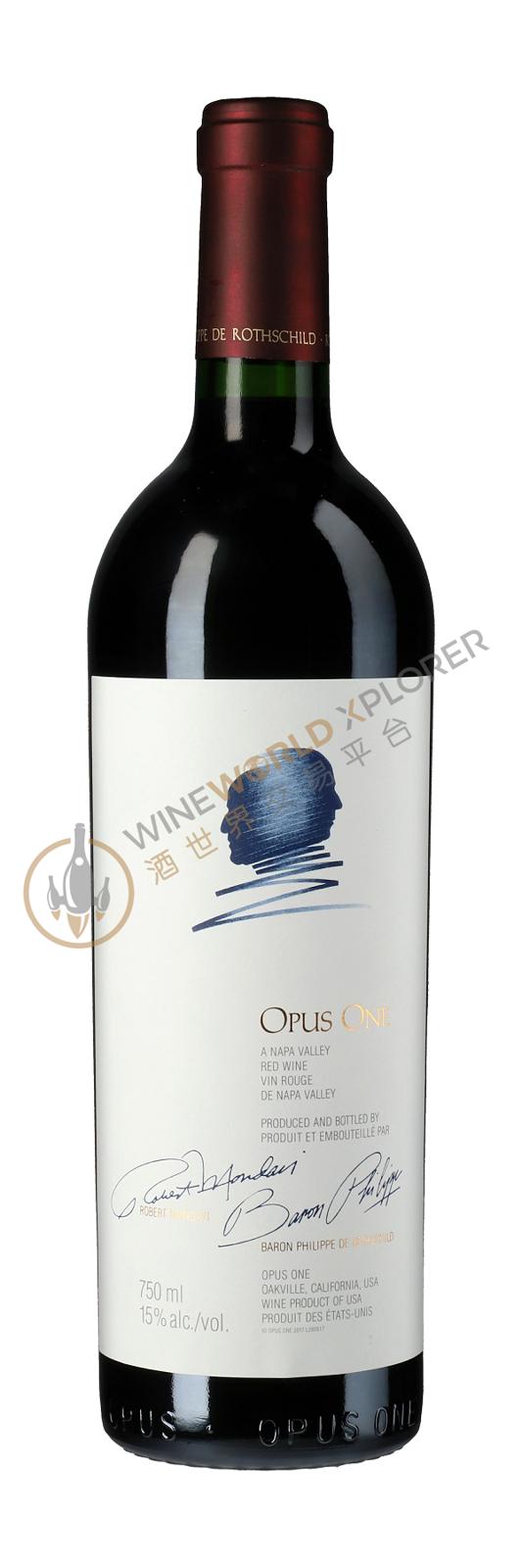
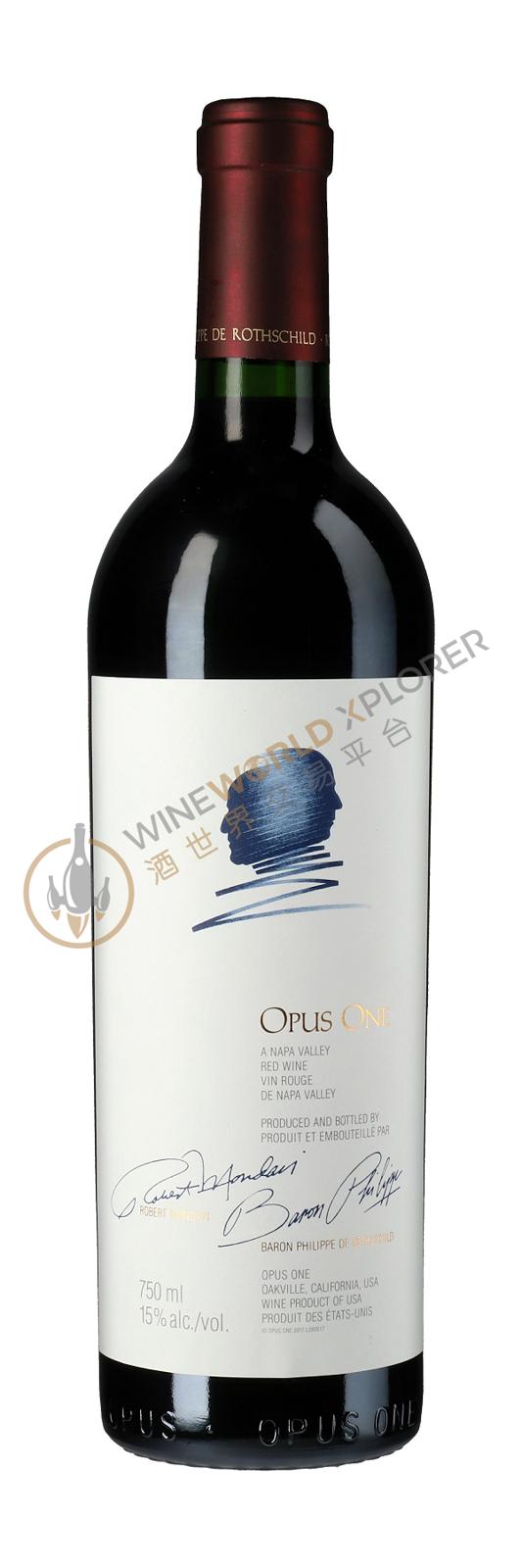
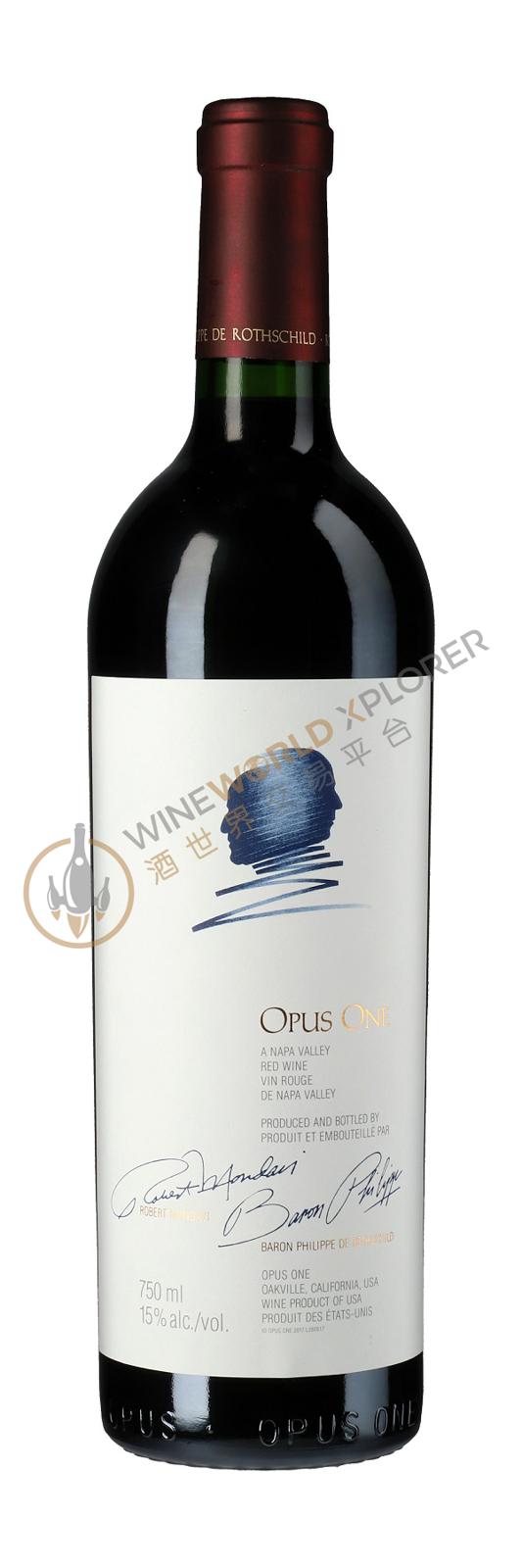
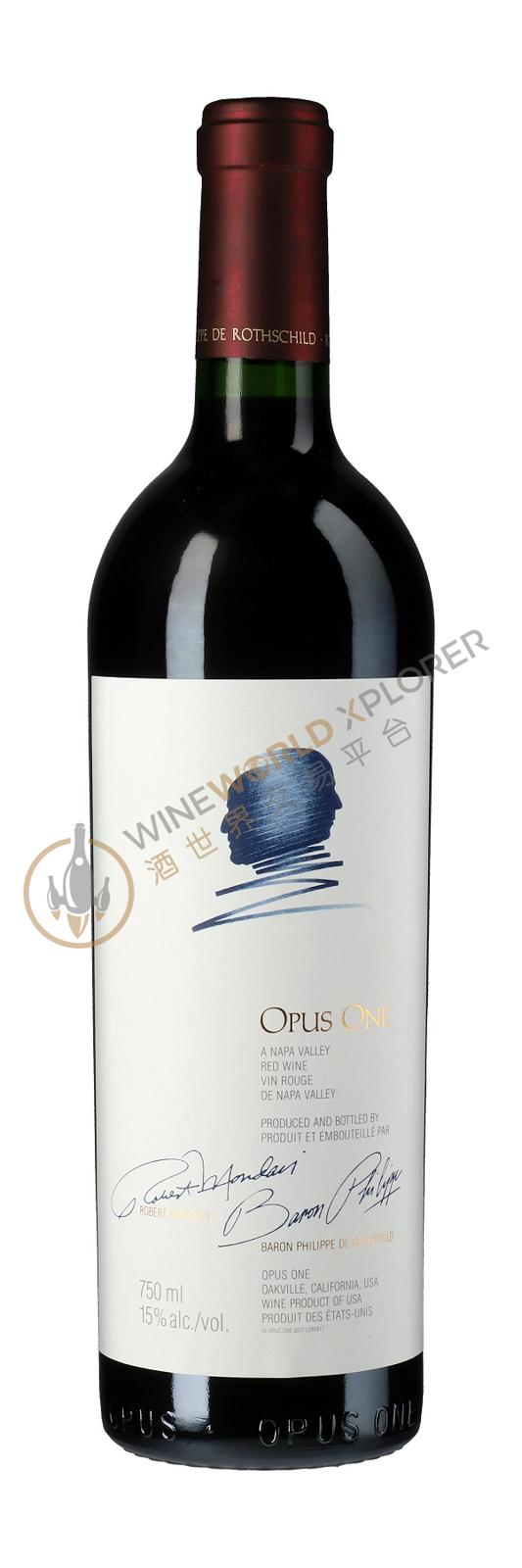
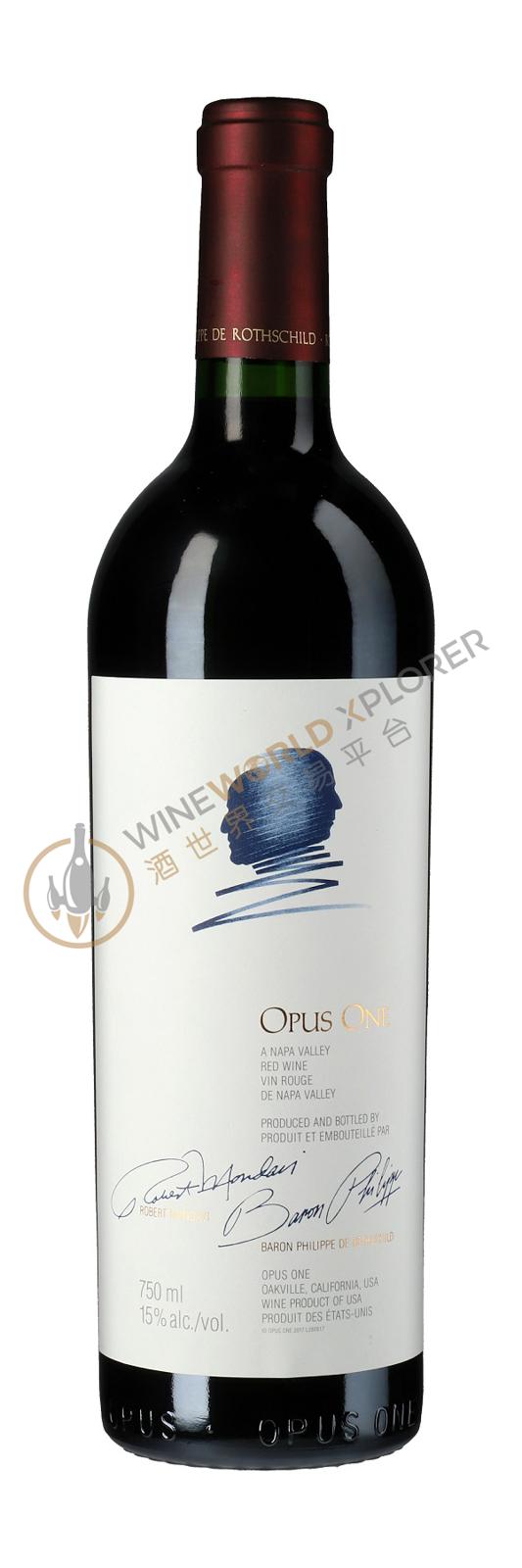
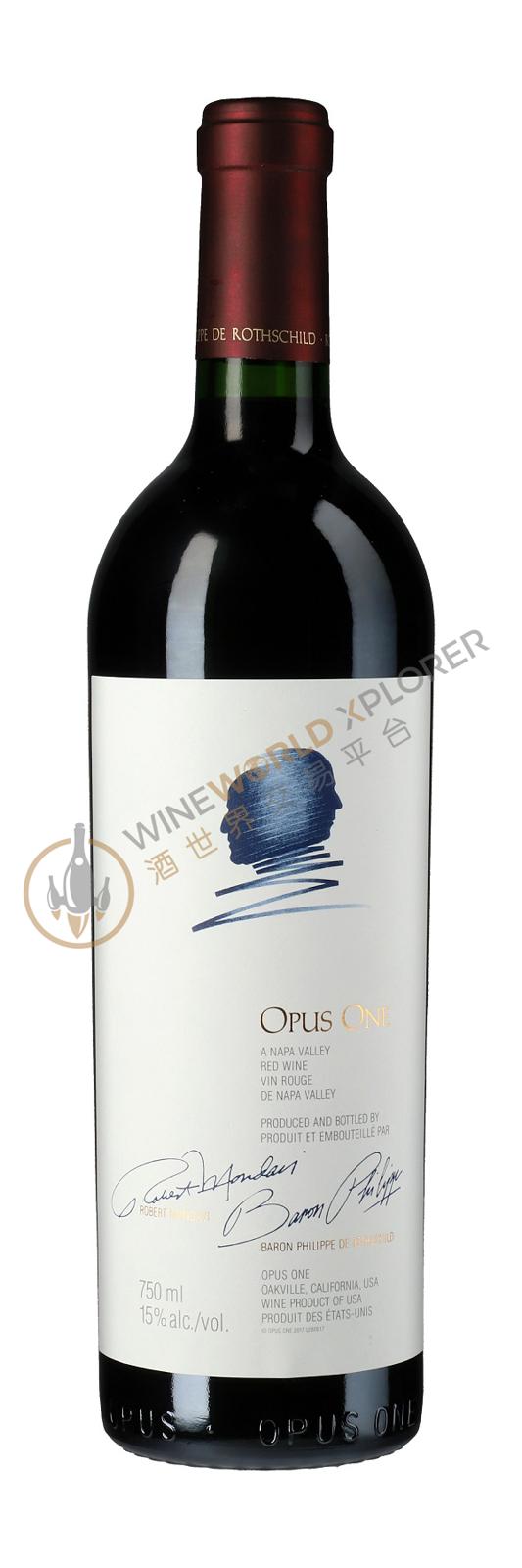
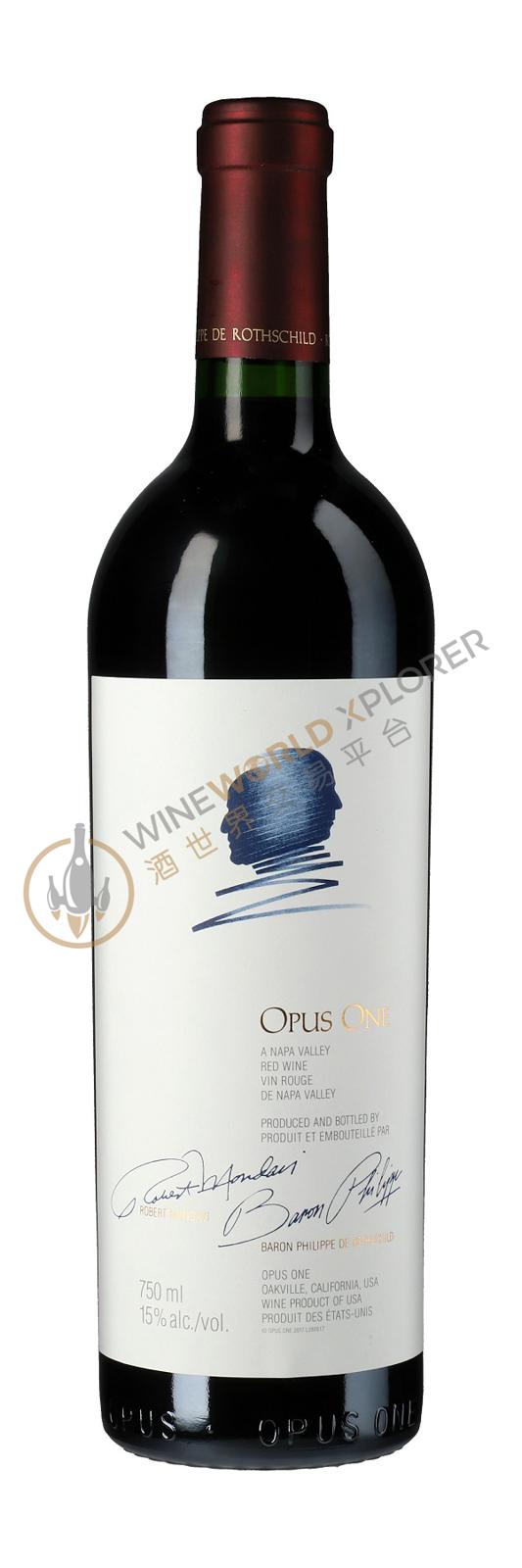
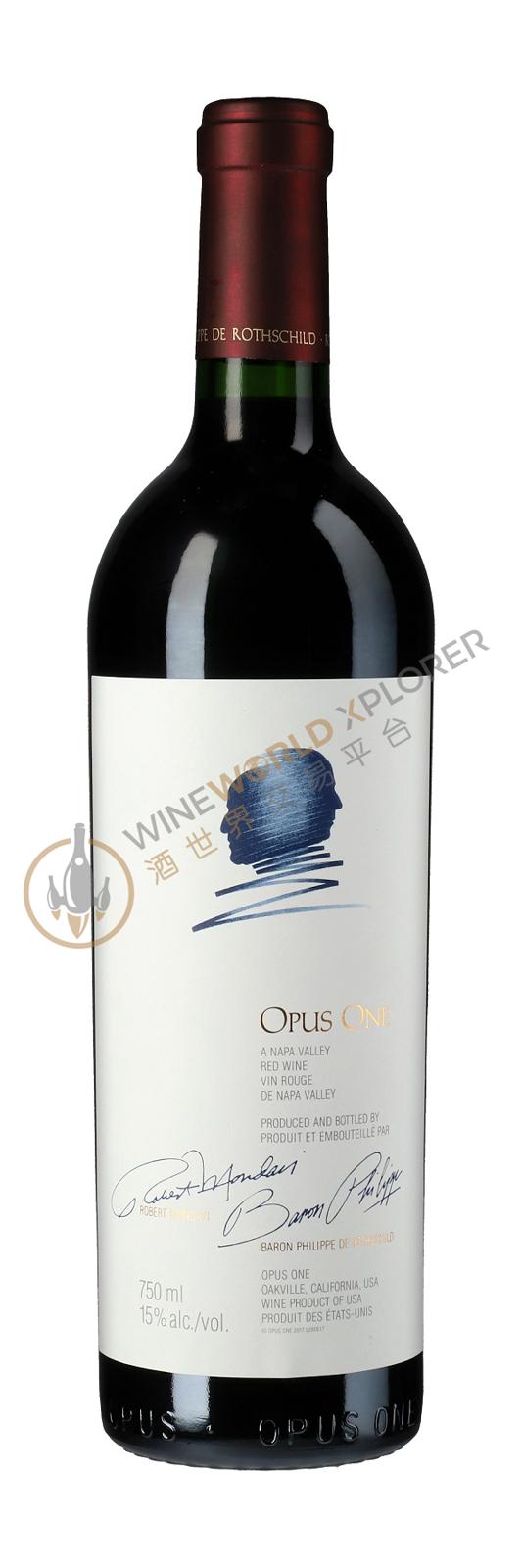
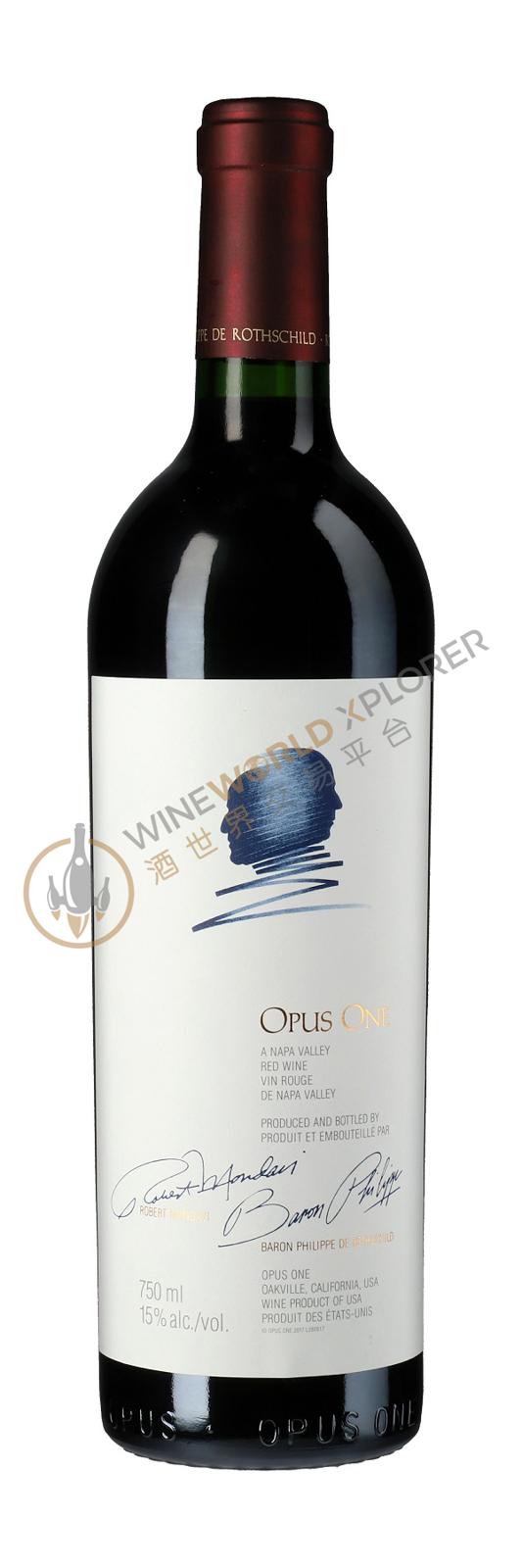
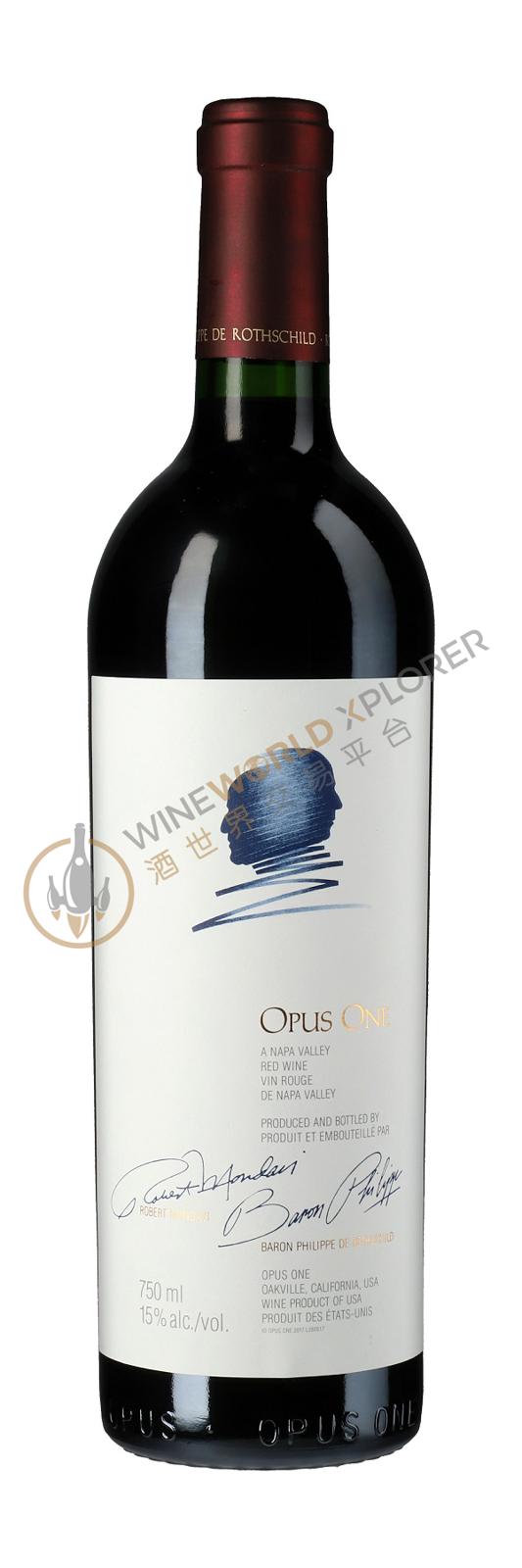
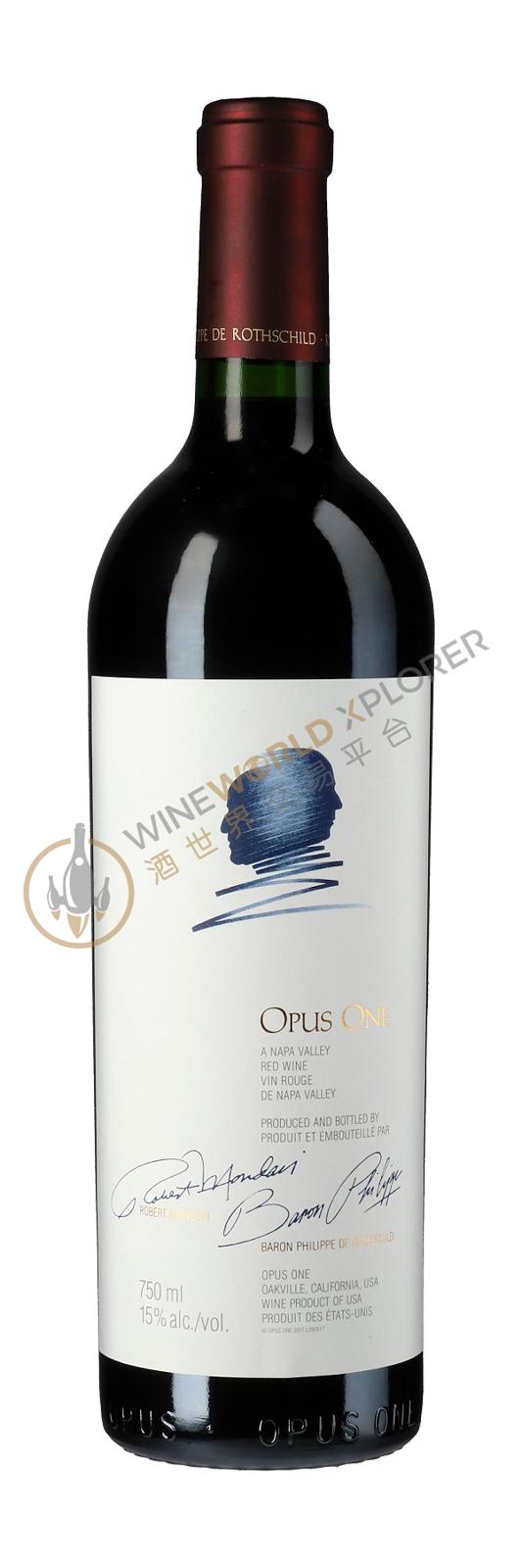
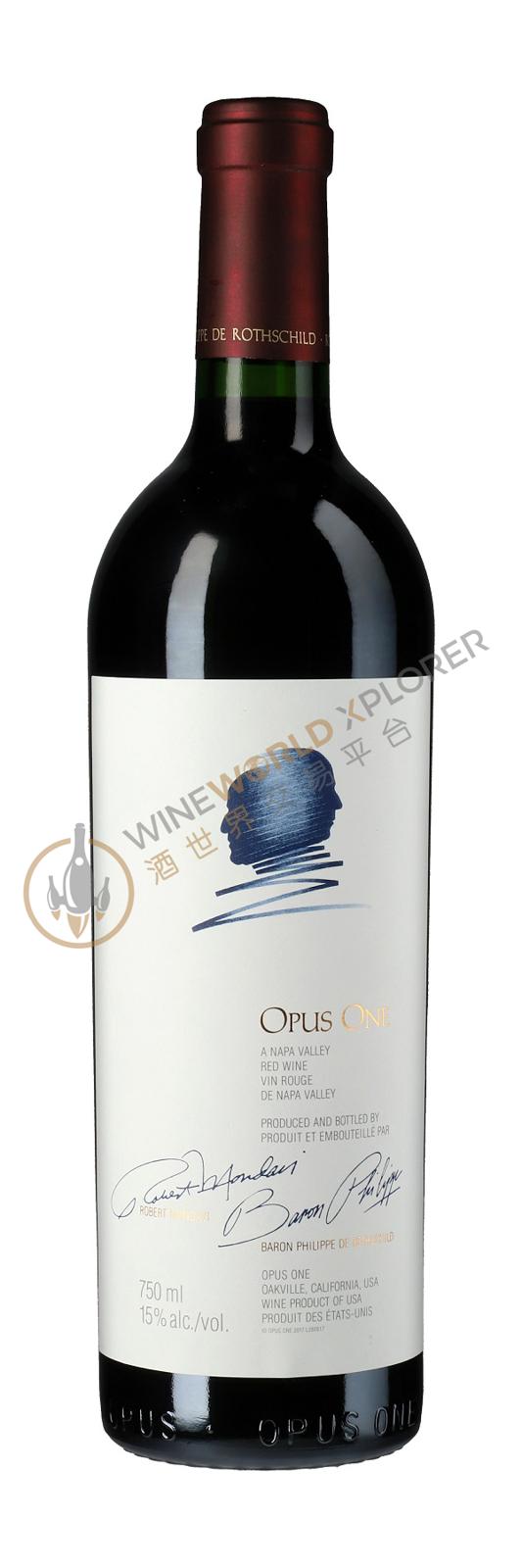
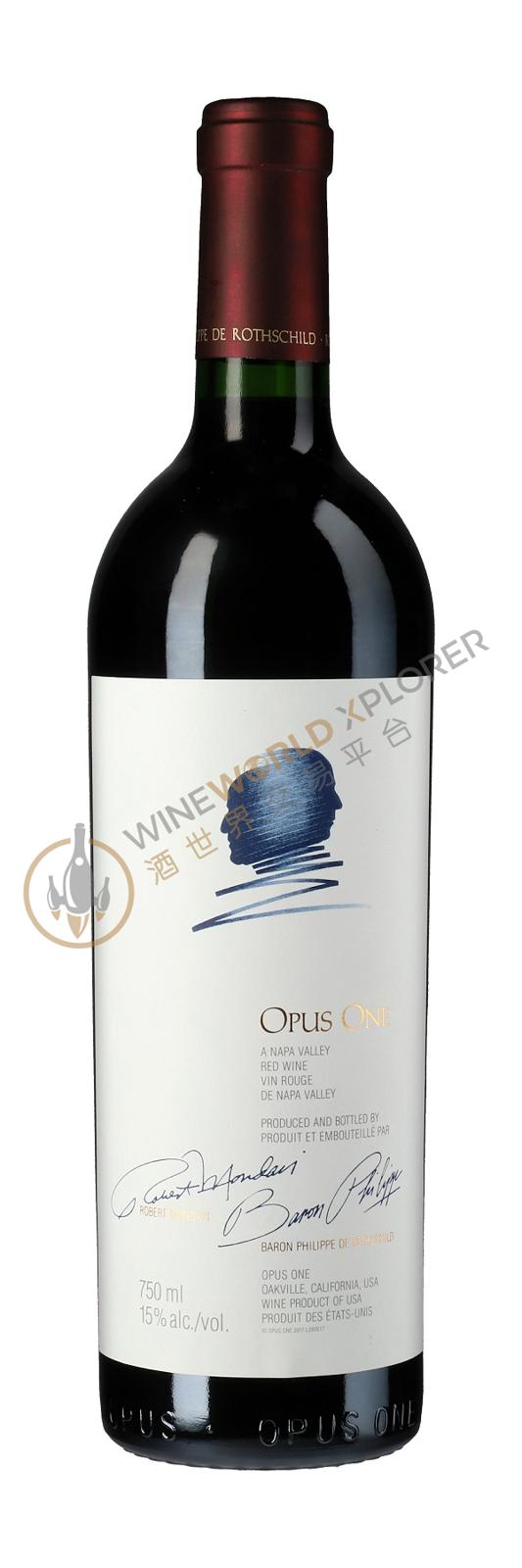
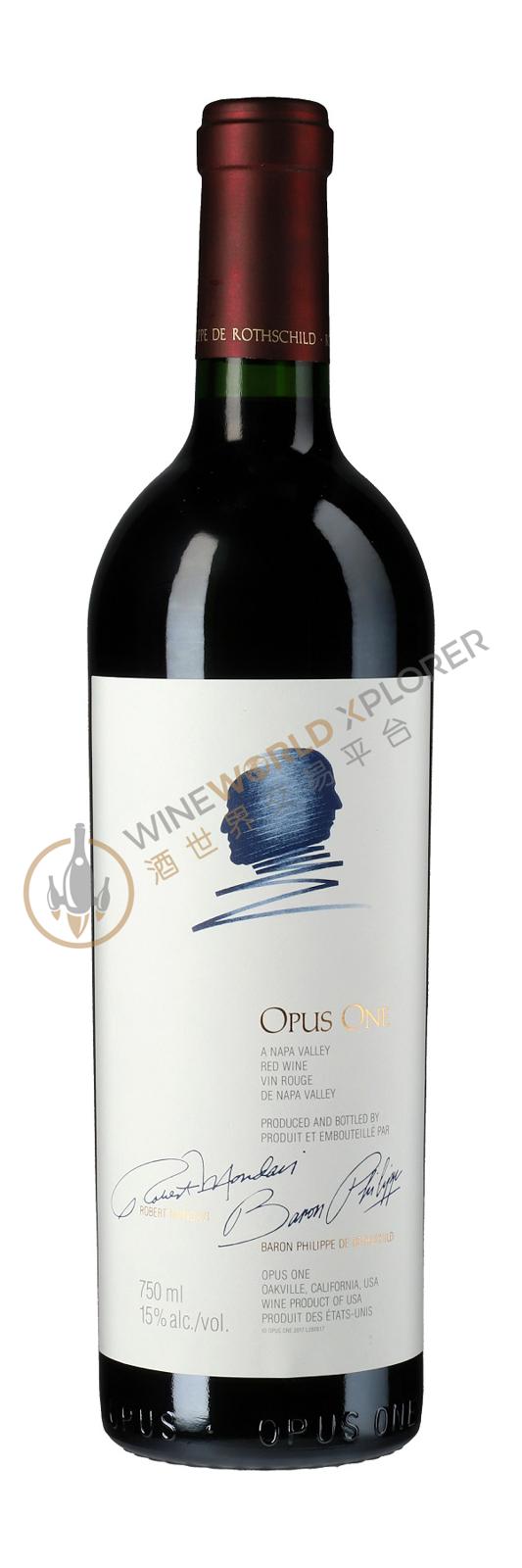
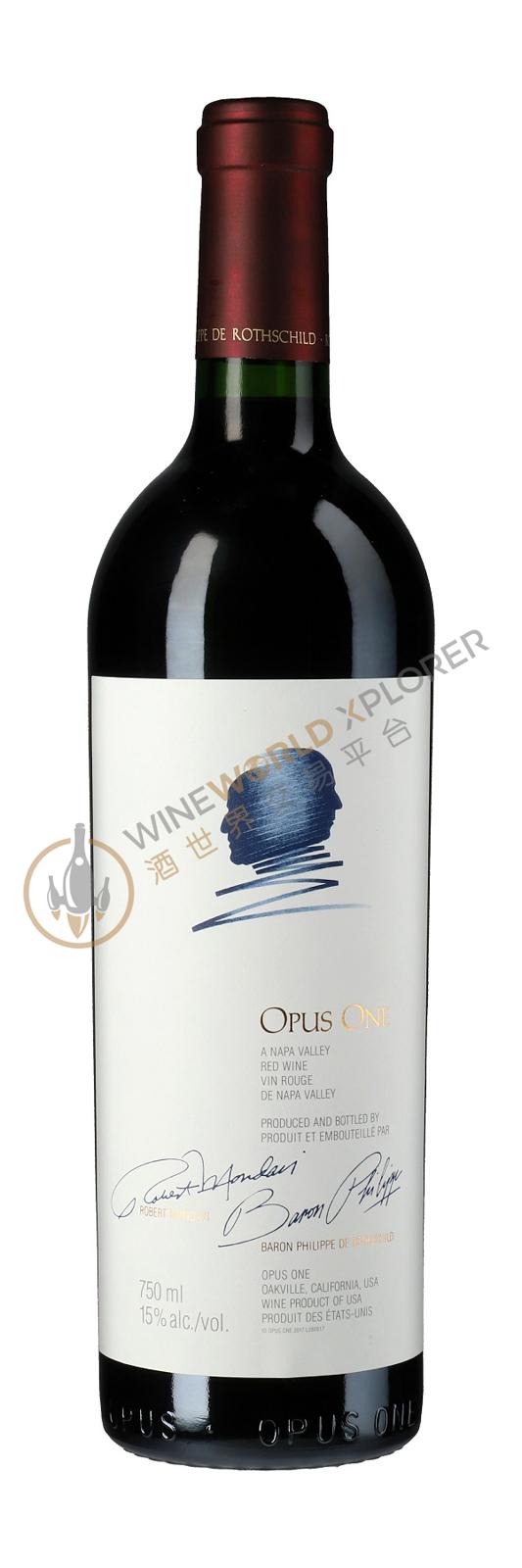
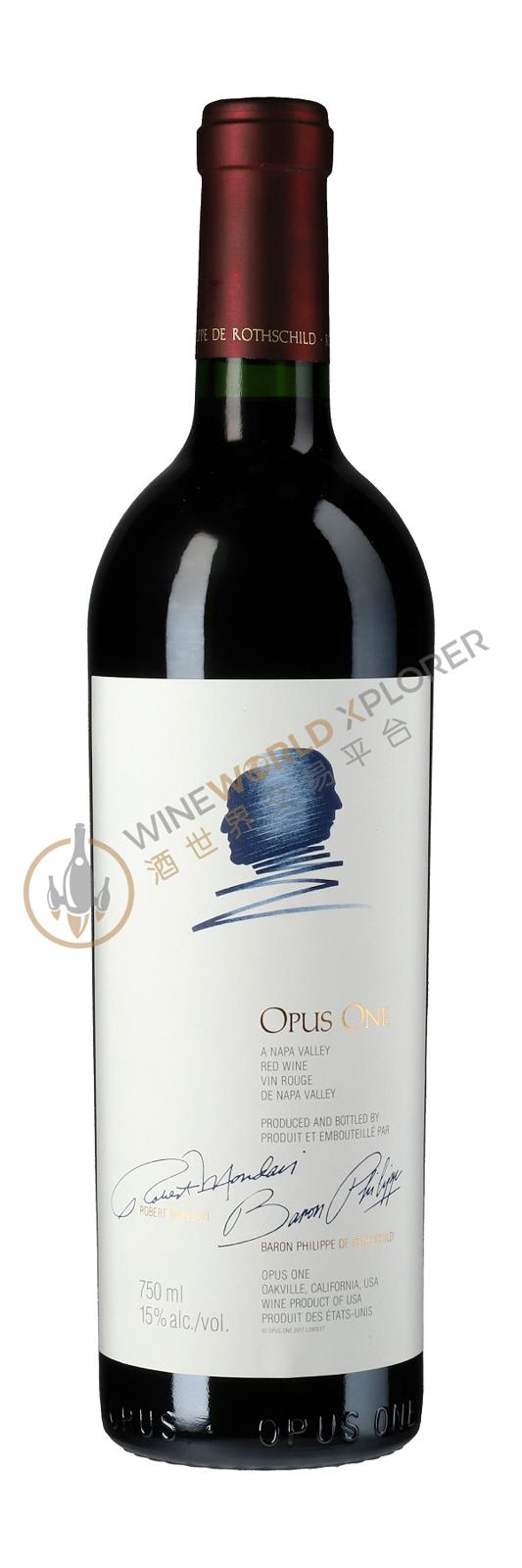
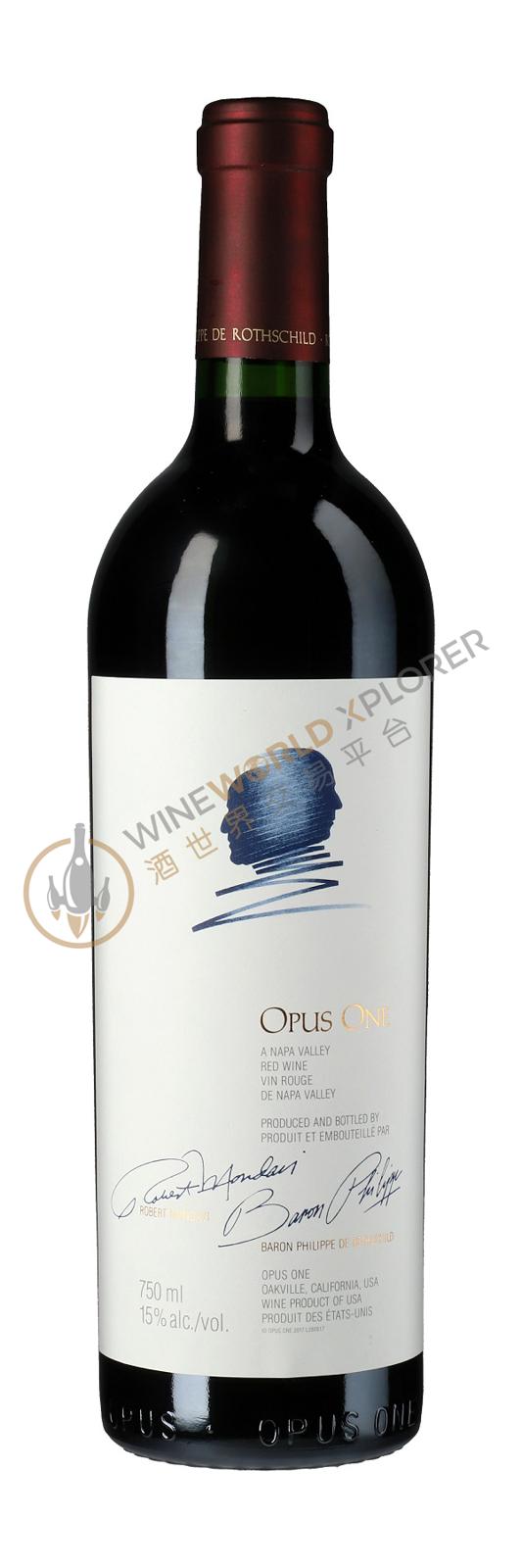
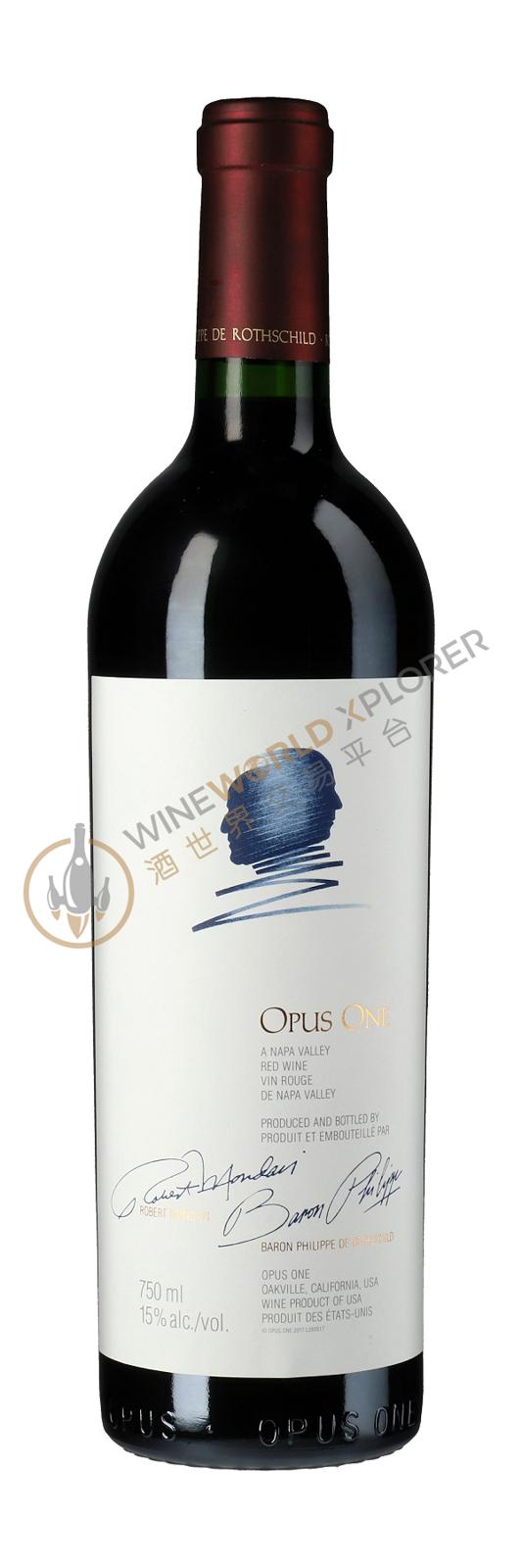
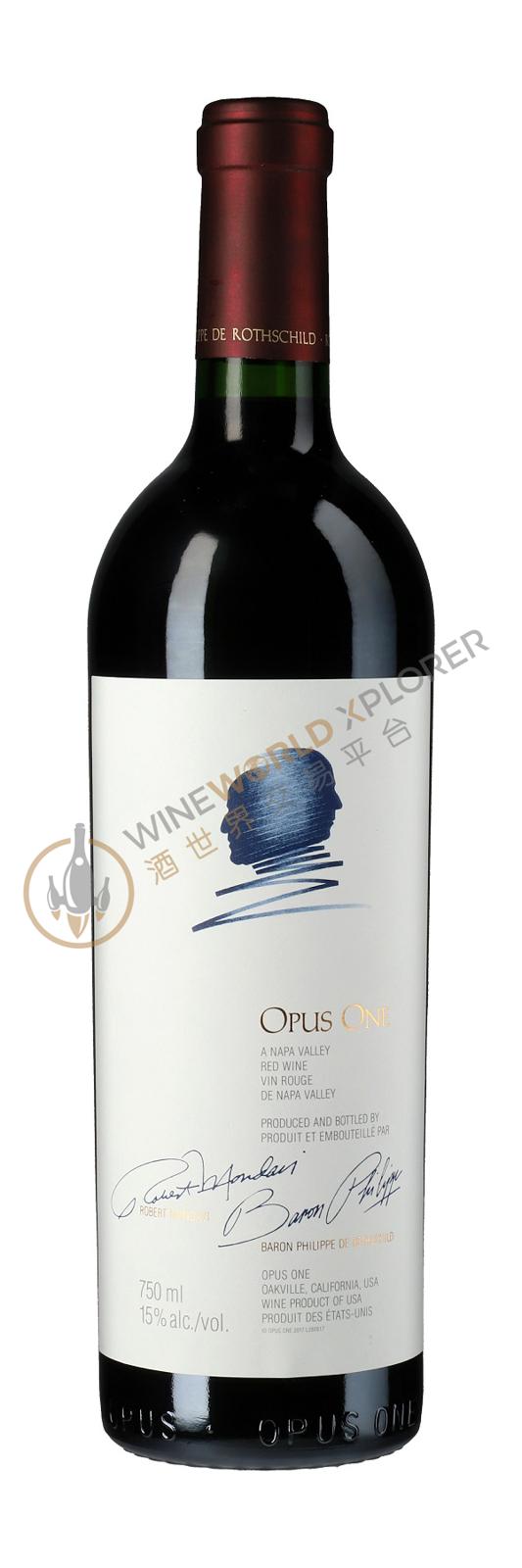
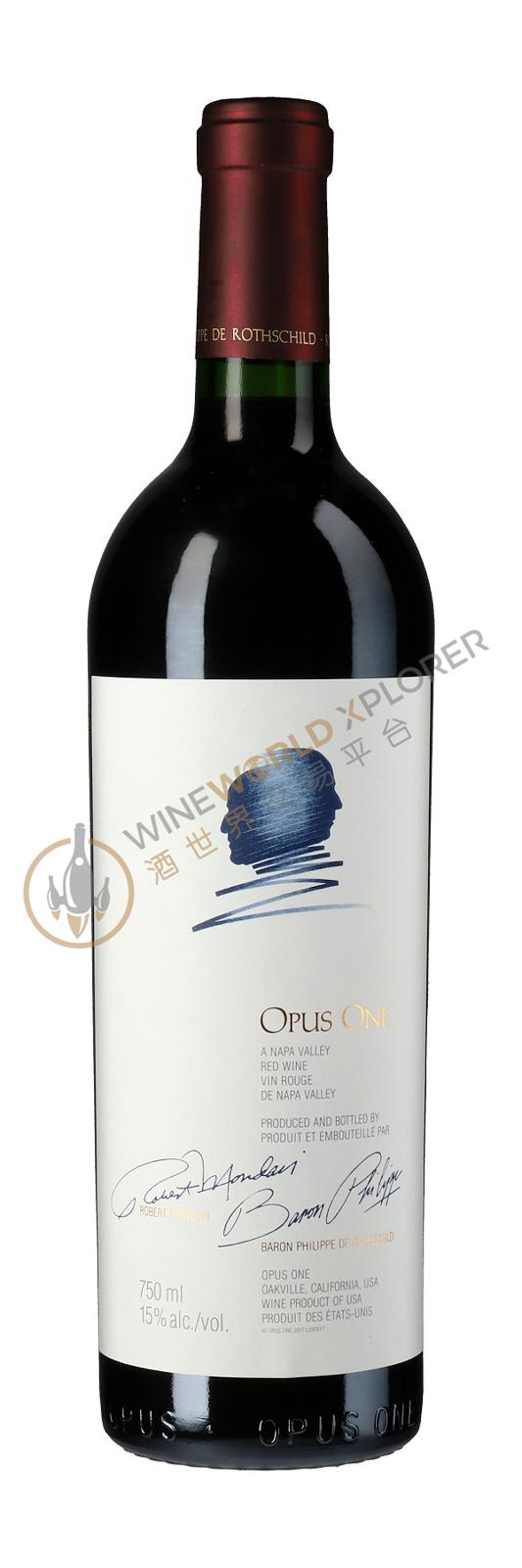
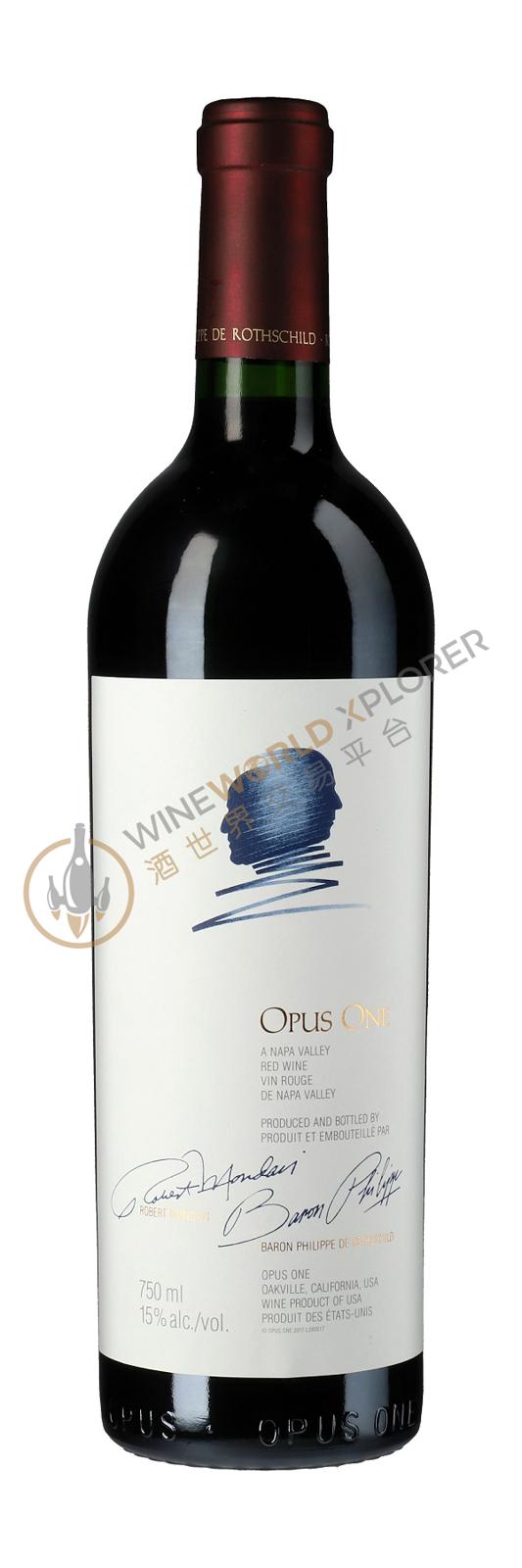
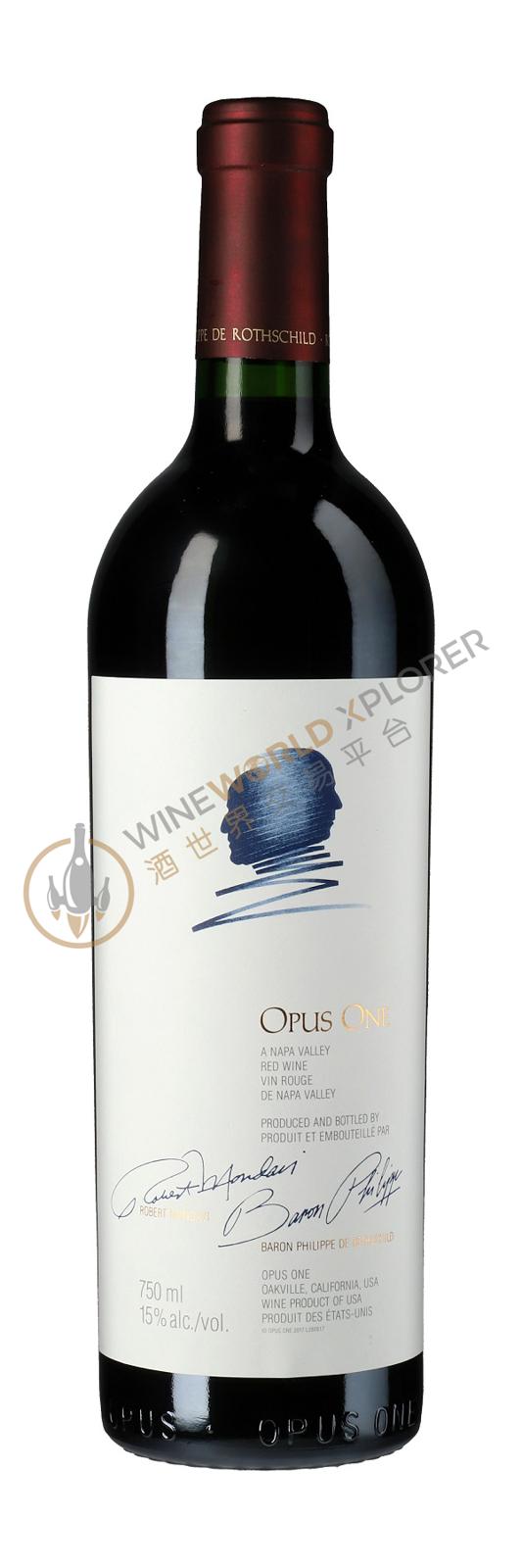
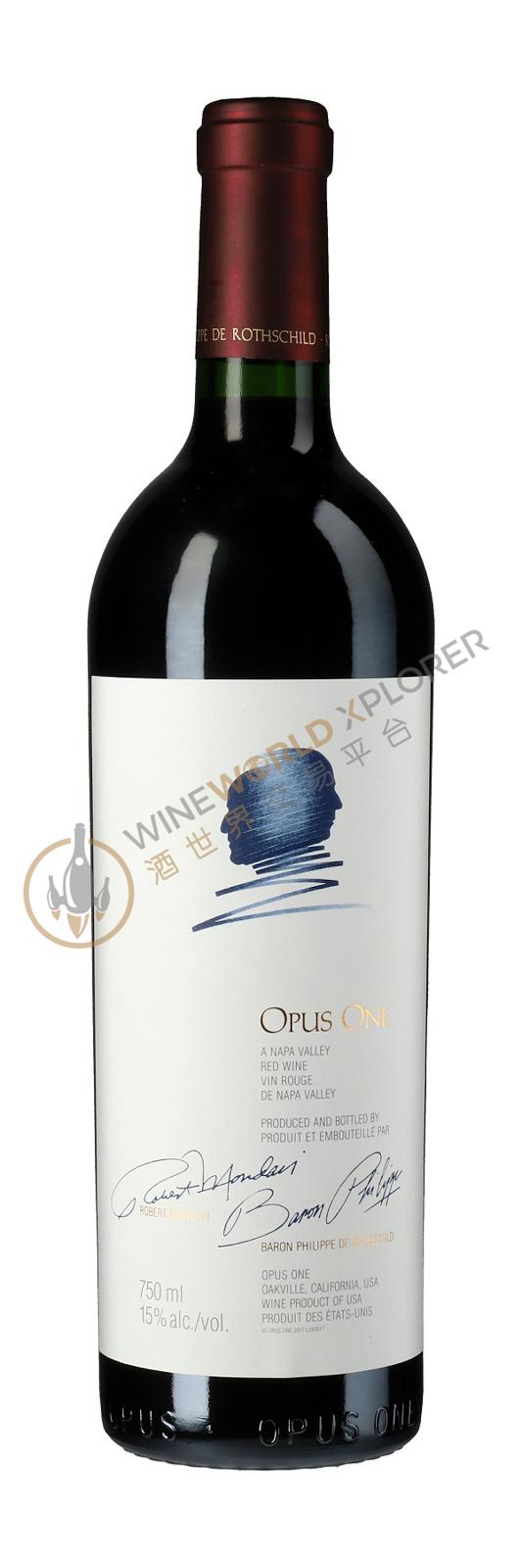
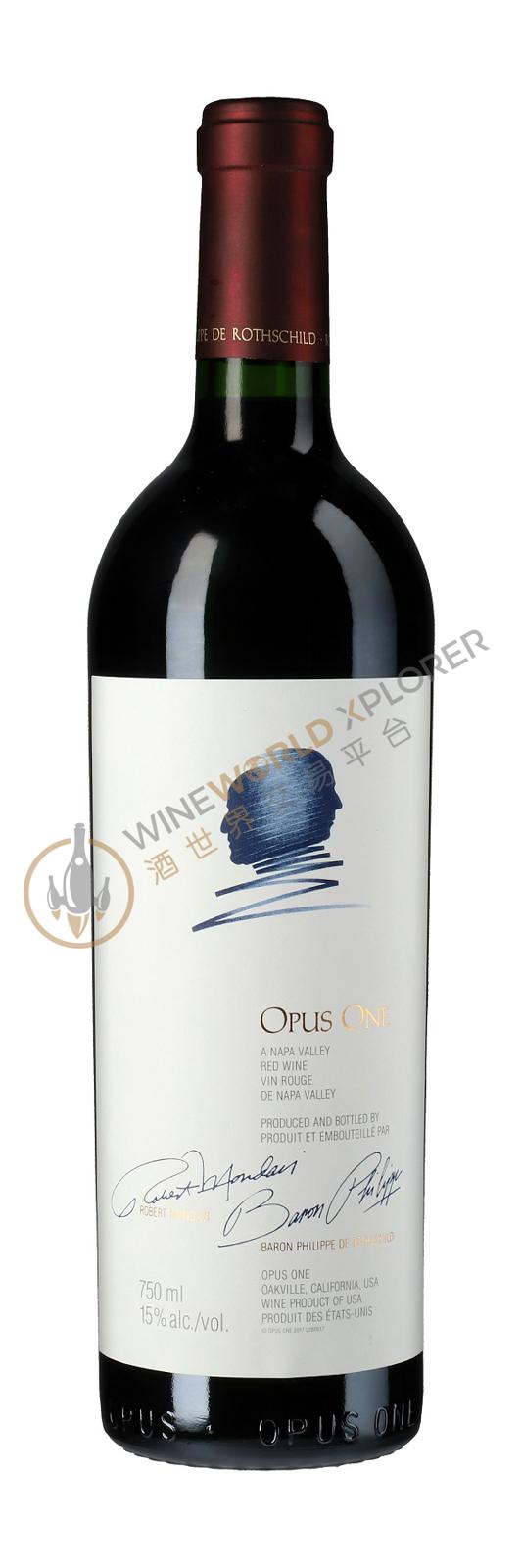
Opus One 2015
 View analysis


Description
Opus One is the realized dream of two men: Baron Philippe de Rothschild of Chateau Mouton Rothschild in Bordeaux and Napa Valley vintner Robert Mondavi. Together, our founders set out to create a single wine dedicated to the pursuit of uncompromising quality. This singular mission shapes every vintage, today and for generations to come.
Tasting notes

Reviewed by: Lisa Perrotti-Brown
“This wine was too much—too much like a caricature for me,” winemaker Michael Silacci confessed to me while tasting the 2015 Opus One together again recently. “So, when we took it out of barrel to prepare for bottling we added a few more components.” Medium to deep garnet-purple color, it bursts from the glass with beautiful violets, lavender, rose hip tea and chocolate-covered cherries scents over a core of crushed blackberries, black cherries, cassis and iron ore. Medium to full-bodied, the palate is wonderfully bright and crunchy, with bags of fresh black and red berries and a wonderfully plush, finely grained texture, finishing long and fragrant.
Reviewed by: Lisa Perrotti-Brown
Composed of 81% Cabernet Sauvignon, 4% Petit Verdot, 7% Cabernet Franc, 6% Merlot and 2% Malbec, the 2015 Opus One is truly an iron fist in a velvet glove, delivering a powerhouse of flavors and structure with a seductively plush texture. It opens with a deep garnet-purple color and wonderfully spicy notes of cinnamon stick, cloves and fenugreek with a core of cherry preserves, redcurrant jelly, blackberry pie and warm plums plus hints of camphor, lavender and cigar box. Full-bodied, rich and bold in the mouth, it fills the palate with exotic spice-laced black and red fruits, framed by firm, beautifully ripe, grainy tannins and great freshness, finishing with epic persistence. Although it is already approachable, allow it another 3-5 years in bottle for its myriad of subtle accents to fully blossom and then drink it over the next 30+ years.
Reviewed by: Lisa Perrotti-Brown
Blended of 82% Cabernet Sauvignon, 7% Cabernet Franc, 4% Merlot, 4% Petit Verdot and 3% Malbec and displaying a medium to deep garnet-purple color, the 2015 Opus One is a sexy, beautiful spice-bomb, with tons of cinnamon stick, cloves, fenugreek and pepper notes springing forth over a core of mulberries, plum preserves, blackberry pie and fragrant earth plus a waft of lavender. The palate is big, voluptuous and totally decadent, with velvety tannins and just enough freshness framing the rich, spicy black fruits, finishing with a lovely perfumed lift. This wine was tasted as a tank sample, but it is due to be bottled soon.
Reviewed by: Antonio Galloni
The 2015 Opus One is rich, sensual and super-polished. That said, 2015 has really shut down since I tasted it last year, which is probably a very good sign for the future. All of the fruit intensity and ripeness of the vintage is evident, but the wine feels a bit more compact and less exuberant than it did at the outset. Sweet floral and spice notes add a gentler touch as the wine opens up just a bit with air.
Reviewed by: Antonio Galloni
The 2015 Opus One is a terrific example of the year. Super-ripe and flamboyant in style, with tons of fruit pushed forward, the 2015 has a lot to offer. Today, the primary intensity of the fruit and some of the new oak need time to subside, but there is a lot to look forward to. A rush of super-ripe red cherry, plum, mocha, espresso and wild flowers build into the huge, creamy finish.
Reviewed by: Antonio Galloni
The 2015 Opus One is just as fabulous from bottle as it was from barrel. Dark, sumptuous and voluptuous in the glass, with no hard edges, the 2015 captures all the essence of the vintage while retaining a good bit of aromatic freshness. At this stage, the new oak is still a bit prominent, but that should not be an issue as the wine ages. There is more than enough depth for the 2015 to develop positively for 20-25 years, perhaps more. Just bottled a month prior to this tasting, the 2015 is naturally a bit more reticent than it has been in the past. Winemaker Michael Silacci add that the 2015 will, in his view, follow a similar trajectory to the 2008, which he later opened for the sake of comparison. In my view, the 2015 will always be more extroverted, although it does need time to be at its most expressive. The blend is 81% Cabernet Sauvignon, 7% Cabernet Franc, 6% Merlot, 4% Petit Verdot and 2% Malbec.
Reviewed by: Antonio Galloni
The 2015 Opus One is the richest and most hedonistically opulent Opus Ones I have ever tasted. The sheer richness has attenuated some of the wine's aromatic brightness at this stage, but the intensity of fruit here is frankly astonishing. It will be interesting to see how the 2015 develops over the coming months and years, and, in particular, if it acquires a bit more naunce in its bouquet. Today, the 2015 is an unabashedly hedonistic, deep wine that captures the freakish concentration of the vintage.
About the Producer
The world-renowned Opus One was created in the 1970's as a result of a merger between two visionaries, Baron Philippe de Rothschild (lengendary Bordeaux wine magnate and owner of Château Mouton-Rothschild in Pauillac) and Robert Mondavi (an icon in the history of American wine with a namesake wine empire in California). It was their aim to develop a New World equivalent to a Bordeaux First Growth in the Napa Valley region of California. The exceptional style of Opus One resulted from the combination of their talent, their vision and the unique terroir of the Oakville AVA (an Eden for Cabernet Sauvignon). Today, this highly sought-after wine is produced from four different parcels, two parcels making up the famous 40-hectare To-Kalon vineyard, along with the River and Ballestra Parcels surrounding the Opus One winery. While the exact proportions depend on vintage, the blend is dominated by Cabernet Sauvignon, complemented by Cabernet Franc, Merlot and Malbec, reminiscent of Bordeaux's Left Bank. The wines are vinified separately before being matured in French oak barrels for a period of 18 months. They stay in the cellar, ageing in bottle for another 15 months, before being released on the market in October of each new year.
1988(2)1989(1)1991(1)1995(1)1996(1)1997(1)1998(2)2001(3)2002(1)2004(1)2005(4)2006(4)2007(4)2008(2)2009(4)2010(12)2011(10)2012(8)2013(7)2014(7)
Package Size