 Wine Advisor



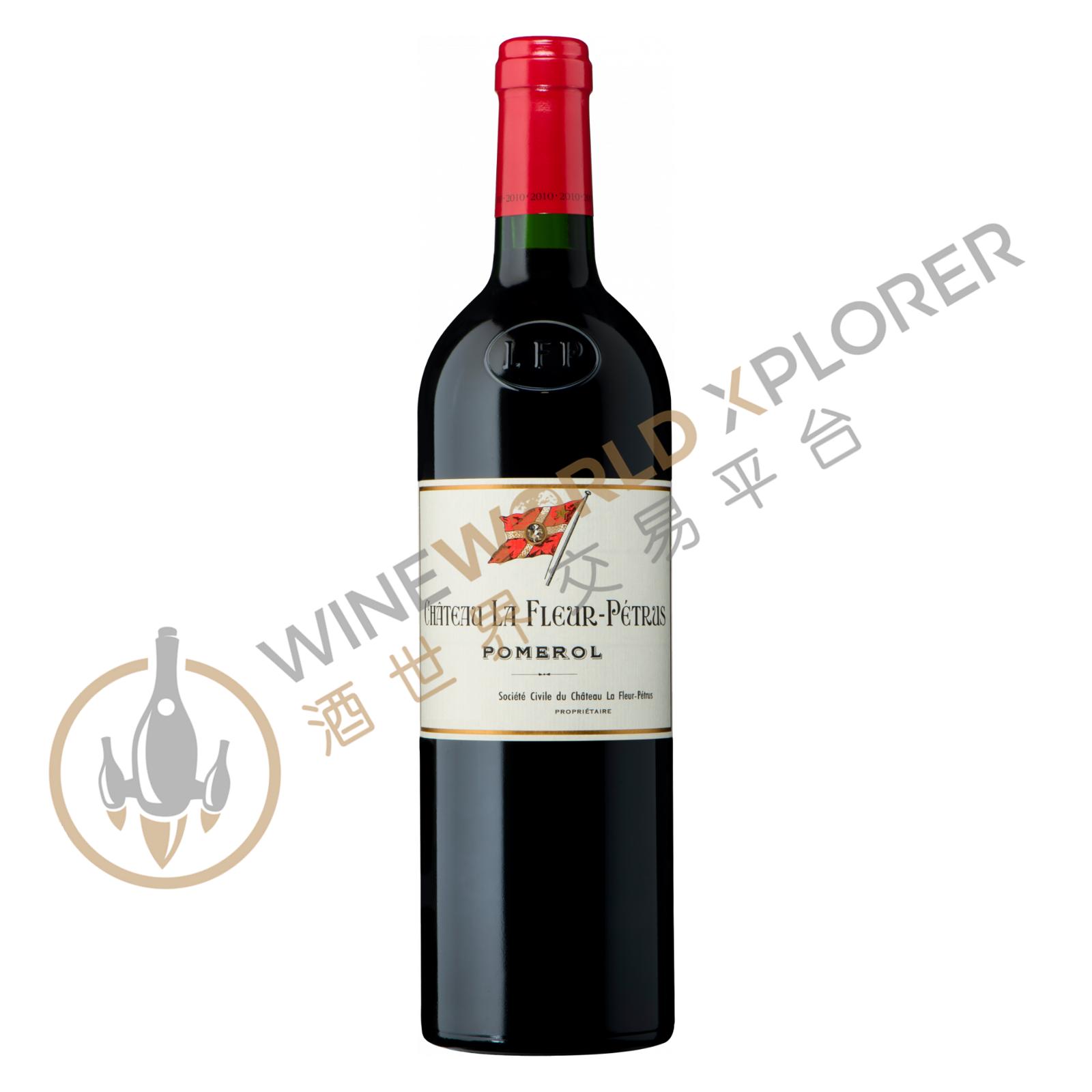
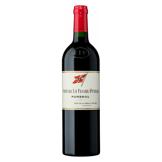
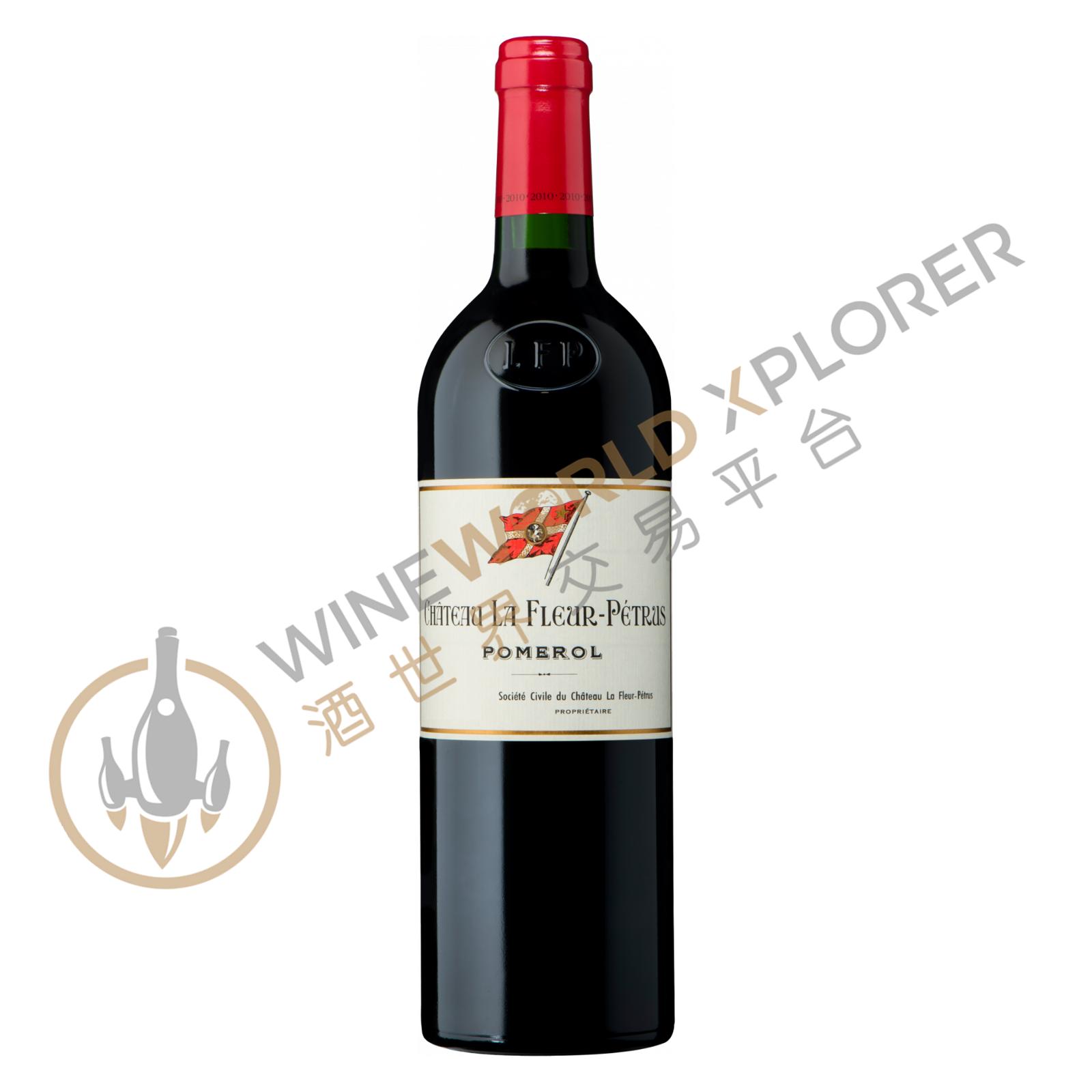
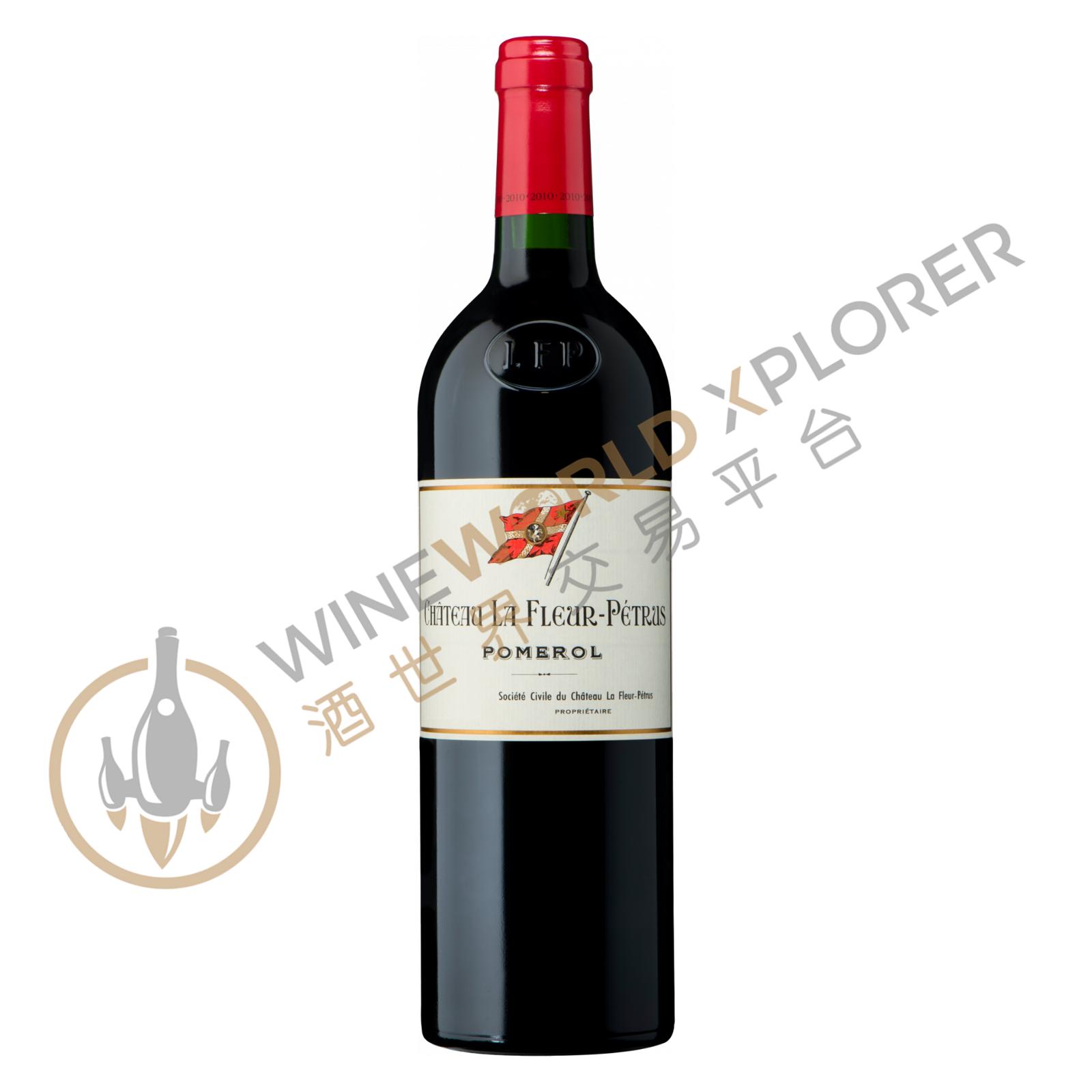
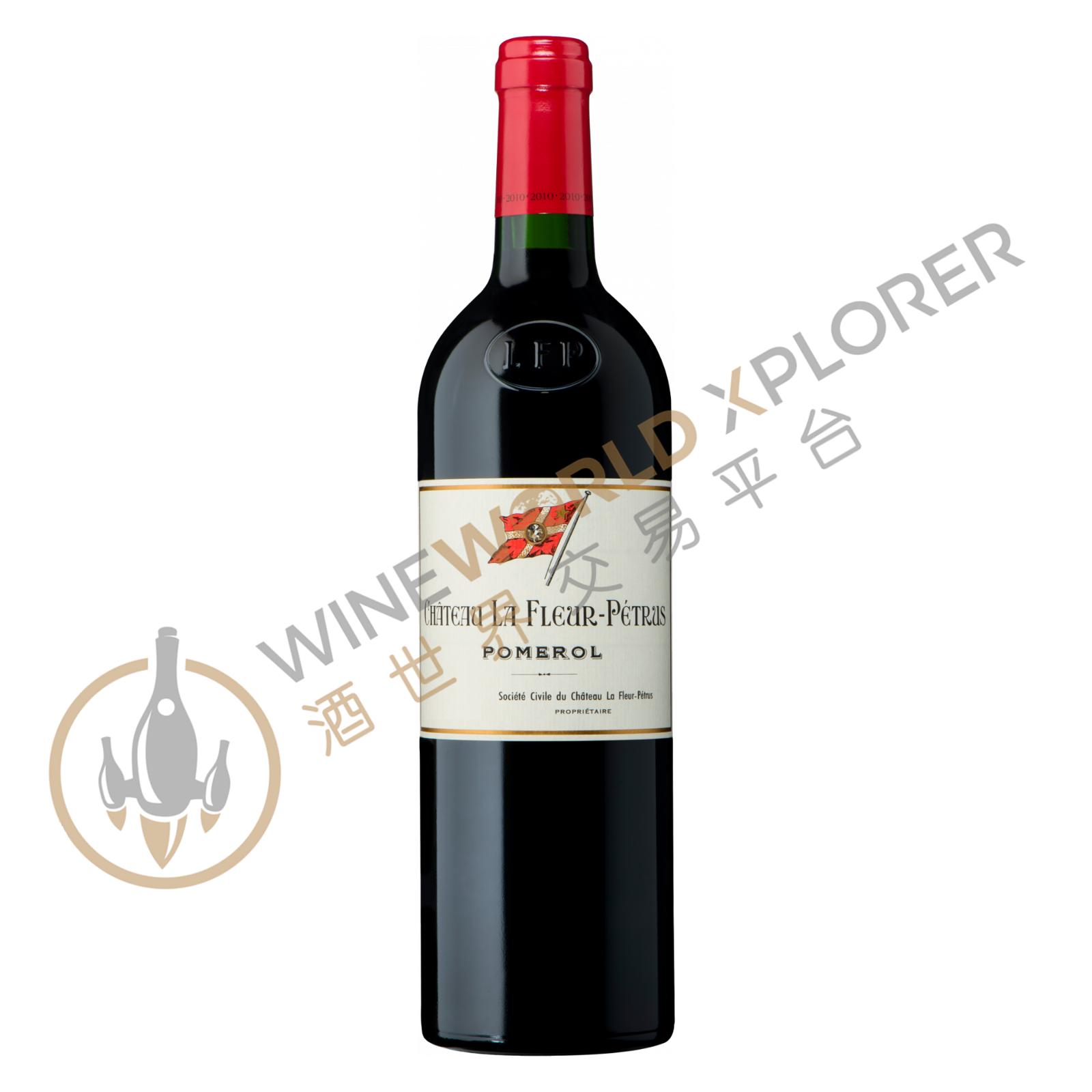
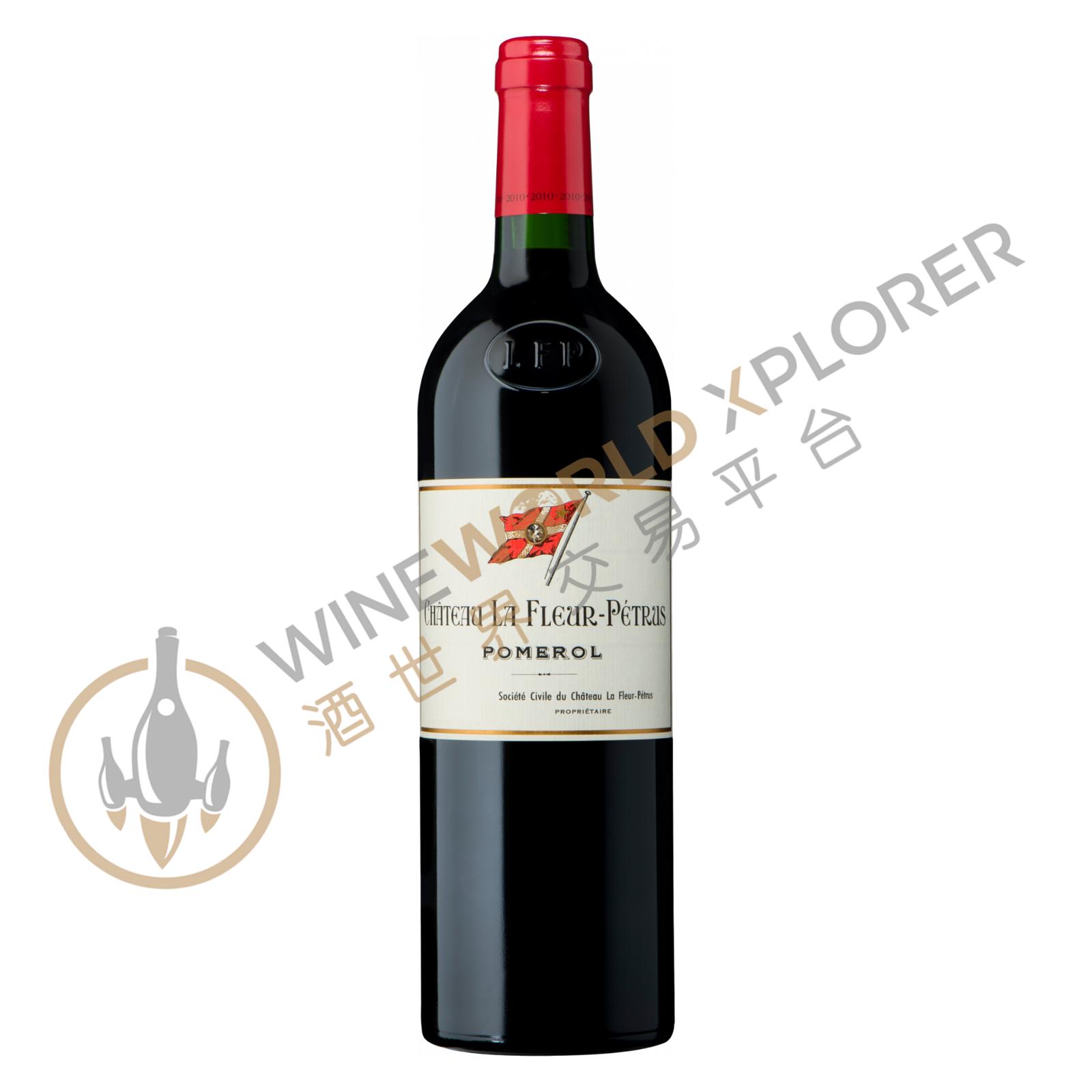
La Fleur Petrus 2009
 View analysis


Description
Château La Fleur-Pétrus is one of the most renowned vineyards of Pomerol. This historic estate, situated exclusively on the plateau, was named in the 18th century for its position across the localities ‘Petrus’ and ‘La Fleur’. Established in Libourne since 1937, Jean-Pierre Moueix perceived early on the excellent quality of the Pomerol appellation. Château La Fleur-Pétrus was his very first acquisition in 1950. Quickly after, he purchased Château Trotanoy in 1953.
Tasting notes

Reviewed by: Robert M. Parker, Jr.
Even with considerable youthful characteristics, this stunning, open-knit 2009 is quite approachable. This fabled terroir sandwiched between Petrus and Lafleur (hence the name) generally produces one of the more elegantly-styled Pomerols, but in 2009 it offers an extra dimension of flavor intensity as well as more texture and concentration. It reveals a super-seductive perfume of mocha, loamy soil, herbs, black cherries and black currants, truffles and licorice, full body and velvety tannins. The overall impression is one of intensity, power, glycerin and richness as well as undeniable elegance and laser-like focus. This 2009 can be drunk now or cellared for another 25-30+ years.
Reviewed by: Neal Martin
Tasted at JP Moueix. Like Latour-a-Pomerol, this has a ripe, exuberant, extrovert bouquet with lively red-berried fruit, touches of dried apricot, Seville orange and even a subtle note of marmalade. The palate has a supple entry, just a little disjointed at the moment, coalescing more towards the linear finish, a citric thread running through the sweet red fruit, focused on the coca-tinged finish. Tasted April 2010.
Reviewed by: Robert M. Parker, Jr.
A mind-boggling effort, this is the finest La Fleur Petrus I have ever tasted. Layers and layers of black raspberry and black currant fruit intermixed with licorice, truffles, and earth are found in this dense ruby/purple-colored elixir. With extraordinary purity, decent acidity, melted tannins, and massive fruit along with elegance and precision, it should drink well for three decades or more. It is an amazing effort! Bravo to Christian Moueix and his team. (Tasted once.)
Reviewed by: Neal Martin
Tasted at JP Moueix and in Wine Future Hong Kong. The La Fleur-Petrus 2009 was not in bottle yet, but it has a very generous, Merlot-driven bouquet, which is very rounded and pure: raspberry, a touch of pomegranate, the alcohol lifted ever so slightly. The palate is silky smooth with real power and density, buttressed by the same framework and build as Hosanna, adorned with great purity and persistency towards the finish. Tasted November 2011.
Reviewed by: Neal Martin
Served blind at the Southwold 2009 tasting. Maybe I under-estimated Christian Moueix’s La Fleur-Petrus ‘09 in the past. Back into serious territory – this is a very complex, labyrinthine bouquet with subtle cassis, boysenberry and violets scents that are actually reminiscent of Le Pin. The palate is very well balanced with plush, saturated tannins and real weight and presence in the mouth. This is a Pomerol of substance and breeding. It tightens up towards the finish, but it should evolve into a magnificent beast. Tasted January 2013.
Reviewed by: Neal Martin
Comparing the 2009 with the 2010 La Fleur-Petrus, the 2009 has the more expansive bouquet with copious dark berries, both red and black, hints of wet sand, garrigues, perhaps a suggestion of white fennel emerging with time. The palate is medium-bodied and it is certainly a more sensual Pomerol than the 2010. It is harmonious and focused, softer in the mouth, with an adorable spicy, black truffle tinged finish that is long in the mouth. Tasted June 2013.
Reviewed by: Lisa Perrotti-Brown
Medium to deep garnet colored, the 2009 la Fleur-Pétrus rolls out of the glass with sensuous kirsch, black cherry preserves and chocolate box scents with touches of unsmoked cigars, dried mint and star anise. Full-bodied, rich and opulently fruited in the mouth, it has beautiful red fruit sparks and a finely grained frame, finishing long and lively.
Reviewed by: Ian d'Agata
Nearly opaque glass-staining purple-ruby. Overripe nose combines aromas of blackberry, bitter chocolate, cedary oak and truffle. Lush and rather exotic in the mouth, with the liqueur-like quality extending to the ripe black fruit, chocolate and candied violet flavors. Starts off quite sweet but finishes a bit hot and abrupt, with slightly astringent tannins. Some critics will no doubt rave about this wine, but for me its uncharacteristically porty style nullifies its customary grace and charm.
Reviewed by: Neal Martin
The 2009 La Fleur-Pétrus is tightly wound on the nose at first with plenty of black truffle infused red fruit, crushed rose petals and veins of dark chocolate, but it does not quite possess the amplitude of say, the 2009 Le Gay. The palate is medium-bodied with fine grip and good tension. Pure red and black fruit intermingle with balsamic and white pepper notes, displaying fine precision and length. This Pomerol gets better as it goes along, but I feel that the aromatics need to just up their game. Tasted at BI Wines & Spirits' Ten Year On tasting.
Reviewed by: Stephen Tanzer
Bright red-ruby. Reticent nose hints at plum. Fat, sweet and voluminous, with mouthfilling plum and cherry fruit flavors complicated by smoke and underbrush. This seriously concentrated and firmly structured wine is most impressive today on the long, insinuating finish, which offers terrific focus for a 2009 Pomerol.
About the Producer
Château La Fleur-Pétrus is one of the most renowned vineyards of Pomerol. This historic estate, situated exclusively on the plateau, was named in the 18th century for its position across the localities ‘Petrus’ and ‘La Fleur’. Established in Libourne since 1937, Jean-Pierre Moueix perceived early on the excellent quality of the Pomerol appellation. Château La Fleur-Pétrus was his very first acquisition in 1950. Quickly after, he purchased Château Trotanoy in 1953. The personality of Château La Fleur-Pétrus lies in the careful association of the famous gravel and clay terroirs of the plateau of Pomerol. The vineyard, located at 33 to 38 meters above sea level, draws its identity from the nuances of soil and elevation of each parcel. Those parcels which are dominated by gravel tend to yield wines of great elegance, while those dominated by clay are distinctly velvety, dense, and structured. Château La Fleur-Pétrus is composed predominantly of Merlot, which lends silkiness and generosity to the wine. Cabernet Franc, planted on gravel and fine clay, contributes rigor and complexity, while a small percentage of Petit Verdot, planted on fine gravel, offers a hint of spice to the finish. The wine combines a unique elegance with the generosity and structure typical of the great vineyards of Pomerol. An attentive tasting reveals remarkable refinement, complexity, and a touch of violet.
1982(2)1983(1)1995(1)1996(1)1998(1)1999(1)2000(6)2001(3)2002(7)2003(5)2004(5)2005(10)2006(5)2007(5)2008(7)
Package Size